30+ Brands are Standing Up for Reproductive Rights Join us.

By Babe | Photos by HATCH

In response to the US Supreme Court’s reversal of Roe vs. Wade last June, and as we prepare for the upcoming midterm elections, the beauty industry is banding together to stand up for reproductive rights, and we’re joining the fight. At HATCH, we honor a woman’s right to access reproductive healthcare however she chooses to access it, because we believe that reproductive rights are human rights.

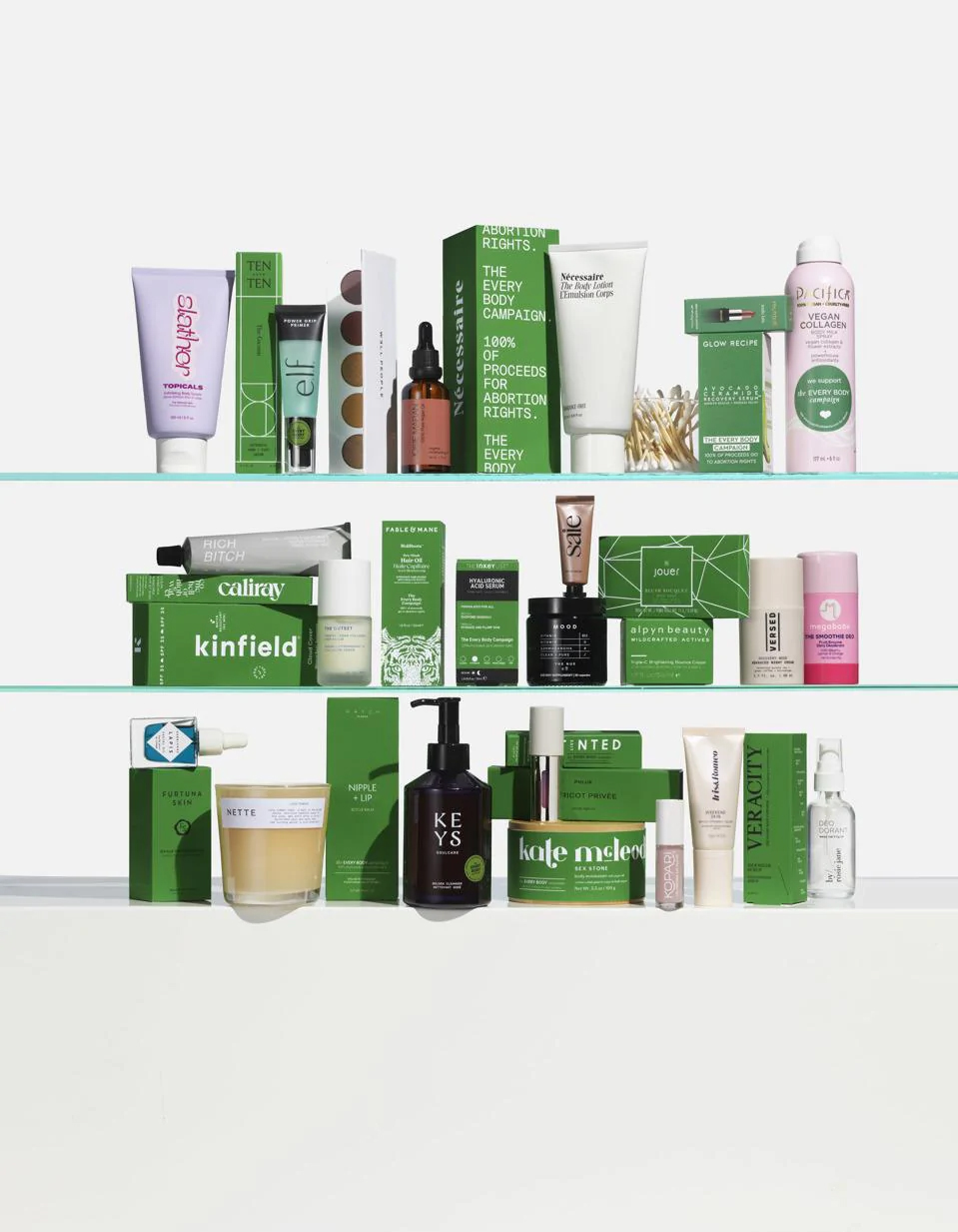
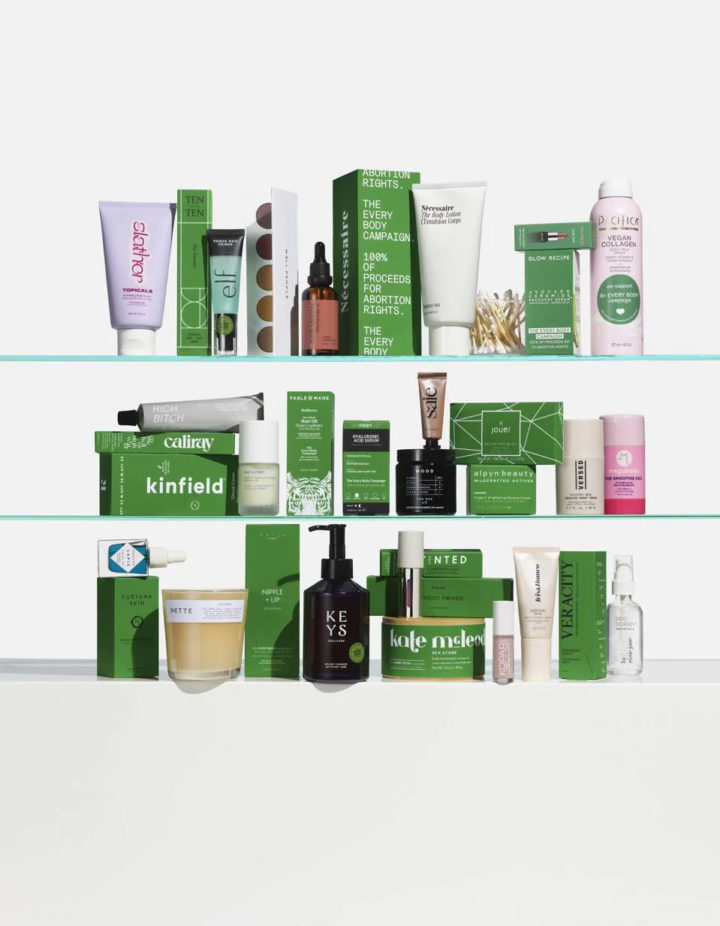
So we’re joining 30+ beauty brands in Saie’s Every Body Campaign. We each featured one special product in limited edition green packaging in honor of abortion activism, where 100% of sales will benefit SisterSong, an organization improving institutional policies and systems that impact the reproductive lives of marginalized communities.

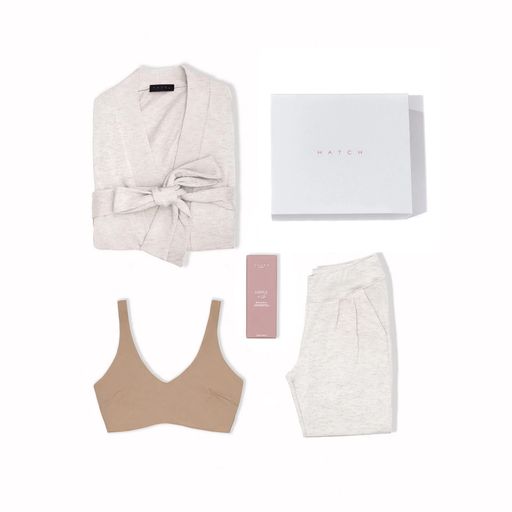
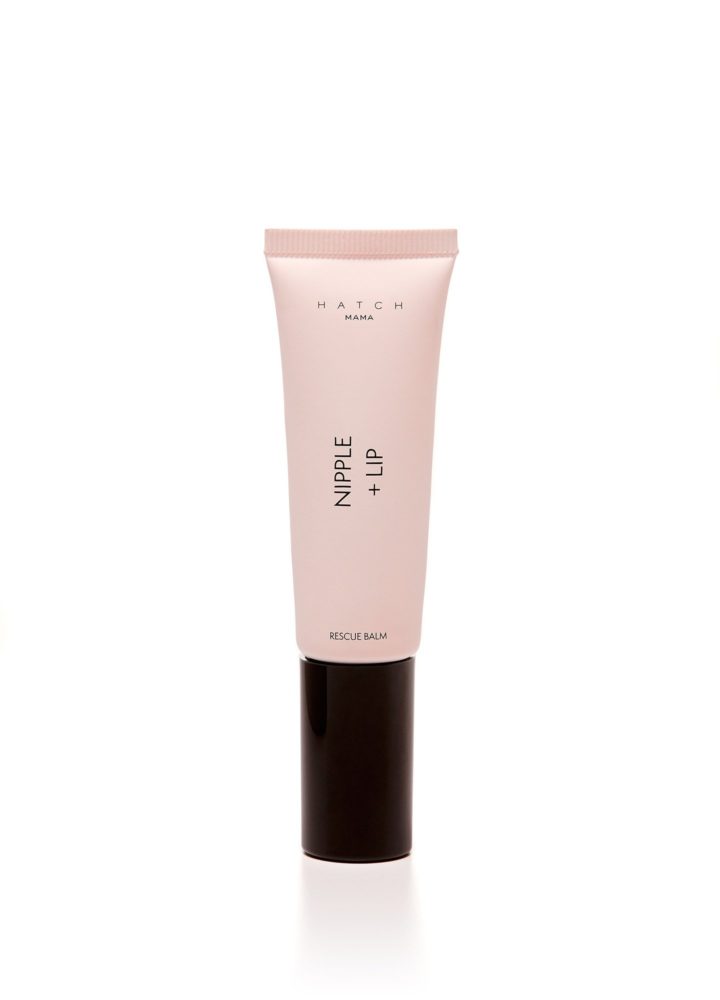
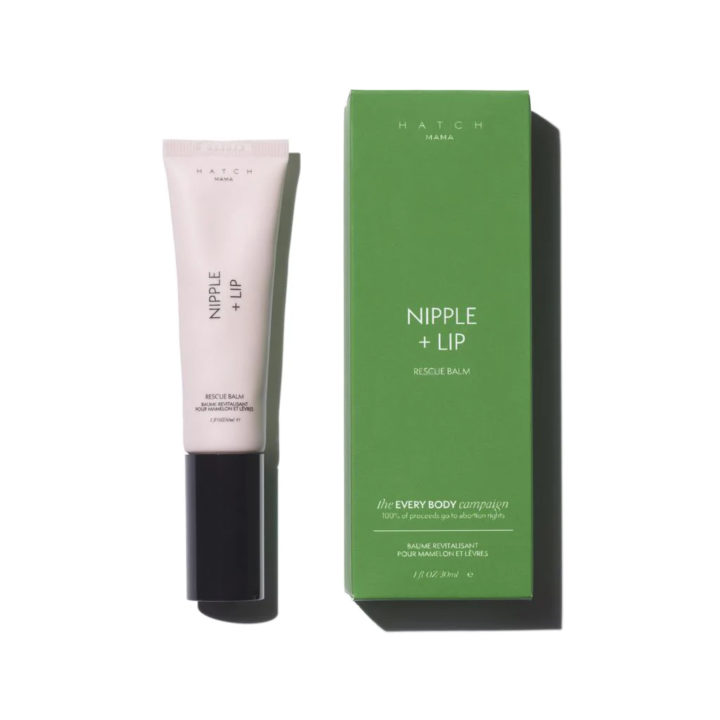
In honor of Every Body, we reached out to some of our favorite beauty founders to ask them “What Does Reproductive Freedom” mean to you? Peep their answers are below, and in the meantime, shop our limited edition Saie Nipple + Lip Balm and help us protect reproductive rights.

“We believe that reproductive rights are basic human rights.  By supporting organizations like SisterSong that work to make an impact in ensuring that those rights are protected, we hope to bring broader awareness to this issue alongside other like-minded brands in the industry.  Our voices are stronger together, and it’s a beautiful thing when brands can unite for the greater good.”

-Scarlett Johansson and Kate Foster, co-founders, The Outset

“Reproductive freedom is a human right that should be given to people across the globe as a pathway to live freely. It is necessary that we have control over our own bodies and have the right to decide what’s best when it come to our own reproductive health. Please let me know if you need anything else.”

-Nadine Abramcyk, co-founder, tenoverten

“Reproductive freedom is anyone’s and everyone’s ability to access reproductive healthcare at any time they need it, without judgement or bias. Until we have reproductive freedom, we’re not free.”

-Ariane Goldman, founder, HATCH

“I believe that reproductive rights are human rights, and our voices are stronger together.”

Katie Sturino, founder, Megababe Beauty

“So much of our strength and power comes from feeling comfortable, confident, connected, and in control of our bodies. I am proud to participate in a campaign that supports every person feeling ownership over their body and being able to freely and easily make decisions about their body.”

Kate McLeod, founder, Kate McLeod

“Reproductive rights are women’s rights. We all deserve the freedom to choose what’s best for ourselves and our families. As a business founder and leader, I am committed to the health and equity for everybody. My position on this is that business is in fact personal. But in important instances such as this, the personal and professional co-mingle. There are many other times where this has come into play in my career and leadership choices: I want to create an environment that is safe and supportive for the people I work with. Most of those people being women.

There is nothing more personal than the choices we make for our bodies and this is a fundamental decision for someone’s body, life and family.  I also acknowledge and respect that other people have different opinions that come from their core values, I’m not here to judge, I’m simply standing for mine and doing what I can to continue to protect and support women in work.”

-Kim Walls, founder, Fortuna Skin
More:
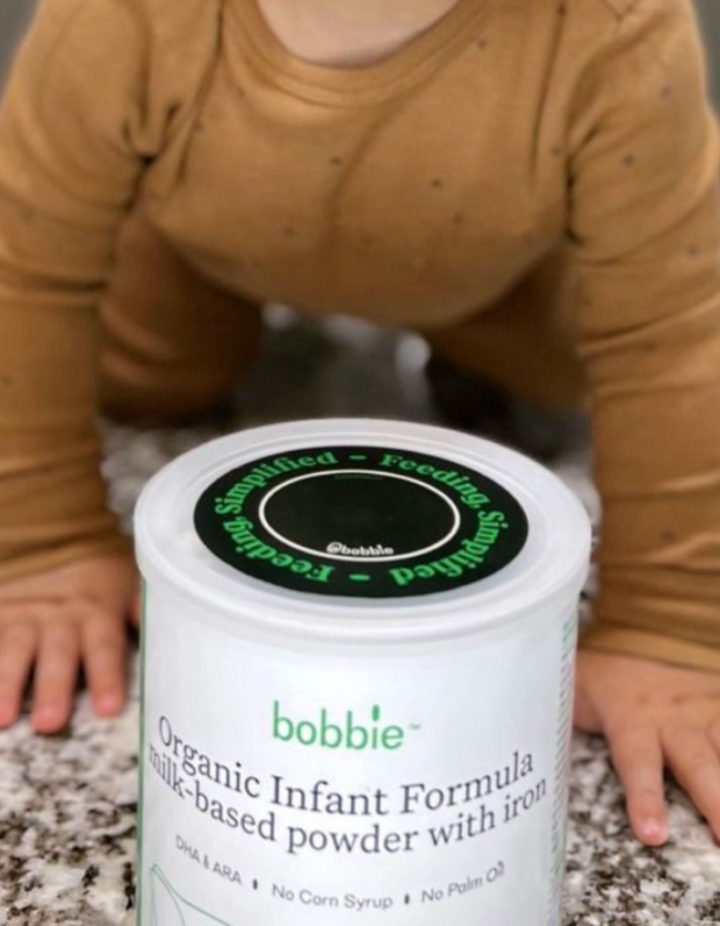
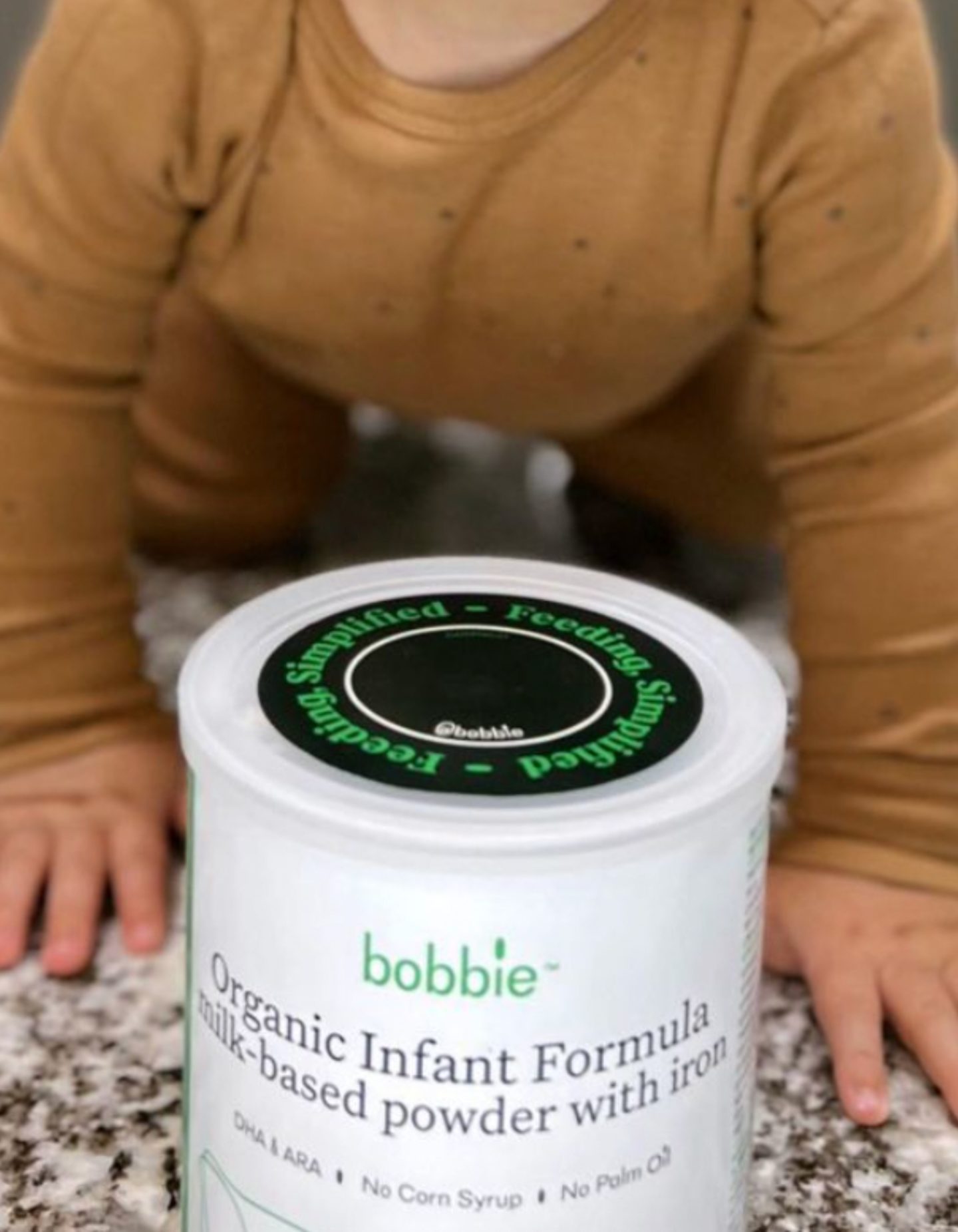
Bobbie Formula is BackBobbie Formula is Back

Formula is BACK And we’ve all learned a lot.

When our friends at Bobbie learned about the initial formula recall back in February, they immediately knew there would be long-lasting effects on the community they served and the industry at large.

“When two companies own 80% of the industry, and one goes down overnight, it was instantly clear we’d soon be facing increased demand and that we couldn’t keep up with,” Bobbie tells us. “You can’t increase manufacturing at the flip of a switch in such a highly regulated industry.”

And just as expected, within just a week of the shortage, sure enough, Bobbie’s customer demand doubled with an unprecedented increase in order volume that continued for weeks to come.

Bobbie (and of course, the entire team at HATCH Collection) is so excited to announce that the Bobbie store is OFFICIALLY (!) back open online and expanding the Bobbie Fam. “We’re heads down focused on expanding manufacturing and distribution to get Bobbie to more families across the US,” the team tells us. “But this is a long game. It’s not something we can dial up immediately,” they say.

We chatted with our friends at Bobbie to learn a bit more about where things stand, how far we’ve come, and where we are going when it comes to this moment in history. 

What are the long-term ramifications of the shortage? 

Hopefully, the long-term ramifications of the shortage are ultimately positive. If the US formula industry truly learns from this experience and public and private institutions work together to ensure this never happens again by bolstering US manufacturing, up-leveling nutritional standards, and increasing accessibility for all families, then those long-term impacts will be reflective of the positive change we’ve been pushing for in this industry since we started Bobbie.  Sadly, compared to women in other high-income countries, women in the U.S. report the least positive experiences in healthcare and are more likely to report emotional distress. 

What do you know now that you didn’t know before the crisis?

How to scale safely while meeting demand (it can’t be done at the flip of a switch) by adhering to our “When you subscribe to us, we subscribe to you” promise in good times and bad.

How to organize and advocate for the needs of American babies; the solution to the shortage isn’t dependent on the private sector alone; the government plays a role too and only by coming together can we build a resilient future. 

And, most importantly, our Bobbie fam (customers) is loyal and resilient.

What have you learned as a team about how to operate in crisis?

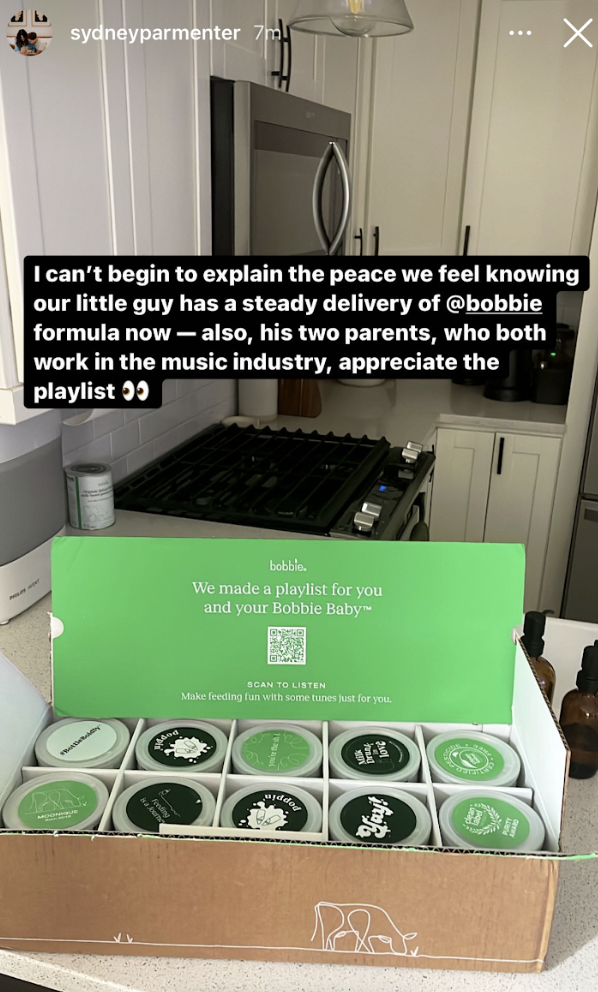
We’ve learned that in times of crisis, it’s more important than ever to stick to our mission and purpose.  By choosing to close the store to new customers and prioritize our existing Bobbie fam, we were able to continue serving our community, making them the only parents in the US not wondering/worrying about where their next can of formula was coming from. Providing that peace of mind was our ultimate north star throughout this entire year, and it guided us through the most challenging times.

What has your community’s response been through this process?

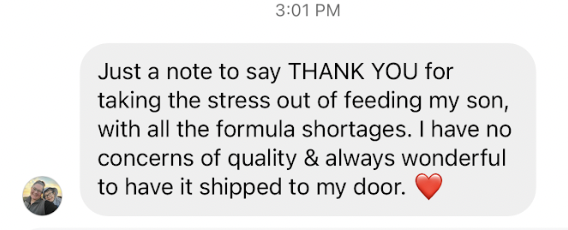
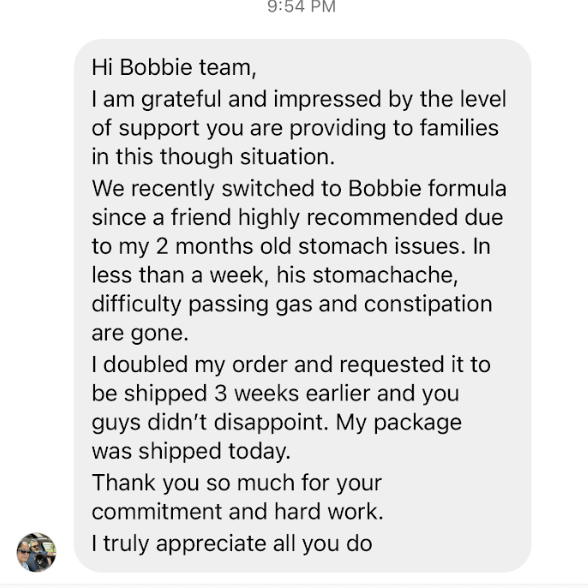
It has been incredible. We’ll let the relief, support, and gratitude they felt speak for themselves: 

What’s one thing you would like people to know about this experience?

That this shortage and crisis are unacceptable and we must demand better for our babies. We were fighting to improve this industry long before the shortage, and are only doubling down now that it’s made headlines across the country. We will continue to fight to make the American infant formula industry one that is reflective of the highest nutritional standards, that is reliable and accessible, that does not rely on foreign imports to feed our most vulnerable population, and that we are fiercely proud of. 

Oh, and by the way, we teamed up with Bobbie to give one lucky Babe reader a YEAR’s (!) worth of FREE BOBBIE! Click here to enter. 

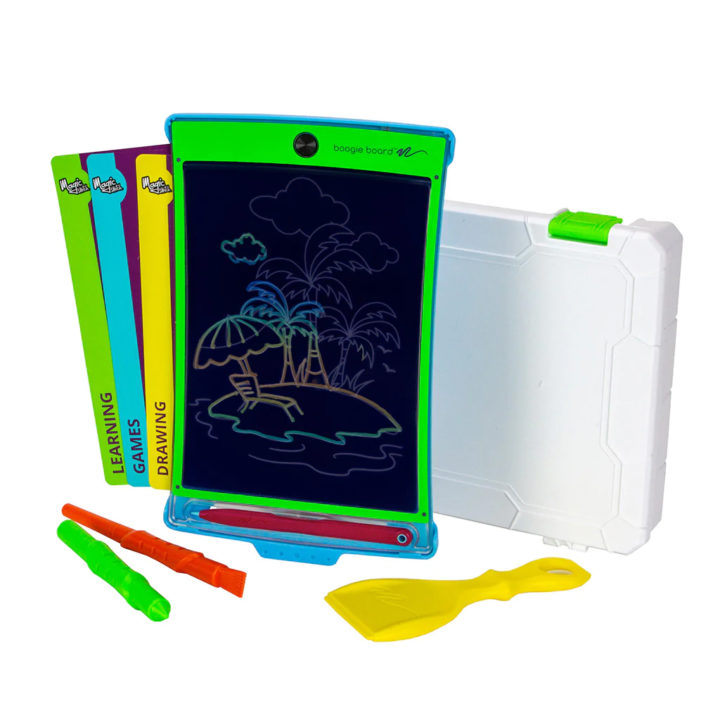
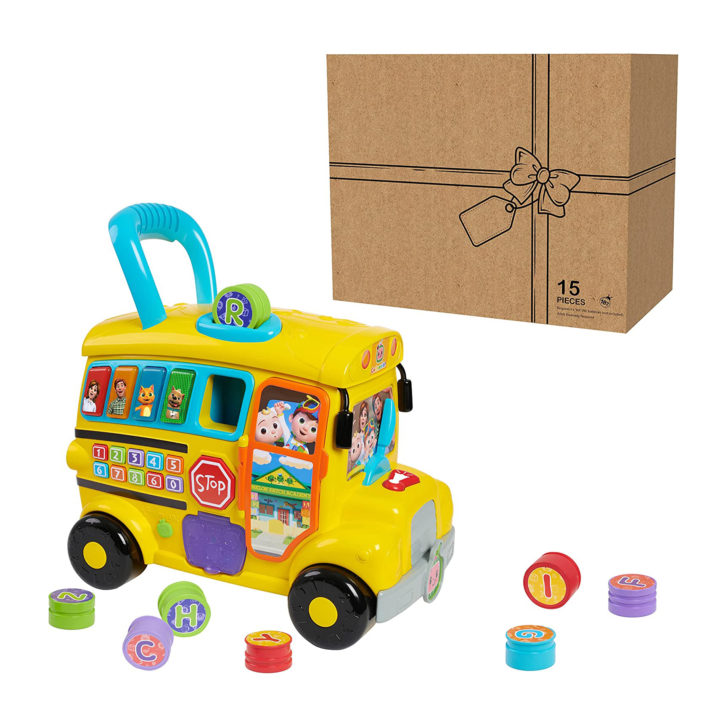
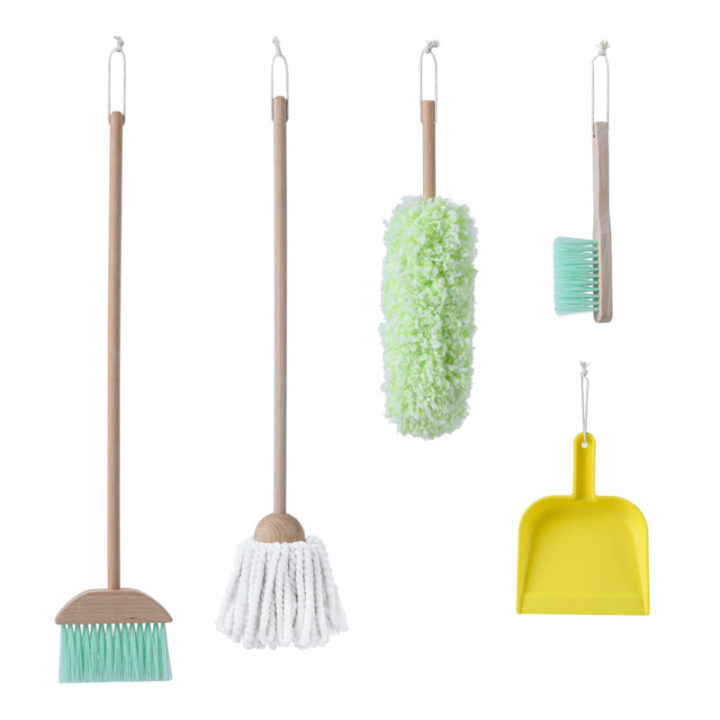
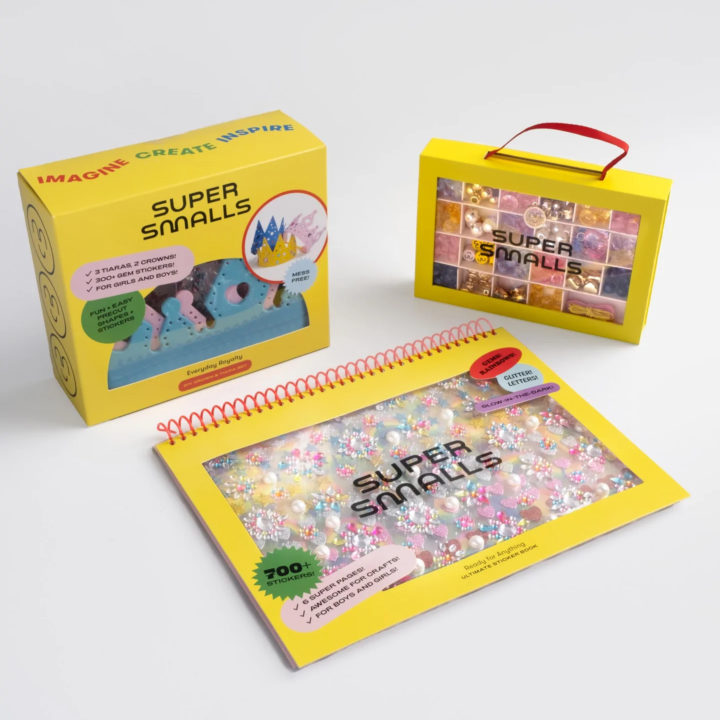
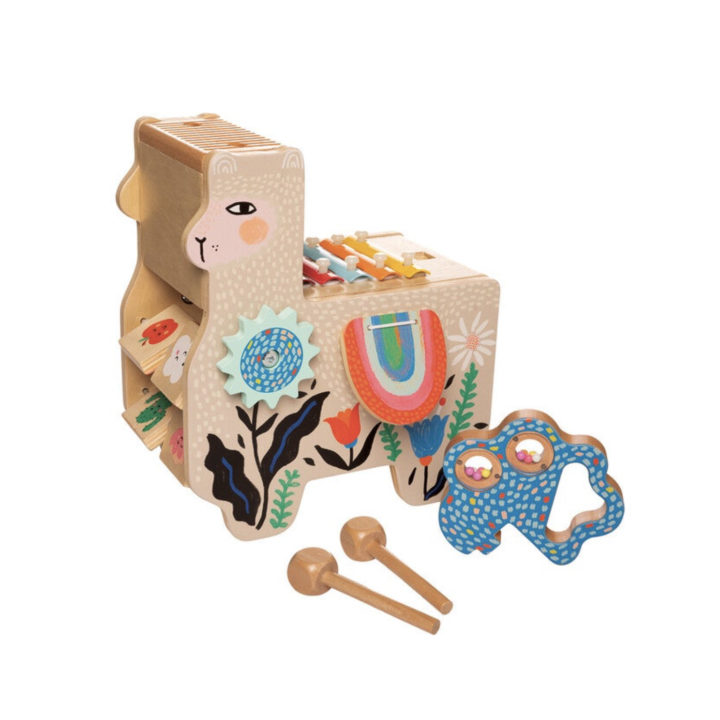
9 Gifts For Babe That You Won't Regret Later Peace out, drum set....

By Babe | Photo by Manhattan Toy

The holidays are upon us, and while we’re busy gifting our friends, family and – let’s face it – ourselves, our little ones are often overlooked. Especially if they’re of the age where they know absolutely nothing and everyday is Christmas, why go above and beyond? At the same time, gifts are freiken’ CUTE, and the idea of kids opening gifts in matching PJs is even cuter.

But, before you go buying up anything and everything that Amazon recommends for their age group, take counsel, dear mamas. Know that not all gifts are created equally. Gifts for babies are often annoying AF. There’s the loud noises, the banging sounds, and forget about the massive play structure that just took over your living room. That’s where we come in. We’re rounding up the cutest, chicest, most brain-stimulating gifts for the wee set that are (mostly) quiet, nice to look at, and will ignite the imagination.

The Essential Postpartum Gift Guide To help you on the journey.

By Neha Magesh | Photo courtesy of Bearaby

Being postpartum is a lot of things. It’s amazing and joyous and achy and exhausting. Your body hurts, your mind hurts, and you’re running on very little sleep, which means one thing: you totally deserve gifts! From the perfect cuddle pillow to luxe pajamas just made for hosting ALL of the friends, these postpartum essentials are lifesavers to new mamas and will keep you comfy, nourished and maybe a little luxe during this new phase of your life.

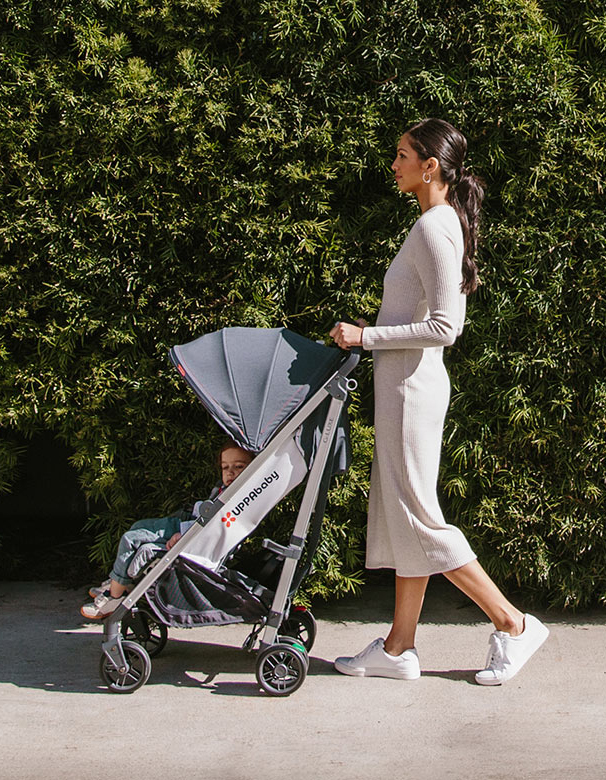
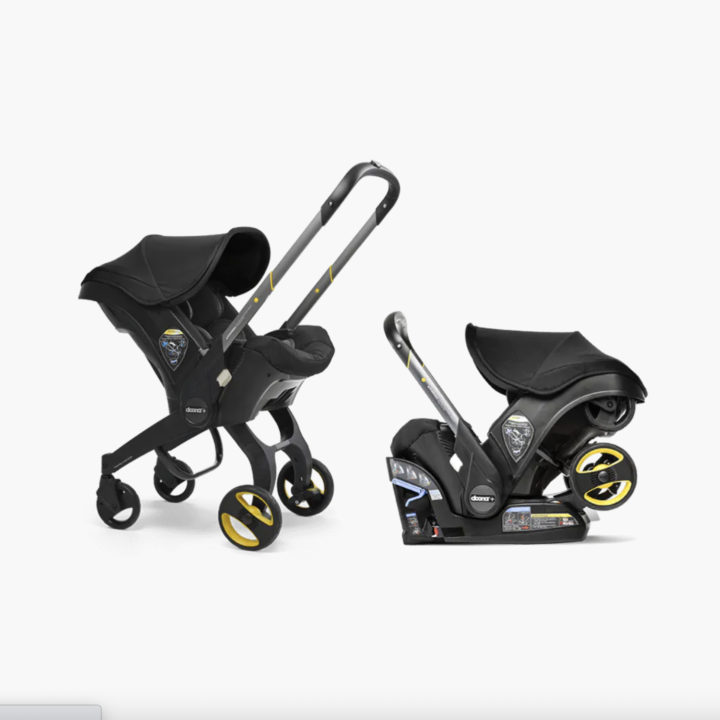
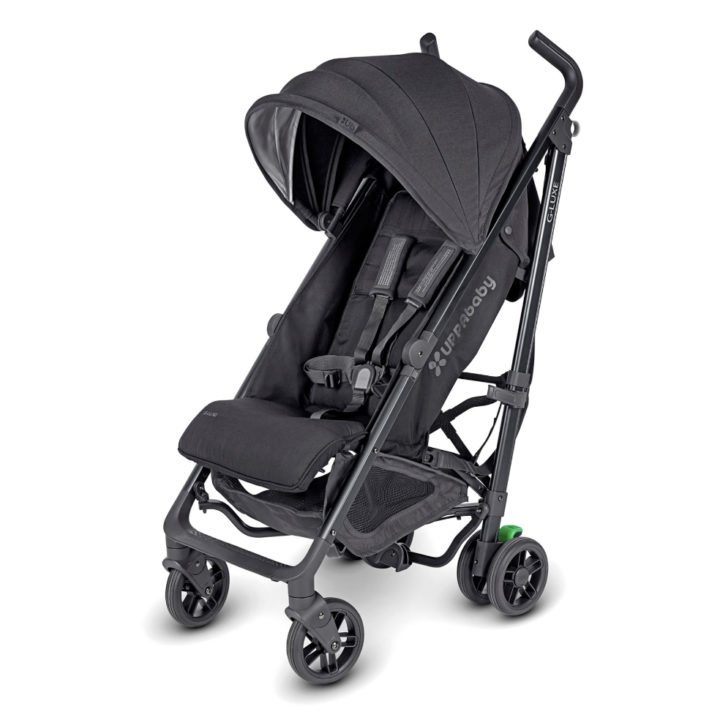
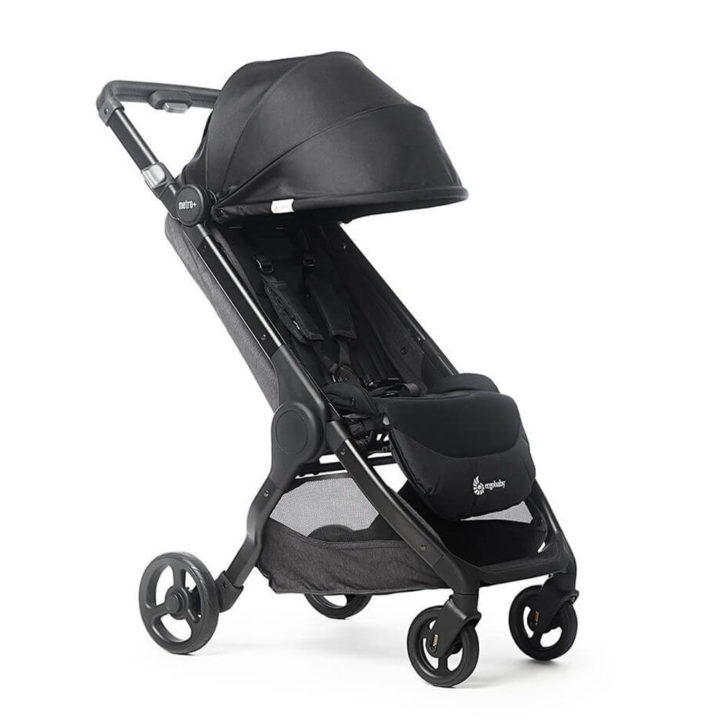
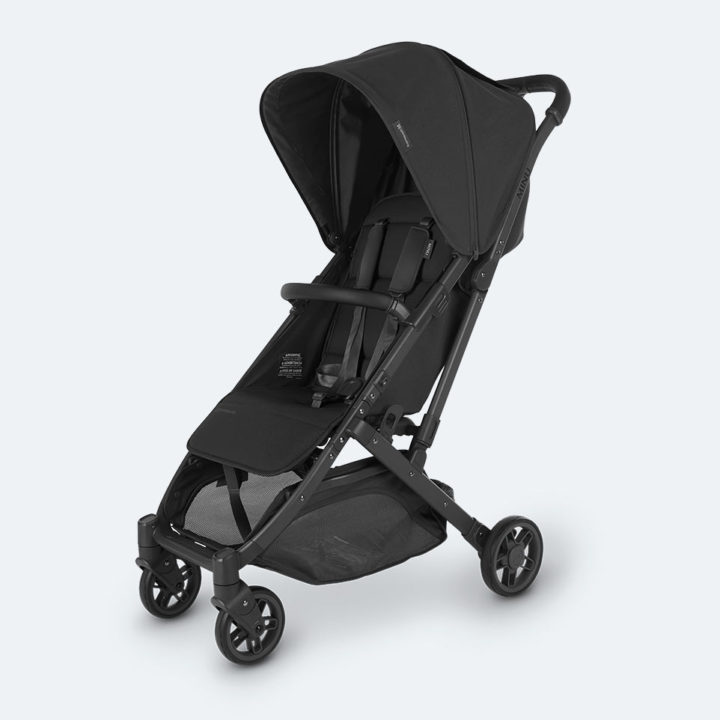
"I Moved From the City to the Suburbs. Which Stroller Do I Need?" Real moms weigh in.

By Babe | Photo courtesy of UPPAbaby

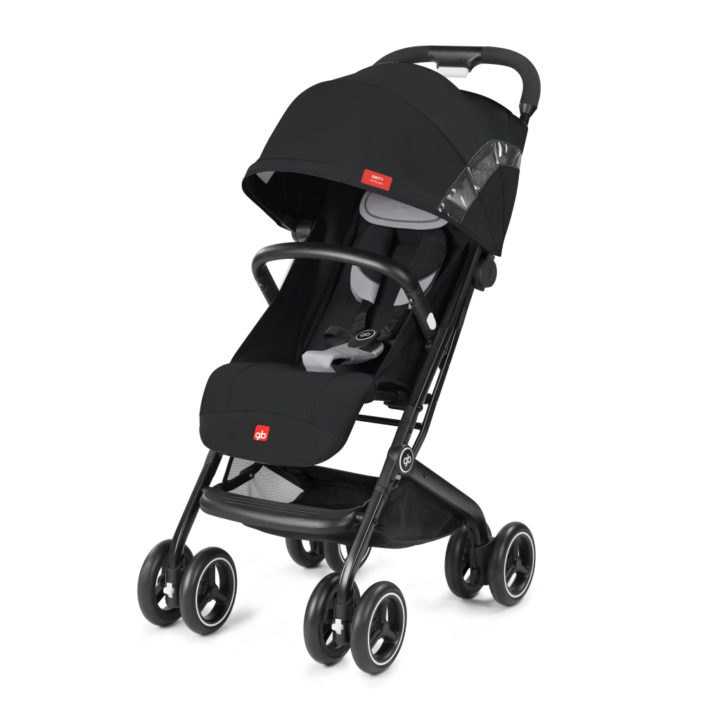
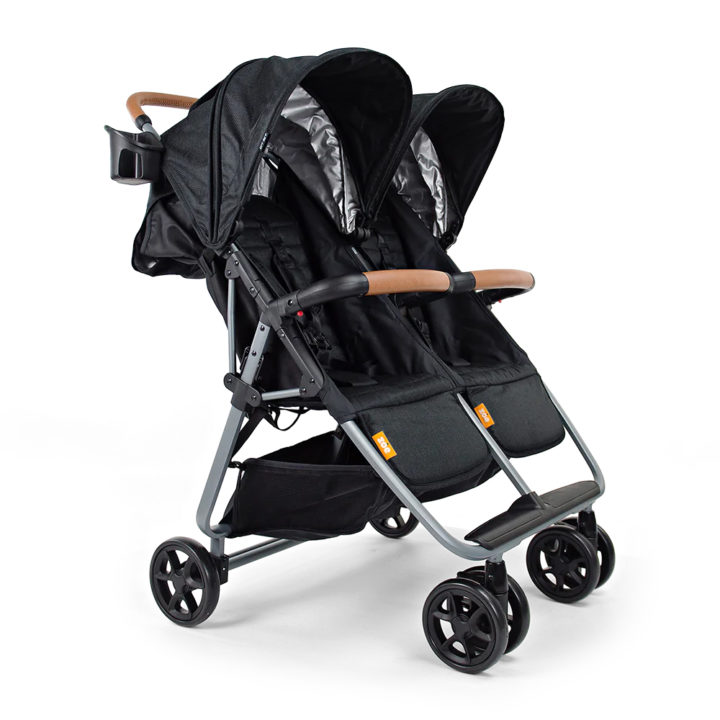
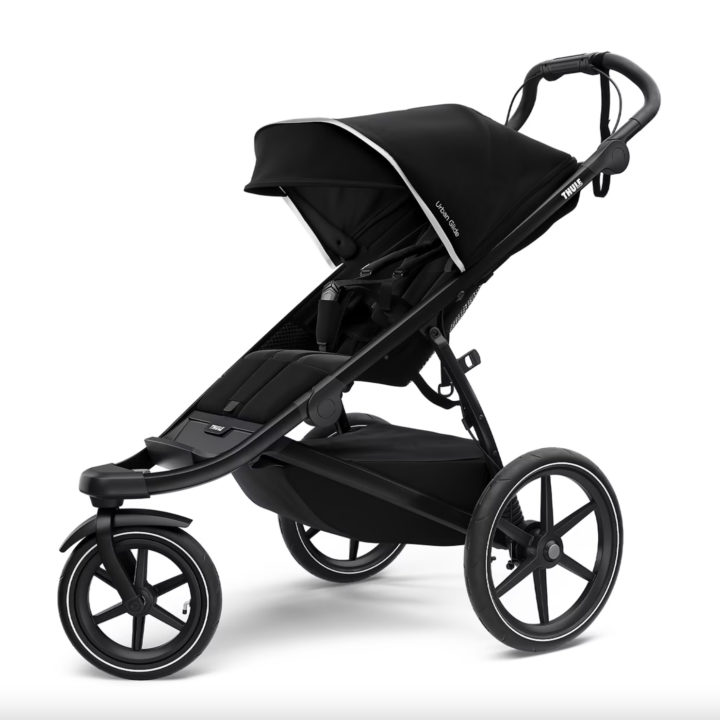
Whether you were Covid runaways or always desired a picket fence and Starbucks drive-through, you made the leap from city to suburbs. And now, in addition to furnishing an actual home beyond a 1,400 square feet box, you’re left wondering what else you need to feel equipped in the ‘burbs. Enter the stroller – arguably a top three most important registry item. And, unlike a crib, one that’s highly dependent on your surroundings.

In the city, your stroller is your lifeline. If it can’t house the contents of your entire day, it’s worth nothing. You don’t need to worry about folding it up because it’s actually your car. In the suburbs, however, a stroller is a point A to point B situation. Unless you’re out there mall walking, it’s for the 15 minutes where you get out of your car with your baby, only to get back in. Therefore, the folding is key.

Read on as we surveyed some of our favorite moms who made the move, and which strollers they recommend. Like all things baby-raising and gearing, it’s entirely personal but here are just a few options.

Leggings are Back, Baby And you NEED these styles.

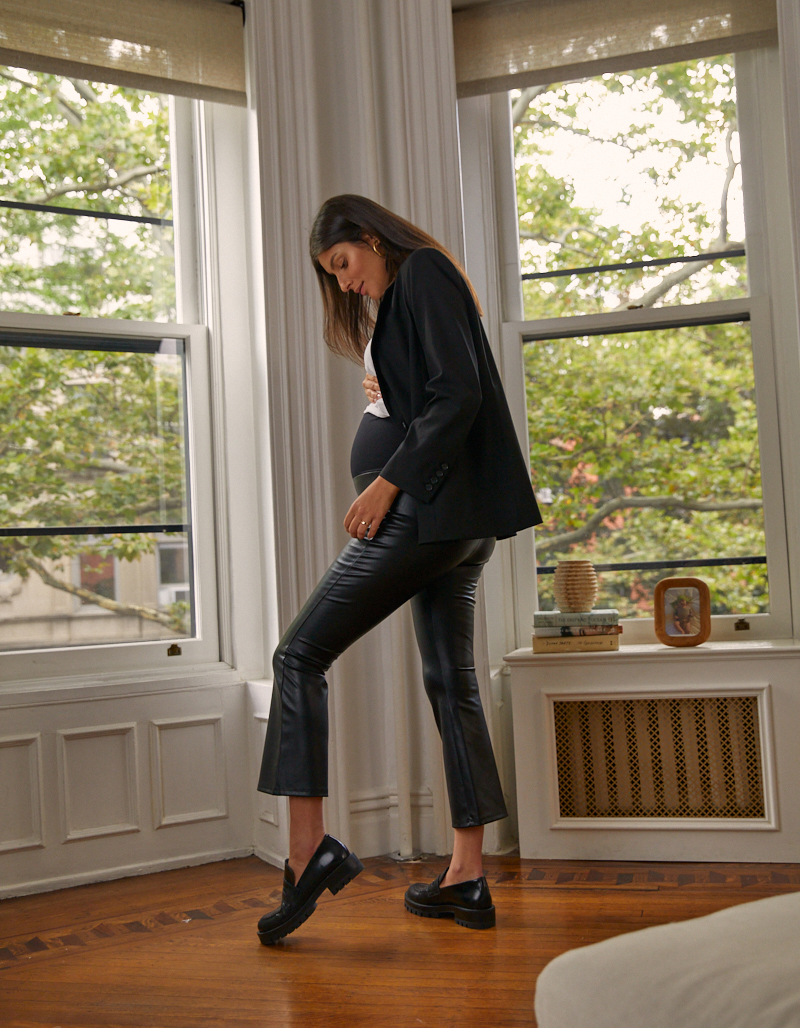
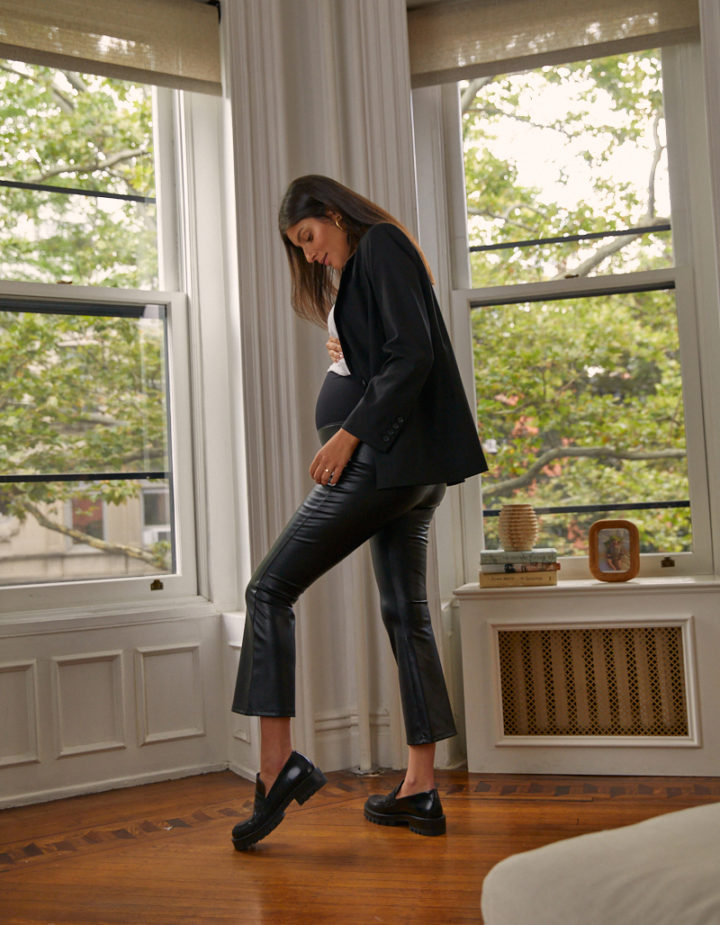
By Babe | Photos by HATCH

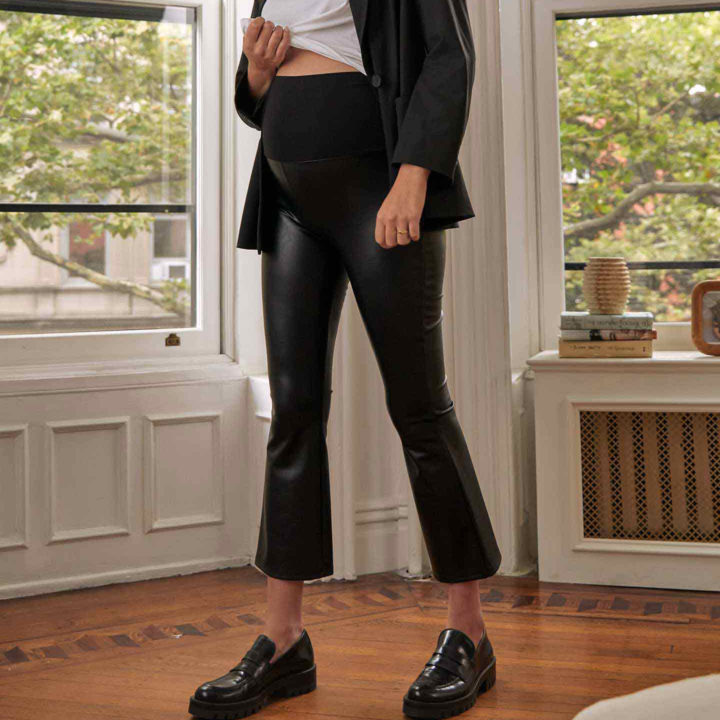
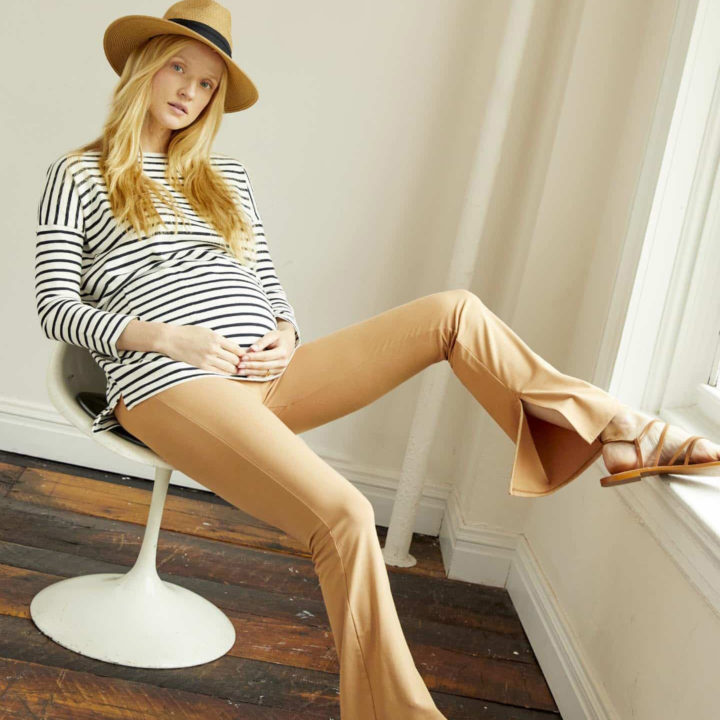
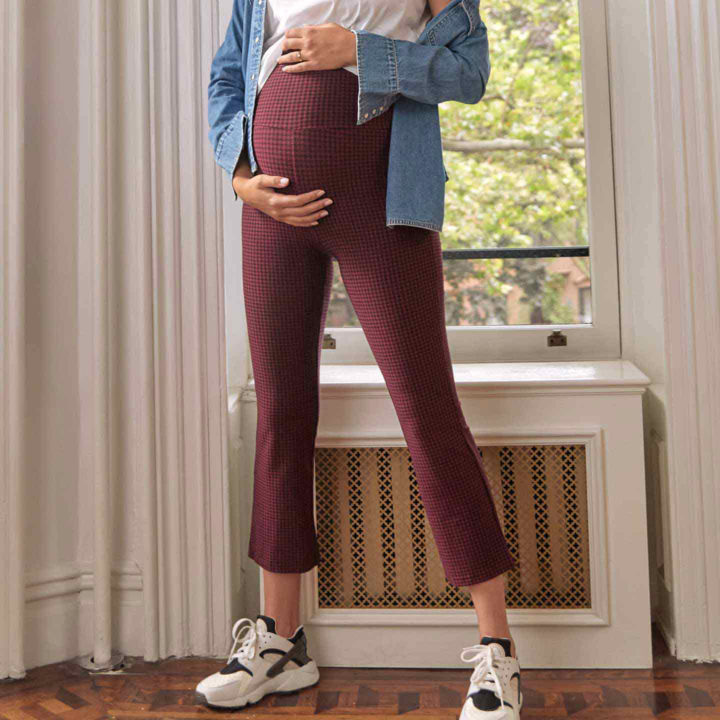
Remember the early aughts? That low-key era before global pandemics, radical politics, and super structured high-waist jeans? When you could literally roll into work in a pair of glamorized spandex “pants,” a chunky sweater, and over-the-knee boots and feel fully on-trend? Well, our politics might still be a hot mess, but leggings are back, baby! And this time, they mean business.

Forget what you think you know – these new styles are everything from vegan leather-inspired fabrications to cropped flare styles, to a luxe, olive green vegan suede that reads: I’m here for polo. Even better, they’re moisture-wicking (because pregnancy sweats), Oeko-Tex certified, and C-section friendly (aka no rubbing) with more reassuring compression for a wear-everywhere, sculpting fit that feels so good before, during AND after.

Life’s hard. Your style doesn’t have to be.

9 Pumping Hacks You Need to Know Let's keep things flowing.

By Babe | Photo by Stocksy

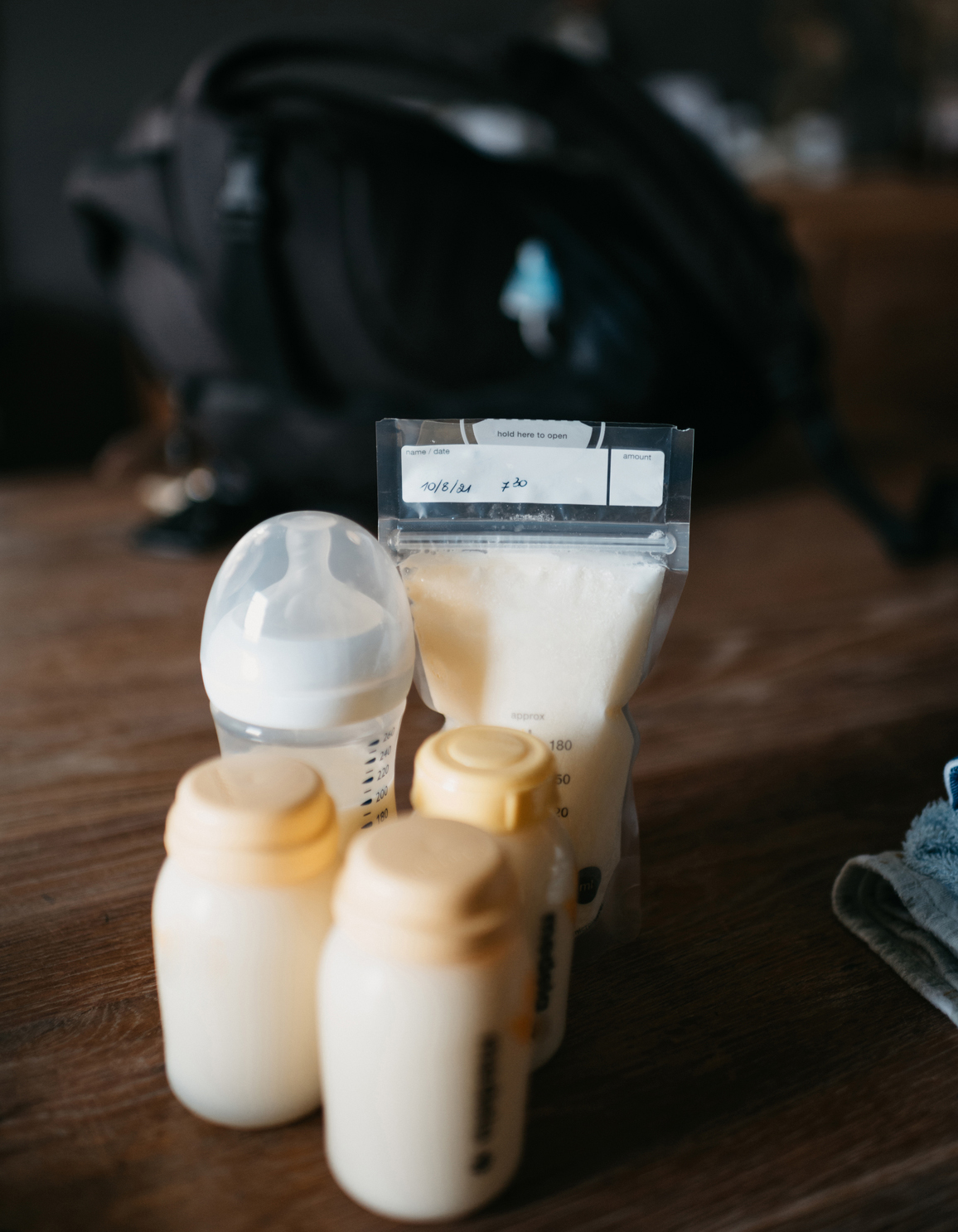
Whether you’re doing it ’round the clock at home or during lunch in your office, we can all agree that pumping isn’t the most exciting use of our time. Pumping is means to an end, a very important end, no less, but it’s one of the many eye-rolling activities of early parenting. That said, there are a few back -pocket hacks and tricks we’ve procured from our community over the years that will keep your pumping moments efficient, easy and, well, flowing.

Read on, mama bears.

1. Keep Your Pump Next To Your Bed

“I hate pumping at night. And now that my daughter has been sleeping more, I can’t stand waking up at 2am and getting all hooked up. I keep a manual breast pump on my nightstand. If I wake up and my boobs are starting to swell, I do a quick manual pump. This avoids engorgement and potential mastitis. I got mastitis once, and it SUCKS.”

2. Switch Up Your Valve

“Pumps come with a lot of parts and a lot of women don’t know what to do with all of them.  One very important piece of the pump is the valve, which create the suction that pulls the milk from your breast.  A friend told me to replace the regular valves with duckbill valves.  With duckbill valves, you’ll have less pieces to wash, but they also create better suction resulting in a better breast milk output. So more milk, less washing! Also, if you’re ever having trouble with the suction of your pump, swap out your valves (no matter what kind you have). They need to be replaced often and can have a huge impact on your output.”

3. Letdown is There for a Reason

“When you use your breast pump, the suction starts in a quick, frequent rhythm (cue that annoying noise).  It’s essentially trying to mimic your baby’s sucking at the beginning of a feed, when they’re trying to encourage a letdown.  If you’re not having a letdown yet, and your pump switches to the slower, pulling rhythm, you can press the letdown button and switch back to letdown mode. I’ll switch back to letdown mode once my milk starts slowing during a pumping session. Then, you can get multiple letdowns in one session, resulting in more milk and less time pumping.”

4. Size Those Flanges!

“Most women don’t realize that the standard breast pump flange size is 24mm.  But as we all know, no two breasts are alike (even on one body).  You may need smaller flanges or larger flanges to get the most out of your pumping sessions.  First, measure the diameter of your nipple to figure out your flange size. Aeroflow Breast Pumps has the perfect guide for finding your flange size and making sure it’s the perfect fit!”

5. Heat Them Boobs

“Warming up your boobs can really get the milk flowing.  I use a heating pad or breast comfort packs, which I prefer as they fit perfectly around the breast and could be slipped right into my pumping bra.  Not to mention, they can be used hot or cold depending on what you’re trying to accomplish.” 

6. Look At Pics Of Your Babe

“I mean we obviously do that constantly anyway, but because we don’t have our baby’s natural sucking, or skin to skin, one my favorite pumping hacks was to pull out my phone and stare at pictures or videos of my baby.  I even went so far as to watch a video of him crying because that was almost always sure to encourage a letdown.” 
7. Cover the Bottle and Stress Less

“I saw this pumping hack going viral on TikTok.  A mom covered her pumping bottles with baby socks so that she couldn’t see how much (or little) she was pumping. Stress and tension can have a huge impact on milk supply and output.  If you’re constantly worried about how much milk is coming out, chances are, you’re slowing things down. It may seem silly, but it’s worth a try!”

8. Pump in the Car
“For many working moms, multitasking is our love language.  A car ride to and from work can be all the time you need to get in a good pumping session.  I was thrilled when my second breast pump came with a car adapter.  Pumping in the car is a great hack for any mom who spends a lot of time on the road.”
9. Freeze Milk in the Amounts They Eat

“This might seem obvious but freeze your milk in the amount that your baby consumes.  I would change my portion sizes as my babies grew or added solids to their diet.  It just made things easier on whoever was bottle feeding and guaranteed we weren’t wasting any milk at the end of the day.”

Did someone say pumping….

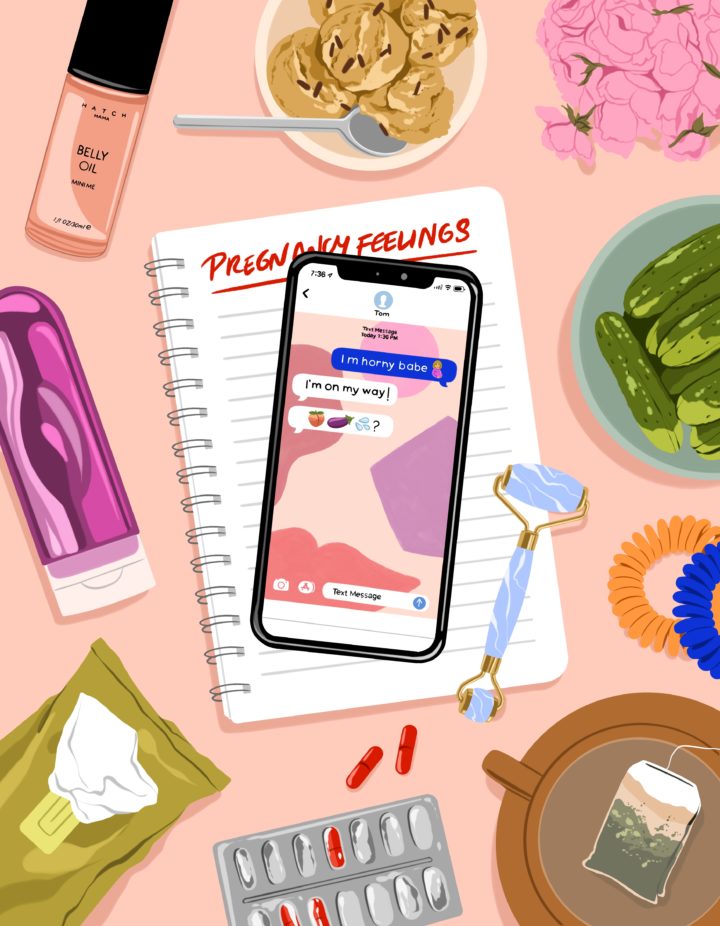
Is Anal Sex Safe During Pregnancy? Asking for a friend.

By Babe | Illustration by Ana Hard

So you like anal sex. And now you’re pregnant and stressing about All Of The Things and you’re left wondering, is anal sex safe during pregnancy? Fair question, since so much of the pleasurable stuff we’re used to doing in our pre-pregnancy life, like eating spicy tuna rolls, slurping margs with the ladies and counting down the days ’til our next Botox appointment – are all under the microscope. So…can I take it in the back door while the bun’s in the oven or whuuut?

“It is absolutely safe,” says Dr. Shiva Ghofrany, an OB-GYN based in Stamford, CT and founder of community healthcare platform Tribe Called V. “Though many women will report that orgasming through anal sex is far more intense, and when one has an orgasm their uterus contracts so it may lead to increased cramping.”

There are a few caveats to the green light, however. If you hemorrhoids, steer clear of anal sex. That can make the experience painful and uncomfortable. Constipation during pregnancy is also common, and can lead to anal fissures that could cause pain during anal sex. If you start having anal sex and you feel pain, stop. 

Also, if you’ve been diagnosed with placenta previa (where the placenta covers all or part of your cevix), anal sex may cause trauma to the placenta. And in terms of cleanliness, don’t ever EVER allow your partner to move from the rectum into the vagina without cleaning up thoroughly first. This may introduce dangerous bacteria into the birth canal, and ultimately harm the baby.

“It is of paramount importance to ensure that your partner does not exit the anus and put their penis into the vagina unless they have used a condom with anal sex that they remove before vaginal sex,” says Dr. Ghofrany.

One benefit of anal sex during pregnancy is that the hormonal changes that affect the vagina don’t affect the anus. This means that some people prefer the feeling of anal sex to the feeling of vaginal sex during pregnancy. So if you want to have anal sex during pregnancy, go ahead and enjoy, unless your doctor tells you not to. If you’re unsure, always check in with your medical provider in advance.

Nikki Millman VertNikki Millman Vert

What I’d Do Differently With Number Two Oula is the Maternity Care I Wish I’d Had

By Nikki Millman

This article was written in partnership with Oula. Oula’s second location is at 202 Spring Street in Manhattan and serves patients from all five boroughs and New Jersey.

As the VP of Community at HATCH Collection, Nikki Millman had an encyclopedic knowledge of maternal care by the time she found out she was pregnant with her now almost two-year-old son, Ryder. But as any mama-to-be will tell you, once pregnancy came, all that she thought she knew suddenly took a back seat to reality. 

Here, Nikki shares part of her first pregnancy journey – and insight into how she may use resources differently for babe number two.

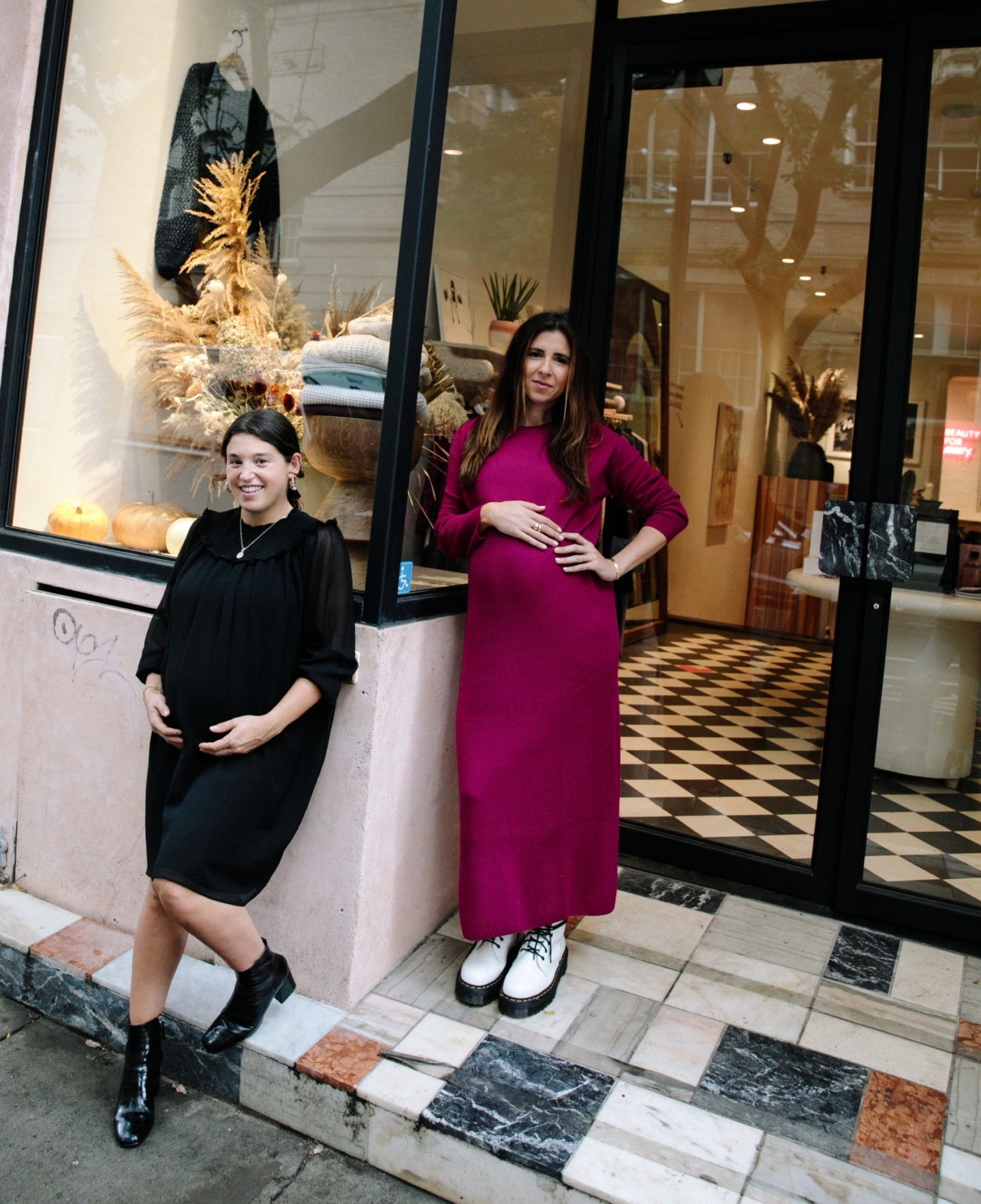
Nikki (left) pregnant with her first alongside HATCH’s COO, Lindsay Bressler, pregnant with her second for Babe’s Mom Crush series.

One of the first things that you do when you find out you are pregnant is call your doctor. For me, everything about that call felt heightened. I was nervous, which was exacerbated by the fact that it was the early days of COVID… but I was also excited – like, really excited. My family and friends had been thrilled to hear my news, and I couldn’t wait for my doctor to share my excitement. Instead, when I called, I was met with a businesslike tone: An appointment was made, and the call was over. To me, this was a big deal; to them, I was one of many women calling that day with a positive pregnancy test. 

I felt the same disconnect when I went in a few days later. Here I was, walking into this huge, life-changing doctor’s appointment, and everyone there was acting like it was no different from my annual OB check-up. Even though I had spent nearly a decade working in the maternity industry, I was totally thrown. Disappointed, I quickly tried to reset my expectations. It’s only now, two (?) years later, that I see the problem wasn’t me at all – it was our broken maternity care system.

Read: Two Pregnant HATCH Mamas, On all things babies, birth & sex.

I learned about Oula, a modern maternity center that combines the best of midwifery and obstetrics, through work. (Hearing about these things is a perk of the job – what can I say?) Oula is redesigning maternity care from the ground up, delivering pregnancy care that’s personalized, respectful, and there for you every step of the way. 

Their mission? To set a new standard for pregnancy care. To be a place where everyone has support to thrive every step of the way, from your first positive pregnancy test through postpartum visits and “office hours.” Where you have a collaborative team of midwives, obstetricians, and other care providers working together so that you’re empowered to make the choices that are best for you. Oh, and one more thing: Oula takes insurance, including Medicaid. 

It was immediately clear to me just how different my experience would have been had I gone to Oula. My OB saw many patients. As an expecting mama, each visit feels important. But often, the doctors seem too busy for you, even disinterested. Oftentimes, you just feel anonymous, like a name on a chart to be checked off. At Oula, their team is able to spend twice as much time with patients as a typical OB. They believe that the better your experience as a patient, the healthier you – and your baby – will be. Which means – gasp! – they actually take the time to listen to you and answer your questions.

One of the things I love about Oula’s approach is that they understand that your physical health, as a parent-to-be, is wrapped up in your mental health. As a child, I was viewed as “chubby,” and I’ve never exactly loved the scale, but it was very important to my doctor to track my weight. I really felt fat-shamed. I had flashbacks from childhood. When I told my doctor what a hard time I was having with this, instead of offering solutions, I was met with blanket responses: “You’ve gained too much weight.“ There was no conversation. I felt like I had failed. At Oula, they recognize that each person’s pregnancy journey is different, and there are a lot of factors that go into keeping mama and baby healthy. 

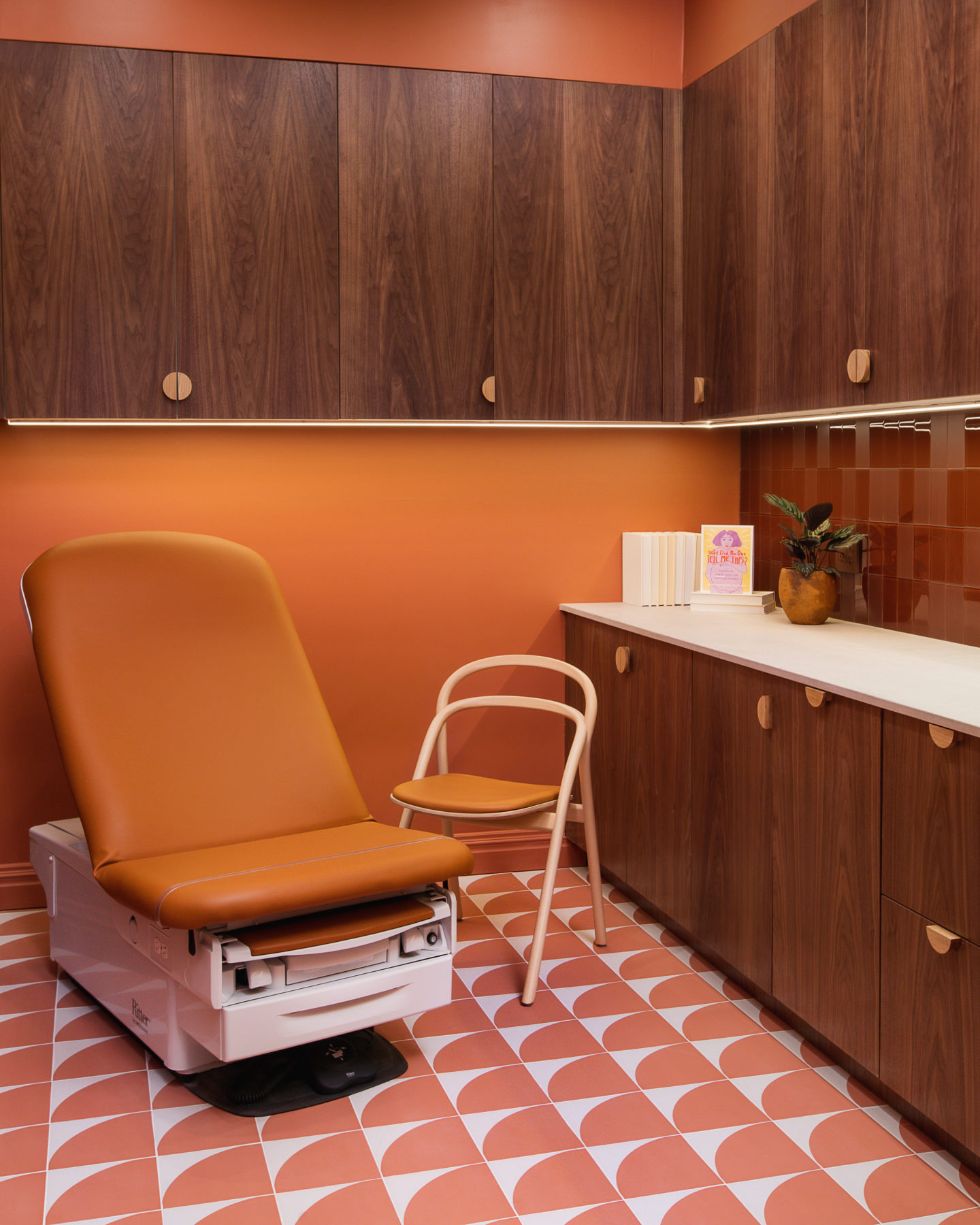
The interiors at Oula.

In my workplace, we strongly believe each pregnancy should be a thrilling time for mama. But for far too many people, myself included, the experience of being pregnant and giving birth felt, at times, impersonal and rushed. I felt like a cog in a broken maternity care system. 

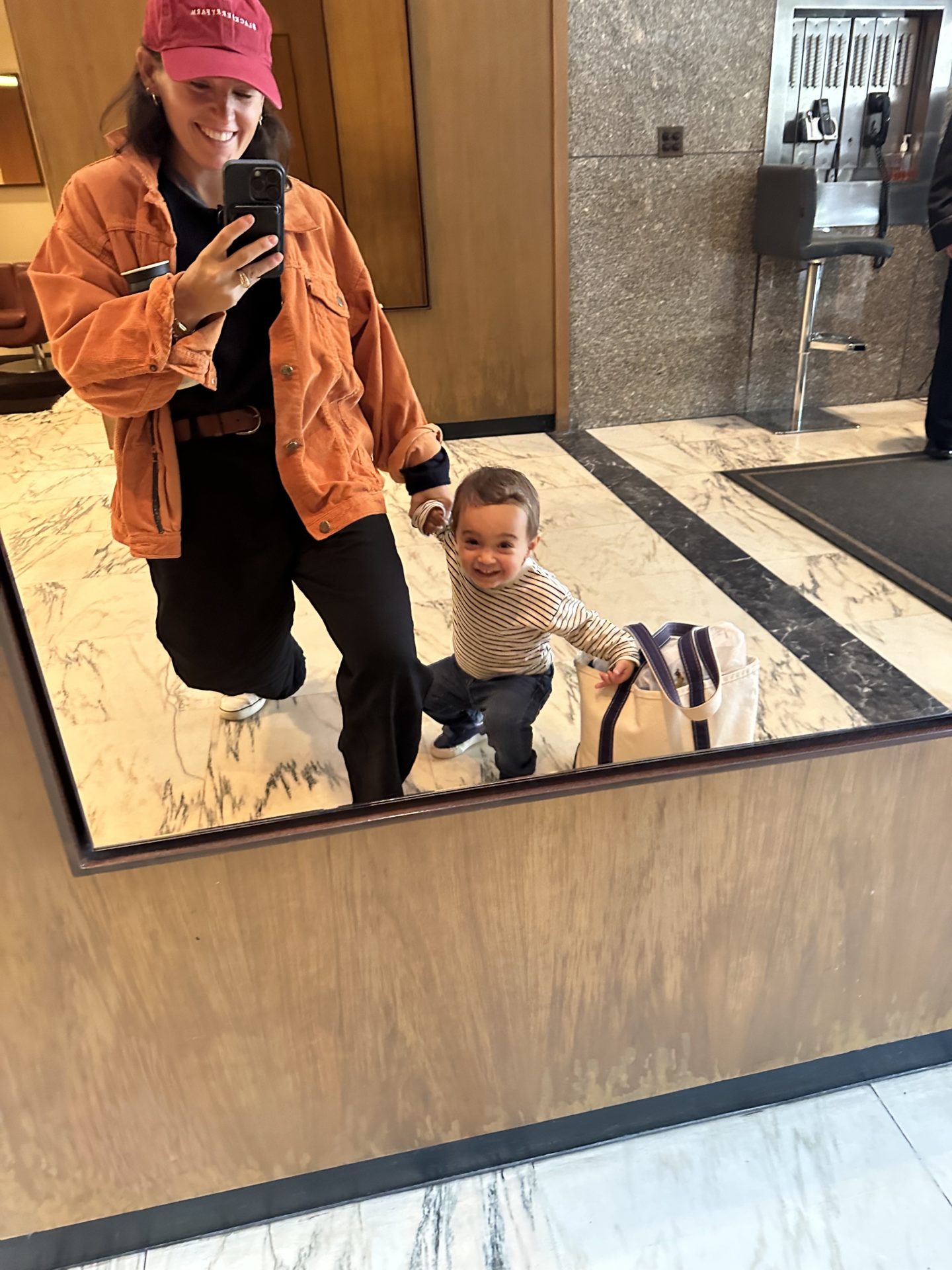
Nikki with Ryder.

Throughout my first pregnancy, everything was presented as doctor-first versus patient-first. It felt like I barely had a say. Some – rarely all – of my questions got answered during appointments, but there seemed to be no time for anything that was not considered “essential.” There was no focus on my personal experience – nothing on mental health, self-care, alternative treatments for things like nausea or pain management, and certainly nothing like the connection with other families Oula works hard to create through group education classes and community gatherings. 

Inside at Oula.

As my family begins to think about expanding, I go back to thinking about what I would have done differently. I’d be a better advocate for myself, of course, but why not think bigger? What if there was no one “right” way to give birth that works for everyone? What if pregnancy wasn’t filled with rushed, one-size-fits-none appointments?  What if maternity care wasn’t just about gritting your teeth and getting through it, but about having a great experience? 

During my first pregnancy, I listened to the doctor at all costs, even when it meant shutting out that voice in my head asking: “Does it really have to be like this?” We’ve been conditioned as American women to do that. But isn’t it about time we rejected false binaries like doctor or midwife, medicated birth or au natural, human intuition or modern medicine? I don’t know about you, but I don’t think we should have to choose. And thanks to Oula, we don’t.

This article was written in partnership with Oula. Oula’s second location is at 202 Spring Street in Manhattan and serves patients from all five boroughs and New Jersey.

HUM Womb ServiceHUM Womb Service

BABE Approved: The Clean, Vegan Prenatal Supplement Search Is Over We found an OB-GYN-formulated, clean prenatal supplement that you can trust.

This information and content is provided only for informational purposes. It is not meant in any way as a substitute for the professional advice provided by your physician or any other healthcare professional. This article was written in partnership with Hum Nutrition.

If you’re overwhelmed by the prenatal supplement market, you’re not alone. There are oh-so-many to choose from, and it can be hard to know exactly what you should be looking for.

What you do know? 

You know you want clean—this is the time when purity matters most. You know you want to pronounce the ingredients on the back of the label. Basically, you want to know exactly what you’re putting in your body.

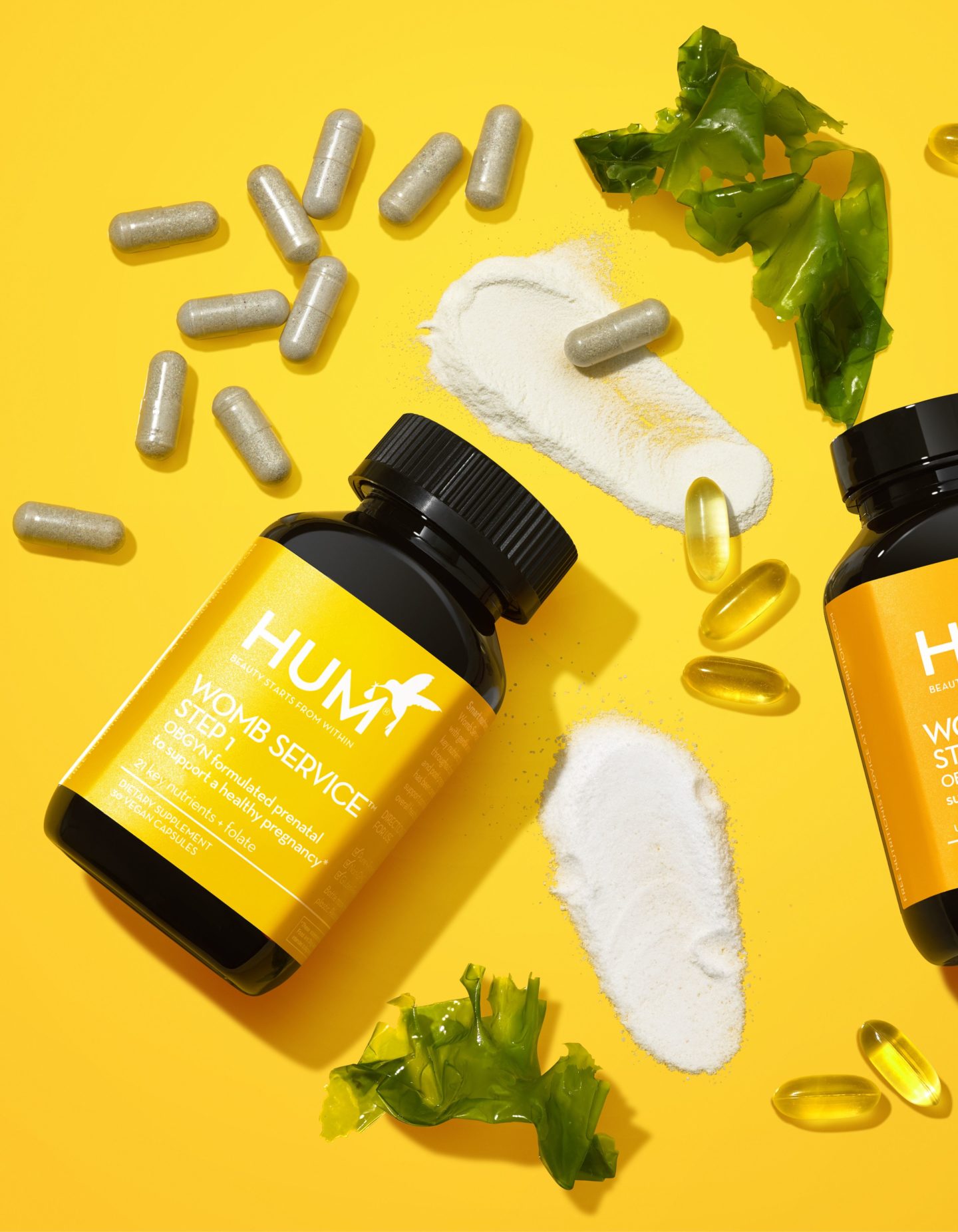
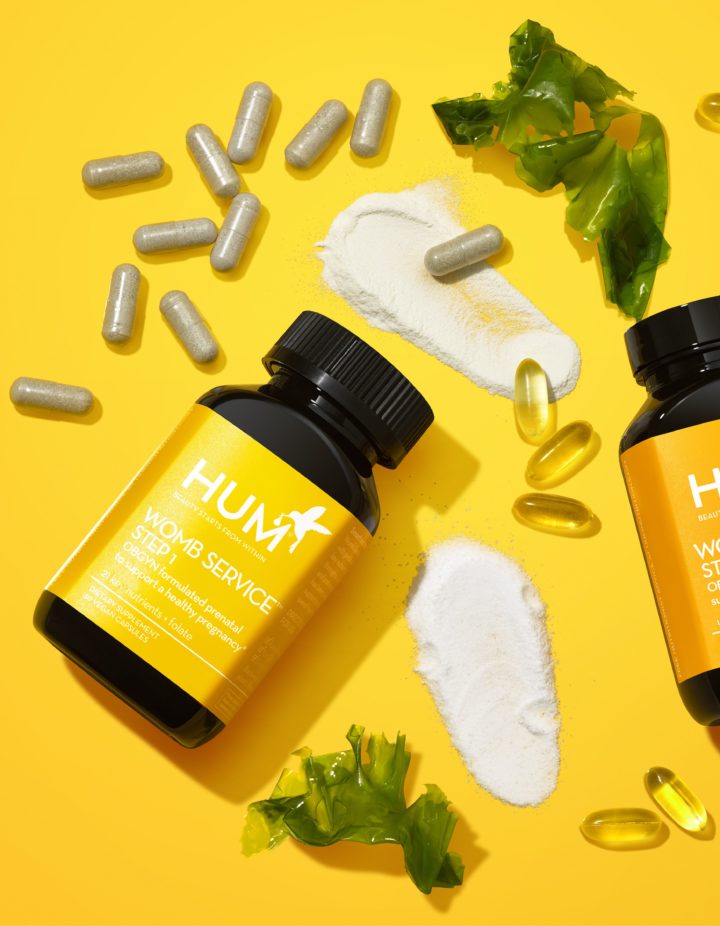
Enter: Womb Service™ by HUM Nutrition.

When packing our bags for HATCH’s first-ever Babymoon in Santa Fe, we wanted to make sure all of our mamas-to-be were taken care of with brands we’ve known for years and have trusted.

HUM Nutrition is a supplement company dedicated to supporting women through key stages of their lives. In line with its mission, it recently came out with an OB-GYN formulated, a clean, 2-step prenatal formula designed just for you- the TTC or expecting mother- and your baby.

We can hear your sigh of relief!

Let’s dive into why this prenatal is special.

First, they contain all the key nutrients you need for yourself and your baby. “Two of the most important supplements to look for in your prenatal vitamins are folic acid and iron,” says Dr. Manuela Vasquez, a board-certified OB-GYN and founder of LaMaria feminine wellness. “Folic acid helps to prevent birth defects associated with the neural tube. The physiological changes that occur in pregnancy can make pregnant women more prone to anemia, therefore having iron in your prenatal vitamin can help maintain the appropriate blood levels.” If you’re afraid of iron in your supplement because you heard it can upset your stomach and/or cause constipation, HUM thought of that too. Womb Service includes a chelated form of iron that is gentle on the stomach, yet still highly absorbable.

Womb Service also contains choline and DHA, which, shockingly, are often missing from prenatals. “Choline has received much attention recently as it relates to pregnancy,” reports Abby K. Cannon, integrative women’s health dietitian and founder of Abby’s Food Court private nutrition practice. “It’s essential for early brain development, cognition, cell communication, and gene expression. It’s been shown to increase memory in children whose mother had higher choline intake during their first and second trimesters of pregnancy. And, it can be difficult to get enough of if following a plant-based diet or if dealing with food aversions.”

The DHA found in the supplement is from algae, making it vegan-friendly with no funky aftertaste (phew!). “Adequate DHA is needed for baby’s optimal brain and visual health, and it also helps prevent perinatal depression in mom,” says Cannon.

All the other key nutrients in the supplements, like b vitamins, vitamin D3, iodine, and vitamin C, to name a few, meet the requirements recommended by prenatal nutrition experts.

Second, Womb Service’s ingredients are vegan and non-GMO, and you won’t find any artificial colors or sweeteners! To top it off, Womb Service was recognized by the Clean Label Project, a national nonprofit organization bringing transparency to food and consumer product labeling. Womb Service received the highest honor of the Clean Label Project Purity Award, so you can trust that the ingredients are safe and pure.

Finally, the bottles are made from upcycled Prevented Ocean Plastic™, proving, again, how deeply committed HUM Nutrition is to supporting women’s health. We can only maintain our health and future generations by protecting our planet.

Loving all this? So are we. To learn more, go to Hum Nutrition Womb Service. This article was written in partnership with Hum Nutrition.

More:
1 22 105