
When Should You Start Planning For Childcare? This one is def on the to-do list.

By Vivvi

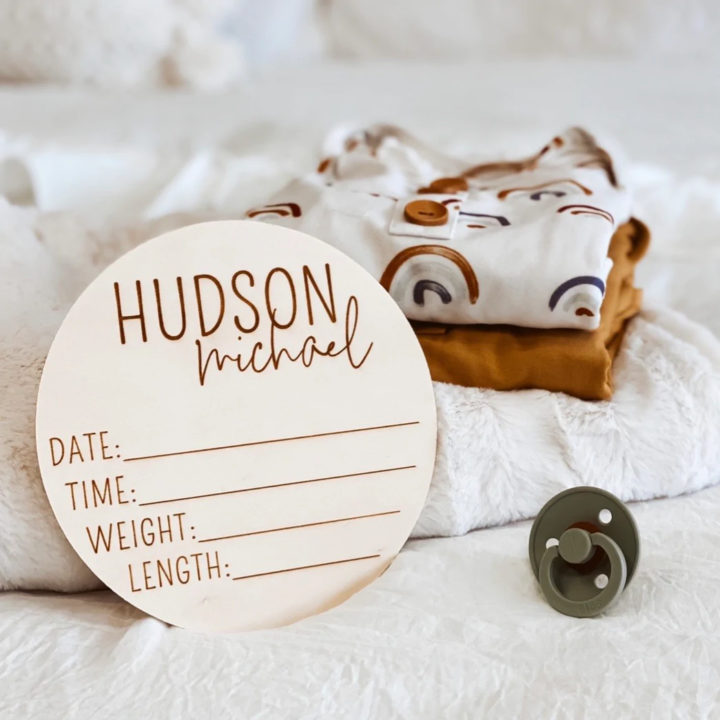
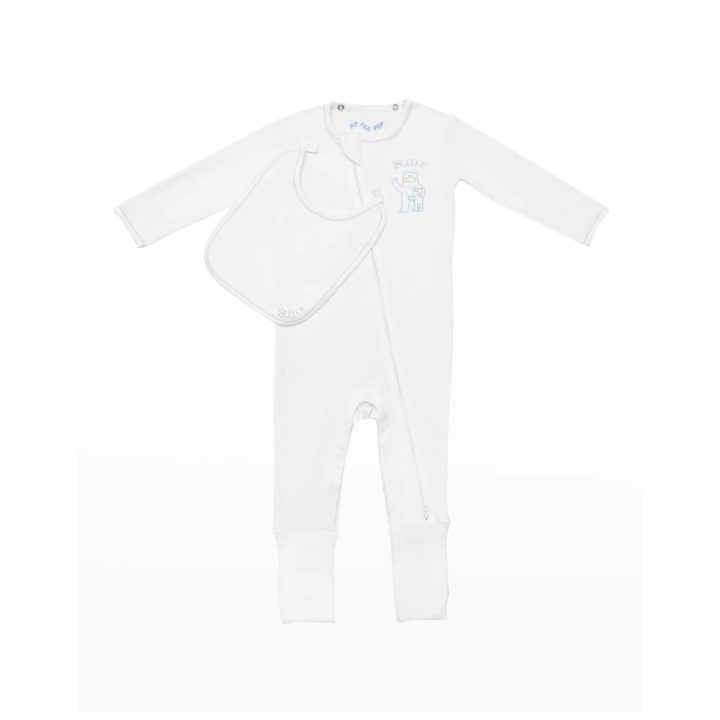
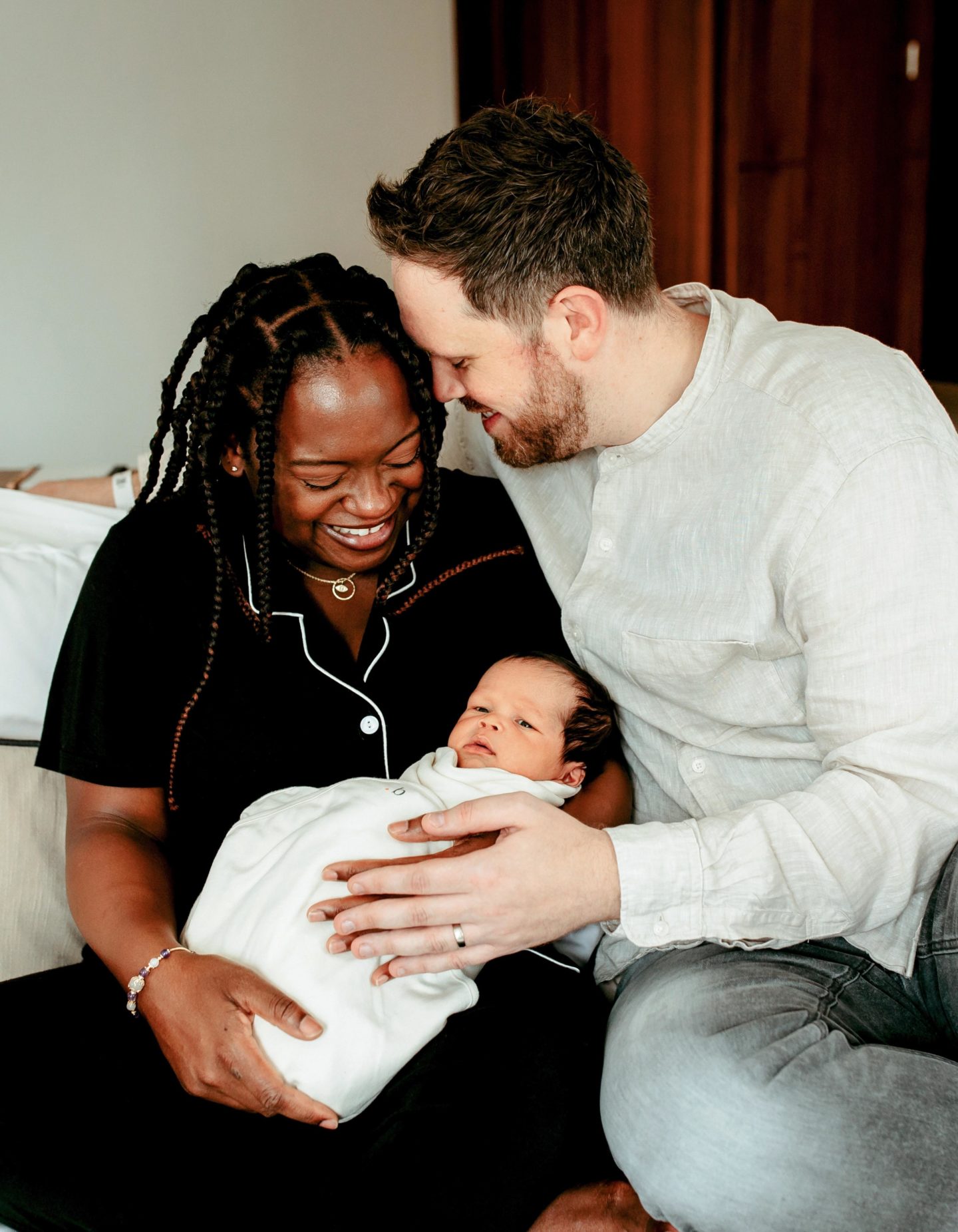
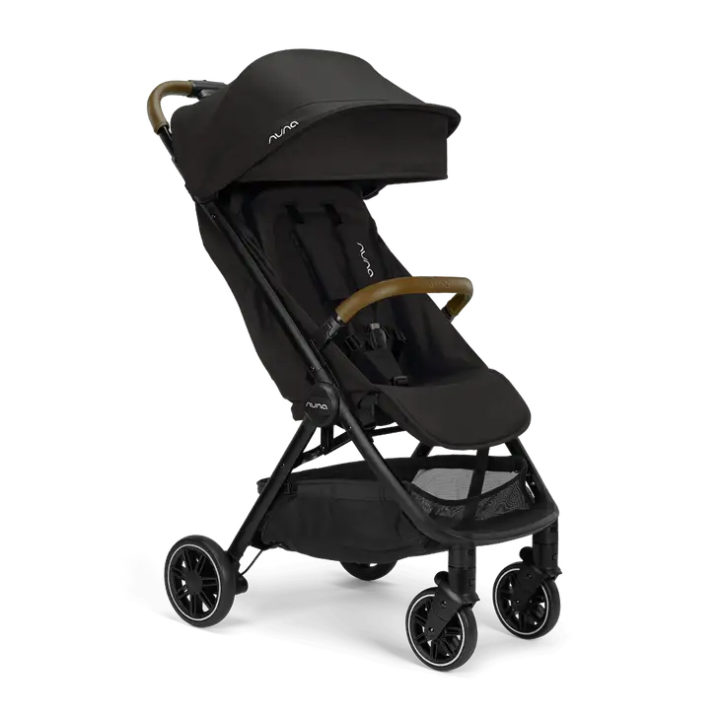
You’re weeks away from your baby’s arrival, and you’ve got your prep game on lock. Adorable onesies? Check. High-tech super stroller? Check. Dependable child care? Uh oh.

Whether you have a few childcare options in mind, or you’re starting at square one, we know that finding childcare can feel overwhelming. And while it’s never too late to find great child care, we’re here to tell you: the earlier you start planning, the better chance you’ll have at making sure your child care situation is exactly what you want – not just what was available when you needed it.

Babies don’t come with user manuals, that’s true, but experts suggest starting your child care planning as early as your second trimester.

“When it comes to planning ahead for child care, there really is no such thing as too early,” says Gretchen Richer, head of family experience at Vivvi. “From the labor shortage in the childcare world to the long, long waitlists for daycares (think 12 months or more!), there is a lot to consider and a lot to plan for.”  

Since the early bird gets the child care, we put together a helpful list of things that might impact your child care search timeline.

Consider your location.

Where you raise your family plays a huge role in finding good, quality child care. Even if you live in major metro areas with lots of child care options, like New York or L.A., you may still live in what’s considered a “child care desert” – aka, there are not enough child care seats for the population of babies. Check around at your local daycares and find out the average waitlist time, then build your timeline backward. Keep in mind you may not need child care from Day 1; rather, your timeline should reflect the day you plan to return to work or need support. 

Pro Tip: You may be able to gauge wait times by posting in your local parenting listserv. It’s also a great place to find nanny recommendations or potential nanny shares—and meet some new mom friends while you’re at it!

Plan for busy times of the year.

Here’s something you might not have thought about before you got pregnant: there are specific times of the year when finding childcare is even harder. Fall can be the trickiest time to find child care since CDC tracking shows that most babies are born between July and October. If you’re due during this busy season, start searching your local parent listserv for in-home caregivers or get your name on a list a bit earlier than you thought necessary.

Pro Tip: Vivvi’s in-home program takes the guesswork out of hiring a nanny, with full or part-time care for children 0-12. They can find and manage the entire process for you (including payroll and insurance!) or take care of placement only and let you manage the relationship directly

If you’re looking for center-based care, ask about waitlists.

As childcare facilities struggle to staff in the midst of a major childcare labor shortage, waitlists continue to grow and grow. If you are interested in a very specific program, get on that list as soon as possible. In many places, these waitlists can be up to a year long. Your first trimester is not too soon to get on a waitlist, especially if your baby is due in the fall.

Pro Tip: If the waitlist hasn’t opened up at your dream childcare situation in time for your need, stay on it anyway. You can bridge the gap with a different child care center or nanny until the waitlist opens or join a nanny share in the interim. Who knows, you may even like the alternative enough to stick with it!

Think about your work schedule.

If you’re eligible for and plan to take parental leave, you might not be thinking about locking in child care for those first 12 weeks or so, but it can be incredibly helpful to have a trusted caregiver in place before your return to work. Child care does not have to be used exclusively for your time at work; it can also give you time to sleep, shower, or spend important one-on-one time with the older children in your home. Beginning child care before you return to work can also help ease separation anxiety for both you and your new baby, by allowing you both to get used to a new routine and a new person in a more flexible way than just dropping off and hoping for the best on your first day back to work.

Pro Tip: Try starting with just a few days of child care as you shift into work gear, then add more days as you need them. Vivvi’s campuses welcome babies as young as six weeks and can accommodate 2, 3 or 5-day schedules. 

Now that you’ve determined it’s the right time to start searching for child care, here’s how to make it happen: 

  1. Make a list of childcare preferences.
    Write down anything you can think of so you have all the options in front of you. Maybe this looks like child care facility #1, child care facility #2, nanny share, bringing in grandma, private nanny. Seeing your options written down will calm your mind and show you that you do have options.
  1. See which options fit your timeline.
    Once you have a list of your ideal options, make phone calls or send emails to see which options are actually available to you. Childcare facility #2 might be on a 9-month waitlist, and if that doesn’t work for your family, you may have to mark them off. Continue down the list.
  1. Discuss each option with your co-parent.
    If you have a co-parent, include them in the conversation. Talk through the pros and cons of your remaining options on your list, including finances, facilities, approach to child care, and even your gut feelings. 
  1. Make a commitment.
    As soon as you have made that decision, make a commitment. Securing your place with a childcare provider either through a signed contract or deposit will lighten your mental load to an unbelievable degree.

This article was written in partnership with Vivvi. Vivvi is reimagining child care and early learning for today’s families. We have five campuses in New York City, and our In-Home program brings exceptional caregivers into the comfort of your home in select cities across the US. At Vivvi, we meet families where they are. 
The Minimalist's Guide to Packing Your Hospital Bag Because you don't need that.

By Danielle Halibey | Photo courtesy of HATCH

Once you hit 35-37 weeks in pregnancy, you’ll be getting all those alerts on your preggo apps about making sure your hospital bag for labor/delivery. Maybe you’re especially psyched to start getting ready —similar to when you’d curate for camp/vacay with all the adorbs trial-size amenities and go HAM in Target —or maybe you’re dreading it because packing sucks, plain and simple, and laying on the couch watching Schitt’s Creek all the way through for the 4th time is >>>> the task at hand. It can also be a very different POV if this is your first baby versus your third, fifth or final pregnancy.

We here at Babe have def overpacked for occasions, but we can also totally get behind a hospital bag that isn’t brimming with extras. You, your partner and your baby being comfy and supported throughout your hospital stay is the only thing that matters. So, instead of stressing over the stuff, spend more time thinking about the must-haves you’ll want on-hand for all the hard parts and happy moments born from this major time in your life. 

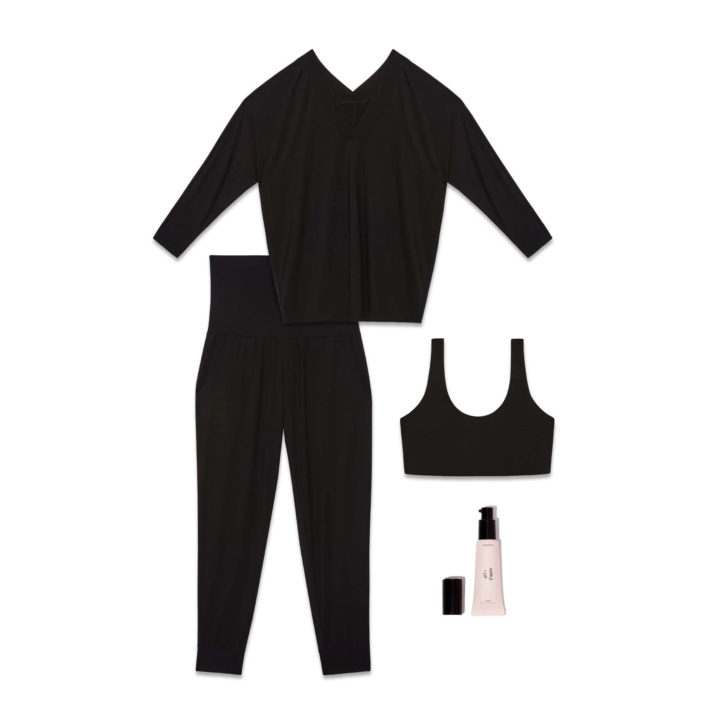
Take a peek at our maternity sets and separates, great adds for your bag, and remember that a little luxury hits differently when you’ve just had a tiny human emerge from your body. If there was ever a time you needed something buttery soft on all your bits (vag, boobs, belly and nips), this is it. That goes for the all-important first meal after birth, too. You’ve worked hard for it, mama, so don’t feel bad about sending someone out for that breakfast sandwich, replete with runny egg deliciousness.    

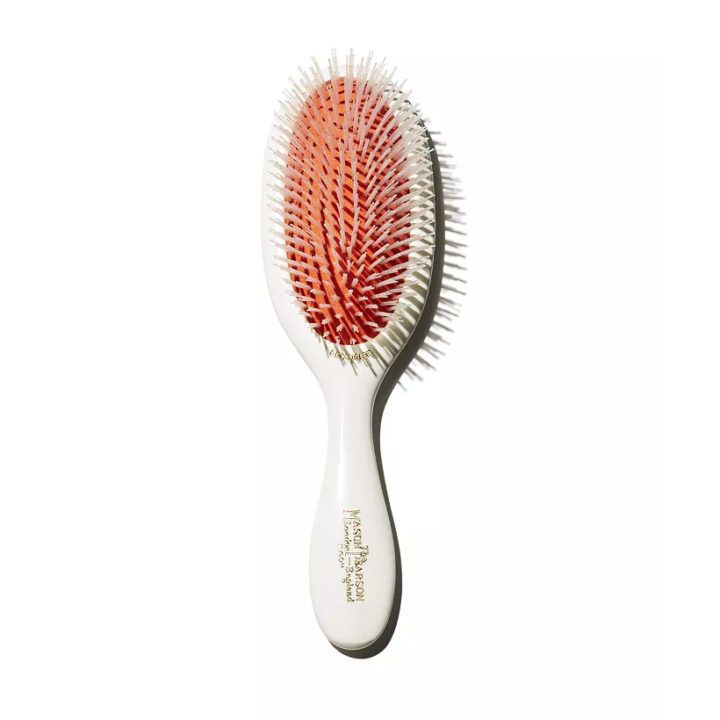
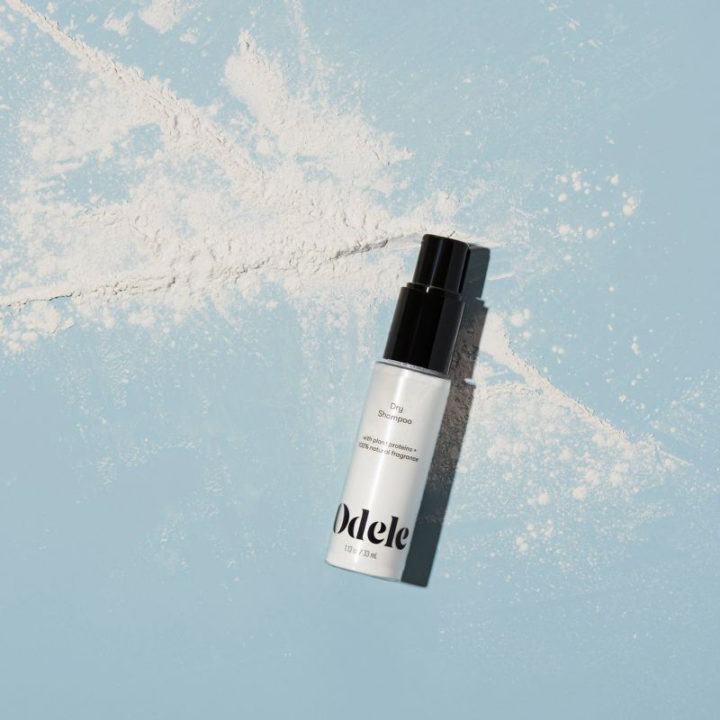
And so, the minimalist hospital bag enters the chat. Take a peek and, seriously, don’t dismiss the hair saves. Nine months of pregnancy-related growth and knottiness (plus some probable spit up or colostrum sprays in your strands, post-birth, if breastfeeding is part of your journey) isn’t easy to run a comb through. But for what it’s worth, that’s just a confession from a painfully-hair-tangled mom of three… 

More:
boramboram

WTF Is a Postpartum Retreat? You’ve heard of a birth plan; it’s time for a postpartum care plan.

By Ruthie Friedlander

Everyone’s journey to becoming a parent is unique, but there’s one common truth: bringing home babe is HARD STUFF. There’s newborn feeding. There’s sleep training. There’s meal prep for yourself. There’s swaddling, bathing, diapering…and let’s be honest, a lot of this you may have never done before. 

You always hear people say, “babies don’t come with a manual,” but what if they did? Imagine there was a physical place with a single mission to help you better understand your baby and feel confident in the most important job you will ever have. A luxurious center where you could heal, learn, and, dare you to imagine, relax during arguably the most vulnerable time of your and your little one’s lives? After spending 9+ months taking care of yourself, why do we stop when the baby comes? 

Enter Boram: a luxury retreat center focused exclusively on postpartum care. And before you freak out that something like this exists, know that in other places in the world, namely Korea, 75% of women check into a postpartum care facility like this in the first 1-6 weeks after birth to recover. This isn’t simply a chic resort to sleep in a cozy bed (note: their beds are ridiculously cozy). It’s an immersive experience to help new parents step into a new role and gain confidence.

“Our care team consists of postpartum doulas, specialized newborn & maternal nursing assistants, and newborn care specialists,” the Boram team tells us. “We offer one-on-one coaching and cover a variety of topics including breastfeeding and latching support, techniques to soothe your baby, baby-wearing, meal preparation and education on nutrition after birth, screening for postpartum mood disorders.” So practically all the things you panic Google late in the night? They’ve got an expert to help you with that.

While there’s no typical day at Boram [each stay is individualized to the family’s needs] here’s a taste of what you’ll get: 

In Boram’s 24/7 Baby Room, a team of experts will care for your babe while you get the rest that you need to recover from labor in the Mother’s Lounge (stocked with HATCH goodies, of course). There, you can socialize with other new mamas, chill out, snack on some nutritious goodies, or just be. When your brain needs a little stimulation, you can join a parenting workshop, led by world-renowned experts on topics ranging from early lactation to sleep habits.

The research speaks for itself. Having a dedicated postnatal care plan improves the health and wellness of both mama and babe. Boram enables you to focus on your needs as well as your newborns so you can prioritize your own health during this vital stage.  

“There is a sophisticated network of postnatal care facilities in Korea,” founder Boram Nam tells us. “The US doesn’t currently have anything close to that. I also think there’s a difference in expectations for new mothers. Though some Asian cultures are very fast-paced, postpartum is still considered a time to slow down. In the US, parents aren’t even granted proper maternity and paternity leave. Culturally, we must empower mothers in knowing that it’s okay to take time off and build a society that supports new parents.” Nam cites more dedicated spaces for breastfeeding as one example. “We’re having conversations with companies about offering Boram as a part of their employee benefit packages and hope to work with insurance companies in the future to make Boram more accessible,” the founder explains. “Ideally, this would become the norm across the country.”

Boram’s first location is located on the 9th floor of the gorgeous Langham hotel in New York City, only a few subway stops away from the HATCH Upper East Side Store. With your stay, you get all of the accommodations of the Langham, in addition to Boram’s unique offering. Rates range from $2,500 for 3 days, $4,200 for 5 days, and $5,000 for 7 days. To book your stay at Boram, visit boramcare.com

Breast Cancer Survivor Chloe Harrouche Wants to Change Healthcare "You’d be surprised by how little women eat."

By Babe | Photos courtesy of The Lanby

At the age of 23, Chloe Harrouche discovered she had been undiagnosed with cancer for almost a year. After experiencing the bureaucratic clusterf*ck of our country’s healthcare system, she went on to beat cancer and her harrowing frustrations led her to open The Lanby, a primary care membership and community that prioritizes a patient’s needs from all perspectives of healthcare.  

We sat down with Chloe, now mama of a delicious four-month-old boy via surrogate (more on that later), to discuss how her diagnosis led her to founding The Lanby and what so many women don’t realize about their own healthcare and fertility journey.

What led you to starting The Lanby?

I’ve always been in the healthcare industry professionally, and I’ve always been fascinated by medicine and loved being around doctors. When I was diagnosed with breast cancer at age 23, I actually enjoyed the process going from one doctor to the next. I was able to experience first hand what it felt like to go through chemotherapy. Of course I had heard about it, but it felt like some experiment.

One thing that caught my attention though was just how disjointed the healthcare system was. Obviously from my own work, I knew this to some extent, specifically from the provider perspective. But as a patient, I was struck by the lack of coordination among my providers. It was up to me, as the patient, to connect the dots, ask the right questions, be my own quarterback. In the face of a diagnosis, you’re forced to to stop everything you’re doing and fight your way through the system. It’s a nightmare.

Since completing treatment, I’ve become fascinated by preventive health and strive to be as proactive as possible. Why wouldn’t I do everything in my power to avoid a recurrence or any type of disease? But this is another area where the healthcare system, designed to be reactionary, falls short. None of my doctors spoke to me about what my lifestyle should look like moving forward. It was up to me to figure out how to optimize and then execute. And that’s where things can get dangerous. We, as motivated patients, resort to the internet and the wellness industry to supplement what we wish our doctors would tell us. We end up self-experimenting according to what we hear has worked for others (intermittent fasting, keto, IV therapy, HRT), who don’t necessarily share the same medical history, risks or goals. And then hope we don’t do any harm to ourselves in the process. 

So my co-founder and I set out to redesign primary care, from scratch — we set out to disrupt the archaic, ugly, incomplete experience of primary care and reclaim it as a meaningful first line of defense. Our goal was to rethink every touchpoint from the patient’s POV. What does it really take to improve your day to day habits and make meaningful progress? How can we alleviate the administrative burden on patients — the coordination of specialists, the confusion around insurance reimbursements, and the diligence it takes to vet wellness modalities through a rigorous, science-backed lens? In essence, that’s the mission of The Lanby – how can we support patients from all angles? 

How does the membership work?

You pay a monthly fee for unlimited access to all of our services. Members are assigned a dedicated three-person care team: physician, wellness advisor, and concierge manager. They work collaboratively on your care and explore how best to support you. And we call it a membership because ultimately, we’re building a community around health and wellness – to create opportunities for members to learn, test, and reengage with their health when they feel uninspired. To hear from both experts and like-minded members on what’s worked, what hasn’t worked. To engage in educated experimentation. 

Eight years into remission, and my fertility journey ended up being more complex than my cancer journey. I went through several rounds of IVF and IUI and unfortunately didn’t have the guidance I needed to tackle the fertility problem properly. After several failed IVF attempts, I pursued surrogacy, and I’m thrilled to say, I’m the biggest fan. It’s the most inspiring thing anyone can do for anyone else. We’ve been very fortunate to go through it. I have a lot to say about the fertility industry — women today are at a loss, they don’t know who to turn to, who to trust, what to take, how to position their bodies for optimal fertility. We strive to help our members personalize their approach and sift through this very daunting question of whether or not they can get pregnant.

My fertility journey was more complex than my cancer journey.

What are you seeing from your fertility patients?

You’d be surprised by how little women, really all patients, know about fertility. The wellness industry is post-boom, with the conversation now really trending towards boosting longevity – intermittent fasting, minimizing fat vs. muscle mass, calorie-restricting, HIIT, etc.. It’s mostly the opposite advice anyone trying to get pregnant should follow. So we’re having to re-educate members based on their personalized goals and adjust the expectation that all “wellness” is created equal, nor is it one “time” fits all.

Ultimately, that’s where I went wrong. I tried to optimize without any guidance, and ended up hurting myself and my fertility along the way. And that’s part of the impetus behind creating a practice by patients for patients — it’s to be able to tell our members, we’ve been there, we’ve carried that weight on our own, and it doesn’t have to be that way.

How did your fertility experience play into The Lanby’s care?

I went to the best reproductive endocrinologist and what he told me was, as long as you take this medication to increase estrogen levels and get your progesterone to this level, you’ll get pregnant. For him my thyroid levels were normal. It turned out I had hypothalamic amenorrhea. There’s a range of normal that’s not optimal. I had three miscarriages. He didn’t look at my bloodwork holistically. 

He didn’t worry about my weight or the stress I had. His answer was “Women in Africa get pregnant, so you should be able to.” That was the opposite of prevention.

What are you seeing from your fertility patients?

You’d be surprised by how little women, really all patients, know about fertility. The wellness industry is post-boom, with the conversation now really trending towards boosting longevity – intermittent fasting, minimizing fat vs. muscle mass, calorie-restricting, HIIT, etc.. It’s mostly the opposite advice anyone trying to get pregnant should follow. So we’re having to re-educate members based on their personalized goals and adjust the expectation that all “wellness” is created equal, nor is it one “time” fits all.

Ultimately, that’s where I went wrong. I tried to optimize without any guidance, and ended up hurting myself and my fertility along the way. And that’s part of the impetus behind creating a practice by patients for patients — it’s to be able to tell our members, we’ve been there, we’ve carried that weight on our own, and it doesn’t have to be that way.

What’s next for The Lanby?

Good information, good people.

What I mean by that is, we want The Lanby to serve as that resource for people to help them sift through the wellness noise. Whether that’s through our practitioner-vetted programming and resources, or through facilitating more honest dialogue among patients, we’re your club. 

Because of how unregulated and confusing the wellness industry has become, a lot of patients end up consuming a little bit of everything, hoping something sticks. And our members are curious, health-literate consumers. But this stuff should be going through a vetting (and perhaps more importantly, personalization) process.  The Lanby is creating a space to compare notes, and a home base for truth. Your doctor should be able to tell you what podcasts to listen to, what books to read — you shouldn’t have to figure that out on your own. Right now it’s a siloed world out there for patients, and we’re treading water just to stay on top of all the information out there. We’re here to bridge that gap between the healthcare industry and the wellness industry. The doctor’s office is a lifestyle, you heard it here first.

I Want to Have Sex With My OBGYN "My feet in stirrups and his head between them."

By Anonymous | Illustration by Ana Hard

I don’t know when it started – perhaps somewhere between my 20th and 21st week of pregnancy. I was at my monthly prenatal check up, and my OBGYN – a nerdy dude in his mid-50’s or so – was doing the usual stuff, ie blood pressure, weight, measuring my belly, listening for the heart beat. Suddenly, out of nowhere, he started looking kinda hot. Like really hot.

I don’t know if it’s just one of those patient/doctor fantasy things, or the fact that he seems to know everything about what I’m going through and I can’t get my husband to read one damn pregnancy book. Or maybe it’s that he chose to be an OBGYN for a living, to help steer women through the current shitstorm of reproductive healthcare, to guide us through the chaos of pregnancy and into our most primordial state of being. To celebrate our power and help us access it instead of fearing it. 

HOT. 

I picture him at undergrad or med school deciding which field to pursue. A super smart, intuitive student who had the world at his fingertips. He could’ve bro’d out and gone into sports medicine or Orthopedics. He could’ve gone the moneybags route with plastic surgery or cosmetic dermatology. All of which I would think are way more chill than being called in the middle of the night to come be my knight in shining armor, to deliver MY baby and tell me everything’s going to be OK while my husband’s napping in the corner of the delivery room.

Either way I started fantasizing about said OB on a regular basis – sex in the exam room, ripping my gown off with abandon, all of it. My feet in stirrups and his head between them. I started wearing my bodycon maternity looks to our visits and I even put on mascara for the first time since my 12th week of pregnancy. Once, when I was shown to his colleague’s room instead, I nearly wept on the spot.

That’s when I realized I had a problem. 

“You’re probably just super horny,” my friend told me over mocktails the next night. “You’ve got all these hormones coursing through your body. He’s this beacon of wisdom and calm during a super unsettling time. I get it. But instead of crying into your gown, go have sex with your husband instead.”

A quick search on Babycenter made me feel less alone – that the “crushing on your doctor” trope is not just normal, but it’s as old as time. In fact, it was the plotline for nearly half of the VHS tapes in my parent’s porno stash I discovered at age 16. 

“Having a fantasy of someone in power or with a specific set of knowledge relevant to you is totally normal, especially when you’re in a vulnerable state like pregnancy and they’re the purveyor of that knowledge,” my psychotherapist friend told me. “I guess I would just question if he represents something to you that’s missing elsewhere, like support or partnership.”

At the end of the day, this whole pregnancy thing has me feeling super vulnerable. Birth is intimate stuff and this is a man who tends to me on a regular basis, asks me how I’m feeling and wants to know every detail of my life. He patiently answers every question I have. I just need to remember he’s being paid to do so. 

The next day I implored my husband to be more interested in the ins and outs of my pregnancy as well as in our future role as parents. Maybe I was just seeking companionship on a very lonely road. He apologized and said he didn’t realize I needed him more than he was offering himself. He began reading “Bringing Up Bebe.” Hot.

We had sex that night. By week 24, I had a new OB. 

And speaking of hot preggo style….

More:

What Your Astrological Sign Says About Your Parenting Style It's written in the stars.

By Babe | Illustration by Ana Hard

Often wonder whether you’ll be a “chill mom” or an obsessive compulsive stress-ball? Or if you’ll sleep train early and let them cry their lungs out or nurse on-demand and co-sleep ’til puberty? While we all think we’re the masters of our own parenting styles, our most fundamental parenting archetype might already be written in the stars.

So from free-spirited Libras to the dreamiest of Pisces, here’s our handy astrological guide detailing what kind of parent you’ll be depending on your sign, and how you can best use your natural parenting style for good. And while nothing’s ever set in stone, you can pretty much count on a Virgo to manage the school fundraiser and a Leo to manage the playlist at the after party….

Aries (March 21-April 19)

You’re a natural born leader, which means your kiddos will always know who’s in charge of any situation. You’ll guide them through all of life’s hurdles – from a nightmare to a failed test to a flat tire en route to grandma’s – with optimism and grace. But, where there’s the confident Aries, there’s always the bull lurking behind. Mind your short temper and stubborn point of view, because quite frankly, there’s no arguing with your 16-year-old daughter on her period.

Taurus (April 20 – May 19)

You’re fiercely loyal, super dependable, trustworthy and you value order and keeping a beautiful home. Your children will feel safe sharing their troubles with you at the end of the day, and they’ll totally love their chic upholstered headboards. But dear Taurus, you also value the finer things in life and are quick to spoil just to keep everyone happy. Tighten up that spending habit of yours, lest you end up breaking into their 529’s.

Gemini (May 21 – June 20)

Geminis are children at their core, and true individuals who love to learn and stay engaged, which is actually an amazing quality considering how un-engaging playing with a toddler can be (dinosaurs…again? yay.) Just remember that sometimes, you have to let your children be children on their own, and not overstep just to feed your own creative endeavors. If you’re feeling stifled, sign up for a pottery class.

Cancer (June 21-July 22)

For Cancers, family is everything. As the nurturers of the Zodiac, we wouldn’t be surprised if your secret dream job is class parent and PTA president. You’re quick to kiss the boo-boo, wipe the tears away and offer a shoulder to cry on. Hey, you might even join in the sobfest. But keep in mind that their problems are not your problems. Parenting is all about boundaries, of which you’re known to have few. So try and remember to be strong for your kiddos without dissolving into their angst, as well. 

Leo (July 23 – August 22)

As the life of the party, Leos know how to create an exciting, fun home environment that all the kids want to be at. Your knack for planning over-the-top birthday celebrations will get you very far with the under six yet, and your family will never be bored with you at the helm. Always keep in mind, however, that you are no longer the center of it all, and as much as you want to have the last cookie, or tequila shot, it’s really not about you anymore. Even the wildest Leo has to grow up eventually. Not to worry, you can go back to dancing on tables on your next girls trip.

Virgo (August 23 – September 22)

You dream in logic and order and have this whole parenting thing down to a science. PTA forms filled out? Check. Toddler soccer class sign up? Check. You’re first to drop off, first to pick up and you never fudge the dates of pre-k admissions, unlike other parents we know (ahem, Gemini). Just remember, dear Virgo, that sometimes the magic of parenting (and especially childhood) lies in total spontaneity and whimsy. You can’t plan for everything, so your work is to let both the good times and not so good times play out how they will.

Libra (September 23 – October 22)

Whether it’s choosing a restaurant or a pediatrician, you’re relaxed and peaceful in everything you take on. You create harmony in the home, and can communicate beautifully with your children even amidst the biggest tantrum. Just remember that your role is to create safe and clear boundaries as well. Although the whole “discipline thing” might come hard for you, try not to err on the side of being too ‘lax, as your kids actually crave structure and rules, even if you don’t.

Scorpio (October 23 – November 22)

Your expectations are high and your patience can be nil. Tough Love is your M.O., fiery Scorpio, and you’re determined to teach your kids those same qualities. But not everyone is signed on to your parenting philosophy and your little lovers, especially in the form of Cancers or Pisces, might need a more gentle parenting approach. Remember that not all grievances can be solved with fire. In fact, very few.

Sagittarius (November 23 – December 22)

You’re an adventurous soul who’s always up for the next trip or exploration. You understand and tout that learning often takes place outside of the classroom by experiencing new cultures, people and ideas. All true, dear Sag. But remember, there’s also value in order, schedules, and for children to know what’s coming next in their day. As much as you want to go where the wind takes you, for your children, give them the best of both worlds: the comfort of plans with a strong dose of spontaneity. 

Capricorn December 23 – January 21

You’re known for their rationality, logic and ability to prove any point. Your kids won’t ever worry what the next item on the to-do list is or what’s happening next. Reliability is your comfort zone. But even if you’re busy baking 200 cookies for the bake sale or heading up the PTA, remember to make time for your kiddos, and that not everyone operates at your level of get-it-doneness. So be patient.

Aquarius (January 22 – February 21)

You’re free-spirited and outgoing and believe in parenting with a long leash. Right on, dear Aquarius. Giving children freedom and liberty is a very underrated quality, and one you excel at. Just remember your roles and responsibilities, and that maybe sending your five-year-old out for milk can be a questionable decision at best. (“But they do it in Japan” isn’t a good argument, either). You’ve got a million ideas for raising little bohemians, but keeping them safe is your primary goal.

Pisces (February 22 – March 21)

Pretend play is a lot more interesting in your house and you’re definitely the “cool parent on the block.” You’re also artistic, empathetic and can connect to others on a soulful level. But sometimes as a parent, you must remember to tuck your heart back into your sleeve and wear your best poker face in tough parenting moments. Your child relies on you for strength in the face of setbacks, so at times you must toughen up for their sake, and you can cry when they go to bed.

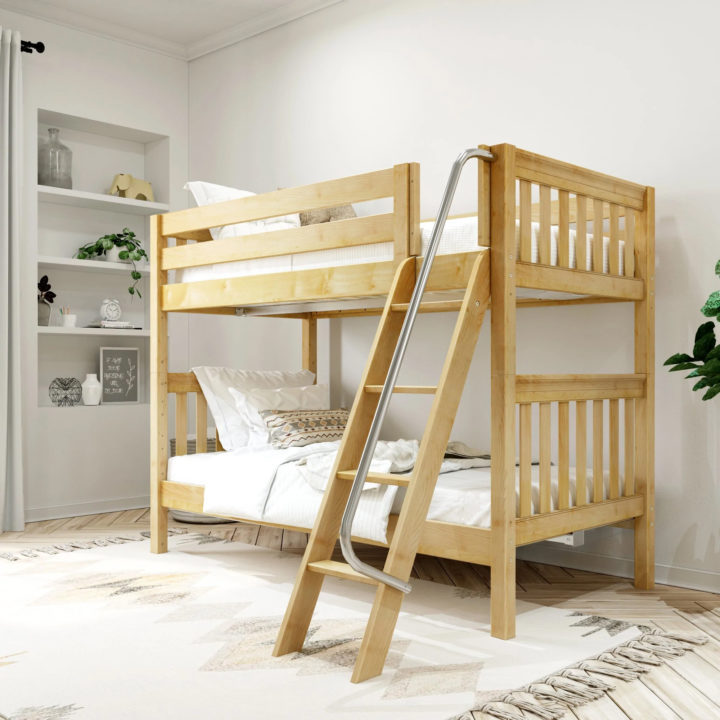
So They're Going To Share a Room. Here's what you'll need....

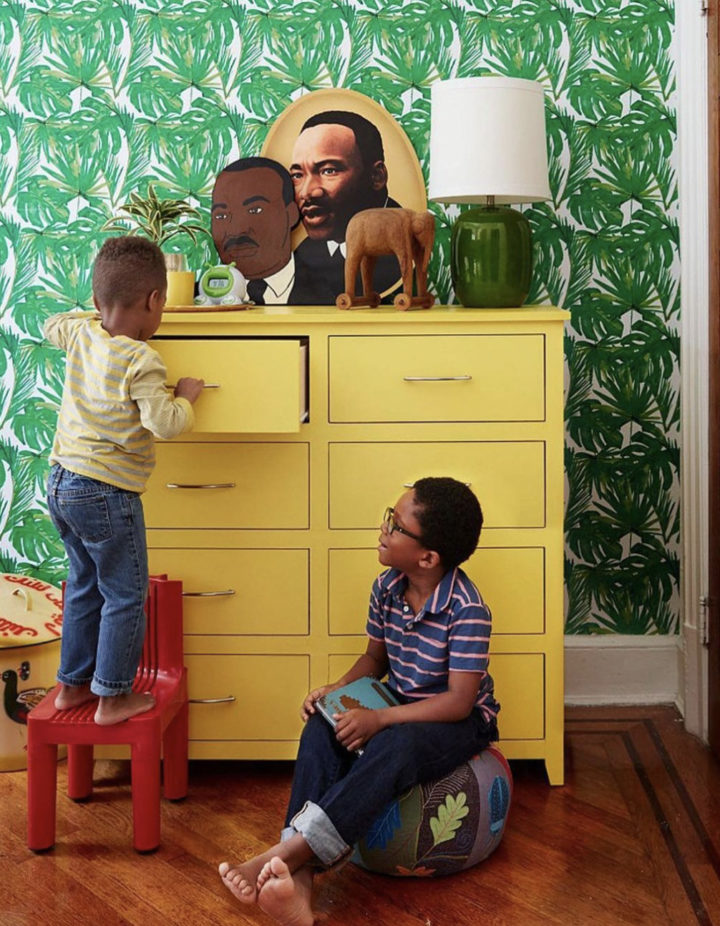
By Danielle Halibey | Photo by Chasing Paper

Whether you’re adding a new member to your fam, moving to a new place with less space or just want your babes to have more bonding opps while they’re growing up, strategizing a room share between/among your children might just be the best idea ever. That being said, before your littles become bunkmate besties, you’re bound to experience some growing pains — totally normal and 100 percent to be expected. It’s not like there’s an easy compatibility test or roommate questionnaire that you can have your eight-month-old fill out to ensure an ever-successful match-up. 

So, to help you navigate all the highs and lows that can come with a decision to room them together, we’ve called in the experts: Parents who have #BeenThereDoneThat and know what works (or at least, what worked for them) for this co-op living arrangement. There’s no exact science behind the most copacetic room configurations, but leading with the below POV is a surefire way to start fostering a 👍❤️🙌 rooming situation between siblings.  

Because You Lit-Er-Ally Just Had A Baby….

The Cool Mom's Guide to the Nordstrom Kids Section We're not regular moms....

By Babe | Photo courtesy of Nuna

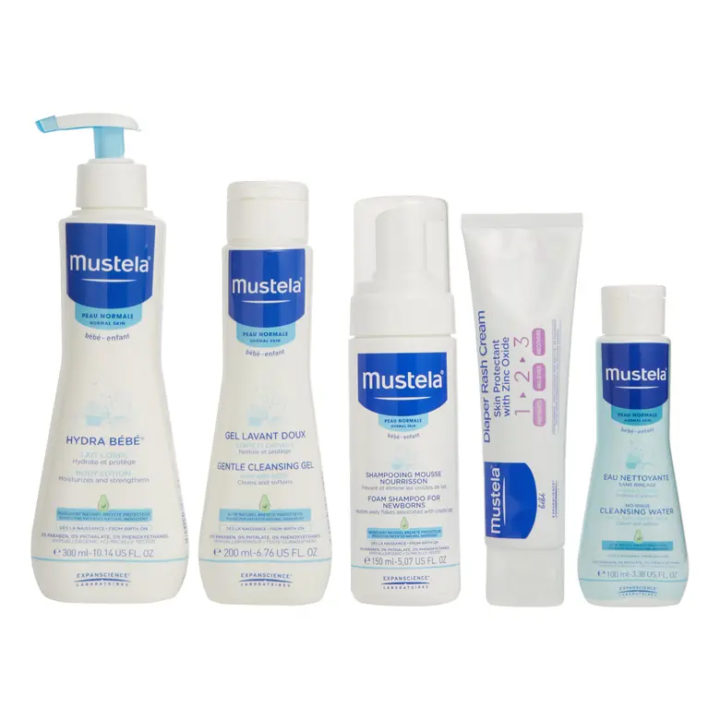
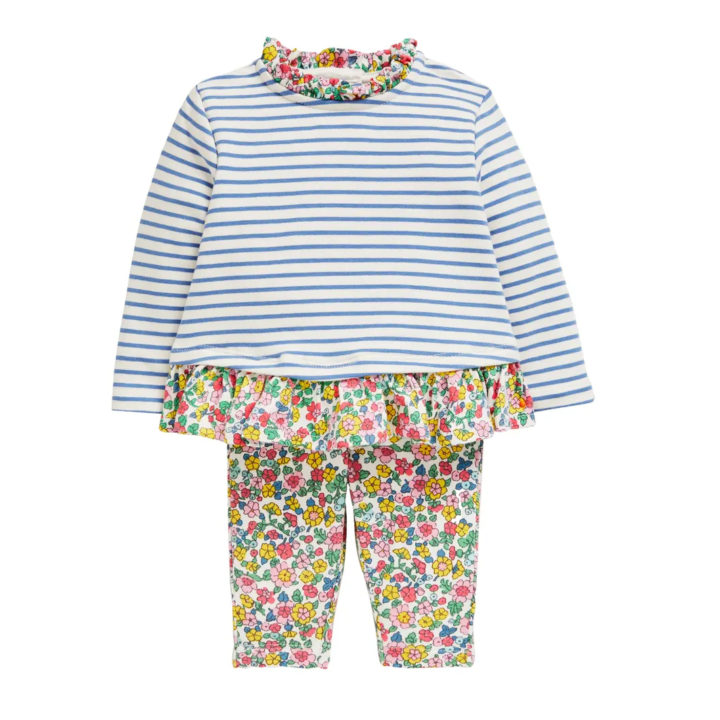
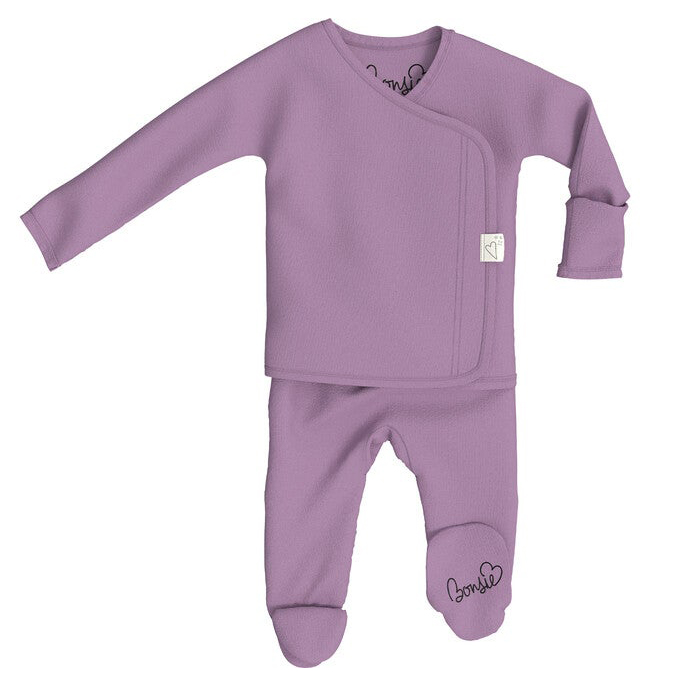
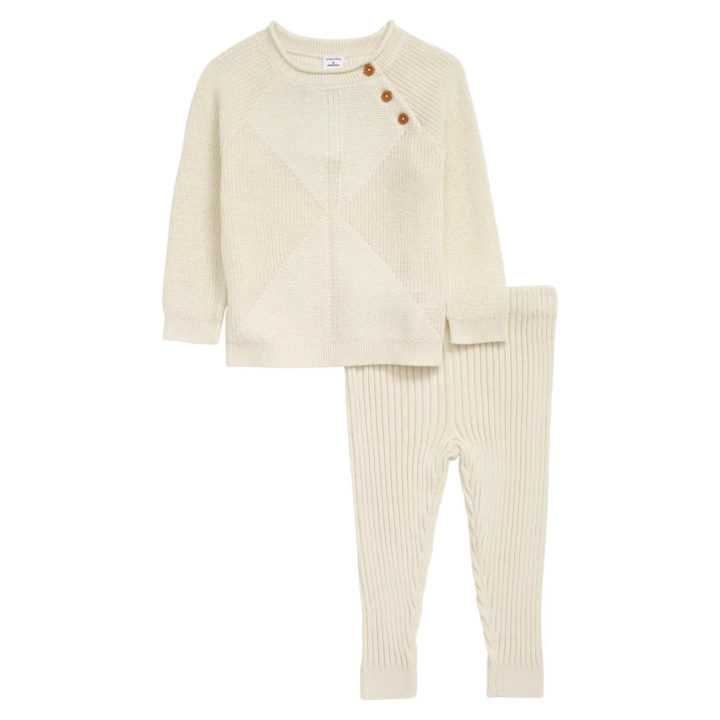
Um has anyone checked out the kids section of Nordstrom lately? It’s giving serious style, from the must-have stroller to the neutral playsuit to the chicest gifts for showers, first birthday parties, the holidays and more. If you haven’t peeped it lately, don’t worry. We did the work so you don’t have to. (It’s kind of our thing.) Here’s a CliffsNotes version of everything we’re loving lately on Nordstrom Kids. But by all means, have a look yourself….

*All images provided by Nordstrom

More:

Why is Pregnancy Sex so Hot?? Let's do this.

By Babe | Photo by @ta_ladnaya

For some of us, the thought of having sex during pregnancy is met with anxiety, fear and a groan or two. But for every one pregnant person who complains that their mojo went out the window as soon as they heard the heartbeat, there’s an equally abundant catalog of women getting after it in ways they never thought possible.

What gives?

“When you’re pregnant, your uterus starts to grow and the pelvic blood supply increases tremendously,” says Dr. Shieva Ghofrany, an OBGYN based in Stamford, CT and founder of Tribe Called V. “With that, the blood supply increases into your other pelvic anatomy, too, including your clitoris, which includes the actual ‘glans’ (the clitorial tip) as well as the labia! So everything feels more stimulated.”

Additionally, the hormone estrogen, which increases during gestation, is closely linked with driving sexual desire. So even if you don’t feel sexy, you are physiologically hot sex on a platter.

“I don’t know when I started feeling super horny, perhaps somewhere around my second trimester,” says Talia S, a new mom based in Brooklyn. “I had had a pretty easygoing first trimester and I was just feeling really good throughout. Also my orgasms during pregnancy were really strong, which contributed to me wanting more of them!”

Fortunately, most of the sexual positions you know and love are still on the table. We wouldn’t recommend missionary style once you get further along in your pregnancy, as lying down after the 20th week can restrict blood flow to both mother and baby. But we’re big fans of “doggy-style” so long as you don’t feel the penis up against your cervix, as well as you on top. (According to Healthline, this position is supported by science, — at least one Taiwanese study found increased sexual satisfaction for pregnant women who control penetration by being on top of the partner.)

We also love a good spoon sesh, reverse cowgirl (yee-hah) or even standing if the mood overtakes you after emptying the dishwasher. Just remember, if you’re engaging in sex with a man, his penis won’t hurt the baby. Also, you won’t miscarry after a mind-blowing orgasm. We promise. But for high risk pregnancies, consult with your medical provider before getting all kinds of freaky. They might have some stipulations with just how far you can go.

And if you just can’t bear the thought of getting it on during your pregnancy, that’s OK, too. Because there’s always the fan-favorite masturbation option (but why choose?). Just check in with your partner to gauge their feelings as well. Remember, sex is more than sex. It’s intimacy. And intimacy comes in many forms. We recommend trying to find yours.

Dr. Becky Defines Good Inside Parenting "It assumes everyone is doing the best they can with the resources they have at the time."

By Babe | Photo by Melanie Dunea

In case you’ve been living under a rock or took a two-year Instagram hiatus, Dr. Becky Kennedy, aka “Dr. Becky” is a force in the family counseling space and the de-facto parenting expert for the millennial set. She’s known for her quick, quippy 15-second Instagrammed pearls of wisdom, covering everything from tantrums to sibling rivalry to the in’s and out’s of how we communicate with our children.

The Dr. Becky “Good Inside” parenting philosophy is that, at our core, we are all good inside. It’s also premise of her parenting platform of the same name and her new book, Good Inside: A Guide to Becoming the Parent You Want to Be.

On the heels of her Los Angeles book launch at HATCH Brentwood, we sat down with Dr. Becky to explore what it means to be good inside and how we can still keep firm boundaries while staying empathetic to our children.

Can you define the philosophy “Good Inside?”

The principle of internal goodness drives all of my work, and everything we do at Good Inside. At our core, we are compassionate, loving, and generous. Holding this belief that kids and parents are good inside, allows us to see behavior as an expression of needs, not identity– especially in difficult or highly charged moments.

When we tell our kids, “You’re a good kid having a hard time . . . I’m here, I’m right here with you,” they are more likely to have empathy for their own struggles, which helps them regulate and make better decisions in the future. Now to be clear, seeing our kids as good inside does not mean we give them permission to act however they want – no way. There’s nothing permissive or soft about the Good Inside approach. Seeing our kids as good inside actually allows us to act with firm boundaries, with parental authority, and with warm compassion – all at the same time.

How does Good Inside differ, or align with “Gentle Parenting?”

I don’t know exactly what “Gentle Parenting” is, but I can describe what Good Inside Parenting is and how it might relate. Good Inside Parenting assumes that everyone is doing the best they can with the resources they have at the time. Given this view, when kids struggle, we don’t see them as bad kids doing bad things, but rather as good kids having a hard time. This shifts the mindset of how we intervene – from punishing behavior and to skill-building to change behavior. There’s a misconception that focusing on kids’ emotional life is ‘soft’ – this couldn’t be more false. We feel before we think and so a focus on feelings is all about helping people from where their troubles start – this focus is logical, practical, and effective.

Seeing our kids as good inside does not mean we give them permission to act however they want.

Good Inside Parenting believes in boundaries, limits and jobs – both for parents and kids. And we teach parents how to embody their authority while showing their kids empathy and respect. The best thing about Good Inside’s approach is that we believe you can be two things – you can be sturdy and warm, you can be kind and disciplined, you can set rules and empathize.

Here’s an example, and I think you’ll see here where this approach isn’t at all ‘soft’ but also isn’t at all ‘scary’ – it’s sturdy. A parent might say to a child who is flailing and screaming on the floor: “You’re a good kid having a hard time. I’m going to pick you up and take you to a quieter place. You’re not in trouble. I’m going to stay with you so we can calm down together.”

What inspired you to create this form of parenting?

On February 28 2020, I started what I thought would be an Instagram account. I had so many ideas around parenting and self-care and I realized that Instagram would be the perfect place to put out some of these ideas in short, easy to digest, formats.

Just over two years later, Instagram is in some ways a small part of what I do. Today I have over one million followers, a nationally recognized podcast, Apples Best Shows of 2021/#1 in Kids & Family with over 8 million downloads in just over a year. And still, that’s not the best part – to be, by far the most exciting and compelling part of Good Inside is that we have a global movement and ultimately, a game-changing parenting community. Good Inside is truly more than the sum of its parts – we have a movement of over one million brave adults dedicated to growing, healing, and breaking cycles. Parents who are dedicated to showing up for their kids and themselves in a way that feels good.

Throughout my journey I have been amazed by the feedback on social media and in the community. Every time I read responses of gratitude and excitement and their “aha moments” I remember, we’re onto something here—I can feel it and I know others can, too. When we see the good inside ourselves, our kids, our parents, our friends, strangers, we build a more empathetic, caring world. Truly. Yes, this is a parenting movement, but we are also doing something much bigger. Moments like this make me pause. Step back, take a breath, and realize the enormity of what we’re doing together. 

How do you suggest we handle zero-tolerance behavior like hitting / biting?

My kid is having a tantrum – what now? Remember this during a tantrum: “My job is to keep myself calm and keep my child safe.” – this means, we don’t have to end a tantrum, just keep a child safe during it. So if there is hitting or throwing or anything dangerous, step in with an “I won’t let you” phrase – “I wont let you hit me… You can hit the floor here” or “I won’t let you throw blocks. I’m picking you up and carrying you to your room and I’ll stay with you.”

Then, once you’ve assured a child’s safety, stay and focus on your own breathing. Your calm presence during your child’s tantrum teaches them and gives them everything they need – they feel your regulation and borrow it to reground their own bodies. You might, during this time, name a wish a child has: “You wish you could have ice cream for breakfast, I know!” or you might just share supportive words like this: “I’m here. I know this is hard. You’re a good kid having a hard time. I’m right here with you.”

Looks We Love….

1 23 105