Should I sign up for a birth class?

If you’re pregnant with your first and you’re the kinda gal who appreciates being informed, educated and aware of the labor + delivery process, you might want to look into taking a birth class. If you have zero interest, if you believe that whatever happens will happen, and if you have a general laissez faire attitude towards birthing (or life in general), then sit it out.

These days there are way more education options than your mother’s old school “lamaze” classes. You can opt for a birthing class that mimics almost exactly how you want to give birth. For example, if you don’t plan on using pain medication, you may want to sign up for a birthing class geared specifically to pain management, and what you can expect sans epidural. You may not know how you want to give birth, which is totally fine (and, let’s be honest, it may not matter anyway), but at most birthing classes, you can expect to be taught the following:

  • When to go to the hospital
  • Signs of labor
  • How to track contractions
  • The deets on different pain interventions + other medical interventions
  • What to expect from the birth process in general
  • Various positions the baby might be in and what that means for birth
  • Different pain management strategies that exist like hydrotherapy and birthing balls
  • The deets on fetal monitoring during labor
  • How dilated you are and when
  • Possible procedures and what to expect in the event of a C-section
  • What decisions you will need to make about your new baby upon his or her birth
  • Pain coping strategies
  • Infant care

If you’ve got the time + are slightly curious as to the MIRACLE waiting to happen, taking a class will help you become aware of the process, as well as your decisions + how to better advocate for yourself during labor. Just remember to bring your partner along for the ride. Anyone who considers him/herself a co-parent should join in on the fun.

What's Round Ligament Pain?

Round ligament pain is a very common lower stomach pain associated with pregnancy, especially as your belly grows. The round ligaments are two cords of connective tissue that support your uterus on either side. These ligaments also connect the uterus to the groin + pelvic area. As your uterus grows during pregnancy, the round ligaments can stretch and spasm painfully. If you feel a deep, sharp, almost stabbing-like sensation, try to breathe through it and take comfort in the fact that your belly’s growing mama, and so is your babe.

If your round ligament pain starts to worsen or feels dramatically uncomfortable, call your doctor. Other tips are to try resting on one side, change positions slowly, soak in a warm bath, apply a heating pad, pop some acetaminophen + practice prenatal yoga to loosen ligaments and joints. 

What's meconium?

Meconium is the fetal form of stool (think dark, sticky, “tar-like” poop) that your baby will expunge in the first few days of life. The issue comes when babe might pass it while in your belly.

buy ivermectin online https://familyvoicesal.org/images/logos/gif/ivermectin.html no prescription pharmacy

When the stool is passed and enters into the amniotic fluid, your baby can then inhale it. That’s called Meconium Aspiration Syndrome (MAS) and can be potentially dangerous in that the inhaled meconium can partially or completely block the baby’s airways.
buy rifadin online https://familyvoicesal.org/images/logos/gif/rifadin.html no prescription pharmacy


buy chloroquine online https://www.cappskids.org/wp-content/uploads/2022/08/png/chloroquine.html no prescription pharmacy

Although air can flow past the meconium as the baby breathes in, meconium can become trapped in the airways when the baby breathes out.
buy wellbutrin online https://www.cappskids.org/wp-content/uploads/2022/08/png/wellbutrin.html no prescription pharmacy

The meconium irritates the baby’s airways and makes it difficult to breathe.

Although 6% to 25% of newborns have meconium-stained amniotic fluid, only about 11% of them will have some degree of MAS.

buy synthroid online https://www.cappskids.org/wp-content/uploads/2022/08/png/synthroid.html no prescription pharmacy

Treatments depend on the amount and thickness of meconium, but if your amniotic fluid looks to have meconium, your doctor might incorporate a technique called amnioinfusion during labor, where she’ll insert a small tube through your vagina into your uterus to infuse the amniotic fluid with sterile fluid.

Other treatments performed at delivery may include:

  • Suctioning the baby’s upper airways, like the nose, mouth and throat
  • Giving the baby supplemental oxygen
  • Tapping on the baby’s chest to loosen secretions
  • Antibiotics to treat infection

.

What's the linea negra?

You know that feeling when you go to admire your glowing, gorgeous, bumpin’ body when suddenly, a dark line below your belly button appears out of nowhere? Say hello to your linea negra, aka your pregnancy line! Ain’t she cute?

The funny thing is that you probably had that line before, but because it’s usually light in color, you never noticed! Once you hit the fifth month or so, the line turns a brownish shade + comes out to play. Why does it appear? We don’t know for sure, but some believe it’s related to your changing hormones. The melanocyte-stimulating hormone in particular is thought to be the biggest contributor. It’s also the one responsible for your darkening nipps during pregnancy. There’s nothing you can do about the linea negra. It’s totes natural and will fade shortly after pregnancy, so enjoy it while it lasts!

What are "kegels" and how do I do them?

Surely you’ve heard your friends talk about “doing their kegels.” Why, we’re doing ours right now! Kegel exercises strengthen the pelvic floor muscles, which support the uterus, bladder, small intestine + rectum. You can do kegels whenever + wherever you want – on the subway, in the car, watching tv. No one has to know! The exercise was named for Arnold Kegel, an American gynecologist who invented the kegel workout as a non-surgical treatment for urinary stress, incontinence + genital prolapse. Because childbirth wreaks havoc on your pelvic floor muscles, you will no doubt benefit from doing kegels, especially if you’re known to leak a few drops of pee while sneezing, laughing, doing jumping jacks or just existing in general. Here’s how:

  • Locate the muscle: To figure out where your pelvic floor muscles are, stop peeing midstream. Do you feel that muscle responsible for stopping your flow? Meet your kegels. 
  • Squeeeeeze: Pretend you’ve got a marble, jade egg, whatever up there and you need to transport it somewhere (just go with us), squeeze that muscle for three seconds and release for three seconds. 
  • Focus: Keep flexing + releasing that muscle (and not your abs, butt or anything else) in sets of three at 10-15 reps per set. Remember to breathe and have fun!

What do my crazy dreams mean?

You probably anticipated many changes throughout your pregnancy, like your skin, your body, your mood. But your inner psyche? Your subconscious? Yes, it’s been reported that women’s sleep patterns + dreams can change too. Some of these changes include vivid dreams, nightmares, anxiety-based or intense dreams, or more frequent dreaming. Just remember that your body, mind and hormones are undergoing A LOT of changes, so it’s of little surprise that your dreams will be affected too. Additionally, if you’re not sleeping at the same level of rest, whether as a result of the need to pee, or your discomfort, you’ll be impacting your REM (rapid eye movement) sleep. REM sleep is when dreams occur, so you might remember or experience them more vividly if you’re waking up more often. 

What if I'm gaining too much weight?

We fully endorse giving into comfort food + cravings during pregnancy, but if you’ve already hit your targeted weight gain goal, you can still aim to keep your weight on track or even moderate it through a few steps. First, talk to your healthcare provider and come up with a plan that will help you feel your best. No deprivation, no starvation, just eating happy + clean. Some of our time-honored recs? Skip the diets, cut empty calories, and eat real food. Snack on fresh fruit instead of dried, opt for sweet potatoes over fries, grill some white meat chicken over a bucket of KFC. Also load up on nutrients, proteins and watch your portion control. Focus on smart fats like salmon, nuts + seeds while cutting out those high trans fats found in cookies, baked goods and frozen pizza. And lastly, with your doctor’s OK, get moving! Make exercise a regular part of your day, whether it’s taking the stairs instead of the elevator, walking instead of driving or indulging your inner zen in a prenatal yoga class. Everything in moderation, mama.

When should I worry about my baby's movements?

If by 25 weeks or so, you haven’t felt any movement, do not panic. As your babe gets bigger, you’ll begin to understand what those very subtle early movements are.

buy minocin online http://iddocs.net/images/layout4/gif/minocin.html no prescription pharmacy

Some babies also just move less than others. (They’re chilling!) Also, as the baby gets way bigger, by around the 32nd week, they will likely move less as there’s not as much room!
buy amoxicillin online http://s838374115.onlinehome.us/wp-content/uploads/2022/08/png/amoxicillin.html no prescription pharmacy

If your baby was moving regularly and you don’t feel movement within a two hour period, or if the movements have slowed down significantly, feel free to call your doctor to check in.
buy symbicort online http://s838374115.onlinehome.us/wp-content/uploads/2022/08/png/symbicort.html no prescription pharmacy


buy antabuse online http://iddocs.net/images/layout4/gif/antabuse.html no prescription pharmacy

When will I feel my baby move + what will it feel like?

There are few moments more thrilling than when you feel your baby move inside you for the first time. Somewhere between 16 and 25 weeks of pregnancy you’ll experience what the experts call “quickening,” which is those first little movements that feel like a cross between butterflies + a nervous twitch. You’re more likely to feel it when you’re in a seated, restful position, and new mamas might experience it later on in the pregnancy than 2nd, 3rd or 4th timers. It might be hard to tell at first, but stay still and you’ll start to recognize these little moments before they become full on kicks!

As your baby grows, usually towards the end of the 2nd trimester, those little movements should escalate into stronger kicks. You’ll feel them more at certain times of day, like when you’re trying to sleep, as their surge in activity is generally due to your changing blood sugar levels.

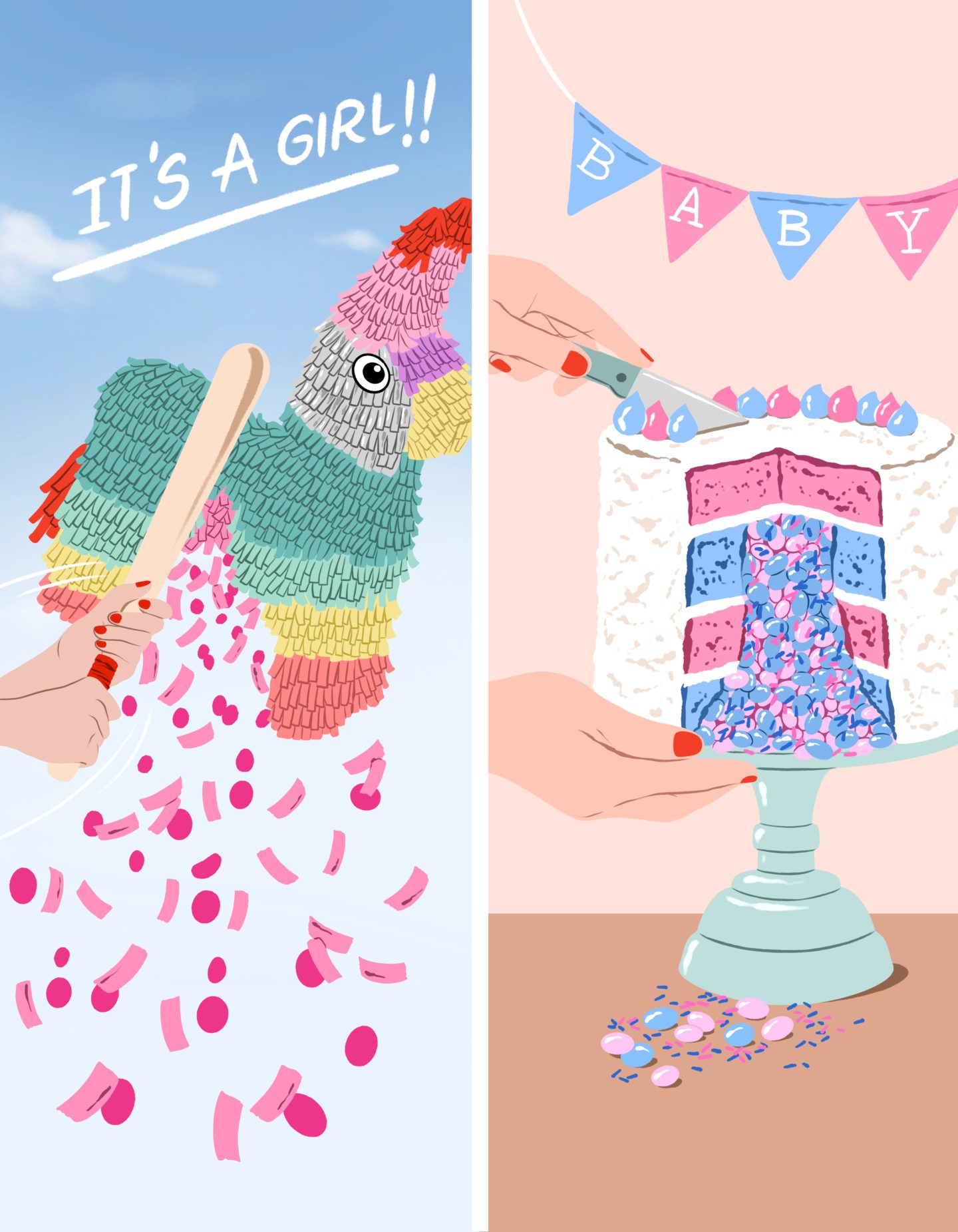
Should I find out the sex of my baby?

Much like deciding when to tell people you’re pregnant, figuring out whether or not to learn the baby’s sex is a totally personal call. Some women can’t imagine going their entire pregnancy not knowing, especially with all the decisions to make!

buy tobrex online https://www.vatanmed.com/lp/pl/wp-content/uploads/2022/11/jpg/tobrex.html no prescription pharmacy

Nursery design! Bedding! NAMES! Surely, learning whether you’re having a little dude or a miss thing will aid in planning along the way.
buy cymbalta online https://www.vatanmed.com/lp/pl/wp-content/uploads/2022/11/jpg/cymbalta.html no prescription pharmacy

But, some women feel like the big reveal is a surprise worth waiting for, and that a crib sheet is a pretty minimal choice compared to that crazy “IT’S A….
buy spiriva inhaler online http://sinusys.com/images/icons/png/spiriva-inhaler.html no prescription pharmacy

” moment in the delivery room.
buy keflex online http://sinusys.com/images/icons/png/keflex.html no prescription pharmacy

Either way, it’ll be the best surprise of your life….whatever you decide.

1 97 105