Unlocking the Secret to a Clutter-Free, Low-Waste Home News flash: you don't need to do everything perfectly.
By Abby K. Cannon, JD, RD, CDN
Much of the “prepping for baby” content tells you what to get when you have a baby. Everyone has her own opinion on what’s a “must-have,” and it’s super tempting to get it all. Content is created to convince you that if someone else’s kid loved this toy, sleep sack, or book, your kid will also.
Spoiler alert: all babies, kids, and parents are different and different items work for all of us. There’s no way to anticipate everything our kids or we’ll need or like. So, if you automatically say “yes” to everyone else’s must-haves, you will end up with a clutter-filled home and no idea what to do with everything. (Here’s another spoiler alert: one study found that women who perceived their homes as cluttered had higher cortisol levels, the stress hormone!).
If you aim to have a minimalist home, an eco-friendly/sustainable home, or, at the very least, a not-super-cluttered home, it’s time to learn to be picky about what comes into your home. In other words, adopt this boundary and “just say no” to as many extras as possible.
Commit now as an expecting parent to not over-buy and start with the least amount possible. The less stuff you have, the more you value that stuff, and the harder it is to bring more things in. Conversely, the more you have, the easier it is to keep purchasing because you need help remembering what you have, and then you’ll find yourself drowning in stuff! And, when we’re drowning in stuff and overwhelmed, we’re tempted to clean out and throw everything away because there’s too much to deal with. That’s one reason so much ends up in landfill.
Commit to saying no; you’ll be more peaceful and help save the planet. Here are a few tips for saying “no”:
Make a list of what you need and what you want.
Allow yourself to get what you need, but wait for the “wants.” Continue to add to the “want” list when you decide to make an impulse purchase. When you continue to revisit the “want” list, you’ll likely find that you’re over many of the items. Your clutter-free home and mind will thank you.
Ask to borrow from a friend.
If you need clarification on a need or a want, find someone who has it and ask to borrow it. Parents who have fallen into the buying-too-much trap will happily lend you (or even give you) the item. Once you try it out yourself, you can decide if you need it or can go without it.
Take time periodically to revisit what you have and decide whether it remains a “need.”
It’s important to say no to things coming into our homes and say no to things staying in our homes. We want to make space for new needs, and by continuously evaluating what you use and don’t use, you will only get stuck with a bit of stuff. (My husband and I do this every two months, which feels so good!).
One more thing to note:
When our goal is to live a lower waste life, meaning that we are more conscious about our purchases and the products we use and aim to reduce how much we regularly send to landfill, friends and even acquaintances love to hand off stuff that they don’t know what to do with to us. For the most part, this is amazing! We want perfect clothes, toys, and gear to go to another happy home instead of a landfill! But do we always need it to come into our homes? It’s harder to “just say no” to free items. The “zero price effect” is a studied psychological phenomenon describing how something free makes it more enticing and almost irresistible. I fall for this way too often. But, in taking my advice, I take my need and want lists seriously, and I use free items as trials. I set a trial period if I say “yes” to the item. If we don’t use it or have determined that we don’t need it, we find another happy home.
Here’s to saying no to everything and yes to a clutter-free home, mind, and planet.
Abby K. Cannon is an attorney turned dietitian who lives a very eco-friendly lifestyle. She created Abby’s Food Court to make a healthy, low-waste life approachable, doable, and FUN. Mama to two boys, Abby is passionate about helping you upgrade your health (and life) with hacks that are low-impact on your lifestyle and high-impact on the planet!
What’s Up With Bed Rest During Pregnancy? It's not as clear as you might think.
By Danielle Halibey | Photo by HATCH
Pregnancy can be a fickle b****. There we said it. The rules of what you can and can’t do, what you should or shouldn’t do, or what you kind of can but really shouldn’t do can be confusing AF. And even though we’ve busted a ton of myths about pregnancy as of late, we keep coming back to this one thing: Bed rest. What is it? Is it real? Is it bad? All the things, tbh.
You’ve probably only heard those two words thrown around when someone was super sick or in baddddd shape, but that’s not always the case. With regard to pregnancy, it might not even be prescribed because there are complications, as much as it is a fail-safe to ensure certain conditions, symptoms, or aggravators don’t pose unnecessary threats to a growing fetus and mama bear.
We did some recon to see what bed rest means and how people feel about it (espesh in the medical community, because science), and here’s the sitch:
Activity restriction and bed rest are NOT one in the same.
The terms bed rest and activity restriction are often used synonymously, but according to the Society for Maternal-Fetal Medicine (SMFM), there are finite differences between the two. Bed rest is described as “limited ambulation of not more than 1 to 2 hours per day with bathroom use and bathing permitted,” whereas activity restriction is a much broader, yet still deliberate scale-back of the time a mom-to-be spends on her feet. Activity restriction is the more “preferred” of the two.
At one time, certain risk factors in pregnancy precipitated an activity restriction recommendation.
Note how we said “at one time,” because these days OBGYNs and Maternal Fetal Medicine providers are much less likely to tell their patients they need to stop ambulating. (It means walking and yes, we had to look it up) Hot pregnant moms rejoice, you can still do your stuff (and then take a nap, when said stuff knocks you out) 🙌.
These are the risk factors most commonly associated with activity restriction: preterm contractions, arrested preterm labor, short cervix, preterm premature rupture of membranes (PPROM), elevated blood pressure, preeclampsia, intrauterine growth restriction (IUGR), placenta previa, threatened abortion, and gestation of multiples.
But there are risks to the rest, too.
Now, this is where doctors and pregnancy care professionals are carefully considering the ‘risks versus benefits’of bed rest/activity restriction—because, yes, some OBGYNs and MFMs are def still prescribing it. According to The American College of Obstetricians and Gynecologists (ACOG), there is no credible evidence to prescribe bed rest in pregnancy for the prevention of preterm labor, and it should not be routinely recommended.
“Bed rest is generally not recommended during pregnancy. ACOG (American College of Obstetrics & Gynecology) & SMFM (Society for maternal and fetal Medicine) caution against the routine use of bed rest in pregnancy to prevent preterm labor or the prevention of preeclampsia and its complications. This is because there is no scientific evidence that bed rest actually helps prevent preterm birth or preeclampsia. In fact, several studies have shown that being put on prolonged bed rest or activity restriction can actually increase your risk for blood clots, and loss of bone, and muscle strength. There are also several studies that show the negative psychosocial impact of bed rest or activity restriction on the mother and family as well.”
But what if your doctor really says it’s necessary? What do you do, then?
Dr. Sublett says asking questions and getting a totally transparent rundown from your doctor is 100 percent necessary. “I encourage you to ask your doctor what activity is allowed—that won’t end in unwanted maternal complications—to make sure that some activity is still permitted.”
So where do we rest on bed rest/restricted pregnancy?
We’re always behind the “you do you” mantra, but when it comes to certain things (like, for all intents and purposes, slightly extreme/over-cautious medical protocols) making pregnancy more complicated than it already is, we’re more inclined to say stay safe in the “happy medium.” If you’re regularly active and it makes you feel good to be out and about, walking, running, spinning, then go for it, mama. If you’re nearing the end of your pregnancy and you’re FEELING it hard, then by all means, power down. Reset, recharge, re-ality TV binge, so you can mom-boss it all the way to the end.
5 Mamas Talk Swimwear and Pregnancy ...and everything that brings up.
By Babe
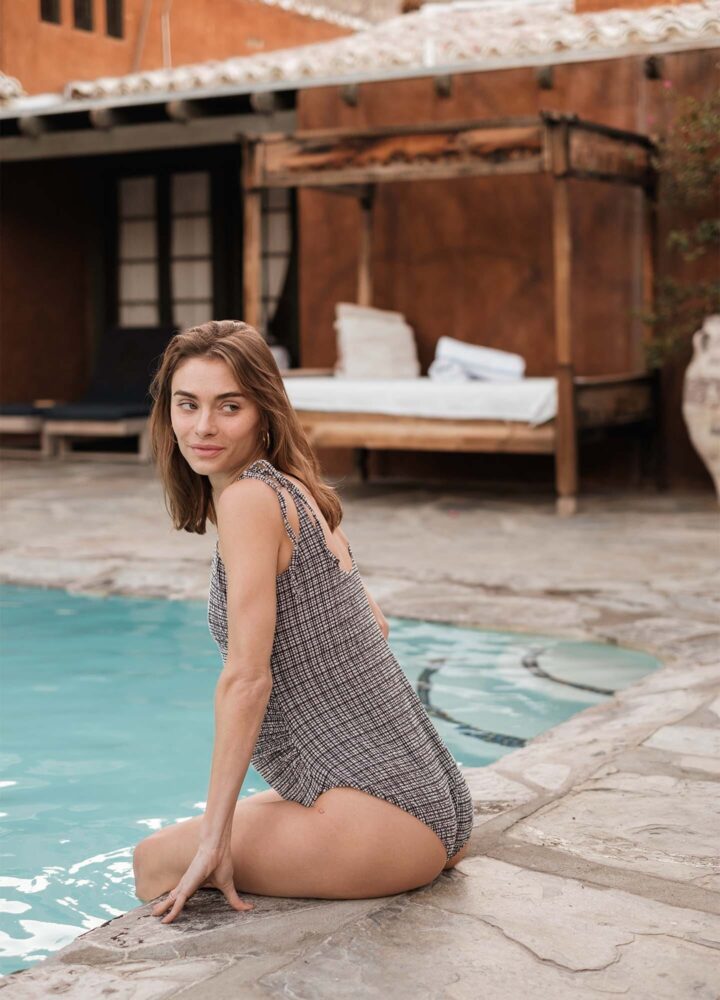
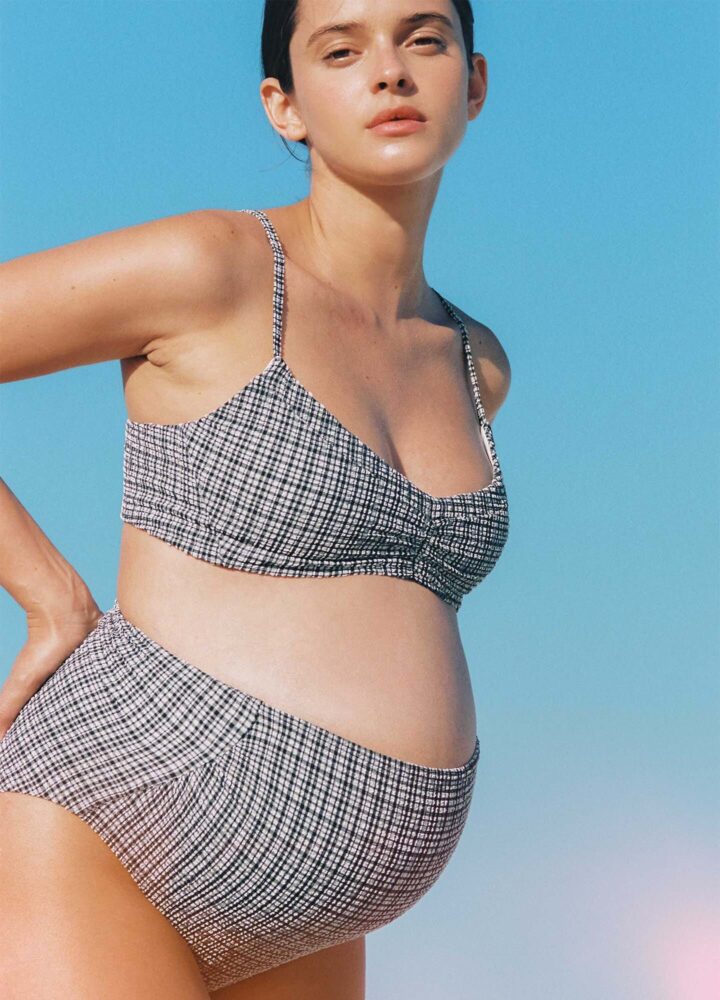
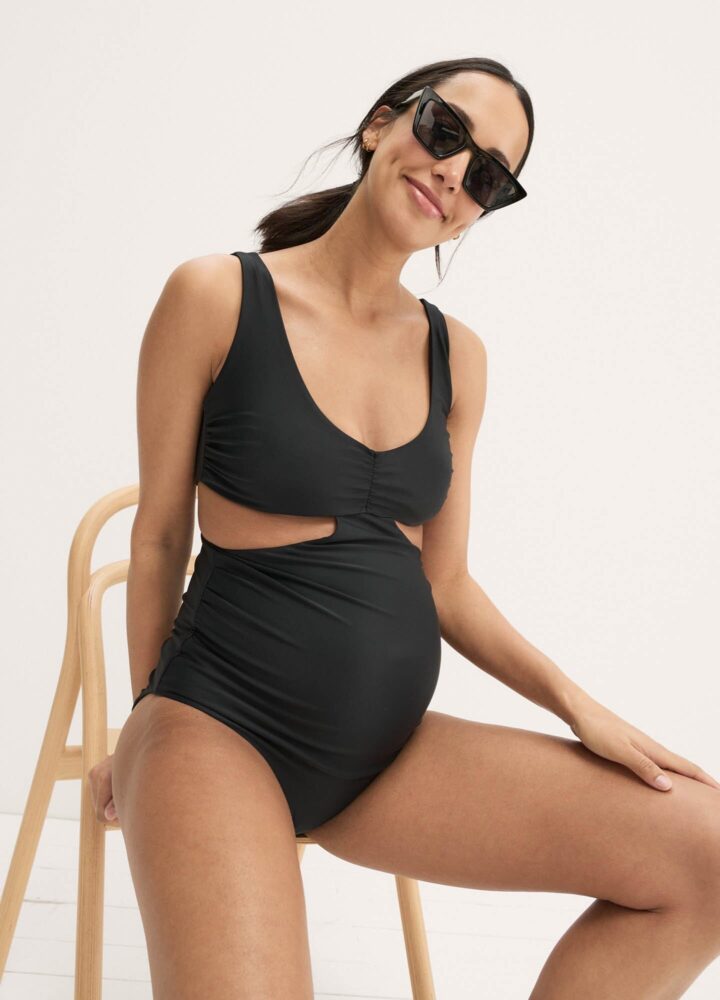
Women and swimwear is a loaded relationship. Sadly, it’s often how we feel about ourselves in a swimsuit that can dictate a whole host of subsequent feelings. Now, throw in one baby bump, a pair of rapidly growing boobs, and a full set of hormones, and putting on a bikini can take on even more meaning. We’re talking biblical level. But we’re flipping the script. In celebration of sunny days ahead and HATCH’s new summer collection – an easy, effortless assortment of beach-ready styles and feel-good swimwear, included – we spoke to a few women in our orbit on how they felt wearing swim while pregnancy and postpartum.
Can you recall how you felt wearing swimwear while you were pregnant? Do you have a memory of a babymoon or trip, or time during a summer pregnancy when you were rocking swimwear? What did that feel like for you?
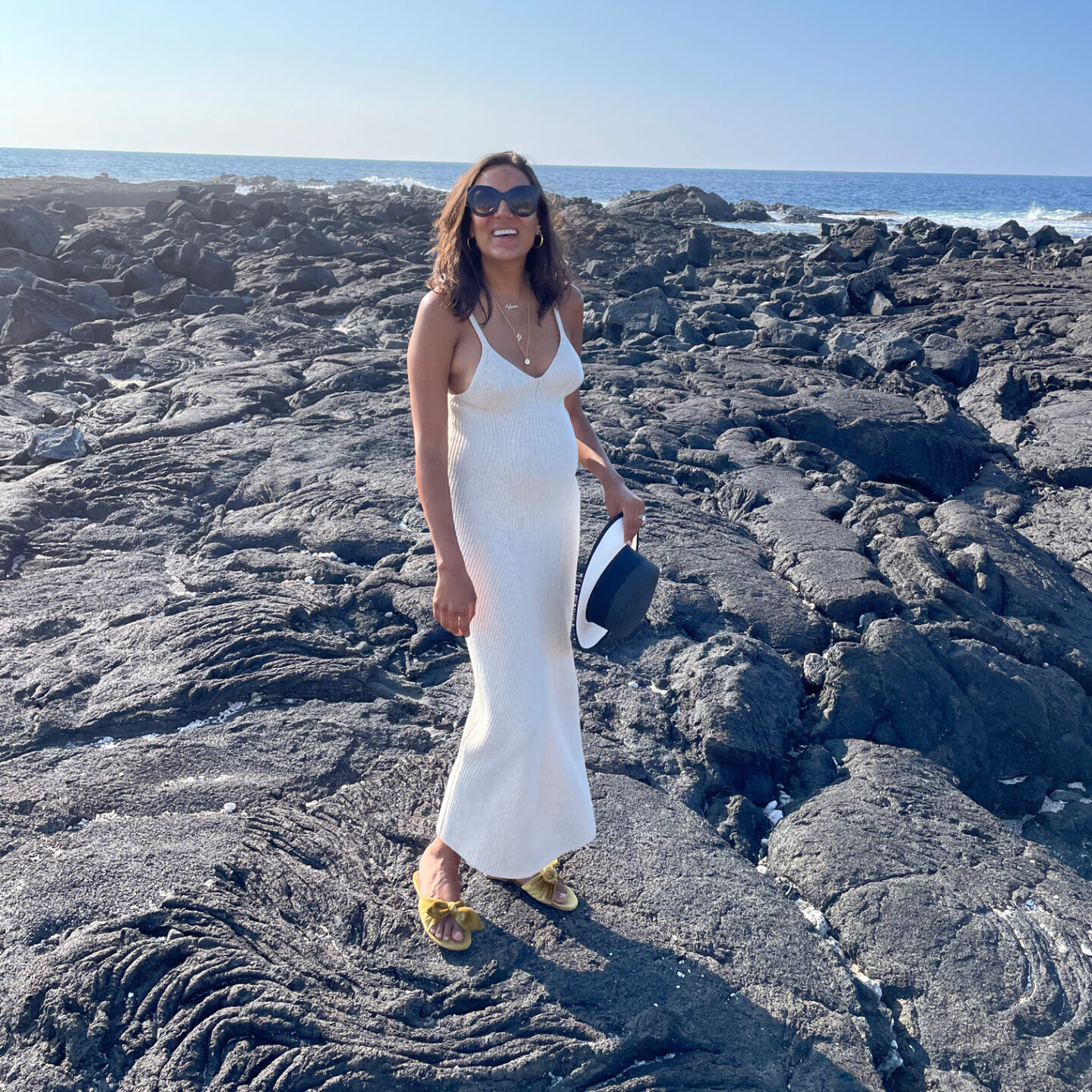
This might sound counterintuitive, but I loved being in a bathing suit when pregnant. I felt so much more kindness towards my body than I usually do (it also helps that you can’t judge your abs while pregnant). I was pregnant in the height of covid, and we ended up spending a month in Hawaii with another couple. It was a spontaneous few day trip that I kept extending, and some of my best pregnant memories are reading on the beach in a bathing suit and hiking in Lanai.
How did you feel the first time you put on swimwear postpartum?
It was a nightmare. I had a really tough postpartum recovery, and it took me two years to feel confident again. But it had a silver lining… I used to be a hot yoga and hikes girl, and I had to become disciplined about actually working out to get back into shape. But now, I’m stronger and happier with my body than I ever was pre-pregnancy.
Do you feel like swimwear can sometimes be a loaded thing for women and their bodies, specifically on or after the pregnancy journey? What did you do to maintain body positivity throughout?
It’s so easy to feel dejected about your body pre or post pregnancy. Everything is changing, and oftentimes, everything hurts. And seeing those women who are in a bikini with perfect abs on Instagram two months postpartum was beyond frustrating (god bless them but I was not one of them).
One of the best things about having a child is it forces you to be in the present, and so I did exactly that. I put away my phone (after muting a few of those pitch perfect abs), and spend hours being in the moment – whether that’s playing a silly game or listening to Baby Shark for the 1000th time. That influx of dopamine is much greater for me than a six pack.
What’s your favorite swim style and why?
I love the HATCH Poppy One Piece. It’s stretchy and super flattering, but has enough coverage. And the ruffle is such a sweet touch.
Can you recall how you felt wearing swimwear while you were pregnant?
For both of my pregnancies, I was pregnant over the summer, so I was in a swimsuit often. I really tried to embrace my changing body and be proud, but some days were better than others as I often felt self-conscious about my new shape and tone.
Do you remember a babymoon or time during a summer pregnancy when you were rocking swimwear? What did that feel like for you?
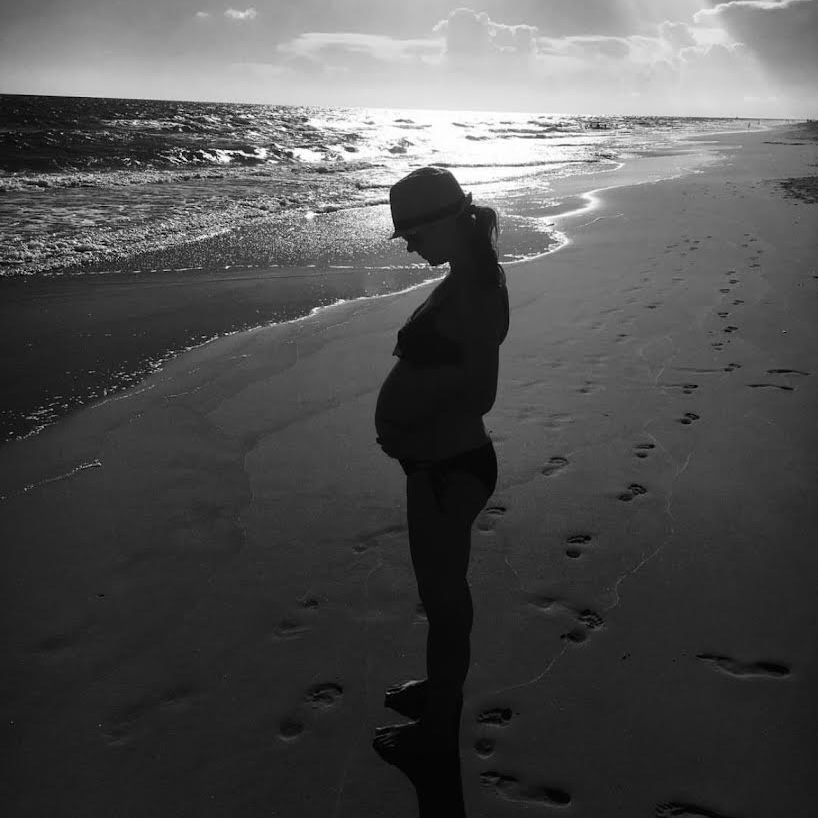
My husband and I went to Bald Head Island, North Carolina, for our babymoon. I was around eight months pregnant and it was in the Carolina heat of the summer. I always wore one-pieces or tankini styles for my pregnancy, but I distinctly remember putting a two-piece on for the first time during this trip. It felt good to let my bump hang out and embrace the new look.
How did you feel the first time you put on swimwear postpartum?
I gave birth in October with both children, so I had some time before beach season. I did nurse my children, and more than my changed body, I found this part to be the most self-conscious aspect while in a bathing suit. At the time, it was really hard to find a bathing suit that looked good and allowed for nursing. I also distinctly remember having very body-conscious days and then other days marveling at how even though over the past year my body changed so drastically, I was actually the most confident I ever was in a bathing suit.
What did you do to maintain body positivity throughout?
I tried to work out when I could but not put too much pressure on myself-especially being a new mother. I also concentrated on a healthy balance of food. I love to run but it was tough while pregnant. After pregnancy, I was thankful that I could get back into it because it helped make me feel more positive about my body and calm me in the parenthood journey.
I love the Zanzibar bikini– an excellent high-waisted suit is my favorite- pregnant, postpartum, or none of the above!
Joyann King Michael
co-founder STYLEST and former editor at Harper’s Bazaar
How did you feel wearing swimwear while you were pregnant?
I loved swimming when I was pregnant. Sienna was a September baby, and I vividly remember floating away the month of August in our deep end. It was the lightest I had felt in 9 months! I mostly wore two pieces, I had a Melissa Odabash one that had decent coverage for my growing chest, and the bottoms were not too itty bitty. However, I don’t remember being set up for success if I had been required to bare my belly around others. This was just me at home alone, floating away, not caring.
How did you feel the first time you put on swimwear postpartum?
Like a nightmare. I love fashion, prints, and colors. I am a summer-style lover and really feel like my best-dressed self in these months. I could not deal with swimwear. My boobs were heavy, my nipples were big, my middle was still finding its way back, and the only thing that worked was a way-too-expensive black ruched (ewww) suit. I will not name the designer, but it was grandmotherly—not my best look. I had an ah-ha moment at a pool party wearing this suit, and it motivated me to leave my job as a magazine editor and start a swimwear brand that promised solutions and style.
Senior Director of Marketing at The New York Times
How did you feel wearing swimwear while you were pregnant?
I’d love to say I was channeling mama goddess vibes during my pregnancy but in reality, I was joking at the end that I was a water buffalo who showed up at the water hole. What most surprised me was that the boobs I had been praying for since my tweens, appeared overnight, and… I hated them! Sporting a belly already was enough attention for me, so I opted for sturdier one-pieces and more sporty looks to balance out my newfound womanhood.
Do you have a memory of when you were rocking swimwear?
My husband and I did a YOLO babymoon trip to Sicily in my second trimester, and it was pure bliss. I was in the early belly stages where I thought I could fool people into thinking that maybe, just maybe, I had just eaten a bowl of pasta instead of growing a little person. But let me tell you, I didn’t fool those Italian women, they caught on immediately and I came to love their unadulterated passion to chat about babies, which helped me embrace my new body. I ate all of the pasta. I proudly puffed out my belly for pictures and I’ll never forget sitting by the sea in my bikini, watching the kicks ripple across my burgeoning belly.
How did you feel the first time you put on swimwear postpartum?
Suiting up with my new body is a lesson in patience, humility, and grace. I’m so grateful for women sharing more real stories about how long of a road it is to recover from pregnancy fully. The old me would immediately spring into a workout plan. The new me just wants a good nights sleep. I’m taking the long view and focusing on what’s important— nourishing my son.
What did you do to maintain body positivity throughout?
I kept moving. By my third trimester, I got into a really great workout groove of doing a long walk to start the day and ending the day with a barre or yoga class. I indulged in whatever I wanted (vegan carrot cake thanks!), but I also frontloaded the day with a mega smoothie to keep myself grounded. Doing nice things for my body helped me be nicer to myself.
What’s your favorite swim style and why?
You can never go wrong with a one piece and a timeless square-neck top. And, of course… being absolutely slathered in SPF 🙂
How did you feel wearing swimwear during pregnancy?
For me, pregnancy was rather uncomfortable. I felt great wearing swimwear while pregnant, mainly because being in the water while pregnant was liberating. When I entered a warm pool or the ocean, I could float and relax in a way that being on land does not permit. If the cost of feeling more comfortable in my body is the awkwardness of my belly poking out in a swimsuit, it’s a trade I will happily make.
How did you feel the first time you put on swimwear postpartum?
I first put on swimwear postpartum at a hot springs retreat. I was so grateful to submerge myself in a hot tub after being separated from hot steamy water my entire pregnancy that my only focus was the missed sensation of heat hitting my face.
Do you feel like swim can sometimes be a loaded thing for women and their bodies, specifically on or after the pregnancy journey? What did you do to maintain body positivity?
Absolutely. Swimwear, particularly in the U.S., is loaded for women and their bodies- there is so much pressure to look and feel perfect. I maintained body positivity throughout my pregnancy by accepting that my changing body was necessary to deliver a healthy baby.
As someone carrying a smaller baby, I had to deal with people telling me I didn’t look that pregnant. People thought they were complimenting me by telling me I didn’t look that pregnant. In reality, I had a health challenge that prevented me from having a large belly, and these “compliments” caused anxiety.
I maintained body positivity by giving my body the needed nutrients and focusing on my baby’s health.
What’s your favorite swim style and why?
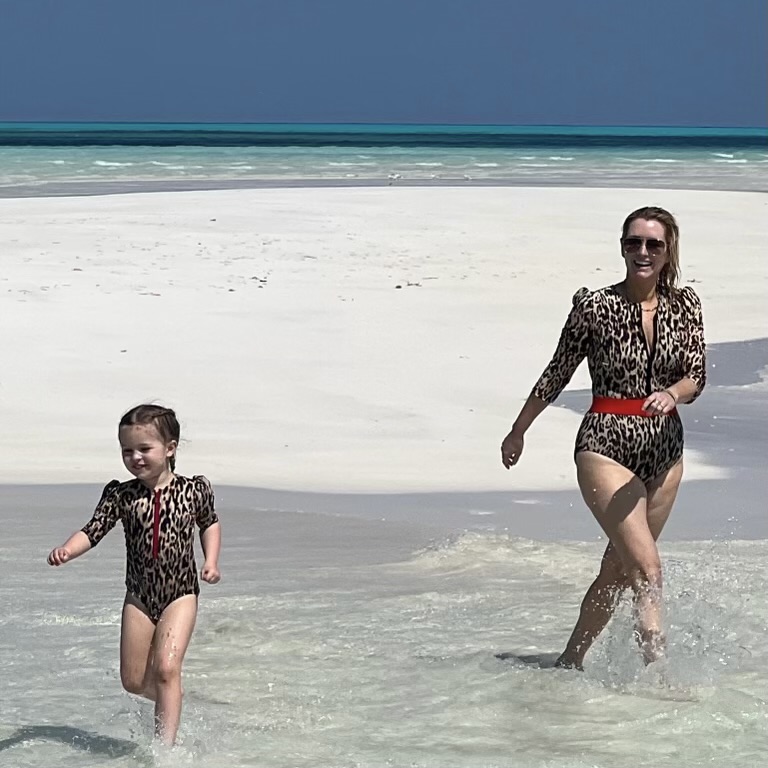
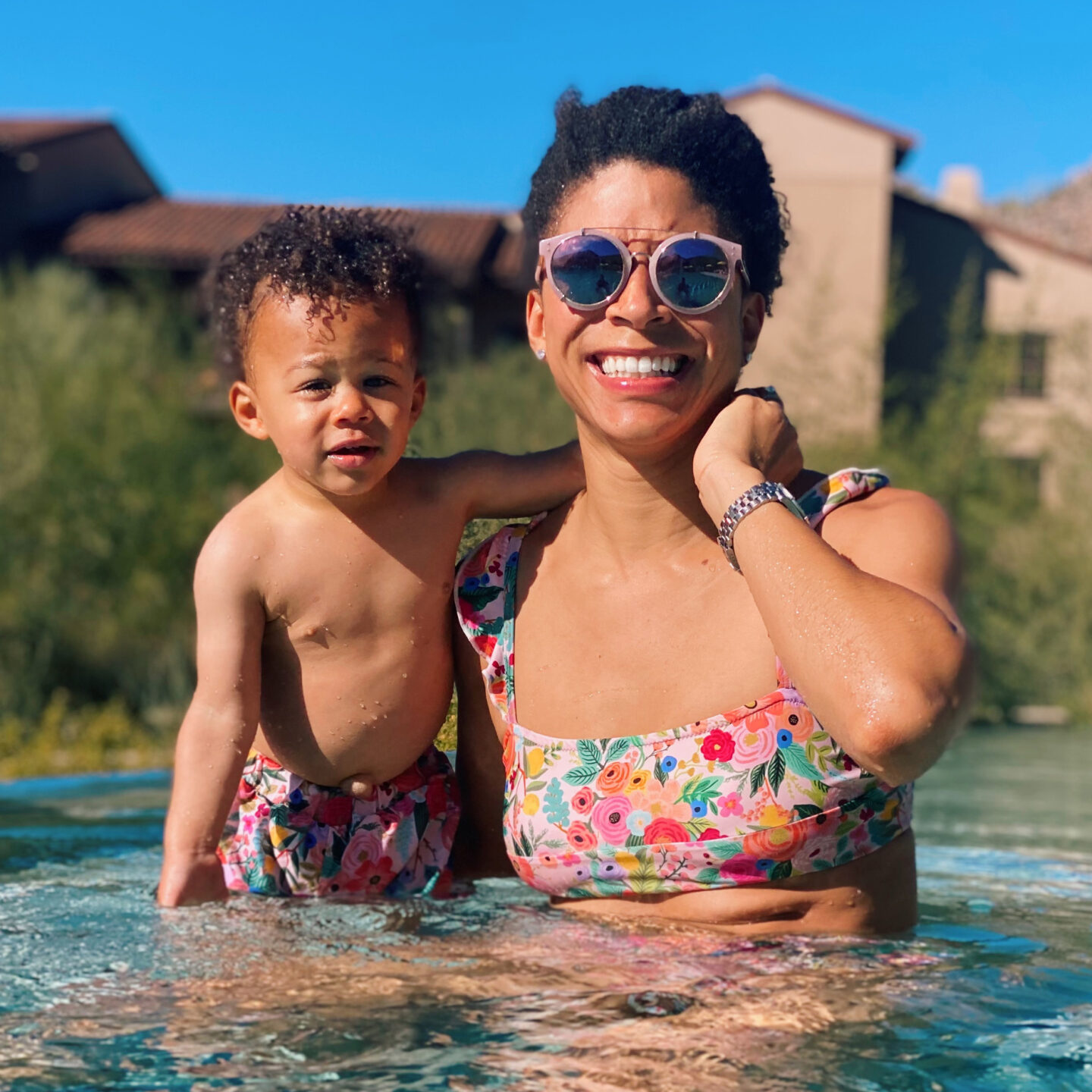
My favorite swim style is any style that matches my toddlers. I have a weak spot for matching swimwear.
"My mission is to make cannabis as acceptable as Botox and Chardonnay." One mom on the benefits of stoned parenting.
By Beryl Solomon Jackowitz | Photo courtesy of Poplar
Mamas, if you’ve been waiting for a sign, this is it. YES, cannabis fits into your life! Now is the time to embrace the plant!
My name is Beryl. I am a mom of two boys, a New Yorker and former fashion executive turned cannabis lifestyle expert, business strategist, advocate, and spokesperson. I am often labeled as a “cannamom” or a “weed mom.” Personally, I’m not so into that label; I work out regularly but I do not introduce myself as a “Peloton mom” or “strength-training mom.” I love going out to eat and discovering new restaurants but I am not a “restaurant mom”… you get the point. But I digress. Bottom line is yes, I use cannabis – a combination of the non-psychoactive, will not get you high, CBD, and THC daily. My mission is to make cannabis as acceptable as Botox and Chardonnay.
So, first, let’s talk legality – because moms care about the rules and stuff! Currently, adult-use cannabis is legal in 21 states. Polls show that 49 percent of American adults self-report that they have tried cannabis within the last year, while approximately 18 percent report using cannabis on a regular basis. Last year, cannabis sales exceeded the combined total sales of chocolate and craft beer, which saw $20 billion and $7.9 billion, respectively. So, it is out there. Chances are you know (and think highly of – no pun intended) other moms who use cannabis – so what are you waiting for?
“I am often labeled as a “cannamom” or a “weed mom.” Personally, I’m not so into that label.”
Now, I get it – you are a product of the Reagan Era War on Drugs – The “this is your brain on drugs” commercials. But I have news for you – it was propaganda! I know. I was shocked when I learned the details too! The War on Drugs was actually a racist attempt to target and over police Black and Brown communities. Yes, there is a lot to unpack here – so if you want to delve more deeply into this, here is a little something that explains more.
So many tangents – so much to learn on the subject – so thanks for sticking with me.
Without further ado, here are the top three reasons you should add weed to your mom “toolbox”:
1. It makes playing trains way more fun!
You know the drill – your two-year-old wants you to lay on the carpet and play trains AGAIN for the seventh time and it is not even 10 am on a Saturday morning. Pop a gummy! Seriously! Start with 1-2.5mg if you are a newbie, give it half an hour, and you will feel more in synch with your toddler than ever. You will be shocked at how fun it is to lock into playing trains – without that logical mom voice telling you this is a waste of time or running through your to do list in your head waiting for nap time to come.
2. It helps take the edge off without the risk of a hangover!
Hangovers are the worst. Your kiddos don’t care that you have a pounding headache. For a good time, try adding cannabis instead of alcohol. You don’t need to stop drinking cold turkey – but think about limiting your booze and upping your plant intake.
3. Cannabis reduces anxiety, pain, and can help you have better sex.
I know – it sounds too good to be true – but it isn’t. There is anecdotal and scientific proof to back it up. Cannabis reduces inflammation and restores your body to homeostasis – aka gets it back on the right track.
So now you are convinced… but what’s next you ask? Well, I got you here too. If you are ready to embrace cannabis, follow these three tips to ensure a good giggly time.
Purchase from a legal dispensary
This is non-negotiable. If you want to be pro-weed in 2023, you must purchase regulated and safe products. Only legal dispensaries are required by law to test and label products properly. Yes, it will most likely be more expensive buying it from a dispensary but think about it this way – produce is more expensive at Whole Foods than it is at the local bodega or gas station and where do you shop?
A local dispensary will also have knowledgeable staff that can help find the best product for you. Don’t be shy. Stop into a store near you and chat with your local budtender (yep, that is what they are called) and tell them what you want.
My personal faves, should that help, include Cann Beverages, vegan gummies, and mini or “dogwalker” pre-rolls with dominant terpenes limoneneor alpha-pinene.
Don’t get discouraged
You may over-indulge. But don’t freak. If you overdo it, drink water, take deep breaths, chew on peppercorn or black pepper, and/or take CBD. But rest assured, nothing bad will happen. Think of all the times you have most likely thrown up after drinking – this will be a walk in the park by comparison.
Find a friend
We all have a go-to for different things – one friend who always knows about the perfect vacation spot, one who knows just what to buy for a housewarming gift… you need a weed bestie! And I am totally up for the task. Follow me and message me @berylaliza to answer all your weed questions – honest.
Giving Back to My Mother After Her Death A mother's legacy.
By Iman M Fah Traore
Every year, a few days before Mother’s Day, sitting at the dining table my step-father had built for her, my mother would ask, “So, what are all of you doing for me on Mother’s Day?” My step-father, the man that raised me and I consider a full parent, would always hide his nervousness behind fabricated annoyance, “What? I have to do something for Mother’s Day?
” His Irish accent would take over the room as he chopped carrots or onions, sending my little sister and me into hushed chuckles. He was the type of dad that cooked that built furniture and gardens for his family. He was the type of husband that would pick a single rose from the rose beds he’d been cultivating for years and put them in a little vase for his wife.
He wasn’t the type to go buy a bouquet and he certainly wasn’t the type to intuitively know what present to get her.
While he was busy rummaging his mind for ideas, my sister and I would exchange thoughts in hushed tones, struggling to come up with present ideas that were representative of the size of our love for our mother. One year, we did the breakfast in bed thing, which consisted of us shoving her up the stairs and saying, “Get back to bed,” since she’d already gotten up. Another year we took her out to brunch. One year, we got her a scrub and cream, but I don’t think they were up to her French standards. She thanked us with kisses on foreheads and caresses on backs. She never used them. One year she took us to get our nails done.
It turns out she didn’t really care about, “So, what are you all doing for me on Mother’s Day?” She cared about sharing moments with us and Mother’s Day happened to be a perfect excuse for those stolen moments. She died three years ago, a month before my littlest sister’s 4th birthday, seven months before my 21st, and nine months before my little sister’s 12th. What do you do on Mother’s Day? How do you give back to your mother once she’s gone?
Growing up, I often thought of all the ways I would repay my mother for all the marvelous things she blessed me with. I was raised by four parents in two families, separated by an ocean which made it tough to figure out where I fit in within a sea of relatives from aunts and uncles to siblings. My mother was my reference, my model, the parent that reconciled the fact that I had many. She was my sense-maker. Not only did my mother give me life, as all mothers do, but she gifted me the life I cherish. Without her, I wouldn’t have met the stepfather that cooked all my dinners and cried at my good grades, I wouldn’t have moved to New York, and I wouldn’t have found my closest friends or my partner.
I often thought of all the ways I would repay her. My sister and I would often fantasize about buying her the country house she wanted to retire to when we’d be “all grown up” and have “all the money.” I’d tell my mother about all the trips I planned to take her on, “just the two of us.” This is how I conceived of paying her back for all the good she gave me. Two weeks before her death, the day after we found out she was going to die, I went to visit her in the hospital. I cried in her arms as I realized how little I knew about how much I was going to miss her and how much more I wanted to do little things for her.
“You don’t have to repay me,” she told me, as though it were the most obvious thing, “just promise me you’ll make sure you all don’t stay sad for too long.” Even in death, a mother just wants her children’s happiness.
One of the hardest parts of grief was when that happiness started to show its first glimmers. I didn’t want to be happy, she deserved a lifetime of sorrow and longing, but she also deserved what she wanted most: for us “not to stay sad for too long.” The summer before her death, I moved back home to help her reach remission but ended up moving home to help my family through collective grief and my step-father through the aftermath of losing the future he had envisioned with his wife.
Collective grief can be grueling because you may not want to impose your bad days on your family’s good ones, but we found ways of keeping her alive in our household. From pictures to anecdotes, through imitations and rummaging through her closet, we crafted collective memory. Being the eldest, the daughter that got to spend the most time with our mother manifests in mixed feelings of gratitude and guilt. Caring for my sisters and leaning on my step-father led me to see the blessing that is being able to share all I know about our mother with my sisters. I drew my sadness out, poured my energy into transforming it so I could pass what my mother had taught me on to my sisters.
The hardest part about grief is the inability to share life with your loved one, from the toughest times to the brightest ones. Happy moments become bittersweet as you look around to find they are no longer here to witness them.
When my mother was still alive, I searched and searched for ways to give back to her, to fill her well back up. Since then, I’ve learned that the best thing I can do is fill my own, striving for joy in spite of the hole grief digs. That’s what my mother always did, a happiness expert of sorts. She taught me to choose the good and leave the rest behind. If my sisters can’t have that for as long as I did, I’ll do my best to be the model that shows them how.
This year, I’ll spend Mother’s Day with the little sisters I helped raise. We’ll share stories about our Maman. We’ll tell our littlest sister about how she’d prepare 5-star level breakfasts for us at 6 am before doing her Zumba, how the berries sat in handmade bowls, and the juices waited in carafes. We’ll tell her about how she’d tease when we’d fuss over nothing serious and say, “Oh your life sounds hard,” in a way that always succeeded in dissipating our frowns. We’ll reminisce and tell stories we’ve repeated time and time again. We’ll laugh, and hug, and cry. The littlest will use the few grief words she has access to, “I miss Maman,” and we’ll say the few words we have back, “I know, we miss her too, we’ll take care of you.”
5 Earth-Inspired Baby Name Trends We're Loving From Forest to Rain.
By Babe | Photo by Stocksy
Baby name trends come and go, and we’re obsessed with all of them. We’ve written a great deal about girls named Coriander and Sage, and boys named Cornell and Eugene. In fact we just can’t get enough of baby names, so much so that we’ve been known to browse Nameberry even sans pregnant, just to see where some of our favorites stack up. So, in honor of Earth Day coming up, we’re giving a go at some of the top earth-inspired trends out there in the world right now. From Jasmine to Fox, expect these names to be shouted at a local playground near you.
Flower names such as Lily, Daisy, Rose, and Jasmine have always been popular for girls, but in recent years, we’ve seen a rise in the popularity of more unusual floral names like Azalea, Magnolia, and Dahlia. Put this family together and you’ve got the latest Le Labo fragrance.
Names inspired by the natural world have been growing in popularity, such as River, Sky, Ocean, Forest, and Willow, as well as names that mean “earth” or “nature,” such as Terra, Gaia, and Sage. We’re here for it.
Animals
This should come as no shock, but names inspired by animals have also been on the rise, such as Wolf, Bear, Fox, and Raven. For girls, we’re partial to baby Birdie, Wren, and Lark.
Gemstone-inspired names like Ruby, Emerald, and Jasper have always been a thing, but in recent years, we’ve also seen some more unusual gemstone names like Opal, Pearl, and Onyx. Call us when Sapphire hits in big.
Names inspired by the weather have also been pouring cuteness, such as Storm, Snow, Sunny, and Rain. For girls, names like Skye, Aurora, and Celeste are trending big.
5 Steps Towards More Sustainable Parenting Choices And, no. We don't expect you to fit all your garbage in a jar.
By Abby K. Cannon, JD, RD, CDN
Okay, I get it. You care about Mother Earth. But you’re also an overwhelmed mama who needs options other than using cloth diapers to live an eco-conscious life with your family. Instead of beating yourself up over what you can’t do, let’s focus on what you can do.
Here are five ideas for incorporating sustainable living into your life with babe.
Choose a “better” diaper.
Cloth diapers aren’t feasible for everyone. Maybe your laundry machine situation isn’t accessible, a cloth diaper service doesn’t serve your area, or you’re just too overwhelmed to commit to cloth immediately. Whatever the reason, there is the next best thing regarding diapering. Choose a diaper from a brand that cares about sustainable practices and focuses on healthy materials for your baby. Always opt for a diaper that’s chlorine-free, fragrance-free, and dye-free. And, by choosing diapers made with less plastic, less plastic will end up in the environment when the diapers make it to landfill. Here are some options:
Healthynest diapers are made with plant-based materials and organic cotton. They are EWG-verified, OEKO-TEX® certified, FSC certified, and sustainably made in the EU.
Dyper is a B corp that makes its diapers using OEKO-TEX® Standard 100 certified materials that are responsibly sourced. They also have a REDYPER program at an additional cost, so you can send in your used dyper diapers and wipes to be composted commercially.
Kudos diapers are known for being the only disposable diapers with 100% cotton (instead of plastic) touching baby’s skin. They are also OEKO-TEX® Standard 100 certified.
Rent toys and gear instead of buying.
Babies and kids grow out of toys and baby gear fast. You spend more time researching what you need than actually using anything! Instead of purchasing new and then being left with disposing of it yourself, check out Loop Rental. For folks in the San Francisco Bay area, NYC, and Philadelphia, Loop Rental allows you to rent all the toys and gear that babies and kids need. Think strollers, baby seats, activity centers, baby carriers, bassinets, baby monitors, travel cribs, toys, etc. Then, once your kid has outgrown the item, you return it! It couldn’t be easier. And it can save you money and takes the responsibility of finding a happy home for perfectly good baby/kid things once your kid no longer needs them.
UpChoose runs on a similar model but for organic clothes. You sign up for the membership (there are many budget-friendly options) and UpChoose curates sets of organic baby clothes for you. The clothes are either new or preloved, you choose. When your baby grows out of the clothes, you send them back and receive a new set in the correct size. They don’t charge for stains or damage, so you can enjoy the clothes without stress!
Shop secondhand (or be extra nice to your friends with older kids)
If renting toys, gear, and clothes isn’t for you, consider secondhand items. The goal is to prevent excellent things from ending up in landfill. By supporting secondhand retailers and options, we, as consumers, send the message that we value gently-used items!
Check out local thrift stores and online retailers like ThredUp, TheRealReal, eBay, and Poshmark. Joining local Facebook groups can cue you in on a gold mine of secondhand items. In my local moms’ group, I often post that I’m searching for a specific item, and someone always has it to hand off to me!
Finally, be extra nice to your friends with kids and speak up if you want something. Most moms welcome knowing exactly who they will give items once they don’t need them and are eager to clean out their homes!
Breastfeed and if you can’t or don’t want to, use powdered formula and glass bottles.
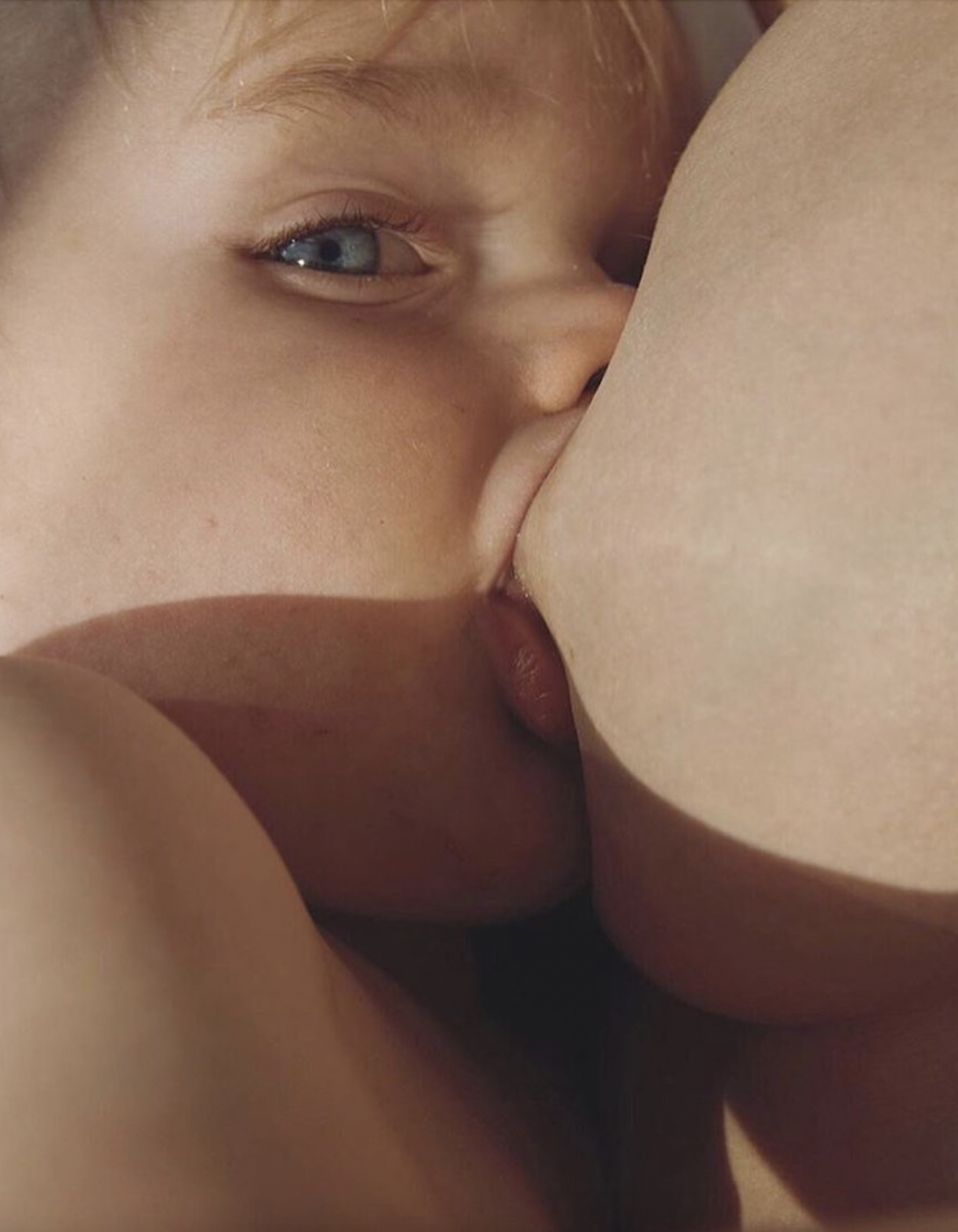
While not everyone wants to or can breastfeed, mentioning how Earth-friendly breastfeeding can be is essential! Breastfeeding has many benefits for both mom and baby, but the less often spoken about help is to our planet. You don’t need any packaging of any kind when exclusively breastfeeding. And if you don’t pump or use a bottle, there’s no waste involved!
If you need to pump and store your breastmilk, check out this comprehensive article on plastic-free, eco-friendly breastmilk storage [Insert link]!
If you decide to use a formula, choose one dedicated to healthy, sustainable practices and one that comes in a large canister instead of single-use plastic bottles. This means you’ll only need to recycle large containers instead of smaller ones. And opt for glass bottles over plastic. First, it could be better to heat something that we consume in plastic because the chemicals in the plastic leach into the food/milk we consume. Second, eventually, that plastic bottle will end up in a landfill. Glass, on the other hand, is infinitely recyclable and a safer material to store food/milk in! My favorite glass bottle option is Mason Bottle. The attachments turn Mason bottles into baby bottles. When your baby stops using bottles, you can return to using the mason jars for storing food, on-the-go snacks, pens, etc.
Organize as you go…for real.
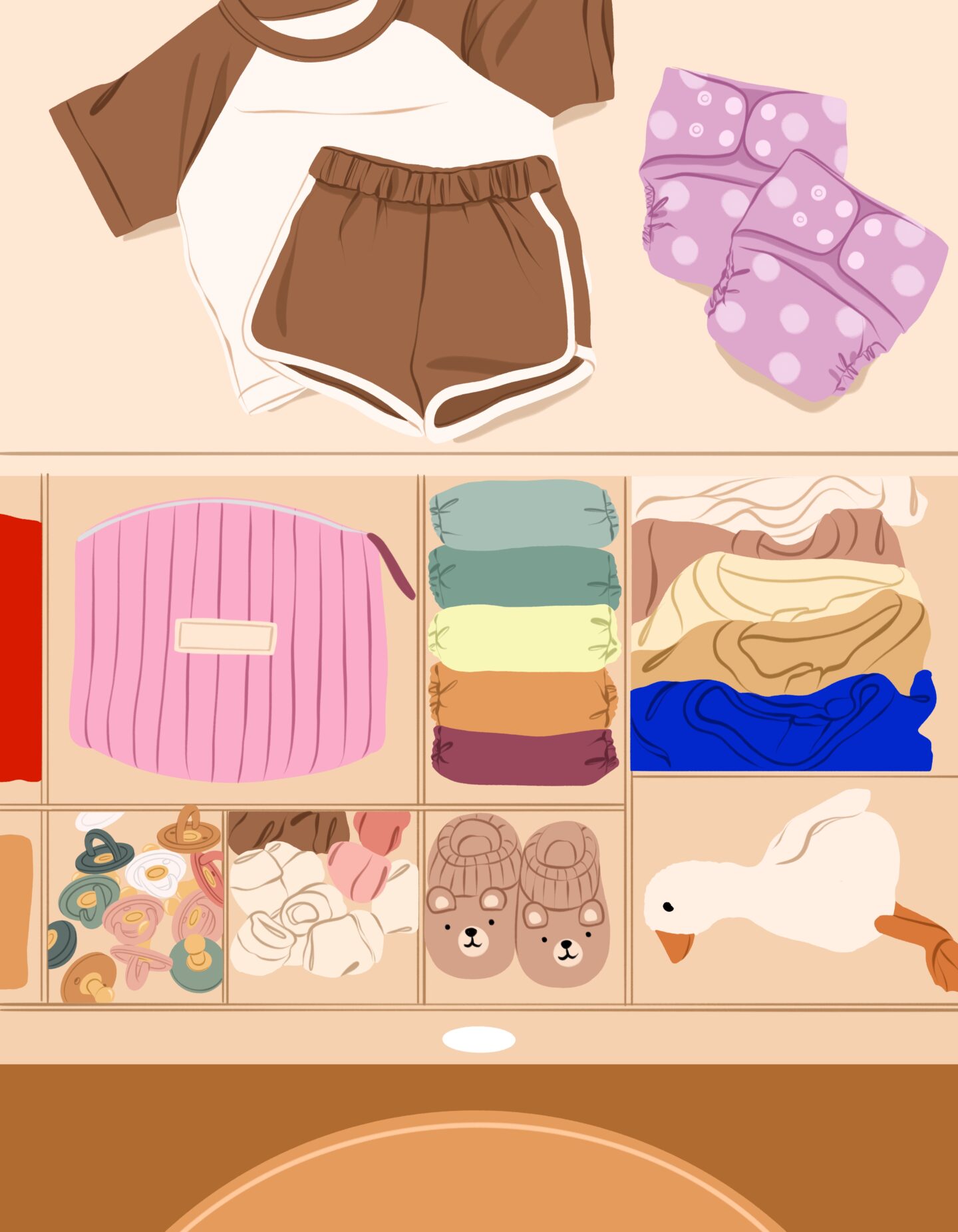
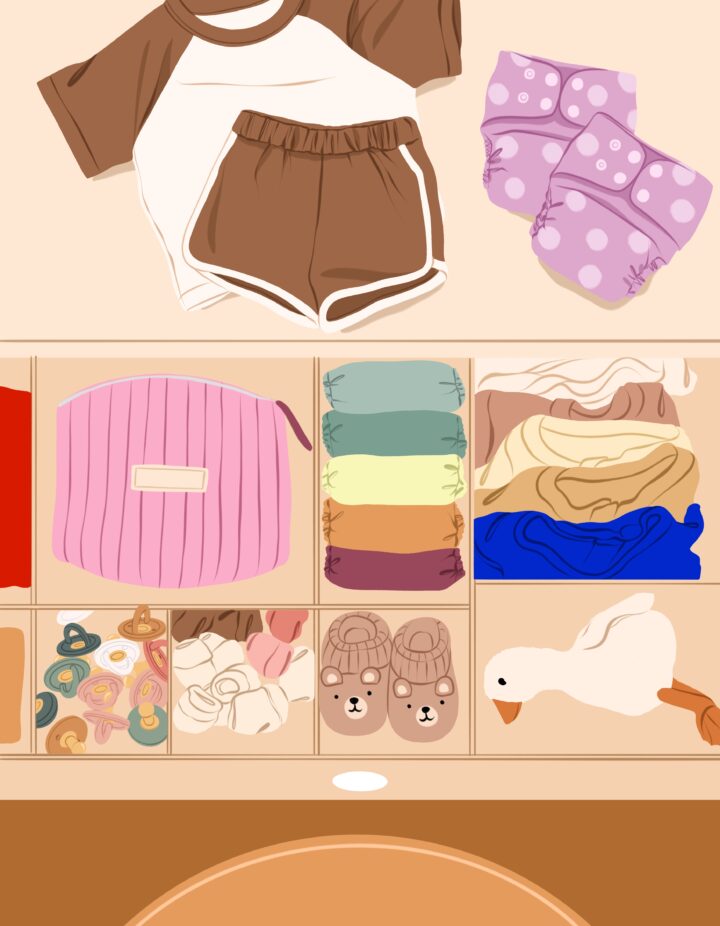
This might seem silly now, but trust me. Your house will fill up with baby stuff clutter faster than you anticipate. One second, you’re looking at the beautiful, organized nursery; the next, you can’t see counters or floors. Everything – clothes, toys, gear, etc. – is everywhere.
To avoid the clutter and ensure you’re not tempted to throw everything away because you’re overwhelmed, organize as you go. At least every two months, do a quick overhaul. Weed out what you no longer need. If you plan to have another baby, neatly place outgrown items in a storage container with a clear label (item name and the age you used it). If you don’t plan on having another, figure out exactly how you will responsibly dispose of the items and do it! Don’t stare at the bag of full clothes to donate forever. Post on a local community group, drop off at a secondhand store or put the items up for sale on a secondhand site. Organizing as you go saves you time, sanity, and the environment.
Okay, how are you feeling about living an eco-conscious life with babe? It’s totally doable. Commit to doing one idea from this list; you don’t have to do everything! What’s it going to be?
Abby K. Cannon is an attorney turned dietitian who lives a very eco-friendly lifestyle. She created Abby’s Food Court to make a healthy, low-waste life approachable, doable, and FUN. Mama to two boys, Abby is passionate about helping you upgrade your health (and life) with hacks that are low-impact on your lifestyle and high-impact on the planet!
Our HATCH Team's Favorite Summer Styles What they'll be living in all season long.
By Babe | Photo by HATCH
We polled some HATCHgals on their favorite new styles coming in hot for summer. Peep their picks and where they’ll be wearing these pretties to keep cool in the heat.
Taylor Beatty
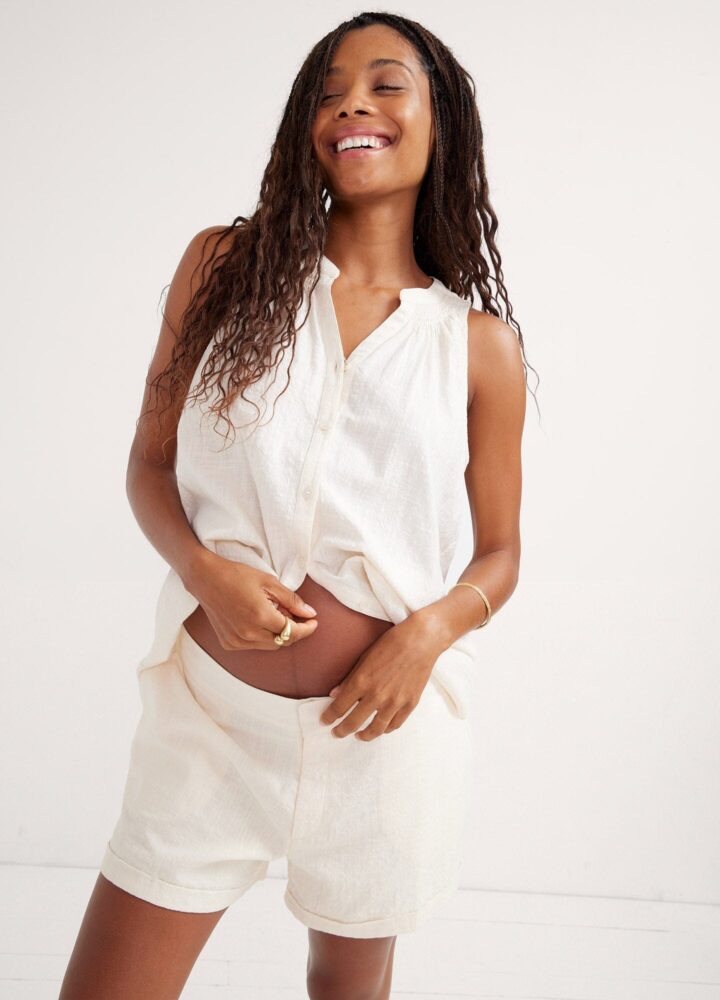
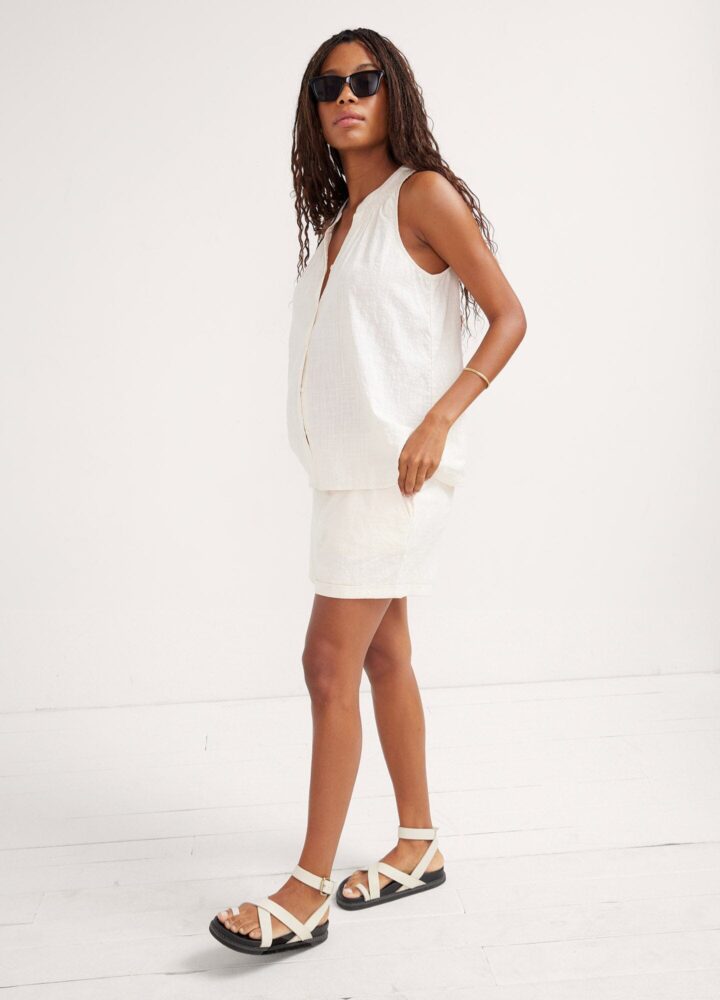
Position: Senior Manager of Beauty Supply Chain and Wholesale Merchandising Operations Style: The Willa Short “The most comfortable, flowy, effortless short! It’s perfect to throw on as a cover-up for a beach day!”
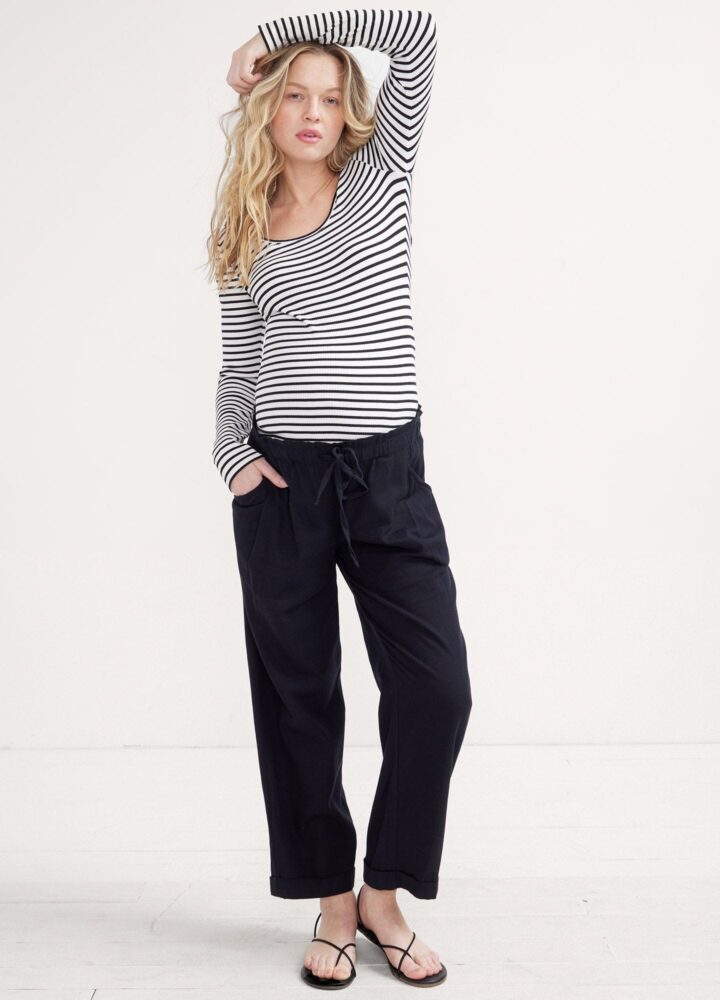
Position: Vice President, Community Style: The JudePant “These are going to be perfect for work and the beach on the weekends. You can also dress them up or down! I know they will be comfortable enough to chase my three-year old son in.”
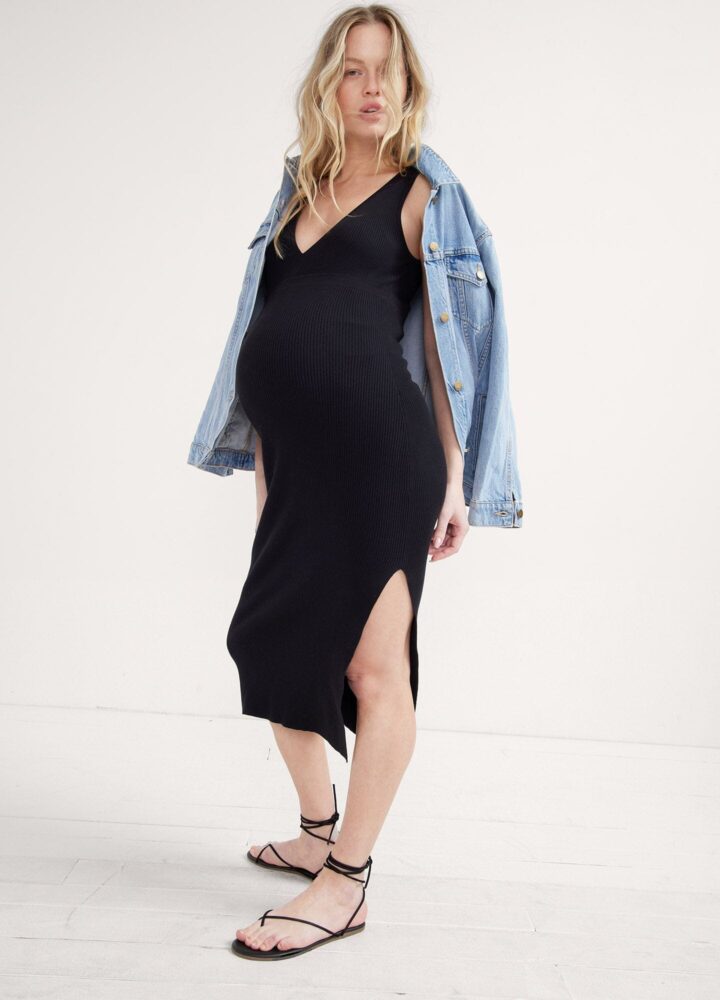
Position: Manager, Retention Marketing Style: The Elma Rib Knit Dress “Simply put, this dress is IT. The rib detail and deep v-cut is stunning. I’m pairing it with white sneaks by day and dressing it up with strappy sandals by night.”
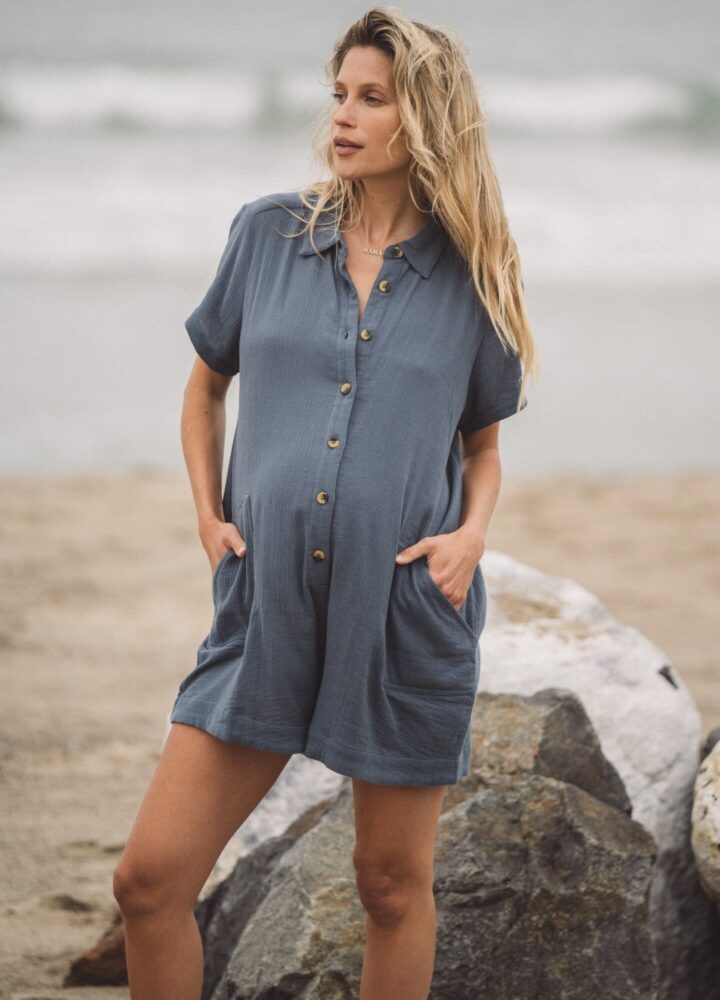
Position: Brand Coordinator Style: Lenora Romper “My new a summer staple! It makes getting dressed so effortless without compromising style. From beach trips to errand-runs, I’ll be wearing this everywhere.”
Are you interested in cloth diapering but need help with where to start? We’ve got you. Exploring the different options for reusable diapers can be overwhelming. Still, fortunately, when we boil it down, there are only a few choices you need to make to set yourself up for cloth diapering success.
Benefits of Cloth Diapering
Before we get into the nitty-gritty, let’s talk about the benefits. Cloth diapers are good for babe, the environment, and your wallet. Most disposable diapers are made of plastics, which likely contain harmful chemicals. Disposable diapers have been found to have dioxin, a toxic carcinogen, and also Tributyl-tin, a known endocrine disruptor. The chemicals in plastics don’t just stay in the diaper; they can migrate to babies’ skin and be absorbed into their little bodies. This is why we want to be picky about what touches our precious babies’ skin. The best cloth diapers, on the other hand, are made out of cotton. This means that only cotton contacts the baby’s skin.
In terms of the environmental impact, it’s estimated that 20 billion disposable diapers enter landfill each ear and that it takes 250-500 years for them to break down. That’s a lot of waste! Using cloth diapers means that you’re not contributing to that landfill waste!
And, although there’s an upfront cost to cloth diapers, there’s a robust secondhand market for affordable cloth diapers, and you only need to purchase them once. They’ll last for all your children, and then you can donate or sell them once your children are potty trained. You can save thousands of dollars by using cloth. Plus, cloth-diapered babies potty train earlier. If you’ve ever tried to wrangle a toddler to change their diaper, you know how wonderful it is to potty train earlier!
Now that you know the benefits, let’s cover the two primary choices when using cloth diapers: 1. Will you use a service or wash them yourself? and 2. What kind of cloth diaper will you use?
To use a service or not to use a service.
If you don’t want to launder the diapers every 2-3 days and/or you don’t have easy access to a laundry machine, it’s worth checking out a cloth diaper service. This is the easiest way to succeed with cloth diapers and makes using cloth diapers as convenient as disposables. The service will set you up with all the diapers and wipes you need, pick up the dirty diapers, and deliver fresh, clean diapers every week.
If there isn’t a diaper service in your area or you want to save on the cost of a service, I’m here to tell you that it’s doable to wash the diapers on your own. Wherever you purchase your cloth diapers from will provide specific laundering instructions. Esembly and Green Mountain Diapers are great for diapering systems and information.
Types of Cloth Diapers
Once you’ve decided whether to use a service or not, then it’s time to choose which type of cloth diaper to use. If using a service, the service will provide you with the choices available. If you’re not using a service, you have more options.
There are flats, prefolds, fitteds, pockets, all-in-ones, all-in-twos, and hybrids. Flats and prefolds are fabric you fold and fasten to fit your baby. These are the least expensive options. Fitted diapers have their closures, so there’s no need to fold and secure them with an additional clip. Flats, prefolds, and fitteds require an outer waterproof cover. Pocket diapers have two parts- the waterproof outer and an absorbent insert that fits into the pocket. All-in-ones are the most like disposable diapers because they are one piece. All-in-twos have an outer waterproof shell and absorbent insert that touches the baby’s skin (as opposed to the pocket diaper where the insert goes inside the pocket). Finally, hybrid diapers have an outer cover and either a cloth or disposable insert.
While there are quite a few choices, they’re similar at the end of the day. And, before you know it, you’ll be diapering easily and without much thought. I like fitteds with the outer cover and think that Esembly makes it foolproof to get set up with cloth diapers.
Washing Cloth Diapers
Cloth diapers or no cloth diapers, you’ll do a lot of laundry when you have a baby. But, when it comes to cloth diapering without using a cloth diaper laundry service, expect to wash the cloth diapers every other day for newborns and every three days for older babies. The Esembly diaper system has foolproof instructions on washing diapers and what detergent to use. First, you do a short cycle with warm water, detergent, and agitators (small balls you throw into the washing machine). This cycle gets the surface soil off. Then, for the second cycle, you use super hot water, more detergent, and a longer process for the deep clean. Finally, you dry them either in the dryer or hang them dry. I’ve found this 2-step cleaning method very effective! The diapers come out looking almost brand new after every single wash.
What about wipes?
Don’t let clever marketing claims get you! A simple cloth with water is all you need to clean a baby. Some parents pre-make cloth wipes by soaking the clean wipes in water and storing them in a container. I take a clean cloth and spray it with water for each diaper change, and it works beautifully. The dirty cloths go right into the laundry with the dirty diapers, so there’s no need for extra laundry.
Conclusion
Cloth diapers are a fantastic option for you, your baby, and the environment. Remember that you can always start with a few cloth diapers and see how you and your baby like them. And you can always use a combination of cloth and disposable diapers. There’s a lot of flexibility and no right way to diaper your baby. Overall, cloth diapering can be overwhelming initially, but once you’ve made the basic choices, you’ll never look back!
Abby K. Cannon is an attorney turned dietitian who lives a very eco-friendly lifestyle. She created Abby’s Food Court to make a healthy, low-waste life approachable, doable, and FUN. Mama to two boys, Abby is passionate about helping you upgrade your health (and life) with hacks that are low-impact on your lifestyle and high-impact on the planet!
Your Guide to Non-Toxic, Eco-friendly Breastmilk Storage Jars, bags, trays...you name it.
By Abby K. Cannon, JD, RD, CDN
Did you know there are alternatives to single-use plastic bags for storing breastmilk? Because consumers are aware of the harmful effects of single-use plastic, more options exist than traditional plastic breastmilk storage bags. Yes, choosing a plastic-free breastmilk storage method can be more involved and require more freezer space. Yes, storing all your breastmilk without plastic might not be feasible. And yes, something else might work better for you and your needs. But, if you’re looking for plastic-free, non-toxic options, you’re in the right place. There are many!
Why avoid plastic storage containers?
Before we get into plastic-free alternatives, let’s discuss why you might want to consider them. Plastics contain thousands of chemicals that can leach or migrate into the food or drink stored in them. We then ingest those chemicals upon consumption. It’s not just bisphenol-A (BPA), a known and well-studied endocrine disruptor, that we want to avoid. Plastic containers can also be made of other bisphenols, phthalates, perfluoroalkyl chemicals, nonpersistent pesticides, and perchlorate, all of which are known to be hazardous. The leaching of chemicals from the plastic to the food/beverage intensifies when the plastic is heated. So, if we put warm breastmilk into plastic containers or bags, freeze them, and then heat the milk in the plastic bag/container, we increase the risk of exposing those chemicals to our babies.
Aside from the health risks, plastic breastmilk storage bags are examples of single-use plastic that are not recyclable. They end up in our landfills, polluting our environment and exposing us and wildlife to harmful chemicals.
To reduce exposure to these chemicals and to avoid contributing to plastic pollution, it’s best to avoid storing food and beverages in plastic containers. Fortunately, there are great options for breastmilk storage that avoid plastic!
Plastic-Free Breastmilk Storage Options
There are three categories of plastic-free storage containers for breastmilk: glass jars, silicone bags, and silicone ice cube trays.
Glass is preferred for storing breastmilk (and all food and beverages). It is durable and inert, meaning it doesn’t leach chemicals. Small mason jars are perfect for breastmilk storage, but any glass jar works. Ensure to get BPA-free lids (traditional mason jar lids are lined with BPA). Mason Bottle makes glass jars for breastmilk storage. With a few different top options, you can turn a small mason jar into a breastmilk storage container, a bottle, and a food storage container. When freezing, leave room at the top of the jar to allow for expansion so the jar doesn’t break. To thaw safely, place the jar in lukewarm water for about 20 minutes, leave it on the counter for 1-2 hours, or put it in the refrigerator. You can sterilize the jars by running them through the dishwasher or boiling them in water for 20 minutes.
A downside to glass storage is that the jars take up a lot of room. Depending on how big a stash you want and need, it is not feasible to only use glass.
Silicone Bags
Silicone bags specifically for breastmilk storage have emerged in the past few years. Silicone is made from naturally-occurring silica, and silicone bags are lightweight, BPA-free, easy to clean, and more compact than glass jars. Zip Top makes a set of silicone breastmilk storage bags with a stand to hold them. Haakaa, Junobie, Momcozy, Purifyou, and Nuliie are other options. Just make sure to store them upright. Using a container in the freezer to keep the upright is advised.
Place the bag upright in warm water or store it in the refrigerator to thaw.
A downside to silicone bags is that they are expensive and aren’t readily recyclable (though you can use them for toddler snacks and other food storage!). Depending on how many bags you need, using only silicone bags might be prohibitively expensive.
Breastmilk Storage Trays
Finally, you can use breastmilk storage trays. These are ice trays made of silicone with removable covers to protect the milk. You pour the breastmilk into the tray and carefully place it in the freezer to freeze. Once frozen, you can transfer the cubes to a larger silicone bag or glass jar for longer-term storage. To thaw, remove the cube from the tray or the bag, place it in the bottle in the fridge, or leave it at room temperature for 1-2 hours. You can also set the cube in the bottle and then place the bottle in warm water for 10 minutes. Tiny Tot Innovations, WeeSprout, and HIWOOD make great trays to use for breastmilk. You can also use them for homemade baby purees or flavored ice cubes.
The trays enable you to store smaller quantities of milk, which helps reduce wasting milk. But, as you transfer the entire tray to the freezer, you might spill a bit, so it’s essential to be careful in that transfer.
You can safely store your milk sans plastic by choosing one of these three options. And remember, you can always use a combination of plastic and these storage methods. Don’t let perfect be the enemy of good!
Abby K. Cannon is an attorney turned dietitian who lives a very eco-friendly lifestyle. She created Abby’s Food Court to make a healthy, low-waste life approachable, doable, and FUN. Mama to two boys, Abby is passionate about helping you upgrade your health (and life) with hacks that are low-impact on your lifestyle and high-impact on the planet!