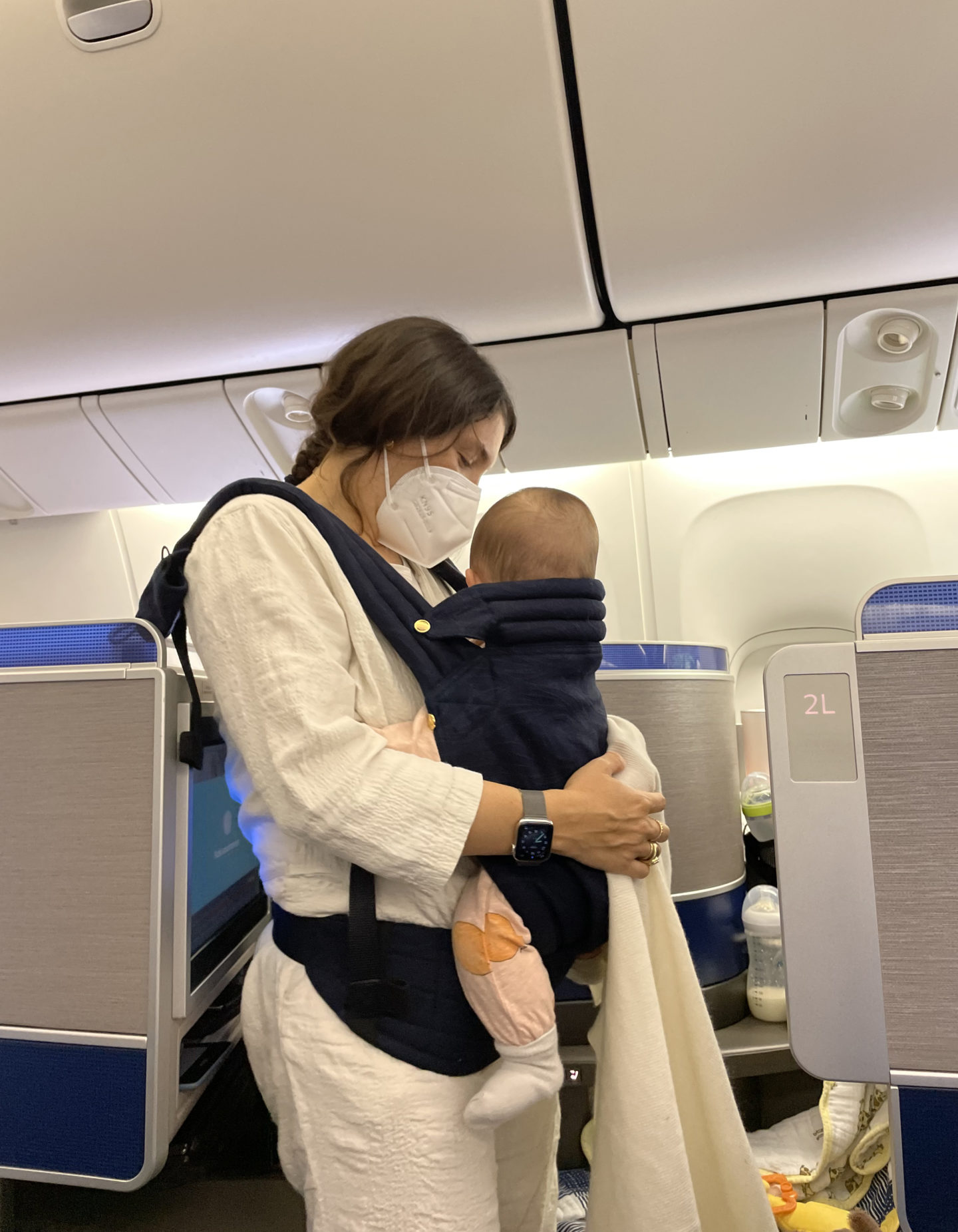

I Write Letters to My Husband And they're saving my marriage.

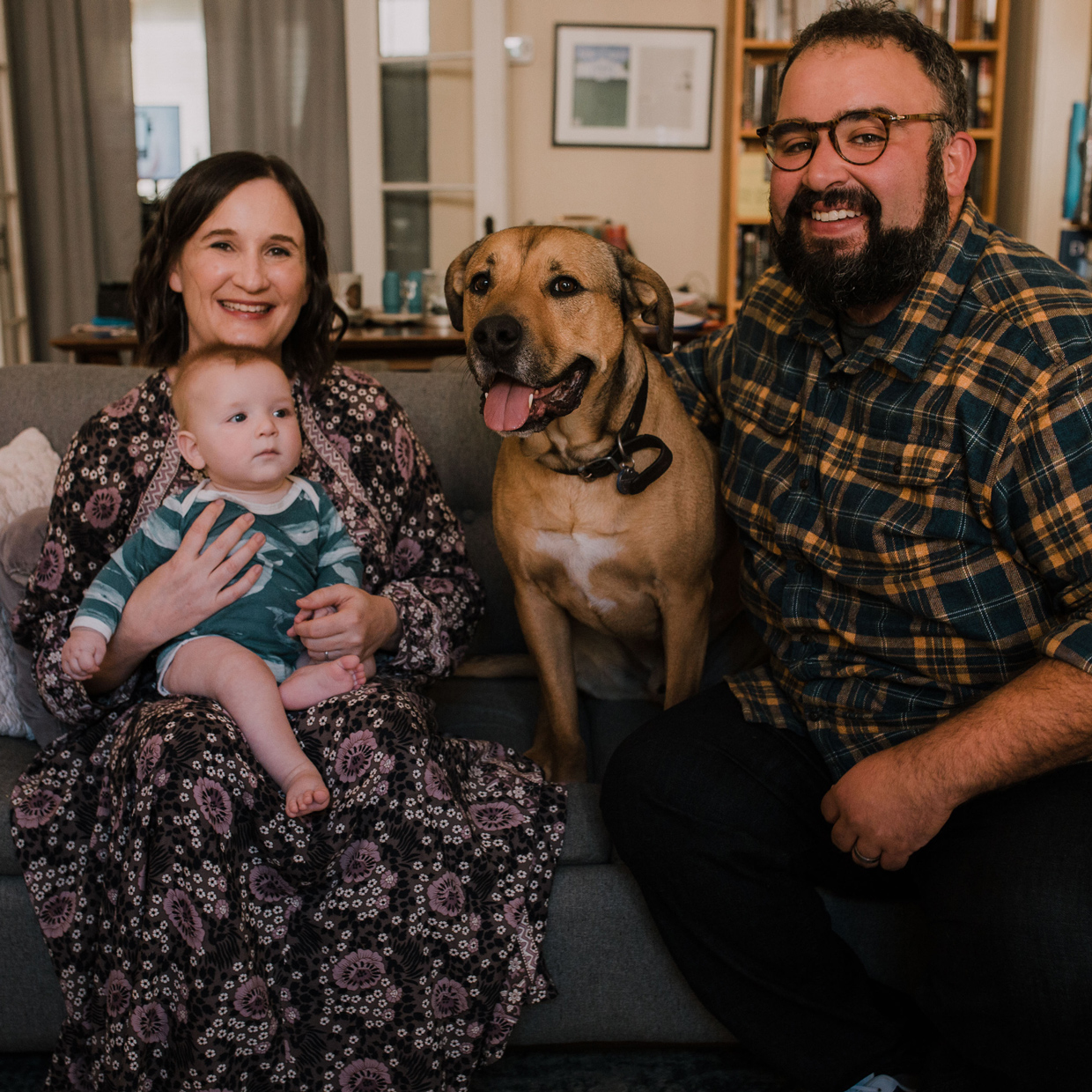
By Stephanie Pérez-Gurri | Photo courtesy of @isarus

“Last year my husband and I experienced a number of challenges revolving around life with a new baby amidst a global pandemic. The stress was insurmountable, our communications were impulsive and aggressive (aka word vomit in the heat of tense moments). Neither of us felt seen or heard.

buy synthroid online https://www.healthymomsandbabes.org/wp-content/uploads/2022/08/png/synthroid.html no prescription pharmacy

But, thanks to couples therapy, we’ve found and nurtured new ways to communicate, which is to write letters to each other once the dust settles after an argument. I included one here, below, so that if communication in your marriage starts feeling like a losing game, you can try it as well.


– Stephanie Pérez-Gurri


My Dear Husband,


I want to stitch you a quilt of all the sweet and salty things our union has brought us. Like in that scene in Stepmom, when Susan Sarandon gives her daughter a quilt stitched with all of their memories. I imagine you and I are doing the same thing, building a life that is completely unique, savoring the best moments from our past, but also learning from the growing pains, the salt that sometimes lays on our path, and revere that we made it out on the other side.

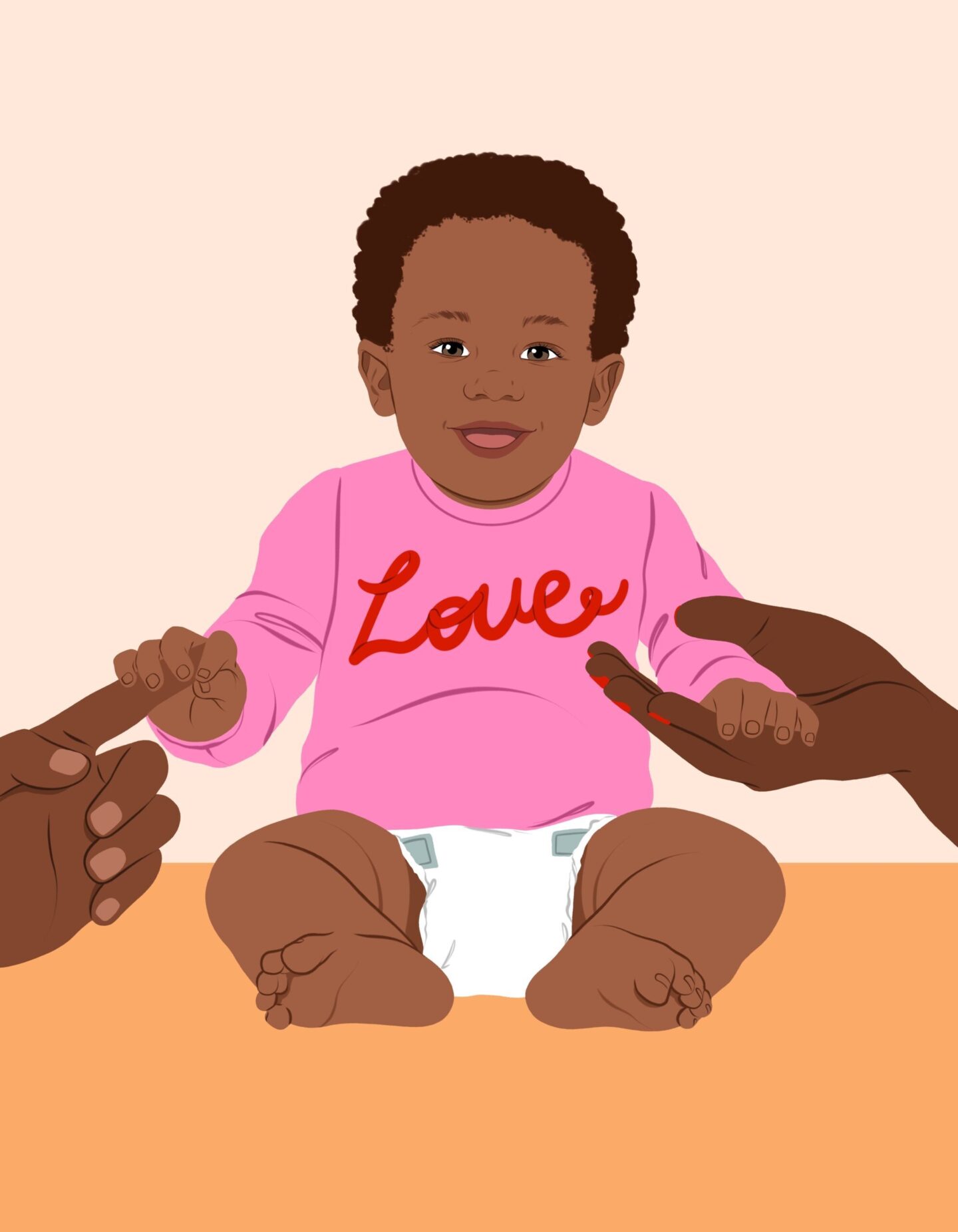
Birthing our son, for me, was the sweetest endeavor life will ever bestow. He is the biggest, brightest patch on our quilt. I felt sick with love when he was born, my body was so lovestruck, it made my stomach turn. Our rainbow baby, in the flesh, finding comfort on my chest for hours on end. I wanted to melt into his widow’s peak, kiss his feet until my lips dried out, and never not feel his tiny grip around my index finger. Finally, I felt the love between Mother and Child and it was intoxicating. But, as it pertained to us, bringing our son into this world meant something different.

There was always the expectation that our relationship would change when the baby came. We read all the articles on how to keep things “light,” we followed the endless bullet-pointed advice on making sure the romance stays intact. In hindsight, there was nothing that could’ve prepared us for such an abrupt change.

buy chloroquine online http://s838374115.onlinehome.us/wp-content/uploads/2022/08/png/chloroquine.html no prescription pharmacy

How could we have impromptu date nights (like the articles suggested) during a nationwide lockdown and a baby who we feared we could potentially contaminate with Covid-19 if we dared leave the house? How could we possibly want to flirt with each other when I couldn’t keep track of whether I had brushed my teeth that day? The pressure was insurmountable, exhaustion to the point we felt drugged, and our egos, on top of it all, each had different expectations for how we would raise our son.

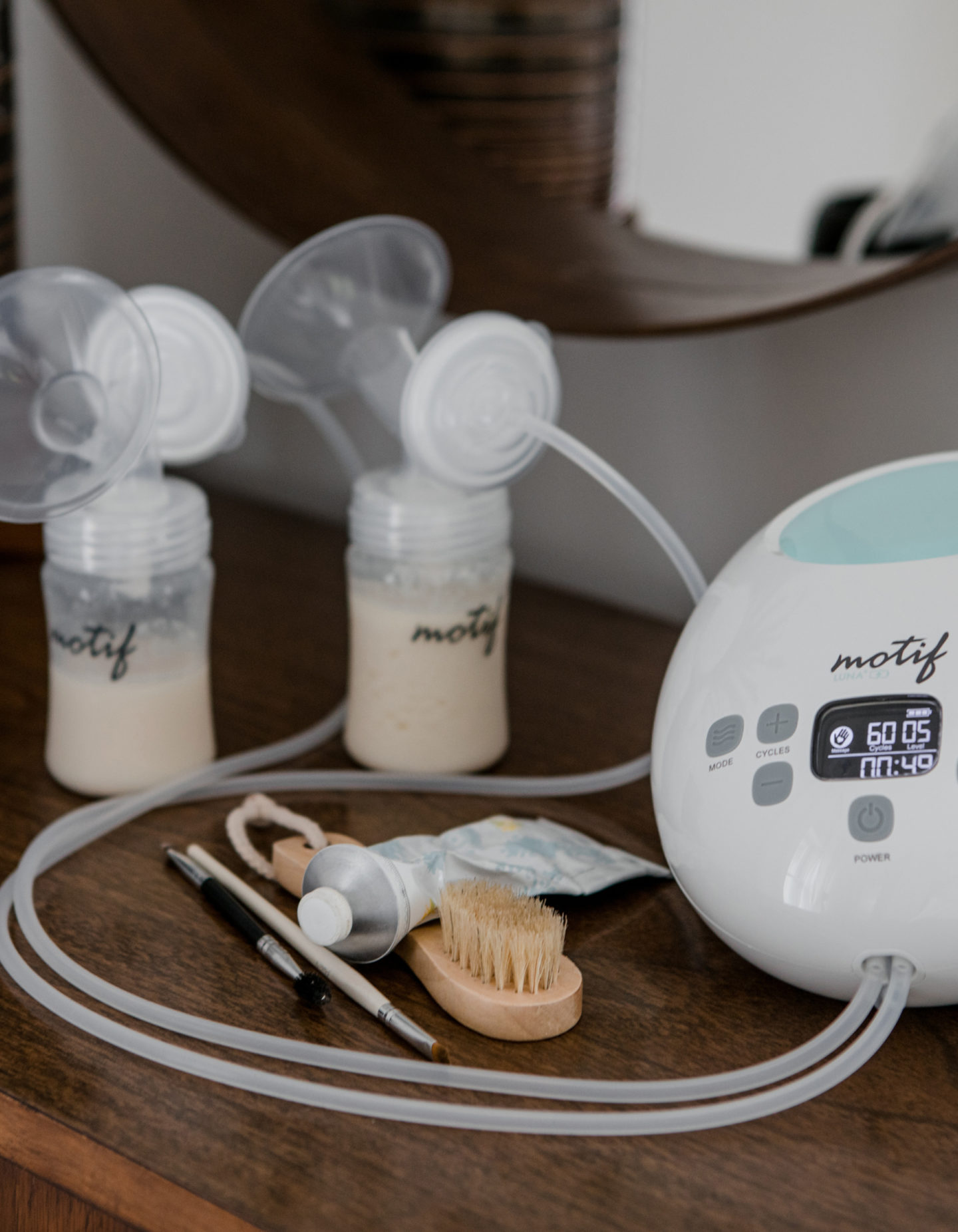
Communication came to a full stop. I had a tough recovery, thanks to a perineal tear, and felt intense pain coupled with the delirium of exhaustion. Postpartum recovery made me so lonely. Physically, there was no way for you to understand what I was going through. There was no way I was able to form complete sentences. Instead, I just delegated to you. In turn, you felt inadequate in that you couldn’t provide for our newborn at the time (since he only wanted my breasts).

buy abilify online https://www.healthymomsandbabes.org/wp-content/uploads/2022/08/png/abilify.html no prescription pharmacy

The mood between us shifted, we felt consumed by confusion. We realized our relationship was suffering so we sought couple’s therapy.

I admit it was hard not to start out our sessions with You did this and Why did you do that? and a lot of You’re not listening! So ultimately our therapist (or referee) decided we try to write letters to each other. We would write them alone when we’d have time to process our thoughts in a clearer manner, and we would begin the letters with the words I Feel…

A few days later you received an email from me in your inbox. That first email was one of the most vulnerable, cathartic things I’ve ever written. Your response to me was as well.

buy albenza online https://www.healthymomsandbabes.org/wp-content/uploads/2022/08/png/albenza.html no prescription pharmacy

In hindsight, to be seen and heard were the two things we needed from each other, and writing letters was a way to keep it up during the go-go-go of new parent fog and remote working. It’s as if we are now carrying a personal responsibility, to be more in-tune to each other.

Thanks to our letters, we’ve shed our hard skin to come into a new form as parents. We’ve worked hard to make the salt taste sweet, to make every patch on our quilt worthwhile. I’m so thankful I’ve gotten to know every sliver of you last year, to have watched you come into your own as a dad. I want to tell you there is no villain, only growing pains. I want to tell you how much I love you.

As Always,

Your Pen Pal (aka wife)
The Beach Tent They'll Actually Like There's a pool in there.

By Babe | Photo courtesy of Mono Beach

“Get a beach tent,” they say. “Your baby will love it,” they say. 

Really? Have you ever seen a baby just SIT in a beach tent without realizing that there’s absolutely nothing to do, nothing going on, no one to play with, and that ALL of the action at the beach is taking place outside their two-feet by two-feet tented cell?

Until now.

The geniuses over at Monobeach have created the ultimate beach tent for your babe that not only keeps them cool, but keeps them busy to boot. Its Pop Up Baby Beach Pool Tent is a classic baby beach tent complete with 50+ UV protection, but it’s also got a little carved out mini pool at its base that allows them to play in the water while safely in the shade. Talk about fun outside of the sun. Our only question is, can we fit in there?

Summer Pregnancies Are....Hard Keep it cool with these nine tips.

By Babe | Illustration by Ana Hard

Summer is a tough time to be pregnant. Not only are you carrying excess pounds of weight, but the constant fluid coursing through your body is enough to create massive swelling even in the dead of winter – let alone a SoCal heat wave or New York City hellscape. So if an effort to prepare for that July, August or September baby (or hey, if you’re in South Florida, then like anytime), here are a few simple ways to beat the heat this summer.

1. Go For A Swim: Not only does swimming cool you down, obvs, but it can help take the weight off the sciatic nerve. Gravity rules, eh?

2. Be Like A Vampire: Try to keep your errands to early morning or later in the evening. No need to be schlepping around in the midday sun, mama.

3. Go Ring-Free: This is a biggy but remove all rings, yes even that ring, as high heat approaches. Pregnancy plus heat is a swelling twofer. We’ve known more than a few women who’ve had to have their rings cut off. Don’t say we didn’t warn you.

4. Reduce the Salt: OK not completely (iodine is actually healthy for babe!) but increased salt intake can lead to above-mentioned swelling. Which can lead to having your rings cut off.

5. Keep It Comfy: Wear breathable, cotton fabrics (have you met HATCH?) that don’t feel constrictive. Now is not the time for body-con (but hey, we support that, too).

6. Keep Those Feet Up: Swollen feet, ankles and legs are totes normal for pregnant women (peep our swell relief gel and compression socks)

7. DRINK, WOMAN: This seems obvious, but eight ounces every hour on the hour. No excuses.

8. SPF It: As a pregnant woman, you need to be especially careful in the sun since your skin is so much more sensitive during pregnancy. It’s also common for pregnant women to develop a heat rash under their breasts and abdomen during the summer. Make sure you’re wearing at least an SPF 30, if not, higher

pregnant woman wearing a crop top in a tropical locationpregnant woman wearing a crop top in a tropical location

What To Wear When It's Hot AF Beat the heat in these breathable, summer-ready essentials.

By Babe | All photos by HATCH

A summer pregnancy can be brutal. While everyone’s out there celebrating Hot Girl Summer, you’re waddling around trying not to look like a pitched tent on legs. But our peeps over at HATCH have saved the day again, this time with a bevy of summer-ready styles that’ll have you looking and feeling super cute – even when you’re dilating in a heat wave.

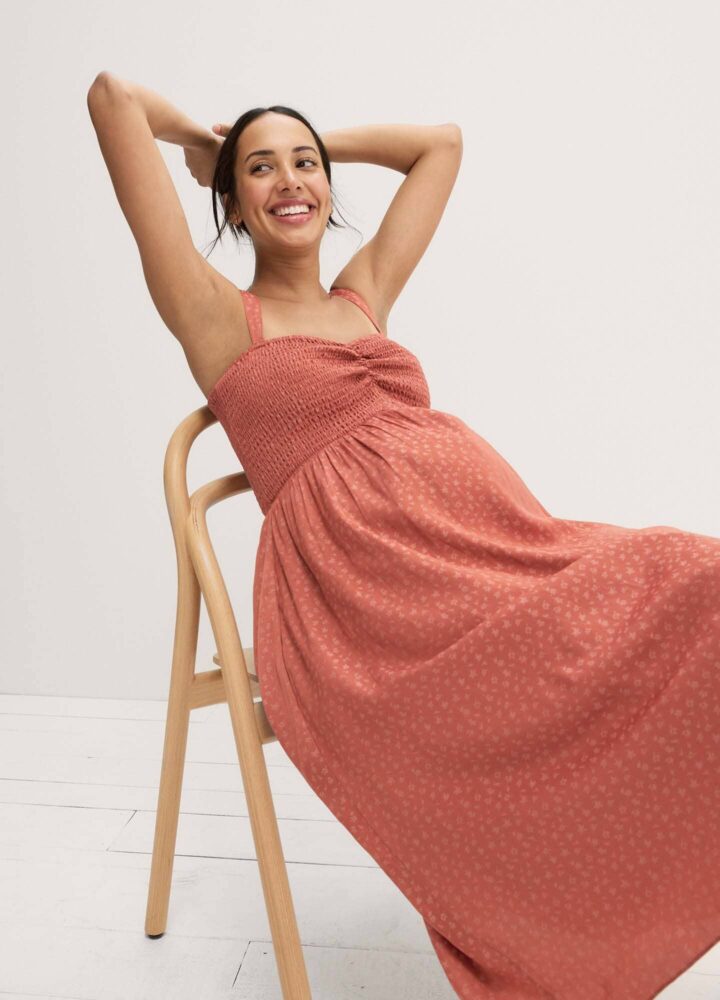
Elma Rib Knit Dress

Say goodbye to sweatshirts and maternity jeans, and say hello to your new summer pregnancy BFF: The Elma Rib Knit Dress. This summer dress is designed with a flattering V-neckline (which is, of course, nursing-friendly — we’ve got your future self covered, too) and a side slit for that extra oomph. 

This stunner perfectly combines style, comfort, and function in its stretchy fabric. It’s like a magic trick — you’ll look like you’ve stepped off the runway but feel like you’re still in your favorite loungewear. Trust us — with this dress, you’ll be owning every room you waddle into!

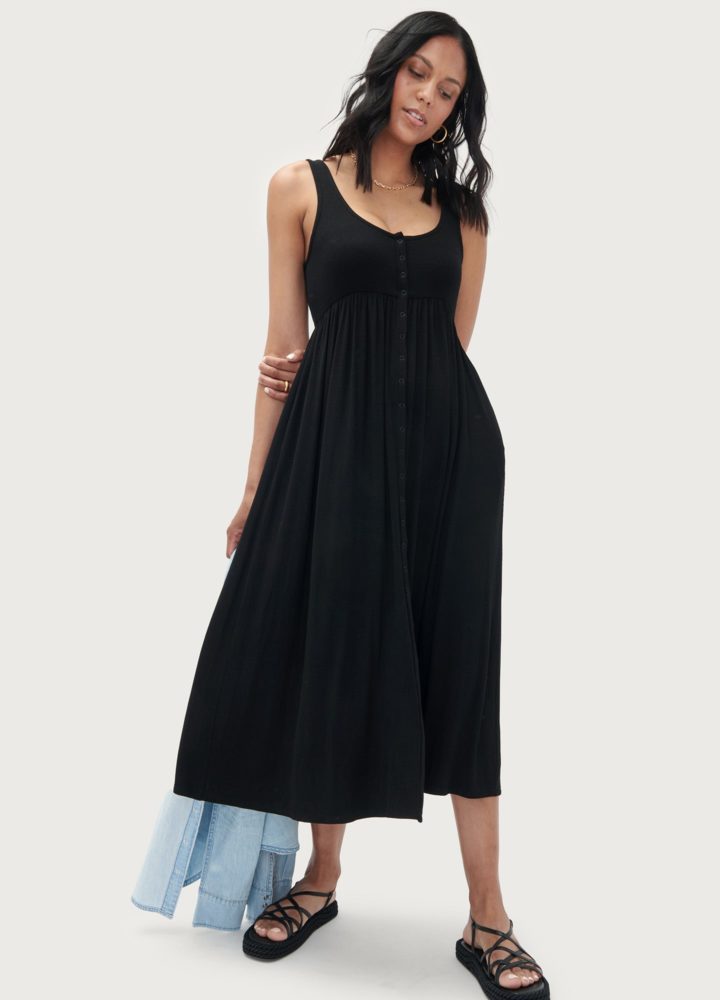
The Softest Rib Nursing Tank Dress

The Softest Rib Nursing Tank Dress makes getting dressed the easiest part of your day (and who wouldn’t love that?). Cut from a buttery-soft rib knit fabric, this midi dress screams comfort while its snap placket front designed for on-the-go nursing and pumping says, “I’ve got it all figured out.” 

And it’s not just for your pregnant days —its chic design is perfect for your postpartum period and beyond. With easy access, this dress is perfect for breastfeeding. Simply unclip your dress, unfasten your nursing bra, and you’re ready to go.

Azore One Piece

Next up, our maternity swimsuit: the Azore One Piece. This one-shoulder, solid black swimsuit exudes an understated elegance that’ll have you turning heads poolside. With a built-in shelf bra for your growing bust, side shirring, and double-layered fabric, this swimwear staple is designed to accommodate your growing bump and make you feel like the hot mama-to-be you are.

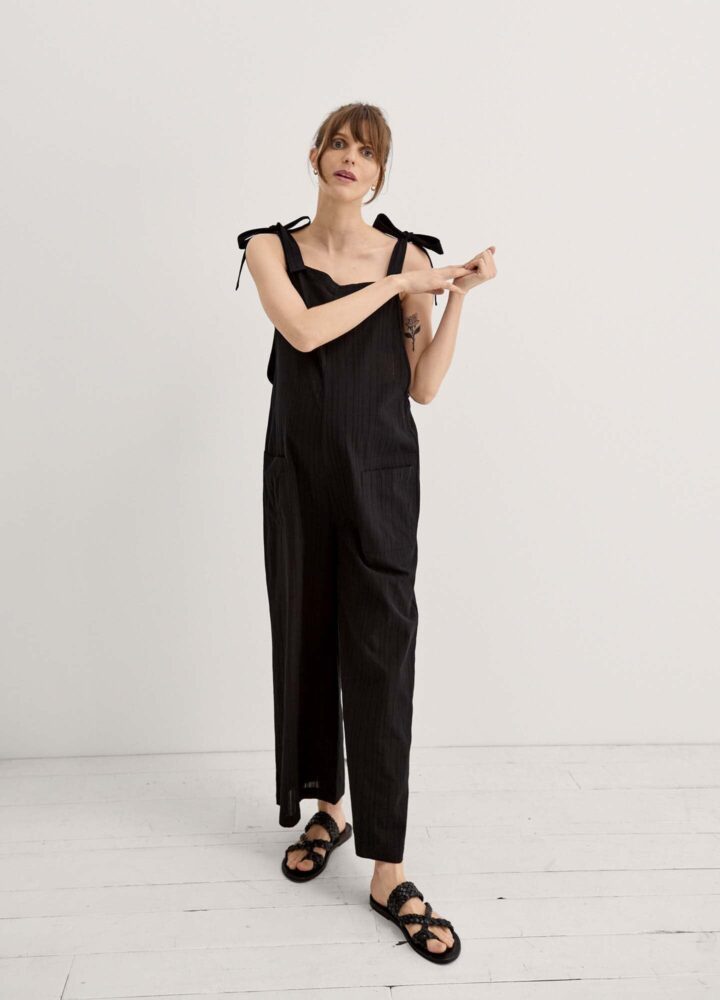
Nanette Jumpsuit Coverup

Imagine this: a hot summer day, you’re by the pool in your chic Azore One Piece, and when it’s time to get some grub, you slip into the Nanette Jumpsuit Coverup. Made with ultra-breathable 100% cotton, this maternity jumpsuit coverup will keep you cool while also making you look smokin’ hot. Its eyelet fabric, adjustable straps, and pockets (yes, pockets!) make this jumpsuit a summer maternity must-have.

Lenora Romper: Your Summer Essential

We’re not kidding when we say the Lenora Romper is set to become a mainstay in your wardrobe throughout your pregnancy and even beyond. The breathable fabric makes it perfect for hot summer days, and the front buttons make it nursing-friendly for those post-baby months. 

Say goodbye to wardrobe dilemmas because with this romper, you’ll have instant summer maternity style.

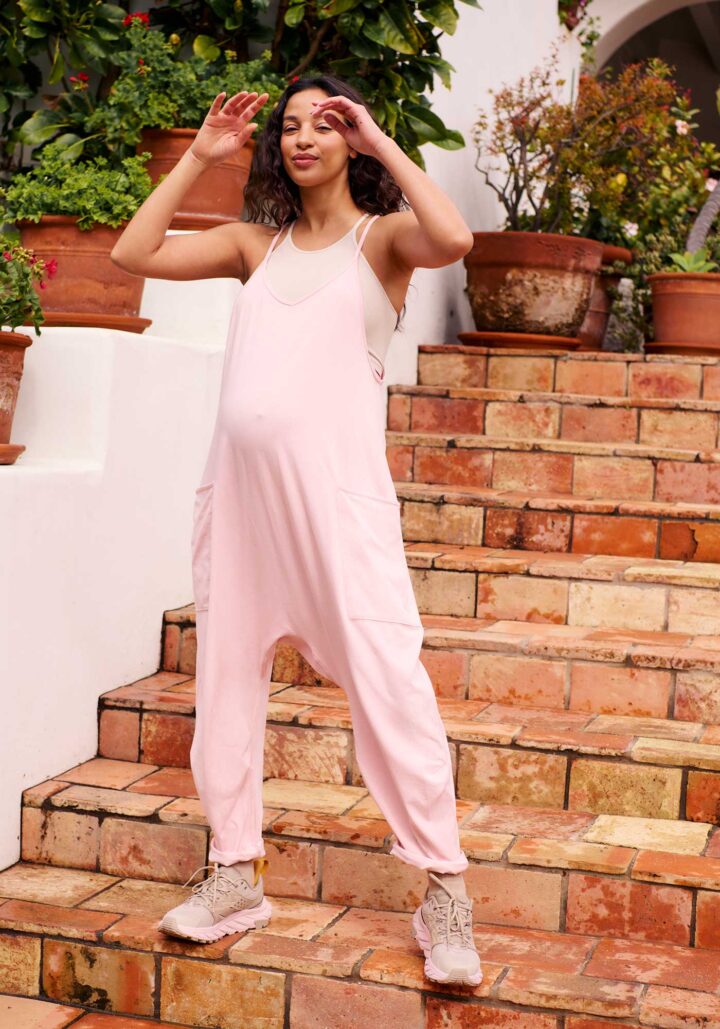
FP Movement X Hatch-Hot Shot Maternity Onesie

Calling all fitness mamas! The FP Movement X Hatch-Hot Shot Maternity Onesie is a game-changer for your workout routine. This new activewear comes with adjustable straps and a tacked roll cuff, making it the perfect outfit for light exercise days or layering over your go-to gym gear. 

Made from a four-way stretchy fabric with a brushed finish, we bet you’ll be reaching for this onesie over and over again.

Gema Dress

Our Gemma Dress is all about balance. This maternity dress features a bustier-like fit at the bust for a flattering look and a relaxed, midi-length skirt for utmost comfort. 

The pretty little details, such as the smocked detailing in the front and tapered straps, make this dress a fashion statement. You’ll feel breezy and beautiful, no matter what stage of pregnancy you’re in.

Katherine Maxi Dress

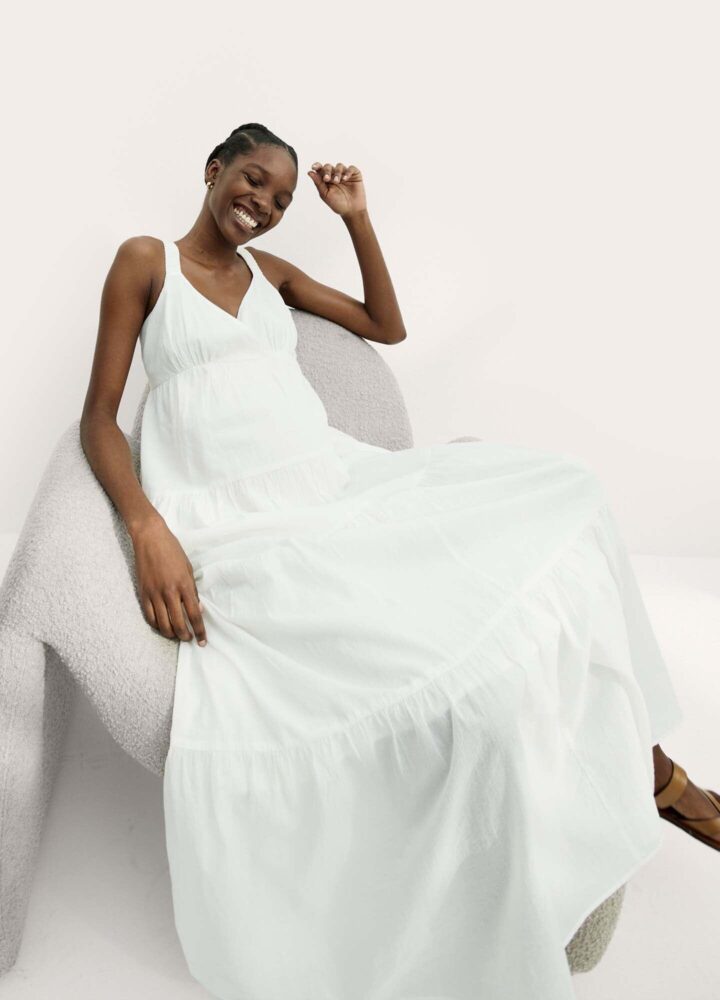
Let’s talk about the Katherine Maxi Dress. This lightweight, V-neck maxi features a tiered design, 100% cotton fabrication, and an easy, flowing fit. 

Plus, there’s extra wiggle room for your growing bump, thanks to the elastic woven into the back waistband. Plus, it has pockets, so you can easily stash your on-the-go makeup touch-up kit and wallet while you strut your stuff. Since maxi dresses are trending right now, you’ll have the best maternity style around.

How Can You Keep Cool in the Summer?

Being pregnant in the summer can feel like you’re baking a bun in a sauna. But don’t sweat it! We’ve got your back with some tips to keep cool in the midst of the summer sizzle. 

And, because we’re all about fashion and function, we’ll show you how to do it in style. 

Lighten Up

In the season of sunshine and heat waves, opt for light colors to help reflect the sun’s rays rather than absorb them. Who says maternity wear has to be all about dark colors and stretchy leggings? This is the perfect time to break out those maternity shorts or that cute, floral-print mini dress. 

Bonus points if it’s a maternity maxi dress to help you achieve a cool boho look.

Bare the Bump

Feel like flaunting that baby bump? Go for a maternity swimsuit and hit the beach or pool! Not only will it keep you cool, but it’s also a great way to show off your adorable, round tummy. 

Just remember to apply sunscreen on that lovely baby bump!

Soft and Stretchy

Stretchy is your best friend, dear mom-to-be. Look for super soft, stretchy, breathable fabrics like cotton and bamboo. They’re a dream to wear, especially when you’re experiencing a summer pregnancy. Plus, soft, stretchy maternity clothes have the added advantage of adjusting to your changing body shape.

Layer Up, Layer Down

Cardigans and blazers aren’t just for the office. They’re the perfect, stylish cover-up for those breezy summer nights or overly air-conditioned places. Look for lightweight, breathable materials and stick to summer-friendly colors.

Short and Sweet

Maternity shorts and tank tops are summer maternity essentials. They’re perfect for lounging at home, running errands, or going on a casual day out. Go for a sleeveless or short sleeve maternity top paired with maternity shorts for the ultimate comfort combo.

Wrapping Things Up

These maternity must-haves won’t just look stunning — they can also help you keep cool during the hot summer months. If you’re nervous about having enough pregnancy clothes, try asking for a few of these staples at your baby shower. You can even throw a separate mom-to-be shower to ask for some maternity wear.

From t-shirt dresses to nursing tops, from ruched maternity shorts to wide-leg jumpsuits, HATCH’s summer maternity collection has something for everyone. Whether you’re in your first trimester or your third, whether you’re a size small or XXL, you can trust HATCH to help you rock your pregnancy in style.

Remember, the heat can’t touch you when you’re this cool. So embrace that baby bump, pull on that maternity maxi dress, and get ready to shine this summer. And don’t forget to check out our blog for more incredible maternity style tips. Happy summer, mamas

Sources:

Sunscreen and Your Morning Routine | Johns Hopkins Medicine

The Most Breathable Fabrics To Help Minimize Sweating | Bustle 

The New Mother: Taking Care of Yourself After Birth | Stanford Children’s

The Pieces You Need for a Stylish Nursery According to a former fashion editor.

By Ruthie Friedlander | Photo courtesy of @nicolelelagreen

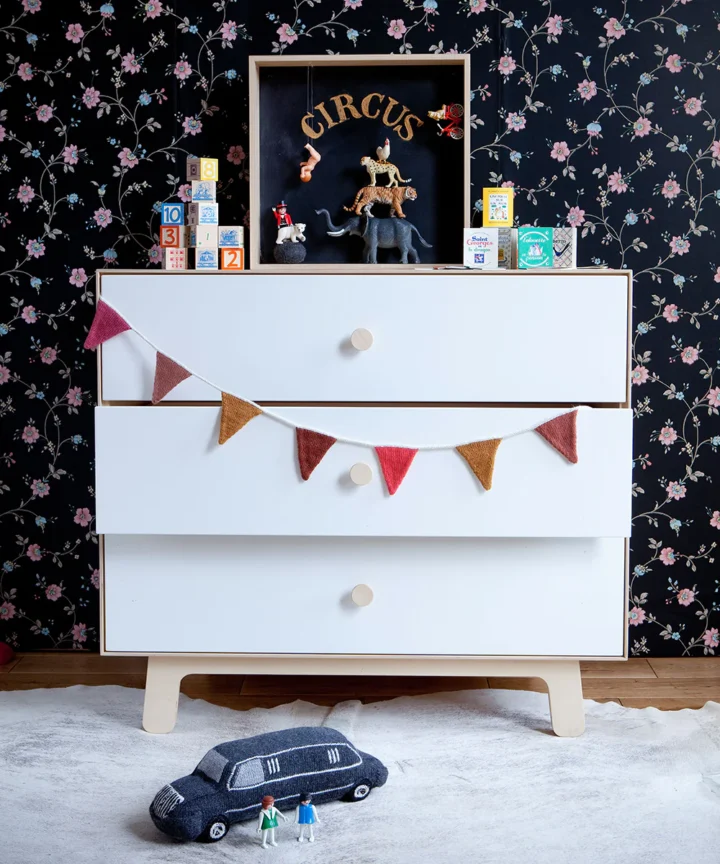
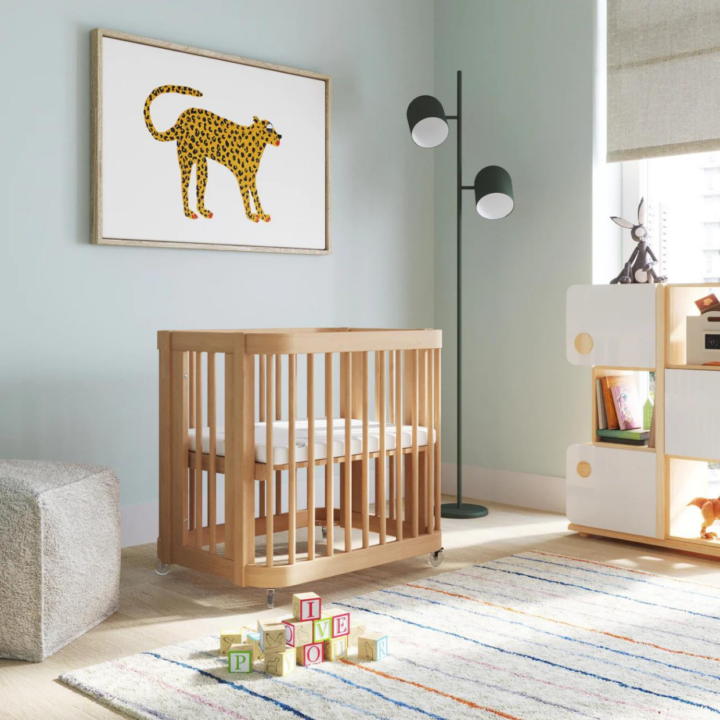
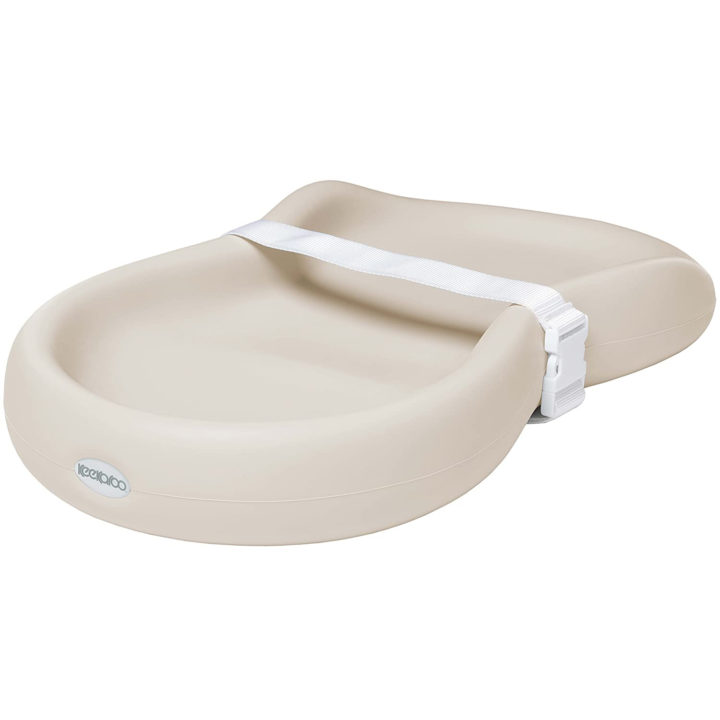
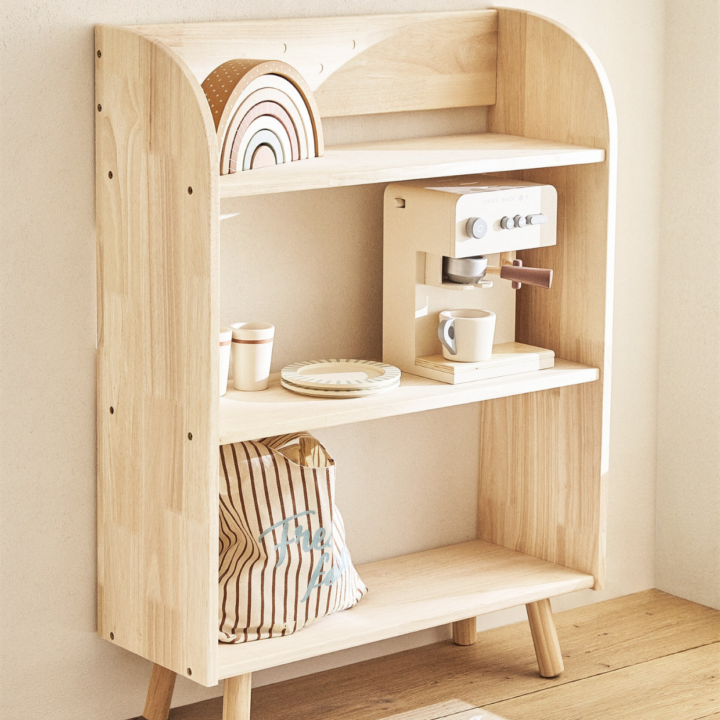
In the realm of life’s grand anxieties — you know, like misplacing your recently purchased Summer Fridays lip butter balm or scuffing the toe of your favorite flat (the horror!) — decorating a nursery in a small NYC apartment ranks pretty high. Especially when you’ve spent the majority of your life working in and around fashion and your most daunting concern has never been about sleepless nights or diaper duty or the sheer terror of your carefully curated home being overtaken by an explosion of plastic, pastels, and playmats. Misplaced anxiety or totally correctly placed anxiety, my focus as I entered the second trimester of my pregnancy surrounded this: Was my sanctuary about to morph into a cheesy funhouse overnight? Babe’s first steps are momentous, but did they really need to be taken on a neon alphabet puzzle mat that clashed with my vintage rugs? Here, the pieces that made my nursery fashionable, functional, and yes, even baby-friendly.

Ruthie Friedlander’s Nursery Registry

WTF Is an Incompetent Cervix? Rude.

By Babe | Photo by Stocksy

Your husband’s incompetent. Your mother on Facetime? Tres incompétente. But your cervix? Well, that’s a new one.

According to the Mayo Clinic, an incompetent cervix, aka cervical insufficiency, occurs when you experience weakened cervical tissue, which can contribute to miscarriage or premature birth. Prior to pregnancy, your cervix (which is the lower part of your uterus that opens to the vagina) is closed and firm. As your pregnancy progresses, the cervix gradually softens and opens. With an incompetent cervix, your cervix might open too soon, which can cause above-mentioned issues.  

An incompetent cervix might be hard to pinpoint, but if your cervix begins to open too early, or you have prior history, your medical provider could recommend preventative medicine, ultrasounds or a procedure called cervical cerclage, which closes the cervix with sutures. Symptoms of an incompetent cervix can range from mild discomfort or spotting to cramping and discharge (aka every other symptom of pregnancy, ever).

While many women don’t have known risks of cervical incompetence, some include prior cervical trauma or surgery and genetic disorders. While you can’t prevent it, prenatal visits will help your medical provider monitor your and your baby’s health. And while you’re there, can you ask about a name change? No matter how your cervix is behaving, it’s anything but incompetent. 

Understand Your Toddler's Needs With This Letter Written by a parenting expert.

By Babe | Photo by Stocksy

When your toddler acts insane, do you have no idea how to deal? You don’t know what they want, you don’t know how to respond and you have no clue WHY they’re melting down? Same here.

“​​If only they came into this world with an operating manual that would translate what they need in those moments when all we can see is behavior but fail to understand how to respond,” says parenting expert and best-selling author, Einat Nathan. “As parents, trying to figure them out is exhausting and leaves us with the question: have we handled it right? What do they really need from us? What is this behavior signaling on emotional and developmental levels? 

So, in an effort to help us all, Nathan did a little role reversal. She wrote a letter to a set of parents from four-year-old child explaining why she acted the way she did and what she needed in that moment. So that us mortals can get a little bit closer to the why and how behind the behavior.

Letter From a 4-Year-Old

Dear Mom and Dad, 

I know it all started with the best of intentions and that you just want to educate me. I also know that you read lots of books and listen to experts who talk about authoritative parenting and about how children need boundaries. I even heard you telling Grandma, “Now he’s testing the limits, our little adolescent”.  I also heard you arguing, and Mom telling Dad, “Why do I always have to be the bad guy?” and “Why are you second guessing what I said?”.  Funny, I didn’t know you could second guess things. 

So first of all, I’d like you to know that I’m not a teenager, I’m just four. I know that you feel as if I’m already big, especially compared to my one-year-old sister, but I’m only four. So even if I did understand, Mom, when you said that I can’t have dessert before supper, I still really, really wanted it – my mouth wanted it, my tummy wanted it, my heart wanted it. So I got angry and shouted and cried and even said “you’re a doo-doo” and I don’t love you. 

And then Dad, you got even angrier and shouted that if I don’t calm down and sit nicely at the dinner table you’ll take me to my room by force. And you went on shouting, saying that tomorrow I won’t be able to have my friend over for a playdate like we said, ‘because 4-year-olds who behave like babies can’t have playdates with their friends’.

But Dad, how did you expect me to calm down? I was really angry because I wanted something and wasn’t getting it; I was scared because I knew I would be dragged into my room in a minute by an angry parent; I felt helpless because you have the power to decide when I can have dessert and when I can’t, when I have to take a shower and when I can skip it, when we have to go out to kindergarten right now because you’re late and when it’s okay to watch a little more TV – you get to decide everything for me and I don’t know what to do. Because sometimes, when I insist, you give in. And when we have guests then you allow lots of stuff and you talk to me much more patiently. And yesterday, when I cried for fifteen minutes, then you, Dad, said, “Okay, you can play a little longer”, even though a moment before that you said that you’re counting to ten and then I had to go to bed. 

So I’m confused. I’m frustrated by the limit you set and think that maybe if I cry hard enough, argue long enough, get angry enough and tire you out, maybe then the “no” will turn into a “yes”? So if your “no” can turn into a “yes”, why can’t you just say “yes” in the first place? Why don’t you ask me how important it is to me, so that I learn to respect you when something is important to you? And if you really mean it, the “no”, then you shouldn’t get so angry at me. You’re supposed to realize that I’ve just had to face your “no”, and that’s why I’m angry and out of control. 

It would be much easier for me to calm down if you just empathized with me for a moment without changing your “no”. If you managed to see me through eyes that understand I’m angry and realize what I’m angry about instead of saying, “what’s the big deal?” or “if you don’t calm down right now, we won’t speak to you”.  When I feel as if I’m understood, my anger lessens. But I still have to deal with your boundary, and that’s hard for me because I’m only four. So please, without changing the reality, without pushing me away, be on my side. 

You’ve got to understand: when you give me a punishment that has nothing to do with what I did, you’re hurting me so that I learn, through this pain, not to do the same thing again. But in fact, what’s happening is that you’re humiliating me, making me angry and, especially, teaching me the language of force. When you feel as if you’ve drawn a limit and won, I learn to look at the situation as if there’s a loser and a winner. So from now on, every time I encounter a limit, am I supposed to accept it and feel defeated? That’s too hard. And if you teach me that force wins the game, then one day I’ll be strong enough to win myself: I’ll run away from home in anger when I’m 16, or start controlling you through my sleep, my needs, or the food I put in my mouth – the only places where you can’t control me. I’m sure you too wouldn’t want to spoil our relationship just for the sake of feeling you’re the ones with the authority. 

Mom and Dad, do you know what I really need? I need the limit, even if I don’t agree with it; I need the logical explanation, even if I am protesting; I need your empathy about having had something unpleasant just happen to me. When you understand me and still keep the limit, I don’t feel as if you’re against me and I’m also in less of a hurry to be against you. Only when you’re standing on my side, facing the boundary drawn, getting upset with me about the fact that it’s time to go to the bath, even if you do have to drag me there – without anger and with understanding – then I’m available to understand the real meaning of a boundary. 

Remember when you took me to the doctor and I had to get stitches in my chin? You told me it wouldn’t be fun and asked me if I wanted to sit in your lap, Mom, or in yours, Dad. When I shouted and cried you held on tight and didn’t get angry, you just felt for me, you were with me facing the clear boundary. And when I calmed down, you told me that you were proud of me and that I was a real hero and we had ice cream together. I remember that so well, because even though you used force, I didn’t feel defeated. You didn’t get angry and I was free to realize that I had to have my chin stitched up. I remember that you made me feel that, even though there was a clear boundary, you trusted me to handle it, you didn’t fall apart, didn’t lose it. You were on my side and, for a moment there, we were together, facing the boundary. 

I wish it could always be like that.

Sincerely, 

Einat 

Time's Up CEO Tina Tchen Talks the Care Economy Business Council How companies can help formalize caregiving.

By Caroline Tell | Photo by Stocksy

We’ve heard a lot about the “she-cession” resulting from Covid-19, where droves of women left the workforce as schools closed and childcares shuttered. In less than one year, women lost 32 years of progress in labor force participation and 22 years of progress in pay equity. To combat this crisis, TIME’S UP and its advocacy partners joined forces to mobilize influencers, press public officials and galvanize private employers to advocate for urgent relief for caregivers, and build a durable and equitable care infrastructure over the long term.

The Care Economy Business Council is a first-of-its-kind, high-powered business constituency group focused on rebuilding the country’s care infrastructure, recognizing and supporting caregivers throughout our economy, and championing gender equity within the private sector.

At the helm of this game-changing initiative is Tina Tchen, president and chief executive officer of TIME’S UP Now and the TIME’S UP Foundation, who’s overseeing the organizations’ plans to change culture, companies, and laws in order to make work safe, fair, and dignified for women of all kinds. We sat down with Tina to discuss how the private sector can play a role in formalizing childcare and how proper caregiving leads to a better, stronger economy overall.

Can you tell us a bit about your background and what led you to Time’s Up and launching the Care Economy Business Council?

I’ve been a single working mom for my entire career and have been working on working family issues for a long time, including under the Obama administration. We ran a “working family agenda” and only had limited success in getting it through Congress. It lost to Congress after the first two years, but we did a lot with executive orders and with regulations and corporations. 

Since that time, I’ve been really aware of the need to help companies do better and address workplace issues. Also, companies can make changes in their workplace settings overnight if they want to, without waiting for Congressional access. When I came to Time’s Up, we felt strongly that we need to help companies get better. Caregiving has always been on the agenda. At Times Up we come from sexual harassment as our founding, but we’re working for safe, fair and dignified work. We need true representations of workplaces up and down the work scale that are all fully represented. That kind of equitable workplace makes workers feel safe. So to do that, we need to break down structural barriers that keep workers from fully participating. Caregiving is always on that list.

How has Covid-19 affected your work?

Around a year ago, as this pandemic was taking hold, we saw great numbers of women excluded from the workplace or struggling as front line workers to hold down jobs as schools closed. Daycares were closing, access to elder care was ending. It became clear to us that caregiving had to jump to the top of our list of the barriers we needed to address. It became more clear over the course of the last year. We saw lack of care in black and brown caregiving and an absence of caregiving in so many sectors. For so many black and brown caregivers, there’s a lack of support. Most of them work for well below $15 an hour without PPE. It became clear we needed to address caregiving to build the economy back. It rose to the top of the list. We realized companies didn’t have the resources or information to address caregiving as something they could do for workers. 

We need economic public policy members and employers to recognize caregiving as part of their responsibility. It started in the pandemic without some sort of national paid family leave. Now for employers, the pandemic has changed that. We know that employers and public policy leaders have a stake in this. They can’t field work shifts on a manufacturing floor. Or even in a c-suite, they need to be focused on women in leadership  because employers are now losing workers and losing a talent pool because of caregiving. 

How has that idea changed over time?

10 years ago, employers didn’t see it as their responsibility. 250 companies are now willing to sign up. 50 companies joined in the last week alone. This is something they have a stake in and have to learn how to do it better. They’re asking themselves, as a small business, how do we do it? As a business running 24 hours, how do we do it?

How do they do it?

No one paid anything to join, there’s not any fundraising. It’s an exercise in building a community of business leaders to commit publically to helping build a care economy, where we address caregiving needs to workers and to publically associate with it. We need public kinds of investment in affordable child care, paid leave and support for caregivers in a formal labor economy, while also committing to learning and doing more for their own workers. There’s no one standard. Not every solution fits every company. There are those beginning their caregiving journey and those with well established policies in place. It’s a long term effort. We’ll be at this for two years at least. Our goal is to provide business leaders with resources and tools and policies.

What are some challenges or hurdles you anticipate facing in accomplishing everything that the council has set up to do?

I have been surprised, and pleasantly so, by how quickly people have taken this up. I’ve been at this for a long time. Not so long ago, I couldn’t find any company willing to speak out publicly on employer responsibility for caregiving. Now we have 250 companies, JP Morgan, Verizon, Lyft, Pixar – national brand names down to small mom and pop popcorn shops and ice cream stores. Small businesses are willing to be part of this sea change. Businesses have to realize it’s an investment in their workplace. If we want to compete globally, we need to exist in places where national leave policy is already in place or that there are structures for affordable care. We need to build that for US businesses to be competitive globally and to build and retain and bring back workers. It’s talent that business leaders can’t afford to lose. The number of women in the workplace is at the lowest number since the 1980’s. We’ve wiped out three decades of progress. 

To what do you attribute this total LACK of care as a supported nationwide initiative?

It’s a uniquely American view. We’re one of two countries without paid leave. It’s a unique history. You have to unpack it and go all the way back to slavery and domestic workers. People didn’t pay for slaves. In the New Deal, domestic workers were left out of the New Deal labor protections because domestic workers are predominately black and brown and aren’t viewed as real workers to pay for. Our country never saw caregiving as an industry or profession. 

Further, anti-poverty programs of the 1960’s and 1970’s paid women to stay home as opposed to going into the workforce. The last time a childcare bill was passed, President Nixon vetoed it because he thought it would lead to the “Sovietization of American society.” Somehow childcare centers would be un-American. To provide affordable childcare destroys the patriarchal vision of the American family. You see echoes of it in some of the opponents to the caregiving bills they’re proposing. “We shouldn’t be paying people to be outside the home!” That rhetoric is creeping its way back into public discourse. 

The reality of American families lives goes far beyond that rhetoric. Two-thirds of American kids grow up with a single parent or in a household where both parents work. Whether via employer or public sector, this will make our economy better. The analysis with the Biden-Harris proposal is that it will earn our country $700 million over 10 years. That’s two million new jobs per year, and $220 billion of economic activity. Clearly investments that need to be made as part of infrastructure is getting the economy working again. 

What are the next steps for the council? How does it hope to implement change?

The long range goal is to put the US back with the rest of the world and create a set of public policies at the state and local level that’s supportive of caregiving. Having a regulatory regime that helps businesses create care more easily. Also making it easier to have employers working with their own employees to understand their caregiving needs and the variety of ways to meet that. We need a robust caregiving workforce. The business is powered by minority women providing this care. In the future, a lot of innovation can take place in this space. We need new policies to work together on and advocate in the public sector for what we need created.

You Can Do WHAT With A Disposable Swim Diaper? Who knew....

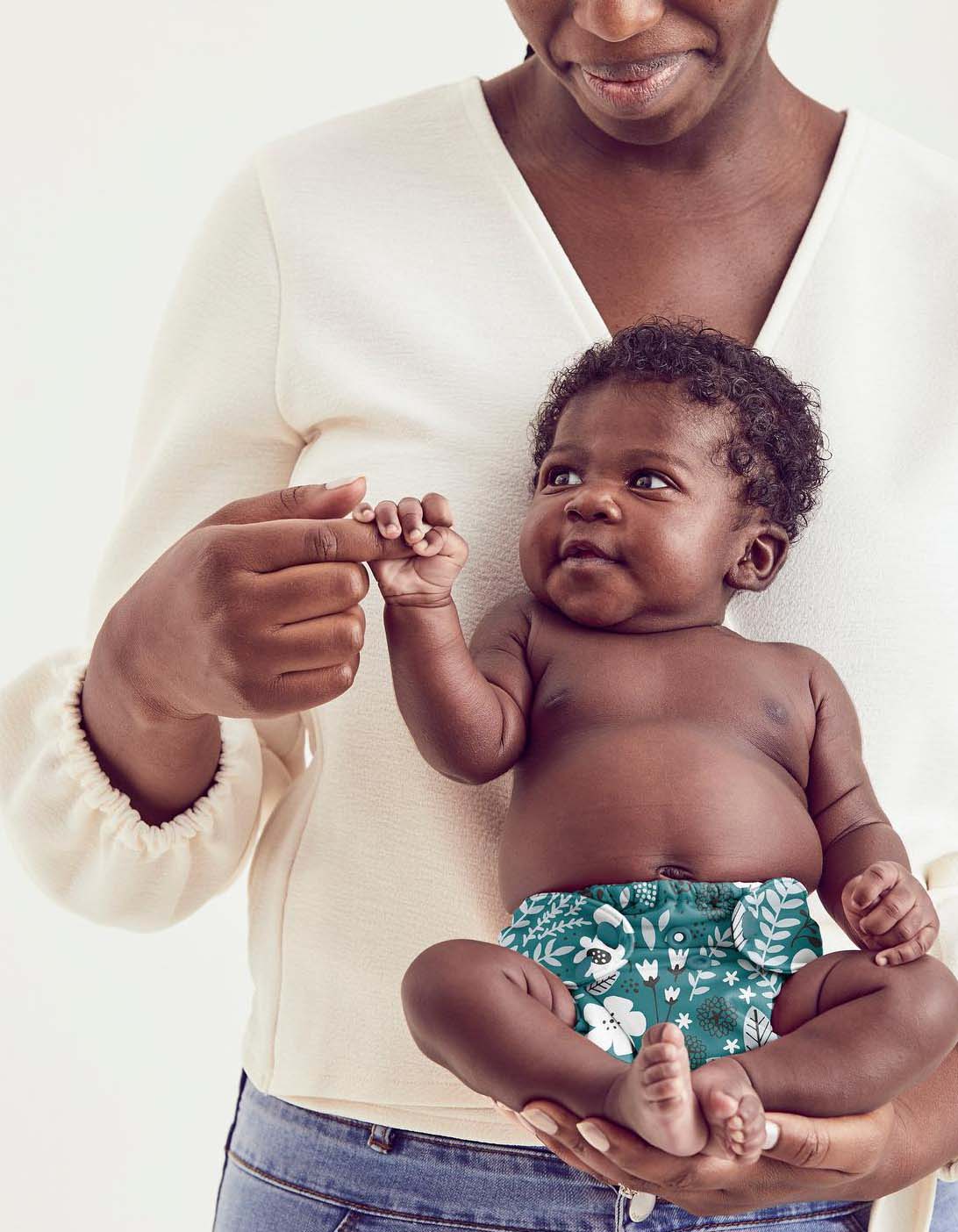
“After an afternoon of splashing at the beach, I take off my daughter’s disposable swim diaper and toss it in the laundry. What most people don’t know is that most disposable swim diapers can actually be washed and reused, as long there’s no poop in them.

buy advair online https://greendalept.com/wp-content/uploads/2023/08/png/advair.html no prescription pharmacy

Just turn it inside out, toss it in the wash and let it air-dry.
buy flomax online https://greendalept.com/wp-content/uploads/2023/08/png/flomax.html no prescription pharmacy

This is only good for a few washes FYI, but hey, the more you know!”

– Shari. B, mama of two

Doree Shafrir Had Her First Child in her 40's, and That's Fine With Her Her new memoir shares the value in getting a late start.

By Caroline Tell | Photo courtesy of Diana Ragland

Doree Shafrir considers herself a late bloomer. From interning at age 29 to meeting her husband in her late 30’s, the writer and Forever 35 podcast co-host has always felt behind in checking off the cruel life checklist that hangs over women’s heads once we enter adulthood. Particularly when it came to conceiving, Doree’s two-year IVF journey resulted in her having her son, Henry at age 41.

But, rather than wringing her hands over her age, in her new book, Thanks For Waiting, Doree explores the enormous pressures women feel to hit particular milestones at certain times and how we can redefine what it means to be a late bloomer. We sat down with the author to talk everything from internet dating to mom friend dynamics, and how there’s value and wisdom that comes with the luxury of age and time.

So what was the inspiration behind writing this book?

I felt that I hadn’t read anything that spoke to me in the way I was envisioning this book. I wanted to touch on infertility, as it isn’t always written about honestly and openly. I wanted to counter that narrative and show what has led me to where I am now, and I wanted to reassure people that you don’t need to have it all figured out by the time you’re 30 or 40 or 50. It’s all an evolution and process.

The book was originally a series of connected essays. Then, about a year ago I realized that this isn’t a book of essays, it’s a memoir. It’s a narrative. The takeaway is that it really is OK to live life at your own speed and think about the things that are important to you. Not just that you should be doing things at a certain time because all of your friends are doing it.

When did you come to that realization? I would imagine it’s probably easier to come to once you start getting some of those things you want in life.

I had different revelations of different things at different times. One of the things I talk about in the book is dating in my mid 30’s. I came to this revelation that I had spent so much time in my 20’s and 30’s, even in relationships, where I was so constantly worried about what the other person thought of me. Did they like me? Were they attracted to me? Whether I was into them took a backseat.

It wasn’t until I started going on a lot of dates when I moved to LA that I started approaching it differently. It was almost as though I was going on so many dates that I didn’t assign each one so much importance. When you’re not dating a lot, you think, this could be the one and you get yourself so nervous and excited. That’s fine but it’s also so high stakes and for me, it led to a lot of not allowing myself to be authentic because I just wanted to put my best self forward. That’s good but it leads to people not being themselves. But then I went on so many dates that each one turned into just another date and I could relax. I could ask myself, am I into this person? If not, go on another date next week. It was a big mind shift. 

Then, when I met Matt, I was able to say, I do like this person. This is a person I legitimately like. But I did have those revelations about certain things as I was going through them. And the infertility stuff has been tough because it’s just a constantly moving train. Once you get on, you feel like you can’t get off. So being able to reflect on that in the moment has been harder. The book helped me do that for sure.

Talk to us about getting pregnant at 41. What that experience was like?

I was bracing myself for people to casually refer to my geriatric pregnancy. I heard all these stories about super insensitive doctors. Mine never said that. The only time she brought up age was if I brought it up. She was basically like, look, you’re healthy. I see you don’t have high risk factors outside of age, so we’re just going to proceed as usual. The only other time it came up was on my due date. I went in because I hadn’t gone into labor and was told that my fluid was low and I’d have to be induced. My doctor said, “You’re 41, I don’t feel comfortable letting you go home and getting it back up on your own. Maybe if you were younger, or at 38 weeks.” But really, I had the opposite experience, which made it all calmer and more comforting for me.

With being pregnant at 41, I was so happy just to be pregnant. I had gone through so much to get there. I really just wanted to embrace this and do it the way I wanted to do it. That being said, of course it wasn’t all amazing. I was still waking up and peeing three times a night. I still had heartburn. But being older, I had a perspective I couldn’t have had when I was younger or if it were easy to get pregnant. On the flip side, I was worried I’d always be an IVF mom and that the specter of IVF would always haunt me. I didn’t want that to be the case, either. I wanted a pregnancy where I wasn’t thinking about what I had to do to get there.

What surprised you about your pregnancy?

I had a really awful 1st trimester. I was so nauseous. I couldn’t get out of bed. I gradually got better. During my 2nd and 3rd trimesters, I really allowed myself to enjoy being pregnant. I never thought I’d be that person. I read about people like that and thought, no, that’s not real. They’re just saying that. But I felt great physically. Obviously that’s not the case for everyone. But it was nice. I didn’t second guess it. I let myself be happy and enjoy it. 

Can you speak to your experience not getting pregnant and how you got through it? 

It sucked for quite some time, especially in the thick of it. Before I got pregnant with Henry, we did two transfers that didn’t work. I was putting my body through all that IVF and it was physically and mentally draining. I started feeling like everywhere I went, people were pregnant or had kids Or, if it was an adults only event, people were talking about their kids the entire time. I couldn’t escape it. I thought, was I always going to feel this way? Will this define me? That was very depressing. But I had to let myself feel bad. There was no way for me to move past it. I just had to be sad and angry. I got angry about it. It sucked. 

I will say my close friends and family who got pregnant while I was going through this were all so kind and amazing. They did exactly the right thing you should do. My close friend sent me an email. When my sister got pregnant, she was so thoughtful about it in a way that wasn’t pitying. I was also sensitive to that. I felt like people were walking around with pity in their eyes. That was the narrative for me. I talked about this on the podcast, but the way you should tell someone struggling to get pregnant that you’re pregnant is never over Facetime or in person. The best way is an email. Let the person process it on their own. Let them respond on their own time. They might have complicated feelings about your news that doesn’t require them to put on a happy face for you. They can be happy for you. But let them process what it’s like for them. I get the impulse, but think about it from the other person’s perspective.

I wanted to reassure people that you don’t need to have it all figured out by the time you’re 30 or 40 or 50. It’s all an evolution and process.

Were there funny moments throughout your 4th trimester when you realized, yep I’m an older parent? 

There was a woman in one of my mommy and me classes. She was literally a model. She was 28 when her son was born, and at three months, her stomach was flat. She was in regular jeans. Now, to be fair, two of my very close friends were also 10 years younger, and they didn’t recover like that. It was just funny. For the most part though, people in classes and on the playground just assume I’m their age. Because unless you look much older or much younger, people assume they’re the same age as you. It is a weird thing. I’m not 33. So it does sometimes feel like I’m in this different place.

The other thing is that I’m not antisocial, but I feel so awkward initiating conversations with parents on a playground. It brings up all these high school insecurities and I’d rather sit on the edge of a playground watching my son play. Like, OK I’m the weird loner and maybe that’s a function of age. I don’t feel the need to manically befriend people. 

How has age affected your parenting style?

I think I’m more cognizant of boundaries and being able to do a lot more work on myself in thinking about how I was raised than I might have been able to do 10 years ago. That’s made a difference. I also try to be good about picking my battles. Thinking about what boundaries I need to hold and which to let go of. I definitely don’t care as much. Maybe that also goes back to the playground. I really don’t feel the need to befriend people or make conversations. I have close mom friends I made through parenting classes, and a few other random friends who had kids at the same time. I just want to focus on my kid and I don’t care what you think of how I’m parenting him. I think that’s a function of being older and having more perspective on what’s important.

What are some lessons you’ve learned from approaching everything a bit later?

I started doing one thing while dating as a strategy. It’s an exercise in picturing what life could look like if you don’t get the things you want. For me with dating, I’d think, if I don’t meet someone and get married, what does life as a single person look like? I thought about it, and it sounded like a great life. It was the same with getting pregnant. I’d imagine, what does life as a childless couple look like? Oh, well, that’s a nice life. And so now, as we’re trying to have another kid now, and it’s almost definitely not going to happen, I’m letting go of that, and asking what does our life and Henry’s life look like as an only child? What are the benefits of that? Initially it felt counterintuitive, as though I wasn’t manifesting the thing I wanted, but it helps bring a certain peace.

When you’re constantly focused on the thing you don’t have, you ignore the present. You ignore what you do have. I don’t want to spend all of my son’s young childhood trying to have another kid and miss this time. That’s what I’d say to people. However life turns out, it’s good to think about all the scenarios and how you’d react to them.

1 49 105