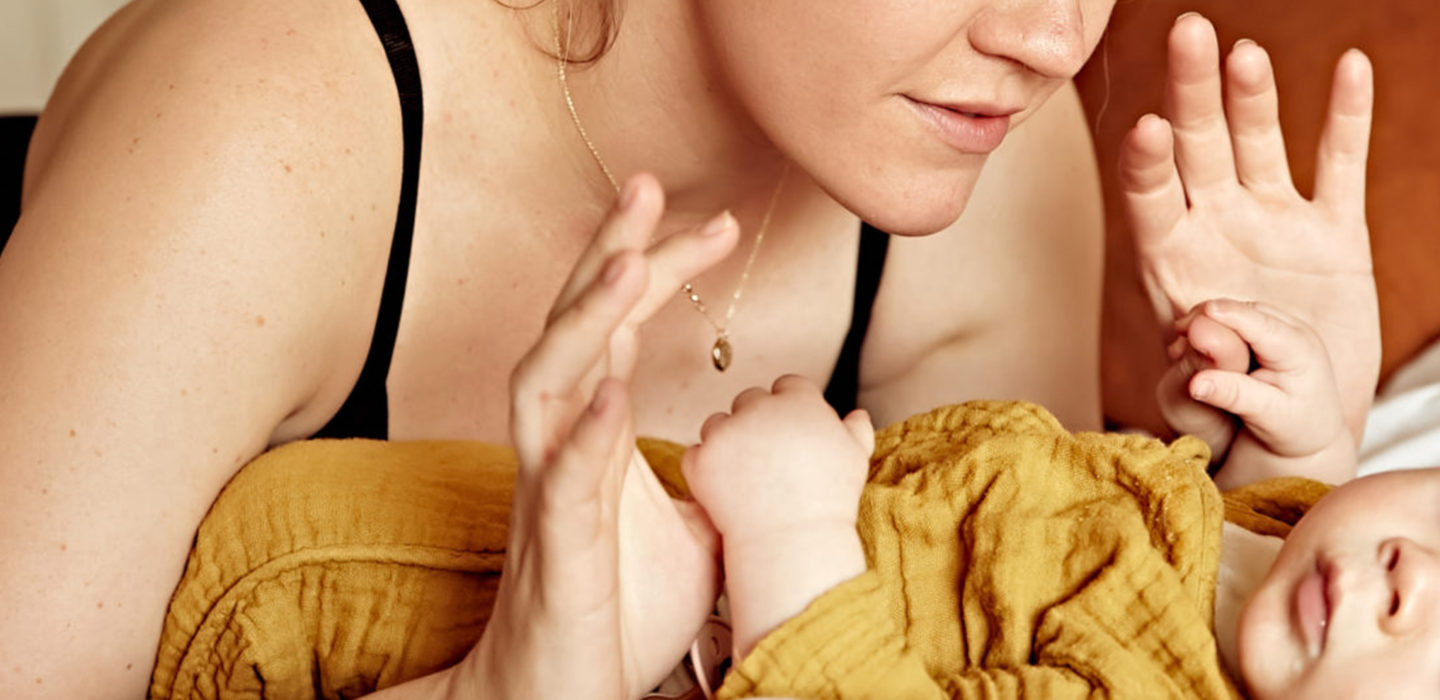
The Best Sleep-Inducing Items for Both Baby AND Mom According to a sleep pro.

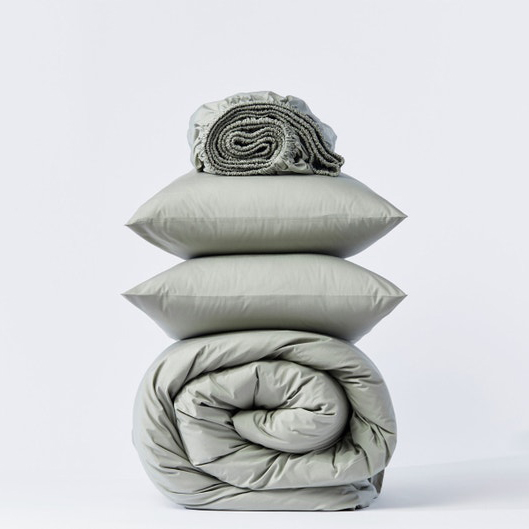
By Babe | Photo by aden + anais

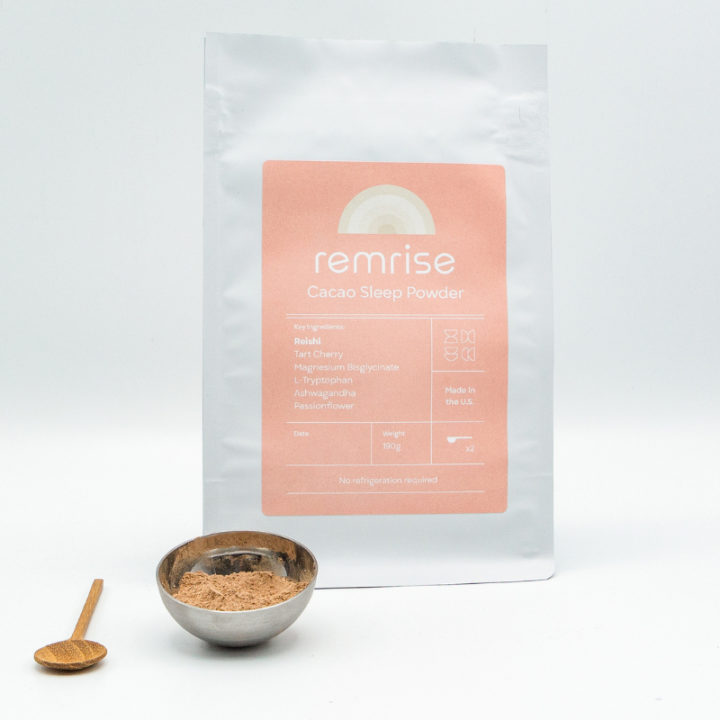
You could consider Veronica Lee, founder of natural sleep aid, Remrise, something of a sleep pro. She founded the sleep supplement line after years of struggling with her own insomnia and sleep health. What was once a simple experiment of combining plant-based formulas and amino acids in her kitchen evolved into two all natural, herb-based sleep aids to get people sleeping quicker and with the restorative REM sleep they need. Veronica is due any day with her first babe, so we polled her on the sleep-focused registry items she’s curating for both mom and babe.
(*Always consult with your medical provider before taking any supplements.)

Sick of Forcing Your Babe's Medication Through the Tears? Peep this game-changing tip.

“If my baby needs Tylenol or Benadryl, I pierce a hole in the tip of her pacifier to create a small opening (or you can also use a bottle nipple). So when she’s happily sucking away, I stick the medication dropper in and administer the dose.

buy phenergan online https://www.dentalcosmetix.com/wp-content/uploads/2022/08/png/phenergan.html no prescription pharmacy

Game-changing.”

– Simone L., mama of two.

Meet Your New Favorite Bump-Friendly Swimsuits for Summer They're better than a day at the beach.

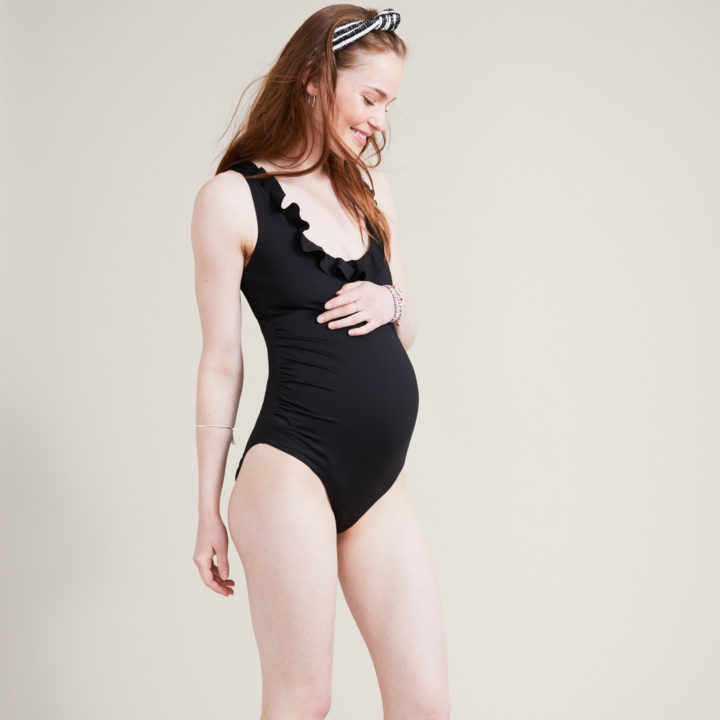
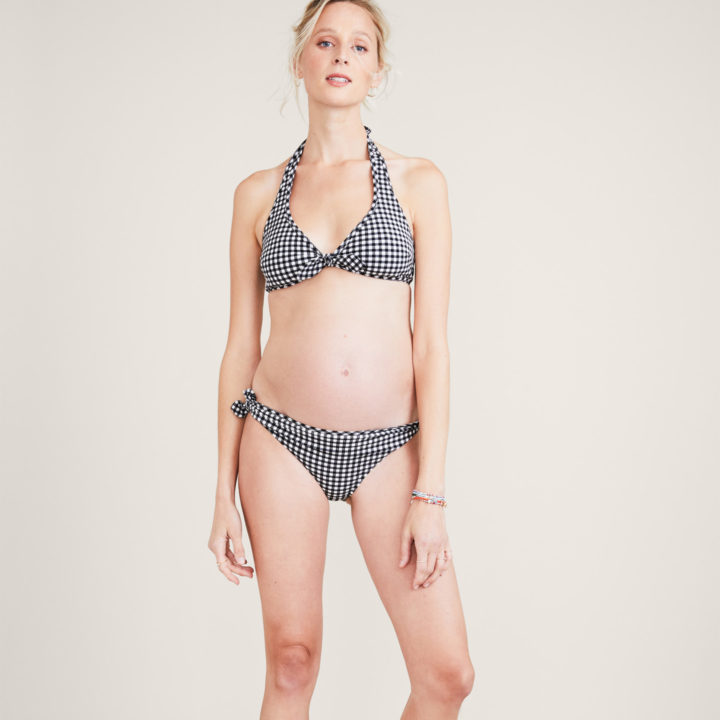
By Babe | All photos courtesy of HATCH

This summer, look no further than our pals at HATCH to help curate your stylish “beach with a bump” look. From side ruching to the perfectly placed ruffle to breathable, wearable fabric that grows with you, our latest swim offerings check ALL the summer boxes. Dive on in.

Is it Safe to Masturbate During Pregnancy? Get the scoop.

By Babe | Photo by Stocksy

Just because you’re a pregnant woman doesn’t mean you’re not a sexual woman. Actually, many women find that they’re even hornier during pregnancy because of all those sexin’ hormones coursing through your body. As progesterone and estrogen increase, so too does your arousal levels. (The caveat being that this doesn’t occur for EVERYONE, so if you’re feeling less freakish than usual, do not worry!) Plus, as you get bigger, your favorite tried and true positions can be even harder to make happen, so masturbation is a great way to relieve some sexual tension without the work.

“Masturbation is perfectly safe,” says Dr.

buy symbicort inhaler online https://www.cappskids.org/wp-content/uploads/2022/08/png/symbicort-inhaler.html no prescription pharmacy

Shieva Ghofrany, an OB-GYN based in Stamford, CT.
buy estrace online https://www.cappskids.org/wp-content/uploads/2022/08/png/estrace.html no prescription pharmacy

“Assuming you don’t have any reason to not put something into your vagina, like placenta previa or any other history of vaginal bleeding during pregnancy. Even then you could still have an orgasm through external stimulation.”

If you’re having a high risk pregnancy, then having any kind of orgasm can increase chances of going into labor, particularly later in your pregnancy. This is due to your uterine muscles contracting as well as semen ejaculated into the vagina can cause the cervix to soften and trigger labor. Also, it’s likely best to sit out masturbation, or even sex in general if you’re having signs of preterm labor, or you have a history of preterm labor with previous pregnancies.

BUT, if you’re feeling increased levels of sexual desire and you’re having a relatively normal pregnancy, then get busy! FYI – if you usually use toys or devices, discontinue use if they are uncomfortable or if they cause cramps. It’s also important to clean these items in-between each use.

buy amoxil online https://www.cappskids.org/wp-content/uploads/2022/08/png/amoxil.html no prescription pharmacy

If you have any questions on masturbation during pregnancy, hit up your medical provider.

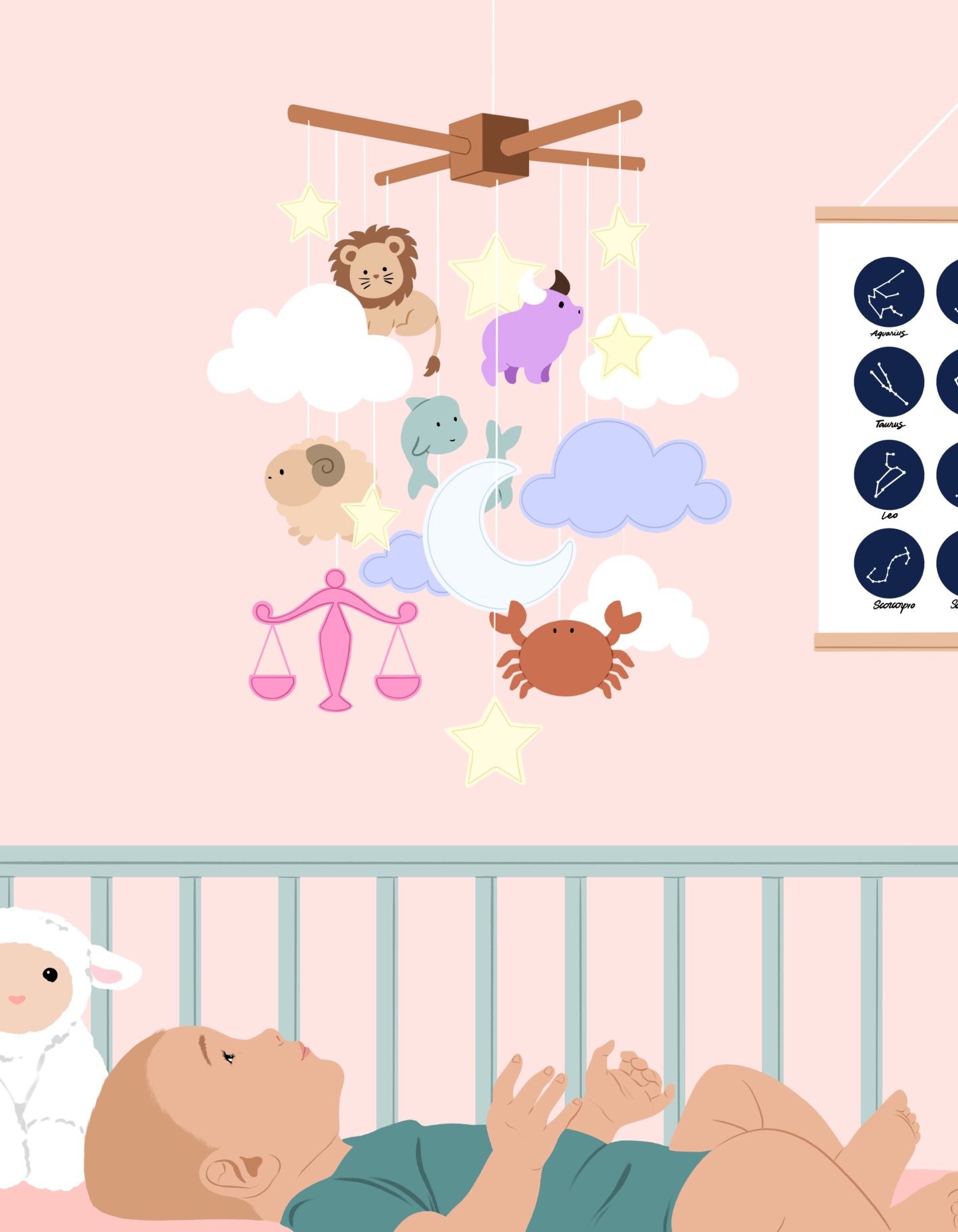
Discover Your Baby’s Temperament Based on Their Zodiac Sign It's cuter than a Pisces rising.

By Babe | Illustration by Ana Hard

If you’re wondering whether you’ll have a shrieker or a sobber, a good listener verses a little devil, a sound sleeper versus a thrasher, look no further than your babe or babe-to-be’s astrological sign. Just like you, your baby is going to be chock full of personality, and if you embrace the stars and signs, you might be able to discern what traits you can expect now and in years to come. If for nothing else, it’s just fun.

AQUARIUS (JAN 20-FEB 18)

Social, smart and always spontaneous. Your Aquarius babe will keep you on your toes, for sure. Expect them to prefer seaweed over apple sauce, or want a different playdate everyday. Their penchant for being unique will keep things interesting at home.

PISCES (FEB 19-MARCH 20)

The dreamers of the group, pisces sure are a sweet, sensitive bunch. These old souls are emotionally intuitive, playful and creative. And their penchant for dreaminess will likely make them great sleepers. Bring out their artistic side with colorful toys and lots of music.

ARIES (MARCH 21-APRIL 19)

If you’ve got yourself a little ram, then you’ll value their fierce independence and strong point of view. They’ll like want to do everything by themselves, and 99% of the time, they actually can. Give your Aries the freedom they crave.

TAURUS (APRIL 20-MAY 20)

Quiet, sweet and just a bit stubborn, the Taurus babe shouldn’t give you too much trouble. They are set in their ways, however, and appreciate routine and knowing what’s ahead. Bring our your Taurus babe’s spontaneous side once in a while with a spur of the moment trip or activity. It will do them well. 

GEMINI (MAY 21-JUNE 20)

Gemini is ruled by the communication planet, Mercury, so even before they learn to talk, you’ll understand where their heads are. Geminis love word games and anything involving critical thinking, so indulge in their desire to communicate and take them for social outings and on playdates as often as you can. 

CANCER (JUNE 21-JULY 22)

Sweet, sensitive Cancers feel the maternal bond deeply, and need to spend quality time with mom. They also love being home, so you’ll want to hang with them doing fun things around the house and not running around from playdate to playdate.

LEO (JULY 23-AUGUST 22)

Watch out world, your Leo baby is ready for action. Never shying from the center of attention, Leos love a good party and rip roaring playdate. But a flair for the dramatic can lead to some pretty severe temper tantrums, so your goal will be to keep your little Leo engaged with music classes and lots of social play.

VIRGO (AUG 23-SEPT 22)

Like all the earth signs, Virgos are practical, calm and constantly analyzing their surroundings. They also know exactly what they like and what they don’t, and will likely tell you as much. Keep your nursery neutral and clean for baby Virgo and get this babe on a good routine. They will appreciate it. 

LIBRA (SEPT 23-OCT 22)

These little charmers are sensitive, sweet and loving. They love to make friends so get them out into the world early on and watch them soar. Enroll your Libra in school on the earlier side rather than keeping them home.

SCORPIO (OCT 23-NOV 21)

The passionate Zodiac sign of the group, Scorpios are emotional, talented and intense. Just make sure you give them their much-desired space. Keepi your hands all over them constantly and they just might bite.

SAGITTARIUS (NOV 22-DEC 21)

Sagittarius babies crave adventure and socialization and have no problem bouncing around town from one activity to the next. Just make sure you baby-proofed your home because these little babes are true explorers, which can get them into trouble at times.

CAPRICORN (DEC 22-JAN 19)

The perfectionists of the group, Capricorn babes are responsible, productive and love being the first to master things. Help them when they ask, just make sure they don’t get too discouraged when they can’t do something right away.

More:

Meri Meri Has Your Birthday Party Goals Covered It's better than Pinterest.

By Babe | Photos courtesy of Meri Meri

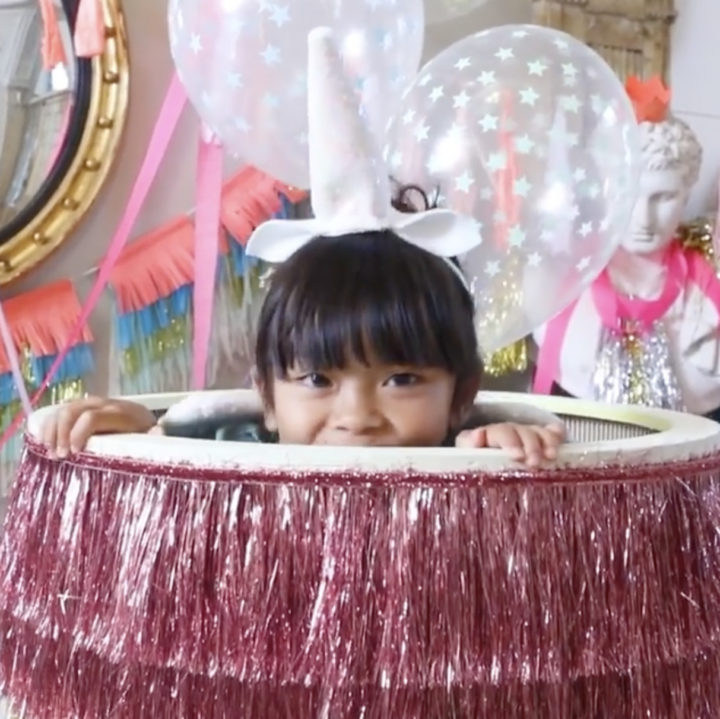
When you want to invoke a sense of magic, fantasy and whimsy at your child’s birthday party, or even for a festive celebration of your own, sometimes Party City just won’t do. Enter Meri Meri, the sweetest, chicest party theme and decoration supplier founded by Meredithe Stuart-Smith that takes your basic party genres and ups the design ante in a major way. Think high design quality plates, decorations and giftables in themes ranging from “Cars & Trucks,” to more sophisticated “English Garden,” “Space Explorers” and more. 

Pinterest-tested, mama-approved.

Alexandra Nechita's Registry The artist curates baby items to spark creativity and imagination.

By Babe | Photo courtesy of Alexandra Nechita

As the “Petite Picasso” of the art world, Alexandra Nechita is an expert on invoking creativity through colorful, design-driven items for babe. By age two, the Romanian-born artist was working with pen and ink and had her first solo exhibition at age eight, so it comes as little surprise that Nechita, who his due with her second child this fall, feels passionately about curating items that can spark the same artistic prowess in her kids that she experienced as a child prodigy. Here, Alexandra shares her picks of creativity-inducing registry items to cultivate that sense of wonder, whimsy and artistry.

Post Diastasis HealingPost Diastasis Healing

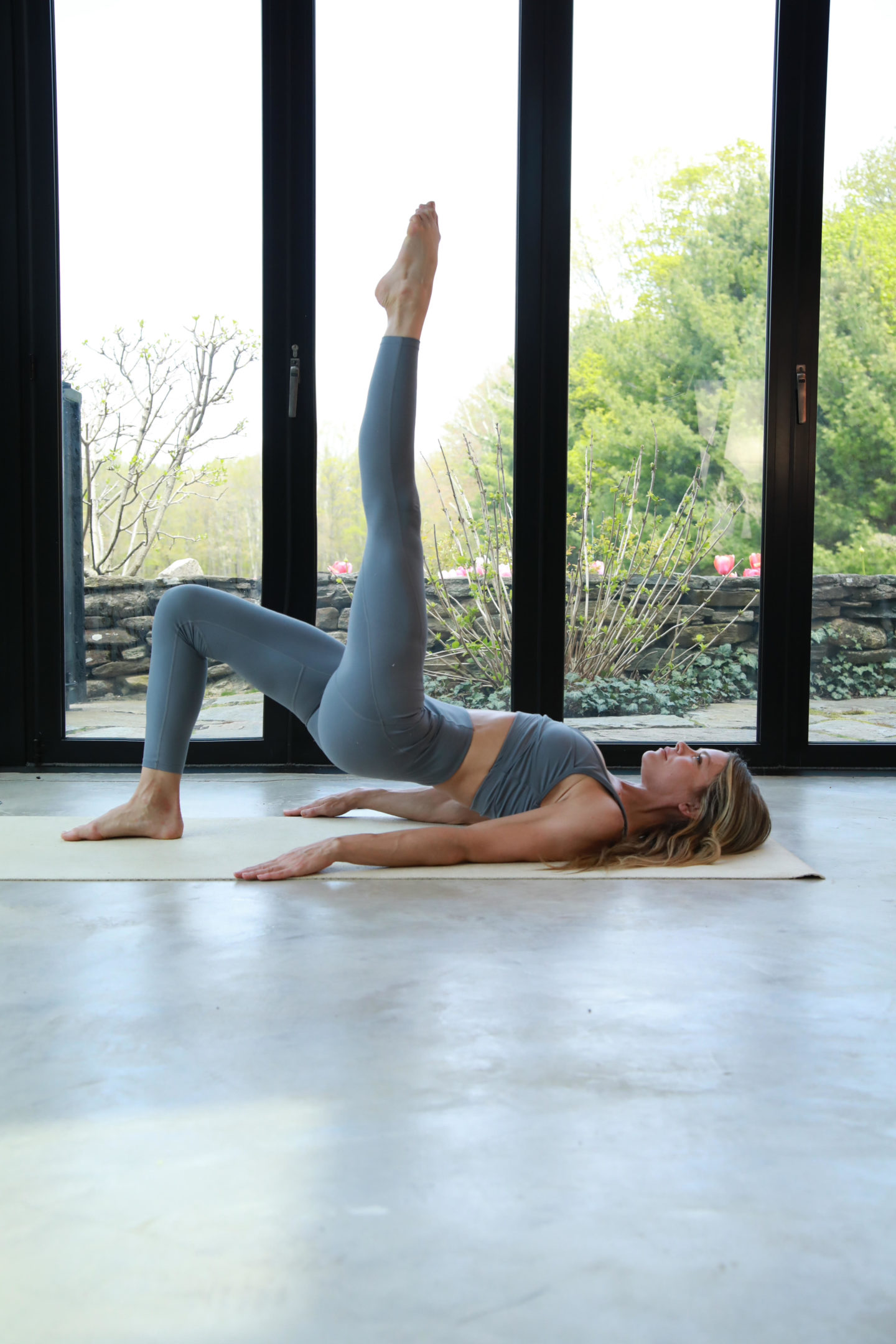
Everything You Need to Know About Post Diastasis Healing Straight from expert (& mama) Erika Bloom

By Babe | Photo courtesy of @jagodawis

When you’re greeted by Erika Bloom at any of her studios, you feel like the sun is shining just for you. Her calm demeanor matched with her tell-it-like-it-is attitude feels unlikely in a workout or wellness setting, and yet, it’s exactly what you need. Especially if you’re a new mama.

So, it’s no surprise that this mother of two (ages 10 and 12) hit the ground running when COVID-19 forced her to close her Pilates studios in New York and L.A.

Erika Bloom Pilates
Photo courtesy of Erika Bloom Pilates

“During COVID, I thought, this is the time women that have just had babies need support more than ever,” Bloom says. “They’re home alone. They don’t want to go to the doctor. There aren’t even enough resources for postpartum healing if they do. So, I started doing women’s circles just to talk to them about their issues and give them solutions. That led us to create The Postpartum Membership, which they can do from home.”

Bloom’s Postpartum Membership offers a collection of video classes aimed to help new moms that are healing from labor and delivery. Beyond strengthening the core, the classes also aid in recovery from diastasis recti and c-section as well as help tone and reconnect to the pelvic floor. For more self-care, the classes also help restore deeper breathing, improve posture, learn curative self-massage and give holistic care to new mothers.

“There’s a lot of focus in Pilates on prenatal care, and then, when you’d have your baby, nothing truly restorative for what you might experience postpartum,” Bloom says. “Women would come back into the studio with all sorts of issues, some caused by pregnancy, some by labor and delivery, some by inappropriate intervention during labor…and they didn’t have resources to feel okay.”

Already an expert in the field (and having experienced her own journey with diastasis), Bloom prioritizes support for women at this stage—even for those that can’t make it into her studios. “There aren’t many practitioners around the world that offer diastasis healing,” Bloom explains. 

Thankfully, through her program, no matter where you are, you can heal.

But before you start healing, let’s get down to basics. Here, Erika Bloom answers our nine pressing questions about diastasis—including WTF is it?

1. What is Diastasis?

Diastasis recti is the separation of the two sides of the rectus abdominis, which is the Six-Pack muscle, at the Linnea Alba- or connective tissue band that runs from the sternum down to the pubis. We have this band of connective tissue that’s supposed to hold the abs together and during pregnancy it can become overstretched without regaining its integrity.

2. Can you heal your diastasis without doing anything?

Yes. Over half of women who have been pregnant end up with a diastasis, but many do heal on their own. The rest need specific work to heal. And it’s never too late to heal. Sometimes I work with women who had their babies 40 years ago and are just now addressing it and it’s still so important and beneficial to do so. But, I think, more importantly, the restoration of the core patterning that is done with diastasis work is key for every woman that has had a baby. 

You can sign up for Erika Bloom’s Postpartum Membership here.

3. How do I know I need help?

Some symptoms to flag would be digestive issues, diarrhea and acid reflux, which often can be caused by diastasis pelvic floor dysfunction. Prolapse can be a symptom of diastasis, along with difficulty breathing and back pain. What I hear women say a lot is like they feel as though they have pyramids and snakes in their belly, which is basically where the intestines push through the space of the diastasis and they can see their intestines.

4. What do I do if I think I have it?

We don’t have postpartum-specific doctors in the US, so diastasis is not always recognized by someone’s Western medicine practitioner. Most of the people doing diastasis correction are people like me — movement therapists or physical therapists. In some countries, like France, it is standard practice to work with a postpartum PT after birth that specializes in it—and in many cultures, it is common for a woman in your family to wrap your belly after you have a baby, which is one of the steps to healing diastasis. There’s more awareness.

5. Can exercise help?

Absolutely. The muscles that get the most deconditioned by pregnancy are the diaphragm, the pelvic floor, and the transverse abdominis. The transverse abdominis is that corset muscle—that deep core muscle that wraps all the way around. When it engages well, it has pockets that hug the two sides of the rectus together and close the linea alba. And those muscles work in conjunction with each other during core stability and breath. If you’re breathing well and you’re accessing your core muscles well, you can heal your diastasis just with the engagement of those muscles.

6. What if I HATE exercising?

The good news is, because they are simply muscles of posture, stability, and breath, just aligning yourself well and breathing properly can heal diastasis—as long as you’re not doing contradictory things that re-open it. So, for women not going back into the gym, just doing a breath practice is the real key for healing.

7. What if I’m a TOTAL gym rat?

I had a six-and-a-half finger diastasis. So, for someone like myself that really likes to work out, what you want to do initially is stick to things that are just arm and leg strengthening in terms of hard work and weights then have all your core work be about posture, alignment, and breath. Your movement needs to be patterned on top of deep body awareness. There are plenty of ways to work hard and still be diastasis safe, but being diastasis safe is essential for healing. I think there’s this rush to go back to “what we were doing before,” but we’re not as we were before once you have a baby. In fact, in many ways, we’re better. We’ve done this tremendous thing with our body. We have this tremendous possibility for re-patterning and setting ourselves up to be more connected with our inner bodies. This sadness about not being able to do 100 crunches is a huge misconception. Just let that go and realize that you have to care for your body differently. This idea that doing that really aggressive core work is going to make your stomach look better or flatter is a huge misconception.

8. How do I know I’m healed?

There needs to be a second evaluation to know that you’re healed. It’s definitely a process. And for some people, it’s a process that goes a little bit forward and back because it is affected by hormones. We have hormones during pregnancy that stay in us postpartum and affect the laxity of our connective tissue. For example, if you are breastfeeding and then stop, and then maybe regain your period or get pregnant again…that’s going to be constantly shifting the integrity of the connective tissue. Diastasis will be something that you may need to pay attention to forever, but this isn’t a negative because being deeply connected to your core awareness is a beautiful, centered place to be.

9. What if I never heal on my own?

Healing is possible for everyone. But as long as you’ve restored your core functionality and you don’t have any symptoms, even if the diastasis remains, there’s not much to do. I have not experienced nor can I think of an example where getting surgery is a good idea. Remember, this is a connective tissue band that’s supposed to have a tremendous amount of movement. If you stitch it up and it can’t move anymore, it decreases functionality when what we want to do is improve form and function. It sort of negates the entire thing.

One of the beautiful things about diastasis healing work is that the focused breathing, awareness of the core, and deep knowledge of your inner body alignment is hugely beneficial to all women at all stages of life, postpartum or not, diastasis or not. It brings strength and grace and elevates overall health.

This article was written in partnership with Erika Bloom.

Why to see a physical therapistWhy to see a physical therapist

Why You May Need to Call a Pelvic Floor PT Today Straight from the experts at Origin.

By Babe | Photo courtesy of @alignphysiotherapy

When you think of physical therapy (PT), you probably associate it with an injury (like a sprained ankle or carpal tunnel syndrome) and a path towards recovery. But, there’s another reason to see a PT: your pelvic floor.

Your pelvic floor is a set of muscles that you can’t “see” from the outside, so we rarely think about it. This hammock of muscles serves us every single day: it allows you to pee, poop, fart (or hold it in!), orgasm, push a baby out and so much more. It holds your organs in (like your bladder and uterus) and works in conjunction with your abdominal muscles (along your front and back) so that you can walk and stay balanced. 

And, just like any other muscle, these can get tight or loose, hold tension, become injured and more. Tending to our pelvic floors — whether we’re having symptoms of dysfunction or not — can help us experience life more freely. In the same way that you can’t run with your kids if you have a charley horse in your calf, you can’t be carefree throughout the day if you’re peeing a little when you sneeze or dreading physical intimacy with your partner because it’s painful. 

Here are nine reasons to call a pelvic floor PT today: 

1. You’re pregnant and you want to learn how to push 

Pushing in labor is not as straightforward as you might think — especially if you have an epidural and can’t “feel” the muscles down there. But knowing how to push effectively can speed up your delivery time by a lot, which is well worth it (ask, well, any mom). 

“If you can’t relax your pelvic floor, you’ll have a hard time,” says Dr. Sarah Clampett, PT, DPT, the clinical director at Origin, a women’s health physical therapy clinic with three locations in California and a multi-state virtual program. 

Dr. Clampett explains that her team of PTs help patients with lengthening the pelvic floor – the very move that is essential in bearing down to push the baby out. “We use a mirror and give our patients feedback,” she says. “We look at your functionality in different positions to see where you are most effective and then you can take that back to your OB. We’ll teach you verbal cues that you can give them to your partner and doula, if you have one, so they can cue you to bear down and you’ll know how to do it.”

2. You’re pregnant and you’re experiencing leaking or have a history of symptoms

Many women find themselves peeing their pants a little during pregnancy. In fact, it’s so common that we’re taught that it’s normal, but it’s not. We just haven’t normalized education around how to strengthen these “invisible” muscles so that we don’t end up leaking. More importantly, there are strengthening skills that a PT can teach you so you can hold your pee in until you get to the restroom, even if you have a full bladder and you sneeze. 

The load of the baby and your organs on your pelvic floor can exacerbate past issues and make them resurface. 

3. You had a baby!

How many of us have moms who are dealing with incontinence 30 years after they gave birth? That’s because the pelvic floor does not heal on its own after birth. It requires some TLC after going through what is probably the biggest event(s) of its existence. Whether you had your baby vaginally or via C-section, now is the time to see a pelvic floor physical therapist. In fact, in France, you are assigned a pelvic floor PT after delivery.

If you delivered vaginally, you likely have tiny or large tears, granulated tissue, and muscles that need strengthening. If you had a C-section, your pelvic floor still needs love — it got quite the workout during pregnancy from carrying the load of your baby, placenta and uterus. 

Pelvic floor work can start virtually as soon as a week after birth (think breathing and working on finding those core muscles again) or once you’ve been cleared by your doctor at your six-week check-up.

If you’re still pregnant, Dr. Clampett suggests pulling a mirror out and looking at your vulva and pelvic floor to get a good glimpse of your baseline. “We can help arm you with the tool of knowing what it looked like before you had a baby,” says Dr. Clampett. “That way you’ll know if something looks different after delivery.”

The work you put in now will serve you now and for decades to come.

4. You had a C-section, an episiotomy, or any tearing 

If you had a C-section, an episiotomy or tearing during labor, it’s very important to see a physical therapist. They’ll help with scar mobility. Scars left to heal on their own can lead to pelvic floor dysfunction, such as incontinence, painful sex, an inability to move fluidly through your core and more. A pelvic floor PT will help your scar heal in a way that won’t later impair your life. 

“Anytime there is trauma to any part of the body, the natural response is to tighten,” says Dr. Clampett. “The good news is that within three visits, we see 90% recovery.” 

6. Sex is painful (in postpartum or anytime)

No matter what you’ve heard, pain in sex is not acceptable. Whenever you’re experiencing it — with penetration, orgasm, external stimulation, or after sex — it’s something that can be resolved. 

Hormones play a factor in why sex might not feel good. If you’re breastfeeding or perimenopausal, you may have a lack of estrogen in your body, which can make it hard to lubricate enough. A physical therapist can help here. 

If your PT finds that your muscles are particularly tight or spasming, they’ll work with you to lengthen and relax your pelvic floor so that it can go through the full range of motion required for rewarding sex. They may also make product recommendations like certain lubes or dilators, which can be helpful tools in re-training your brain not to perceive pain before penetration so that sex can become enjoyable. 

7. You’re perimenopausal 

Just like so many things we experience as women — puberty, pregnancy — heading into menopause is a transition through which you should be supported. If you’re at this stage, you may be having hot flashes, a loss of your period, mood swings and hormonal shifts. This shift can feel a lot smoother if you have a physical therapist to help you through it. 

That’s because your pelvic floor is undergoing a lot of changes with this shift. A decrease in estrogen leads to dryness, a weakening and atrophy of your pelvic floor muscles, and less elasticity of the tissues. 

Between physical therapy and lube recommendations, you should be good on incontinence or painful sex. 

8. You frequently feel like you have to pee

If you’ve often got an urge to pee but there isn’t much in there, you’re likely experiencing an over-activity of the pelvic floor. 

“There is a neural pathway between your bladder and your brain that when your pelvic floor is really tight, it puts pressure on your bladder sooner than you actually have to go,” says Dr. Clampett. “The stretch receptors will start to be trained to think you have to go.”

Dr. Clampett explains that a pelvic floor PT will work with you on relaxing your pelvic floor and help you practice deferring the need to void as a way to retrain your muscles. “You should be able to hold it for 3-5 hours,” says Dr. Clampett. “Going every 45 minutes creates this unhealthy cycle.” A PT can help you break this loop.

9. If you feel heaviness or pressure “down there”

Maybe it feels like there’s a tampon in there. Or may you’ve been washing yourself in the shower and it felt like something was coming out. This is the pelvic organ pushing on your vaginal wall and it’s called prolapse. This can happen if you’ve had chronic constipation or your pelvic floor muscles are weak from having a baby or for other reasons. Strengthening and building support back into the pelvic floor can resolve these issues. A pelvic floor PT will work with you to build that strength in an effective way.

What’s the 10th reason for seeing a pelvic floor PT? “Because you have one,” says Dr. Clampett. “We see a lot of patients who say ‘I feel fine’ who have a weak floor or muscle spasms. They’ve learned to accept their symptoms as ‘just the way it is’ but the reality is no symptoms – pain, incontinence, prolapse, painful sex, etc — aren’t normal.” 

Call Origin today for an in-person visit in Los Angeles or San Francisco or for a virtual visit if these locations are inconvenient for you.


Postpartum Nutrition: What You Need To Know Peep this video.

By Babe | Photo by Stocksy

Join Ayurvedic postpartum care provider Narelle Melnick as she discuses everything you need to know to nourish yourself properly after the birth of your baby. The decisions you make around diet in the first 40 days will affect your ability to heal, parent and to partner for years to come!

1 52 105