Which Supplements Can I Take During Pregnancy? Keep that smoothie in check.

By Babe | Photo by IStock

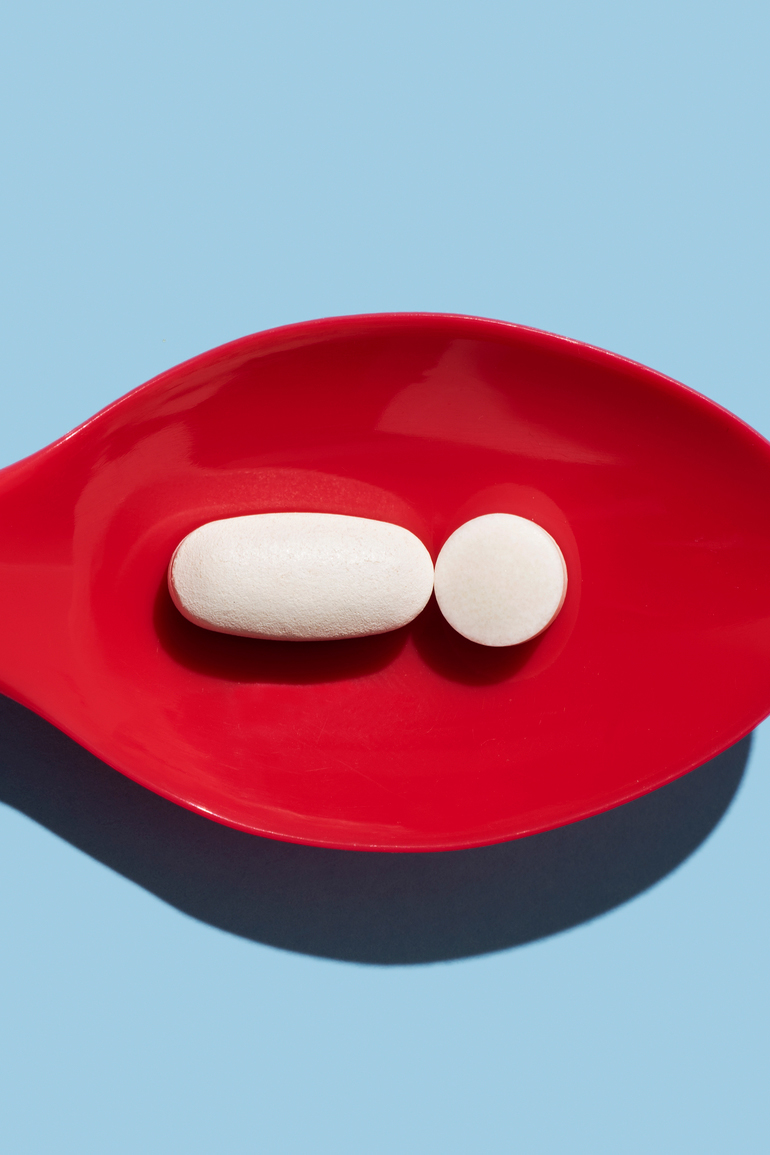
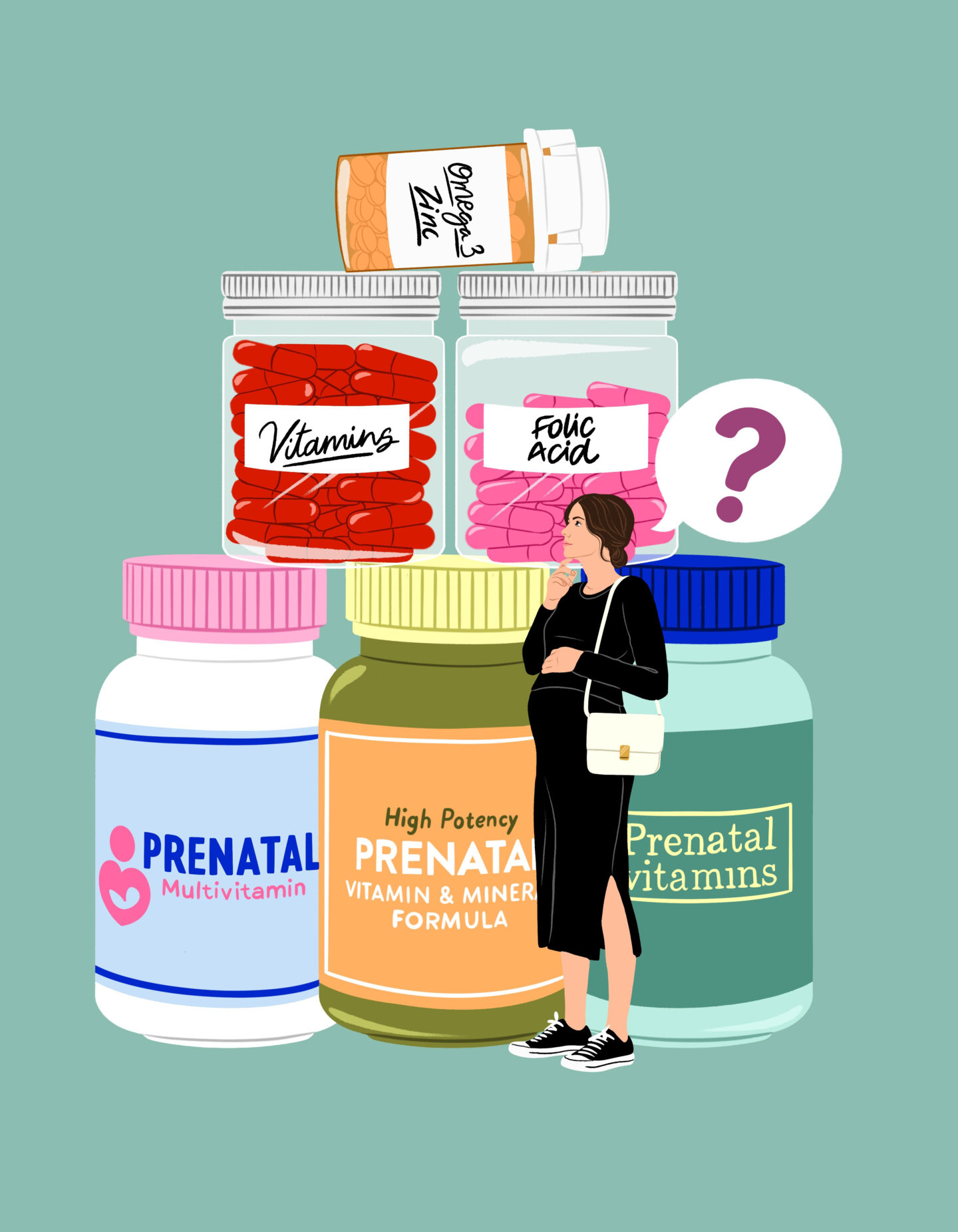
If you’re like us, your kitchen counter looks more like a meth lab than anything else. Between ashwagandha, fish oil, magnesium, CBD, our bevy of tinctures, powders and jars of buttery, sticky adaptogens – these products have given a whole new meaning to the term “supplement.” But during pregnancy, not everything you dose is considered safe for babe. Peep our list below of the add-ons to your diet that are A-OK during pregnancy and those you should skip ’til after babe (reason being is that, for the most part, they haven’t been properly tested). If you have any specific questions on what we’ve outlined below, or anything not on this list, always consult your doctor or healthcare provider.

Dose It UP

1. Prenatal vitamins

These multivitamins that are specially formulated to meet babe’s demand for micronutrients during pregnancy. Observational studies have shown that supplementing with prenatal vitamins reduces the risk of preterm birth and preeclampsia.

2. Folate

This B vitamin plays an integral role in DNA synthesis, red blood cell production and fetal growth and development. Folic Acid is the synthetic form of folate found in supplements. Healthcare providers generally recommend at least 600 micrograms of folate OR folic acid per day to combat risk of neural tube defects and congenital abnormalities 

3. Iron

Iron is critical for oxygen transport and healthy growth and development of your baby and the placenta. The need for iron increases significantly during pregnancy, as maternal blood volume increases by about 45 percent. In the United States, the prevalence of iron deficiency in pregnant women is around 18 percent, and 5 percent of these women have anemia, which is associated with preterm delivery, maternal depression, and infant anemia.

The recommended intake of 27 milligrams (mg) iron per day can be met through most prenatal vitamins. However, if you have iron deficiency or anemia, you’ll need higher doses of iron, managed by your doctor.

4. Vitamin D

This fat-soluble vitamin is important for immune function, bone health, and cell division. Vitamin D deficiency during pregnancy has been linked to an increased risk of cesarean section, preeclampsia, preterm birth, and gestational diabetes.

The current recommended intake of vitamin D during pregnancy is 600 IU or 15 mcg per day. However, some experts  suggest that vitamin D needs during pregnancy are much higher. Check in with your doctor regarding screening for vitamin D deficiency and proper supplementation.

5. Magnesium

This mineral plays critical roles in immune, muscle, and nerve function. Magnesium deficiency during pregnancy may increase the risk of chronic hypertension and premature labor. Some studies suggest that supplementing with magnesium may reduce the risk of complications like fetal growth restriction and preterm birth.

6. Ginger

Ginger root is commonly used as a spice and herbal supplement. It’s both safe and effective for treating pregnancy-induced nausea and vomiting. 

7. Fish oil

Fish oil contains docosahexaenoic acid (DHA) and eicosapentaenoic acid (EPA), two essential fatty acids that are important for baby’s brain development.

8. Probiotics

These living microorganisms are thought to benefit digestive health. Given increased general awareness of gut health, many parents-to-be turn to probiotics. Many studies have shown that probiotics are safe to take during pregnancy.

9. Choline

Choline plays a vital role in baby’s brain development and helps to prevent abnormalities of the brain and spine. The current recommended daily allowance of choline during pregnancy (450 mg per day) has been thought to be inadequate and that an intake closer to 930 mg per day

SKIP ‘EM

1. Vitamin A

Although this vitamin is extremely important for fetal vision development and immune function (it’s present in your prenatal vitamin), too much vitamin A can be harmful. This accumulation can have toxic effects on the body and lead to liver damage. It can even cause birth defects.

2. Vitamin E

This fat-soluble vitamin plays many important roles in the body and is involved in gene expression and immune function. While vitamin E is very important for health, it’s recommended that you don’t supplement with it.

3. Black cohosh

This member of the buttercup family is used to control hot flashes and menstrual cramps but isn’t safe to take during pregnancy, as it can cause uterine contractions and could induce preterm labor.

4. Goldenseal

This plant is commonly used as a dietary supplement to treat respiratory infections and diarrhea. It contains berberine, which has been shown to worsen jaundice in infants. It can lead to a condition called kernicterus, a rare type of brain damage that can be fatal.

5. Dong quai

This Chinese root has been used for over 1,000 years to treat everything from menstrual cramps to high blood pressure. But when preg, you should avoid dong quai as it may stimulate uterine contractions, raising the risk of miscarriage.

6. Yohimbe

This supplement made from the bark of a tree native to Africa is used as an herbal remedy to treat a range of conditions from erectile dysfunction to obesity. It’s a pregnancy no-no as it has been associated with dangerous side effects like high blood pressure, heart attacks, and seizures.

7. Other herbal supplements considered unsafe during pregnancy

It’s best to avoid the following:

  • saw palmetto
  • tansy
  • red clover
  • angelica
  • yarrow
  • wormwood
  • blue cohosh
  • pennyroyal
  • ephedra
  • Mugwort
  • Ashwagandha

The bottom line….

Doing all the good stuff like eating well, working out, sleeping enough and minimizing stress is the best way to ensure a healthy pregnancy. Although supplements can be necessary and helpful in some circumstances, always check in with your medical provider if you have questions on what to take and how much.


I Popped Suuuuper Early What The Actual F.

By Babe | Illustration by Ana Hard

In our MD series, we tap top doctors and medical experts on commonly asked questions during pregnancy and postpartum. The goal? To give you some peace of mind during this time so you can sit back and enjoy the ride.

Dear MD,

I’m 14 weeks pregnant and I feel like I literally popped super early. Most of my other preggo or mom friends said they could still wear some of their looser-fitting pants until deep into their second trimester. I, on the other hand, am already onto full-blown maternity clothing. The other day while I was running errands, a woman asked me if I was due this summer, with triplets! I’m literally due in late fall. Is this normal? Help!!!

– Poppin’ and Not Stoppin’, Brooklyn, NY

Dear Poppin,

“OK so the reason why most people pop earlier is typically when it’s not their first baby. Once you’ve had a baby already, your abdominal muscles (your rectus muscles) have gotten stretched out from the first baby. So in the morning, your muscles are typically taught and then by the later in the day or by the evening, they’re stretched out as gas and bloating makes your abdominal wall stretch out and you look much more pregnant. But it’s not because the uterus or the baby is any bigger than your first baby. 

The only other reasons why some people pop earlier than others are just pure anatomy. If you’re very skinny ,then your uterus relative to your actual abdomen and pelvis is going to pop out earlier than if you’re heavy where your fat layer is going to camouflage things. Also some people’s anatomy – whether or not they’re heavy or thin – just varies and the “front to back diameter“ doesn’t seem to pop out, and the baby seems to grow more sideways so they get broader. None of this is scientific, these are all just observations of course. Bottom line is do not worry.”

– Dr. Shieva Ghofrany, OB-GYN

Your New 4th Trimester Wardrobe Because getting dressed AFTER babe is kind of a thing.

By Babe | Photos courtesy HATCH

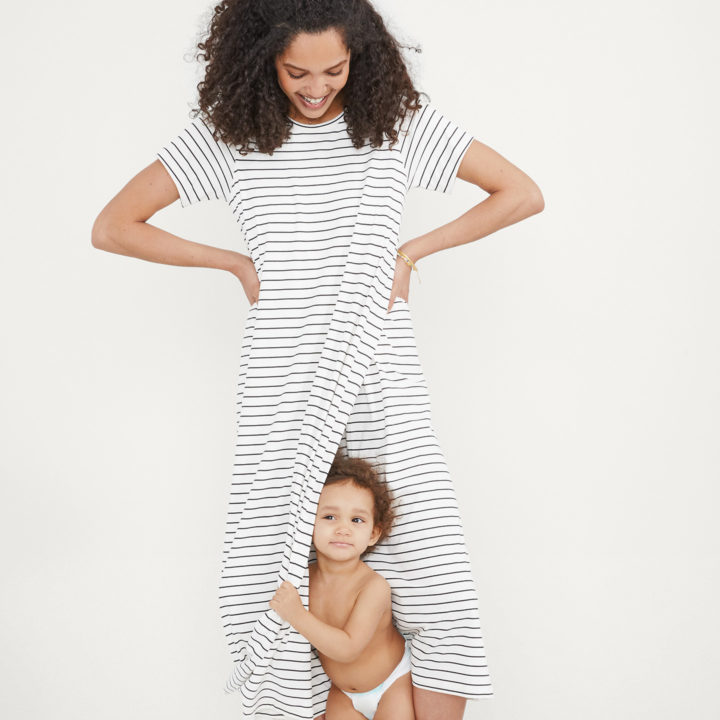
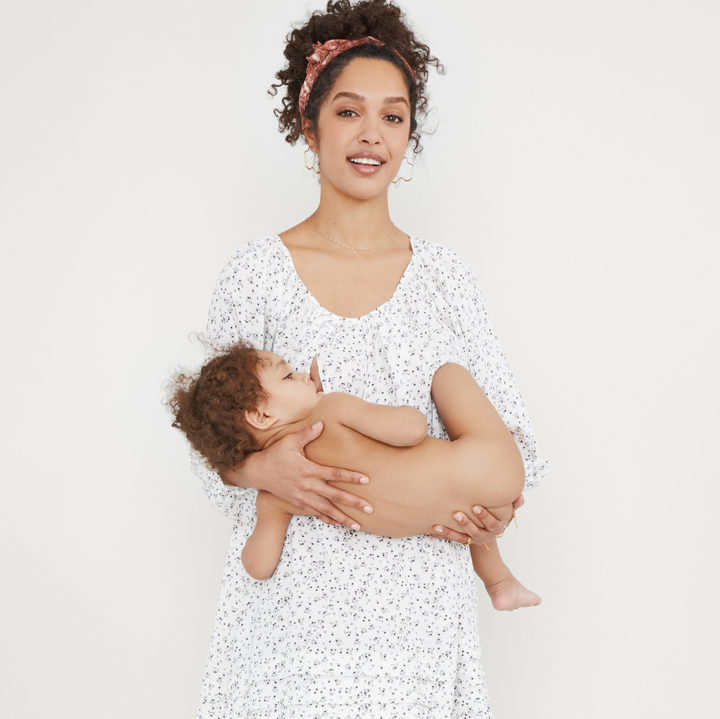
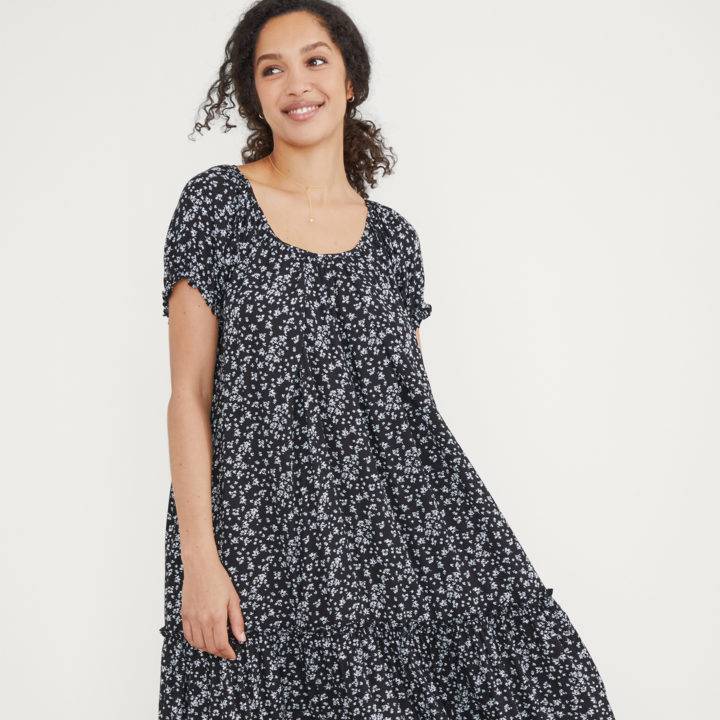
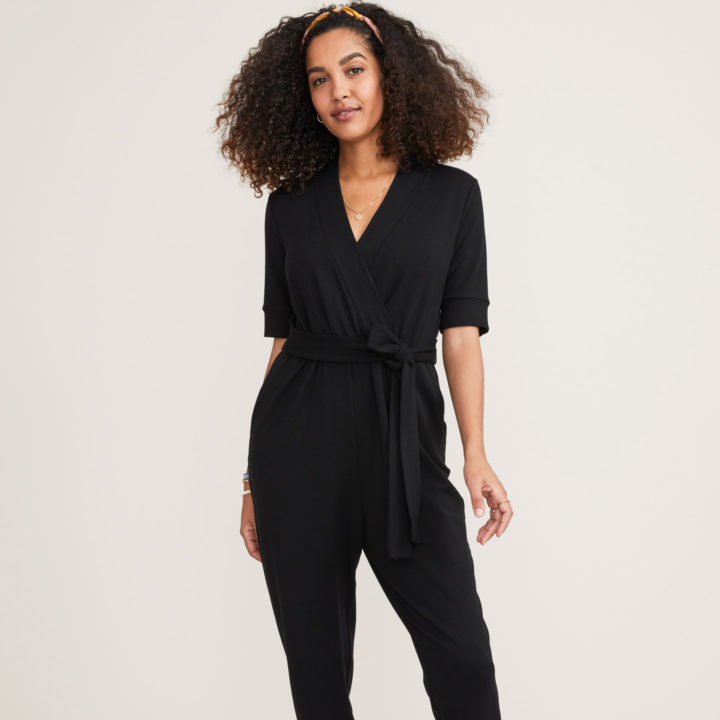
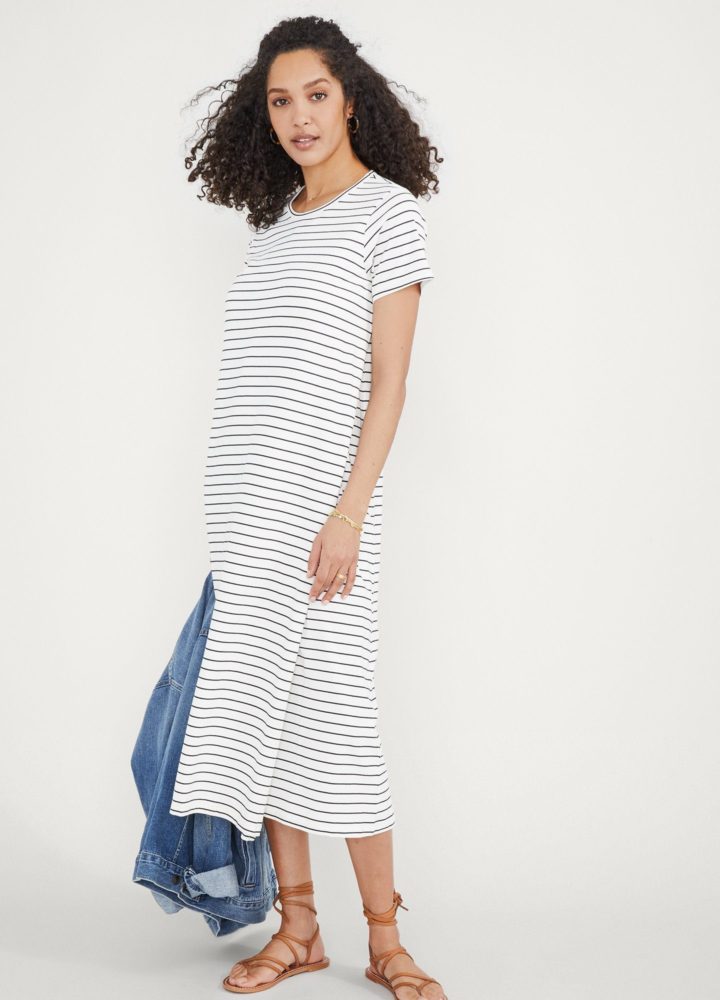
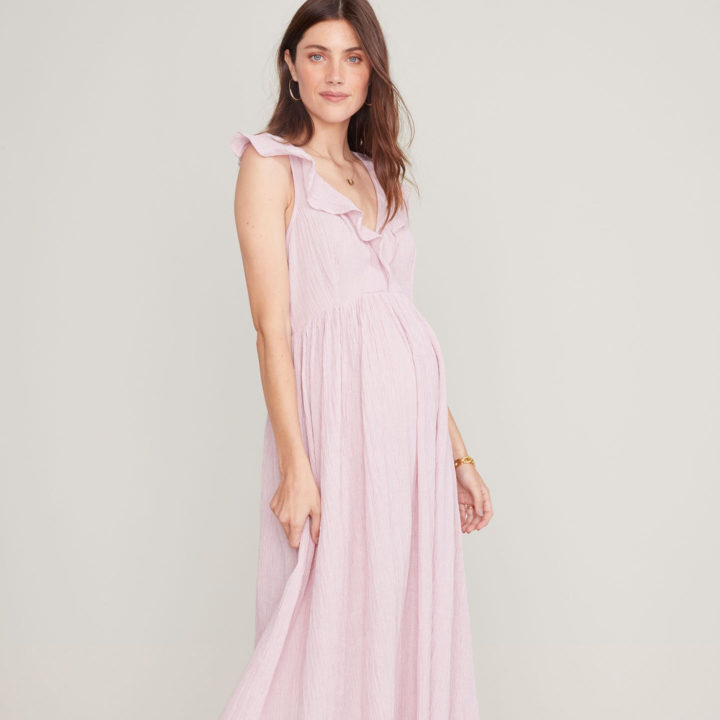
Most women worry so much about getting dressed during pregnancy, that they forget postpartum dressing is an art form unto itself. In some ways, it’s even trickier, because A) you might still look pregnant and B) you might be nursing, spotting and emitting various fluids from all orifices of your body in general. You want pieces that are easy, comfortable and discreet. Enter our new 4th Trimester collection, featuring subtle snaps, closures and overlays that allow for nursing, pumping and running around with babe in style. Welcome to the club, mama.

Five Mamas Speak Out on Mental Health Asking for help is OK, mama.

By Babe | Photo courtesy of Heather Muir Maffei

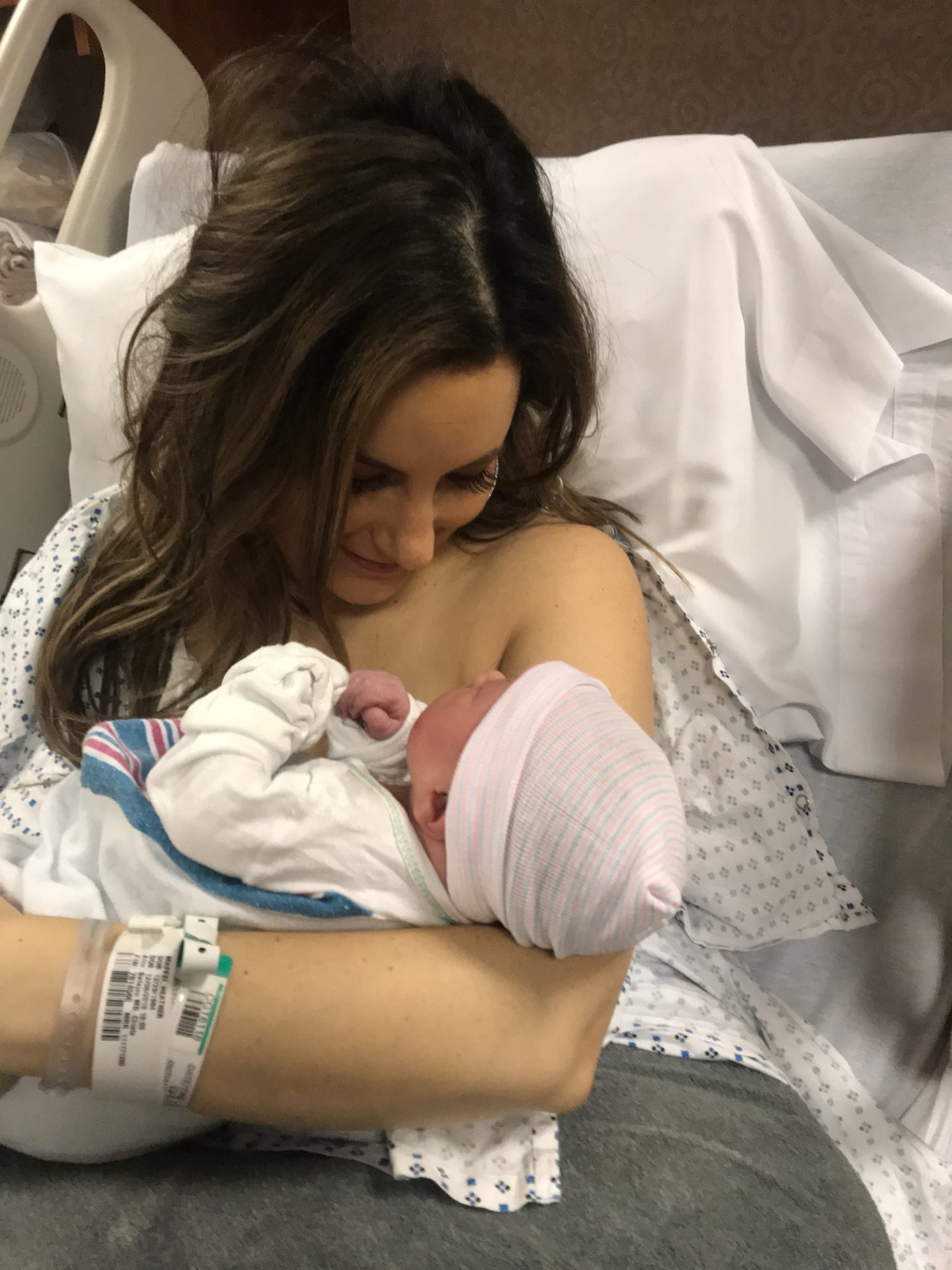
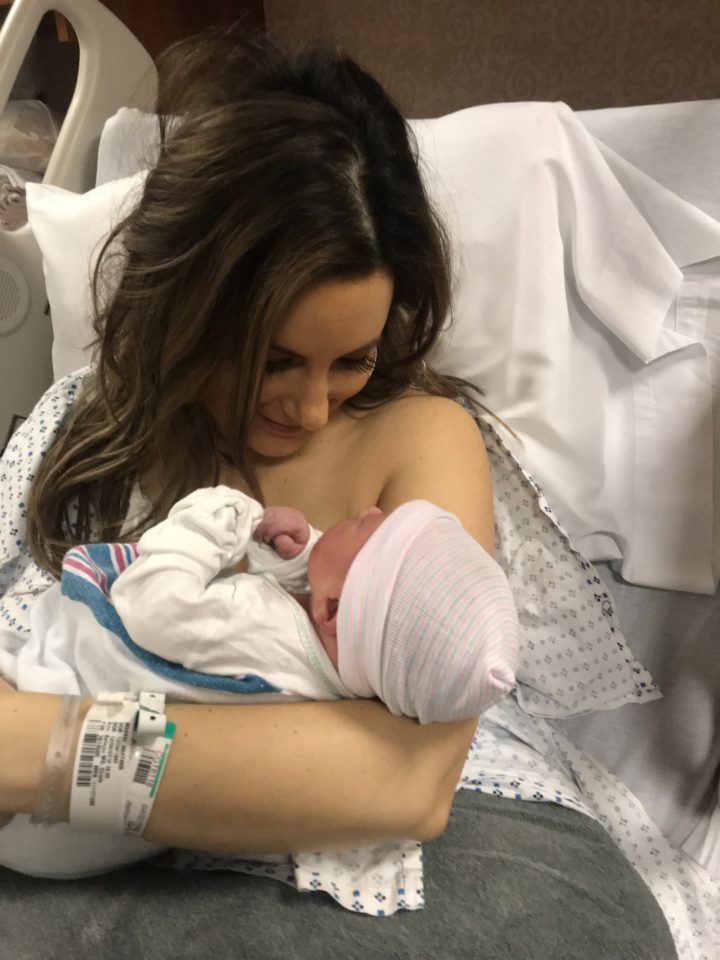
May is Mental Health Awareness month, but this is one topic we believe in talking about 365 days a year. Motherhood is a beautiful, soul-filling experience, but it also the hardest thing we’ve ever done. Full stop.

We’re shining a light on some of the brave mamas destigmatizing the need for support and community and creating space for every type of emotion (because we’ve had them all).

If you think you may be suffering from pre or postpartum anxiety or depression, don’t wait: Discuss it with your doctor, doula or partner and get the support you need.

Shay Mitchell

Actress + Entrepreneur, @shaymitchell

“Feelings of isolation in pregnancy are not discussed and feeling alone in my depression compounded my state of mind.”

Read Her Story

Carli Blau

Sex Therapist, @sexdoccarli

“I suffered from postpartum depression and anxiety because I thought I had to do it all by myself.”

Read Her Story

Heather Muir Maffei

Beauty Director, Real Simple + Health Magazine, @hmuir

“This, my friends, is the hardest thing I’ve ever done.”

Read Her Story

Rachel Nicks

Actress, Trainer + Doula, @rachelenicks

“Finding out you’re pregnant after a traumatic loss is emotionally conflicting. I didn’t know whether to be happy or scared.”

Read Her Story

Ashley Wright

Activist + Wellness Influencer, @mswrightsway

“During pregnancy, I went to therapy and received professional support to heal my traumas. You can’t show up for anyone if you don’t show up for yourself.” 

Read Her Story

Estate PlanningEstate Planning

Estate Planning for New Parents Because peace of mind is priceless.

By Babe | Photo courtesy of Stocksy

Looking to simplify the legal and financial to-do lists that have been stacking up over the years? Look no further than our friends at Briefly, the future for legal and financial primary care. They are hosting a free virtual Legal and Financial Crash Course on May 20th at 12pm ET and 9pm ET that will leave new and expecting parents feeling like brilliantly prepared rockstars. Here, they drop some knowledge on the importance of estate planning for new parents.

Don’t think of “Estate Planning” as one of those annoying and expensive things you need to do once you become a parent. Estate planning is actually a bit magical and can be incredibly empowering. It gives you the power to time-travel to protect and take care of your family’s future – and provide you peace of mind that your kids, spouse, partner, or other loved ones will be secure if you die or become incapacitated. 

What is an estate plan?

An estate plan is essentially a set of instructions for how our assets should be distributed when we die, and how our obligations to others should be distributed when we are no longer able to do so. We all have responsibilities in our lives – some of us are parents or caretakers, business owners or homeowners, and most of us have debt of one kind or another – these responsibilities do not disappear when we die. They shift to our heirs.

Estate planning is a set of strategies for shifting responsibilities and minimizing the burden of those responsibilities.

What can an estate plan do?

1. Appoint a guardian for minors. The number one thing that an estate plan can do for new parents is appoint a guardian for their children should they pass away. This is in fact the only way to do this (using a will).

2. It allows you to decide who will receive your assets when you die.

3. And how they will receive them – either outright or in trust.

4. Allow you to decide who will be responsible for making sure that your estate plan is followed.

5. Protect your assets from creditors. This means that estate planning can help ensure that your debts go away when you die and don’t become the responsibility of your kids (including things like credit cards or student loans.

6. Protect your assets from the creditors of your heirs – making sure your kids’ inheritance doesn’t go to pay off their $300,000 student loans!

7. It allows you to replace lost income (and continue to pay a mortgage); yes, your estate plan can actually create money for your family, with a simple term life insurance plan.

8. It allows you to do tax planning. There’s a really good chance that the estate tax exclusion – the size of an estate that will be taxed – is going to go way down under the Biden administration. Even some middle-class families might be impacted. An estate plan can help you do what all the corporations do – lower your tax bill in a completely legal way!

9. It makes sure that your burial wishes are honored.

10. It makes sure that your healthcare wishes and end-of-life wishes are honored.

11. It makes sure that your finances and businesses are managed if you become incapacitated.

12. It allows you to protect your digital assets, like social media accounts, photos, online businesses, etc.

Related: If You’re Having a Baby, You’re Going to Need a Will

How to get started

The best thing you can do to get started is to come to a free Briefly webinar! But, after that, we think that every parent – regardless of your income level – should have a lawyer create an estate plan for them. Online wills are tempting because they are relatively inexpensive – but they are often low quality and, critically, they don’t manage the signing of the will. This is a hugely important part of creating an estate plan – in fact, the whole probate process is about proving that a will was lawfully signed. We think that appointing a guardian for your kids is so important that it’s worth investing in.

So, hire a lawyer. A basic estate plan – which should include a will, a simple trust, a power of attorney, and healthcare proxy, for you and a spouse or partner – does not need to cost very much. Pro tips for saving money:

1. You don’t need to hire a lawyer in a big city – you’re just paying extra money for their rent. Call a lawyer in a small town. Up here in the Hudson Valley, plenty of lawyers will do solid estate plans for $600.

2. Negotiate payment schedules – plenty of lawyers will negotiate on fees or agree to payment schedules – that $600 could become $100 per month for six months, or even $50 per month for a year. 

3. Don’t get fancy! You can start with a simple plan and a term life insurance plan.  If you want to do some complex estate planning later, you can always upgrade your plan.

We know estate planning can be intimidating. Thinking about… well, death, money, family, and taxes is not exactly fun. But just remember – estate planning is an incredible set of tools to help you look after your family. Become a time-traveler and take care of your family’s future by getting started on your plan now!

This article was written in partnership with Briefly.

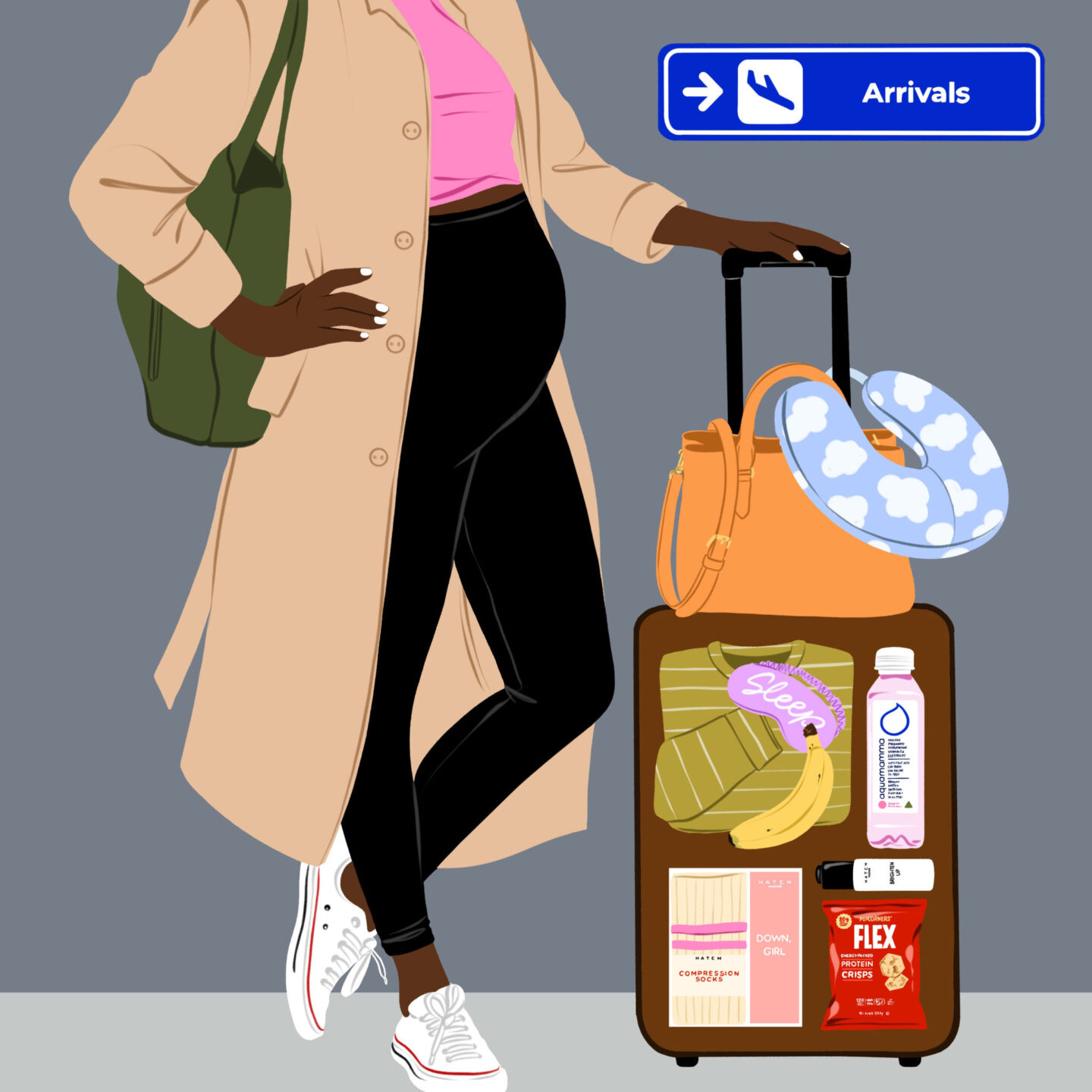
To Fly With Kids Or Not? It's a loaded choice.

By Babe | Illustration by Ana Hard

Summer travel season is heating up, and flying with kids during Covid-19 is a loaded choice. For some mamas, there’s no way they’re stepping on board without vaccines first, for both parent and child. “I’ve never considered myself that OCD with germs, but Covid-19 has thrown us all for a loop and it just doesn’t feel worth it to risk it,” says new mama Janna L. For other parents, the risk of contracting Covid-19 from and among children is so low, that once vaccinated, what’s a little risk when it comes to visiting loved ones or romping around in the sun? “My parents haven’t seen my kids in over a year, so this past spring break, we masked up, and went for it,” says Simone J., mama of two, “and it was fine.”

So what’s a mother to do? While there’s no specific guidance that exists in regards to children traveling, the CDC recommends that anyone who is unvaccinated (ie kids) refrain from doing any nonessential travel until they’re properly vaccinated. But, according to Conde Nast Traveler,  much of the answer depends on the destination.

“There’s a huge equity factor when it comes to travel,” Jessica Malaty Rivera, an infectious disease epidemiologist and science communication lead at the Covid Tracking Project told the mag. “What does access to vaccines look like in the destination you want to visit?”

According to Rivera, the good news is that not only are children not considered high-risk for infection from COVID, they are not considered high-risk for transmitting the virus, either. But before traveling this summer, everyone—both families with kids and fully vaccinated individuals—needs to consider how well-vaccinated the public is in the place they want to go.

Whether you choose to fly or not, we at Babe never judge. But whatever you decide, let us help you get prepped, so that the skies are friendly for everyone.

Yes, Your Kids Need a Mask (duh)

Unless your children are under two, they will need to wear a face mask while in the airport and on the plane.

Some face coverings are more comfortable and provide a better fit for kids than others, so we recommend finding the right mask for your kid well before your trip. Masks rules continue to evolve, so double-check with your airline before your flight. Some common types of masks that are not allowed include those with holes in the covering, including those with exhalation valves or those made solely of materials like mesh or lace fabrics and those that cannot be secured under the chin, including bandanas.

Face shields are allowed with a face mask but are not permitted by themselves in place of a mask. Neck gaiters are still permitted as face masks on domestic airlines.

Face Shields Your Kids if you Want to

If you would like your kid to wear a shield (in addition to a face mask), know that those are available in child sizes. If you try to use an adult-sized face shield on a young kid, it may work for a short period but is likely going to fall off more frequently than if you get one that fits. (Also, be sure and peel off the layer of film on the mask before you use it — otherwise, it will be extra foggy to see through!)

You Can Eat and Drink on the Plane

Your child is allowed to take their face mask off for a brief time to have a drink or snack on the flight, so you can pack drinks and snacks as you always would.

However, the idea is that snack time is short. Southwest Airlines website states that, ” … we expect these instances to be very brief, and customers should put their face covering back on as soon as possible.”

Also know that while many airlines have resumed some level of snack and meal service, it is still often reduced from previous levels, so your best bet is to board the plane ready to be self-sufficient in meeting your kids drinking and snacking needs. For example, Southwest Airlines has resumed water service but does not have juice or other drinks on offer at this time.

If Middle Seats Are blocked, You Can Still Sit with your Kids

A few airlines are still blocking middle seats, but you can still sit right next to your kids if you’d like.

Domestic airlines that are still blocking middle seats include Southwest (though you choose your own seat, the airline just isn’t booking to capacity), Alaska (at least until October 31), JetBlue (at least until October 15) and Hawaiian Airlines.

If you can’t select seats together on the seat map on those airlines, don’t worry. Give the airline a call or you can resolve it at the gate by moving one of your kiddos from another row into your empty middle seat if that helps make your flight easier.

Scrub Scrub Scrub

Some airlines pass out a cleaning wipe as you board, but that isn’t true for every carrier. Pack some cleaning wipes and wipe down your child’s seat, tray table, seat belt, etc. as soon as you board if you want to ensure their area is as clean as possible.

Show Off Your Pisces Babe With Colugo's Astrology Patches They're cuter than a Scorpio rising.

By Babe | Photo by @gwen_ginger

Because you prayed every night you’d deliver in time for a Taurus babe. Or because you *almost scheduled your C-section around Gemini season. Now, you can personalize your stroller, diaper bag or wipes pouch with a cute astrology patch for every sign, exclusively by Colugo. Its unique astrology patches come with a larger sign patch and smaller stars and moons so you can pick the perfect amount of sparkle. Now if only you could get your little Aries to sit still.

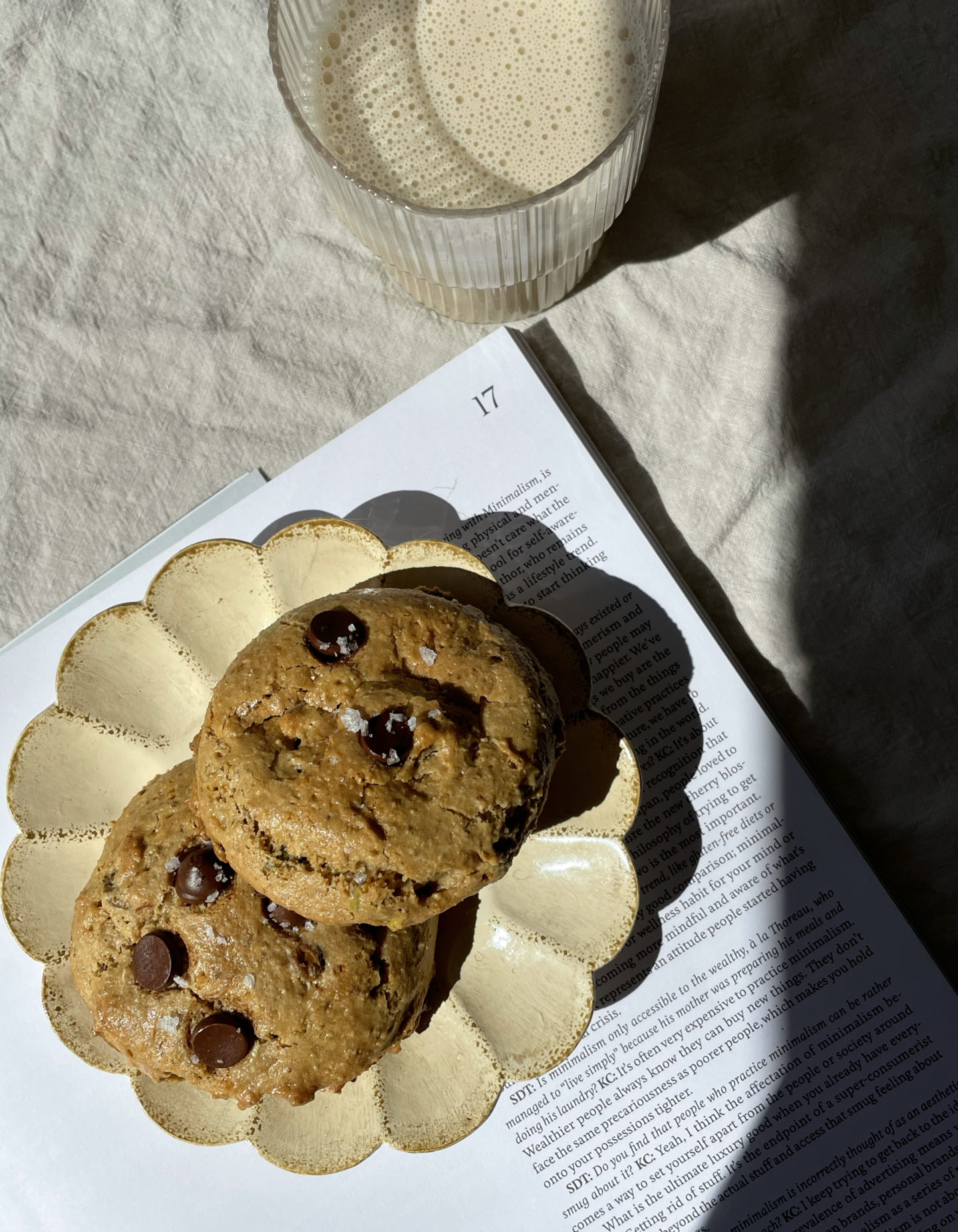
A Lactation Cookie Recipe Your Postpartum Dreams Are Made Of By our friends at Táche.

By Babe | Photo courtesy of Táche

It’s not enough that our friends over at Táche make delicious, plant-based milk featuring real pistachios (and minus added oils, extra calories and carbs). But they’ve taken their offerings to a whole new level thank to this exclusive lactation-friendly cookie recipe to help boost milk supply and keep 4th trimester mamas feeling great. You’ll thank us later.

Táche’s Lactation-Friendly Tahini Pistachio Chocolate Chip Cookie

Makes: 10 

Ingredients: 

  • 1 Cup Tahini 
  • ¼ Cup Táche Unsweetened Original Blend 
  • 1 Egg
  • ¼ Cup Maple Syrup
  • ¼ Cup Coconut Sugar
  • 1 Cup Almond Flour
  • 1 Tbsp Ground Flax. 
  • ¼ tsp Sea Salt
  • ½ tsp Baking Soda
  • ½ Tsp Baking Powder
  • ⅓ Cup Chocolate Chips
  • ¼ Cup Chopped Pistachios 

Method: 

  1. Preheat the oven to 350F. 
  2. In a bowl whisk together all of the wet ingredients. 
  3. Fold in the coconut sugar, almond flour, ground flax, salt, baking powder, and baking soda. 
  4. Mix using a spatula until just combined. 
  5. Fold in the chocolate chips and pistachios. 
  6. Chill the dough in the fridge for 20 minutes. 
  7. On a lined baking sheet add 2 tablespoon of dough for each cookie. 
  8. Bake for 20 minutes. 
  9. Allow to cool and enjoy. 

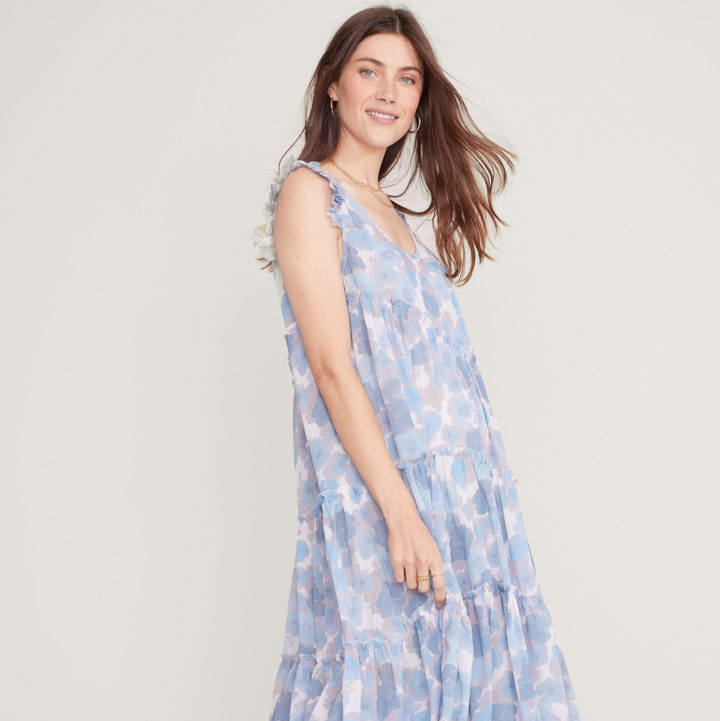
Our Favorite HATCH Looks for your Maternity Photo Shoot Treasure the moment in style.

By Babe | Photos courtesy of HATCH

It’s officially photo shoot season. So you’re going to need a flattering, stylish look that reads “I know I’m 1,000 months pregnant but I’m still totally effortless and cool.” Yep, memorialize your incredible pregnancy with some Instagram-ready looks that you can gaze at for years to come and think, Holy hell I was HUGE.

Our HATCH faves, below….

Fifth Trimester ChildcareFifth Trimester Childcare

9 Childcare Tips to Consider When Going Back to Work Because 5th Trimester is REAL.

By Babe | Photo courtesy of iStock

Last week, we gathered on Zoom with Vivvi’s Head of Family Experience Gretchen Richer, the genius that is author Lauren Smith Brody, a Senior Director Client Services/ Vivvi parent Tina Magan, and Hatch’s very own VP of Brand Marketing, Katie Goldsmith to discuss Child Care 101 in the Fifth Trimester. Attendees from Virginia to Seattle to…France (!) got a front-row seat to an inspired conversation about going back to work post-maternity leave. And the learnings? Endless. Here, 9 key takeaways (plus the video at the bottom for those who couldn’t catch us live).

1. Build connections.

Asking for help is critical, especially when going back to work. “When I went back to work after having my first child,” Katie says, “I called a bunch of moms that I really respected in my industry who had children under one or two years old. I just asked all my biggest fears and logistical questions and got little nuggets from each person. It’s been one of the most helpful things that I’ve done.”

2. You don’t have to follow someone else’s journey.

When listening to other parents’ stories, remember to quilt the parts you love from each person’s together.  “You can filter in what you get, the yuck from the yum vibe,” Gretchen says about asking parents for advice “You can pick and choose the journey that makes sense for you. You don’t have to follow someone else’s journey. Cherry-pick across that.”

3. Childcare choices are not linear.

Vivvi as a company knows better than anyone that childcare is not linear. At its inception, Vivvi was in person and brilliantly pivoted to creating programming virtually amidst the pandemic. 

“We lead with our mission to meet families where they are,” they say, “and that can be defined in a variety of ways, whether physical, emotional, or developmental. During the pandemic, it meant we needed to pivot to support families at home, so we grew our service and now operate in homes across the country. Each family’s child care and learning journey is unique, so on any given day meeting our families where they are can mean teachers supporting a child in reaching their next milestone, or partnering with a parent on a new sleep schedule, or starting solids.  To us, there are no insignificant moments in a child’s day, and no question is too small.”

Related: 9 Things Every Parent Should Ask When Considering Childcare

4. The cost convo is real(ly hard) 

“We knew based on our needs, a nanny was the best choice for our family,” Katie said, “But I struggled to make peace with the cost against my take-home salary (ie, after taxes). After years of supporting myself, and then contributing to our family, I felt like I was barely bringing anything home after covering our childcare costs.” It’s an emotional part of the journey, yes, but as Lauren echos, childcare choices shouldn’t be framed as though it’s netting one person’s salary. “Do everything you can to try to think of child care as being a percentage of your total household income,” Lauren says. It’s not only on you.

5. Your partner is not a magician.

“You have to make it visible,” Lauren says. “If you want your partner to share in the work that is in your head, your partner has to know that it exists.” Gretchen continues, “We sometimes think that our partners magically know exactly what we want. To be able to truly advocate for what you need at home is important.”

6. Transparency is key.

Say what you mean and mean what you say when it comes to work conversations. “The more transparent you are about what you need, the more that your bosses have the opportunity to rise to the challenge and support you,” Katie says. That means don’t set up the conversation with an apology, but set it up standing firm, knowing your worth.

7. Advocacy is not just for you.

When you advocate for yourself as an expecting or new mom, remember before walking into the office (or signing on to the Zoom), this isn’t only about you. “You are advocating for all moms,” Lauren says, “Which means you’re really advocating for all parents. And if you’re advocating for all parents, you’re really advocating for everyone who’s a caregiver. And I challenge you to find a single person you work with who does not care for someone in some way, even if the someone they’re caring for is themselves.” She continues, “It’s so important that we treat these issues of flexibility comprehensively and with access to all to avoid perpetuating some of the stigma that is very real.”  When moms win, we all win

8. Work/Life Balance is a balancing act.

“I knew I was going to have to put those parameters in place,” Tina, a Vivvi parent said. “ For Tina, this included blocking her calendar during certain key hours. “But I always have that guilt,” she confesses. “I’m not there to see all those milestones. But for me, that’s okay, because I know she’s in a happy learning environment at Vivvi. I have to balance.”

9. This isn’t over.

Just ask Lauren. She wrote an entire book on it . The conversation surrounding working parents and childcare choices doesn’t stop at any trimester. It’s a constantly evolving, shifting process. Ride the wave. As Lauren says so brilliantly in her book: ““Here are your magic words for when you can’t employ your parachute quickly enough and (horrors) you’ve had a public, emotional outburst: “Yes, I am struggling a bit with this transition, but I am also confident that things will improve.”

You can watch the entire conversation here:

This article was written in partnership with Vivvi.

1 53 105