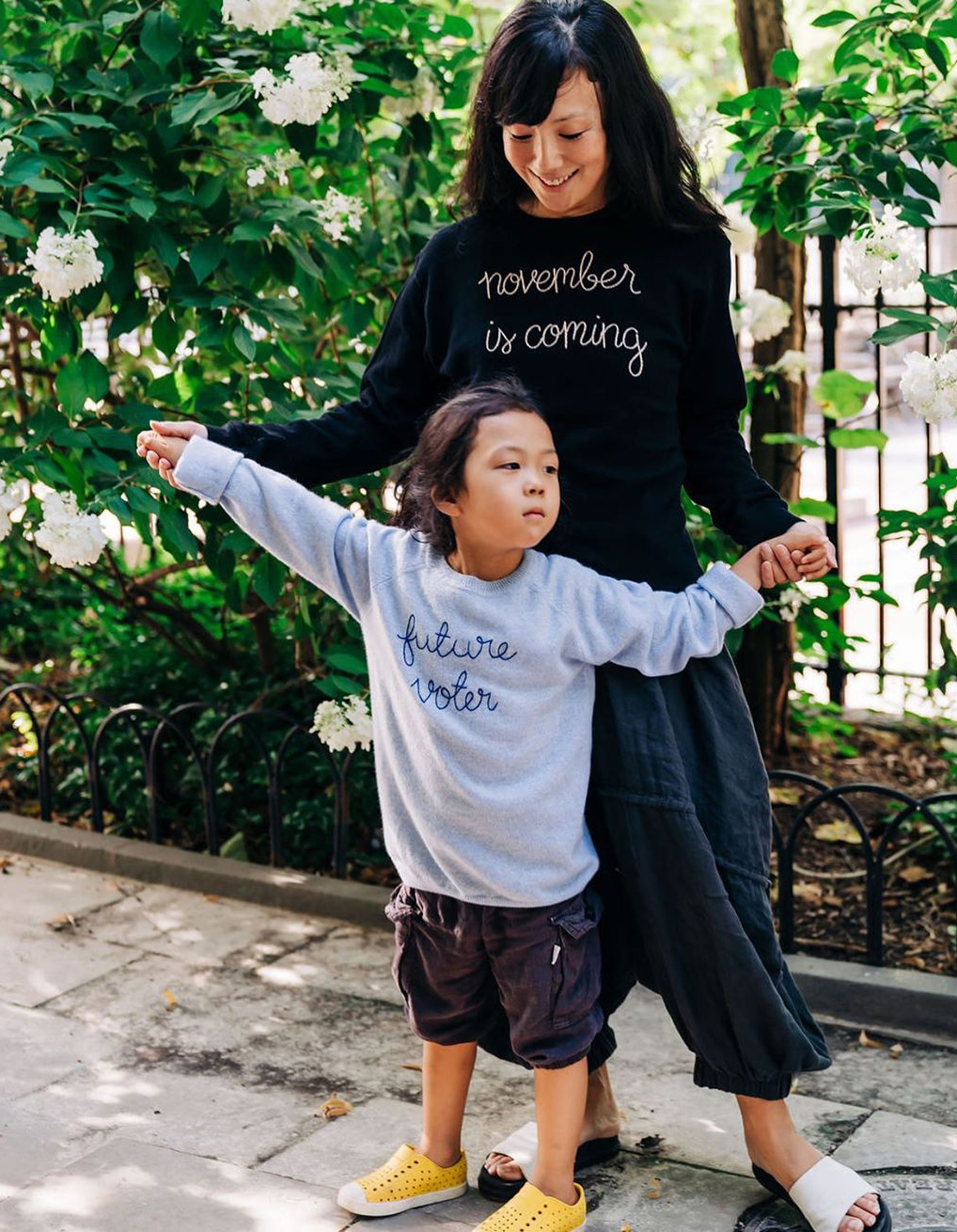
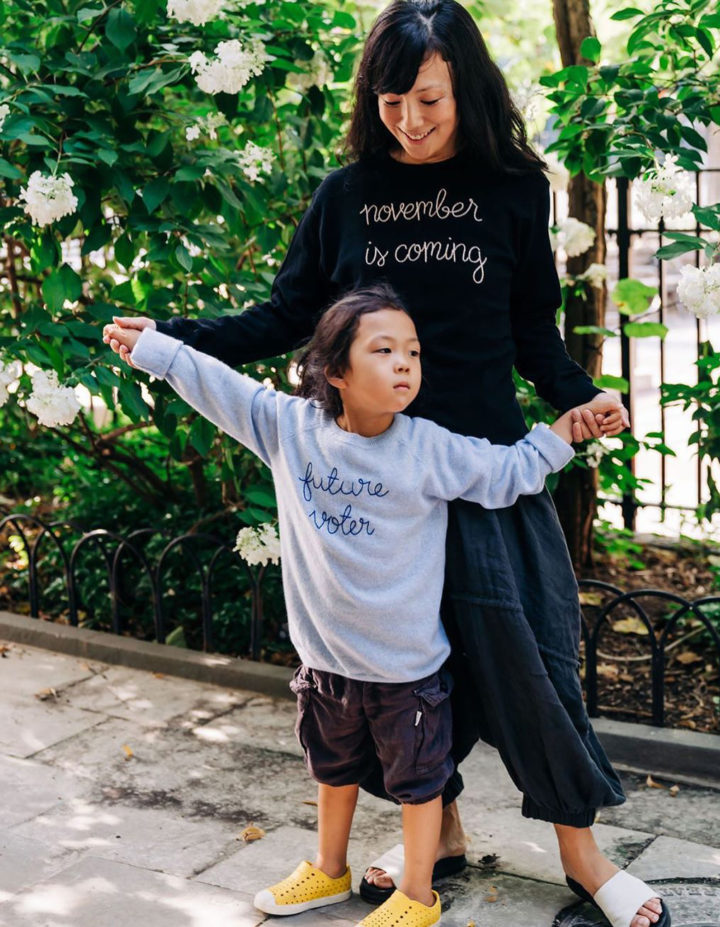
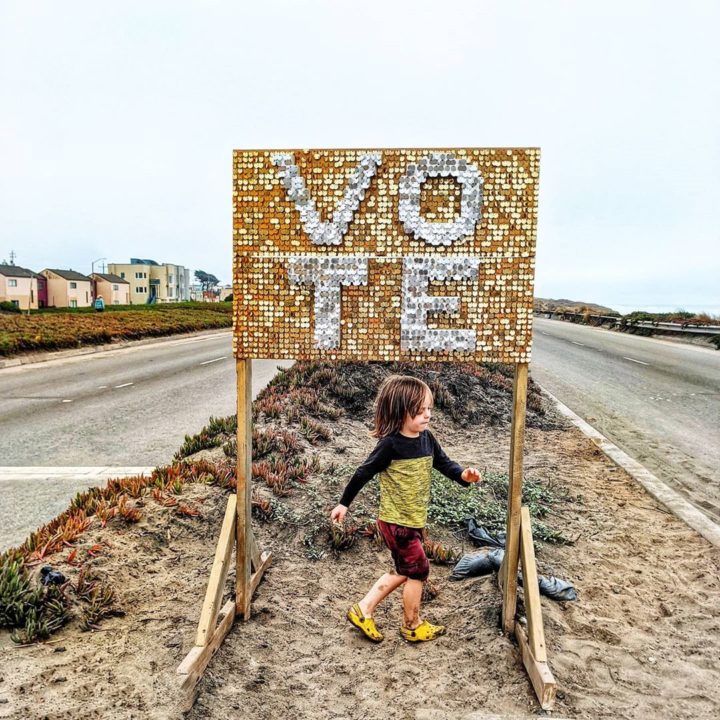
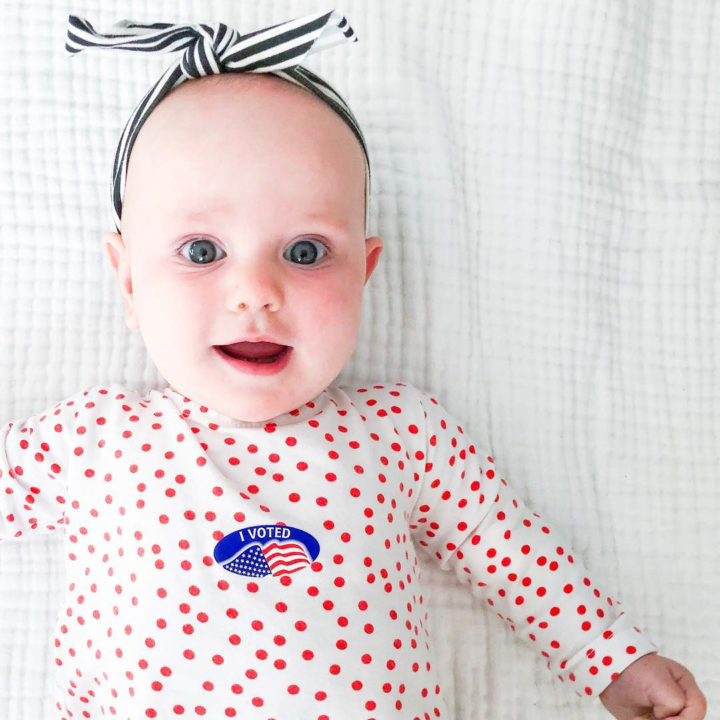
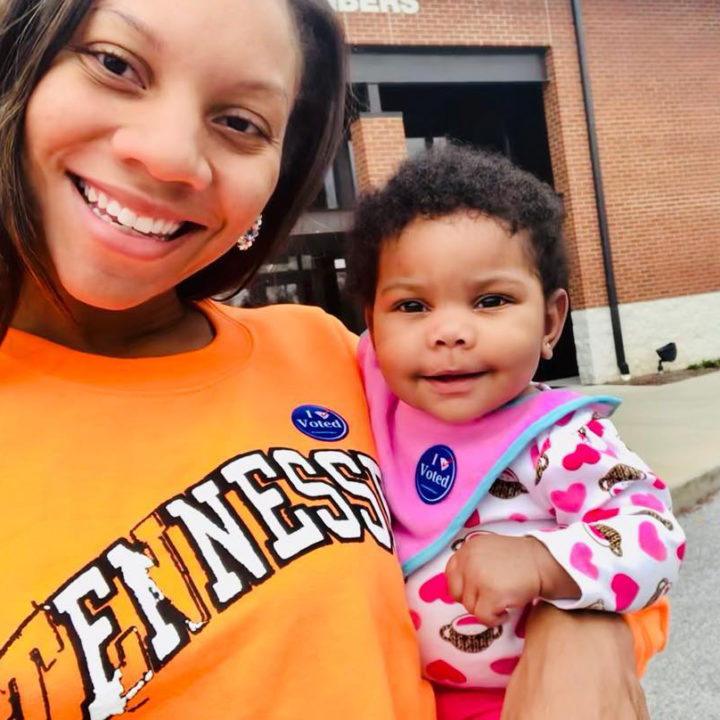
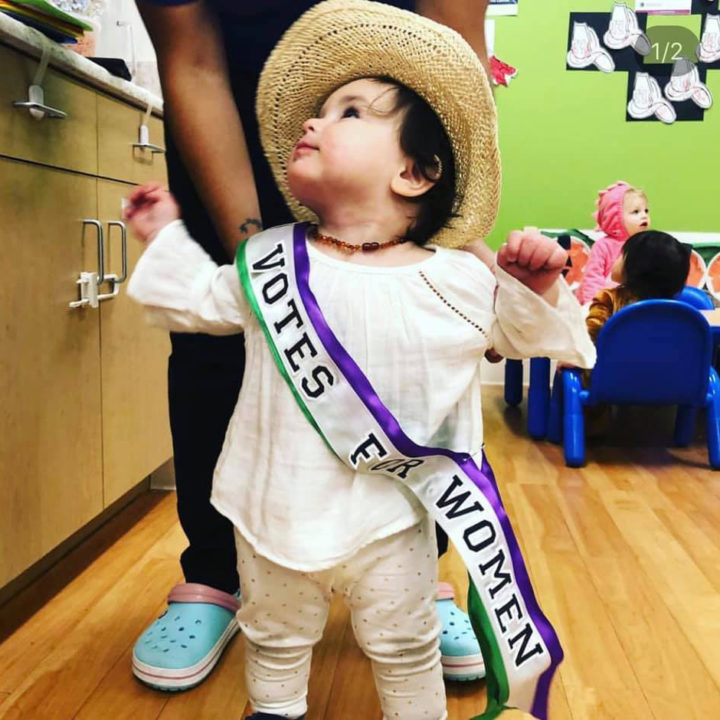
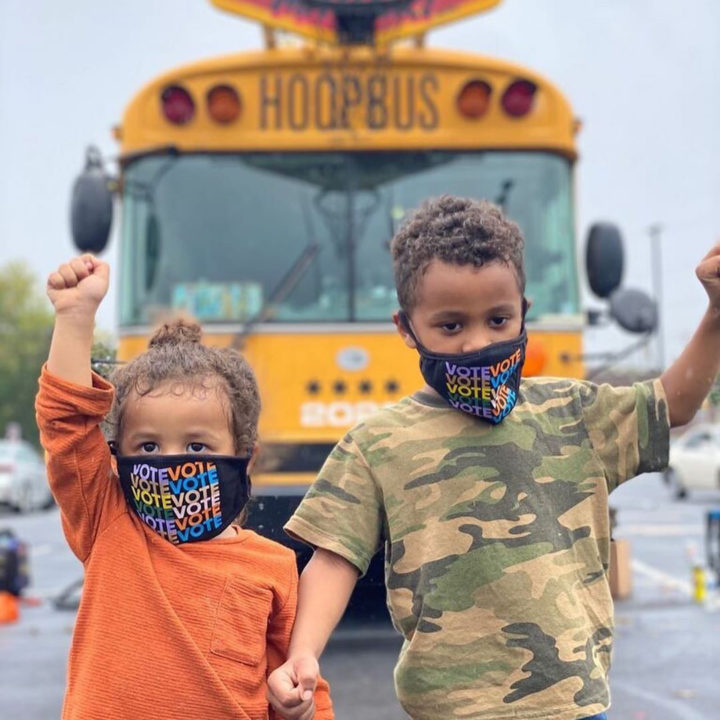
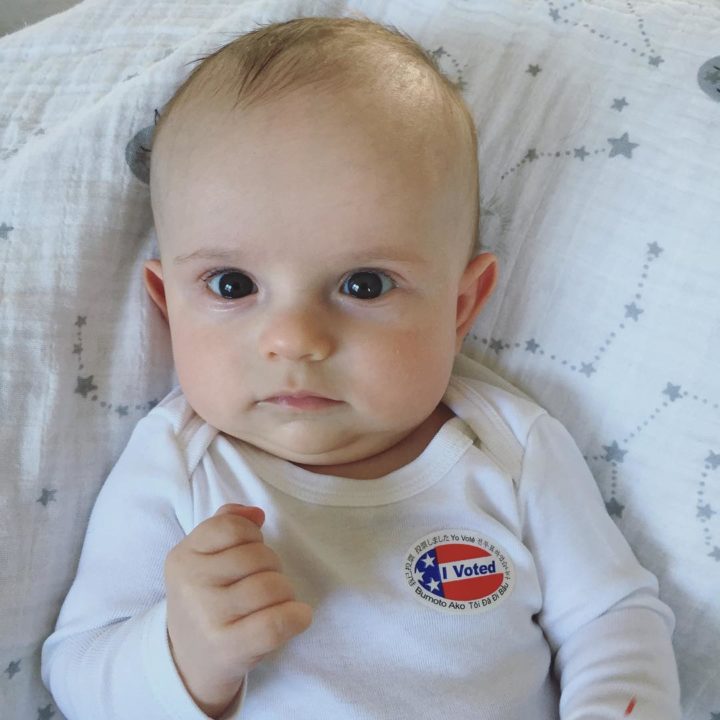
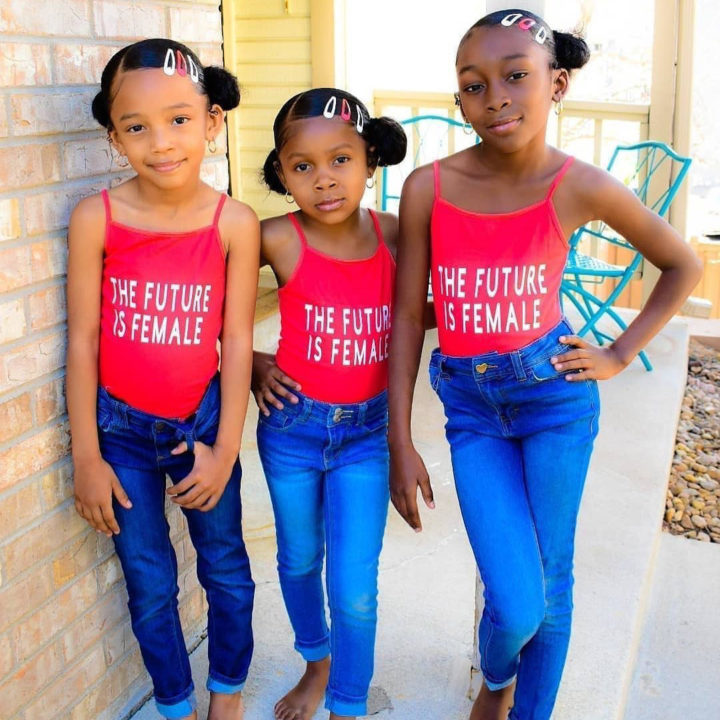
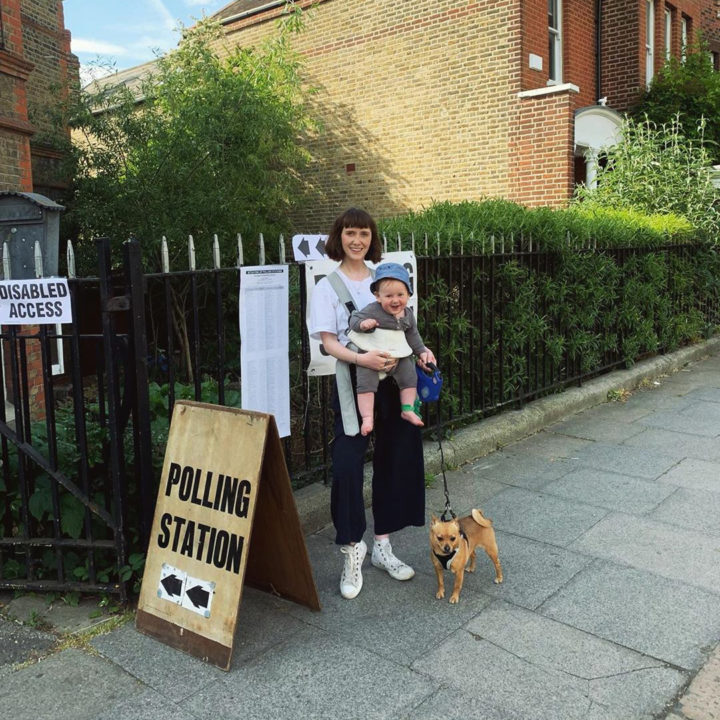
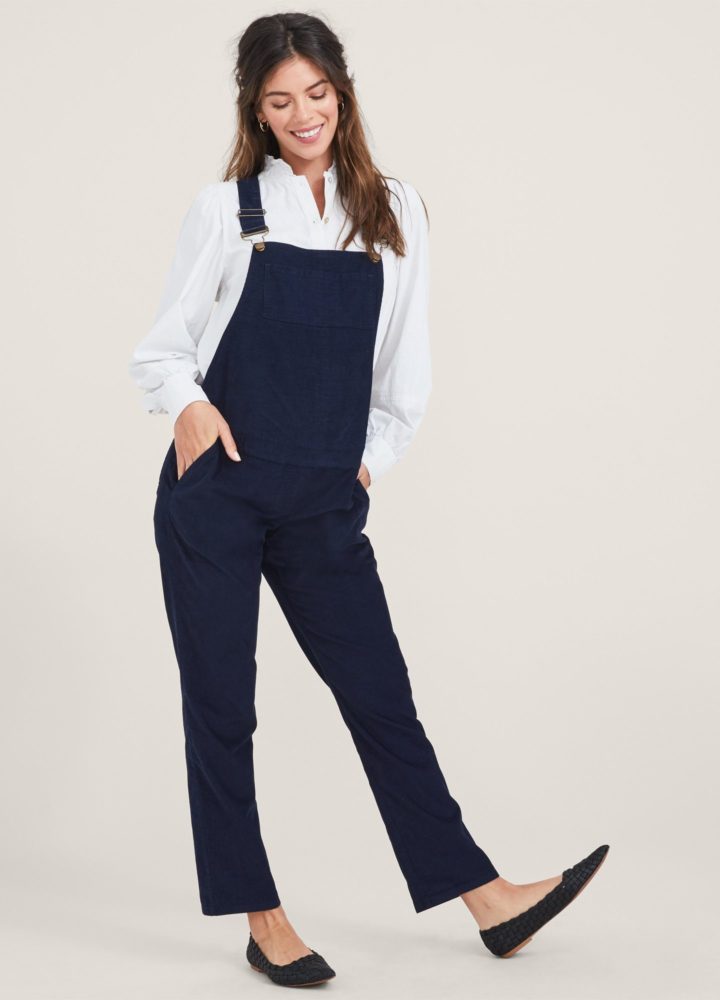
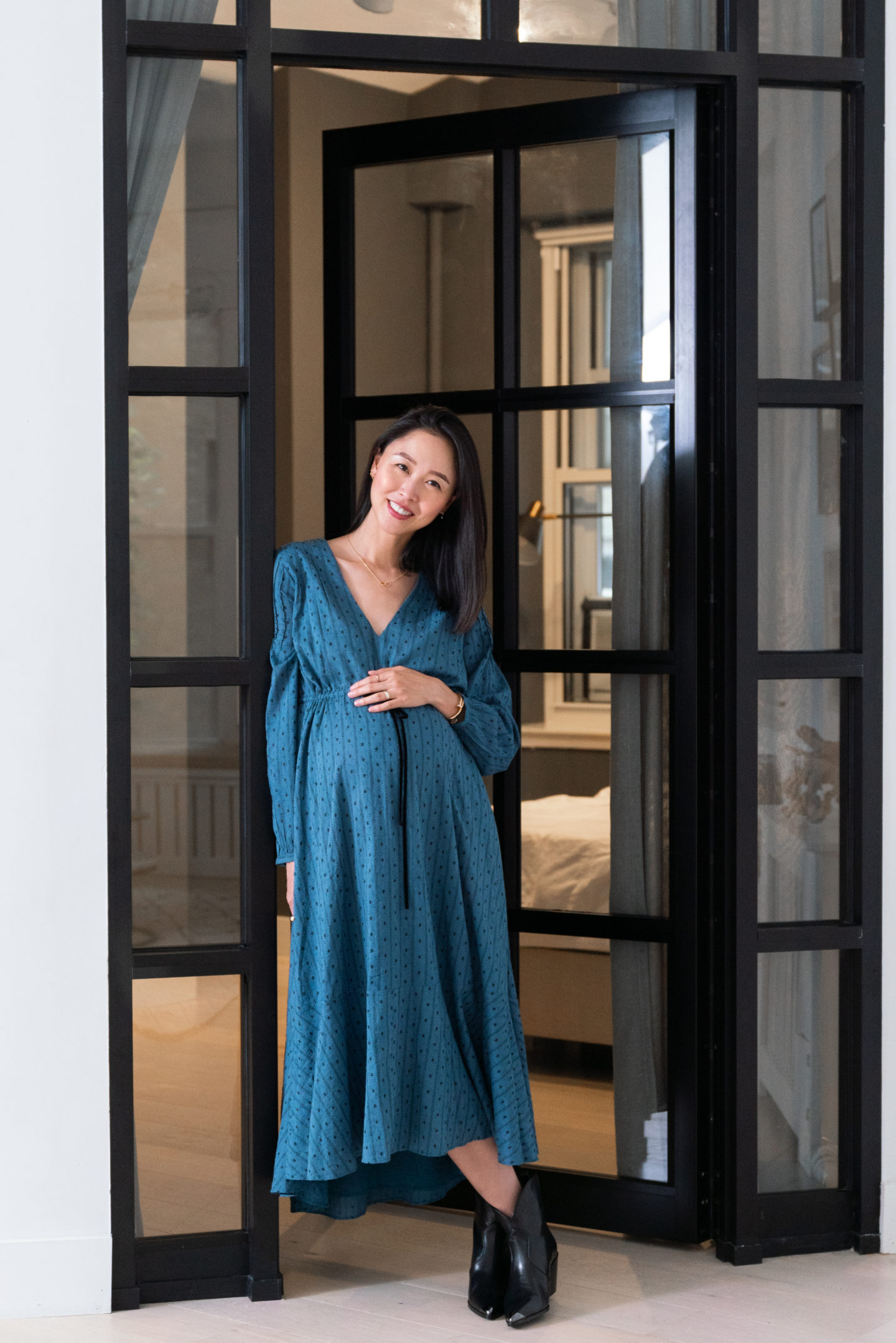
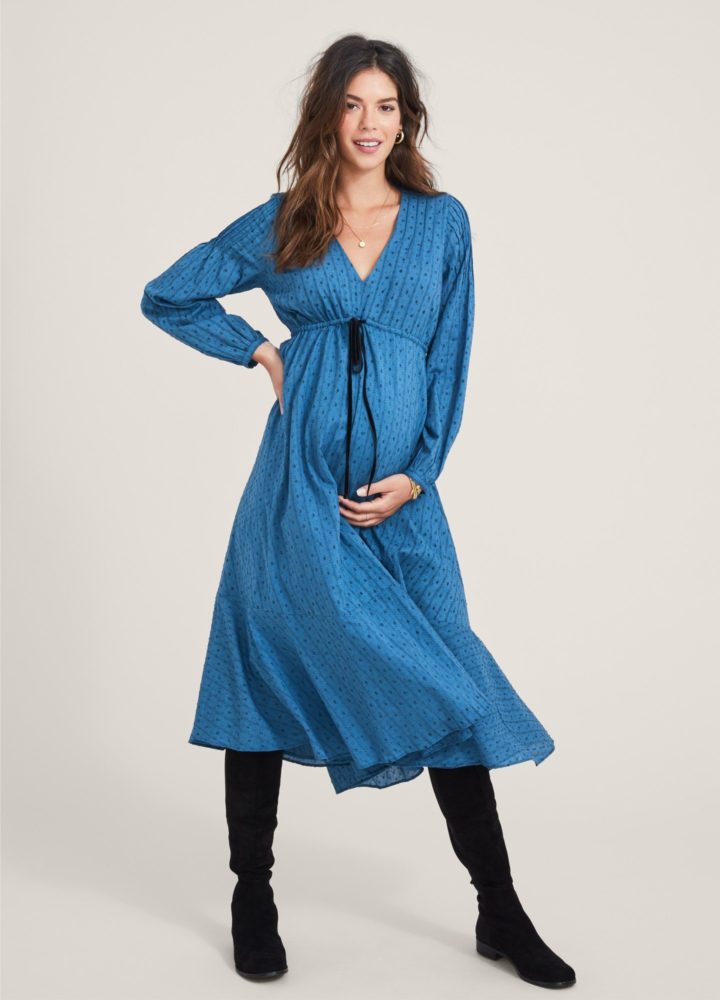
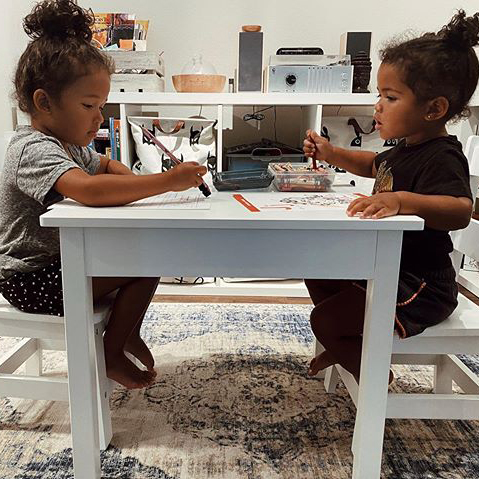
The Results Are In Meet the cutest next-gen voters.
By Cheyenne Arnold | Photo Courtesy Lingua Franca
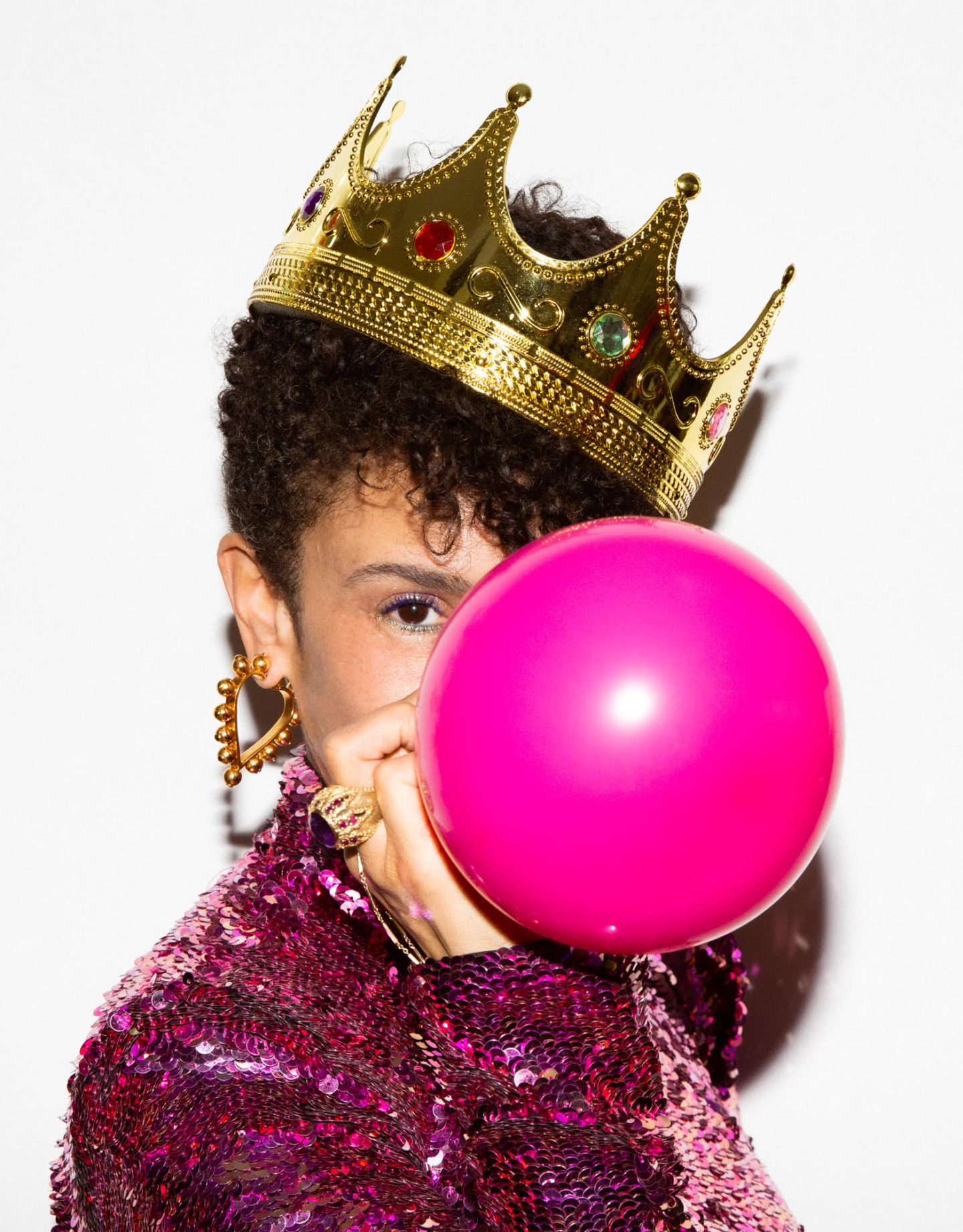
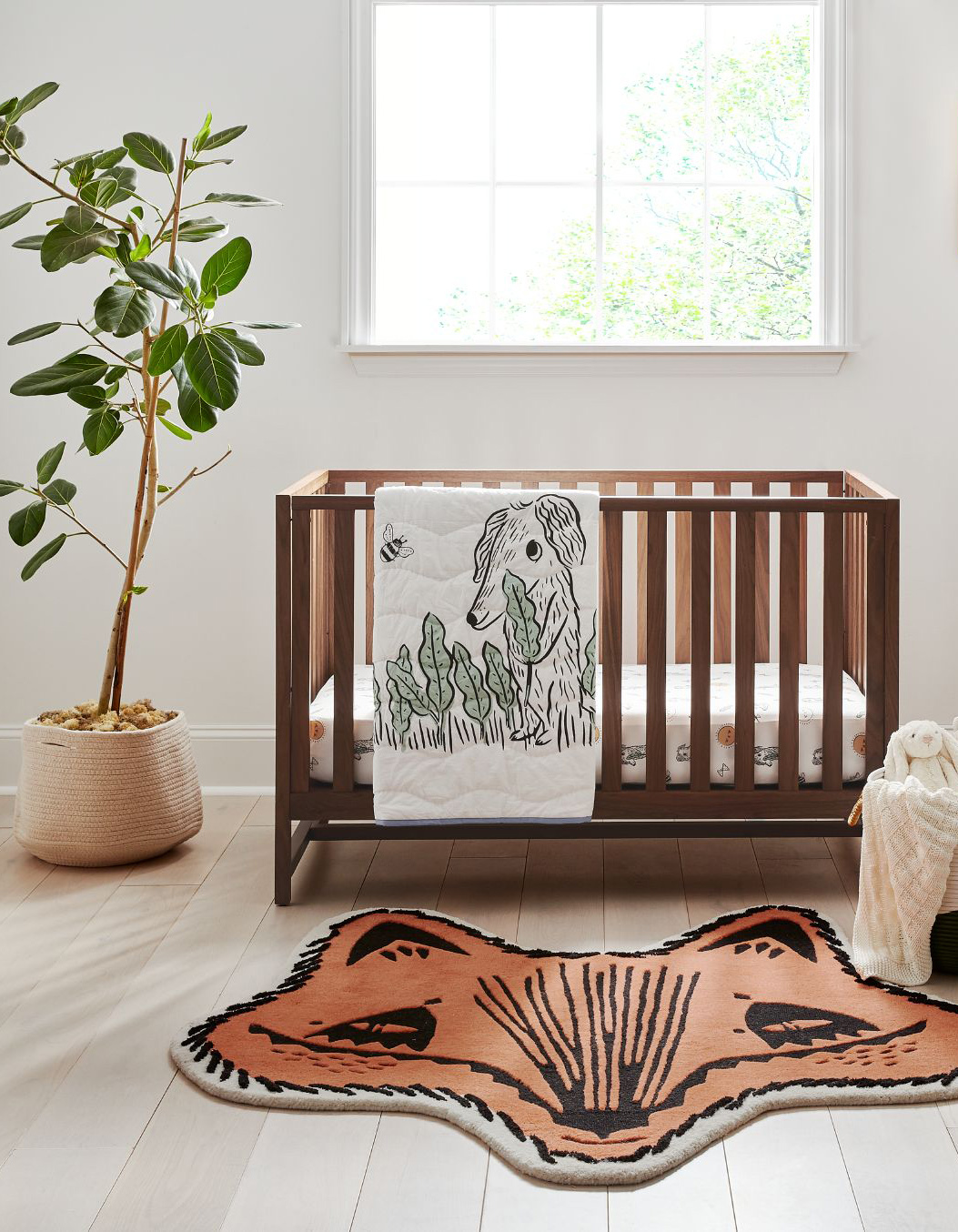
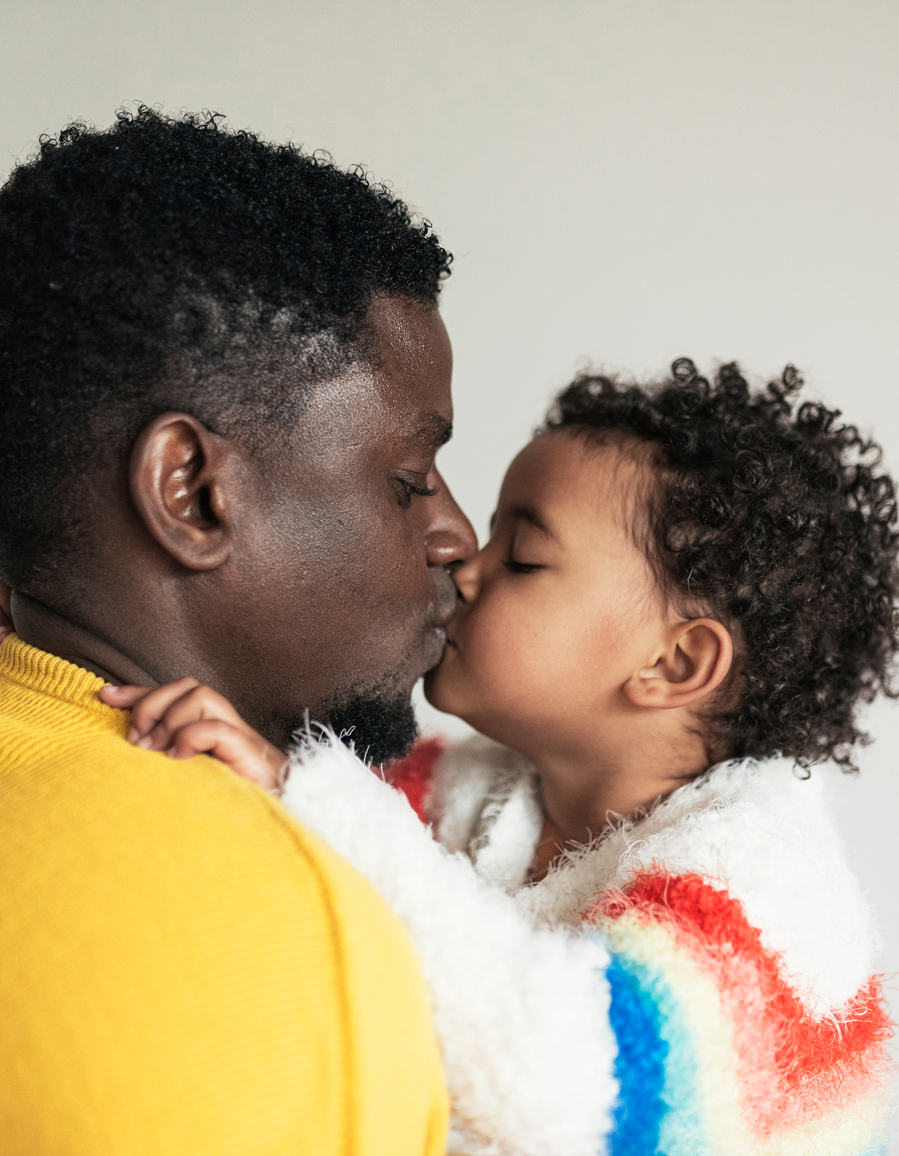
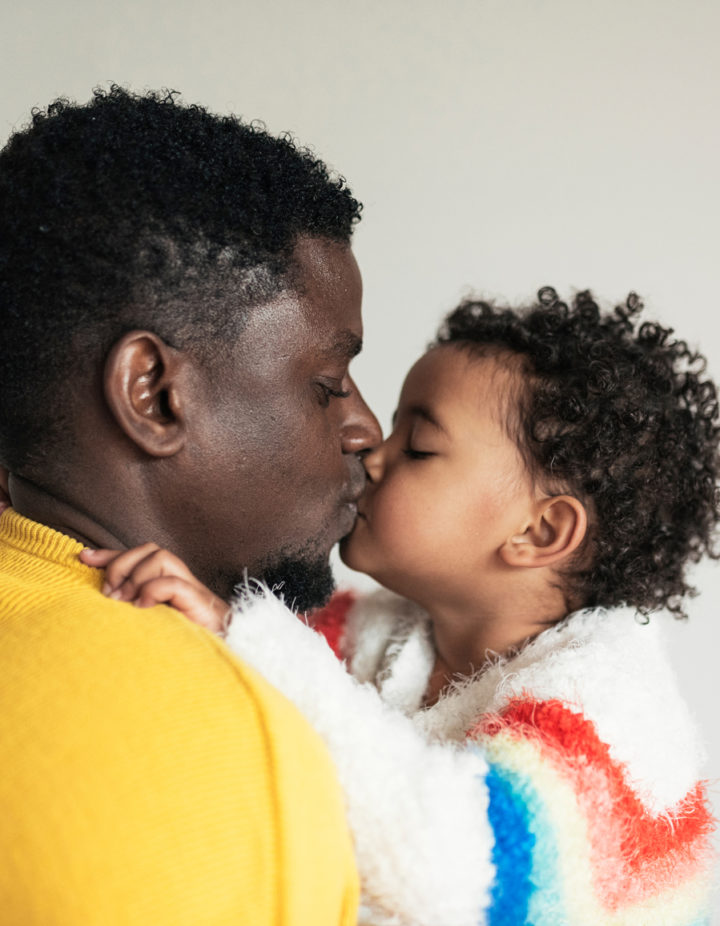
They’ve got more than a few years left until they can legally vote, but that hasn’t stopped this crop of future voters from leaning in and getting civically engaged. This November, set the precedent for your kids and exercise the right to vote by heading to the polls or mailing in your ballot.
Vote Like a Woman These ladies are changing the game this election.
By Caroline Tell | Photo by Stocksy
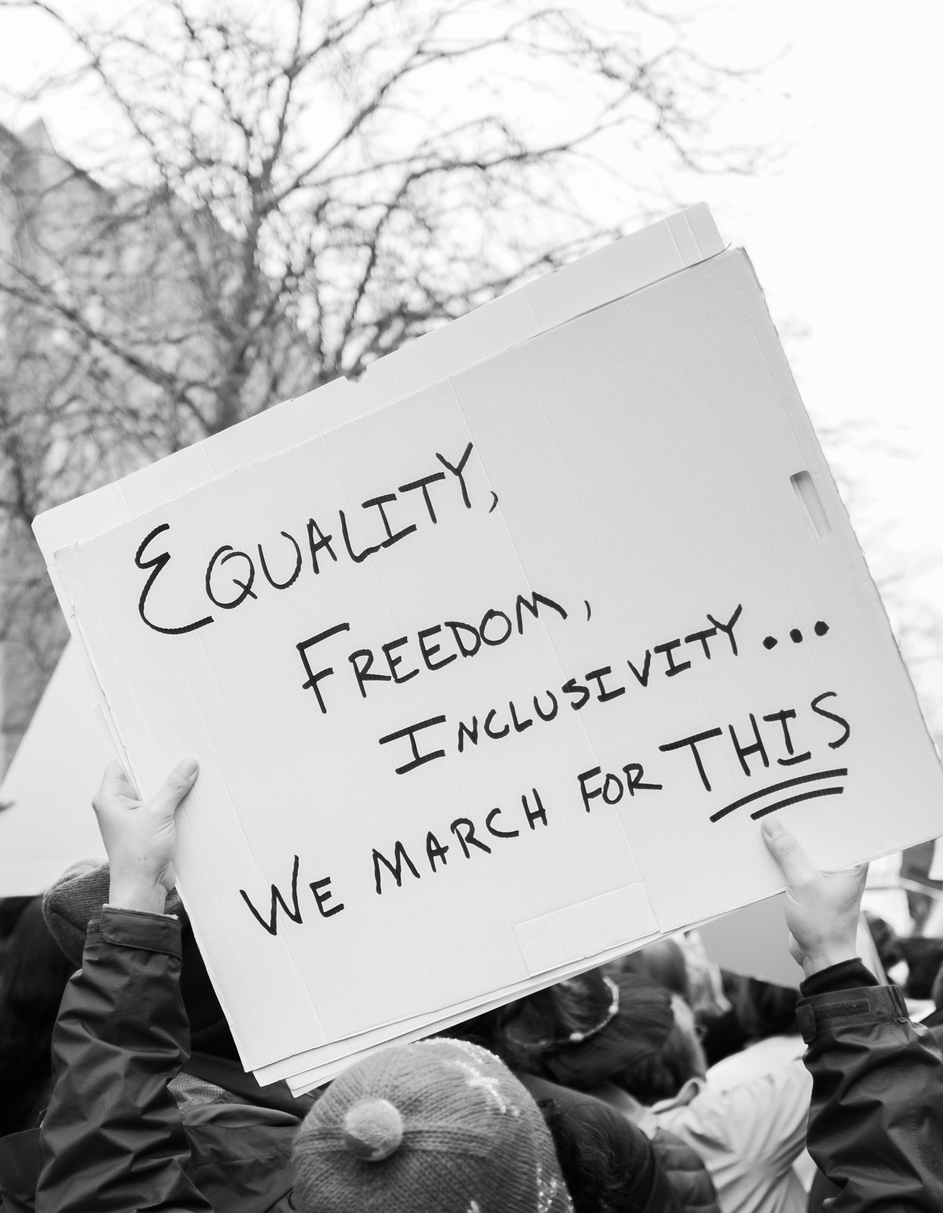
Leave it to women to change the course of history. From motivating voting access via identification, to reporting the untold stories in battleground states, these women are on the front lines of the 2020 presidential election. In their own ways, they’re each ensuring that the most marginalized members of our community have the education, tools and access to show up at the polls and vote for leaders that truly represent them. We tip our hats to these special gals.
Meet them below and don’t forget to get out and VOTE.
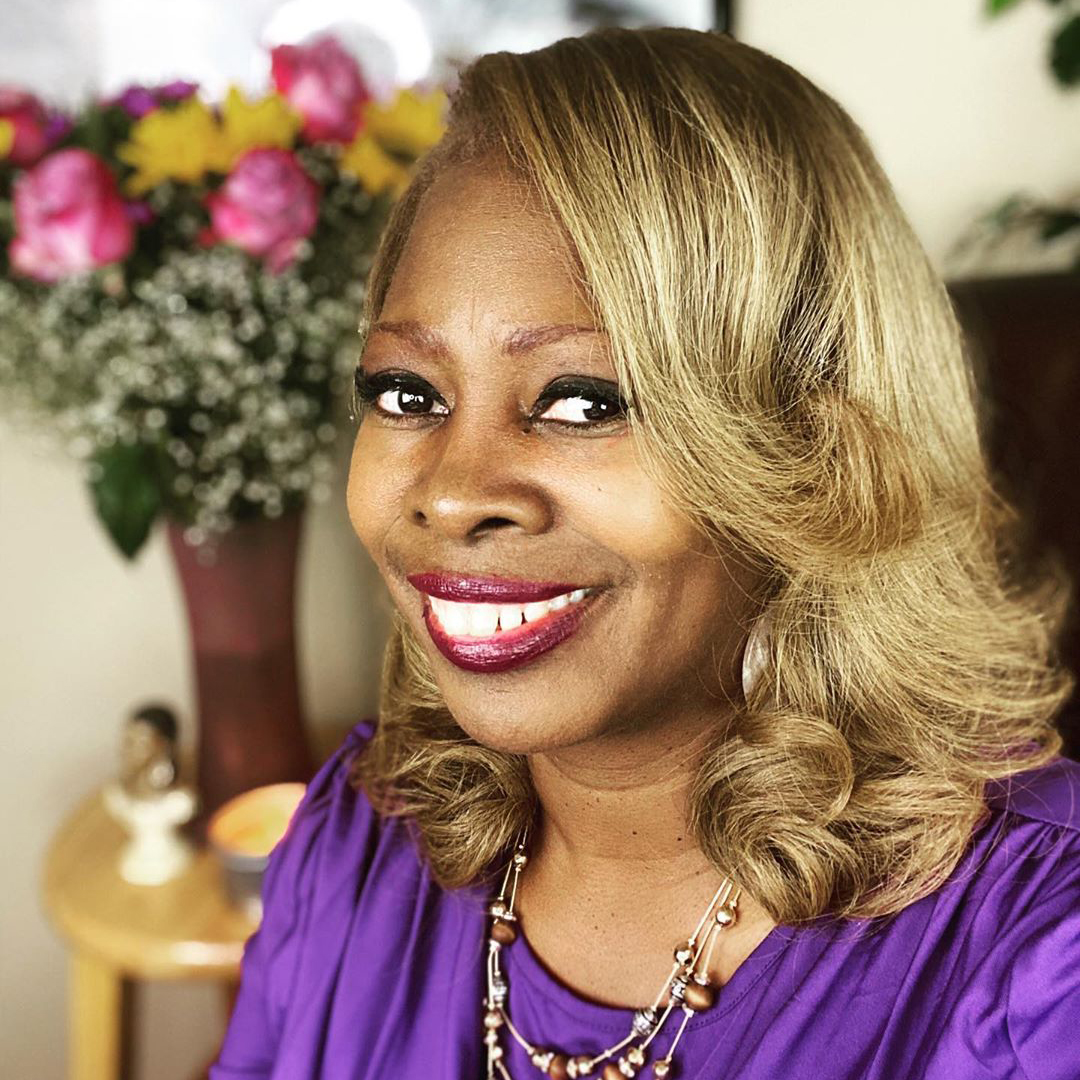
As a BVM co-founder, LaTosha fights for equality across access education, safety and security. Through BVM, she and her staff are advocating for policies to broaden voting rights and access, which includes expanded early voting, resisting voter ID, re-entry restoration of rights and strengthening the Voting Rights Act. BVM advocates for policies that intersect with race, gender, economic and other aspects of equity in an effort to increase power in marginalized, predominantly Black communities by prioritizing local infrastructure through door-to-door canvassing, texting, phone banking, social media and radio messaging. LaTosha is also working to eliminate human suffering through her vision of the Southern Black Girls & Women’s Consortium and received the 2010 White House Champion of Change Award and the 2006 Spirit of Democracy Award.
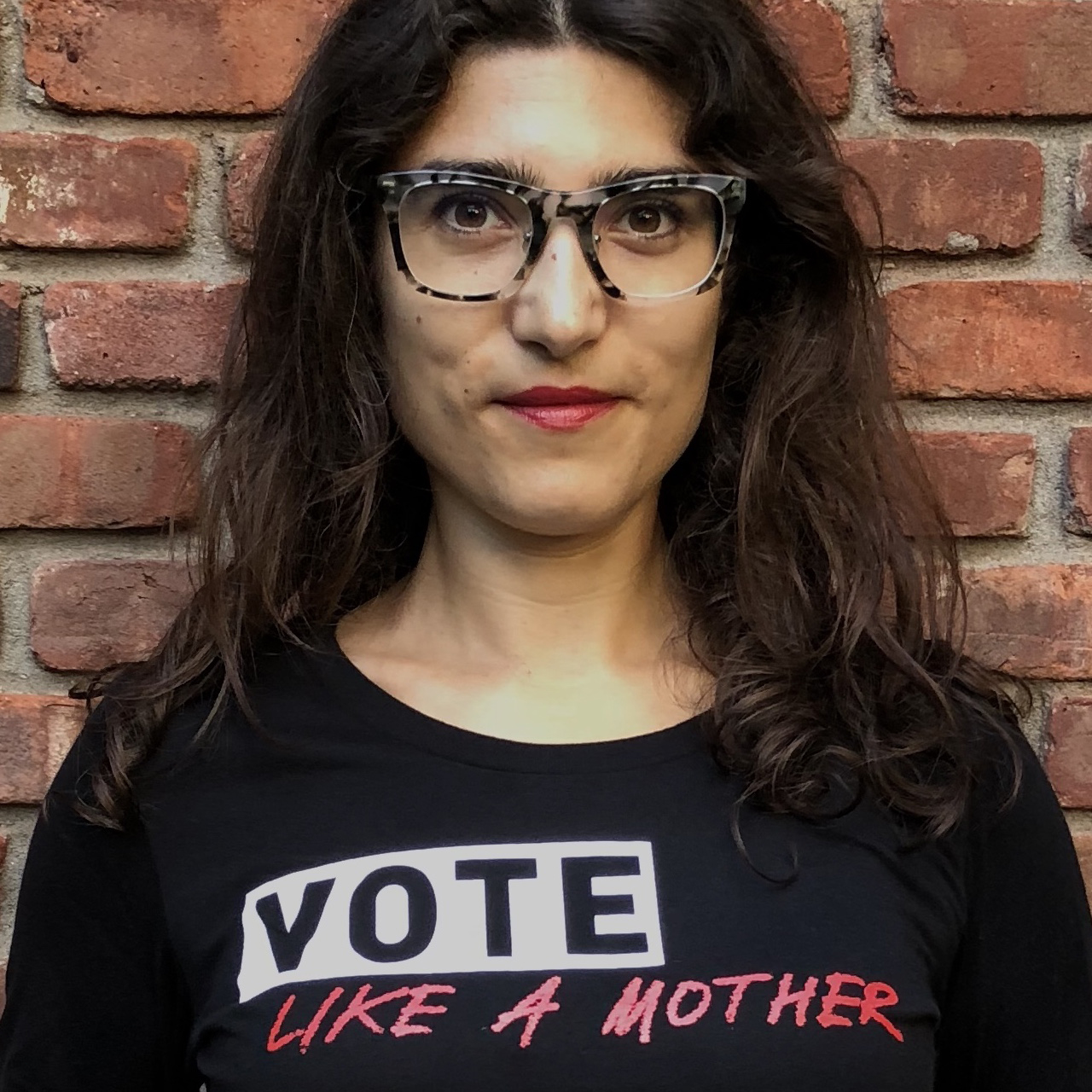
Following her wildly successful voting campaign, Vote Like A Mother, the VLAM founder is back this election season with a new social media campaign to educate and engage voters using a central question: What do you #VoteLikeAMother for? “The pandemic has highlighted the importance of strong digital organizing, and we are mobilizing our supporters to vote with empathy at local, state, and federal levels,” says Sarah. “VLAM is all about moving people to see parenthood as a lens for their politics. It’s easy enough to understand the literal experience of parenthood as political when we read the stark disparities between white and Black maternal mortality rates, or about the lack of affordable childcare for working parents. We want to take things one step further.”
VLAM is leveraging resources to support Black and Brown moms and organizing and fighting with them as they lead. Whether you’re voting for #BlackLivesMatter, gun control, working parent protections or countless other issues, there are plenty of reasons to #VoteLikeAMother come November. Even better, 100 percent of profits from VLAM gear goes to essential nonprofits like Stacey Abrams’ FairFight and Black Mamas Matter Alliance.
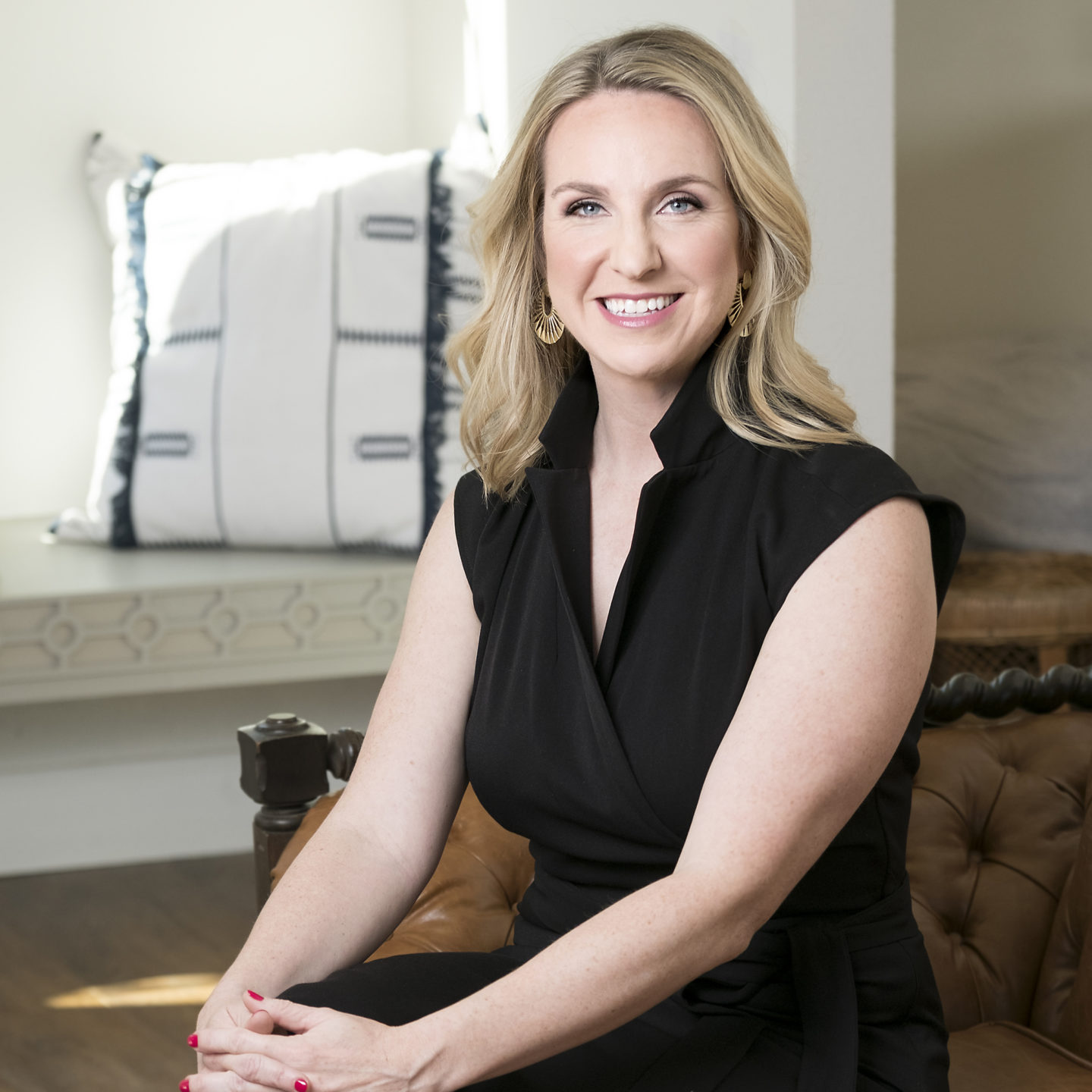
When this former Texas Tribune editor-in-chief was on maternity leave in 2016, she sat watching the presidential election – covered in spit-up – consumed by how the national dialogue centered around Hillary Clinton’s “likability” and “electibility.” “These were arguments that seemed patently sexist and I thought how we needed a new way to do this,” Emily says. “We needed a news organization that truly reflected our nation’s women in a really intersectional and inclusive way.” Nearly four years later, she launched The 19th, a journalistic platform seeking to change the national narrative and empower all women with the news, information and community they need to be more deeply engaged in democracy. And there’s never been a more crucial time.
This election cycle, The 19th news team will go deep into why women and other marginalized people vote the way they vote. They’ll get out the vote efforts in parts of the country that have been largely blocked from voting access. “There are transgender people struggling to have the right identification,” says Emily. “There are efforts to block convicted felons in the South from voting. What we’re finding through our coverage and fledgling audience is enormous hunger for this type of coverage and a real hunger for community.”
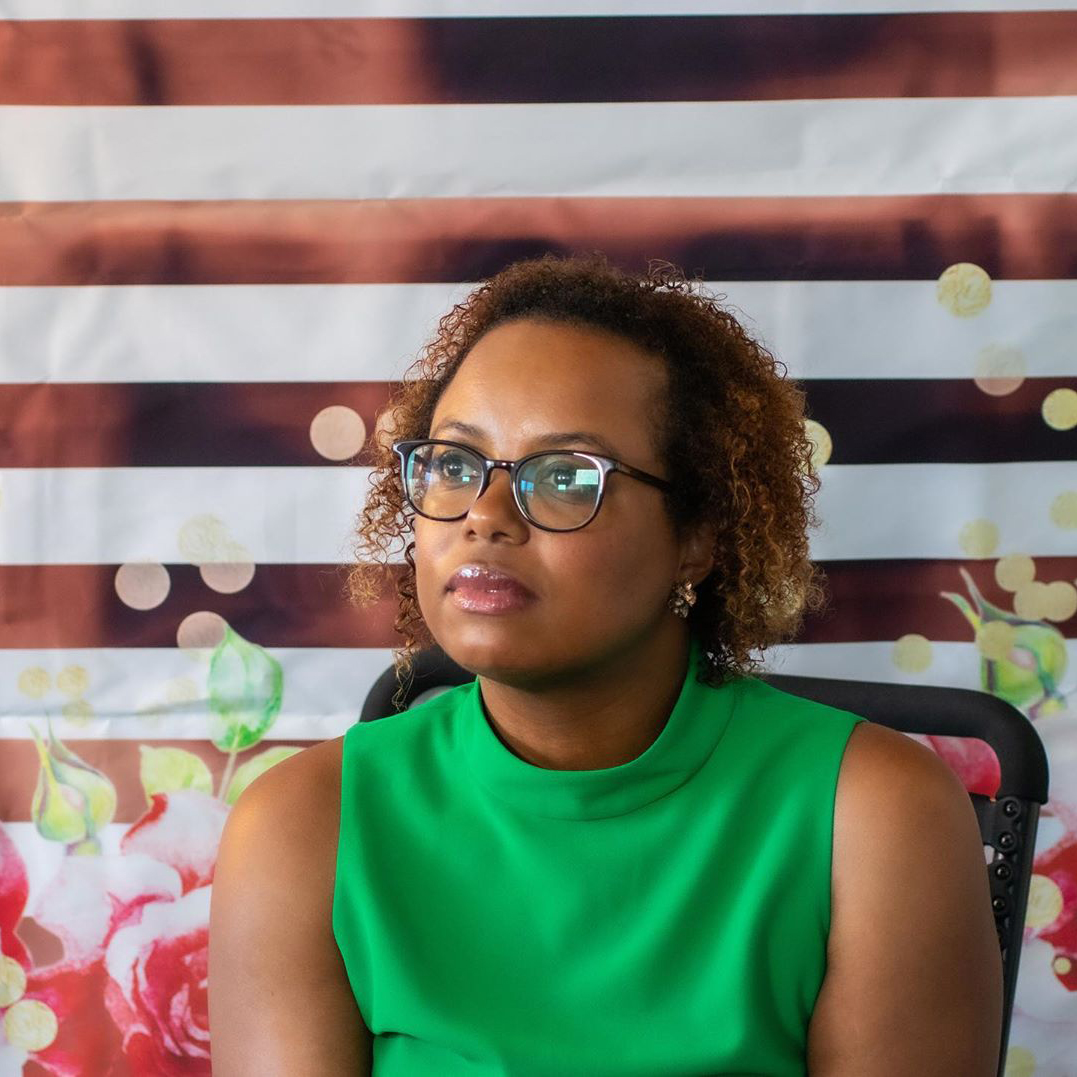
Kat launched STV following the 2016 presidential election “when we saw the impact of elections without full protections of the Voting Rights Act and the spread of voter ID laws across the country,” she says. Kat thought that if she could help people get the identifications they need to vote, that she could help empower people who actually represent them. So she launched Spread the Vote, an organization that helps individuals with everything they need to get IDs, documents, financing, advocacy, and transportation. They also work to help clients get registered to vote with voter education, as well as get to the polls. “Along the way, we learned just how important IDs are for everyday life and how much the over 21 million eligible voters who don’t have them need them to live,” says Kat. “Voting is the most basic part of being a citizen of a democracy. Every issue you care about, every person you care about, all of our presents and futures are impacted by the people who represent us at all levels of government. Voting is about building the world you want to live in.”
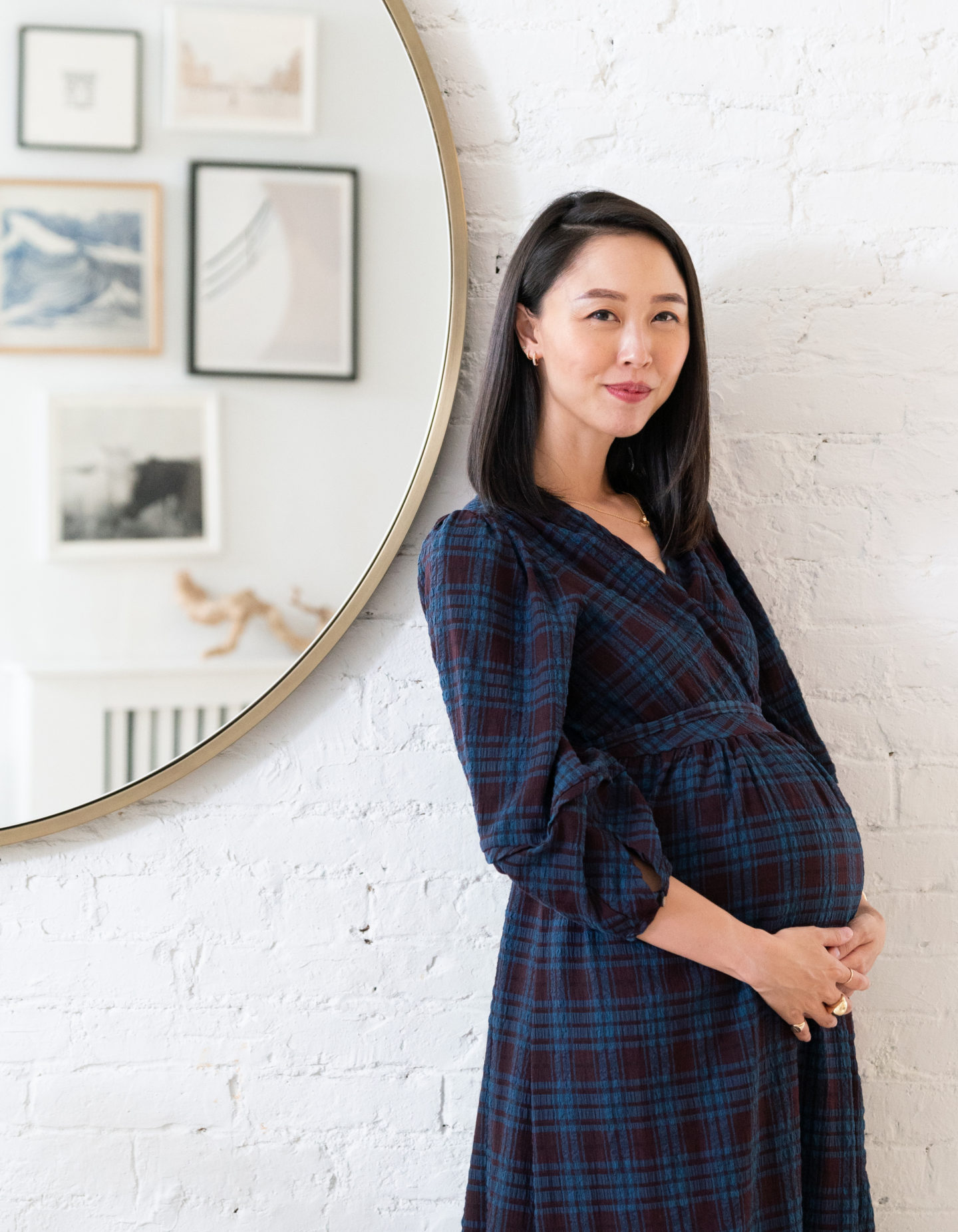
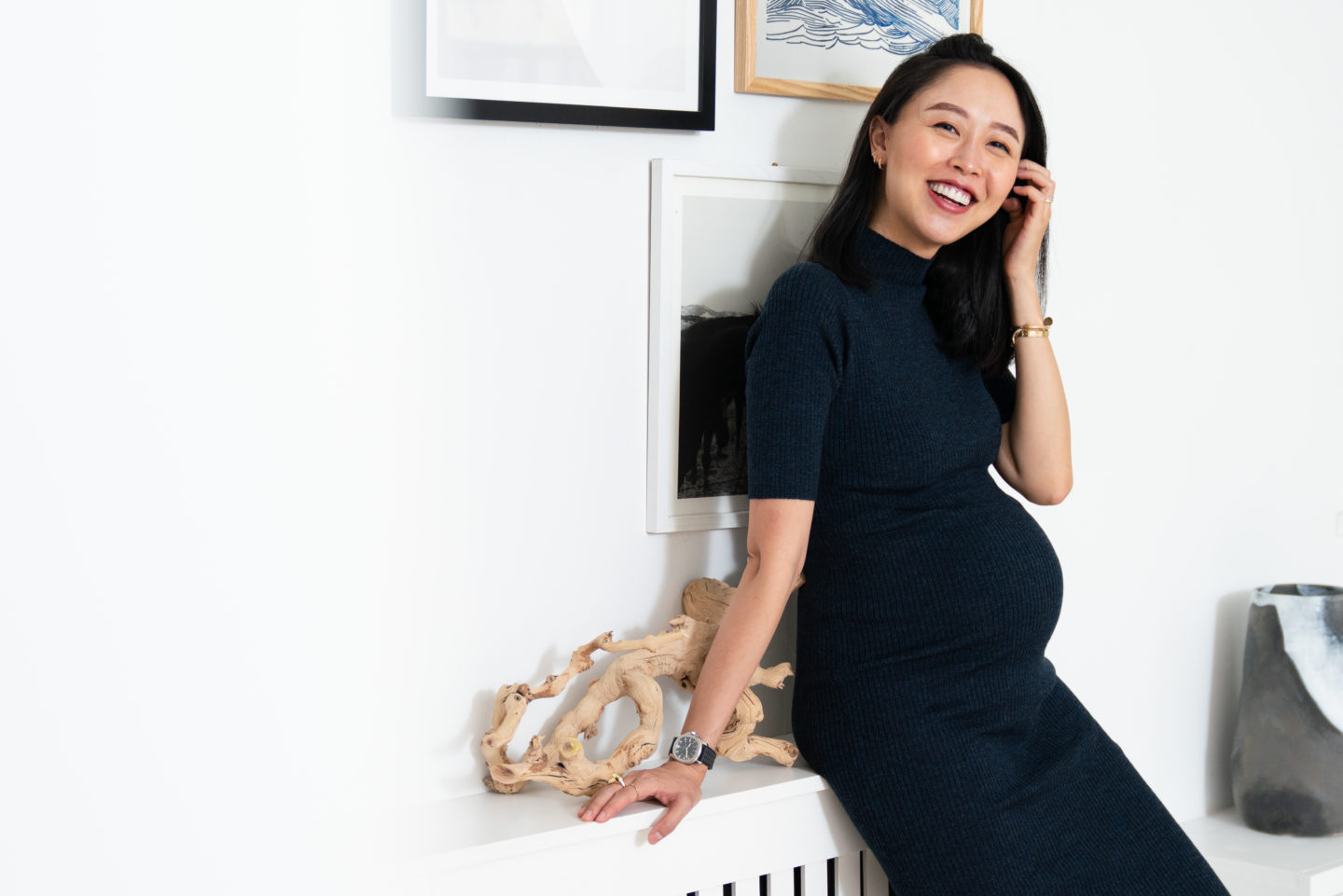
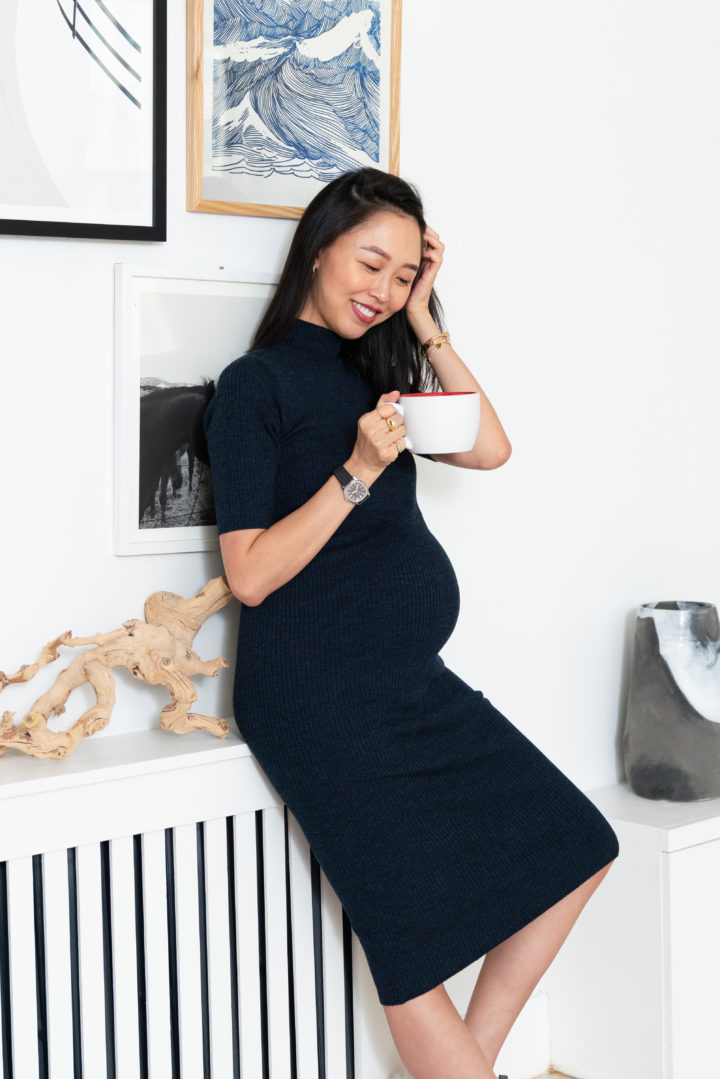
Blueland's Co-founder Sarah Paiji Yoo, On pregnancy + the planet.
By Ruthie Friedlander
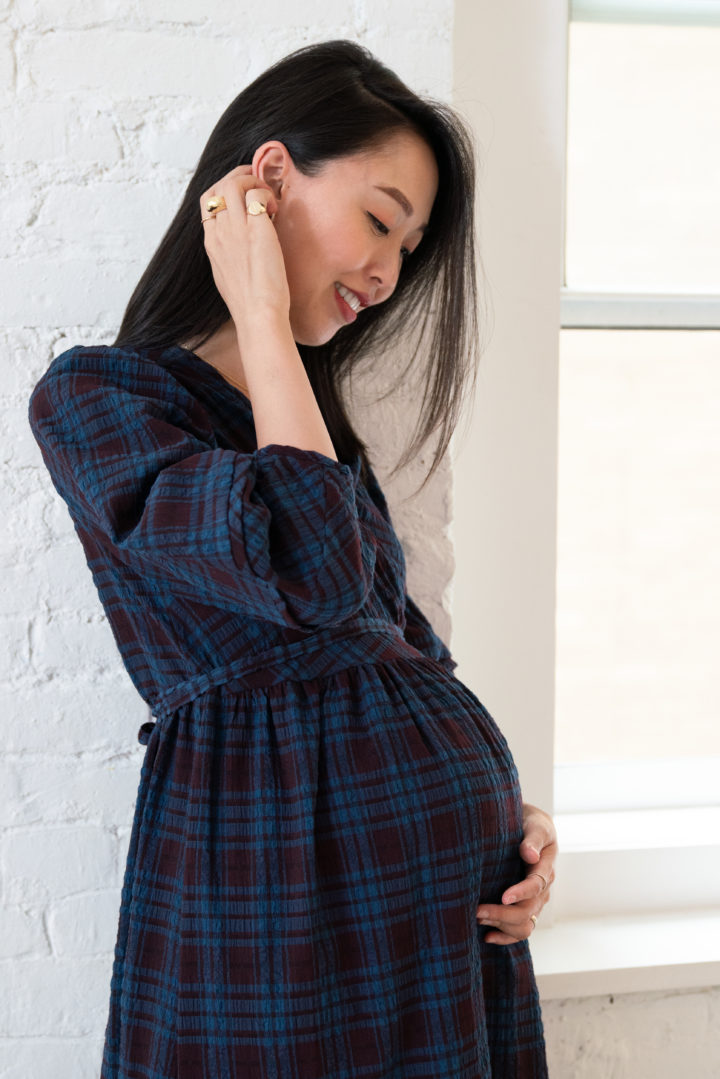
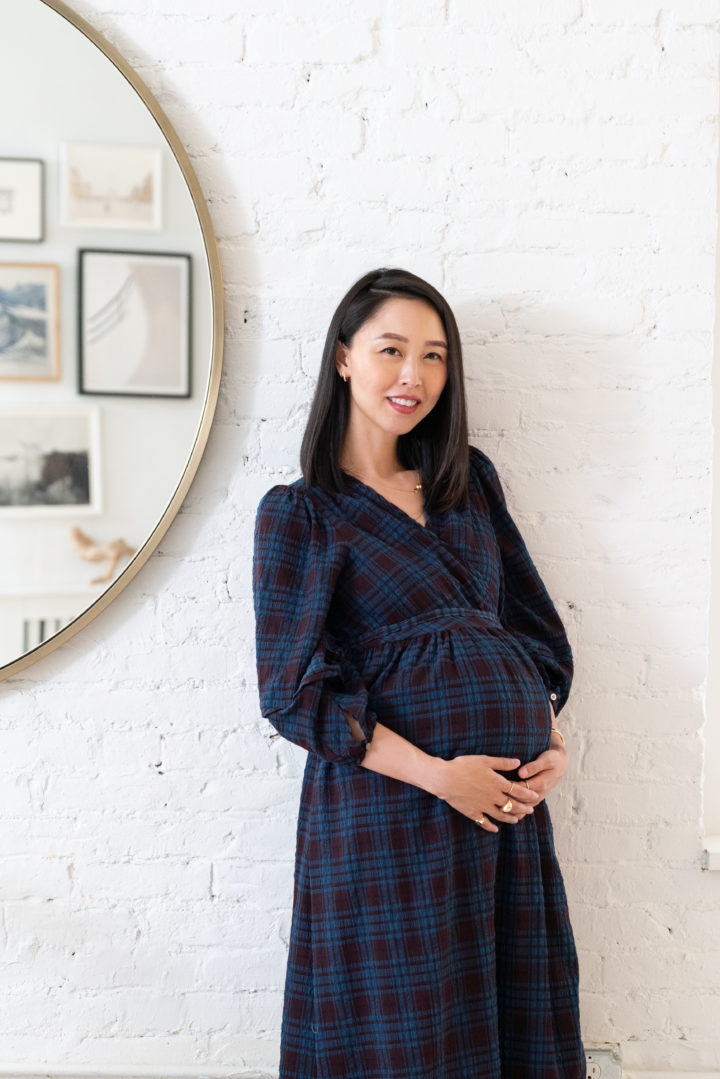
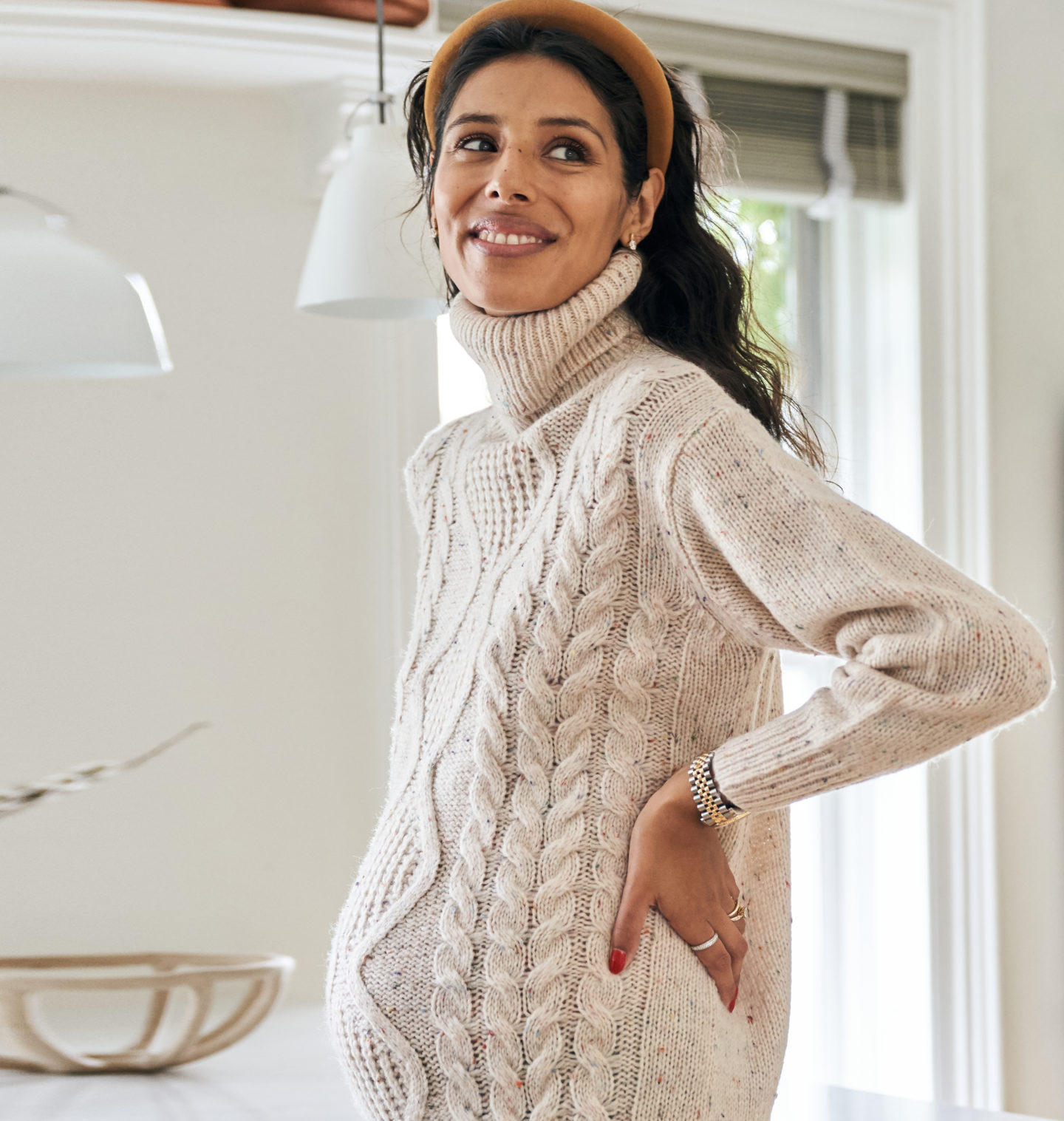
Calm and elegant, with her second on the way, sustainability champion Sarah is on a mission to save the planet one cleaning tablet at a time.
Here, this thought-leader shares how new motherhood led her to launch Blueland, an environmentally conscious cleaning brand, after researching types of water for her son’s formula (hint: no matter bottled or tap, the average adult consumes up to a credit card size worth of plastic a week! Say what?). Plus, milk, maternity leave, and making babies.
Path to pregnancy?
My first was a complete accident; we were married, but certainly had no intention of having a child that early. In retrospect, like many things, it happened the way that it was meant to happen because otherwise I would never have been “ready.”
This go-around, while not an accident, it also wasn’t a big decision. My son was three and a half; one day, I woke up and thought, “it’s now or never!” I checked my app, saw that I was ovulating, and we did it. Fast forward to the next morning, and I totally freaked out, but there were no take-backs. One and done.
In February, we found out that we were pregnant, and life seemed great, manageable even. But when Covid hit NYC hard, and we went into lockdown, those early days of quarantine, especially when caretakers couldn’t come in, were really hard. With a company to run, my husband working full-time, a toddler at home, and newly pregnant, it was a lot, to say the least.
Initially, being in lockdown for the first trimester was almost unbearable, and it felt like a terrible time to be pregnant. When I was expecting my son, I worked at another start-up, Rockets of Awesome. During my first trimester we were launch mode, so I was super busy and loved that. Getting ready in the morning, putting on makeup, and heading out the door meant there was no time to wallow in my symptoms. In contrast, being holed up together at home in my pajamas with no makeup and not leaving exaggerated my symptoms. Plus, I wasn’t going to the gym, much less walking, which made me very sluggish. Of course looking back, it was an ideal time to be pregnant in many ways: I had zero FOMO, nowhere to be, nowhere to fly, no manufactures to meet, or panels to speak on, all things that I love to do but are challenging when pregnant and nauseous. Even better, it’s been a fantastic opportunity to prepare for maternity leave seeing as everyone has learned to work remotely.
I definitely felt worse the second time. Again, I think with the first, getting up and out the door every day helped, whereas with this one, being stagnant amplified my symptoms.
Dairy. All of it. In my non-pregnant life, I drink plant-based milk, so the fact that I want cheese, yogurt, and sometimes even straight-up cow milk is strange and a little gross. That’s been the main one for me, oh, and sushi, and coffee. I don’t know what it is, but I think it’s all the things that I know I’m not “supposed to have,” but I indulge. I have coffee every day and sushi once a week. I avoid tuna or high mercury fish, and I’m selective about where it’s from…basically no deli sushi.
I had reasonably easy labor with my first, so I’m trying not to overthink it this time. Right now, my only plan is to get an epidural. I know it’s controversial in some circles, but last time I had an epidural, was able to take a nap, wake up rested, and push the baby out. Although, from what I understand, there’s more urgency with the second. Some of my mom-friends joke that you basically sneeze the baby out and can actually miss the epidural window, which is terrifying.
With my son, when I began to feel contractions, I knew I had about 24 hours, so I took a shower, freshened up, and relaxed as best I could. With this one, I won’t be so lax and head to the hospital quickly.
Considering the times we’re living, I’m grateful this is my second as I was much more overwhelmed with the first and incessantly googling. After having gone through it once, I realize there’s less urgency around pretty much everything. Fortunately, things seem to be normalizing at the hospitals: my husband can be with me now, and some visitors are allowed one by one after birth. A mask is still required, but I think with the epidural, it shouldn’t be too bad.
It’s a good question and will likely unfold in real-time. I can’t predict what the labor experience will be or my recovery for that matter. It may be quick and easy with a fast recovery, or I might have a C-section and a longer recovery or a colicky baby; who knows, there are so many variables.
Interestingly, I’m the only one on my team with children, therefore, I told my team I intend to go on maternity leave but will take it day by day and likely won’t be extended. I also feel it’s important to emphasize the value of maternity leave and set a good example for when they become parents.
This experience has been a dry-run for maternity leave as everyone has learned to work remotely. Without this time I would have had mixed emotions about being out of the office (perhaps even a little FOMO), but with things as they are, it is a blessing from a maternity leave perspective.
The story of Blueland is as much the story of a startup as it is a new mom’s journey. I breastfed for 11 months, and while fortunate my body could support that when I finally decided to switch him to formula (because of an extended work trip), I dove deep into investigating which formula. Typical first time mom, I did all the research, from which formula to what kind of water I should mix his formula with and whether NYC water is clean enough to use. In hindsight, it seems crazy but it led me to learn how our drinking water, bottled or tap, has thousands of pieces of micro-plastics in it. I started to connect the dots that all the plastic bottles we use end up in our drinking water, oceans, rivers, even the fish we eat, and now I’m using it to make my son’s formula. It started with me deciding to cut back on my own single use plastic, of which I learned it’s almost impossible to avoid plastic altogether. I realized from that experience that I wanted to make a more significant impact beyond my own consumption and find a way to give people more plastic-free household cleaning options. And that’s how the idea for Blueland came about.
I’m constantly surprised by how much we can take on as women; sometimes I even surprise myself! Between the business, the pandemic, moving houses mid-Covid, renovating, and going through terrible twos, I didn’t think I could handle it all. But often, when things are at their craziest, we find a way and figure it out. It’s a powerful reminder of how resilient and capable we are.
Any advice?
My advice, especially for first-time moms, is to breathe; most things are not as big of a deal as you think they are. I remember everything seemed like such an important decision with my first, and at the time, I let that crush me in terms of the amount of research I was doing to make the “absolute perfect choice” for every minor detail. With perspective, it all feels so insignificant. Now with this pregnancy, having gone through that experience, I don’t feel that same pressure. Therefore my advice would be to take the pressure off yourself and enjoy the ride. It will all be okay.
Are You Ready for the Fifth Trimester? Lauren Smith Brody is helping new moms go back to work.
By Caroline Tell | Photo courtesy of Lauren Smith Brody
At Babe we talk a lot about the fourth trimester – those incredibly amazing but super hectic, all around mind-blowing 90 days or so following birth, when women are recovering, feeding and taking the time to adjust to life as a mother. But for working mothers specifically, there’s something called the fifth trimester that occurs right afterwards, when – in the United States at least – they’re expected to be “ready” to go back to work.
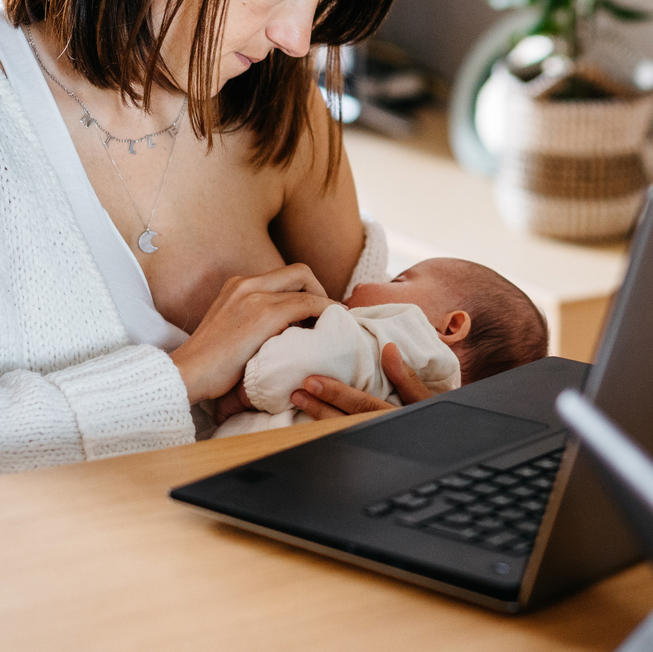
Lauren Smith Brody coined the fifth trimester to mark such a moment upon experiencing it herself. After resuming her career as executive editor at Glamour following the birth of her two sons, she realized quickly that the system wasn’t set up to accommodate new mothers in the workplace. Now, following the success of her book, The Fifth Trimester: The Working Mom’s Guide to Style, Sanity, and Big Success After Baby, she works with businesses on reintegrating new mothers back into the workplace and coaches women on how to thrive at work and at home, even when the system is stacked against us. Check out our interview, below, and get Lauren’s tips on surviving the fifth trimester.
OK so what exactly is the fifth trimester?
The fifth trimester is the return to work after baby. It’s the acclimating and getting used to new ways of seeing yourself and ways you define yourself at work. When I was on maternity leave with my first son, I read Dr. Harvey Karp’s The Happiest Baby on the Block. He introduced me to the fourth trimester and how human babies are born earlier than other mammals, and that we need to be recreating the feeling of the womb. Then, at 12 weeks, our baby will wake up to the world. I thought, well that all sounds super helpful but that’s when I go back to work! I want to enjoy my baby before then! It occurred to me then that maybe there’s another trimester that happens to women.
How did the fifth trimester come to be?
Before kids, I was a magazine editor. I started at Glamour in 2001 and had a bunch of different jobs. I eventually became executive editor. So when I had my first son in 2008, I knew everything was working in my favor rather than the majority of working women. I was open about my physical needs, I saw other people take maternity leave. And yet it was unbelievable how much harder it was than I thought it would be. Even though I was an expert at my job, I was a brand new working mom. I didn’t understand that at the time. There are so many factors culturally, where the policies were working against me, but I thought it was my own fault for not being ready to do this.
After I had my first son, I came back and an employee thanked me for being so open and honest about working motherhood. I knew then that if I was going to grow in my job, I was going to be open about motherhood and the work place and show people that they could do it, too and maybe spark some progress in our culture. I wanted to advocate for these rights at work, but I still needed some of them, too.
Fast forward to having my second son, and I had this notion of the fifth trimester. So I started exploring and began speaking with a myriad of mothers on their experiences and definitions of career and going back to work. I turned it into a framework of a book proposal, found an agent and sold the book. (I left Glamour to work on the book). But my experience was But my experience was marked with a lot of privilege. I was a white woman…in a totally supportive marriage…I made enough money. If it was hard for me, I wanted to understand other factors for other women and where we could mentor each other. From the book came the business. I did a lot of public speaking and turned it into a speaking, consulting and coaching business.
“If I was going to grow in my job, I was going to be open about motherhood and the work place.” Photo by Stocksy
Seeing as Covid-19 has completely upended the traditional workday experience, how has the pandemic shaped what you do?
On March 12, I had about 20 speaking engagements that all fell apart due to Covid-19. I thought, how on earth can I talk to diversity inclusion officers about being good to new moms and fostering gender equality? People’s immediate needs might feel way more urgent. I was really worried about how I was going to sustain this. My husband is a doctor and was out of the house working 14 hour days. He also got Covid-19. So I went from standing on stage at Lincoln Center to doing laundry and getting up in the middle of night to place a Fresh Direct order. It was a big reckoning in practicing what I preach. Work, even unpaid work really counts.
I learned within a few months that I had to pivot my business. So much that I learned was now being experienced by so many workers. Whether you’re a new parent, or a parent of older children, or have elder care responsibilities. Now what I’m doing is helping a number of businesses be good to working parents. Part of that is that women are leaving the workforce in droves. I’m helping businesses encourage them to stay and to find a way for them to stay.
So does the fifth trimester only apply to actual working mothers?
I believe yes, all moms work and they all have to acclimate to a fifth trimester of motherhood, but the people I primarily work with are returning to paid work and are finding a way to do it that feels sustainable and worth it and can add dimension to their lives.
What are some methods of the fifth trimester?
I teach a lot of reframing. Those early days of motherhood can be very isolating. It’s this incredibly universal experience, yet OMG why is this so uncomfortable for me? Am I doing something wrong? I help them attribute it not to their own supposed shortcomings, but to the way the culture is set up to not support new moms or dads. Geographically, people are more spread out and public policies are not set up to support new moms. You have all of that working against you but in the isolation of new motherhood, it doesn’t feel good.
So it’s helping them realize those feelings are due to external forces. I’m really allergic to the term “mom guilt.” I certainly don’t deny that a lot of people feel it. I didn’t feel guilty about working, but I didn’t like how the term made me feel. Mom Guilt is a social construct and very sexist. The reason we don’t feel good going back to work after eight or 12 weeks is that we’re not ourselves. My research states that women feel somewhat back to themselves at around six months, at a minimum. FMLA was created in 1993 when President Clinton made it a law after it was debated for nine years. It was meant to be a temporary compromise. Based on research, it was supposed to be 26 paid weeks, instead we got 12 weeks unpaid, which is still only available to a little more than50 percent of the population.. It became quickly normalized that you should feel ready to work after 12 weeks, so some of it is about reframing and external factors.
Another big factor of what I do is for many women who have been historically underpaid and undervalued in the workplace. So this is the first time they actually have to negotiate for flex time and salary. Moms need to make enough to pay for childcare and for it to make sense working. Dads do, too but moms end up doing the math. A lot of what women need to do is learn to negotiate. These basic steps of negotiation for your needs and wants don’t feel selfish but are better for the organization and ultimately betters the workplace. So it’s reframing what’s working against you and learning how to negotiate.
I’m allergic to the term ‘mom guilt.’ I don’t deny that a lot of women feel it. I didn’t feel guilty about working, but I didn’t like how the term made me feel.
What do you think is the hardest part about moms going from birth to the fourth trimester to the fifth trimester? What are the challenges unique to this situation?
It’s really the expectations we have of ourselves that aren’t aligned with reality of forces working against us. I’m super optimistic, but actually when we understand what’s broken, and when we’re able to describe our needs, that’s how problems get solved. We can’t expect workplaces to solve them. We need our needs met and that’s super vulnerable and so hard. It’s policy, it’s scheduling. It’s that the work day is not aligned with the school day. We have this 1950’s family model of mom being home with the baby and dad not being home. So everything from the school system to healthcare is set up in this 70-year-old way of life.
There’s also The Motherhood Penalty, the measurable negative impact of each child on a woman’s salary and status in the workplace — due entirely to bias. Studies show that we are seen as less competent and less dedicated. But then other studies that actually measure our effectiveness show just the opposite. We are better workers than we were before. We know that the more women there are in senior leadership, the more profitable the company is. You have to assume a lot of these women are moms. But the problem is you have to keep them there. You must keep them as long term leaders.
What does every mother need to know about the fifth trimester?
That it’s finite. That you’ll get so much more comfortable with the compromises you’re making. Also, the things you’ll learn during this time will be constant, and you’ll get better and better at them. There’s so much about transition that’ll set yourself up for every transition to come. I’ve had major shifts in my own career and I draw upon those first few months from my early days of motherhood that make me feel so stronger.
Lauren's Tips on Navigating the Fifth Trimester
Organize Your Closet
Pick out your clothes the night before. It’s so predictable and yet so good. Don’t let your day start badly because you have a closet of things that don’t fit or you haven’t worn in a year. Make yourself a section of what fits now and what’s appropriate for your job. You can’t let clothes torture you. Choose from that section of your closet and add to it as things start to fit.
Strategize Your Sleep
My survey of 700-plus new working moms showed that most women started sleeping through the night when their baby was seven months old. So how do working moms take care of themselves if they don’t sleep seven hour at night? Four hours is two REM cycles, which can leave you feeling somewhat rested. If you know you’re going to be sleeping fragmented, do all you can do so that one fragment is four hours. Maybe pump a bottle and give to your partner and go to sleep, then wake up at 1 or 2am. You need a four hour chunk.
Divide and Conquer
In heterosexual relationships, the cultural norm is that the mom takes more leave than dads. Be aware of what it perpetuates. Within some couples, the division of labor is not what women envisioned. Even among super progressive couples, the mom takes leave and dad doesn’t and mom goes back to work. And then mom knows how to do everything and wants it done her way. The dad can’t participate. It ends up being a bad cycle. Awareness is important and make sure the dad or partner is also an expert in some things.
Schedule Your Leave
If your partner has access to leave, scatter out how you both take it. Have them take time in the beginning and when mom goes back, the partner takes additional time. That way it lets your partner learn things firsthand. And it lets mom be at work. Studies show dads or partners who take leave have a better bond with children into their teen years.
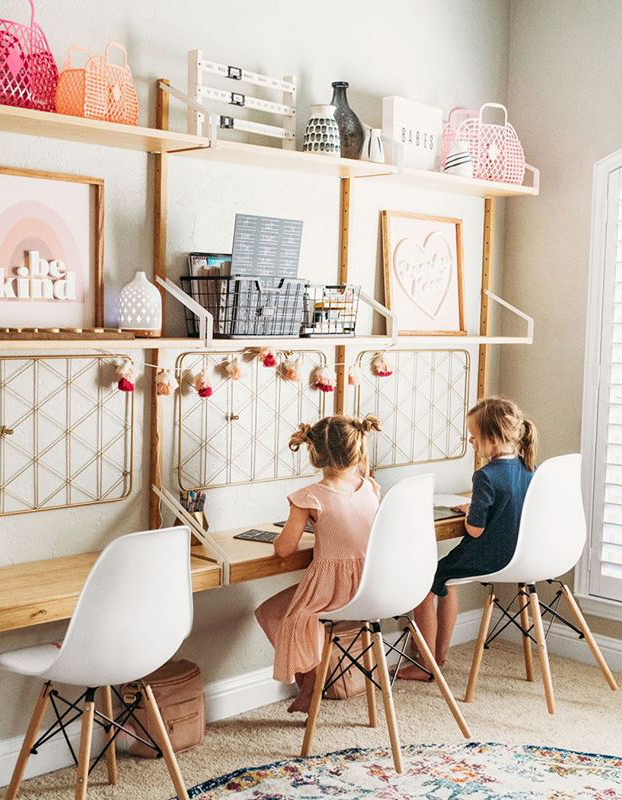
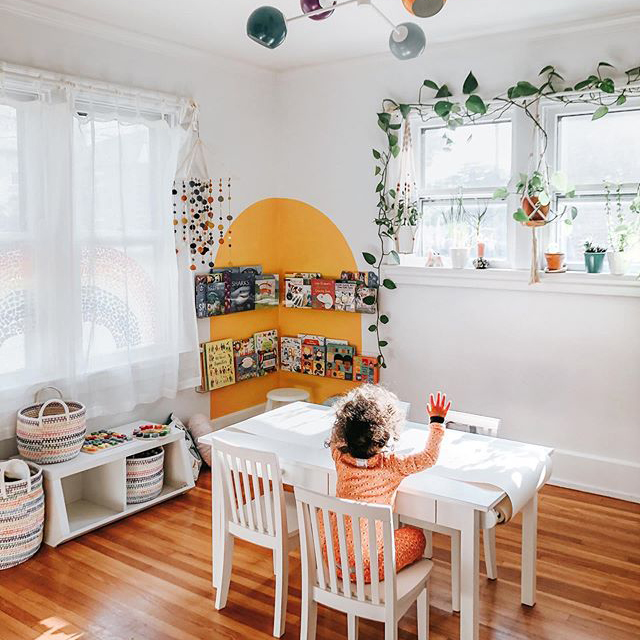
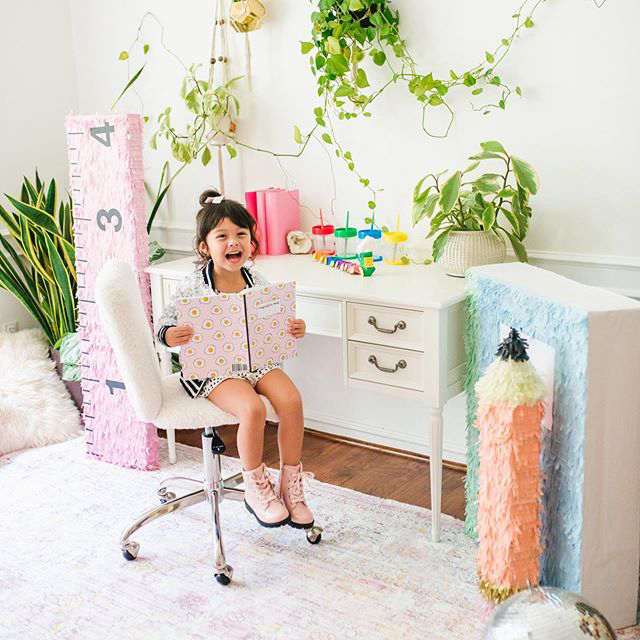
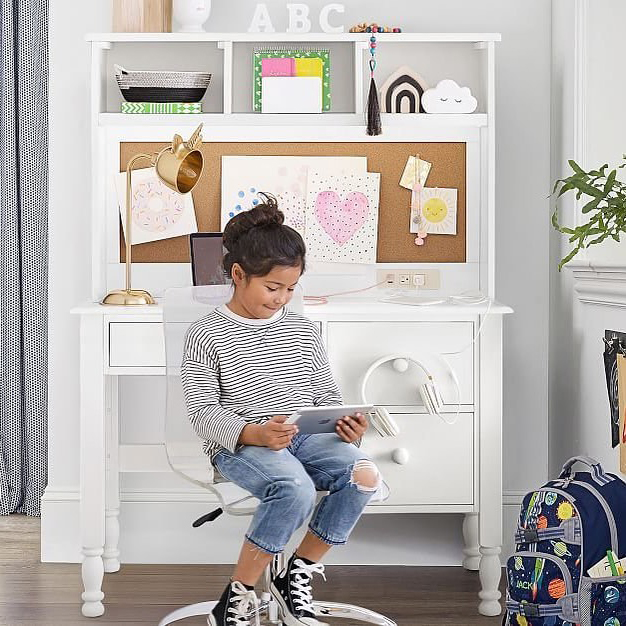
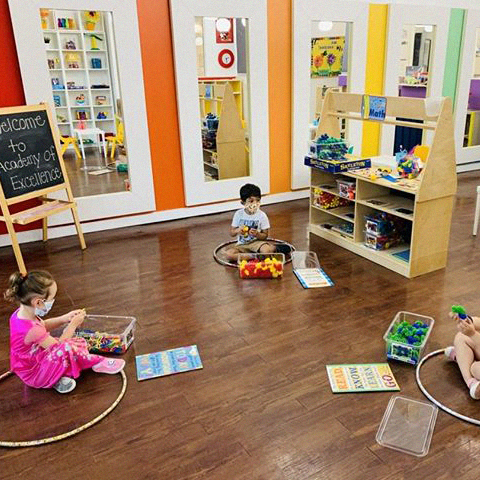
By the time we got our WFH spaces dialed into a normal routine (or as normal as 2020 would allow), a new challenge had reared its head: how to get our kids to do the same. The following photos of at-home school spaces definitely skew on the aspirational side, but we’d like to think that just outside the frame is a mom in a meeting trying to figure out how the hell she’s going to teach P.
File under those late night, insomnia-laden thoughts during pregnancy that you don’t dare utter out loud – whether or not your kid will be cute. We get it. We’ve been there. Is it normal to stress over your future offspring’s looks? Totally. Can you do a damn thing about it? Not really. But if you’re feeling weird or bad for even thinking about your daughter’s hair or your son’s nose when there’s so many more important factors (ya know, heart, brain, lungs etc), we polled some members of our community to show you just how normal your stresses are. Some even offered tidbits of advice to keep you from stressing over – and repeat after us – that which we cannot control:
“You’ll never know if you have an ugly baby because you’ll think they’re beautiful anyway.”
“Firstly, they are mad ugly as newborns. Second, I call myself my wife’s participation trophy husband. I was never fending off the ladies. My wife, however, is beautiful. Our three kids are beautiful.”
“I think it is normal to worry about those things, particularly if you’ve never felt especially attractive. I think the odds of two less-attractive people having a beautiful baby are probably the same as two beautiful people having an ugly baby. You never know. You’ll love the baby anyway, and someone else will too, one day.
“God, grant me the serenity to accept the things I cannot change, Courage to change the things I can, And wisdom to know the difference. You can’t change this so try to find serenity and excitement in the adventure you’re about to have.”
“Your concerns are normal. They were for me at least. I was petrified of my baby being ugly, and even had a few nightmares about it.I wouldn’t say I’m hideous, and neither was her father, and I’ve never been the kind of person to care all that much about my looks beyond the typical insecurities people have.”
“Let me tell you, that literally all melts away when you meet your baby. I – and just about anyone that meets her – think my daughter is gorgeous. Your child will be beautiful to you no matter what.
“It’s absolutely normal to be worried about how attractive your kid will be, but the good news is that we live in a relatively polite society. If your kid is the cutest child on earth, people will gush over them. If they look like a pug’s head on a human’s body, people will still coo over your baby.
Nobody would ever walk up to you and say, “Hey, that is one ugly looking baby!” Now they will judge you for whether your baby is wearing socks because they think it’s too cold out, or why are you’re feeding your baby formula, or any number of other stupid judgemental parenting things, but you definitely don’t need to actually worry about what people think of your baby.”
“Yeah it’s normal! But the good news is that you will probably think your baby is the most beautiful thing on earth no matter what.”
“I joked when I was pregnant with my son that if he was ugly I was sending him back. Once he got to about a week old and all the swelling and water retention from birth and all that went away he was a beautiful baby. He’s still super cute at two. I think being worried about having an ugly baby is totally normal. Once they’re born though, he/she will be the most beautiful baby you’ve ever seen…because it’s yours.”
“I think my hubby and I are average, I guess. Not overly attractive but not “take a second look how ugly they are.”He is Indian and I am white. Our son is gorgeous. He has the best of both of and some extra beauty that I don’t know where it comes from.”
Seven Ways to Create a Nursery for You AND Babe From our friends at Crate&kids.
By Babe | All photos by Crate&kids
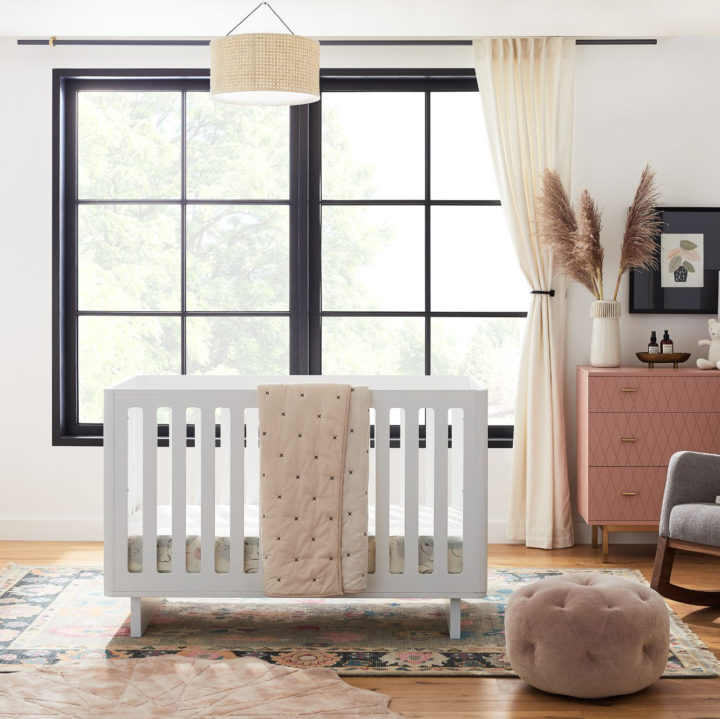
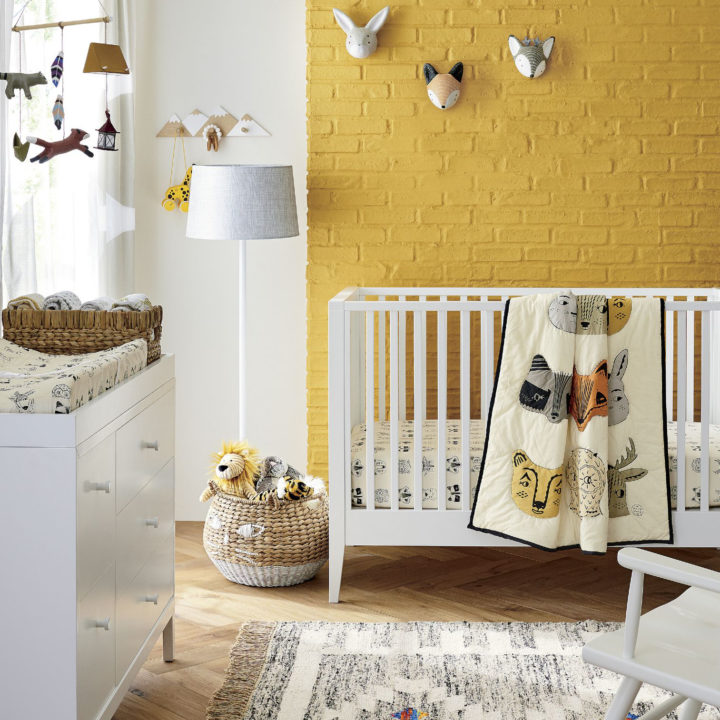
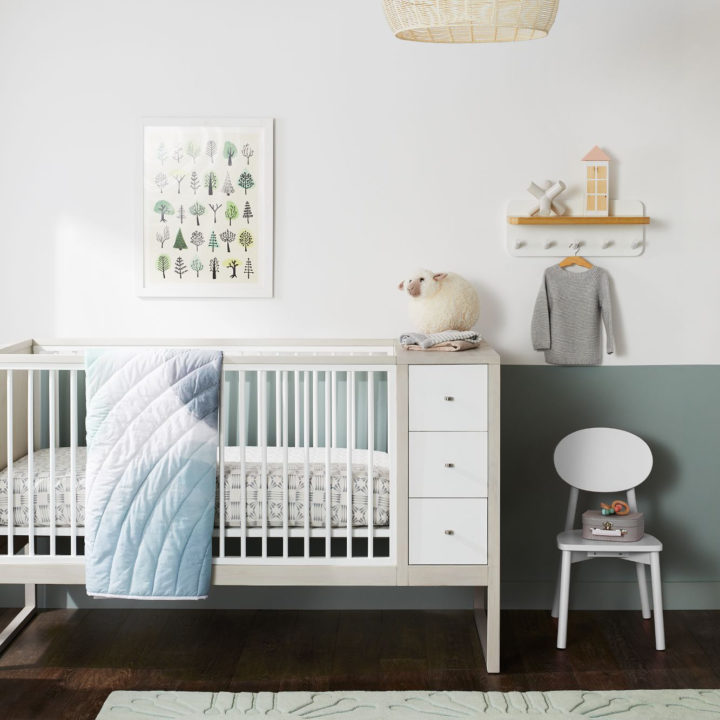
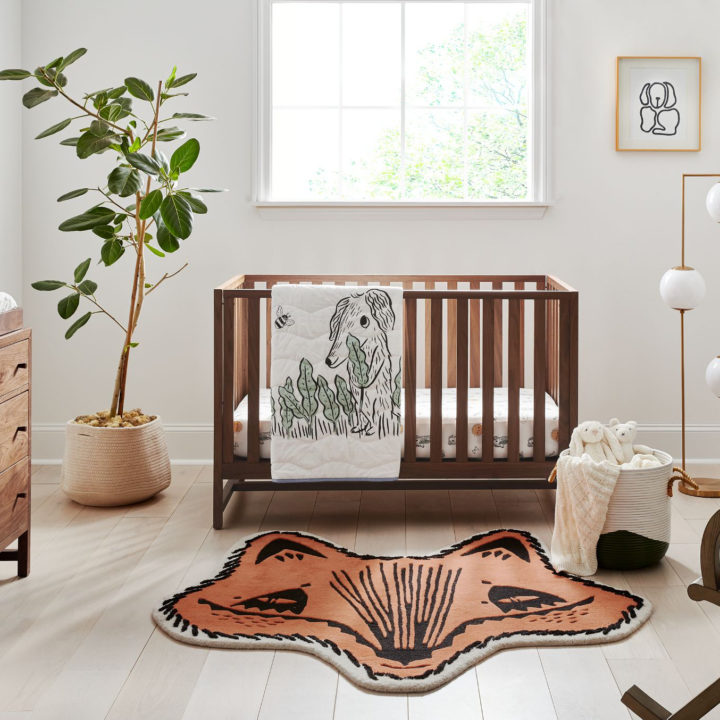
Just try and search “cute nursery ideas” on Pinterest without losing your mind. From Basquiat themes to Point Break-inspired surfboard decals, the rabbit-hole of nursery decor is enough to ignite premature labor. If you’re anything like us, you want a nursery that looks super cute, that can actually function for both you AND babe (FYI you’ll be spending A LOT of time there, mom) and might even apply to future babes down the line. So we hit up our friend Julia Brenner, senior content creator at Crate&kids to give us the top tips for designing a loving, practical and chic space that works for ALL members of the family. Peep her tips below and get nesting, mama!
Nursery Tips by Crate&kids
Gender Neutral is Here to Stay
“Style your nursery with colors that feel like an extension of the rest of your home, think neutrals and earth tones,” says Julia. “Pastels can also read as gender neutral and create a fresh, soothing vibe in the nursery, especially when paired with creamy neutral tones, rich taupes and earthy browns.”
Sustainability Matters
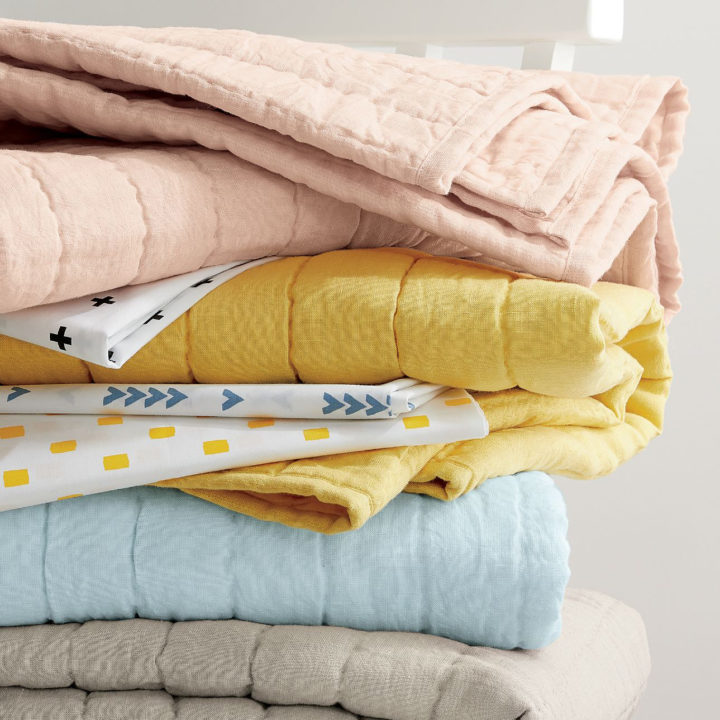
Consider organic textiles for you and baby as well as eco-friendly toys. “High quality, super soft organic cotton blankets are easy to transition into bedrooms or family rooms when your baby is older,” says Julia.
Apply a Soft Touch
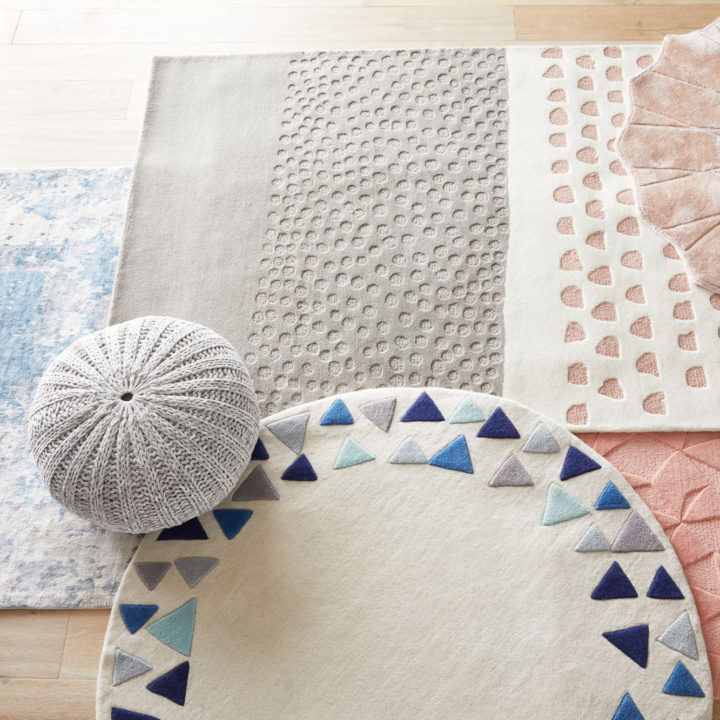
Research shows that sensory play builds nerve connections in the brain, so “layering on soft organic shapes and playful textures allows babies to explore their world and have early moments of discovery,” says Julia. And remember, a nursery should be comfortable. It’s the room in the home where everything falls away. Consider it, in Julia’s words, a zone of coziness.
“We recommend bringing in items that are simple, refined and well-made,”says Julia. “We also love soft, muted color palettes that aren’t overly busy, textiles with hand-stitched details and toys and books with rounded edges to create a cozy, welcoming mood.” Padded structures, plump textiles and matte materials also allow children to feel protected and wrapped in layers of softness, which is important as babies begin rolling, crawling and exploring.
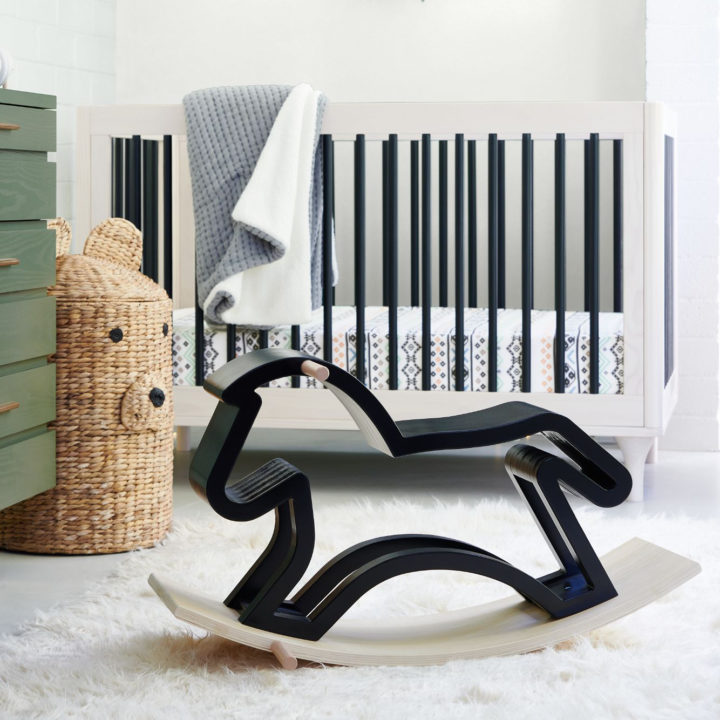
A Comfy Rocker is KEY
“There will be a lot of long nights,” says Julia. “Don’t skimp on this one.”
Layer in Art and Decor
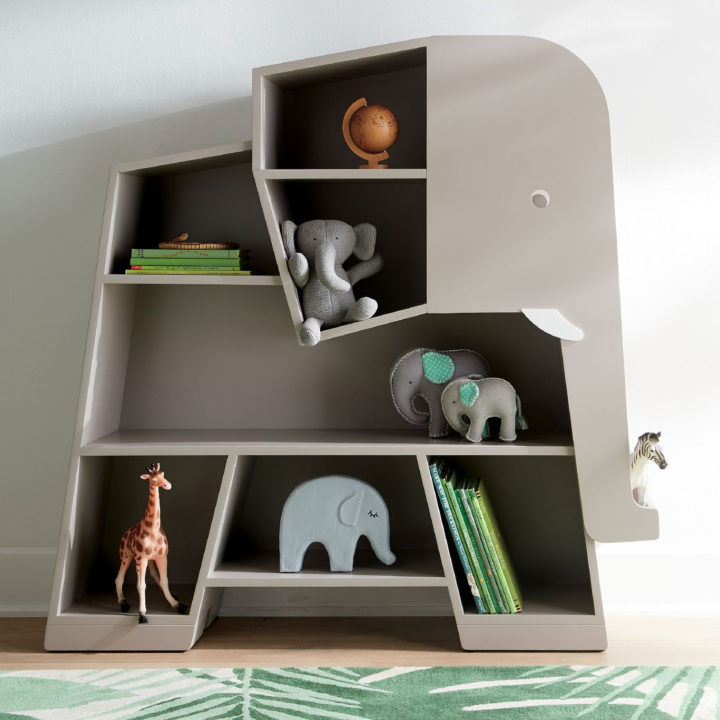
Encourage curiosity about the wider world by incorporating large-scale shelves and walls filled with framed artwork, or use open shelving closets and magnetic wallpaper. “We offer shelving units that cleverly adapt to nursery styling and can grow with the child,” says Julia. “Prioritize timeless designs and sustainable materials.”
Declutter 101 (Yes Please!)
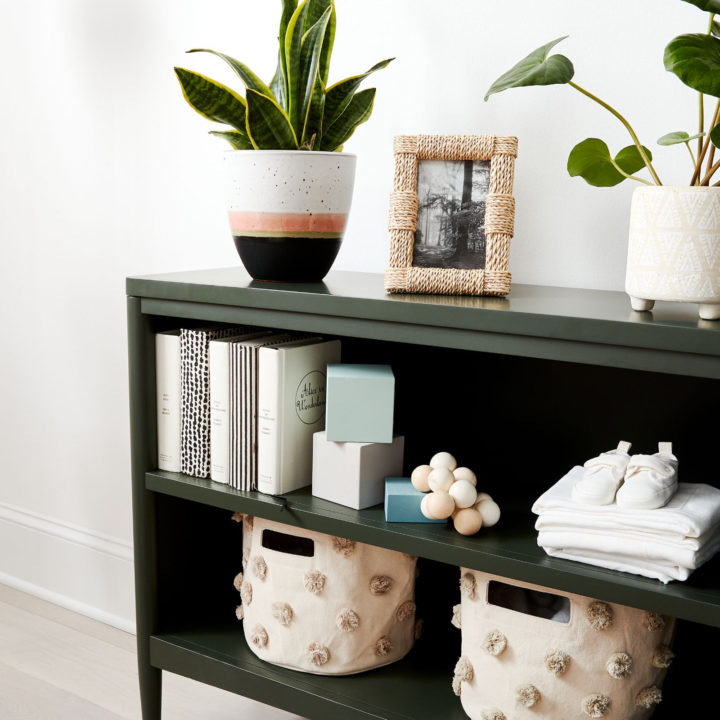
“Stock up on soft baskets for easy clean up and make sure you incorporate some open shelving to toss it,” says Julia. “Stay a step ahead of clutter and make bins your new BFF.”
Use Toys as Decor
In today’s nurseries, family rooms and multigenerational living spaces, toys are chosen for the aesthetic values they bring to the home. “They are even used as decor in their own right,” says Julia, “regardless of whether it’s a family home or adult-only space.”
For more nursery inspo, check out our favorite looks from Crate&kids….
Still hungry for more? Watch our chat on nursery design with Alicia Waters, vice president at Crate&kids and Kim Doren, senior content merchandiser.
Summer Fridays Co-Founder Lauren Gores Ireland On welcoming the chaos.
By Ruthie Friedlander
Thoughtful, warm, and oh-so-gorgeous, Lauren, co-founder of the good-for-you beauty line Summer Fridays, knows a thing or two (or three) about living well.
With her second on the way, this major mama sounds off on everything from flexibility to self-forgiveness, healing after loss, and the endless learning curve of working motherhood. Plus, big families, quarantine babies, and a powerful new generation. Oh, and her top clean beauty swaps too. Tune in.
Pregnancy feels?
I’m in my favorite phase of pregnancy (six months in), and finally feel great as the nauseous has subsided, and I’m not so big that I’m uncomfortable; this is my happy place. It’s also the stage where everything begins to feel very real. Like: This. Is. Happening.
Both my husband and I come from big families and have always dreamed of creating a large family of our own. He comes from a family of 5, and I’m from a family of 6. But, to our surprise, it took us longer to expand ours than we would have thought, for several reasons.
To begin, we launched Summer Fridays when Evan was just about a year old. As a new mom, having never founded a business before, I didn’t anticipate the amount of work it would take to manage both—there were so many learning curves on all fronts. I had to figure out how to be a focused mom and a present leader at work; over the last couple of years, I’ve grown into both roles.
Once we were on a roll with the business and Evan was a bit older, it felt like the right time to give him a sibling. So, we got pregnant. Then, (and I don’t talk about this too often), we lost the baby, which took a massive emotional toll on me. It was a challenging, unexpected, and deeply personal time for my husband and me. It also took a while before I felt emotionally ready to try again. That said, I had so many friends, both online and off, who shared their stories, which helped me heal and feel less alone. Eventually, I want to do the same, when we’re prepared to as a family; there’s peace in telling your truth as well as an opportunity to help other women.
Between healing and getting back into “trying-mode,” it took longer than planned to get pregnant. Funny enough, it was actually quarantine that helped us get pregnant! Once forced to slow down my mind and body, stop traveling and start working from home, we got pregnant. So, this is the story of our quarantine baby.
Obviously, it feels different being pregnant during Covid than it did with my first. Not new news as I’m sure many expecting women are saying the same thing—especially those carrying their second or third and have the experience to compare. But day to day, it’s mostly fine. Most notably, I’m trying to be more cautious about where I’m going or who I am with, plus little things, like my husband not coming to any of the ultrasound appointments feels strange. But otherwise, there are so many silver linings, like simply the fact that I was able to slow down enough to get pregnant was significant and such a gift.
Pregnant during Covid?
As difficult as this has been, it’s also proving to be an era of significant personal growth and hopefully lasting change. This time has pushed me to self-reflect, think about what makes me happy, where I’m dedicating my time, whom I’m committing to, and what is most important to me. I’m sure this true for so many others. Usually, we’re all so busy that no one stops to reflect on these things. I feel it has also allowed us to come together in an entirely new way; we’re entering this new chapter that has never happened before as a whole society.
Do you feel this new generation will be special?
There’s a paradigm shift happening not only in our communities but globally. It is incredible to welcome a whole new generation during the most significant change in our lives, just as we’re creating all new norms.
We don’t know the gender, and we’re not finding out! Same as with Evan. Funny story: Throughout my pregnancy with Evan, gender was the number one question anyone asked us and probably what we talked about most at home. But then, after I delivered him and the doctor put him on my chest, we were crying and so caught up in the moment that we completely forgot to find out about the sex! It wasn’t until my mom asked, minutes later, “ Well…is it a boy or a girl!?” that I thought to ask. I realized at that moment that while it tends to be a big conversation when you’re pregnant, the moment your child arrives, it’s not. All that mattered was the enormous love we felt bringing a child into the world. That was an extraordinary moment, and I want to experience it again. So, yes, we are keeping it a surprise.
Plus, it’s my second, so I feel more patient with the process as a whole. We have no names picked, no nursery; I feel relaxed and know it will fall into place.
It was 2016; I was eight weeks pregnant, had just finished my career as a news broadcaster, and focused on building my blog (remember this was 2016, and blogs were still a thing). Marianna, my partner, was working in the beauty blogging space, and, like me, she was fascinated with clean beauty. Newly pregnant, the idea came to us after complaining about cleaning out my skincare drawers because I was pregnant, and discovering that I couldn’t use most of my products because they were toxic. Then equally, feeling frustrated on the flip side when replacing those products with clean options, as most of the available products didn’t resonate with me. And so, Summer Fridays came to be; clean products made with good-for-you ingredients, recognizable packaging, and a lifestyle built around it, which resonated with us as founders and our community. From there, we started working with labs almost immediately, formulating, and developing the brand for the next two years. We launched in 2018 just as Evan turned six months old.
Maternity leave as a co-founder?
Maternity leave looked different the last time then it will now. Back then, I had a lot more flexibility, I wasn’t traveling as much, and had paused a lot of my influencer work to spend time with Evan. We launched Summer Fridays when he was turning one, and learning to juggle momlife and worklife those first six months were probably the most challenging of my life. Launching a business requires constant care and attention, and there’s so much you don’t know until you’re in it, which is not unlike raising a child.
Those first 6 months also taught me how to forgive myself. In the beginning, juggling the two was so hard. I was continually trying to hold myself accountable for being 100% all the time at all of my roles, which is an impossibility. Over time, I figured out how to ask for help and allow others within my home to support me in being the best version of myself. Leaning into the imbalance and imperfection of it all gave me space, freedom, and flexibility. Once I accepted that it is a bit chaotic, I naturally became more present at work and at home. We tend to glorify this idea of the multi-hyphenate: being bosses, mothers, friends, wives, partners, and sisters. While all these facets are all true ( and wonderful), it’s essential to acknowledge that to do it all requires help, self-forgiveness, and the knowing that it may look a little imbalanced, even chaotic at times, and that’s ok.
As for now, I don’t know what maternity leave will look like exactly, but I do know that it will be necessary for me to focus my energy on my newborn. My Summer Fridays team is creative, hardworking, talented, and passionate; I have every confidence in them. While it will be impossible to shut off entirely, my team is more than capable of running the day to day, and I’ll come in where needed.
All through Covid, I’ve been devouring every episode of the podcast How I Built This. With more time on my hands, I could finally dive into so many founders’ stories that I have wanted to hear. I’ve recently wanted to shift into listening to more motherhood podcasts and prepping my body for labor. Lately, I have been tuning into Little Sprigs podcast and Instagram, a series of daily conversations on early childhood. It’s an excellent reference for raising kids and having productive discussions with them.
Top clean pregnancy beauty swaps?
The first and easiest thing to look at is your body care because it covers such a large part of, well, your body. From lotions to creams and body washes, there are incredible clean choices. Also, look into your daily face cleanser. Use something pure during pregnancy because you use it every day.
Plus, make sure you remove any retinoids or hyaluronic acids. If you love acne treatments, switch to something with tea tree oil, or our newest Summer Fridays product called Soft Reset. It’s a night time AHA solution that’s strong but safe—I’ve used it since the start of my pregnancy. Ease into using it even if you are pregnant, your skin might be a bit more sensitive and there are acids and glycolic acid in it. Reset helps with brightening skin, texture, and minimizing pores, plus it helps with breakouts and maskne—oh, the mask acne is real!
One hope?
I love being a mom; it’s a privilege. Of all my roles, it’s genuinely the one that brings me the greatest joy, even in my most frustrating moments. I hope that my kids will grow up to create amazing things, to love others, and be impactful. What an honor it is that I get to be a part of that journey.
With its New Daddy Diaper Drive, Fathers Inc. is Empowering Black Fathers “It means declaring that Black dads matter.”
By Caroline Tell | Photo by Stocksy
Kenneth Braswell was 23 years old when he met his father. He later realized his dad’s absence had a profound effect on his career. “I’m passionate about ensuring that other children don’t experience the pain and loss I suffered as both a child and adult of not having my biological father in my life,” says Braswell, who’s spent much of his life improving the lives of underserved children through non-profit work with the NAACP, Big Brothers and Big Sisters and the Boys & Girls Clubs of America. Today, as chief executive officer of Fathers Incorporated, he’s drawing upon his own history and helping better the roles of Black fathers through programming, education and legislation. We sat down with Braswell and talked fatherhood, a new diaper campaign, the importance of literacy in at-risk communities and why Black Dads Matter.
Can you tell me a bit about your background and how you became so inspired by – and passionate about – the role of fathers?
My entry into working specifically with fathers was a result of my personal challenge in being a father. Like most people who enter non-profit work, it was on the back side of trying to understand the resources I needed to be a better father and my desire to help other dads to the same. I was already in the human service delivery as a professional, having worked for the Urban League and other not-for-profits organizations, including sitting on my local boards of NAACP, Big Brothers, Big Sisters, YMCA of the Capital Region, Boys and Girls Club among just a few. The turning point was in 2004, when I found myself in Family Court.
Did it result from your specific relationship with your father?
I was 23 years old when I met my father, so I guess you can say that he had a tremendous impact on why I do the work and why However, I will say that in the midst of work, I learned things about myself and my father. Overall, I learned that you must push to seek and understand the other side of the story. Not just the one you make up in your head. Knowing a little of my father’s narrative helped me forgive him and understand that he too was a victim of father absence.
Can you tell me a bit about Fathers Incorporated and how the program came to be?
Since 2004, our non-profit organization has served a leader in the promotion of responsible fatherhood. We do this through the use of innovative marketing and multimedia platforms, product development, training, and advocacy. Through these contract activities, we have developed and participated in a national outreach to fatherhood practitioners and dads, and have served as a trusted “Fatherhood Ambassador” in promoting and supporting responsible fatherhood across the country. I created Fathers Incorporated after a series of personal events that included a relationship break-up, suicidal thoughts, loss of business, family court experience, and a total upheaval of my life. It was then that the spiritual upbringing took over and I received a clear indication of my purpose and calling: “To Speak To Hearts Of Men.” The rest is Fathers Incorporated history.
Can you share the details behind your new Daddy Diaper Drive initiative?
We launched our Daddy Diaper Drive in partnership with Huggies and local family-centered nonprofits in Atlanta. We observed a resource gap with this population of parents and decided the campaign focus would serve low-income fathers 25 years of age and younger. Over 15,000 Diapers and other resources were donated and collected for the effort. With a jumpstart from Huggies with 10,000 diapers and wipes; designated barbershops and other businesses in the Atlanta area served as “drop-off” locations for the Daddy Diaper Drive.
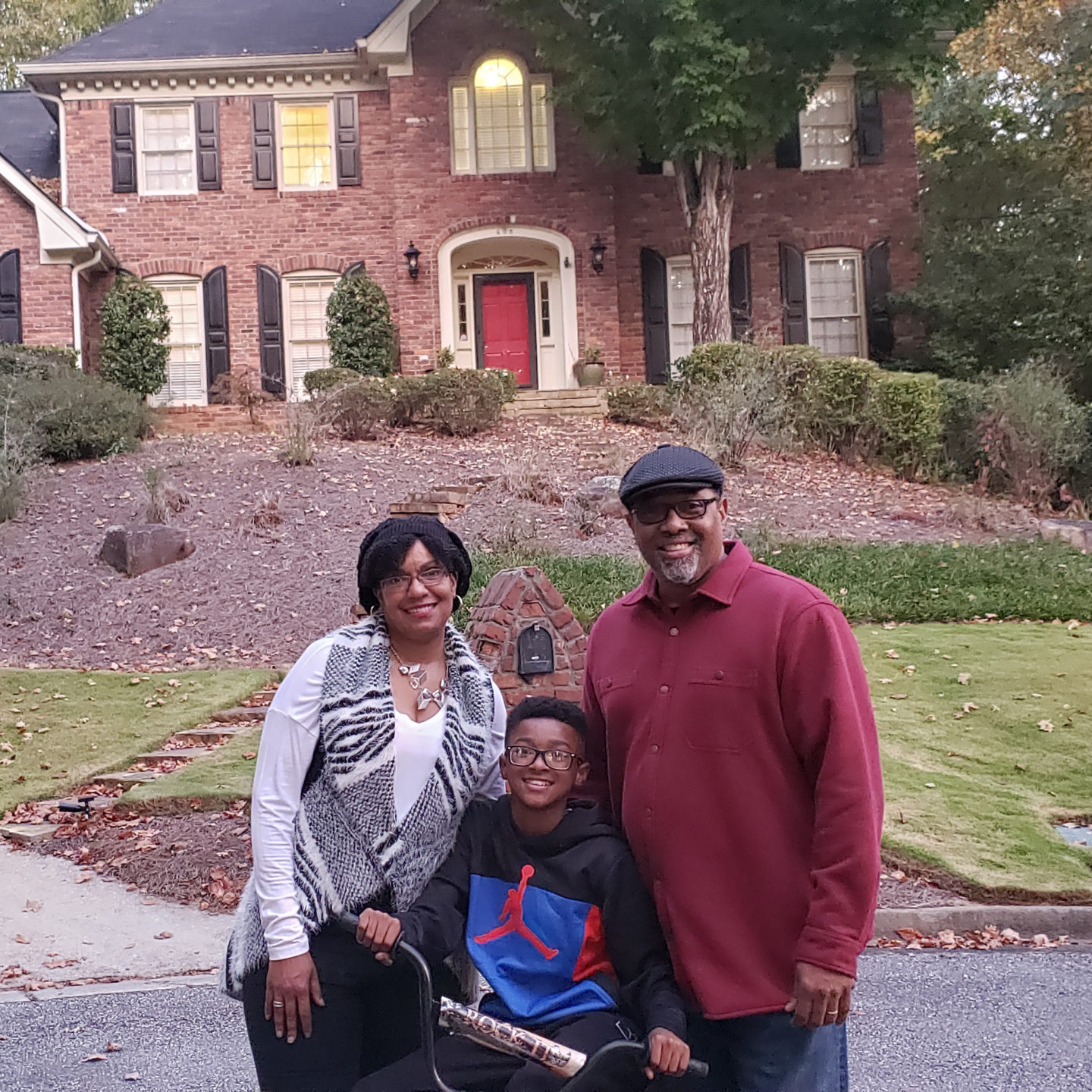
Kenneth Braswell and his family.
Wow. That’s pretty incredible. What do you think was missing in the fatherhood conversation before Fathers Incorporated?
2004 was a difficult time to have a conversation about fatherhood, particularly for Black fathers. No one wanted to talk about the work of dealing with fathers because they were viewed as the primary source of the problem. Although we have made tremendous strides in the elevation of the conversation around responsible fatherhood, we still have a long way to go. The most significant conversation missing when Fathers Incorporated began was that of the essentialness and importance of fathers in the lives of their children. It wasn’t enough to treat fathers like they were invisible, more disturbing; not necessary.
What are some of the unique challenges to fathers in the communities you serve, and how is Fathers Incorporated working to solve them?
2020 marks the 55th Anniversary of the 1965 Moynihan Report. The controversial report argued that accelerating progress against poverty requires strengthening families in the United States—particularly through positively impacting Black men. Almost five decades after the release of the Moynihan Report, our analysis of the national data indicates that little progress has been made on the key issues Moynihan identified. Moreover, many of the issues he highlighted for Black families are now worse and are prevalent among other families. As our team has traveled the country training human service providers and engaging fathers, the overarching question we continue to hear among this population is, “Why does poverty look like me?”
No one wanted to talk about the work of dealing with fathers because they were viewed as the primary source of the problem.
What have been some of your prouder moments since launching Fathers Incorporated? What have been some of your most successful campaigns?
Whenever we receive a personal testimony about a service received or a professional interaction; those are the best. On a programmatic level, everything from our Black Dads Count campaign where we are encouraging Black Fathers and their families to complete the 2020 U.S. Census or our Million Fathers March where over 91 cities and their schools have participated in encouraging fathers to escort their children to school. We are also very proud of Real Dads Read (RDR). It was established as a male involvement literacy program in 2017. The RDR program operates by placing little libraries in barbershops and Little Free Libraries at low-performing elementary schools to encourage fathers to read to their children. The program began with 20 barber shops throughout Atlanta, Georgia. Currently, RDR has 100 little libraries across the region, many in partnership with Little Free Libraries, with 68 of those located in barbershops and 15 located in elementary schools. Seventeen barbershops are in Columbus, Georgia.
I understand you’re also a children’s book author! How did “Daddy, There Is A Noise Outside” come to be?
My first children’s book, “Daddy, There’s a Noise Outside,” takes the complex issue of protesting and breaks the conversation down so that a first grader can understand. The idea came when my six-year-old son asked my wife why I was in Baltimore on the day that the indictments were issued on the six police officers in the Freddie Gray case. To which she said to him, “Wait till your father comes home, and ask him.” That explanation transformed into a 24-page children’s book focused on helping K-5 graders understand the nuances of protest and race. The story begins when two children are awakened by noises in the middle of the night outside the window of their inner-city neighborhood. Both their Dad and Mom spend the next morning explaining to them what was taking place in their community.
Why is reading so crucial to the father experience and to what Fathers Incorporated seeks to do?
Father absence is strongly associated with poverty, poor school performance, and risky behaviors. When fathers are actively involved in the lives of their children, the children perform better in school, are more likely to be emotionally secure, and more likely to exhibit self-control and prosocial behavior. Currently, we are engaged in a literacy initiative called “Real Dads Read” aimed at children 0-8 and their fathers/male caregivers with the goals of 1) encouraging children to develop a love of reading, 2) improving children’s literacy skills and educational outcomes, and 3) strengthening bonds between fathers/caregivers and their children. Real Dads Read is a two-generation approach to engaging and improving outcomes for both men and the children for which they are responsible. We believe that this is one solution to both engaging and involving fathers in a necessary and meaningful way. There are many ways that we can have impacts on the lives of individuals and in our case, dads, but education is a foolproof way of tackling not only the issues today’s dads face, but their involvement can impact many of the educational issues our children face as well.
How is the current cultural climate and the reignited racial justice movement impacting your work?
Promoting responsible fatherhood is more important now than ever. The world is demanding positive change, and Black fathers need to be at the helm. If Black fathers are lifted up, Black families will be stronger. But this necessary change will not happen if promoting “responsible fatherhood” is used to place blame on a group of people who are often “marked” by the time they are school-aged. Rather, it must mean that as America looks inwardly at how we can be a better nation, we seek to understand the full picture of what it means to be a Black father in America. It means to take into consideration what changes need to be made in society even as we work to build the character and resolve of Black men. It means affirming Black fathers and Black lives, in general. It means declaring that Black dads matter.
What do you hope for the future of Fathers Incorporated and for fathers in general?
We are working on a campaign effort to examine the definitions and social reality of fatherhood for Black Fathers. The effort will be launched on September 29th called The Blueprint: Reimagining the Narrative of the Modern Black Father. The effort will include the creation of media content, products, and a report to inform social services agencies, businesses, government, and leaders on how to provide effective services and advocate for fathers and families.
Also, the FI Team will continue to seek and create trusted partnerships; lessons learned from years of working with fatherhood programs; and a nimble, expert-led team and staff that support the critical work of responsible fatherhood. Our values, integrity, and the priority we place on relationships and collaboration within our team and with the field undergirds project stability and fosters trust and cooperation among fathers and fatherhood program operators across the country.
Inside the Black Maternal Health Crisis And the organizations seeking change.
By Caroline Tell | Illustration by Ana Hard
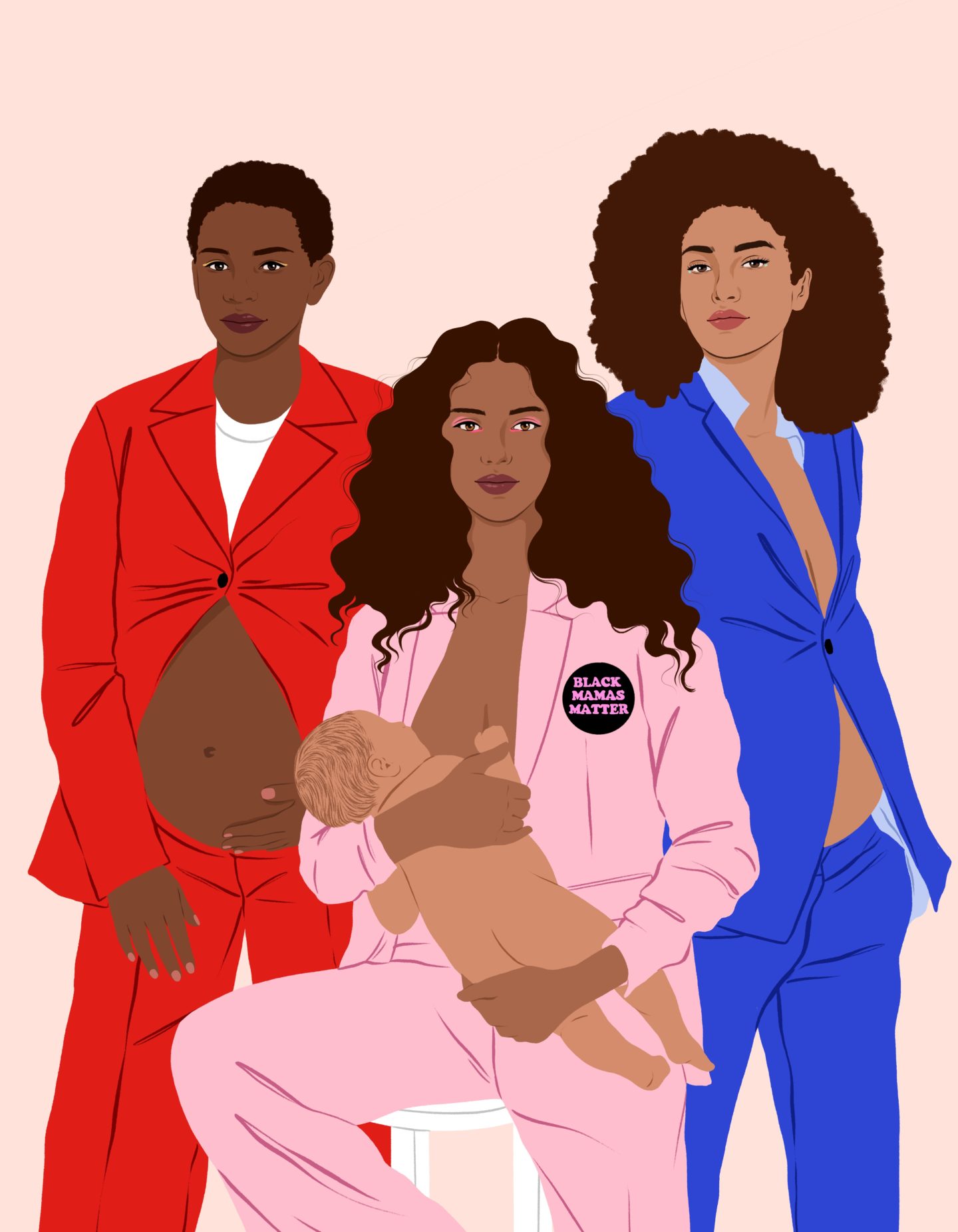
Did you know that Black women are two to three times more likely to die from a pregnancy-related cause than white women? Did you know that the pregnancy-related mortality rate for Black women with a college degree or higher is five times that of white women with similar education? Did you know that breastfeeding rates among Black infants are more than 10% lower than white infants, and that one in five Black women is likely to experience postpartum depression? The reality is that we don’t all have the same access and privilege to proper maternal and reproductive healthcare, and that even in 2020, racial, social, economic and geopolitical inequalities are the root of major maternal health disparities. “We need voices to advocate for Black women, because a traditional hospital setting is not always a safe place for them to give birth,” says Brandi Sellerz Jackson, doula and founder of Moms In Color. ” It’s not because they’re uneducated or don’t have money. They are in danger because they are Black. It’s bias, simple as that.”
Our job at Babe is to shed light on the joys, the struggles and the heartbreak that comes with pregnancy and parenting, but the single biggest issue weighing on our minds is racial injustices in the maternal healthcare system. Tackling these inequities continues to guide our work on the site by showcasing the very people and organizations who are working tirelessly to educate providers on bias, give a voice to Black mothers and mothers-to-be and lobby to make our government recognize and change these gross inequalities. We outline just a few of them, below:
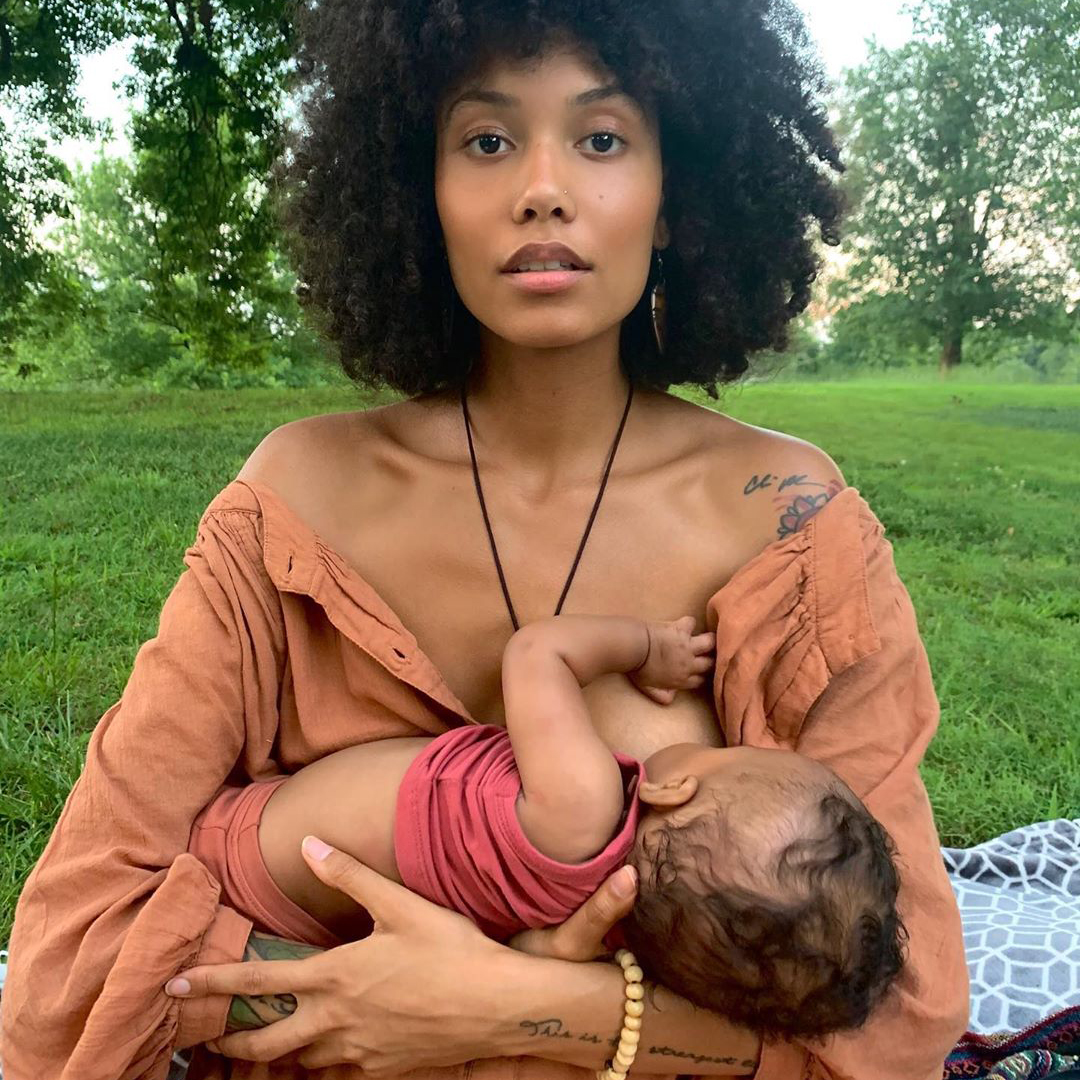
According to the CDC, breastfeeding rates among Black infants are more than 10% lower than white infants. Photo by Syndey Porter
National Birth Equity Collaborative: Because Black women in the United States are dying in pregnancy and childbirth at unprecedented rates, founder Joia Adele Crear-Perry, MD, FACOG, started this organization to create solutions that “optimize Black maternal and infant health through training, policy advocacy and community-centered collaboration.” NBEC works with organizations, communities and stakeholders to develop and implement strategies to achieve health equity goals and provides training and assistance for organizations that value community voices and strive to improve the lives of Black families.
Ancient Doula Song Services: This Brooklyn-based international doula certifying organization was founded in 2008 and seeks to offer quality Doula Services to Women of Color and Low Income Families who otherwise can’t afford Doula Care. It trains a workforce of full spectrum doulas to address health inequities within the communities they want to serve, with the goal of eliminating the Infant Mortality and Maternal Morbidity Rate among the Black community. Its approach stems from a holistic and traditional foundation spliced with modern technology. Ancient Song is committed to addressing implicit bias and racism within the healthcare system by providing evidence-based education in birth and reproductive justice, advocacy and training, and direct doula services to all regardless of their socio-economic standing.
Commonsense Childbirth Inc: This non-profit organization was founded in 1998 by Jennie Joseph who has spent her life aiding women and families to have better birth experiences. She also speaks nationally and internationally in sharing her positive outcomes on low birth weight, prematurity, infant mortality, and maternal mortality rates that remain particularly high in minority and disenfranchised populations in the United States. Commonsense Childbirth’s mission is “to inspire change in maternal child health care systems worldwide, re-empower the birthing mother, father, family and community by supporting the providers, practitioners and agencies that are charged with their care.”
Black Mamas Matter Alliance: BMMA developed out of a partnership between the Center for Reproductive Rights (CRR) and SisterSong Women of Color Reproductive Justice Collective. The alliance helps advocate for better legislation to reduce black maternal mortality as well as spotlights necessary areas of research and shares information regarding social determinants of health that influence outcomes like traumatic birth or maternal and infant mortality. To bolster its efforts, BMMA created a robust toolkit that offers a thorough exploration of factors contributing to black maternal health outcomes along with potential solutions. The organization also urges legislators and health care providers to center the work of community groups both historically and today.
The Black Maternal Health Caucus: Congresswomen Alma Adams and Lauren Underwood founded the Black Maternal Health Caucus (BMHC) in 2019 to improve health outcomes for black pregnant and postpartum people. The caucus “aims to raise awareness within Congress to establish black maternal health as a national priority and explore and advocate for effective, evidence-based, culturally-competent policies and best practices for health outcomes for black mothers.” The caucus is in its early stages, but several politicians (including 2020 presidential hopefuls) have stated their support. On July 12, the caucus held a stakeholder summit where 32 different organizations focused on black maternal health convened to discuss their recommendations.
Mama Glow: HATCH community member and doula Latham Thomas launched this maternal lifestyle brand to support women along the childbearing continuum, from fertility to pregnancy, to after birth and into new motherhood through holistic wellness. Mama Glow also offers a globally recognized doula immersion program, educating doula-trainees from around the world to help transform the modern health care system to create a safe birthing experience for Black women and their babies. Having cultivated partnerships with some of the nation’s leading health organizations, Mama Glow is deeply committed to education, advocacy and impact.