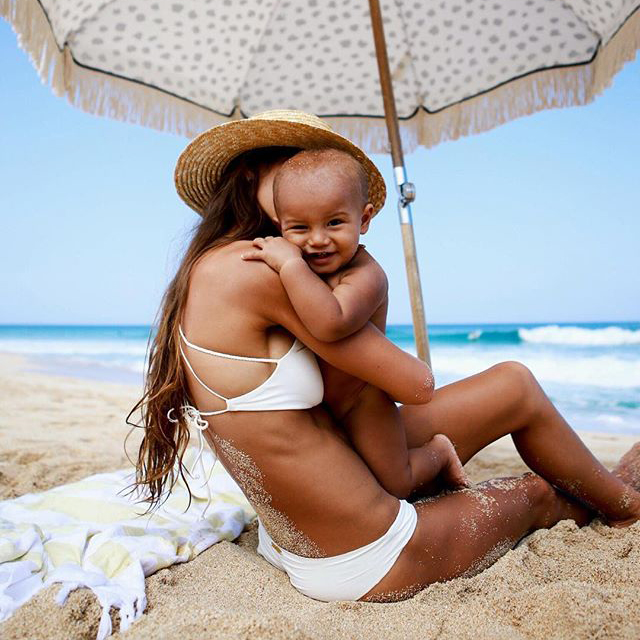
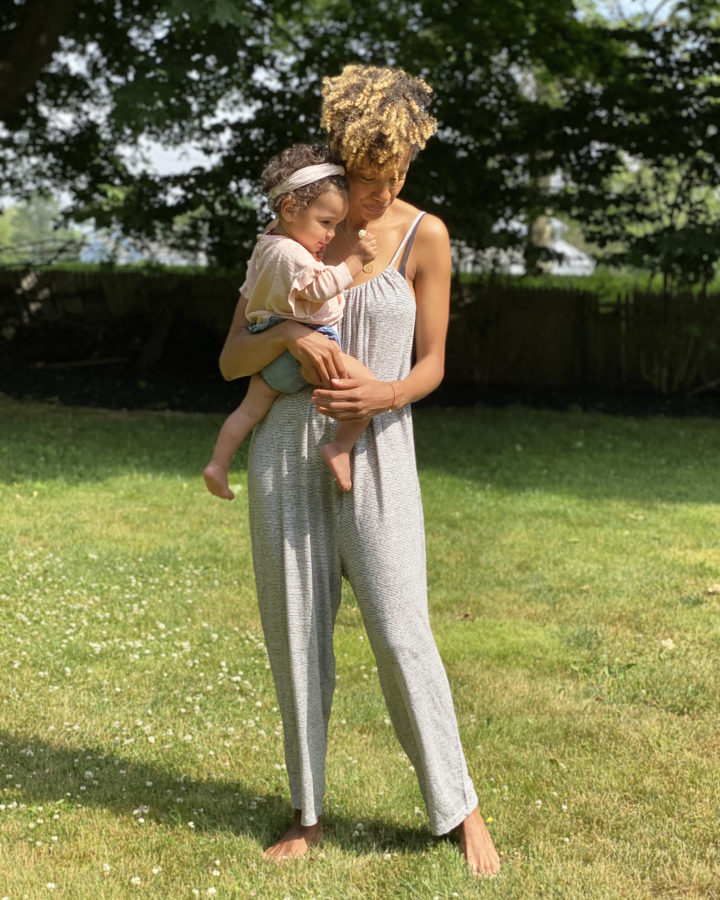
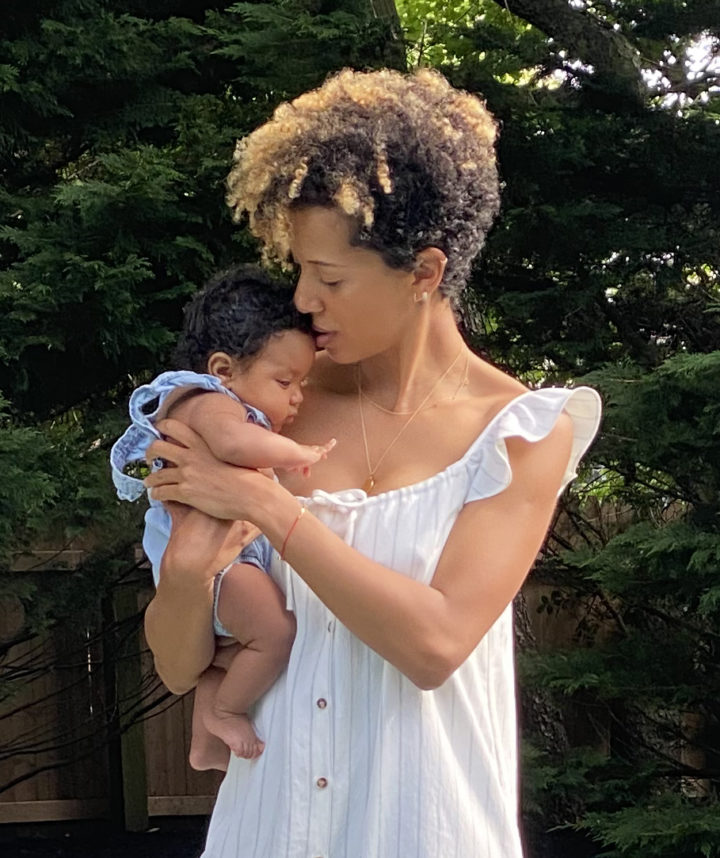
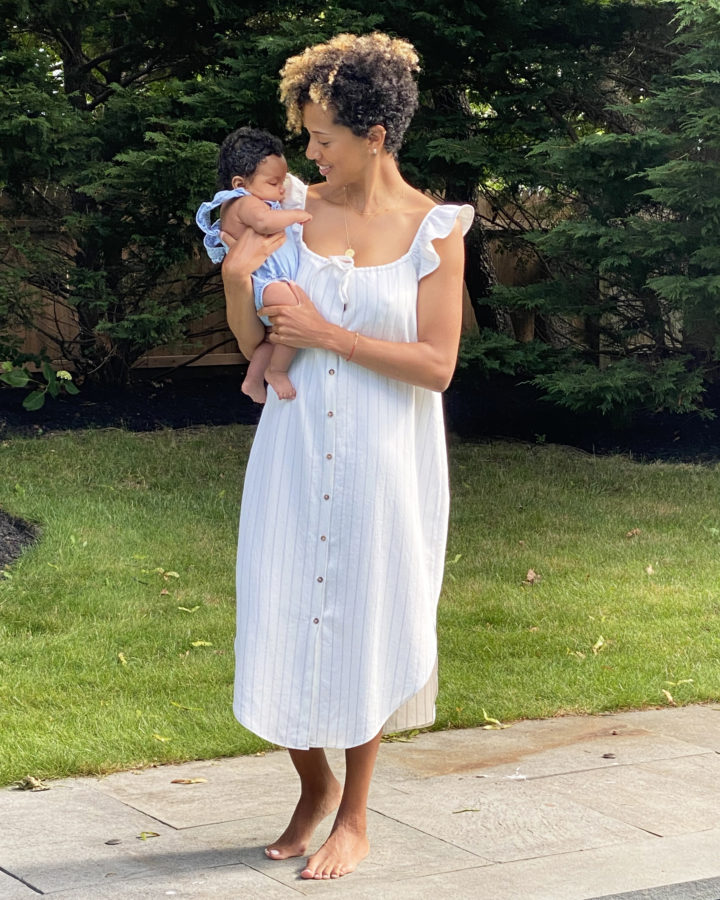
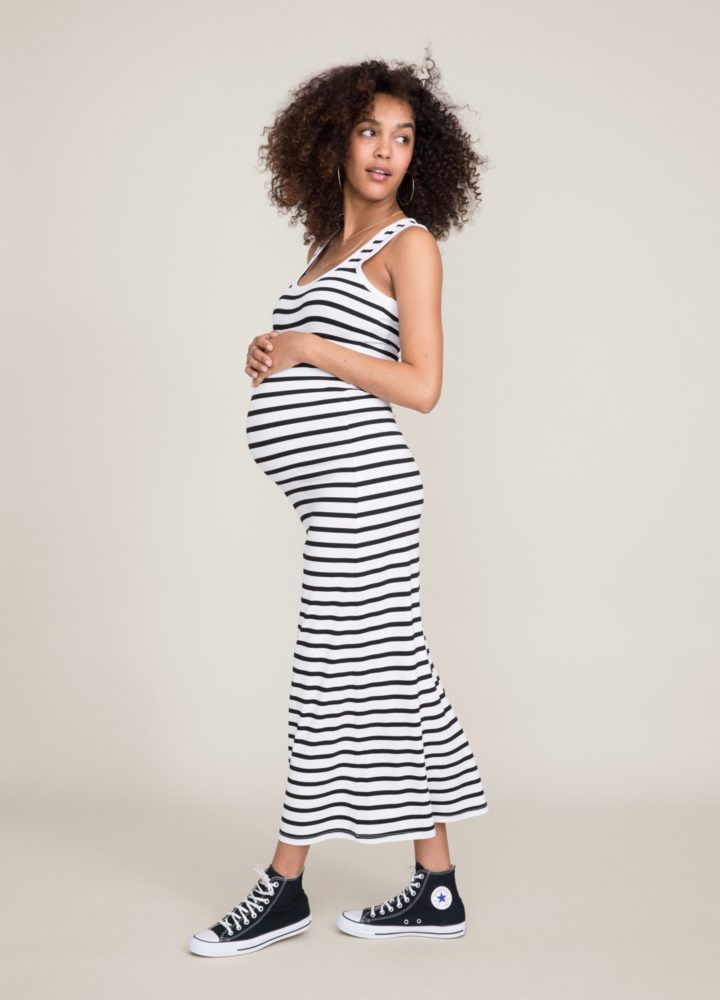
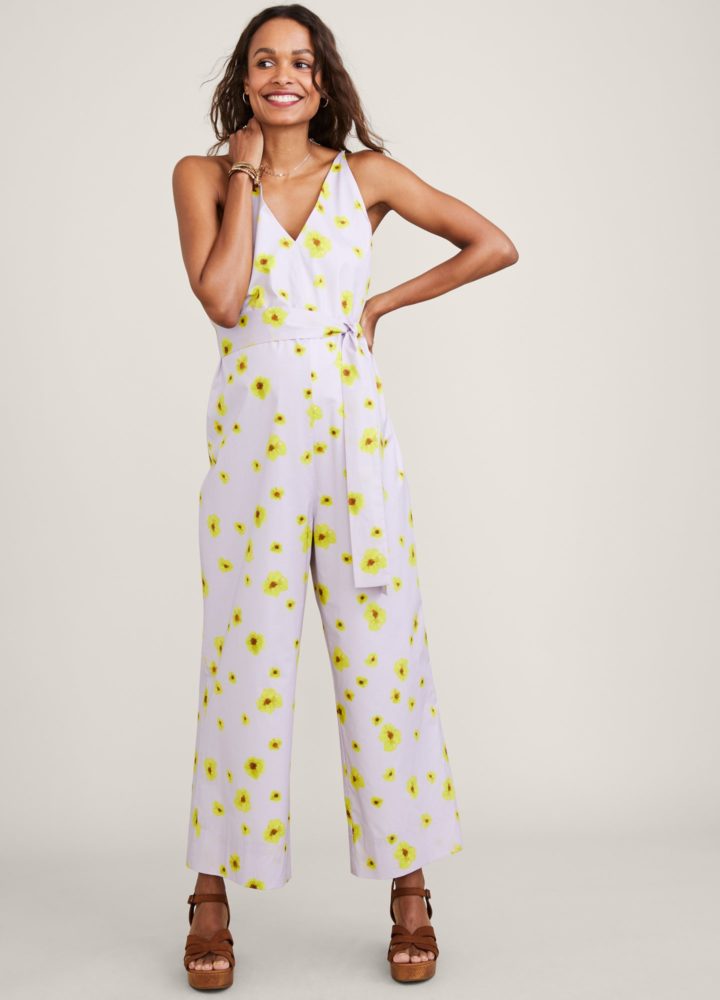
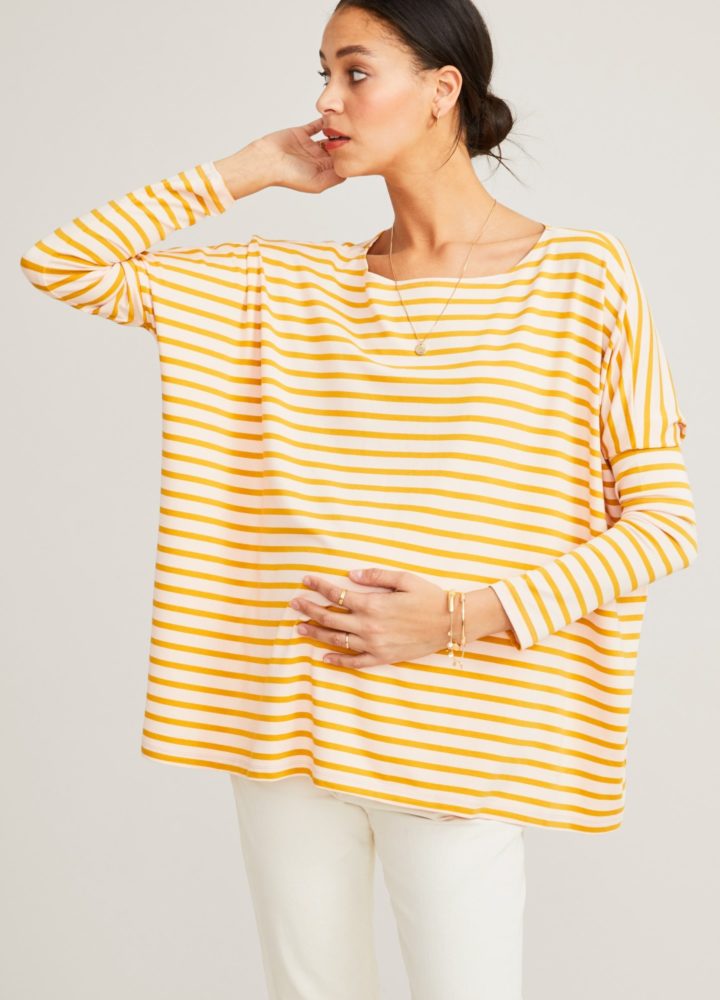
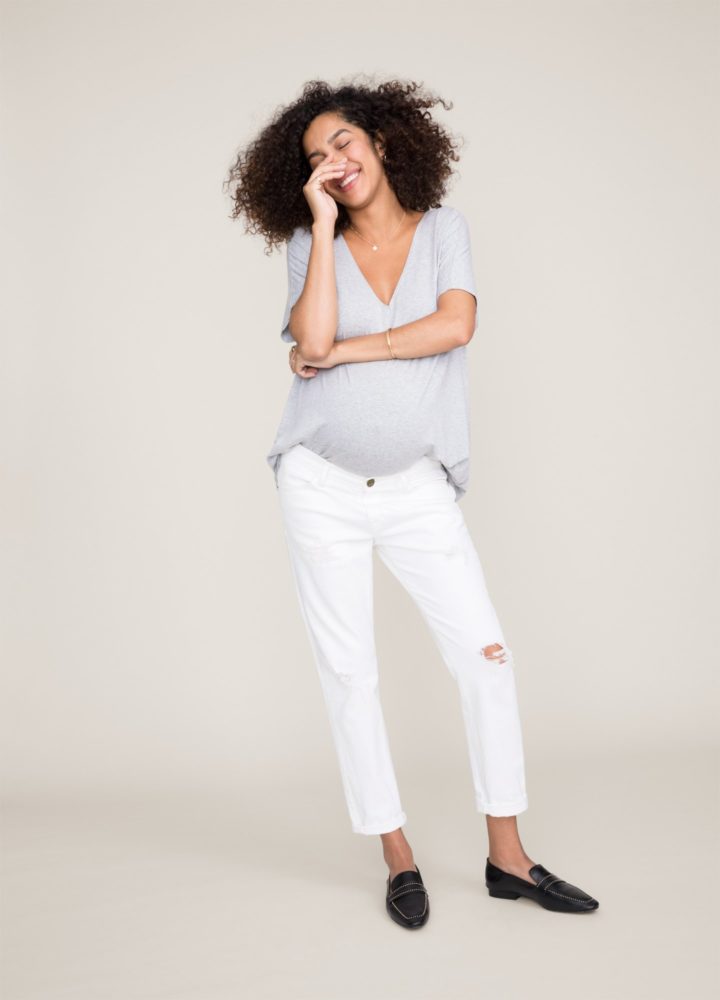
Beach Babes Tan lines, salty hair, can't lose.

By Cheyenne Arnold | Photo by @danibonnor

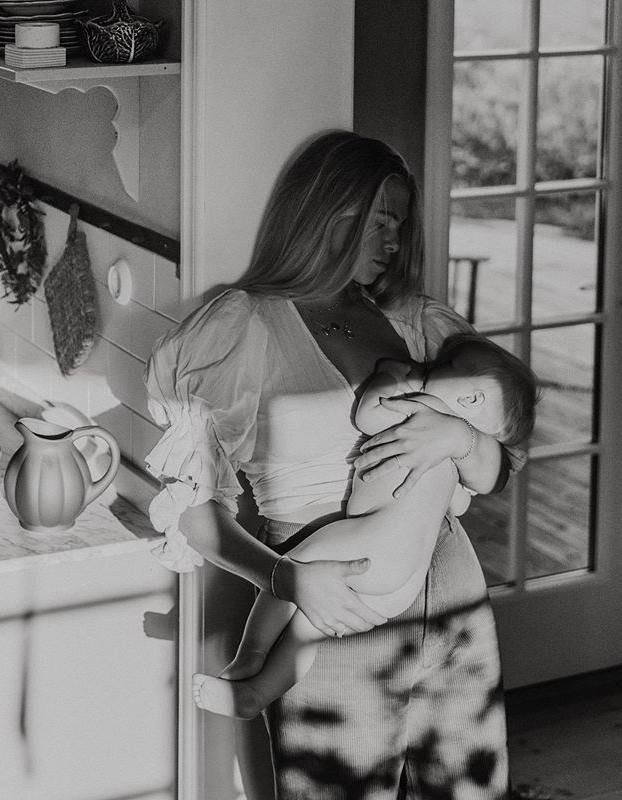
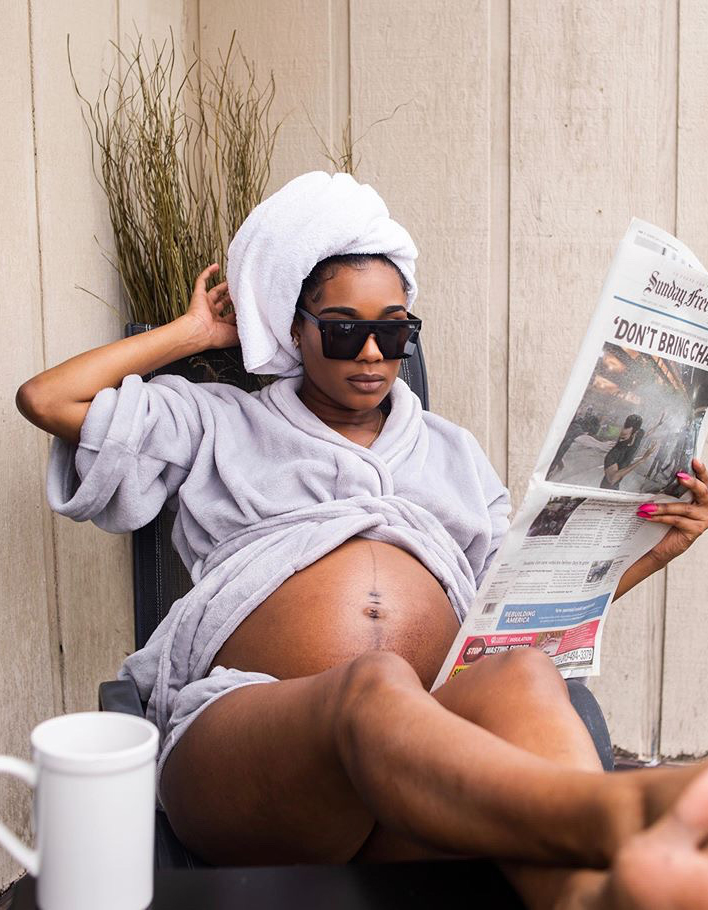
It’s hard to think of something better than a long day at the beach with your loved ones. Yeah, sand might end up in places you didn’t know were possible, but going home with the promise of a tan, salty hair and tuckered out kiddos is a feeling that’s hard to beat.

buy xenical online http://s838374115.onlinehome.us/wp-content/uploads/2022/08/png/xenical.html no prescription pharmacy


buy hydroxychloroquine online http://abucm.org/assets/pdf/hydroxychloroquine.html no prescription pharmacy

But thanks to Covid-19, beach vacays are mostly on pause for the time being (though depending on where you live, you might be able to take a dip in the sea).

buy advair rotahaler online http://abucm.org/assets/pdf/advair-rotahaler.html no prescription pharmacy

Either way, we’re living vicariously through these beach mamas and their water babies. After all, life’s a beach, and we’ve got the photos to prove it.
buy minocin online http://s838374115.onlinehome.us/wp-content/uploads/2022/08/png/minocin.html no prescription pharmacy


buy bactroban online http://abucm.org/assets/pdf/bactroban.html no prescription pharmacy

Designer Carly Cushnie's Covid-19 Birth Experience Plus, thoughts on raising her daughters today.

By Ruthie Friedlander

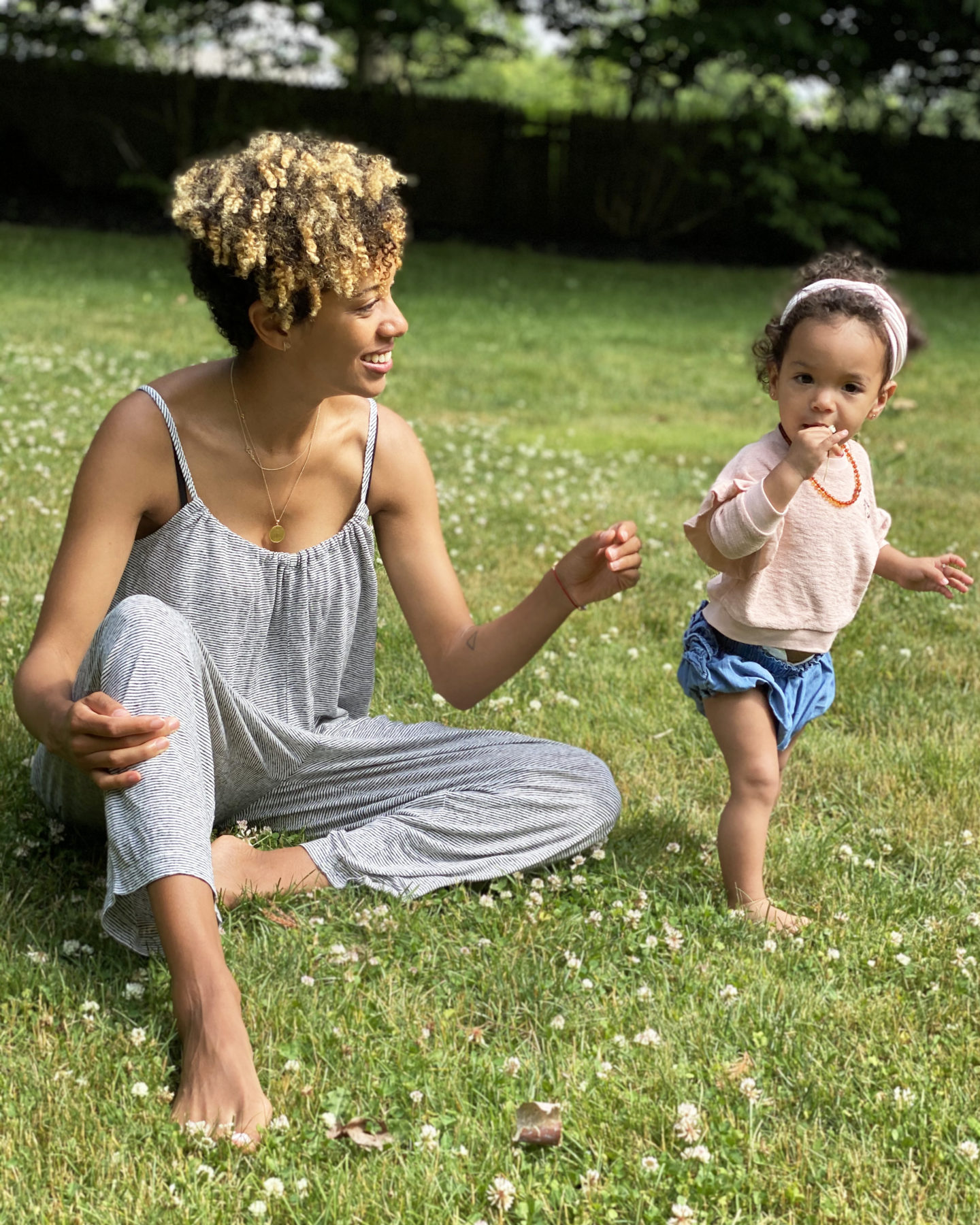
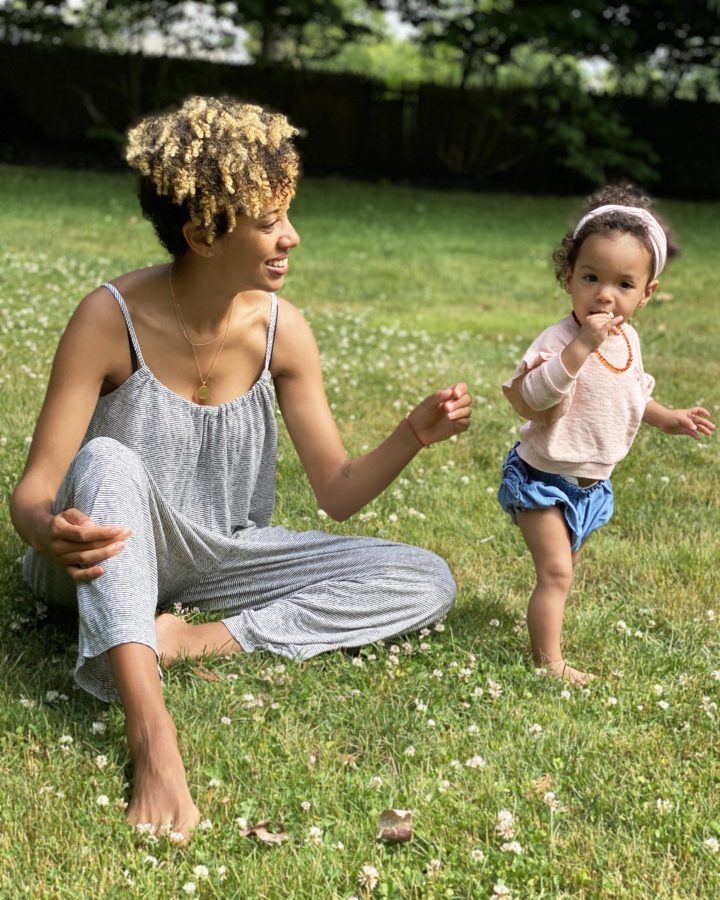
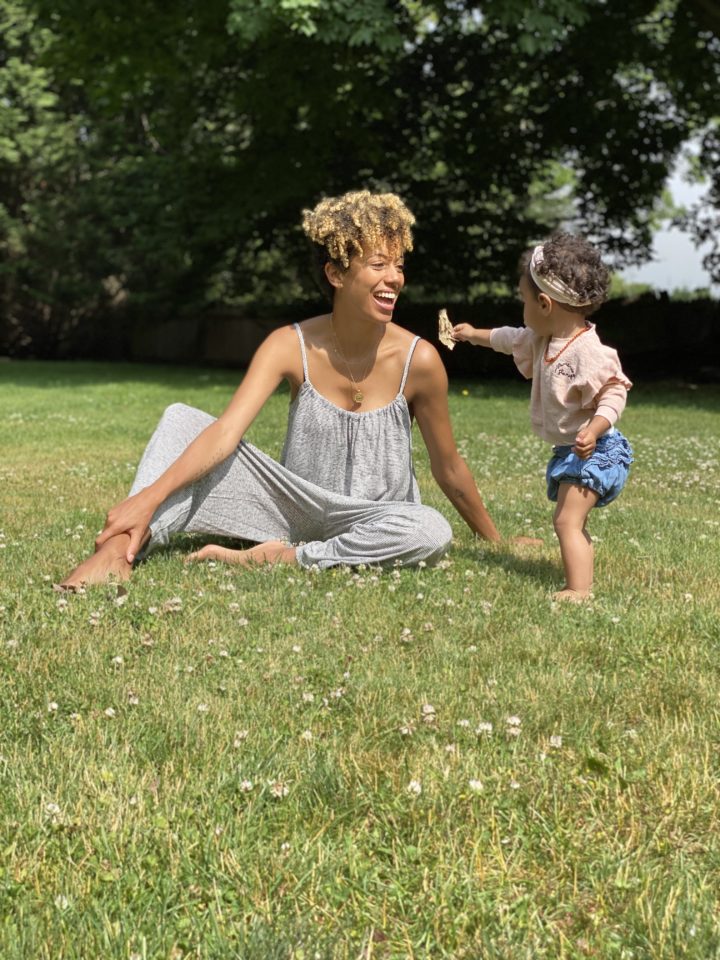
Last time we hung with the founder of Cushnie, she was pregnant with her first. Now, a little over a year later, she’s a mother of two! We caught up with this dynamic, stunning mama (both inside and out) on her work-life-slash-home-life with two under two, her birth experience during Corona, and what it means to raise Black daughters today. @carlycushnie

Life with two girls is…

Crazy. But amazing. Our girls are very close in age. They both came at 39 weeks and are shy of being Irish twins by a week. Santiago is our first, and Quincy is our second. We gave them masculine names as I liked the idea of having a strong first with a feminine middle name: Santiago Lola and Quincy Sol.

Did you plan to have two under two?

No! When we found out I was pregnant again, it was a complete shock. At that point I was in the thick of life with a 3.5-month-old; the last thing on my mind was having another baby. But, for some reason, she had to come in a hurry, hot on the heels of her sister. 

Difference between pregnancies?

With Santi, I was sick all-day (and night) throughout my first trimester but felt good for most of my second and third. However, with Quincy, I had a touch of morning sickness in the first, followed by tons of energy until the last 6 weeks. Towards the end she was positioned low which caused horrible pelvic and hip pain plus I was unbearably sick; I could barely move. The reality is, I didn’t give my body enough of a rest between babies, and I felt it.

Your experience giving birth during Corona?

The first time I gave birth, I was petrified of the actual delivery, but in the end, I had a reasonably straightforward experience. With my second, I was less scared about birth and more concerned about COVID. However, when faced with the decision to have her at the hospital or home, I preferred the hospital. Considering I’d never even thought about home birth, it seemed crazy to change my plans suddenly.

Leading up to my due date, I stayed well informed. I called the hospital regularly to keep current on evolving entry procedures and if there were any COVID patients in the maternity ward.

I started having contractions during my 39th week. Initially, I was unsure if it was discomfort or active labor as the range of stories I’ve heard about the second baby run the gamut from quick births to laboring for days. Plus, since becoming a mom, my pain threshold has gone way up, so I was very casual about the whole thing. That night I bathed Santi, read her a book, and tucked her into bed. After she was asleep, my husband and I had dinner together, and watched TV, all through my contractions. Able to manage the pain, I went to bed but woke up in the middle of the night and called the doctor. As the contractions intensified, she asked how long my first birth was. I told her 5 hours and her only response was, we needed to hurry to the hospital! So, we left immediately.

The roads were desolate, and we made it to NYU around 2 AM. Upon arrival, two security guards took our temperature and ushered us into the waiting room, which, to our luck, was empty. Since I’d unintentionally labored at home for so long, when I made it to the hospital, there was no time for an epidural! I was terrified as the epidural not only helps with pain through birth but also after.

During labor, everyone was wearing a mask, including me. The entire experience was disorienting as I could barely breathe while I was pushing or understand the doctor without seeing her lips move. There came the point when I was trying to breathe through the mask, and couldn’t. My husband saw this and asked that we pause for a moment so I could get my bearings. When we resumed, she came quickly and was born on April 8th.

As nervous as I was before going to the hospital, I didn’t feel scared once we were there. I can only speak for NYU, but my experience was stellar. The people on the front lines are the most cautious and know how to protect themselves. Overall they were professional; I was in good hands.

Working from home?

Fortunately, we were able to keep our nanny. She drives our car back and forth from her house, so she doesn’t have to take the subway. Plus, my mother-in-law stayed with us for the past few months. With a newborn and a 14-month-old (that decided to take her first step the moment, we brought Quincy home), having the help of these incredible women made it possible for my husband and I to work from home.

Work-wise, with COVID, things were quieter. I was selling on my site, but not at the same pace. Once I announced my Target collaboration just after George Floyd and Black Lives Matter, we’ve had a ton of outreach in support of Black-owned businesses. And, now that our factories and stores have started to open up again, we’re fully operational.

Approach to Black Lives Matter as a brand?

Given the platform I have, it’s important I speak out and share my story as one of the few Black female designers. To see certain brands taking accountability and changing policies around how they operate is refreshing, and I’m pleasantly surprised.

Thoughts on raising your daughters today?

My husband is Mexican, and I’m Black, so our girls are mixed race. Understanding both sides of their heritage is very important to us and something we spoke about before having kids. We will have to teach our girls the importance of loving themselves and accepting all people.

I grew up in London, and while racism exists there, police brutality does not as the police don’t carry guns. Therefore, my parents didn’t have to think about my safety in the same way you do here. Even if I were to be stopped by the police in England, I’m not at risk of being shot. Sadly, growing up here, we have to worry about our girls in this way and will have to teach them how to speak to police officers as they get older.

How will you talk about race at home?

Our home is a stone’s throw from the Black Lives Matter painting on Fulton Street. We went as a family the morning after they finished painting and it was so powerful. I look forward to telling our girls about that day and hope by the time they’re old enough to understand, there will have been considerable change, and issues like police brutality on our race will be something of the past. All parents need to have an open and regular dialogue with their kids about race; this will be a big conversation in our house.

At first, I wasn’t sure if real change would take hold as so much has happened in the past, and yet we’re still here. However, this feels different, in part because non-Black people are finally taking a stance. For so long, it’s only been Black people protesting and it’s not until everyone stands together, that we can all thrive.

I am hopeful. This is a big year of change for the human race, the climate, and how we all live together. We still have tremendous work to do, but fingers crossed, a real shift is underway.

Any advice…

This year, we are giving birth to an extraordinary group of powerful little humans. While I understand it’s hard not to worry, know you’ll still be able to have whatever kind of birth you’re hoping for, whether home or at the hospital. It will always be your special story to share.

“During this time, we are giving birth to an extraordinary group of powerful little humans.”

Should I Get A Baby Nurse? Your call, mama.

By Babe | Photo by Angelica Svanström

Debating whether or not to hire a baby nurse? Depending on who you ask, they’re either life-saving superheroes or an unnecessary luxury. As with all parenting decisions, it’s a personal choice that no one can make for you. Particularly if you’re a first time mom or recovering from a C-section, a baby nurse can be super helpful in showing you the ropes and letting you rest. But for many parents, it’s a steep price to have a total stranger parent your child (spoiler alert: you’ll have to do it eventually). Again, no right answer. 

If you’re curious as to what a baby nurse entails, from cost to job  description, check out our handy baby nurse decoder:

OK so what’s a baby nurse?

According to the New York Nanny Center, a baby nurse is “a non-medical professional who comes into the home when the baby comes home from the hospital.”  They help parents with the everyday care of a newborn and offer overnight and daytime care. We’re talking 24/7 help. Some baby nurses have additional training in home aide or CPR. Other nurses have expertise in lactation, first aid and/or early childhood development. 
What does a baby nurse do?

A baby nurse will do everything for your newborn, from organizing their clothing to changing diapers, bathing and feeding. They’ll teach you to care for your baby and, depending on how long they stay, can help get your baby on a general sleeping and feeding schedule. Some baby nurses also cook and help out with household chores like laundry and tidying up, but some only do so for the baby, so discuss expectations up front.

What is the typical length of stay for a baby nurse?

Again, totally your call. Some baby nurses will stay one week, and some stay up to six months. A typical stay lasts somewhere between two and 12 weeks, depending on the parents, budget, baby and the relationship. 

When does the baby nurse sleep?

They’ll sleep when your baby is sleeping. Discuss what feels appropriate, but generally you should allow a nurse between four and five hours off during each 24 hour period.

Where will she sleep?

If you’re seeking 24-hour care, you’ll need to provide them with some sort of bed, whether freestanding or a pullout couch. They can sleep in the room with the baby or in a separate room, depending on your preferences and space.

Should I be paying for their meals?

Yes. If they’re staying 24 hours, you should provide them with meals, and feel free to ask if they have any preferences (oat milk vs almond milk, etc). Also discuss whether they’d like to bring some of their own meals, and if that’s OK. Be sure to review all kitchen arrangements in advance. 

Will the baby nurse put my baby on a schedule?

They can certainly try, if that’s something that’s important to you. Just know that newborns don’t generally develop a true schedule until they’re a little older, so don’t expect your two-week-old to be feeding every four hours and sleeping 12 hours. If you prefer not to work with a schedule, your baby nurse should work with your preferences. Again, something else to discuss up front.

Can I have the baby nurse come with us on vacay?

Why not? As long as they’re down. Just remember that expenses for them like food, travel, etc. is your responsibility.

How will I pay the baby nurse?

Most likely you’ll pay them at the end of each week. Discuss payment preferences in advance.

Do baby nurses work on holidays?

Some will work on holidays. This needs to be discussed prior to hire and they should probably get time-and-a-half for working Thanksgiving, Christmas, New Year’s…you know the drill.

Do I need to pay taxes on my baby nurse?

Check with your accountant and figure out what works for all parties involved. But yes, you probably should. 

OK, what are they going to cost me?

There’s always a range, but the below is what’s considered current industry standards. Feel free to determine your own rate, as long as it works for all parties:

• Night nurse only: 10-12 hours per night: $250-$300

• 24 hour Care: $300-$400 per day

• Hourly Day Time Care: $20-$35 per hour

I’m CONSTANTLY Yelling At My Kids It’s Not A Good Look.

By Babe | Illustration by Ana Hard

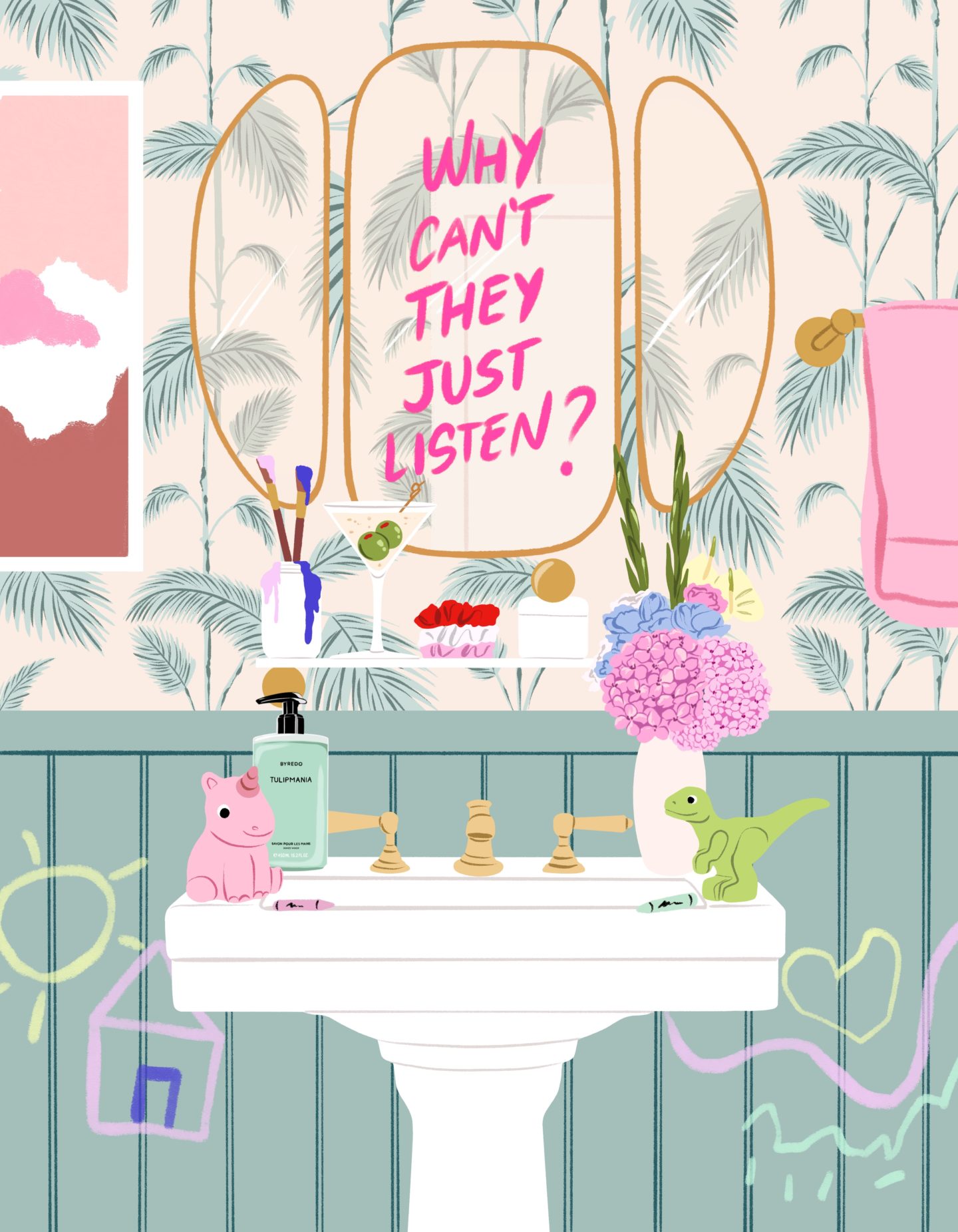
It started happening around bedtime, when they weren’t listening, when you were totally fried from the day, from work, from eating dinner standing up and from bathtime and books and….. You yelled, no you kinda screamed. They weren’t listening! But lately it’s been happening more and more. You go from 0 to 60 in .5 seconds and find yourself barking at their little faces, the fear of god in their eyes before the tears. And oh, the tears. And then you feel worse than you did before. You apologize, kissing away the wetness from their cheeks. You’ll be better tomorrow, you promise yourself, before repeating the cycle again and hating yourself even more.

Listen. Cut yourself some slack. None of us are perfect, and we’re allowed to get annoyed with our kids because, well, they’re annoying! But if you find yourself constantly being that parent who yells, maybe it’s time to get it in check. Figure out what else is going on with you that might make your little ones scapegoats. Here to help you navigate your emotions is our resident relationship therapist and psychotherapist Jean Fitzpatrick to guide you towards breaking the anger cycle:

“It’s hard to imagine a parent who hasn’t lost it now and then,” says Jean. “But if you’re constantly yelling, chances are that feels pretty terrible for both you and your kids. Are you neglecting self-care? To bring your best self to your mothering, be sure you’re getting enough sleep, working out and scheduling at least a few minutes of “me time” each day. 

Just remember, yelling a lot creates a negative cycle. Like people who live near the subway, after a while kids stop paying attention to the sound. Try the “connect first” technique. Before you tell them what you want them to do — get dressed, clean up, go to sleep, etc.  — focus first on connecting with them. Make eye contact. Stoop to their eye level for a brief chat. Slip your arm around that small shoulder. Gestures like these can spark a connection that motivates your child to be more cooperative.

Everyday rituals get many families through the tough times and minimize battles. Instead of repeating yourself to the point where you’re nagging, try communicating with fewer words or with no words at all. Sit down with your kids and put together a family playlist. Include a get-dressed-in-the-morning song, a bedtime song, and so on. When you play the appropriate track, it’s time for them to get on task.” 

Are You Fluent In Parentese? The Language That’s Impacting Early Speech.

By Dr. Aliza Pressman | Photo by Stocksy

The next time you roll your eyes at another mom for the wide-eyed, over-the-top, insanely humiliating way she’s talking to her baby, you might want to check yourself.  According to a recent study by the National Academy of Science, the way parents talk to their infants is strongly associated with early language development, and that more-is-more, overly accentuated style of communication even has a name: PARENTESE. And sure, it might be super uncomfortable to constantly be chatting with your newborn, but when they’re babbling nonstop in a few months, you’ll be pretty happy you did. Here to get you schooled on learning and speaking Parentese is our resident pediatric expert and host of Raising Good Humans podcast, Dr. Aliza Pressman. Let’s get fluent, shall we?

“Infant directed speech is basically what we do almost all the time without realizing it,” says Aliza. “It’s known as Parentese instinctually, that sing-song voice where you stretch out your vocal intonations with over-the-top facial expressions. The key is to do it in an interactive way, even when your baby is as young as three months old. You wait for them to finish their cooing, and respond in Parentese as though it were a real conversation. Those infants with parents who do this have much better language skills after the first year. So it’s “GOOD MORNING! Oh, yes! Thank you for telling me!” Of course, there are some people where that’s not their gut instinct, but you can change the course of how your infant will learn language by making a conscious effort. 

“Apart from speaking in Parentese, emphasize back and forth communication so you always acknowledge your infant’s bid for attention. Anytime they vocalize anything, it’s their version of language even if it doesn’t sound like it, which increases their language and understanding of conversation. You can start by paying attention to what they’re looking at and naming it, describing it, picking it up if it’s safe. All those things build language skills. When you pay attention to something, they look at it, too. When they’re interested and you name what it is, you’re getting an opportunity to excite them about the world.

“Another common term I use is sportscasting. You tell yourself you’re a sportscaster and start describing the day and the environment to your baby. It’s hard to come up with things to do and say constantly, but narrating out loud what’s happening can help. ‘I’m stirring my coffee, I can’t wait to taste it. I’m going to take a sip now.’ You have to talk to yourself about what you’re doing.

The last thing you can do is surround your home in prints, as in actual newspaper and books and make literacy a part of the experience in your household. It actually helps them with understanding language. You don’t have to go crazy over it. The first seven months of their life doesn’t make a statistical difference but it’s about setting habits up early, because after seven months it does make a difference. So whenever you feel like it, take out a book and start reading to your kids. 

All of this being said, there will be times when your child doesn’t need to have you chatting and you can totally give yourself a break. You have a lot going on and don’t feel like you need to constantly talk. But yes, your parenting can make a difference in your infant’s language development.”

The 15 Most Common First Words

1. Dad (or Dada, Daddy, Papa, etc.)

2. Mom (or Mama, Mommy, Mum, etc.)

3. Hi (or Hiya, Hey, Heya, Hello)

4. Buba (or Bub or Baba)

5. Dog (or Doggy, Puppy)

6. Ball

7. No

8. Cat (or Kitty)

9. Nana

10. Bye

11. Duck

12. Ta (or Tata)

13. Baby

14. Uh oh

15. Car

*source: Popsugar Family

Is Pregnancy Glow A Myth? ‘Cause our Skin Kinda Sucks.

By Babe | Photo by Matrescence Skin

Some aspects of pregnancy contain such time-honored clichés that we don’t even know how or where they started (rom-coms, we’re looking at you). Insane-sounding lamaze breathing? Let’s just say it’s not taught in labor classes. Over-the-top cravings? Well, maybe. The same holds true for “pregnancy glow.” Between the chin zits, stretch marks, brown spots and varicose veins, we can’t figure how those two words got lumped together to describe how we look and feel during pregnancy. Which is why we hit up Dr. Claire Wolinsky, a rockstar dermatologist AND member of the HATCH advisory board to break down prenatal acne and other skincare woes during pregnancy and how we can overcome them to get the glowing, radiant skin we deserve.

OK, can you break down WTF is going on with our skin? Why do women tend to break out during pregnancy? 

Progesterone levels increase during pregnancy and these hormones act directly on the sebaceous glands to increase sebum (oil) production, which leads to clogging pores and acne. 

With so many traditionally-used acne products on the no-no list, what can pregnant women do to fight breakouts? Which topicals can they can involved in?

Safe ingredients are azelaic acid (which is prescription and over the counter), clindamycin (a prescription antibiotic that comes in gel, lotion, solution and towelette versions). 

Is it safe to get botox while pregnant?

Tea tree, witch hazel, willow bark and glycolic acid are all controversial – there aren’t studies done to deem them safe but also there’s nothing to prove they’re unsafe. Therefore many dermatologists would OK these for spot treatments or in face washes (to avoid any possibility of absorption). Blue light, which is visible light, is an awesome option for pregnant women and is antibacterial and anti-inflammatory but has to be used at least 2-3 times a week. There are over-the-counter weaker blue light devices and medical grade versions you can find in dermatology offices. Microdermabrasion provides superficial exfoliation, which is also safe during pregnancy. 

What’s a good pregnancy-safe regimen for pregnant women every night or morning? We still want our vitamin-c serums and face oils!

A good sample regimen for a pregnant woman would include a good quality vitamin C serum such as Isdin’s Flavo-C Ultraglican serum topped with a non-nano zinc-based facial sunscreen or makeup (for example, Oxygenetix makeup or EltaMD). I don’t recommend washing your face twice a day in general and specifically for pregnant women who tend to be more sensitive and dry. At night, wash with a gentle cleanser followed by a calming antioxidant moisturizer like CV Skinlabs. The CV Calming Moisturizer is a super pure, well researched, safe product with no estrogen promoting ingredients. Rose Hip oil is also generally considered safe but there are some essential oils that have been associated with premature contractions – cinnamon, sage and rosemary to name a few. Natural or organic doesn’t guarantee safety. 

What are some other skin issues pregnant women need to watch out for and how do you treat them?

Other pregnancy issues include sensitive skin, itchy skin, broken capillaries, melasma (mask of pregnancy) and varicose veins.

For sensitive skin: use less harsh soaps, switch to cream cleanser or try a non-alcohol based micellar solution instead of soap to cleanse. You can also switch sunscreen to physical blockers (no chemicals, which is safer anyway and recommended in pregnancy). 

For itchy skin: use a thicker body moisturizer, such as Eucerin Intensive Repair Lotion and hydrocortisone as needed.

For broken capillaries: these can be treated safely postpartum with a laser, so reassurance is best while pregnant that we can zap them away later!

Chloasma
/kloh·az·muh/
Also known as melasma, this skin discoloration can pop up…

For melasma/chloasma: wear a wide-brimmed hat for sun avoidance, use sunscreen with zinc, vitamin C serum and peels. Then get laser treatments postpartum.

For varicose veins: wear compression socks and elevate your legs for best practice preventatively.

What are some preventative tactics women can do when they find out their pregnant to avoid breaking out in the first place?

Avoid pore clogging products such as cocoa butter, lanolin, shea butter, coconut oil and olive oil. Try to buy products that are labeled non-comedogenic (not pore clogging). Wash your face every day before bedtime with lukewarm water and a gentle facial cleanser. Change out of sweaty clothes post workout as soon as possible and take a quick shower if possible. Sitting in tight sweaty exercise clothing is a sure way to worsen body acne. Getting in to see a dermatologist when you first start breaking out is best to get some prescriptions and prevent long term scarring. 

What else do we need to know to maintain safety in our products and treatments?

As much as I want to fix every pregnant patients skin, some treatments are not ok during pregnancy. Any laser or treatment that causes substantial trauma to the skin can lead to the creation of waste products in the bloodstream that are filtered partially by the placenta. Vanity sometimes must wait a few months! There’s a ton of controversy surrounding the safety of ingredients in over-the-counter products. Finding an organic or natural product doesn’t ensure safety. EWG is a helpful tool although the website ranks products partially on other factors besides safety (for example allergenicity). Also sticking to products that are intended for pregnant women such as HATCH or CV Skinlabs. Pregnant women should also be wary of the products used during a facial since spa staff may not be aware of restrictions during pregnancy.

Your New Favorite (Healthy) Dessert It's beyond easy.

“I’m all about the path of least resistance when it comes to parenting. So for an easy, no fail dessert, I do banana ice cream. It’s just frozen bananas and almond milk in a high powered blender or food processor.

buy strattera online https://curohealthservices.com/wp-content/uploads/2022/08/png/strattera.html no prescription pharmacy

I like to add a tablespoon of peanut butter. Done and done and off to bed.”

– Mandy H., mother of three.

Katie Lee Talks Infertility And why, “It just takes one.”

By Ruthie Friedlander

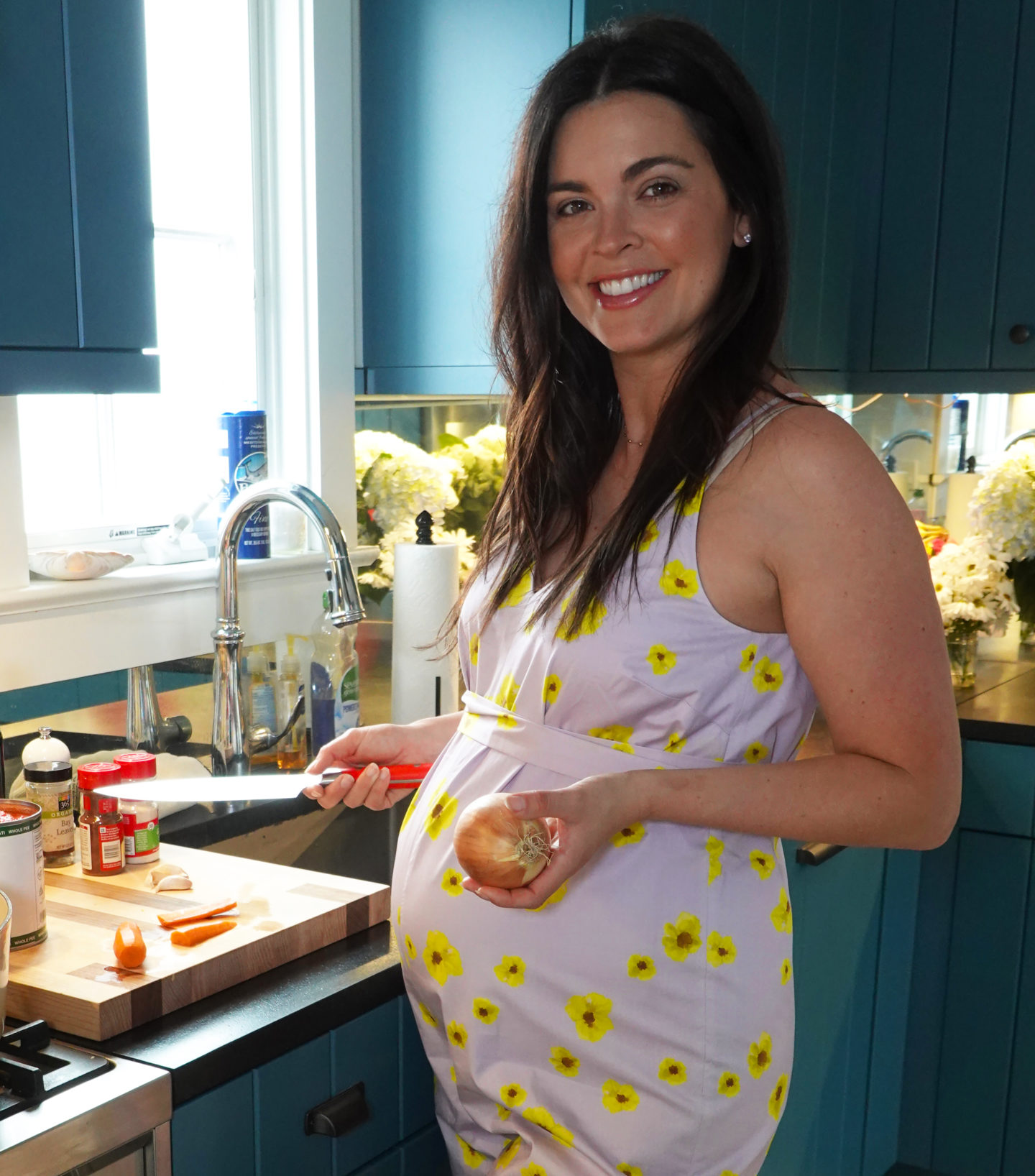
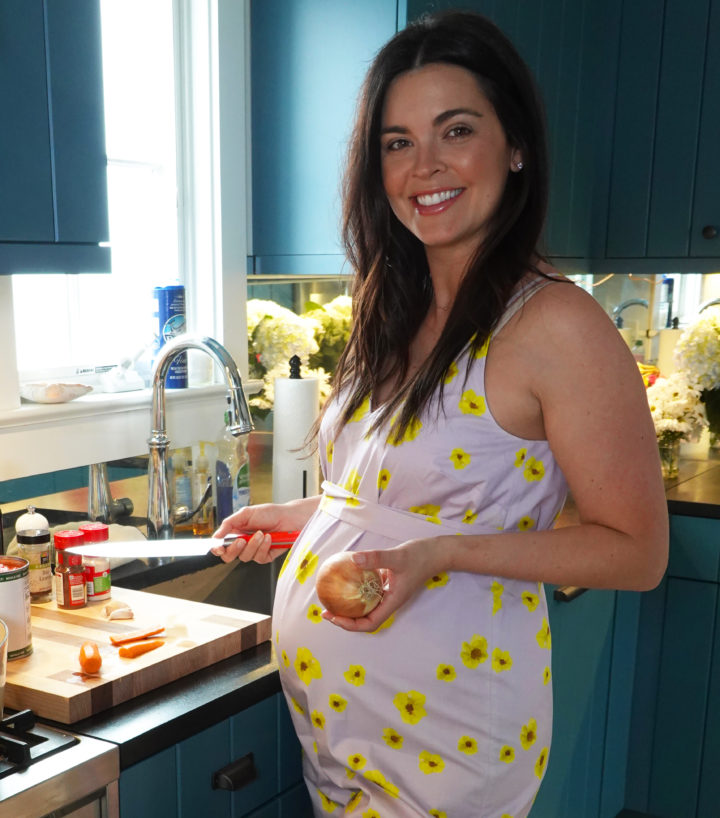
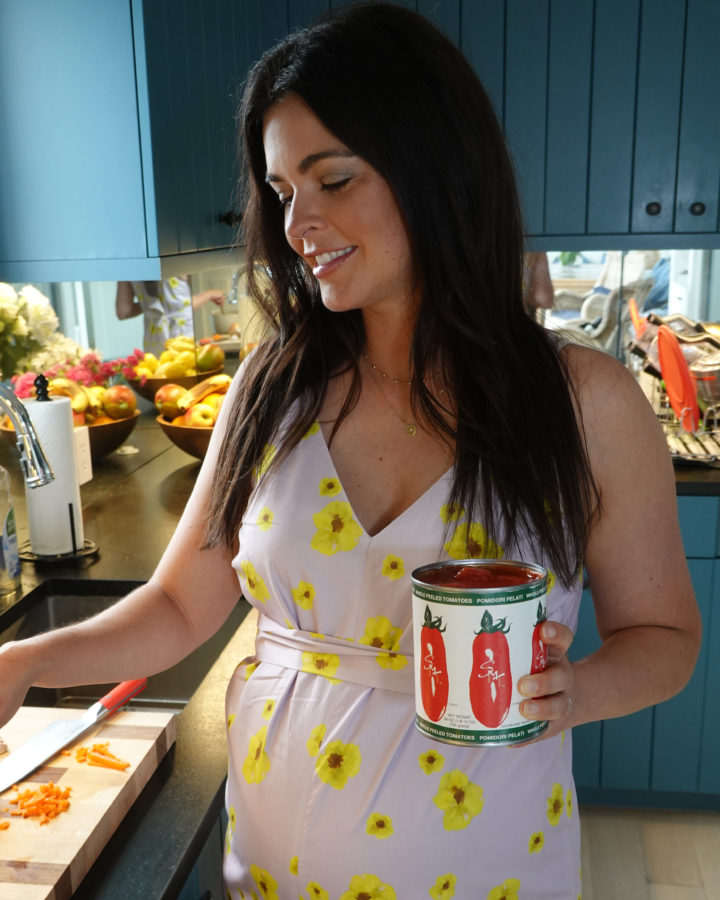
Darling as ever, chef and author, Katie is becoming a mama after many rounds of IVF. Guided by the belief that it “just takes one,” this mother-to-be shares the ups and downs of getting pregnant and the power of new beginnings. Plus, how she’s embracing (and loving) her changing body, managing anxiety during self-isolation, and her words of encouragement to other women going through similar struggles.

Current state of mind?

Physically I’m great. I feel fit and healthy, plus the most comfortable I’ve ever been in my own skin — I’m fully embracing my changing body, which is incredibly refreshing. I love watching my stomach grow and I’m genuinely enjoying pregnancy.

Mentally, however, I’ve had anxiety about this virus. I feel safe when I’m home and in our neighborhood, but I’m not comfortable going out anywhere, even to the grocery store. I worry about the future and what it will be like to give birth, and I’m sad my mom can’t be here with me. That said, while it’s not exactly how I imagined it, I’m not complaining either. It wasn’t easy for me to get pregnant, and I’m grateful to finally have our baby on the way!

Your fertility journey?

We tried to get pregnant the good old fashioned way, and when that didn’t work I went crazy with all the “dos + don’ts,” including acupuncture and not exercising. After exhausting every natural avenue, the doctor suggested we explore IVF; it’s been an emotional roller coaster.

Initially, I was hung up on the numbers but understood overtime that all you need is one good egg. Typically, you start with a high quantity of follicles, and over the two-week waiting period, you watch the numbers dwindle which is discouraging and feels like a never-ending waiting game. The first time we went from a lot of follicles to zero and I was crushed. Overtime I found the process became more manageable with each round as I tempered my expectations.

Throughout my treatments, I had an incredibly supportive girlfriend who’d successfully gone through IVF right before me. She was my cheerleader and kept reminding me that the numbers and quantity don’t matter because “it just takes one.” In the end that’s what we got, our one good one. Therefore, to those that are also going through it, please remember this too, it’s what got me through.

It just takes one.

Pregnant while quarantined?

We’re taking life one day at a time and instead of worrying about the future, I’m focusing on what I can control in the present to keep us safe and my anxiety to a minimum — this means staying home, avoiding the stores, doing curbside pickup or delivery, and vigilantly wiping everything down. I’m not interested in socializing and putting my baby’s health at risk.
We went to our apartment in the city the other day to check on things, and it felt like a past life. I wonder when we will ever be back there and feel comfortable again? Right now, we’re planning to stay in the Hamptons for the foreseeable future. Fortunately, we have a fantastic little house out here and are making the most of our time together. We’re learning to make sushi, and we bought a blow-up pool for the backyard!

Working from home?

Usually, we’d both be working separately and would never have been able to spend my pregnancy together, which is a positive of quarantine. We’ve been filming The Kitchen (my food network show), from home. At the start of social distancing (when we all thought life would resume after a few weeks), we planned to shoot one episode at home but it became our highest-rated show ever! Given the circumstances and the success of the show, we’re planning to shoot the entire summer season (13 episodes in total), from home, plus my digital show What Would Katie Eat, too.

Lucky for me, my husband is a TV producer and knows how to do most everything when it comes to filming, lighting, and sound; we make an excellent team!

I’m curious to see how this impacts the future of media. Most likely it will become a blend of the two formats, home and studio. Viewers like the authenticity of seeing us cook in our own kitchens. I have a small kitchen and have received a ton of DMs from people saying they can relate. I tell my community all the time, you don’t need a lot to make a great meal, a few pots, a couple of tools, and being organized.

What are you cooking these days?

I’ve been cooking more than ever in my life, which I didn’t think was possible! Cooking is both my profession and my hobby, but between breakfast, lunch, dinner, snacks, and recipe testing for the show, life is an endless cycle of washing veggies and dishes.

Any cravings?

I went through a major mayonnaise phase, and while I’ve always liked mayonnaise, this was next level. I had to have it on everything, literally. I’ve also been into citrus, iceberg lettuce for the crunch, and peanut butter and jelly sandwiches.

Are you working out?

I exercise almost every day, and while it’s not always easy to motivate, the fact is, you never regret working out, but you do when you don’t. We live in a quiet neighborhood, so I take the dog for a 45-minute walk every day, and I do the prenatal workouts from obé fitness.

What is your birth plan?

I’ve been with the same OBGYN for 15 years, and she’s out here on Long Island, which is such a comfort to have her nearby. Whenever I’m freaking out, I text her, and she comes through with calming advice.

As for my birth plan, I’ve been so involved in my pregnancy that I haven’t thought much about the actual “plan.” Hopefully, I can have a vaginal birth, but if I need a C-section, that is fine too, so long as she’s safe and healthy.

Everything You Might Have Missed: Week of June 21

By Babe | Photo by @supercyrusb_

Maybe you were napping, or working, or nursing, or just living that 24/7 mom life. Whatever the reason, you’re busy. We get it. So we rounded up the must-read, gotta-watch, did-you-hear newsy clips and viral vids that are making the rounds so you can be in-the-know (or at least pretend to be). See, we got you.

Week of June 21:

  • Isaac Boots: Because you know what we’re trying to do everyday at 11am, the Brian Atwood:
  • Last Week Tonight with John Oliver: He knows what’s UP (and has never staged public acts of racism, unlike some other late night hosts we know).

Admit It. You Don’t Know Your Kid’s Shoe Size. Neither do we.


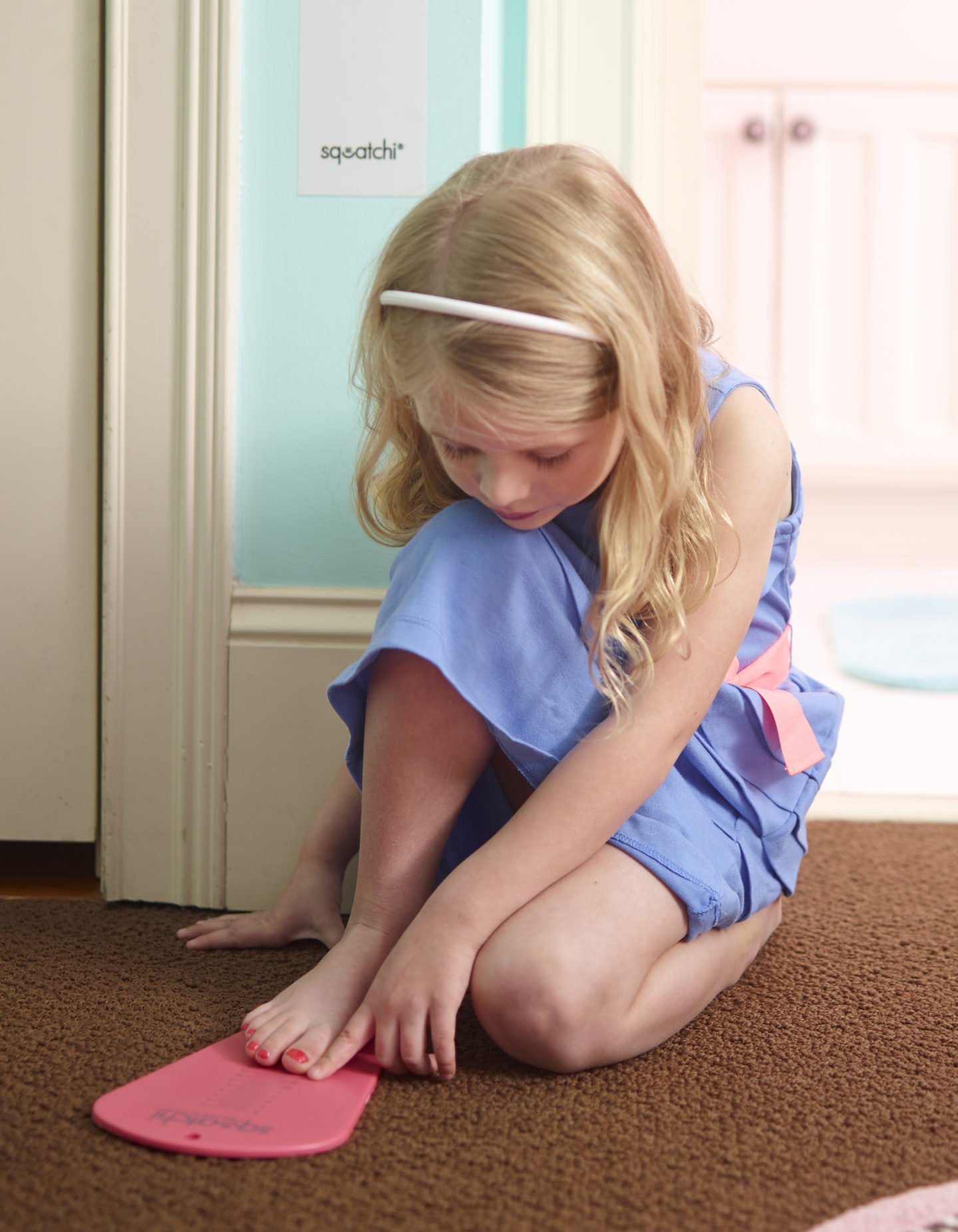
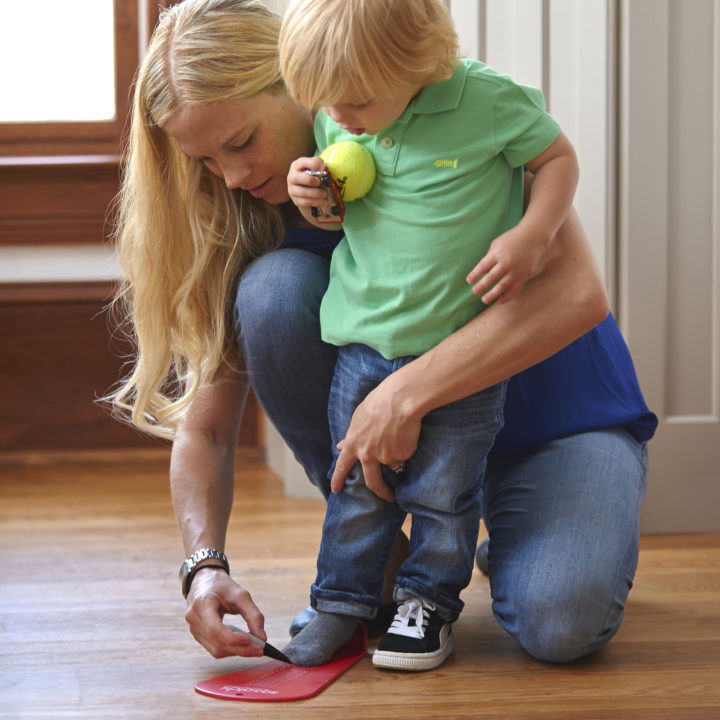
Are you sick of ordering multiple pairs of shoes for your kids, only to have totally missed the mark on sizing? Are you done dragging them into a shoe store about two minutes before meltdown hour?

buy tretiva online https://www.vatanmed.com/lp/pl/wp-content/uploads/2022/11/jpg/tretiva.html no prescription pharmacy


buy clomiphene online https://lifepractice.net/wp-content/uploads/2022/08/png/clomiphene.html no prescription pharmacy

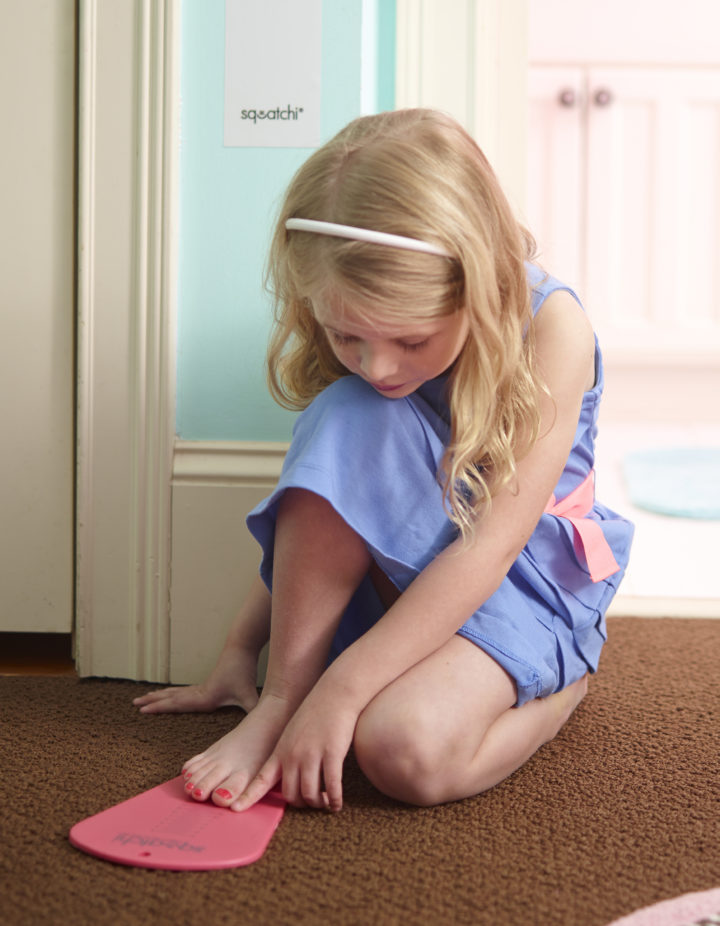
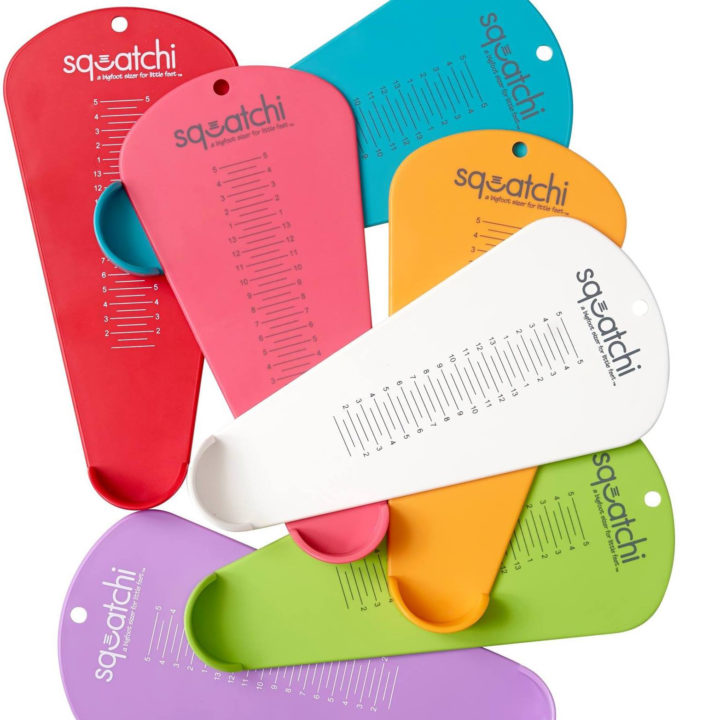
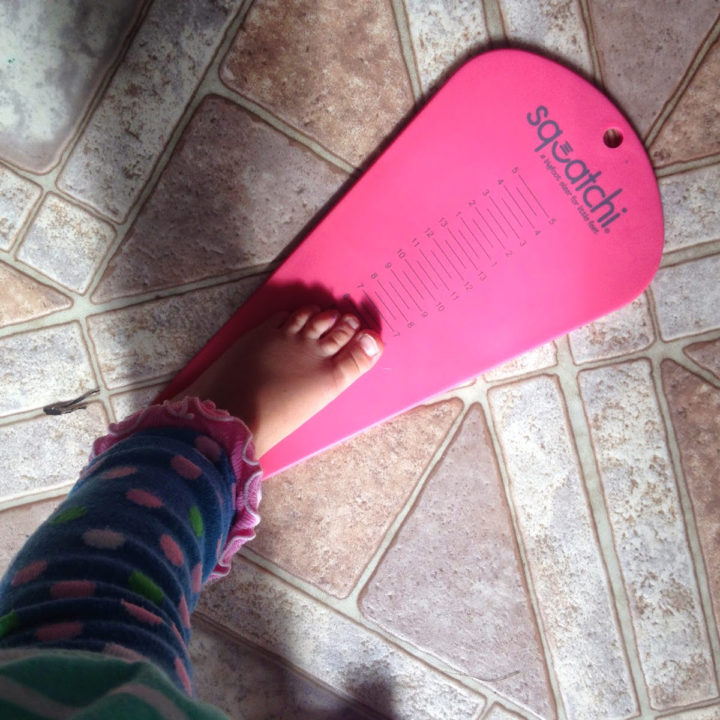
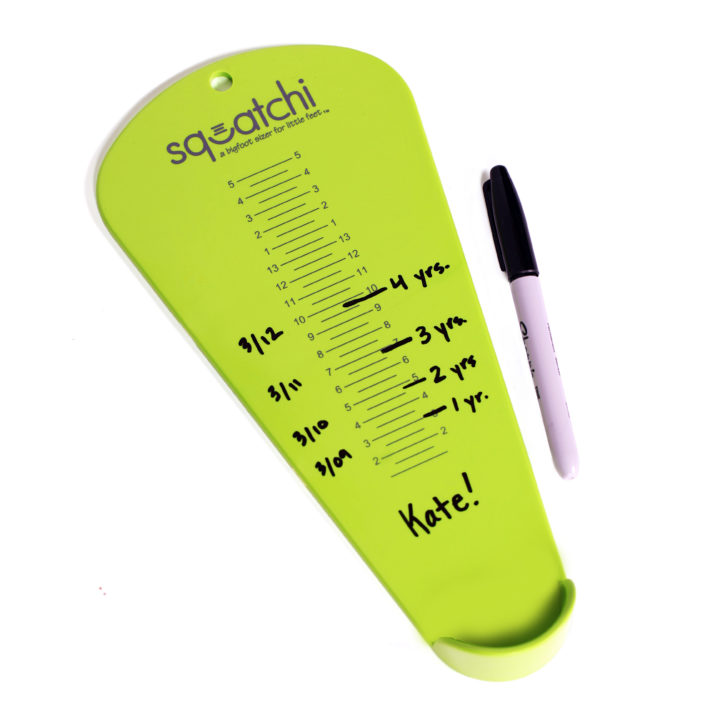
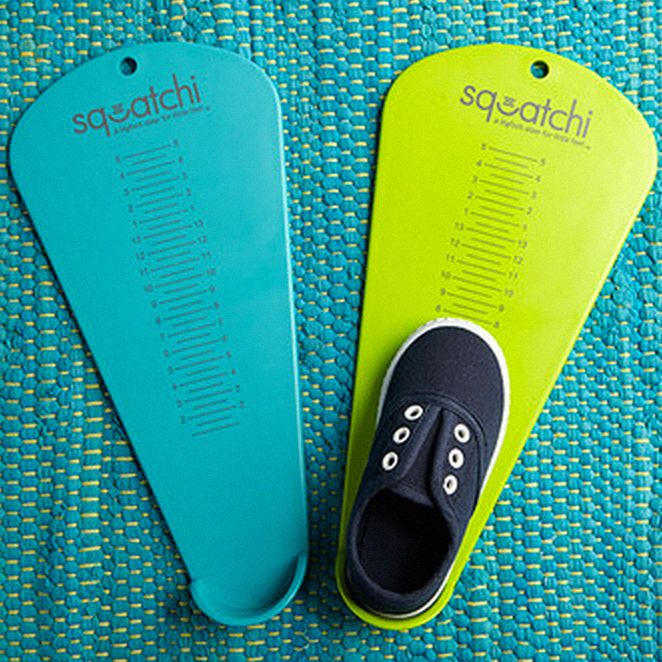
Do yourself a favor and spend the $15 on this children’s shoe sizer by Squatchi and measure your kid’s feet BEFORE logging onto Amazon.com. Founded by mama Amy Carabajal, this handy shoe sizer was born out of her frustration with inaccuracies in kids’ shoe sizing, so she and Squatchi co-founder Debra Rosenbloum came up with their own take on the professional device.
buy cellcept online https://www.vatanmed.com/lp/pl/wp-content/uploads/2022/11/jpg/cellcept.html no prescription pharmacy

It’s even made with recycled plastic and comes in two colors.
buy spiriva inhaler online https://lifepractice.net/wp-content/uploads/2022/08/png/spiriva-inhaler.html no prescription pharmacy

So now, from Nike to New Balance to those under-the-radar French brands, your kids will always be on the right foot.


1 79 105