The Rise of the Manny It’s like a nanny…. for boys.
When it was time for Ruth Bernstein to part ways with her beloved nanny of eight years, she thought about what her two sons really needed in an after-school babysitter. While her former caregiver had turned her babies into sweet, thriving boys, it was time for a different kind of energy for Zachary, 9, and Theo, 7 – someone who could shoot hoops at the playground, manage homework and keep two brothers from killing each other. So they hired a manny.
“Our boys have a wonderful role model in their dad, but we realized that our future adults/husbands/fathers/employees cannot go out into the world thinking that it’s strictly a woman’s role to do all of the heavy lifting in managing a household,” Ruth says. “We thought the best way to model how they should behave out in the world – in addition to striving to set good examples ourselves – is to provide a caregiver that they can see themselves in.”
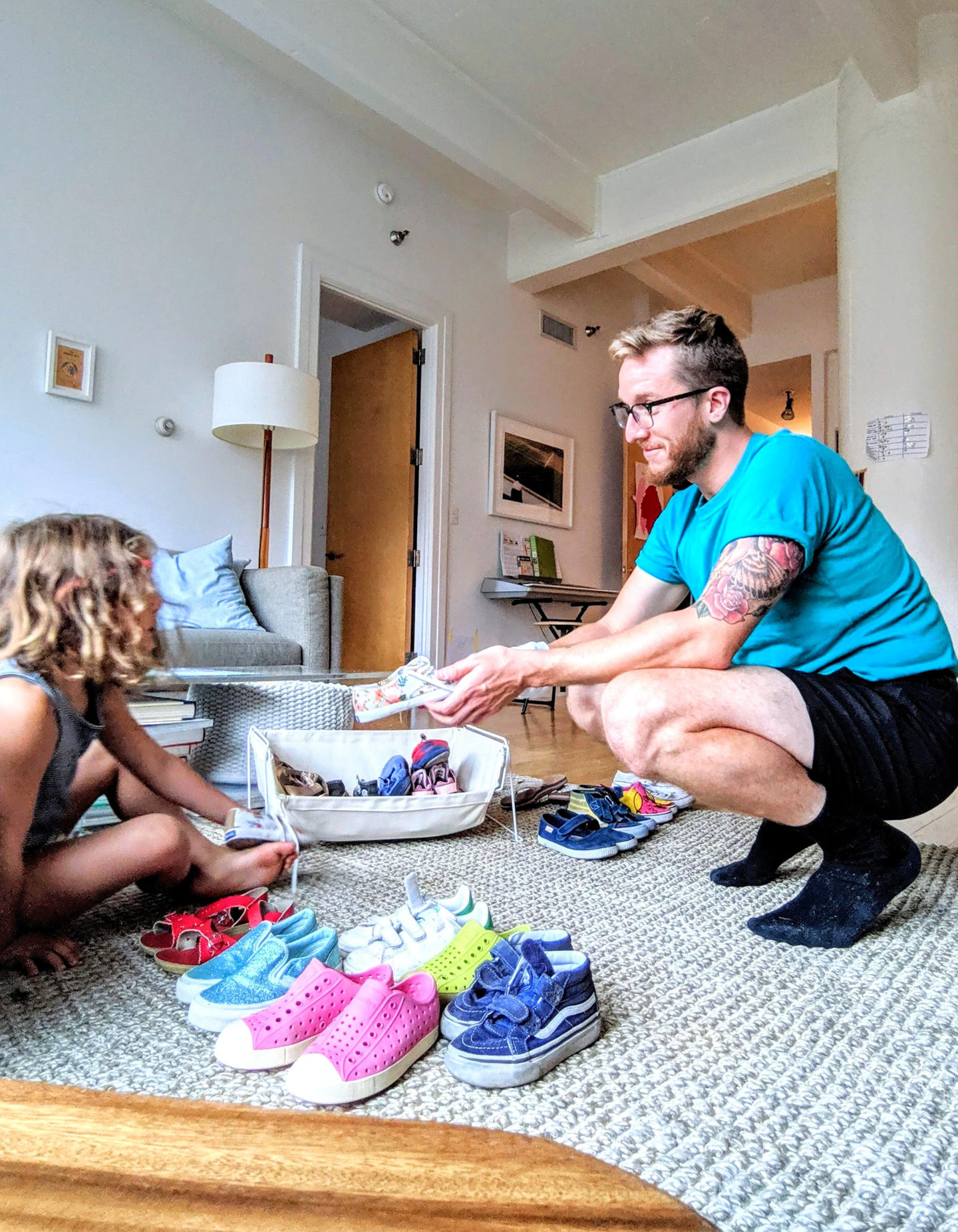
After going through a divorce, Marni Turner Serbin figured a manny would be a good idea for her sons, also aged 7 and 9. She enlisted a man in his 20’s who doubles as an actor. “My boys have a rather unique relationship with their father so a positive male role model bonus for me,” says Marni. “It really is such a different dynamic than having an older woman who already raised her kids. He really understands boys. He knows how to get them to do stuff, like go outside. He teaches them to shower on their own and to do things for themselves.”
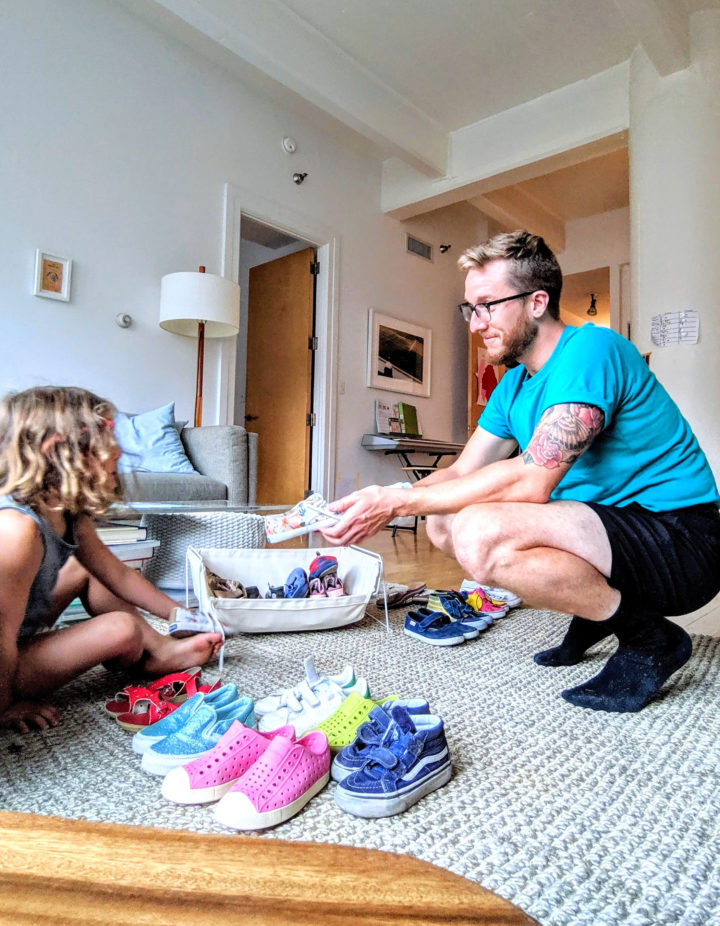
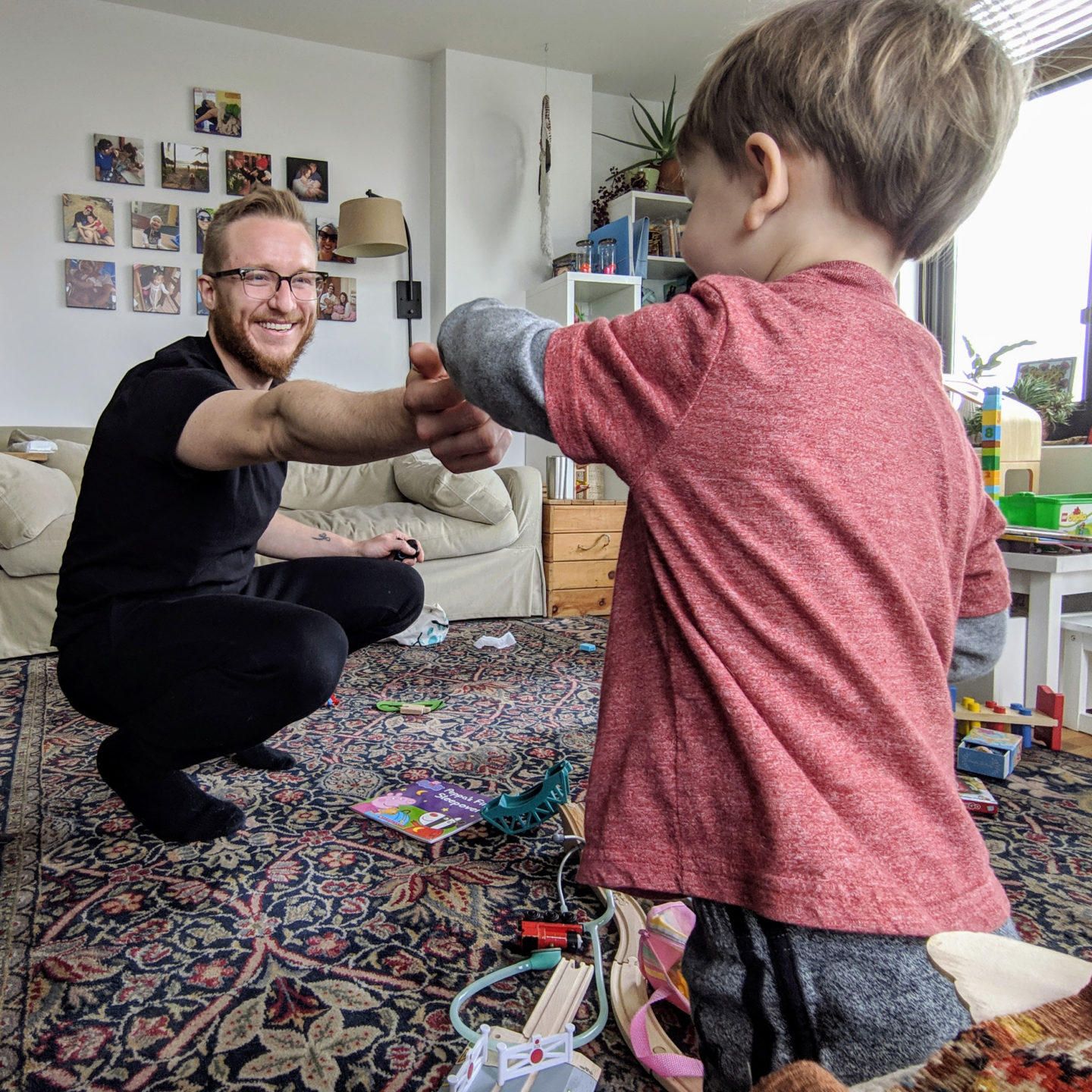
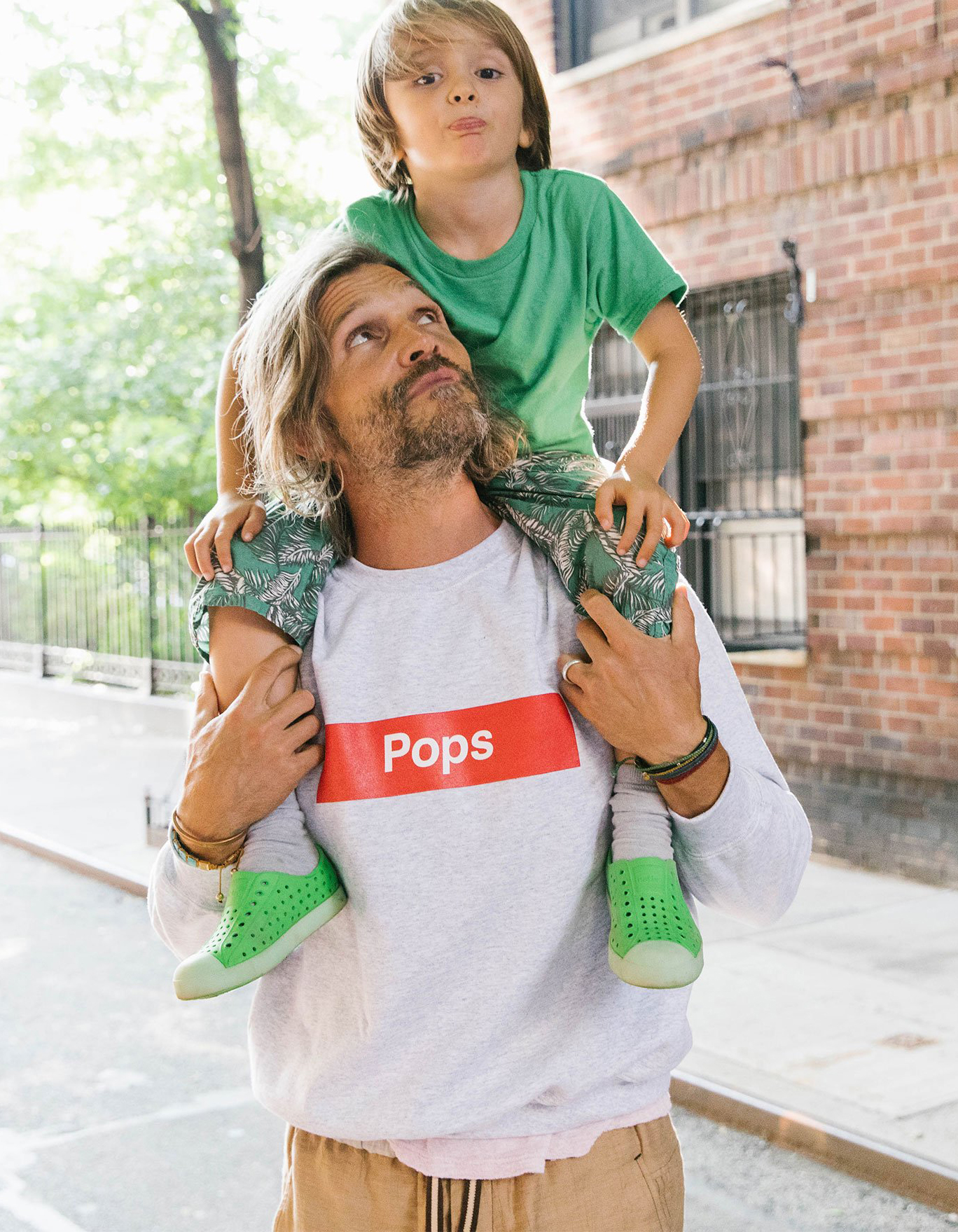
“Mannies can also be excellent role models for boys needing extra encouragement and positive examples to aspire to.” Photos by @themindful.manny
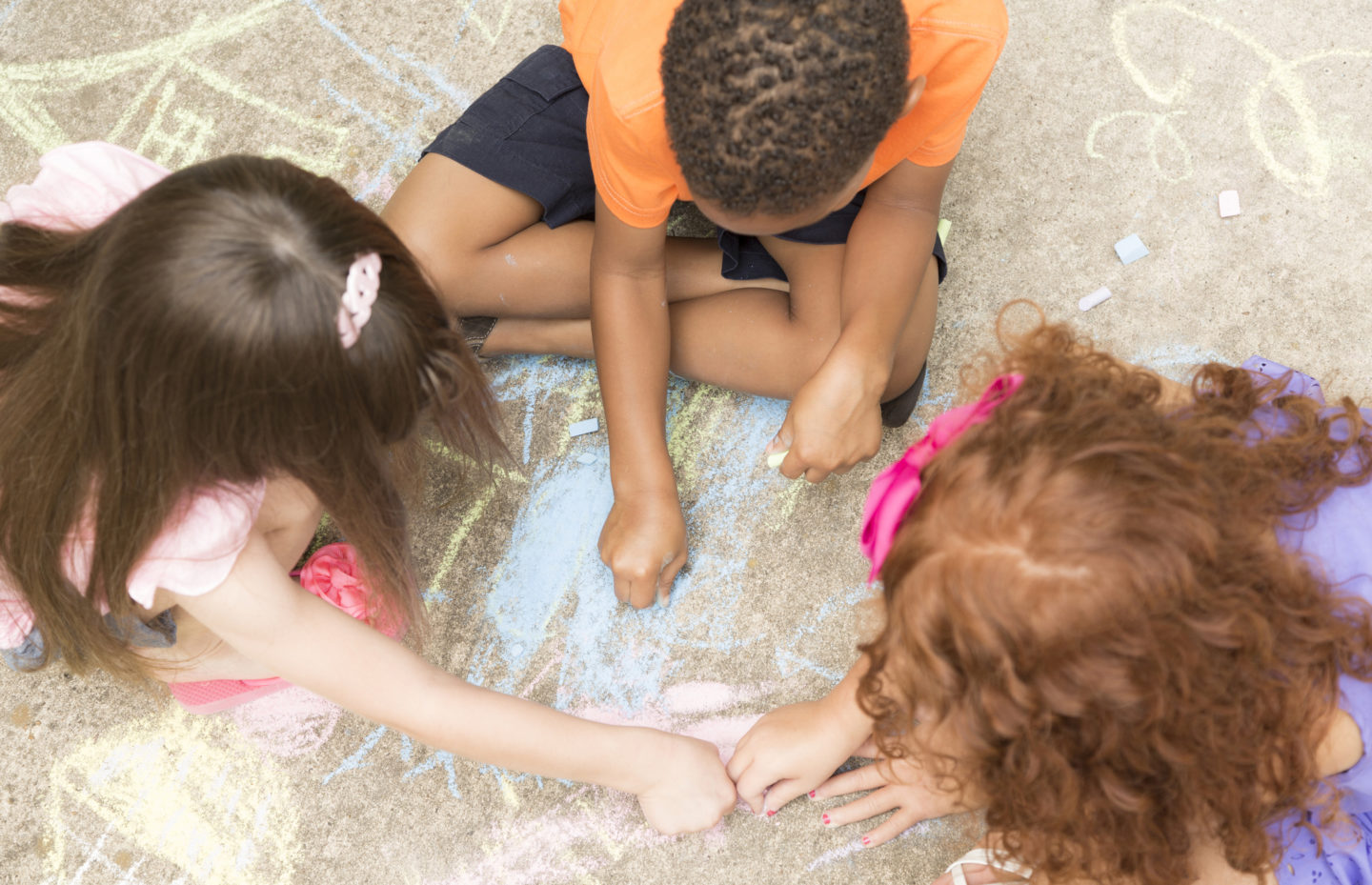
These days, a growing number of families, particularly those with boys, are eschewing typically female caregivers for the manny – a male nanny who functions in the same capacity but provides a bit of testosterone-fueled care and, in a sort of older brother-meets-camp counselor role, can teach a young boy how to become a man in ways that a primary caregiver cannot. “From playing sports to helping with homework, mannies provide a fun and safe environment for families who prefer an engaging approach to childcare,” says John Brandon, co-founder and chief executive officer at MyManny, a site that connects parents to mannies, which has doubled its growth in recent years. “They can also be excellent role models for boys needing extra encouragement and positive examples to aspire to.”
Casey Shane has been a manny for multiple families for over 10 years, having always been involved in helping kids as both a camp counselor as well as a sports coach. But for Casey, it’s all about the connection he makes with kids by encouraging teaching moments, regardless of gender. “I think when parents are deciding on who they want to be around their children, what matters most is personality, and their ability to connect to their child,” Casey says. “Every child is different. That’s what makes them unique and special, so by bringing on a caretaker, I would suggest really getting to know the person you want to bring in. It is important to see if it is the right fit.”
Marni appreciates that her manny isn’t trying to step on her toes when it comes to mothering. “Maybe it’s a guy thing, but he’s super chill,” says Marni. “He never gets insulted. It’s always ‘Sure, no problem.’ He’s open and easy to get along with.”
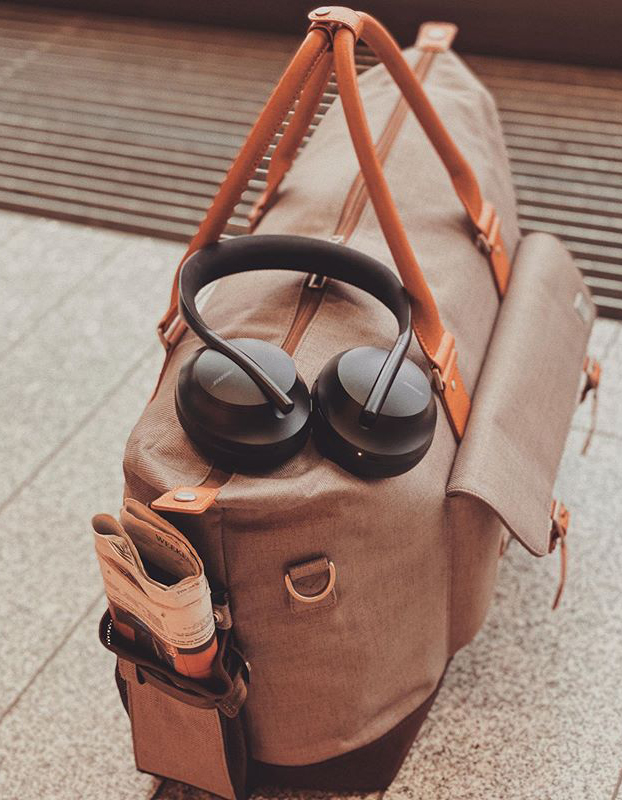
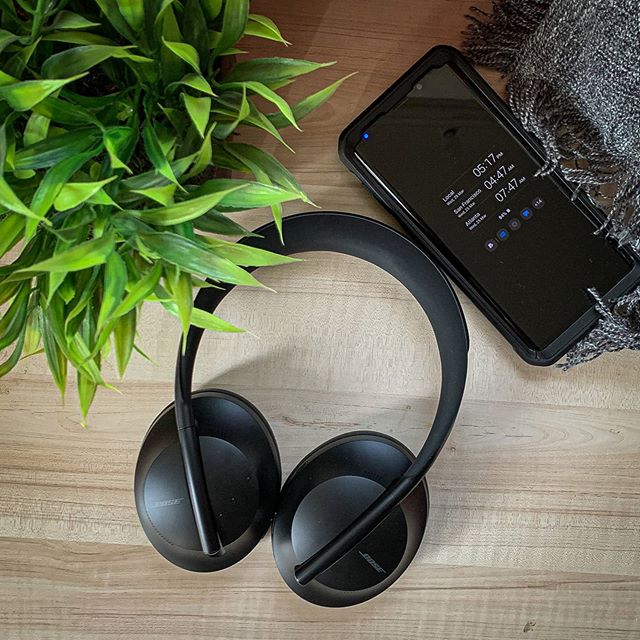
Headphones that Cancel YOUR Noise And other sounds.
By Babe | Photo by @serena_sertore
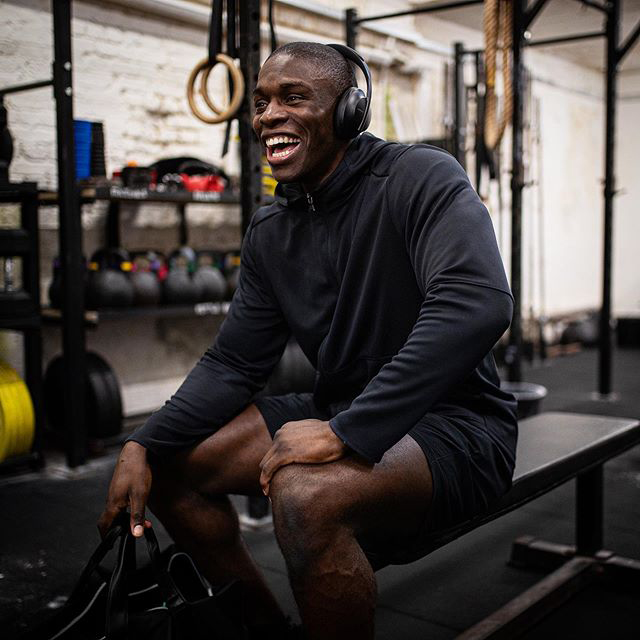
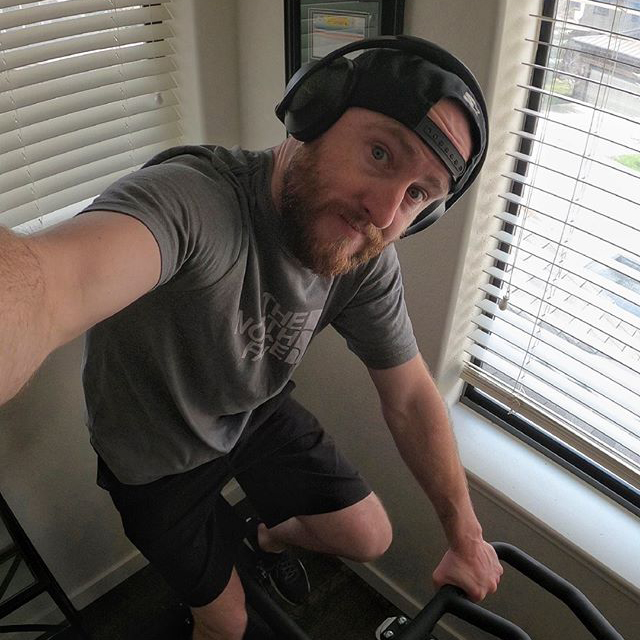
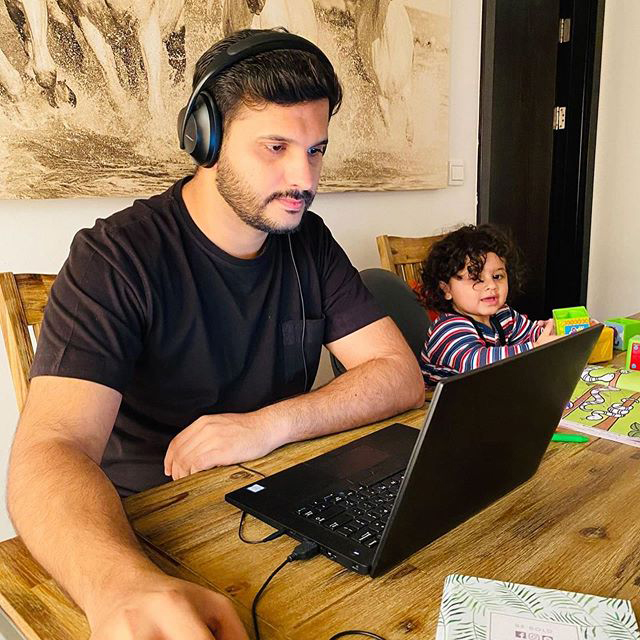
Airplane travel might be on hold these days, but the need for noise canceling is likely higher than ever. These Bose wireless bluetooth headphones feature not just powerful noise canceling sound (perfect for blocking out back-to-back episodes of Daniel Tiger), but they offer Alexa access with the simple push of a button. Now your man can find out the answers to ALL of his pointless questions without having to bother you.
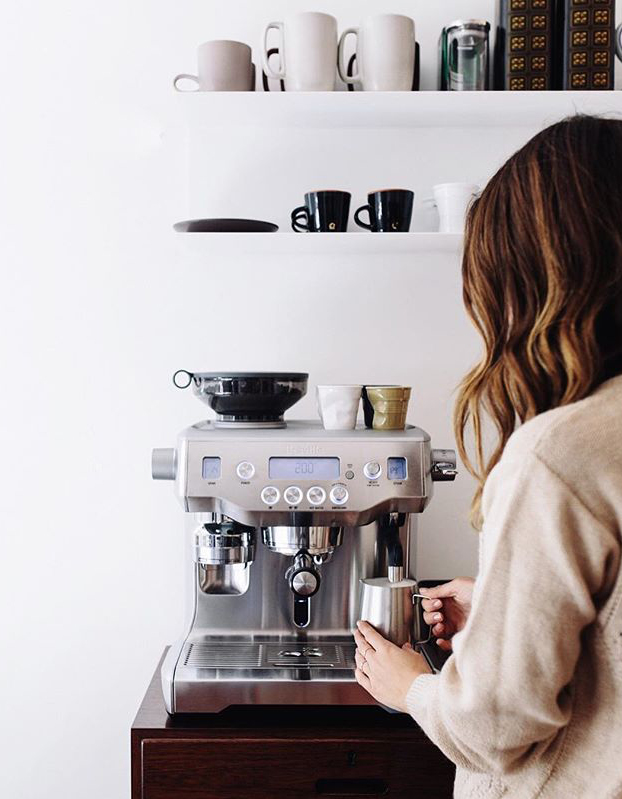
The Morning Coffee Dreams Are Made Of It's that good.
By Dini Klein | Photo by @gerihirsch
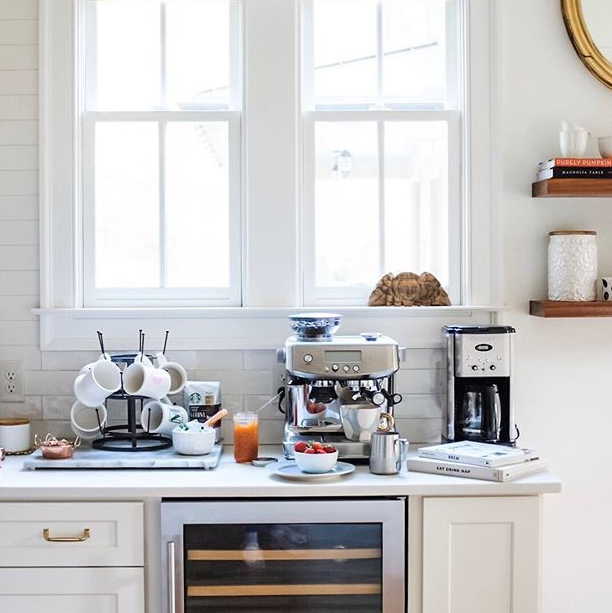
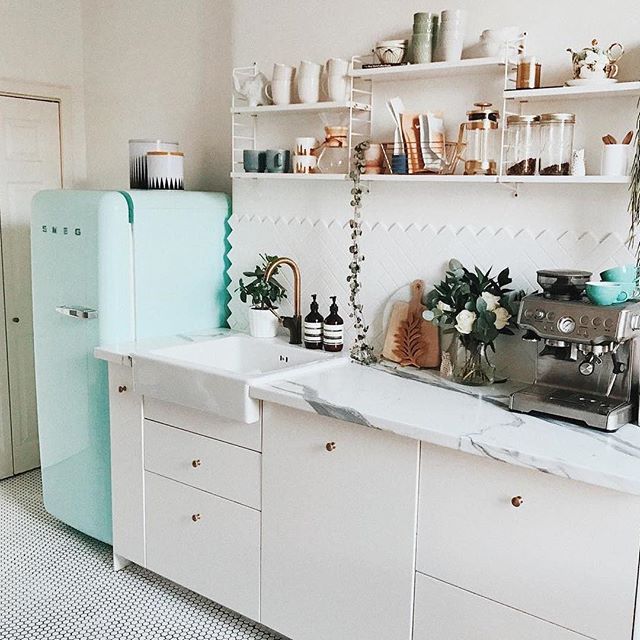
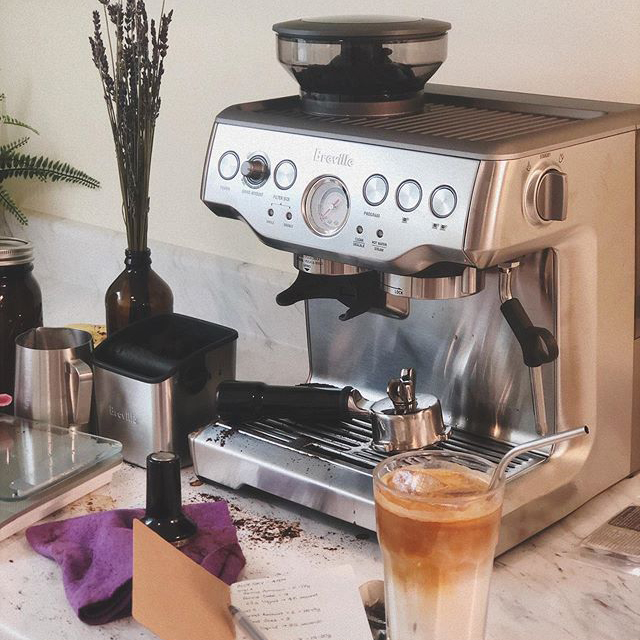
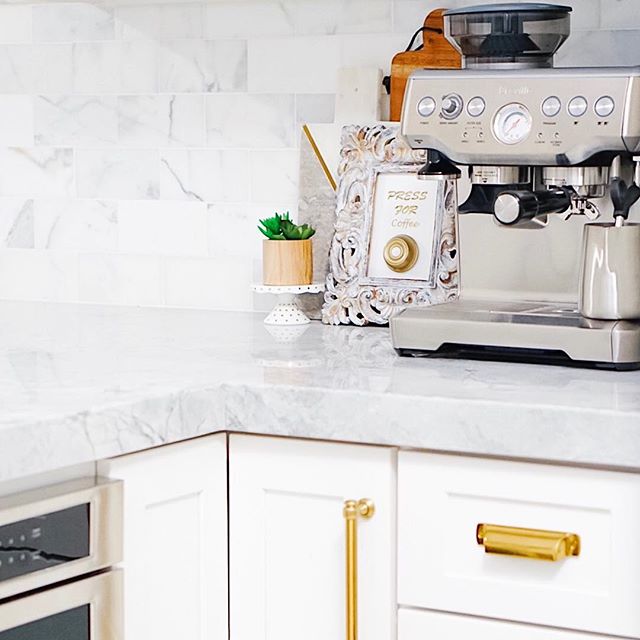
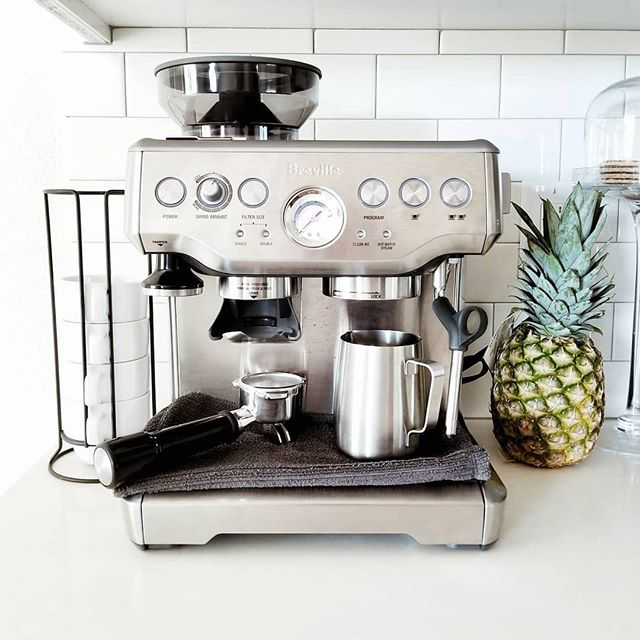
I just love my coffee routine and my coffee maker. I have Breville Barista Express. It brings me so much joy. It’s amazing. It grinds the beans fresh so I feel like a total barista when I used it.
Meet These Black Leaders in the Motherhood Space And how they're changing the future of Black Maternal Health.
By Colleen Crivello | Photo by Misan Harriman
Our goal, here at Babe, is to show up everyday as a trusted resource for our community. We know that pregnancy and parentingcan be confusing, and isolating, especially as we educate ourselves and children on being actively anti-racist. With this in mind, we’re turning to our community of Black leaders, activists, and mothers for expert advice on how to ask the hard questions, and have the right conversations. Here to guide, our list of impactful organizations, relevant podcasts, helpful tools, plus thoughtful books and toys that we’re referring to on the regular.
Ever-evolving, this guide will be updated frequently with new information and resources. If you have thoughts or ideas that you’d like to share please email us at community@hatchcollection.com.
Mom Experts
Our inspiring community of Black mothers – some which we’ve worked with and some who we’d love to work with – that bring guidance, comfort, and support to families everywhere, every day.
To read more on some of these thought-leader mamas head here.
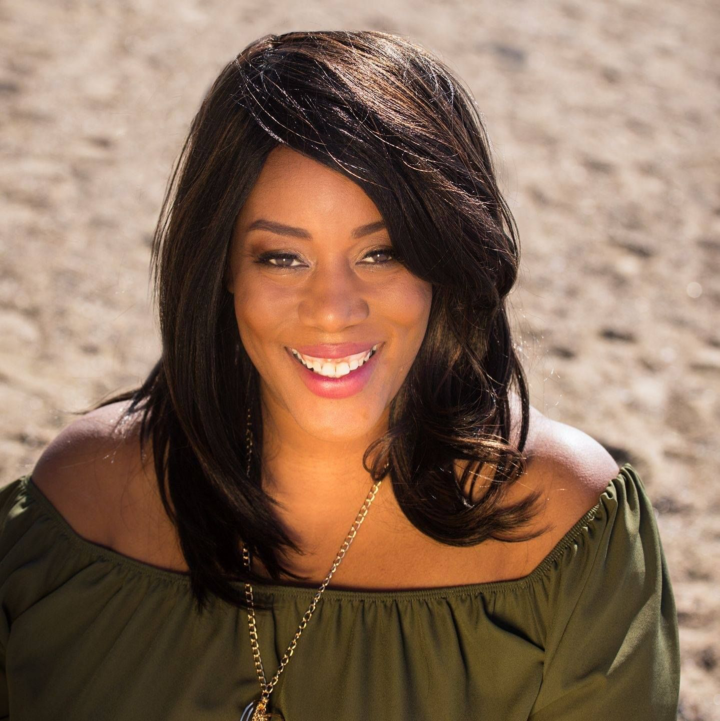
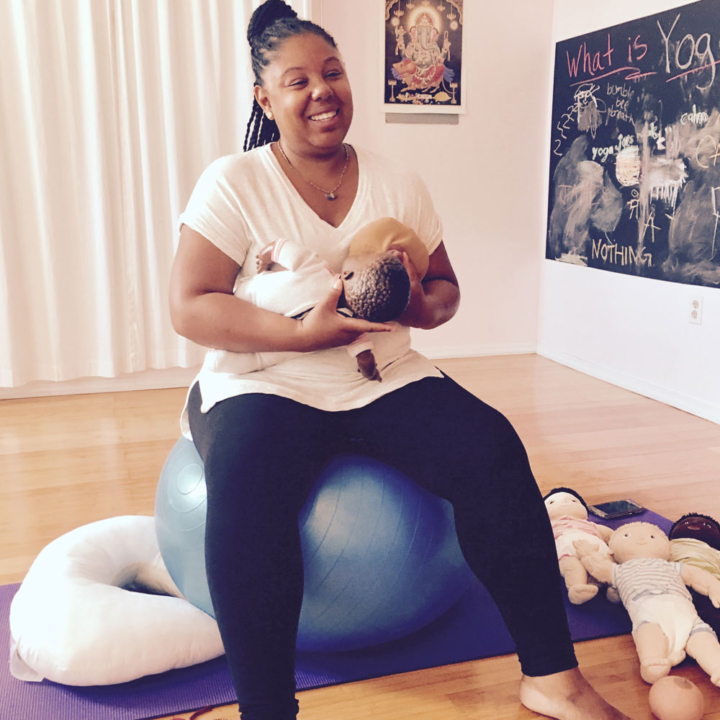
Maternity lifestyle maven, wellness & birth coach, and yogi on the vanguard of transforming the maternal wellness movement. and co-founder of the Mama Glow
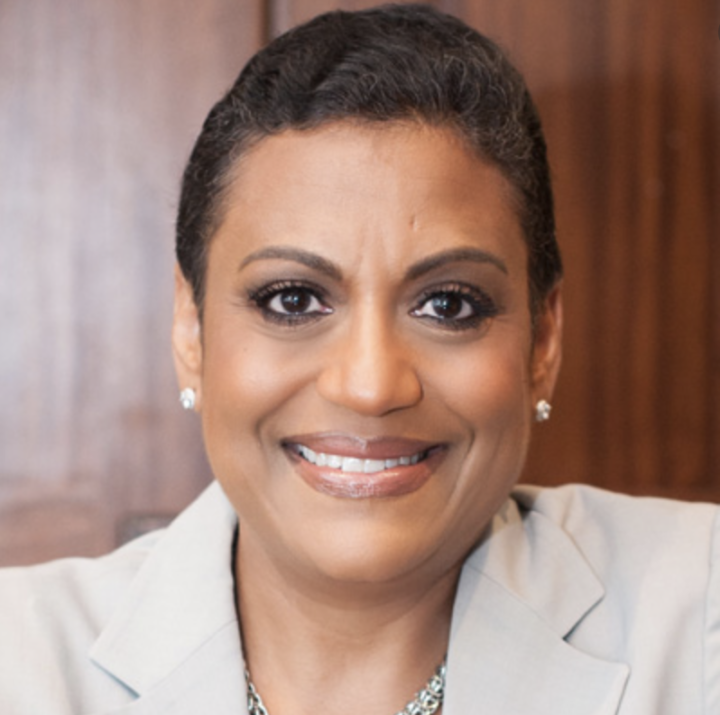
Author, speaker, and visionary MOM-preneur inspired to help individuals reach their unlimited potential. Founder of @brownsistersspeak and mental wellness and justice guide @ckyourprivilege
New York-based movement teacher @unionsquareplay for parents with infants and toddlers. Classes are based on the fundamental patterns of human development.
Mother of one, with one on the way, Rachel is an advocate for maternal health for women of color and offers yoga and training practices to her clients. Available for one-on-one sessions and counseling. DM her to connect.
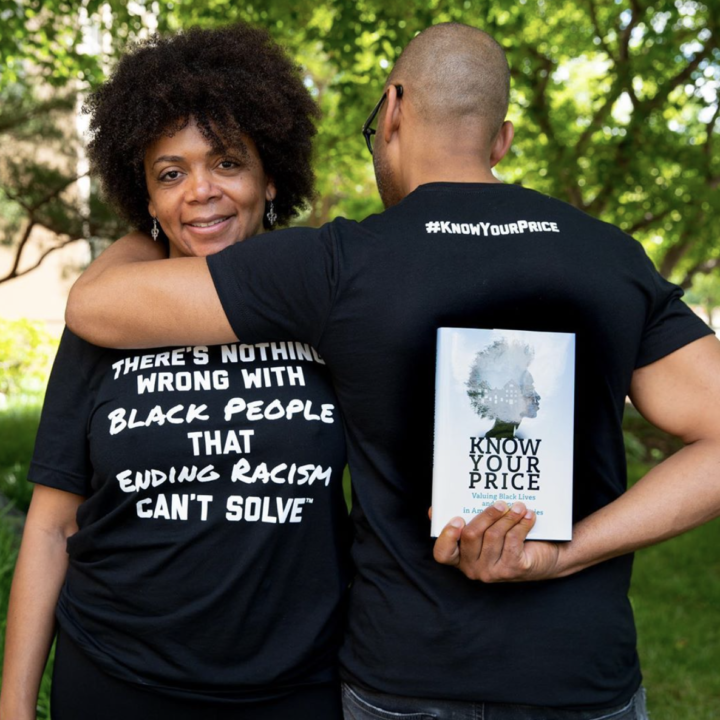
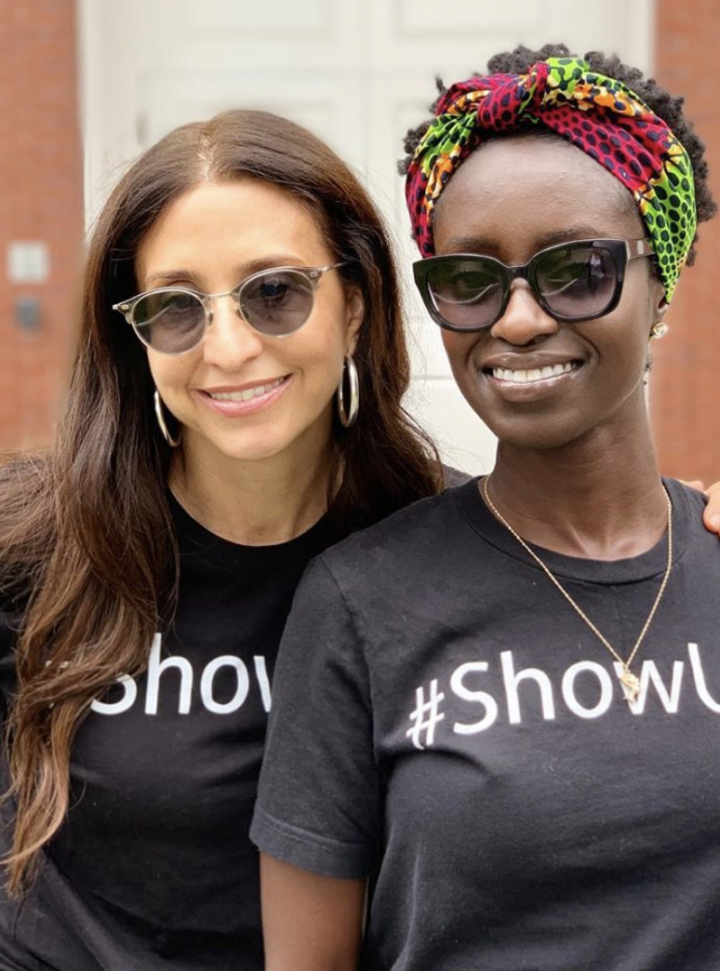
Co-Founders of @privtoprog + The #ShowUp Movement showing us the power of effectively working together through humility and curiosity
Positive Parenting Resources
Meaningful, long-lasting reform begins at home. Knowing to teach, we must learn, herein our go-to sources for understanding and engaging in hard conversations with ourselves and our kids.
The Conscious Kid: Parenting & Education Through a Critical Racial Lens
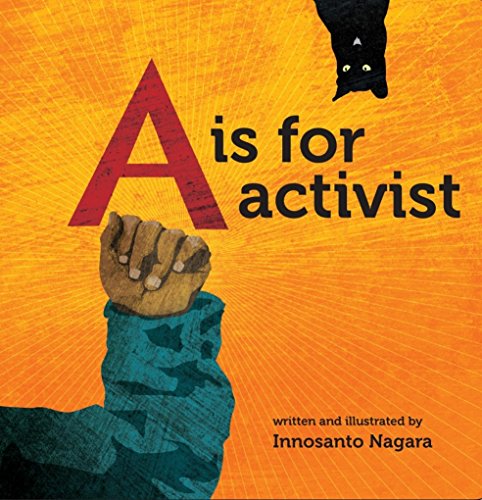
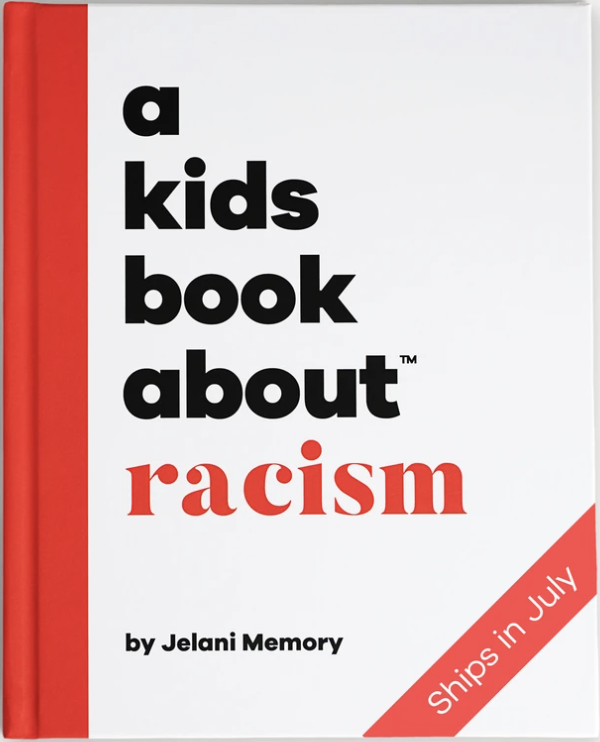
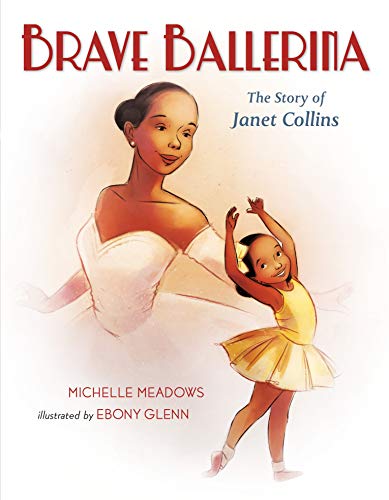
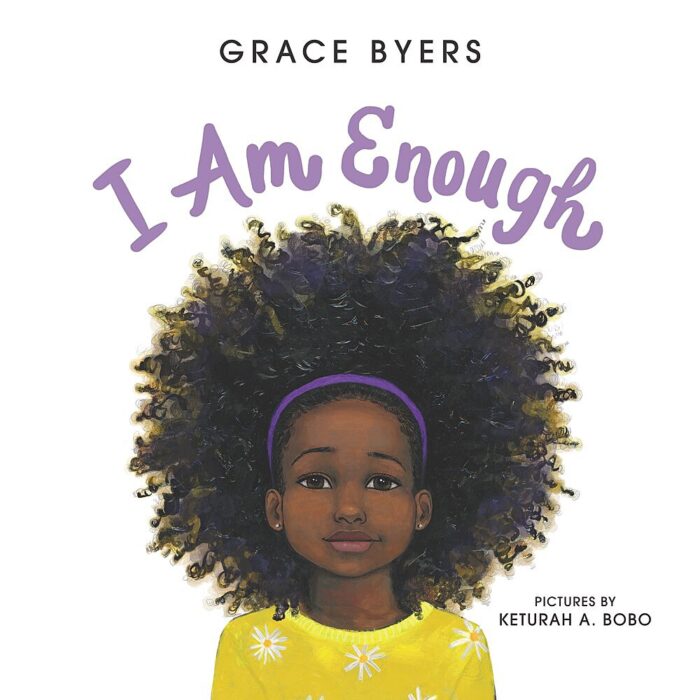
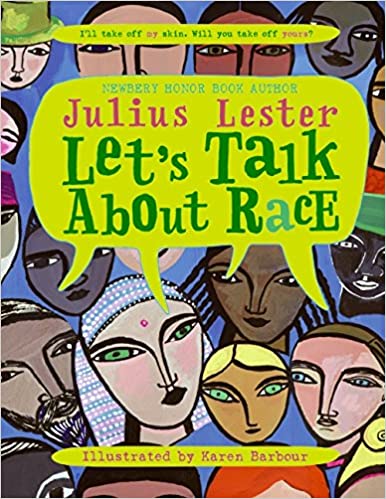
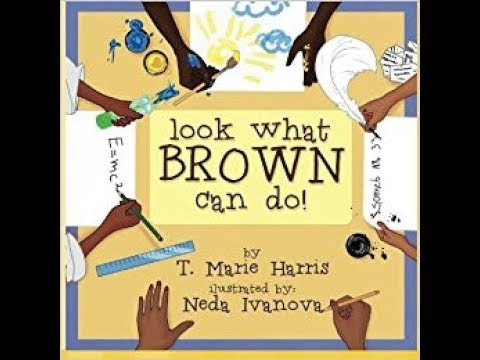
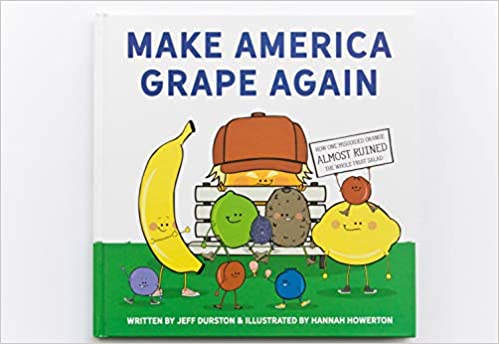
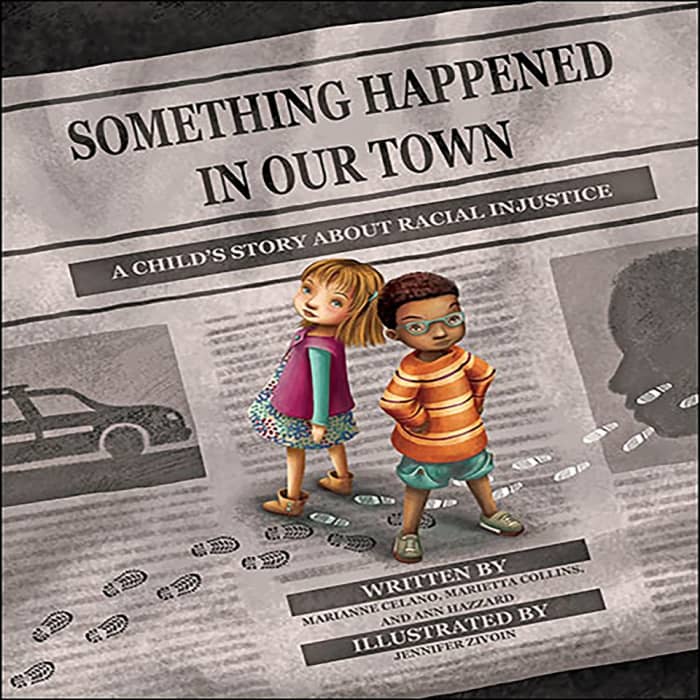
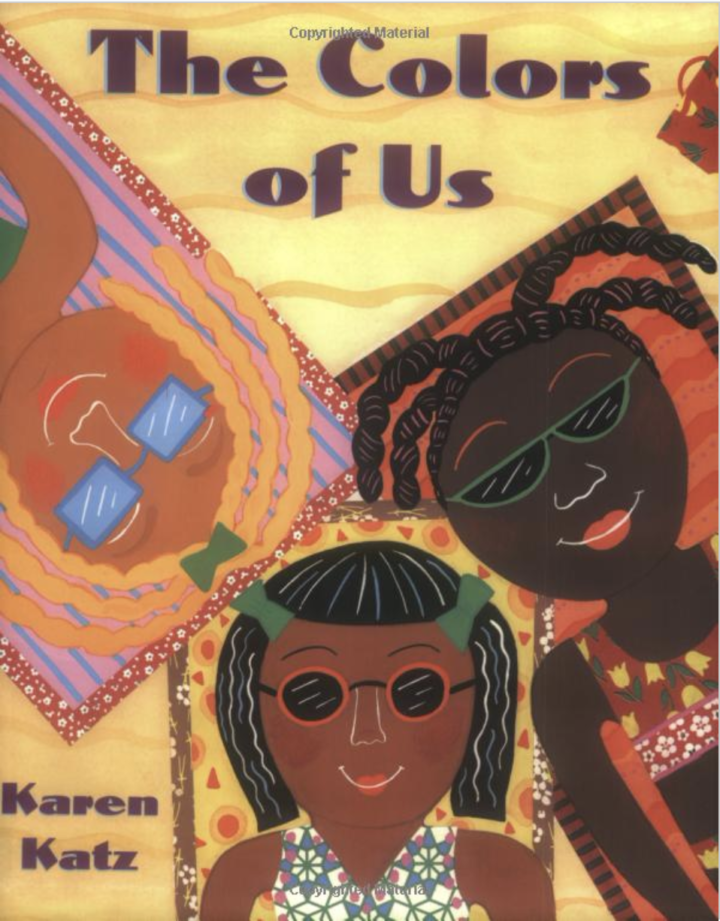
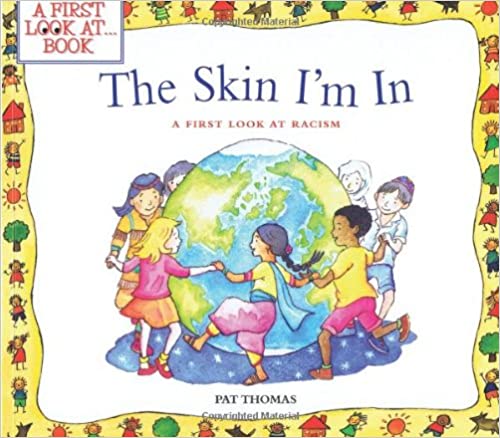
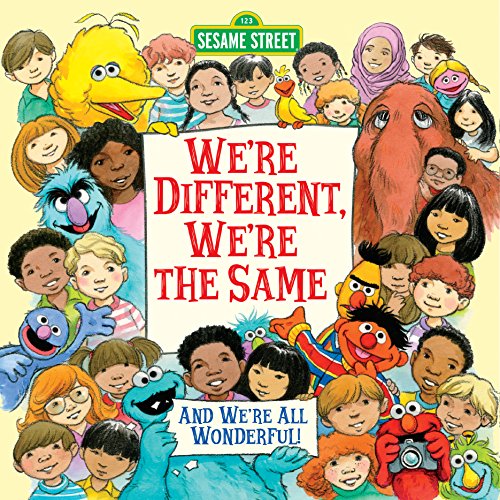
Books have the power to shape the way children see their community, and themselves. Within, the books we’re reaching for as we raise the next generation of changemakers.
A notable resource: Inclusion + Diversity Expert @hereweread surfaces diverse books, educational products and tips for raising curious kids.
PSA: When possible, support your local businesses such as Black-owned children’s bookstore Eye See Me versus buying on Amazon.
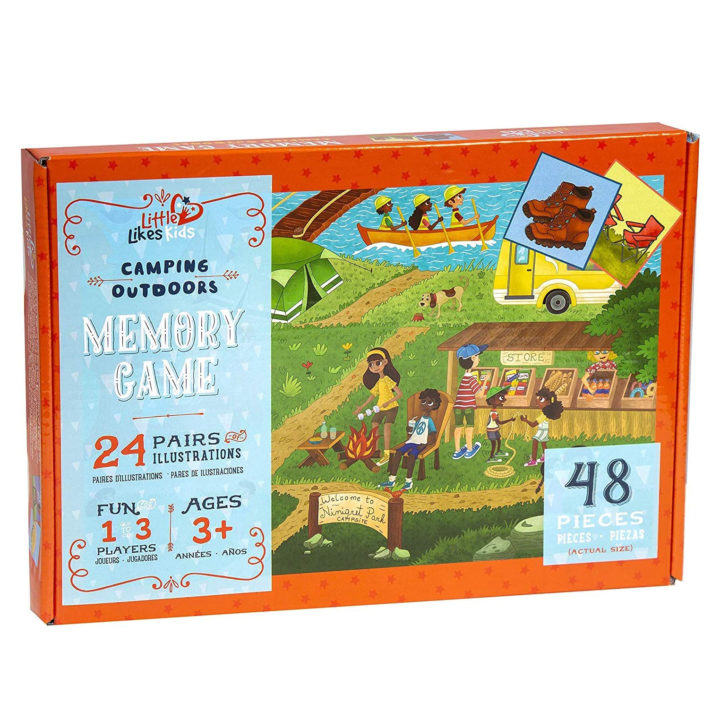
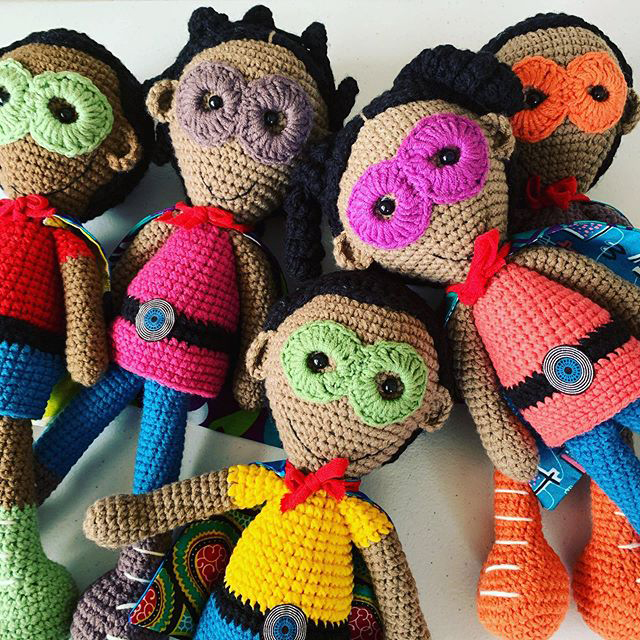
The way children play informs their understanding and relationship to the world. We love these Black-founded toy brands and will continue to support these partners through our HATCH retail locations.
Donating is an important part of how we can continue to make a difference and push forward the change that needs to happen now. With incredible organizations leading the charge, we’ve honed in on several foundations focused on supporting mothers, families and children.
Black women-led cross-sectoral alliance centering around Black mamas advocating, driving research, building power, and shifting culture for Black maternal health, rights, and justice.
International doula certifying organization founded in the Fall of 2008 in Brooklyn, New York with the goal to offer quality Doula Services to Women of Color and Low Income Families who otherwise would not be able to afford Doula Care.
Talking Race with Your Kids Because silence isn’t an option.
By Caroline Tell | Photo by webphotographeer / iStock
When it comes to racial injustice, it’s a struggle coming up with the words to understand such horrific events, let alone having the words to explain them to our children. Yet, as we all know, silence equals complicity, and these talks, as tough as they are, are exactly what as parents we must do to tackle injustices for future generations of activists. “Many of us were raised in families that thought that they were teaching equality, but the way that they did that was to just say, ‘Well, we’re all equal,’ and not say anything more explicit,” says Jennifer Harvey, author of Raising White Kids: Bringing Up Children in a Racially Unjust America during an interview on NPR. “What does it mean when you believe everyone should be equal, but many members of our society do not experience equality? It breeds a lack of capacity among white people to engage well in conversations about race, to talk about and respond when racism is happening.”
The steps to beginning these discussions, according to psychologist Dr. Jazmine McCoy, starts with our own self-exploration and confrontation on the issue. “We have to do the work within ourselves first before exploring the topic with our kids,” Dr. McCoy told her 83,000 Instagram followers. “If we don’t feel comfortable and confident and empowered when it comes to race and white supremacy, then we can’t educate our children. That’s where this starts.” Pediatric expert Dr. Aliza Pressman agrees, though it’s not easy. “The challenge is to address and express outrage and support and anti-racist sentiment about George Floyd but then it’s about looking at your life and asking, ‘What am I doing as a family?,’’’ she says. “’How was I raised? What are the subconscious messages that have been taught to me?’”
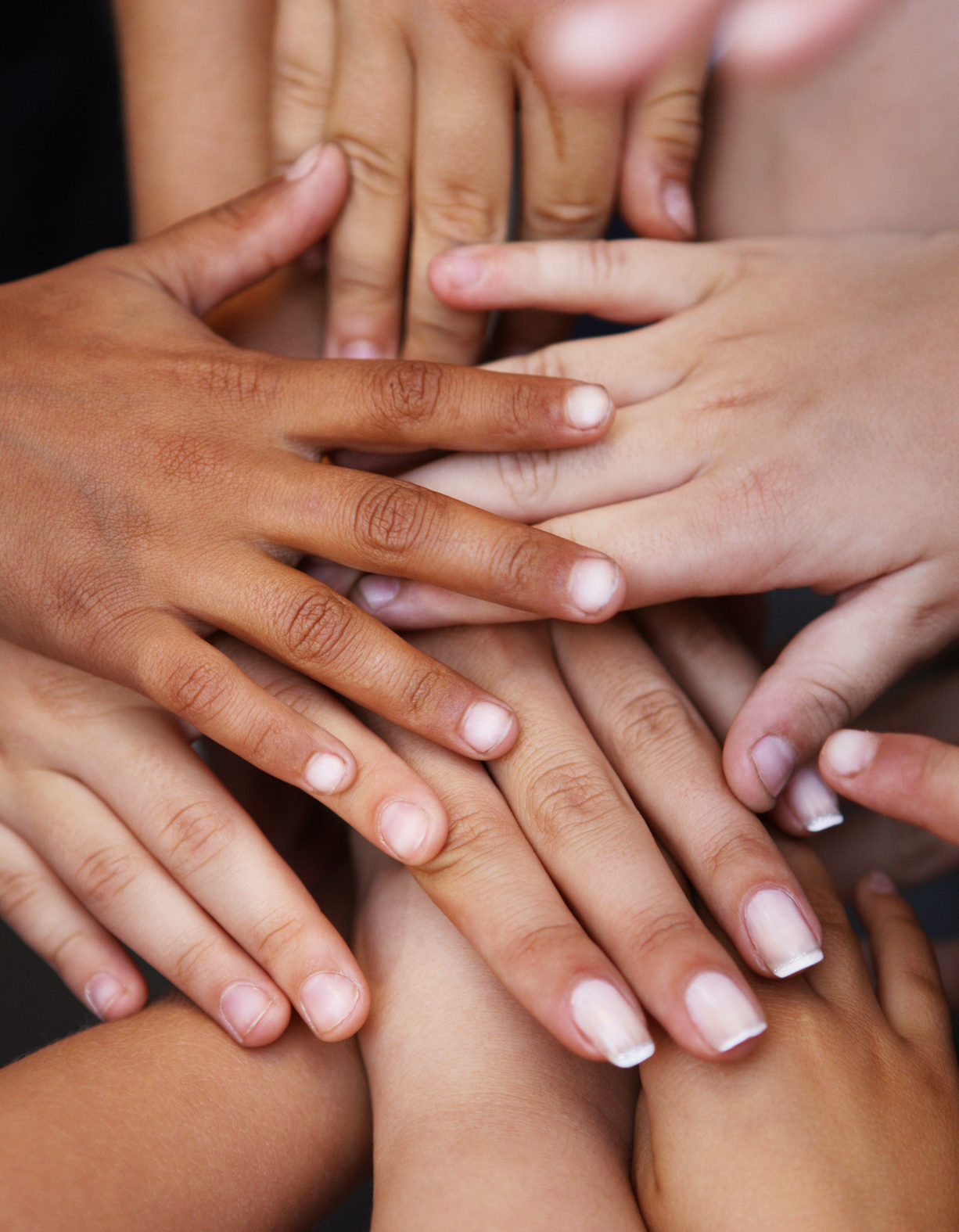
“Notice what’s happening and make an effort to bring diversity of every kind into a child’s life if you’ve been remiss. ” Photo by fstop123 / iStock
But just how do we discuss race with our children? Do we go super clear or allude to it in broad strokes? Do we discuss specific acts of violence, or keep it general? When it comes to exploring race with children as young as toddlers, clinical psychologist Dr. Laura Markham does a great job breaking down strategies that feel age appropriate on her site Aha Parenting. Dr. Markham says toddlers should never be exposed to the television or the news, or that parents discuss upsetting issues within an earshot of their kids, even if they assume they wouldn’t understand. However, because toddlers do notice race and are drawing their own conclusions constantly, we should look inward at how we treat other people. “They notice their parent’s cues, such as friendliness or stiffening up when someone approaches,” says Dr. Markham. “So notice your own reactions that may be influenced by race and what cues you’re giving your child.”
Dr. Pressman recommends doing an eye scan of how many characters of color exist in the books your child’s reading as well as dolls and superheroes. If your toddler makes a reference to other people’s skin color, it’s a time to explain those differences in a simple way and celebrate them, not push the conversation under the rug. “You can explain that some people have more melanin in their skin, which makes it darker,” Dr. Pressman says. “So it’s a straightforward explanation and then celebrating different colors of skin and hair and textures, instead of ignoring it. We’re color silent when we don’t let them say these things out loud.”
Notice your own reactions that may be influenced by race and what cues you’re giving your child.
Dr. Laura Markham
For preschool aged children, it’s important to have ongoing discussions with them about race, fairness and standing up for what’s right, and then give the basic facts about a particular news event. “Preschool kids are obsessed with fairness,” says Dr. Pressman. “It’s an interesting time to point out those moments that seem explicitly unfair and how people historically are treated differently because of their skin color. It’s a time to notice what’s happening and make an effort to bring diversity of every kind into a child’s life if you’ve been remiss. ”
Children aged six to nine are old enough to hear about what’s happening from friends or online, so you’ll want to ask what they’ve heard and open a discussion about it. “They’re also old enough to talk about all the issues here: race, guns, protests, but obviously you will have to tailor your explanation to your child’s developmental understanding,” Dr. Markham says. “Your child may seem very sophisticated, but research shows that elementary schoolers do have nightmares in response to new reports, because the news shows them a world that’s scary and chaotic. Reading the newspaper together is educational, but I would shield even a nine-year-old from TV news, which is purposely sensationalized to be scary. Calm yourself before speaking with your child so your own outrage and fear doesn’t scare your child.”
Remember to ask your child what they already know and repeat it to be sure you’ve understood. “It’s okay to say you don’t know an answer to a question,” Dr. Markham says. “You can tell your child you need to research that question and you will let them know what you find out.” Again, give the basic facts as you understand them. You could also use the opportunity to talk about how incurring change in a democracy, and about the history of peaceful protest and civil disobedience. “Your child may already have heard about Gandhi and the Civil Rights Movement, but together you can Google other examples,” she says. “You can also note that it was the protests about George Floyd’s death that prompted the arrest of the officer who killed him.”
Just remember, it all starts with you – your response to racism and your exploration with how you feel about race. If you’re being insincere about it, “your kids won’t buy it anyways,” says Dr. McCoy. “They are listening and following our actions more than our words.”
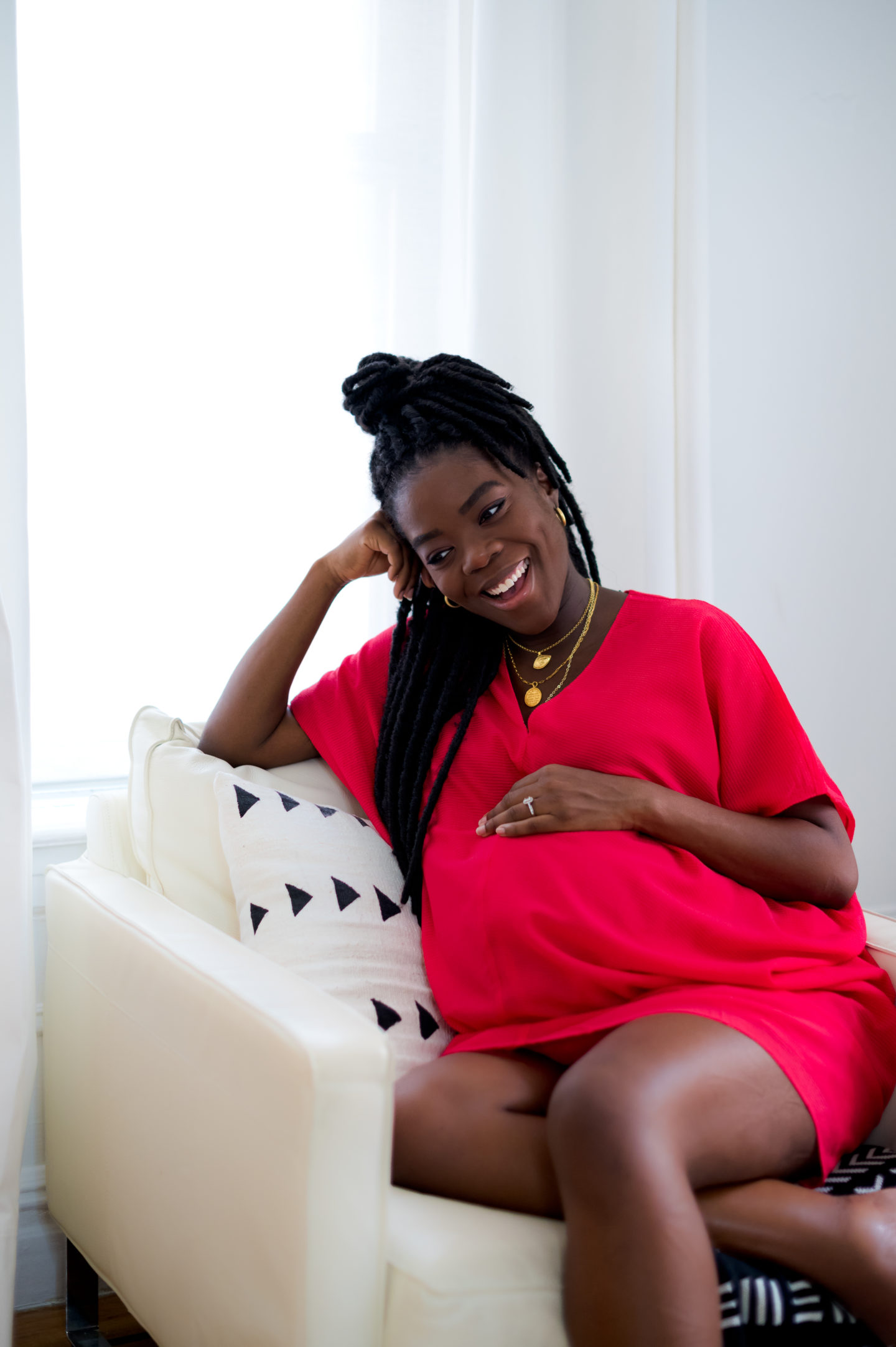
Fashion Director Of Teen Vogue & Allure, Rajni Jacques On Her Pregnancy Style and Journey To Baby Number Two
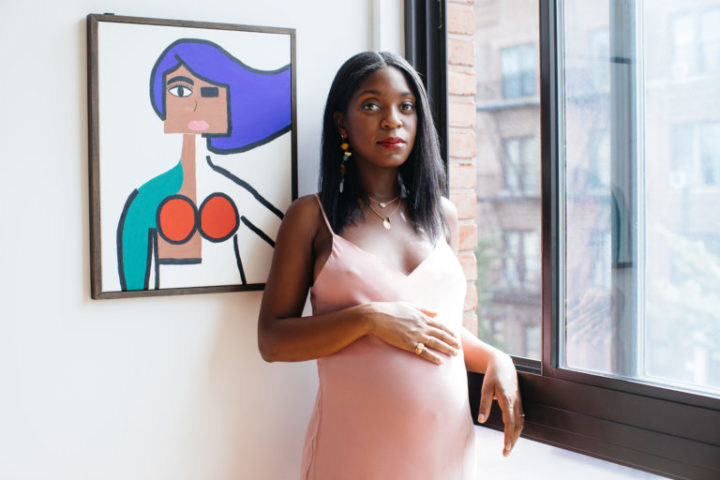
Rajni’s sartorial choices have long been inspiring others to shop; therefore it’s no surprise that even while pregnant her style is on point. Join us as she dishes on her pregnancy style, plus her journey to baby number two. @rajni_jacques
Current state of mind?
These days, I’m feeling OK; however, I’m more anxious, and I worry more about this pregnancy than I did with my first. It’s almost as if I know too much whereas with the first go-around I was more of a learner—perhaps ignorance is bliss!
Will you take maternity leave?
For sure! Last time I was freelancing, which meant that I didn’t have as much of a chance to take maternity leave. However, with this one, I’m planning to take the full three months off. I need the time. But with that said, similar as to when I was pregnant with my son, I will work until the very end. I find that I’m better working and staying active.
What has been your pregnancy style?
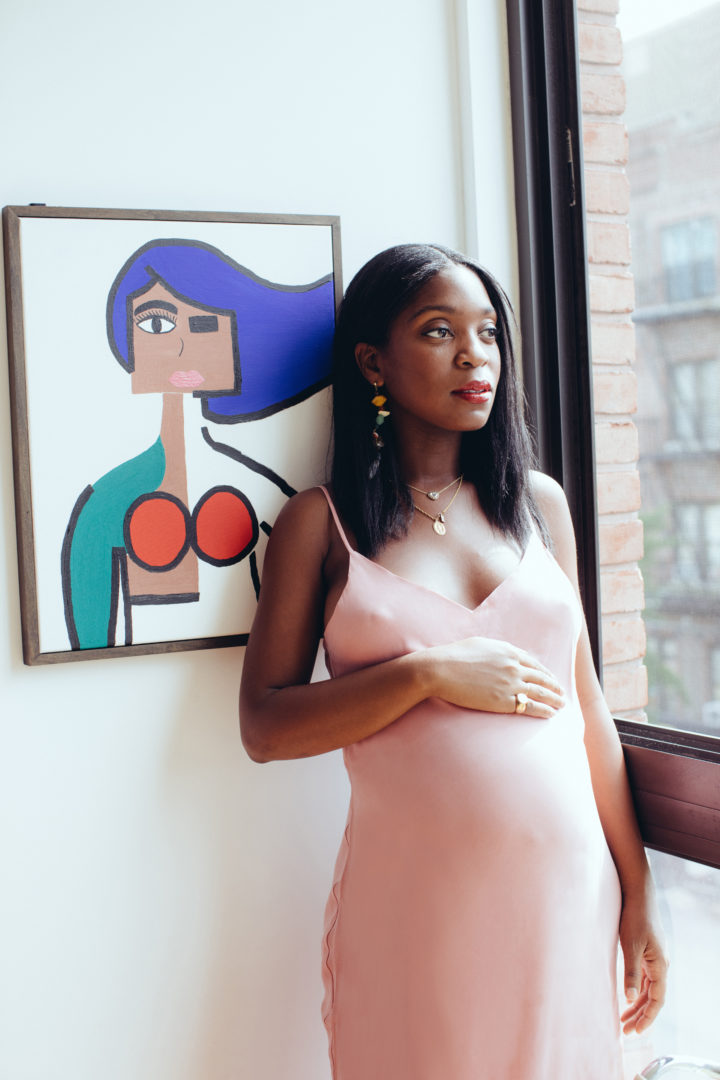
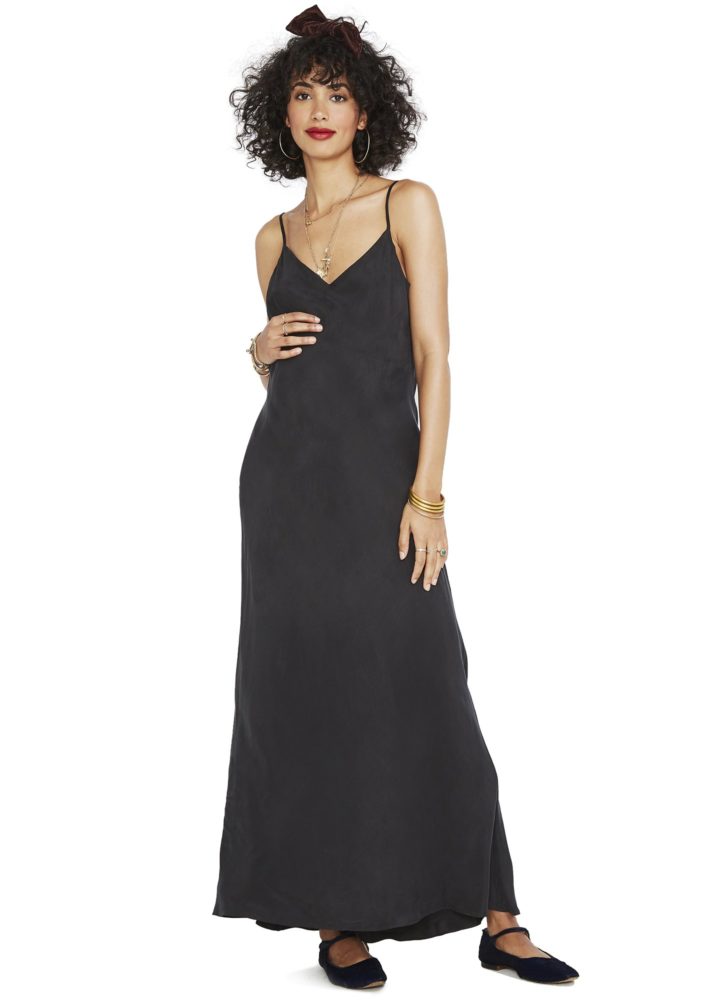
My style hasn’t changed much, and for the most part, the formula is still the same with a few adjustments. I mainly lean on slip dresses, jeans (because denim is just a part of who I am) and accentuating the belly!
If your pregnancy were a song?
Depends on the week, the day, and perhaps even the time of day! At moments I’m super happy, so I’d say Pharrell’s “Happy.” Whereas other times I overthink things and not sure what song that would be, but I’m sure there’s one that relates. However, most of the time I feel grateful because even though this pregnancy has been more difficult than the first, I am thankful that I was able to get pregnant, and therefore the song would be “At Your Best You Were Loved” by Alia.
Do you know what you’re having?
We’re waiting to find out! With Diego, my first, we found out, but with this one, we decided to wait!
How does this pregnancy differ from the last?
I know they say that every pregnancy is different, and for me, that’s undoubtedly true. The way I feel is different, the way I look is different, everything is different.
But I’m not sure if that’s necessarily indicative of the sex; however, I do feel like there’s a different energy in me. We’ll find out soon enough!
What was your journey to pregnancy?
With the first, it took us a year and a half to get pregnant, and with this one only about four months to conceive. It’s funny because, at first, I didn’t know that I was pregnant since I’d taken two tests, both of which were negative! Therefore, I’d decided to take the summer off, enjoy myself and start again in the Fall, unbeknownst to me that I was pregnant and the tests were wrong!
How have you been eating throughout this pregnancy?
I’ll be honest my diet hasn’t been the best. I’m nauseous one second and not the next which has led to making poor food choices at times. Some days I’ll eat healthily, and other days I don’t. For the most part, I’ve been trying to drink a ton of water and stay in motion as best I can. With my first pregnancy, I worked out all the time, but I’ve had less drive to do that, so instead, I try to walk as much as possible. For example, if I have to be somewhere, I will go by foot rather than taking a car.
Have you been craving anything specific?
Fruit, in general, has been my craving, especially pineapples and mangos.
And what about the Do-Not-Eat-While-Pregnant list?
For the most part I’m not eating the items on the warning list; however, I will indulge in a few things in moderation, like a piece of prosciutto from time to time. As for wine, I don’t have a desire to drink as it tastes metallic to me now.
What’s the first thing you’ll have post-pregnancy?
First thing I’m having is a Pina Colada!
Any advice…
Don’t lose yourself in momhood. You were a person before you were a mom, therefore, be sure to maintain your identity because you don’t want to flip to the other side and feel that you’re missing a piece of yourself. I regularly check in with myself on this to feel grounded in both being a mom while nurturing my interests.
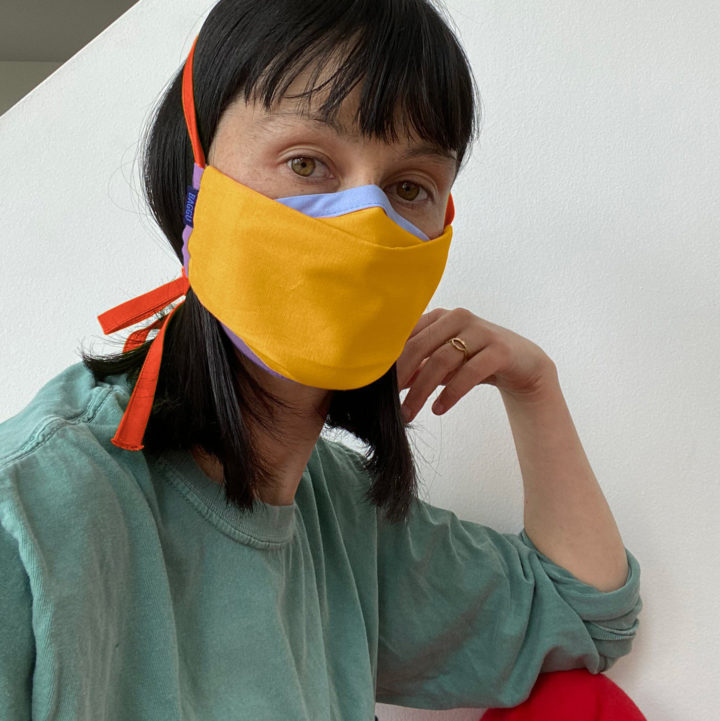
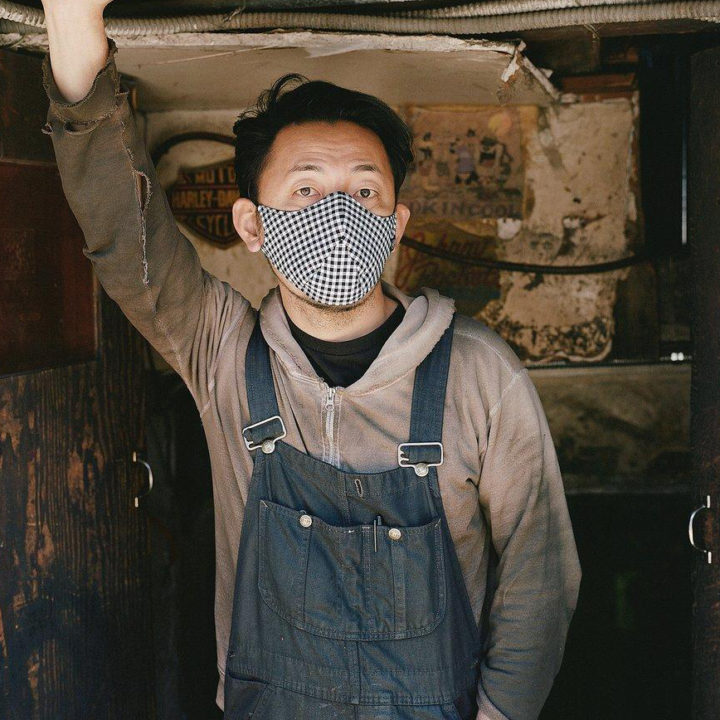
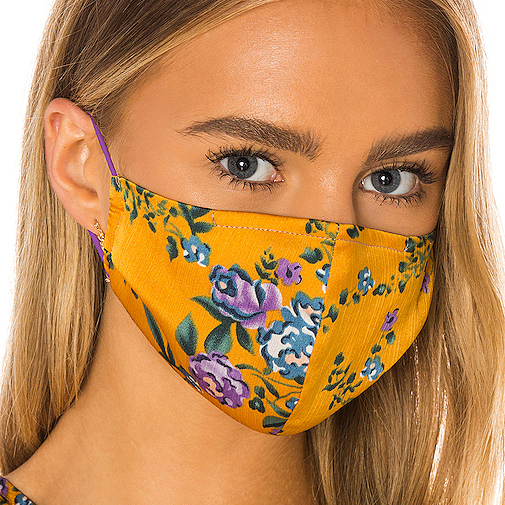
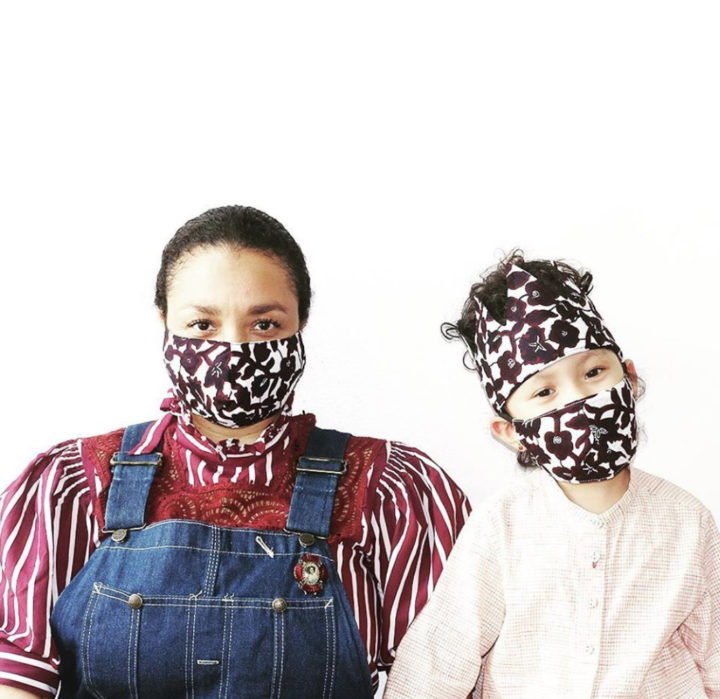
Cover Up Move over sunnies, the mask is summer’s newest statement piece.
By Cheyenne Arnold
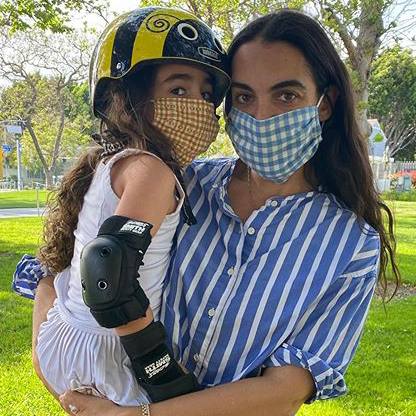
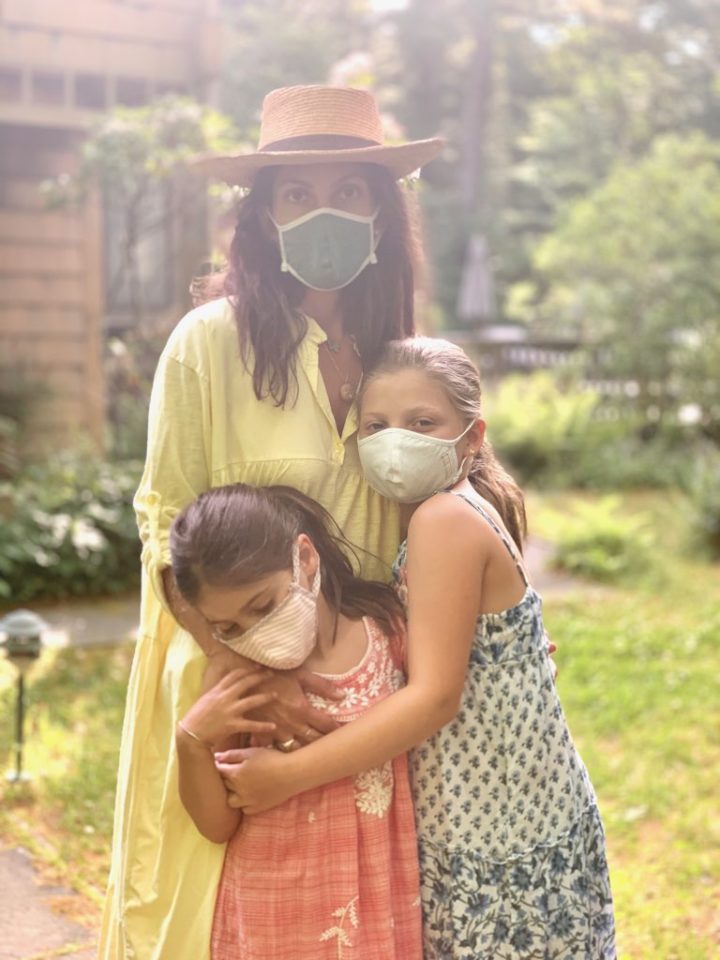
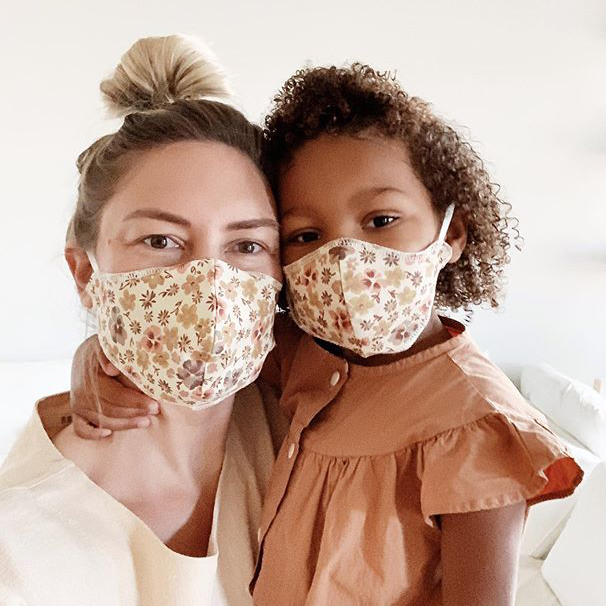
The hottest trend this summer isn’t eyelet. It’s not a wide brimmed straw hat. It surely isn’t slinky sun dresses for après beach drinks. No, this year’s must-have accessory is the face mask. Once it was clear that masks (and Covid-19) were going to be here for a while, people stepped up their mask game significantly. We’re talking beautiful fabrics and fun colors turned into functional beauties made by some of our favorite brands (sup, Clare V, Mother Denim, etc.) — oh, and a few silly ones, too. It’s decided: being a respectful citizen is the coolest thing you can do this summer — and the coolest thing you can wear is one of these gals.
Dr. Aliza Pressman Talks Sleep Training for EVERY Parent Even the attachment ones.
By Dr. Aliza Pressman | Photo By Meg Anderson
We all have that one friend who, on the night of her infant’s 12-week “birthday” and just three days shy of returning to work, threw in her headphones, locked herself in the bathroom and let that babe rip all night. Et Voila! From that day forward, she had herself a “perfect sleeper.” For the rest of us, sleep training is easier said than done and – somewhere between crying it out and attachment parenting – we want the quickest solution to being kept up all night without totally torturing ourselves. The reality is, no matter who you think you are at the outset about anything parenting related, you will only figure it out in real time. In other words, don’t go in with any expectations. Self-flagellation around falling short of some arbitrarily assigned parenting dogma will get you nowhere at any point, but especially when it comes to getting the kid to sleep.
Be okay if you are a softie or a tough-y when it comes to your crying-tolerance threshold. Most of us are somewhere in the middle, which is to say wildly inconsistent, and it all comes out in the wash. Fortunately, pediatric expert Dr. Aliza Pressman, co-founder of seedlingsgroup and host of the Raising Good Humans podcast offers us simple guidelines to getting them to sleep, while helping us preserve our own sanity. No matter where you fall on spectrum, the mantra is the same: Letting babies learn how to fall asleep on their own is one of the best things you can help them do.
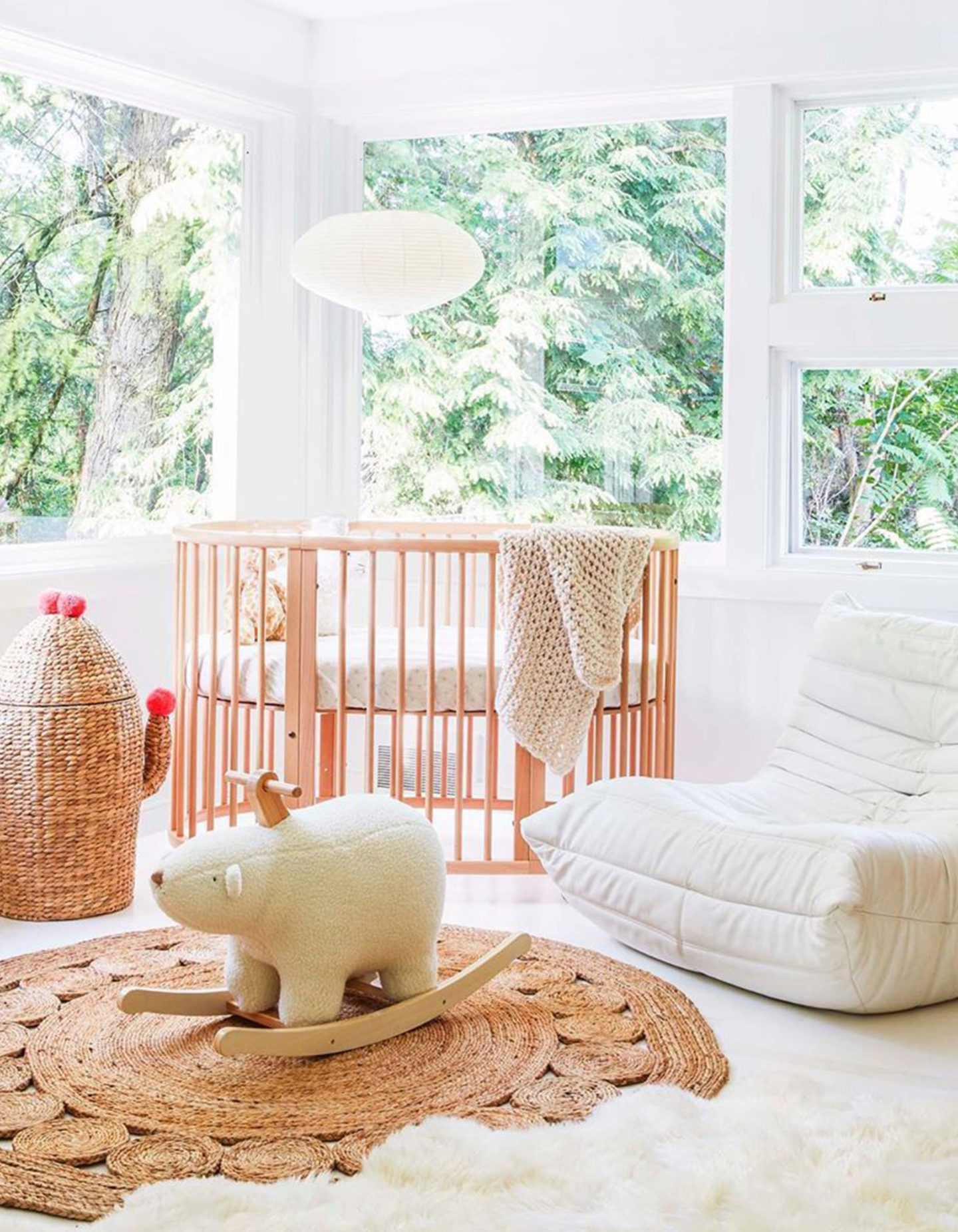
“Sleep is one of the most important components to a healthy, developing human being,” Aliza says. “We also know that adults need sleep to remain healthy, both mentally and physically. How you get your child to sleep and where they sleep is where the controversy lies. I don’t fall into a specific camp beyond safety. The AAP has very clear guidelines on safe sleep, and if you take those guidelines as a given, then you can think about how you want to teach your child healthy sleep habits.”
According to Aliza, the first four months of your baby’s life are not about sleep training, but developing routines and responding to their needs in whatever safe way you can. After that, parent behavior can influence child sleep. “If I’m working with parents on sleep training, first I need to know what they think they can tolerate in terms of boundaries,” she says. “They’ll usually say, ‘Well I can’t handle even a slight cry,’ or they’ll say, ‘I’m comfortable if I know my child is going to be OK to cry to get to sleep on their own.’ That’s when I can make a decision on the best kind of support.”
Parent behavior can influence child sleep. Photo byAmanda Watters
Sleep Training for the Sensitive Souls:
According to Aliza, “If a parent can’t handle even a whimper, I would then focus on that family stopping any feeding at night. Most babies don’t need to eat at night by 4-9 months (but I’d recommend parents speak to their pediatrician first). If you’re breastfeeding, maybe give one feeding, but at other wake ups, don’t give food – just cuddle and soothe. Don’t make eye contact, just soothe. Some babies just need to know you’re there, so hold their hand or pick them up and rock them to get them back to sleep. Give them a pacifier or let them suck their thumb or give them something that smells like you. And you just cuddle and soothe until they’re asleep again and you put them back down. Now, they won’t learn how to fall asleep on their own, but because you’re not giving food, it becomes less appealing to wake up. So over time – it can take weeks or months – you can get your baby to learn to stay asleep.”
Sleep is one of the most important components to a healthy, developing human being. Photo byAmanda Watters
Sleep Training for the “Middle of the Road” Types:
“If you can handle a whimper, then you should teach your baby how to fall asleep awake but drowsy. So you cuddle and soothe and do everything you can to make the sleep routine predictable, calm, pleasant and snuggly. But before their eyes are totally closed, you put the baby down on their back and they’ll probably whimper and they might even cry. You can let them cry and give it a little bit of time and see if they can get themselves to sleep in a few minutes. But, if they seem like they’re working themselves up into cry that makes you upset, or that’s going to make them more likely to get too deregulated so they can’t calm-down again, pick them up, get them back to a calm state and put them back awake but drowsy, and do it again. Once you achieve this, they don’t usually have to do cry it out in the middle of the night. It takes less time than not doing anything, but it’s still time consuming.”
Learning to cry themselves to sleep is an important life skill you’re teaching them. Photo by@with.love.andrea
Sleep Training for the Full Throttle Parent:
“Then there’s the full throttle parents who say, ‘Listen, I need my kid to be a good sleeper and I can handle this.’ So you have a beautiful evening with the same routine (because bedtime routines are helpful and predictable), you have a delicious good night with the baby. Make sure the baby doesn’t need anything and is feeling really relaxed and calm. Then, when they’re sort of drowsy but still a bit awake, put them down into their crib. If you can put them down without fussing, great. If they’re crying, that’s OK too. Wait until they fall asleep. You know they’re well fed and changed. It usually takes a few times. If that baby wakes up in the middle of the night, first go to them and remind them that you’re soothing and snuggly and put them back down awake but drowsy. Remind them you’re there and check to make sure they’re not wet. And you let them put themselves back to sleep again. The only caveat is if they can’t stop crying. Then maybe they’re not ready. You were ready, but this baby is not ready. Try again a few weeks later.”
If Babe Wakes Up in the Night:
“Once you’ve gone through helping your baby fall asleep awake but drowsy over a few nights in a row, it’s rare that I have an experience where they’re getting up at night. If they do, you decide what you’re comfortable with. You can torture yourself a bit and let them cry until they fall back asleep, or go in after 10 minutes and do a slow version of the same thing. Give them the soothing pat. Or remind them you’re there. Wait ‘til that delicious moment in the morning and you’ll see they’re happy and they still love you and they feel loved. If you have a beautiful connection, and you want your baby to have healthy sleep habits, it’s not remotely in the same category as neglect. For a few hours over the course of a few days, if they’re learning how to cry themselves to sleep, and that’s an important life skill you’re teaching them.”
Keep a document with your child’s intel handy – doctor’s name, medical and insurance information, schedule – in case you need help at the last minute or for babysitters in general. Because we all know every second counts when you’re trying to get the hell out on a Saturday night.




























 We all have that one friend who, on the night of her infant’s 12-week “birthday” and just three days shy of returning to work, threw in her headphones, locked herself in the bathroom and let that babe rip all night. Et Voila! From that day forward, she had herself a “perfect sleeper.” For the rest of us, sleep training is easier said than done and – somewhere between crying it out and attachment parenting – we want the quickest solution to being kept up all night without totally torturing ourselves. The reality is, no matter who you think you are at the outset about anything parenting related, you will only figure it out in real time. In other words, don’t go in with any expectations. Self-flagellation around falling short of some arbitrarily assigned parenting dogma will get you nowhere at any point, but especially when it comes to getting the kid to sleep.