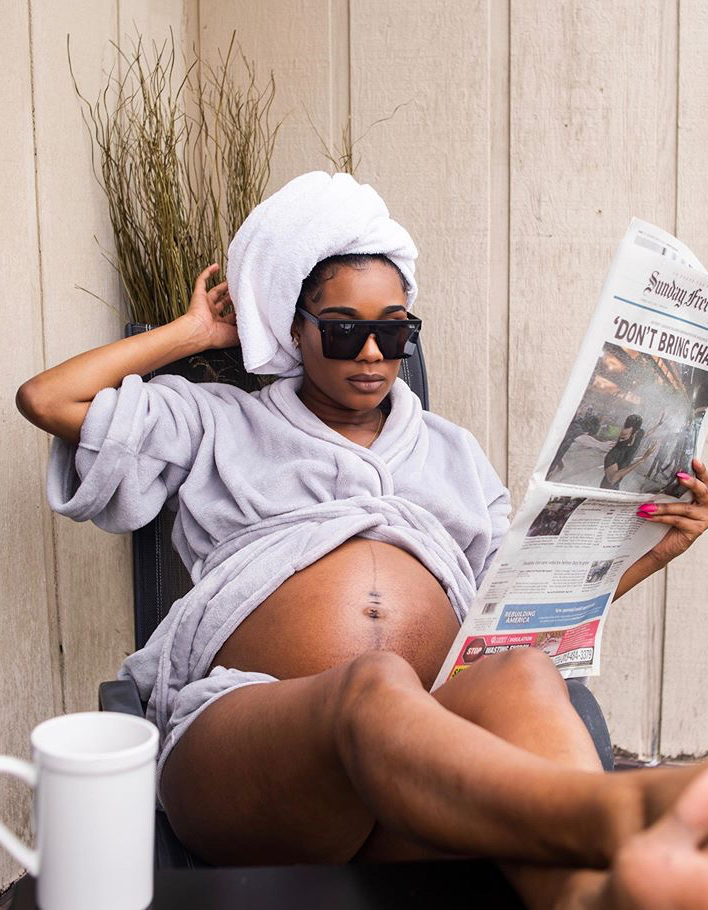
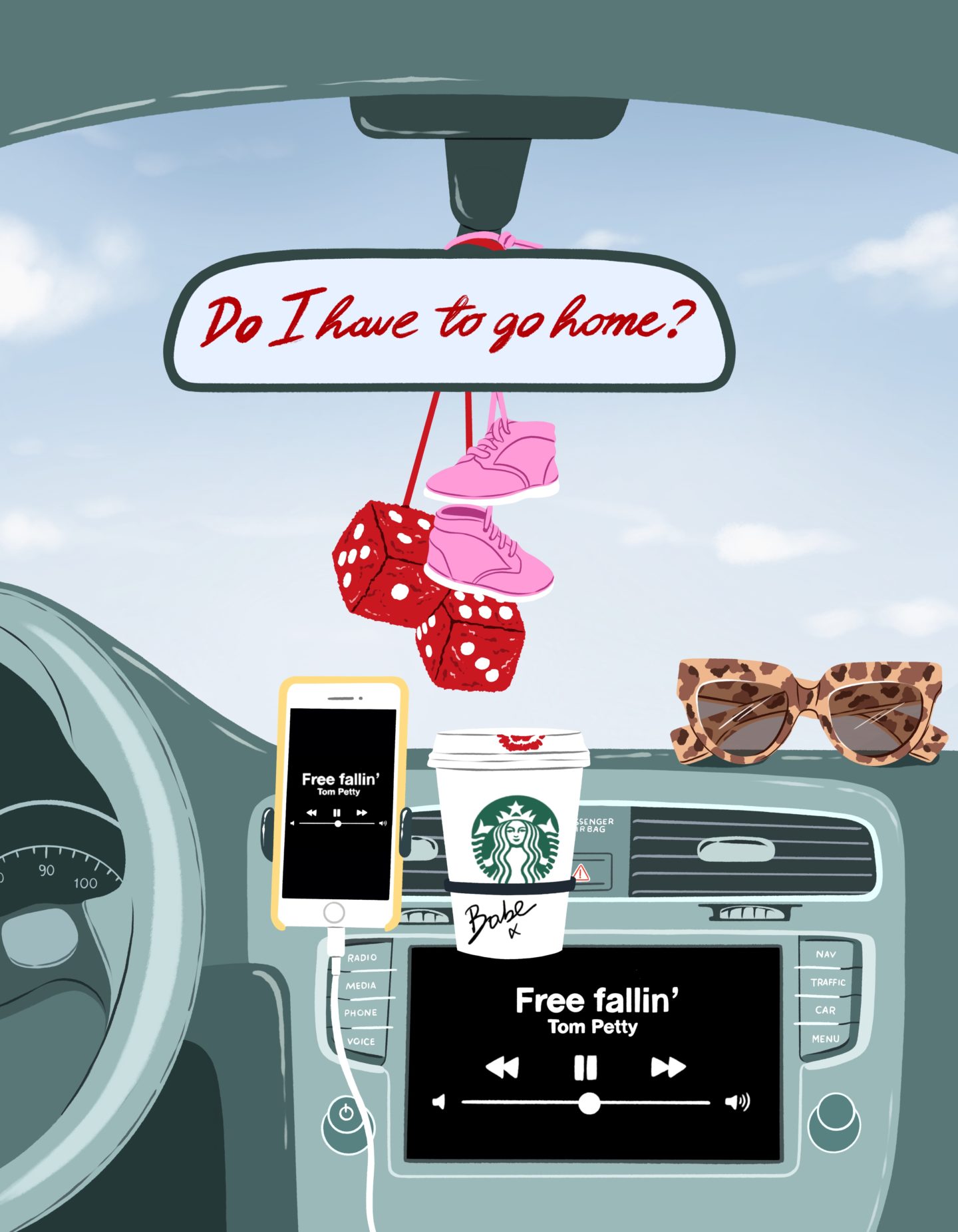
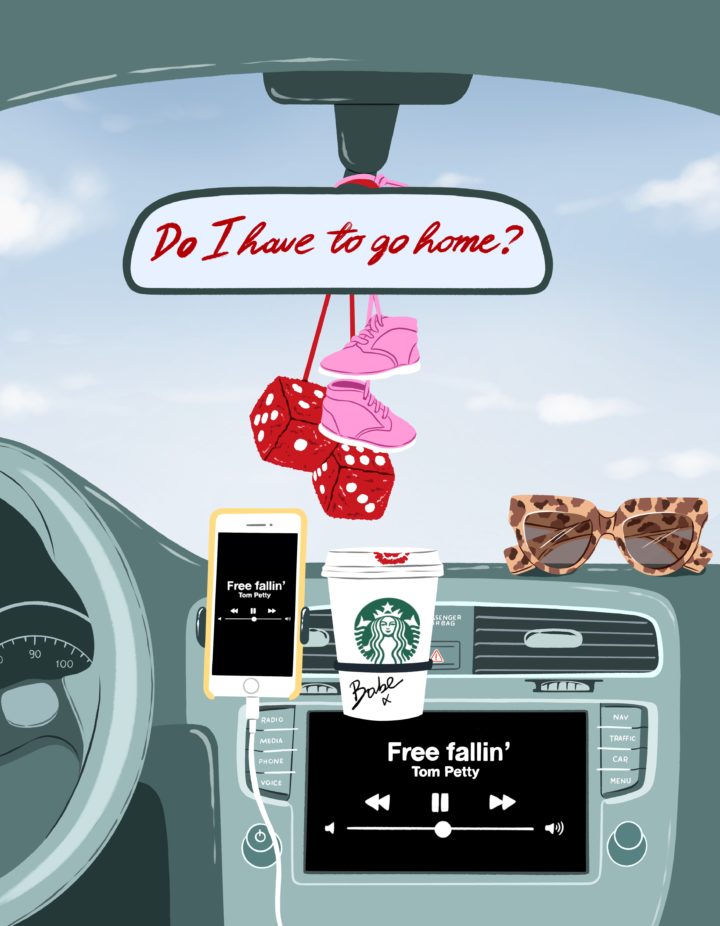
I Dread Coming Home To My Kids After Work I take the local train.
By Babe | Illustration by Ana Hard
You banished the thought when you found yourself stopping in at the grocery store to pick up a single lemon. But then, when you chose to stay in gridlock when Waze could’ve saved you 15 minutes, you couldn’t help but ask yourself the dreaded question, am I purposely delaying reentry into my home after work? And worse, am I a horrible human?
The answer is yes, you are horrible. Just kidding. You are like the rest of us. Taxed, stretched, and not a saint. In our series “Is it Normal,” we will remind you just how normal these seemingly dark thoughts are in your new role as mother. So we invited Jean Fitzpatrick, a relationship therapist + New York-based psychotherapist to help answer your questions and guide you on a path that will no doubt be filled with these VERY real, very “normal” experiences, and how you can cope moving forward.
So, if you do dread coming home after a long day of work, Jean recommends the following:
“Giving yourself some transitiontime between work and home is basic self-care,” Jean says. “It gives you a chance to pause, shake off the day’s stress, and feel prepared for home life.
Hitting reset in this way is not only normal, it’s essential because the work world runs on clock time but babies draw you into “eventtime.” Instead of scheduling meetings and living by your calendar as you do in the office, at home you shift to pacing the evening by activity: feeding time, bathtime, bedtime. Over time you and baby get into a rhythm, but it’s never quite as punctual as your office, right? Instead, you prioritize the connection with baby.
Many women also find showering and changing clothes, listening to music, a podcast, or an audio book during the commute, or taking a few minutes for some stretches can be helpful in easing the transition before taking over from a caregiver.”
Dr. Harvey Karp has an Answer to Postpartum Depression And it’s not what you think.
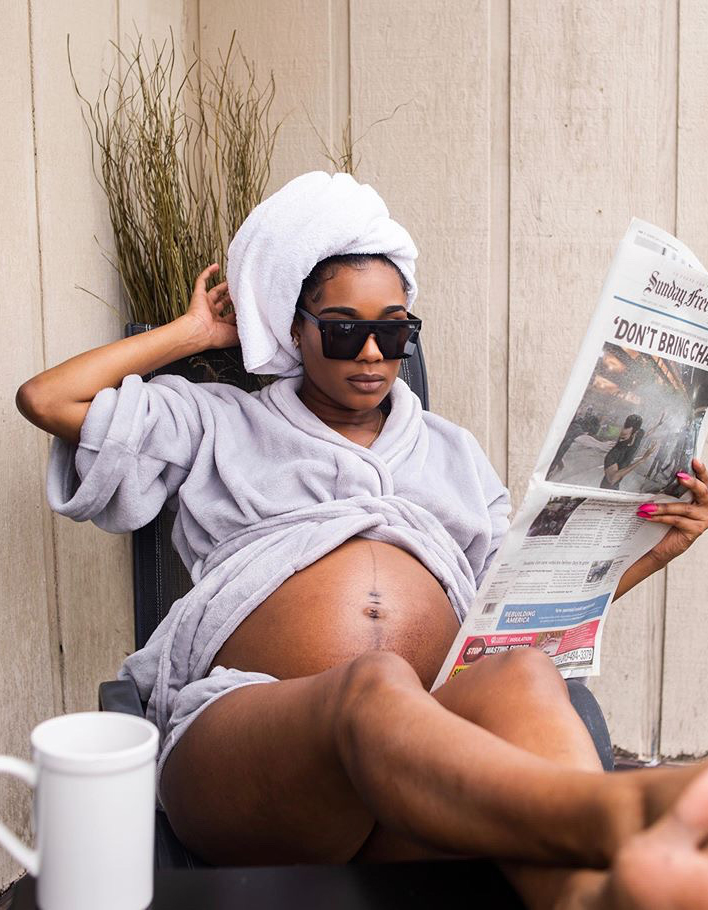
By Caroline Tell | Photo by @mer_mer_meredith
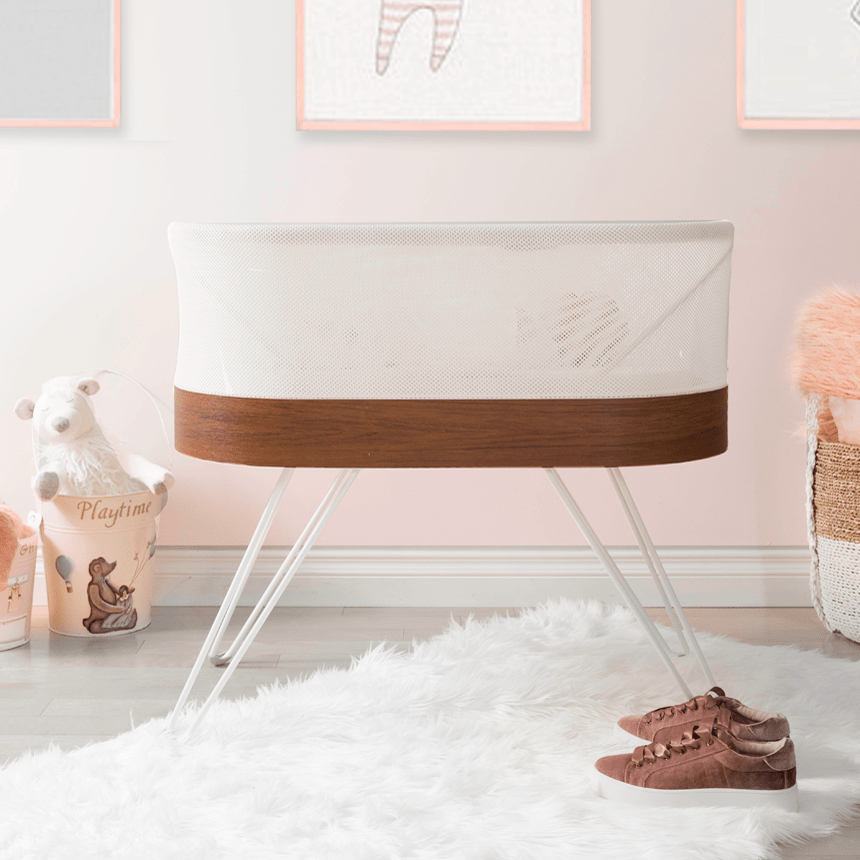
“Pediatrician to the stars,” Dr. Harvey Karp has become a household name among the parenting set thanks to his best-selling book, The Happiest Baby on the Block and its “Five S’s” philosophy. But what you may not know is that Dr. Karp is also on a mission to eradicate postnatal depression through his high-tech sleeping device, The Snoo, a smart-technology sleeper that many parents are turning to to reduce crying and to naturally sleep-train their babies (there’s even a private Facebook page called “Snoo Mamas.”) This, in turn, leads to more sleeping for mama, which leads to lower risk of depression. It comes at a hefty price tag, $1,295, but for about $3.90, you can also rent the product, which is about what you’d spend on the Starbucks venti you’ll need anyway.
In a candid conversation with Babe, Dr. Karp tackles the exhaustion-depression connection, debunks depression myths and sheds light on how the Snoo is the extended family you always wanted around, minus that one judgemental aunt. Read on.
We’re concerned about the emotional state of new mothers. In your experience, how would you describe what’s going on with new moms you’ve encountered?
Becoming a mom is the most extraordinary, blessed, brilliant and heartfelt experience you could have. For most women, it’s fireworks. They feel purposeful. It’s what you were meant to do. But not everyone feels that instantly. For some, it takes days, weeks, months. On average, breastfeeding moms sleep six hours a night, but it’s six hours broken into pieces. They never have a chance to rest. They’re already exhausted during the last two months of pregnancy, then it’s the travail of delivering, then on top of it, you have this vision that you’re supposed to be really happy.
Here’s a big lie. Everyone knows babies don’t sleep a lot, but then if you have no experience with babies, you think, It will get better. By three months they’ll be doing really well. That’s not what usually happens. It’s a roller coaster. They’re better, then they’re worse again. There’s a growth spurt, or a cold, or sleep regression. It’s a house of cards. And the mom thinks it’s not fair. “No one told me that!”
Most women have no idea what they’re doing. They’re trained to excel in school and work but they have no clue how to handle beings. That’s the cultural shift in family ecology. We only had extended families hundreds of years ago. Today’s moms don’t think they deserve any help. Normal mothers suck it up and deal with no help and they don’t complain because “you asked to have a baby.” That’s one of the reasons families are disoriented and dissolving. They’re so sleep deprived, it’s literally tortue. But there are simple techniques that can make you much more successful, and that’s my life’s mission.
“Studies show that exhaustion is as impactful as having a prior history of depression.” Photo by @ilsa_whk
Sometimes we can’t decide if we’re depressed or just tired.
Number one is yes, you’re tired. And number two, is that the whole concept of postpartum depression is not only one thing. That’s why it’s now called Postpartum Mood Disorder. It’s depression, OCD, anxiety. It’s a mixed bag of feeling disoriented and dejected. It turns out that anyone who gets exhausted or is sleep deprived is more prone to anxiety, fearfulness and severe mood swings, including depression.
Everyone talks about hormonal changes, but men and adoptive parents also feel it. The misconception is that it’s “Boo-Hoo depression” like you’re crying all the time. Some women can’t get out of bed. They’re listless. Many are anxious and depressed and can’t shut off their minds. For others, it’s intense loneliness. It’s a broad spectrum. For some it’s obsessive. They wash their hands 1,000 times a day. People also think it happens right away when it can happen weeks and months later.
Studies show that exhaustion is as impactful as having a prior history of depression. PPD predisposes you to a lifetime of depression, so we do a universal screening. Every woman is screened multiple times to see if she’s depressed at the OB-GYN’s and pediatrician’s office. It’s a good thing, however it’s a failure also. Why? Because 700,000 women are depressed every year and we wait for them to get seriously depressed before we even screen them. We hope they follow up and we hope they get better. When you have a serious problem so pervasive that it affects 15-20% of the community, you need primary intervention. You stop it before it happens. If 700,00 women are getting tuberculous, we wouldn’t just screen for it.
700,000 women are depressed every year and we wait for them to get seriously depressed before we screen them.
So what can we do about it?
Some work is being done across the country. There are support groups. We’re also telling women about Postpartum Mood Disorder earlier so they can get help. What I think is part of the answer is the Snoo. The thing about the Snoo is that if, for the cost of a coffee, we can reduce all the litany of illness and destruction and we can help people get more successful, then it’s a great advance. It’s the answer. We’ve worked with depressed women from UCLA, to U.C. San Diego, to the University of Michigan, and we’re showing that we can help severely depressed women get better using the Snoo. When women are sleep deprived and feeling overwhelmed, it’s a big part of the answer. Another big part of the answer is looking at prevention.
There’s this myth in the back of many women’s heads that we need to suffer somehow. That this idea of sacrifice is part of the journey of motherhood. Does it have to be like that? Is there a way where everyone can win, even for the women out there who subscribe to attachment styles of parenting?
Attachment psychology is fantastic. If you allow it to become an ideology, it can be problematic. It’s challenging when you’re a new parent. Babies don’t know the rules. It’s good to have a philosophy, but you have to deal with the child in front of you. Flexibility is a good thing. The second thing is you should absolutely be with your baby. Hold them, rock them, carry them, but don’t do things that endanger your baby. 70% of the 3,600 babies who die every year die next to their mother. You won’t ever recover from that.
We very much believe in the 4th trimester at HATCH, both for women and babies. Can you speak to your interpretation of what this 4th trimester is, both for babies and women?
From baby’s POV and mothers’ as well, it’s more like four to five months. By four to five months, babies and moms are ready for the world. It turns out, it’s not until about three months or so that a baby is an expert at smiling at you or cooing at you. It seems like it’s just a cute game but it’s the most important social skill they can develop. Before that, the baby is still a fetus and you are a walking uterus. That’s your job – to hold, rock, and shush your baby as much as possible. That’s as nurturing as feeding your baby. So that’s the key concept of the fourth trimester.
What are some tips you can give to women who think they might be depressed?
They should go online and get the Edinburgh Postnatal Depression Scale and do the test themselves. If they get a 12 or over, they need help. Or they can ask a friend to come over for two days in a row and let them sleep for four hours, so they can see how they’re doing. Here’s a thing no one’s talking about. In the entire discussion of paid family leave, which is important, you can’t think that’s the end all – it’s just the beginning. If you’re home alone for six months, and you’re up every two hours at night, then you’re alone, exhausted and still depressed. In Canada there’s paid leave for one year and depression is just as prevalent. Paid family leave is not going to solve the problem. People need help. We need a support system. Snoo’s goal is to fill the cultural and family void.
You’ve reportedly worked with parents like Madonna or Michelle Pfeiffer. Larry David. We find it fascinating that babies are the common denominator among parents. That a woman like Madonna can have a hard time getting her kids to sleep. If she can’t, is there hope for any of us?
The interesting thing is they put their pants on one leg at a time. They’re regular moms and dads. They have more help but they’re still struggling to figure it all out.
“I received tons of tips, like putting teabags on my nipples or applying a ton of lanolin to my nipples. It was also suggested I breastfeed for 10 minutes on each side and then pump for 10 minutes on each side, plus heat compression on my boobs, followed by massaging them.
When Ciaran Villa, The Pregnancy Coachh popped up on our social media feed, we were like, wait whut? A male midwife!? Yep, 27-year-old Irish-born Ciaran is a midwife by training as well as a nurse practitioner who simply loves women, loves assisting births and specializes in making both partners feel comfortable with the experience. So basically this dude is EVERYTHING. We chatted with Ciaran on his role in the delivery room, on being a male in a female’s world and how being a dude in the delivery room just might be to his advantage, from time to time:
OK tell us everything….
When I was 18 I applied to become a midwife. I didn’t get into the program on the medical side, so I went into different areas of study on the health side. I worked in gestational diabetes for two years. I studied the pelvic floor for two years. I studied obesity in pregnancy. I opened my own business at home in Ireland where I’ve done pregnancy coaching for the last seven years. We do mental health programs, physical health programs, and it’s going well. Last year I went back to get my medical degree, so here I am, living in England, on the midwifery journey. It’s super hands-on in terms of delivering babies and supporting moms postpartum.
With this degree, I’m a certified nurse. So on the medical side, I’m caring during labor and postpartum. I’m delivering babies. Did you know male midwives make up less than 1% in the world?
We didn’t, but that sounds about right. So was there a “Aha” moment for you in determining your life plan?
There’s no pinpoint moment I decided that this was what I wanted to do. Since I was 12 or 13, I was caring for my family, giving insulin shots to grandmother, helping her medically. At 17, I made a choice in what I wanted to do. I’ve always been surrounded by women’s health so I decided I wanted to look after a wider range of women, as well as in pregnancy and in hospitals.
What do you love about this work?
The moment I love the most is whenever you see a family leaving together as a family, and you can just see the impact you’ve made on their lives. Husbands are in panic mode and you’re there supporting them, caring for them. I love seeing the changes that take place in these couples when they become moms and dads. I love visiting them in the home and seeing the impact of this change. They can’t express how grateful they are.
Have you encountered any limitations in being a male in this industry?
At the moment, I haven’t come across limitations for me, but in the future it will happen. And I have to be open with that. But, if a female midwife walks in the room, she still may not connect with the patient. Some people may have an issue with my being a man from a religious perspective, or if the mother is a teenager. There are challenges, but things are getting better. People are starting to understand that it’s a professional job, and it’s all going well at the moment.
Are there any benefits to being a male in this industry?
One area where a female midwife has me beat is that she knows how a woman is feeling. All we really are is a bunch of textbooks. I have the knowledge all about a woman, and the knowledge on how we can support them through it, but that’s all I have. But, one bonus as a male is that I can always connect with the partner and that usually relaxes the whole environment from the start. Most men who come in have never experienced it before and usually they’re forgotten about, and it’s all about the woman. So I often support the male, too and let him know the process and what he should be doing. Most men don’t know what to do during labor. The majority are wiping sweat off their wife’s foreheads but she may not want that. There are many other supportive techniques, and as a male, I can help them. It’s a good connection process all around.
A lot of times I can see that a husband or partner is out of depth. I try and support the connection between partner and woman from the moment it starts. Whenever a male feels out of it, I can educate them. People forget to educate them. A lot of dads want to learn the process, terminology, they want to know what position the baby is in. So while I’m doing any sort of exams or medicalized treatment, I speak out loud and talk to them also and break down whatever they don’t understand so they can be part of it and not feel left out.
What do you love about women?
They are absolutely amazing. That’s the top one. Any male who criticizes women for claiming they’re in too much pain or showing off or complaining, they will never understand until they see what happens in that room. Men cannot control or visualize what can happen until they see it. After those nine months, a woman comes out so strong on the other side, it’s unbelievable. If males go play football, they cry over a sore toe and women do this for nine months, they still feed the families, still work and do it all. It’s opened my eyes. I can’t wait to have my own children so I can deliver them.”
Maybe you were napping, or working, or nursing, or just living that 24/7 mom life. Whatever the reason, you’re busy. We get it. So we rounded up the must-read, gotta-watch, did-you-hear newsy clips and viral vids that are making the rounds so you can be in-the-know (or at least pretend to be). See, we got you.
Write About Poetry Now: This heavy-hitting Instagram feed is churning out honest, brutally raw spoken word and traditional poetry, like Kyla Lacey’s take on White Privilege:
Celebrating pride for black members of the LGBTQ+ community: As Pride month kicks off, The Cut outlines how to take part in “intersectional organizations and Pride events that focus on the struggles of black Americans, especially within the queer community.” https://www.thecut.com/2020/06/ways-you-can-support-the-black-lgbtq-community.html
Stephen Colbert’s #PLAYATHOME series: Because Earth, Wind & Fire = ❤️
‘Cause Travel With Kids Is WAR. Here's your secret weapon.
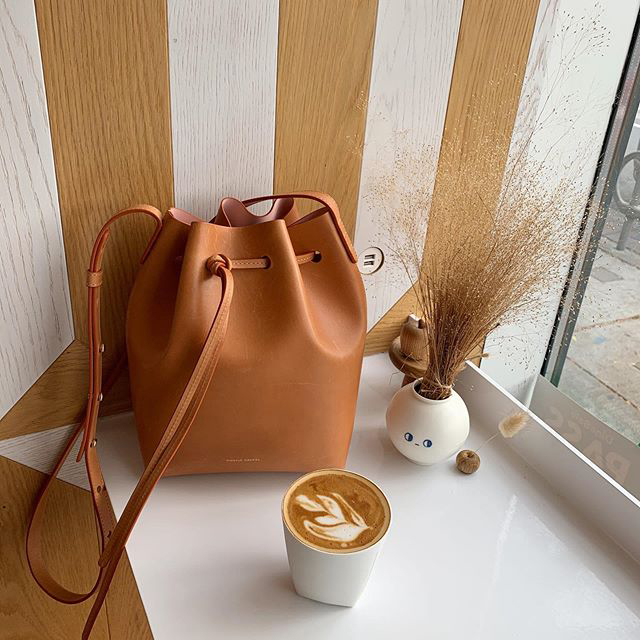
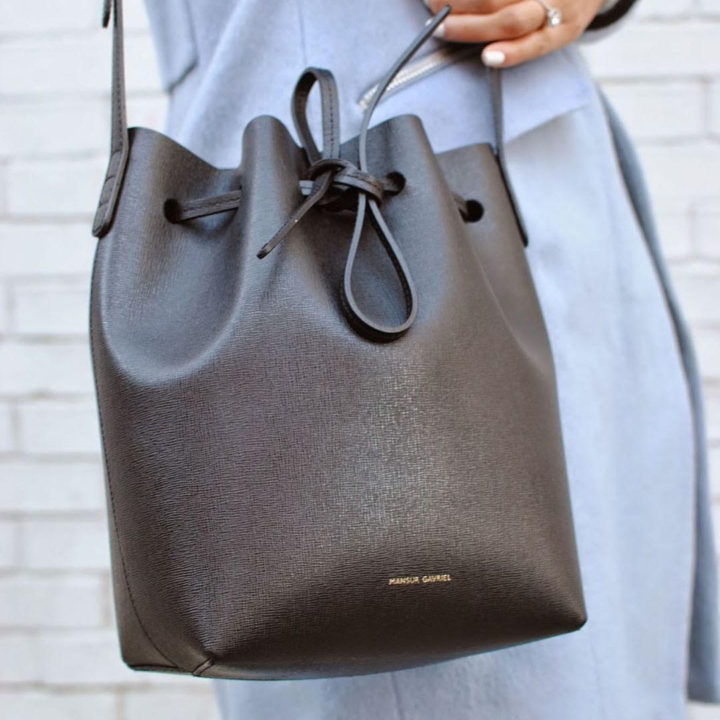
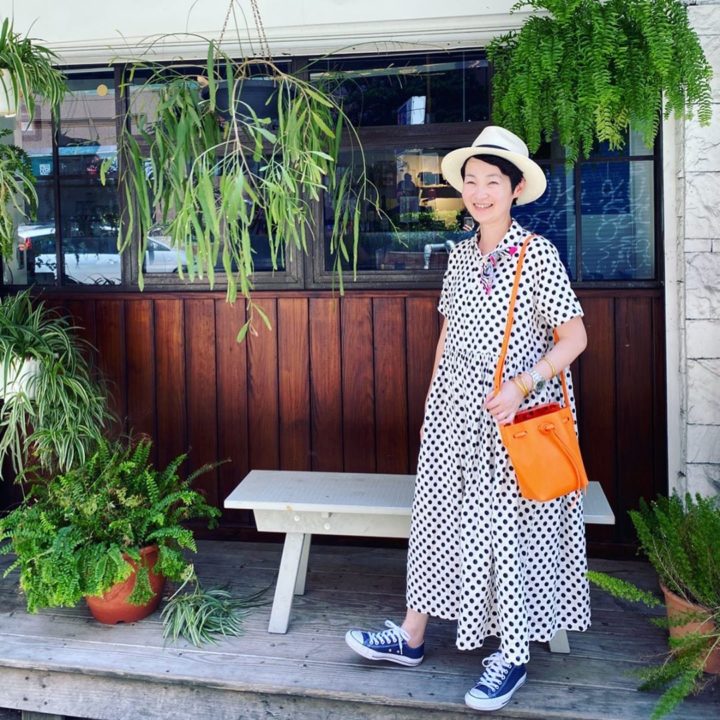
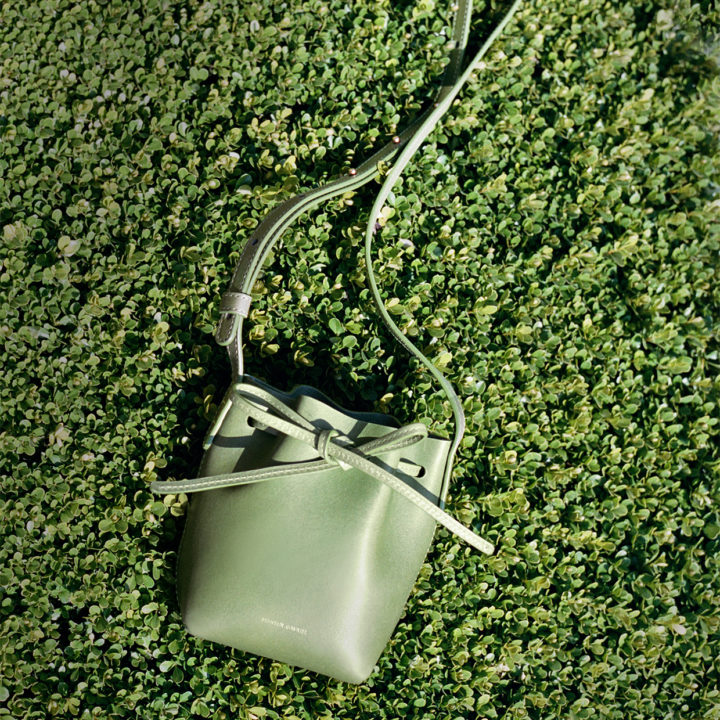
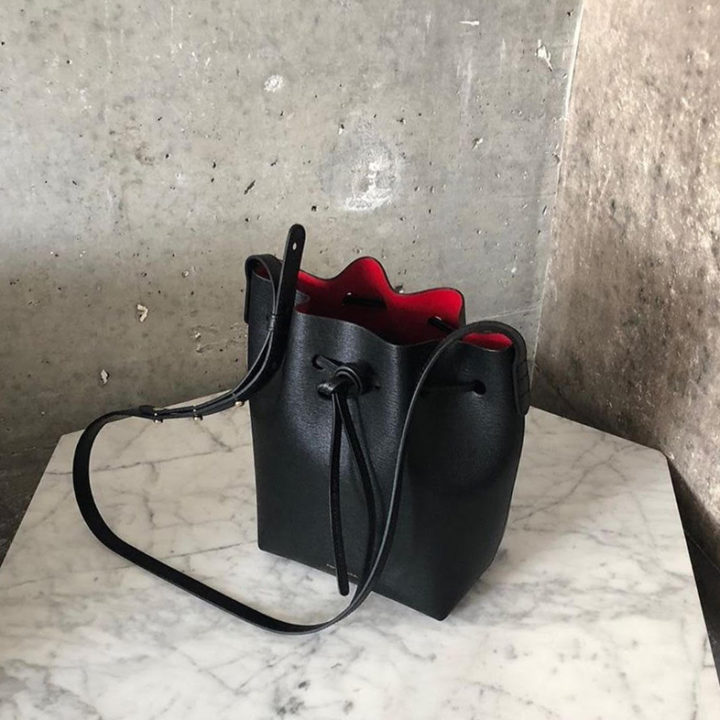
By Caroline Tell | Photo courtesy of Mansur Gavriel
Travel with kids is warfare, and the mini mini Mansur Gavriel Bucket Bag is my go-to body armor for long flights and airport transit. It’s where I store my phone, everyone’s passports, airline tickets, my wallet – the key players that cannot, under any circumstances, get lost.
Genetic Testing Is A Loaded Convo Two Moms Take It On.
By Babe | Illustration by Ana Hard
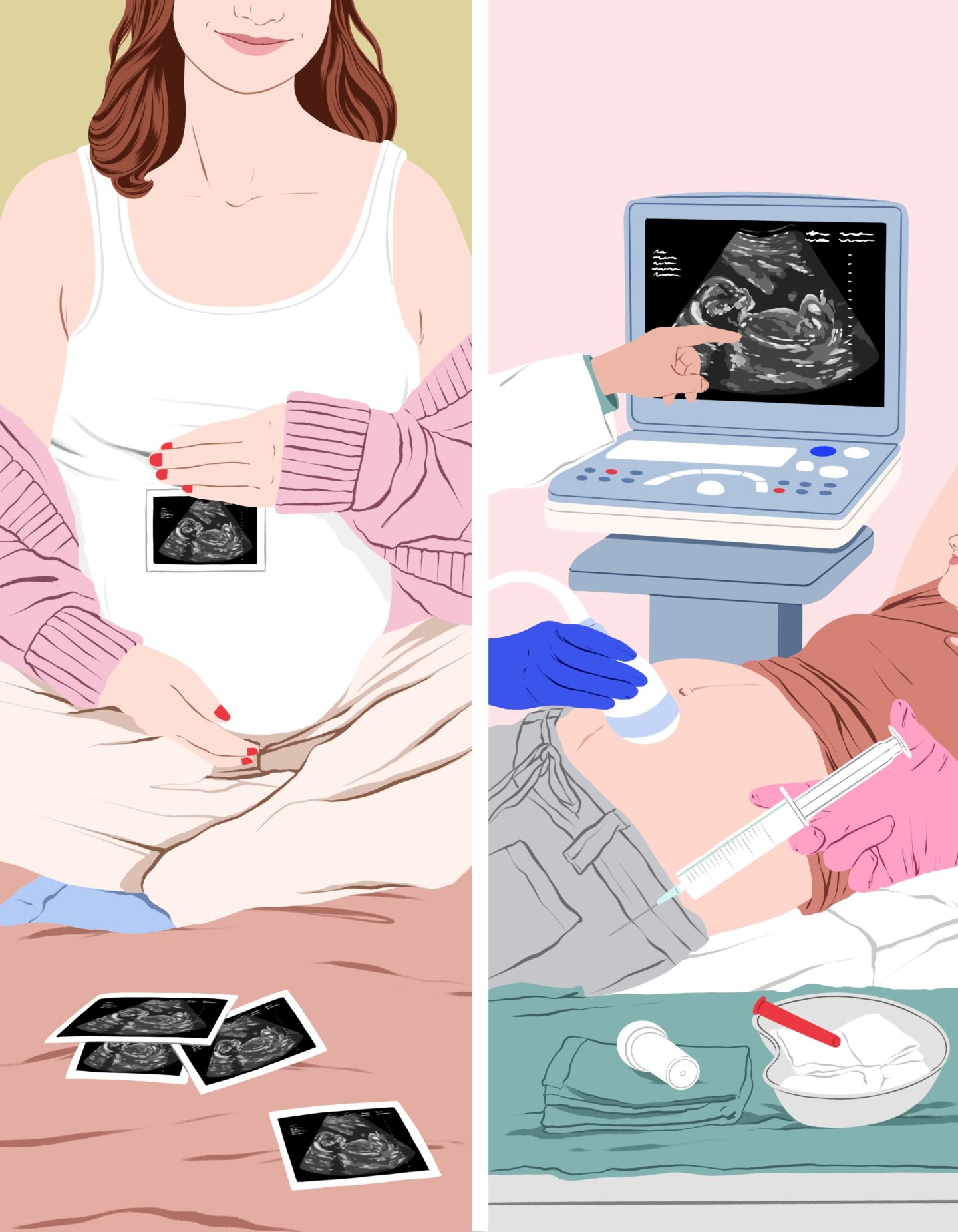
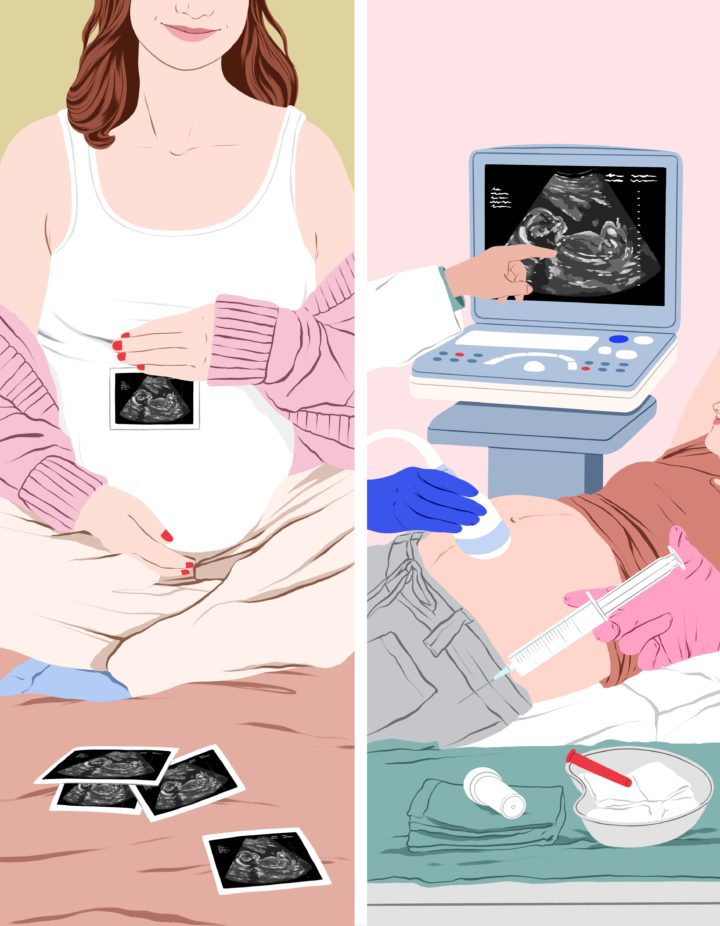
In our series The Debate, our community of real moms tackle the pros and cons around common parenting choices. The truth is, like so many decisions around child rearing, there is no right or wrong answer. At HATCH, our job is to give voice to both sides of any debate, peppering real mom wisdom with the necessary facts so that you can make the best decision for you and your family.
To some, the idea of genetic testing is a total no brainer. If you could find out whether you carry some sort of chromosomal abnormality that would greatly impact your child, wouldn’t that be the most rewarding arm prick ever? Absolutely. And yet, like all aspects of motherhood, it’s not a black and white issue. For other women, their entire philosophy of having children ladders up solely to ultimate love and acceptance, no matter the cost, so what’s the point? Does knowing or not knowing really matter anyway?
In our ongoing series, The Debate, we take on both sides of this hyper-discussed issue and hear from two mamas in our community on their decision to take on genetic testing, once again proving the point that to each her own on this wild ride of pregnancy.
No Need For ALL THAT Testing
Gabrielle Batise Stay At Home Mom Izzy, 3
I’m a big believer that everything happens for a reason. I tend to trust fate, astrology, whatever, and I feel like when life hands me something – be it a job, a situation, relationship etc – it’s my job to make something out of it. So when my husband and I realized we were expecting, we both mutually decided that this was going to be our outlook on pregnancy, labor and delivery, even into having kids and all the way through. Let it ride. What’s meant to be will be, and that things don’t have to be so intense if we could give in to the way of the world just a bit. Regardless of the outcome. Total acceptance.
Because I got pregnant relatively young and before most of my friends. I didn’t even know that genetic testing before pregnancy existed. My OB-GYN never brought it up during my routine pap smears and check ups, so I didn’t think to inquire within. It wasn’t until I went to see her once I realized I was pregnant that she brought up the idea of getting genetic testing. Because I’m half Jewish, and I have certain Ashkenazi lineage and a higher risk for certain diseases, she highly recommended it. She said that it’s better to know of any disorders in advance, so that god forbid something was wrong, we’d know outright and could better figure out a plan.
I thought long and hard about whether or not I wanted to pursue genetic testing. In the end, I decided against it. I know it might sound crazy, especially given our desire to constantly know everything about everything, but it just felt like too much to know. My risks were so small with some of these diseases, and there were SO many to test for, but ultimately all they do is make your stress levels super high, which could totally harm the baby also. I don’t know what I would’ve done or decided had I found out our baby had a genetic disease, so therefore to us, it didn’t make such a difference. Perhaps if you know outright how you’ll handle it, it’s an easier call, but for us, it all goes back to how we wanted to treat pregnancy, which was ultimate acceptance no matter the cost. I’m happy to report that we had a beautiful, healthy daughter in the end. But had we not, I don’t think I would’ve regretted my decision whatsoever.
Need ALL the Info, Thx
Sasha David Freelance writer Theo, 18 months
There was no way I wasn’t going to have every test done under the planet that was available to me. This started before I even got pregnant. After my husband and decided we wanted to have a baby, I went to my ob-gyn and asked to be tested for a whole assortment of genetic tests. It was important for me to know in advance because if both of us were carriers for a specific disease, then we’d have to look into alternative ways of conceiving, like IVF, where they could test each embryo individually before implantation.
It never occurred to me that there was even a choice regarding genetic testing. I’m the type of person who benefits from having all of the information up front, which can then inform my next steps and my decision-making process. In all honesty, I don’t even know the type of decision I would’ve made if I found out there was some chromosomal abnormality, but I think just knowing would’ve empowered me to prepare and do something about even the emotional conflict that a positive diagnoses would’ve given us. I think ultimately I would’ve felt more relaxed and more poised to plan as well as arrange for any necessary treatments following the birth.
Once I got pregnant, I did all the regular testing that comes with pregnancy. At my nuchal translucency, I was fortunate enough to have had a super low risk of Down’s Syndrome, but I am 100% certain that if the risk was even a slightly bit spiked, I would’ve opted for an amniocentesis as well. That’s just the kind of person I am. I’m totally prepared in all aspects of my life, especially during what was the biggest, most important journey of my life.
Male Infertility And the guy who's challenging the stigma.
By Evan Millman | Photo by @aparicio.paula
My journey through the world of infertility began long before I met my wife and started trying to conceive. I was in my early 20’s and was having issues with my stomach, so I went to see a gastroenterologist. My doctor noticed something on my testicles while he was performing his examination and wanted me to see a urologist to explore the finding further.
After visiting a urologist, he determined I had a varicocele. At the time, I was a young healthy college student, so the diagnosis was a bit shocking and confusing. My urologist explained to me the basics. Essentially a varicocele is an enlarged vein on the testicles that could cause issues when I was ready to start a family. It blocks the blood flow to your scrotum, where your sperm is stored. The longer your sperm stay in that state where they lack sufficient blood flow, the longer the health of your sperm deteriorates. I was told that as long as I didn’t feel pain (I did not), it was nothing to worry about. I even remember my urologist saying that one day, when I wanted to start a family (and only if we had fertility issues), I should evaluate my treatment options. I stored this information in the back of my head and went along with the rest of my 20’s and college/post college life without a care in the world.
Flash forward to the Summer of 2019. I was in my early 30’s, married, and trying to start a family with my wife. Obviously I knew I had a varicocele but dismissed it thinking it wouldn’t really affect our goals of conceiving. We tried for a few months before my wife sought to get tested for any infertility issues. All of her tests came back perfect, so her OBGYN suggested I get tested.
I first turned to my general doctor, who had been aware of my condition. He, as well as most fertility specialists suggested we keep trying for at least six to 12 months before investigating any issues. My wife and I pushed to be a little more proactive, so I was sent to have my semen analyzed.
“Hopefully we get to a place where once a couple is trying to conceive, both the male and female are treated and examined in the same way.” Photo by @Maude
Navigating through different doctors’ offices and testing centers was pretty uncomfortable for me. Frankly put, male infertility issues are not commonly spoken about and I felt like I had a spotlight on me in every waiting room. Not to mention, the act of being brought into a back room with a DVD player and lubrication was one of the most awkward and uncomfortable experiences of my adult life. It made me realize there’s a deep societal structure and norm that for years has been quite challenging to break. Male infertility doesn’t fit into the narrative of the “Macho Man.” Perhaps it’s because of these deep-rooted societal ideas that men are “strong” and “leaders of the family,” that doctors and scientists – because of subconscious biases – did not pay enough attention to the other side of the conception equation.
Just my luck, the first time I went for a test, the results were inconclusive, and I was told I was going to have to be tested again. My first test was facilitated by a urologist who specialized in male infertility. Unfortunately, he did not take insurance and the office visit and lab fees for the test were pricey. Despite having really good health insurance from work, most male infertility specialists that I found did not take insurance. When I had to be retested, I found a general urologist who took my insurance.
I felt like I had a spotlight on me in every waiting room.
After I had the second test done, I discussed the results with my general urologist. He gave me the same advice I had been given in my early 20’s – yes you have a varicocele, yes your numbers from your semen analysis came back lower than desired, but keep trying to conceive for another six months or so and then we can reevaluate.
My wife and I were not satisfied. We didn’t believe we were given bad advice, but we continued to seek other opinions. As was explained to us, just because you fall into a statistical deviation that puts you in a “high risk” category, there is still a possibility that you can have a family with no further intervention done.
My wife and I decided to go back to the male infertility specialist to figure out the best course of action. After reviewing all my test results and my examinations, he officially classified me as “sub-fertile.” It didn’t mean I wouldn’t be able to have a child, but the chances were low. He then explained that it’s still possible we could get pregnant now (though it likely would have been very difficult), but that it would be almost impossible to have a second child. I’m grateful we were proactive. I had corrective surgery in December and my wife and I are expecting our first child this December.
Although the entire journey was uncomfortable for me, I want to continue to talk about male infertility to normalize it within my community. Hopefully we get to a place where once a couple is trying to conceive, both the male and female are treated and examined in the same way. My doctors knew I had a varicocele, but it took my own initiative to inspire action. I don’t blame my doctors for their “wait and see” approach, but in my opinion, the best thing a patient can do is be educated, and for men to understand that current statistics show that about 50% of all fertility issues between couples are because of the male. I hope that with knowledge comes power, and that more men can own their own fertility issues to seek the best course of action. I’m so grateful I did.
From moms-to-be to moms of three, this week, we’re turning our gaze to the women that drive us every day in everything we do. Because we’re never not inspired by you.
Hawaii mama of three with one on the way@_sandy_feet_
Listening… Oh boy. I’ve been in a “Whitley Radio Station” on Pandora kick for years (I mean is Pandora even a thing anymore??) It’s my go-to station for calm and relaxing folk music.
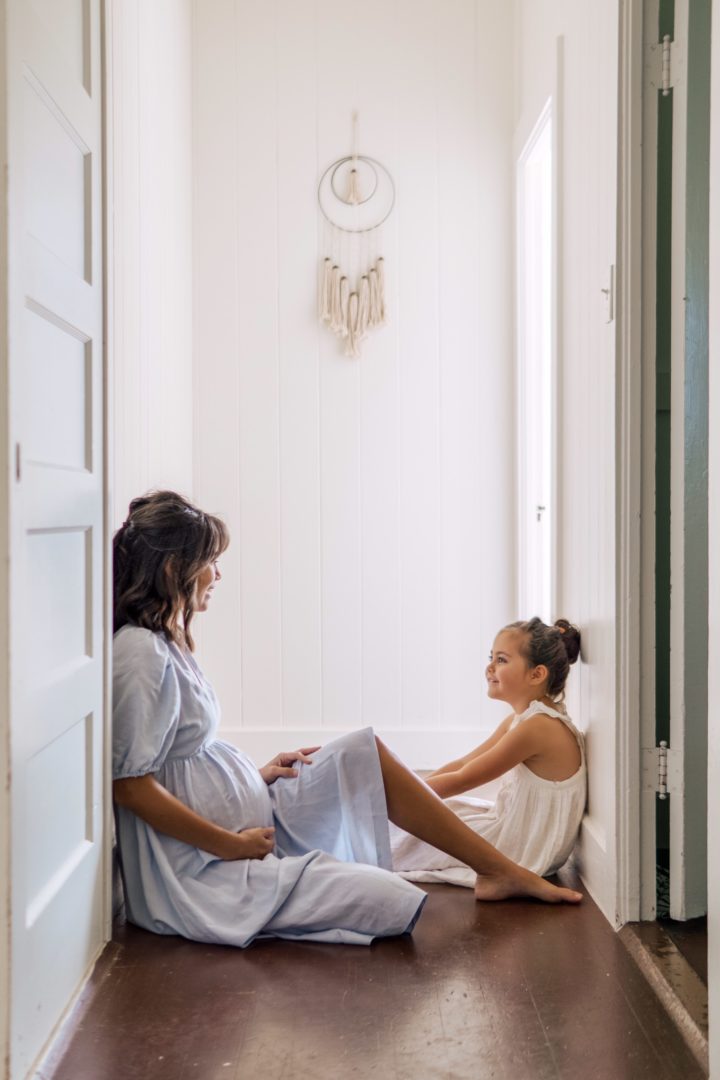
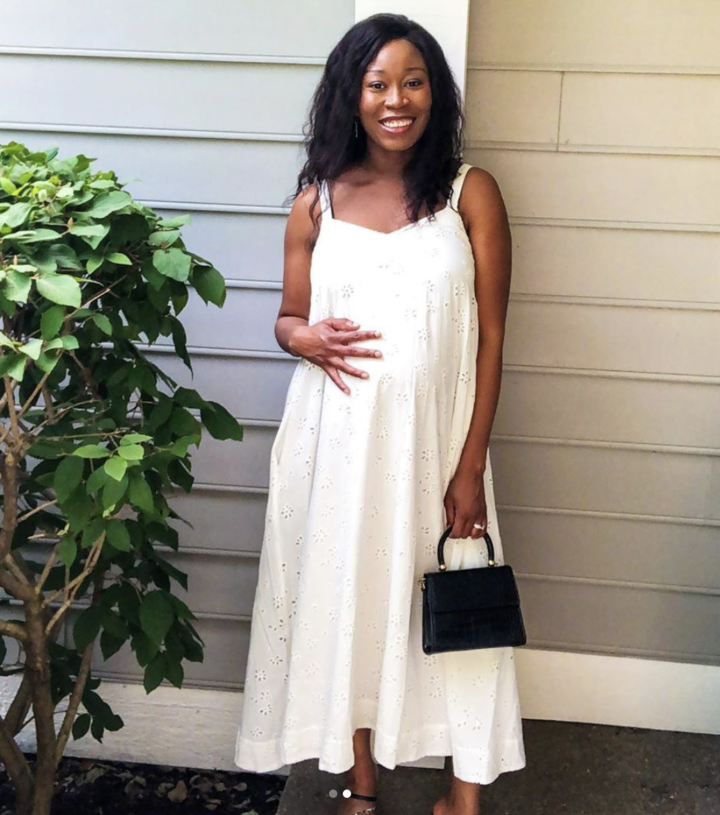
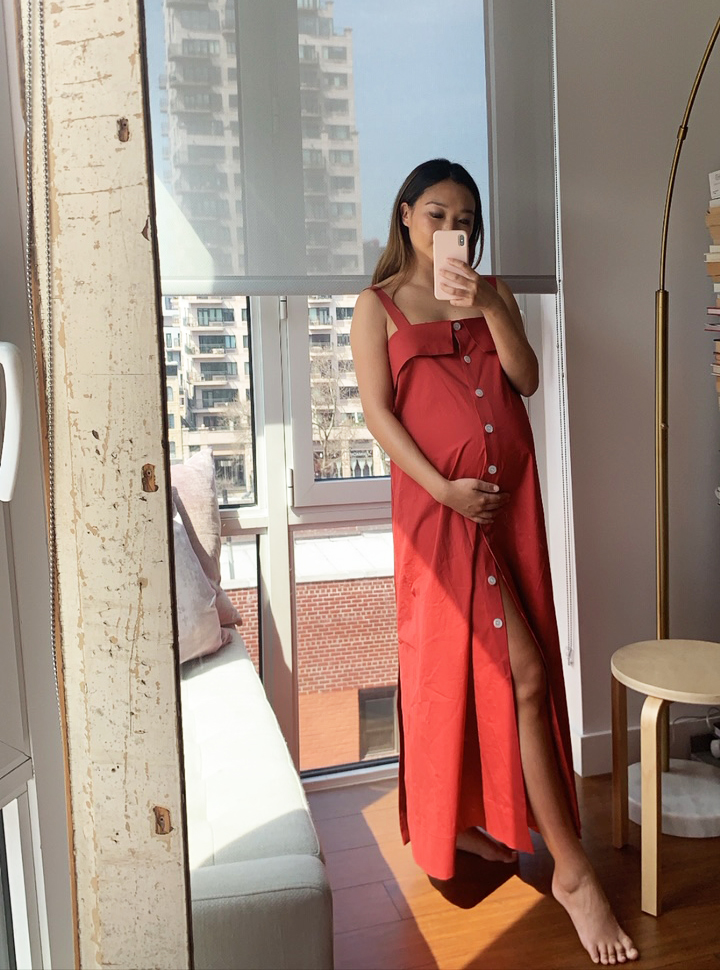
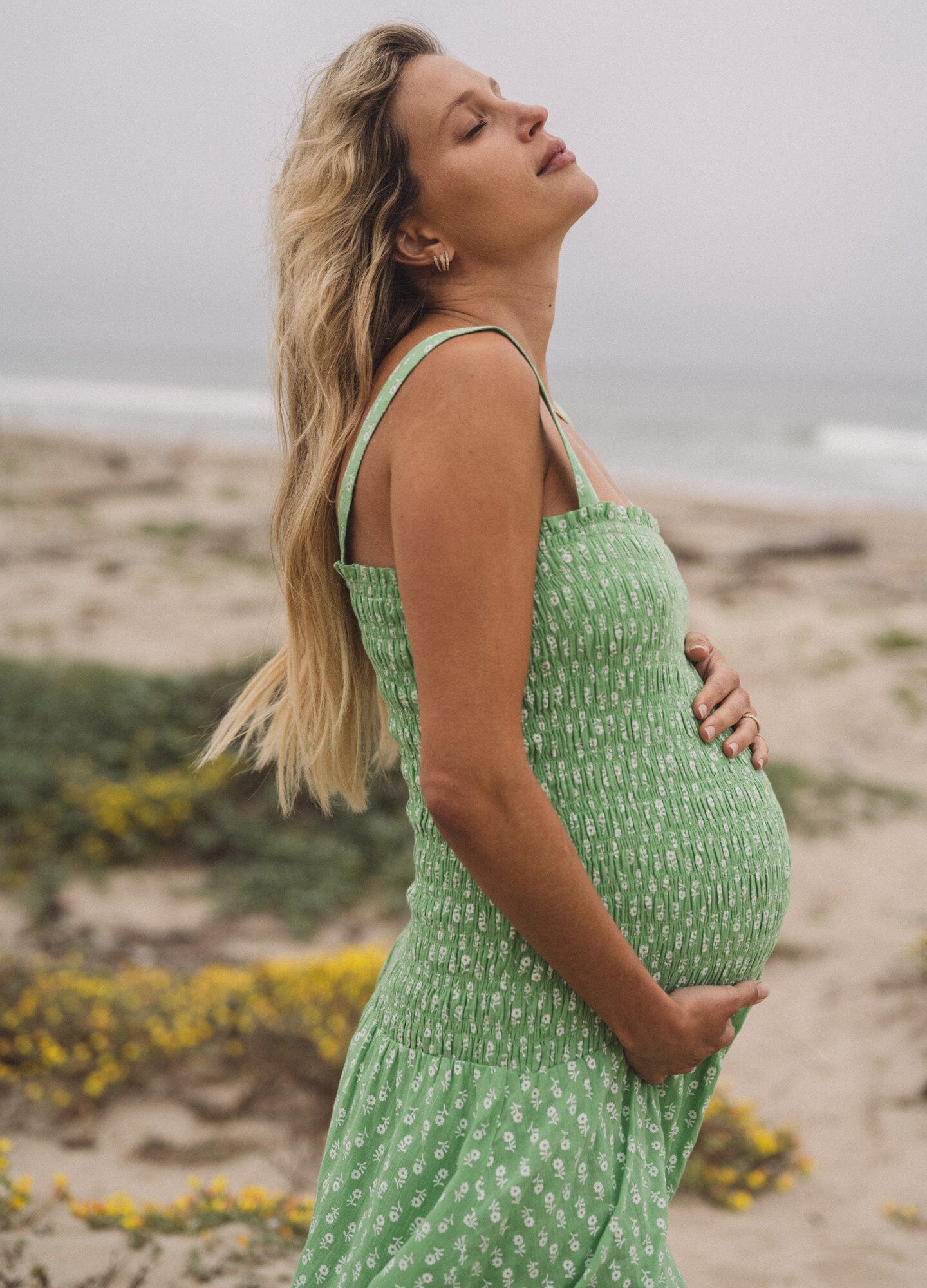
Wearing… Anything cool and comfortable these days! Just entered my third trimester so the pregnancy heat is insane, if ya know, ya know. Love my Nikki Dress from HATCH; it’s the perfect lightweight maternity dress!
Advice for newly pregnant women… First off, congratulations! Babies are such a blessing. One of my favorite things to do after finding out the gender is to pick out the name for the baby. It makes me feel even more connected to this little person growing inside of me! Also. MINTS are your best friend when the nausea hits. Trust. Just try it and you can thank me later.
Reading… The Girl In The Spider’s Web by David Lagercrantz. It’s been a much needed diversion. Plus, I love reading books with strong female characters.
Advice for newly pregnant women… I always consider myself to be a rational person, but being pregnant during the pandemic has definitely thrown me for a loop. Best advice I try to give myself is to stay positive. Plus I appreciate having this extra time with family; it’s helped me cope with the stress.
Uyen (pronounced Win) has three littles at home + one on the way@house_of_lu
Thoughts for new moms… Mom… mama… mother… mommy… it’s the most important role I’ll ever have in my life. In this moment, I’m soaking up all the goodness of my fourth and final pregnancy. Best advice, enjoy and be in the moment!
Australian born, LA-based photographer + mom-to-be@aprilwongphoto
Pregnant life in quarantine is…Our new normal means, FaceTiming my husband into our OB appointments no longer seems strange, prenatal workouts on YouTube and The Bloom Method are now my go-to, and online child nutrition plus breastfeeding courses is how we’re prepping for our babe!
Reading…I just finished Ling Ma’s novel, Severance which has many eerie similarities to what we’ve all gone through during quarantine. Plus, I’m currently flicking through Nurture by Erica Chidi Cohen.
Wearing…I’ve been living in the Before, During and After Leggings. Literally. They’re perfect for being at home or taking walks.
Advice for newly pregnant women… Prioritize self-care. Prenatal massages might be out of the question, but take the extra time we have to stretch and exercise, cook nutritious meals and even though nail salons aren’t open, pick up some drug store tools and treat yourself to a self-pedicure!
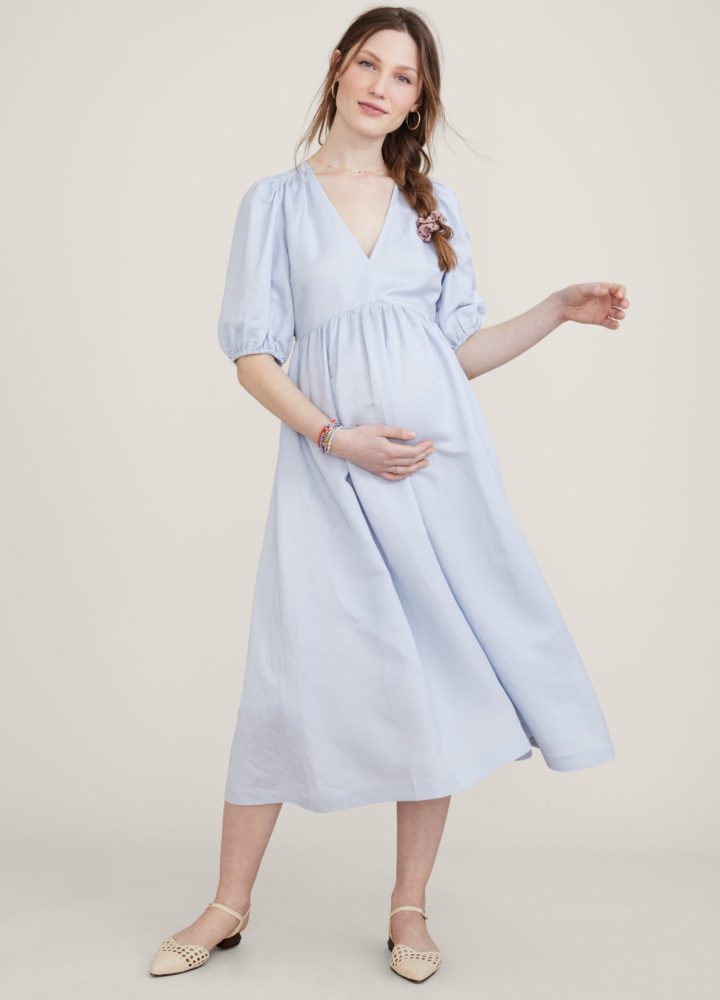
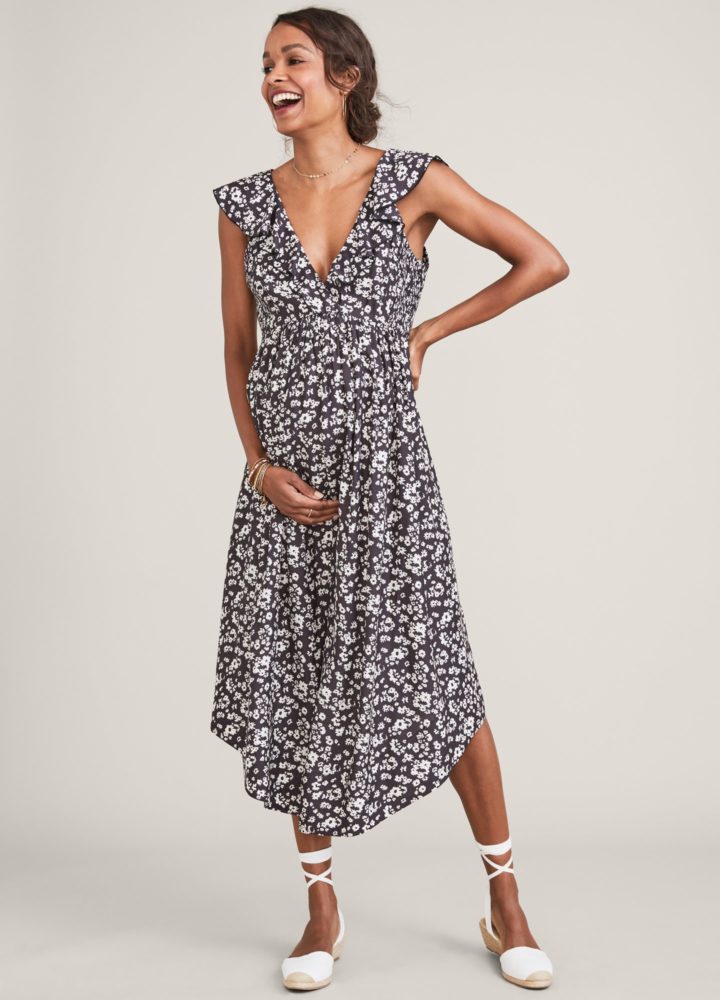
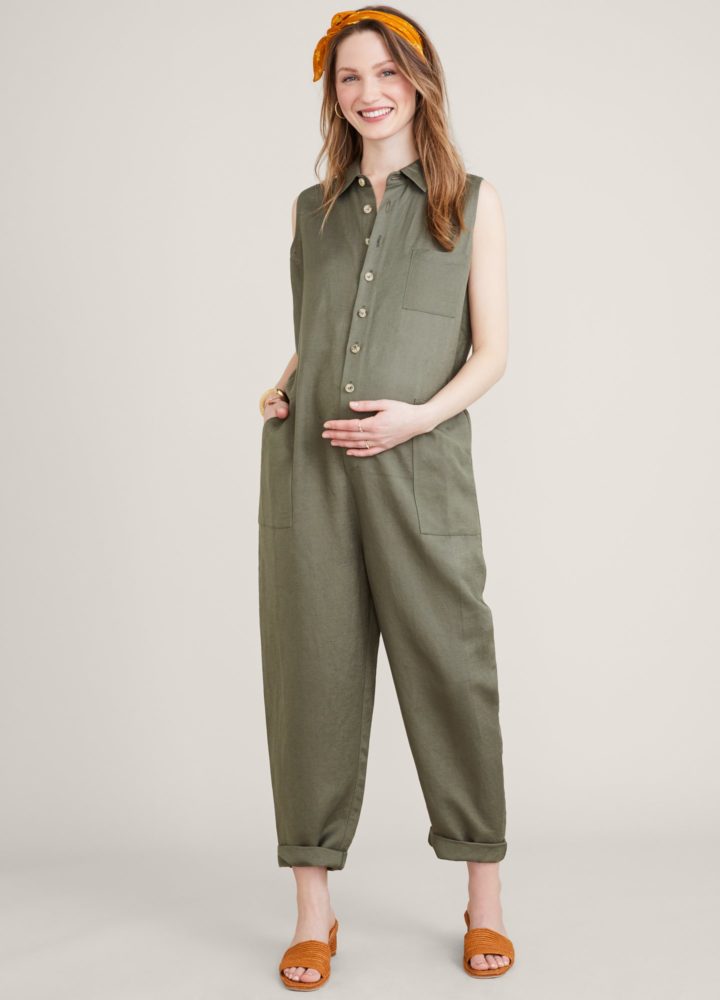
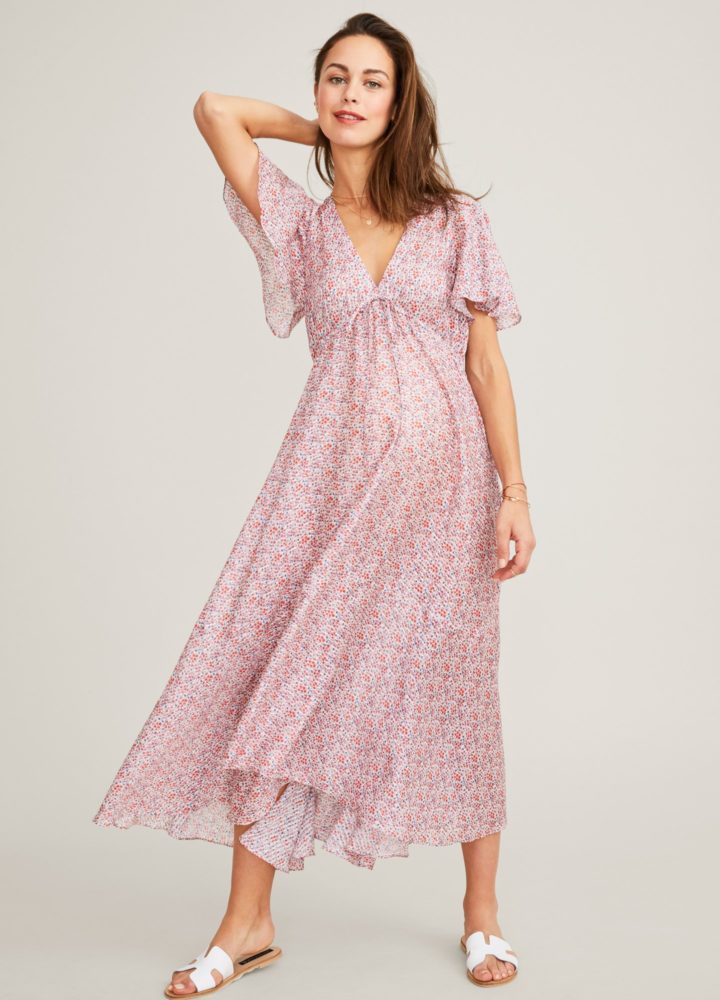
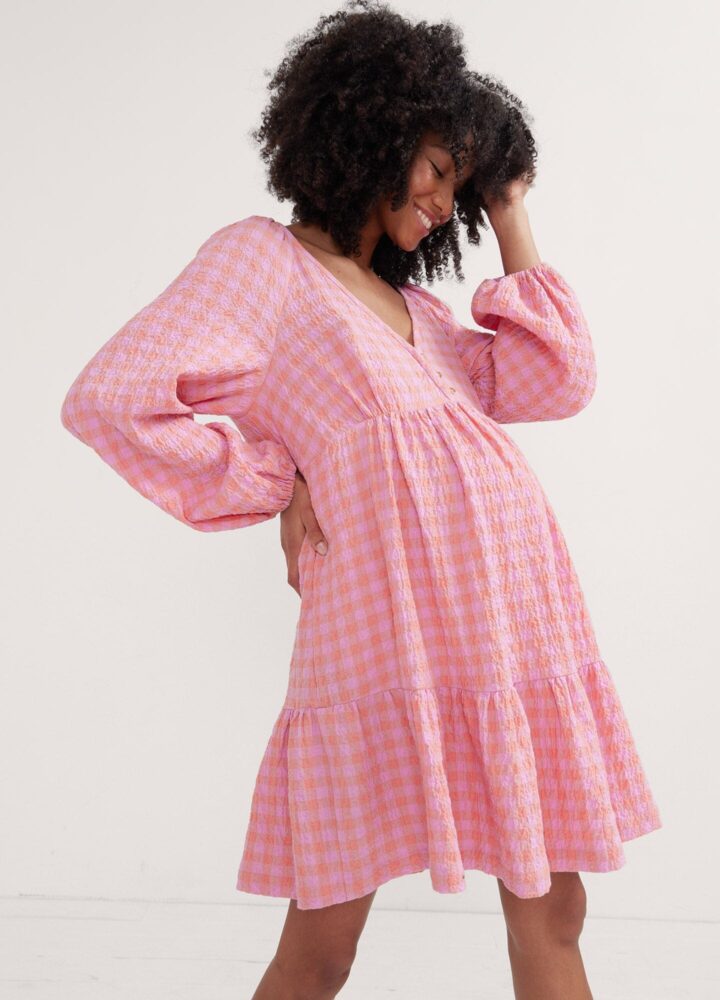
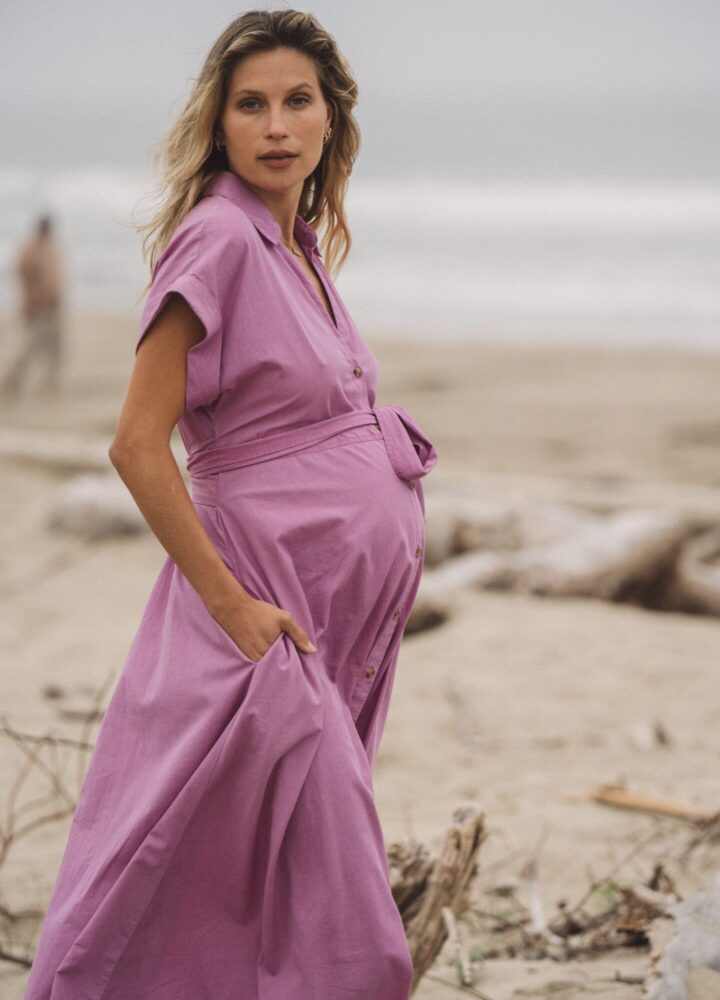
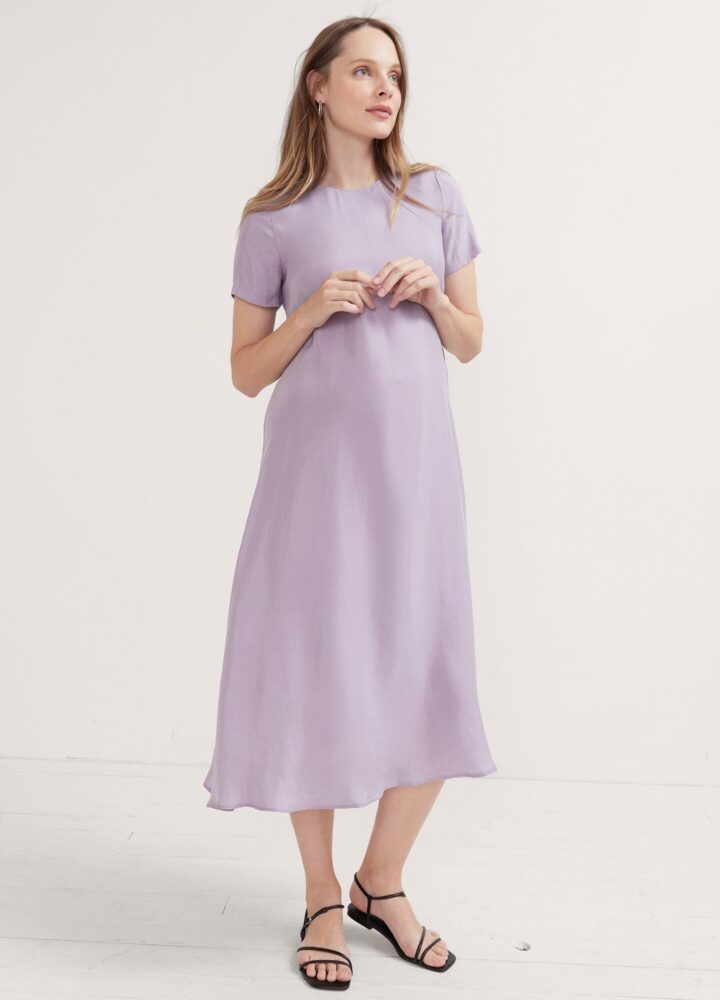
Plans to stay local this summer means backyard barbecues, long walks, poolside hangs, rooftop rendezvous, and socially distant beach days. In anticipation of the hottest time of year (hello, swelling, and sweat stains), we’ve rounded up our fave floral dresses, colorful slides, simple beauty, and anti-swelling solutions to get you through your summer pregnancy in style. Now, bring on the heat and cute (yet comfortable) outfits too!
Rainbow Days
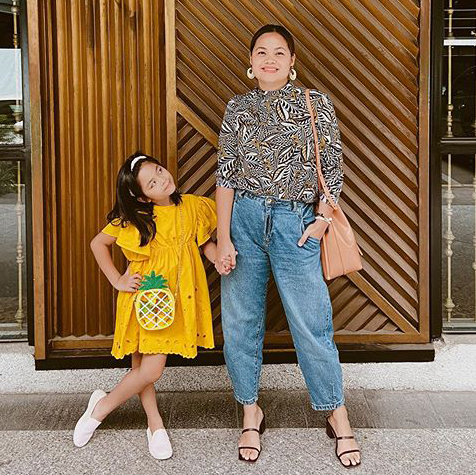
If bright colors and bold prints are your thing, pair happy-hued house dresses with playful flats for various laid-back summer activities.
 “Pediatrician to the stars,”
 They should go online and get the