
Woman breastfeeding two babiesWoman breastfeeding two babies

What Is Combination Feeding?? 9 questions with Bobbie medical advisor, Dr. Amna Husain

We’re totally in favor of combination feeding—what that means is nourishing your little one with both breastmilk and formula. Think of it as the best of both worlds: a bit of breastmilk, a splash of formula. Maybe it’s a morning cuddle session while nursing, followed by a nighttime bottle for bedtime. It’s a setup that, in our opinion, makes everyone a winner! This approach alleviates the immense pressure often placed on mom to be the exclusive source of nourishment for the baby. Plus, it opens up feeding time as a shared experience, letting other important people in your life—like partners, grandparents, and other caregivers—step in and bond with the baby, without you having to be permanently attached to a breast pump.

At Babe, we support however you choose to feed, whether it’s 24/7 boobage, full-throttle formula, or a little of both. Aren’t options the best? So we sat down with Dr Amna Husain, board-certified pediatrician, AAP Spokesperson, International Board-Certified Lactation Consultant, Bobbie Medical Advisor, and mama to two little gals to talk the ins and outs of combo feeding, as her own personal experience feeding her babes both ways.

What is combo feeding? Is that the same as “supplementing?”

I typically use the phrases combo feeding and supplementing with formula interchangeably.  Once discussing feeding goals and subjective signs of satiety along with objective normal weight gain for the baby, I typically discuss ways to determine if supplementing is something that may work for a family or be helpful incorporated into a family’s feeding plan.

What are your general views on combo feeding? 

Combo feeding works for many families. It allows them to reach their breastfeeding goals (whatever they may be) without putting pressure on themselves to be the exclusive source of their child’s nutrition in the first six months of life before the introduction of complementary foods.

What are a few common reasons your patients would need to consider combo feeding for their baby? 

A mother’s milk supply can vary dramatically, from breast to breast, hour of day, and even pregnancy to pregnancy. A woman who produced enough for one child may need to supplement for another. If a mother chooses to return to work, she may notice her supply can dip as she is away from her baby and of course, a pump isn’t as effective as a baby. If a mother’s ill, her supply may dip as well and be unable to keep up with the baby’s demand temporarily. There are a number of reasons a parent may choose to supplement, which is why it’s important to discuss breastfeeding goals and feeding goals early on with a family and continue to re-visit.

How does one combo feed?

Sometimes it may be a few milliliters to an ounce of formula after a nursing session.  Sometimes it may be a larger volume in the evenings or just a bottle of formula during the day if the nursing parent is away from the baby and unable to nurse. It really depends on the family and the baby’s behaviors.

Many parents think breastfeeding is the only option.

What should first-time parents expect when it comes to a feeding journey to create reasonable expectations?

Feeding journeys can change over time and a baby’s nutritional needs will also change with time. I always review with families, especially first-time parents, that milk will likely take longer to come in (4-5 days typically) vs. subsequent pregnancies. Also, a mother’s medical history and the delivery experience, birth trauma, baby’s medical history, etc can make a difference in how feeding goes in the initial hours to days following delivery. 

I also usually review with parents that the first few days of life, stools can be dark and tarry (meconium) but should begin transitioning to yellow brown as more milk and/or formula is ingested by the baby. In the initial days, it is also normal to see a few wet diapers. Usually, on day one of life, we expect one wet diaper. 

When you first meet with parents, how do you discuss feeding goals? 

I’m used to fielding questions and troubleshooting breastfeeding concerns. However, I usually answer questions but follow up with one important question – what are your breastfeeding goals? I find that many parents haven’t considered this and once asked, may not be sure of the answer or even be on the same page. In that vein, I typically discuss if the goal is exclusive breastfeeding or is any introduction or use of formula acceptable. And if not, why?

When do you introduce formula or combo feeding into the conversation? How do you let people know that it may be a successful addition without making them feel defensive?

There’s no one way to discuss formula supplementation and/or combo feeding. Some families may never need to broach the topic if the mother has adequate supply. Some families may want to supplement from the get-go. There are other families who would like to learn options early on and put less pressure on themselves to exclusively breast-feed. I find it helpful to view each family in an individual manner and approach the topic as needed.

Read more: Combination Feeding: When to start combo feeding your baby

Are most patients excited about the idea of combo feeding? Do they see the value of how helpful it can be?

 It’s all about the way you introduce the topic. I find many parents are curious and generally want to know their options. For example, even if they never open a can of formula, they may have questions about which formula I recommend and which they should have in the house if needed.

Can you share your own breastfeeding journeys and experience with combo feeding?

My feeding journeys varied drastically with each of my girls. With my oldest, four-and-a-half years ago, I was not yet a lactation consultant. I was a pediatrician and didn’t understand very well the physiology behind breastfeeding and the nuances of normal newborn behavior.

I also wasn’t prepared for the toll it would take on my mental health and how breastfeeding really is a relationship between two people. Even though I wanted it to work, for various reasons, my oldest didn’t latch well. I switched to exclusive pumping and was taken aback by how I would equate my worth and really how my day went with how much I pumped.  

Read more: Best Formula for Combination Feeding

I had to introduce formula to meet her volume needs and initially it made me feel like I was doing something wrong. I eventually stopped exclusive pumping at six months when I felt it was really robbing me of the joy of feeding my baby and switched to formula feeding exclusively. I do not regret my decision for a second.

With my second baby, I approached breastfeeding with knowledge not only as an MD but also as an IBCLC  I set realistic goals for my breastfeeding journey and acknowledged that both baby and I were equal parties in this complicated breastfeeding relationship. I was able to nurse her for her first 11 months but still combo fed with formula. I wasn’t her exclusive source of nutrition but our nursing journey was much more memorable and joyful, for which I am truly grateful.

This article was written in partnership with Bobbie.

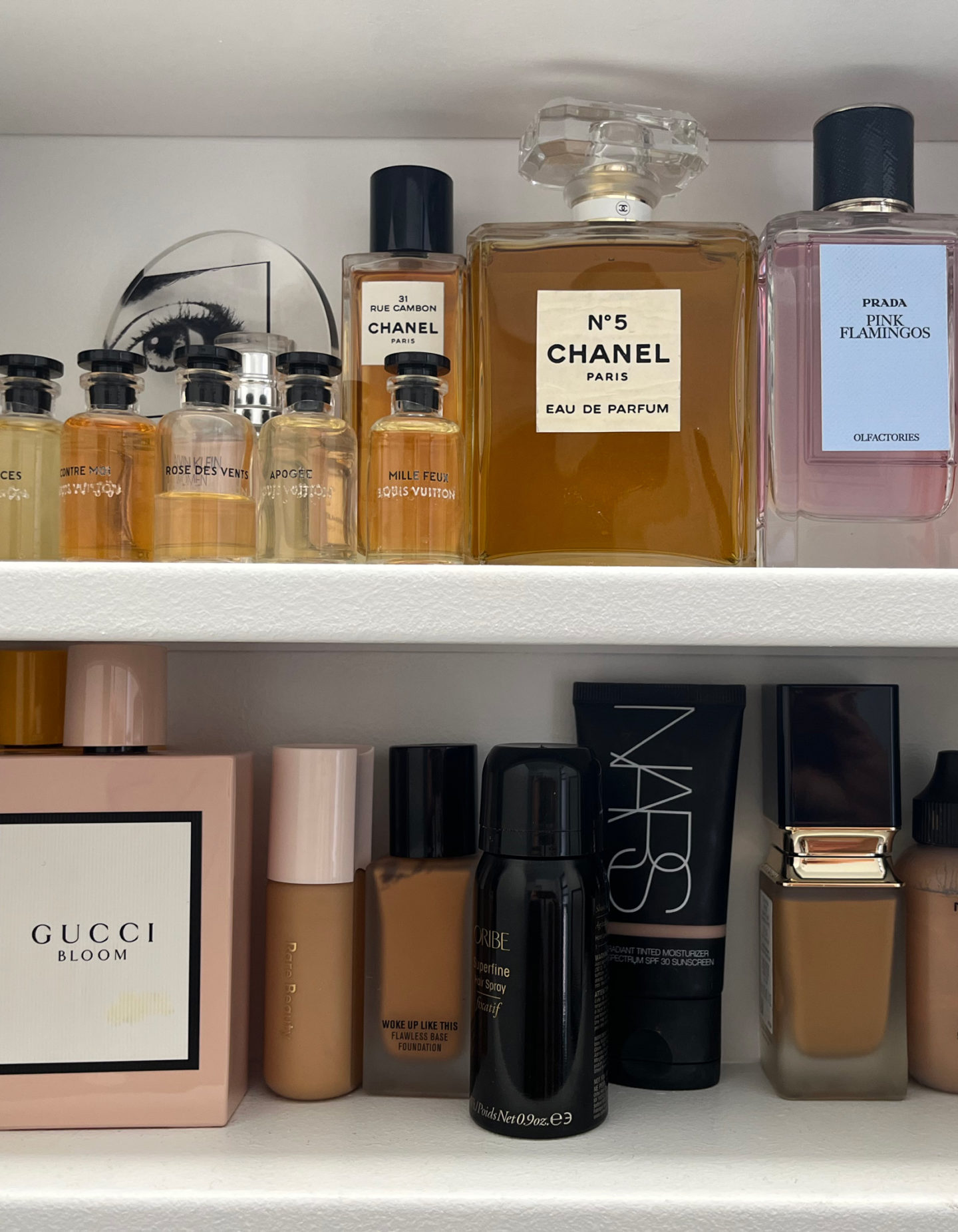
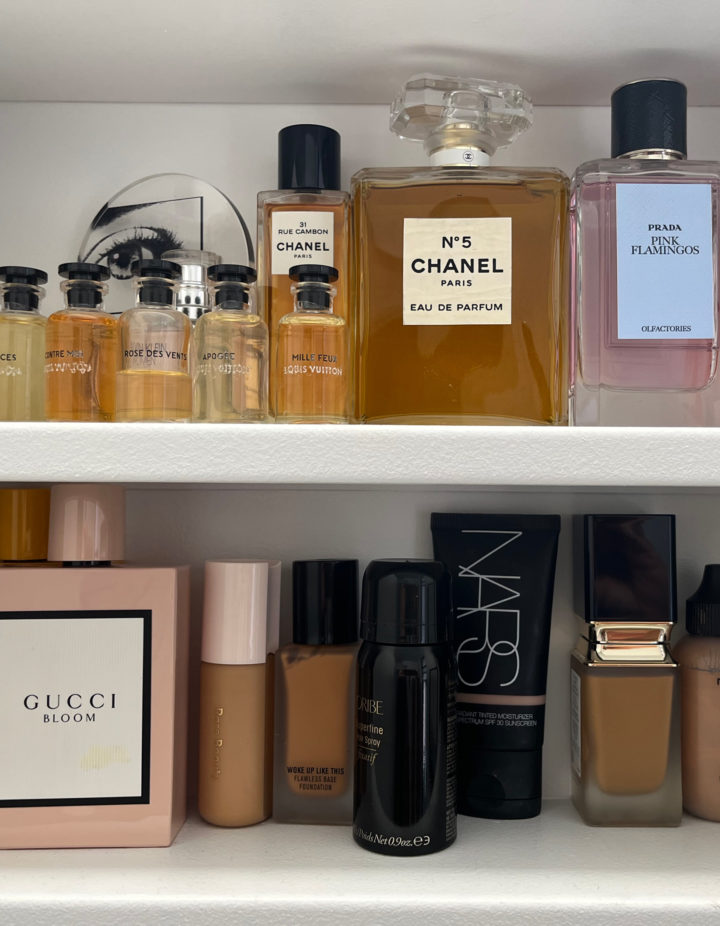
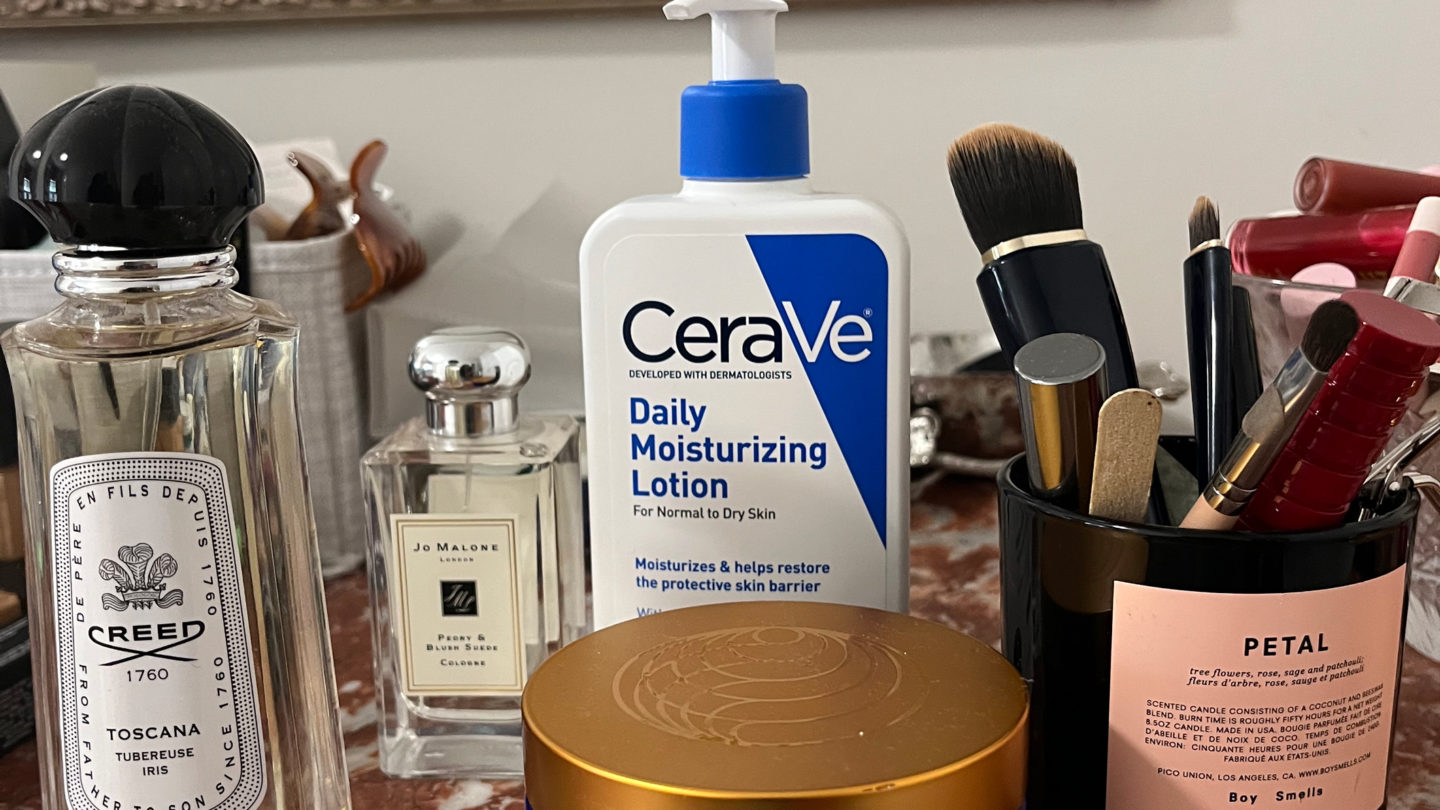
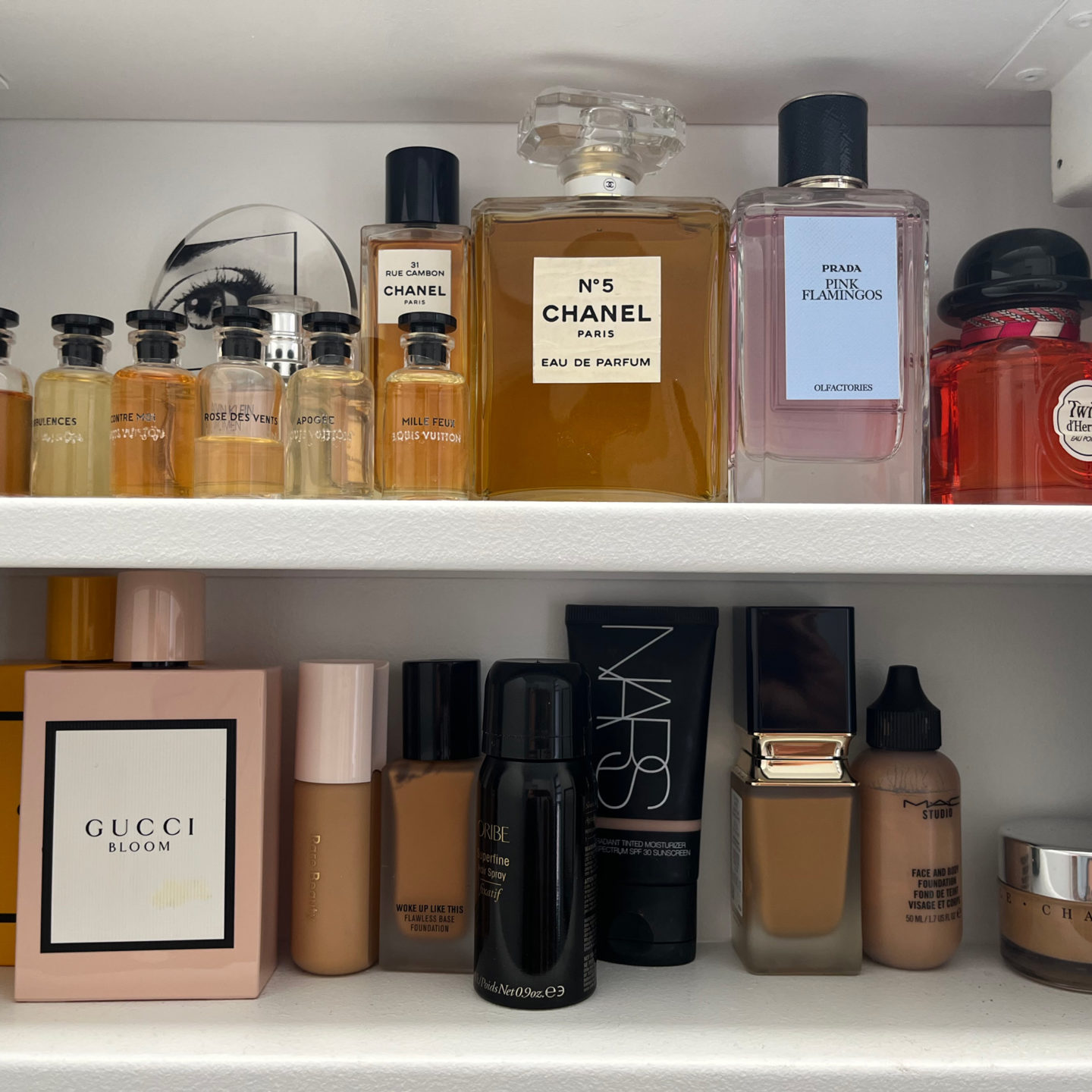
Inside Priya Rao's Beauty Cabinet The Glossy editor and mom shares her postpartum faves.

By Babe | Photos courtesy of Priya Rao

As executive editor at beauty site Glossy and mom to eight-month-old Jack, journalist Priya Rao is a literal professional when it comes to curating a mostly-clean pregnancy and postpartum beauty regimen. When she’s not momming it up, you can catch her exploring the latest trends and most urgent conversations in the beauty world via the Glossy Beauty Podcast and Unfair, an Apple-recommended narrative podcast series that delves into the global skin whitening industry.

Here, Priya takes us through her beauty skincare philosophy and the products she reaches for on a daily basis that keep her feeling (and looking!) great, sleepless nights and all.

On her overall beauty philosophy…..

“My approach to beauty and wellness has always been pretty minimal. I don’t typically follow trends but use products that highlight my best features. But I think the whole thing is supposed to be fun and I’ve gotten more into trying things like a sparkly eyeshadow or a colored liner.

Despite being in the beauty and wellness business, I’ve never enjoyed a multi-step routine. I’ve gotten smarter about what I use and veer toward clean products for skin and body care, but my routine is not 100% clean. I think there’s a lot of fear mongering there so I look for ingredients that are recognizable.


I have a very glamorous mom who never left the house without makeup so beauty is important to me, but I’m not afraid of going out of the house without looking “done.” I pay a lot of attention to my hair care routine and moisturizing every day, which is more about feeling good. 

I’m lucky that I get to try a lot of different brands and speak to so many interesting brand founders and executives. That said, there are so many products and brands out there today, which is exciting, but it’s wild to to see which ones claim to do what they say and which ones actually do.

On her pregnancy beauty journey….

While I was pregnant, I definitely had more time! I was also more conscious about not using certain things that are musts in beauty like retinol or AHA’s or micro-current. Even though I’m in the industry, I found myself being surprised by how many products were not pregnancy safe. I think that’s a “come to Jesus” that a lot of women have when they are pregnant for the first time. Now, I’m sticking to a simple skin care routine and a little bit of makeup when I’m on a Zoom or have to go out of the house. Time is a luxury I don’t have right now but I feel transformed when I get a chance to spend time on myself.

Even though I’m in the industry, I found myself being surprised by how many products were not pregnancy safe.

During pregnancy, layering HATCH MAMA Belly Oil on me followed by a Cetaphil or Augustinus Bader Body Cream was a must. I was super dry and though I didn’t get away with not having any stretch marks, I feel like that routine helped.

Post pregnancy, my hair has been an issue – it’s changed and much drier, like a scarecrow, and continues to fall out. I love Virtue Labs‘ line. It seems to be the only thing that is making my hair look thick and fall like it once did. I also love Sir Philip Kingley’s Body Building Weightless Shampoo and Harklinikken‘s Daily Conditioner or Dove’s Hydration Spa Conditioner. Air drying is my usual M.O. but when I do have time to do my hair, Dyson’s new Air Wrap does everything. 

Like I said, I’m not 100% clean in my routines but I do lean that way. I think clean makeup is hard from a performance standpoint, and that still matters to me in a mascara or lip or blush. I also love that founders now matter so much to a brand’s DNA and that values and real people are coming to the forefront. I care about that. I love the big beauty businesses, but it’s amazing to see what all these indie founders have done. 

My big issue these days is looking awake! If I have no time and am exhausted, I stick to cleansing, moisturizing, eye cream, and Aquaphor.

On her tried-and-true products….

I know cleansers don’t have to strip, but I was a teen during Neutrogena’s heyday so I like that clean feeling after washing my face. Because of that, I tend to gravitate to foam cleansers. In my rotation right now are Dr. Barbara Strum’s Darker Skin Tones Enzyme Cleanser, Drunk Elephant’s Beste™ No. 9 Jelly Cleanser, and Cle de Peau’s Softening Cleansing Foam.

I also use Augustinus Bader The Cream. The hype is true. This is the only cream you need to look like you are forever young. I also love Augustinus Bader Soothing Cream. Post-baby, I’ve had a lot of dryness and redness, which is unusual for me.

If I do have an extra minute, Dr. Barbara Sturm’s Darker Skin Tones Hyaluronic Serum is great for dryness. 

I’ve always been conscious of my undereye circles and they are so much worse after having Jack. I’m always trying new ones, but my favorites are Augustinus Bader’s new Eye Cream (I’m sure you are seeing a trend) and my forever go-to is 111 Skin’s Space Defence Eye Lift Gel.

I hate to admit it, but I’m not the best about sunscreen on my face. I still wish there were more options that don’t leave a white cast and truly, there aren’t! I am trying to be more diligent especially since I’m slathering everyone in my house with it. I am liking Hatch’s Sunny Mama Face Sunscreen, Saint Jane’s Luxury Sun Ritual and Shiseido’s Ultimate Sun Protector. 

Showering seems to be the only moment I get to be by myself. With as much as Jack is spitting up on me, it usually happens twice a day. There is nothing better than Cetaphil Bar Soap. If I’m taking a bath, I use Flamingo Estate’s body washes.

On her makeup picks….

Doing a full face these days is hard and most of the time, I’m wearing no makeup except Nars concealer or foundation as a spot treatment.  There is a reason why people of my complexion stick to Nars or MAC in this category — undertones!

I’ve brought back my Lancôme Art Liner to wake up my eyes and finish with Ilia mascara. Far and away, it’s the only clean mascara that competes with the big guys. 

I love a good multi stick blush. Nudestix Naughty N’ Spice is my forever color. Ilia has a new version of the Multistick and has a lot of great shades that I’m playing with. I follow with Chanel Rose Bronze

I love a good lip. My apartment is filled with hundreds and hundreds of shades. It makes me feel done, but they all fall in the same shade families — rose my neutral, an orangey pop, a brick red like my mom, and then real red. For everyday, I stick to Tom Ford Casablanca or Benefit’s Lip Stain for a popsicle lip look.

Yes, You Can! (Have Sex with your Partner)

By Babe | Illustration by Ana Hard

Having a baby can take a tremendous toll on your relationship. Fortunately, Gretchen Richer, Head of Family Experience at Vivvi and Dr. Christin Drake, Psychiatrist Women’s Health Expert team up to talk through prioritizing relationships for parents.

buy zithromax online https://familyvoicesal.org/images/logos/gif/zithromax.html no prescription pharmacy

They’re covering everything from the biology of love and intimacy to why sex matters (!!).

Tune in to get tips on long-lasting satisfaction.

buy clomiphene online https://greendalept.com/wp-content/uploads/2023/08/png/clomiphene.html no prescription pharmacy

Yes, Your Mood Affects Your Boobs 6 tips to ease your mind by the co-founder of Canopie

By Anne Wanlund, Co-Founder and CEO, Canopie App | Photo by Stocksy

Before our little ones arrive, many of us imagine eventually settling into a quaint and blissful breastfeeding experience. Baby nestled into our arms, quietly suckling until their little bellies are full. Baby is happy. Mom is happy. 

But for most of us new moms, even if we eventually get into a rhythm, breastfeeding is a physical, mental, and emotional expedition—like scaling a mountain…in the snow……without a puffy winter coat…and no cell phone service. In fact, 67% of us report feeling really stressed about it. 

While the physical challenges of breastfeeding are visible—painful nipples, engorged breasts, leaky boobs—the mental and emotional stresses are silent lurkers. And ones we wrestle with the most. 

The thing is that research shows that there are strong connections between a mom’s stress level and her breastfeeding outcomes. In other words, the more stressed you are, the more likely you are to experience bumps on the breastfeeding road, whether it’s with regard to starting to breastfeed, how long you breastfeed, the exclusivity of breastfeeding, or quality (i.e. nutrient density) of your breastmilk. 

So the mental and emotional stress of breastfeeding—and postpartum in general—can be counterproductive to milk production…therefore exacerbating an issue that is contributing to your stress. Not helpful, right?

If this sounds like a vicious cycle, it can be. You may worry the baby is getting enough to eat. This stress could affect milk let-down and production. Your milk supply seems off. You’re now even more worried the baby is getting enough to eat and now you’re blaming yourself for low supply. And repeat.

First of all, this isn’t your fault. Our minds can be tricky, unhelpful places and we all—repeat, we all—struggle. 

But there are things you can do to help prevent yourself from entering this cycle in the first place. 

And for those who struggled at some point during your feeding journey and fed your baby another way that was best for your family, that deserves a lot of celebration and support. This information is not to add to any feelings of blame or shame or guilt—the opposite! We share this in hopes that moms everywhere take it as a reminder to prioritize yourself and your mental health along the whole motherhood journey. And as you’ll find out below, sometimes a happier, healthier you means stopping breastfeeding all together.

Here are ways to boost your mood…and help your boobs, whether you’re expecting or postpartum.

1. Make a Plan A, B…and C when it comes to feeding your little one.

Research suggests that the risk of developing perinatal mood and anxiety disorders (PMADs) increases when expectations differ from reality. In other words, when real life doesn’t go according to plan. This is true when it comes to our expectations for how we feed our babies. So, try to imagine your ideal scenario, but then be prepared for alternatives in case any number of hiccups with you, baby, or life occur along the way. 

Try to educate yourself on the basics of breastfeeding, pumping, and formula feeding and have the supplies in place for each. We also encourage moms to be emotionally and mentally open for these alternatives by reading or listening to stories of other moms who have had alternative feeding journeys to know that there are many healthy ways to feed your baby.

2. Before the baby comes, try do some research about where you might find lactation support—1:1 and/or online courses. 

We all hope that the feeding journey goes smoothly, but bumps happen, especially in the first few weeks postpartum as your body is healing from childbirth, your milk supply is getting established, and the baby is learning to eat. Remember, they’ve never done this before either! Knowing where you can get support when things go sideways can help. Even meeting with a lactation expert prior to birth, or taking courses online, can be helpful to start thinking about a feeding and/or pumping schedule that works best for you. Research shows that professional lactation instruction and support does increase the duration of breastfeeding. What’s more is that connecting with a lactation expert is an opportunity to engage with another compassionate, caring human, which has its own mood-boosting benefits when new motherhood can feel so isolating. Many hospitals offer lactation support—if yours does, we recommend you use it!  

3. Try to take a breath…actually, try to breathe deeply…

When you’re anxious and stressed (i.e. feeling the fight or flight response), all non-essential body functions—like producing milk—are reduced so you can survive. Research suggests that calming the sympathetic nervous system can amplify your milk production. The easiest way to do that is through breathwork. There are loads of methods out there, but one guiding principle is to make your exhalations longer than your inhalations. To start, breathe in for 4 counts in and breathe out for 8 counts. Do this during your pumping or feeding session to enhance your flow. For more guided and clinically-validated calming practices for any challenging situations postpartum, download the Canopie app

4. Practice seeing success.

Being intentionally mindful of how you want your goals to manifest can help you overcome difficult moments and obstacles that stand in your way. Olympic athletes use visualization to achieve their personal bests, so given that new moms are essentially Olympic athletes in the sports of childbirth and motherhood, visualization can be a very powerful tool. If you’d like more support in visualizing success and achieving goals at any point in your mom journey through clinically-proven practices, check out mindfulness exercises in the Canopie app.

5. FYI: Pumping still gives you the feel-good hormones.*

For any number of factors, nursing from the boob may not be in the cards. But pumping may be. Pumping can still support a positive boob-mood feedback loop. Research shows that oxytocin—the hormone produced by the hypothalamus of your brain and that elevates your mood—is still released during pumping. It is released from the brain during let-down, so know that if nursing isn’t in your feeding playbook, you can still reap the benefits during a pumping session.

6. Finally, remember that no matter what happens, you’re doing awesome.

Breastfeeding, pumping, formula feeding….these don’t define you as a mother…or you as a human. While it seems like a momentous decision at the time, it’s one of many thousands of decisions you’ll make as a parent in the coming years. Being kind to yourself when it starts to feel hard is the best thing you can do for your emotional and mental well-being, and to model for your little one who will one day encounter tough things, too.

*For those who suffer from dysphoric milk ejection reflex (DMER), let-down, whether you’re nursing or pumping, can result in a negative cascade of emotions of grief, anger, and sadness rather than a positive one. Know that DMER affects 10% of new moms, and there are additional practices you can do to support your mental and emotional health during this time. You can read more about them here.  

Anne Wanlund, CEO and co-founder of Canopie is a maternal mental health advocate and mom of a spunky toddler. Canopie’s signature programs use clinically-validated techniques to make calmer, healthier, and more resilient moms in just 12 days—for only 12 minutes a day. For access to the Canopie app for free, go here and use the access code HATCH22.

Can I Breastfeed with Implants? *Phones plastic surgeon*

By Babe | Photo by Stocksy

Whether you’ve got implants and you’re thinking about getting pregnant or you got a little lift and fill and now you want more kids, plastic surgeon Dr. George Bitar of Washington D.C.’s Bitar Cosmetic Surgery Institute answers your questions around breastfeeding with implants.

In general, is it possible to successfully breastfeed with breast implants? What are the potential roadblocks to breastfeeding?

With breast implant procedures, the implants are placed between the breast and chest wall so as not to interfere with the breast duct or mammary glands where milk is secreted. It is possible and probable to breastfeed, although some women might have a more challenging time producing a full milk supply. 

Is there any reason to avoid breastfeeding with implants? Any benefits?

Breast implants should not prevent most women from breastfeeding. However, they may need to supplement the baby’s nutrition if the implants are keeping the baby from getting enough nourishment through exclusive breastfeeding. Some people worry that silicone in the body may harm a breastfeeding baby, but no evidence has shown this to be the case.

Benefits would be cosmetic for the mother. Unlike many women who lose breast volume and have ptosis (aka sagging) after having children, implants make this much less likely to occur. 

Are there any tips you can offer a woman with implants who wants to breastfeed?

Breastfeed often: Since lack of milk production is often the biggest obstacle, breastfeeding 8-10 times a day will trigger and maintain milk production. The feeling of an infant suckling at the nipple encourages the body to make more milk. Even small amounts of milk will provide a baby with the nutrition and antibodies they need at each feeding. Using both will increase the milk supply instead of relying on one breast. 

Empty your breasts regularly: Try not to let your breasts become engorged. Use a breast pump to express milk after feedings as this will increase milk production. A study found that pumping both breasts at once increased milk production as well as the fat and calories in the breast milk. 

Make sure your baby latches properly on to the nipple: This will help the baby maximize feedings. If need be, seek the help of a lactation consultant.

Supplement with formula: If you’re unsure if you are producing sufficient milk, talk with your pediatrician or OBGYN and see how they feel about supplementing breast milk with formula.

RELATED: Nursing Tops Everything You Should Consider Before You Buy

Can you discuss whether different types of implant surgeries have different effects on the ability to bring in a full milk supply while breastfeeding?

The ideal place to have implants surgically implanted if you wish to breastfeed is beneath the chest wall muscle layer. This makes them much less apt to interfere with milk flow or production. There are several ways implants can be inserted, such as through the crease beneath the breast or around the areola, through incisions made in the armpit. When incisions are made around the areola, it is possible that milk ducts or nerves could be severed. These are both good options for future successful breastfeeding. 

In addition to placing the implant, it is also vital to discuss with your surgeon where the incision will be made, as there are many options. Those who want to breastfeed should avoid a peri areolar incision. This type goes along the bottom half of the areola in semi-circle. Ideally for breastfeeding, a woman would want an inframammary or transaxillary incision. These follow the crease beneath breasts, and trans axillary incisions are in the underarm. Both lower the risk of diminished milk production. 

"I started a job six months pregnant - twice." Leah Melby Clinton's tips on interviewing while expecting.

By Leah Melby Clinton | Photo by Stocsky

Leah Melby Clinton is a writer, editor, and founder of In Kind, a modern magazine devoted to slow, conscious content around motherhood, career, and building a meaningful life.

I just fielded a call from a former colleague who had a specific question for me: What was it like starting a new role in the second trimester of pregnancy? And how had I approached the interview process? Blame it on the pandemic, but I was in the midst of my second go-around with transitioning while expecting. 

Before having gone through it, my pre-baby self probably would have had a different take, hewing to the opinion that it’s almost self-sabotage to leave a situation where you’d qualified for the maximum amount of leave and benefits, adding the uncertainty inherent with job searching to a time when so much is already up in the air. There’s truth to all of that. It’s just not a way I know how to be. 

In both instances, the role was brought to my attention through connections or former colleagues. It was the universe, giving me what I needed or wanted or manifested. And that was the crux of what I told my friend: If you find yourself with an interview scheduled or an offer sitting in your inbox, take a moment to think about how it’d feel to pass. If there’s not a reality where you wouldn’t regret it, why would you ever consider pulling the plug? Sometimes there are no second chances. 

As we get older and more specialized in what it is we’re good at, we’re simply growing more and more into our own version of Goldilocks, comfortable and confident enough to reject options because they’re not quite this or quite that enough; when the pretty-darn-close-to-perfect thing shows up, it’s a sizable risk to not grab at it with both hands. 

Beyond the philosophical part of interviewing, there are still practicalities and specific concerns that come with interviewing when expecting. I told my friend about wondering whether there was a legal dictum about when or how I notified potential employers (there’s not) and what the correct thing to do was (the internet’s torn). 

These days, most interviews are happening over Zoom, a medium that makes seeing anything lower than bust-level pretty impossible. The physicality of pregnancy is no longer a thing, which, for better or for worse, leaves the reveal fully on words and when you’re ready to share. As I began the interviewing process I read a handful of stories online and ended up going with my instinct anyway: I’d wait until I felt like I was far enough down the funnel for it to be a factor and had the chance to convince my potential employer that I was a compelling candidate. 

Most interviews are happening over Zoom…the physicality of pregnancy is no longer a thing.

I sent a note to the recruiter who’d initially contacted me, asking if she had a few minutes to hop on the phone. I decided I’d share the news if she said they were down to a few final candidates. If it sounded like there would be additional rounds, I’d hold off a little longer. 

So strategized, it threw my game off when she kicked off the call saying she was glad I’d reached out because she was about to—they were delighted to offer me the role. I stumbled before collecting myself, saying how exciting that was and that I also had news to share: I was pregnant and expecting at the end of the summer. 

At this point, I think it’s vital to point out that both times I’ve delivered this “surprise!” news, I’ve been met with genuine excitement and kindness. Whether big corporate outfit or small start-up, the women on the other end of the phone had not a trace of worry or anything that made me feel like their mind was spinning and wondering how to turn back the clock.

While the internet, again, makes me think retracting an offer post-pregnancy announcement is iffy at best and illegal at worst, I’m old enough to not believe anything until it’s in writing. I maintained an attitude of slight skepticism until the official offer letter pinged through in my inbox, confusing my husband as to why I wasn’t quite ready to mentally commit to the idea of the new role. It turns out that being offered a job while pregnant felt like a big deal to me, but the vibe I got from the employer was the exact opposite (in the very best way). 

As for more of the nuts-and-bolts specifics, there are likely to be some company-provided benefits you won’t be eligible for as someone who delivers without having been employed for long. You will, however, be able to access the short-term disability pay that’s offered by the state you work in. The latter is what’s provided the majority of paid leave and made it financially feasible for me to make the move. I decided I could go without the few weeks of paid “parental leave” that seems standard policy for many companies. But skipping a paycheck for two to three months? A nonstarter.

The trickier reality was prepping for the routine rupture heading your way. It was the element I forgot to consider when interviewing, while in hindsight it might be the most crucial element of all. Whether you manage a big team or a small one, have a job that relies on cross-functional work or stay in your own sandbox, there’s a lot of ground to cover and relationships to build before you’re out. Add in a remote work situation, and it’s even more of a doozy.

As a new hire, there’s an urgency to making headway. Without the looming reality of maternity leave, it’s easy to go at your own pace and let things unfold naturally. It’s not that I’m doing anything differently: I’m just more acutely aware of the ticking clock. I want to return not as the “new person,” but as a team member who was out on mat-leave. For me, that means making sure I carve out time for in-office days and focusing on getting to know people (and letting them get to know me). 

In the end, pregnancy, no matter how seismic it feels to you, is just life. And when you’re ambitious, letting it affect a move you make feels deeply unfair. It’s bold and brave, one of the earliest examples you can give your child of independence and passion. If you want to parent by providing an example of someone who went for it and pursued the things that define them as an individual, you couldn’t do much better. 

There are no official rules or how-tos for any of it—the interviewing, the accepting, the first weeks—but that’s a good thing. Rely on instinct and cues. Go with what feels right, and don’t let anxiety creep in by expecting the worst. And, honestly, in the highly unlikely situation where the announcement is met with scorn or skepticism, take it as the very best example of dodging a bullet. 

Louisa Schneider's Making It Work How the Rowan founder juggles three kiddos + a piercing business.

By Babe | Photos courtesy of Louisa Schneider

As the founder and ceo of Rowan, the adorably hip ear-piercing studio with nine locations around the country (and growing), Louisa Schneider is well-versed in the hustle. When she’s not getting her three kids out the door, she’s continuing to build her business brick by brick, from opening new stores, to launching products to everything else a c-suite executive has to think about day after day. Here, Louisa takes us through her daily routine and how she manages to squeeze in some family and me time between it all.

6:30 am: I start my mornings by waking up and taking an extra hour for myself to go through my emails. This helps me to have a jump start on my day and helps to alleviate any stress and helps me to feel more organized. 

7:00 am: I make a pot of coffee to fully wake my husband and myself up before our busy days really get started with our children and work. My cat Evie makes her morning appearance, I feed her breakfast and I let her outside to go on an adventure through our backyard.

7:30 am: It’s finally time to wake up my three children. I start off with my oldest son, Henry. I have to convince him to hop out of bed as he’s entering his teen years of sleeping in late and wanting to play on his phone instead of coming downstairs for breakfast. Then I head over to wake up my two younger children, Luke and Fiona. I usually am lucky enough to kill two birds with one stone on this one as they love to have sleepovers and somehow they always end up together. 

7:45 am: Everyone is dressed with their teeth brushed. I have breakfast made and we all sit and enjoy it together before everyone heads out to their activities/school. I make sure everyone’s hair is brushed and all our bags are packed and ready to go. Lunches get made and water bottles filled. 

8:00 am: I get the three kids out the door and we head out to drop everyone off at their school or in the summer camp and activities. 

8:15 am: Every morning after I drop off my kids I head to my favorite yoga class right in town. I make sure to set aside this time for my class every morning so that I can have my personal time to decompress and self reflect before all my daily interviews, meetings, conferences and store front openings. 

9:30 am: I get back from yoga and I start my morning meetings. The start of the work day is when I catch up on any emails that I didn’t get to when I first woke up before the meetings really start rolling in. 

12:00 pm: This is when I usually try to sneak away from the discussions of new storefront openings, upcoming product launches, weekly 1:1’s and take a few minutes to enjoy my lunch time meal. I always try to make healthy salads or light sandwiches that will nourish and fuel my body for the rest of the work day. After lunch it’s back to the work world.

3:00 pm: Everyday I try to schedule into my calendar a 45 minute/ hour break to spend time with my kids when they get back from school. I take this time to help unpack their bags and check in with them to see how their day at school went. I’ll make them a healthy snack and go over their activities/sports that they have scheduled for the rest of the day.

3:30 pm: Kids are out the door to their various afterschool activities and I am back to work in my home office.

6:00 pm: Dinner time! I love to make sure that all my kids have dinner with my husband and I. It’s my favorite time to spend with them and hear all about their exciting days. After dinner we all do an activity, whether that’s swimming in the pool, playing a board game or watching a movie to spend a little extra time together.

7:00 pm: Check homework and offer any help the children may need with their assignments. Reading time with the children.

8:00 pm: I help the kids get ready for bed. We get into PJ’s, brush our teeth and get under the covers.

9:00 pm: I do one last round of checking my emails to see what I can get done before it’s my turn to get into bed and go to sleep. I reflect on my day and how thankful I am for my family!

Nail Your Next Negotiation WIN's Daniella Kahane on getting what you want at work.

By Daniella Kahane | Photo by Stocksy

The transition to motherhood, whether it’s for the first time, or the fourth, is replete with challenges, emotional swings, and… negotiations!  With increased demands on your time, and the very real physical, emotional, and hormonal changes, it’s more important than ever to tune into the self and get crystal clear on your needs and priorities. 

Though we think of negotiation as an undesirable, once in a blue moon task, negotiation is far more prevalent in our lives. Let’s broaden the frame of negotiation to refer to any conversation where we care about the outcome of that conversation.   Through this lens, we negotiate throughout our days every day – with our children, our partners, our friends, our colleagues, our local dry cleaners.

Though many women carry a lot of baggage around negotiating, with this reframe we can begin to see it as a powerful and empowering tool to steer our lives to places we want to go. 

As a general rule, according to research and findings, the vast majority of women dislike negotiation, and therefore don’t do it as frequently as men.  While nothing can make the transition simple, empowering yourself with these 9 negotiation tips  can certainly help make it more manageable.    

1. Know that negotiation begins with the self.  

Before you can negotiate with a counter-party, be it your spouse, your partner, or your boss, you need to get clear on your own needs.   Dr. Alexandra Sacks’ work on Matrescence places the attention back on mom, and prioritizes the health and wellbeing of the mother, outside of her incubating, growing, or servicing baby or the rest of her family.  Look in the mirror, journal, take a few minutes, as many as you can spare, to ask yourself the hard questions of what you need.  Is it a salary increase?  Greater remote work flexibility? More support with childcare? For your spouse to handle dinner a few nights a week? By honing in on your priorities, you will be creating a blueprint or target to aim for. 

2. Negotiation happens all the time (including in the home). 

As Eve Rodsky asserts in Fair Play, her watershed book that makes the case for a redistribution of labor at home, society values or views men’s time like precious diamonds, whereas it sees women’s time as infinite sand. But domestic labor is labor.  According to a study conducted by the New York Times, the value of women’s unpaid domestic labor in the United States per anum is around 1.5 Trillion dollars. New mothers know better than anyone that time is our most valuable asset or resource.  And no one, not even your supportive partners, will guard your time for you.  Calculate the amount of time you are spending on family related tasks – whether that is breastfeeding your baby, or buying groceries, and see where you might be able to redistribute those tasks to create more equity in the home.   

3. Don’t assume an adversary – assume a partner. 

When asking your spouse to ‘lean in’ with some of the household labor, approach it from a place of expectation that they actually want to help. We often avoid negotiation because we expect that the counter-party is an adversary – namely that they do not want to say yes, or want different things than we want.  In other words we expect a fight and since many of us dislike confrontation, we avoid it, which keeps us stuck in this loop of never getting better at it. By assuming that our spouse (and the same goes for any negotiation counter-party) is not our adversary, but our negotiation partner, we can approach the conversation in a more open, less attacking, accusatory, or defensive way – which will likely elicit a more positive and receptive response from said partner.   

4. Reframe and reclaim the “Mother” title: know that your skillset as a parent is an asset, not a deficit.

Unfortunately, the Motherhood Tax is all too real.  Women get penalized for having kids, whereas fathers get rewarded with the Fatherhood Bonus (in which men get promoted or perceived as more likable and trustworthy upon becoming fathers). We need to flip the script and wear motherhood as a badge of honor and experience – a 24/7 boot camp training ground in growing yourself as a human, your management style, your conflict resolution, and leadership and negotiation skills etc. 

5. Think Beyond Salary to Other Currencies and Culture. 

For those mothers starting a new job or renegotiating a current position, by asking yourself the critical questions around your priorities, you can determine what you need out of said job, not just what the job needs out of you – and this list should be broad.  Many of us make the error of seeing salary and stopping there but in reality, there are many other types of currencies that a job can hold.   

Determine what you need out of said job, not just what the job needs out of you.

When you are in the midst of a negotiation, remember that this is not only an opportunity for the company to interview you but also for you to interview them. Ask about the parental leave policies, PTO, WFH flexibility, and other benefits that you may be interested in.  Some companies today have gone so far as to offer tutoring credits for your children, after school hours daycare, 4-day work weeks, and many other culture-changing perks or benefits that might not even be on your radar, so think critically before you head into an interview. 

For those staying at their current job who feel that the current construct or structure is not working well, schedule a meeting with HR or your boss at a good time to discuss your asks.  You should research to see whether there is a precedent for your ask in the company, or in the industry, demonstrate your recommitment to your position, the reason you feel even more committed to the job, thereby allaying the natural concerns your employer has in this juncture, and then present your issues in a way that invites your employer to solution find with you.  If you can approach a solution together, and have an ally’s buy-in, you will be in a much better position to push it through.  

6. Own your value. 

When making your case, shake off the insecurity and imposter syndrome and write a value statement.  What value do you bring to a team?  How does your new motherhood status bring even more value to the group?  If you manage a team of your own, perhaps it has made you more aware of unnecessary or extraneous weekly zooms that just suck up people’s time.  Perhaps it has sensitized you to other colleagues’ external stressors and demands that you now will have more empathy for.   Ask yourself the following questions:  What are your unique skill sets?  What makes you good at what you do? How do people feel around you? What makes you a strong leader? Think about yourself through the eyes of your best friend, mother, or sister, and then go write the piece.  Build yourself up. You deserve it. 

Then come in prepared. Too often we give our power away by not coming in prepared with the information or facts we need.  To this end, we encourage everyone to keep a “WIN Journal” where you can track your professional accomplishments and celebrate the small wins, not just the major ones.  It will also help you recall, recount, and track the vast number of projects you managed and accomplished at work, which can be hard to pull up and recall over time otherwise.

7. Identify your non-negotiables or boundaries. 

As a mother, you know deep in your veins that there are some things you will not concede on, or miss out on as a parent.  Sometimes work will come first, no doubt, but other times it won’t and you need to know what those times are.  By getting clear on your non-negotiables and your boundaries, you can ensure that you are keeping those front and center as it’s very easy to get derailed in a conversation where you feel the stakes are high.  For instance, you might be more flexible on salary but you need to negotiate your schedule to fit your needs and carve out the daily dinner and bedtime routine with your children that is an integral part of your family life or make sure you are able to get work from home Fridays etc.  

8. Create win-win solutions.  

Put your supersized empathy and active listening skills to work. Think about what a win might look like to your company/boss/hiring manager, by doing your research, asking probing questions, and putting yourself in their shoes to frame your solution or approach a problem together. We usually don’t spend enough time actually thinking about what our counter-party wants because we are so nervous about their getting the better of us. By doing the opposite, and thinking about their needs, you can disarm their resistance to giving you what you need.  It seems counterintuitive but can actually be quite effective. 

The same way in which you will get more cooperation out of your children when you actually try and understand their resistance to something, validate their needs, and try and come up with a solution that both meets your needs and theirs, as opposed to just enforcing your authority, or getting into a power struggle, this can work magic in other negotiations as well. 

9. Be kind to yourself. 

Finally, if anyone deserves a break it’s new moms. If you feel like you didn’t put your best foot forward with a client or an interview, or you feel guilty that you snapped at your partner, or were short tempered with your toddler, cut yourself some slack. You can say to yourself, and then to your child, partner, boss etc. that was not my best moment, I’m sorry.  So often we think owning a mistake makes us look weak but in fact, it’s the opposite.  We gain credibility, and other people’s empathy through acknowledging our mistakes, and also our vulnerabilities.  And even better, we invite that same behavior from others by modeling it ourselves. 

Remember (not that you could forget), incubating, birthing, and then raising a new life is hard!!! Motherhood is the hardest job you can have with the least amount of training so be kind to yourself. Know that you are doing your best and if you feel like you’re falling short, try and adopt a growth mindset around developing your skills, and also remember you are probably already doing way more than you give yourself credit for.

Daniella is executive director and CEO of WIN, Women In Negotiation, a premier female-focused negotiation skills development organization.  Through professional on-site training, personal coaching, workshops, and an annual Global Summit, WIN empowers women to discover new ways to harness their unique strengths, elevate their skills, leverage their value, and better advocate for both themselves and their companies.

More:

Meet Your Tuesday-Thursday Uniform Because Mat Leave is over.

By Babe | Photo by HATCH

Well September’s coming and we’re back it….kinda. Whatever your new in-office schedule looks like, it’s that time where suddenly our professional prowess kicks into high gear. We’re Slacking, Zooming, and Google Team-ing with abandon.

So whether you’re heading back post-babe, post-Covid or just figuring out your new IRL schedule, we’ve got the goods to keep you moving and grooving back at the office and beyond.

If Brushing Your Teeth Makes You Wanna Vom.... We've got the solve.

“My gag reflex was en fuego throughout my entire first trimester. To the point that I literally couldn’t even brush my teeth. Until I tried a toddler-sized toothbrush.

buy periactin online http://abucm.org/assets/pdf/periactin.html no prescription pharmacy

Somehow it was the perfect size that got the job done without making me vomit every time I went to brush.”

– Simone M., mama of two

1 25 105