Low Waste PregnancyLow Waste Pregnancy

9 Tips for a Lower Waste Pregnancy That won't force you to totally uproot your life.

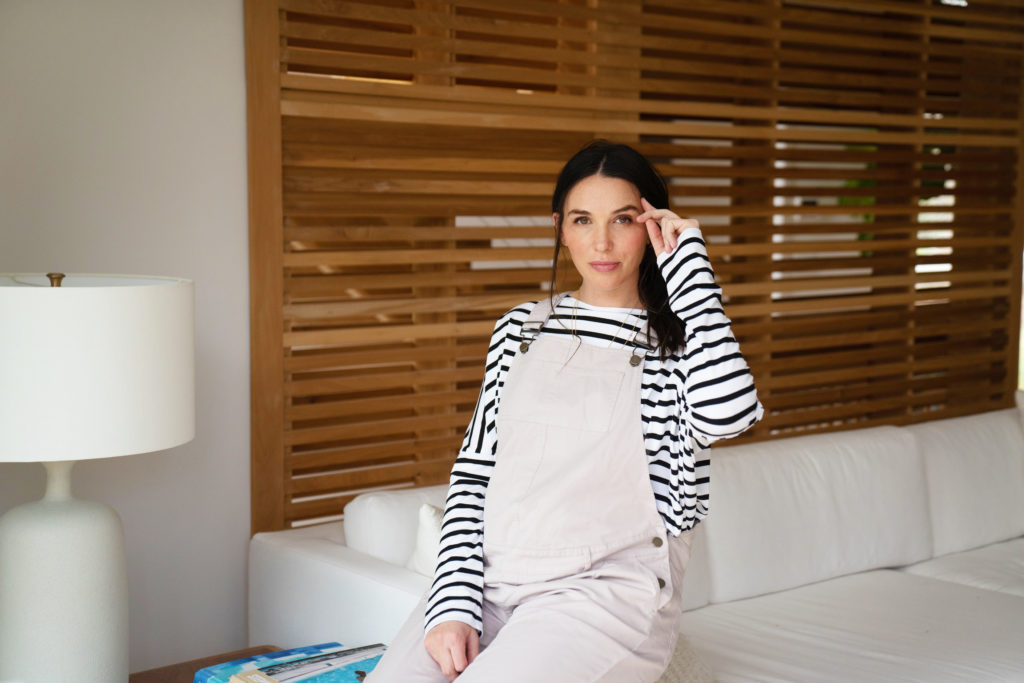
By Abby K. Cannon, JD, RD, CDN, founder of Abby’s Food Court | Photo by Imogen Roberts (Gilchrist)

There’s nothing like discovering you’re pregnant to kickstart your sustainability efforts. But between the endless Google scrolling and first trimester nausea, you might feel defeated from the start. Not to worry, mama. As a dietitian, sustainable living expert, and mom to an energetic toddler, I’ve rounded up my top picks for a low waste pregnancy.

Remember: You don’t have to do everything, but you can absolutely do something!

1. Use Lia Flushable Pregnancy Tests

For those of you trying to conceive, this one’s for you! Part of the TTC process involves taking multiple pregnancy tests a month. You take one test a bit too early because you’re too excited/impatient to wait until day 14. You take another test when you’re actually supposed to and then another to confirm! If you’re already eco-conscious, you’ve probably noted all the plastic involved in testing: the box wrapped in plastic film, each test individually wrapped in plastic, and then the test itself. And, even though waiting for the results feels like hours, you’re only using the test for 3-5 minutes. That’s a lot of single-use plastic each month!

FINALLY, there’s a new pregnancy test on the market called Lia. It’s flushable and biodegradable and it’s over 99% accurate. So test as much as you want without worrying about the single-use plastic involved!

2. Invest, Don’t Just Consume

Now that you’ve confirmed that you’re pregnant, get ready to be BOMBARDED with comments from well-meaning friends and family members (and, of course, Instagram) telling you what you “need” for your pregnancy.

When we mindlessly consume, we fill our homes with items that we don’t need, and that ends up going to landfill! When we invest, we fill our homes with useful, high-quality items that we enjoy for years.

This mindset shift is a MUST HAVE for your low waste aspirations (during pregnancy and beyond). Consumer culture will try to convince you that you need everything. But, when you’re down a rabbit hole trying to find that perfect “thing,” remember the mantra “invest, don’t just consume” and ask yourself these 3 questions.

1. Do you need the item?

2. What’s the lifespan of the item- how long will you/your baby use it?

3. Does the item have multiple purposes/uses?

3. Rest on a Pillow for Pregnancy, Breastfeeding + Beyond

I included this item in my article 9 Must-Haves for Low Waste Parenting and it’s equally applicable to a low waste pregnancy. The Sustainable Baby Co.’s MoonWomb™ pillow is a great example of how to invest, not just consume during pregnancy.

I’ll never knock an item that promotes better sleep, however, traditional pregnancy pillows have short lifespans, and, let’s be honest, they’re ugly!

Enter the MoonWomb. It’s beautiful, supports your pregnant body, is adjustable to fit your body and your preferences, and has multiple uses. After you’ve used it to make yourself more comfortable during pregnancy, you can use it to support your baby while you breast or bottle-feed. You can use it to snuggle during supervised naps and to support your baby during tummy time. And, you can use it as a meditation pillow and prop for restorative yoga poses.

4. Wear Period & Bladder Leak Underwear

About 20% of women experience bleeding during the first trimester. (If you are experiencing bleeding, it’s important to see your doctor or midwife to make sure everything is OK). For those women, THINX period underwear is a great option to bleed sustainably. They’re comfortable, leakproof, protect against odor, are easy to clean, and prevent you from needing single-use period products that contain harmful chemicals, end up in landfills, and contaminate our environment.

And even if you aren’t experiencing bleeding, you might experience bladder leakage. This becomes more common as the baby grows and places ever-increasing pressure on your bladder. Instead of wearing a bulky, single-use pad, check out THINX bladder leak underwear.

5. Invest in the Right Clothes

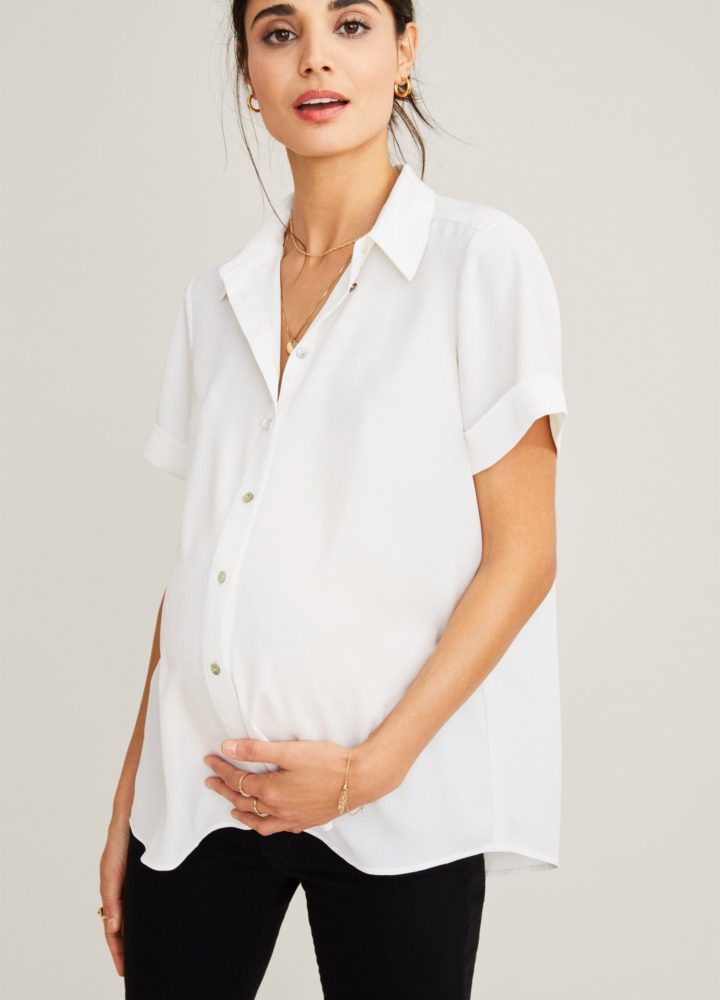
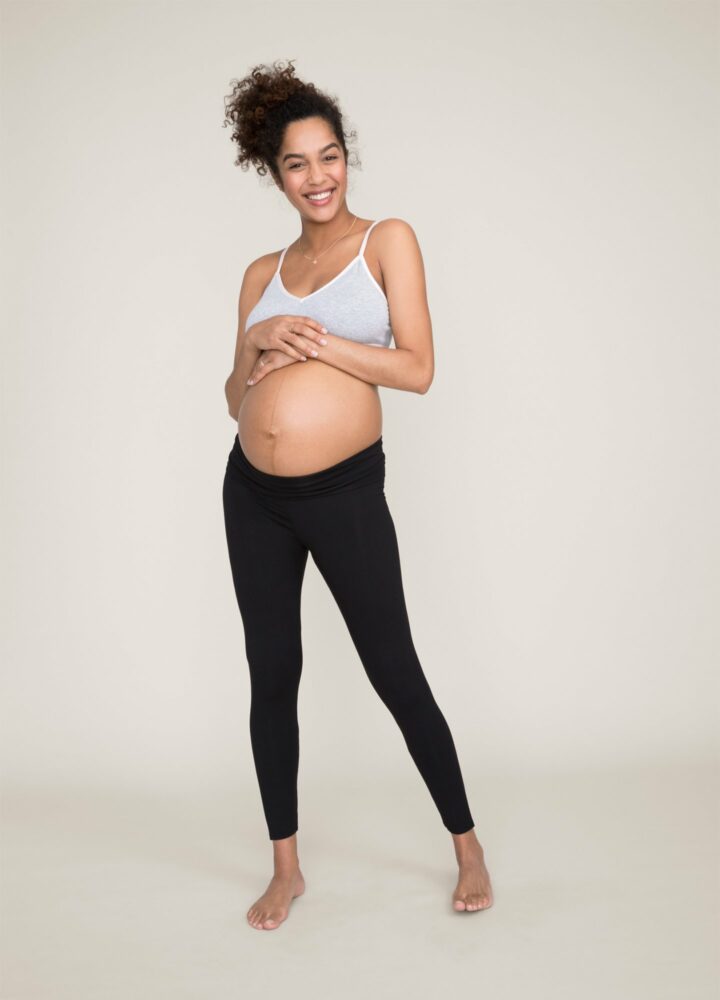
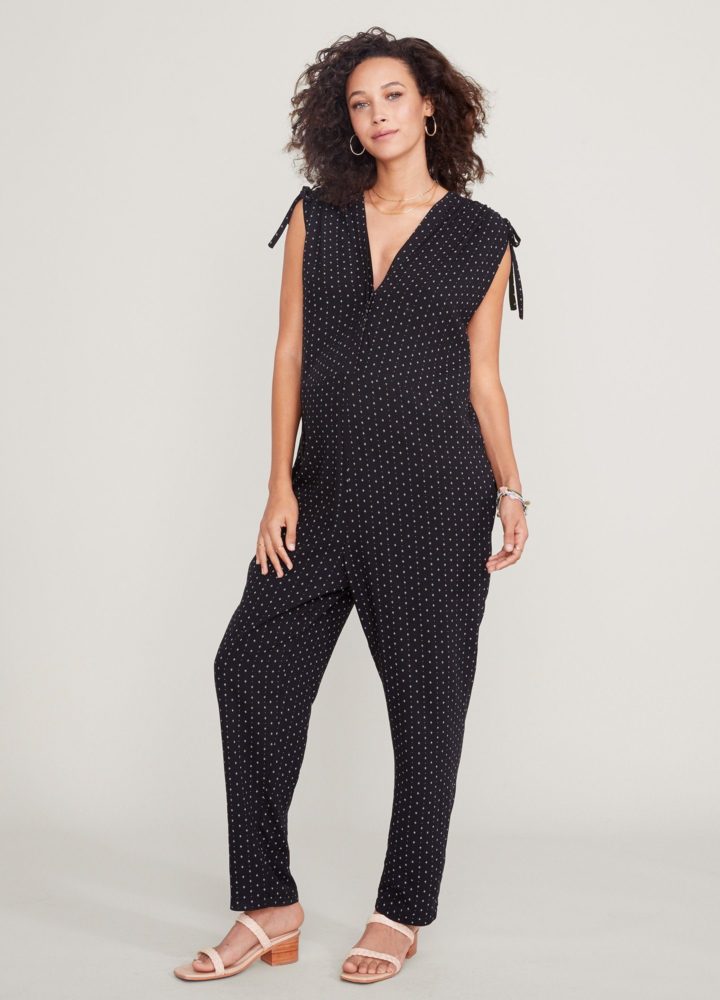
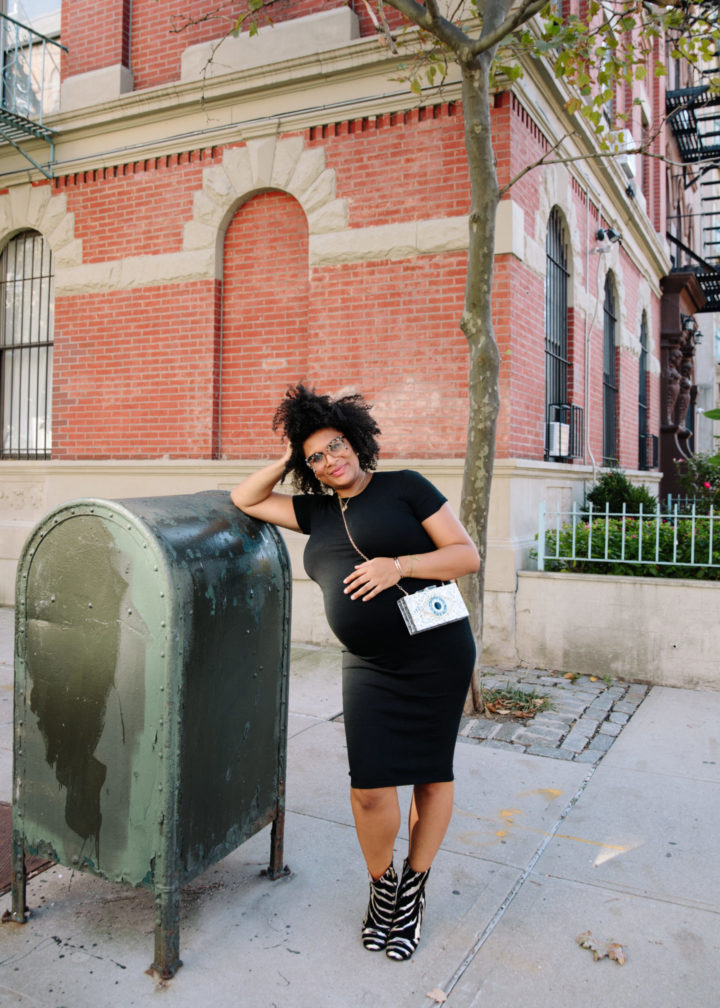
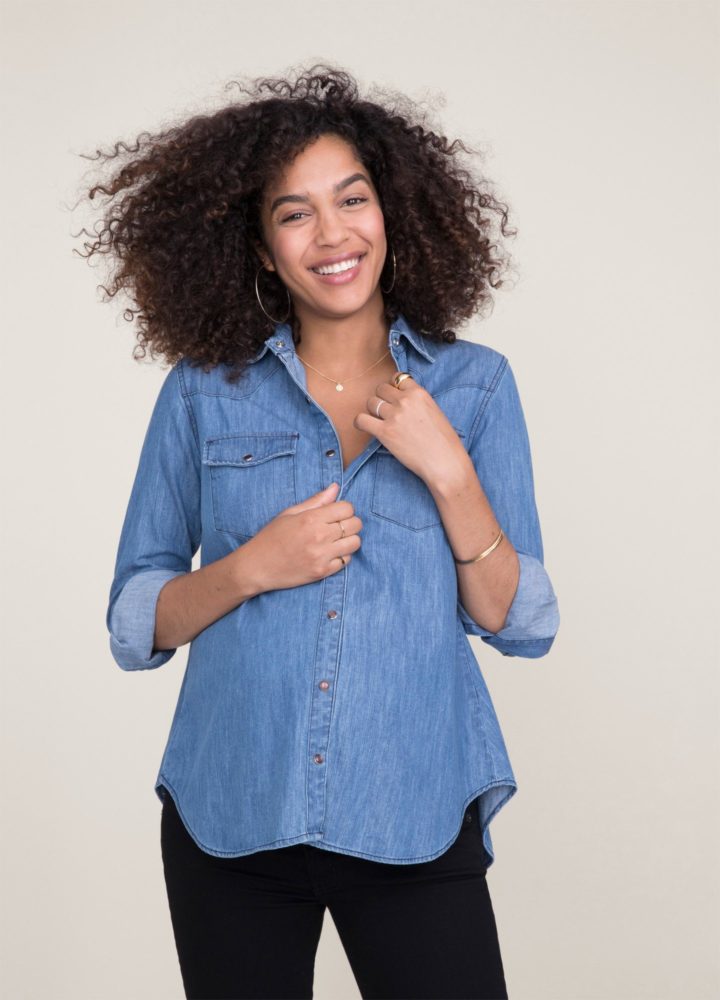
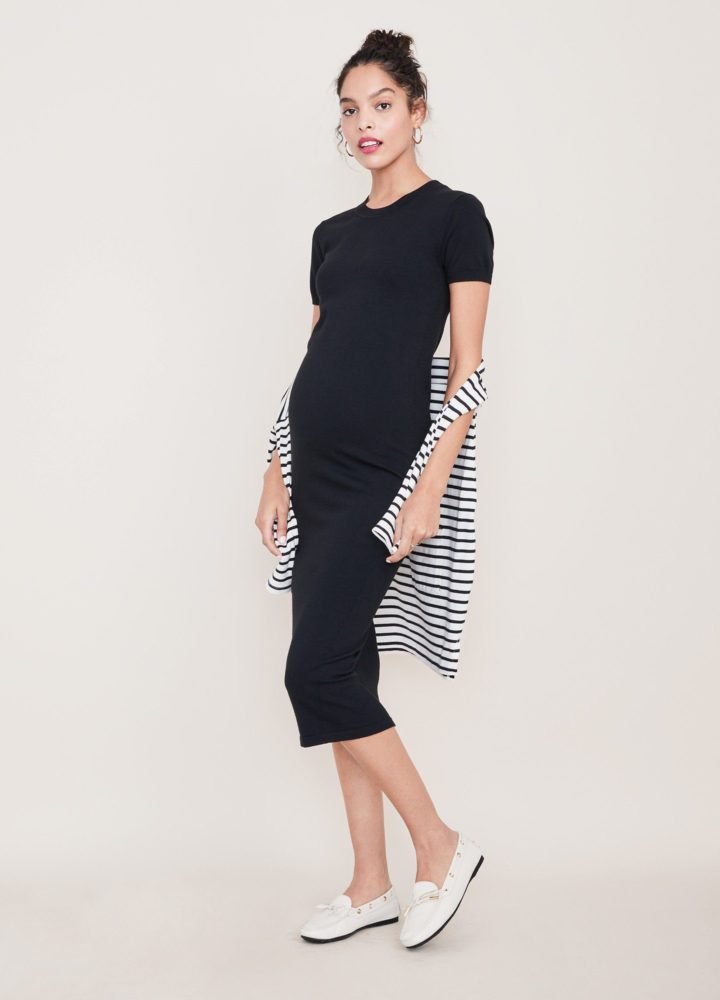
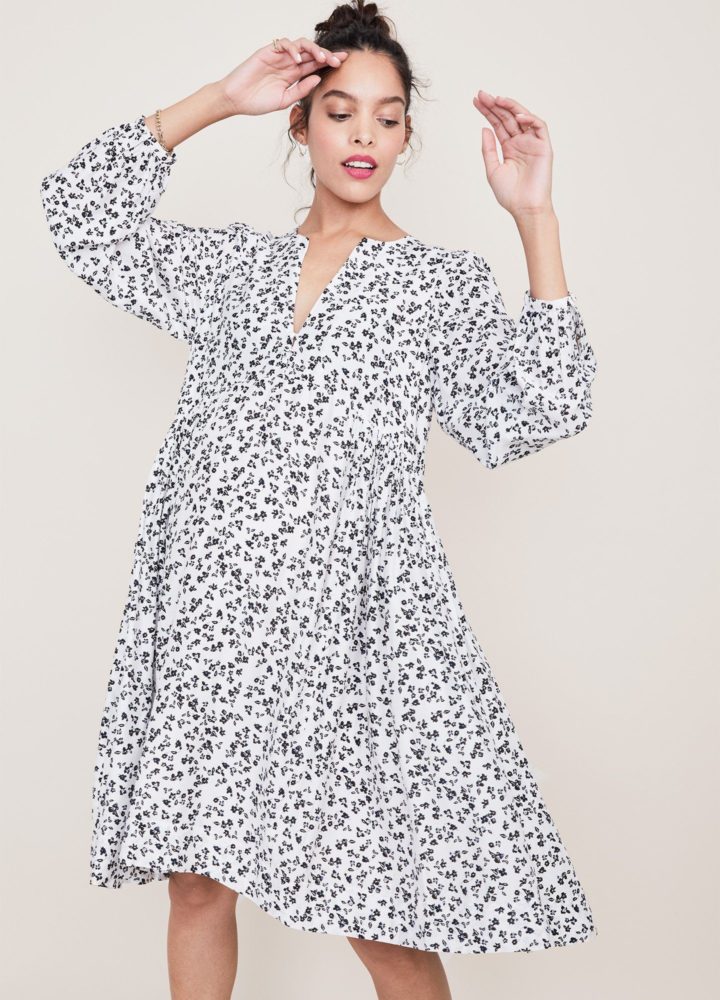
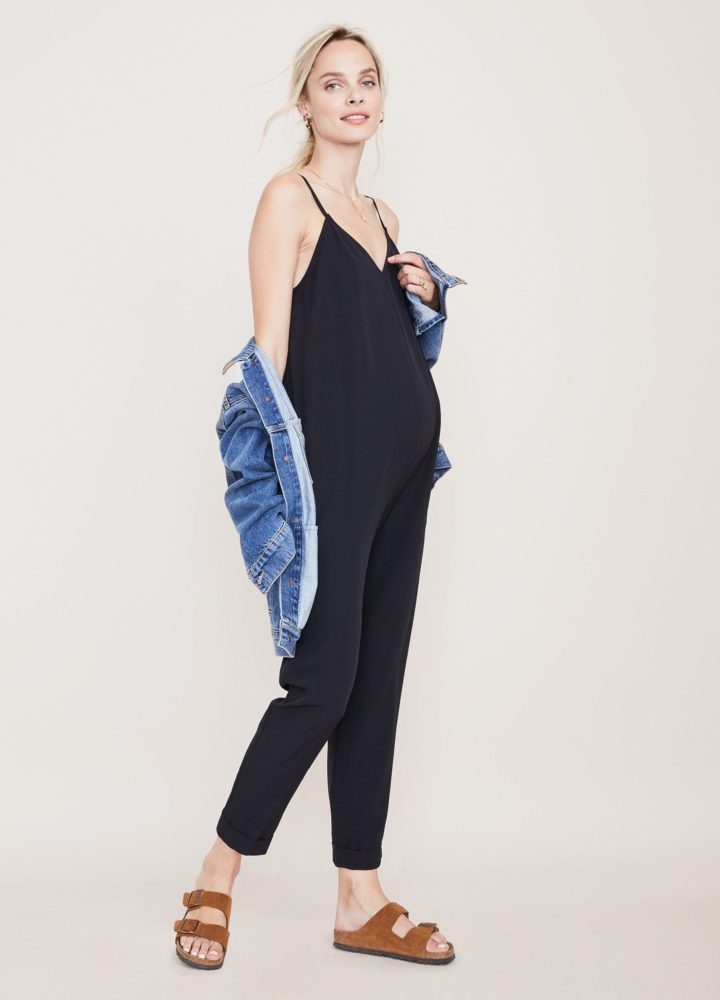
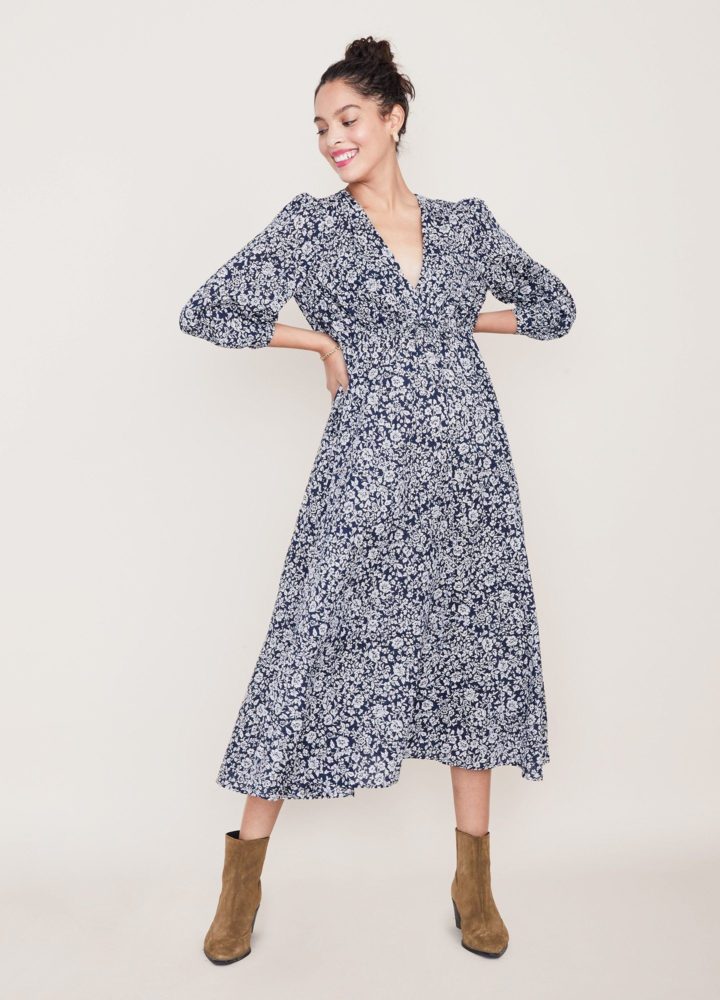
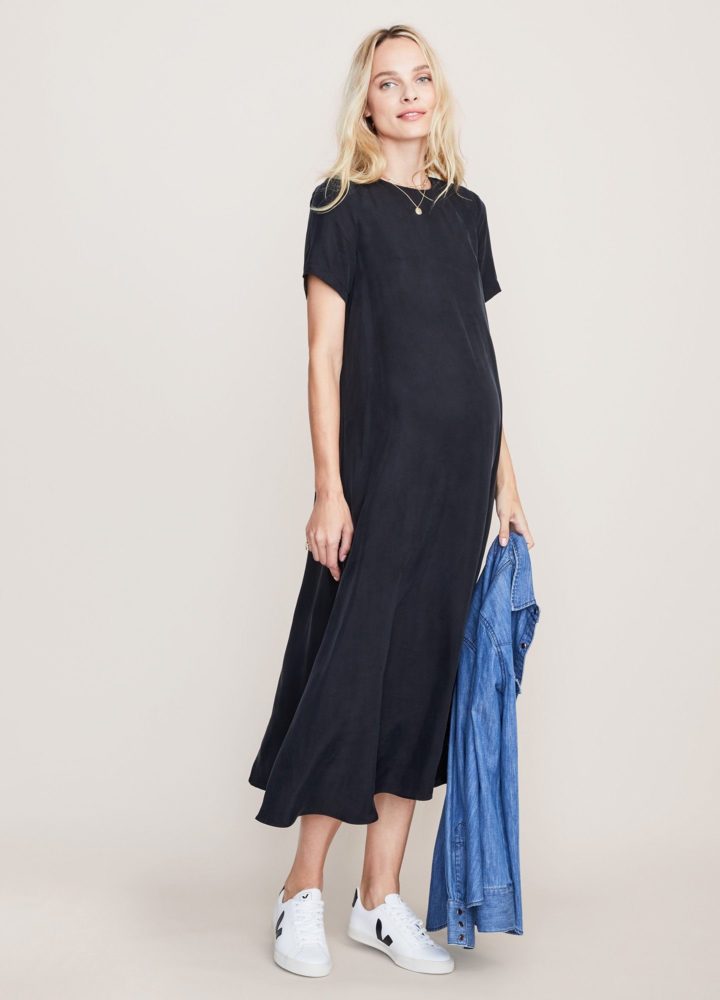
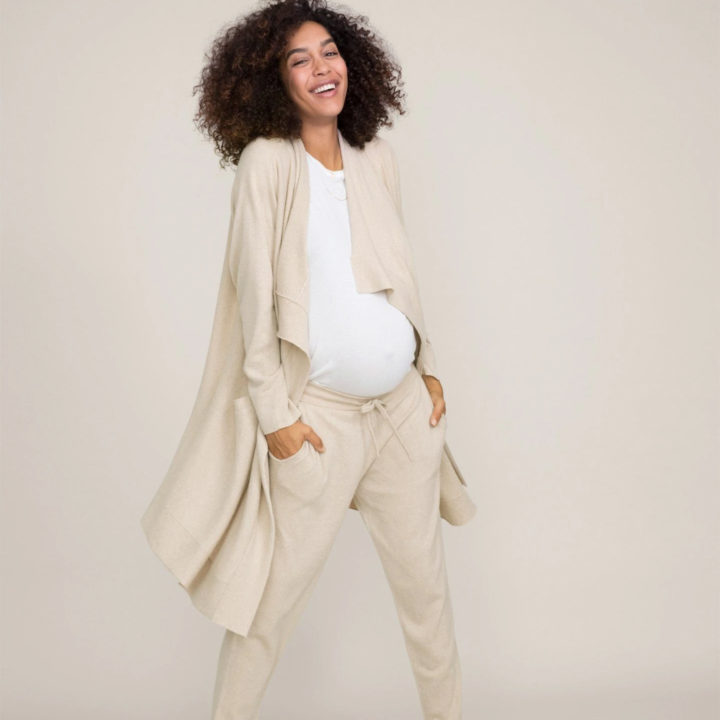
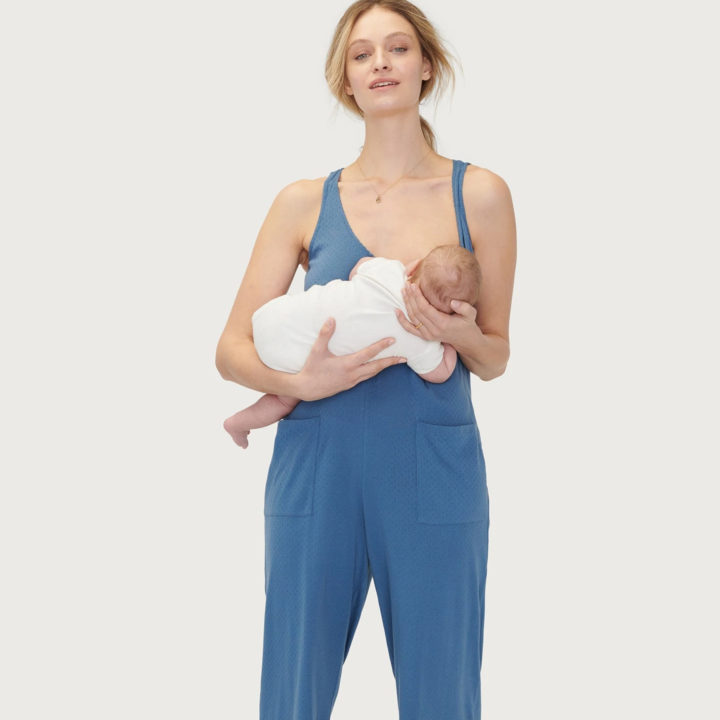
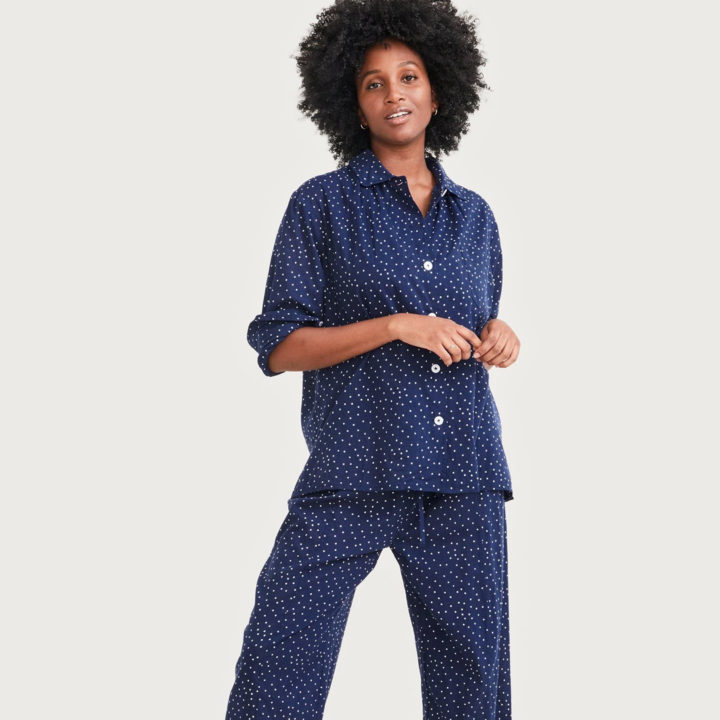
I’m still wearing the HATCH pieces that I invested in during my pregnancy and my baby is 14 months old. I live in The Mama Denim Shirt, black linen pants (now available as The Paperbag Trouser), and the cotton pajamas. That is what I love so much about the clothes HATCH makes- they grow with you during pregnancy and beyond.

When you’re buying maternity clothes, think about your everyday style. Then invest in versions of those staples that will grow with you and support your changing body. As with any purchase, think about the lifespan of the item- the longer the lifespan, the less wasteful!

6. Eat More Plants

One of the best things that we can do for the environment is to eat less meat. This doesn’t mean that to be “low waste” you have to eliminate animal products from your diet entirely. However, consuming fewer animal products and more plant-based foods is better for you, your baby, and the environment. I know that with weird cravings and food aversions, getting any food down can feel like a huge feat! So, when you’re feeling great and looking to nourish your body and your growing baby in the best way possible, it’s a great idea to figure out a way to eat more plants!

The Predominantly Plant-Based Pregnancy Guide by dietitians Alexandra Caspero & Whitney English is a wonderful resource to learn about the benefits of eating more plants during pregnancy.

7. Make a Snack Pack

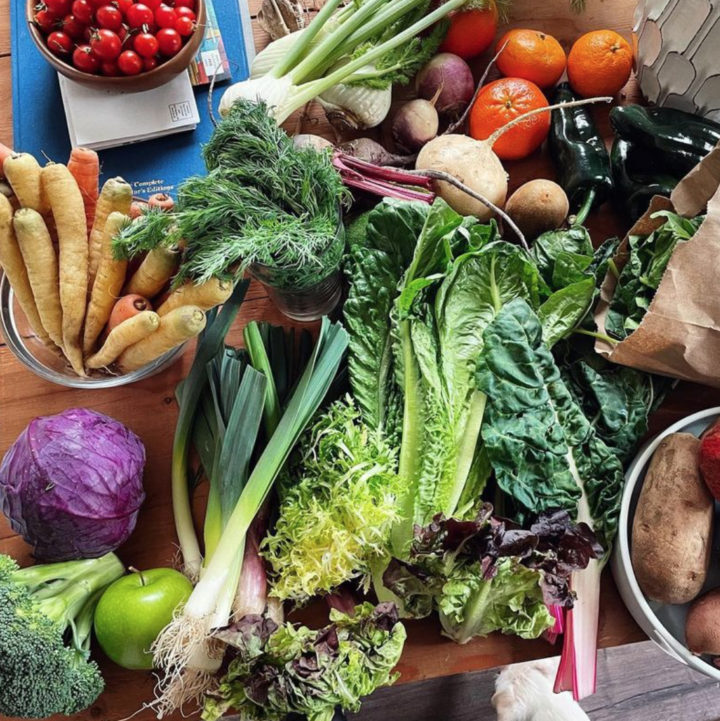
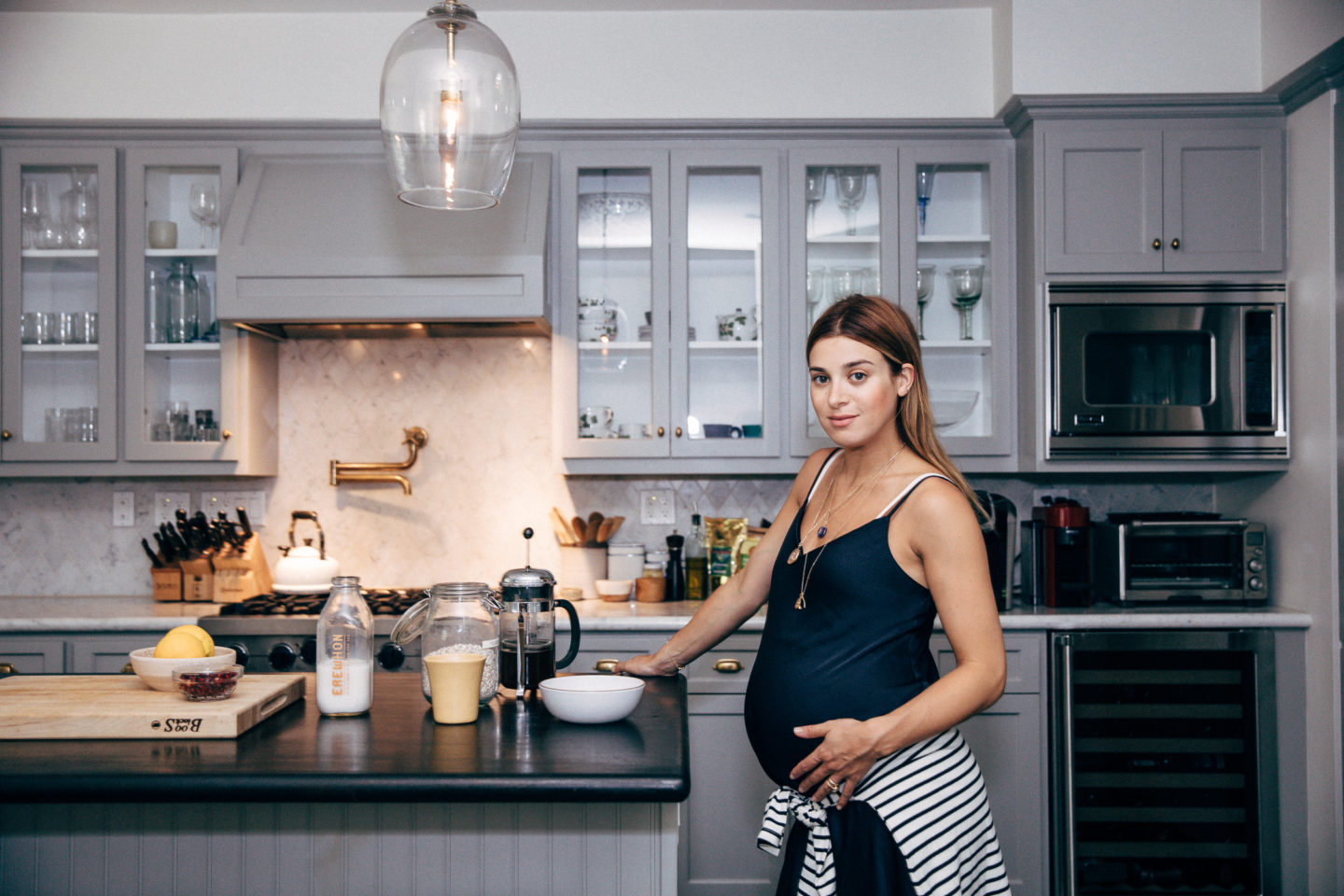
For all my pregnant friends and clients, I recommend that they carry a snack pack with them wherever they go. Hunger can hit without warning and it’s important to make sure that your blood sugar is controlled throughout pregnancy- particularly if you have gestational diabetes. Instead of relying on packaged food, think about “snacking naked.” Focus on foods that are naturally plastic and package free like fresh fruits and vegetables and nuts and seeds.

Make your own snack packs with your favorite snacks so that you won’t find yourself without a healthy, balanced snack. Choose ingredients with protein, healthy fats, and complex carbs. Think fruit and nuts, energy balls, and veggies with hummus. And pack them up in a zip-top snack bag, stainless steel container, or glass jar.

As your bump grows and there’s less space for your stomach, you might find that small, more frequent meals work better for your digestion. Making sure that you always have a snack will help you consume enough nutrients with less likelihood of digestive issues (i.e., heartburn!). Check out my website www.abbysfoodcourt.com for more snack (and meal!) ideas.

8. Take a Water Bottle + Filter

Hydration needs increase during pregnancy. You need water to absorb essential nutrients and transport nutrients and hormones to your blood and to your baby. To stay hydrated while protecting the planet requires a reusable water bottle and filter. Say goodbye to single-use plastic water bottles!

Reusable water bottles made from glass or stainless steel are best because those materials are inert- meaning they don’t interact with the water you drink. Plastic water bottles (reusable or single-use) can leach chemicals effects into your water. Those chemicals have been linked to causing negative health effects. I love the large HydroFlask with a straw.

Finally, to ensure high-quality water, use the GoPure Pod water filter. It’s light, fits in every water bottle, and filters out the water within minutes. Staying hydrated has never tasted so good (or been so easy).

9. Read the Book Simplicity Parenting

After reading Simplicity Parenting by Jim John Payne during pregnancy, I took a HUGE sigh of relief. In it, Payne explains how to approach parenting more simply with less STUFF and more calm. This book puts the “invest, don’t just consume” mindset into a framework that works for you and your children. I highly suggest giving it a read, especially when you’re feeling tempted to buy, buy, buy.
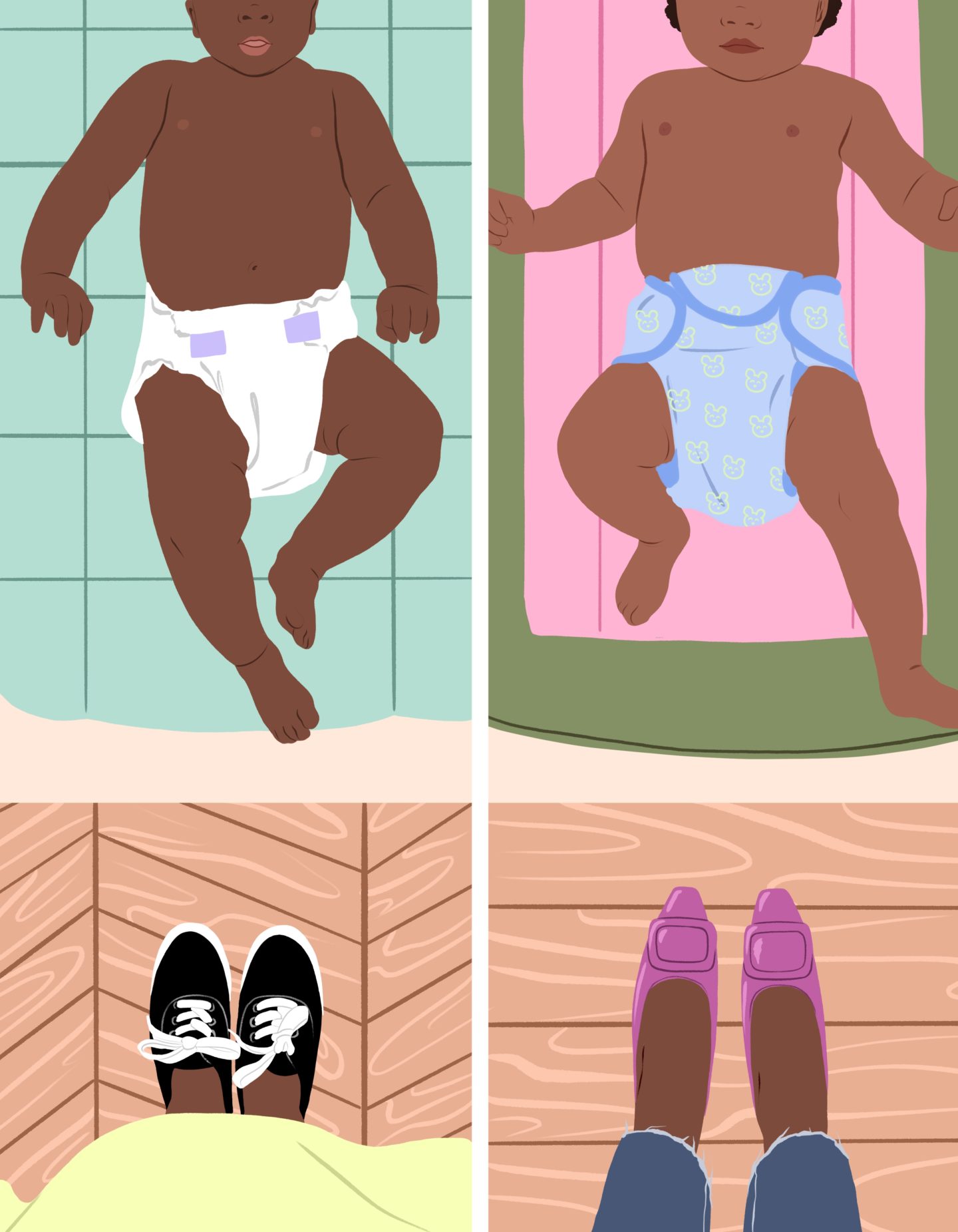
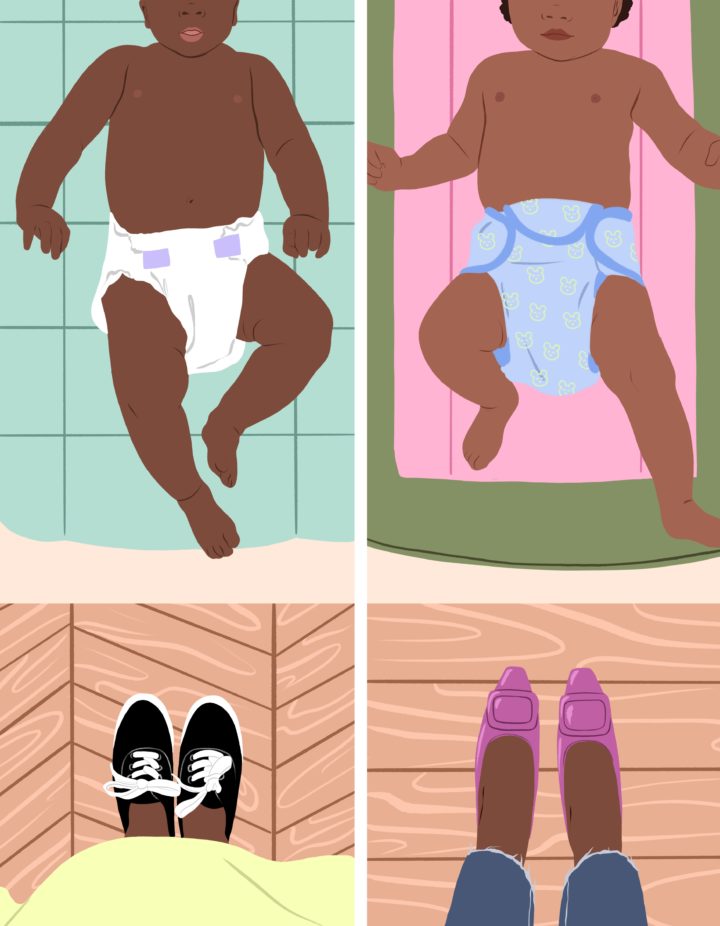
Should I Use Cloth Diapers? Two moms talk poop catchers.

By Babe | Illustration by Ana Hard

In our series The Debate, our community of real moms tackle the pros and cons around common parenting choices. The truth is, like so many decisions around child rearing, there is no right or wrong answer.  At HATCH, our job is to give voice to both sides of any debate, peppering real mom wisdom with the necessary facts so that you can make the best decision for you and your family.
Long ago it seemed like only an earth lovin’ hippy mama would even think about cloth diapering her babe. But thanks to innovations in the diapering space, as well as the growing awareness that we’re all contributing to massive amounts of waste basically at all times, the idea of cloth diapering is no longer a fringe conversation. In honor of Earth Month, we chatted with two moms – one who washes her diapers post-poop and one who opts for the disposable variety on the pros and cons around each.
Cloth it UP

Ariella J.
Stay-At-Home Mama
Leo, 3

Jonah, 6 months

“I really enjoyed cloth diapering. I never felt like it was that much added work, especially once he started solids and his poops became harder. All it took was a few extra loads of laundry and an ability to be a little more in tune with their habits. To me, the benefits far outweighed the negatives. For example, I never had to worry once about being “out” of diapers. Like if we were traveling, or in the car, or if Amazon hadn’t come yet. We never had to run out to CVS at 3am or anything like that. You also save a ton of money! 

Also, and this I feel like no one ever talks about, is that cloth diapered babies rarely get diaper rash or any nasty skin issues. Because cloth diapers are so gentle, and they’re not soaked in preservatives or anything scented, babies usually don’t need any extra moisture or diaper creams. Cloth diapers also makes toilet training that much easier since wearing a cloth diaper feels more akin to underwear than a regular disposable diaper. 

It’s not all perfect, though. But what is? The nights can be tricky, especially if you have a night pooper, but I never did. At first we didn’t realize that your laundry setting matters, plus which detergent you use can make or break the situation. They also take up a lot of space when you’re going out for the day, but feel like that’s a decent trade-off for all the benefits they offer.”

Disposable City

Joanna W.
Event Planner
Shira, 3

Jude, 13 months

“It wasn’t really an option for me. It never even remotely entered my mind that I would cloth diaper my babies. I’m the kind of person who opts for the easier approach to everything, and I can’t imagine anything easier than a baby who poops and then you proceed to throw the diaper out. I realize the waste, I realize the ramifications on the environment, but I truly would rather compost my garbage or bike to work everyday than use cloth diapers.

I will say, I read that cloth diapered babies have much lower incidences of diaper rash, and my second child would get these terrible rashes where he’d cry all night until I swathed him in zinc oxide, but I think I’d still rather wake up to a blood-curdling scream than use cloth diapers.”   

Yes, You Can Practice Sustainability as a New Parent With these *easy* hacks.

By Babe | Photo by @kaleyfromkansas

While we all want to be more sustainable members of Mother Earth, for new mothers, that can be particularly challenging task. It’s hard to forego paper towels when you’re covered in spit up, or to not use disposable diapers and wipes amidst a major poop explosion. But even the most overwhelmed, exhausted new moms can make a few small changes in their day-to-day lives that will benefit the planet for generations to come.

1. Ditch the read meat.

We know beef isn’t the best for your health, but it’s also super unsustainable. According to the U.N. Food and Agriculture Organization, cattle farming is responsible for 18 percent of the world’s greenhouse gases and is a major source of deforestation. So try some chicken or fish on for size.Make your first family trip a green one: Because you’re going to want to take junior to the beach, now you fly with eco-friendly airlines like Jetblue and United that make it easy to offset your trip’s carbon footprint in a few clicks.

2. Wash clothes in cool water temps.

Your washer will use a lot less energy when it doesn’t have to heat up wash water. (Bonus points for saving on your energy bill!)

3. And speaking of laundry….use a plant-derived laundry detergent.

Use detergents that are free of artificial fragrances and sulfates, so you can go gentle on baby’s skin AND the planet.

4. Practice greener travel.

Because eventually you’re going to want to travel with babe. Opt to fly eco-friendly airlines like Jetblue and United that make it easy to offset your trip’s carbon footprint.

5. Keep your fridge between 35 and 38 degrees.

Anything lower than that temperature range is a waste of energy.
6. Pack snacks.
Like duh, but stock up for family excursions so you’re not tempted to buy packaged goods when you’re out.

7. Join a local farm share or CSA.

Enjoy cooking family meals together with wide varieties of produce you’d never think to use otherwise. Also, watch the fascinating, kid-friendly web series How Does It Grow, which will intrigue young gourmands with stories about the foods we eat.

8. Get a ficus plant.

They can help remove chemicals from the air in your home.

9. Don’t clean with harsh chemicals.

From the tub to the dinner table, you want to create an environment that’s free of harsh chemicals for your child. Nourish their sensitive skin with high-quality, plant-powered products.

Birth Queen is Tackling the Black Maternal Health Crisis Get to know founder, Rachel Nicks.

By Rachel Nicks | Photo by Stocksy

For as long as I can remember I dreamt of becoming a mother. Today, all of my Black friends from their 20’s to 40’s are questioning motherhood because they are afraid they will die. As you may know, there is a Black maternal health crisis in this country. Black women are 3-4 times more likely to die in childbirth, 12 times more likely to die in New York City, and Black babies are twice as likely not to make it to their first birthday. Our sisters are not broken, the system is broken.

Growing up in Oakland, CA I was surrounded by strong mothers who birthed beautiful, intelligent, healthy babies and it was my belief I would do the same. Fast forward to 2021 and I am thrilled to share that I am a mother to two healthy sons. I chose to birth in a hospital setting with the support of a midwife, doula, and my loving husband. I was educated, supported and empowered. I have had two beautiful breastfeeding journeys. I breastfed my first son for 19 months and am currently breastfeeding my six month old son. 

Last summer I couldn’t sleep. The anxiety of another restless night beget more anxiety. I remember myself and others blaming my sleepless nights on my unborn child. One afternoon it hit me – I was up at night from my paralyzing fear of bringing another beautiful black son into this racist world, knowing that everyone in this country would not value his humanity and that I could even lose him. I was blessed to survive my births and thrive, but everyday for the rest of my life I’ll worry if my father, brother, and sons will make it home alive. 

After having Baldwin six months ago, I decided to have one more baby – a nonprofit organization I founded Birth Queen to combat the Black maternal health crisis. Birth Queen educates, supports and empowers Black women, parents and birthing people, enriching the Black birth experience and saving lives. Our inclusive, Black-owned and operated organization funds trainings for doulas, midwives, and lactation consultants.

Our sisters are not broken, the system is broken.

Birth Queen is the vessel. We bring awareness to the Black maternal health crisis. The money we raise will go to organizations we trust that are doing amazing work to educate and empower Black birthing professionals and train birth workers. Studies show that when Black mothers are educated, supported, surrounded with birth workers who look like them they are empowered to have beautiful and empowered birth experiences. As a result, mom and baby begin a healthy, happy, and fruitful journey together.

My dream is that you join the Birth Queen family and grow with us as we reconnect to joy, beauty, and abundance and together we will  save and nurture the lives of deserving mothers and babies. Please follow @birthqueenorg and visit our site www.BirthQueen.org.

5 Mamas Talk Maternity Leave Planning (And *not* planning)

There are plenty of daunting unknowns about new motherhood: Breastfeeding, sleep deprivation, and yes, will I poop on the table. But seldom do we *really* talk about maternity leave planning.

For those of us fortunate to have paid leave in the United States, there is still the question of how to set your team up for success, creating space for bonding, and what feels right for you. Five of our favorite mamas share how they’re approaching this sacred season.

Priscilla Tsai

Founder of cocokind

“Seeing as I’m going through this for the first time, I’m hesitant to commit to anything as I have no idea what recovery will be like for me.”

Read Her Story

Megan Roup

Founder of Sculpt Society

“Seeing as my body is my business, it was a little scary to get pregnant.”

Read Her Story

Julee Wilson

Cosmopolitan’s Beauty Director

“I’m an advocate of people taking their full maternity leave to check out, take care of themselves and their baby; you can never get that precious time back to bond with your child.”

Read Her Story

Shama Hyder

Entrepreneur

“Regarding a proper maternity leave this time around, the answer is, I don’t know.”

Read Her Story

Amirah Kassem

Founder of Flour Shop

“I did step back, and it’s been amazing to watch my team grow and work together.”

Read Her Story

Thank You Gifts For Your Surrogate Peep our faves.

By Babe | Photo by HATCH

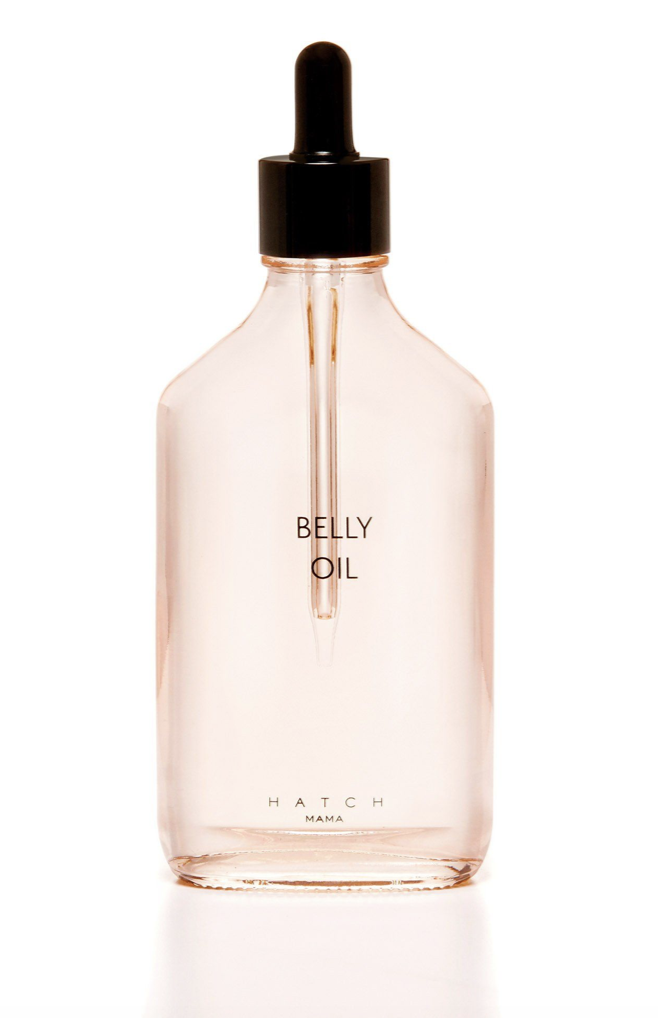
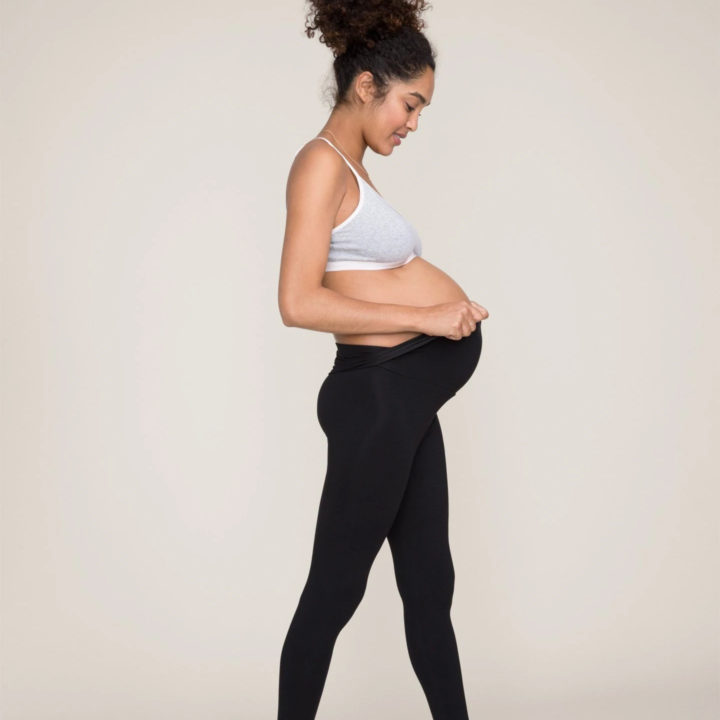
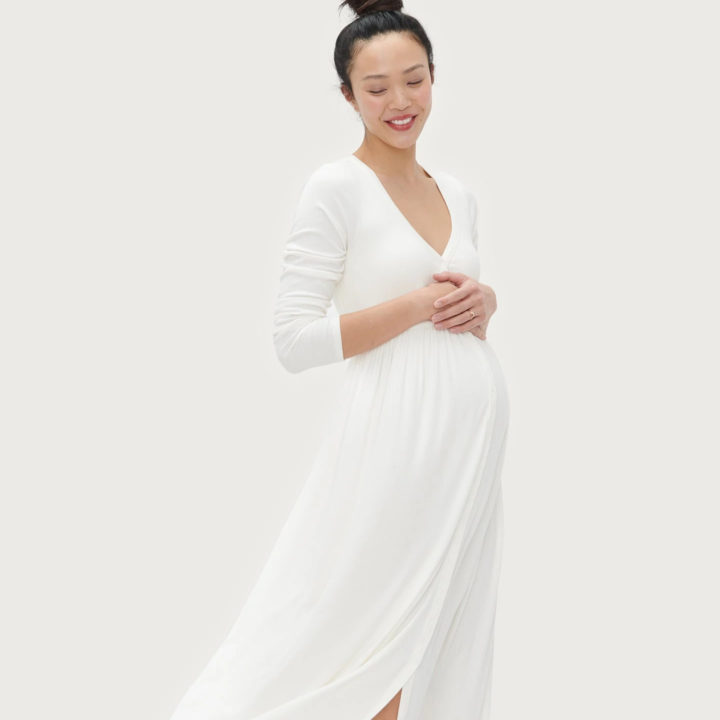
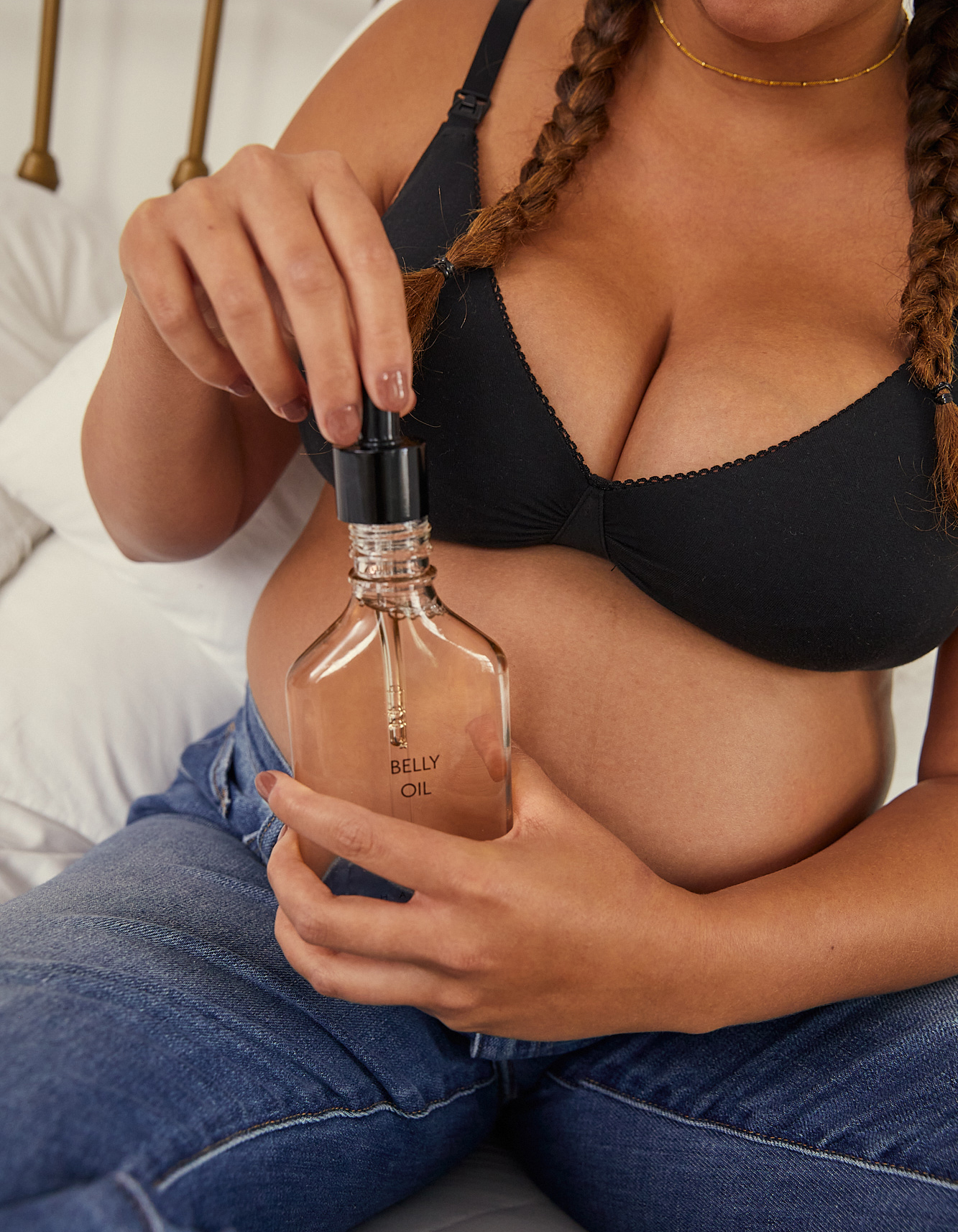
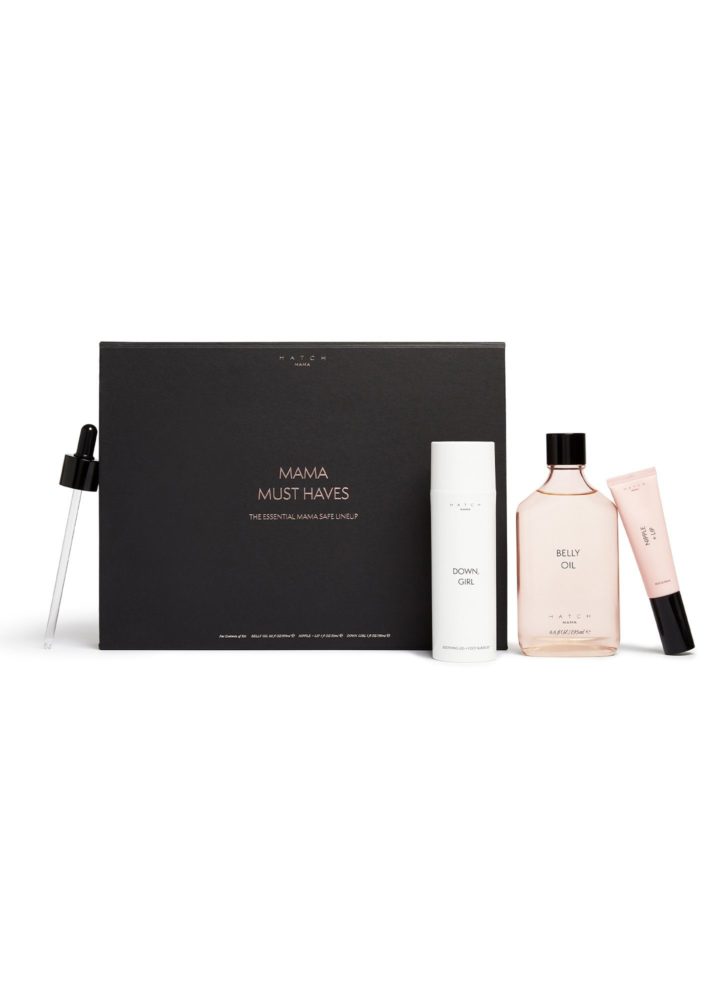
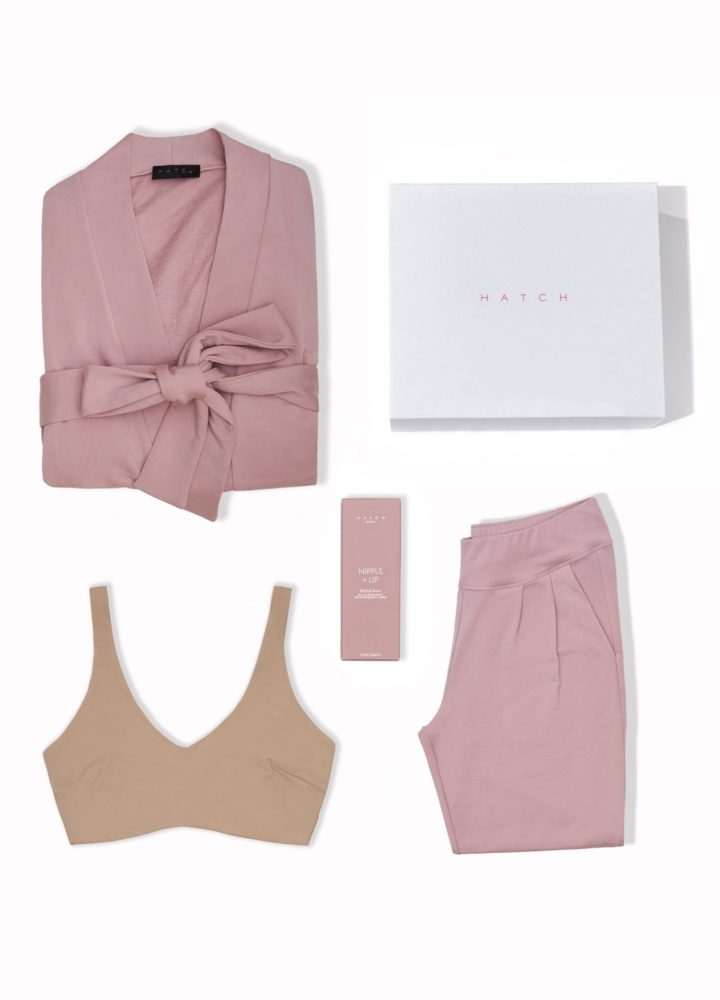
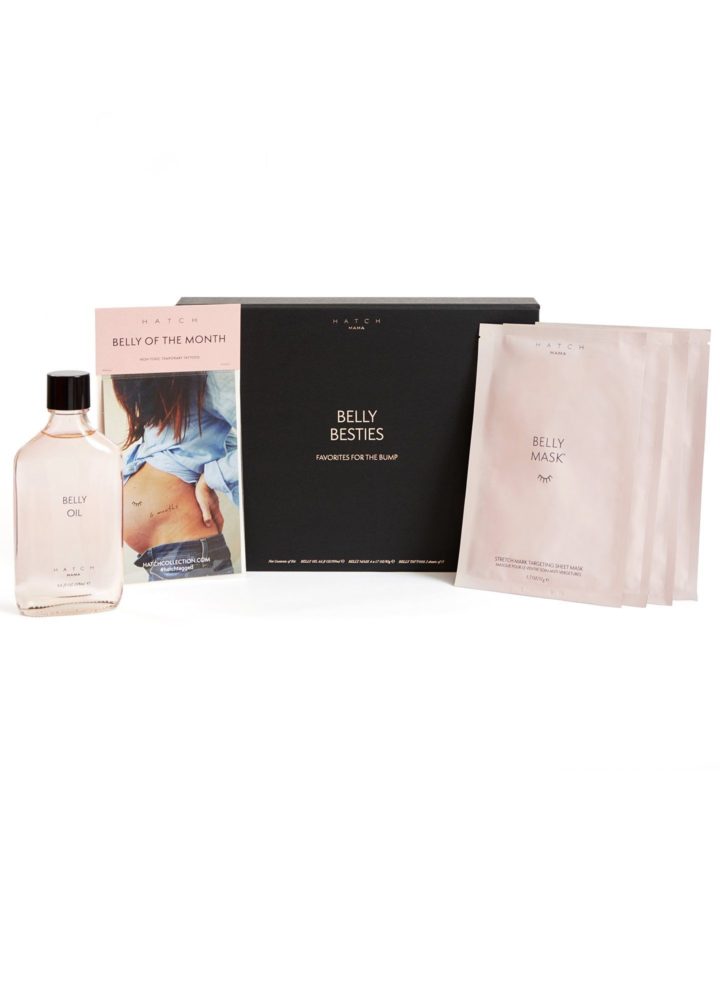
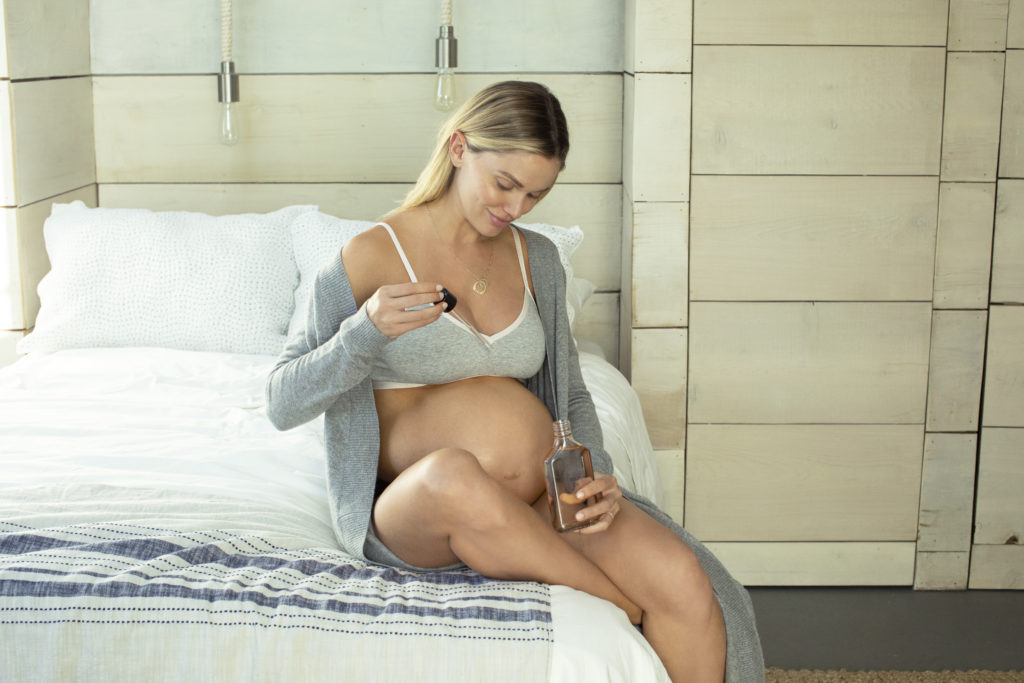
How do you give a gift to someone who’s giving you the greatest gift of all? Well, it’s not easy, and there’s not a piece of jewelry in the world that can compete with what you’ll get in return. But, that said, a few game-changing solutions on their journey to childbirth might be a good start. Think the most hydrating belly oil, the comfiest, coolest maternity leggings in the game, or just a beautiful bump-friendly dress. We think they’re all perfectly wonderful ways to say thank you. Here are some more, below…

For the Beauty Lovin' Mama Essentials that'll make her feel (and look) amazing.

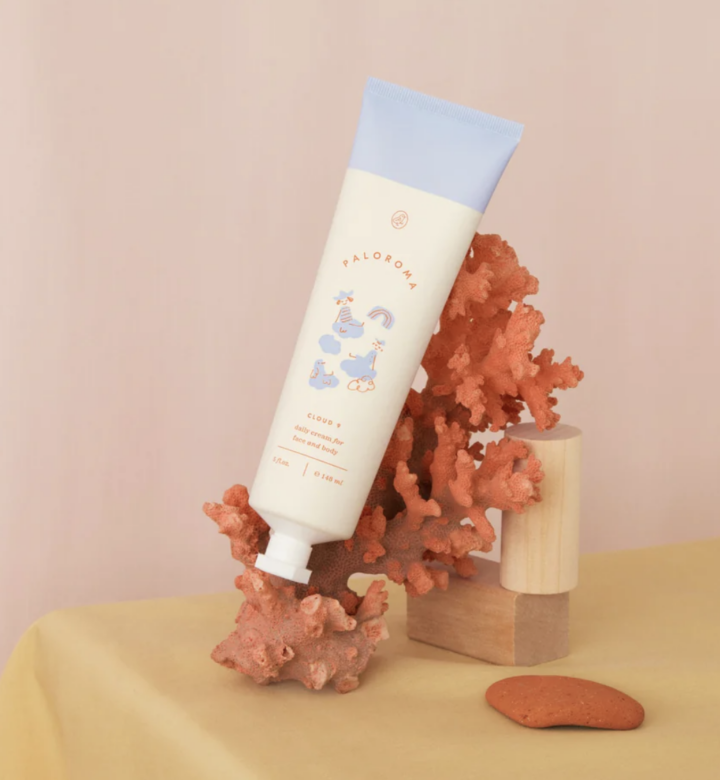
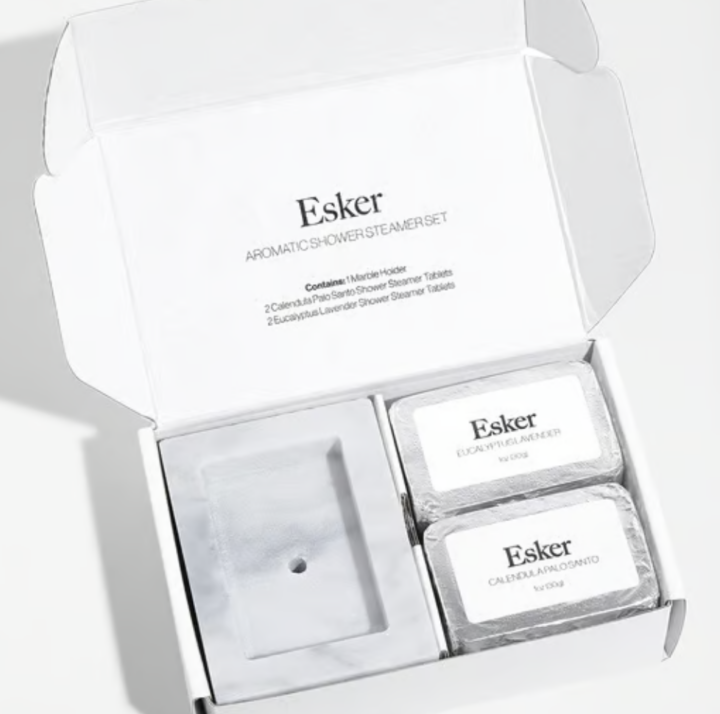
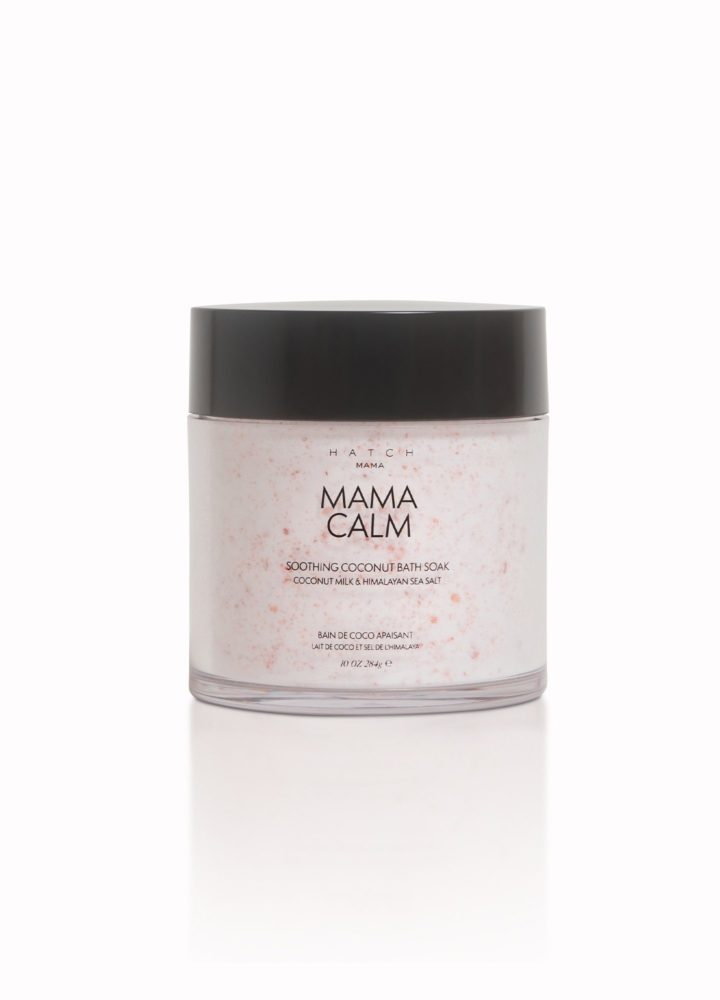
This Mother’s Day, dazzle the cosmetics-craving mom (or soon-to-be mama) with a gift that keeps on giving. Bestow upon her a Mother’s Day present that sparks serenity and tranquility amidst the whirlwind of daily life. Transform her bathroom into a lavish spa, her bedroom into a luxurious retreat, or – when in doubt – discover an exquisite, non-toxic bath indulgence that envelops her skin in a cashmere-like caress. Behold, the ultimate Mother’s Day gift guide for the resplendent beauty aficionado mom in your orbit.

My Bump Looks Weird Help.

By Babe | Illustration by Ana Hard

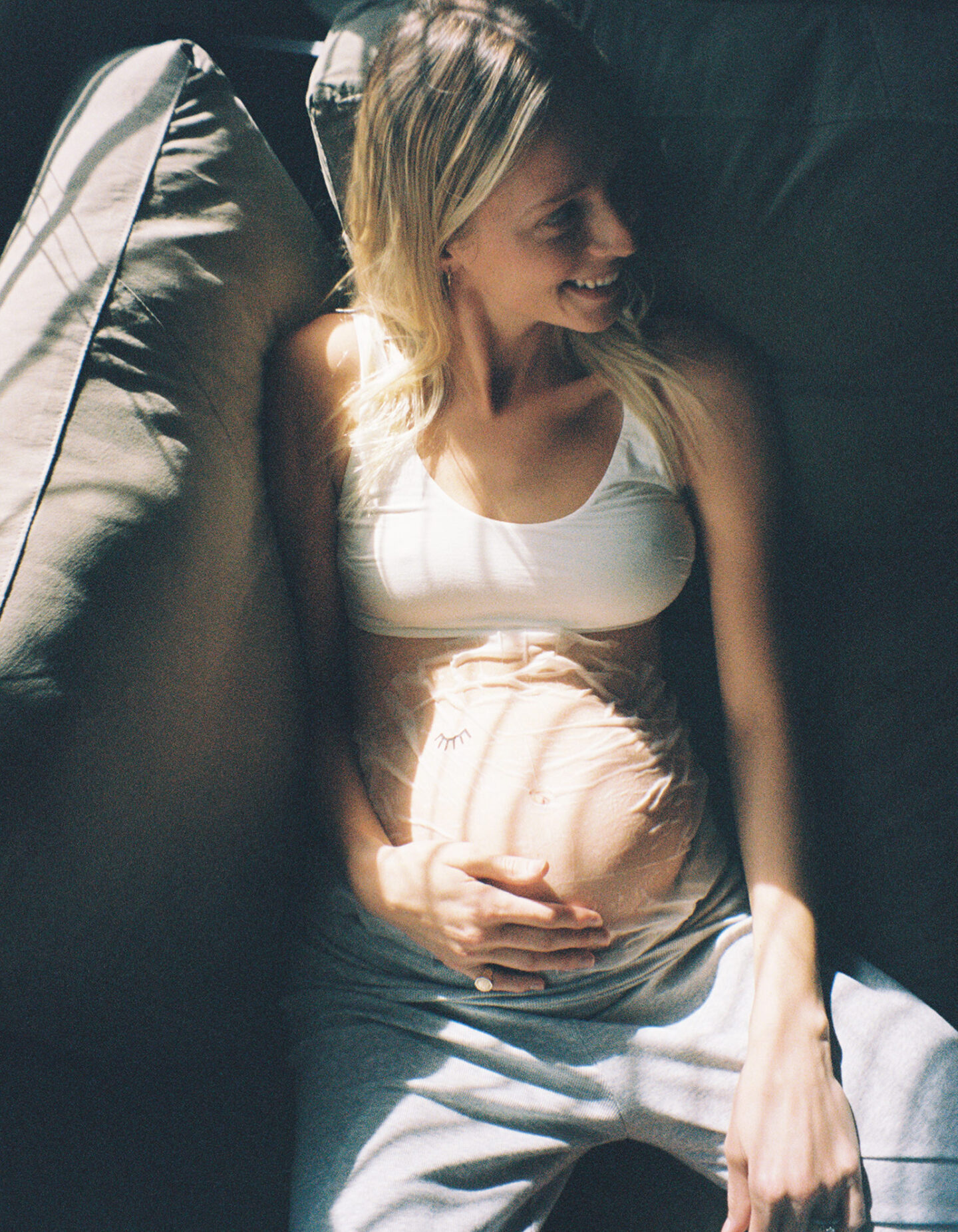
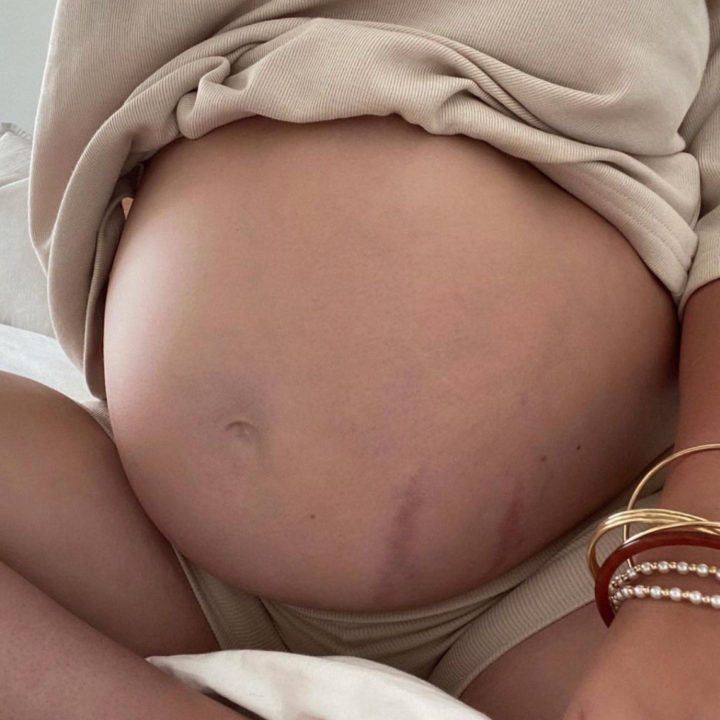
We’re just going to start out this story by saying that your bump looks fine.

“Women come in all different shapes and sizes, and carry differently depending on a number of factors,” Jessica Kiley, MD, associate professor of obstetrics and gynecology at Northwestern Feinberg School of Medicine told Health.com. If this is your first rodeo, it may take a little longer for your uterus to move up and out of your pelvis. During later pregnancies, “the abdominal wall has greater laxity, allowing women to show sooner,” Dr. Kiley says.

Another factor that can affect the shape of your bump is diastasis recti, a super common condition that occurs when your belly starts to stick out as a result of your left and right ab muscles growing wider. Pregnancy can put loads of pressure on your abdomen, so sometimes your muscles in front can’t keep their shape. Diastasis means “separation” and Recti refers to your “rectus abdominis,” aka your ab muscles.

The shape of your bump can also be impacted by your fitness level. “The manner in which a woman carries has everything to do with the tone of her abdominal musculature,” Kecia Gaither, MD, MPH, director of perinatal services at New York’s Lincoln Medical and Mental Health Center told The Bump. Tight abs can offer support and lift to your growing uterus, so pilates-loving mamas-to-be often carry higher, particularly with a first pregnancy. “Plus, strong abs hold the baby more into the body, which can cause the bump to appear smaller or less protruding,” says Katie Page, CNM, FACNM, a certified nurse-midwife in Lynchburg, Virginia. 

If you happen to be rocking a bump that’s totally centered, you can likely thank your height. Tall women have more up-and-down room between the pubic bone and top of abdomen than petite moms-to-be, which allows for pregnancy weight to distribute more evenly. “Because they tend to have a larger midsection, taller women tend to stick out less and show later than shorter women,” Ross told the Bump. “But if you’re on the short side, there’s a good chance you’ll carry low and around your middle. After all, there’s not a whole lot of other places for baby to grow.”

Why Does the Belly Button Pop?

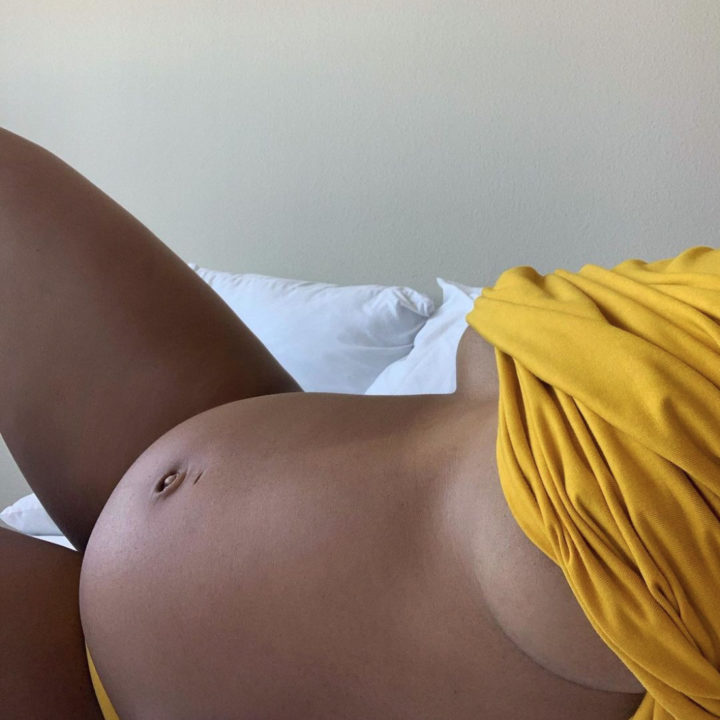
And then, the belly button pops! During the second trimester, many first-time moms-to-be experience the phenomenon of the popping belly button. Thanks to your growing uterus and the pressure it exerts on your belly, your innie might just become an outie. 

The sight of a tiny protrusion where your belly button used to be can seem like an alien invasion. However, it’s a completely normal part of pregnancy, and it’s not permanent. The belly button typically retreats postpartum, so just chalk this up to another interesting transformation during pregnancy.

What if You Have a B-Shaped Belly?

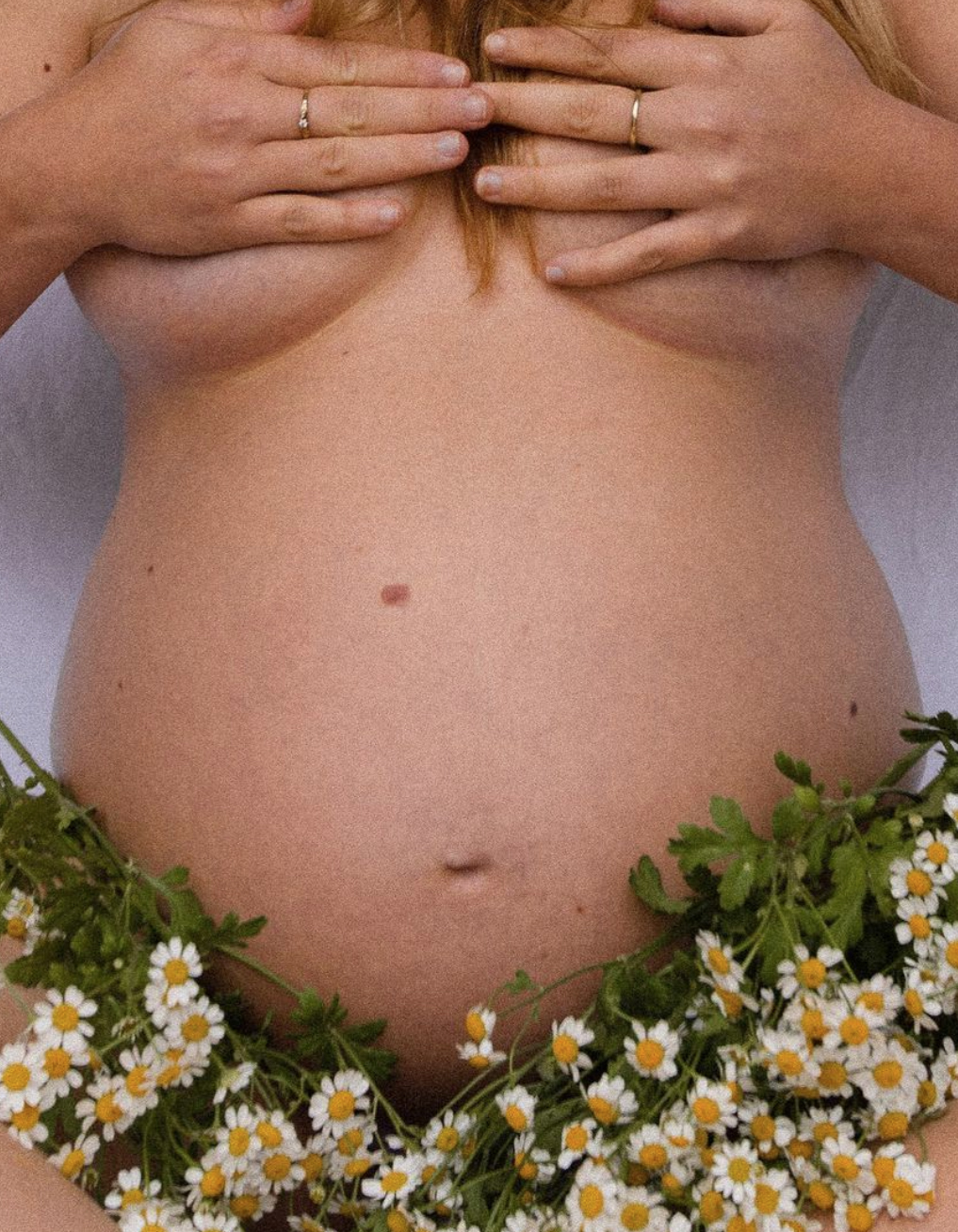
Did you know there’s a name for when your bump appears divided, like a B shape? It’s called a ‘B-belly.’ Often seen in plus-sized pregnant women, a B-belly occurs when a ridge, or a crease, forms around the middle of the belly, dividing it into a top and a bottom bump

Don’t worry — it’s not about how much weight gain you’ve experienced or anything related to the size of your baby — it’s all about how your body shape adapts to your growing baby. It can make maternity clothes shopping a bit tricky, but belly bands can help create a smoother silhouette if that’s your preference.

How Are You Carrying?

“Carrying low? Must be a boy!” “Carrying high? It’s a girl!” 

These are popular old wives’ tales you might hear during your pregnancy checkups. However, healthcare professionals will tell you that the baby’s gender doesn’t dictate how you carry. The shape of your belly is influenced by several factors, including your abdominal muscle tone, the amount of amniotic fluid, the position of the baby, your ligaments, the placenta’s position, and your unique bone structure.

Some taller women, thanks to their long torsos, tend to carry high and may have a less protruding belly. This is due to an even distribution of pregnancy weight gain from the pubic bone to the top of the abdomen. Shorter women, on the other hand, often carry low and might have a more prominent pregnancy bump due to a lack of vertical space for the baby to grow.

What Is a Linea Nigra?

Notice a dark line running down your belly, from your belly button to the pubic bone? That’s the linea nigra, a common pregnancy symptom that often becomes more noticeable during the third trimester. 

It’s caused by pregnancy hormones, especially progesterone, which stimulates the body to produce more melanin, causing the skin to darken. It typically fades postpartum, but it can be a striking mark of your pregnancy journey.

Belly Shape and Baby Size

If you’ve been comparing your pregnant belly to a watermelon or any other round fruit, for that matter, it might be fun, but the size of your belly doesn’t necessarily correlate with your baby’s size. 

Your fundal height, which is the distance from your pubic bone to the top of your uterus, gives your ob-gyn an indication of your growing baby’s size. So, while your friends and family are placing bets on whether your little one will be a chubby cherub based on your large belly, your healthcare provider may have a different opinion.

A Final Word

To all the amazing moms out there, remember that your bump is as unique and beautiful as you are! It’s a testament to the incredible journey of pregnancy. 

And if you’re looking to embrace your bump with style and comfort, look no further than Hatch. Our collection is designed to make you feel like the cool, confident mom you are. From trendy maternity wear to chic accessories, we’ve got you covered. 

For more inspiration, tips, and stories, head over to the Babe by Hatch blog. Discover a wealth of resources and join a community of like-minded moms who celebrate their bumps and motherhood in all its glory. 

Sources:

When Will I Start Showing in Pregnancy? | Lamaze International

Linea Nigra: Pregnancy Line, Causes & When Does It Go Away | Cleveland Clinic

Just Because It's Spring ....And we live outside now.

By Babe | Photo courtesy of Hanham Court

Cue the flowers, the chirping birds, and long, sunshine-y days — because spring is officially here. Need something to get you in the 🌸mood🌸? Allow us, and this gallery of fresh, floral-forward, day dream-inducing images to do just that. And if you need us, we’ll be just out of frame, most likely drinking a pinot grigio, thank you so veryyy much.

More:

Black Pregnant Women are at Alarmingly High Risk for Asthma Kafi Drexel Brown shares what's being done.

By Kafi Drexel Brown | Photo by @mixedmombrownbabies

It’s something Dr. Jodie Horton, a board-certified OB-GYN based in Washington, D.C. has seen before: a pregnant patient with a history of asthma transferred from another hospital only for internal medicine doctors to be reluctant to take over treatment. 

“It’s weird because [some doctors] are terrified of pregnant people.,” says Dr. Horton. “It’s strange. This is a patient who was hospitalized last year for asthma. She came to us with bronchitis which we know can trigger serious asthma symptoms. As OB doctors, we’re able to take care of a range of medical problems but sometimes they are best served under primary care of a specific specialty, especially in a patient that doesn’t have any obstetrical complaints.”

These patients aren’t a rarity. According to the Asthma and Allergy Foundation of America (AAFA), asthma is common during pregnancy and can get much worse. Pregnant women with severe asthma are more likely to experience early labor and delivery, high blood pressure, which can lead to pre-eclampsia, or low birth weight. This can all be dangerous or life-threatening for both mother and child.

The patient sent to Dr. Horton’s hospital, a Black mom in her mid-twenties, became more unstable and was put on oxygen and steroids to help control her breathing. 48 hours later her condition improved, but Dr. Horton says the riskier scenario could have been avoided.

Fortunately AAFA has a special online “Asthma During Pregnancy” resource guide to help.

“With the right treatment and care, mom and baby should have a good outcome,” shares Melanie Carver, AAFA’s chief mission officer. “The best way to reduce risks of complications is to keep asthma under control during pregnancy. It’s important your obstetrician, primary care doctor, and asthma specialist work with you as a team to make sure your condition is monitored closely. This way the right treatment adjustments can be made.”

What’s the Risk For Black Moms?

While most pregnant women experience no change or an improvement in asthma symptoms, AAFA notes 30% say their symptoms worsen.  Some studies also show asthma complicates about 7% of all pregnancies.

The risk can be even more serious for Black moms. Due to systemic racism, Black women face disproportionate mortality rates for both maternal health and asthma. According to the Centers for Disease Control and Prevention (CDC), Black women in America are at least three times more likely to die from pregnancy-related causes compared to white women. AAFA’s Asthma Disparities in America report includes a jolting reminder more Black women die from asthma compared to any other group in the nation. Moms of color living in urban areas are often at greatest risk from environmental pollutants which can increase the likelihood of their children developing asthma in utero.

Due to systemic racism, Black women face disproportionate mortality rates for both maternal health and asthma.

Dr. Horton says racial bias could have played a role in her patient’s medical journey, but she can’t be certain. Often equivocated with a feeling, bias is difficult to measure, especially when implicit. What she does know is the grim statistics on outcomes scream what is unspoken. Like with all things medical where numbers are used to course-correct treatment, disparities need to be factored in when caring for Black women.

“Black women have an even tougher time being heard when they say they have an issue. Our symptoms are largely ignored. Then we become so used to dealing with symptoms on our own, no one takes them seriously,” shares Horton.

On top of arming women with basic tools to help manage care, advocates at AAFA are focused on structural change directed at improving outcomes and promoting health equity for Black women and those in other minority groups who are at highest risk for pregnancy complications. That’s why the organization is backing legislative action like the Black Maternal Health Momnibus of 2021 which puts direct resources into solving the health crisis. 

AAFA is also developing a new asthma support network for Black women and working with partners on additional programming to help put an end to tragic disparities in both asthma and pregnancy. .

Kafi Drexel Brown is the Public Relations Director for the Asthma and Allergy Foundation of America (AAFA). As an award-winning local television journalist recognized in the field of public health, she’s a NY1 News veteran and former News 12 Networks anchor. She’s also been a regular contributor to major, national health and wellness outlets. 

1 56 105