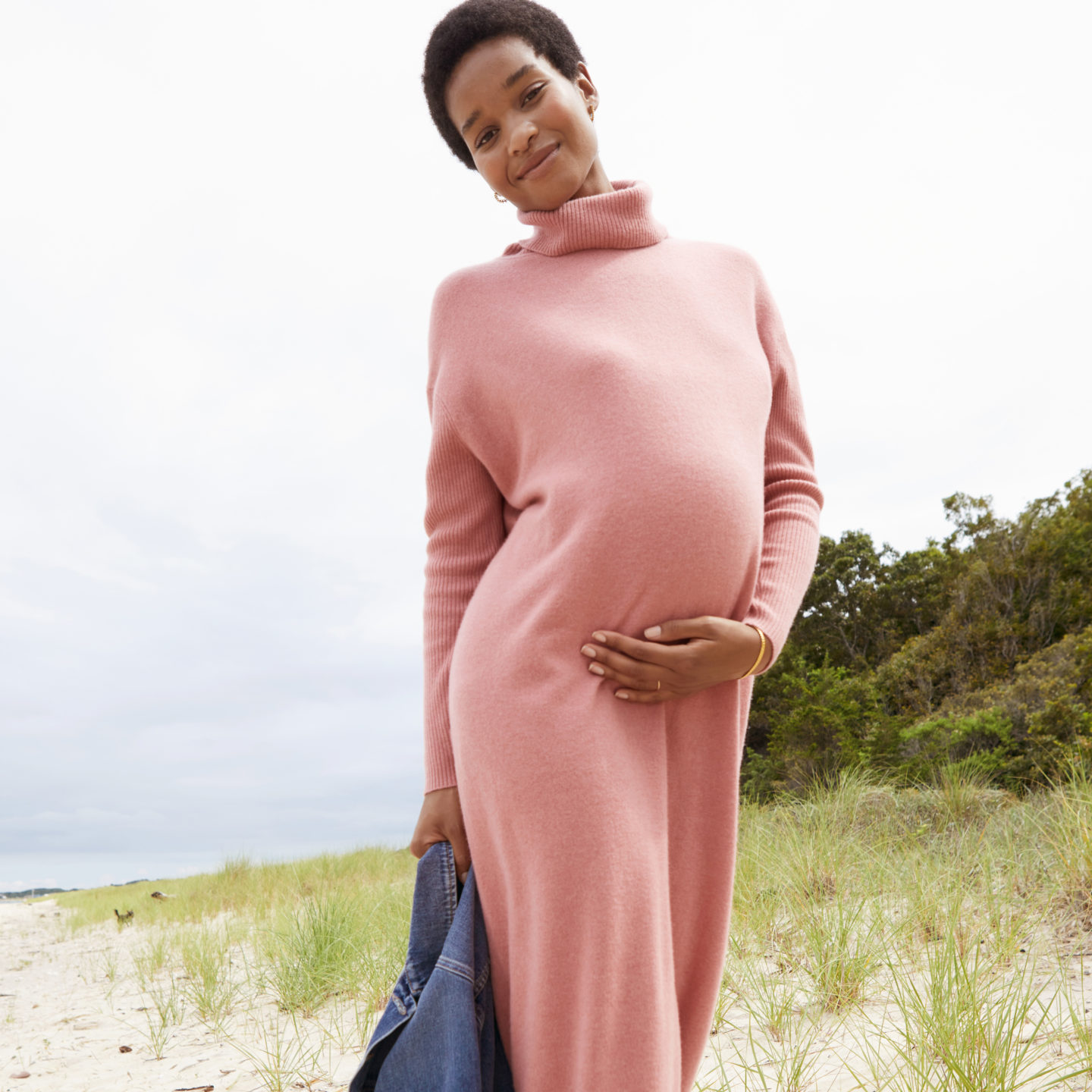
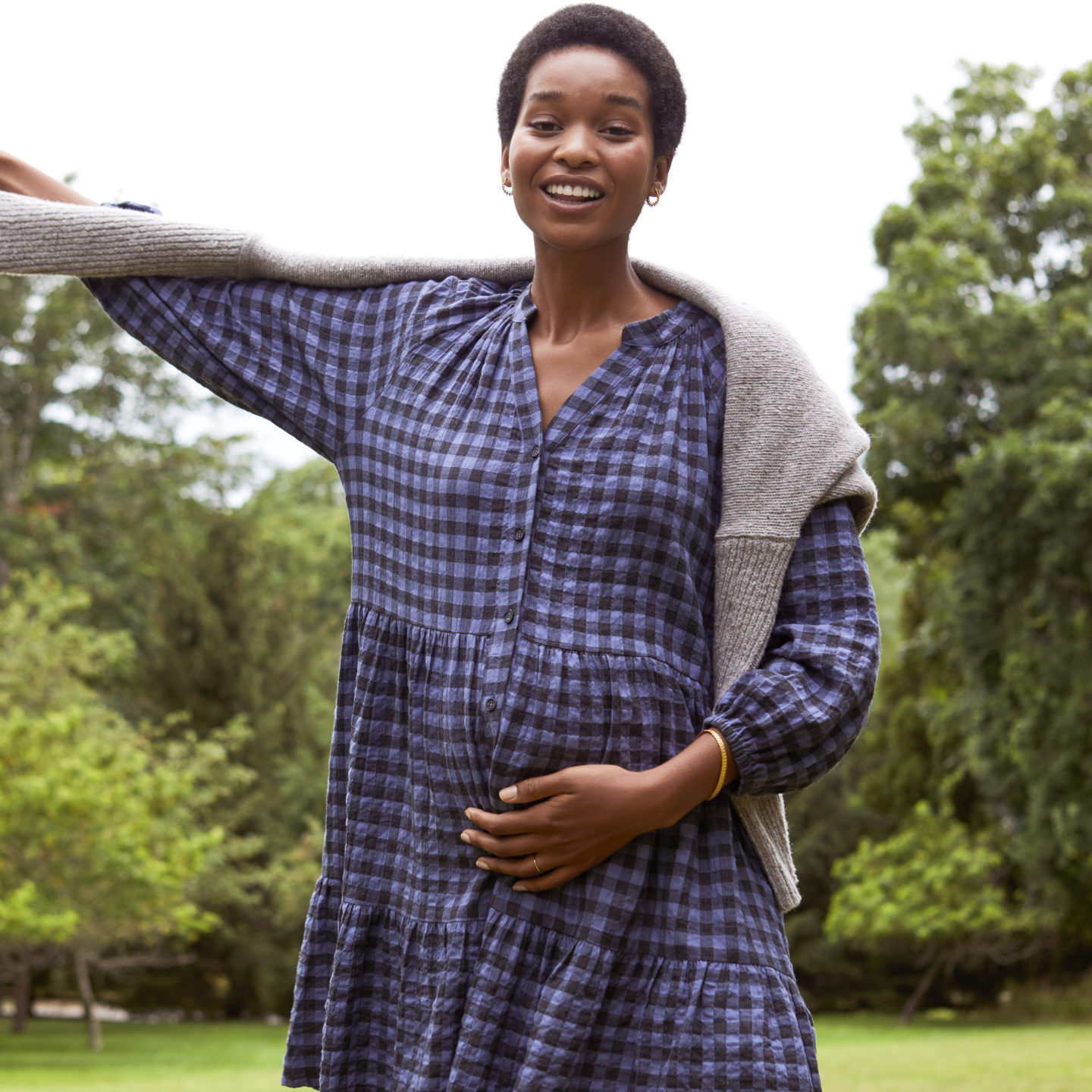
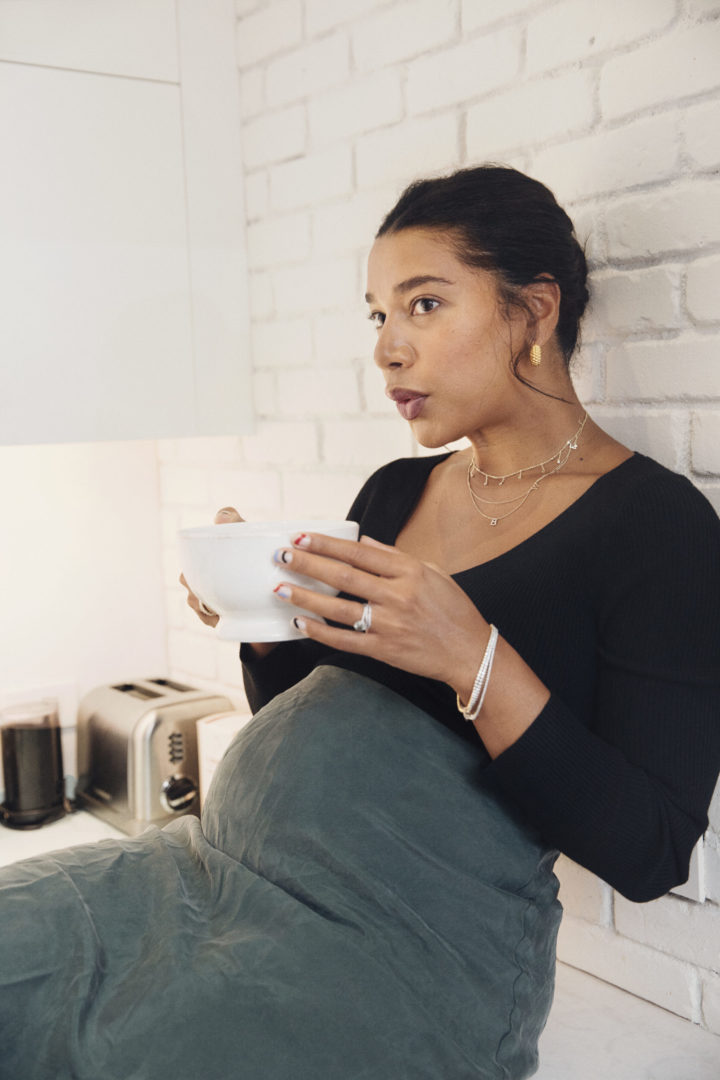
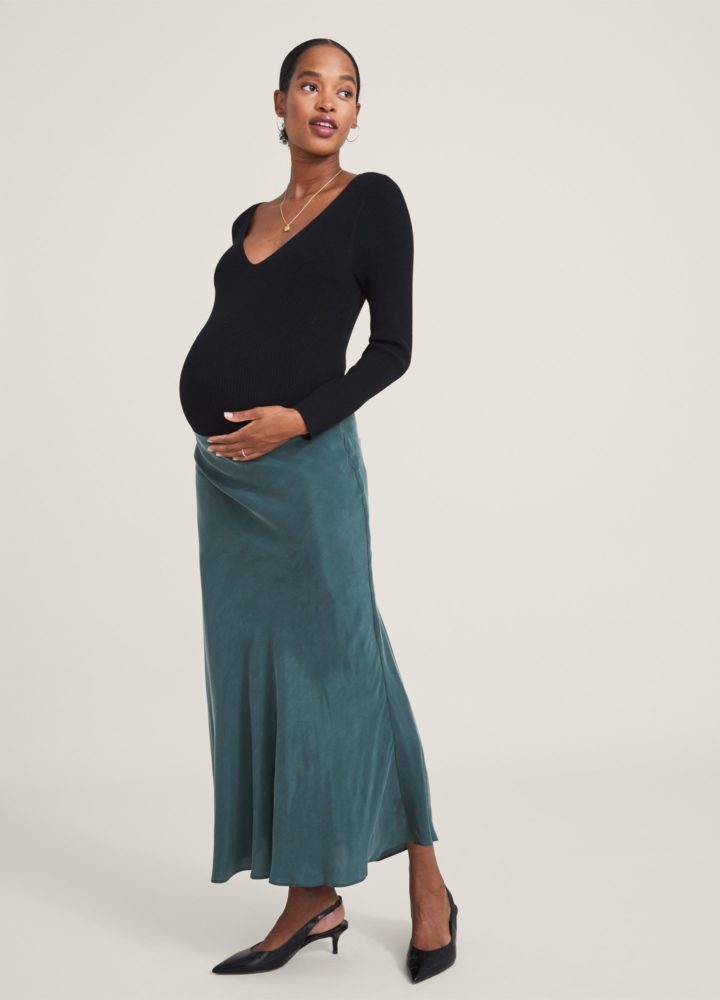
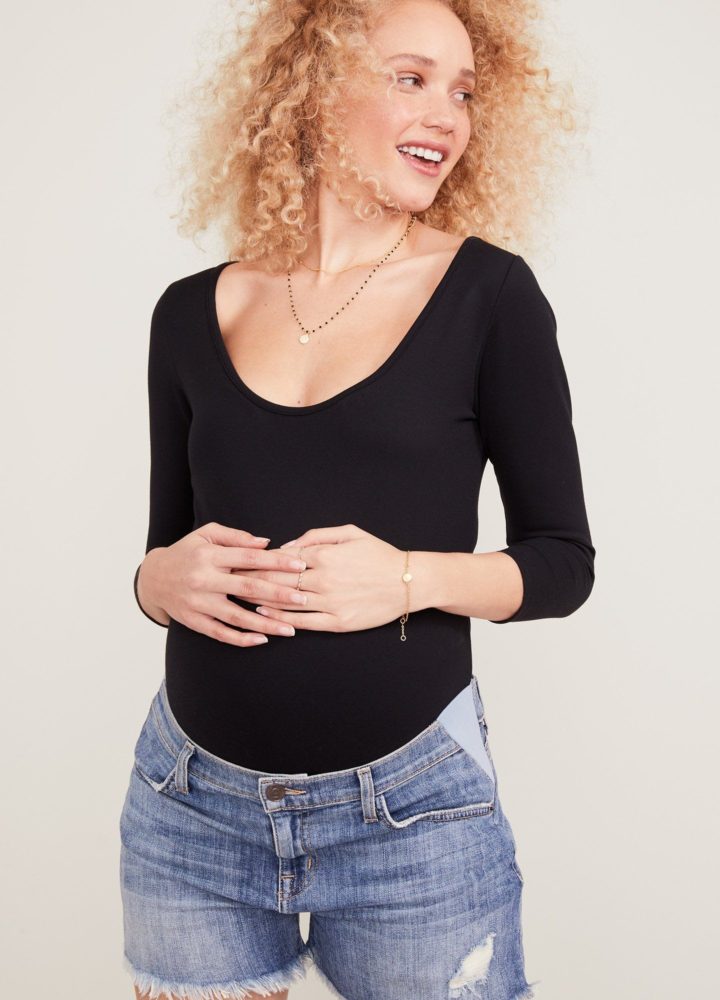
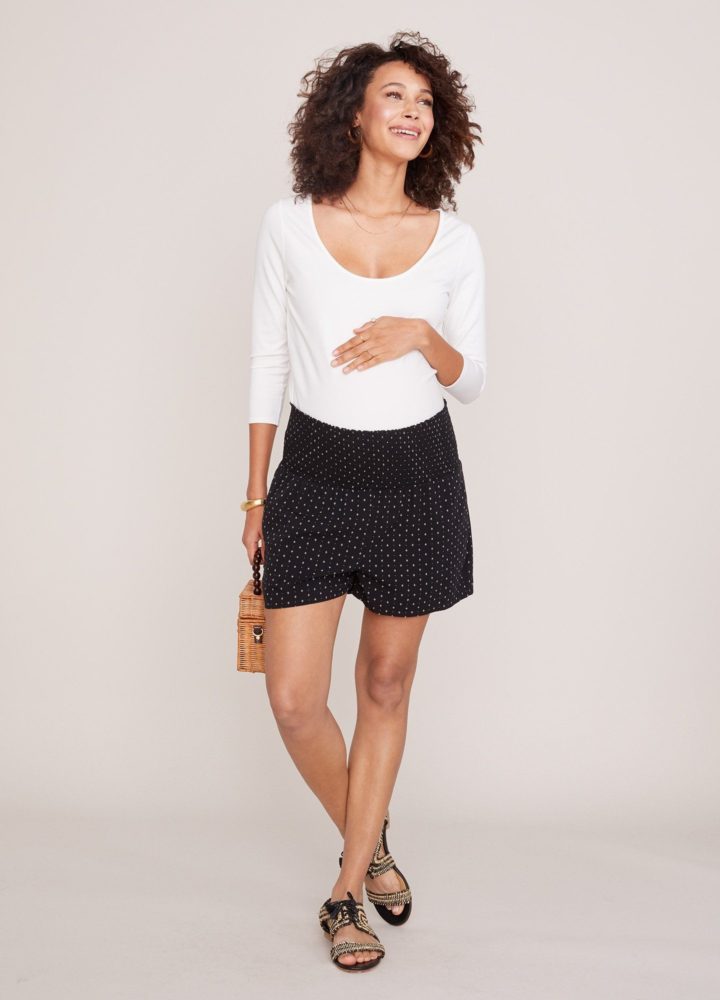
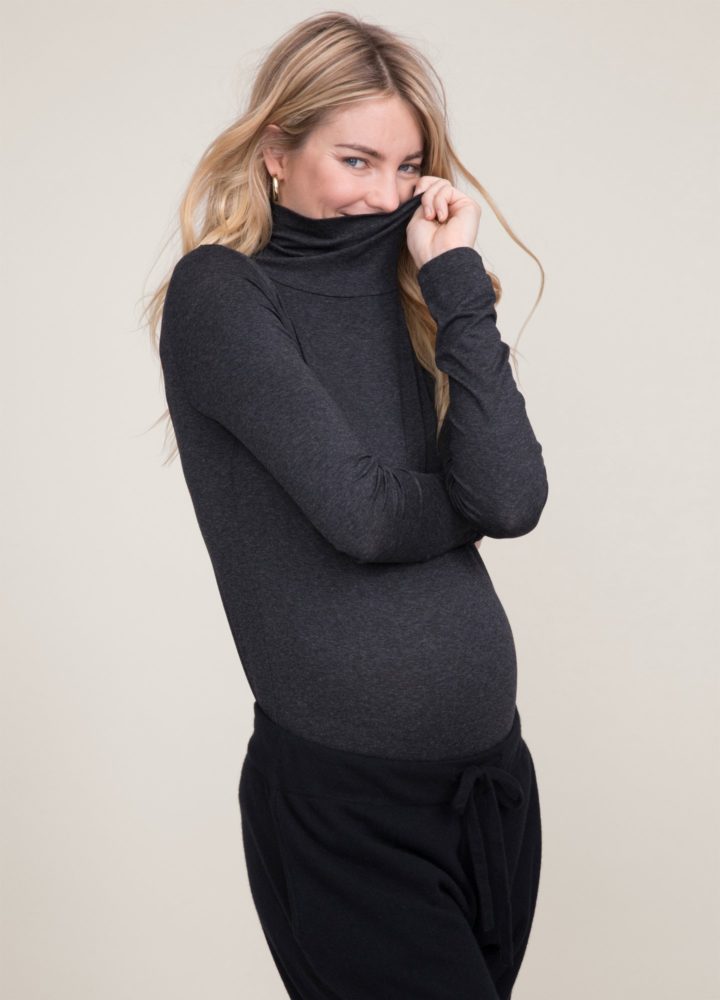
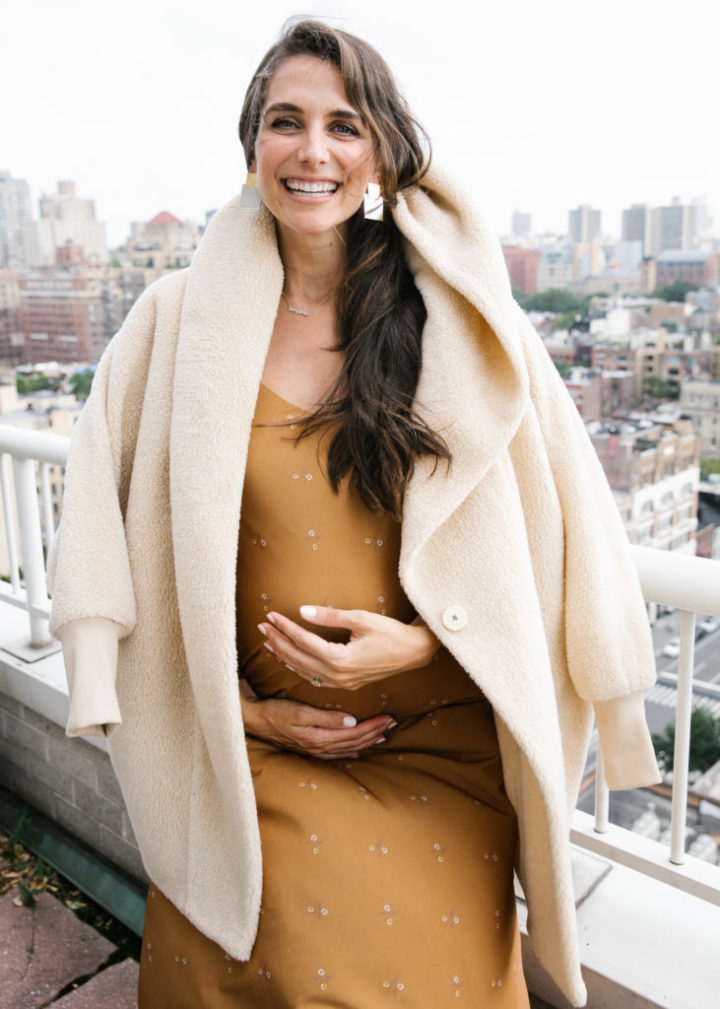
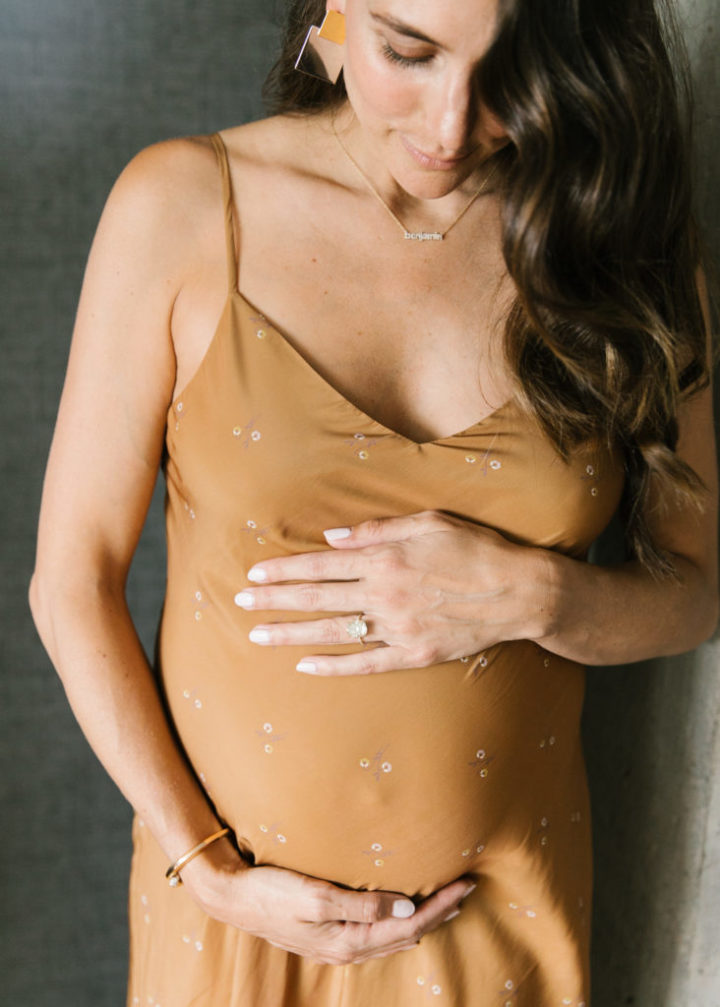
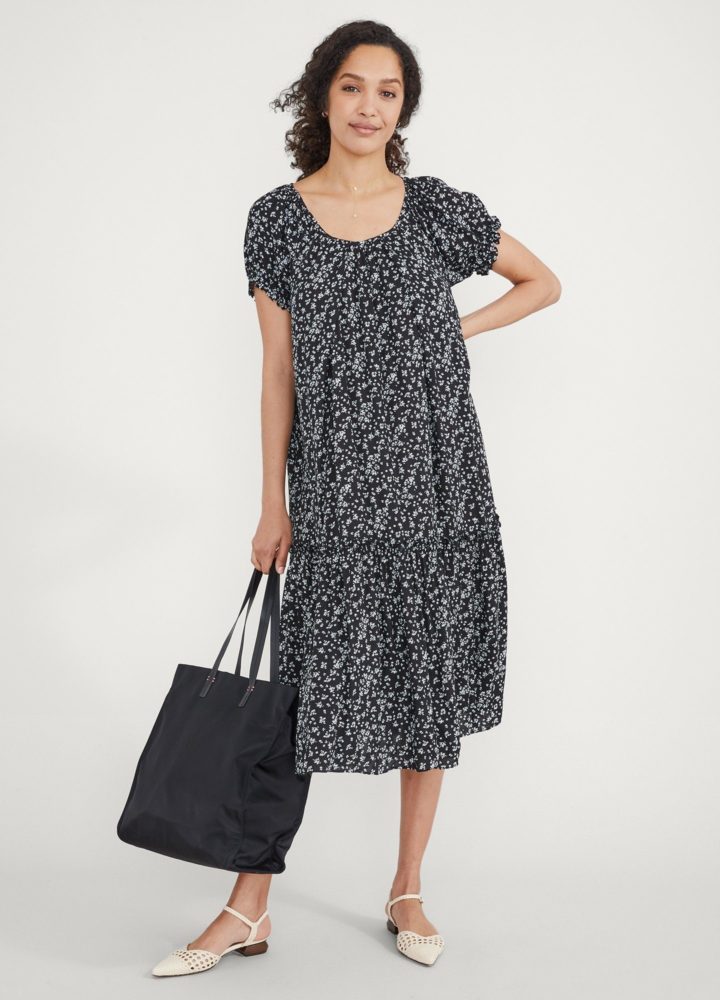
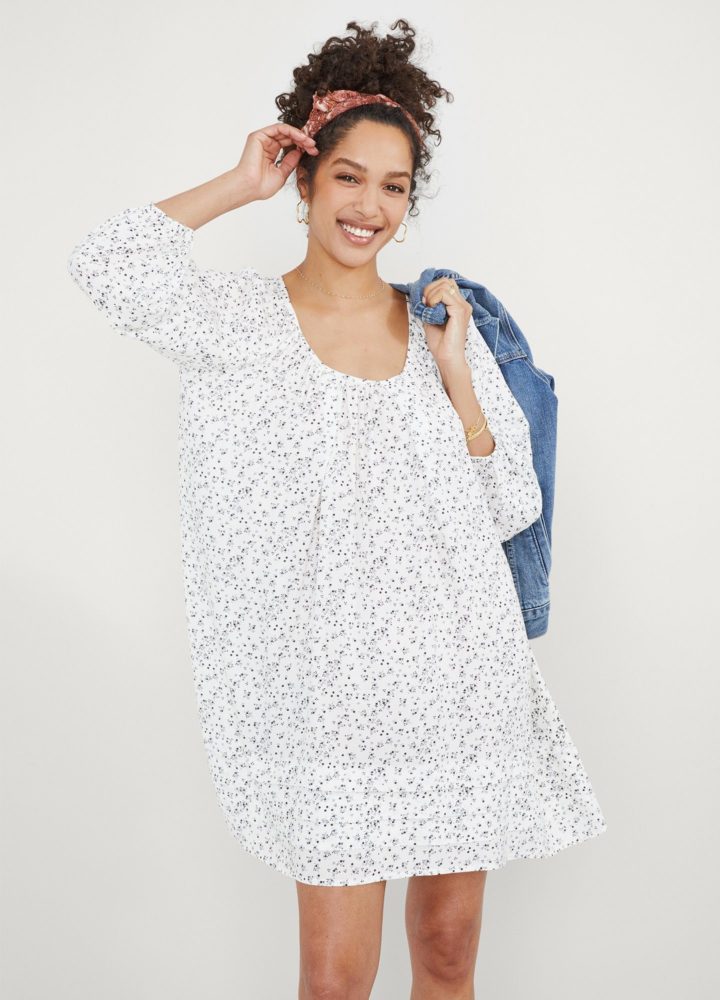
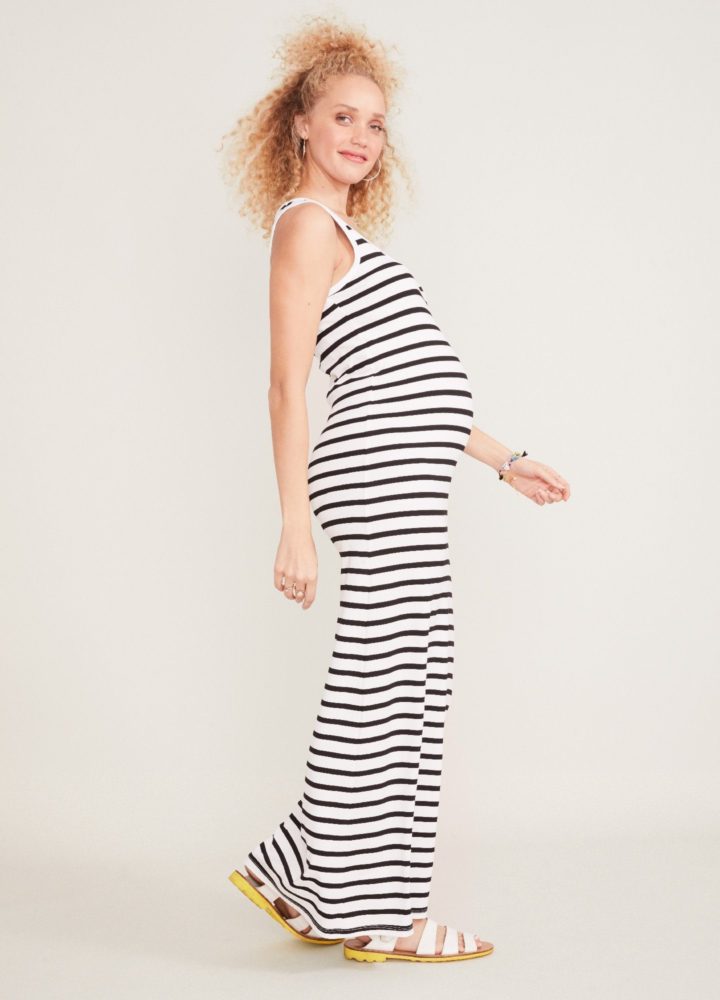
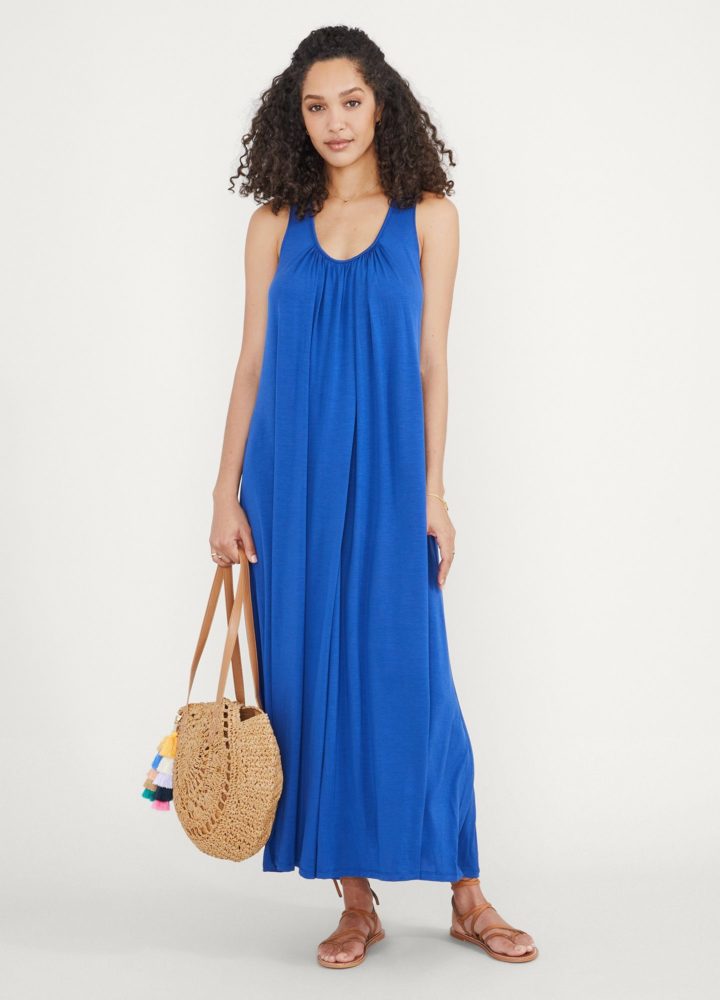
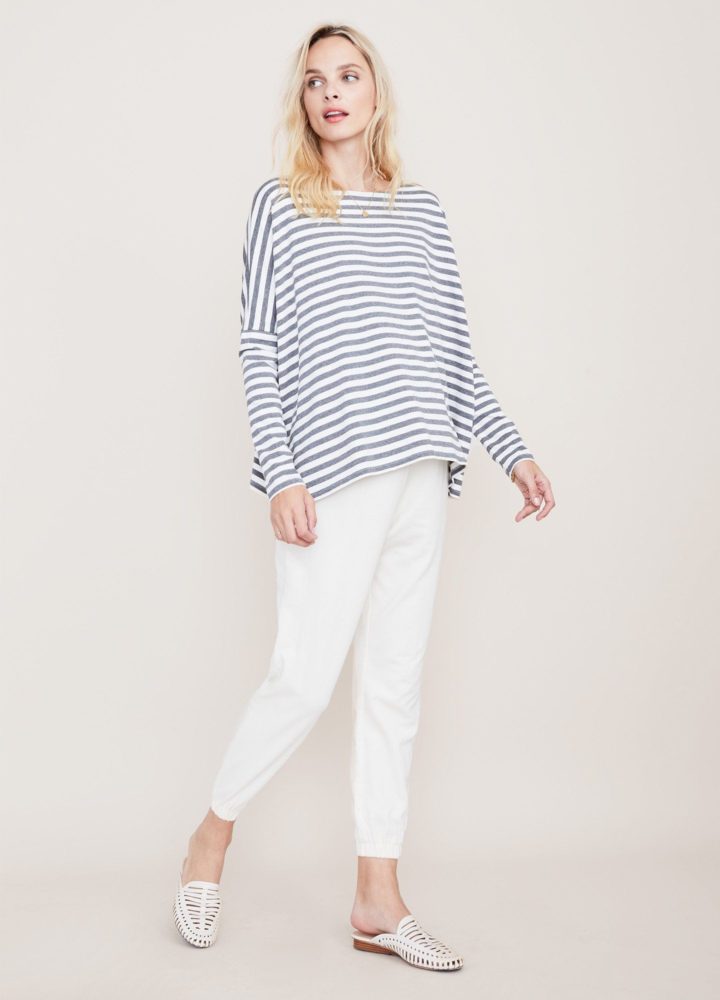
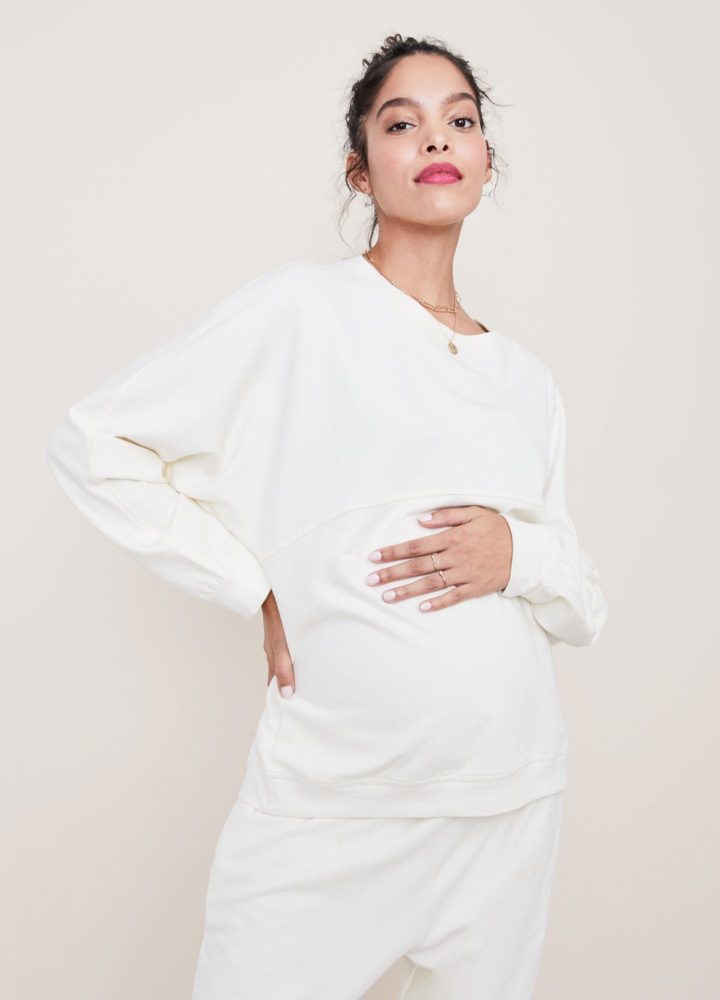
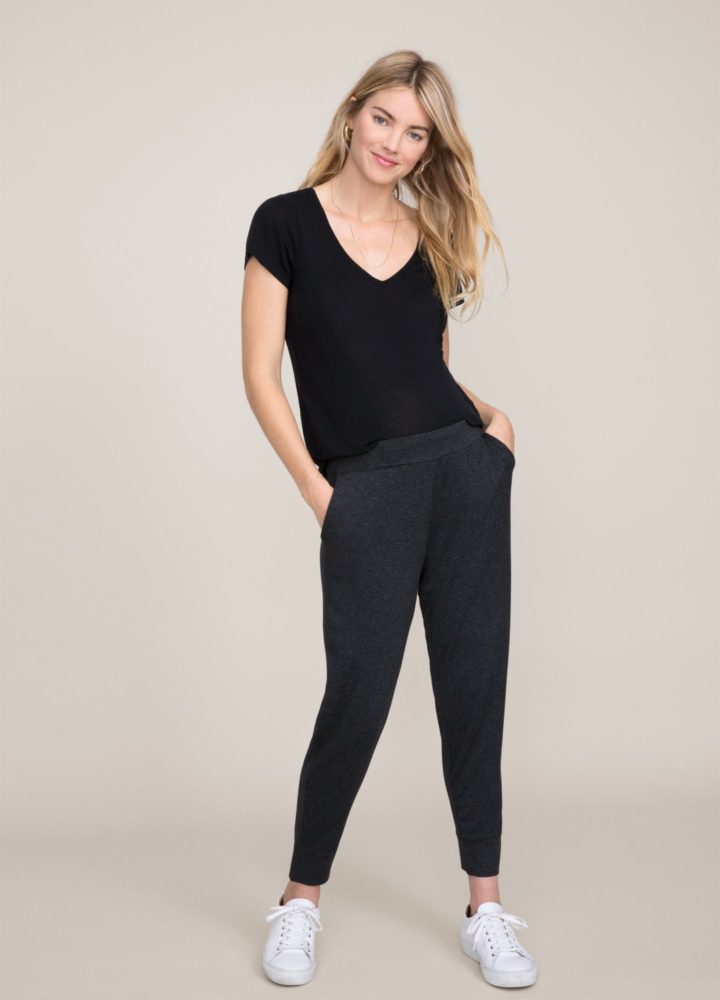
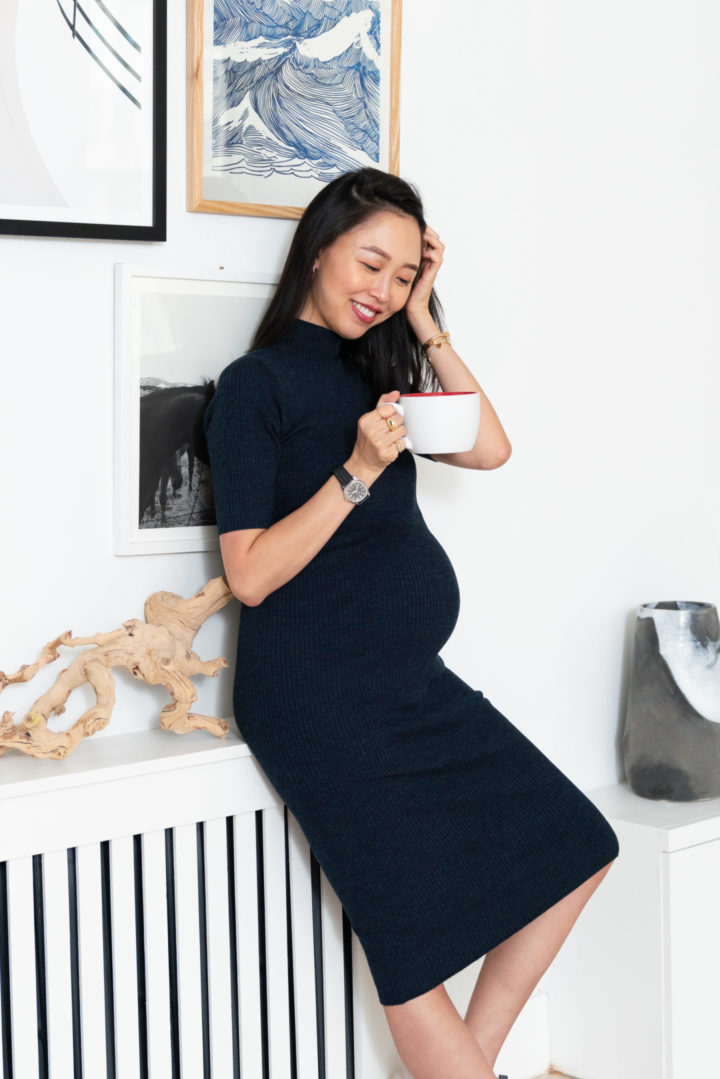
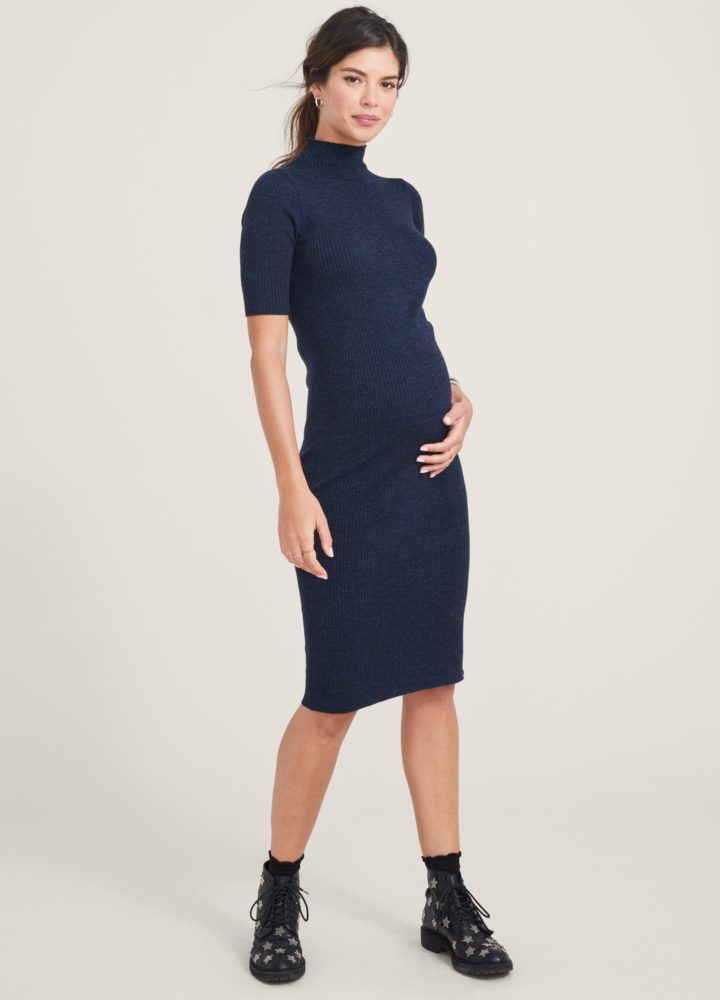
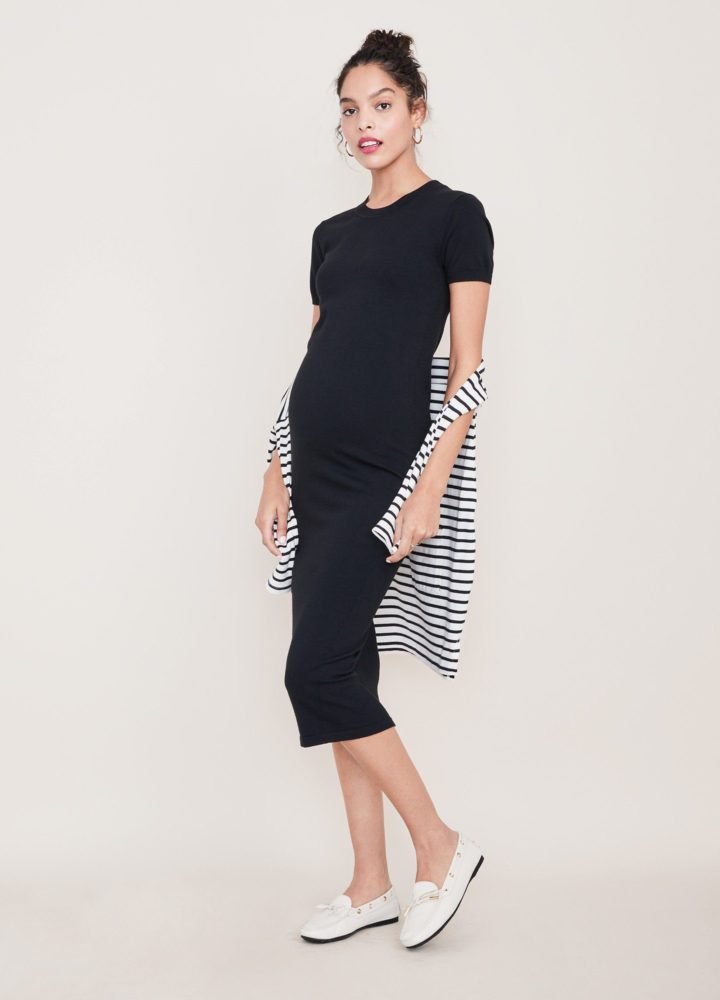
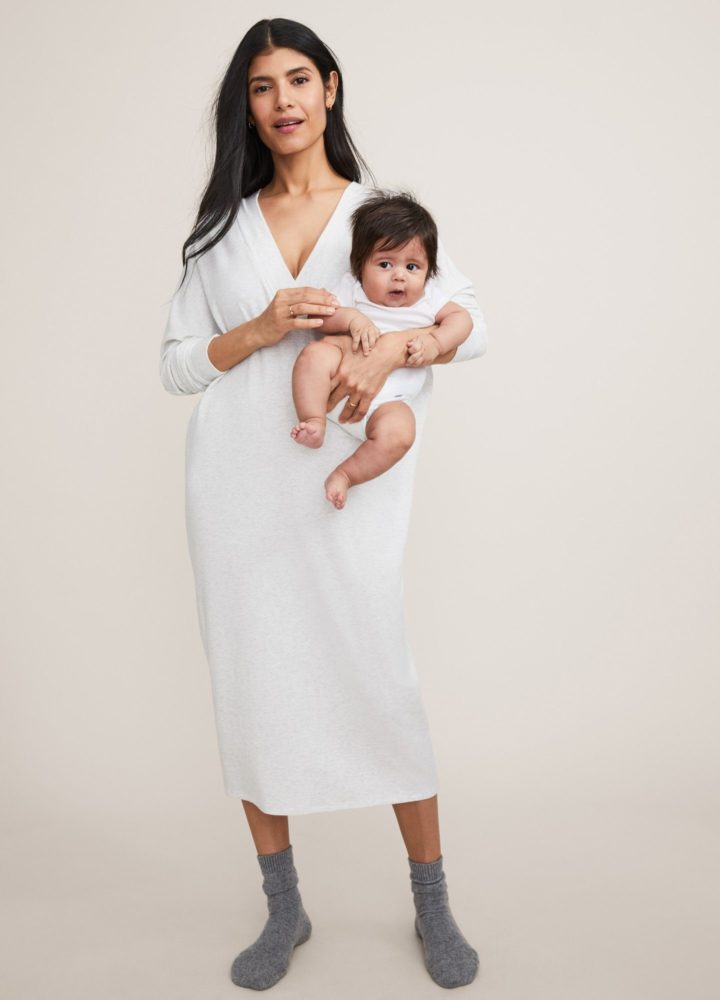
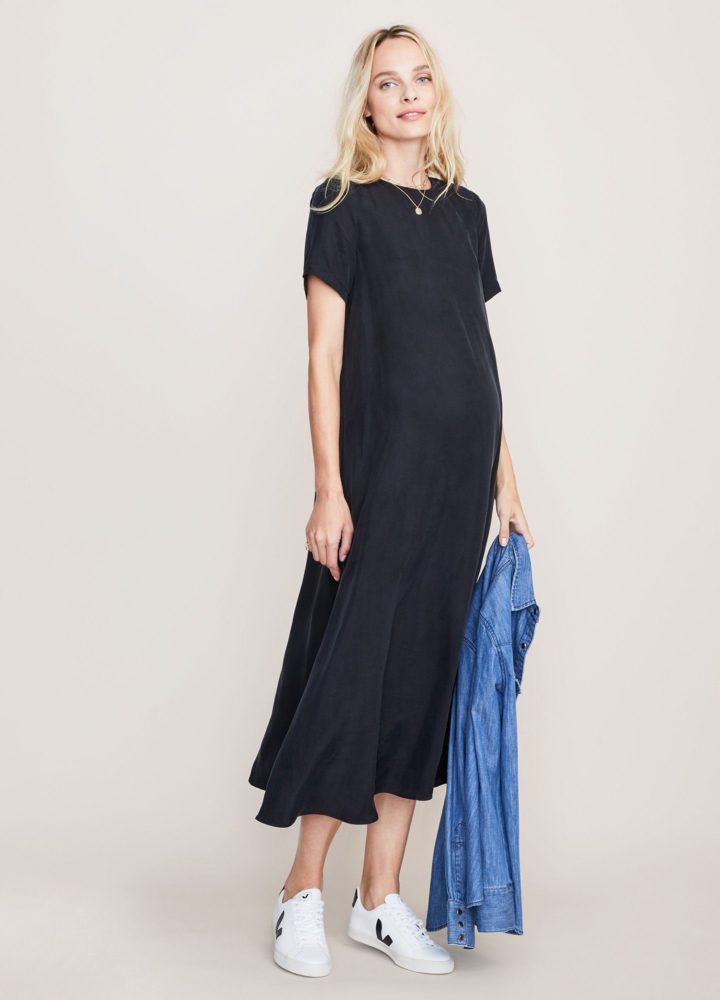
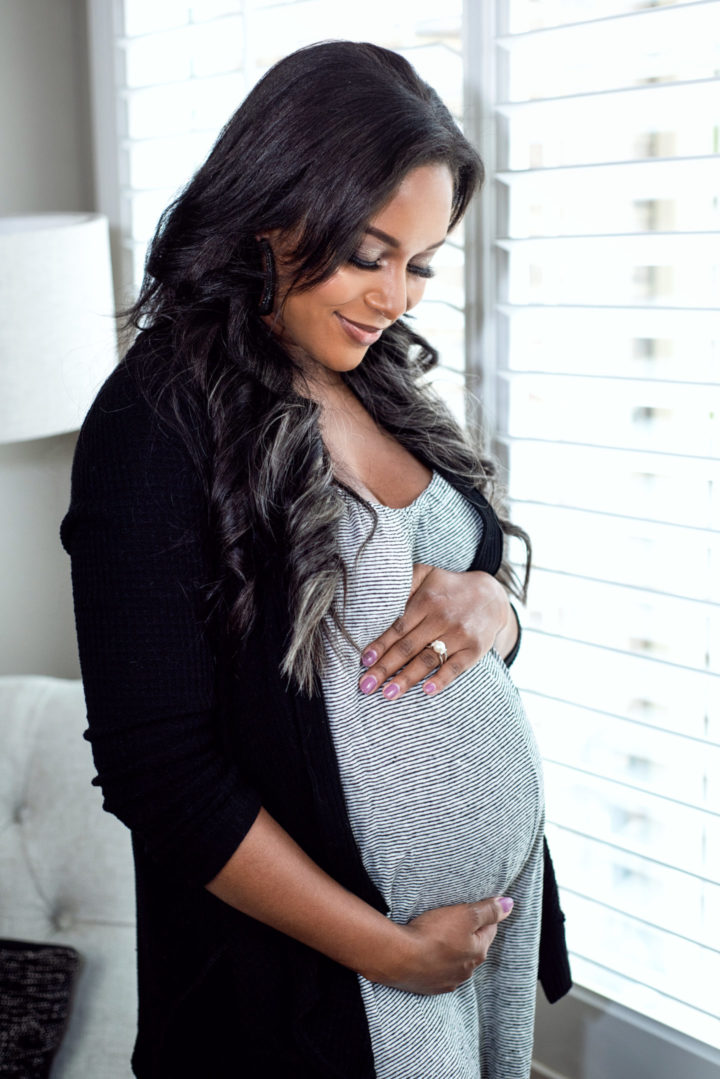
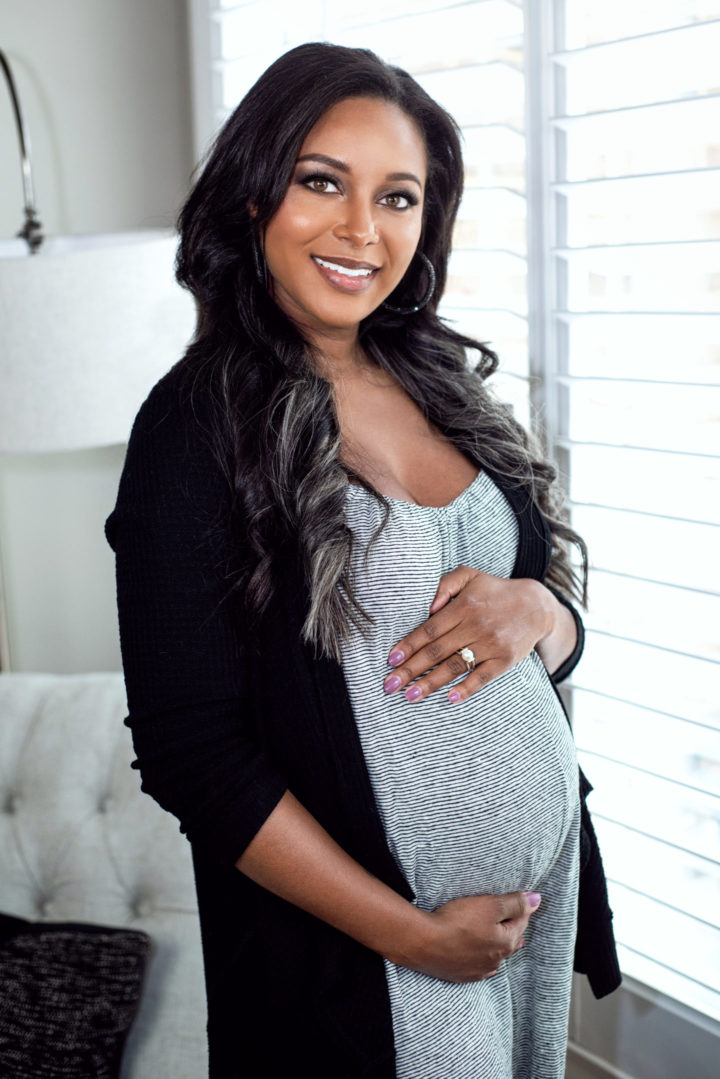
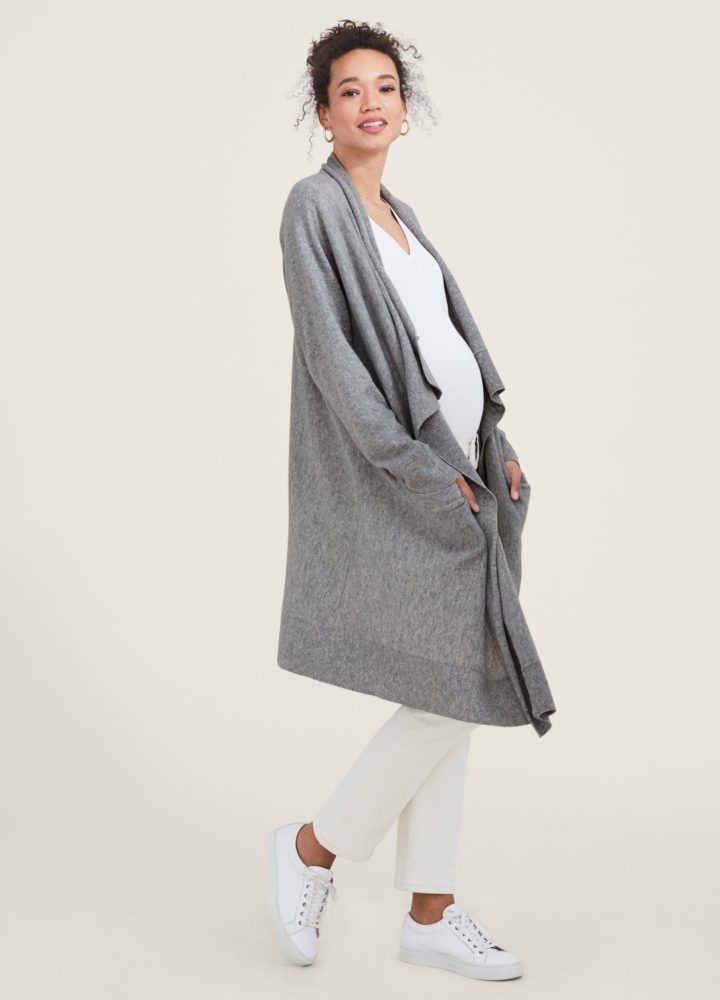
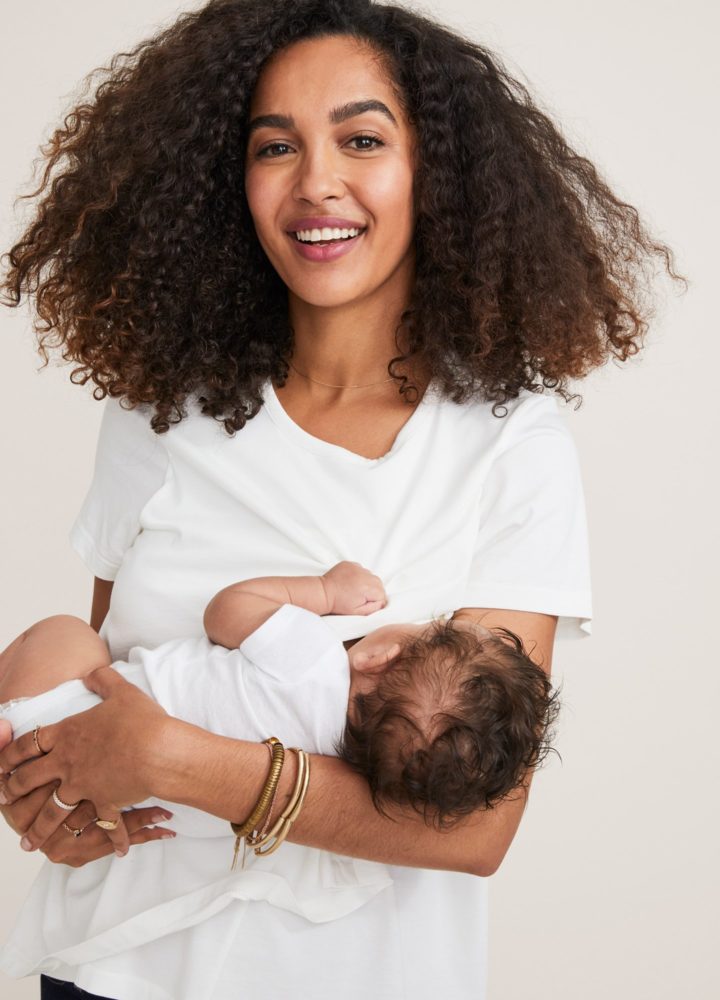
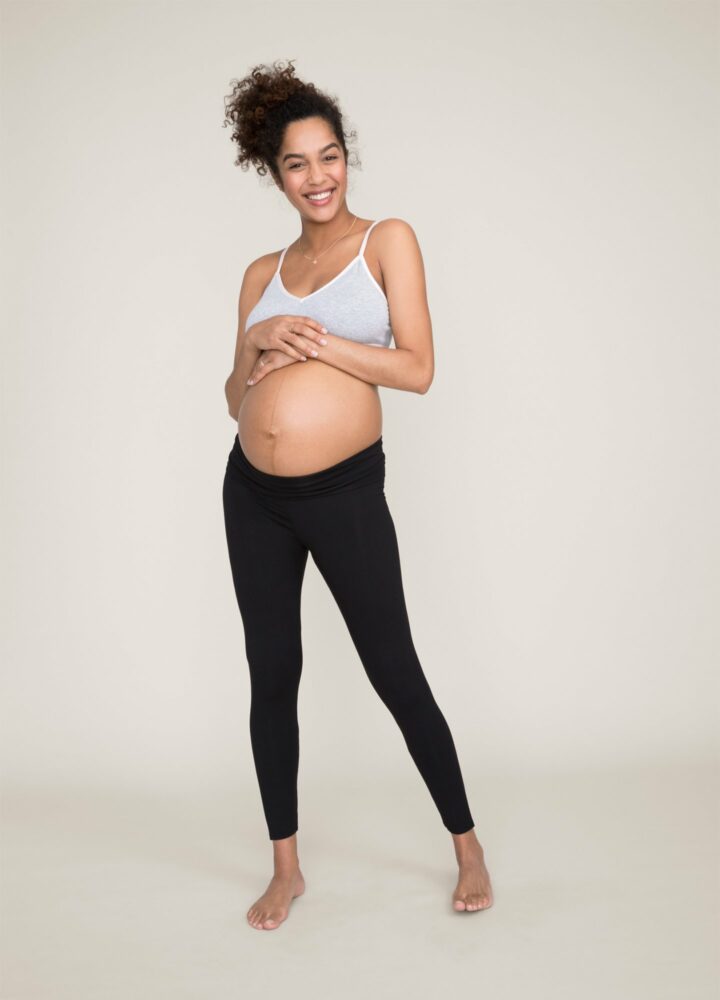
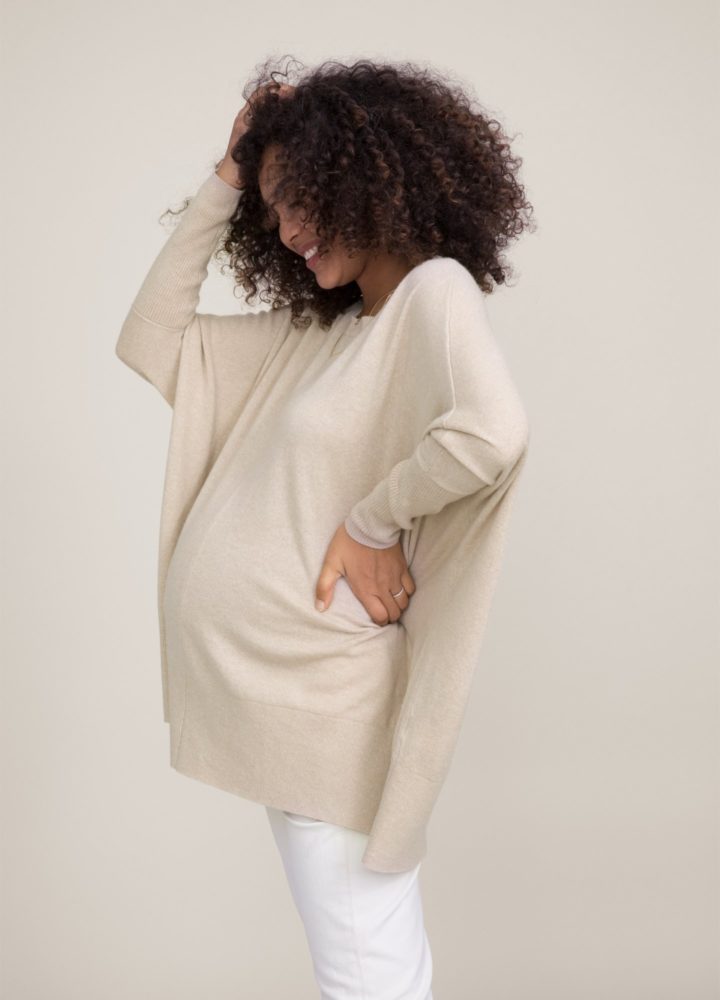
Hey There, Fall '90s plaids and chunky knits FTW.

By Babe | Photos by HATCH

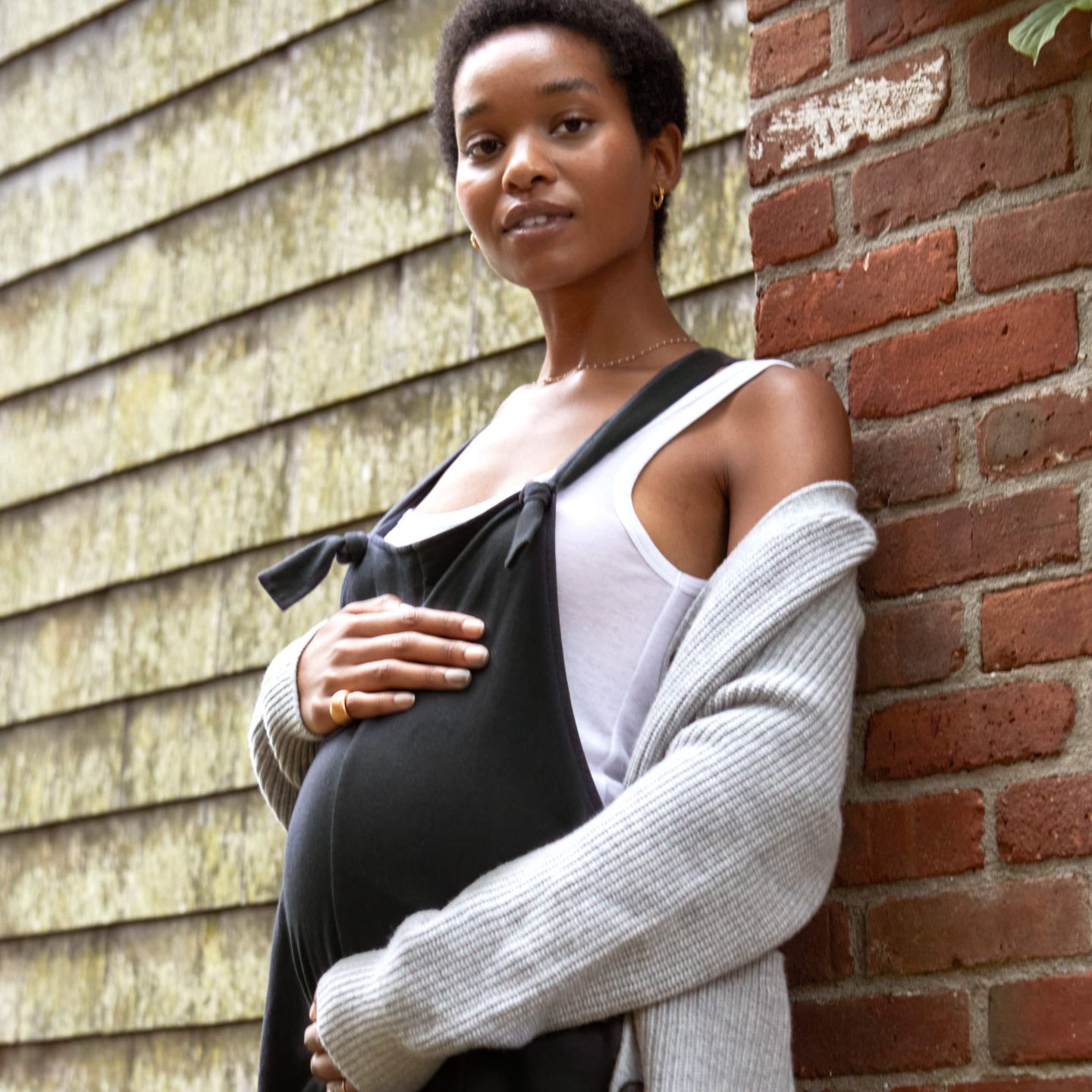
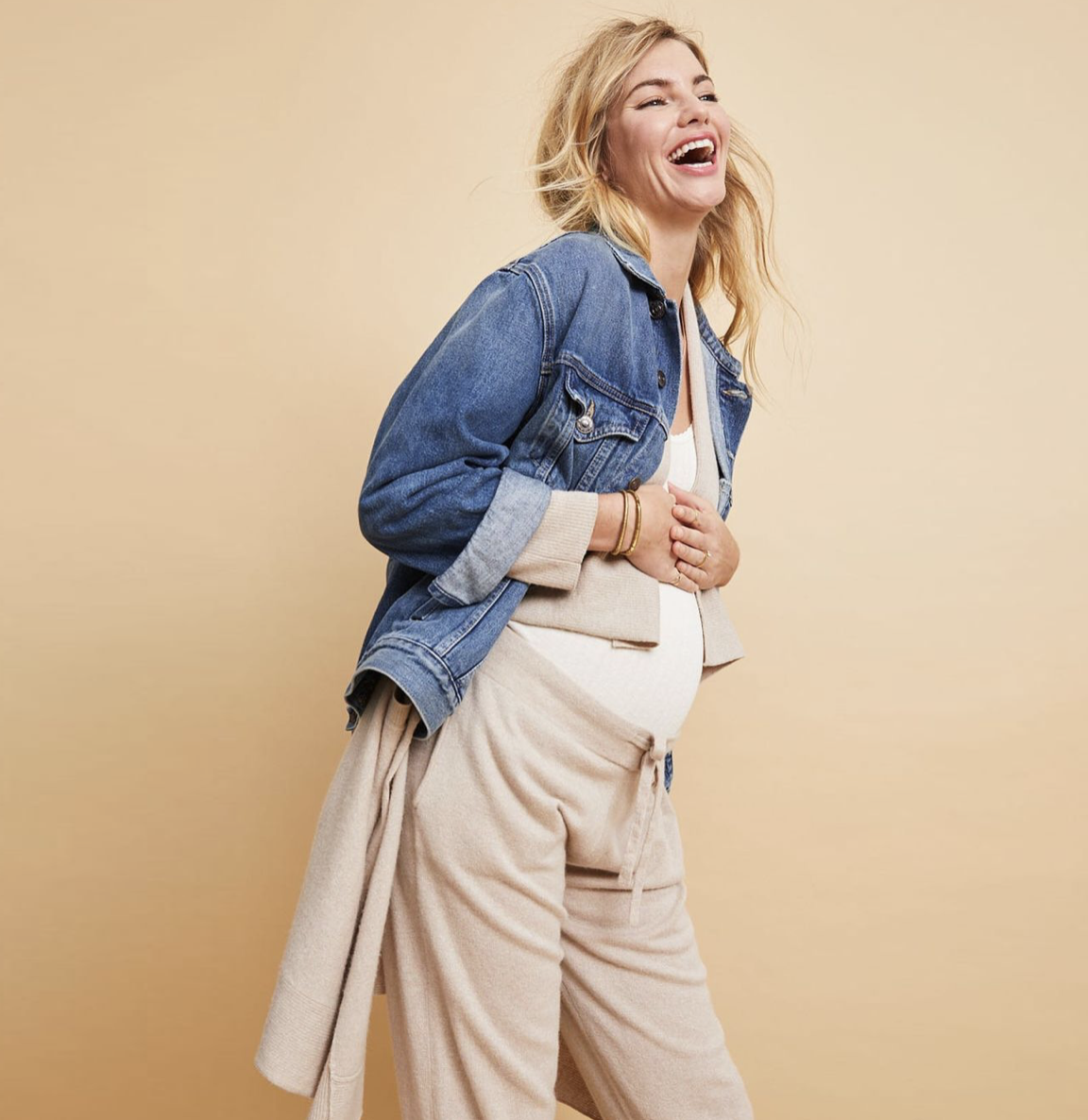
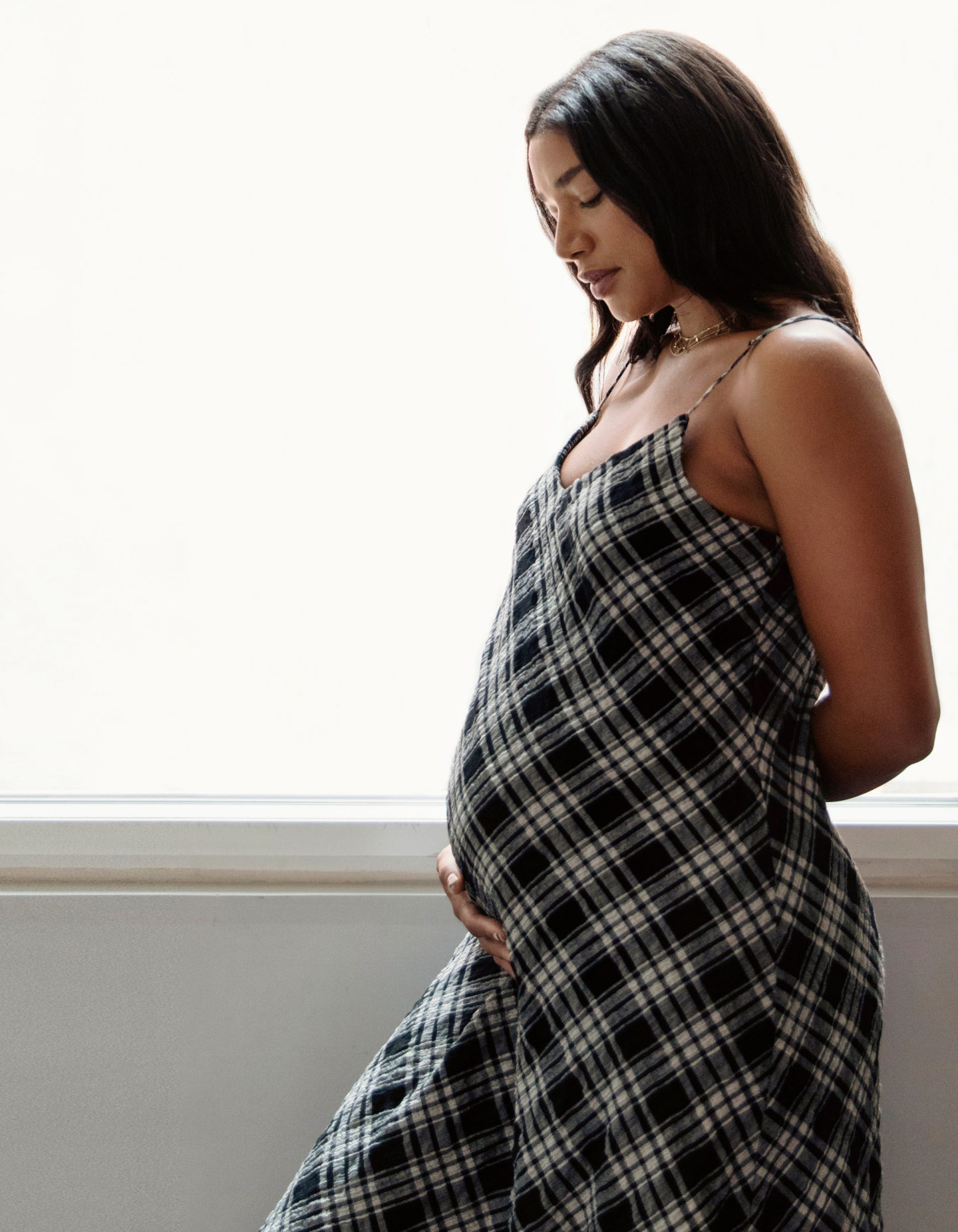
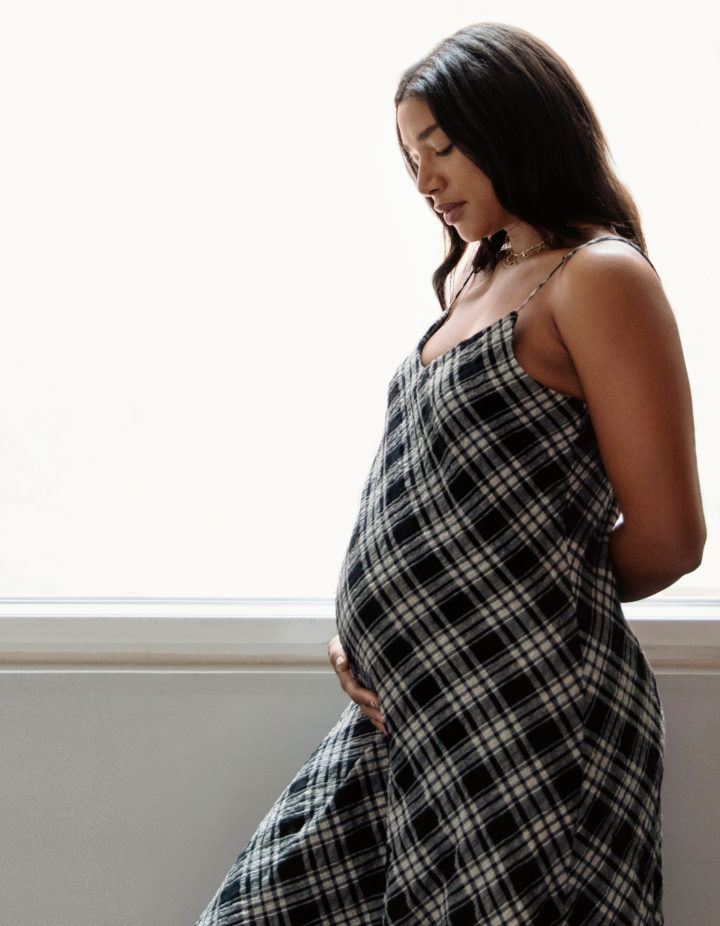
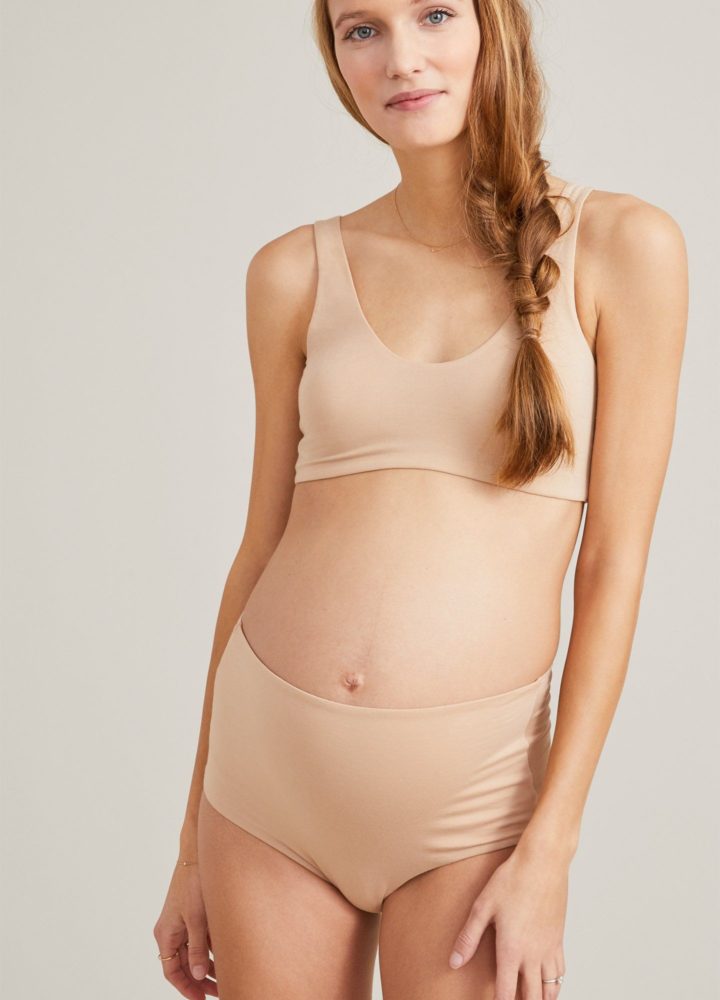
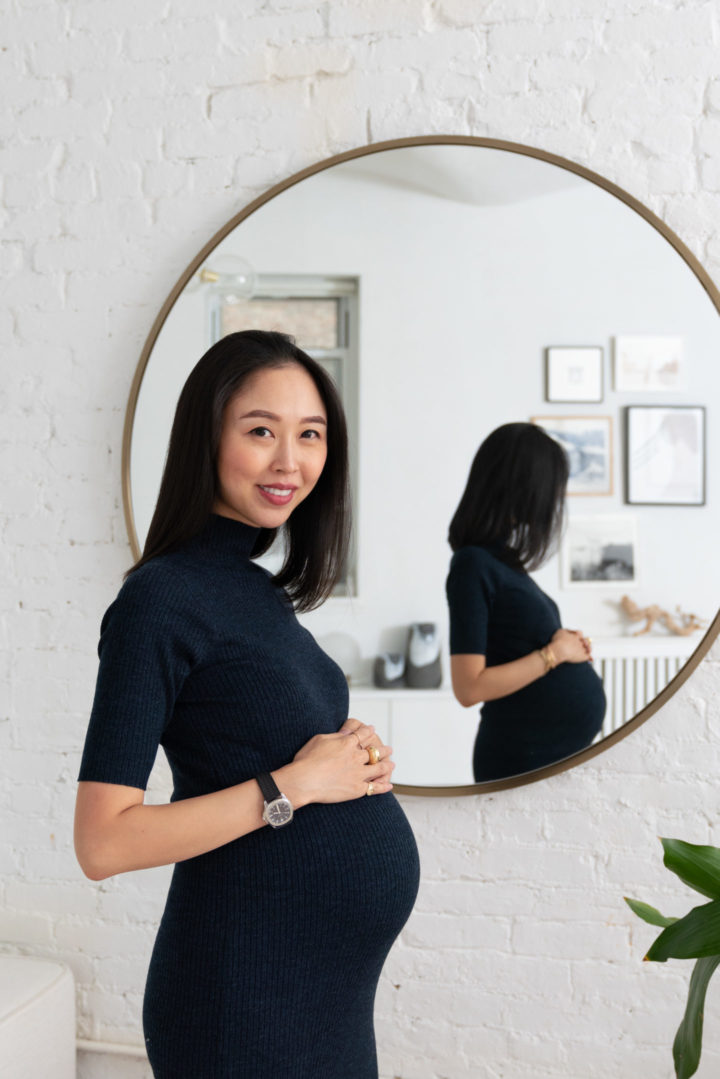
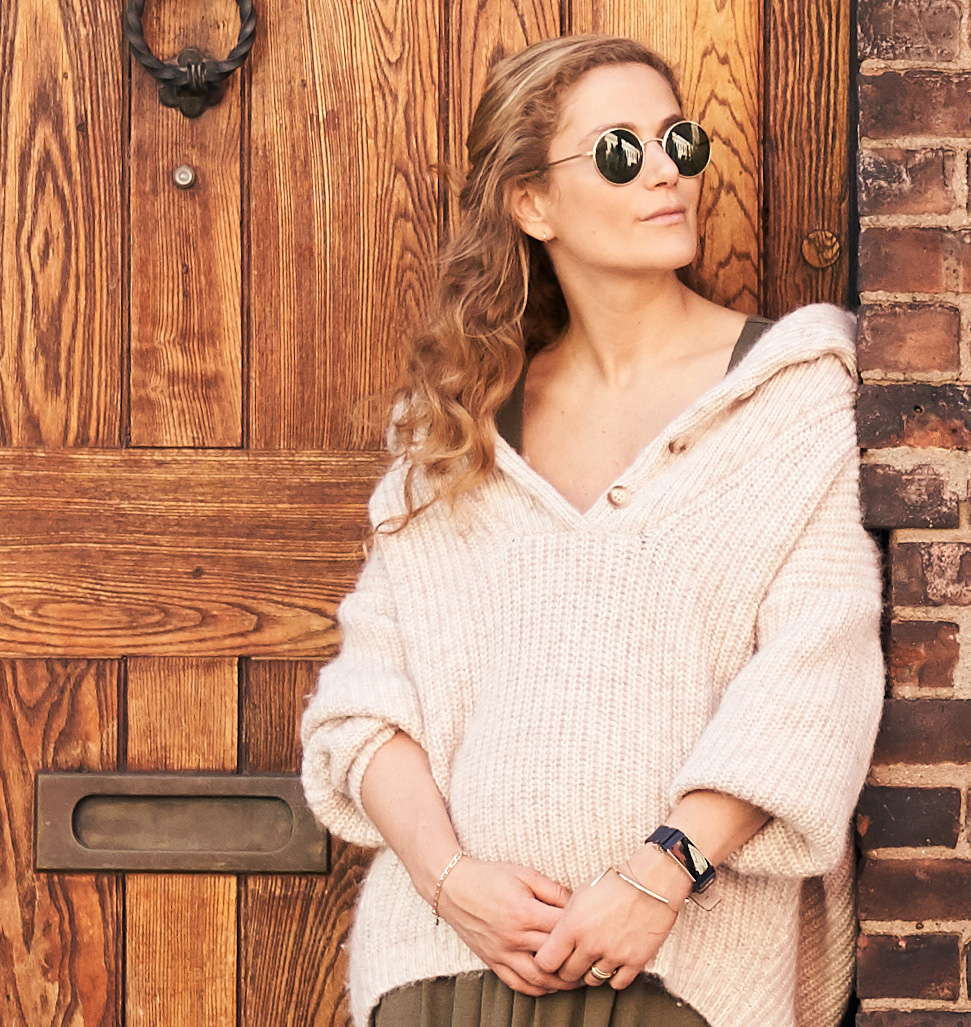
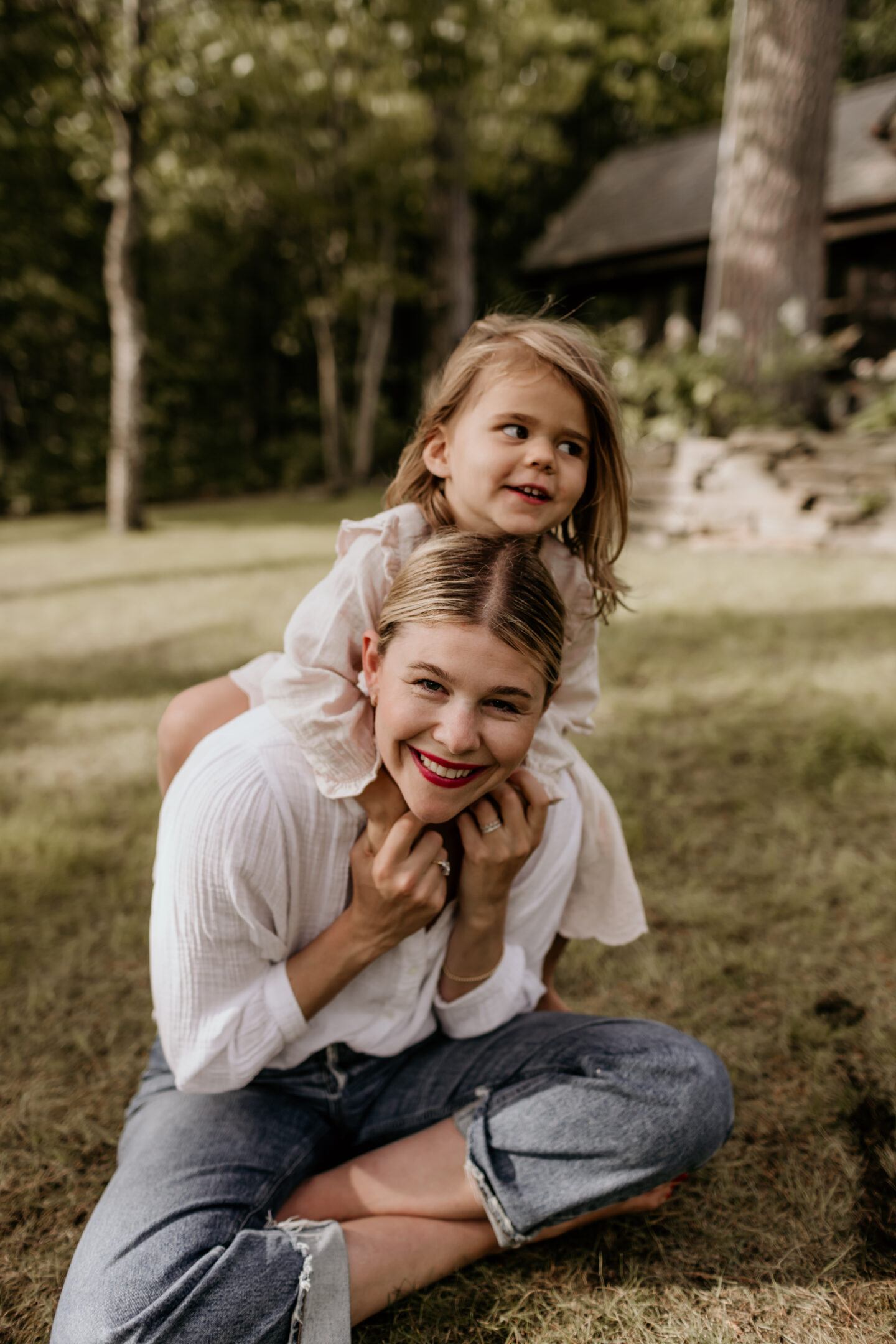
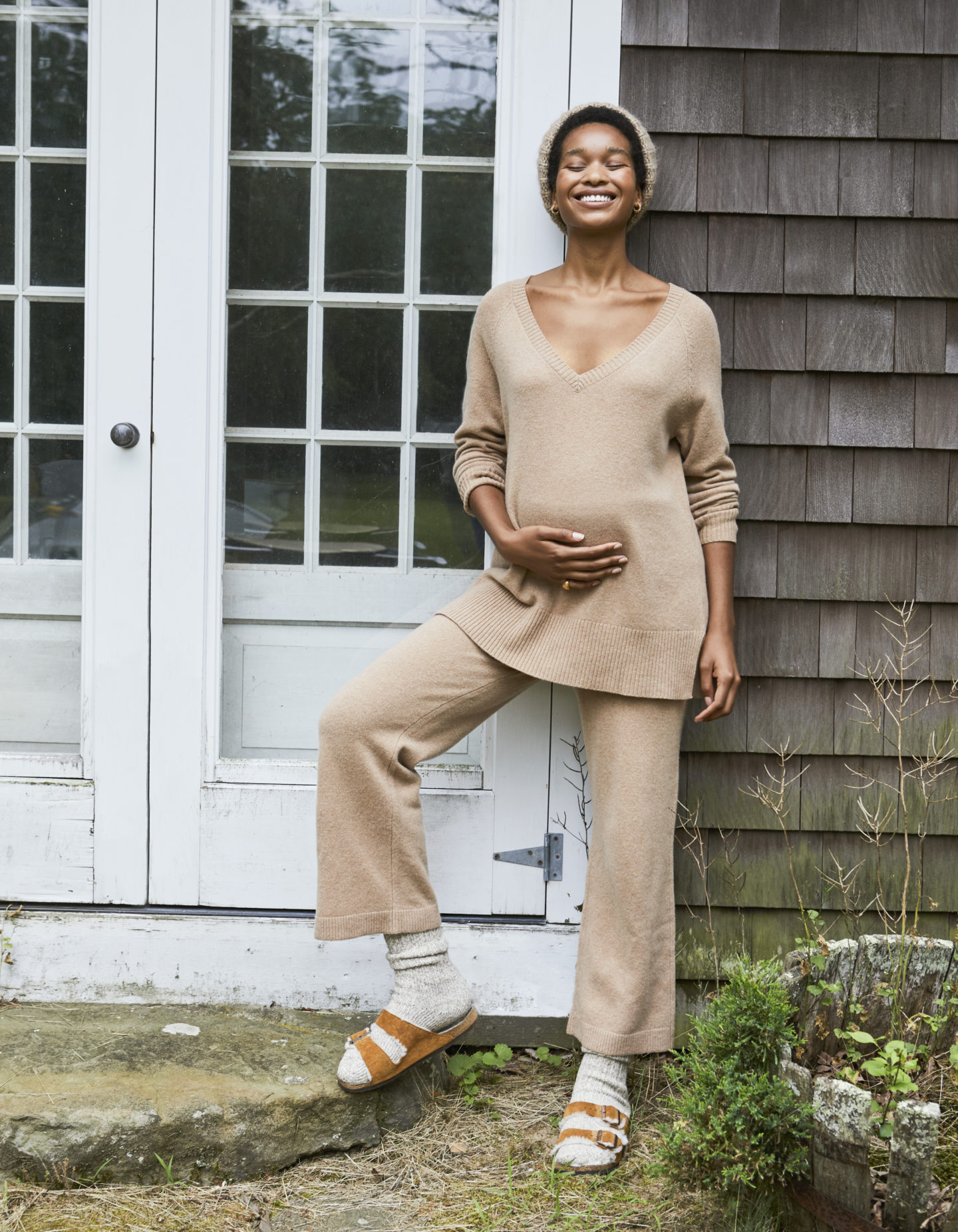
It’s that time of year again. Our friends over at HATCH basically crushed it with its new Fall Collection, and it gets straight to it. We’re talking major ‘90s vibes, luxe monochrome sets, and sweaters that feel so good you may not care about pairing them with pants. They designed everything to layer and mix and match seamlessly with one another so you can go from casual to polished all while staying comfy—because let’s be real: it’s exactly how we want to dress these days.

Think of it all as a bridge between summer and getting back to business (albeit with a cozy weekend away thrown in here and there). From a softly textured crinkled plaid to cozy jumbo waffle knits, to a versatile merino set in a wear-with-everything neutral camel. This fall let HATCH reacquaint you with the feel good fun of getting dressed, the honesty of loving a piece just because and the simplicity of a pared back wardrobe.

Happy Fall, y’all!

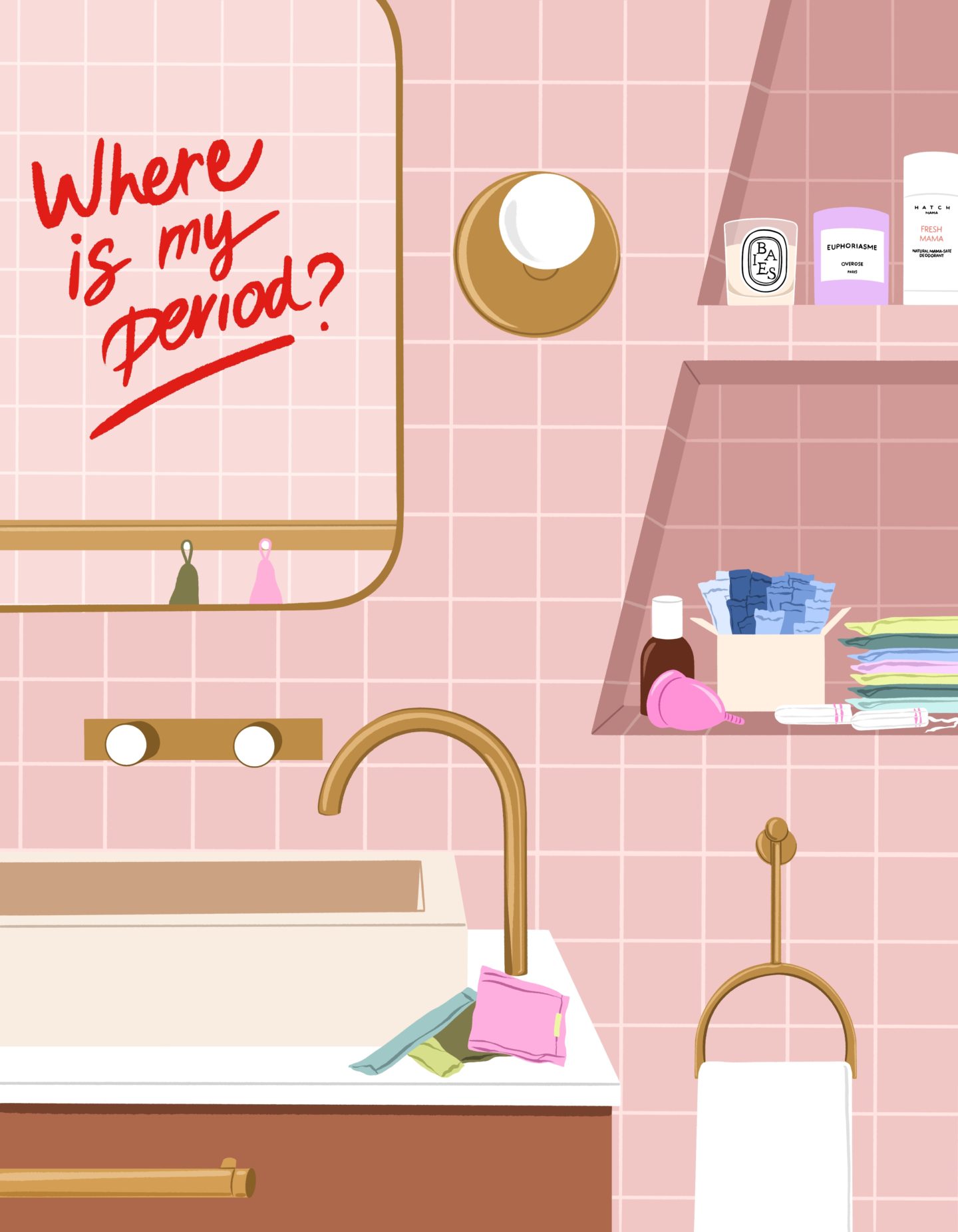
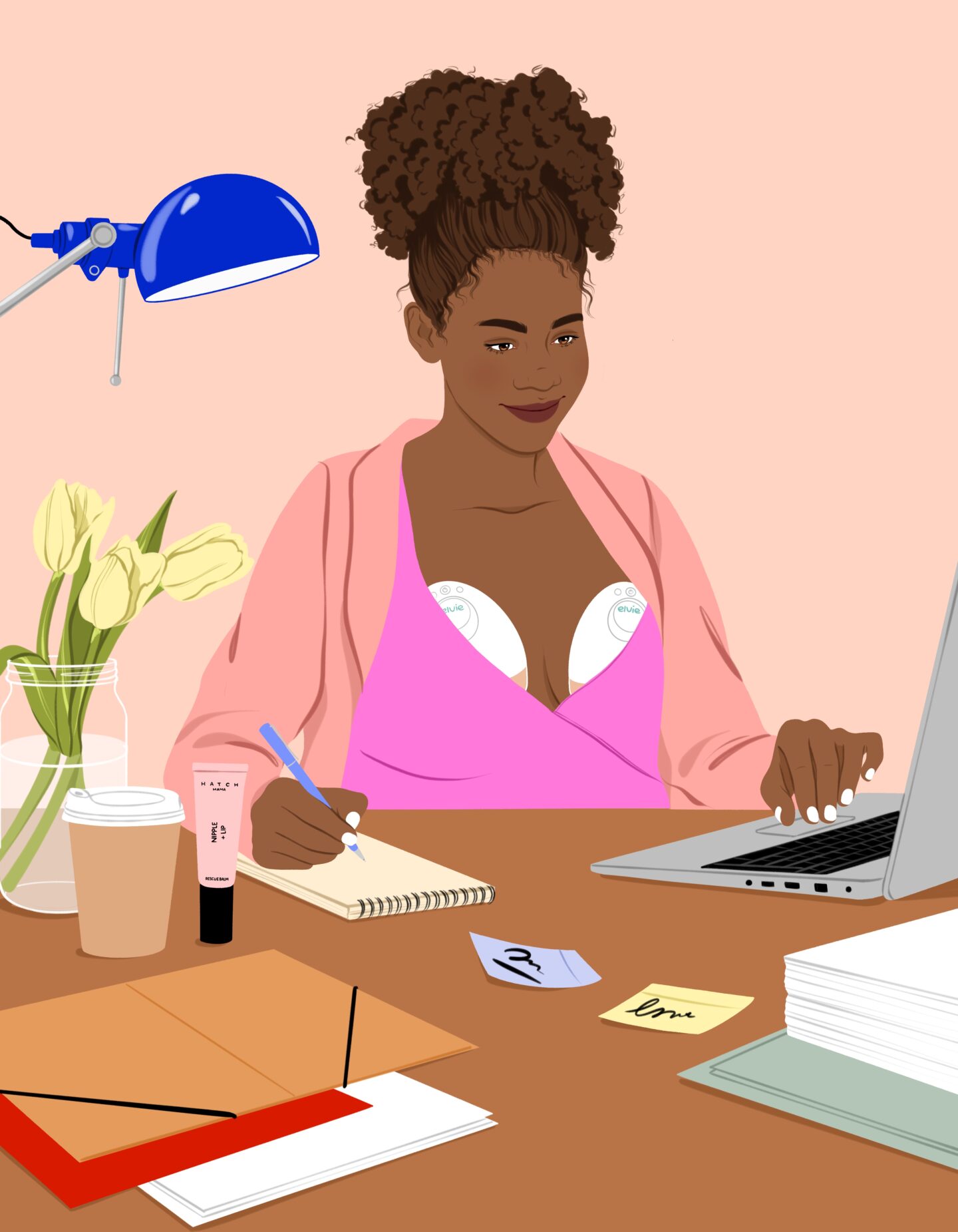
Is It Normal I Haven't Gotten My Period Yet After Giving Birth? Yep.

By Babe | Illustration by Ana Hard

Well, it’s been a minute since you’ve given birth, six months to be exact, and you might be wondering when Auntie Flow’s going to resume her regular monthly visit? When is she going to come by and make everything sad, then happy again? Then sad? When will peanut M&Ms become the go-to meal of choice and activities include resting on the couch with a heating pad again? Seriously though, you might be wondering, is it normal I haven’t gotten my period yet following birth? And the short answer is, yes!

According to Babycenter, a general guideline is that you can expect your first period after pregnancy based on the following:

  • 6 to 8 weeks after your baby is born if you don’t breastfeed
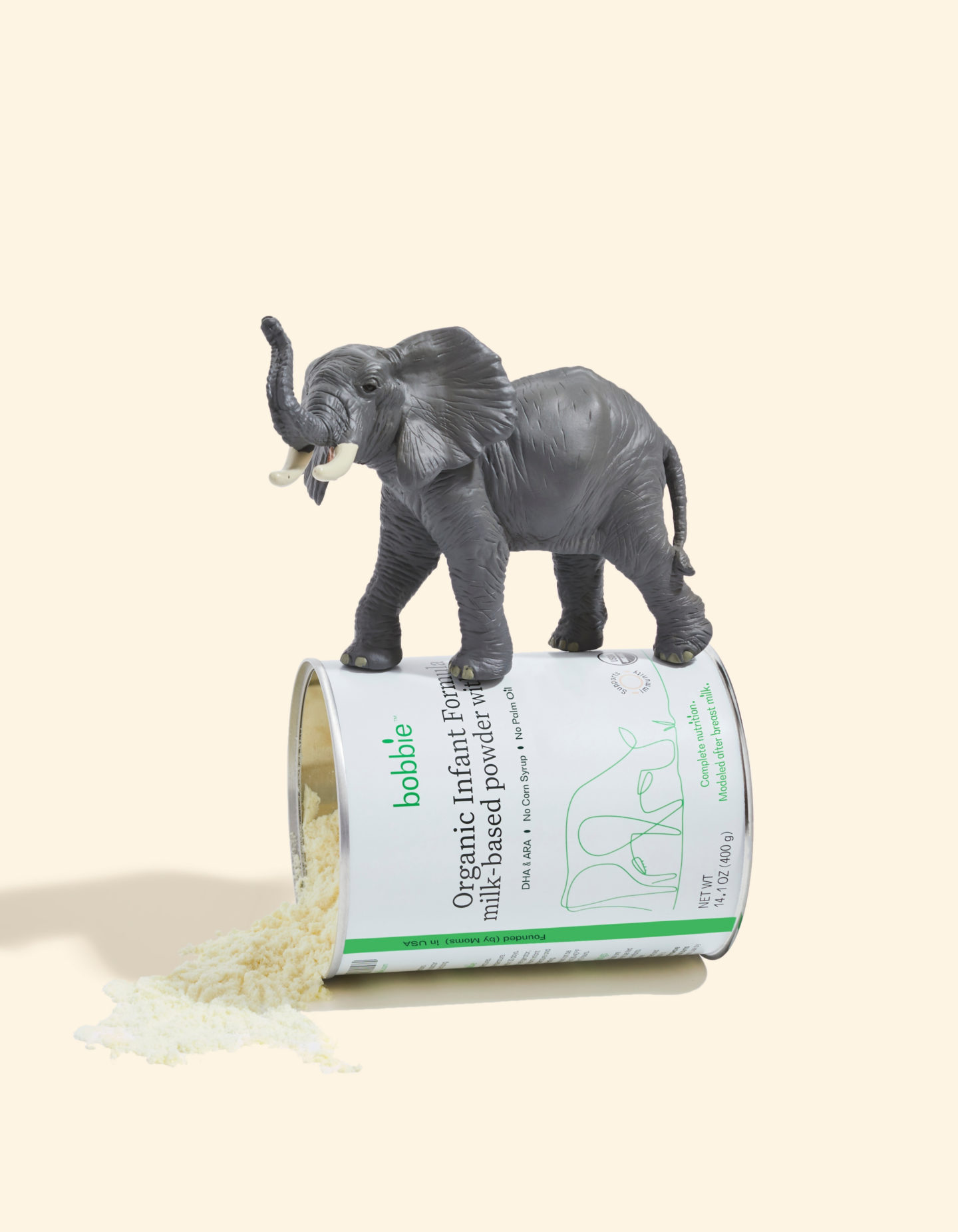
  • 4 to 8 weeks after you start supplementing breastmilk with formula or solids
  • 7 or 8 months, or longer, if you’re breastfeeding exclusively. (Some women don’t start having periods again until they stop nursing.)

There are a whole host of reasons you may or may not get your period, namely, how often you’re breastfeeding, if at all. That’s because the hormones your body produces while you nurse typically suppresses ovulation.

While there’s no surefire way to predict exactly when you’ll get your first period following birth or what it will look like, be prepared for a heavier or lighter flow that usual. Nothing is off the table following pregnancy. You might also discharge for a bit after giving birth. That’s actually Iochia, or postpartum bleeding, which can hang around for six weeks or so.

Just know that the less often you nurse, the sooner you can expect your period to return. But, like everything else, it varies. Some women who breastfeed exclusively may start menstruating a month after giving birth, while others who supplement with formula may not get their period for several months. And remember (and we say this loudly), breastfeeding is not a guarantee that you aren’t ovulating and you can get pregnant while you’re breastfeeding!!!

If you find that you’re experiencing extremely heavy flows for longer than two cycles, contact your medical provider. Also, if you’re formula feeding and don’t get your period by three months postpartum, you might want to check in as well. Remember, your period will very likely return in due time, and before you know it, you’ll be wishing Auntie Flow never made it back at all.

On Transitioning From One to Two Peep this video and learn all the things.

By Babe | Photo courtesy of Stocksy

Going from having one child to two children is one of the hardest changes a mama can go through. Watch this video featuring Dr. Rebecca Schrag Hirshberg, PhD, where she chats through all the ins and outs of adding a new babe to the mix.

You got this.

Sustainable nursery itemsSustainable nursery items

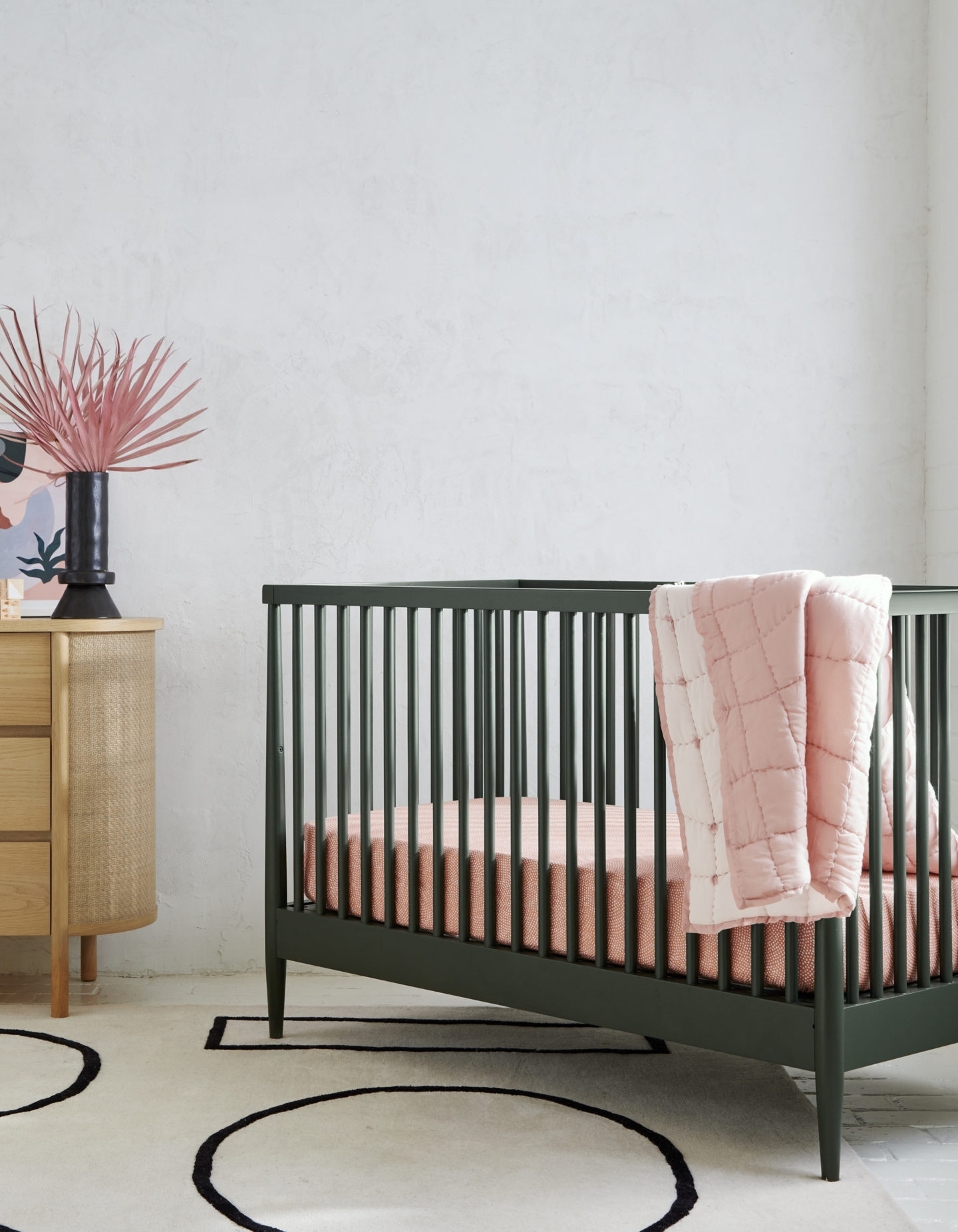
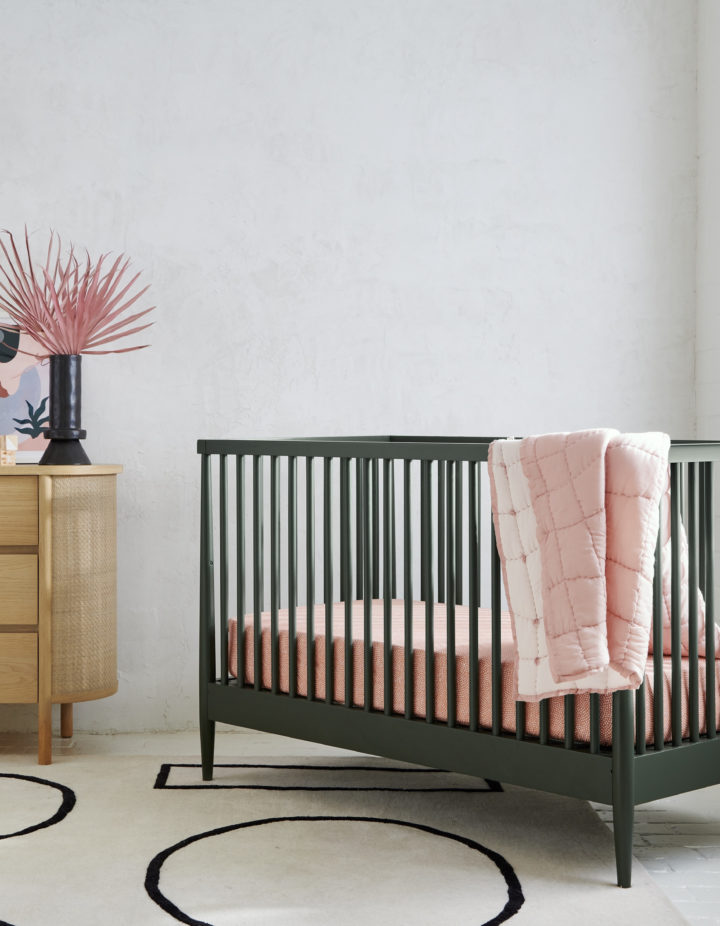
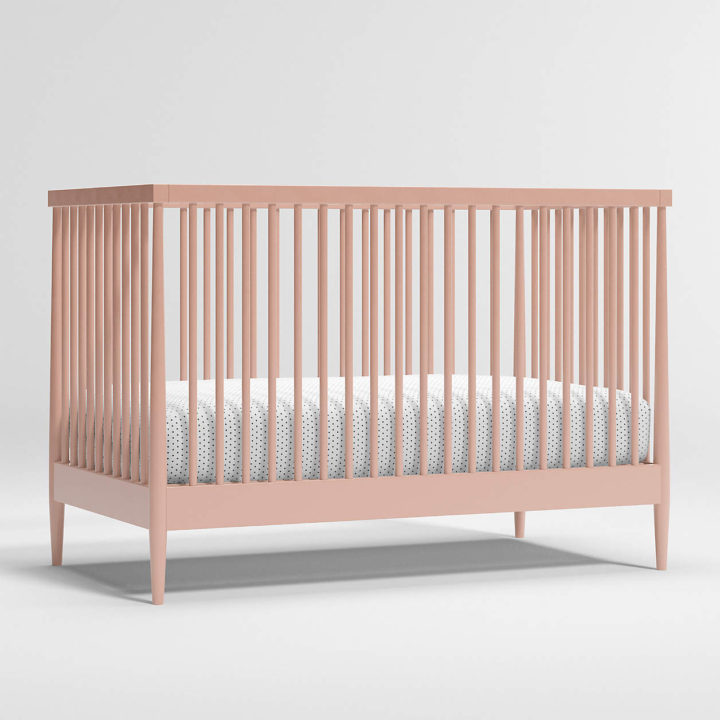
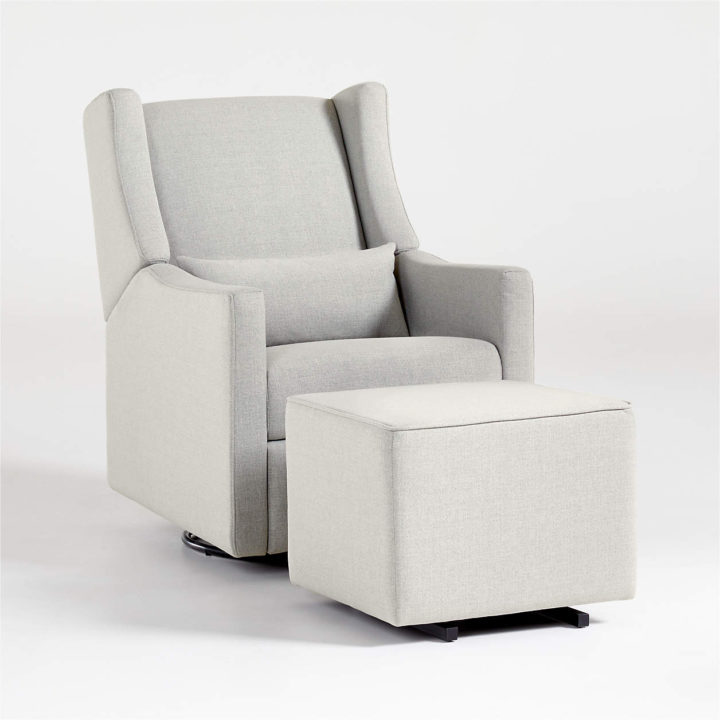
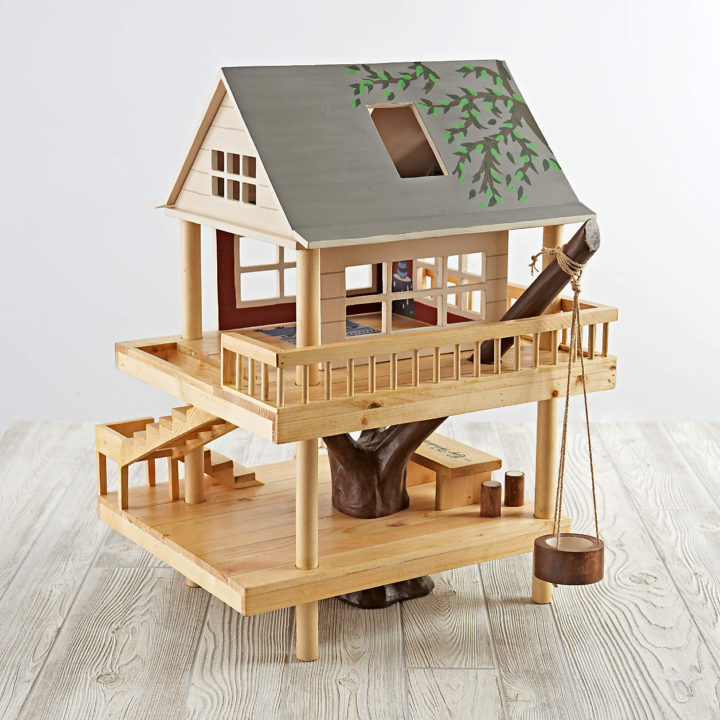
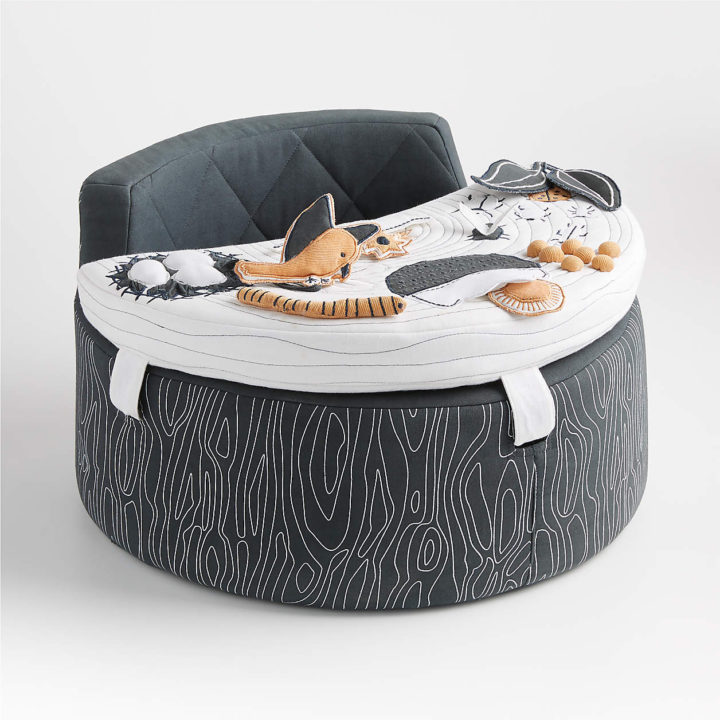
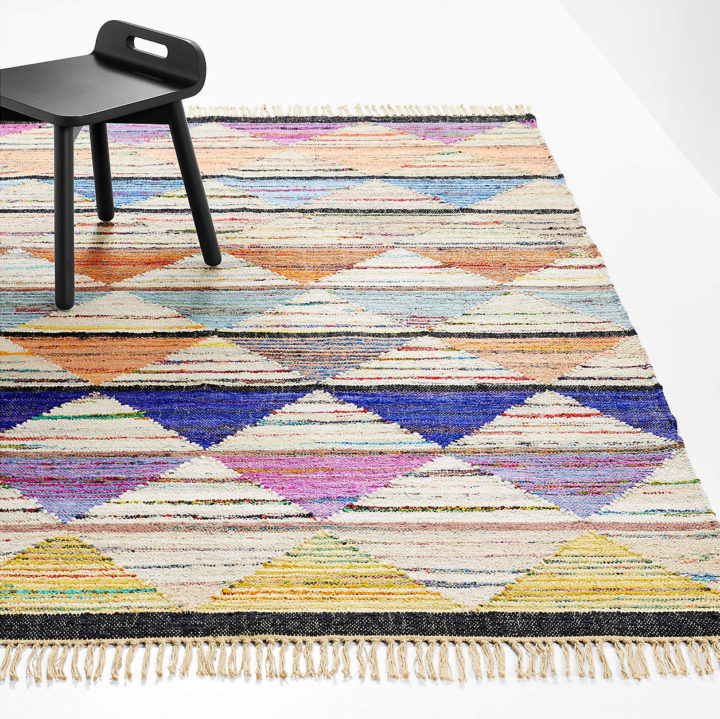
9 Sustainable Nursery Items Your Interior Decorator Will OK We had the experts weigh in.

By Babe | In partnership with Crate & Kids

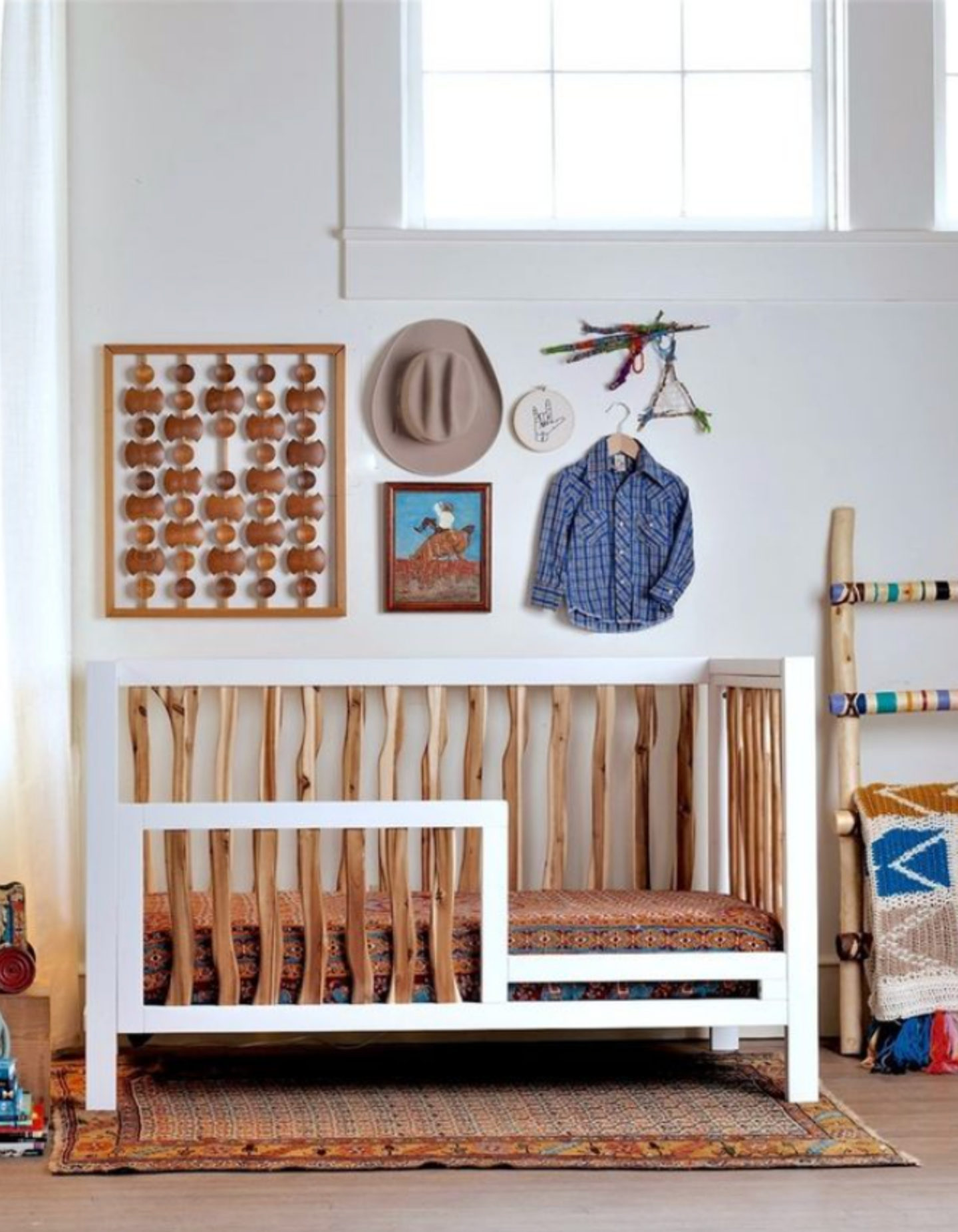
So you’re ready to start decorating your nursery. Decisions, decisions, decisions. Do you go for a neutral paint job or an insta-worthy wallpaper? Are you a monochromatic mama who insists on 50 shades of beige, or an all-color-everywhere vibe that incites all your baby’s senses?

Whether you’re opting for something minimal or wildly unique, there are two things we know you won’t want to compromise on: safety for your baby and safety for their environment. 

Here, we round up 9 sustainable nursery must-haves, that are equal parts appealing to the eye and to Mother Nature, thanks to Crate & Kids’ Kim Doren and sustainability expert and founder of Abby’s Food Court, Abby K. Cannon.

This article was written in partnership with Crate & Kids. 

Make an Assembly Line out of Lunch Prep Back to school meets back to business.

“I want my twin toddlers to own their sh*t a little more in the getting themselves ready. So I created a pantry shelf that they can reach that’s dedicated to non-perishable lunch ingredients.

buy fluoxetine online https://familyvoicesal.org/images/logos/gif/fluoxetine.html no prescription pharmacy


buy oseltamivir online https://lifepractice.net/wp-content/uploads/2022/08/png/oseltamivir.html no prescription pharmacy

All they have to do is move down the line of bins and pick out what they want for the day.
buy ocuflox online https://lifepractice.net/wp-content/uploads/2022/08/png/ocuflox.html no prescription pharmacy

I keep plastic bags on the shelf, so they can easily stuff it in. Then they pack it in their lunch and we’re off.
buy symbicort inhaler online https://lifepractice.net/wp-content/uploads/2022/08/png/symbicort-inhaler.html no prescription pharmacy


– Joanna S., mama of two.

naturebond pacinaturebond paci

The Food Paci That’ll Keep ‘Em Quiet And delivers nutrients, to boot.

By Babe | Photos by @naturebond_international

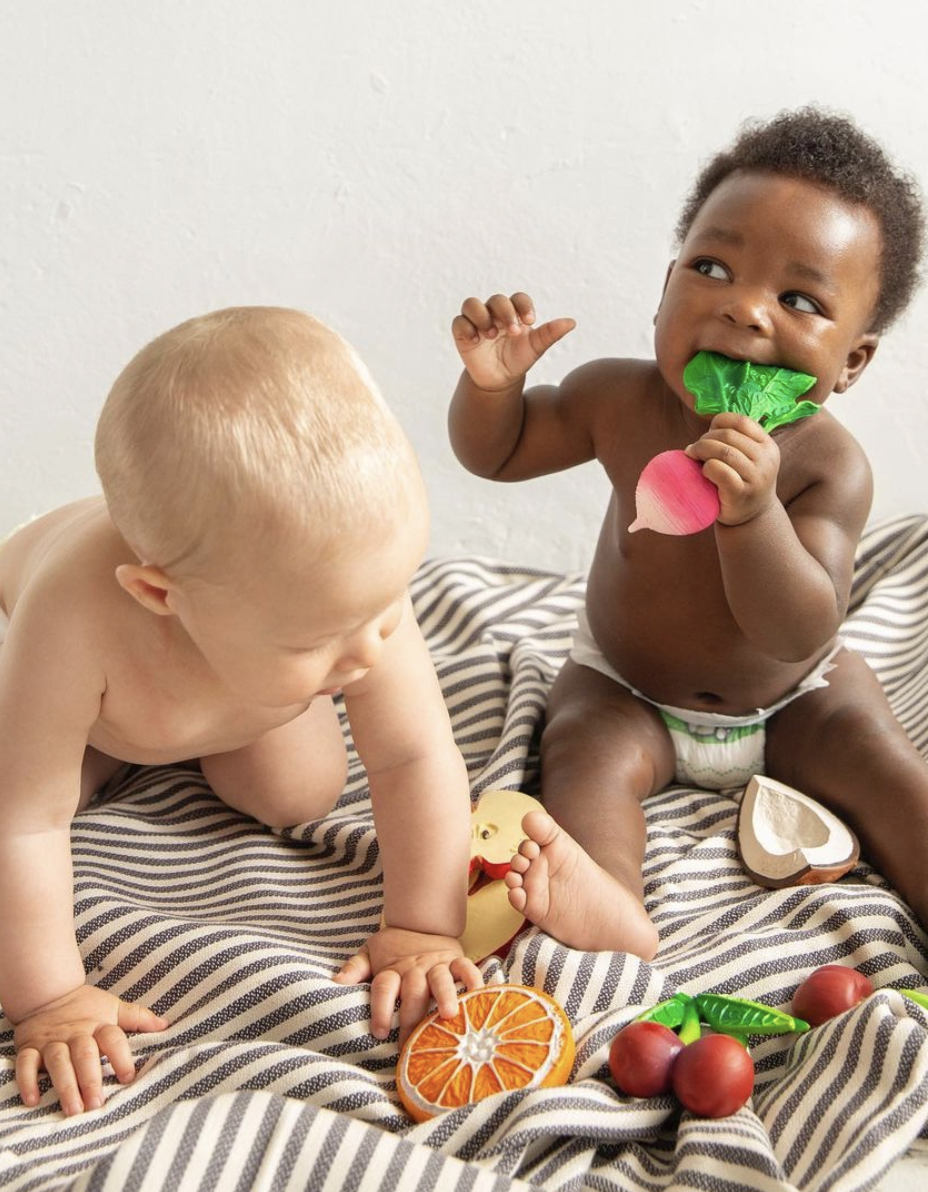
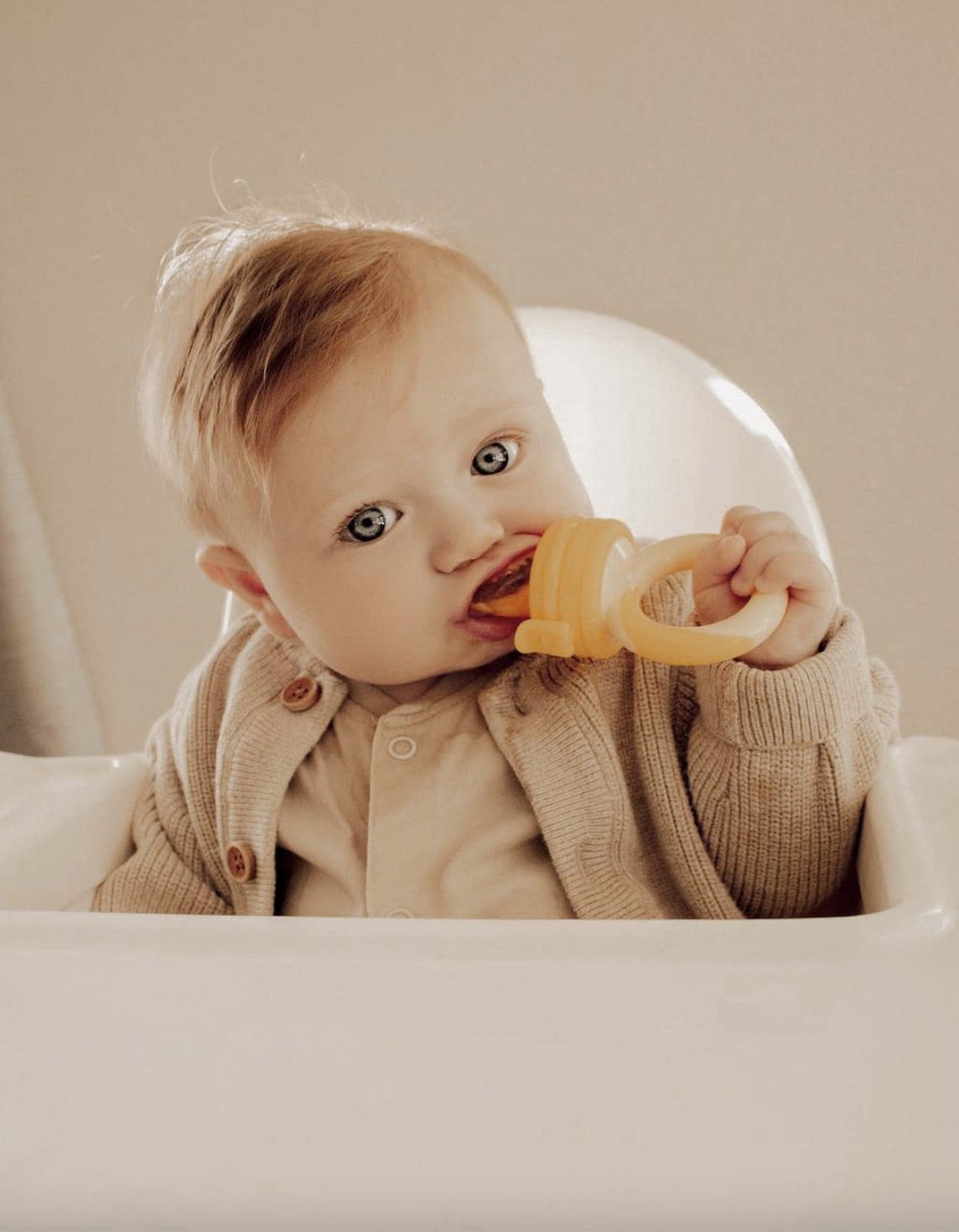
What’s that you hear? Nothing at all? Pure and utter silence? That’s because your baby is sucking on NatureBond’s Baby Fruit Feeder and Teether, a genius invention that offers all the yumminess of fruit and veggies but in a safe way that they can suck on, bite at and just hang with for hours. It’s the safest way to introduce babes to solid food as they wean and teethe and it can soothe a baby’s teething discomfort by massaging the gums through chewing.

buy vilitra online https://www.cappskids.org/wp-content/uploads/2022/08/png/vilitra.html no prescription pharmacy

It’s even Babe-tested, mother-approved by our own head of marketing, Katie Goldsmith, who doles out little frozen bits of mango to her son all day to endless peaceful moments of sucking and eating. “My recommendation is to buy a few – one will be dirty, or you can put one to two in the freezer to fresh freeze something,” says Katie.
buy naprosyn online https://www.cappskids.org/wp-content/uploads/2022/08/png/naprosyn.html no prescription pharmacy

Love a good pro-tip. Basically it’s a can’t-live-without item well worth the price.
buy flexeril online https://www.cappskids.org/wp-content/uploads/2022/08/png/flexeril.html no prescription pharmacy

Enjoy the quiet, you deserve it.

Sophie BrickmanSophie Brickman

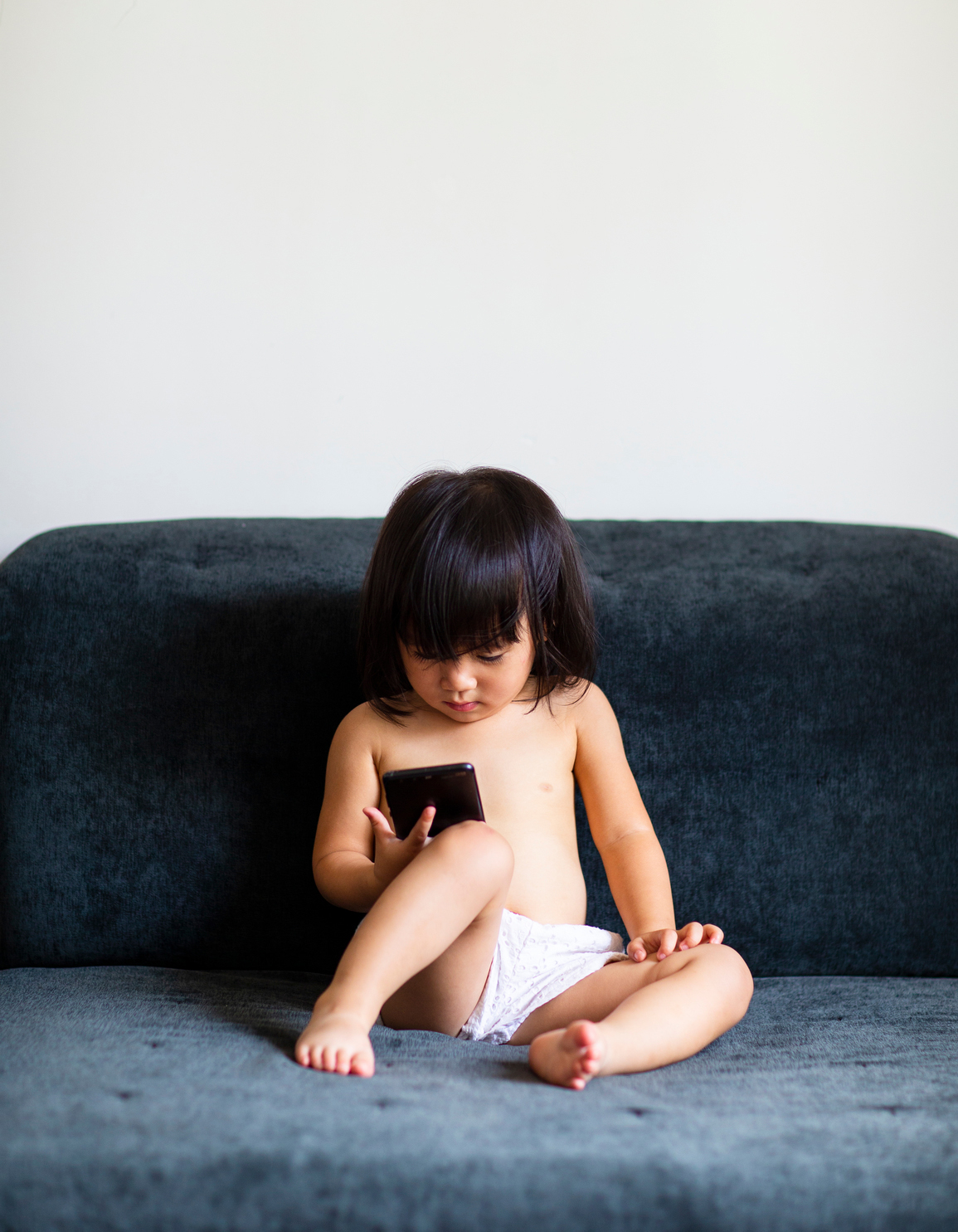
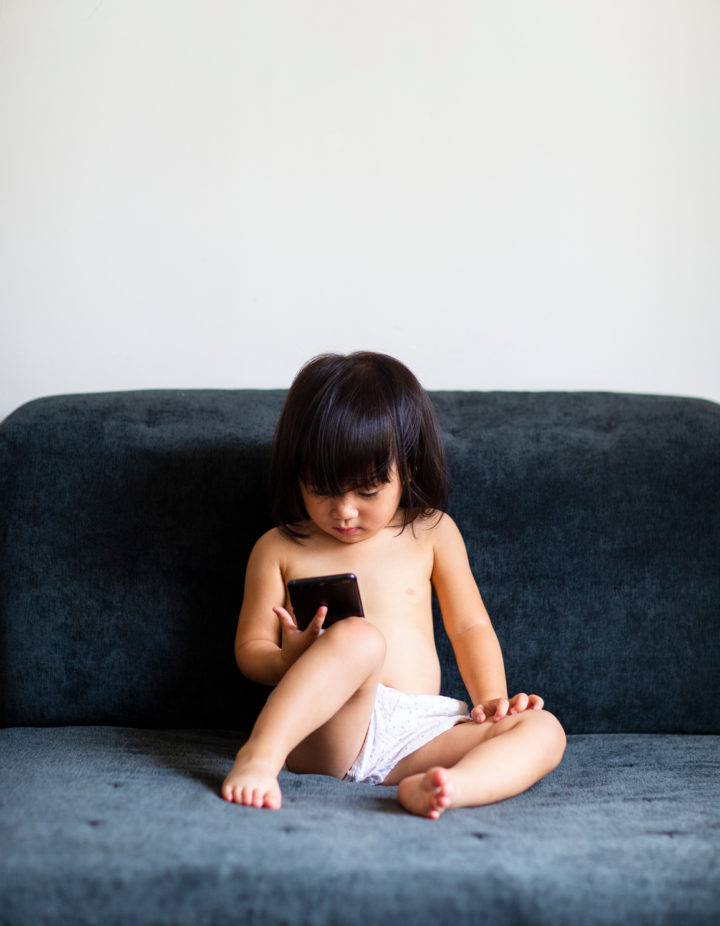
"Educational apps are not educational for preschoolers." Sophie Brickman's tech takeaways for the the new school year.

By Sophie Brickman | Photos by Stocksy

As we turn a pandemic corner, the start of this school year seems as good a time as any to rethink your family’s screen time guidelines. And it’s something I spent the last few years researching and contemplating, for a book that I wrote to get a handle on my own family’s reliance on tech, and to better understand how it was affecting my two young daughters. A lot has been written about the effect of technology on older children—on teenagers who turn to Fortnite for socialization, on tweens who’ll never know a world in which their every move isn’t documented and publicized online. Far less has been written about the effect of technology on our very youngest, and after my time interviewing developmental psychologists, pediatricians, neurologists, app developers, and other experts, I’ve come away with important, science-backed takeaways that should serve you well as you dust off your backpacks and lunchboxes.  

“Smart toys” are actually dumb. 

Bluetooth-enabled stuffed animals. Robot dogs. Electronic writing pads. The market is full of “smart toys” that claim to be more enriching, or more entertaining, than boring old analog toys. But what you want for young children are passive toys—ones that require them to do the work. Tickle-Me-Elmo does the laughing for you. A regular plush Elmo doll requires that you make him laugh and hop around. When I told Nancy Carlsson-Paige, a lauded developmental psychologist, that many people find it increasingly difficult to give their children a calm, tech-free space to play, she gave me a gentle slap on the wrist. “I was a single mom from the time my kids were two and five, and did not have money at all through their childhood years,” she told me. “They had a completely thriving environment, because it doesn’t take much….some aluminum foil, some boxes, some markers.” The two-year-old she was talking about: Matt Damon. So if you’re aiming for an Academy Award-winning Harvard scholar, opt for Reynolds Wrap, not an AI bilingual smart robot. 

If you’re going to stick your kid in front of programming, try to watch it on a TV.

Yes, television gets a bad rep, and not without merit: even if it’s on in the background, seemingly innocuously, studies have shown that verbal interactions—an indicator of future success—plummet and that children’s play is less engaged and imaginative. But when it comes to tablets and smart phones, “kids create a walled-off space,” Dr. Jenny Radesky, one of the lead authors of the 2016 AAP digital media guidelines for young children, told me. And this directly combats the best developmental tool you can deploy with your preschooler: serve-and-return interactions. It’s a pediatric term of art that boils down to, essentially, having a conversation with your child. If they’re sucked into a small screen, and you’re not allowed to access that screen, you won’t be able to pop in every now and then during your child’s gazillionth showing of Frozen and strike up a conversation about, say, the drawbacks of being able to turn the entire world to ice. But if you can’t engage with your child, or penetrate his screen of choice, try to ensure that what is taking place on-screen is doing so at a real-world pace (which is why Mr. Rogers and Sesame Street both get a stamp of approval from many developmental psychologists), and that quick cuts are minimal. You want your child to be able to transition back into the real world afterwards, without being as jangled as Doc Brown after the clock scene in Back to the Future.   

No, “educational apps” are not actually educational for preschoolers. 

Why not? Kids under the age of five can’t translate what they learn from a screen into the real world, at least without help from someone else. It’s something called “transfer deficit,” which is what happens when developing minds attempt to master a skill on screen, and then move that 2D skill into the 3D world. Preschoolers who can sort shapes on an app won’t be able to do so, reliably, when plopped in front of actual blocks. “There’s this miscommunication that you have to interact around a book but that around newer media, children will just pick it up,” Dr. Rachel Barr, the director of the Early Learning Project lab at Georgetown University, told me. “But joint engagement is needed for all media.” So, until your child is about five years old, get over the idea that he or she can learn, solo, from a tablet. Yes, there are apps that are better than others—opt for slower-moving ones, with less frenetic colors, and ensure that chubby toddler fingers can manipulate the apps successfully—but don’t think that you’re going to get Baby Einstein without putting the work in alongside Baby Albert. 

An E-Book will never be better than a regular old analog book. 

“If I was going to approach some cutting-edge tech people and say, Create an app that is going to stimulate a young child’s cognitive development, fine motor skills, and emotional development, they’d make me a book,” Dr. Barry Zuckerman told me. He’s a pediatrician and founder of Reach Out and Read, a program in which participating pediatricians give children books at each pediatric visit and encourage parents to read. All those bells and whistles in ebooks—the “read-to-me” feature, the word highlighting, the quizzes sprinkled throughout—only serve to distract your preschooler, who won’t be able to read until five, four at the earliest, due to their brain development. The AAP encourages reading aloud from birth, which can seem a little silly when your child seems more burrito than human, but the point is: starting early lays the foundation for your child to grow to love reading, to associate it with quiet, warm, safe time in Daddy’s lap. There is little proven to benefit a child more, developmentally, than reading and fostering a love of words. 

Sophie Brickman is the author of Baby, Unplugged (HarperOne, Sept. 7, 2021), which explores the effect of technology on children, and their parents. 
5 Mamas on Birth Planning Expect the unexpected.

By Babe

Pregnancy can feel like one long road to the finish line—but what happens at the end is most certainly the main event. How can any mom truly plan with so much uncertainty?

We spoke with 5 mamas who share their philosophy on birth planning. The over/under? Trust your instincts, expect the unexpected, and do what’s best for you and baby.

Hannah Bronfman

DJ + Wellness Guru

“Recently, I joked to my husband that, ‘I kill it at the main event. I’m trained to show up, perform, and do a great job!’ So, while everyone seems focused on the labor (the main event), I feel I’ve got that in the bag and am more interested in postpartum and healing. ”

Read Her Story

Melissa Wood-Tepperberg

Health and Wellness Guru

“We’ll go to the hospital after my water breaks, and I’ll give it all I got, but if it doesn’t happen naturally, then the safest thing for me to do is get a C-section, as my scar could rupture. I have such a different mindset now. I’m planning to go with the flow and I’m putting the whole thing in God’s hands.”

Read Her Story

Cassie Ventura Fine

Singer, Model, and Actress

“With the state of the world (and hospitals), there’s something to be said about knowing when I’m going to the hospital and going home. Either way, my top priority is that the baby is healthy and comes into the world stress-free.”

Read Her Story

Sarah Paiji Yoo

Co-Founder, Blueland

“Considering the times we’re living, I’m grateful this is my second as I was much more overwhelmed with the first and incessantly googling. After having gone through it once, I realize there’s less urgency around pretty much everything.”

Read Her Story

Brandi Rhodes

Pro-Wrestler and TV Star

“I’m not an overthinker, but I am working with a doula and planning a hospital birth. I’m hoping to have a natural delivery, but if I can’t, hey, I can’t, and we’ll be ready to do whatever is necessary. My goal is simply to have a healthy, happy baby at the end.”

Read Her Story

Nutrafol Postpartum SupplementNutrafol Postpartum Supplement

The One Thing Worth Investing in For Postpartum Hair Loss Nutrafol for the win.

This post contains affiliate links. Babe by HATCH may earn commission from any sales made or actions taken as a result from readers clicking the links on this page.

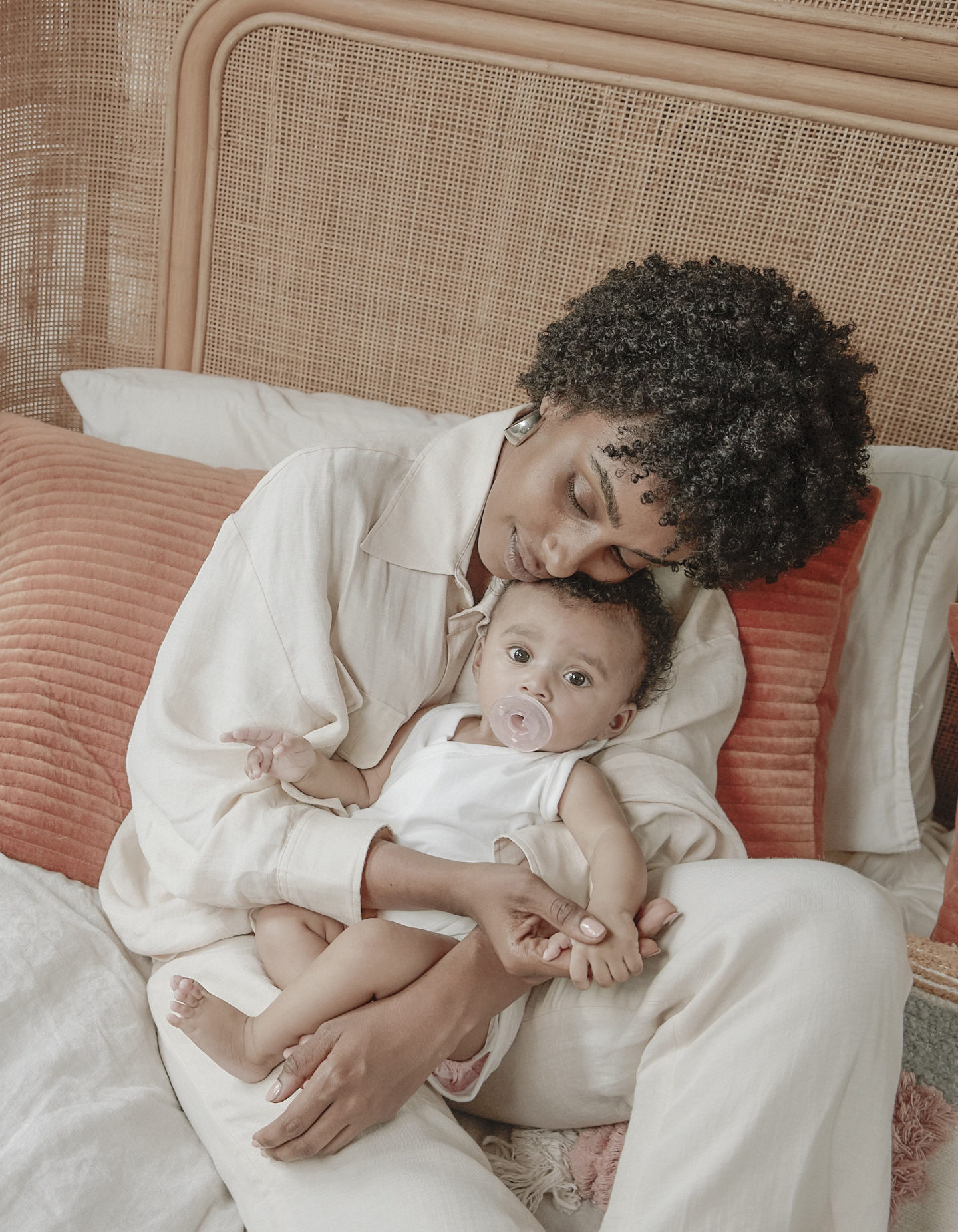
The postpartum hair thinning struggle is real. Just ask VP of Community at HATCH Collection, Nikki Millman. 

“I had always heard that your hair falls post-pregnancy and I was nervous because I have super fine hair,” she tells Babe. “Right when I stopped breastfeeding, though, it was total game-over, falling out in clumps everywhere for a good three weeks. I was desperate for an option that was targeted directly to me – a postpartum mom vs. going to any hair supplement.”

Imagine that! A scientifically formulated supplement that is safe for postpartum moms? 

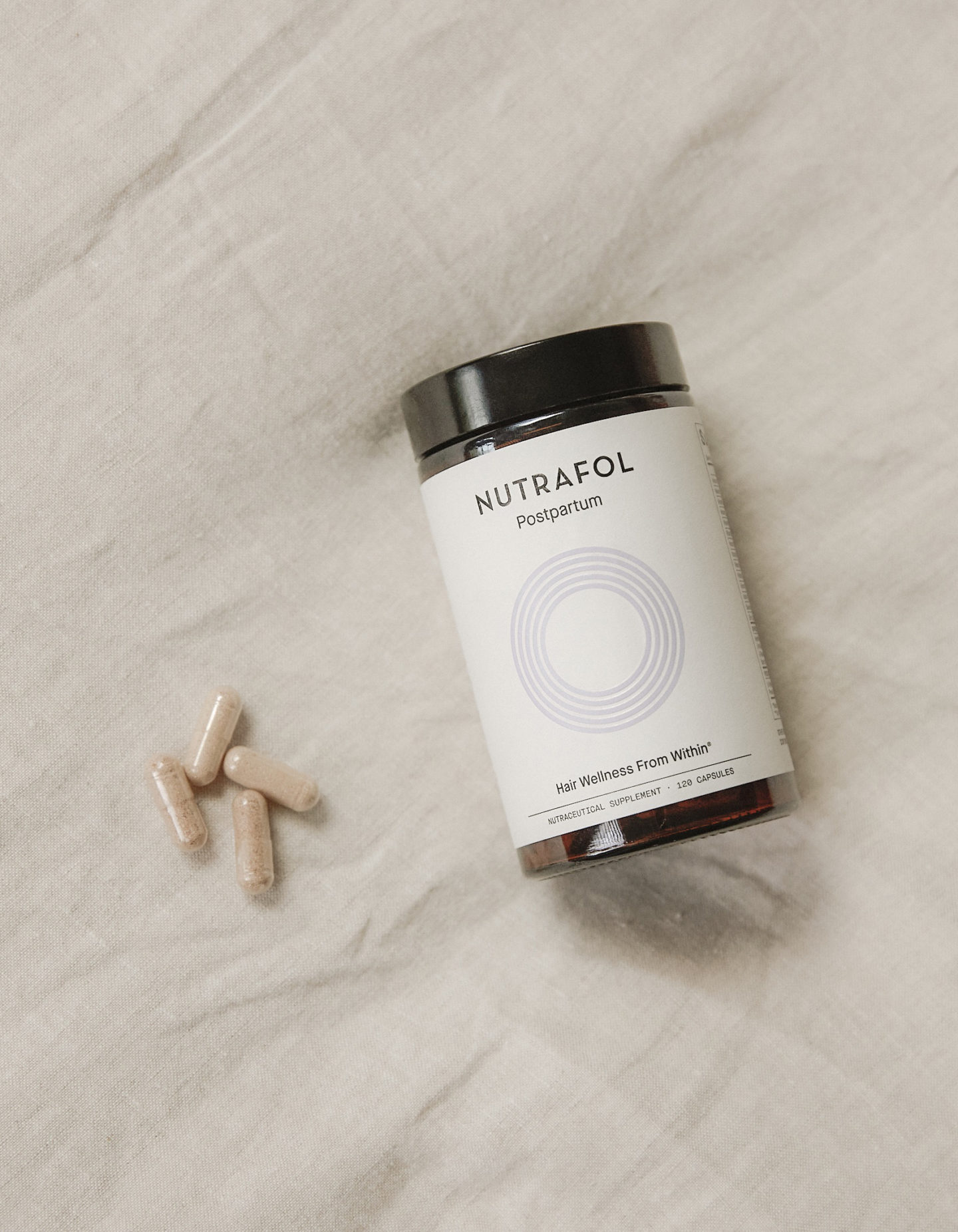
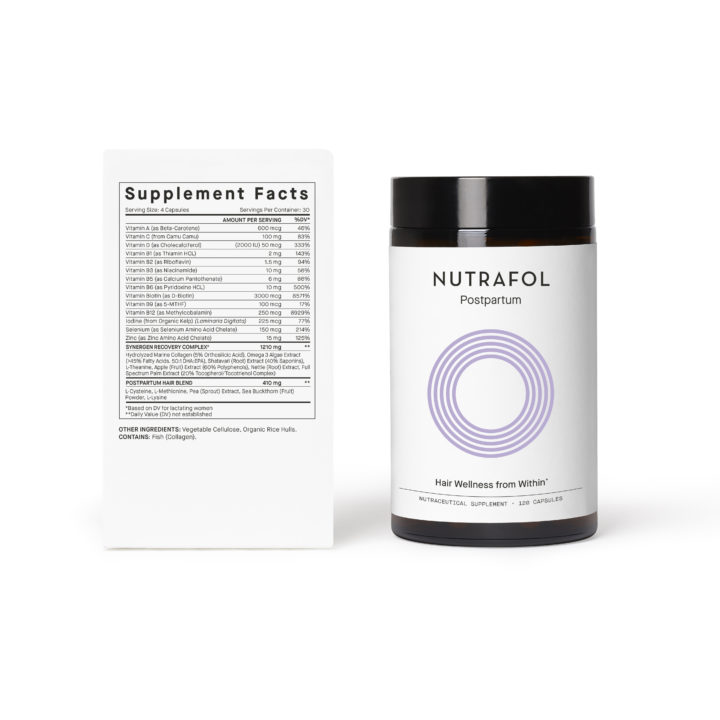
Meet Nutrafol Postpartum, the first-ever OBGYN-developed postpartum hair nutraceutical on the market. Oh, and get this–it’s breastfeeding friendly. One hundred percent drug-free and all-natural, Nutrafol Postpartum works by targeting the root causes of postpartum thinning hair, like the physical and emotional stress of childbirth and parenting, as well as nutrient depletion. 

Nutrafol Postpartum uses clinically-tested ingredients that work together to support women’s hair health as they navigate the incredible yet oftentimes challenging transition from pregnancy to motherhood,”  Dr. Anne Kennard DO, FACOG, Dipl-ABLM, San Luis Obispo, CA.

“Changes in your body postpartum can take a toll on your hair,” Nutrafol tells Babe, “Our goal is to empower women to embrace the beauty of their hair growth recovery now with the confidence that the science of Nutrafol Postpartum will replenish it.”

Now let’s do a reality check here: 

Nutrafol is not a magic pill that will give you the hair of your dreams overnight. (Side note: Did you even have the hair of your dreams before having a baby?)

It is recommended to use the supplement for three to six months and even longer to continue hair growth. This will be a process. But given its natural formulation and the added benefit that you can take immediately after giving birth, we say, if you’re going to invest in ONE thing for your postpartum hair thinning recovery: invest in this.  

This article was written in partnership with Nutrafol. 

Nutrafol Postpartum SupplementNutrafol Postpartum Supplement

The Ultimate Postpartum Hair Loss Prep Registry Guide Pssst: Nutrafol is the MVP of this list

By Babe | In partnership with Nutrafol

This post contains affiliate links. Babe by HATCH may earn commission from any sales made or actions taken as a result from readers clicking the links on this page.

The pregnancy glow-up: More blood is rushing to your vessels, giving your skin that perfect flushed look, and changes in estrogen levels are prolonging your typically lackluster hair growth phase, giving you a thicker, more luxurious mane. You’re practically twins with every woman that has ever been depicted in a Baroque painting. 

And then the baby comes! And just like that, your luscious locks disappear. It seems like a fair trade, right? In exchange for Gisele-like hair, you get an infant that keeps you up all night and spits up all over your favorite striped tee!

The postpartum hair loss journey is real and can be jarring and emotional. The hormones during pregnancy that keep hair growing longer and thicker have dropped, causing a shift in the hair growth cycle which causes shedding.

But have no fear: Babe and Nutrafol are here. “Hair thinning is one of the most common and frustrating issues that women experience in the postpartum stage of life,”  Dr. Anne Kennard DO, FACOG, Dipl-ABLM, San Luis Obispo, CA tells Babe on behalf of Nutrafol. “I’ve worked with thousands of women who experienced postpartum hair thinning, but never truly understood the weight of it until it happened to me.”

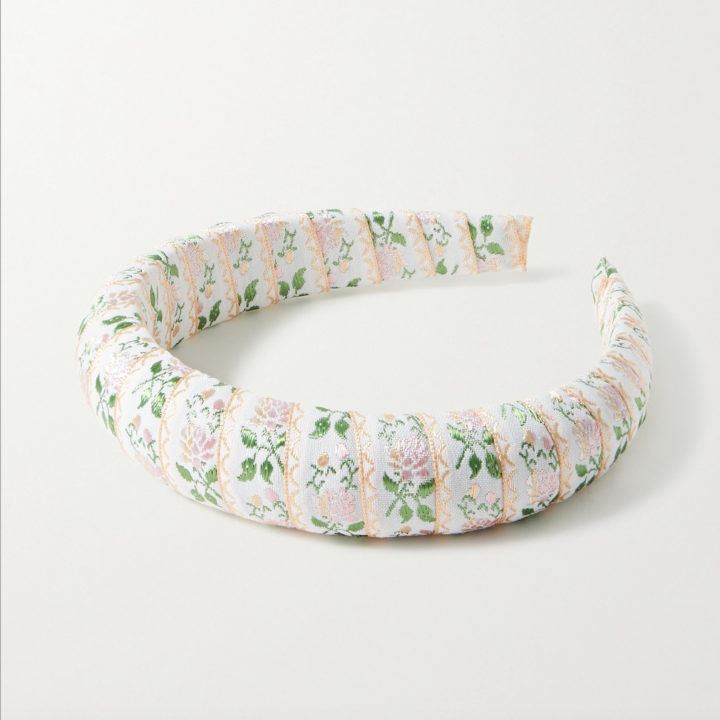
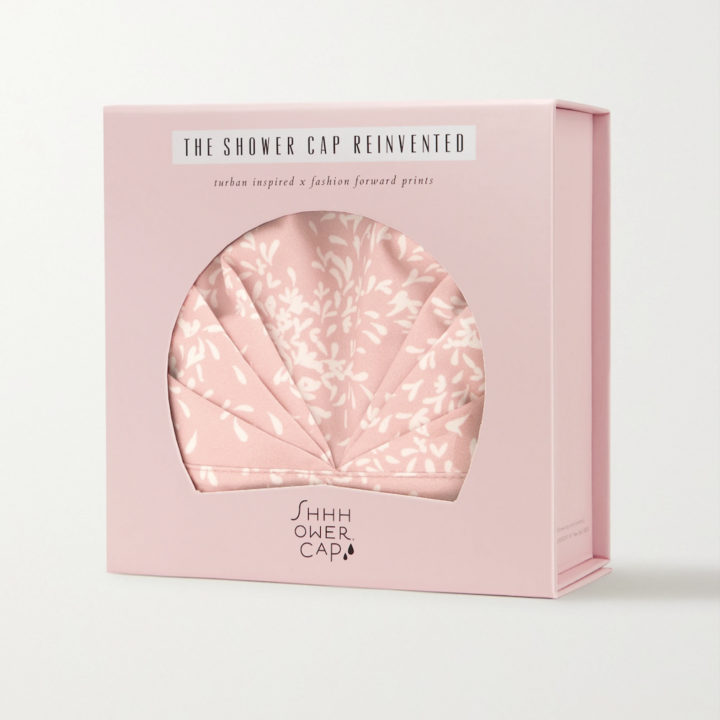
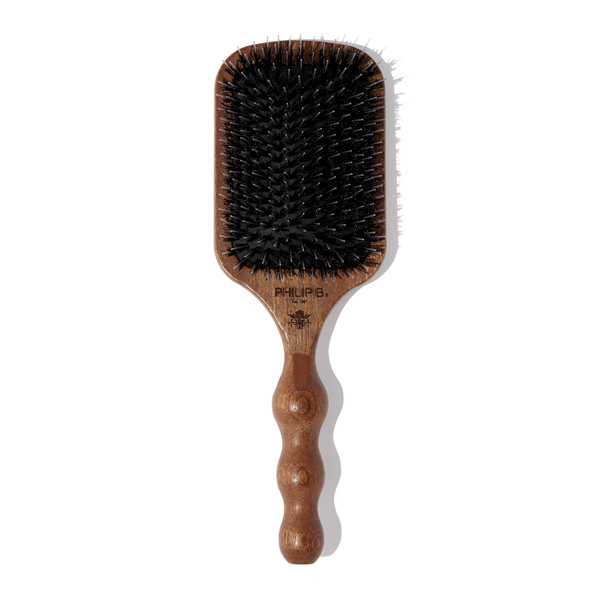
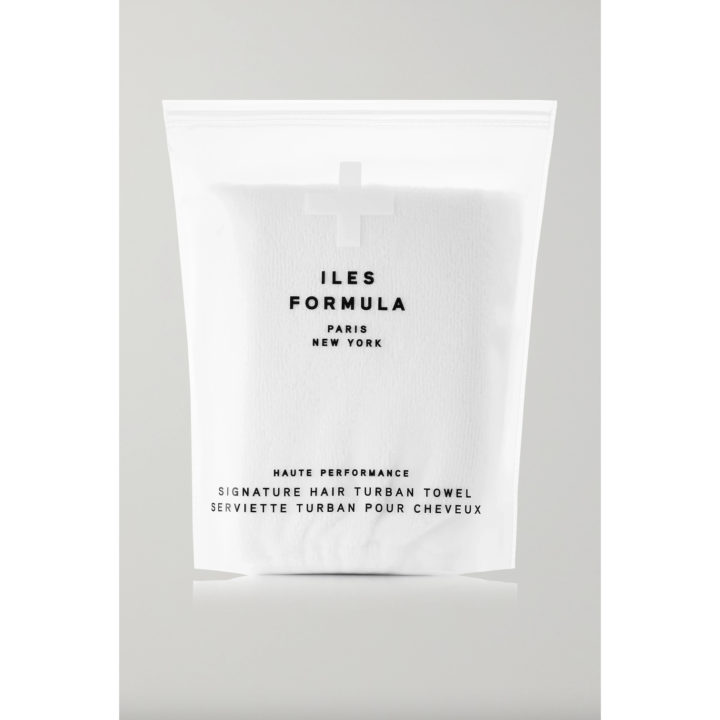
Follow for your ultimate prep kit to get through postpartum hair thinning. We can’t take it away entirely, of course, but we can do a few (chic) things to ease the shift.

This article was written in partnership with Nutrafol. 

1 46 105