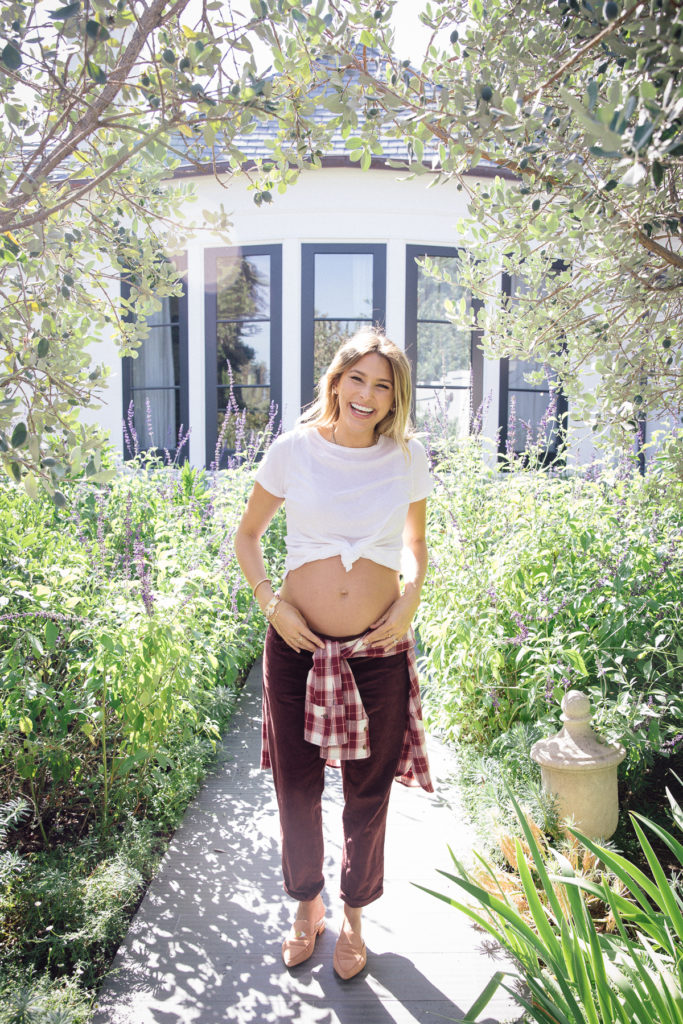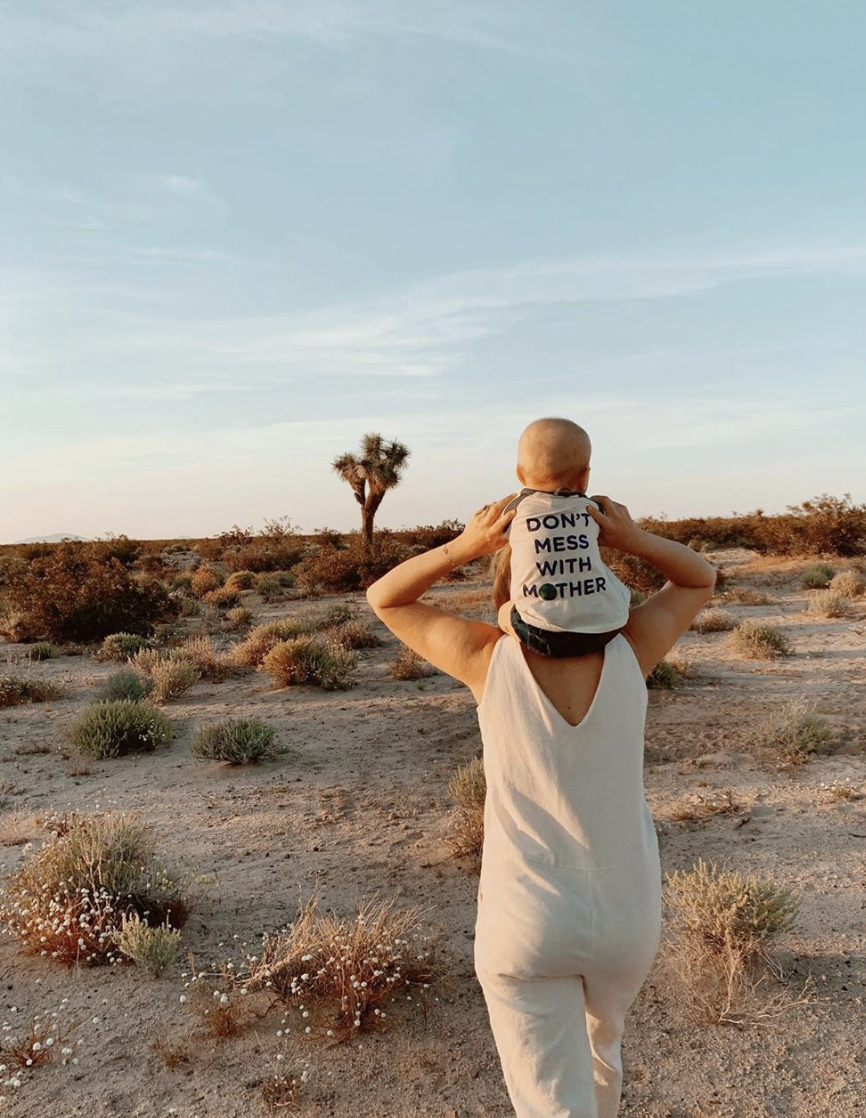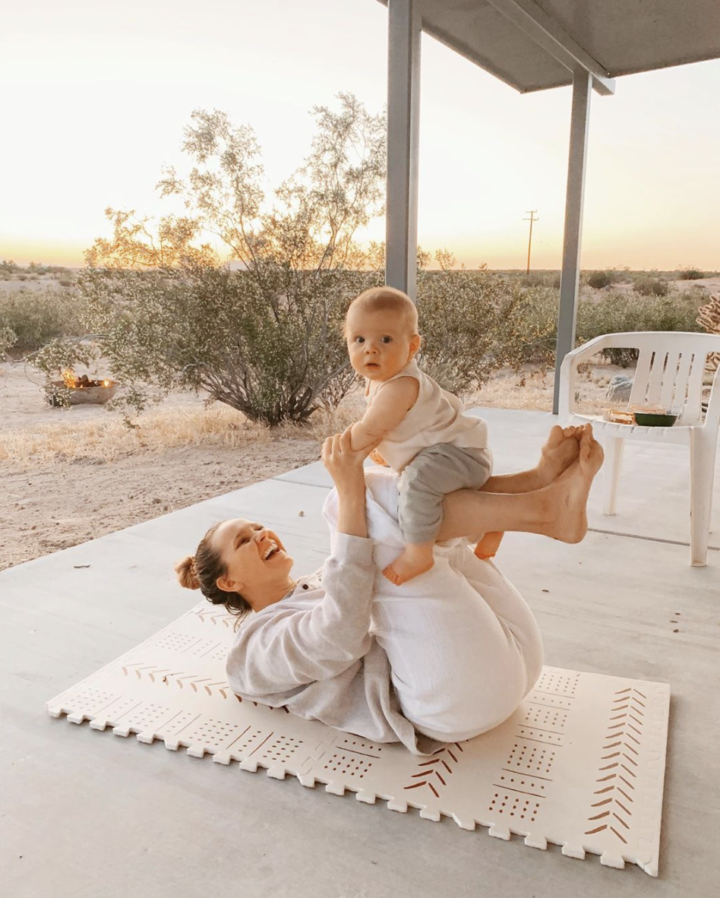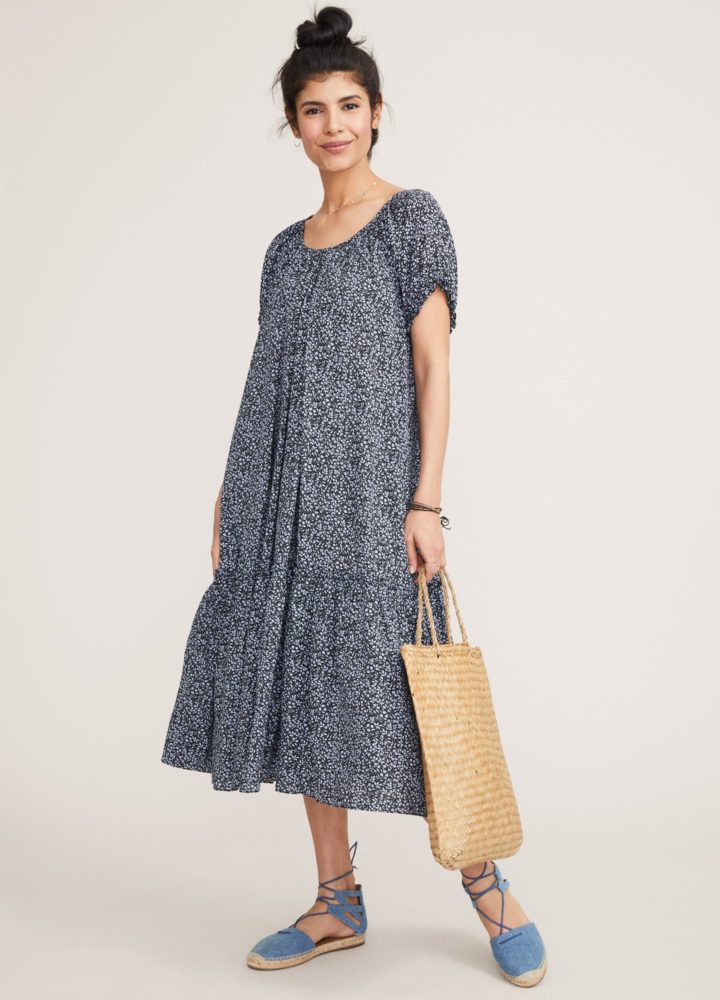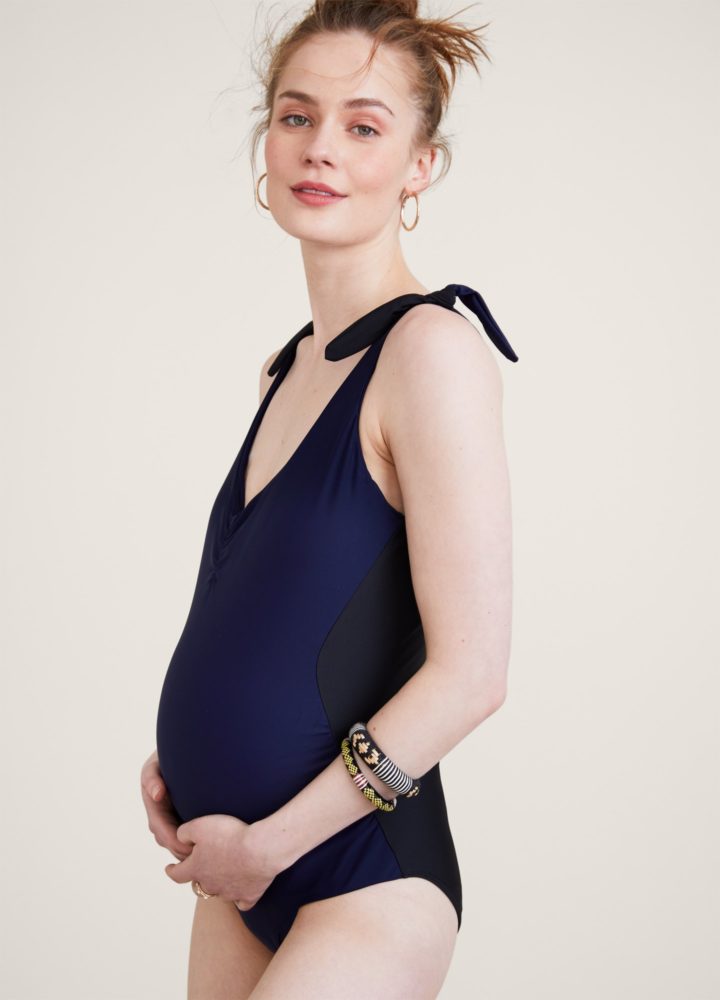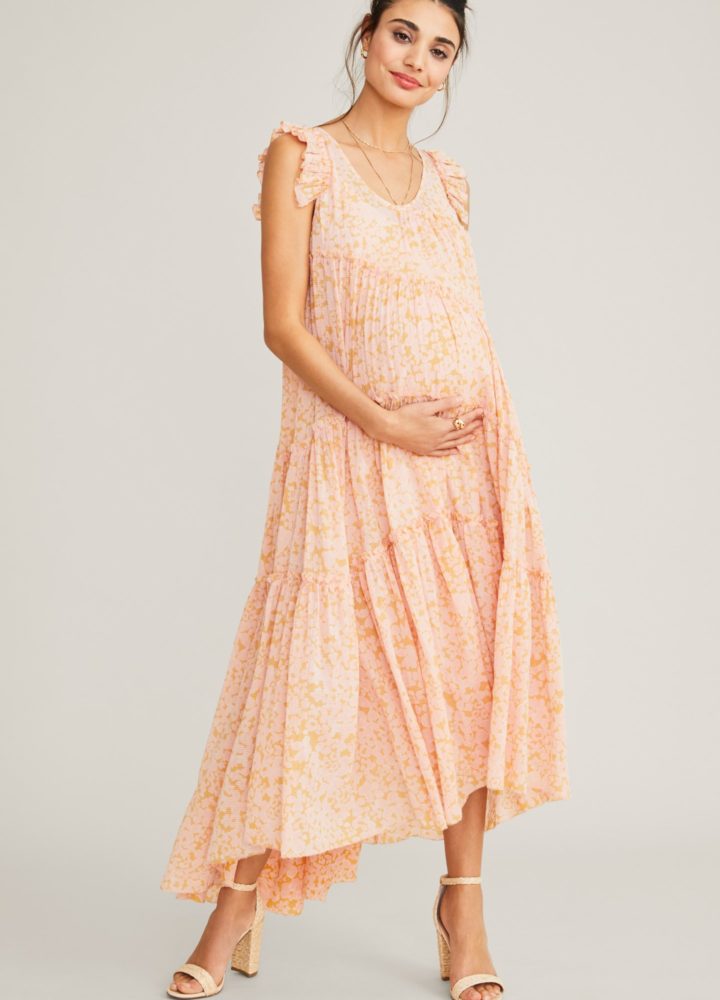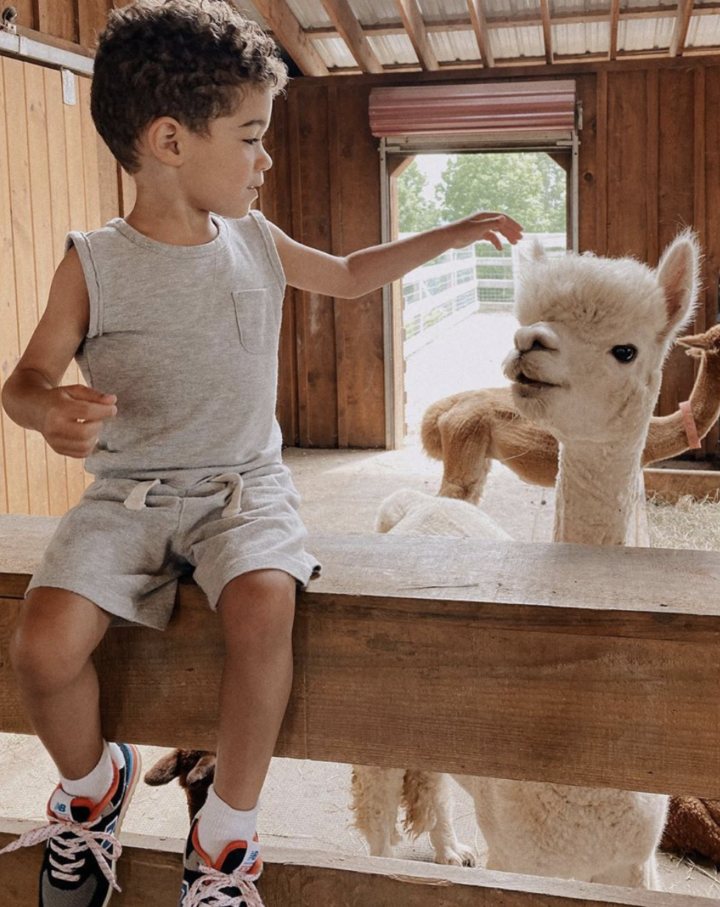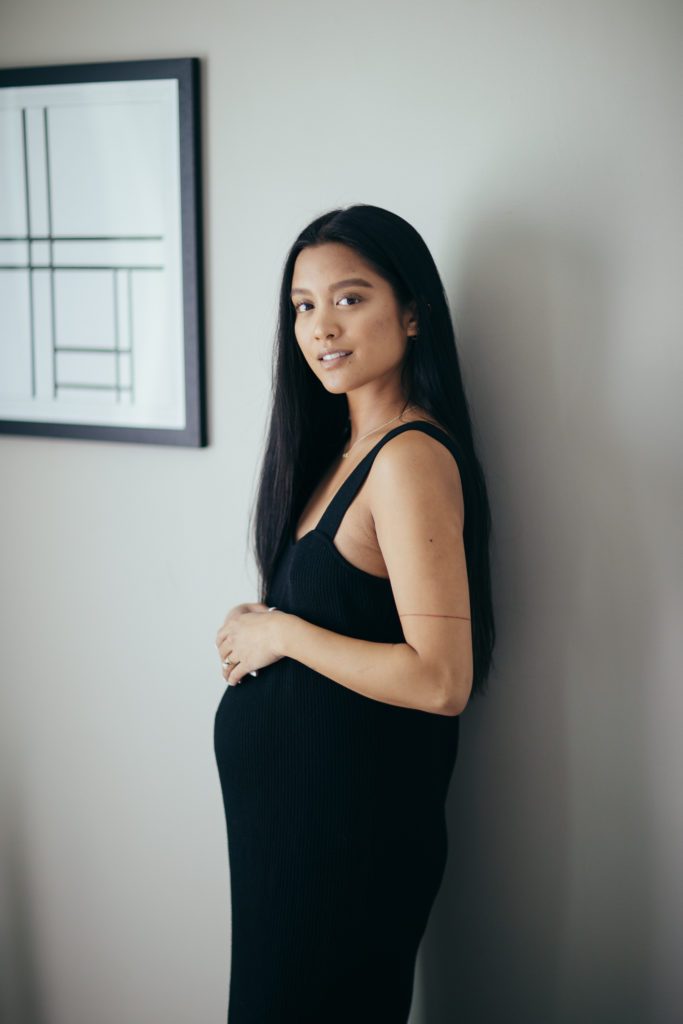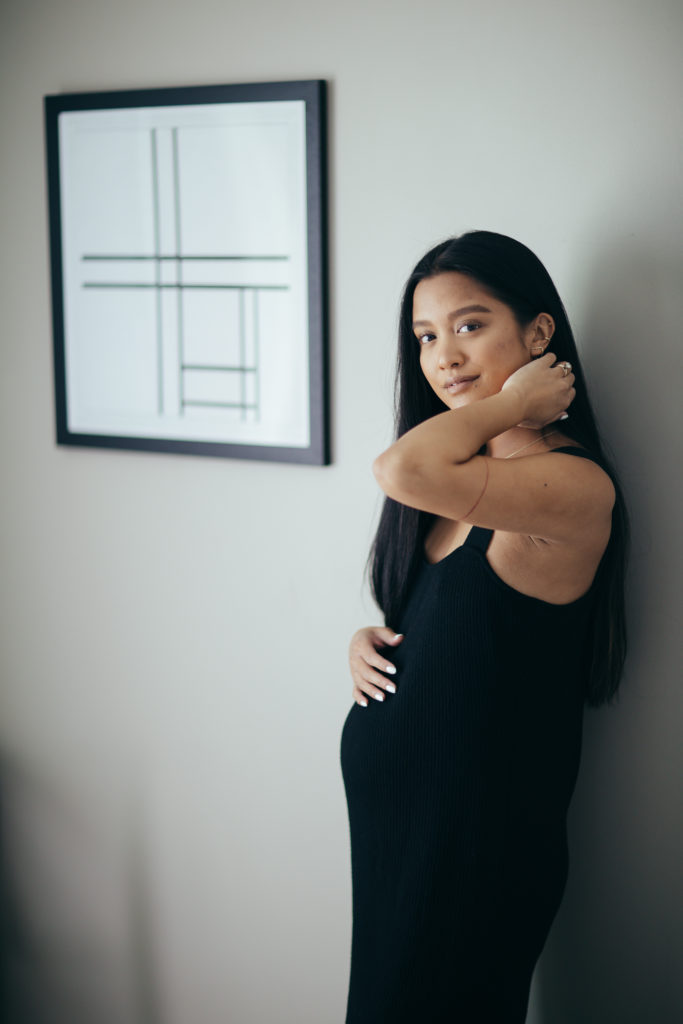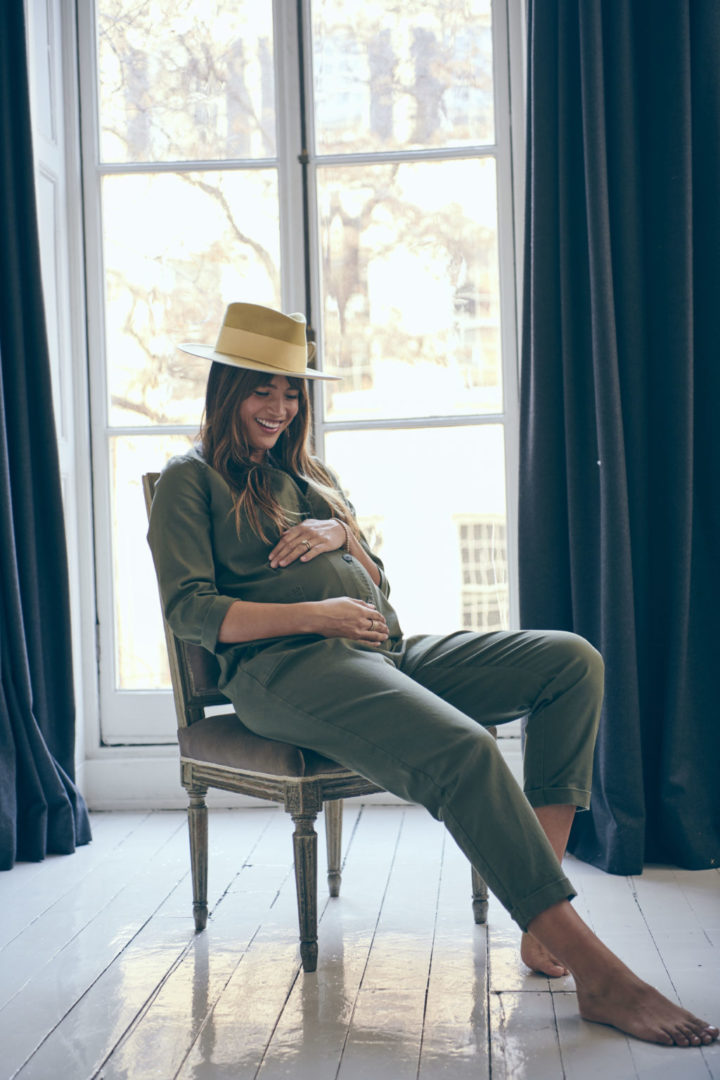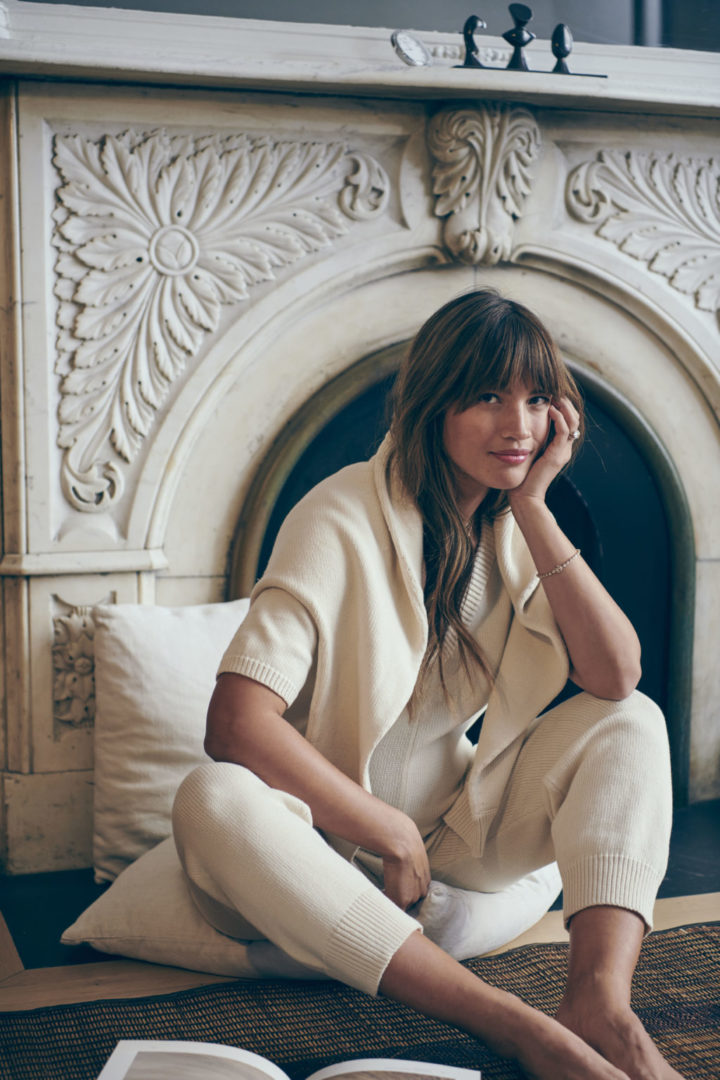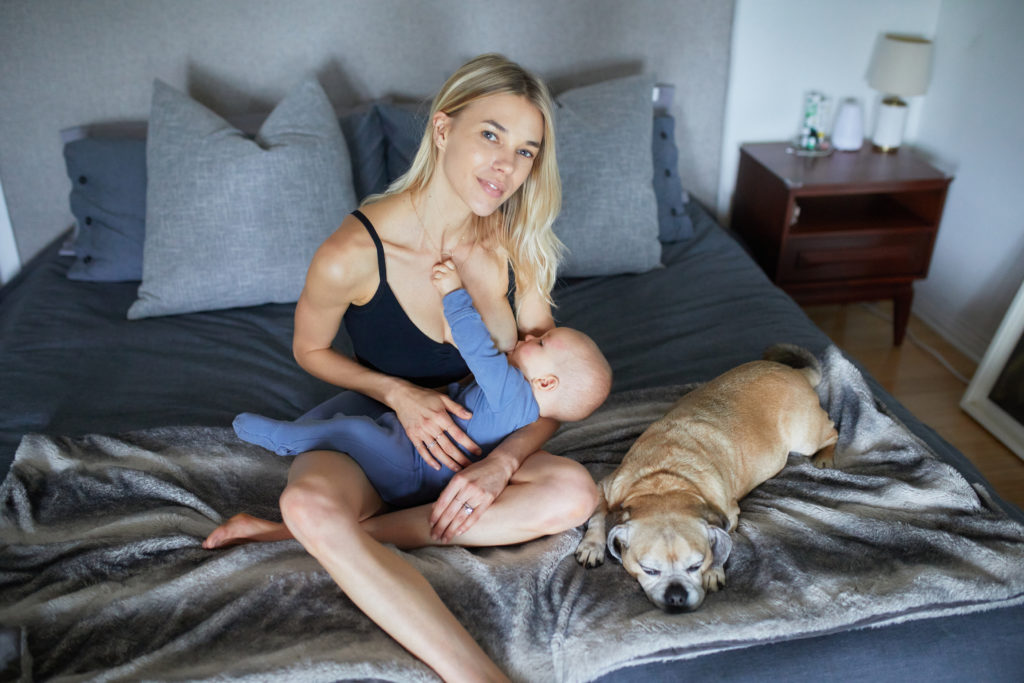

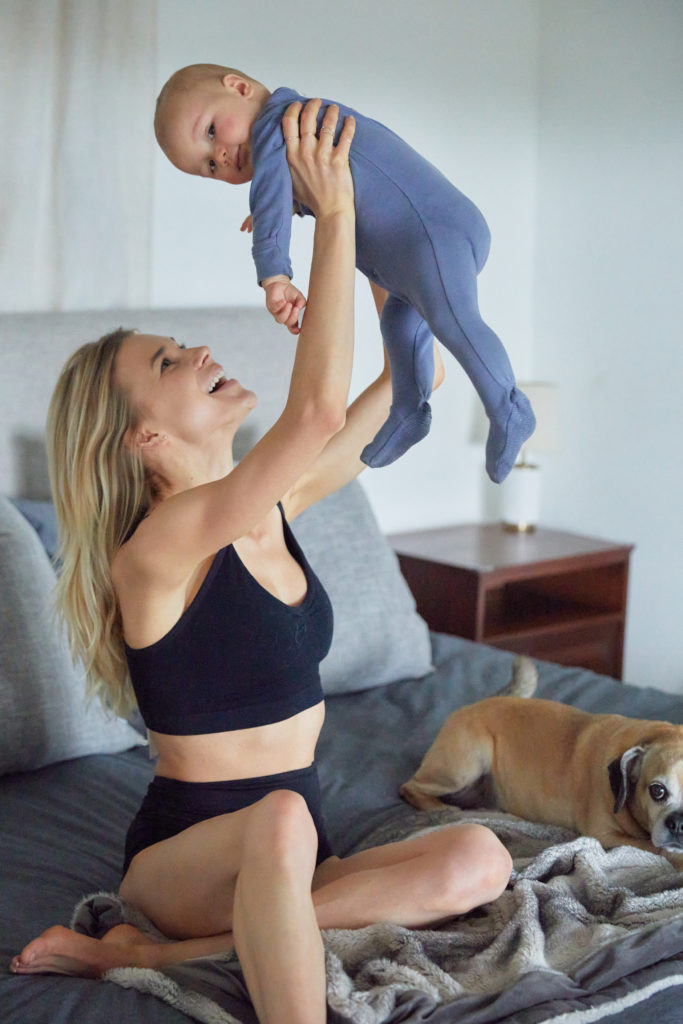
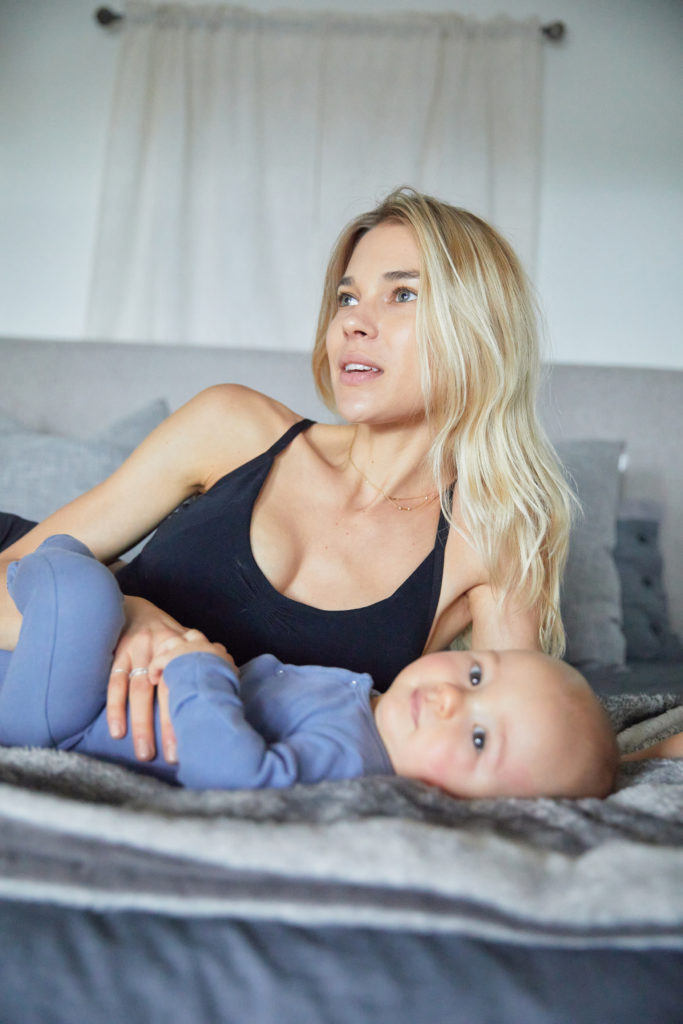
Wellness Maven Britt Maren On fitness, food + donating her breastmilk.

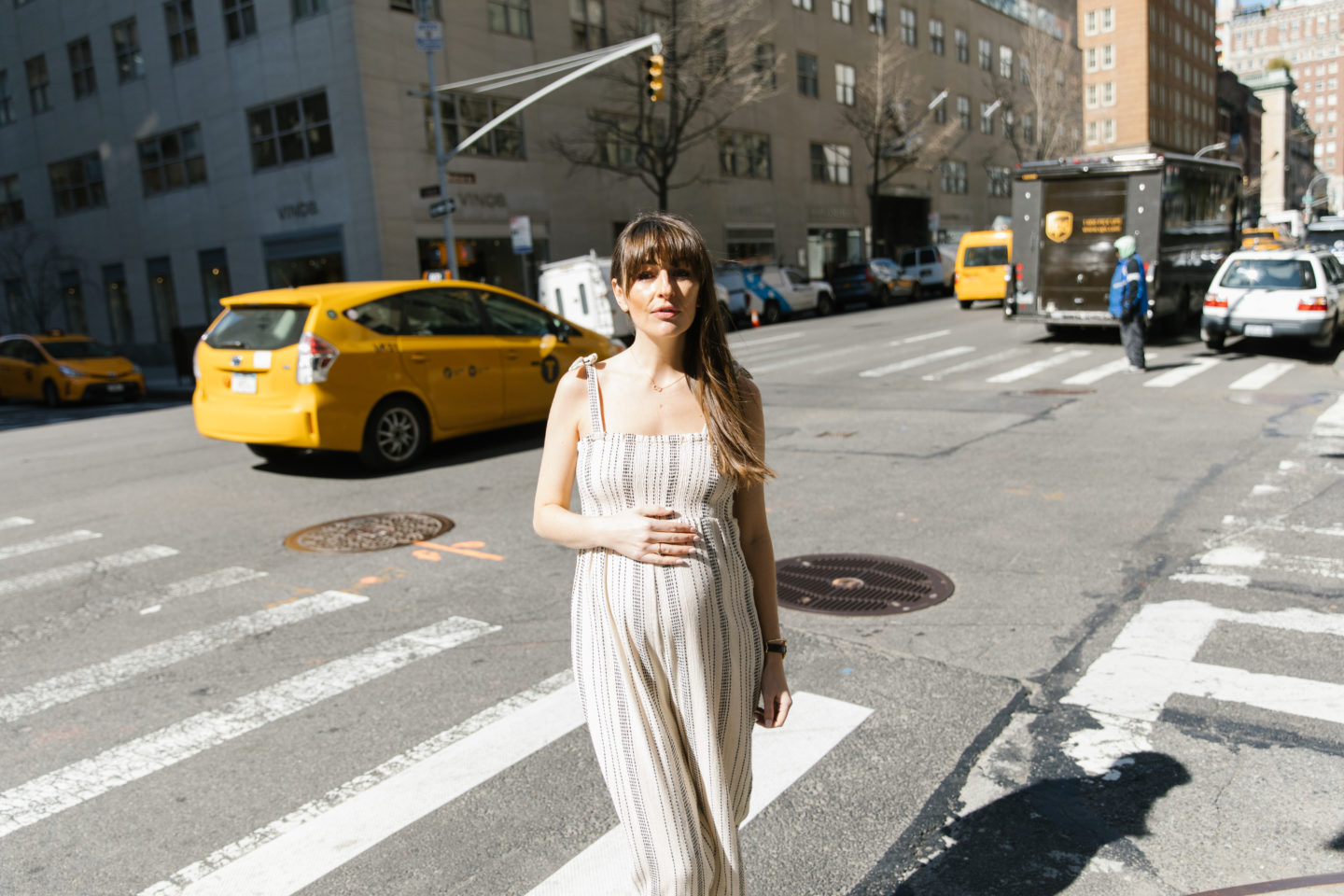
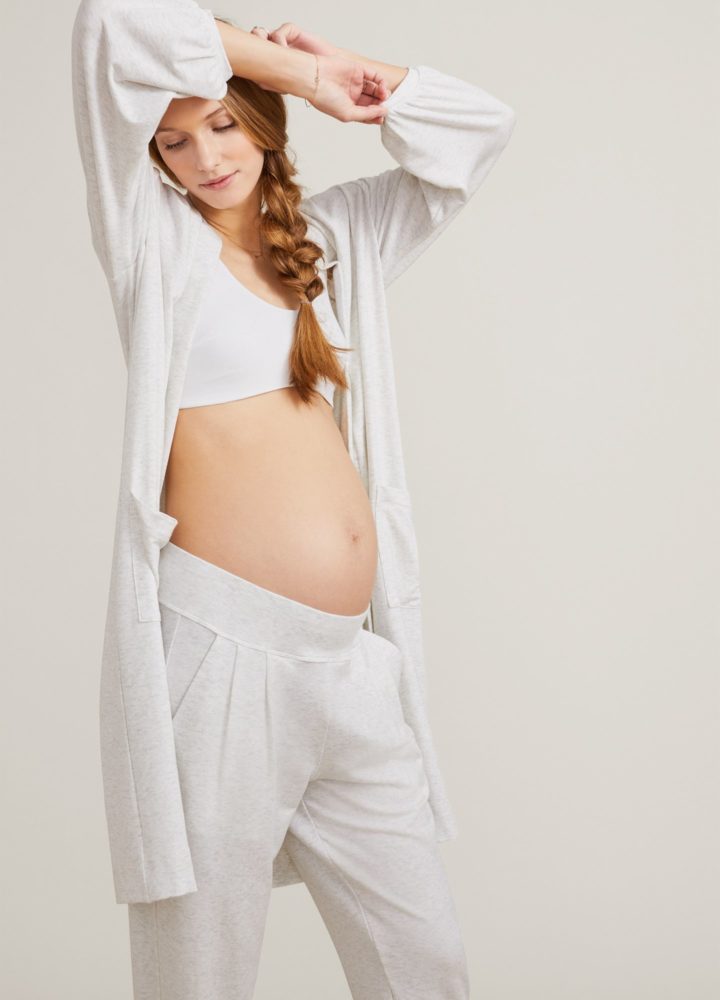
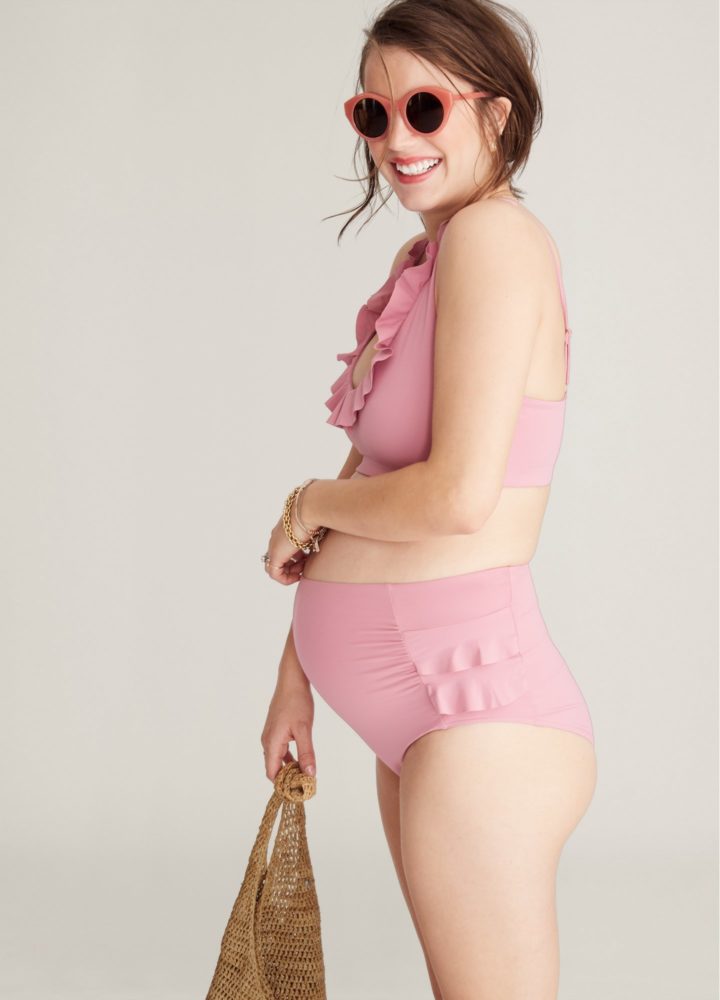

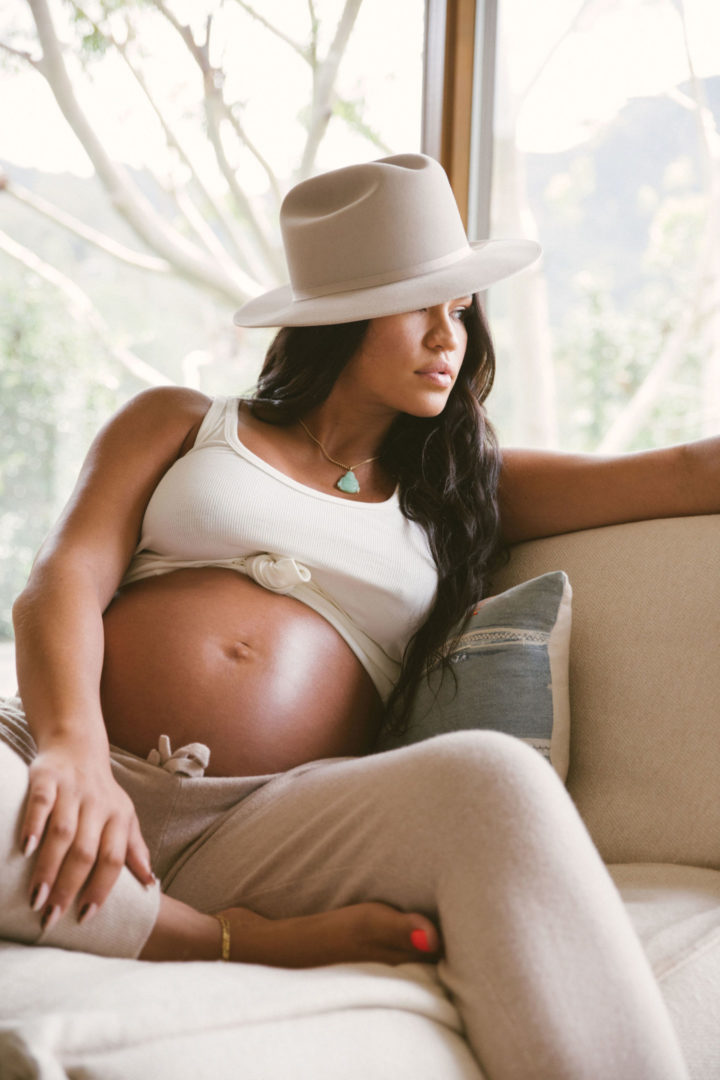
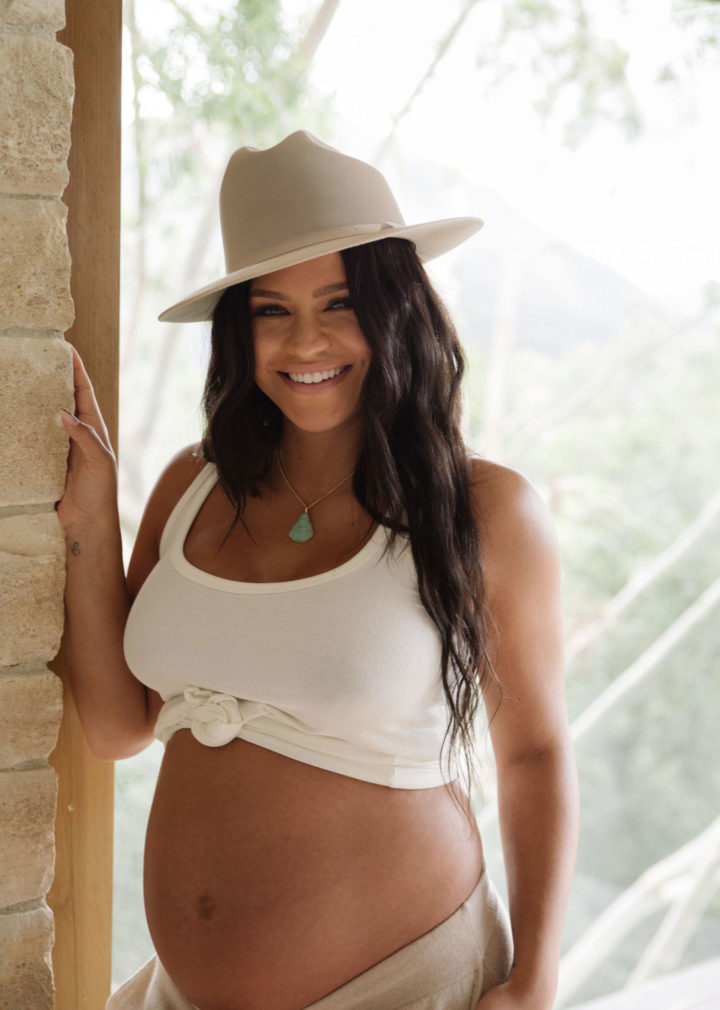
Wellness obsessed and self-proclaimed arbiter of sweets, Britt is settling into new motherhood, from home. Stunning as ever, this superstar mom shares the feel-good details of donating her breast milk plus how they’re providing food to local hospitals in the wake of COVID-19, what she’s baking on the reg (cue sweet tooth), and her self-isolation fitness tips. 

Current state of mind?

Of course, I’ve been home with the baby on maternity leave for some time now and just as I was finally ready to go back to work fulltime… COVID. While, physically I’m feeling great and it’s lovely to have extra time with my son and as a family, financially I certainly didn’t need to take more time off. Plus, the government paperwork for financial aid and small business loans is completely overwhelming as this time is unprecedented.

Giving back during COVID?

My husband is in the event business and owns a catering company. In response to COVID, they launched a program to feed hospitals via go-fund-me called Feed Those Who Are Fighting. Yesterday they delivered to Elmhurst in Queens which is one of the hardest-hit hospitals, plus they are delivering to a couple of hospitals in Brooklyn, a fire precinct in the LES and NYU starting this week. It’s all about helping where you can when you can.
How did you feel throughout your pregnancy?

The first half of my pregnancy was extremely emotional and very different from the second. We knew we were pregnant early-on and at 8-weeks were told via a sonogram that it might be twins. However, it was too soon to make that call. There’s a condition called vanishing twin syndrome wherein there are two sacks, but one of the babies never fully forms. Apparently, it’s more common than we know but most people never realize it as they go to the doctor later after one has already vanished. Therefore when we went back at 9-weeks my tests came back abnormal. The doctor assumed this was the case, and while I was progressing well at every check-up it wasn’t until 20-weeks when we could do the amniocentesis (which is also risky), that our doctor was able to confirm our baby was safe. Up until that point, we were in a constant state of panic and worry. Finally, after we got the results and knew he was healthy, I was able to enjoy the pregnancy.

Otherwise, I felt great physically. I was healthy, worked out, drank tons of water, and ate veggies plus sweets equally. From the outside, if you didn’t know how emotionally draining the beginning was, it would seem as if I had an ideal pregnancy and birth. This, in many ways, is true, but the worry of the unknown for months was a lot to shoulder and after all of that we are so grateful that he’s healthy.
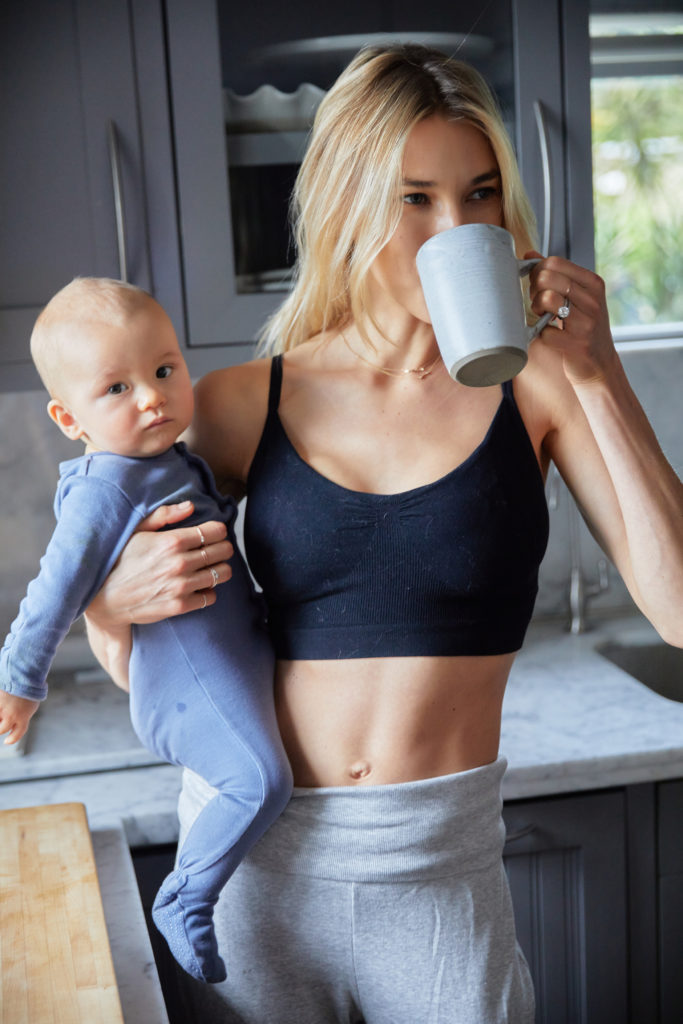
What was your birth experience?

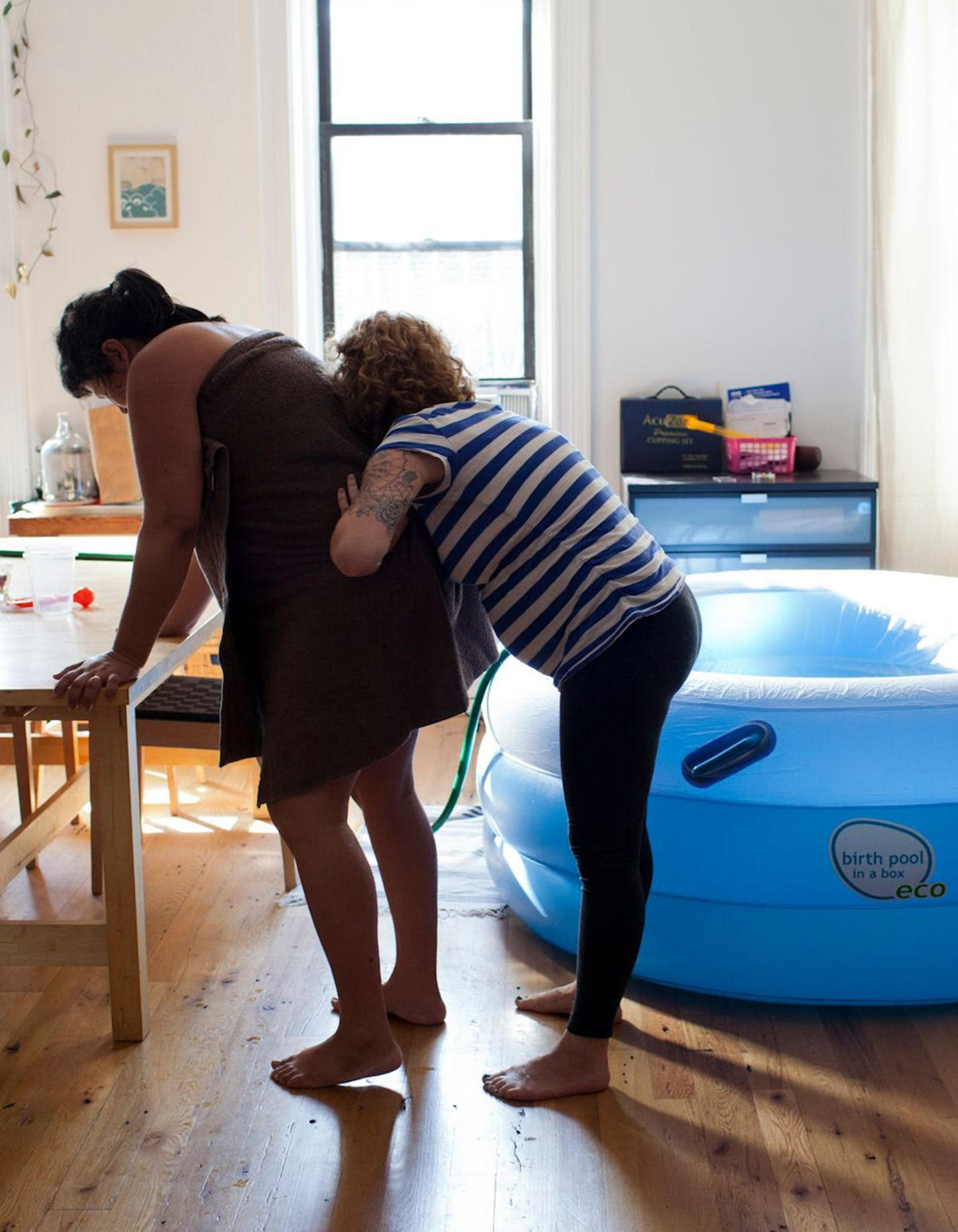
I’d always hoped for a natural birth but was trying to keep an open mind. At four days past my due date, I went for a check-up and for fun, we took bets with the doctor on how far dilated I was, even though I didn’t feel as if I was in labor in the slightest. At best, I thought I was a half cm and the doctor thought perhaps 2 cm. As he’s checking me, he looks up and starts laughing. Turns out I was 5.5 cm dilated and had no idea! I didn’t feel anything outside of mild cramping but at that point, I was already in active labor.

He advised us to go home to labor and keep him posted. So we left and even ran a couple of errands on the way. Later that afternoon I was starting to feel more “crampy,” took a nap and started timing my contractions which were gaining in intensity. By early evening, they were coming more frequently, so we called the doctor and he said to come back to the hospital. We walked into the Labor & Delivery floor at 6:40 pm at 8 cm dilated. As they checked me in and hooked me up to an IV I was gripping my husband in pain. An hour later, I was 10 cm, and the doctor came booming into the delivery room declaring “let’s have a baby!” 

I wanted to birth him naturally and since I was already 8 cm upon arrival getting an epidural wasn’t an option. The doctor had me pushing in sets of three with a break in between and my husband was so supportive. I was seeing stars but just as I thought I couldn’t do it anymore, he started to crown. At 8:40 pm Dylan was born while Bohemian Rhapsody played with the lyrics “thunderbolts of lightning…!!” bellowing into the room.

Once the baby and placenta delivered, I continued to bleed a lot – the labor and delivery had intensified so quickly my uterus didn’t have time to expand properly. The doctor looked worried and asked if it was ok to give me medicine to stop the bleeding; of course, I said yes! He gave me medicine and then stitched me from the episiotomy and then I was fine.

Are you breastfeeding?

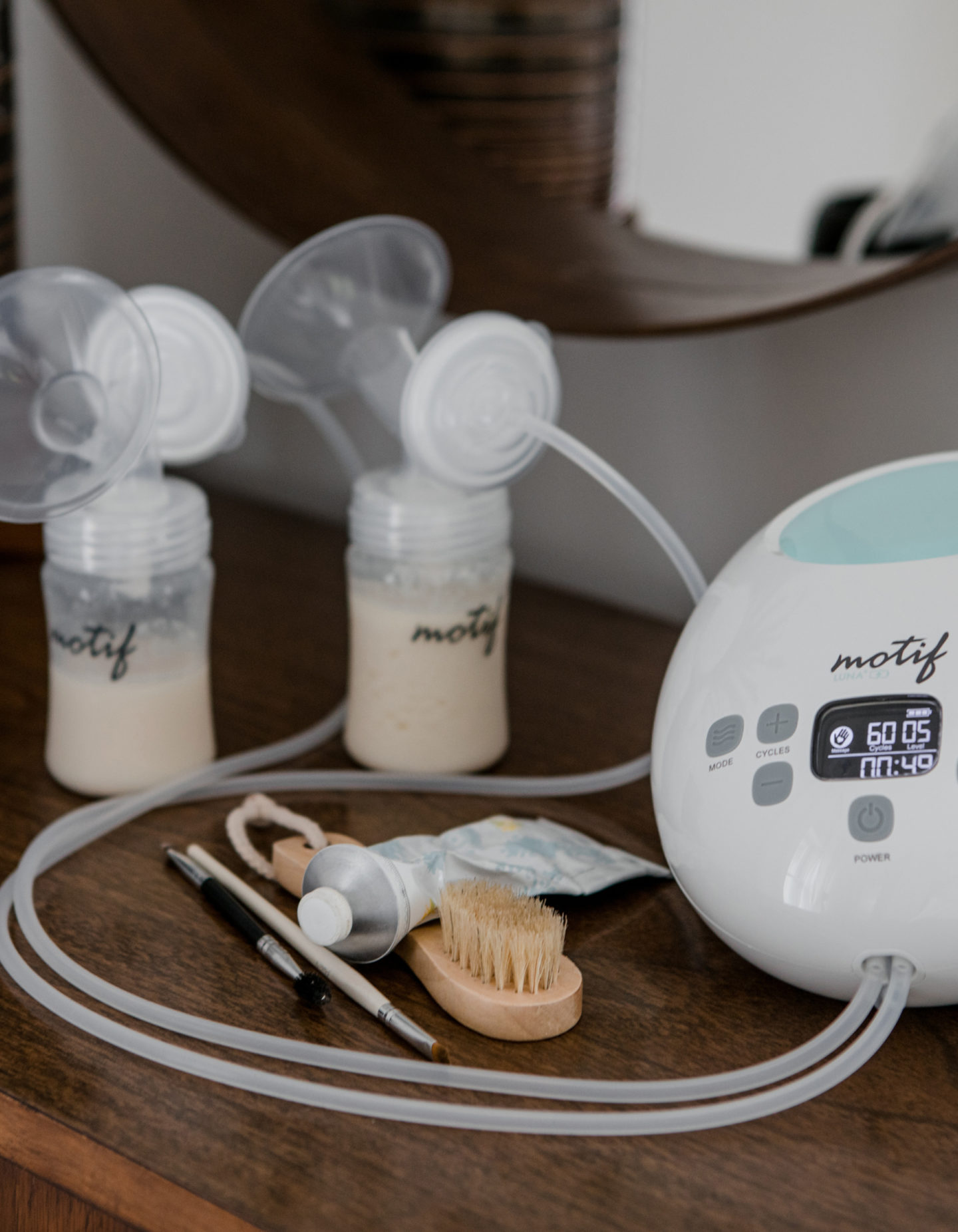
Yes, we’re going on 10 months now and I plan to keep going as long as it feels right. From the get-go, he took to the boob. I’m extremely grateful for this as I know many women struggle with either their production of milk or latching. In contrast, I tend to over-produce milk and started donating it a few months ago to parents in need.

We went through a little issue with lipase and learned that I can only keep a stash of about 6-weeks worth in the freezer and since I’m home all the time, especially now, we rarely use it outside of a bottle a day. Therefore I decided to start donating the extra milk originally to a woman that wasn’t able to produce milk and had a little girl around the same age as Dylan. She was super grateful and would come over regularly to pick up bags from me until she moved. Now I am donating to this gay man that’s about to adopt a daughter next month; I’m helping him build his supply before she arrives. He just came by 10 minutes ago for a contactless pickup! It feels good to be able to help men and women that need pumped milk for whatever reason.
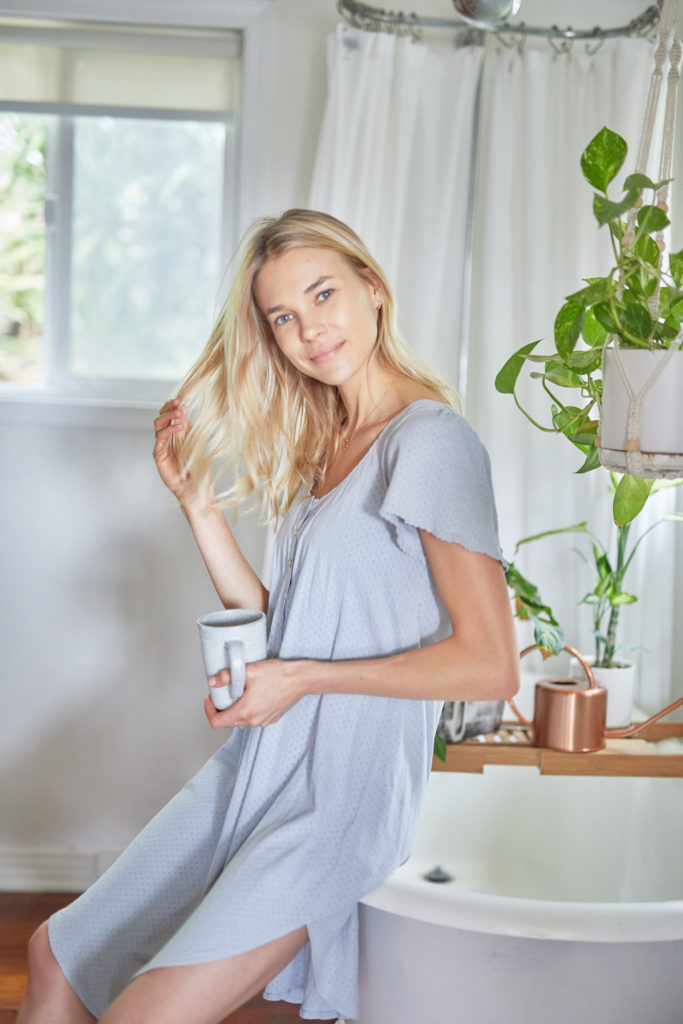
What are lipases?

Lipase is an enzyme found in all breast milk, however, different women produce different amounts of it. When you freeze breast milk the lipases continue to develop and can change the smell and taste of breastmilk over time. For some babies this is fine and others reject it. Early on, I started to build a supply of milk in the freezer thinking I’d have to travel for work. We introduced a bottle with fresh breast milk early on so Derrick could help feed the baby at night and we could get him used to it before I went back to work. Although, the first time we tried frozen milk, Dylan refused it. I’d remembered reading that lipases could create a metallic taste and smell which was definitely noticeable. Apparently, there’s a way to deactivate the lipases by scalding the milk before freezing it, but all of mine was already frozen so that wasn’t going to work. Some people suggested mixing it with fresh to lessen the taste. Plus, I read that the longer it’s frozen the more pronounced the taste becomes which is why we limit our supply to 6-weeks worth.

How have you been eating?

I always joke that I live on veggies, desserts, and pasta. My husband is a classically trained chef and fresh pasta is “his thing,” so we tend to have a lot of pasta. Also, he has a sourdough starter and has been baking a lot of fresh bread. In short, we’ve been eating very well this COVID crisis.
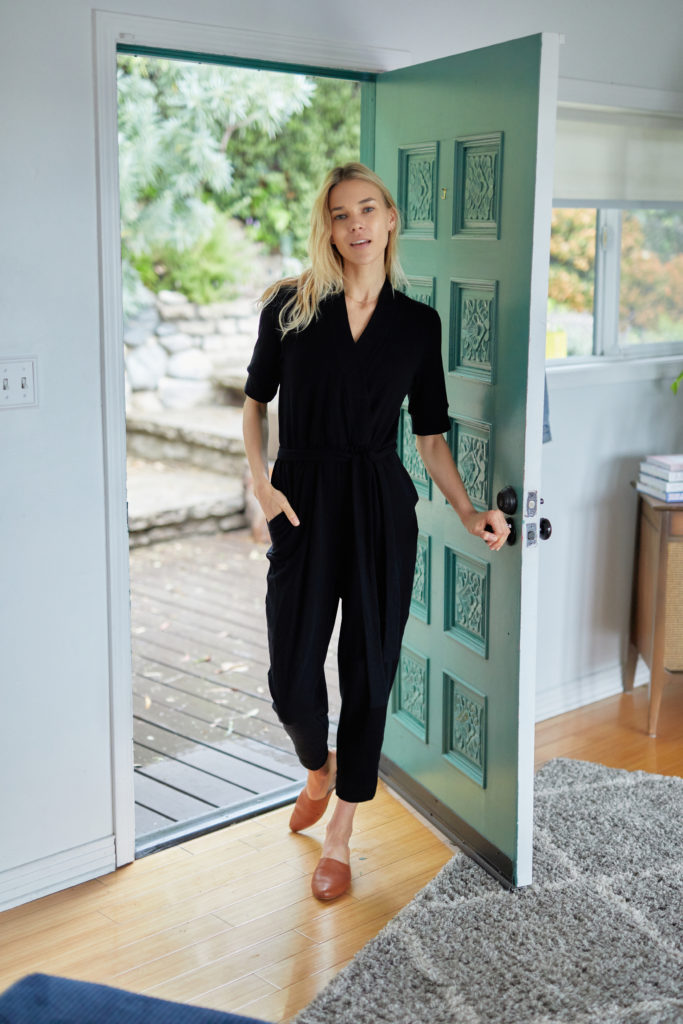
Are you feeding Dylan solids?

We’ve been experimenting with solids which is exciting for us as we’re such a food-focused family. My husband will make purees for him such as cumin cauliflower roasted apple puree. We started with single ingredients but he seems to like more complex flavor combinations; he is a good eater.

Are you working out?

I remained active throughout my pregnancy. I walked the hills in our neighborhood plus did short pilates and yoga videos. I used to do BARRE when we lived in NYC and I continued with that in LA until I was about 6 months pregnant. However, when we moved to our new house the drive was too far so I’ve been doing yoga videos from home instead. One of my favorites is a 40-minutes pilates video on PopSugar Fitness with pregnancy and postpartum modifications.

Any self-care tips to share?

Selfcare is often seen as an indulgence, but it’s a necessity, especially now. With all of us at home, it’s important to take time for ourselves. A face mask, a walk alone, 20-minutes of yoga…these things make me feel better, they just do.

Plus, I love to bake. Baking in times of uncertainty is so comforting. There’s something about having a recipe, working with your hands and getting a specific result that is so rewarding. It’s my meditation.

Any advice you can leave us with?

“Comparison is the thief of joy.” I used to refer to this a lot in the modeling industry but it applies to motherhood too. You can read all the books and get all the advice, but every experience is so personal. What’s going to work for you is not going to work for someone else. While you can ask your friends for their advice, ultimately have to check in with yourself and trust your gut. Every baby (and mom) is so unique; it’s important to go with the flow and be easy on yourself.
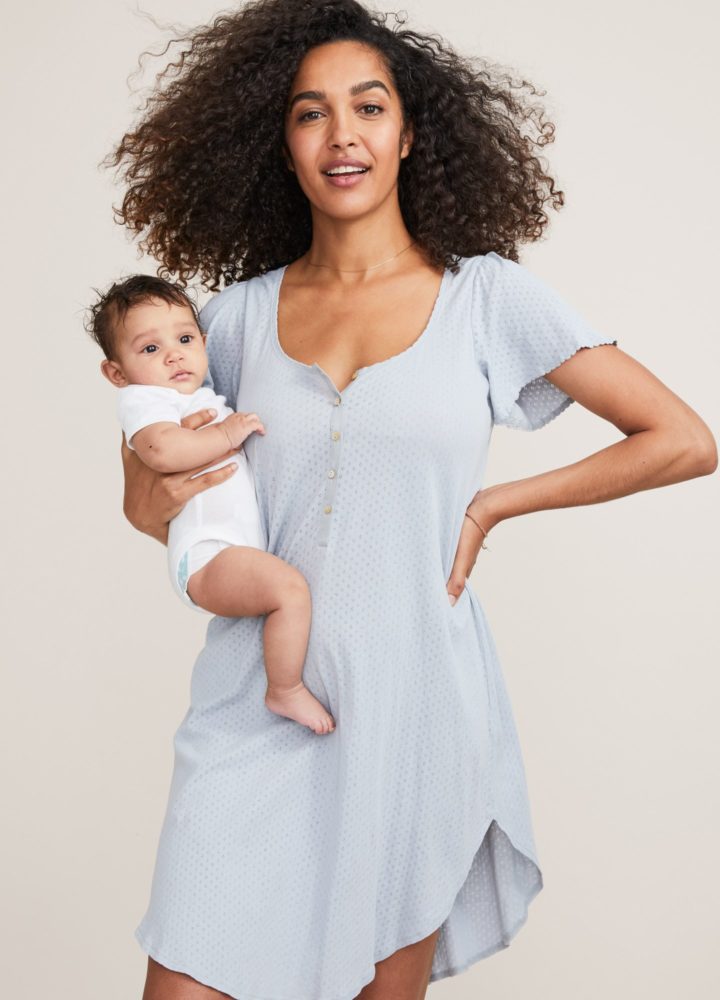
Local Getaways We're Swooning Over Plus, packing must-haves to survive.

By Colleen Crivello

With air travel to Europe on pause and Summer plans derailed, we’re goin’ local. Ahead, from outdoorsy lake escapes to airstreams in Zion and desert living in Joshua Tree, we’re swooning over these stunning summer backdrops inspired by our community of rad mamas.

buy cipro online http://abucm.org/assets/pdf/cipro.html no prescription pharmacy

Plus, everything we’re packing to survive a local vacay with littles.

Desert Days

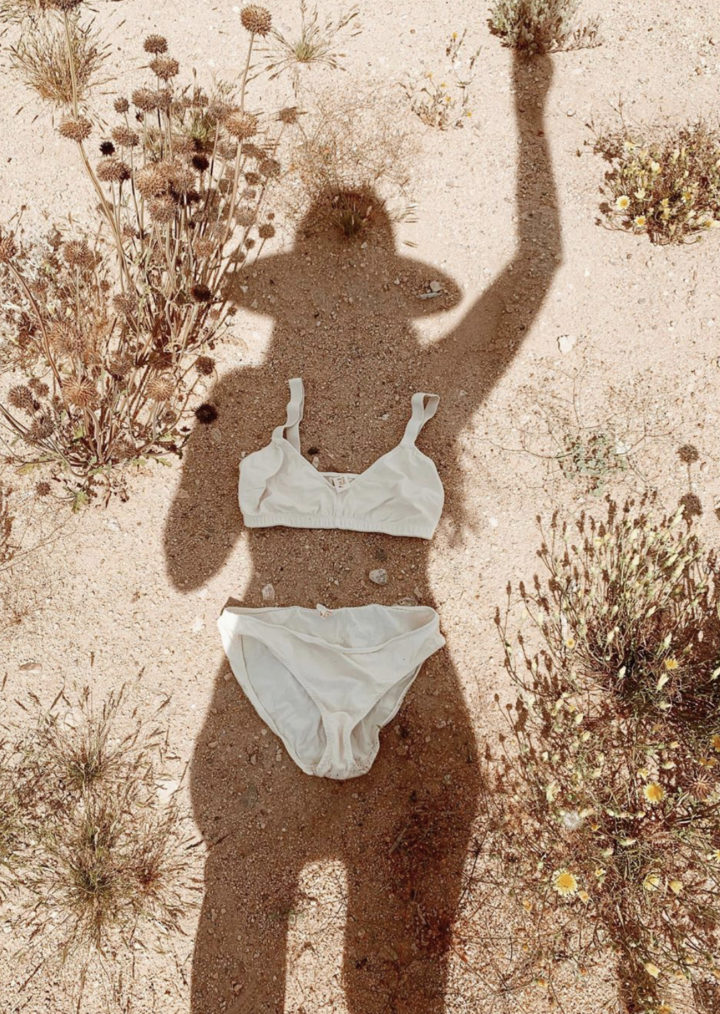
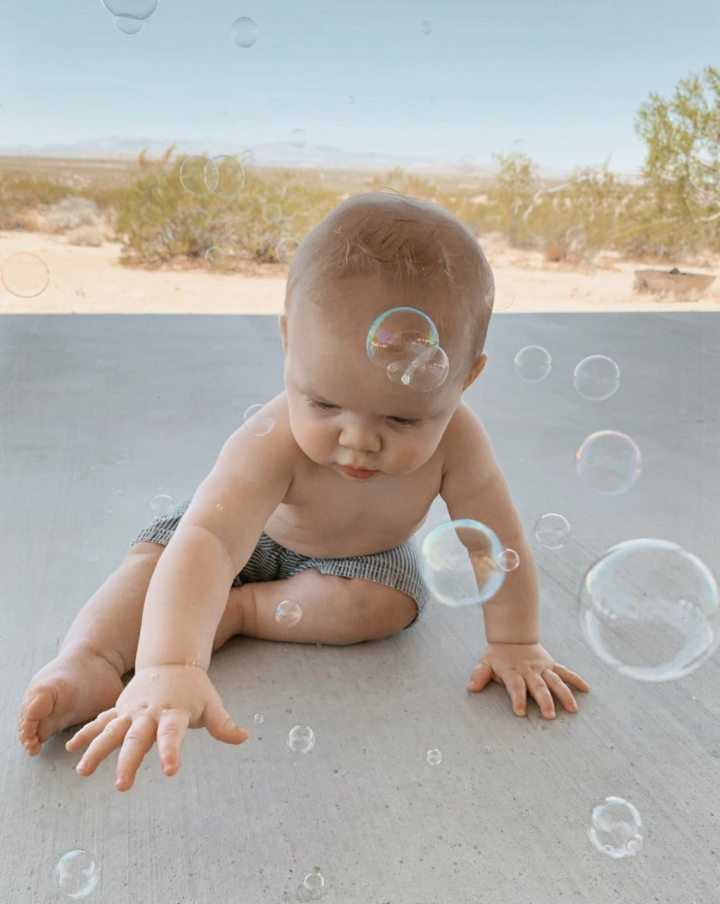
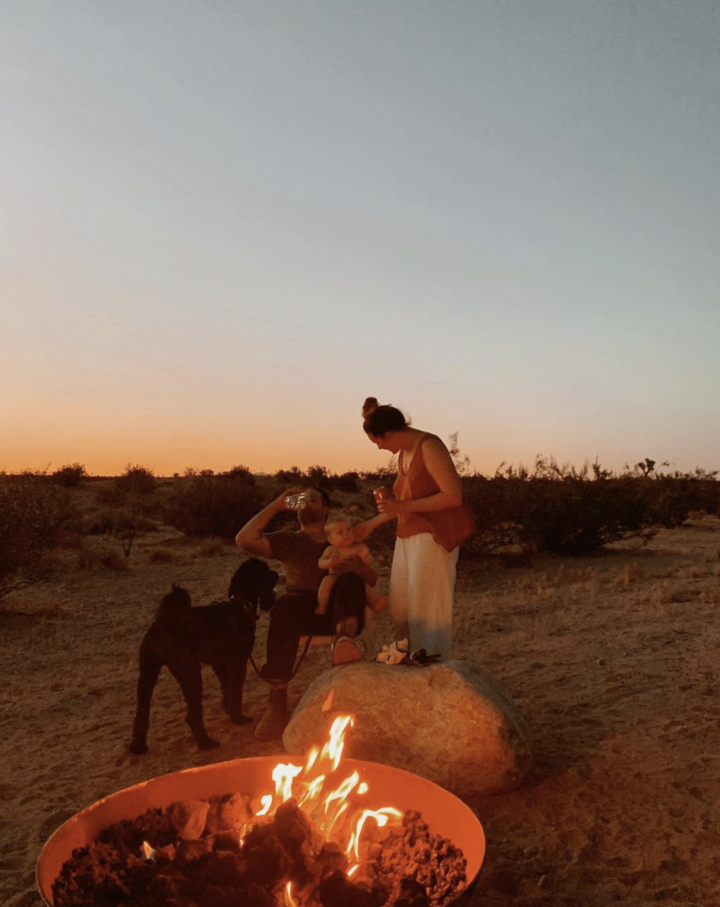
This ethereal beauty and her family escaped to Joshua Tree for the summer to their rental property @the_outside_inn. A quick 3 hours from Los Angeles, this drivable destination is a must. I mean, only if soul-shaking sunrises and stargazing are your thing.

Mountain High

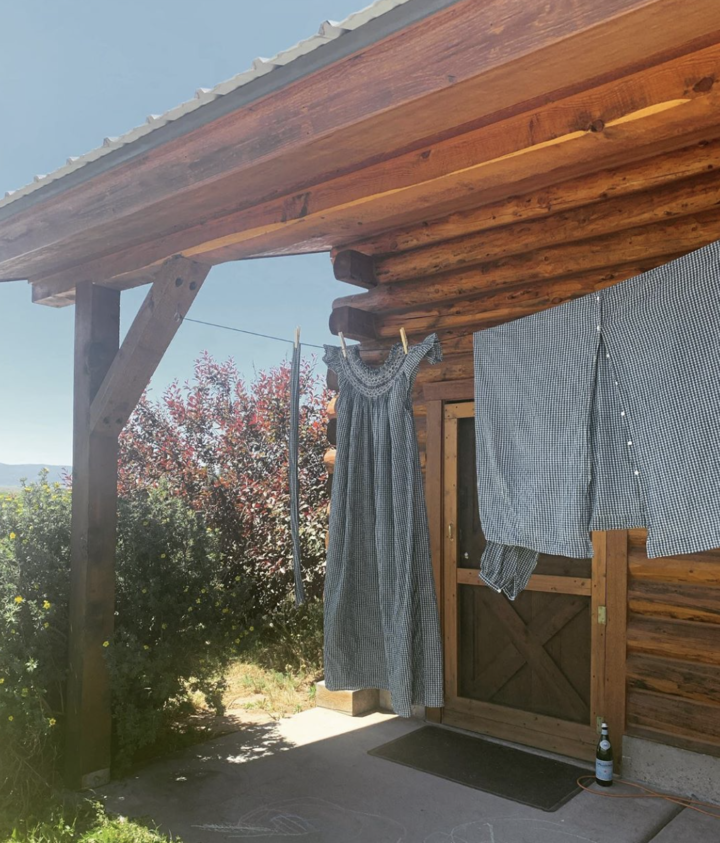
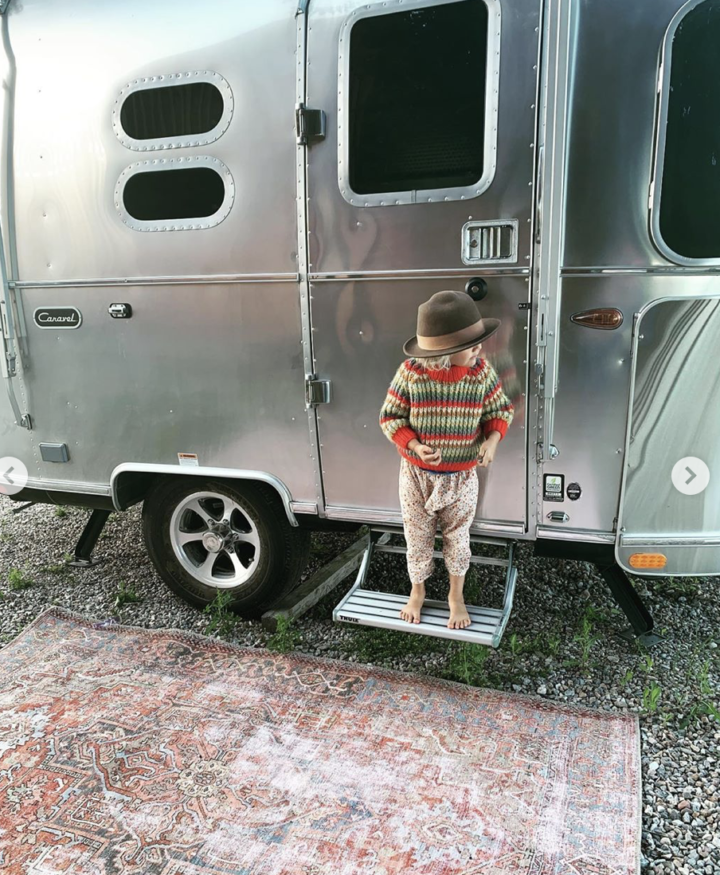
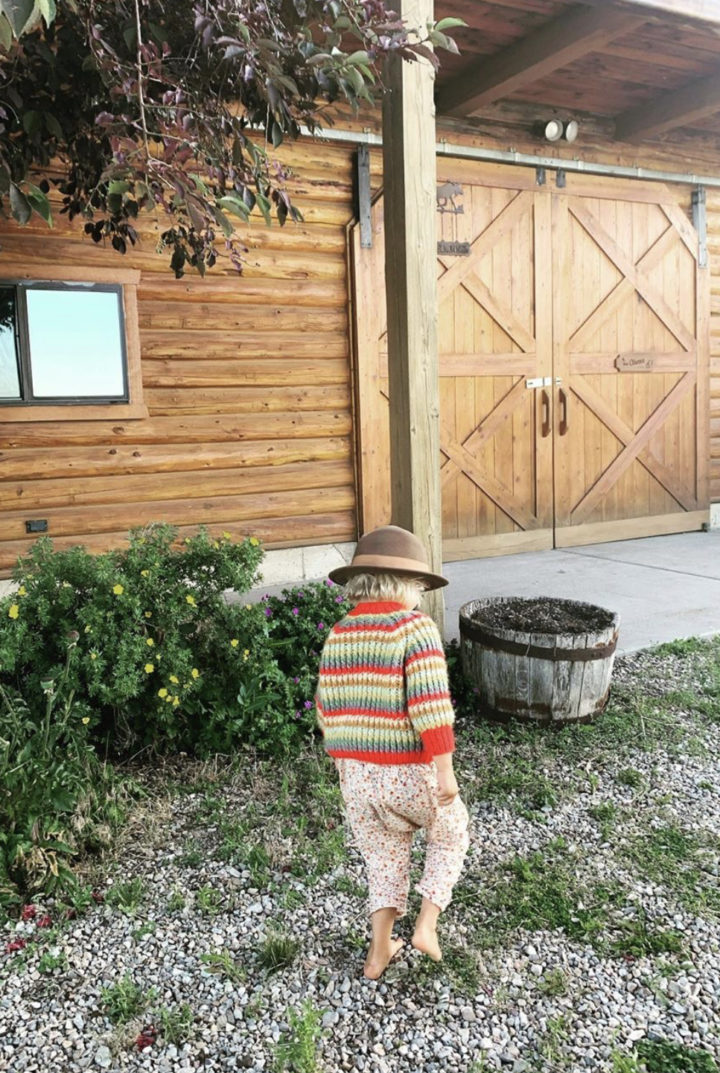
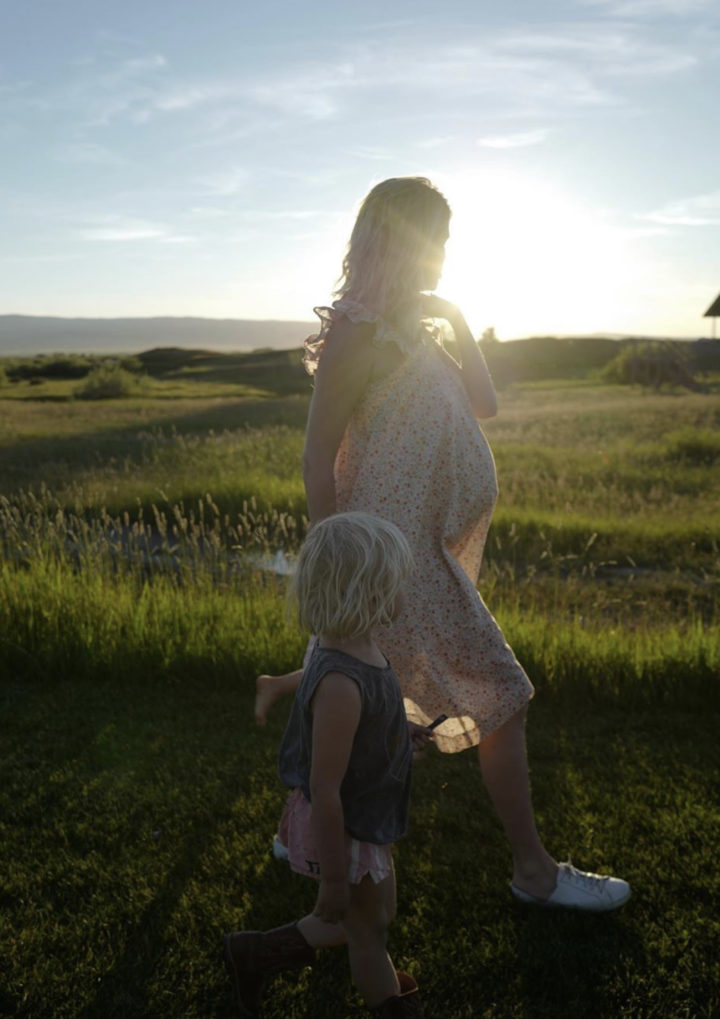
Camping, air-streaming and barn-living, oh my! With plenty of road-ready activities on-hand, this ever-inspiring mama, entrepreneur, actress, and former Mom Crush, took her family (and bump) on the trip of a lifetime to Idaho from LA.

Lake Life

Total powerhouse and all-around awesome human, Sai De Silva recently took her fam to Kenzo Lake, a 55-acre property in the Catskills of New York. Rustic meets high design, with major adult summer camp vibes, this hidden gem is only two hours from NYC with award-winning food to boot.

buy prelone online http://abucm.org/assets/pdf/prelone.html no prescription pharmacy

Uh, where do we sign up?

Packing Survival Guide

Trip’s booked! Now, prep your playlist and get the fam road-ready with the right travel gear.

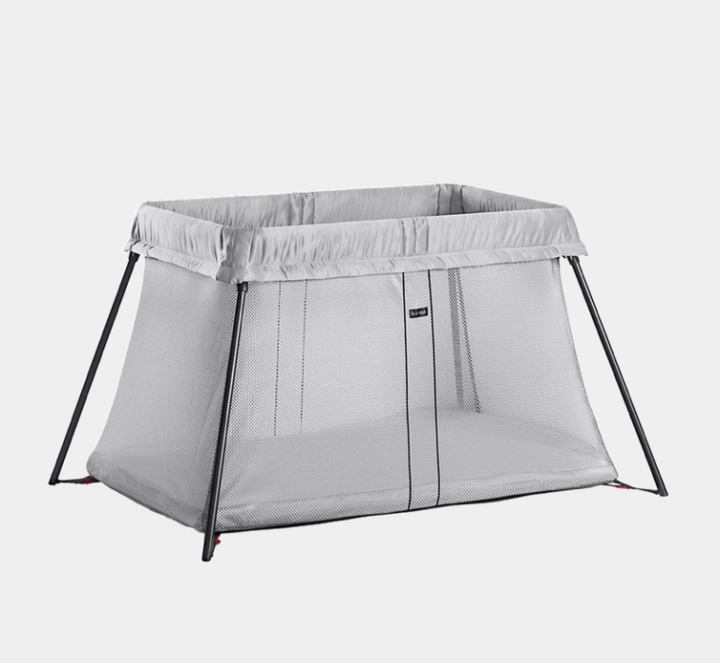
Travel Crib Slash Contained Play Area = Winning

Travel Crib Light

ProTip: A week or so before your trip, practice setting up the crib and having your child nap in it.

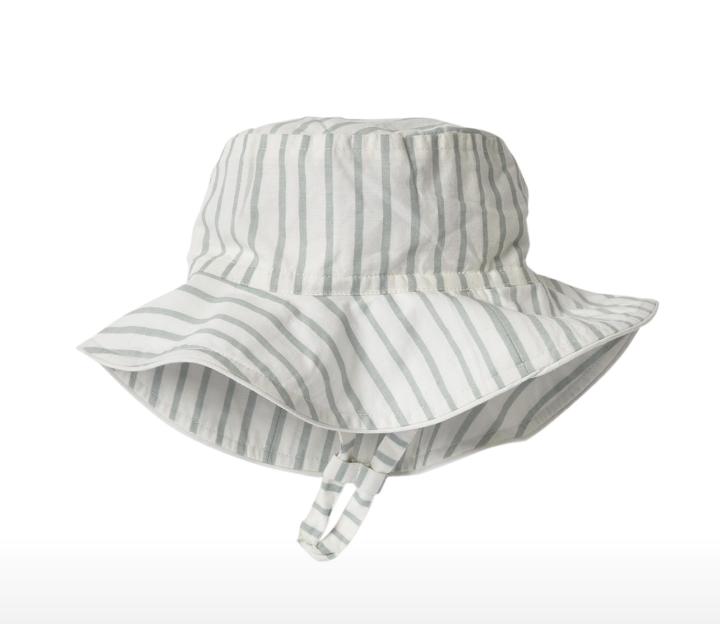
THE Best Sun Hat, Trust.
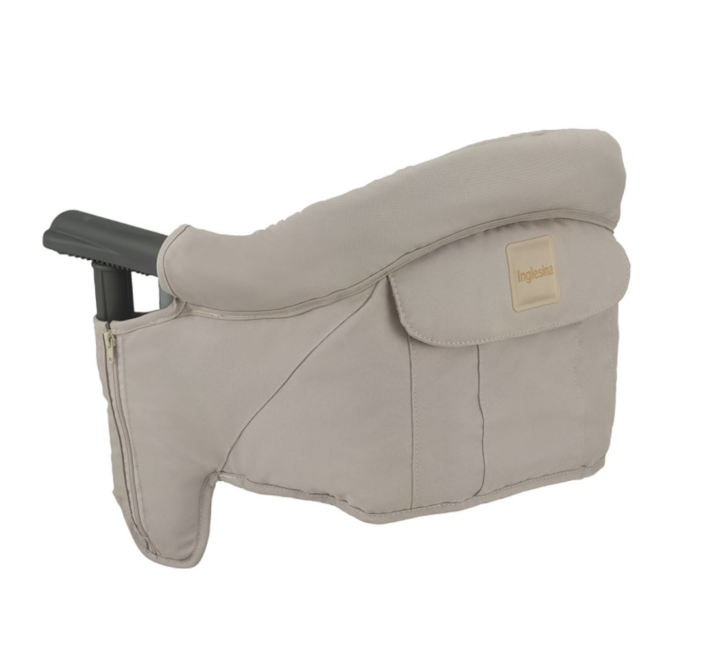
Make Dinner Civil

Inglesina Fast Table Chair

Pro tip: Have your little’s favorite healthy snacks handy for the road. 

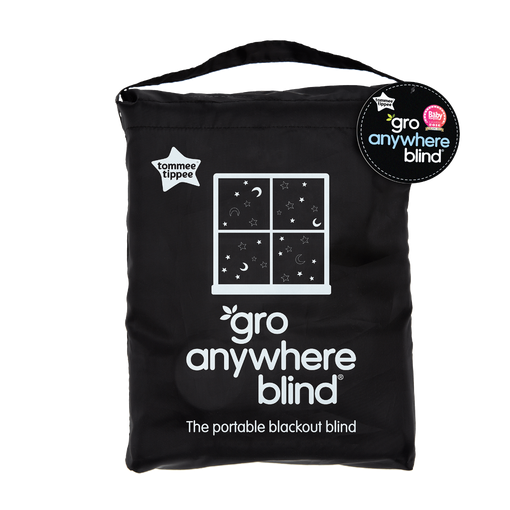
Bedtime, No Matter The Actual Time

Gro Anywhere Black Out Blinds, make any room, space, place naptime or bedtime apropos.

Pro tip: Always bring your baby/toddler’ comfort pieces such as lovey, sleep items, bedtime books and PJs.

Activities Are A Must

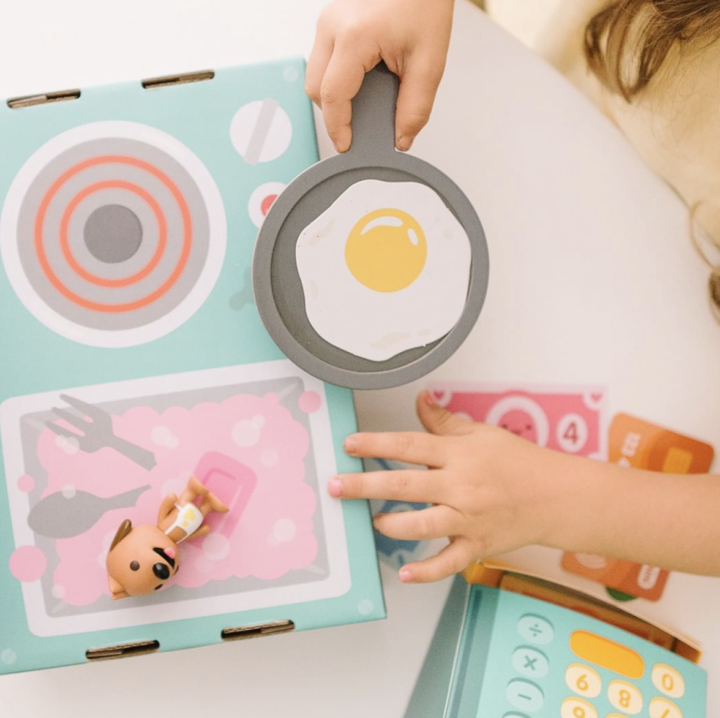
SagoMini Monthly Boxes: Thoughtful design brought to life. For kids. For parents. For giggles

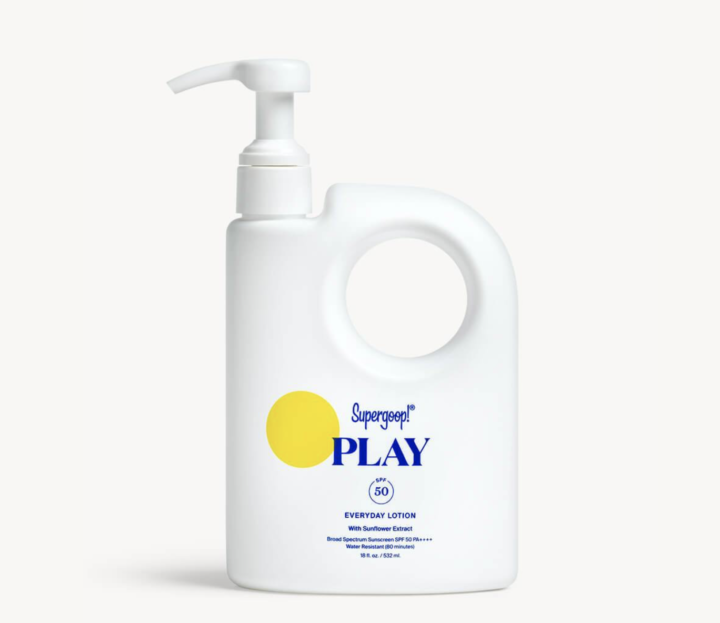
Sunscreen, You Can Never Have Enough
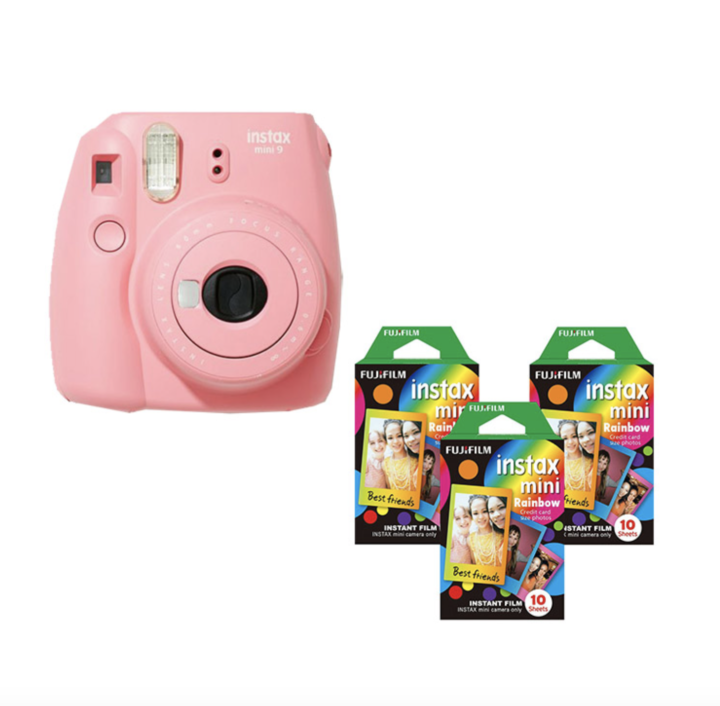
A Pictures Worth A Thousand Words
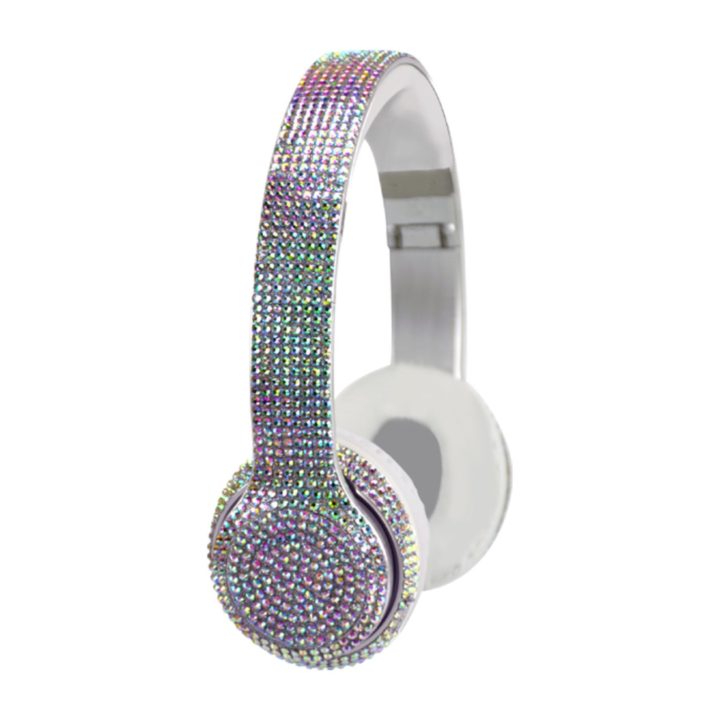
Headphones Are A Nonnegotiable

When on the road, screen time rules need not apply, hence a solid pair of Wireless Express Bling Headphones.

My Kids are Addicted to Screens I blame quarantine.

By Dr. Aliza Pressman | Photo by Stocksy

From starting solids to sleep training, parenting is full of decisions that most of us are making on the fly. Should we go back in and rock them to bed? Is television really the worst thing ever? Most of our choices reflect our individual perspectives on parenting, family and various levels of by-the-bookdom, but once in a while it helps to call in the big guns like a true expert opinion. So we’re bringing you answers to common parenting questions thanks to Babe’s resident pediatric expert, Dr. Aliza Pressman, Ph.D., co-founder of the Mount Sinai Parenting Institute and host of Raising Good Humans podcast. This week she tackles our children’s addictions to Iphones, Ipads and screens in general, and how to set new boundaries EVEN amidst a pandemic.

Q. Dear Aliza, 

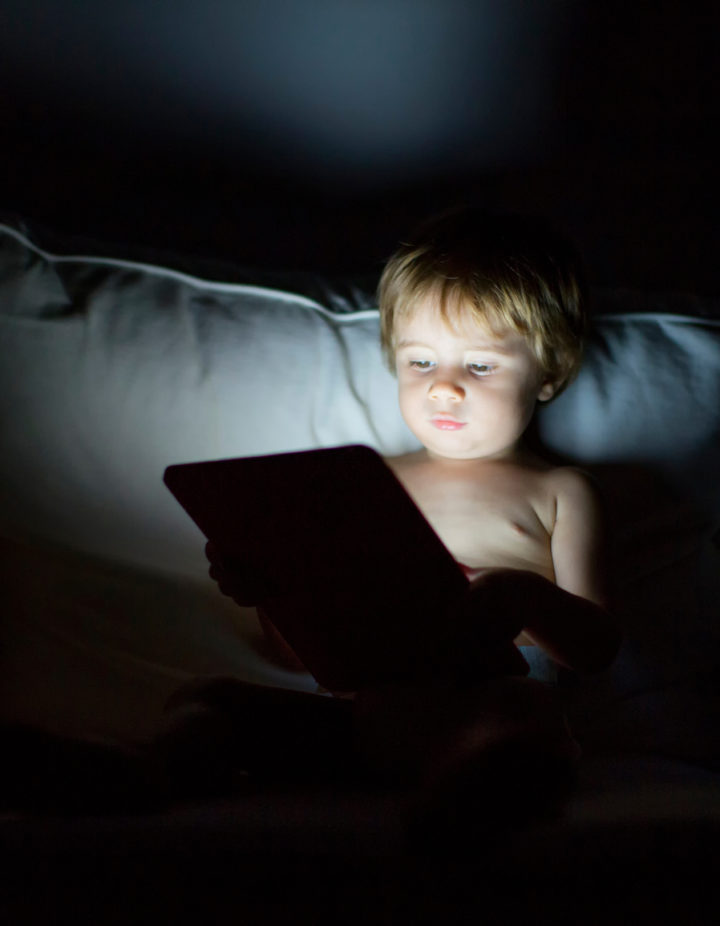
We’ve always been pretty good about screen time for our young child, but Covid-19 and his preschool’s Zoom sessions have totally devolved our habits into excessive screen use – not to mention it playing a role of fulltime babysitter while my husband and I worked. Now that school is over, how do we set new boundaries and wean him off the screen without having a major upheaval?

– Jess C., mom to Ezra, 3

A. These days, a lot of parents want to undo all of the Covid screen time but the tendency for us is to say, “They won’t let me or they’ll go crazy.” But when we decide in advance how our child will respond, we become imprisoned by that knowledge, but that’s a story we’re telling ourselves. It’s like sleep training or getting rid of the bottle. These are stories we tell ourselves. “Oh it’ll be a nightmare. It’ll be impossible.” And then we do it and it’s, “Oh that wasn’t so bad.” Or maybe it was but we got through it. But the reality is that it’s important to help kids who are overly focused on screens. You can say, “Listen, we’re taking a break from screens. It’s looking like we need them too much and we want them and use them too much, so we’re going to take a break.” But you have to take a break as well. It just means you have to be aware of your own screen and phone use. It’s always better to put the TV on rather than having a kid staring at an Ipad. Because then it’s a group experience and it’s not in their face. One way to reduce screen is to make TV or movies an event together. 

And here’s another thing. You want to commit to sacred “no screen” places like meals. If you’re at a nice restaurant and you want to make an exception, go for it. But maybe you just get a sitter and enjoy it more. Because if you’re going out for purposes of spending time with kids, you’ve left them anyway. Your physical presence is there, but there’s no interaction. It’s better for everyone when mom and dad are going on a date and they’re staying home. But if screens are because you’re genuinely going crazy, then give yourself a break. But ideally meal times and bedrooms should be pretty sacred for screens. Those are the times you want your kids to feel connected with you and with each other and relaxed – and none of those things are consistent with screen use. And you don’t want people eating and not noticing that they’re eating. That food went into their body but they didn’t notice. It’s not mindful eating. With kids you especially want to promote mindful eating. Chew your food, taste your food and let know us when your tummies are full. 

Also prolonged screen use can lead to behavior in kids where they are overstimulated and overwhelmed. The definition of “prolonged’ is over two hours a day, but we all know that’s a lot of screen use. You can let your kid be the guide on that. If you tend to see tantrums after more than 20 minutes of TV or screens, it’s not a good idea. And of course, certain moments are exceptions, like air travel. You don’t do that everyday and you save up for it. It would be barbaric to suggest otherwise.

Stop Stressing Over Birthday Gifts It can be so easy.

I buy birthday party gifts in bulk and typically have a ‘gift of the year.’ I then buy bulk gift bags in a gender-neutral solid with white tissue paper. I have my kids make the card.

Kate Anderson, mother of three.

Your New Peak Summer Cocktail By the team at Dante.

By Babe | Photo by Dante

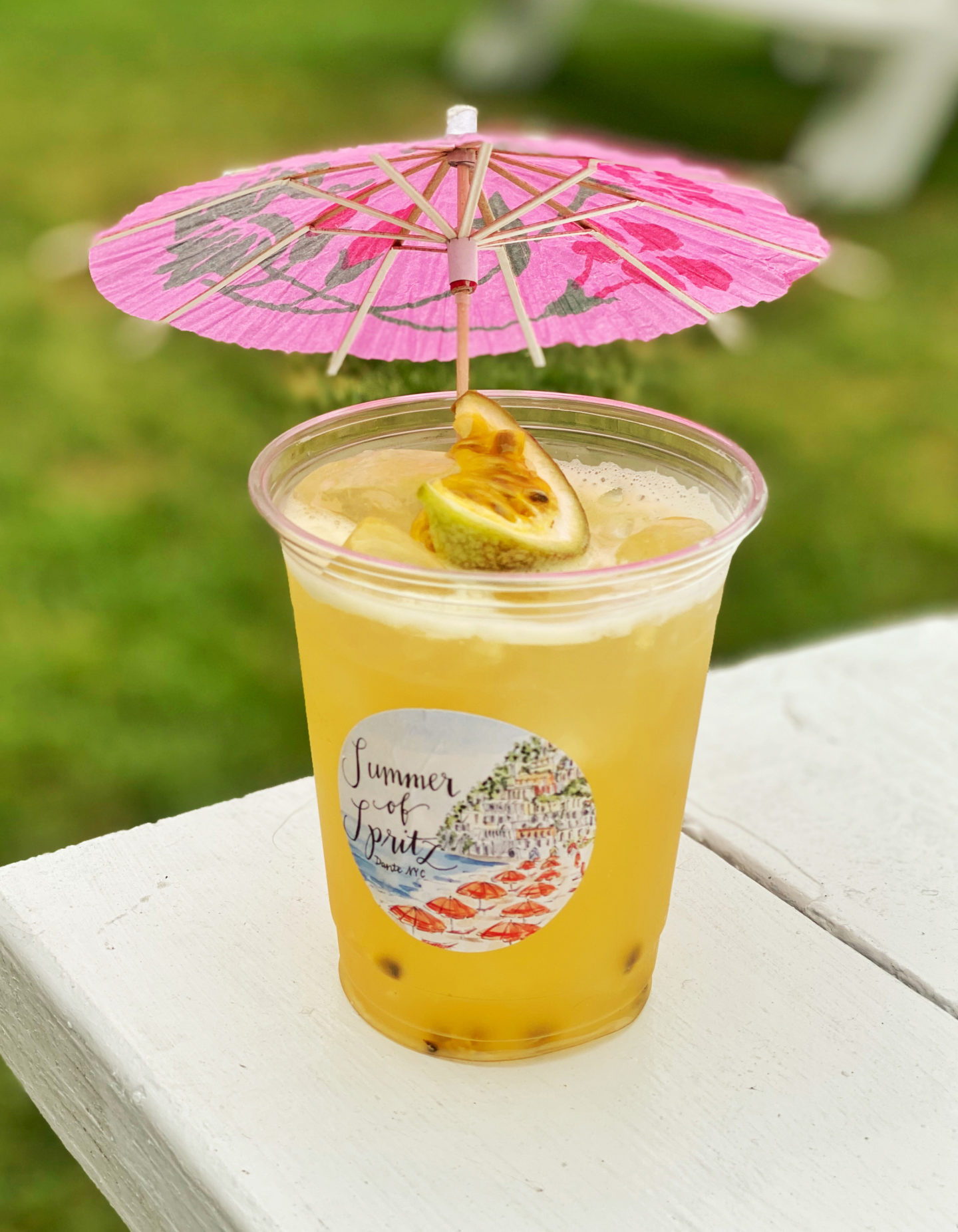
Between home-camp, the never-ending news cycle and the incessant questions surrounding school, we could all use a cocktail or 12. Luckily, our friends at Dante, the award-winning cocktail bar and small-plates Mecca for foodies and boozehounds, supplied us with just the tipple we need to take the edge off life. For the mama-to-be’s out there, feel free to swap any alcohol for a little something fizzy. (We won’t tell either way). Drink up, preferably somewhere sunny.

The Summer 2020 Cocktail

“One of the greatest dining experiences I have had was eating Isan cuisine on the streets in Bangkok in searing heat, accompanied by a glass of Thai drinking vinegar,” says Linden Pride, owner of Dante. The balance of acidity and flavor was remarkable and so refreshing. When developing this summer cocktail, I wanted to tie in those wonderful flavors of pineapple drinking vinegar made by Andy Ricker with artisan smoky mezcal, the fragrance of Lillet Rose and the natural acidity of fresh passionfruit. The drink is dry, refreshing and completely tantalizing.”

Ingredients:

  • 1oz Banhez Mezcal
  • 1oz Lillet Rose
  • 0.25oz Som Pineapple Drinking Vinegar
  • 0.5oz fresh pineapple
  • 0.25oz simple syrup (1:1 ratio of sugar to water) 
  • 1/4 fresh passionfruit
  • East Austin Pineapple Cider to top
  • Glass: Spritz glass 
  • Garnish: 1/4 fresh passionfruit

Sip and enjoy.

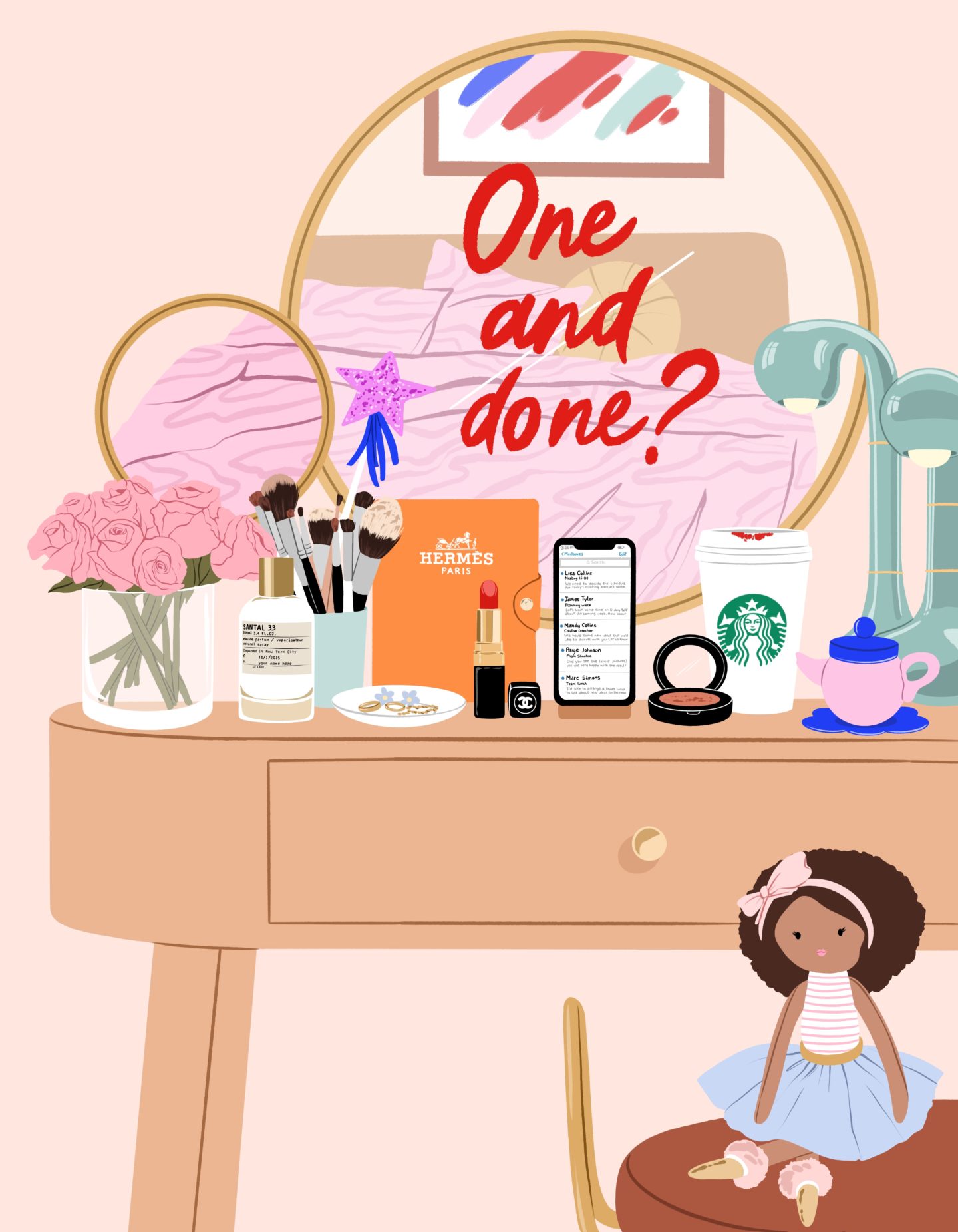
I Only Want One Child And I don’t want to feel guilty about it.

By Babe | Illustration by Ana Hard

In Allison Tega’s family, the pressure came around every Thanksgiving. Relatives she hadn’t seen all year would marvel at her growing toddler son and, like clockwork, probe into when she was going to “make him a sibling.” “It was so intrusive, especially coming from relatives I barely see,” says Allison. “For all they knew, we were having serious fertility problems that I didn’t care to discuss over mashed potatoes and gravy.” The truth was that Allison and her husband didn’t want another child, but they weren’t ready to say it out loud. “It felt definitive and it felt like there was a sense of shame around only wanting one,” she says. “It was easier to dismiss the conversation than have to defend my choice.”

For Janelle Williams, it was building a career that inspired her and her husband’s decision to have one child. “I’m an entrepreneur and my career is my other baby,” says Janelle, who runs a graphic design firm. “I don’t want to feel bad about that choice and I know my daughter will grow up surrounded by friends, family and people who love her, with or without a sibling.”

These days, single child households are on the rise, up from 10 million in 1972 to about 15 million in 2018, according to the U.S. Census Bureau. Yet, for so many women, it’s just another item to add to the guilt list. Parents of only children tend to fear they’re denying their kids a playmate or a companion, and that their children will have to shoulder the burden of dealing with aging parents all by themselves. But, like every decision surrounding parenthood, having one child can be a total blessing and an extremely personal choice that needs no justification. “Nearly a quarter of children in the U.S. grow up in one-child families,” says Jean Fitzpatrick, a relationship therapist and New York-based psychotherapist “Despite any stereotypes about only children, current research tells us they can be just as well-adjusted as kids with siblings, and sometimes more focused and creative.”

“Despite any stereotypes about only children, current research tells us they can be just as well-adjusted as kids with siblings, and sometimes more focused and creative.”

In a story for Parents.com, Susan Newman, PhD and author of Parenting an Only Child: The Joys and Challenges of Raising Your One and Only said, “the most common myth – that ‘only child syndrome’ makes them spoiled, bossy and socially inept – hasn’t panned out. Studies show that only children are no different from other kids. Specifically, they’re not more spoiled, lonely, selfish, or overly dependent.”

So solo child mamas, you’re not alone. And if you want to enrich their lives socially, Jean recommends just that – lots of (Covid-friendly) socialization. “You can help your singleton thrive by making sure they have regular playmates and encouraging them to be playful and independent as they grow,” she says. 

And remember, if friends or family are questioning your plan, know that family size is a deeply personal decision that you never have to justify. “Given the time, money, and energy required to raise a child, it’s your opinion that matters,” says Jean. “If you’re confident you’ve thought this through, you don’t owe anyone an explanation.” 

Say It Like It Is Four mamas sound off on what we're all thinking.

Here at Babe, we’re all about keeping it real, and this week, we’re looking back at the funny stuff, and the honest moments with a few of our favorite moms. Tune in as Taylor Giavasi, Carissa Alvarado, Cassie Ventura Fine, and Rocky Barnes share everything, from sagging boobs to sex drive (or lack thereof, TBH!). Because if you can’t talk about it with your girlfriends, did it even happen?

Taylor Giavasis

Honest, authentic, and fresh, social media star and fiancé to YouTuber Nash Grier is decidedly real. From her home in LA, Taylor talks about the emotional recovery she went through after having a miscarriage (before getting pregnant a month later). Plus, her decision to share the details of her pregnancy publicly and having an at-home water birth. @g1avasis

Expectations…”When I imagined pregnancy, I thought I would be this glowing goddess eating greens and doing yoga. HA! That couldn’t be further from the truth and was, in fact, the exact opposite!”

Read Her Story

Carissa Alvarado

One half of the husband-and-wife musical Youtube sensation, Us The Duo, Carissa is as lovely and gracious, as she is easy on the eyes. Back when she was pregnant, we caught up with this mega-mama as she was about to go on tour at 9 months pregnant! We played dress-up, swoon’d over their epic love story, and shared plans to manage working while pregnant while on tour while. @carissaalvarado

Sex...“I wish I could say ‘hell ya!’, but my libido has been super low.”

Read Her Story

Cassie Ventura Fine

Soulful, gorgeous (like beyond!) and warm, Cassie, recently became a mom. Here, this recording artist, model and founder of Ventura Records,, shares what it was like to get married while pregnant (hello designing a dress around your bump!), a dream for her daughter, what she is most nervous (and excited) when it comes to being a mom, plus her plans for her newly launched record label. In other words, the woman is the epitome of successful, and living the good life, with her oh-so-new hubbie, Waffles (the dog), and baby.. @cassie

Momming…”I don’t want to lose myself in becoming a mom. Of course, I will do anything for her, but I also want to remain true to myself.

Read Her Story

Rocky Barnes

Fashion star and social media darling, Rocky is refreshingly real. Here, this sparkling mama chats overcoming her fear of sacrificing her career to have a family, raising a boy as the roles of men (and women) shift, plus feeling empowered by other moms in the fashion industry, her bump style, spicy margaritas, and why she never read a pregnancy book. @rockybarnes
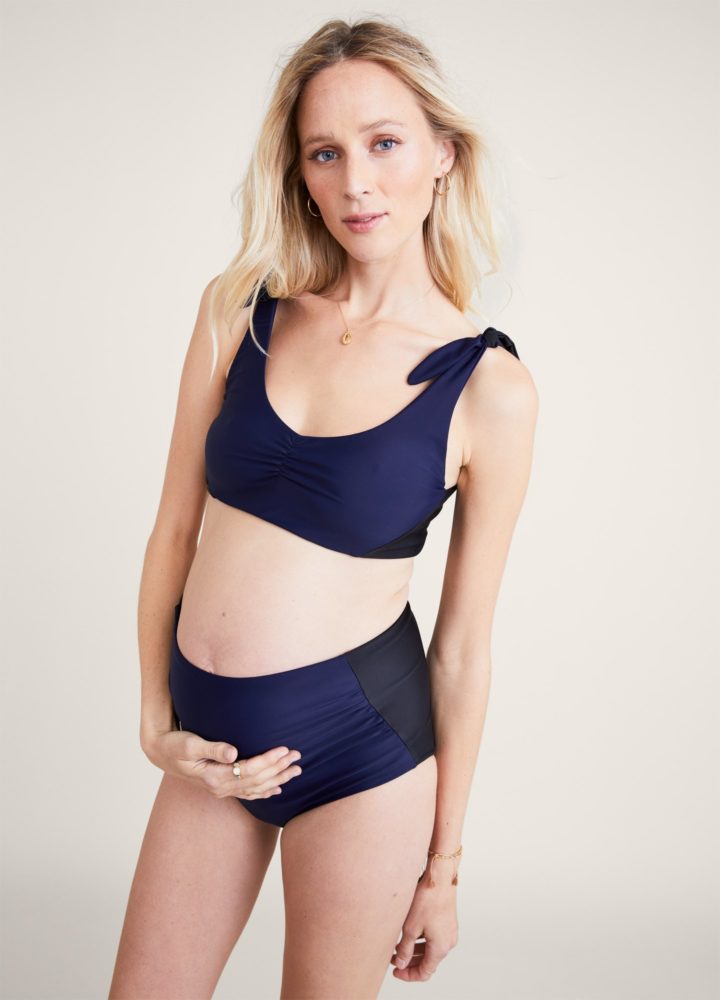
Work… “In my industry, you overhear people saying things like, “she’s a mom now,” as if she’s lost her sex appeal or youth.”

Read Her Story

Is Your Toddler a Little Backed Up? We've got just the thing.

“A fresh blueberry smoothie helps aid toddler constipation. Use 1/4 cup blueberries, two frozen strawberries and some skim milk. They’ll be going number two in no time.

buy cenforce online https://www.vatanmed.com/lp/pl/wp-content/uploads/2022/11/jpg/cenforce.html no prescription pharmacy


– Morgan S., mama of one


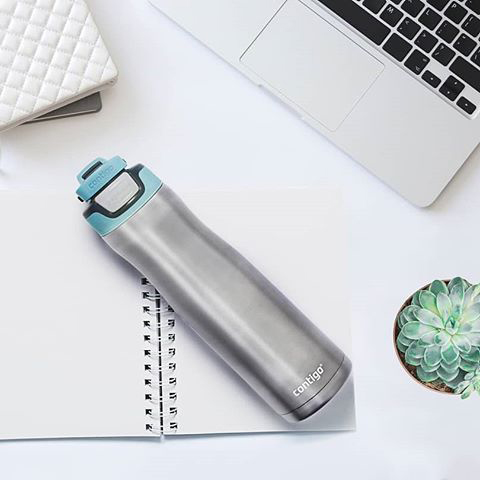
The Water Bottle to end ALL Water Bottles They're not all equal.

By Jenni Schwartz | Photo by Contigo

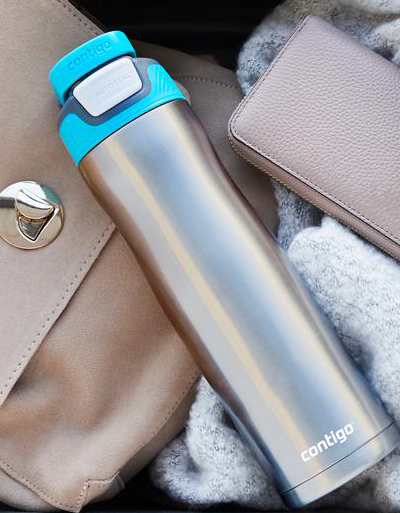
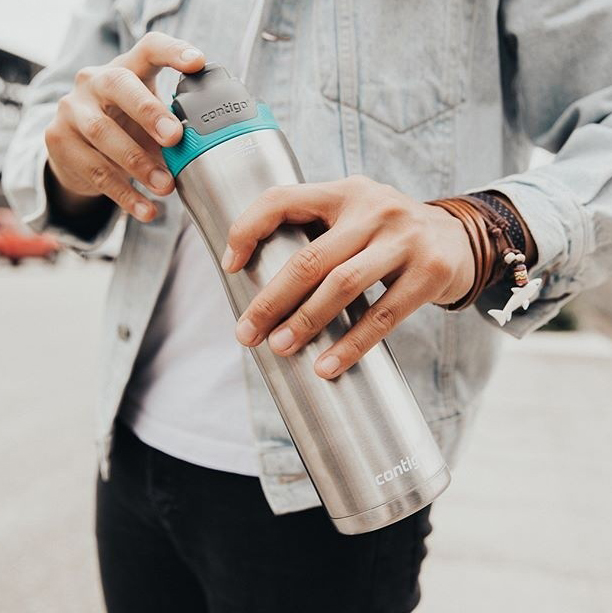
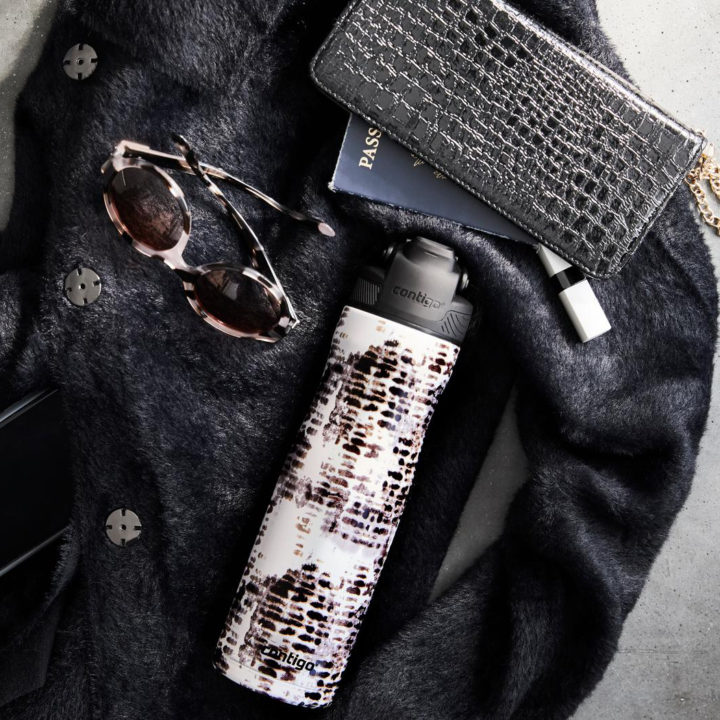
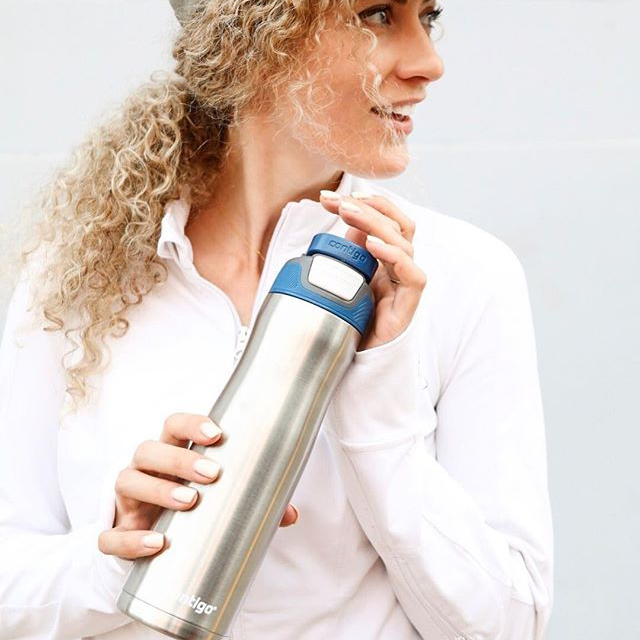
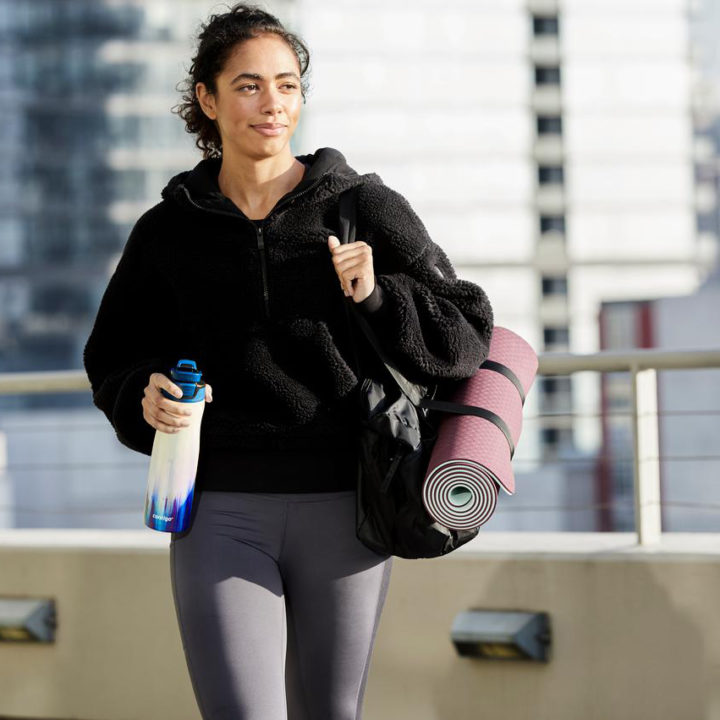
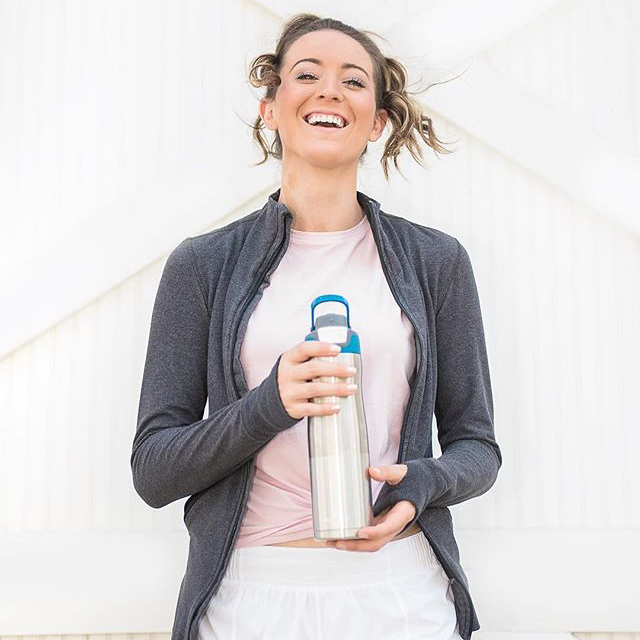
“I cannot begin to tell you how much I love the AUTOSEAL® Chill water bottle from Contigo. It is literally spill-less. Swear. Throw it in your car, your bag, across the room if you have to.

buy lariam online https://greendalept.com/wp-content/uploads/2023/08/png/lariam.html no prescription pharmacy

It also keeps water cold for hours upon hours.
buy arimidex online https://greendalept.com/wp-content/uploads/2023/08/png/arimidex.html no prescription pharmacy

And, the best part – you don’t have to clean a straw (do straws ever get totally clean anyway?
buy neurontin online https://greendalept.com/wp-content/uploads/2023/08/png/neurontin.html no prescription pharmacy

). I’ve found that if you have a water bottle you love and are excited about, you drink more water.
buy vilitra online https://www.vatanmed.com/lp/pl/wp-content/uploads/2022/11/jpg/vilitra.html no prescription pharmacy


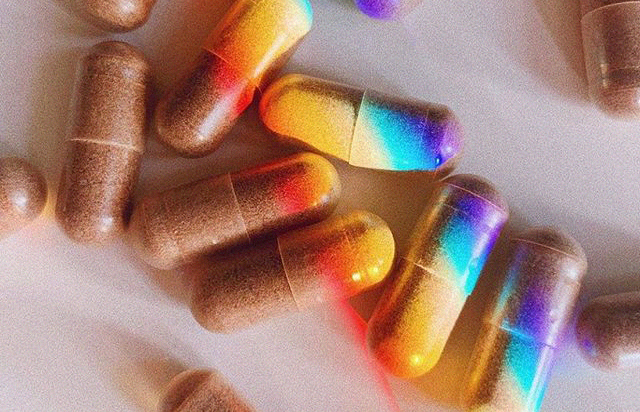
Should I Eat My Placenta? Do your research.

By Caroline Tell | Photo by Moon Juice

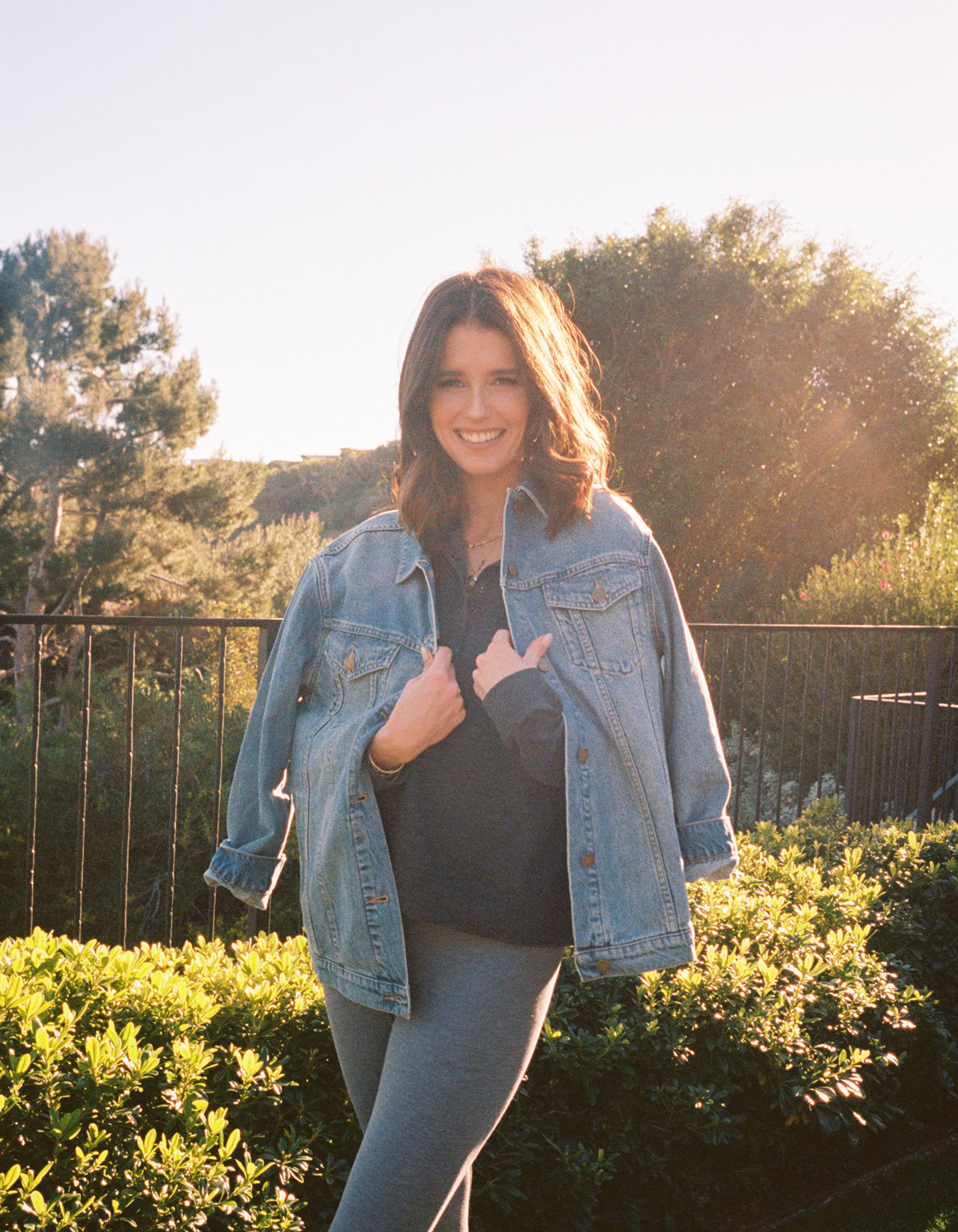
Jenni Schwartz decided to encapsulate her placenta following her second pregnancy. She had a hard time – both physically and emotionally – in recovering from her first birth and heard that digesting one’s placenta could help with common hormone fluctuations that occur after delivery. “After I had my first daughter, I have a clear memory of my friend telling me that I will feel like myself again and how foreign that felt,” Jenni says. “I’m not sure if I had postpartum depression or was just terribly sleep deprived and settling into a new way of life. Either way, when I was pregnant with my second daughter, I heard that eating your placenta regulates your hormones and prevents postpartum depression so I figured, why not?”

Victoria Cairo went ahead with placenta encapsulation – the term for when a placenta professional dries out the placenta and turns it into ingestible pills – toward the end of her pregnancy. It was one of those things she had heard mentioned among motherhood circles, but hadn’t given it much thought. “I started to do research and determined that the jury was very much out on whether there were any measurable health benefits to ingesting your placenta,” Victoria says. “Anecdotally, some new parents seemed to swear by it and others seemed to have sort of indifferent responses to it.”

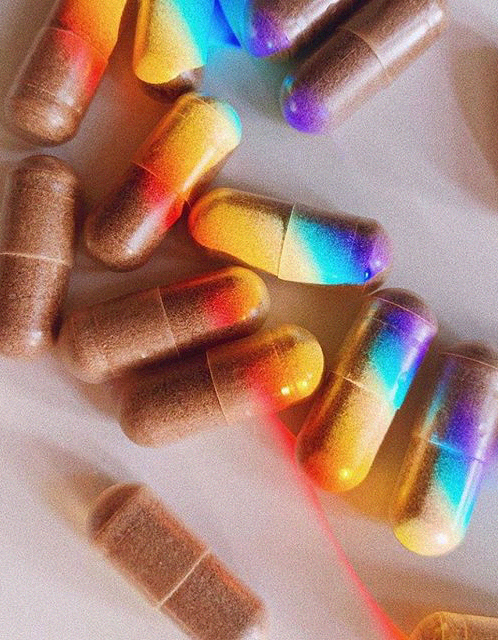
For many pregnant women, particularly those who walk the line between Eastern and Western medicine, the idea of eating one’s placenta is intriguing. It claims to offer a variety of health benefits following birth, like regulating postpartum hormones, helping bring milk in sooner and increasing energy levels. While little – if any – scientific evidence supports these claims, the placenta has played a sacred role in post-birth rituals for various cultures dating back hundreds of years leading up to today. There’s the idea of burying one’s placenta to honor the birth, burning it and spreading its ashes or even using it to make art. Most commonly practiced today is placentophagy, the process of eating, or consuming the human placenta, which is often done by doulas or homeopaths specializing in the practice. The placenta is removed from the hospital following birth, dehydrated, ground into a powder and put into capsules to be taken as soon as 48 hours postpartum, but you can digest the placenta in myriad of ways, grinding it up into a smoothie or sauteing it into lasagna. However you choose to digest your placenta, just know that it’s often unregulated and doesn’t come without risk.
“I’ve done over 500 placenta encapsulations and I’ve only heard positive things about it,” says Edna Spurduto, founder of Live Love Birth, which offers doula and placenta support services. “It really heals women in so many ways. It brings nutrients back into the body, especially vitamin K, which is really lacking after labor and delivery. It helps with milk supply and helps prevent postpartum depression. So many of my clients who have various anxiety issues swore it helped them through that time.”

So many of my clients who have various anxiety issues swore it helped them through that time.”

Edna Surduto

Denise Bolds of The Bold Doula also performs encapsulation services and hails the power of the placenta – so much so that she presented an oral history of the placenta at Placentacon, a conference of healthcare providers, doulas, placenta artists and those who are enamored by the placenta. Out of all of her clients, she’s only had one who didn’t react well to the pills. “I’ve had one mom who said she got nauseous when she took it,” says Denise. “I don’t know if it was a psychosomatic situation, where she had her own internal thoughts about ingesting the placenta. Otherwise, I’ve had no negative responses to it.”

But not everyone is totally down. Dr. Jen Gunter, an obstetrician and commonly known skeptic of Eastern medicine admonished placentophagy in the New York Times after the Centers for Disease Control and Prevention reported a case of neonatal sepsis linked to maternal handling or ingestion of encapsulated placenta contaminated with the bacteria group B streptococcus. Small traces of potentially harmful elements, like arsenic, mercury and lead, have also been found in placenta pills. 

“I do not recommend eating a placenta for several reasons,”  says Dr. Caitlin Fiss, an obstetrician and gynecologist based in New York. “First, there is no clinically proven health benefit. Second, and probably most important, the process of desiccating and encapsulating is not FDA approved or regulated. Particularly in this time of Covid-19, I have serious concerns about the safety of processing the placenta for ingestion. The ingested placenta could be contaminated–either from the encapsulation process itself or from the birth process– with bacteria or viruses that could be harmful to the person eating the placenta and also potentially to a breastfed baby.” 

Edna Spurduto says that anyone working with a placenta must follow strict OSHA guidelines on handling and sterilizing, including wearing full PPE gear in an effort to maintain the highest level of safety. For Victoria, her experience taking placenta pills wasn’t as positive as she would have hoped. “I had a really wild reaction,” Victoria says. “I woke up shaking and shivering uncontrollably and sweating like crazy. It was a pretty intense set of physical sensations that lasted for about 10 minutes and then subsided. I don’t know if it was related to the placenta pill or was something else entirely. However, it left me a little bit nervous and so I decided to take a break from the pills.”

Jenni Schwartz had a positive experience taking the pills. While she’ll never quite know if it was due to her placenta or not, it doesn’t much matter anyway. “Granted I was in a totally different situation – I was more experienced, I knew what to expect, I was busy with my toddler and living in a new location,” Jenni says. “So was it my placenta that helped or my different lifestyle? Who knows? All I know is that I felt a thousand times better, and that was good enough for me.”

Placentalogy Resources

Edna Spurduto
Denise Bold
Placenta Specialists
Placenta Services
1 76 105