I Have the Pickiest Eater Ever Help me.

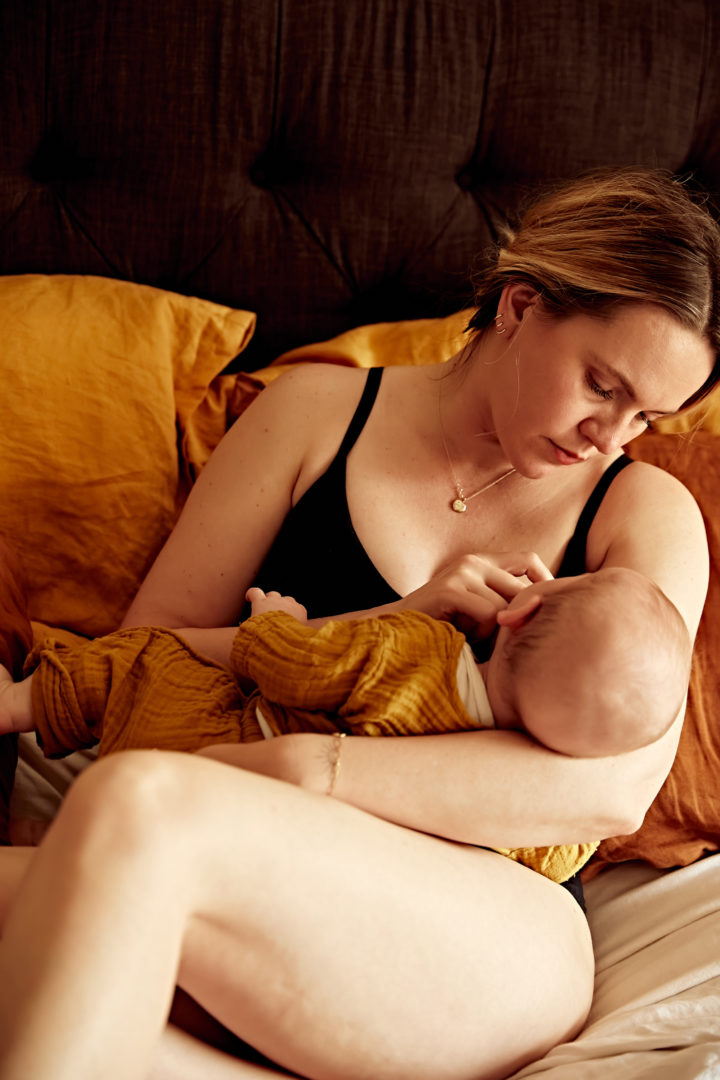
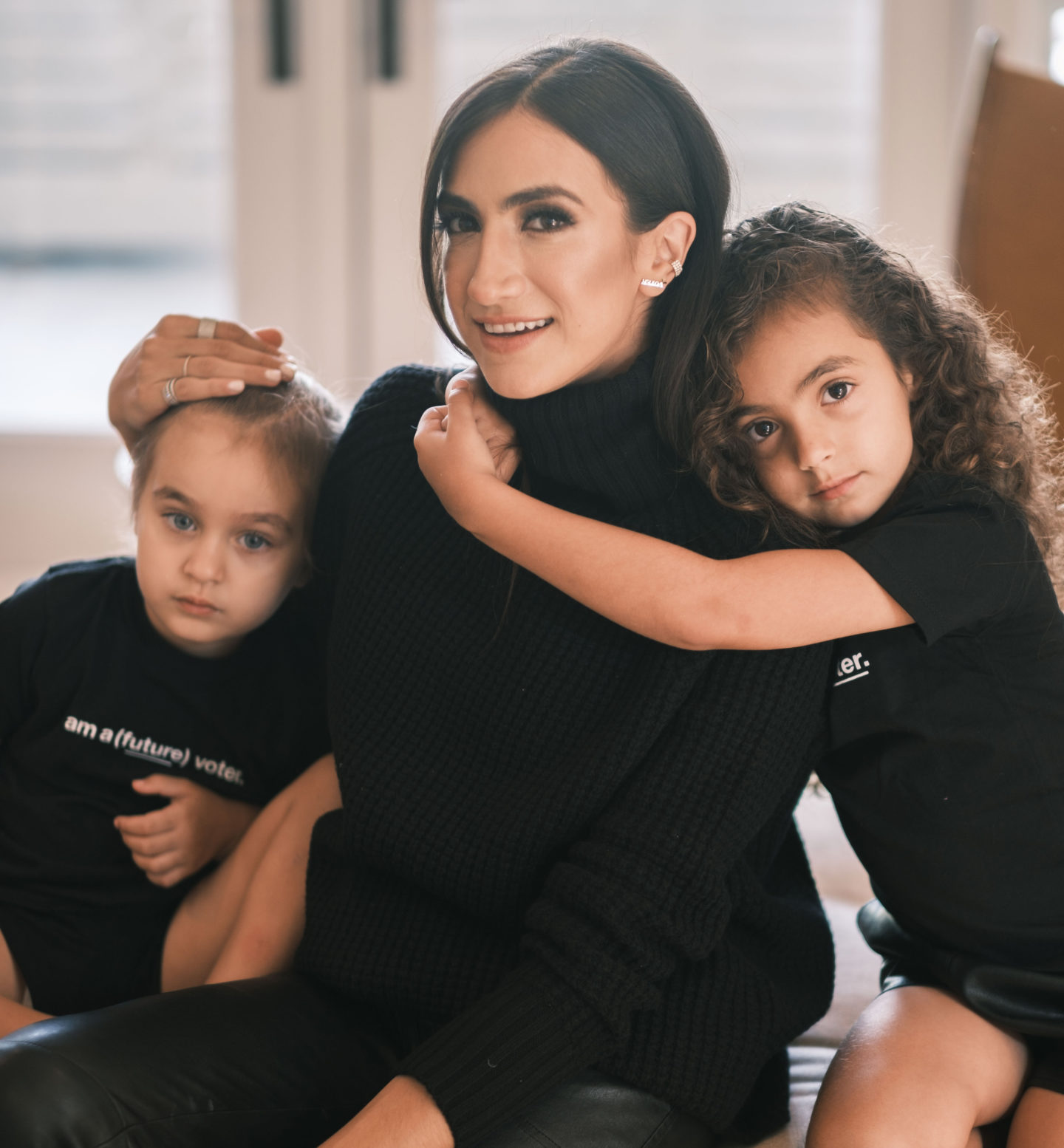
By Dr. Aliza Pressman | Photo by Leah Bradley

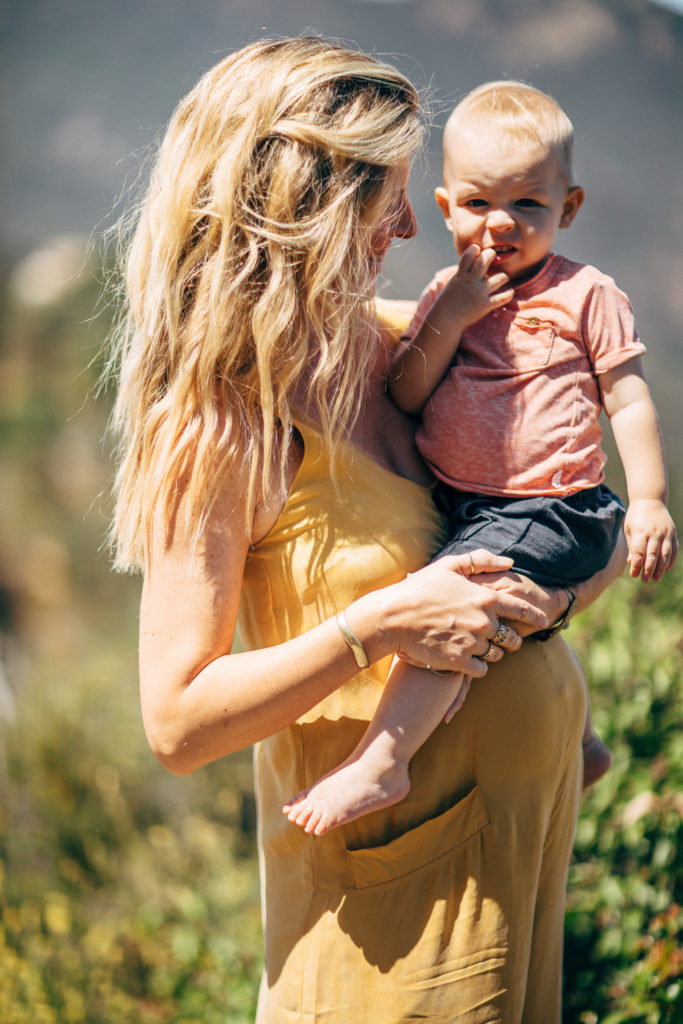
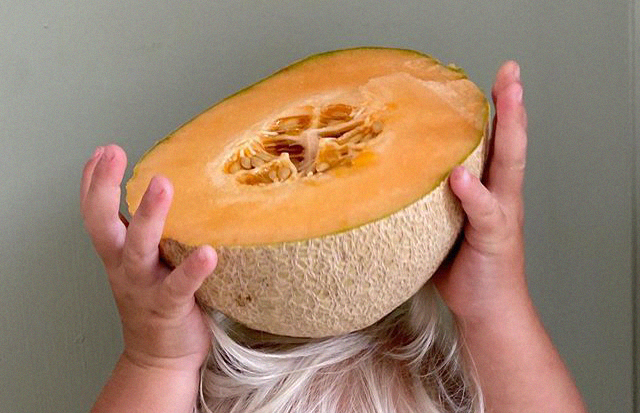
From starting solids to sleep training, parenting is full of decisions that most of us are making on the fly. Should we go back in and rock them to bed? Is television really the worst thing ever? Most of our choices reflect our individual perspectives on parenting, family and various levels of by-the-bookdom, but once in a while it helps to call in the big guns like a true expert opinion. So we’re bringing you answers to common parenting questions thanks to Babe’s resident pediatric expert, Dr. Aliza Pressman, Ph.D., co-founder of the Mount Sinai Parenting Institute and host of Raising Good Humans podcast. This week she takes on introducing healthy, diverse eating habits to our children, and how to navigate even the pickiest of eaters and grazers.

Q. Dear Aliza, 

HELP. I desperately want to start my baby on food and create great eating habits early because I think I totally effed it up with her older brother. My three-year-old son won’t eat a damn thing and it’s getting on my nerves. All he wants to do is snack, snack, snack and pick, pick, pick. I can barely get a piece of chicken down his throat and heaven forbid it has anything GREEN on it. Please help.

– Sophie D., mom to Jake, 3 and Chloe, 6 months

A. The first thing is recognizing, from a health perspective, that there are a ton of opinions on what sets a kid up as a healthy, diverse eater. So it’s one of those things that parents can take with a grain of salt. But out of all the opinions, make sure you’re careful of certain things, like no honey in the first year of life and some other allergy-based facts. Always check with your pediatrician because answers will vary and the research is always changing.

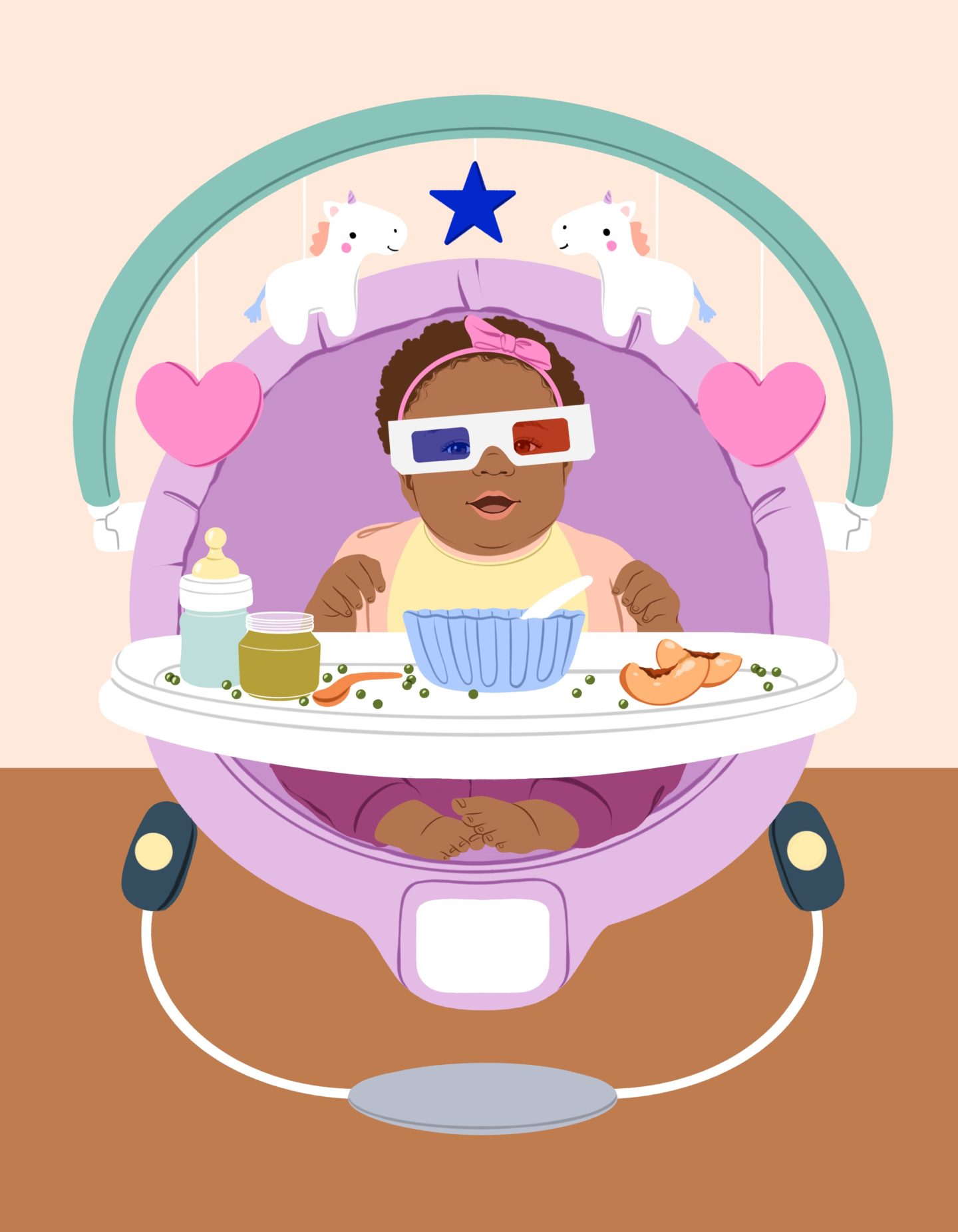
People often say the best way to start solids is through baby-led weaning, which is when babies will self-feed rather than be spoon-fed by you. Others will say to put some fruit in a blender and serve it up. Whatever you start with, do that food once per day for four days and then add the next food. That way you’re checking for allergies or any reactions.

I think the tone you set for starting solids is more important than the actual choices you make starting solids, and the tone should be that mealtime is a social, happy, relaxed environment. You also don’t want to force an amount of food on kids. You want to take the opportunity to watch their cues. If they’re shutting their mouth, don’t shove a spoon in it. Remember, the first few months of solid food are practice. We don’t worry about nutrients so much. Of course, make healthy choices. You don’t want to add sugar and corn syrup and add unhealthy ingredients into the experience, but whether you do one kind of fruit or vegetable first, or whether you’re putting dinner into a blender, it has to be whatever way makes you and your pediatrician most comfortable. But the tone you set will be the opportunity to instill healthy habits.
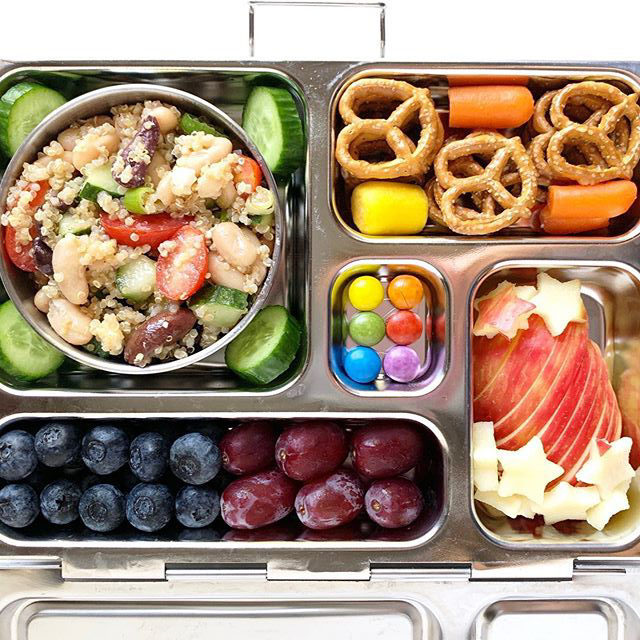
By nine months, you want to be getting a lot more nutrients from solids, and you can add one meal per month. So if you start at six months, it’s one meal. At seven months, you’ll have two means, and eight months, you’ll have three meals, etc. 

When you’re exploring food with toddlers, the first thing to know is that toddlers are not as hungry and their appetite will vary throughout the day and week. You almost want to measure toddlers’ nutrient intake over the course of two weeks and by variety, not just by day and also recognizing when you offer a new food. It can take 15 tries. Just don’t give up on things. 

If you’re extremely bothered by their lack of eating, it’s important first to check why you care so much. Is it because they’re not growing properly? If so, it’s important to figure out. Or is it because you feel attached to getting them to eat? So it’s always important to look at the information objectively. Are they thriving? Are they growing properly? And if they’re not, that’s a different conversation. But for kids who are normally developing and all is well, they might have a day where they’re being picky and you can just keep offering. But don’t accommodate the picky eating. Don’t then go to snack foods when they’re hungry.

You want to measure toddlers’ nutrient intake over the course of two weeks and by variety, not just by day.

By about three years of age, you know if you have a meal eater or a grazer. If you have a grazer, you make the snack food the food. We associate a 4 p.m. meal with Annie’s Organics and we associated the 6 p.m. meal with chicken and broccoli. So I would actually think about giving your grazer the same bits of healthy meals throughout the day. Then she can have the Annie’s at 6 p.m.

So that’s where you have to go. Are they really going to starve? Stop the cycle of “here’s what’s for dinner.” Always put something they like and pick their favorite vegetable and choose something green. You want lots of colors on the plate. It doesn’t mean they have to eat all of it, but your job is to have them try healthy food. Enlist them to cook and grocery shop. It’s a good way to get them more invested. If their weight is fine and they’re not up in the night screaming, then that’s fine and you’ve saved food. Just remember, healthy modeling is that they might not like salads today but they’re watching you and learning by how you are when it comes to food choices.

For Your Child Who Can't Separate Try this game.

“If your kid has separation anxiety, try playing peek-a-boo or hide-and-go-seek. If you have a baby, maybe hide behind a book and say, ‘Where is mommy? Peek-a-boo there she is!’ For older toddlers, go behind a column and poke your head out. If you practice going away and coming back, it helps them separate.

buy albenza online http://iddocs.net/images/layout4/gif/albenza.html no prescription pharmacy

It reminds them that they can do this, and that people come and go and come back.
buy renova online http://iddocs.net/images/layout4/gif/renova.html no prescription pharmacy


– Dr. Aliza Pressman

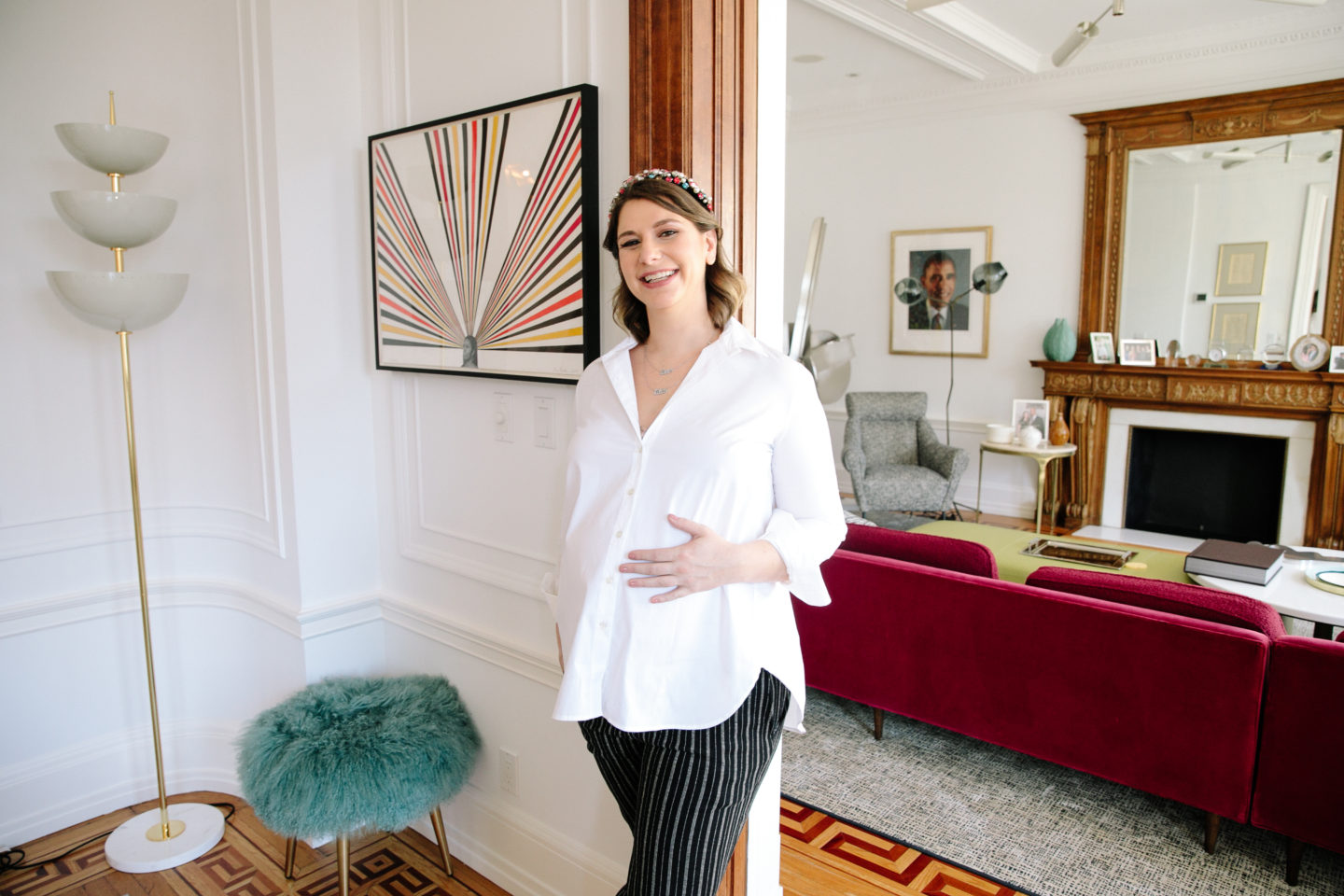
Hill House Home's Nell Diamond Is Having Twins And living in a state of gratitude

By Ruthie Friedlander

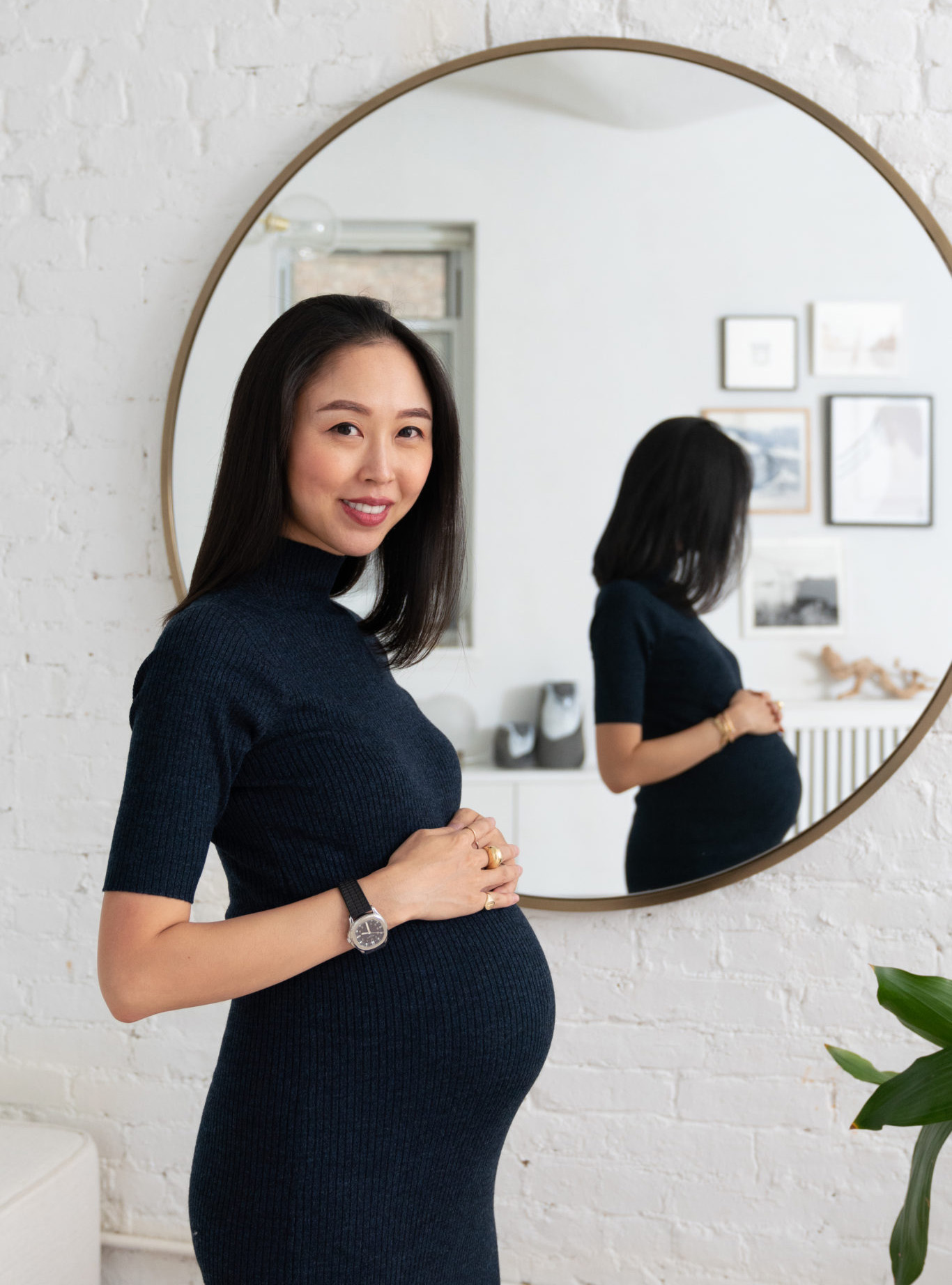
Utterly chic, this expectant mama dishes on preparing for twins, the debilitating nausea of Hyperemesis, IUI pregnancy, and her go-to podcasts. Plus, her overwhelming sense of gratitude amidst the staggering reality of Black maternal mortality and her efforts to support Black Mamas Matter Alliance. @nelliediamond

Current state of mind?

Getting through the day!

Difference between pregnancies?

Overall it’s been an entirely different experience from the start. Henry was a surprise and we did an IUI with this pregnancy. Plus, we’re having twins, which immediately makes me “high risk.” Therefore, I’m seeing my doctor a lot more, and by 20 weeks, I felt like I did at 35 weeks. The one similarity between both is my Hypermethies—a condition that causes extreme nausea and sickness for the entire pregnancy (particularly leading up to 20 weeks), and is hugely debilitating. At times I’ve had to be hooked up to an IV because I can’t drink water or keep anything down. While I had this with Henry through to birth (literally, I was vomiting in labor!), this go-around, with twins, nothing compares to the severity. However, I’ve thankfully passed the intensity of the first 20 weeks and only have “regular” nausea.

Unfortunately, there’s no cure other than to power through. That said, the one thing that doesn’t help is everyone’s advice and I’ve found not talking about it is best. While well-intentioned, most people offer home remedies like “drinking Sprite” or “eating lemons,” all of which I’m sure is wonderful for common nausea, but in my case, nothing works.

Pregnancy during quarantine?

My overwhelming feeling throughout the pandemic has been gratitude. I’m extraordinarily appreciative of all the essential workers and medical professionals. I feel exceptionally fortunate that I didn’t have to choose between putting my family and myself at risk every day or go to work.

Plus, watching the powerful protests that started in June for Black Lives Matter became a crucial part of my pregnancy.

Reading the CDC data and understanding the mortality crisis that Black mothers are facing is staggering. With stats like Black women are over 30 are five times more likely to die of pregnancy-related causes than white women, is crazy. How can it be that a girl my exact age, at 31, is five times more likely to die in labor than I am? There is no more explicit evidence of deep-rooted racism embedded in our society and the medical system. It’s petrifying to think about how many of these pregnancy-related deaths have been preventable. For example, Sha-Asia Washington, a 26-year-old Black woman from Brooklyn, died a few weeks ago in NYC during childbirth. It’s all too easy to disregard this as “happening elsewhere.” But no, this is happening here, in the city we live in as a result of systemic racism.

Recognizing we have a real chance to effect lasting change and move forward at this moment is critical. Over the past few months, I’ve considered how I can leverage my privilege of “not being five times more likely to die in childbirth” to make a significant impact in this space. I’ve become involved with several fantastic organizations, including Black Mamas Matter Alliance and the National Birth Equity Collaborative.

Birth plan?

I feel 100% safe about giving birth in NYC. I have such reverence for the medical field and medical professionals that are getting us through this crisis, and I trust my OB entirely. During the pandemic’s height, I continued to go into the city for every doctor’s appointment—her office took extensive precautions.

In pre-COVID “normal” life, it’s impossible to make a birth plan, let alone now. I don’t set expectations, other than hoping for healthy babies and I’m very much of the mind that whatever happens, happens. With Henry, I had to leave the hospital before him, and it was a nightmare. Therefore, rather than be disappointed, I’m mentally taking it one day at a time.

Thoughts on breastfeeding?

Henry was in the NICU for the first week of his life and had formula from day one. I had all these preconceived notions that he had to have breastmilk strictly; however, the NICU nurses were like, “NO, you don’t have a choice. He needs formula. Your baby has to stay alive!” That’s when I realized that all the planning and ideas we have don’t matter. Instead, we have to do what’s best for our babies and children at the moment.

In the end, I breastfed Henry until he was three-months-old mixed with supplementing. While I didn’t super enjoy it, I was proud that I lasted that long. With the twins, when it comes to breastfeeding, I’ll take it as it comes. Plus, there are many excellent options for formula now, and a combination of breastmilk with formula can be wonderful.

Will you take maternity leave?

When I got pregnant with Henry at 27, a week after I launched my business Hill House Home, I had zero context. None of my close friends had babies, and the pregnancy was a surprise. As I had just started a business, my maternity leave situation was nonexistent. With only one employee, I jumped back into work as soon as possible. Now, I have an incredible team that I have every confidence in, plus we’ll see what the world looks like in October.

Exercising much?

For the first 20 weeks, I couldn’t sit up and had to work lying down not to vomit. Now that I’m feeling a bit better, I try to walk as much as possible to get my coffee or run errands. I love my Fitbit and do about 5K steps a day.

Eating or craving?

Food is so hard for me through pregnancy, and not particularly exciting. I live in this constant balance of not wanting to eat anything but knowing that I have to eat to stop the nausea and provide for my babies.

I remember with Henry, I gained weight and certainly ate, but I didn’t enjoy food for nine months. The hour after I gave birth was the hungriest I’ve ever been in my life. I had hospital scramble eggs and thought they were the best thing I’d ever had. I think I even put ketchup on them, which I have never done!

Reading?

I’m a big reader, but mostly fiction, and I don’t read much about motherhood. Although, bizarrely, I love to read the Reddit and What To Expect forums. It’s like reality TV!

Listening?

I listen to The Daily Podcast every morning, plus The Economist Podcast and Justice In America by Josie Duffy Rice.

Preparing for twins?

I haven’t bought anything yet! To be honest, I don’t know how to plan for twins and have no idea how different it will be until they come. At a minimum, I know I need two cribs, and the rest I’m trying to figure out.

Any advice…?

You’re going to get a lot of advice, so try to take everything with a grain of salt otherwise it can become overwhelming. Trust your instincts and use your internal filter as much as possible.

Attachment style parentingAttachment style parenting

A Love Letter to my Boobs Real Simple’s Heather Muir Maffei on her favorite accessories to date.

By Heather Muir Maffei

Full disclosure: I’ve always loved my boobs. I felt so cool when I wore my first Hanes training bra. In high school, my 34Cs were my best accessory (second only to my fake Louis Vuitton bag). At my first job at Cosmopolitan, I got a gift card to get a proper bra fitting at a fancy boutique on the Upper East Side, where the saleswoman informed me I actually had 32Es—woah. Regardless, I fully embraced them. When I was pregnant, I wore bodysuits to my sonogram appointments. I’ll admit, the crotch snaps weren’t the most convenient but the bodysuit made me feel sexy. When my milk came in five days after my son DJ (we call him “Bean”) was born, I stood in the shower and couldn’t get over how heavy they were. “They’ve gotta weigh five pounds each,” I told my husband, Dave, insisting he feel one. Sure, it was a different kind of appreciation (less perky; more purposeful) but, I was in awe. Now, eight months into my breastfeeding journey (a majority of which has been spent exclusively pumping), and despite my saucer-size areolas and weathered nips, the fact that they’ve fed my baby results in a whole other level of admiration.

Kathryn, the midwife that tag-teamed with my OB throughout my pregnancy, coached me on how to hold Bean and help him latch just minutes after I gave birth in a sunny hospital room in Poughkeepsie, New York. Despite being induced at 41 weeks, following a blood clot scare and tearing (like, a lot), I felt like a goddess. I had a fresh blowout, a full face of makeup and sparkly hoops on, and my beautiful eight pound baby boy nursing on my boob. I DID IT. When my left nip didn’t pop out on command, Kathryn offered me a nipple shield (a clear, plastic nipple that gives the baby more area to latch onto). I’ll admit – positioning the nursing pillow, shield and Bean’s tiny head didn’t feel like the most natural thing on the planet, but the golden stuff was coming out. Then Anne, the hospital’s lactation consultant quickly swooped into my room, and rattled off 13 reasons why the nipple guard was the devil. Whatever. Not even sassy Anne could knock me off my post-delivery high horse. 

On day five, my milk came in and I stood in the shower and felt a mix of fear, shock and relief. I nursed openly, in front of family and friends and was proud of it. My mom was relieved, and Dave thought it was “cool,” but other family members were quick to bark unsolicited advice and incorrect information (ie early on, someone told me Bean was getting what he needed within the first five minutes on my boob). I was annoyed but blocked out the noise. In the wee hours of the night, I fumbled with the shield, only to position it perfectly for him to knock it off in seconds. I worried about how much milk he was getting. I felt badly when the pediatrician told me to undress him prior to feeding to prevent him from falling asleep at my boob. I nursed DJ in one arm, while feeding myself with the other. I felt guilty for not giving my mom friends more credit for breastfeeding or even talking to them about it (you just don’t get it until you’re going through it). I can’t believe everyone goes through this, I remember thinking, and instantly had a newfound respect for all moms—especially mine, who worked full-time and was on call often, yet breastfed me for a year (A YEAR). 

At one of DJ’s early checkups, our pediatrician said he was doing great, but suggested I pump to increase my supply. So, that night, I broke out the pump, which looked like a foreign object, and although there have been some bumps in the road, I never looked back. I liked knowing how much milk he was getting, and I liked that Dave could give him bottles. I alternated boob and bottle feeding for a short time then transitioned to exclusively pumping. Listen, I’ve nailed live Good Morning America segments. I gave the keynote speech at my alma mater’s commencement ceremony. I interviewed freaking Beyoncé. But this, my friends, is the hardest thing I’ve ever done. It’s painful. It’s isolating. It’s time-consuming and it’s exhausting. One day, you feel like you’ve got it and the next day you don’t. It’s emotional. It creates resentment (why can’t men make milk again?!). And while I don’t know how long I’ll go, knowing that my body has fed Bean for eight months and counting is my biggest accomplishment yet. Do I love it? No, but guess what? That’s OK. Pumping has taught me discipline, determination, and selflessness, and while I look forward to closing the chapter one day, I can’t help but feel grateful reflecting on how much it’s helped both of us grow.

Heather’s Top 10 Pumping Tips

From dynamic nipple warm-ups (whee!) to coconut oil-lubed flanges and everything in between, here are the life-changing pumping tips that every new mom needs to know.

Score a super-efficient pump—for free. I asked my friends for recommendations and landed on the hospital grade Spectra 2, which I was pleasantly surprised to learn that my insurance covered (who knew?). After a relatively quick phone call and a small amount of paperwork, the pink and white pump was delivered to my home a few weeks before Bean was born. Hot tip: Sanitize that sucker so it’s one less thing you have to deal with when sh*t gets real. 

Order new flanges. Every article I read on pumping said that it shouldn’t hurt. Well, it definitely doesn’t tickle, but there are a few tricks to making it more manageable. To be fair, my husband, Dave scoured pumping blogs (what a guy) for advice, which included ordering differently sized flanges in addition to the standard ones that come with the pump. I bought a few and ended up with 28mm on the left and 30mm on my right. Remember, like your eyebrows, nipples are cousins; not sisters.

Buy a vat of coconut oil. Another tip Dave discovered on the blogs: lubing up your flanges with coconut oil makes the whole cow-like experience a lot more comfortable by reducing friction between your nips and the plastic tubes. I keep a giant jar on my nightstand and rub the excess on my hands or lips. Oh, and instead of jacking up the settings from the start, do a lower level first as a warmup.

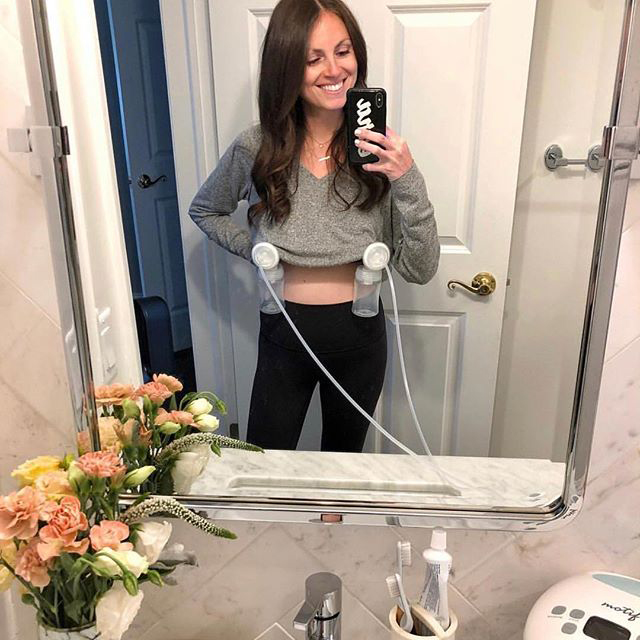
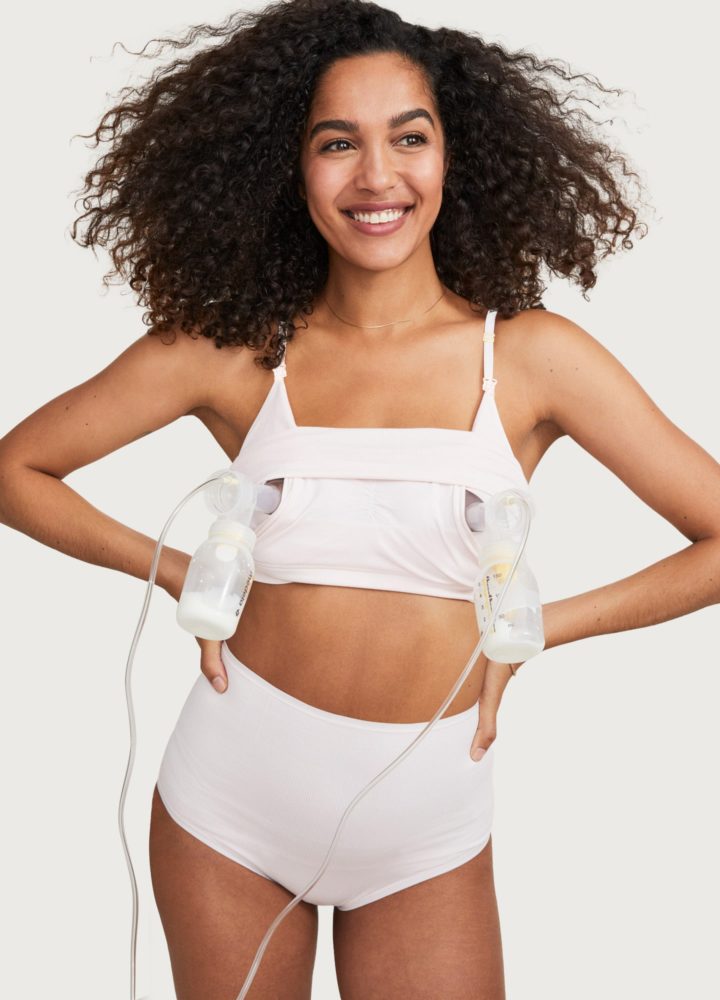
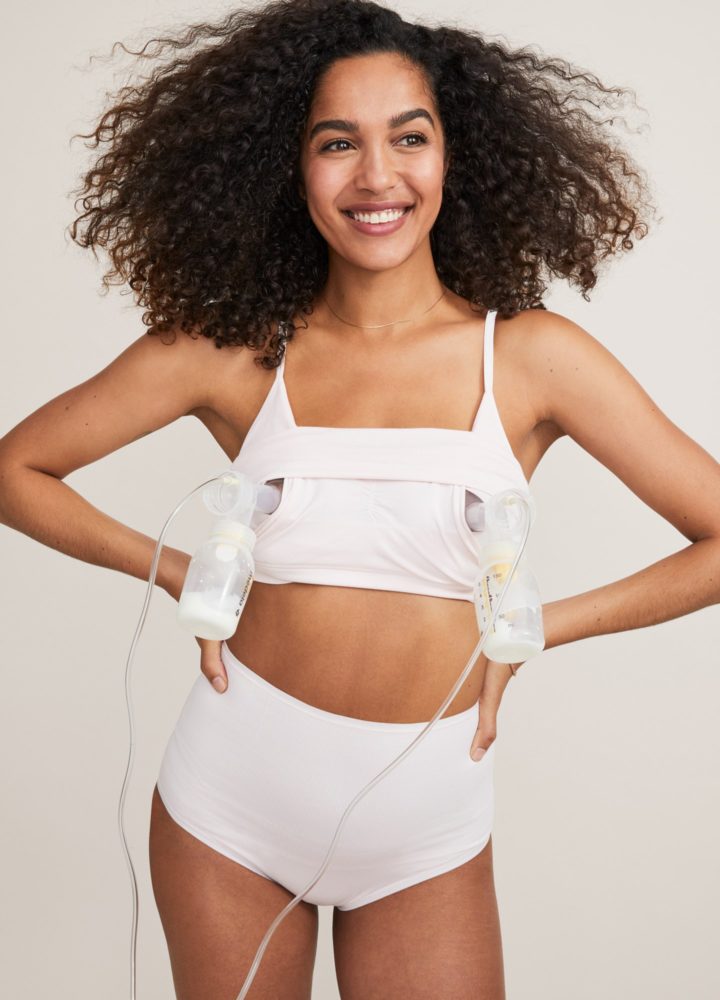
Get a hands-free pumping bra, stat. The first (and second) time I pumped, I held the flanges up to my boobs and thought, there has to be a better way. Thank God, there is. Hands-free pumping bras clip onto regular nursing/pumping bras so you can do other things like text and type while pumping.

Don’t set goals. I never thought I’d make it a week, let alone into eight months. One night when I was talking to Dave about debating how long I should do it, he said something along the lines of: Navy seals who try to make it through hell week have a significantly less success rate than those who just try to make it to breakfast. Ladies: just try to make it to breakfast.

Eat well. My supply is best when I sleep more (hard, I know), stress less (even harder), guzzle water, eat oatmeal and snack on Halfsies Milk Money cookies. My husband owns the company and developed the recipe when I started to BF. They’re packed with oats, dark chocolate, unsweetened shredded coconut, Brewer’s yeast, flax seeds, and wheat germ. When I skip meals, I notice a dip.

Use your face roller—on your boobs. After two clogged ducts, I found three things that helped. 1.) emptying my boobs—for me, that means pumping for 45 minutes to an hour. 2.) putting Bean on my boob and 3.) using a face roller to massage my boobs from the outside in toward my nips. I do this in the beginning of every pumping session. My go-to: Jillian Dempsey Gold Bar, which has a flat, vibrating tip. Jade rollers work, too.

Don’t panic. After establishing my supply, I was so pumped (ha) to watch it grow month by month. I was getting 40 some ounces per day. (I use the BabyNursing app to keep track of my stats.) But then there were days when it would dip. I called my girlfriend Gina, who reminded me to take a deep breath and bust out some frozen milk to take the pressure off. Gina runs a baby concierge service (Stork Support) and has been there every step of the way.

Enlist help. In the beginning I didn’t love visitors, but now every time a close friend visits, I have them wash my pump parts and it’s such a treat. Get a dishwasher basket to throw your parts in once a day. I hand wash in between, though some people swear by storing their parts in the fridge in between sessions. And don’t be shy about contacting your healthcare provider for backup. When I had mastitis, my doctor called in antibiotics that worked like a charm. Don’t wait to make that call.

Treat yourself. Get a pedi, a blowout, heck, take a trip the grocery store by yourself. Whatever makes you happy, do it, even if you feel guilty in the moment. You deserve it. Just because you’re putting yourself second to feed your child, doesn’t mean you shouldn’t ever get to come first.

Meet Your Nursing Essentials Getcha' boobs ready.

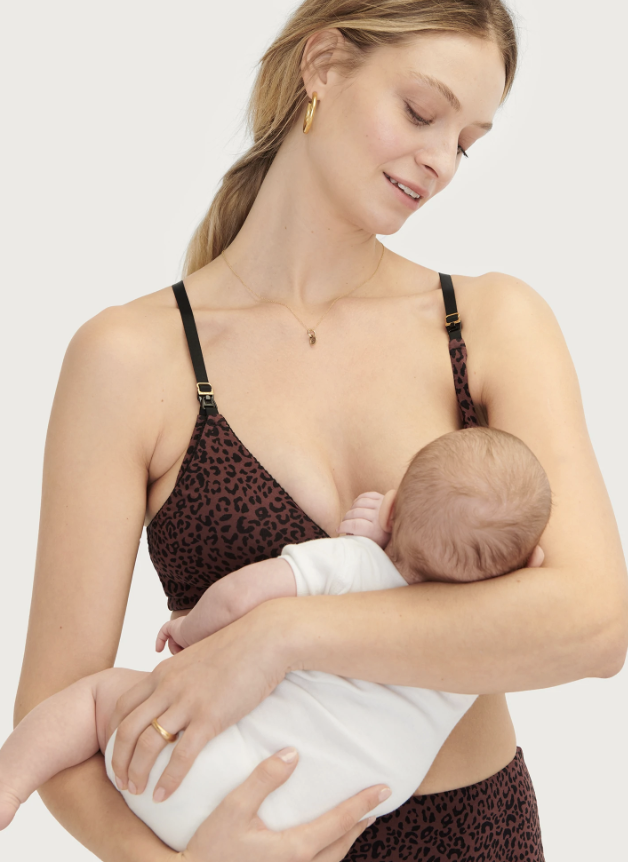
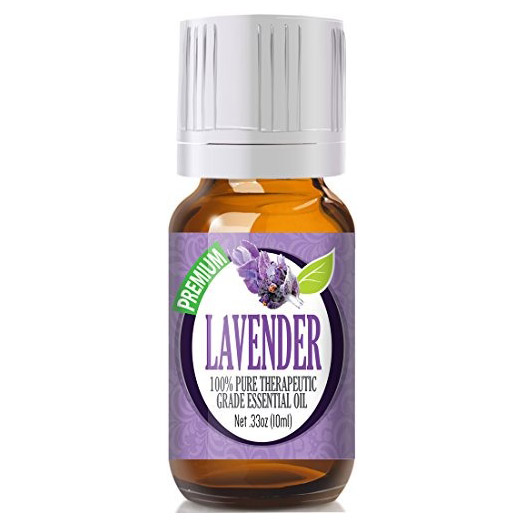
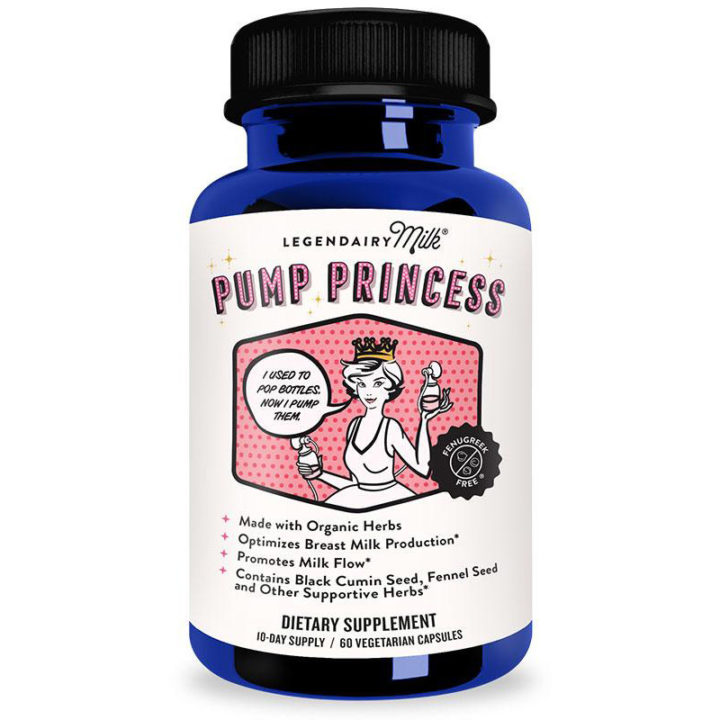
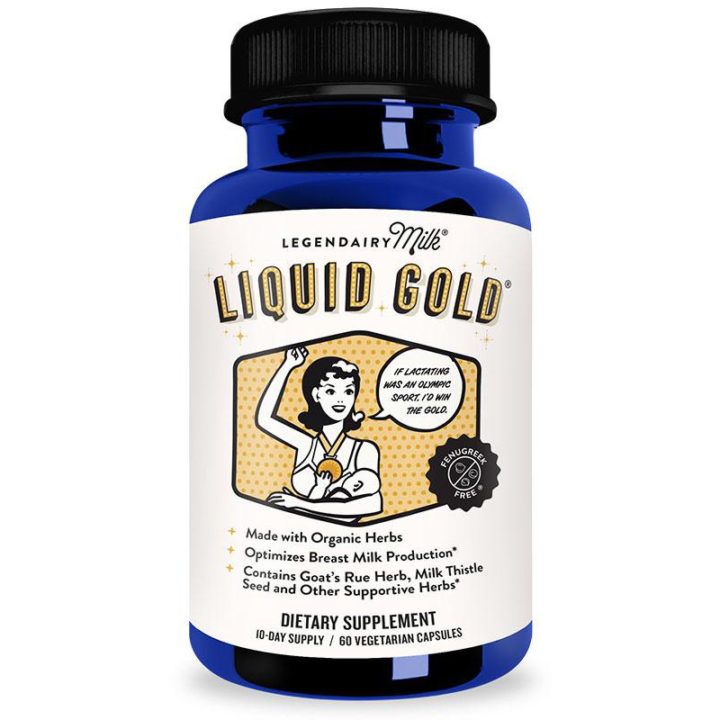
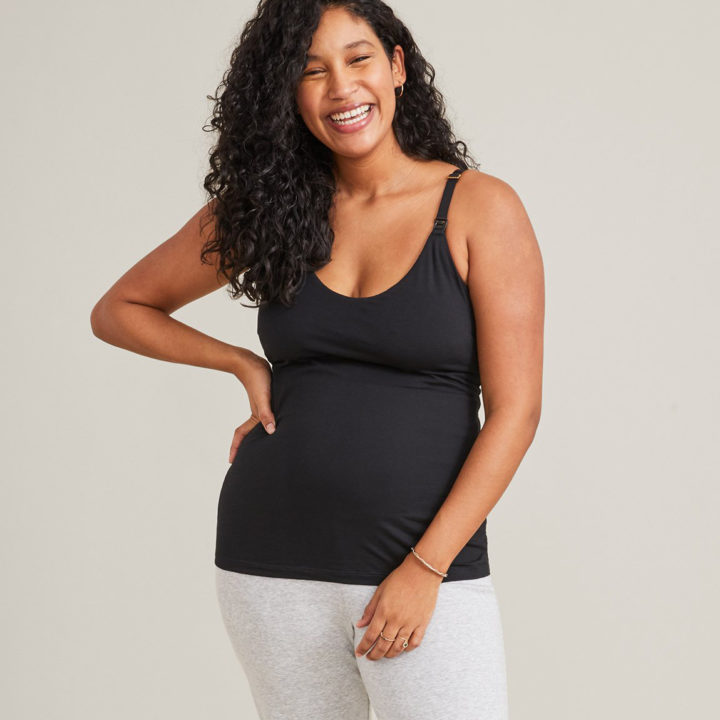
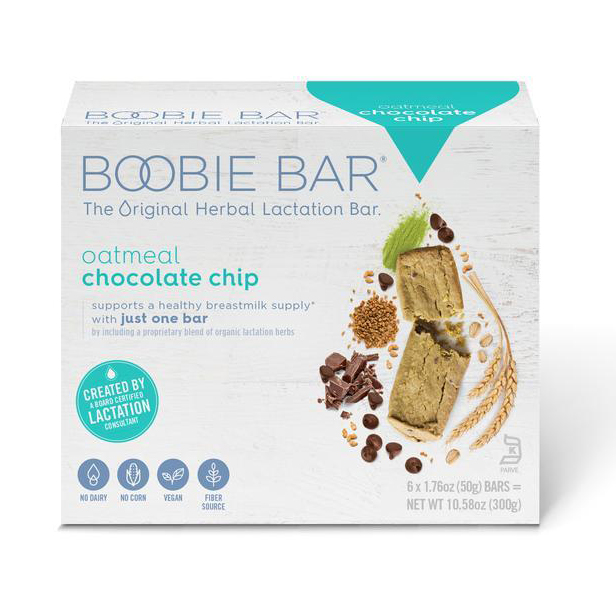
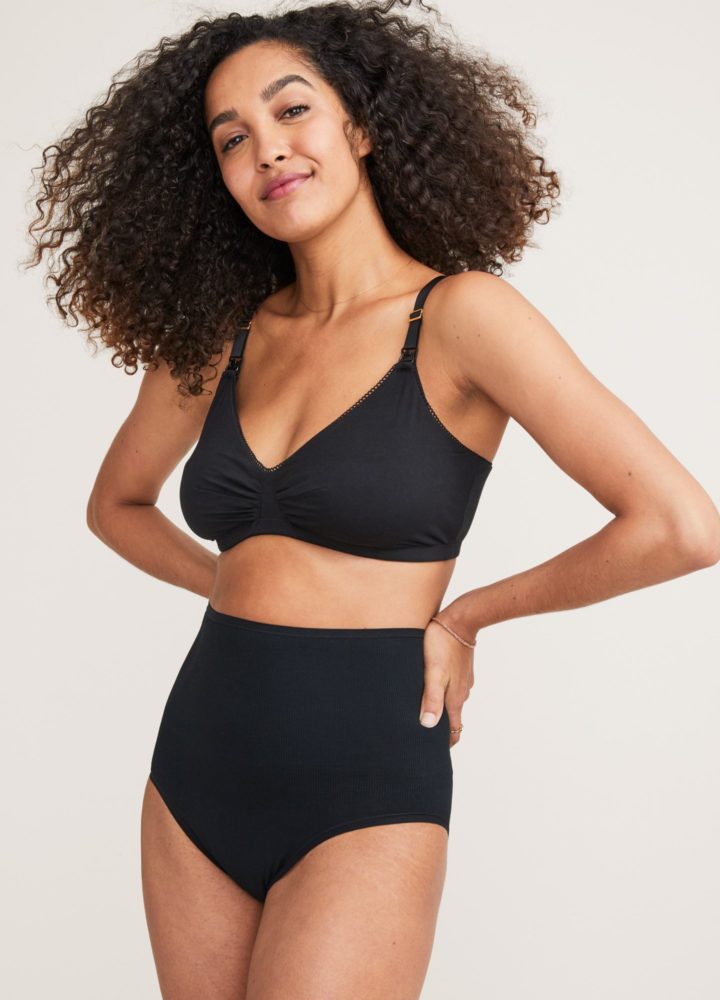
Breastfeeding is hard work. Full stop. While magical for some and less for others, it doesn’t necessarily come naturally to every woman (especially in the early days) and is almost always overwhelming. Therefore, we’ve culled our essentials — i.e., the best nursing bras, must-have lactation cookies, and more— to help get you through from the start.

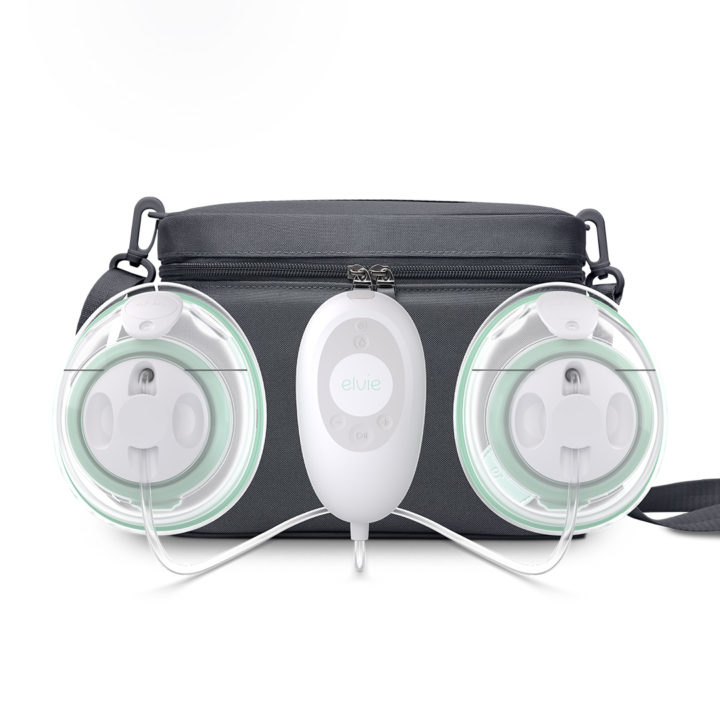
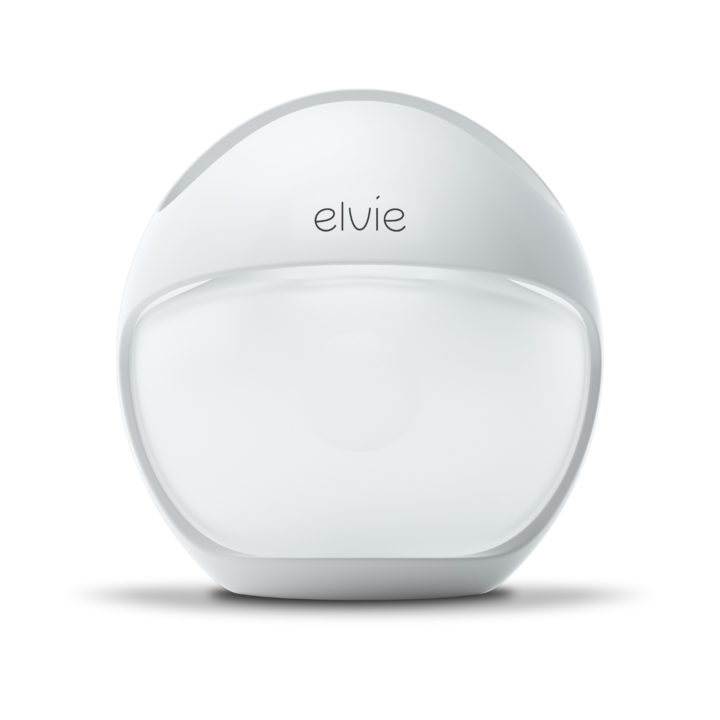
And while we’re talking must-have’s Elvie’s newest product, the Elvie Stride Plus couldn’t have launched soon enough. This hands-free, hospital-grade electric breast pump, comes with a 3-in-1 Carry Bag so you can be set free from wires and sockets.

Boobs the word

A hospital grade app connected pump that had a waitlist of 12,500!
Look ma, no hands!
Nursing Bra
Because sometimes you're gonna need a little support.
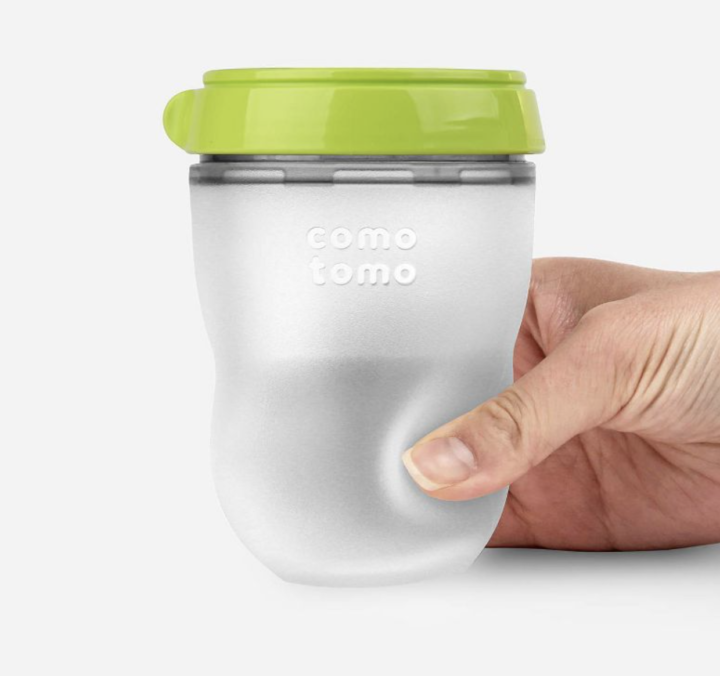
A bottle that closely mimics natural breastfeeding.
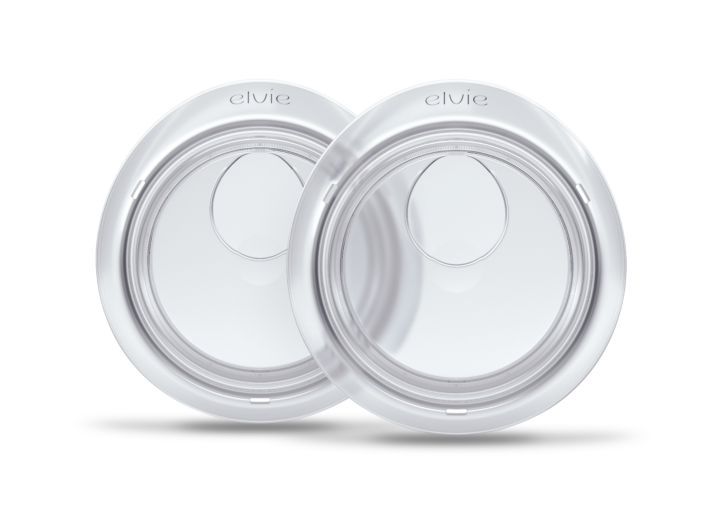
Get every last drop of milk — leak-free!
Leakage is real. Get these, in case you ever want to to leave the house. Trust.
For your nips, lips and all the bits.
Capture bonus milk in-bra discreetly and efficiently
Drink up
Hot and cold compresses will be your best friend.
Blanket slash cover-up slash all the things
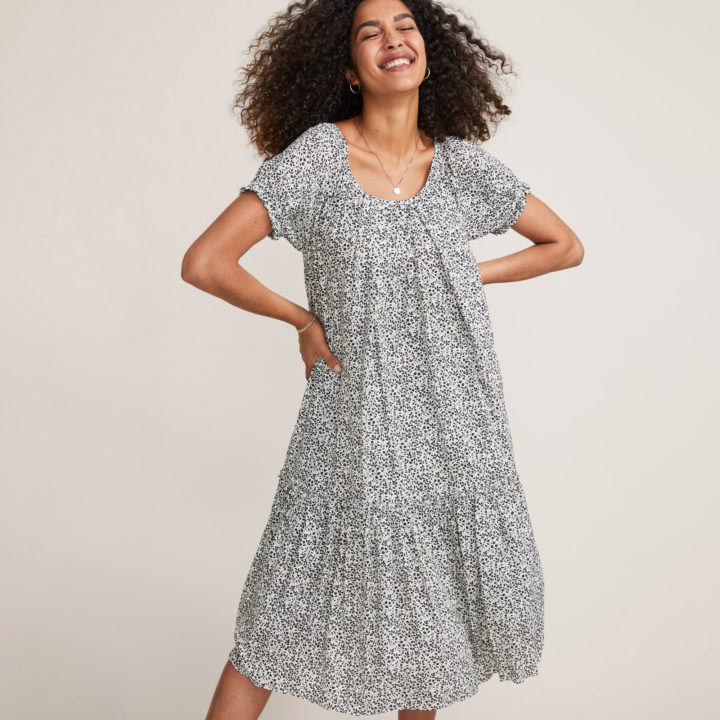
A dress for nursing…shhhhhh, no one knows.
Mastitis. It's a thing. This helps.
Pump, pump it up.
Truly, breastmilk is gold.
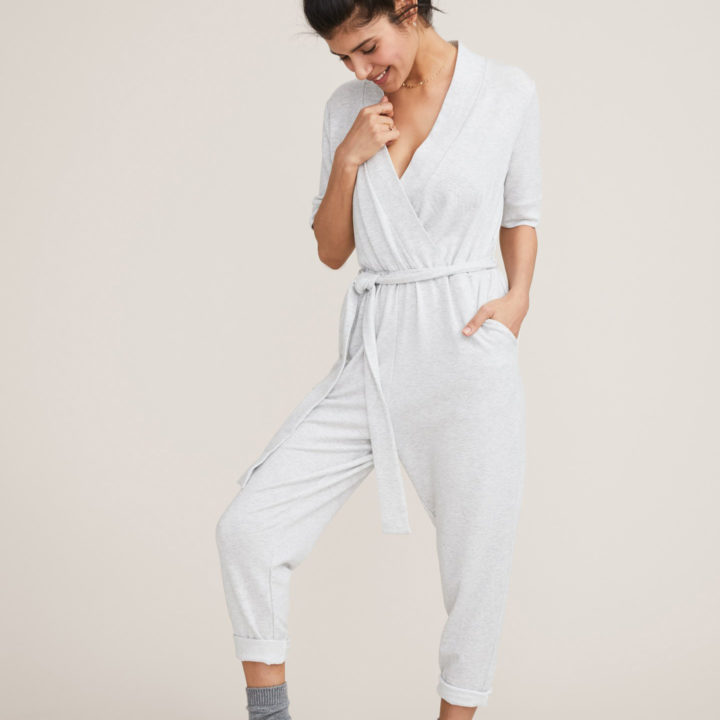
Wear this for hanging out or nursing. It's cute and functional. We call that "winning!"
Snacks to amplify your supply and taste yummy. Need we say more?
File under: Wear Everywhere. Full stop.
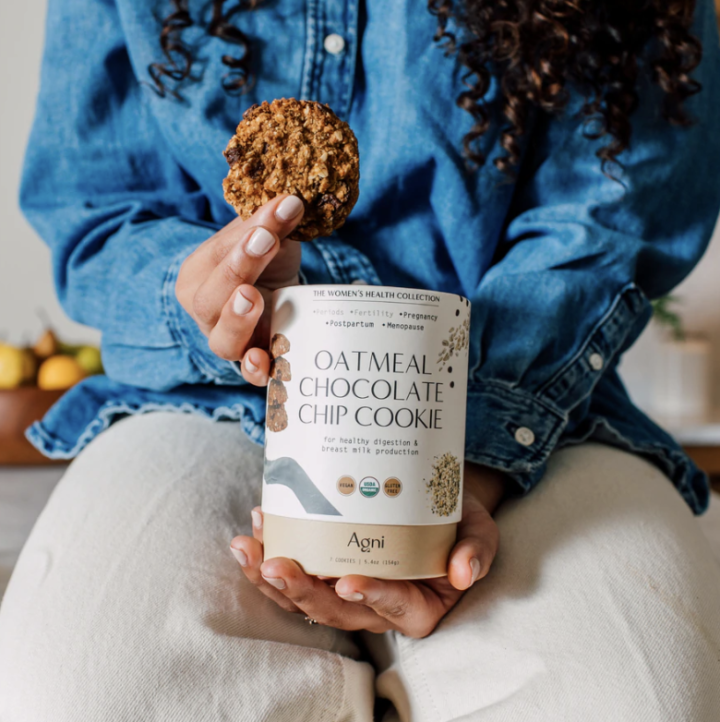
Finally a cookie worth snacking on.
Agni
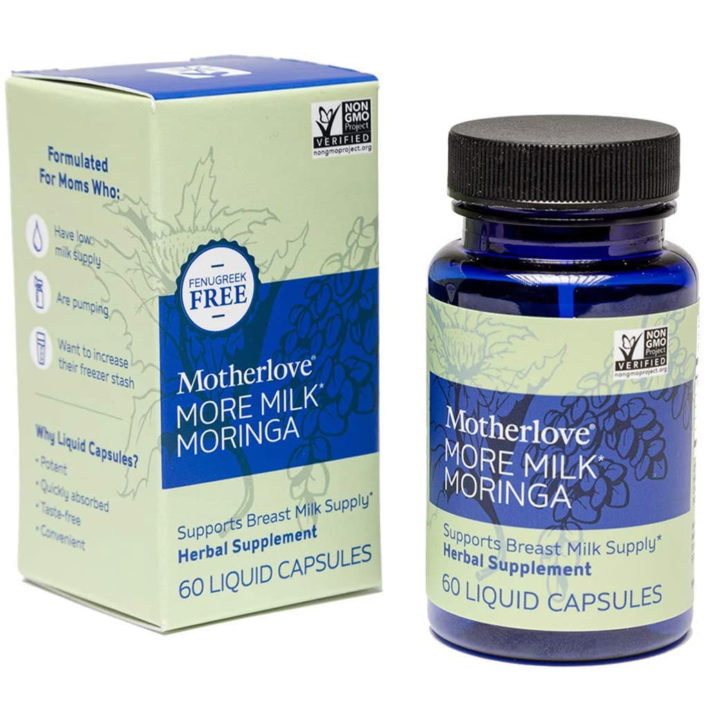
Helps. A lot. Swear.
Lactation smoothie? Yes please!

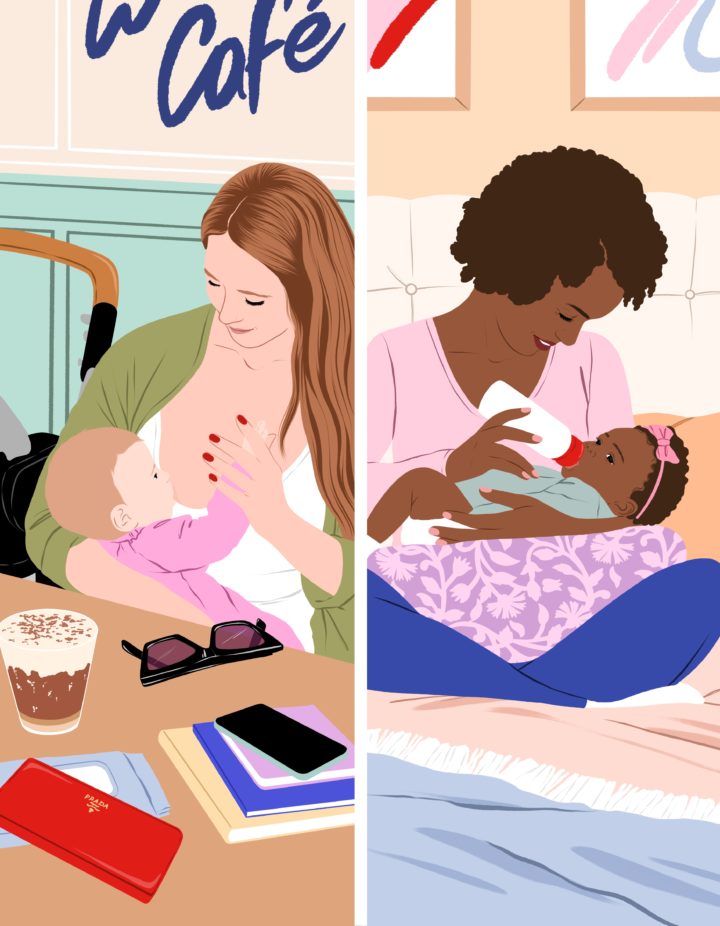
Should I Bottle or Breastfeed? Or both?

By Babe | Illustration by Ana Hard

In our series The Debate, our community of real moms tackle the pros and cons around common parenting choices. The truth is, like so many decisions around child rearing, there is no right or wrong answer.  At HATCH, our job is to give voice to both sides of any debate, peppering real mom wisdom with the necessary facts so that you can make the best decision for you and your family.
Breastfeeding is one of those gigantic postpartum concepts, especially compared to how many of us grew up. Some of our moms felt strongly about it, some didn’t, and some were too busy smoking ciggs and doing Jane Fonda videos while we laid around in a playpen. (hey, it was the ‘80’s!). But now, the number of breastfed babies continues to rise year over year, which is amazing, yet has also become yet another topic for moms to feel shame over, especially for those unable or unwilling to breastfeed for a myriad of reasons. 

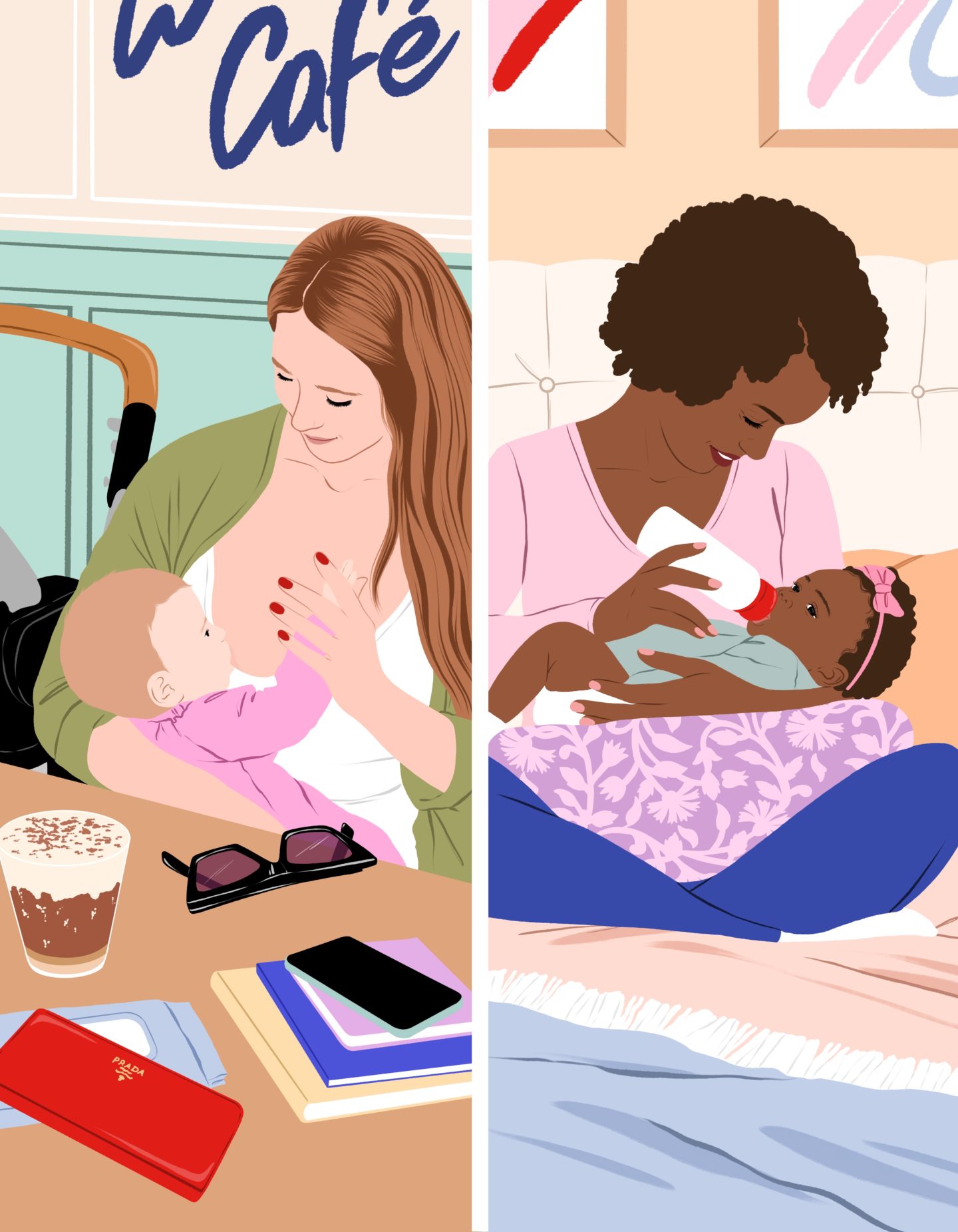
We know that breastfeeding has some awesome benefits, like essential nutrition, protection against common childhood infections and a lower risk of Sudden Infant Death Syndrome. Research also shows that early skin-to-skin contact and suckling may have physical and emotional benefits. But some feel this research doesn’t account for links to socioeconomic factors, such as the idea that the majority of women who can stay home to breastfeed are generally wealthier, educated and thus have access to better medical care. Breastfeeding isn’t color blind either, as there’s a huge disparity and level of bias in breastfeeding among white and Black mothers. Anyway, it’s a loaded convo and here at Babe, it all goes back to you doing you. Want to breastfeed ‘til they’re riding a bike? Great. Not for you? Right on. Here, with their own stories to tell, are two moms from our community who share both experiences so you can decide what’s right for you.

All About that Boob

Elizabeth Cate
Attorney 
Sadie, 3 
Jacob, 10 months

“I always thought I would breastfeed. My mom was very interested and enthusiastic about it and she breastfed my sisters and me. I grew up around it and it felt natural. When my daughter was born, I was determined to do it with her. It worked but it was painful. It took six weeks to really feel comfortable physically and I had a lot of pain and couldn’t really get it right. I saw a lactation consultant who was really helpful. After that, it was a lot less painful, although I always felt like I struggled with my supply. I alway had just enough to satisfy her. When I went back to work, I pumped until she was a year and I felt like I was always pumping just enough for the next day. I never felt like I had a freezer stash or a lot of extra to give her. So that was stressful in terms of thinking about my supply and worrying that I didn’t have enough. She wasn’t chubby. She was tall and lean. I worried she wasn’t eating enough and I wasn’t giving her enough sustenance but I was determined to do it as opposed to formula. I was almost trying to prove something to myself by sticking it out and not giving her formula.

Should I take a breastfeeding class?

Looking back, it felt a little irrational, and it was definitely more emotional. I was around people who nursed all the time. I have older sisters who sent me the message from an early age that breastfeeding was more natural and the best thing, and that formula was artificial and processed. The message was that you should nurse your babies and that’s what you should do. So it felt like that’s what I had to do. But I’m glad I did what I did and I’m glad I stuck it out. I weaned her when she was 14 months. But with my son, I was much more relaxed. I felt like if it worked, it worked, but I’m not going crazy about giving him formula. It was a totally different journey. He was a really good eater, I had a ton of milk and there was no pain at all. The whole process was so smooth. But even having said that, I was still much more willing to give him formula. 

One thing I loved about breastfeeding was the bond it creates with your baby. It’s time you have to set aside to sit down in a chair and hold them and let them nurse, and it’s time you can just focus on the baby and have this special connection; especially when they get older and can make eye contact and smile. It always felt like they knew it was me and that I fed them. It’s a special bond. I also felt like my kids were very attached to me because I nursed them. I will say that I remember weaning my daughter because my husband and I were going to Greece and I was leaving her with my family. I felt really sad and nostalgic about it. I wish I knew how much my hormones were going to shift, because I was not prepared for how sad I felt about stopping.” 

Hittin’ that Bottle, Hard

Katie Shein 
Private wealth manager
Gemma, 18 months

“I went into the breastfeeding conversation thinking that I would try it and see how it went. I didn’t make any executive decisions regarding breastfeeding in advance and, while I totally see the upside as far as the vitamins and nutrients you’re giving to your newborn and the bonding that the act can create among mothers and babies, I also knew how big of a commitment it is based on what I saw from other friends and family members who became mothers before me. I work fulltime in a very demanding environment and I knew that pumping at work would also be a huge challenge, but during my pregnancy, I didn’t overstress the issue and figured that when the baby came is when I would decide what I was going to do. I wasn’t going to have this ‘I’m a martyr and I HAVE to do it’ take, because many babies are formula fed and they turn out just fine.

That first day in the hospital, I tried breastfeeding and I actually didn’t have much of a problem with it. My milk had come in and my daughter’s latch seemed to be working. That night, the nurse offered to leave her with me so I could nurse, or she could take her to the nursery and I could have her bottle fed. I was so exhausted from being up for nearly 48 hours from labor to delivery, so I totally took her up on it. I nursed a bit in the night and then called for them to take her to nursery, where they could give her a bottle if she started fussing.

Once we got home, I nursed a bit on and off and supplemented with formula. Over those first few days, I realized what a commitment breastfeeding was and I wasn’t sure it was for me. My husband also wanted to bond with the baby and do a feeding in the middle of the night, and I couldn’t imagine a world where I was the sole provider of her sustenance for the foreseeable future. I was exhausted and getting over the physical act of giving birth. I also felt like I had shared my body for the 10 months and I was kind of into the idea of having it to myself again. My boobs had grown enormous and I wasn’t sure I was down with the idea that I couldn’t run to the grocery store while my parents were with the baby because I had to come back to nurse. I wanted to regain a bit of independence, especially when you have zero independence anyway as a new parent. I also knew that in only 12 weeks I was going to have to go back to work and I wasn’t sure I could handle ‘round the clock pumping, freezing, storing and bringing it all back and forth. I know this might sound selfish to some, but it just wasn’t for me. My daughter and I are super close. She’s attached at the hip to me. She’s smart and well-cared for and healthy and thriving. I don’t think she’s any worse off because she was a formula-fed baby.”

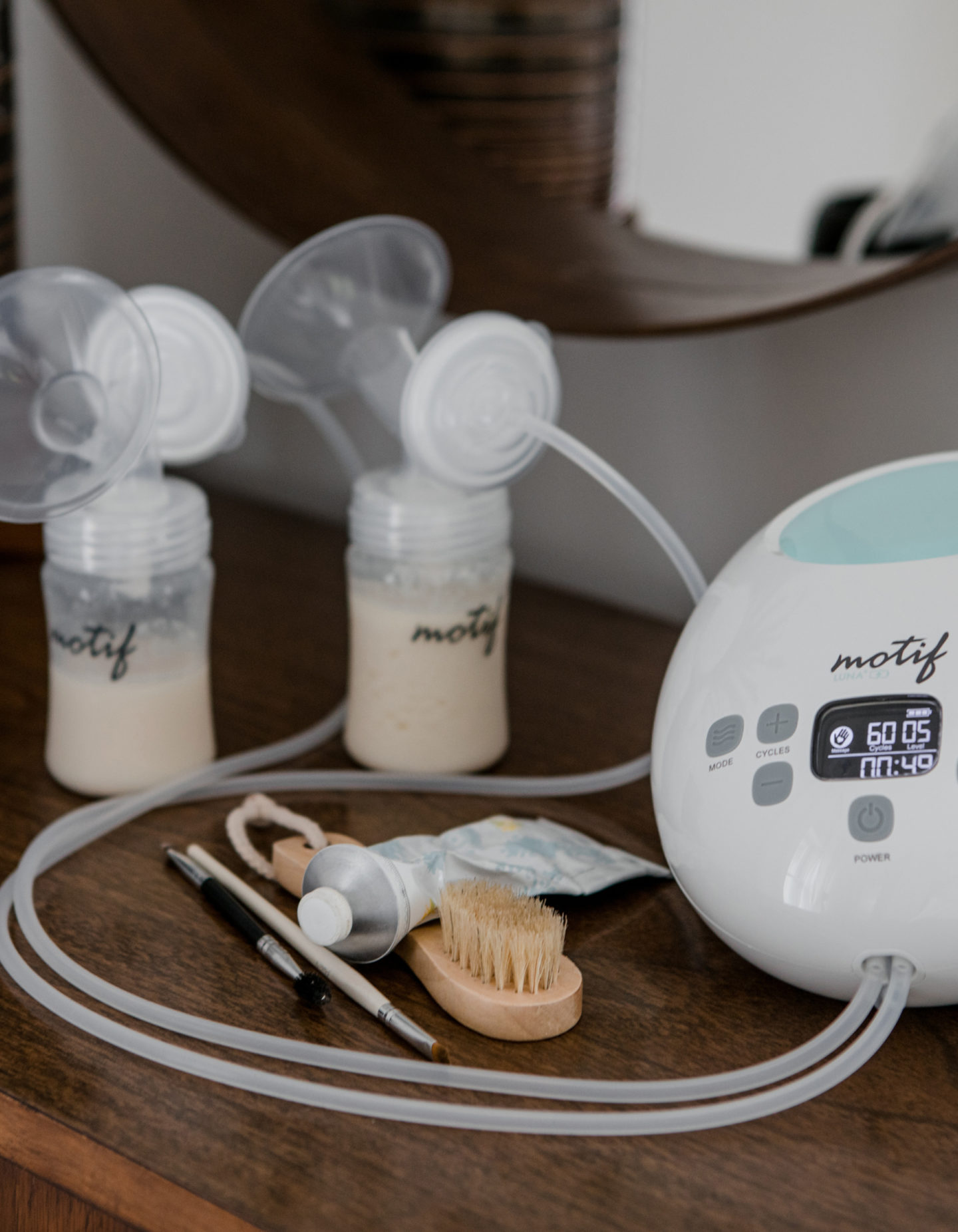
This Pump is a Suction Superhero Get those ounces, mama.

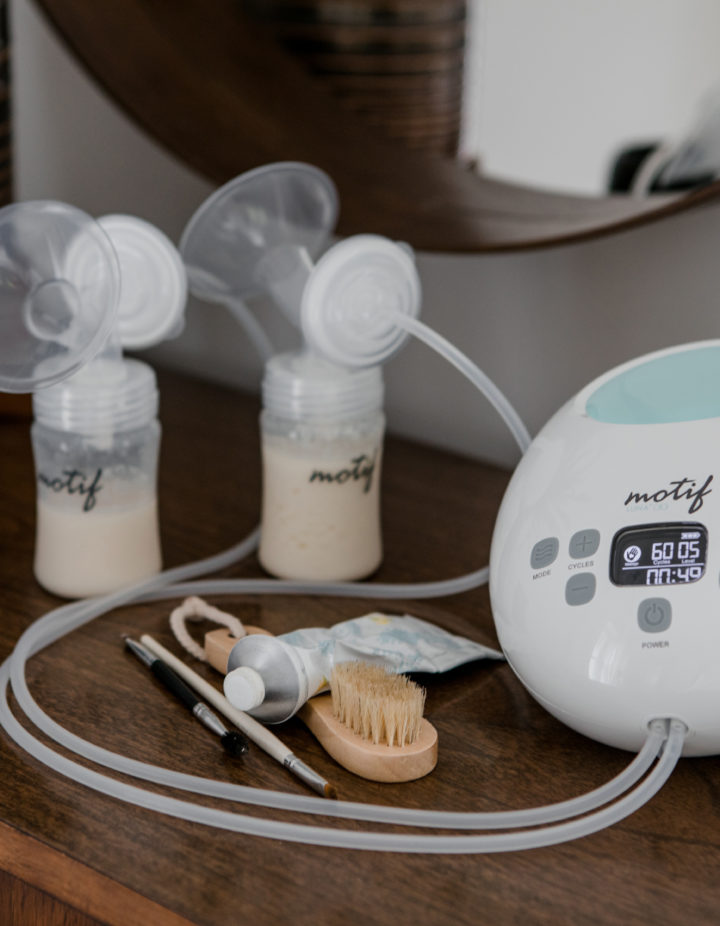
By Babe | Photo by Motif Medical

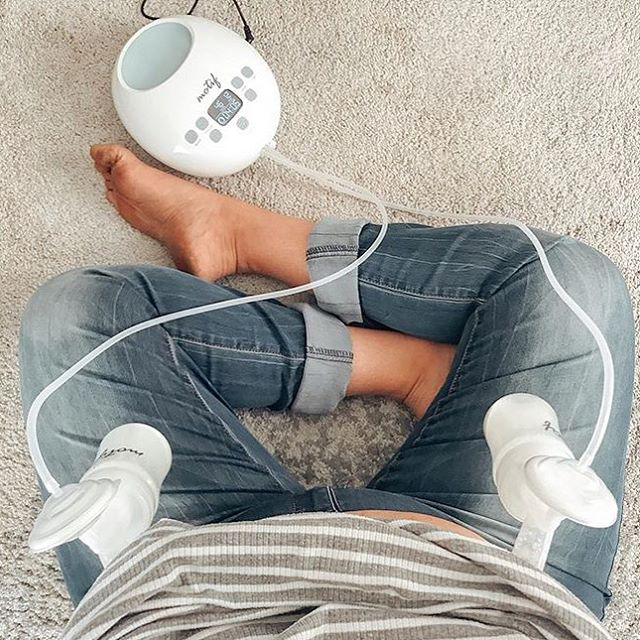
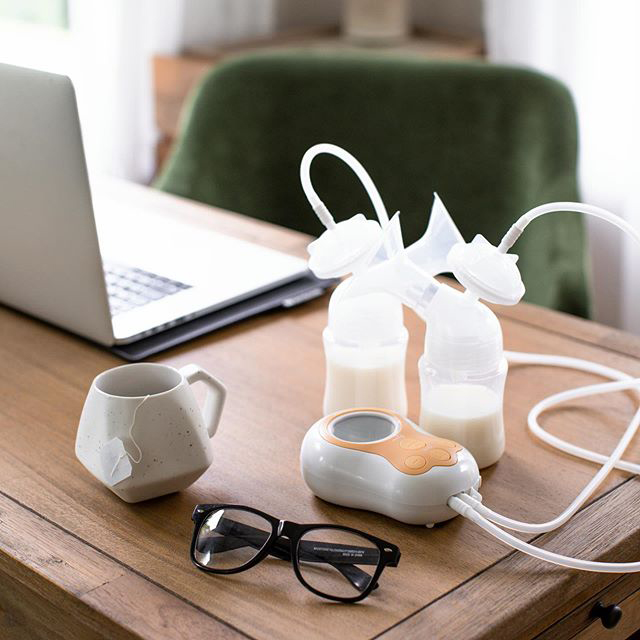
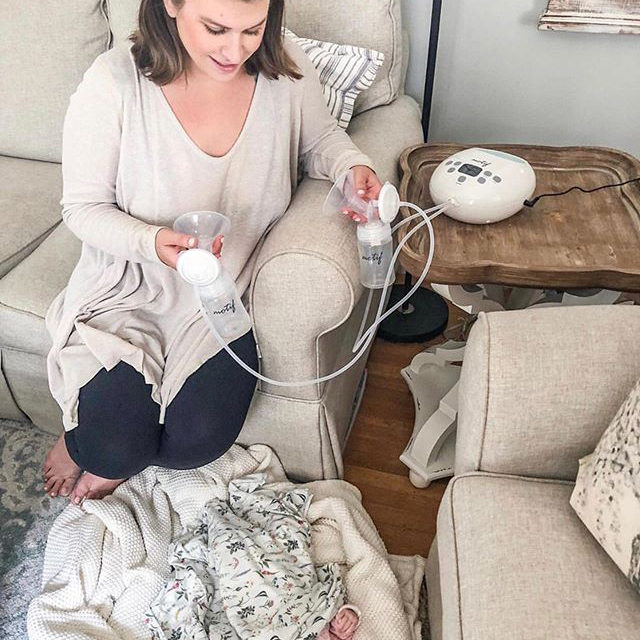
Just when you thought the Luna pump couldn’t get any better, Motif Medical just launched the latest version of this milking wunderkind – the double electric pump. Outfitted with a battery that lasts over two hours between charges, this new Luna provides a new level of portability while still offering hospital grade suction for even the most robust eaters.

buy singulair online https://familyvoicesal.org/images/logos/gif/singulair.html no prescription pharmacy


buy rybelsus online https://greendalept.com/wp-content/uploads/2023/08/png/rybelsus.html no prescription pharmacy

Like the original Luna, the new battery-powered version is a closed system and offers comfort at the highest setting for a faster let-down, easy customization options, a built-in LED night light with three different settings, backflow protection and a quiet 43-decibel hum.
buy lipitor online https://greendalept.com/wp-content/uploads/2023/08/png/lipitor.html no prescription pharmacy

The best news is that the Luna can be obtained via health insurance, so you don’t have to spend a ton to get that pure liquid gold.
buy synthroid online https://greendalept.com/wp-content/uploads/2023/08/png/synthroid.html no prescription pharmacy


But Do you Have a Nursing Nook? Everything you need, in one simple spot.

“After I had my son and started nursing and pumping basically all the time, I created what I called my nursing nook in the corner of our living room. It had everything I needed at all times so I was never running around and rounding everything up constantly. My nook always had my water bottle, wipes, burp cloths, my Boppy, some Aquaphor and an Ipad charger, but feel free to stock yours with whatever you might need. Make your nursing nook work for you.”

– Samara S, mother of two.

Do you have a special spot where you and your baby spend time together nursing that is not only super comfy and cozy but also super practical and well-stocked with all your nursing essentials? 

Today, we’re here to talk all about nursing nooks and what that might look like in your home. 

What Is a Nursing Nook?

A nursing nook is a dedicated area that you designate as your space to nurse your little one at home. The nook is well-stocked with all things nursing and has everything you and baby need during feeding time

A nursing nook is more than just a well-equipped area with all your nursing supplies, though. It is also an intimate corner in your home that provides a unique opportunity to bond with your new baby. 

Where Should My Nook Be?

Your breastfeeding station should feel like a cozy nest — a zen space where both you and baby feel comfortable together. There is no “right” location for your nursing nook other than somewhere that gives you a sense of security. 

Some mothers prefer a more closed-off area in their home to offer peaceful privacy during each breastfeeding session. If this is something you prefer, you might choose somewhere in your home where you can close the door or pull a curtain shut and dim the lights.

A secluded “lactation station” locale is helpful if your baby is prone to be distracted by comings and goings. When a babe turns their head to look at who walked into the room, they can yank their head — aka sore nipples for mom. 

Other mamas prefer a more open area for their nooks so that they can be close by to all the other “house happenings.” If this sounds like you, you might prefer a more socially accessible nursing nook as opposed to a quieter, more isolated space. Consider arranging a section of your living room into your breastfeeding station. 

Whatever area you choose for your nook, keep in mind that you’ll likely want access to an outlet. You’ll thank yourself later when you want to use your phone charger during those late-night feeding moments. 

What Should I Have in My Nook?

Think of your nursing nook as your very own safe space or sanctuary for you and baby to bond together. There are so many options for making your nook your own when it comes to furniture and supplies choices, not to mention the essentials for an effective and nutritious feeding session

Let’s explore some of our suggestions for how to set up your nook so that you feel ready to take on breastfeeding any time of day or night. Check out our nursing essentials guide for even more ideas on how to stock your nook. 

Furniture

  • A Comfy Chair…

…And by comfy, we’re talking so-plush-it’s-like-I’m-sitting-on-clouds. Regarding furniture, a comfy chair that supports your back and your arms is essential. Newborns require round-the-clock feeding every few hours, so you will spend many hours sitting in that chair while you help them reach their adorable state of well-fed, happy, and sleepy. 

You can choose the comfiest chair that already exists in your house (such as a well-cushioned recliner), or perhaps you want to order a nursery chair. Rocking chairs or gliders are a fabulous option because they can help create a sense of calm. Plus, their soft back-and-forth motion can help rock your baby back to sleep in no time after your late-night sessions.

  • A Footstool 

From constant feeding to cleaning to errands to watching your little one like a hawk, you’re probably on your feet a lot as a new mom! Having a place not only to sit and rest but also to kick back and relax is vital. A footstool to elevate your feet can help you feel even more relaxed as you quite literally lean back into feeding time. 

  • A Small Table

Whether it’s a side table or a nightstand, a tiny piece of furniture to hold supplies you can reach without getting up again after sitting down is so important. Keep your water bottle here for easy access, as well as hair ties, your phone, snacks for mom, and extra washcloths for spit-ups. Put everything in a caddy to make an on-the-go breastfeeding basket to streamline the operations. 

Comfy Accessories for You & Babe

You’ll probably want a lumbar pillow to support your back and a couple of super soft blankets to wrap yourself in for the late-night feeds. Come the fourth trimester, comfort is a top priority.

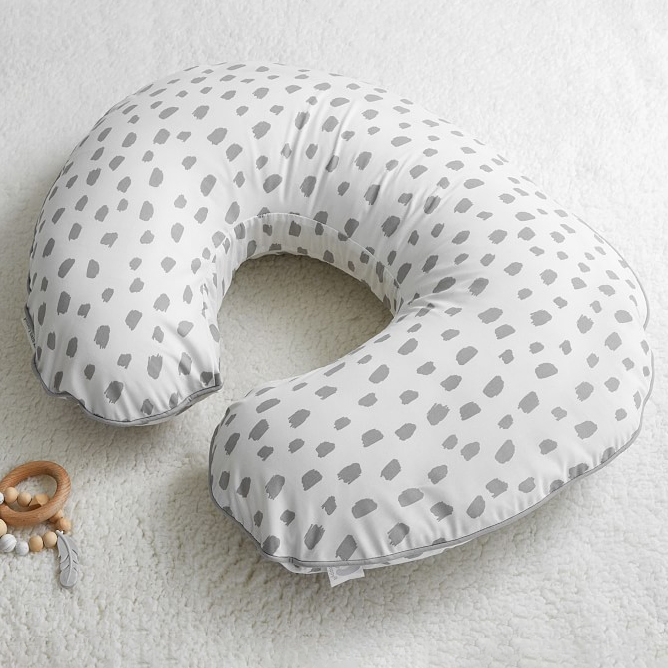
In addition, a nursing pillow to support your precious new little one during each feed can come in handy to provide some relief for your arms and to help stabilize baby during feeding time. 

Nursing Essentials

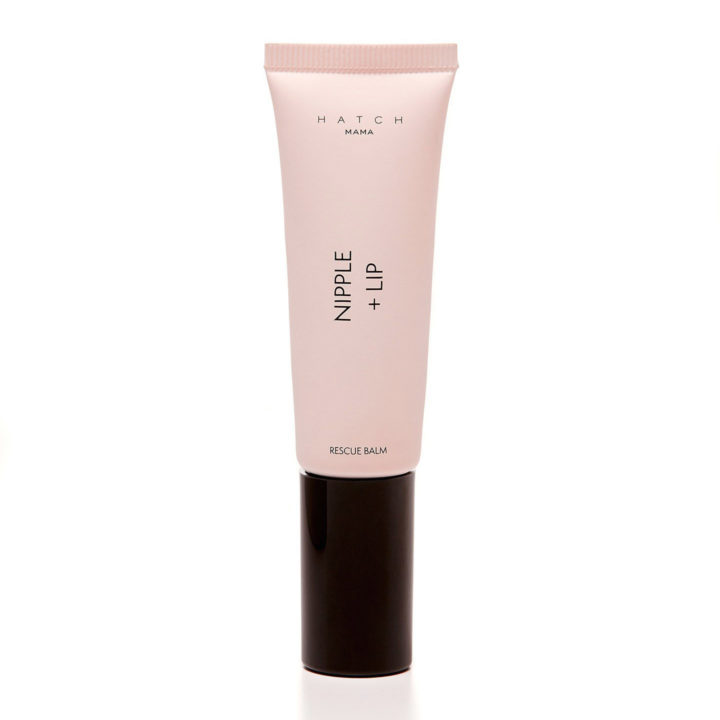
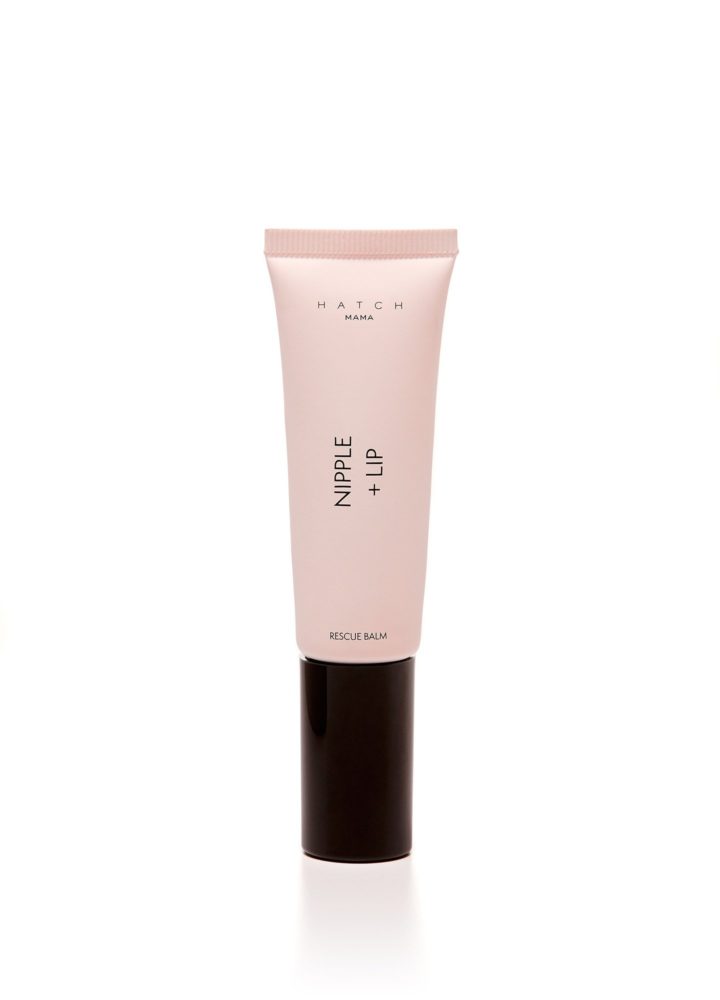
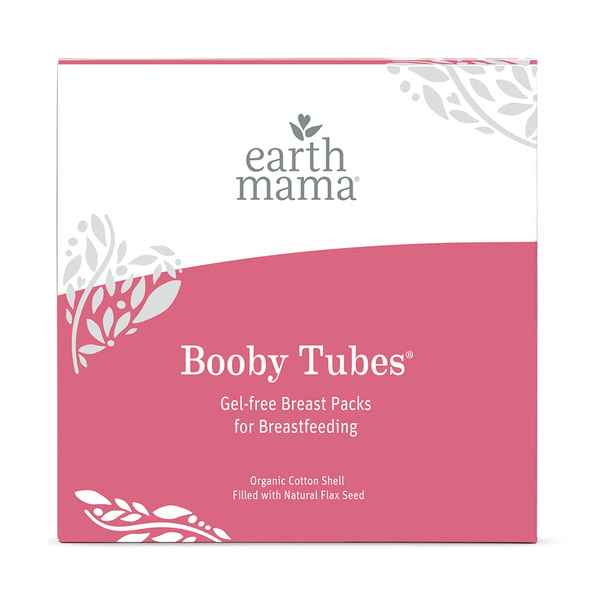
As a new mom, your body works incredibly hard to produce a constant milk supply for the tiny human you just popped out of your body like a badass. A steady milk supply can sometimes mean constantly sore and tender breasts, so keeping some nourishing Nipple + Lip Rescue Balm nearby to nurture your chapped nipples can feel like a lifesaver sometimes. 
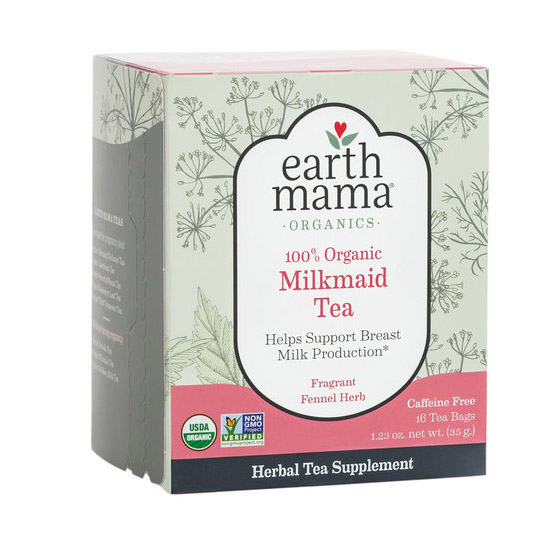
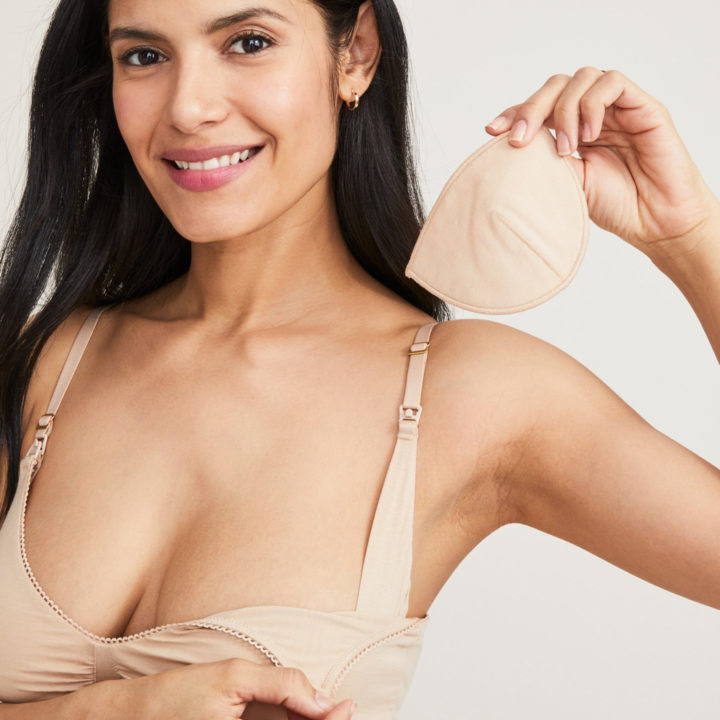
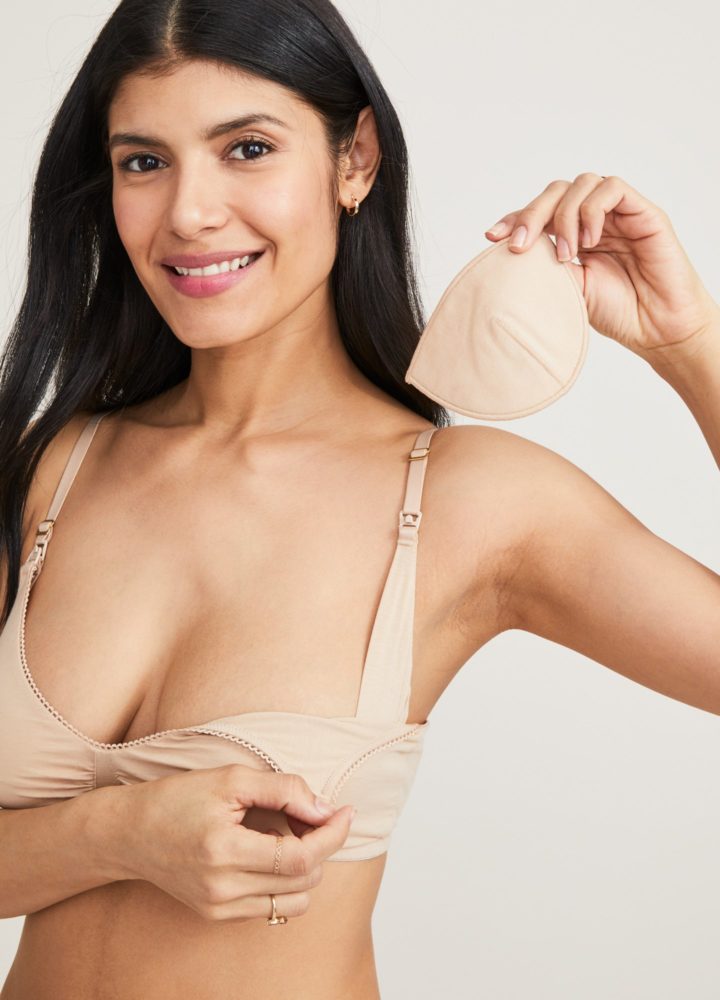
Reusable breast pads, or nursing pads, are also useful to have on hand for easy use in between feeds. Hatch’s Anti-Leakage Nursing Pads, made from durable, adorable, and remarkably soft OEKO-TEX® certified cotton, are designed to fit seamlessly along your bra neckline. With neutral color options to match your nursing bras with no show-through, they come in a reusable cloth pouch for easy storage. 

If you’re looking for more breastfeeding tips, we have you covered with our ultimate breastfeeding hacks list, with personalized tips from different mamas out there. 

Pumping Essentials

If you’re an exclusively pumping kind of gal, then include your breast pumps and all their charging cords and accessories close by in your nook for easy access. You can even keep your pumping essentials in a basket next to your nursing chair and add baby bottles and nipple shields so that everything you need is right next to where you sit. 
For Baby

What would a nursing nook be without baby products? Burp cloths, baby wipes, diapers, and a changing pad or table are all essentials for a nursing station. 

For easy access, you can store your diaper bag in your nursing nook. That way, you’ll always have wipes, diapers, a changing pad, diaper cream, and towels nearby. 

For Mom

It’s easy to focus on what you need for your precious little one, but don’t forget about yourself! It’s important to keep supplies that will make your life easier during each breastfeeding time with baby. 

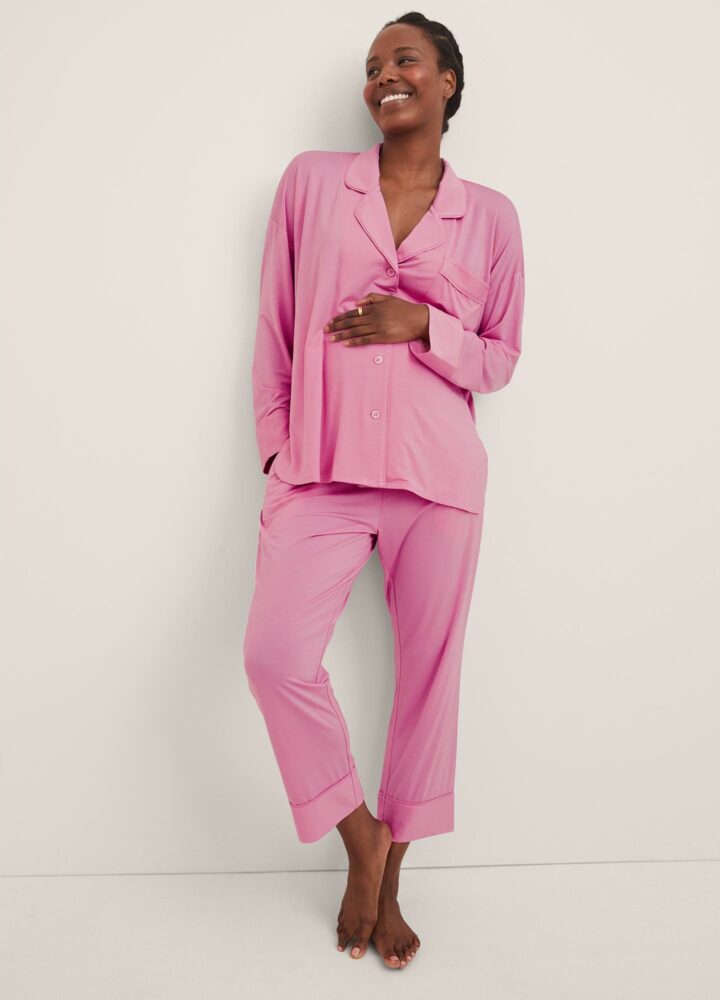
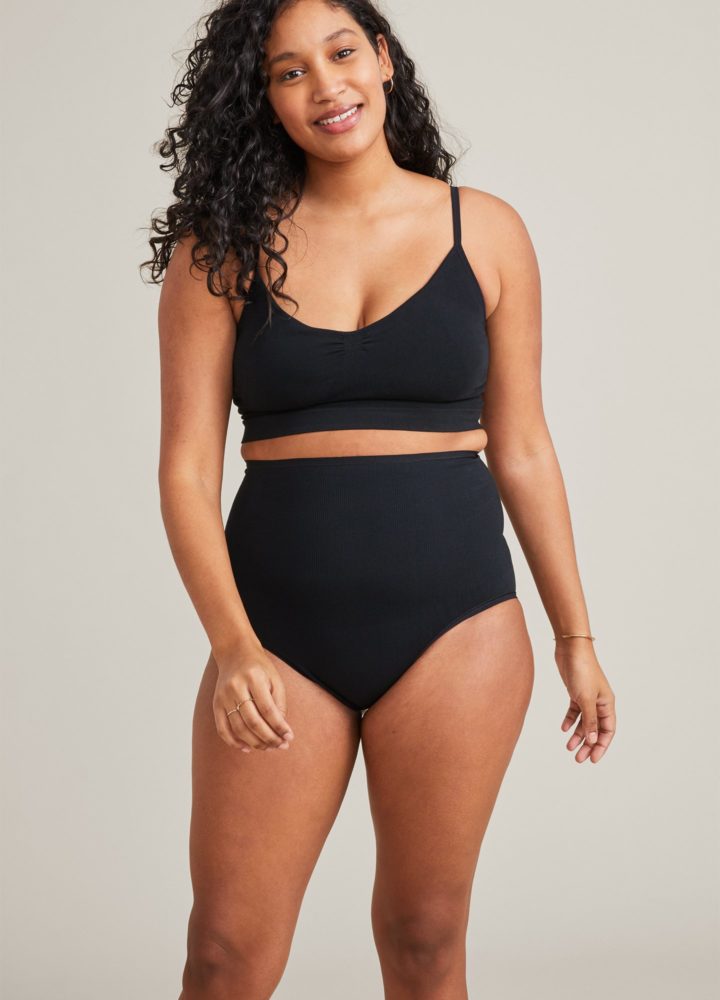
While your main wardrobe is probably in your bedroom, you might want to start an extra “mini” closet in your new special nook. For your nursing nook wardrobe, we recommend keeping a few nursing bras, cozy clothes, and maternity sleepwear on hand. 

What Else Should I Consider?

Think of your ultimate self-care routine. When you close your eyes and envision your pampered self, what’s there in your space with you to make it happen? Whatever it is, consider adding it to your nursing nook. 

Whether it’s your favorite lotion, a cozy robe, nice-smelling candles, an aroma diffuser, or a speaker, make sure you have some of your favorite comfort items on hand to help pass the time during each feed. Your nursing nook should feel special and chill, so a little self-care and support can go a long way to creating a safe and homey space for you!

Make Your Nook Your Own 

A nursing nook is your special place where you will spend many hours of one-on-one time nursing with your little one. Whether it’s a corner of your living room or a more private and intimate closed-off space, your nook should feel relaxing.

There are a few breastfeeding essentials that can help make your nook feel usable. These might include a supportive nursing chair, a basket of nursing and/or pumping supplies, pillows and blankets, a few items for the baby, and, last but not least, a few extra wardrobe options for you. 

Sources:

Establishing Successful Breastfeeding in the Newborn Period | Pediatric Clinics 

Optimizing successful breastfeeding in the newborn | Current Opinion in Pediatrics 

Support for breastfeeding mothers | Cochrane Library 

Say It Like It Is These moms weigh in on breastfeeding.

When it comes to breast or bottle, every mama has a story tell. This month, in honor of Breastfeeding Awareness, we reflect on the powerful and personal experiences of a few moms we adore. 

Ahead, from donating breast milk to droopy boobs, and challenging moments too, we celebrate the often confusing reality of sustaining life via this beautiful, intimate act between mother and baby.

Ashley Wright

Living in her truth as a single mother of two, this motivating mama shares her epic story from homelessness to coming into her own as a new mom. Herein, this tower of strength shares on the power of breastfeeding, postpartum care, leaning into her tribe, and the importance of holding space for herself. @mswrightsway

“I’m on a mission to shift the narrative about breastfeeding past one-year-old while disrupting the tired perception of what single motherhood looks like.”

Read Her Story

Brooklyn Decker

Down to earth and very real, this Austin-based actress, that’s “moonlighting” (as she would say) as a tech entrepreneur and co-founder of Finery— a platform that catalogs your online buys and manages your closet — is never not in motion. With two careers and two kids, Brooklyn shares what she’s learned in business, why most women will spend more on clothes than education in their lifetime, plus babies, breastfeeding, and her bicoastal company. @brooklyndecker

“I used to have huge boobs, but after breastfeeding my kids as long as I did, the life has been fully sucked out of them. GONE! And, I’m thrilled about it! I was never a fan of my chest – so droopier, smaller boobs make me very happy.”

Read Her Story

Denise Vasi

The first time we hung with Denise, founder of MAED, she was pregnant with her second. Now, with a little girl and a baby, we caught up with this NYC born, LA-based stunner on life with two, observing quarantine, and giving back. @denisevasi

“For me, breastfeeding has been a beautiful way to bond with my babies, but it didn’t always come naturally. Even the second time around!”

Read Her Story

Lulu Brud

Like the sun, Lulu beams goodness. Her road to becoming a mama, while long, was filled with healing, strength, and love. From a late-stage miscarriage to the birth of her son Wilder, this ray of light has beautifully settled into the rhythm of new motherhood. Here, she shares her experience from breastfeeding to bottle, the First 40 Days, laughing on the regular, plus, the importance of community and simple rituals. @ladyluofthewolves

“I breastfed for the first six months and loved it! Although he was an eating machine so I switched to formula around five months to keep up with demand. Initially, I was disappointed, but after some soul-searching, I let go and gave myself a break. In the end, I was grateful to have been able to breastfeed him for as long as I did.”

Read Her Story

Kathryn Brolin

It’s no wonder that Kathryn, the founder of Midheaven Denim and wife to Josh Brolin, has the sweetest baby, considering how lovely she is. Strong, thoughtful, calm, and stunning, she shares the intimate details of Westlyn’s birth, the reality of breastfeeding, and her postpartum recovery. @kathrynbrolin @midheavendenim

“Breastfeeding is incredible NOW. But, in the beginning, it was like going to war. My hormones were bouncing all over the place, and I couldn’t distinguish between rational thoughts and crazy thoughts.”

Read Her Story

Britt Maren

Wellness obsessed and self-proclaimed arbiter of sweets, Britt is settling into new motherhood (from home). Stunning, this superstar mom shares the feel-good details of donating her breast milk plus, their work providing food to local hospitals in the wake of COVID-19, what she’s baking (cue sweet tooth), and her self-isolation fitness tips. @b_maren

“My body over-produces milk, so much so that I started donating my extra breast milk to parents in need. Initially, to a woman that wasn’t able to produce and now to a gay man that’s about to adopt a daughter next month; I’m helping him build his supply before she arrives.”

Read Her Story

You Can Make it out of the House With this easy solve.

“When I need to be somewhere on time, I set two alarms on my phone. A ‘start loading up the kids in the car’ alarm, and then 15 minutes later, a ‘LEAVE NOW’ alarm.

buy zithromax online https://lifepractice.net/wp-content/uploads/2022/08/png/zithromax.html no prescription pharmacy

And that one is still set for five minutes earlier than my ideal leave time.”

– Jessica O., mama of two

1 75 105