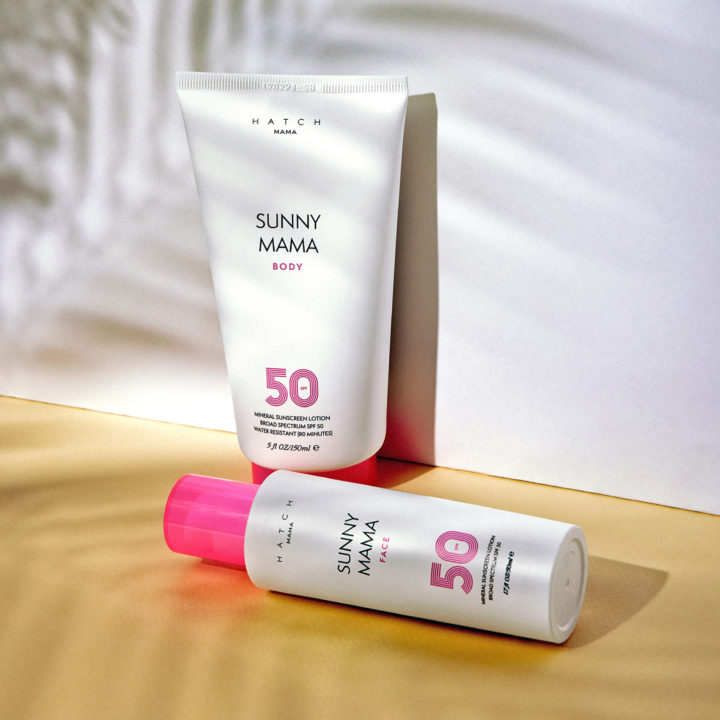
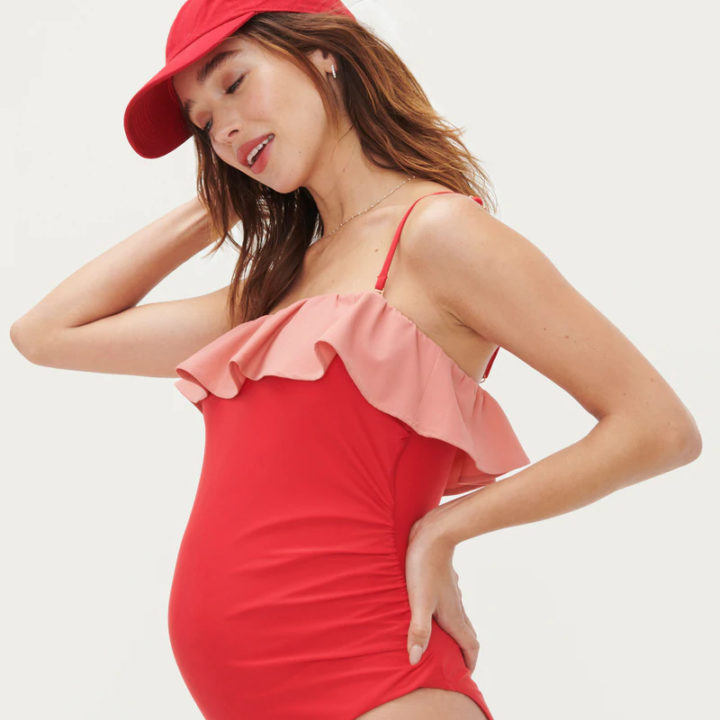
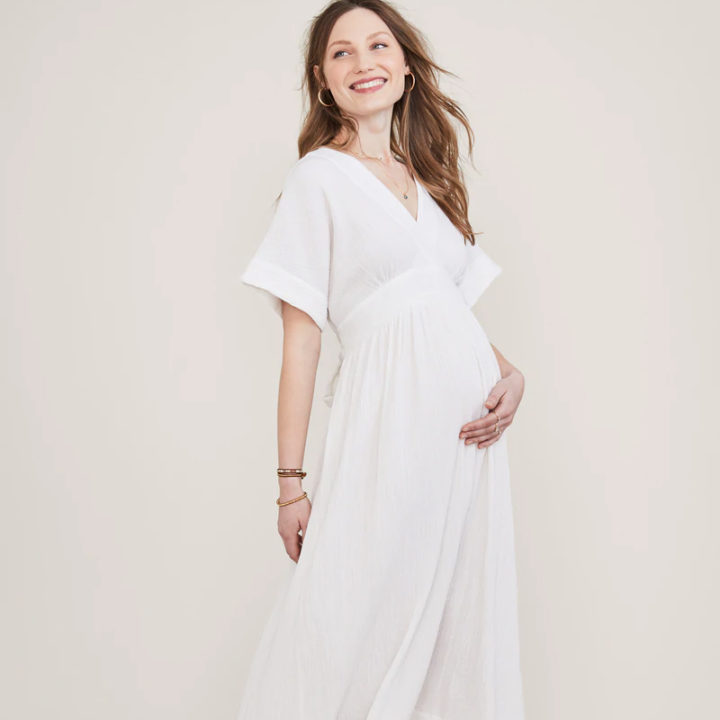
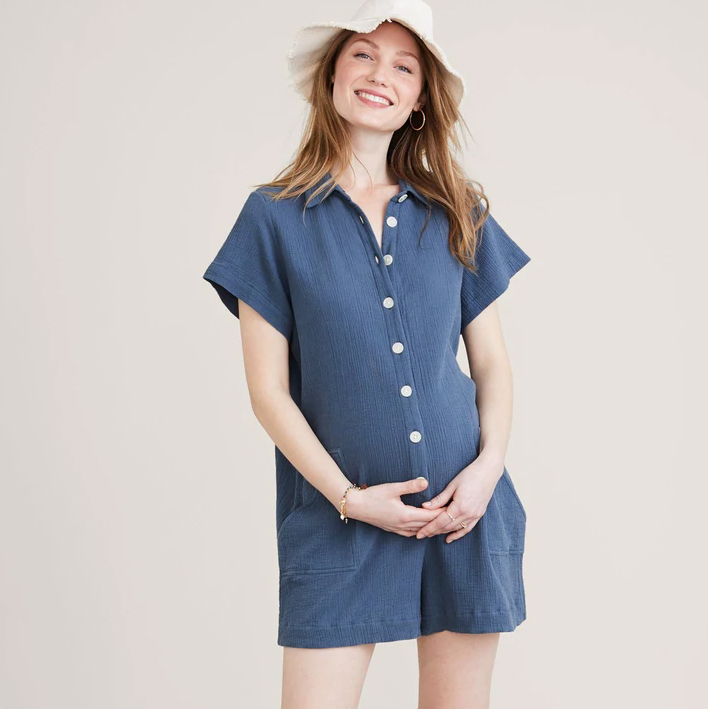
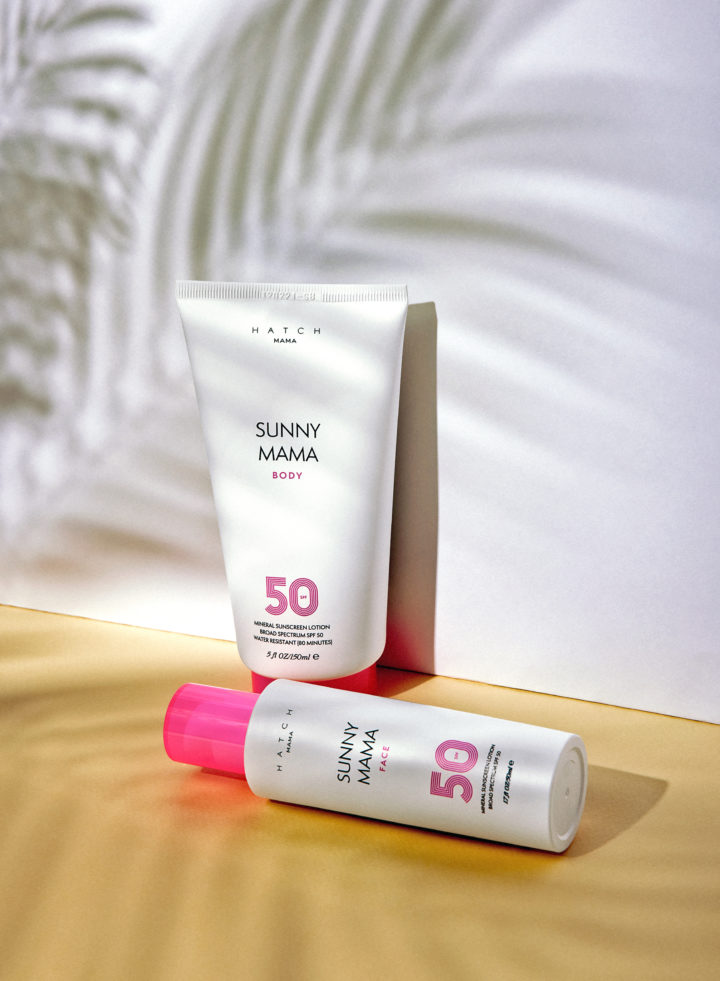
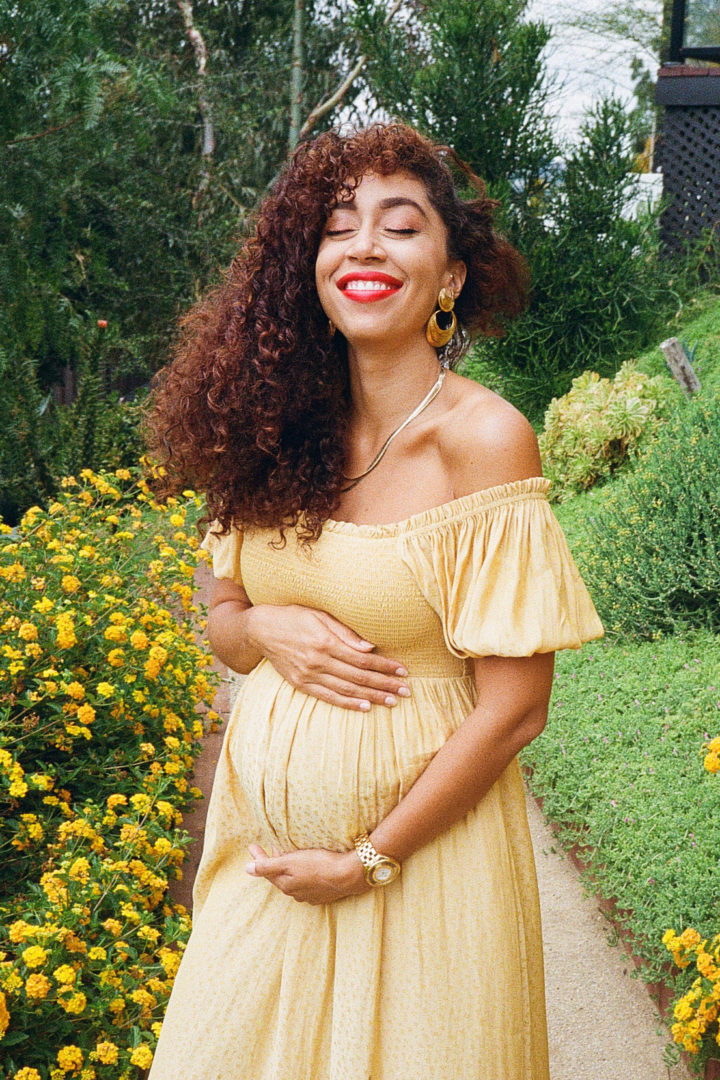
Hey, Sunny Mama Fun-in-the-sun looks to pair with our mama-safe SPF.

By Babe | Photos by HATCH

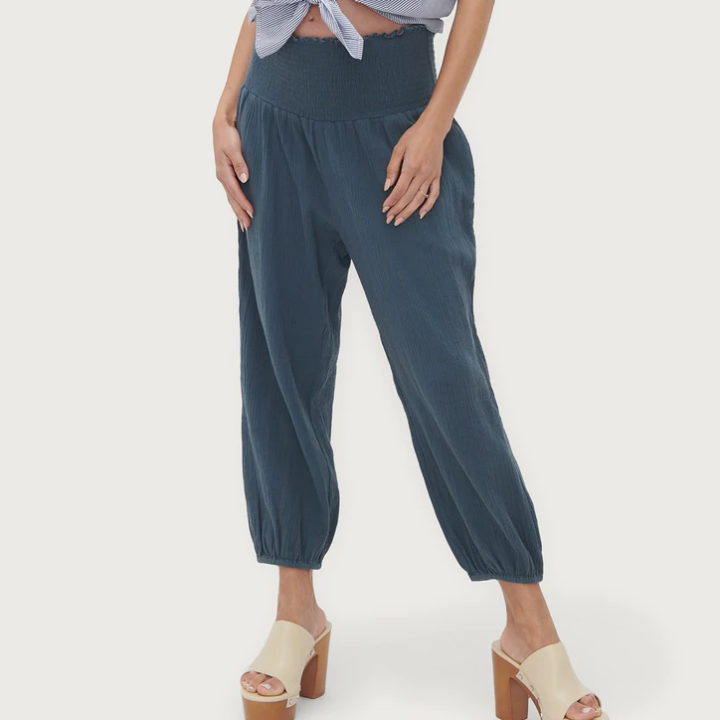
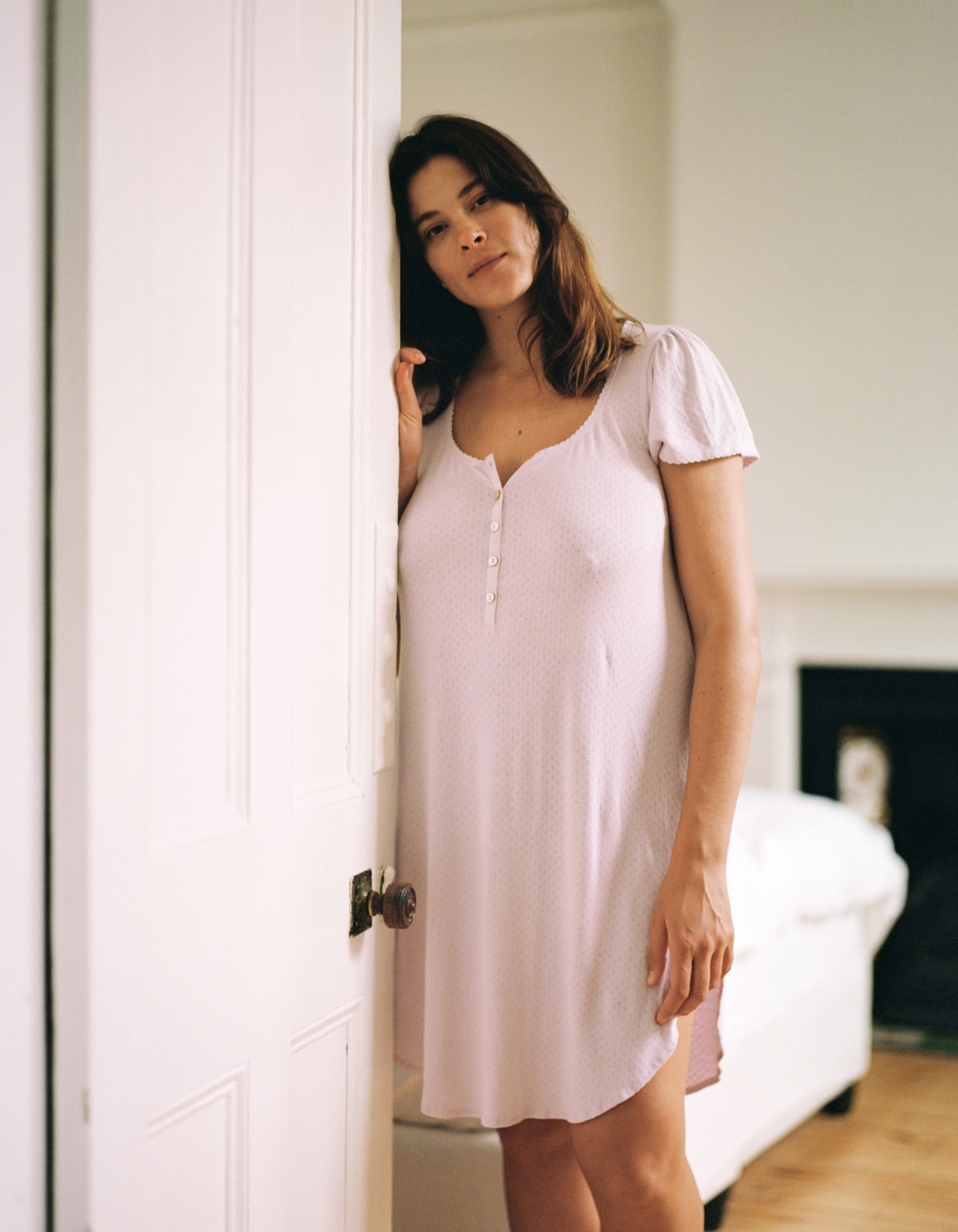
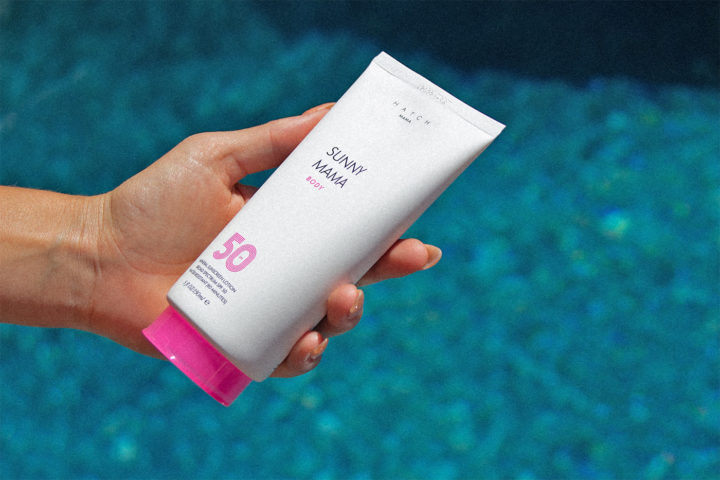
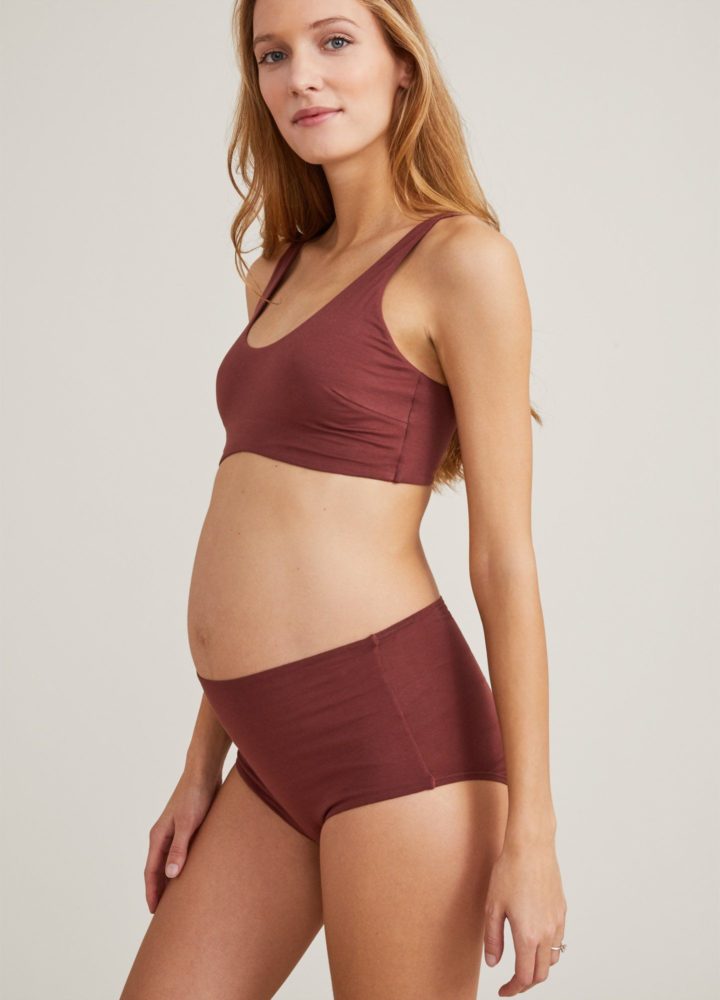
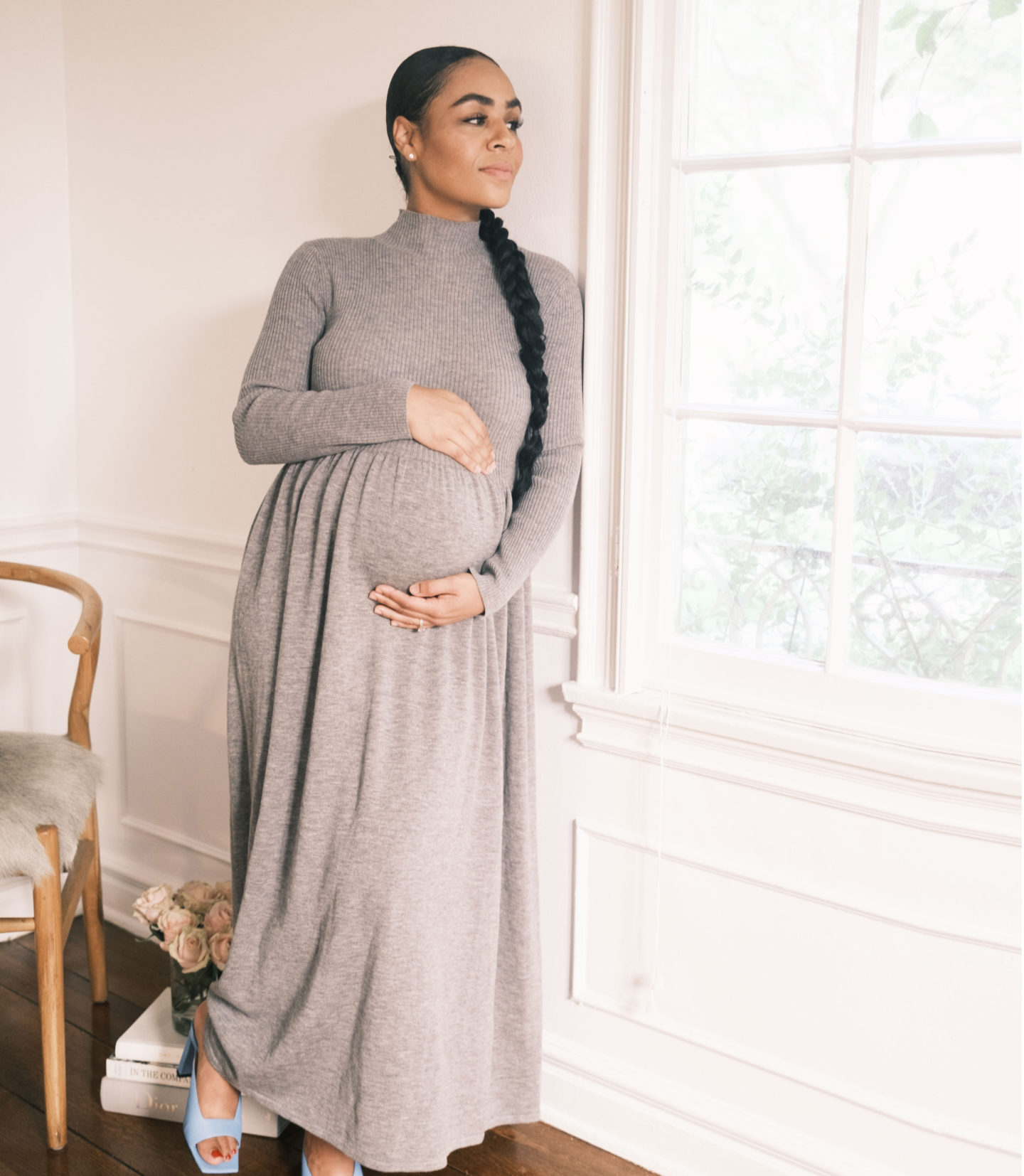
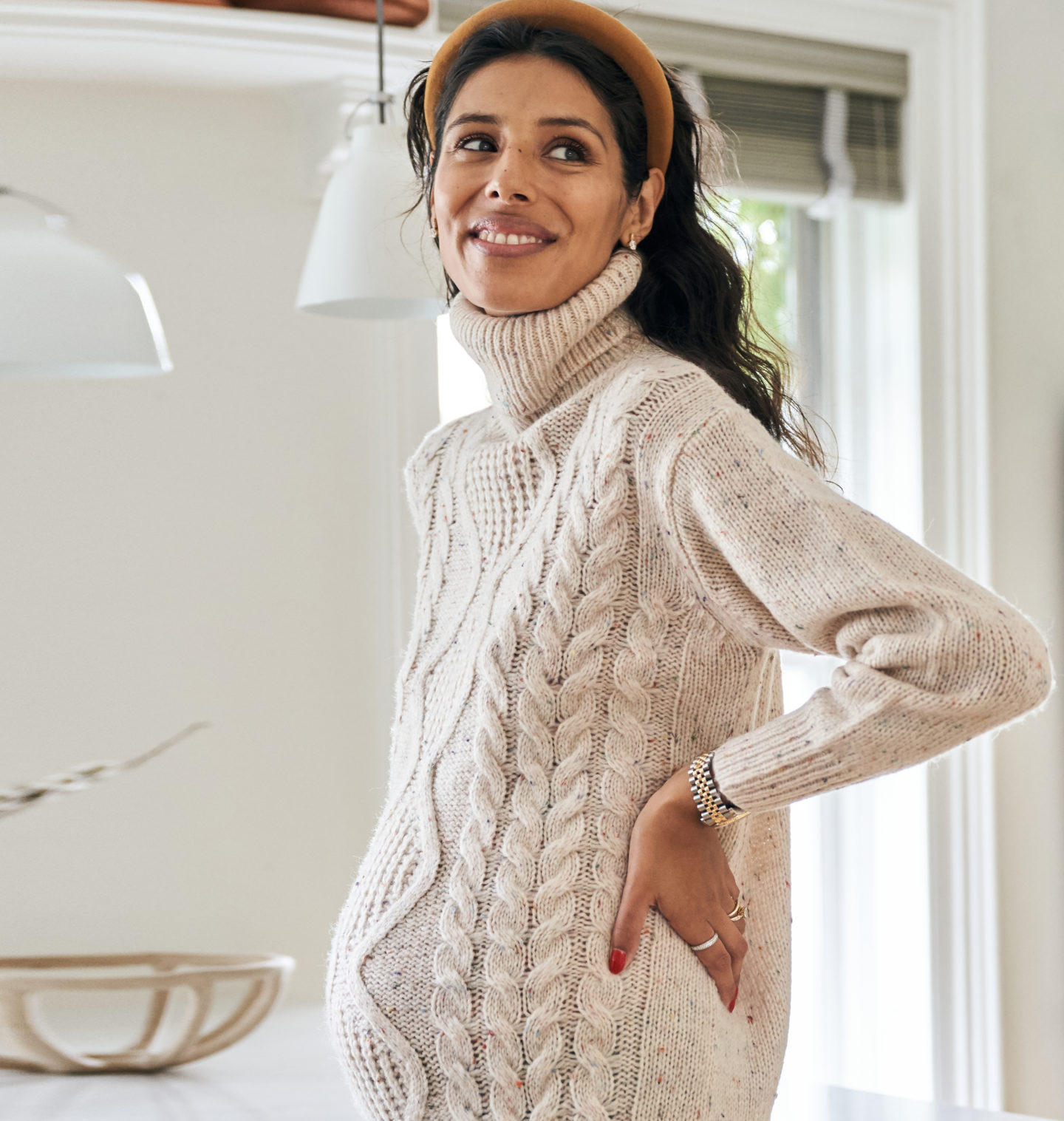
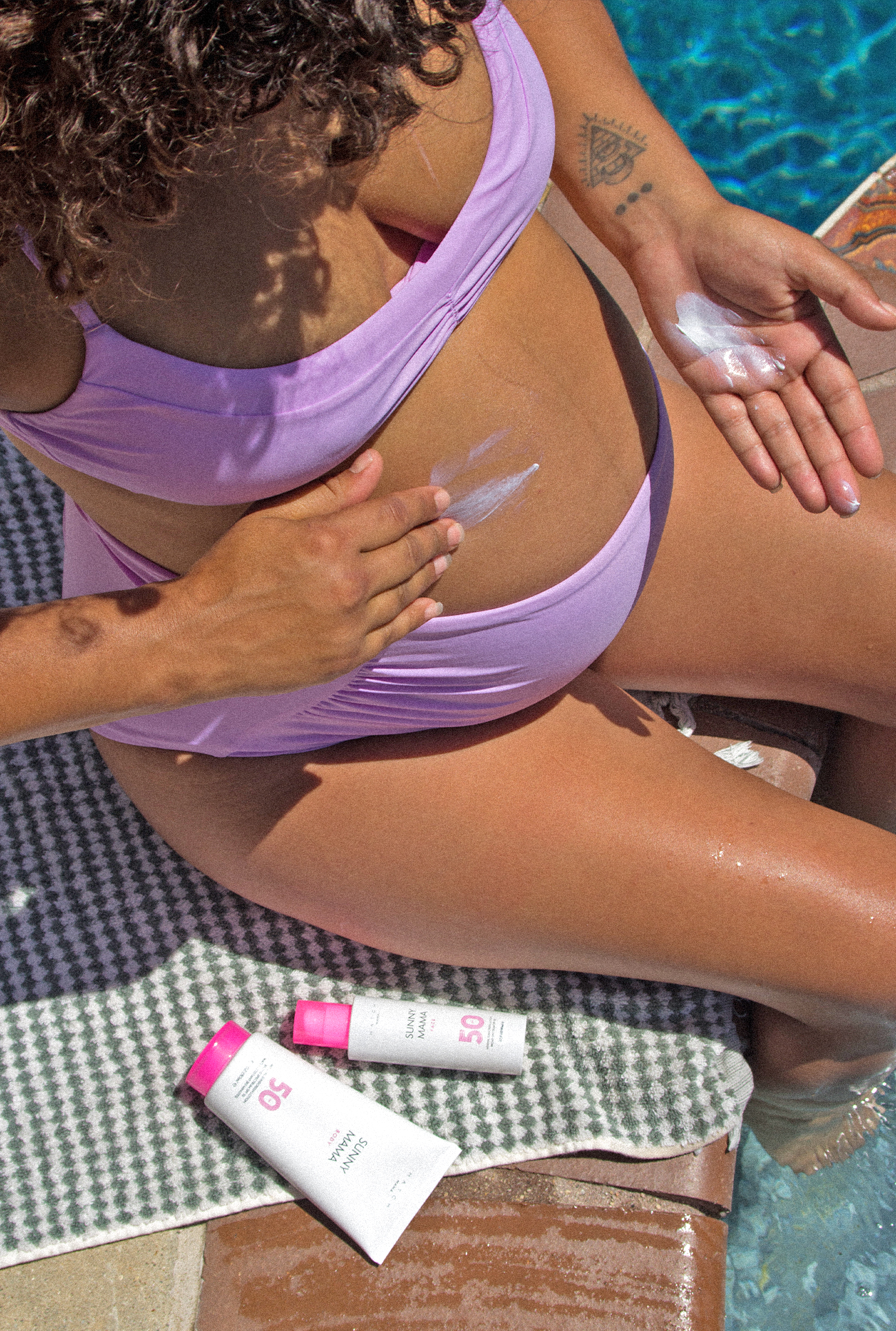
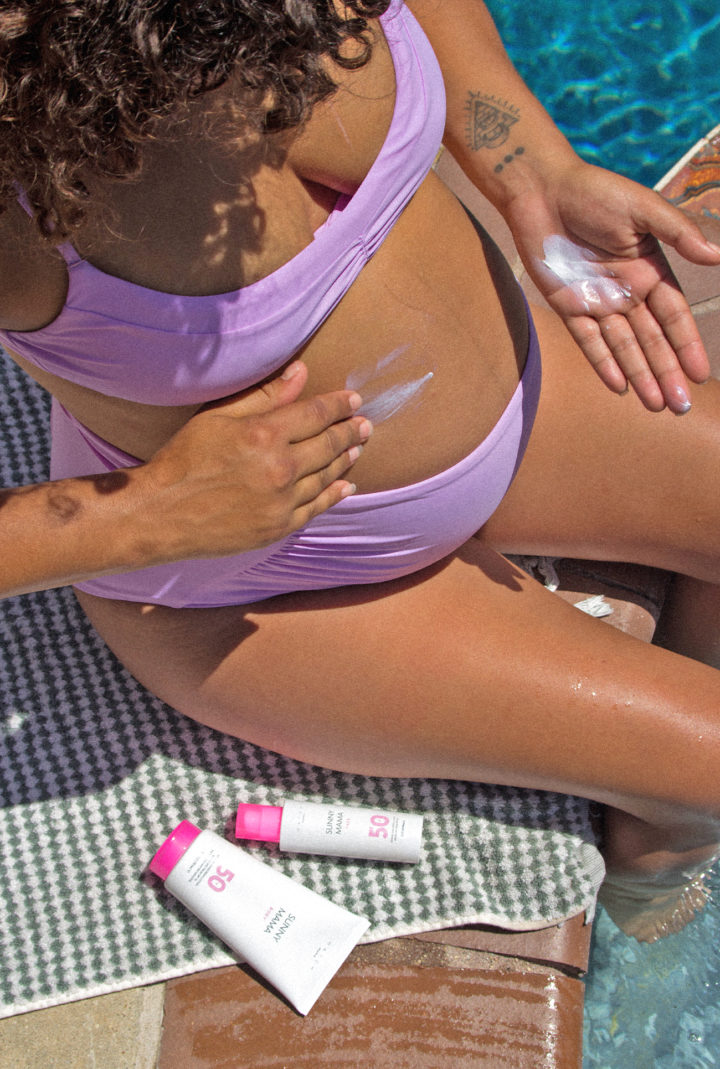
In celebration of Sunny Mama, our new mama-safe sunscreen (get all the amazing deets on that here), we’re bringing you fun-in-the-sun looks that are beach-tote ready. Think cute, bump-friendly swimsuits, breezy day dresses, wear-everywhere shorts and of course, the newest member of our skincare fam – a botanically rich sunblock that’s safe for mama and babe and nourishes, moisturizes and protects all day long. Happy beach days are here!

This Mama-Safe Sunscreen Has Us Jonesing for the Next Beach Day Hello, Sunny Mama by HATCH

By Babe | Photos by HATCH

We’re all about less is more. Less late night doom-scrolling, less pregnancy fear-mongering, less foundation-wearing. But when it comes to sunblock? We’re of the more-is-more philosophy. And, unlike some TikTok influencers claiming that sunscreen is dangerous, we believe that mama and baby-safe sunblock is the safest way to step out this summer.

“Sunscreen, when used correctly – in quantity and frequency – can prevent burns, which are an additional risk for melanoma – a life threatening form of skin cancer,”says Dr. Claire Wolinsky, a dermatologist based in New York. “UVB and UVA exposure of the skin is known to lead to increased risk of skin cancer, skin pigmentation, wrinkles and other long term consequences.”

Not to mention that with all the various skincare woes moms-to-be are facing (helllooo stretch marks and dark spots. to name a few), lathering on the SPF feels all the more essential. It protects against discoloration and pigmentation of the skin, like melasma, which is highly UV sensitive. Also, for any pregnant mamas suffering from acne, sunscreen is important as an adjunct to your acne treatment to prevent dark spots. It also serves as an important anti-aging product when retinoids, retinols, and other non-pregnancy safe products have to be put on the no-no list.

So now that we’re squared there, how on earth is a pregnant woman dealing with ALL of the things (exhaustion, nausea, planning maternity leave etc.) supposed to understand which mama-safe SPF to buy? With all of the labels and buzzwords, it’s pretty confusing.

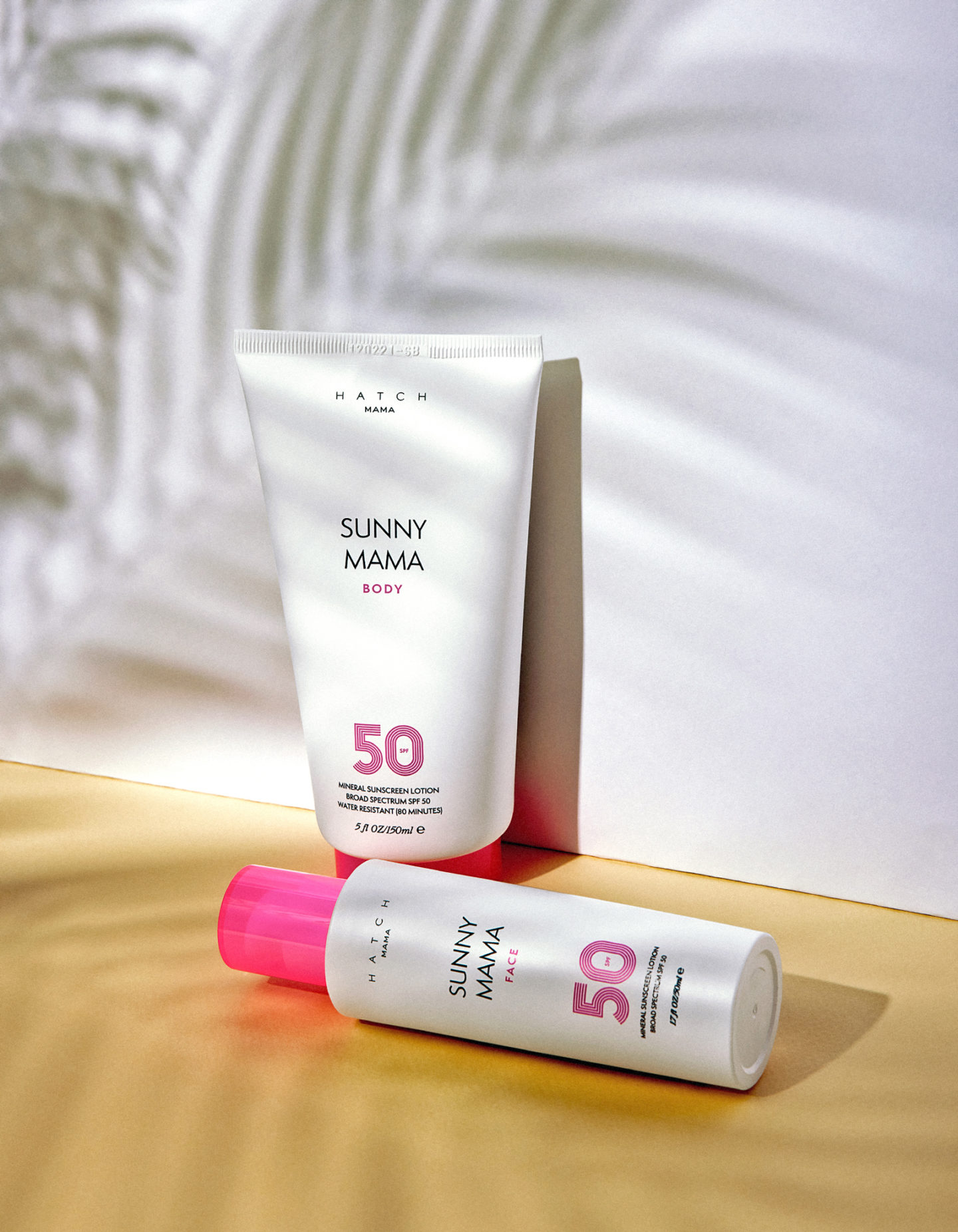
Enter HATCH, saving the day yet again with Sunny Mama, a new SPF for face and body that’s dermatologist and allergy tested, fragrance free and features 100 percent non-nano zinc oxide that safely and naturally protects the skin from the sun. It’s also silicone-free and water resistant for up to 80 minutes.

“It’s hard to navigate sunscreens and which ingredients are deemed “pregnancy safe” but I would opt for a product free of any chemicals known to pass through the placenta to a developing fetus,” says Dr. Wolinsky. “Non-nano zinc oxide SPF 50 is ideal and safe for use during pregnancy and lactation.”

Oh, and did we mention that Sunny Mama’s got squalane and hyaluronic acid plus nourishing botanicals like grapeseed and green tea extracts to smooth and hydrate the skin and support skin health, tone and elasticity? “Squalane and Hyaluronic Acid serve to hydrate and soothe dry, irritated skin,” says Dr. Wolinsky. “For additional antioxidant benefits, grapeseed and green tea extract are botanical ingredients that can protect the skin against the environment’s free radicals and possibly protect further against UV rays.” 

There ya have it – just another way that we got ya covered (literally) throughout this wild ride. Now go play in the sun. You deserve it. 

When Her Son Was Born With a Cleft Lip and Cleft Palate, Kilee Nickel's Journey Began In her own words.

By Kilee Nickels | Photos courtesy of Kilee Nickels

As a mom of five boys, I’ve learned countless lessons over the years. I thought I had pretty much figured things out when we found out we were pregnant with our fifth. Boy (pun intended), was I wrong! 

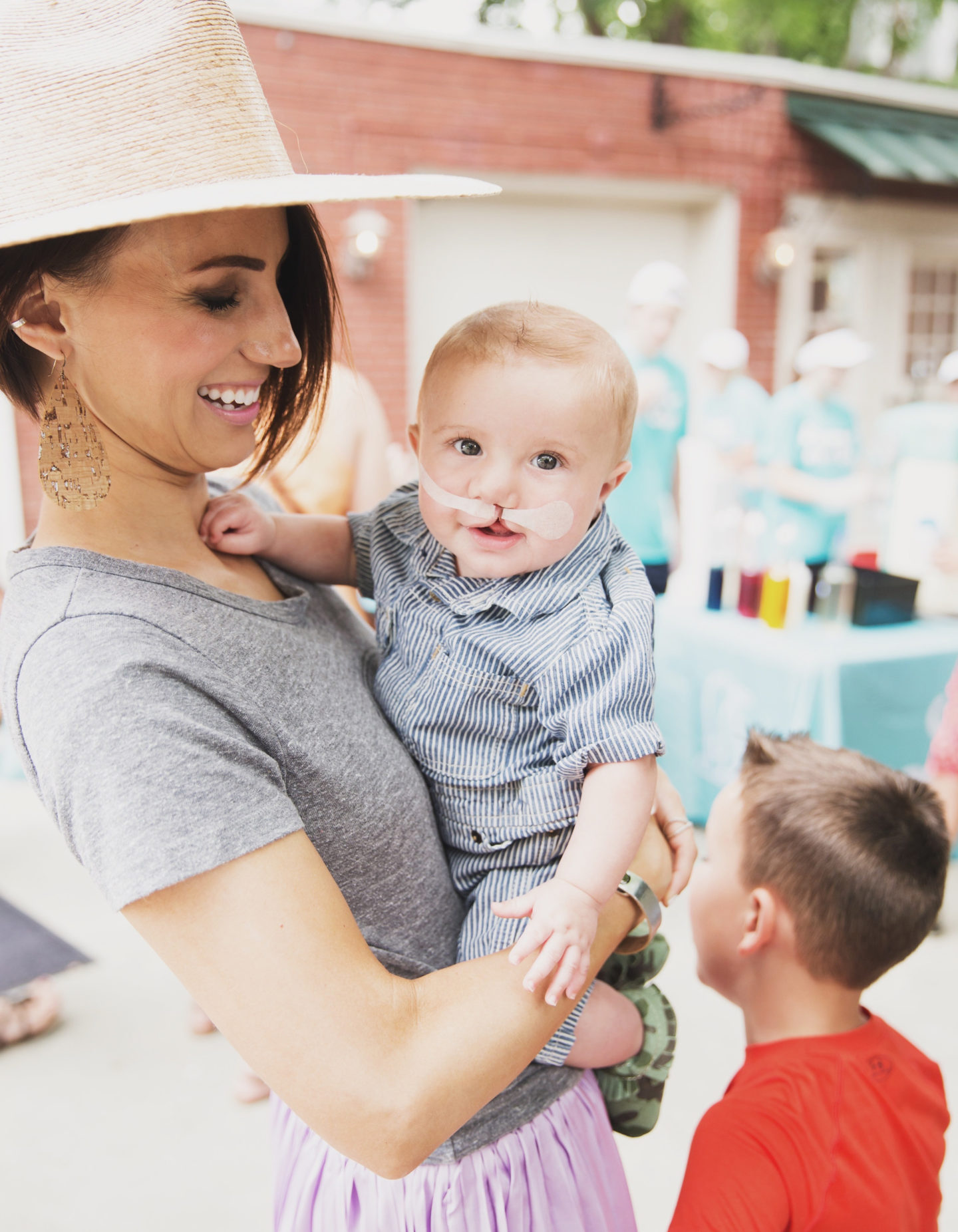
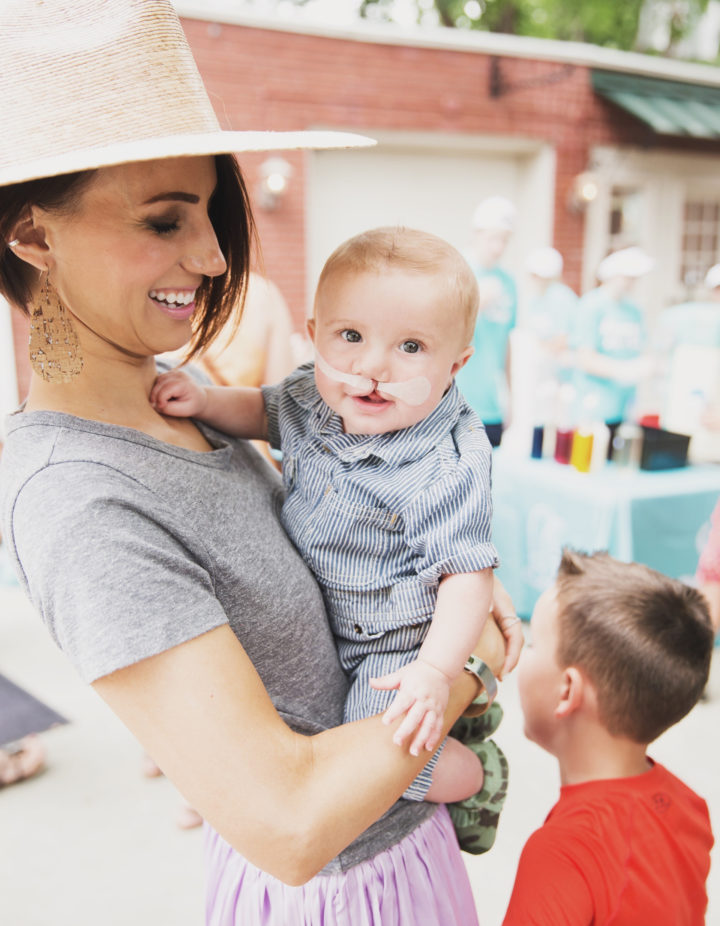
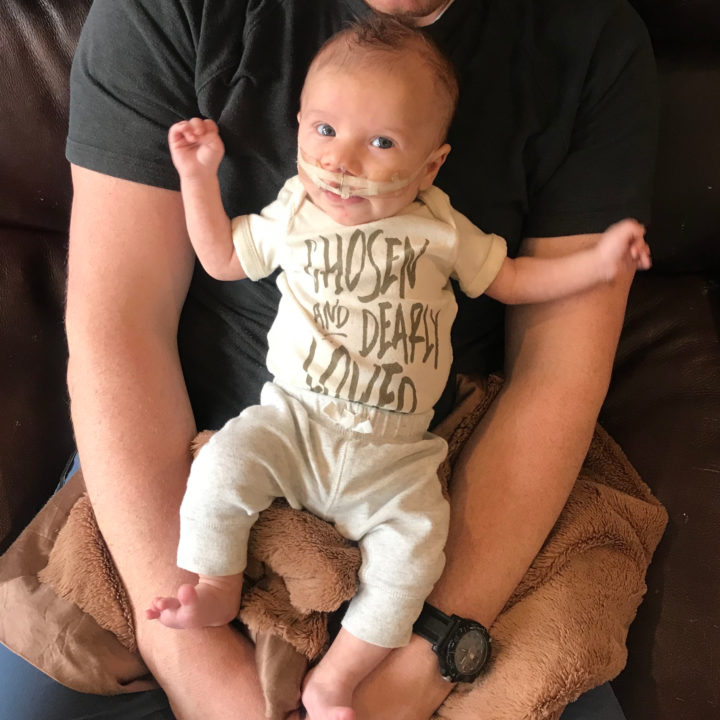
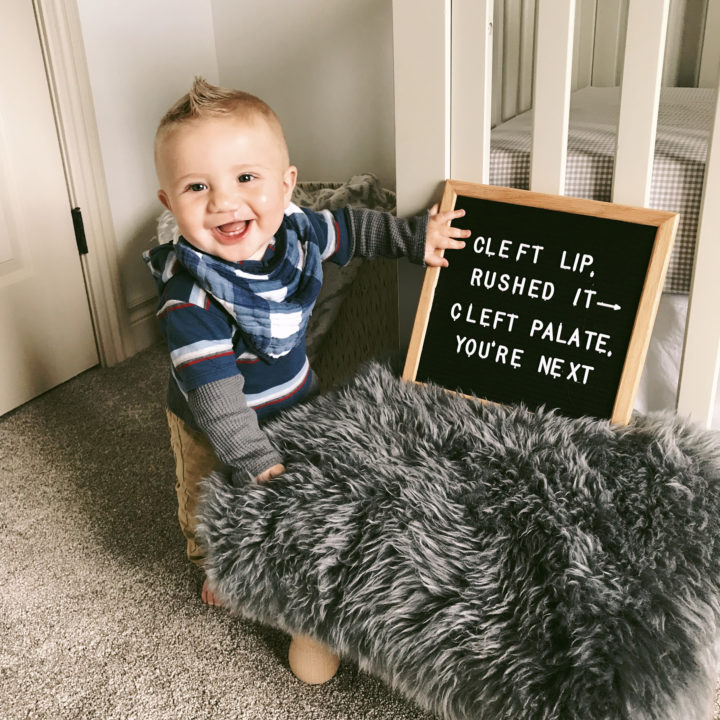
Our fifth boy was born in 2018 with a cleft lip and a cleft palate, and our journey with him has sure kept us learning. We’ve learned a lot about ourselves and managing life’s expectations. I’ve personally found a lot of meaning in our journey as I’ve shared what we’ve learned to help other parents. 

When I was 18 weeks pregnant, we headed in for our planned ultrasound. I fully expected to have another boy, so I was ready. We had the ultrasound and learned that we were having a boy, but more importantly that he had a cleft lip. It was visible in the ultrasound and that’s all they could tell us. I was completely caught off-guard. 

We were sent to make an appointment with a high-risk pregnancy office. I was not okay. I started googling things (never a good idea) and blaming myself. My brain started running worst case scenarios and the appointments with a high-risk clinic didn’t help. At the first appointment we learned that our baby not only had a cleft lip, but a cleft palate as well. He also he wasn’t measuring as expected and he may have down syndrome. It was pretty nerve wracking to say the least. We had more tests done, but in the end, my husband and I were resolved that any birth defects wouldn’t change our mind about going through with the pregnancy. 

The specialists told us what they could and offered to set us up with a consultation before birth with our cleft team. Even then the cleft specialists could only offer us general information and so it appeared that all we could do was wait and see. We. Just. Had. To. Wait. 

During the long months left of my pregnancy, I could tell anxiety was going to be my biggest obstacle. Anxiety and depression have always been one of my pregnancy symptoms – even more so than nausea. And with a birth defect (or multiple!) in the mix, I was even more at risk. I intentionally worked on keeping my thoughts off the future. I could not spend time thinking about the what-ifs. I had to believe that the future would be manageable once it became the present.

I tried to train my brain to focus on the present to keep my mind off the future. I learned that I could handle what I needed to for that day. Some days I had to take it by the hour, or by the minute, but I kept going. I learned to trust myself and chose to put fear out of my mind. I got back up each day – knowing that I faced an uncertain future.  

The day our son was born marked a big change in our lives. What would he look like? Would he be able to eat? Would we feel any differently toward him than our other kids?

Rush Reagan Nickels arrived, and he did look different. But he also looked like ours. And we instantly felt an even stronger desire to protect him and make sure he would be alright. After months of worry and stress, it was so peaceful to have him in my arms and know he was okay. He would be okay. We’d make sure of it. 

I had no idea how much I would be stretched over the next few months. Between trying to pump, take care of my 4 other boys, the normal up-all-night baby stuff, and then his appointments, it wasn’t easy.  We had weekly appointments that were pretty interrupting in our lives. We had to tape Rush’s lip daily and then work with an orthodontic device daily. For 10 weeks. There were two surgeries and recovery time. I was so tired, but we made it work. We had so much support and help, and honestly the biggest champ of the entire situation was our son Rush. 

I learned that I could handle what I needed to for that day.

Through it all, Rush was a trooper. He smiled so early and has been the happiest baby. He rarely complains and takes everything in stride. He is easily amused, loves entertaining others, and exudes happiness.  I’m so thankful for the experience of having a baby with challenges attached. It has only changed our lives for the better and the struggle was 1000% part of that joy.

Many soon-to-be cleft mommas have messaged me since our son’s arrival, and I can always feel the familiar sense of worry and fear. And I’ve found that the message I always share is this: You can handle anything if you can stay in the present and take things one day at a time. You can do this. Your baby can do this. Just keep swimming. 

This month, we prepare to go in for Rush’s fourth surgery to date. Our surgeon will be expanding his palate to improve his speech. We’ll be in the hospital for one night and then 7-10 days of only liquids. For a four-year-old! And despite my natural inclinations, I’m choosing not to worry. We’re just going cross the bridges as they come. We’ll get there and we’ll be ready to go, and I know we’ll be okay. We have lots of previous hard days that have proved it so. 

We’ve been so fortunate to have incredible medical staff at the Children’s Mercy hospital that have supported us along this journey. Their care has meant everything to us. This last year, Nickel & Suede designed the Love Will collection that donates proceeds to their Children’s Mercy Fund. It’s been incredibly rewarding to be able to give back to the teams who were there for us on our darkest days and our longest nights.For more information about our cleft journey you can find it here.

5 Ways To Incorporate Eastern Medicine Into Your Prenatal Routine Holistic Fertility & Obstetric Specialist Laura Erlich breaks it down.

By Laura Erlich | Photo by Stocksy

Eastern medicine offers a beautiful way to view the human body, one that gives us insight into the way our emotional health impacts our physical wellbeing, along with tangible ways to balance ourselves back to optimum health. Adding some of these practices into your prenatal routine are fabulous ways to optimize your mental, emotional, and physical health during these precious months of nurturing new life.  

Nourish your Spleen!

It’s important to understand that much of the language used in Chinese medicine is metaphorical, but a trained practitioner can interpret it to represent its western medicine equivalency.  For example, the ‘Spleen’ system, which is also called the Earth element, (which consists of the Spleen and Stomach organ systems) can be interpreted as the microbiome, and the digestive system as a whole, including the pancreas, which is in charge of making insulin. 

Key ways to nourish your spleen include avoiding cold drinks and too much raw food. The ‘Spleen’ has to work really hard to warm up cold substances, which can slow digestion. Raw food also has to be ‘cooked’ by the stomach before it can be broken down.  To avoid taxing the Spleen,  focus on warm (or at least room temperature) beverages, like herbal teas and organic bone broth, steamed vegetables and complex carbs like sweet potatoes make the Spleen happy!

Keep your blood sugar stable. 

While our bodies do best with small amounts of complex carbs, too much sweet food damages digestion, based on Chinese medical philosophy. This can be interpreted as excess sugar leading to insulin resistance, a health danger at epidemic levels in our modern culture.  Nourish your spleen by eating balanced meals containing a serving of protein, healthy fat (think avocado, nuts or olive oil), lots of green veggies and a small amount of starchy vegetables, like sweet potatoes.  Toss in a few tablespoons of sauerkraut or kimchi and your Spleen will thank you by flooding your body with lots of energy and easy digestion.

Try not to worry. Overthinking and excessive worry taxes the Spleen. A saying to live by is “where the mind goes, the Qi flows.” Train your mind to focus on the outcome you want, rather than worrying about the one you don’t.  

Inspire and let go for your Lung and Large Intestine!

Inspiration and letting go are functions of these 2 organs, which paired with the Metal Element. Ways to keep this system flowing smoothly include: 

Keep breathing! The Lungs are the organ of ‘inspiration,’ so nurturing their energy  means allowing space for creativity, taking time to get outside in the fresh air, and remembering to breathe deeply!

Try to make sure you’re pooping every day. 

I know, I know. Pregnancy can be a constipation marathon when you’re pregnant (and even when you’re not!). The thing is, in order for the rest of your body to function optimally, regular elimination is a must.  Try eating for your spleen, nourishing your kidneys, and adding in some extra fiber, magnesium and probiotic rich foods to keep things moving. 

 The lung is associated with the emotion of grief, so working through prior losses, or other events from your life leading to grief helps the Lung system thrive.

Similarly, ‘letting go’ of things that are out of your control, or that no longer serve you is a key to keeping your Large Intestine healthy.

Care for your Kidneys!

The Kidneys, also called the water element, are essential for survival.  Chinese medicine attributes a significant number of bodily functions to the Kidney system, including reproductive & urinary health, the brain & nervous system, adrenal functions, and many more.  Key ways to support your Kidney system include:

Staying hydrated. This doesn’t mean drowning your system with gallons of water on the daily, but it does mean paying attention to thirst queues and drinking moderate amounts throughout the day.

Add minerals! Minerals are like the ignition spark for countless functions in our bodies.  Key minerals for hydration and overall health include calcium, magnesium, selenium, iron, sodium, potassium and many more.  You can ensure that your minerals are replenished by adding a scoop of sugar free electrolyte powder to your water once a day, and by incorporating broths, sea vegetables and mineral rich salts, like Celtic grey or Himalayan pink into your diet. Green veggies, beets and supplements for extra measure will round things out! 

Love your Liver!

The Liver and Gallbladder, AKA the Wood element, is in charge of so many things, including detoxification, stress management and menstrual issues (think PMS), breast health and more.  Loving on your liver looks like: 

Getting good sleep.  Any pregnant person knows the paradox of needing more sleep and also waking up all the time to pee!  Make sure you factor extra sleep time to make up for any lost zzz’s- from peeing, to kid’s and pet’s night time needs.  Our bodies focus on detoxification while we snooze, backed up by the Chinese medicine circadian clock, which tells us that the most important time for liver detoxification is from 1-3 AM. 

Stay active! One of the key ways to support the Liver is through moderate exercise.  We all know how much better we feel after a workout, and pregnancy is no exception to that rule. Keeping in shape (without overdoing it!) is very important for a physically and emotionally balanced pregnancy. Being as strong as you can be in preparation for birth and postpartum is a huge added plus. The Gallbladder is in charge of the tendons and sinews, so keep them supple by stretching every day.

Wrangle the rage.  The Liver is associated with anger, and too much of it can do harm. Learning to manage anger and work through it in a healthy way is definitely important in every phase of pregnancy and parenthood.

Take care of your Heart! 

Looking at the body through this paradigm, the Heart which is part of the fire element, is in charge of not only moving blood through the body, but also houses the emotions. Since all things in our bodies are interconnected, it’s no accident that the Heart’s paired organ is the Small Intestine.  That’s because the job of the small intestine is to send nutrients into the bloodstream, which means it’s tied closely to the health of the Heart.  Ways to benefit this pairing includes:

Work through your emotions.  Pregnancy is a very vulnerable time, second only to birth and postpartum, so tending to your heart is of utmost importance.  Whatever that means for you- talking with your partner, working things through with a friend or therapist, journaling, mediation, prayer or whatever else soothes your soul.

Take care of your Small Intestine in the same way you care for your spleen, through nourishment, warmth and a balanced diet.

It’s easy to see how Eastern medicine can help you optimize your health and feel better, during pregnancy, into motherhood, and beyond.  As women in this wild world, we need all the help and support we can get, from our communities and care providers. Incorporating holistic principles into your life, or finding practitioners to support you in this way can make the journey of pregnancy as smooth as possible.
Parental Burnout is Real Childcare is Self Care

If it feels like the parenting is taking a toll on your mental health, you’re not alone. Parental burnout is real, and at Babe, we want to dedicate space to having real, honest and open conversations about it.”

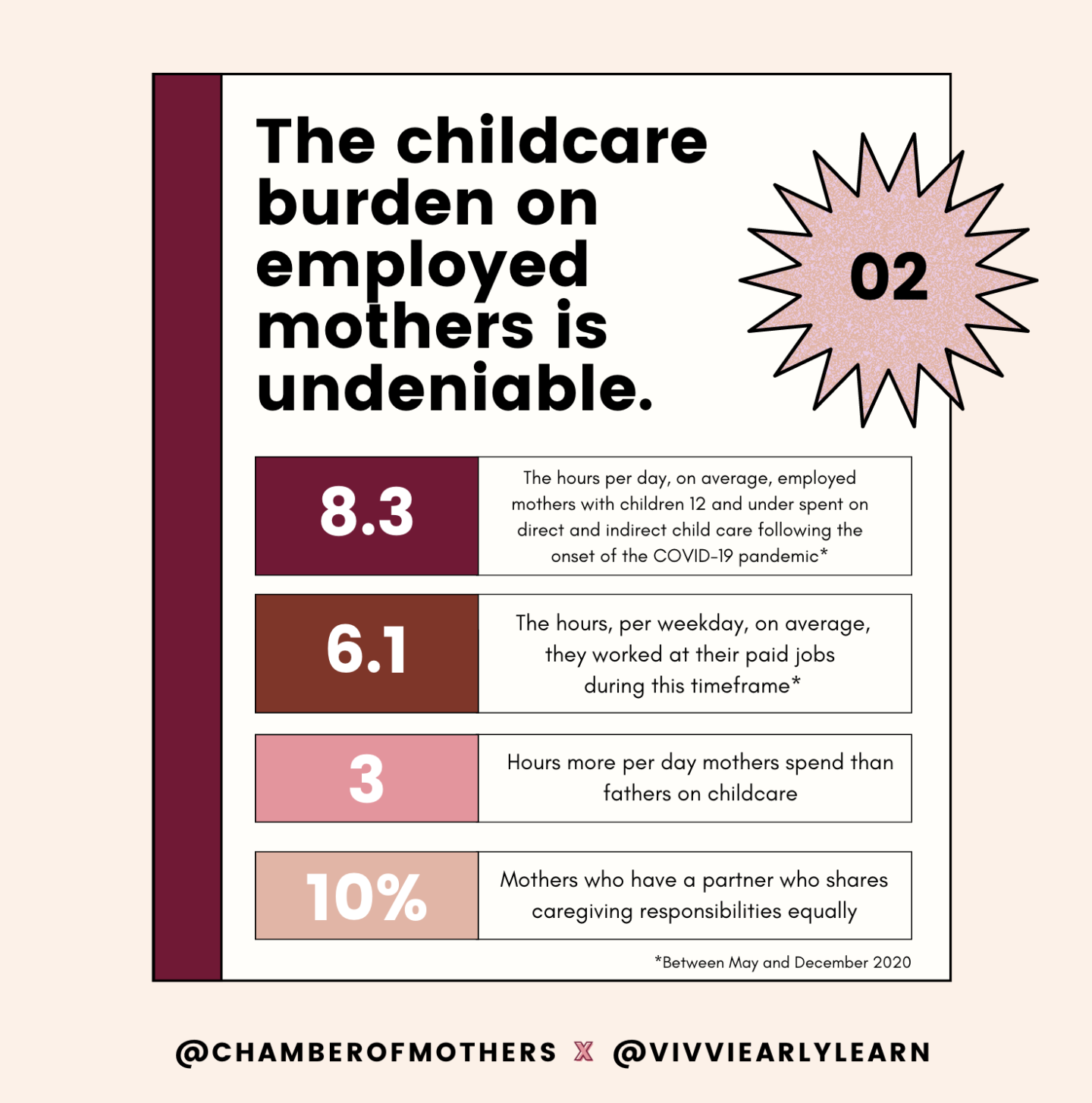
Our friends at Vivvi partnered with the Chamber of Mothers to shed light on some pretty astounding stats surrounding maternal mental health. 

See the full infograph here.


For example, did you know: One out of 4 parents is showing clinically significant mental health symptoms right now? And that number is even greater for Black women and other women of color. 

“It’s such a challenging time to be a working parent,” Gretchen Richer, director of family experience at Vivvi tells us. “We have caregiving duties from morning until bedtime, work to get done, and of course the ongoing stress of the ever-evolving pandemic. It’s no wonder so many of us are feeling burned out.”

According to the Chamber of Mothers, “studies suggest that mothers without childcare or with informal childcare arrangements have higher depressive symptoms than mothers whose children are enrolled in a free center-based program.”

“Self-care has never been more critical for working parents, and we shouldn’t feel guilty for prioritizing it,” Richer tells us. “Adding an extra hour onto your regularly scheduled childcare can give you the space you need to get a manicure, meet up with a friend or do whatever it is that you need to do to help recharge.”

Here, watch how three parents are using childcare solutions to help maintain their own mental wellness: 

This article was written in partnership with Vivvi.

Loop Baby Rental GearLoop Baby Rental Gear

You’ve Rented Dresses and Bags. Why Not Rent for Your Newborn? How long are you really using that stuff?

“On average, new parents add nearly 125 items to their baby registries,” Henry Vogel, CEO of Loop, and Co-Founder and Managing Partner of DVx Ventures tells Babe. 

Expecting and new parents spend hundreds of hours deciding what baby products to buy–we know because they come to Babe to find out which to get! But we also know that even the best, most highly curated lists are limited to what other parents’ experiences have been. You can never truly know how your own babe will respond to a supposed “must-have” until you’ve already put your Amex down. 

So how do you know if your little one will actually cruise with that walking toy? How can you tell if The Snoo will truly help babe sleep? How about a test drive? 

Enter Loop

We are providing new parents with that “second-child” confidence that comes from your own lived experiences.

Henry Vogel, CEO Loop

Loop is a membership service that allows you to save time, space, stress, and money by allowing you to rent top-rated toys and baby gear. They deliver pre-assembled, inspected, and expertly cleaned must-haves straight to your door so you can sit back and relax – or, like, deal with your newborn infant at all hours of the day. Need something different? Loop makes it super simple to swap items. In the words of Vogel, Loop is working towards “providing new parents with that “second-child” confidence that comes from your own lived experiences.” 

How does this whole baby gear rental thing work?

Loop is a baby gear and toy rental service that allows you to enjoy top-rated items for your baby and family. Use the items for as long as you need, and return or swap them when you’re done. Loop delivers products fully assembled, sets them up for you, and when you are finished using them, they’ll come back and take them away.  

Will Loop deliver anywhere?

Loop currently rents and delivers in NYC and the SF Bay Area as well as Westchester, the Hamptons, and other parts of Long Island, New Jersey, and Connecticut.

How do I know it’s clean?

The LoopCare safety and cleaning protocol begins with a rigorous quality assurance inspection and documentation of each item between every rental to ensure each product functions safely and per the manufacturers’ specifications. The crew at Loop uses a variety of manufacturer-recommended cleaning methods, with cleaning materials that are all child-safe and eco-friendly. Oh, and one more FYI, re: COVID, for your safety, all Loop employees are fully vaccinated and wear masks during the delivery. 

What if I/my S.O. or my babe break the rental?

The folks at Loop want everyone to feel comfortable using their rentals like they are your own.  That means that normal wear and tear is completely expected. The LoopCares team ensures every returned item is up to standards before sharing it with the next family.

Sophie Dhujj (@sophiedhuij)

My babe is OBSESSED with what I rented. Can I buy it out?

Loop currently doesn’t have a program in place to buy items. If you rent something and want to hold onto it, they’ll stop billing for the product once you’ve paid the retail value of the product in monthly rental fees for as long as you’re a member of Loop!

Use code HATCH50 to get 50% off your first month of item rentals from Loop (Excludes membership fees).

This article was written in partnership with Loop.

Shan Boodram On honesty, orgasms and showing up.

By Caroline Tell | Photos by Ashley Barrett

Shan Boodram is an intimacy expert who has spent the past 15 years discussing sex, relationships and attachment on the Internet and in the media for her millions of fans. As best-selling author of The Game of Desire, podcast host of Lovers and Friends with Shan Boodram, AND a star on Peacock’s new dating show, Ex-Rated with Andy Cohen, some would call her the Dr. Ruth of the millennial set thanks to her honesty, introspection and relationship modeling with husband and business partner, Jared Brady.

As Shan prepares to give birth to her second child (another girl!) we caught up with her to talk through relationship issues during pregnancy and postpartum, how to open the fields of communication (it’s everything), and why orgasms are a form of self-care.

How are you feeling?

I’m in the third trimester so I just started feeling better. Pregnancy is now a nonfactor in the background of my life. It’s that sweet spot and it’s nice to be here. The first trimester and second were just awful. That said, I also have a one-and-a-half year old in daycare and she brings back every sickness known to man and invented in the sandbox. I’ve been sick seven times since February. The baby is OK but she must be like, “Lady, what are you doing up there?” But it’s not causing her any problems. She’s good in there. Everything is running smoothly.

What’s been making you feel good during this pregnancy? Any self-care rituals?

I would love to answer your question by saying that daycare is self-care. Also I’ve been asking for help more and holding people a lot more accountable is self-care. I’m finding that a babysitter once in a while in the evenings so we can go do stuff is self-care. I’m also getting back into makeup this week, which I took off my list because I didn’t have the time. I’m making the time now. I want to see myself in a way that feels put together. I happen to be getting a pedicure right now.

Thoughts on your work-life balance after giving birth?

The really sad thing is that we’re still figuring out our balance from one child, so I have no idea what is going to be going on with two. I don’t have space to put my brain in that right now. We just started daycare in April. Then that went away for a bit because I got Covid. I’m better now. I still have a loss of taste and smell, but with a toddler, I don’t need to smell. I can change the diapers and not care. I’d love to tell you there’s a nursery, but there’s not. I’d love to tell you there’s a birth plan, but there’s not. But, hopefully that will illuminate as time goes on. With the second one, I feel like faith will figure it out.

How is pregnancy impacting your relationship right now, and how can pregnant people dealing with ALL the symptoms of pregnancy still show up in their relationship?

Talk a lot. That’s the saving grace in all areas. I likely am a disappointment to everyone who used to interact with me before because there’s literallty less of me. Workwise I’m not as on it. I don’t hit my deadlines all the time. I’m not as sharp as I was. I need more rest, I’m slower. I have a lot less energy. The first trimester symptoms kept me from dealing and managing life. So with all that disappointment, I had to acknowledge that I’m not the same wife my husband had seven months ago. I think I’ve just been clear of what I’m capable of and what I’m not. I don’t mind giving the same excuse over and over. I remind people who I can’t show up for that I’m not capable. Managing expectations has been helpful for me. These are tough conversations but I’m not carrying guilt. I’m carrying a baby. I don’t have space for guilt, too.

So I’m getting people on board with that understanding. Traditionally I was a really fun aunt to my sister’s kids. They just moved and now live here. I’m not fun anymore all the time. I’ll say, let’s just sit and play a board game. And I do what I can. I find joy in my work. I’m still showing up how I can but I’m being honest about those “cans” these days.

How can relationships rise up in the postpartum phase when there’s just so much intensity and change all around?

That was a huge adjustment for us, and I had a really healing conversation with my sister. I was telling her about how my husband and I previously had this harmonious, easy relationship and were always on the same page, or similar page. But during that first year, the rules don’t apply. We were reeling. This is the hardest year of any couple’s life. This is when difficulties can arise in marriages. There’s so much change. Usually when one person is in flux, we can look to the other person for stability and a safe space. But that person is also off balance and they also want stability and a safe space. 

It’s rare to both be in that position to take on the other person’s needs while figuring out all the needs in my life. I feel a lot better. We took longer to have talks than we should’ve. I thought it would iron itself out. I thought we’re better than this, let me just ignore it, but we weren’t cohesive. Finally, at six months postpartum, I was more honest about my experience and he did the same. And once we got there, it didn’t change but communicating our feelings around our lack of intimacy made me feel like sharing and learning became possible, and we were able to to view it through a different lens.

I’m carrying a baby. I don’t have space for guilt, too.

In your experience, what are some of the biggest issues among intimacy in married couples? How can we overcome them?

I think it’s just coordination. It’s such a miracle we forget. We spend a sizable portion of life looking for someone we align with. We act like it’s a destination like Texas. But then Texas moves and you’re standing still in a different state. A lot of couples used to be so compatible, but they’re going through changes and have to constantly adjust. It’s frustrating. It’s like I already did this but now it’s hard again. When you’re looking at a relationship from a bird’s eye view and not in a microscope, change can hurt areas. The number one question is incompatibility. Or that my partner is always wanting sex and I’m not into it. It’s getting on the same page. You have to troubleshoot. 

One important note is that it’s a pet peeve to say the key to happiness is communication. That’s like telling an art student that the key to great art is the paint. What kind of paint? Which canvas? How do you use the paint? There’s no hard and fast rule, but there’s a nuance in learning communication styles and checking your egos so you’re showing up authentically about what will get you into an argument. It didn’t take zero time. That’s why I’m aggressively doing quizzes and activities and finding ways to have productive communication but only through many unproductive sessions. I purposely model those conversations and put them out there. This is what it looks like when the couple has done the work to have hard conversations in harmony. 

I feel like as women, we’ve been marginalized in the “sex during pregnancy” conversation. There’s either the super horny pregnant person or the person who doesn’t want to have sex at all. What’s your take? Also, if one person isn’t into sex, how can both people show up so it doesn’t fuel resentment among both partners?

I’m gratefully and traditionally of the mindset that orgasms and pleasure and sexual pleasure are self-care. It’s like, sometimes I don’t want to work out – but I do it because it’s good for the body. In practice sometimes I don’t want to extend myself to be intimate with my partner. My skin is not burning hot for them, but like working out, I’m always grateful after. Or sometimes I’ll say, I’m going to go downstairs and have some self love with my favorite sex toy today. In 10 minutes, my body will benefit. I look at it through that prism. Maybe desire is not as strong, especially compounded with tiredness.

The other day, my partner and I started getting frisky at 10:30pm. I was so tired. And I said, Listen. I have 10 minutes in me. So we arranged the encounter that way. I asked for what I wanted and gave him what he wanted. By 10:42 we were done and that was totally fine. Is it super sexy? No. Romantic? No. But it was meaningful and it keeps us connected and makes it clear of our priorities and we’re showing up – and that’s what matters. Sometimes it’s showing up how we can. Whether that’s going in the shower or watching a video we like. Just do you. Take a spa trip to the computer. Have a cuddle session naked. Ask for what you need but challenge your body a little. Ask what is reasonable for you and what is desirable?

Let’s talk masturbation and even sex during pregnancy. Many pregnant people are nervous. Can we settle this now?

That’s a conversation for your doctor. My doctor is literally Lydia from A Handsmaid’s Tale, and I talk to her about my sex life. Don’t be afraid to bring up these conversations with your healthcare provider. They are normal, fact of life questions and if my antiquated doctor can do it, so can yours. If you’re really uncomfortable, maybe look into a different doctor with a different level of comfort.

Also, engage with yourself as your own expert. Sex is so healthy, and there are so many benefits to a bomb sex life. When I orgasm, I’m happy, and the benefits orgasm gives you is great sleep, lower stress hormones, and all those feel good chemicals. Plus, at 37 weeks, sex with my partner and the sperm and orgasms in general helps thing along, so get in as often as reasonable for you.

What are your hopes for your second child?

I just hope we’re able to bring joy to this baby’s life and in return it expands our capacity for joy and to understand joy through different lenses. We had our first so intentionally and was ready to share my life. This one was not planned but it’s been a dream of mine to replicate my relationship with my sister and how much it means to me. I hope my daughter and next daughter have a beautiful, strong bond. That’s really my focus – that our family is bonded and fused together. And once I have a nursery, I’ll let you know.

Our Favorite Trans Pregnancy and Parenting Resources For an equitable birthing experience for all.

By Babe

If you’re a trans member of our community, or know someone who is, or if you’re a birth worker looking to support trans people on their paths to pregnancy and childbirth, we’re bringing you some of our favorite resources that aim to offer an equitable, safe and inclusive experience for all birthing people.

Birthing Beyond The Binary: Founded by King Yaa, this organization TKs humans to have their FULL SPECTRUM of identities and FULL SPECTRUM of experiences to be recognized, included and affirmed to ensure that NOBODY is left behind. Workshops include “Queering Up Reproductive Spaces,” which is rooted in the values of intersectional feminism with an explicit critique of the mainstream Reproductive Justice movement. it focuses on the voices and needs of queer, trans, and gender diverse people- the most neglected and marginalized in reproductive spaces and other courses in queer care.

Family Equality and Fertility IQ: These organizations help transgender and gender non-conforming members of the LGBTQ+ community who are interested in becoming parents or growing their families find the resources they need on their path to parenthood. It offers resources related to trans fertility—including understanding how hormones impact fertility, when and how to preserve your fertility if you’re going to transition, helping trans and gender-nonconforming people advocate for themselves within medical spaces and building resiliency when dealing with hardships related to the family-building process.

Trans Fertility Co.: A project of Collaborate Consulting, Trans Fertility Co. is the brainchild of trans gestational parent and fertility educator Trystan Reese. After going through his own pregnancy with little access to data on trans fertility, he decided to build resources for trans people and their supporters. These include articles on academic research, videos on many aspects of trans fertility, and opportunities for fertility and family-building practitioners to deepen their commitment to the trans community.

Transhub: A platform is an initiative from ACON, New South Wales’ leading health organization specialising in community health, inclusion and HIV responses for people of diverse sexualities and genders. In April 2019, ACON released the landmark document, A Blueprint to Improve the Health and Wellbeing of the Trans and Gender Diverse Community in NSW.

Moss The Doula: Doula Moss Froom offers an All Gender Birth Class featuring a gender affirming and trans and queer centered point of view. It walks you through what you can do to do to prepare for birth and postpartum, and what to expect from labor and birth. With a teaching model that prioritizes a simple and intuitive understanding of the process of labor and birth, this course is made to help you feel knowledgeable and confident going into your birthing experience.

Mom Memes The LOL-worthy odes that celebrate the hilarity of motherhood.

By Babe | Memes by HATCH

We love a good meme. And as moms in particular, we can appreciate how aptly the hilarity of our lives can be captured in its mere three to five lines. So, whether you’re taking six seconds for yourself in this moment, or maybe they all just left for daycare, scroll through some of our favorite HATCH #MomMemes that make us LOL on the daily.

Postpartum Nutritional Facts You Need To Know According to Hannah Bronfman and our friends at Territory Foods

Here’s a statistic to get your noggin’ going: When you search the words “new baby nutrition” on Google, you are served with just shy of 700 million results. Search “new mom nutrition”? You’re met with 117 million. 

It’s no secret that there’s a gaping hole in prioritizing the well-being of new mamas (and new parents in general) during the fourth trimester. 

“You have zero time,” Hannah recalls from her first days postpartum. “You’re caring for an infant and are in your love bubble, but also, you’re completely overcome by so many different emotions. It can be a really intense time for a lot of women. Your hormones are doing something that they’ve never done before.” Even for Hannah, who has worked in the nutrition and wellness world for over a decade, IT. WAS. ROUGH.

“I did a lot of research on what pillars I should focus on during the fourth trimester to support healing my body with food. And I can count on one hand how many companies are trying to solve this problem.”

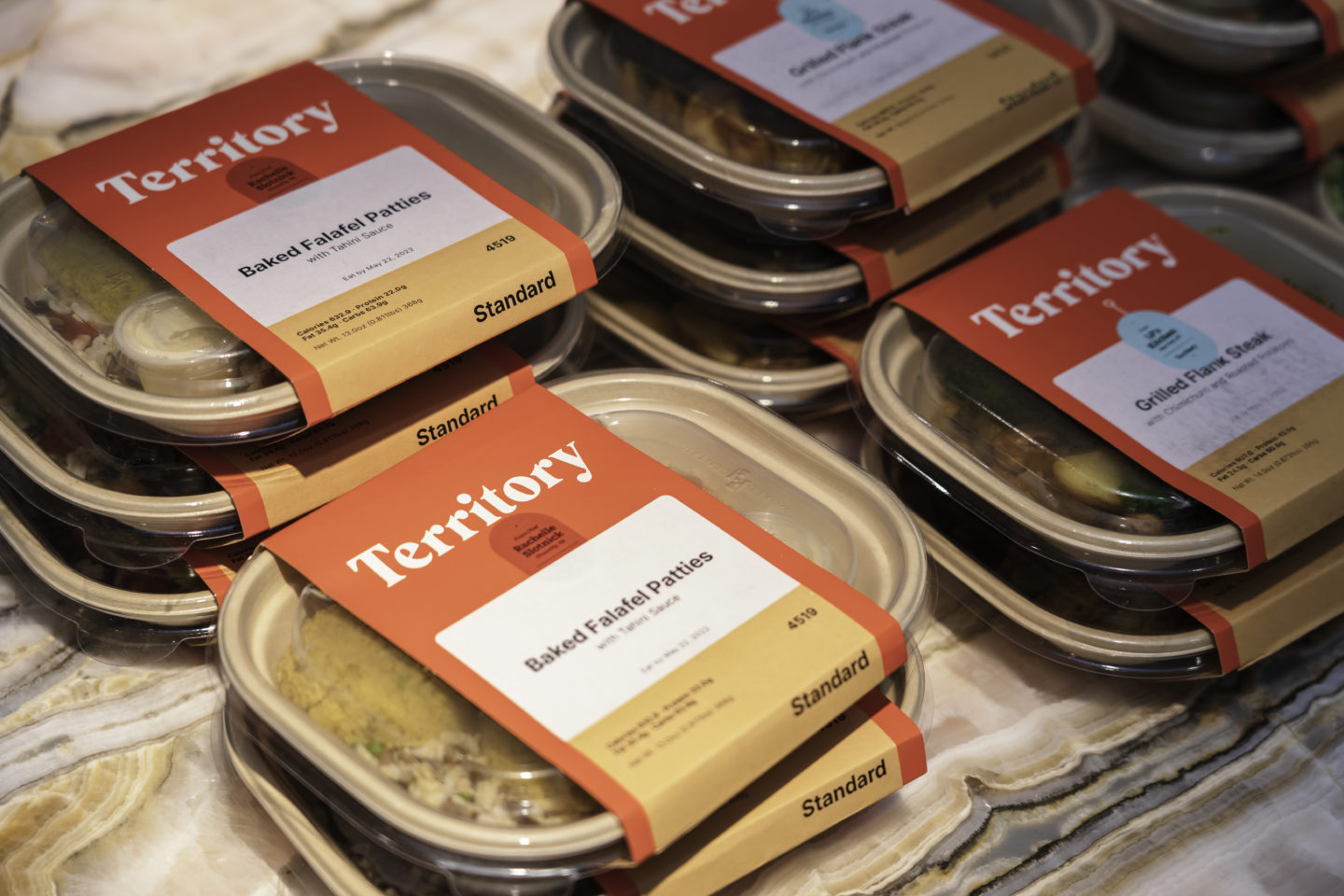
So Hannah teamed up with our friends at Territory Foods to fill the gap and help new parents prioritize their nutrition at arguably the most critical time for both baby and mama. Meet Meals for Mama. 

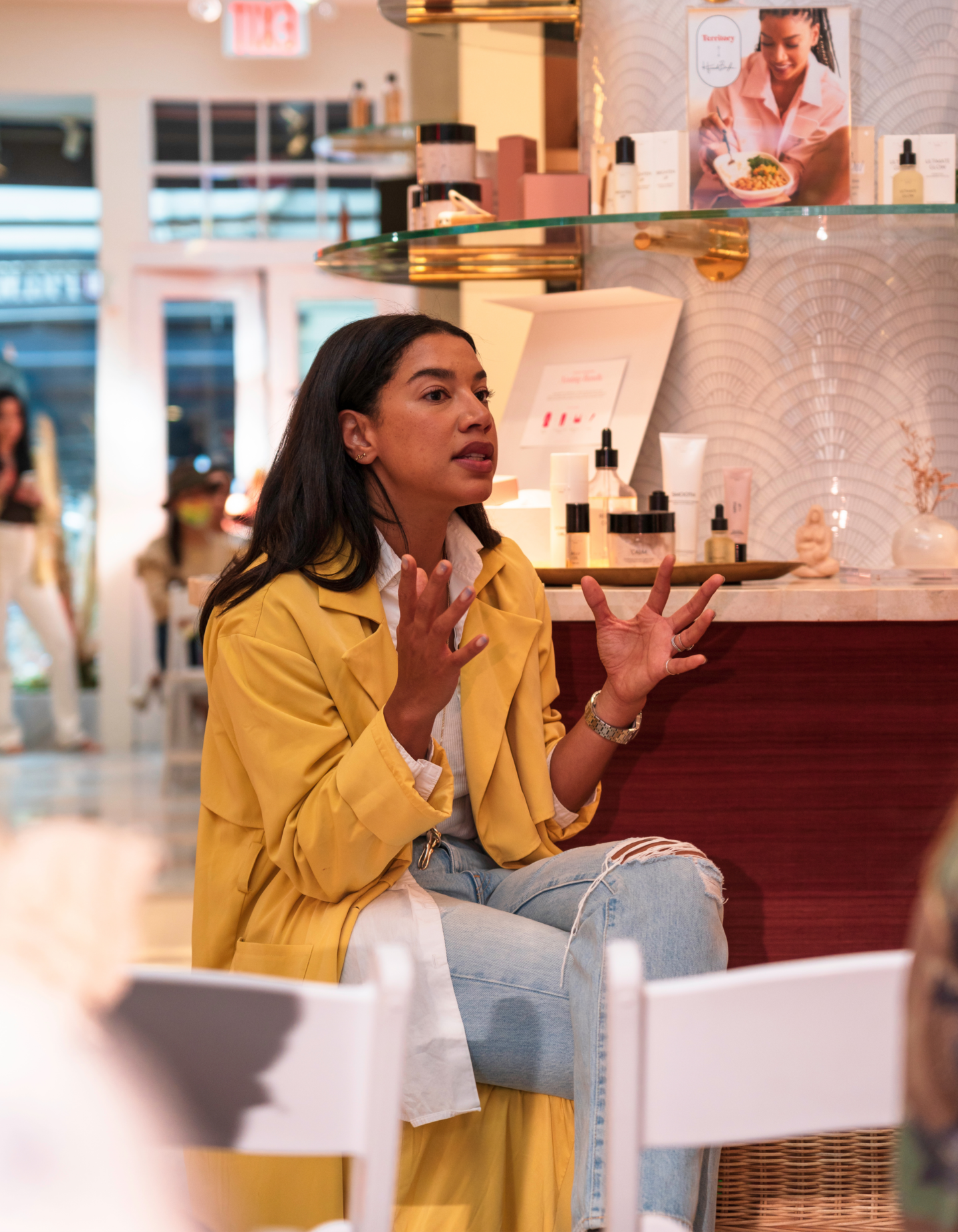
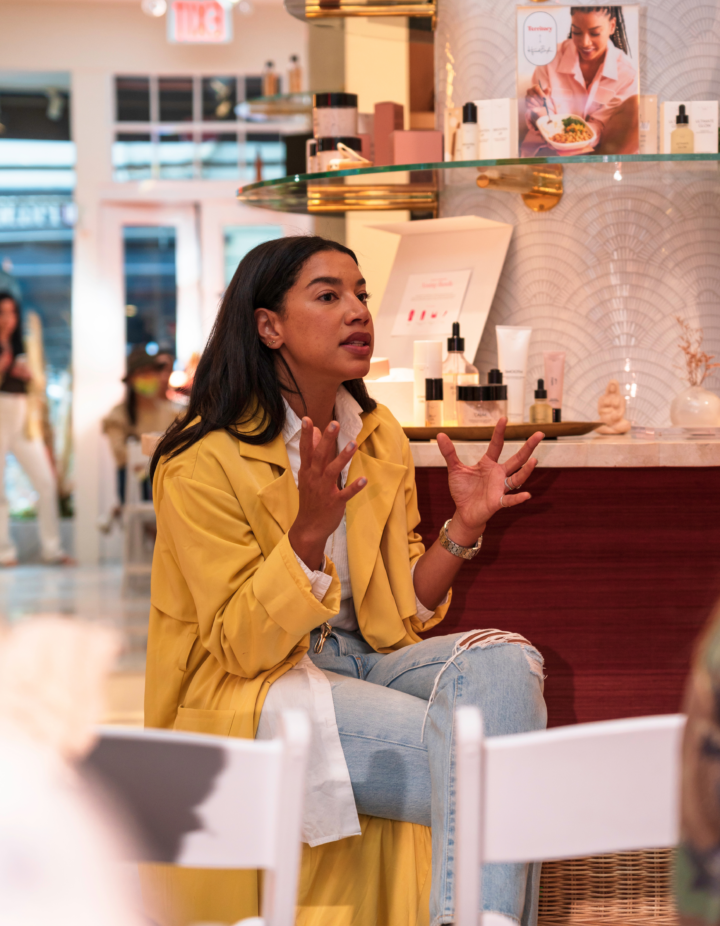
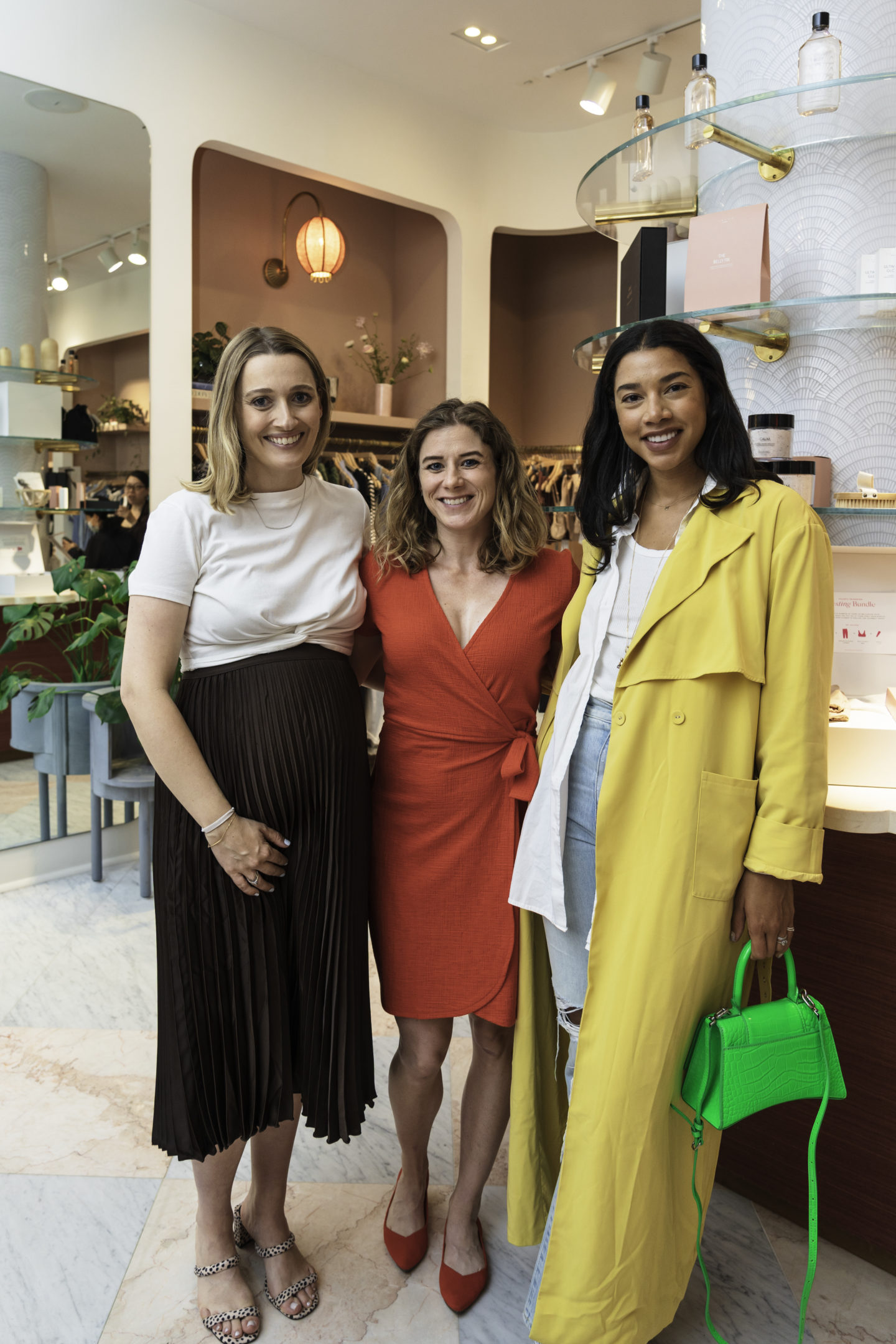
On May 19th, Hannah gathered, along with members of the Territory Foods team and our HATCH community for a discussion with Registered Dietitian Danielle McAvoy on nutrition for new and expecting mamas. Here are some key takeaways.

Left to right: Dani DeCesare, Danielle McAvoy, and Hannah Bronfm

Calorie Counting

Territory Foods offers countless options for meals including keto and low-carb deliciousness. But for Meals for Mamas, Hannah, alongside dietitian and pre-and postpartum nutrition expert, Lizzy Swick, excluded those options for moms. “Pregnancy and the Fourth Trimester are not the time to be restricting or dieting,” McAvoy said. “We set a minimum level of calories that we wanted to hit and aim for meals that have the right balance of carbs, protein, and fat. 

Get Hot

Meals for Mama focuses on easily digestible foods that will help heal your gut postpartum. Things like stews, braised meats… “We stayed away from raw, cold foods like salads or slaws, which are both totally fine to eat when pregnant,” McAvoy explains. “But, In the first three months post-baby, you should really focus on warming foods.” Hannah, herself, credits a homemade Okra stew as her postpartum go-to after giving birth.

It’s All About the Protein Blend

We all know new mamas should be snacking on protein-rich foods as often as possible. “Protein is not only important for repairing physically the damage postpartum but it’s also important for balancing blood sugar,” McAvoy explains. Meals for Mama offers animal protein meals, but limited the portions and instead, included a lot of plant-based meals as well. A Mediterranean-style diet that heavily relies on plant-based proteins has been shown to support your thyroid and blood sugar. 


Your Place is a Pie Chart

Postpartum, you may want to start thinking about your plate as a pie chart as an easy way to ensure you’re getting the right amount of the right stuff. “We make sure at least half of the plate is vegetables,” McAvoy says. “Ideally, half of mom’s plate is 1 or two nutrient-dense veggies, with ¼ being carbs and another ¼ coming from protein.” 

For the month of May, Territory Foods’ Meals for Mama will be donating a percentage of all sales to Every Mother Counts in support of global maternal health and safety. To learn more and eat deliciously, visit Meals For Mama.

1 29 105