
Nutrafol PostpartumNutrafol Postpartum

9 Things Women Should Know About Postpartum Hair Dr. Sophia Kogan, MD, Co-founder of Nutrafol gets to the root of the issue.

This post contains affiliate links. Babe by HATCH may earn commission from any sales made or actions taken as a result from readers clicking the links on this page.

There’s no magic pill to make your previously pregnancy-induced voluptuous hair remain postpartum. Hair thinning is almost guaranteed to occur after giving birth, and it can be an emotional, uncomfortable, jarring experience. Thankfully, our friends at Nutrafol created a Postpartum iteration of their fan-favorite supplement so that your hair growth cycle can get back on track ASAP. Here, we chat with Dr. Sophia Kogan, MD, co-founder of Nutrafol, about what you should know about your postpartum hair journey. 

1. You’re going through a hormonal shift.

“Hormonal shifts are absolutely normal,” Dr. Sophia Kogan tells us. “This is how our body knows how to support the baby through pregnancy, how to give birth, and how to become superhuman after.”

“During pregnancy, we have elevated levels of estrogen and progesterone that support the pregnancy and actually tell hair to stay in the growth phase for longer. This is why some women have luxurious hair during pregnancy,” Dr. Kogan explains. “After giving birth, however, these same hormones drop very suddenly, while cortisol increases by almost 200%. This creates a shift in the growth cycle and the hairs that were patiently waiting to shed, move into the telogen or resting phase of the cycle that normally lasts about 3 months. After approximately 3 months, that hair is released, which is why most women experience increased postpartum shedding generally 3-4 months after childbirth.”

2. This, too, shall pass.

Despite how alarming it may seem, there is an end to this process. “Every woman’s timeline is different,” Dr. Kogan tells us. “Generally, postpartum shedding happens about 3-4 months after childbirth, but based on certain other root causes in the body this process can sometimes last over one year in women.” 

One thing that can help: starting to take supplements as soon as possible.  “We created Nutrafol Postpartum so that you can begin to take it as soon as the baby is born,” Dr. Kogan explains. “The formulation is designed to be taken during the year after childbirth, and for as long as they plan on breastfeeding.”

3. Don’t be surprised that you’re “emo”.

For some women, hair is directly tied to femininity. Don’t be surprised if you are having strong, emotional reactions to hair thinning. Be sensitive with yourself during this time. Stress won’t help matters.

“Postpartum is a complete trip,” says mama and LMFT/Marriage and Family Therapist Emmalee Bierly.  “You finally get out of your own diaper,  your own uterus contractions finally stop and you MAYBE start to get 3 hours of sleep. Then, all of a sudden you notice a massive chunk of hair in the shower and it begins. It can feel like another form of grief and loss in motherhood. As you’re being reborn and figuring out this new you, you then suddenly have to figure out your new hair too” 

4. There is a solution!

Our friends at Nutrafol decided to do things differently. Nutrafol Postpartum was created with an OBGYN specifically to support women with a breastfeeding-friendly supplement during a phase when they can be most affected by thinning hair. It’s compatible with pre and postnatal supplements (added bonus!) ensuring you’ll be good to go with starting your road to recovery ASAP. No, this isn’t a “magic pill,” but by starting a supplement as soon as possible that is made using natural ingredients and is breastfeeding friendly, you’re setting yourself up for success.

5. Not all supplements are created equal.

Okay, so supplements are a hard “yes,” but just like prenatal vitamins, we know they’re not all created equal. Some hair growth solutions contain ingredients that have never been tested on postpartum women, so be sure to chat with your OBGYN before taking anything.  “Hair growth supplements typically contain ingredients that should be used with caution or avoided entirely while breastfeeding because many haven’t been studied in postpartum women,” Dr. Kogan explains. 

Make sure to check with your doctor before taking any supplements. 

6. Careful with your grooming.

You may be tempted to curl, straighten…try every hairstyling trick of the trade, but be cautious when grooming. Your hair is extremely fragile, so treat it gently while brushing and use a volumizing shampoo. If you do want to use a hairdryer, wait as long as possible for your hair to air dry and set your hairdryer to a cool setting to avoid excessive heat.

7. Eat your veggies.

For about 23,524,624 reasons, it’s never been more important to take care of yourself. A healthy mama equals a happy baby. If you are crash dieting or not getting enough iron or protein, hair thinning may become more dramatic and it may become more difficult for your hair to grow back. 

Repeat after us: Breakfast, lunch, dinner. Ice cream. 

8. The Mom-Cut ‘ain’t that bad

Sometimes looking at a lesser version of “what once was” can be emotionally taxing. If you’re feeling impatient, go for a great haircut to mask some of the more dramatic signs of postpartum hair issues. Go short! Try fun hair accessories (headbands, yesssss!!!) or part your hair differently for a change. Small things like this may give you the extra confidence boost you need. 

9. There’s a doctor for that.

If you’re doing “all the things” and still seeing a ton of hair loss, don’t hesitate to reach out to your doctor or dermatologist. There are many causes of hair thinning and only a doctor can truly get to the root (pun, intended) of what’s going on.

  This article was written in partnership with Nutrafol. 
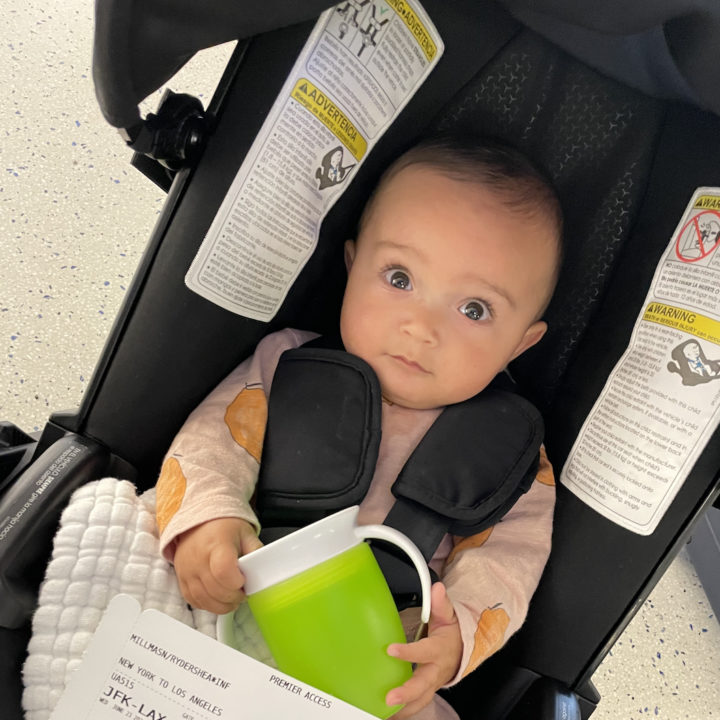
“I looked at my Apple Watch and I clocked 7,000 steps. On a plane.“ Nikki Millman on her first flight with babe.

By Nikki Millman | Photos courtesy of Nikki Millman

Airplane travel was my form of self-care. It was uninterrupted ME time. If I could get through my inbox, finish a book (and even start a new one), and binge watch rom-coms, then I was happy. But a six hour trip to Los Angeles with a six month old? That definitely changed the picture.

In thinking about my first flight with my son, let me just preface the story by saying that I was traveling with my parents and husband. Shout-out to the moms who did their first trip (or frankly any trip) by themselves with their newborn or an infant. I applaud you and also want to know, how did you pee? That being said, as much as it’s “the more hands the better,” as the mom you’re often the one packing, managing the schedule, and calming down your baby when they’re crying at 10,000 feet. 

Ryder was six months old when we flew from New York to Los Angeles. We’re very lucky to have a car in the city, so we left the car at the airport versus figuring out how to get a car seat in a taxi (thank you, Covid-19). And honestly, the cost was pretty comparable to an Uber there and back. Since we were on our own schedule, we were able to leave for the airport on our own time and even finish feeding him in the parking lot before we entered the airport. I made sure to pack as smartly as I possibly could – we did check a bag with mine and Evan’s stuff. I was hesitant at first (I wanted to just do carry-on but my husband shot it down real quick) but checking made the most sense. We shared a checked bag and we had a carry-on for Ryder.

I have to mention that this was my first time traveling since March 2020 so it was nerve-racking in general, let alone traveling for the first time with your newborn baby during Covid-19. The airport was baby-friendly but everything takes more time, like waiting for elevators and security check (where obviously the baby’s food gets questioned and inspected). My advice? Give yourself too much time. I remember texting our family in L.A. that we were at the airport and receiving texts that we were crazy to be there over two hours before a domestic flight. But I’m always of the mindset that I’d rather be early than rushed. It makes for a better time especially when dealing with a baby and an anxious-traveler husband. (Sorry, Evan.)

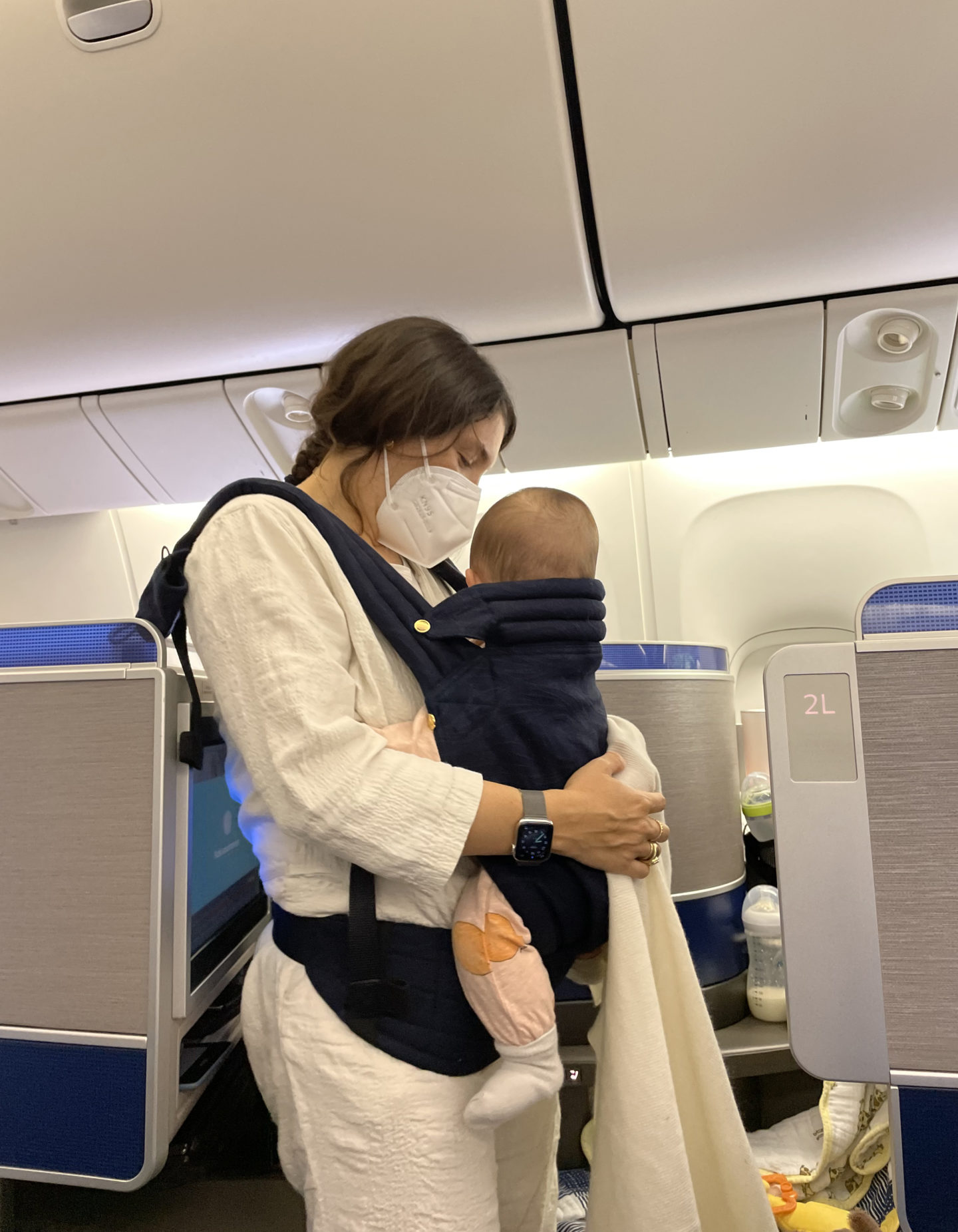
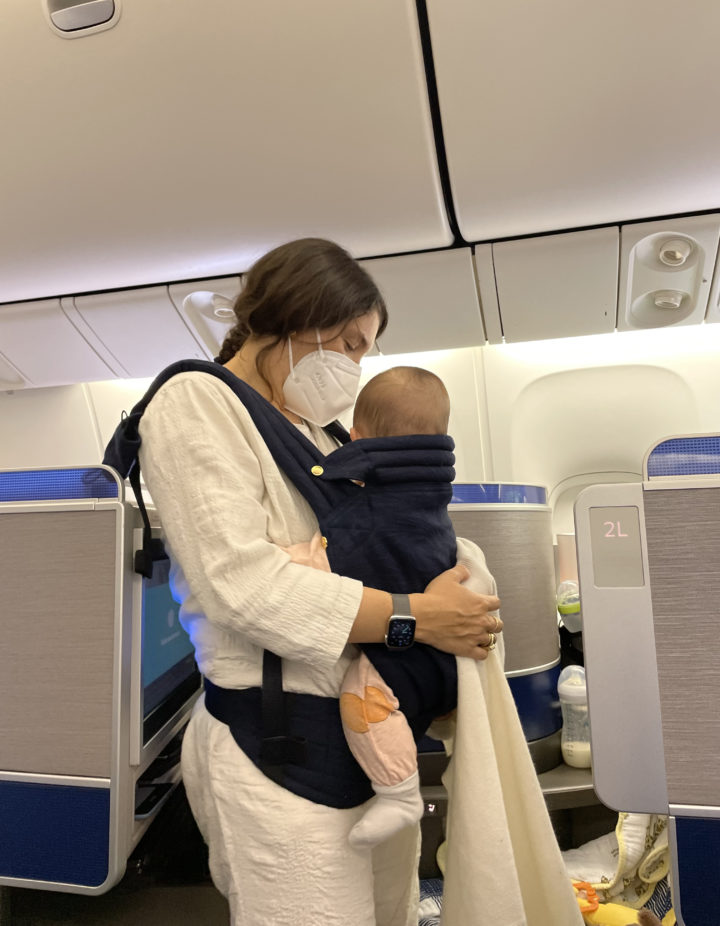
We debated getting Ryder a seat (and bringing our car seat) but decided against it. My thought was that he is super small so he can just hang with me the whole time (aka take over my whole seat so I am sitting on the edge for the entire flight). We brought our Doona – an infant car seat and stroller in one (genius!), which we gate checked (tip: ask the agent when you are checking in for one of the plastic bags they have for luggage and use that for protection. No need to bring a stroller storage bag). I also brought my hand-me-down Artipoppe carrier on the plane with me that was a lifesaver.

My advice? Give yourself too much time.

I have to say, before Covid I traveled like a mom. I would make snacks for everyone and bring Lysol wipes to wipe down the seat and tray table, so that stuff was pretty standard. For food, I purchased a really compact cooler bag where I put everything feeding related (yes, even my snacks). This made it really easy to access and keep everything in one place. Oh! And we also purchased these pouches which we filled instead of bringing our glass jars. They’re really useful and reusable and dishwater safe! I also found this Snap on Storage bag that hooks on to the Doona that I purchased before the flight to keep as his toys. I wish I had found it sooner!

Our flight took off at 9am, which wasn’t ideal as that was right at his nap time. A lot of moms say to feed them at takeoff and landing because it helps relieve the air pressure in their ears. Well, Ryder passed out before we even took off. But it didn’t last and when he got up, it was game over until we landed. I honestly can’t even remember the play-by-play. It was such a blur. But it was basically six hours of walking up and down the aisles shushing him to sleep in between feeds. Lots of crying and fussiness. Seriously, I clocked 7,000 steps. On. An. Airplane. Six hours never felt so long. 

Just remember, babies are not robots. You can plan and ask opinions and do all the research, but something might (and probably will) happen because they are humans. Remembering that makes it easier. And remember to give yourself a break. It might suck for a minute, but then you forget about it. And it’s ALWAYS worth it. Oh! And make sure to get bottled water. Never use the plane water because it’s essentially toilet water. And enjoy the ride! Before you know it, you’ll be on the ground and running to book your next solo plane ride.

Can I Put Bumpers, Stuffies, Lovies in the Crib? Short answer? No.

By Babe

As new mamas, the message has been cemented into our head from the very first moment we meet our pediatricians. Babies need to sleep in a crib, on a hard mattress, on their backs, with nothing else in the crib. The facts don’t lie. About 3,400 babies in the U.S. die suddenly and unexpectedly every year while sleeping, often due to sudden infant death syndrome (SIDS) or accidental deaths from suffocation or strangulation. But according to every mother-in-law on the planet, we all used to sleep face down and slept sooo much better for it. So in an effort to clear up all the myths surrounding infant sleep, we’re doing a little Q&A…with ourselves….where we’re tackling these questions and more.

So…what gives? Can my babe sleep on their stomach? (My MIL says it’s fine!)

NO. Until their first birthday, babies should sleep on their backs for all sleep times—for naps and at night. Babies who sleep on their backs are much less likely to die of SIDS than babies who sleep on their stomachs or sides. While some parents worry that babies will choke when on their backs, a baby’s actual airway and the gag reflex will keep that from happening. 

But what if they roll onto their stomachs?

While you should always place your baby to sleep on the back, if your baby has reached the point where they can roll both ways (back to tummy, tummy to back), then you do not have to return your baby to the back. However, be sure that there are no blankets, pillows, stuffed toys, or bumper pads around your baby, so that your baby does not roll into any of those items, which could block airflow.

Wait, speaking of which, what about bumpers? Lovies? Cute little stuffies?

NO. Keep soft objects, loose bedding, or any objects that could increase the risk of entrapment, suffocation, or strangulation out of the baby’s sleep area. These include pillows, quilts, comforters, sheepskins, blankets, toys, bumper pads or similar products that attach to crib slats or sides. If you’re worried about your baby getting cold, you can use infant sleep clothing, such as a wearable blanket. 

In fact, bumpers might soon become a thing of the past. Bipartisan legislation has been introduced in Congress to ban the sale of crib bumpers, which pediatricians have long said are unnecessary and pose a deadly risk to sleeping babies.

The bill, called the Safe Cribs Act, would also make it illegal in the U.S. to manufacture, distribute, or import crib bumpers. The padding is considered dangerous because babies can roll over and press their faces against the material, leading to suffocation. (The bill was introduced by Senators Tammy Duckworth, D-Ill., Rob Portman, R-Ohio, and Richard Blumenthal, D-Conn.)

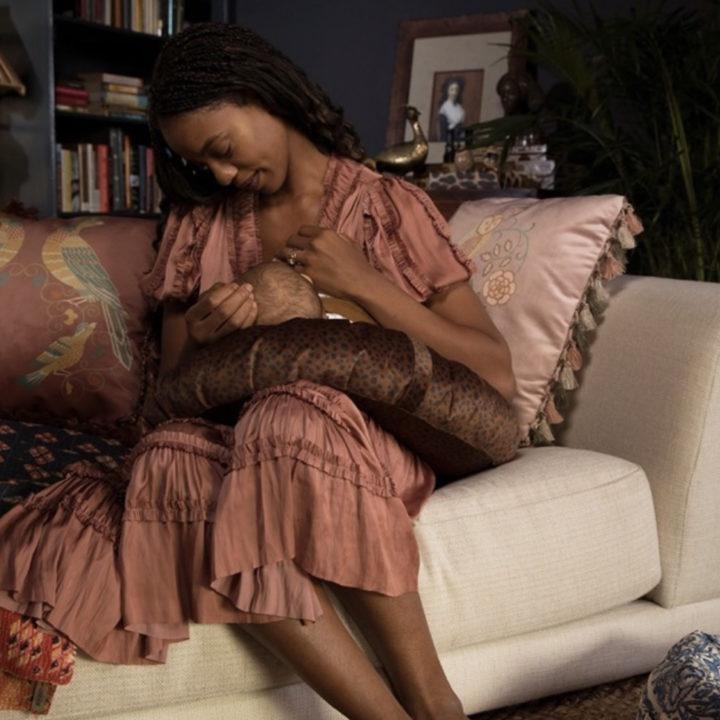
What if my babe passes out while I’m nursing on a boppy?

Do not let your child fall asleep on nursing pillows or pillow-like lounging pads.  The CPSC warns​ that babies may roll over onto their sides or stomachs and turn their heads into the soft fabric. Also, when propped up on an incline against the pillow or lounger, their heads can fall forward, blocking their airway. Also, never put your baby to sleep on a couch, sofa, or armchair. This is an extremely dangerous place for your baby to sleep.

Now You Can Get the Deets on Your Fertility BEFORE You TTC All from the comfort of home.

By Babe | Photos courtesy of Everlywell

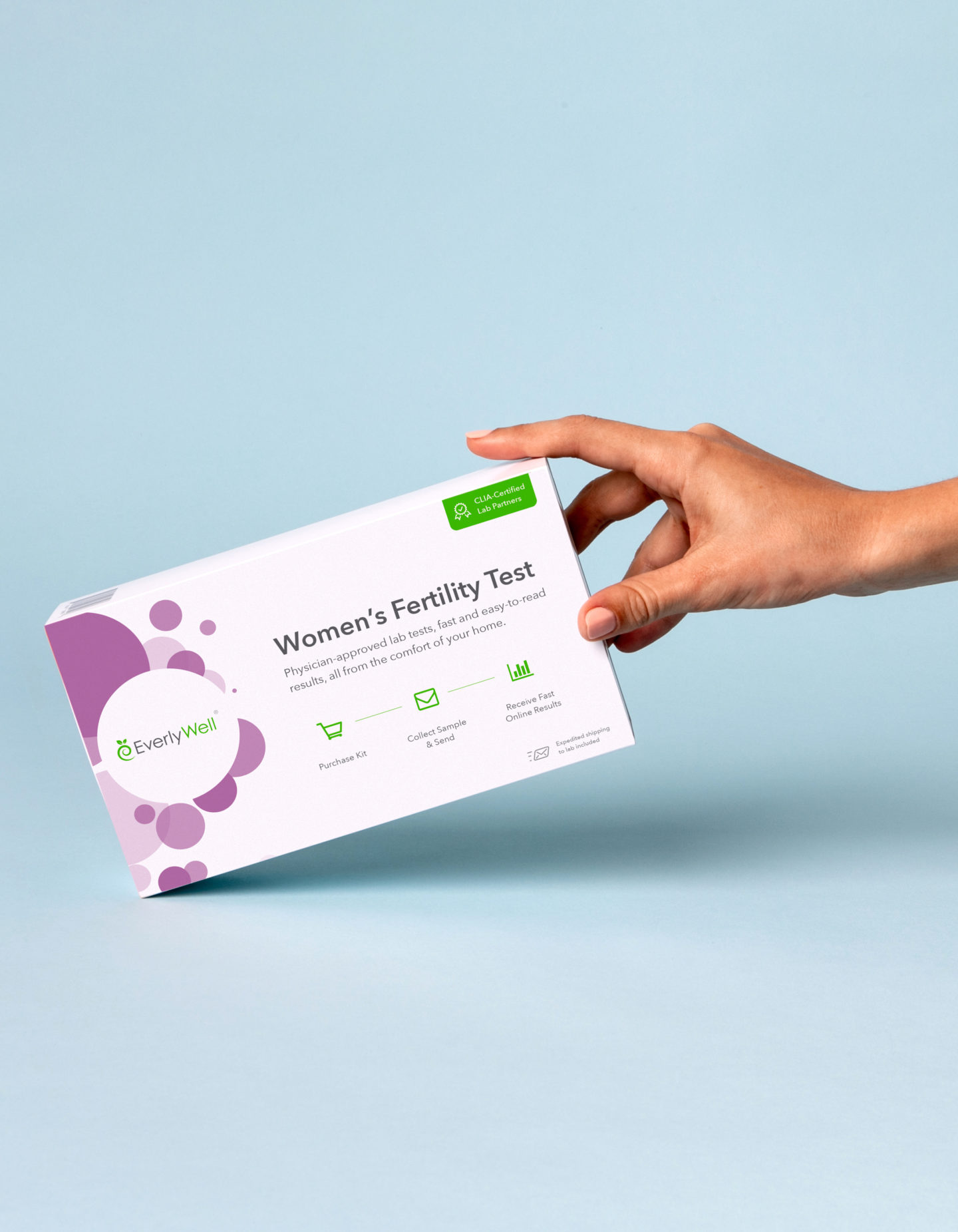
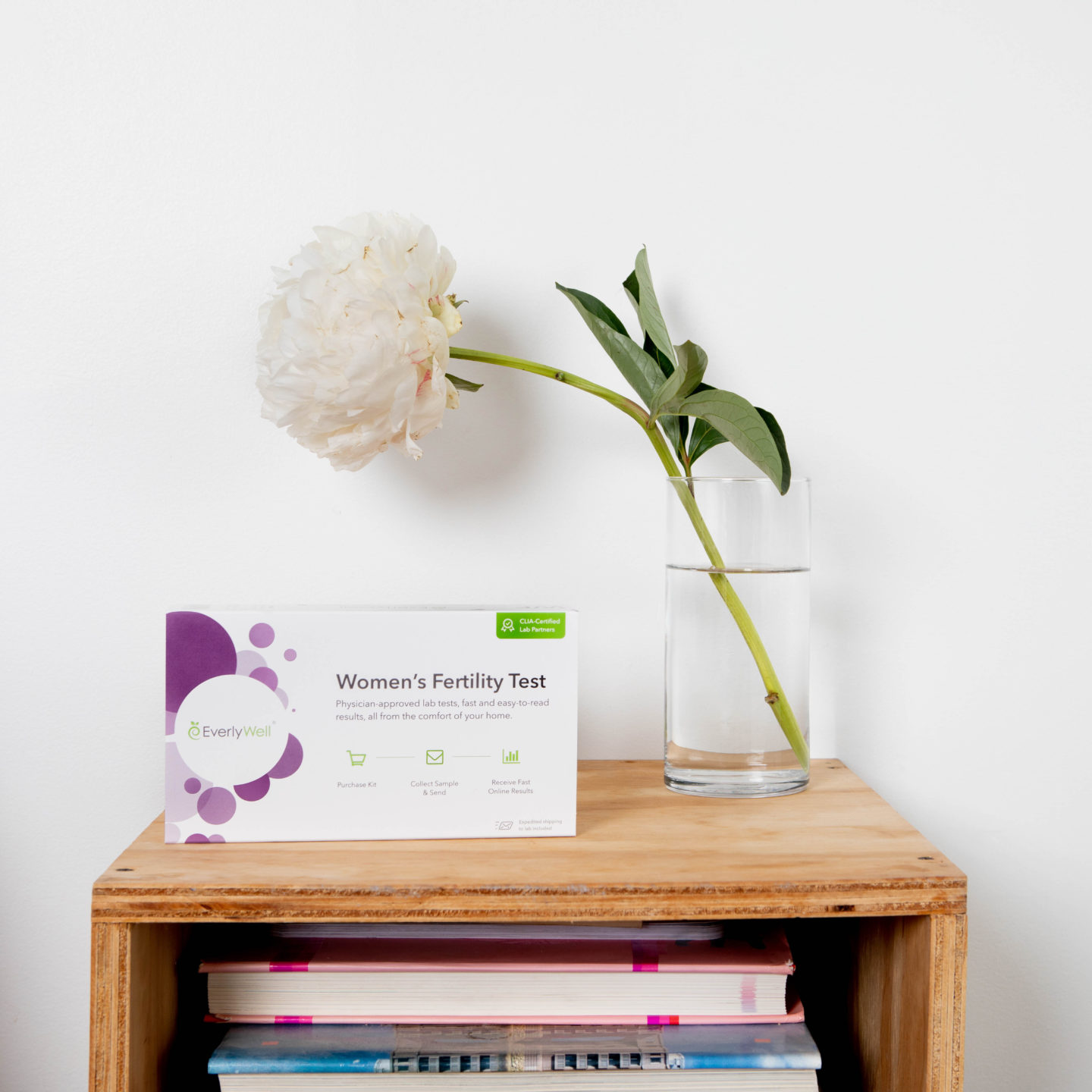
If you’ve ever tried to have a baby, then you know that for some, it’s an easy, winning game, while for others it takes massive scheduling and calendaring and then often times, medical intervention. Wouldn’t it be great to know which category you fall into….in advance? Now, Everlywell, the at-home testing giant that offers access to diagnostic reporting for everything from food sensitivity to colon cancer screening is blowing our minds with its at-home fertility test. Your test results will provide detailed information on the five hormones – Estradiol, Luteinizing Hormone, Follicle-Stimulating Hormone, Thyroid-Stimulating Hormone and Total Testosterone, and whether your levels fall within established normal ranges to provide helpful insight related to common hormonal imbalances that can impact fertility. 

“Hormone tests for fertility can cost hundreds of dollars at the doctor’s office and often are not covered by insurance,”  says Shelley Gautam, RN and Consumer Science Liaison at Everlywell. “The five hormones measured on the Everlywell fertility test include many of the same hormones a physician would order at a fertility clinic. Having an affordable option like this gives many women the opportunity to start understanding their fertility without racking up hundreds or thousands of dollars in lab fees.”

Each lab Everlywell works with is CLIA-certified (Clinical Laboratory Improvement Amendments), and tests are reviewed and approved by an independent board-certified physician within your state. This ensures that any test ordered is relevant to your health and wellness. Results are easy to understand, personalized to you and offer next steps based on your numbers. So you can know NOW what your path to babe could look like, before you get started.

More:

Outfits Made For Breastfeeding (Literally) From on-the-go to on-the-couch.

By Babe | All photos courtesy of HATCH

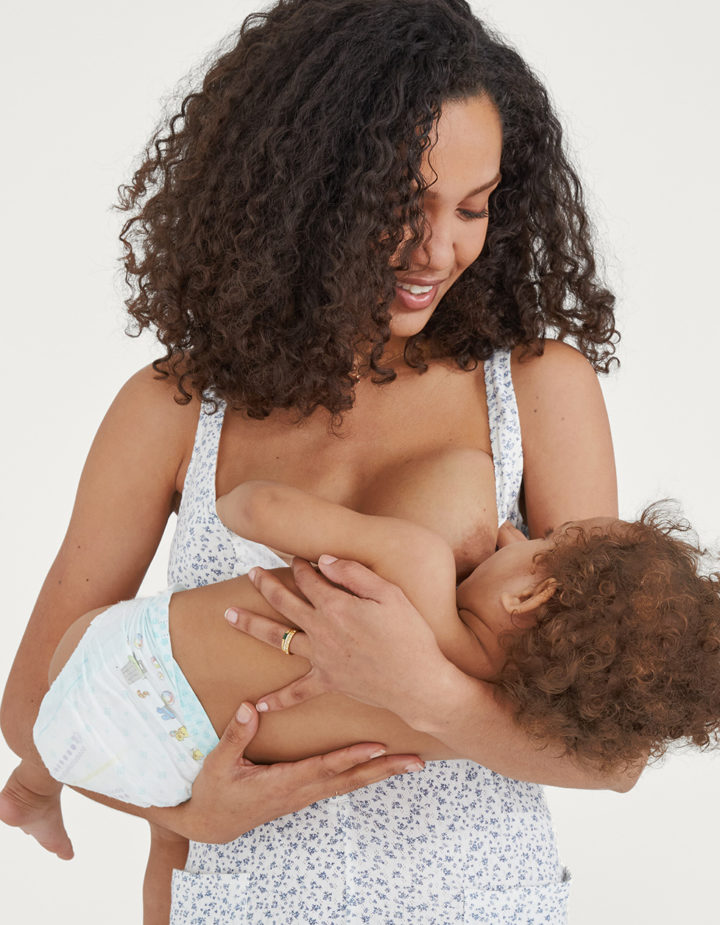
Whether you’re breastfeeding, pumping, or bottle-feeding, we get it — it’s all hard. It’s why our dear friends at HATCH have gone above and beyond in crafting the ultimate 4th trimester essentials. Brimming with nursing-friendly features, such as hidden overlays, secret slits, and easy-to-open ties, these outfits are all about letting you strike the perfect balance. 

Amidst the whirlwind of 3 am wake-ups, surprising guests (can we get a heads up?), and the looming thoughts of rejoining the workforce, here’s a chance to feel a touch cuter, a tad more chic, and so much more you. Dive into these specially curated outfits that will make your breastfeeding journey a tad more stylish.

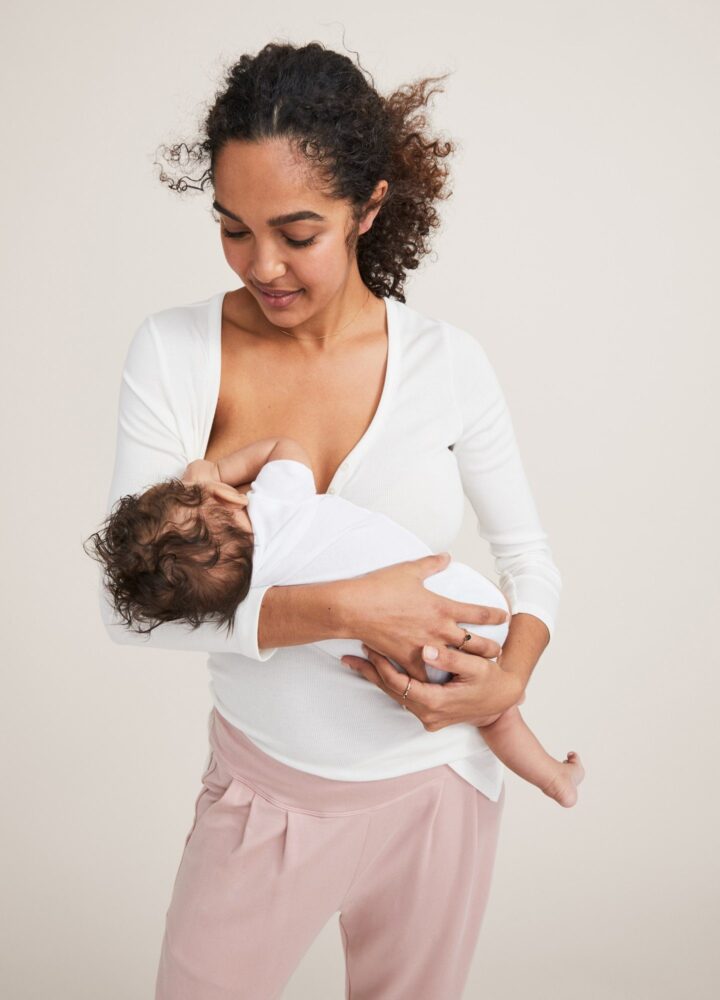
1. The Longsleeve Nursing Tee

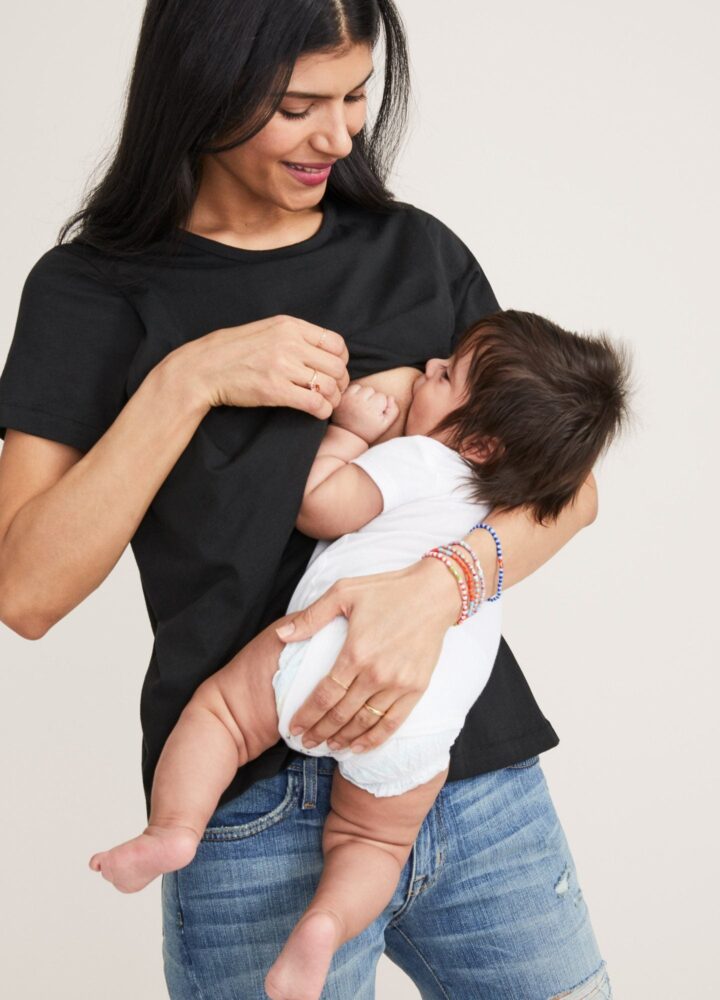
Gone are the days of wrestling with your t-shirt during feeding times. This long-sleeve nursing tee is crafted from the plush embrace of 100% organic Pima cotton.

Its smart design features a second overlay at the front that smoothly opens up to a discreet center slit, ensuring those quick, easy-access feeds. Whether you’re lounging at home or out for a walk, this tee has your back.

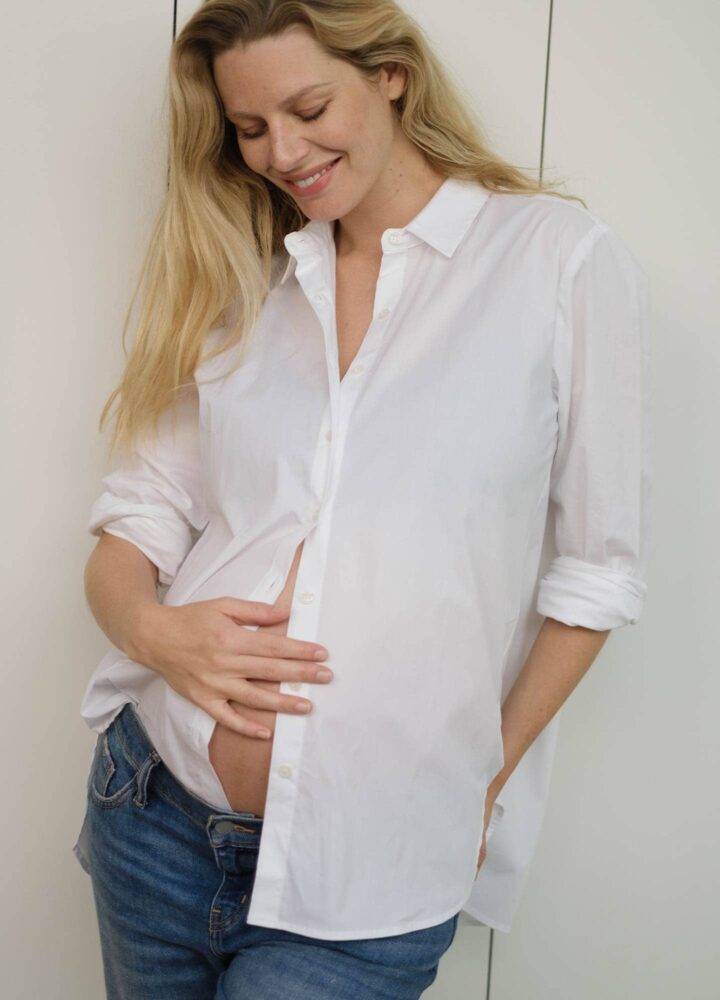
2. The Classic Buttondown

The button-down, a wardrobe staple, just got a postpartum twist. This lightweight cotton shirt from HATCH marries functionality with style. It boasts a crisp collar, a flattering inverted pleat at the center back, and stiff banded cuffs. 

What’s more, its bias body, gusset piecing, and strategically notched hem adapt beautifully to your changing shape, making it the perfect nursing top for those who swear by the classics.

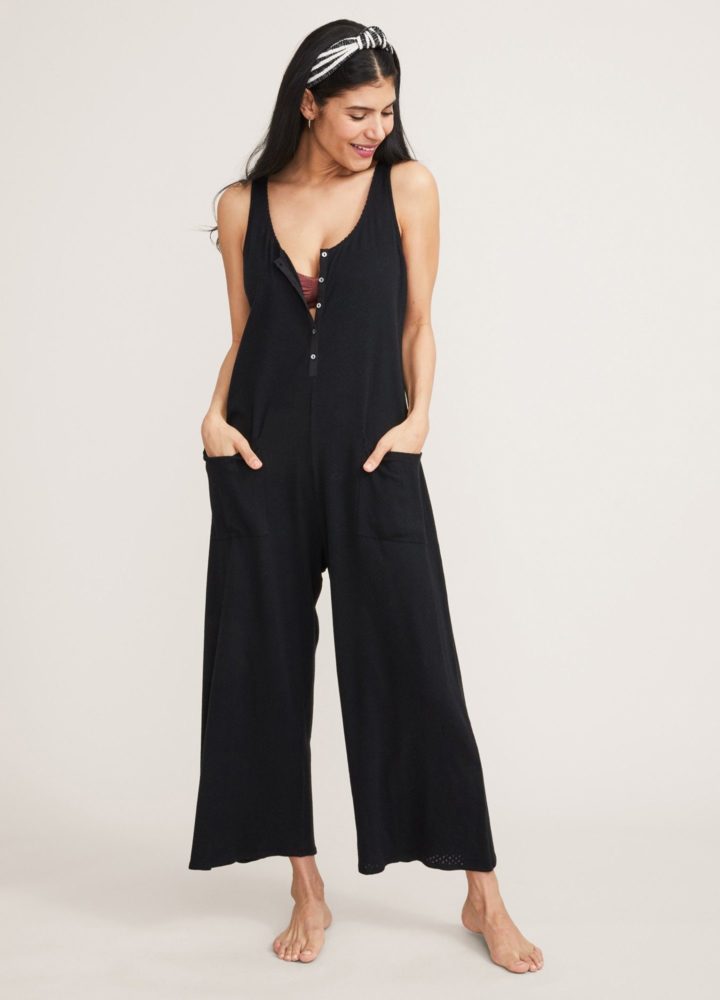
3. The 24/7 Feeding Jumpsuit

Who said jumpsuits weren’t breastfeeding-friendly? This rendition is all about offering style without compromising on function. Crafted from the softest cotton, it adorns a delicate pointelle pattern. 

But what truly sets it apart is its easy feeding access. Oh, and did we mention the handy front patch pockets? 

These are ideal for stashing your essentials, be it a pacifier or your favorite lip balm. Whether you’re feeding, catching some Zzz’s, or running errands, this jumpsuit urges you to simply slip into it and shine.

4. The Visitor Dress

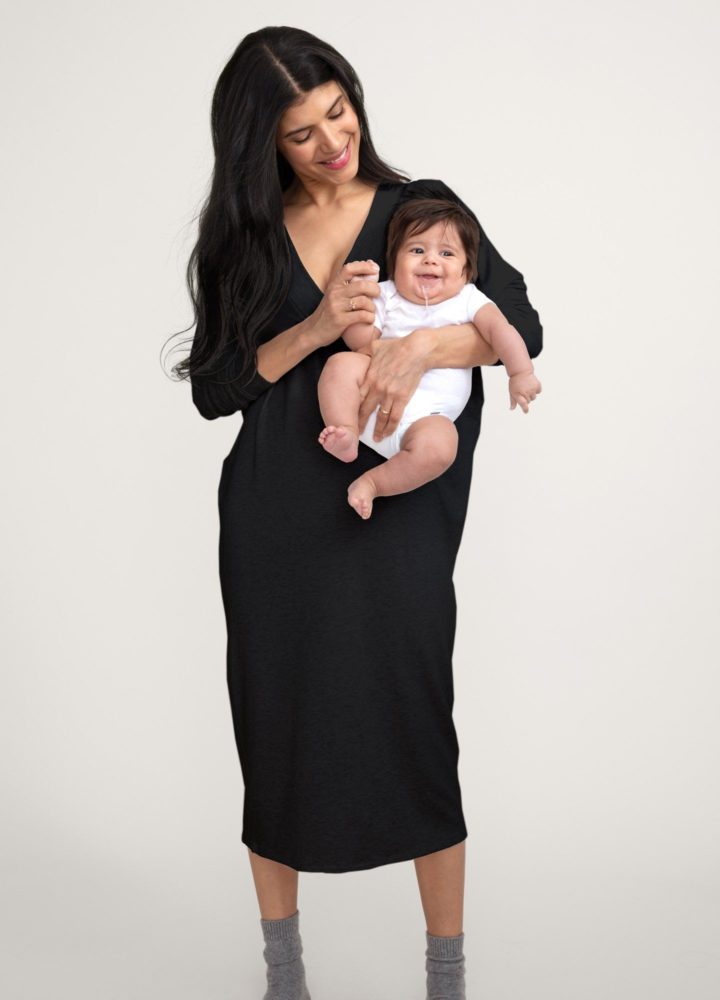
Meet the dress that’s all the rage in the postpartum world. Made from luxurious French terry fabric, it offers a relaxed yet flattering fit — but what truly makes it shine is its nursing-friendly neckline, ensuring hassle-free feeds. 

It’s perfect for those first steps out of the hospital or even those lazy afternoons when you’re dozing off on the couch with unexpected visitors dropping by.

5. The Luxe Nursing Tee

Simplicity meets luxury. This isn’t just any nursing tee; it’s a symphony of comfort and style. Designed for those moments when you desire effortless elegance, this tee promises seamless feeds. 

With its top layer that effortlessly lifts for nursing or pumping, the buttery-soft touch of Pima cotton feels like a comforting hug every time you slip it on.

6. The Rib Nursing Henley

Every mom deserves a touch of everyday luxury. Enter the Rib Nursing Henley, a postpartum wardrobe’s crown jewel. Designed with both style and function in mind, it features a functional snap placket front and an elegant v-neck design. 

The real show-stealer, however, is the ultra-soft rib knit fabric. Once you experience its cloud-like embrace, you might just find yourself living in this shirt dress.

7. The Early Days Nursing Sweatshirt

Few things compare to the comfort of a trusty sweatshirt, especially during those early, whirlwind postpartum days. Tailored with breastfeeding in mind, this French terry sweatshirt boasts a sublime slouchy fit that’s just perfect for those initial weeks post-birth. 

Couple that with its deep V-neck and fleece-lined design, and you have the quintessential sweatshirt for postpartum and beyond.

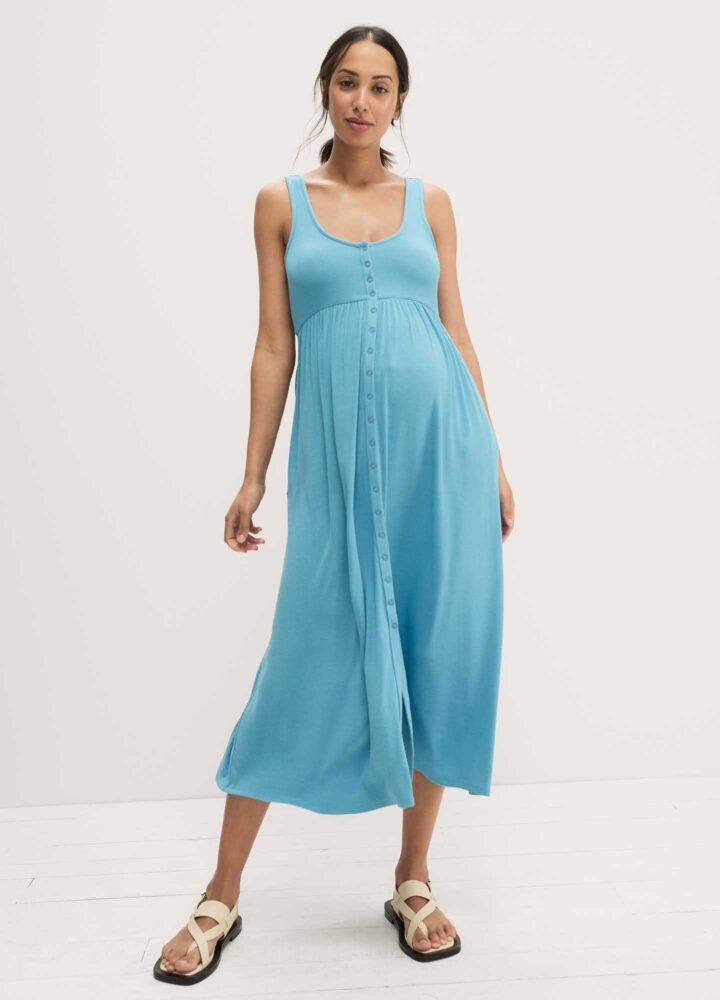
8. The Softest Rib Nursing Tank Dress

Dressing up while juggling a newborn can seem daunting. But with The Softest Rib Nursing Tank Dress, it becomes a delightful breeze. Its buttery-soft rib knit fabric swishes around you, promising unmatched comfort. The snap placket front ensures quick and fuss-free nursing or pumping on the go. 

Whether you’re in your pregnancy, postpartum phase, or well beyond, this dress effortlessly straddles the line between function and style.

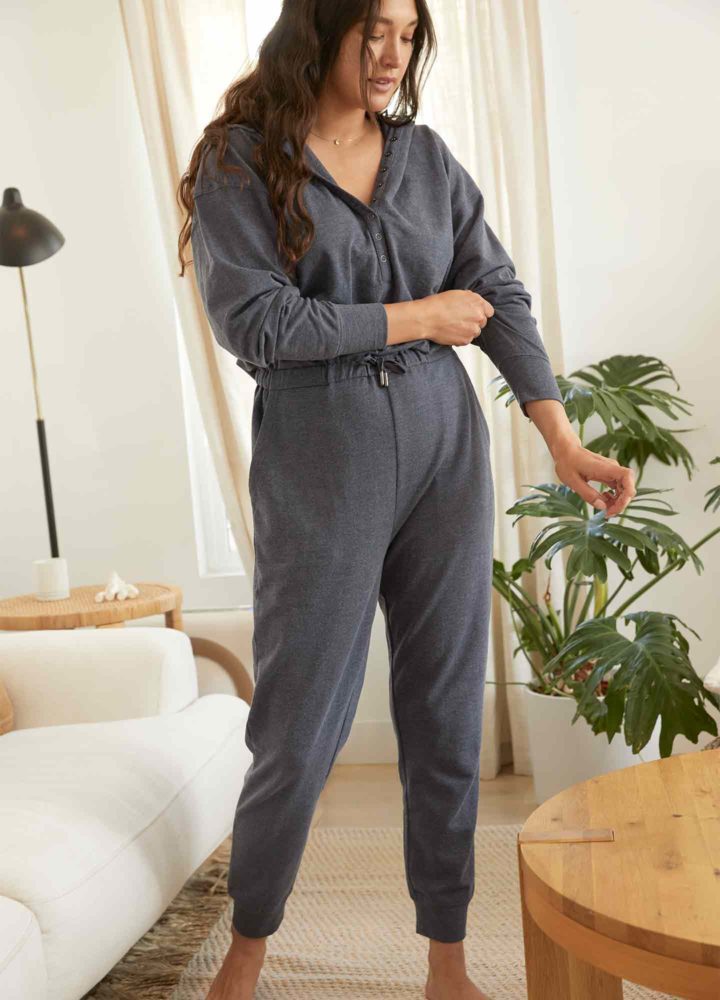
9. The Hoodie Nursing Jumpsuit

Your casual days are about to get a luxe makeover. This innovative piece combines the snugness of a hoodie with the ease of a jumpsuit. Made from soft French terry, it’s designed to be perfectly mid-weight, ensuring you stay cozy without the risk of overheating. Thoughtfully designed features like a nursing-friendly front snap closure and an elastic drawstring waist make it a dream for both expecting and new moms. 

Whether worn above or below your bump, the tapered jogger leg and roomy pockets promise a look that’s both relaxed and polished — a godsend for those days when sleep seems like a distant memory.

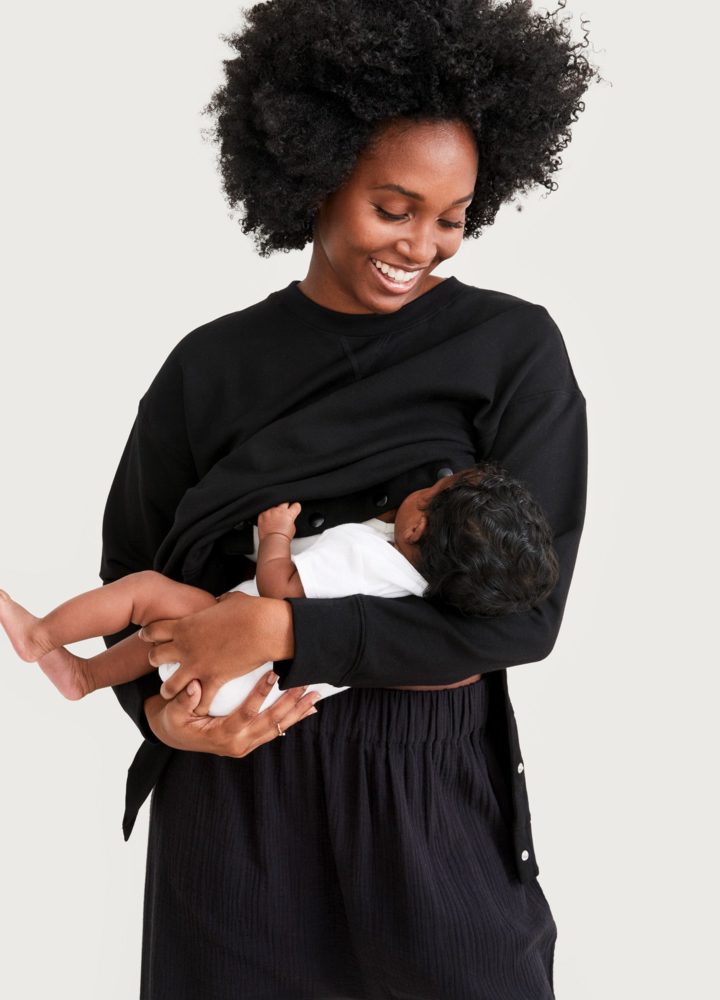
10. The Side Access Nursing Sweatshirt

Say hello to a revamped classic that effortlessly caters to the unique needs of motherhood. This updated sweatshirt flaunts a longer back, gracefully accommodating your blossoming bump. 

Crafted in luxe fleece and brushed inside, every inch of it feels heavenly against the skin. And then, there’s the pièce de résistance: the ingeniously designed nursing-friendly snap button closures at each side. A simple yet game-changing feature that makes feeding sessions smoother than ever.

Smart Styling Tips for Nursing Moms

We get it — every mama wants to look effortlessly chic while ensuring those surprise breastfeeding sessions don’t turn into a game of Twister. Here are some smart tips to make sure your style game is top-notch:

Nursing-Friendly Fabrics Are Your Best Friends

Pick nursing clothes that are soft, stretchy, and easy on your skin. Trust us — you’ll thank your stars every time you slip into a comfy maxi dress or a pair of leggings that make nursing access as smooth as your baby’s cheeks.

Layering Is the New Black

Layering isn’t just for fashion magazines; it’s a nursing mom’s secret weapon. Layering a nursing tank top under a cozy pullover or cardigan? You’re now ready to feed your little one without giving everyone a show!

The Bra Revolution

Invest in nursing bras that fit you like a dream. These are not mere pieces of fabric but the foundation of your daily comfort. Look for best sellers online, read reviews, and don’t be shy to hit checkout when you find the perfect one.

Versatility Is King

Why buy separate maternity clothes when you can invest in pieces that transition beautifully from pregnancy to postpartum? Look for wrap dresses, shirt dresses, and midi dresses that suit both stages.

Swimsuits and Beach Days

Yes, moms, you can hit the beach, and yes, you can do it in style! There are fabulous swimsuits out there designed with nursing moms in mind, ensuring you don’t have to compromise on fun or fashion.

Accessorize With Care

While we all love a good statement piece, you may want to avoid long, dangly necklaces that might tempt those tiny, curious fingers. Instead, opt for simple and elegant accessories that won’t become the baby’s new plaything.

The Lounge Life

Loungewear is not just for lounging. From nursing hoodies to sweatshirts and camisoles, these pieces combine comfort with a look that’s laid-back yet polished, perfect for running errands or enjoying a well-deserved day at home.

Colors and Patterns Matter

Opt for versatile colors like navy blue and go wild with patterns that make you smile. Whether you’re rocking florals, stripes, or plaid, patterns can add a pop of vibrancy to your wardrobe.

Don’t Forget the Breast Pump

Breastfeeding is not just about nursing directly. If you’re pumping, make sure to have clothing that allows for easy pump access, too.

Make a Style Statement at the Baby Shower

Your baby shower is a celebration, and you’re the star! Look for stunning maternity dresses — like The Ricky Slip Dress — that make you feel like the beautiful mom-to-be that you are.

Return Policy

Always check the return policy, especially for items marked as final sale. Make sure you have the flexibility to return or exchange if something doesn’t fit right.

Wrapping Things Up

Alright, mamas, here’s the deal: diving into the deep end of motherhood doesn’t mean your fashion game has to take a backseat. HATCH has got you covered, stitching together style and substance like pros. 

So go on, strut your stuff, revel in the world of HATCH, and remember: you’re rocking this mom gig. 

Need a boost or some style inspo? Look no further than Babe by HATCH — your support system for pregnancy, motherhood, and beyond. Let’s make this journey as chic as you are! 

Sources:

Postpartum period: three distinct but continuous phases | PMC 

Breastfeeding Benefits Both Baby and Mom | DNPAO | CDC 

Pumping Breast Milk | Nutrition | CDC 

New Parents: Tips for Quality Rest | Johns Hopkins Medicine 

"It felt like there was this breastfeeding world that I couldn’t be a part of." Katie Goldsmith on her painful journey through nursing.

By Katie Goldsmith | Photos courtesy of Katie Goldsmith

I had always assumed I would breastfeed. That felt important to me. My mom breastfed my sister, brother and me and, in general, I’m someone who leans towards caring about eating well and being thoughtful about good health. My siblings and I all have autoimmune diseases, so we’ve been on our own food journeys, and I had this vision of breastfeeding in that I wanted to provide the ultimate source of nutrition for my baby. And in my mind, it was also the ultimate connection with your baby.

I wasn’t in the dark on how hard it might be. I had many friends who’d gone through it, and I had no illusions that it would be easy. In my third trimester, I had already made a connection with a lactation consultant and I opted into lactation classes at the hospital. I truly thought I had armed myself to embrace the moment – challenging, magical, my journey with our babe.

If I’m being honest, breastfeeding went awry from the beginning. It was really hard for Jonah to latch starting in the hospital and by the time we came home, he was still struggling. With our lactation consultant, we tried a nipple shield, where we saw a little bit of progress, but still it was hard. This was just the beginning. I had no idea what was in store.

I stayed on the path with my lactation consultant and did all the things – pumping, teas, different positions – but it wasn’t working. Finally, she had me do a “pumping challenge,” and exclusively pump for 24 to 48 hours so we could see what was coming out. It was devastating. I think one ounce came out of one breast. We were literally measuring it with a syringe in milliliters every three hours. I had this moment of realization that he was starving. The other piece to this is that I have Crohn’s Disease, and while I felt amazing throughout the pregnancy and got an A+ on my monthly growth scans, my doctor had warned me of a possible flare up after pregnancy, which happened almost immediately. So it was all sort of happening at the same time.

I’ll never know if my inability to breastfeed was due to the challenge my son had as an eater or because my supply wasn’t great as a result of my flare up. Or maybe it was just bad luck. Or some combination of it all. I was super engorged, so I knew milk was in there at some point. But it just didn’t work out for us. I tried so hard for three weeks with all the resources I had, but at some point you can’t starve a child because you want this so badly. It was a really emotional decision, but I decided to give up breastfeeding, and in some ways doing the pumping challenge made it easier. It was so clear that I wasn’t producing enough. I remember when I texted the lactation consultant my results, and her reply back was simply, “I’m so sorry, Katie.” She had had so much confidence through the process that we’d find the solution together, and I knew at that moment it was over.

At some point you can’t starve a child because you want this so badly.

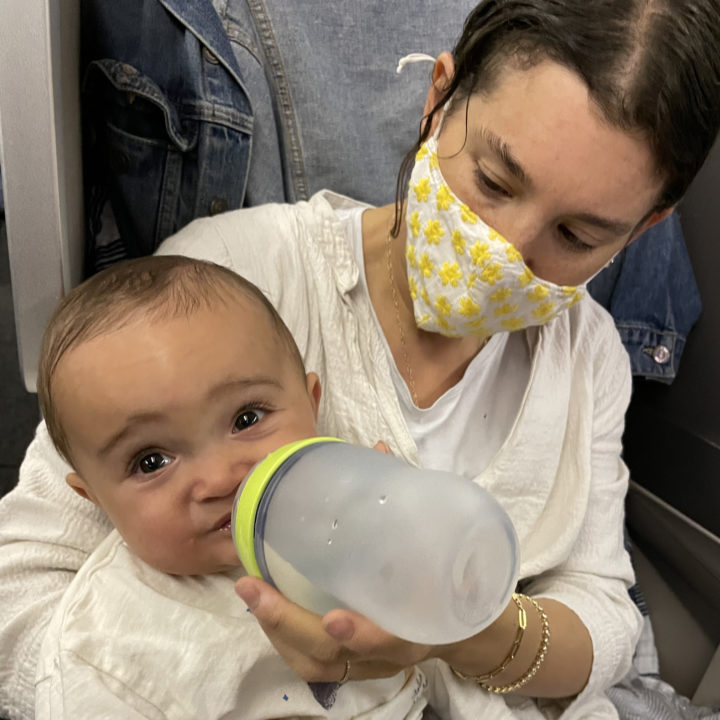
I’m sure there’s some person out there who would eat the 47 cookies and do all the things but in the throws of sleep deprivation and new motherhood and the sadness of it all, I needed for us to find another way. And you know what? I found a sense of relief in bottle feeding. I didn’t feel less of a connection with my child. If anything, I felt I could breathe because I wasn’t hysterically crying and struggling to do something that wasn’t working for us.

Once I came to terms with it, I thought I had gotten through the “hard” part, but the fact is that the entire narrative around postpartum life is around breastfeeding. When you check in at the pediatrician or your postpartum OB visit, they ask if you are breastfeeding. Whether it’s the journey back to work or the challenges of breastfeeding a newborn in public, the question of whether you are breastfeeding is the central story. It definitely felt like there was this breastfeeding world that I couldn’t be a part of. And truthfully, it would’ve mattered if I hadn’t wanted it so desperately.

By the time I had my second baby, we were in the middle of a pandemic and I had to decide if I was going to try again. My children are only 18 months apart and I still felt so scarred by our first go around. In the midst of the hardest year of our lives (and truly I felt grateful for the security we had in the pandemic), I didn’t know if I could go through that again. I had been strong for my family throughout that year – getting Covid while pregnant, working full time without childcare, moving states. It felt like the thing that could break me. The emotional fear of what that experience was like the first time around and the vulnerability of the moment we were in, it was too much. I knew I couldn’t be the mom my kids needed me to be and go through that again in the middle of an international crisis. I was too exhausted and it was all too real.

I wish I had the strength not to explain myself every time someone asks if I’m breastfeeding. “No – I couldn’t, I didn’t have enough supply,” I say. I don’t know if it’s to protect myself from their judgement, or that on some level I’m still rationalizing it for myself. Deep down, I know there doesn’t need to be a justification and that twice, for very different reasons, I did what was best for my family. But I’m welling up with tears even as I talk about it now, with two happy and healthy boys downstairs, so it’s a part of our story I’m still working on.

I will say that a silver lining to not being able to breastfeed is getting to watch my husband and my own mom feed my children. For them to have the same bond that I get to experience is really special, too. And I’d be lying if I said it wasn’t less pressure. I was still the parent who did all the nighttime feedings, and it wasn’t like I wasn’t up every few hours, but the idea that someone else can have a sweet moment with your baby is really special. Your heart opens in a way I can’t describe. Plus, after going through that experience, knowing how many ounces of food my child is getting is a relief you feel in your core. I never had to feel they weren’t getting the nourishment they needed to thrive, and that, in the end, was the ultimate gift.

What Your Breastfeeding Position Says About You How do YOU nurse?

By Babe | Illustration by Ana Hard

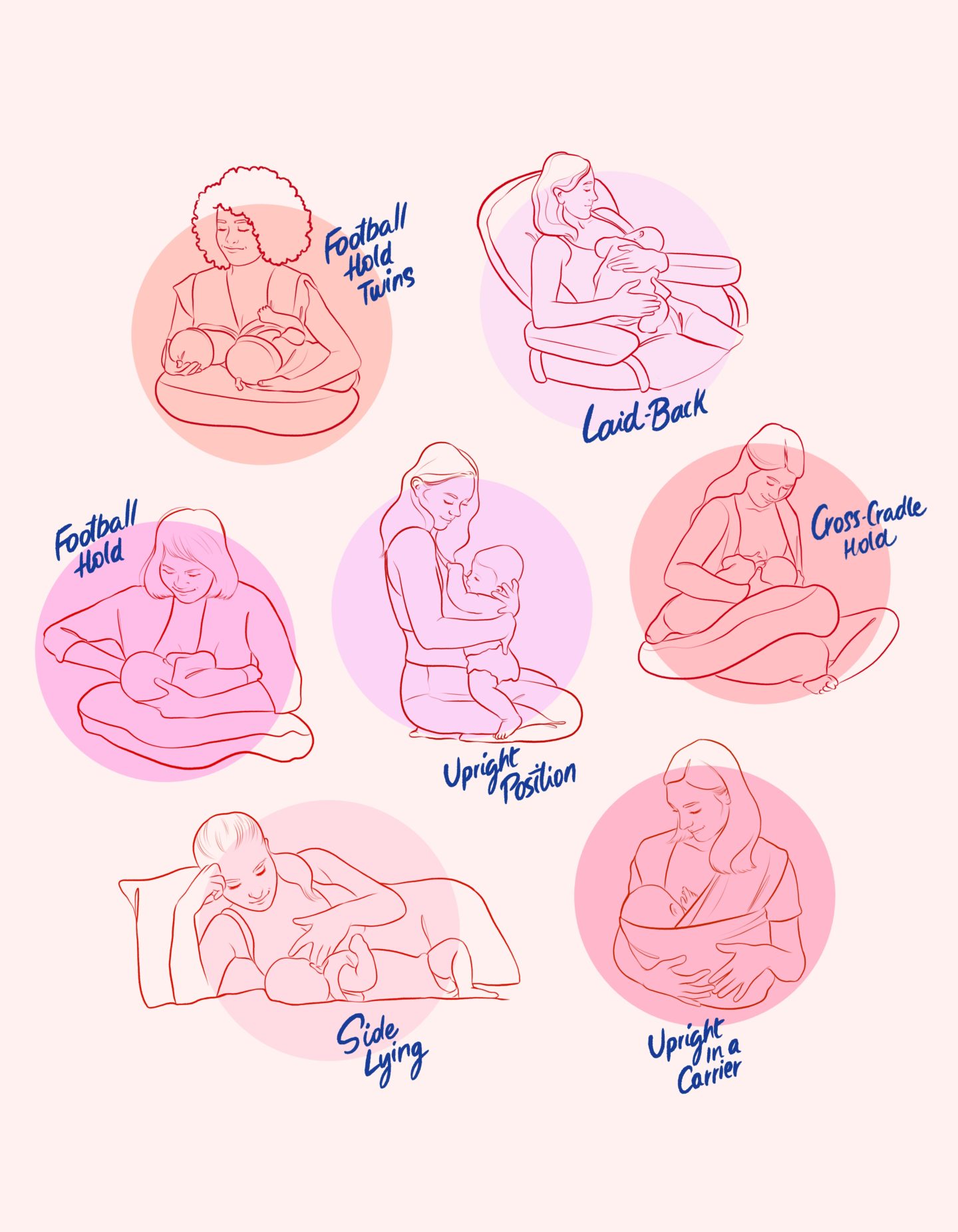
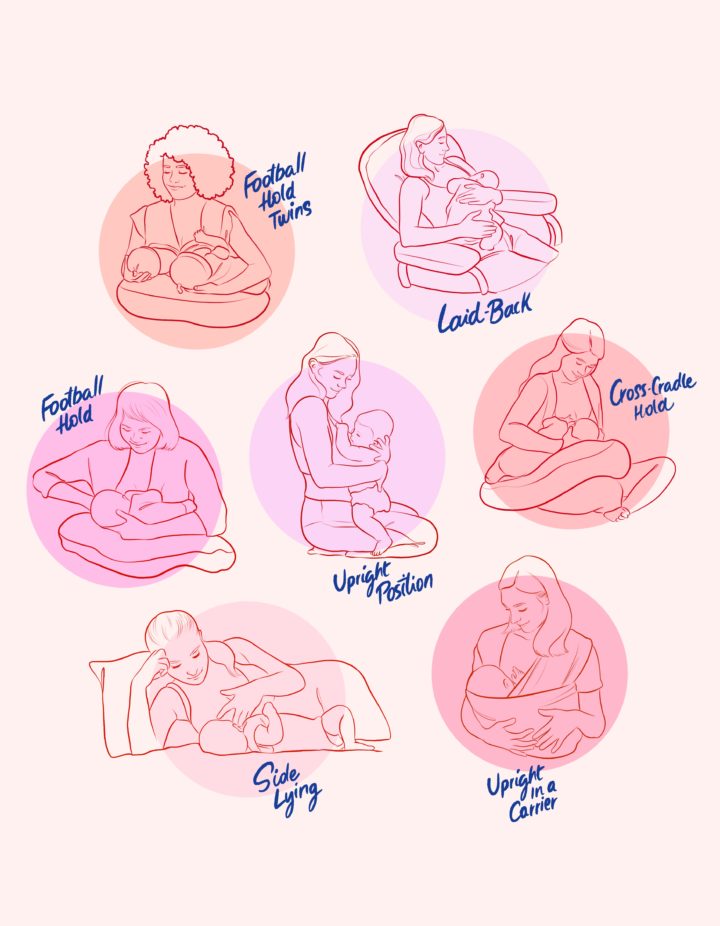
There are many different ways to breastfeed. Depending on where you are and what you’re doing, as well as your personality and overall parenting vibe, you might opt for a low-key nap style in bed or an on-the-go upright feed with them all crouched into their carrier. Here’s what your nursing style says about you:

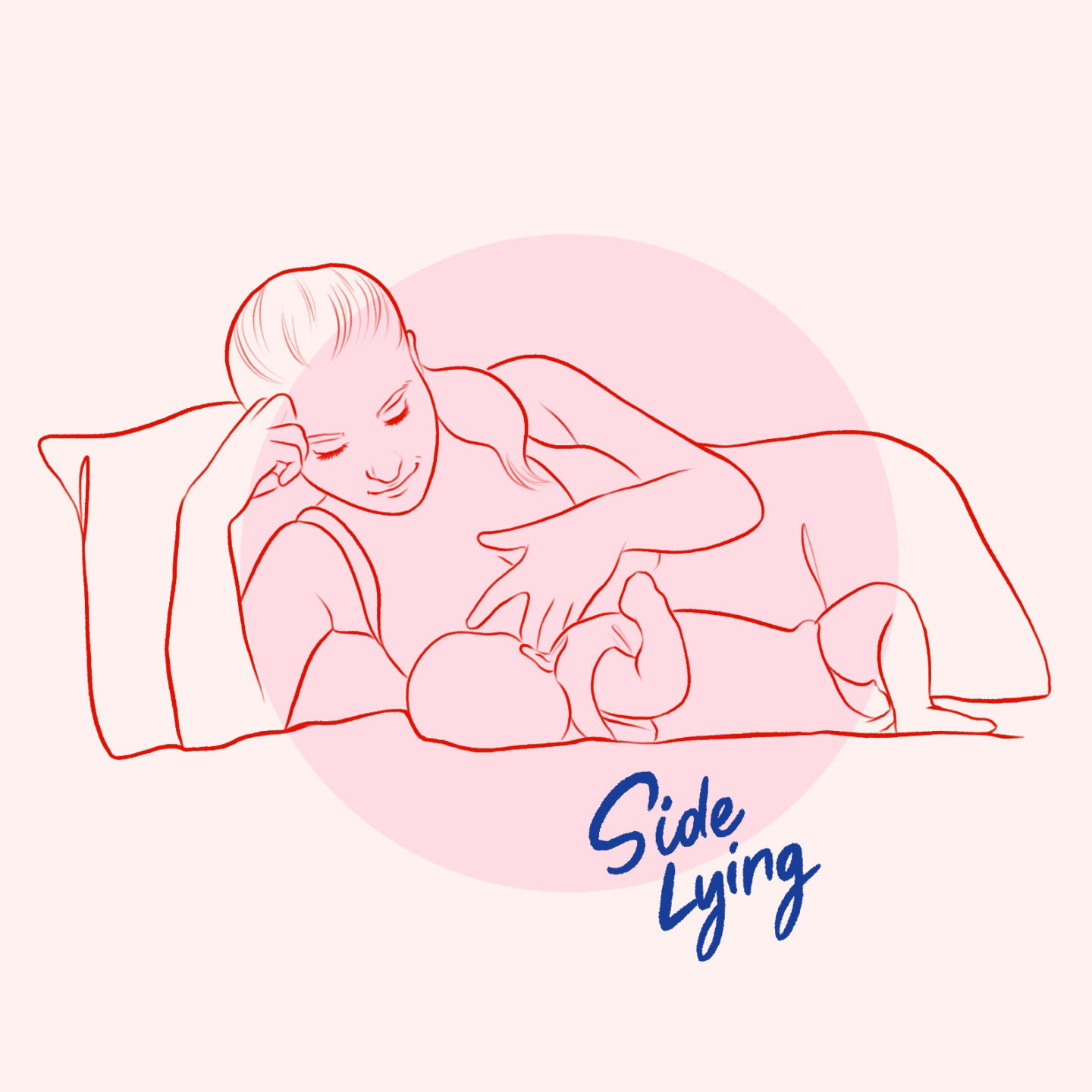
Side-lying: You’re a postpartum goddess who recognizes that life’s about mindful pleasure. Whether you’re tuning into your Headspace app or your energy healer’s Instagram Lives, you’re staying super centered and trying to enjoy your 4th trimester as much as possible. As a Pisces rising, you’ve especially earned it. You’ve also read, like, three chapters of the First 40 Days so you’re here for ALL the rest. Also, you’re tired AF.

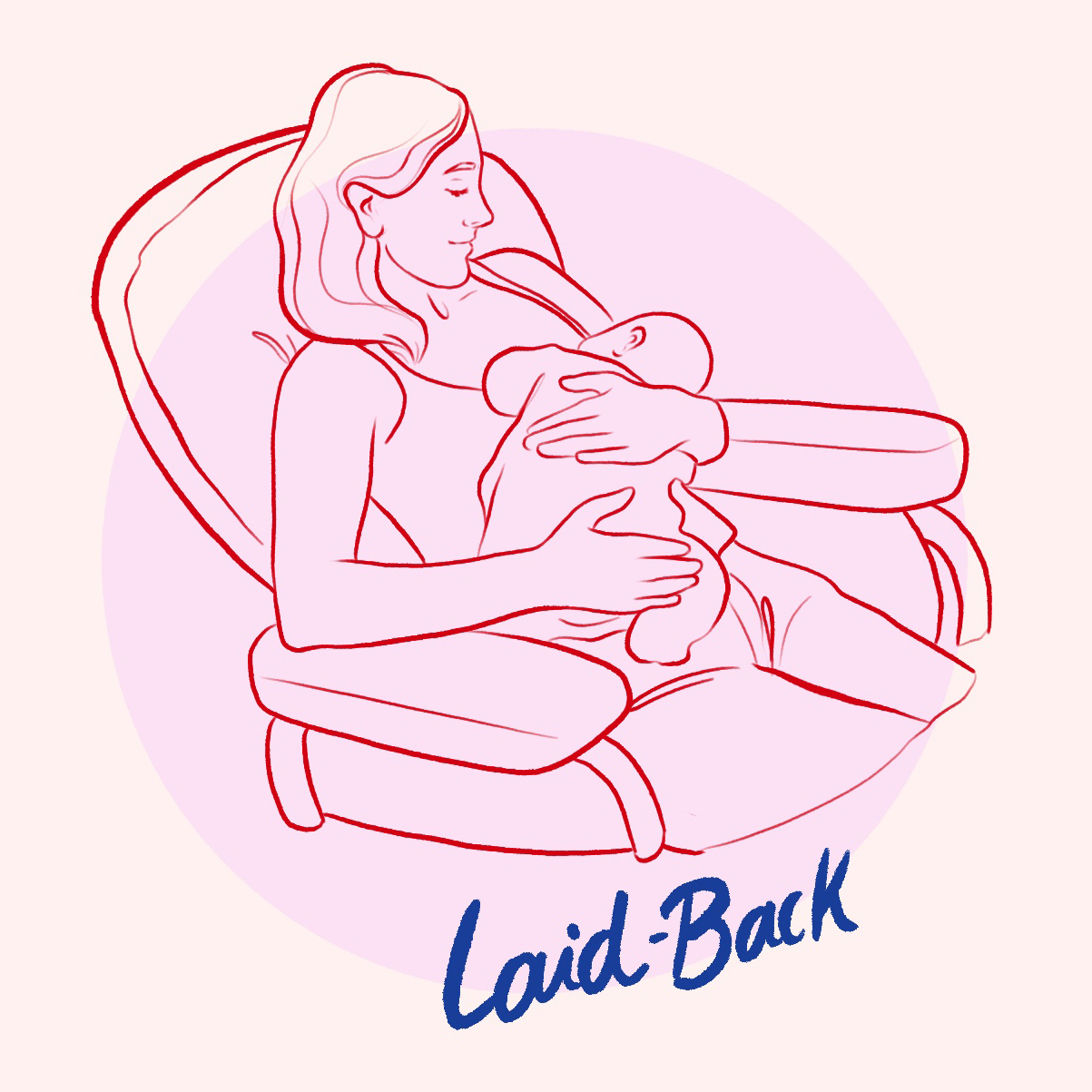
Laid-Back: You’re a stress-less kind of gal who’s got this whole postpartum thing in the bag. Why focus on all the little worries when you’re streaming Netflix and you’ve got one hand on the remote and the other on the chip bowl? Your babe will find that nipple eventually. All you have to do is get ‘em in the general direction and they’ll figure the rest out. Also, you’re tired AF.

Cross-cradle hold: Is breastfeeding exactly how you pictured it when you were young and daydreaming about the moment you’d be called mom? Yes, this timeless, classic, iconic nursing position allows you to totally dote on your every little detail of your babe (Those lashes! Those toes! Swoon!) while also relishing in the totally romantic vision of life as a 24/7 lactating machine. It’s actually super important work. Like, in case you didn’t notice, I’m BREASTFEEDING right now. Also, you’re tired AF.

Football hold: The one thing you can’t pawn off onto your postpartum doula or babynurse, so might as well make it less about the baby and more about ALL the free space you have in front of you! Well done. Football is the perfect position when you claim to be on maternity leave, but in actuality you’re nursing AND checking email at the same time. Plus, what’s a little football hold when you’ve got investors to please? Also, you’re tired AF.

Football hold for twins: The fact that you’re even breastfeeding twins basically means you’re a hero however the hell you’re doing it, so congrats on winning at life. BTW you’re tired AF.

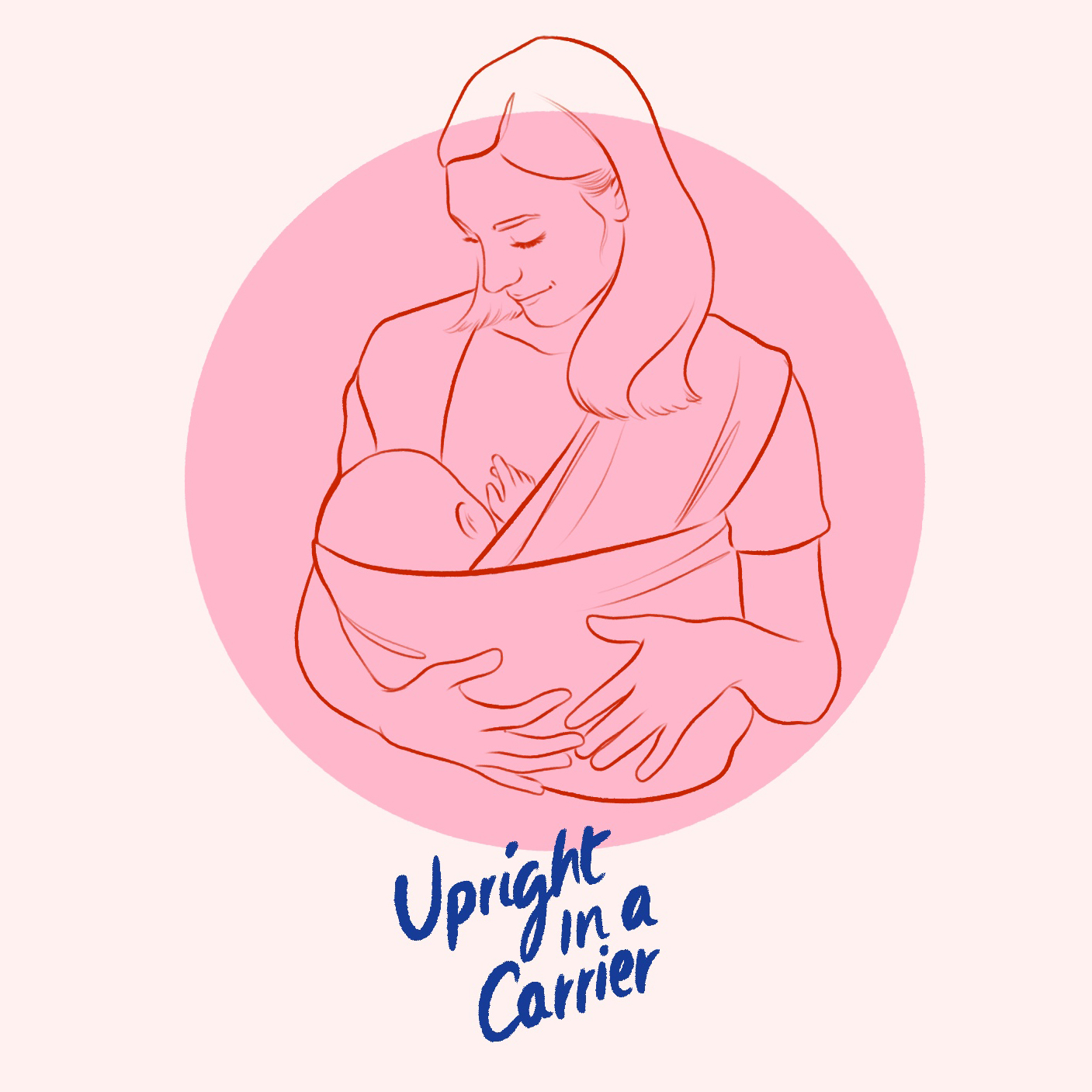
Upright in a carrier: You’re a busy bee who’s clearly running the show and you have no problem multi-tasking your day away. You’ve got mouths to feed, literally, so why should breastfeeding stop you from checking off all the boxes of your day? Trip to the post office, check. Making the rounds at the food coop? Check check. Your baby’s just fine in that carrier, a mere suckling nipple away from nutrition. Hell, you might even nurse ’til they’re in elementary school. Also, you’re tired AF.

Underarm or Clutch Hold:

As a new mom, perhaps you’re trying to navigate around your C-section wound, or maybe you have large breasts that require a bit more maneuvering to ensure your baby’s mouth has a good latch on the areola. This is where the underarm, or clutch, hold comes in. 

This breastfeeding position allows you to keep an eye on your little one’s latch and gives you a free hand to use pillows for support or to grab a sip of much-needed water. Also, it’s a pretty good position for those with a sore nipple, giving the tender area a break. 

Reclined Position:

Pediatric doctors might not talk enough about the reclined or laid-back position, but it’s the epitome of ‘chill’ breastfeeding. When a lactation consultant first suggested this position, you probably gave them an exasperated look, but trust us, it’s a lifesaver. Especially in the early days when the letdown reflex can be a bit too powerful for your babe.

This position ensures that gravity works in your favor, allowing for a slower flow of breast milk. It also means you’re in a position to enjoy some laid-back Netflix time while keeping your baby close and maintaining eye contact. 

Remember, though, it might not work best for everyone, particularly if you’ve had a cesarean. But if it’s right for you, you’ll realize that you have more free time than you’d imagined.

Cradle and Cross-Cradle Hold:

You might think that these are two different breastfeeding positions, but the cradle and the cross-cradle hold are practically siblings. For the former, your baby’s head rests on the lower part of your arm, while for the latter, you’ll use the opposite arm (think the right arm for the left breast and vice versa). 

The cross-cradle position gives you more control of your baby’s head, making it easier to guide them to your nipple. In the cradle hold, your baby’s back rests along your forearm in a straight line from head to bottom, allowing for biological nurturing.

The secret sauce? Keep your baby’s nose free for breathing, ensuring they’re turned towards you, their belly to your belly. And yes, remember to support your baby’s neck and the back of their head with your hand, letting them lean back a bit for a better latch. 

These holds are particularly helpful for older babies who have mastered the art of suckling and are champions at maintaining a good latch. 

A Final Word

Ultimately, your chosen breastfeeding position will depend on what is most comfortable for you and your baby. It could be one of the aforementioned positions or a combination of a few. 

It may take some trial and error, especially in the early days when you’re both still learning, but with a little patience and some help from a healthcare provider or lactation consultant, you will find the method that best suits you.

It’s important to note that while these positions may say a little something about your lifestyle, nothing can encapsulate the magic of nourishing your child in your arms — a special bonding experience unique to every mom and baby pair. 

For more mom tips and encouragement, check out the Babe by Hatch blog.

Sources:

C-section | Mayo Clinic

Cradle Hold | WIC Breastfeeding Support

9 Nursing Hacks You NEED to Know Real mamas weighed in.

By Babe | Photo courtesy of @annstreetstudio

We polled our community for all the little tricks of the nursing trade to deliver you the ultimate list of breastfeeding hacks.

You’re welcome.

9 Essential Breastfeeding Hacks

“If your baby isn’t latched properly, it freaking hurts. Tickle their mouth with your nipple and once it’s open, you can bring them to your boob for a better latch.”

“Postpartum brain is real. Get a baby tracking app to keep track of feedings. You can record stats like when you last breastfed, which side, for how long, and more. I like Baby Feeding Log, Feed Baby, and Baby Tracker.”


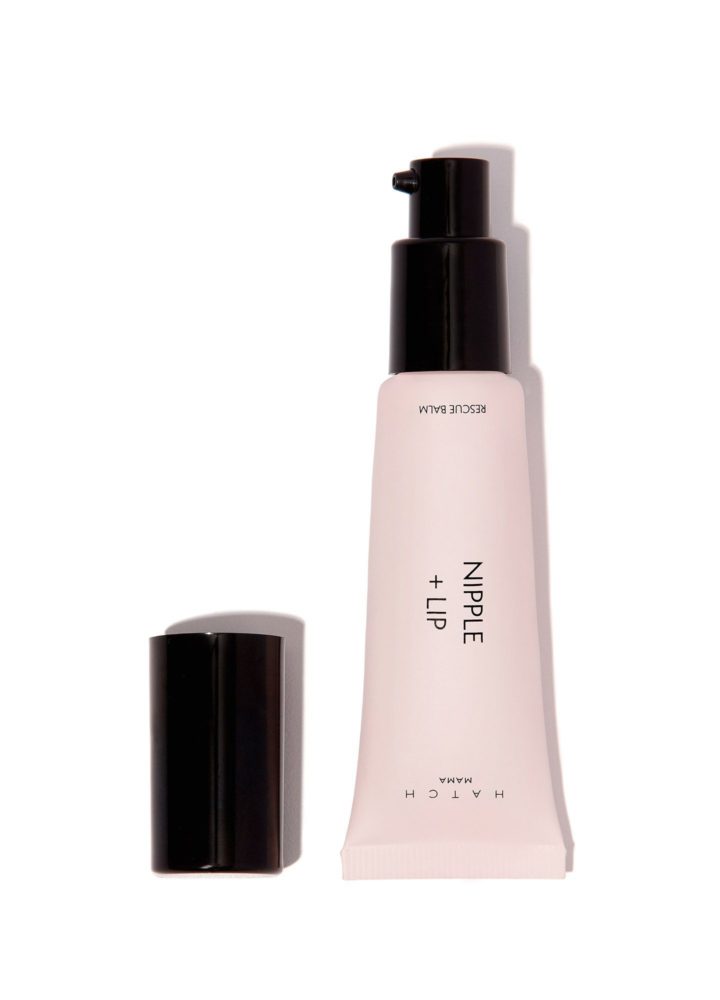
“Make a comfortable breastfeeding station where you have everything you need right there at all times. Mine has an extra water bottle, snacks, my nipple balms, and my phone charger.”

“It seems obvious but get your breast pump before you give birth. You’ll have time and a clear mind to get properly fitted shields before you have zero time for anything else.”

“Give your baby something to play with while nursing with a DIY breastfeeding necklace with giant beads. Anything to keep them from pulling your hair!”

Milks savers are another product to catch any precious leaking milk. Save that liquid gold mama!”

“Use cold cabbage leaves to keep from breast engorgement.”

“Buy pacifiers with cover caps, pour breast milk into the cap, insert the pacifier and freeze. You’ve got breast milk pacifiers!”

“Give your memory a boost with Mammary Minders, which magnetically attach to your bra so you know which side to nurse on next.”

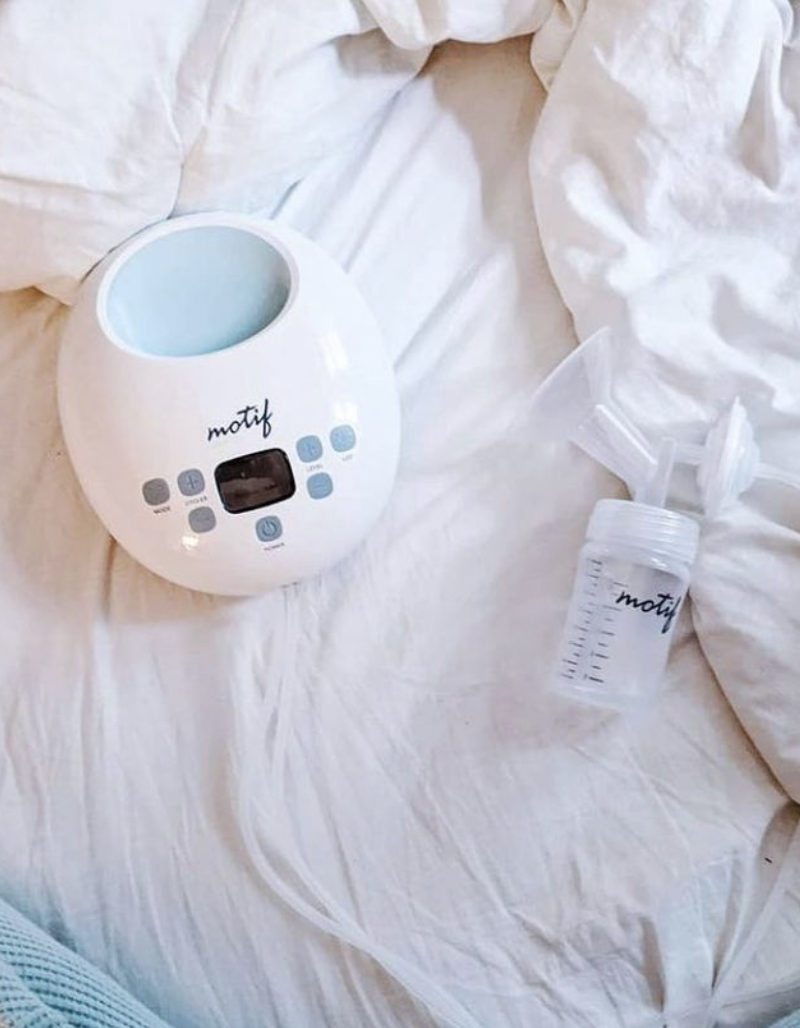
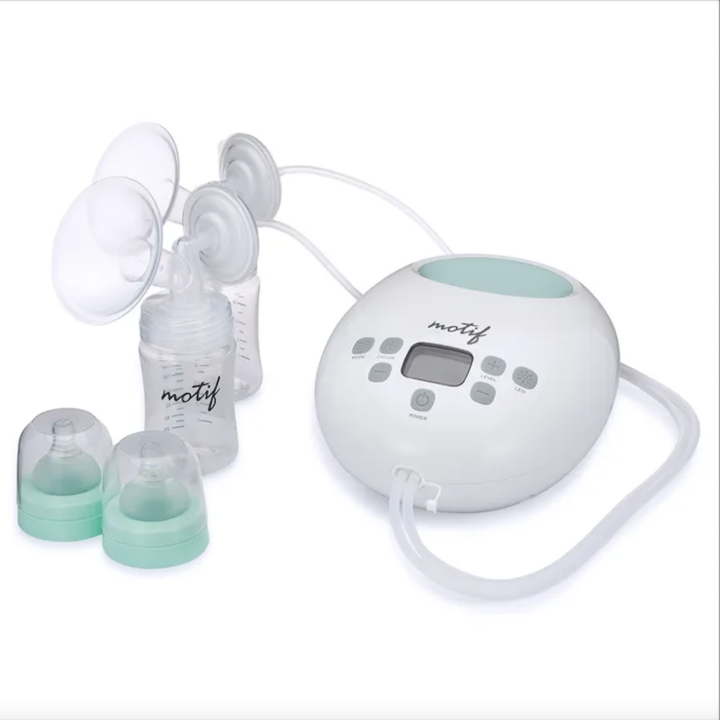
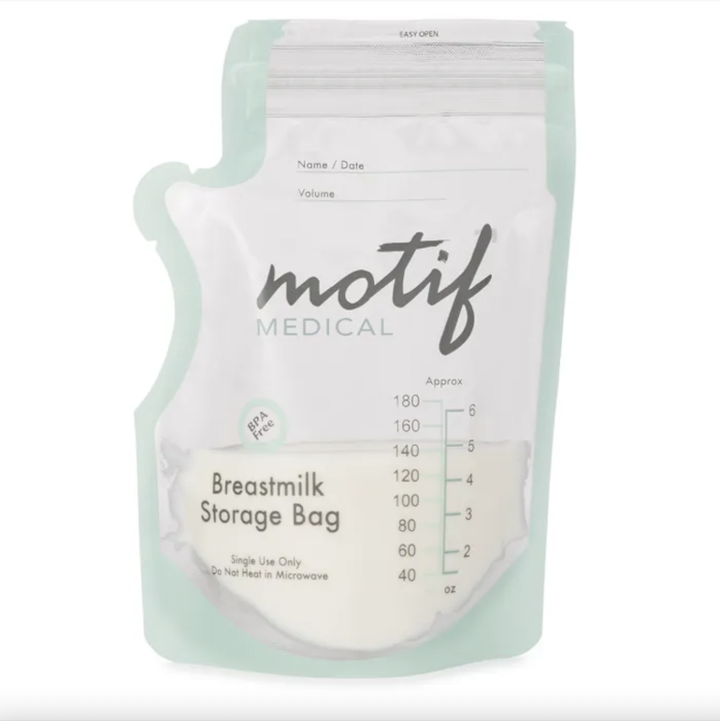
The Official Breastfeeding Registry Guide By Motif Medical's Lactation Director.

By Babe | Photo by Luna

As an International Board Certified Lactation Consultant, lactation director at Motif Medical and owner of educational platform Genesis Lactation, Ashley Georgekopoulos knows a thing or two about that breastfeeding life and all the little essentials that come with making nursing easier. Here is her ultimate registry guide for breastfeeding so that you have everything you need once it’s time to get started come baby time.

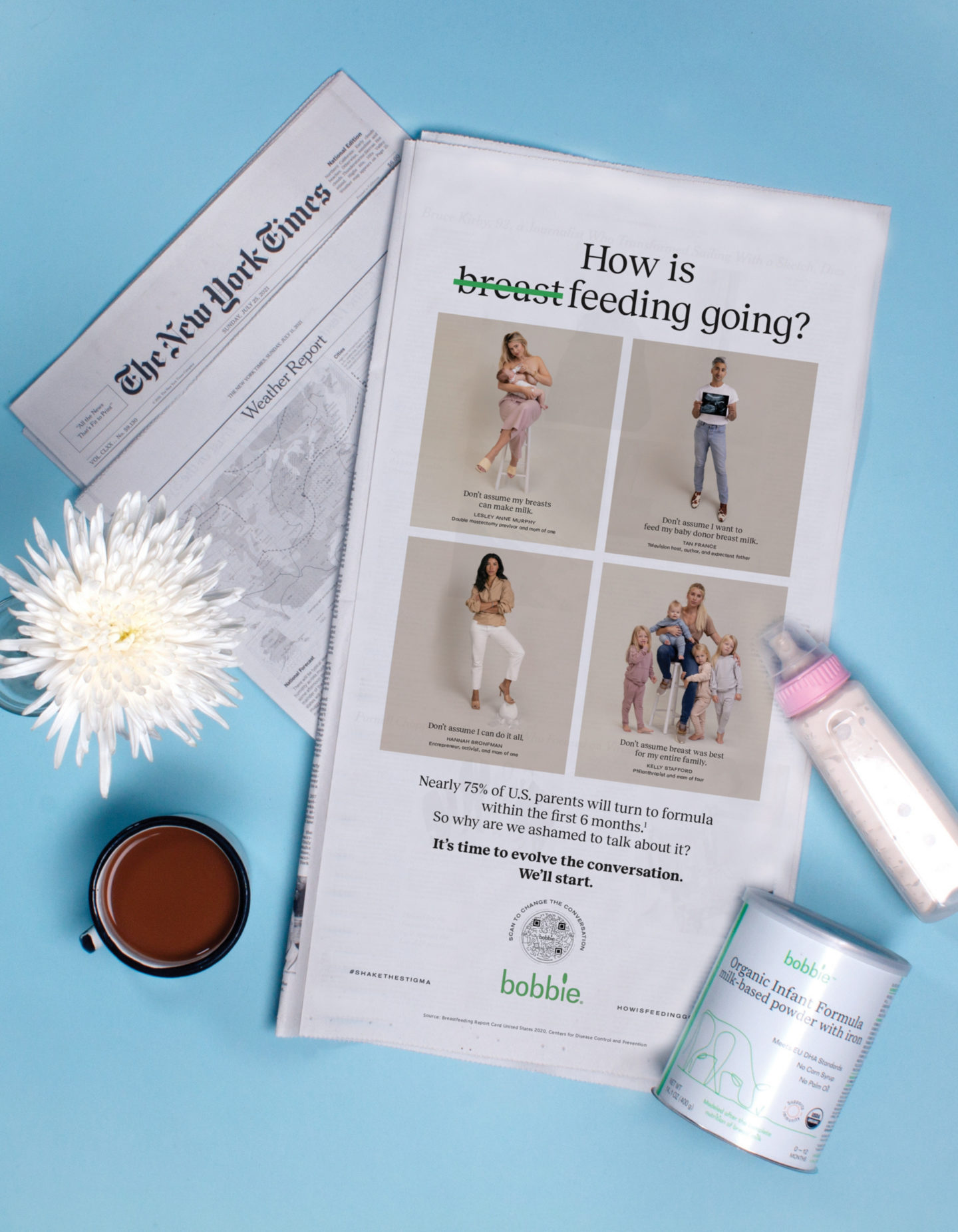
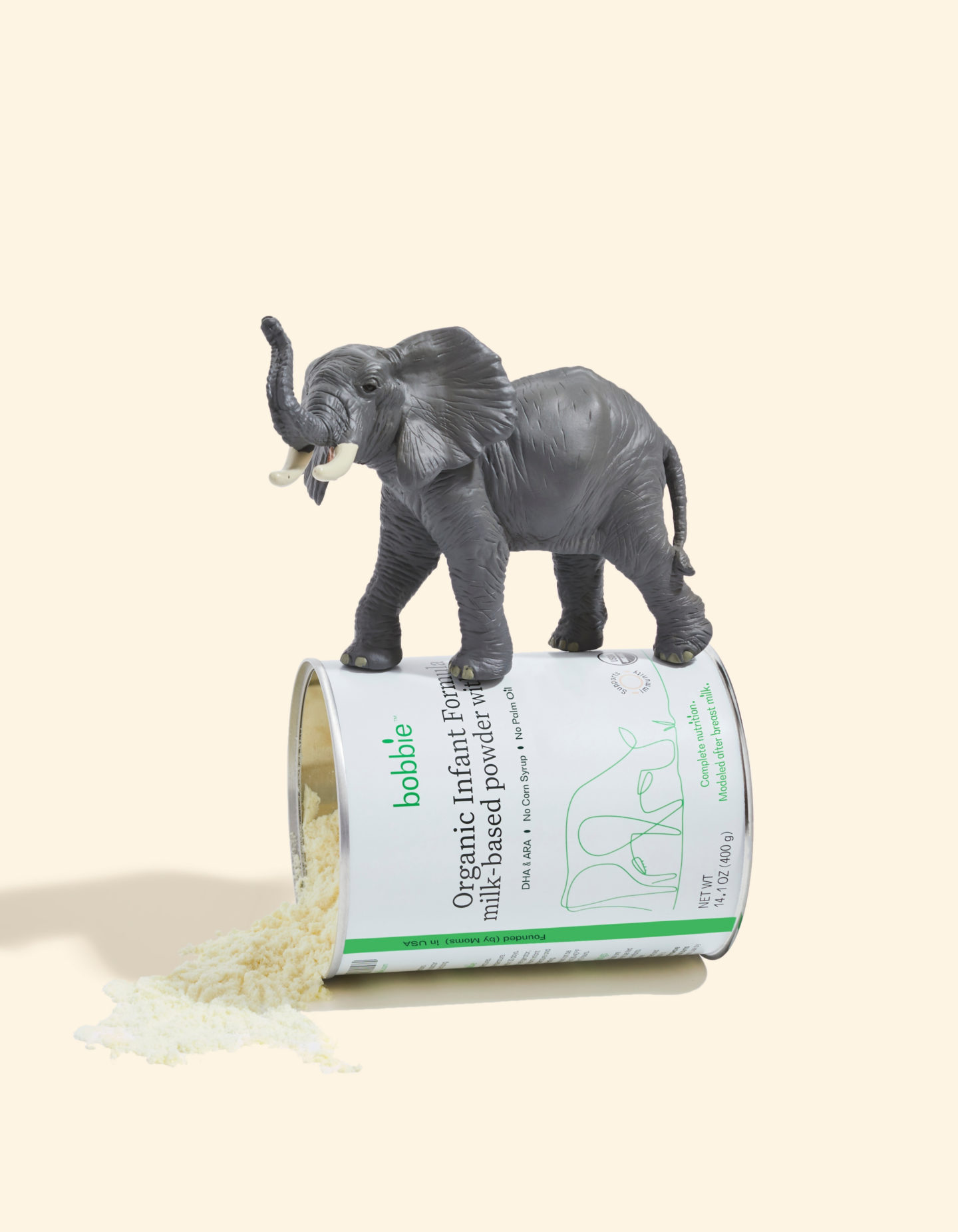
Is “How is feeding going?” the new “Breast is Best” Our friends at Bobbie deepen the feeding convo

This week, our friends at Bobbie launched their first national ad campaign with a specific goal: to create a more inclusive conversation around all feeding journeys. 

Featuring extremely raw and real, personal stories from recognizable parents such as activist and HBFit Founder Hannah Bronfman and TV host Tan France, the commercial spot features anecdotes from parents on why, for them, the laser focus on breastfeeding didn’t meet the reality of the feeding experience.

Bronfman, who has had to deal with her own guilt for turning to formula, puts it perfectly: “The question really should be how is your feeding going, not how is breastfeeding going because every journey is so different,” she says. “‘Breast is Best’, implies that whatever you’re doing that’s not the breast, is second best. I really don’t feel like I’m giving (my baby) the second best.”

“I need the conversation to evolve so that my own child doesn’t grow up thinking he is second best because he is formula-fed,” says soon-to-be father Tan France.

It’s no coincidence that Bobbie launched its campaign on the first day of Breastfeeding Awareness Month, which we’re celebrating on Babe, a month that stems from the late 90’s ‘Breast is Best’ campaign. The campaign has been attributed for rates significantly rising for infants breastfed initially from 24.7% in 1971 to an incredible 84.1% in 2017. The US still has a long way to go in supporting those mothers. From education and normalizing the experience to legislation supporting women returning to the workplace, for many the journey to ‘best’ is an uphill, sometimes impossible, battle. But the success of the campaign also created a huge gap in inclusivity around the feeding experience and left many parents feeling like failures when their bodies, their babies, or their circumstances had other feeding plans. 

Since that campaign, the paths to becoming a parent and the circumstances said parents find themselves in have drastically evolved, while the messaging around feeding has stayed flat. Today, we become parents via surrogacy and adoptions. We celebrate same-sex couples that choose to be parents and support mastectomy moms. We applaud women who prioritize their health, family, or jobs over exclusively breastfeeding. These women do not deserve to be left out of the feeding conversation, judged, or shamed for not breastfeeding. 

Bobbie’s “How is feeding going?” campaign aims to normalize all kinds of feeding journeys from pumping to supplementing to exclusively formula feeding and stand up the Internet’s judgemental “feeding trolls” that can leave a non-breastfeeding parent feeling ashamed for how they choose to feed their babies. “No one can argue that breast milk is nutritionally superior to formula- it is dynamic and personal in a way that formula will never be. Our generation of parents is getting served with the breastfeeding message at all angles from the moment we become pregnant to social media to trying to hit the CDC’s recommendation of exclusively feeding for six months. I remember being taught how to hold a doll to my breast in a breastfeeding class while eight months pregnant, but never once did someone tell me what to look for if I do need to turn to formula, or how to even make a bottle,” said Laura Modi, CEO and co-founder of Bobbie. “And when no one talks about formula feeding, or even the fact that 70% of parents supplement breastmilk with formula, it starts to feel like a shameful act. The silence on the topic has stigmatized this type of feeding journey- and we think it’s time for the conversation on how we are feeding our babies to evolve.” 

To watch the stories of these parents involved with “How is feeding going?” or to join Bobbie’s movement to evolve the conversation you can visit www.howisfeedinggoing.com.

1 47 105