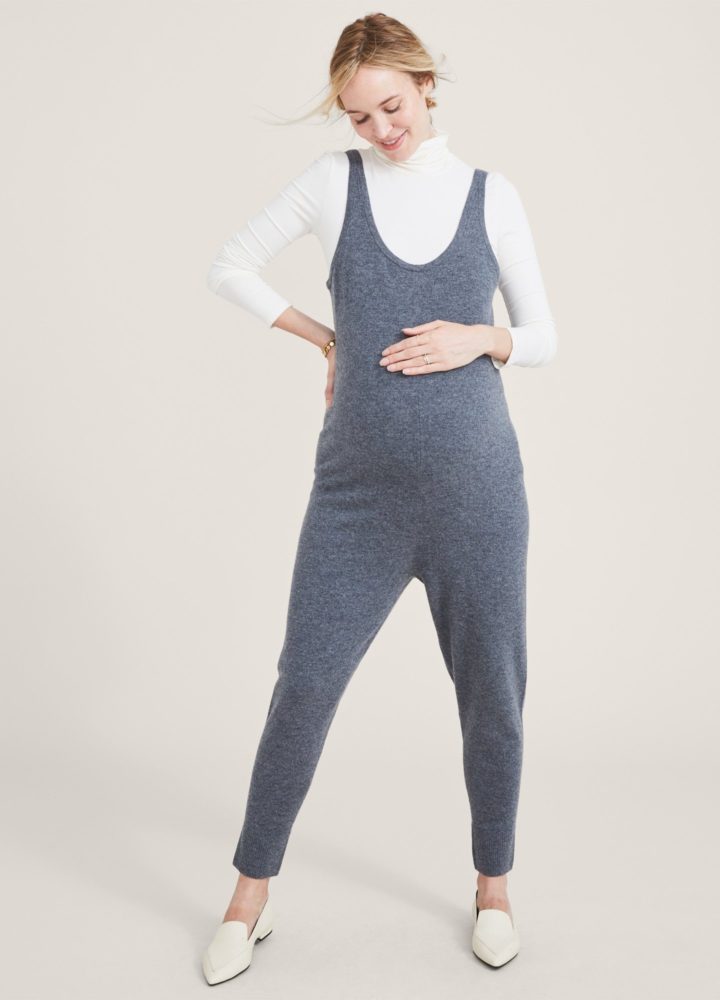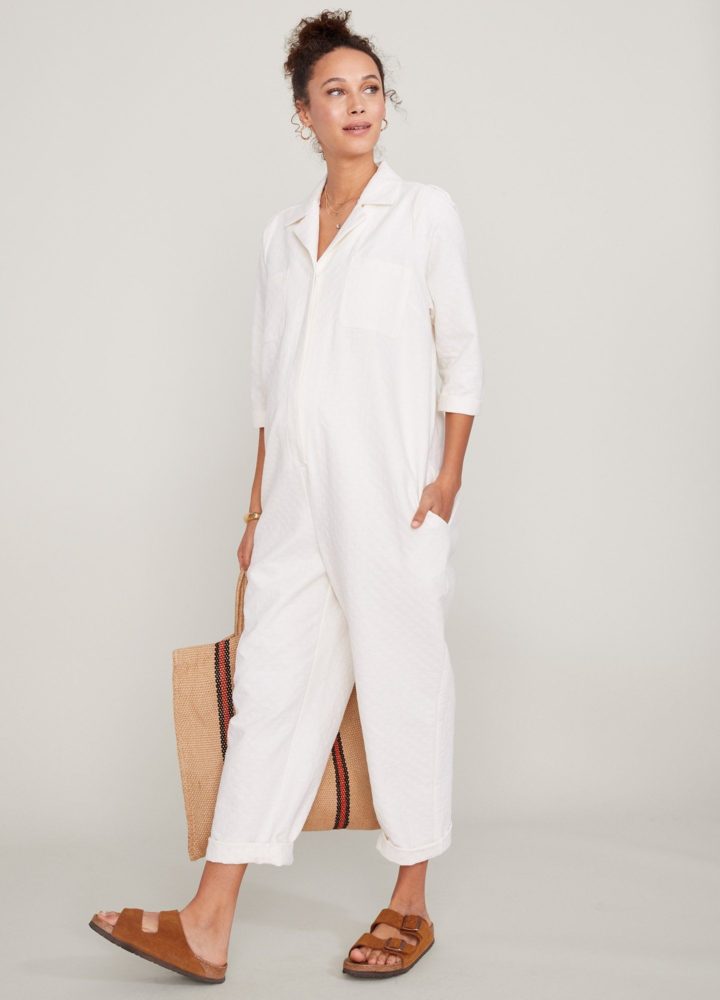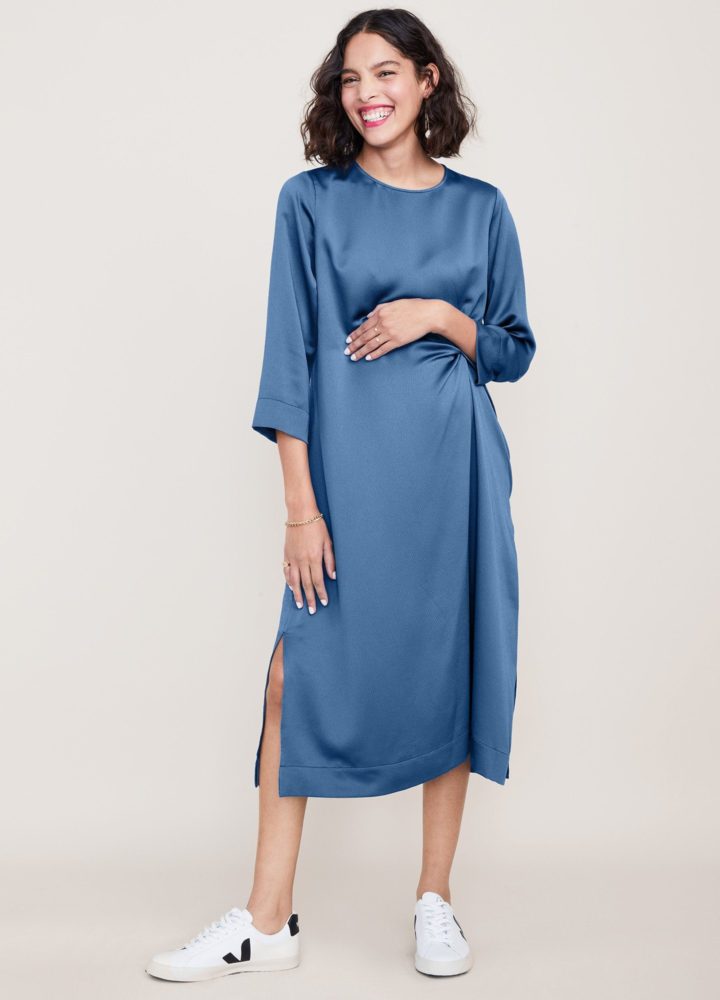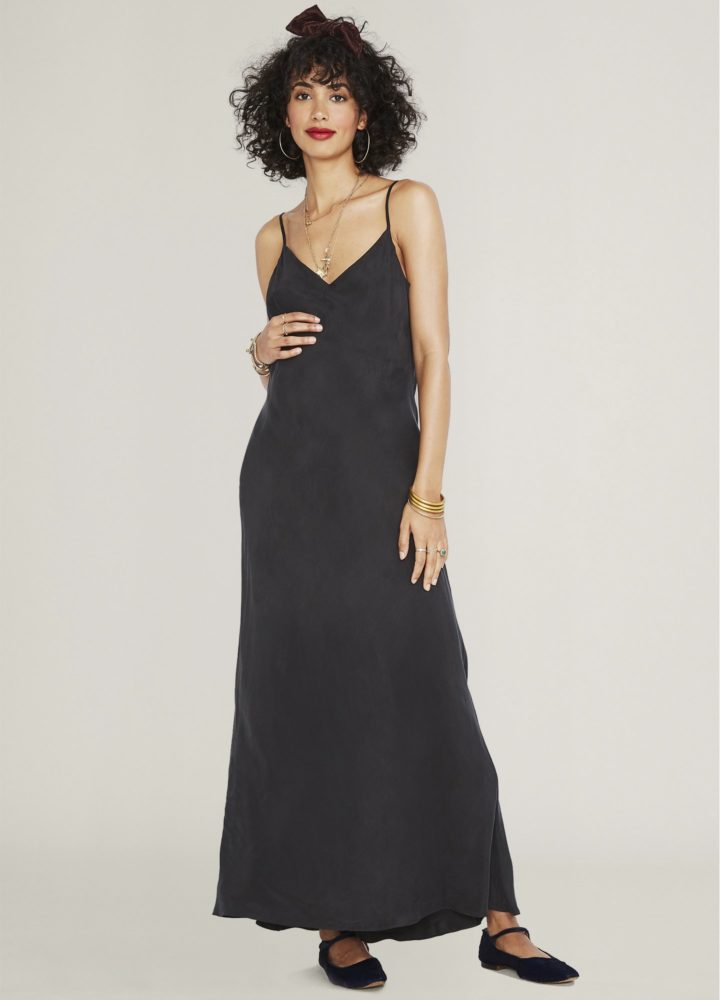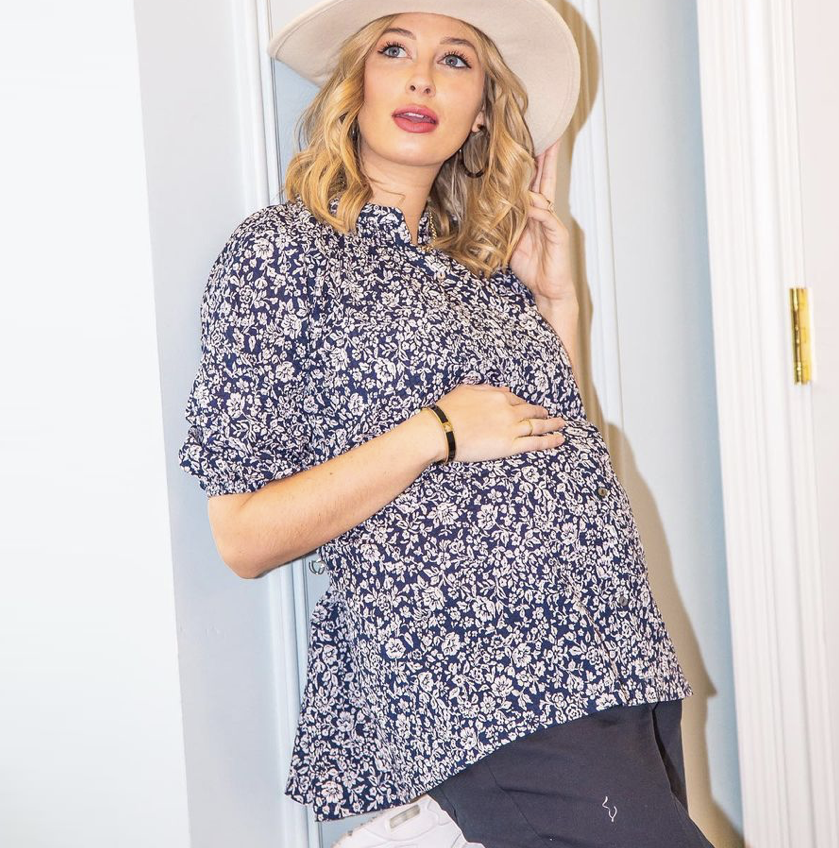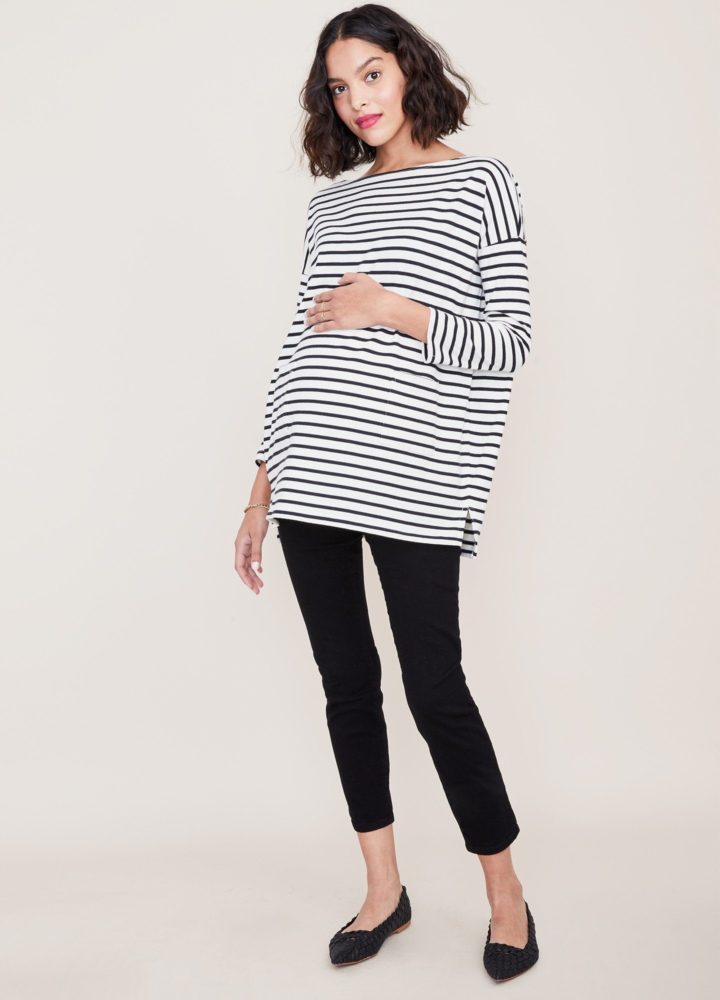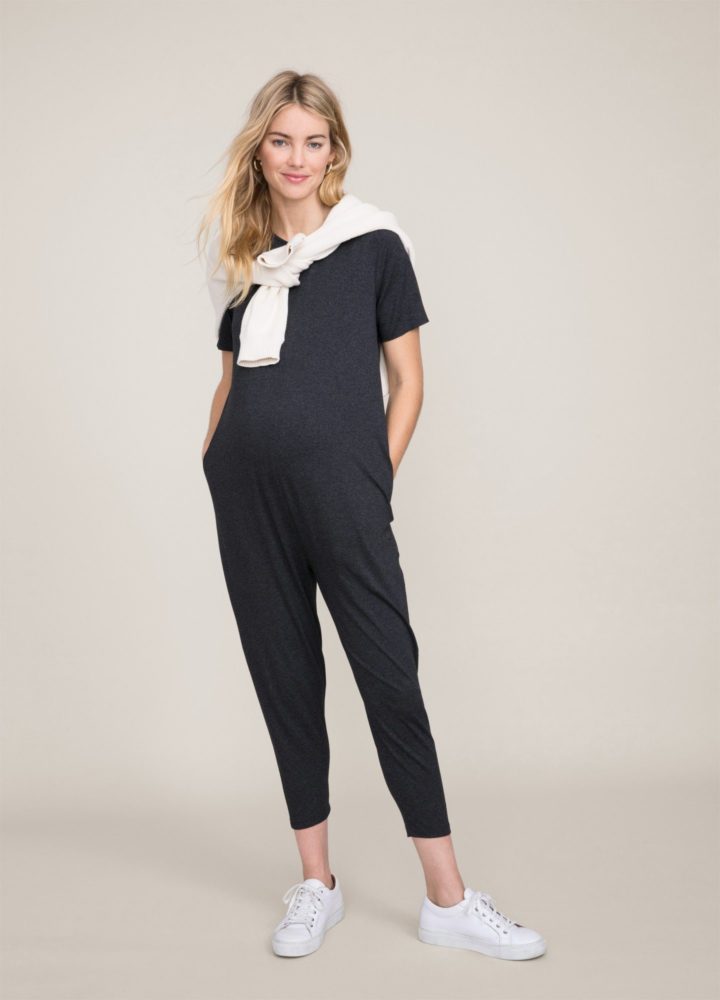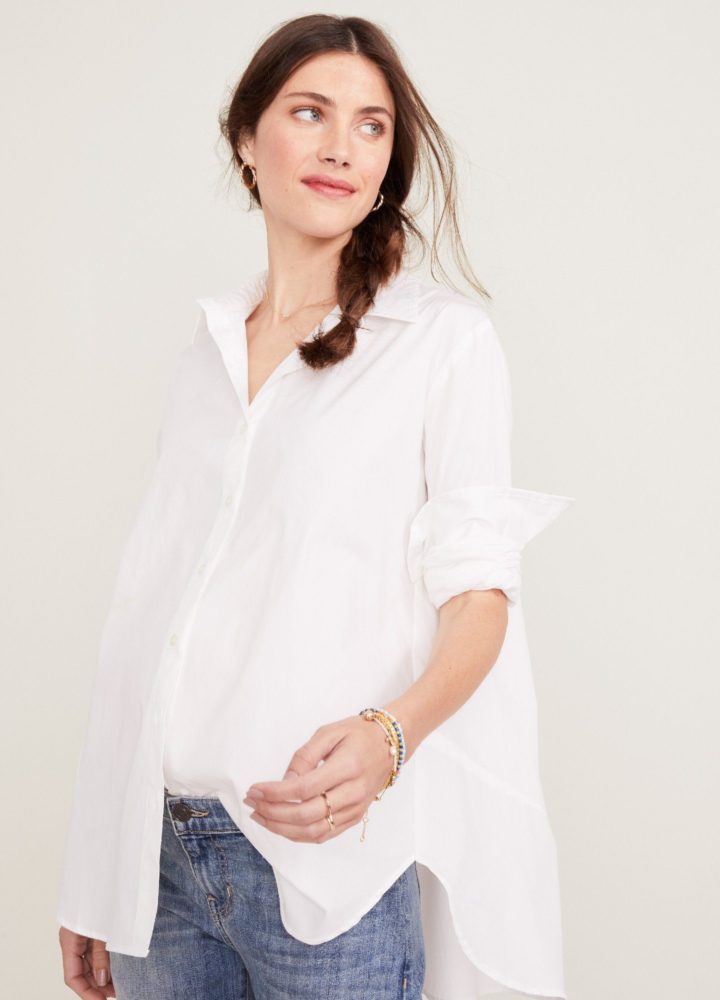
Nine Ways to Raise Future Feminists Both girls AND boys.

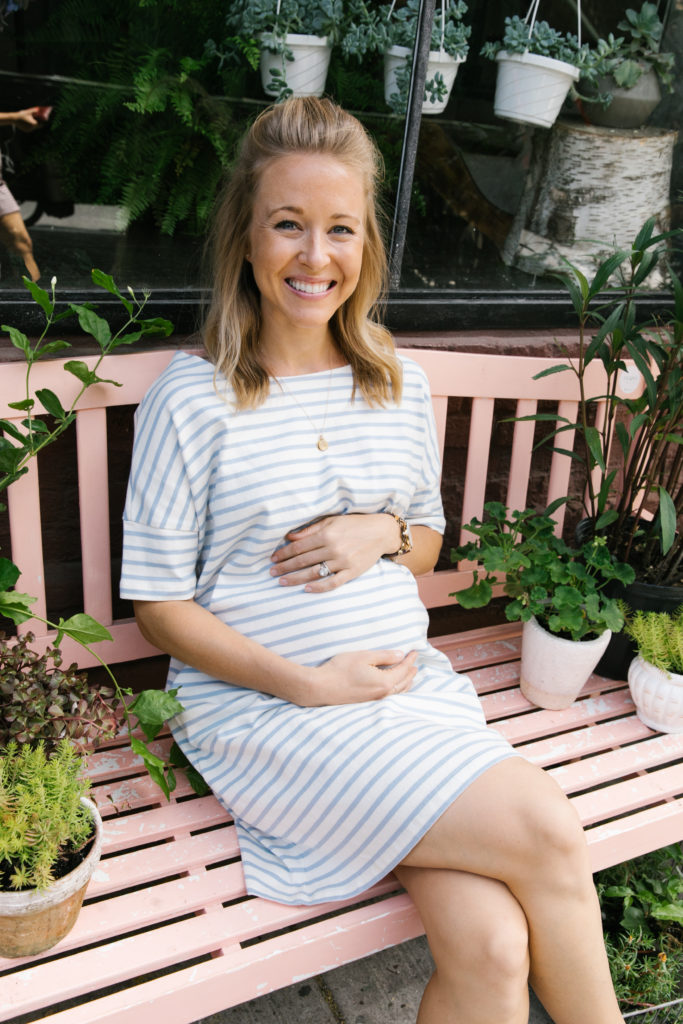
By Babe | Photo by Ina Vie

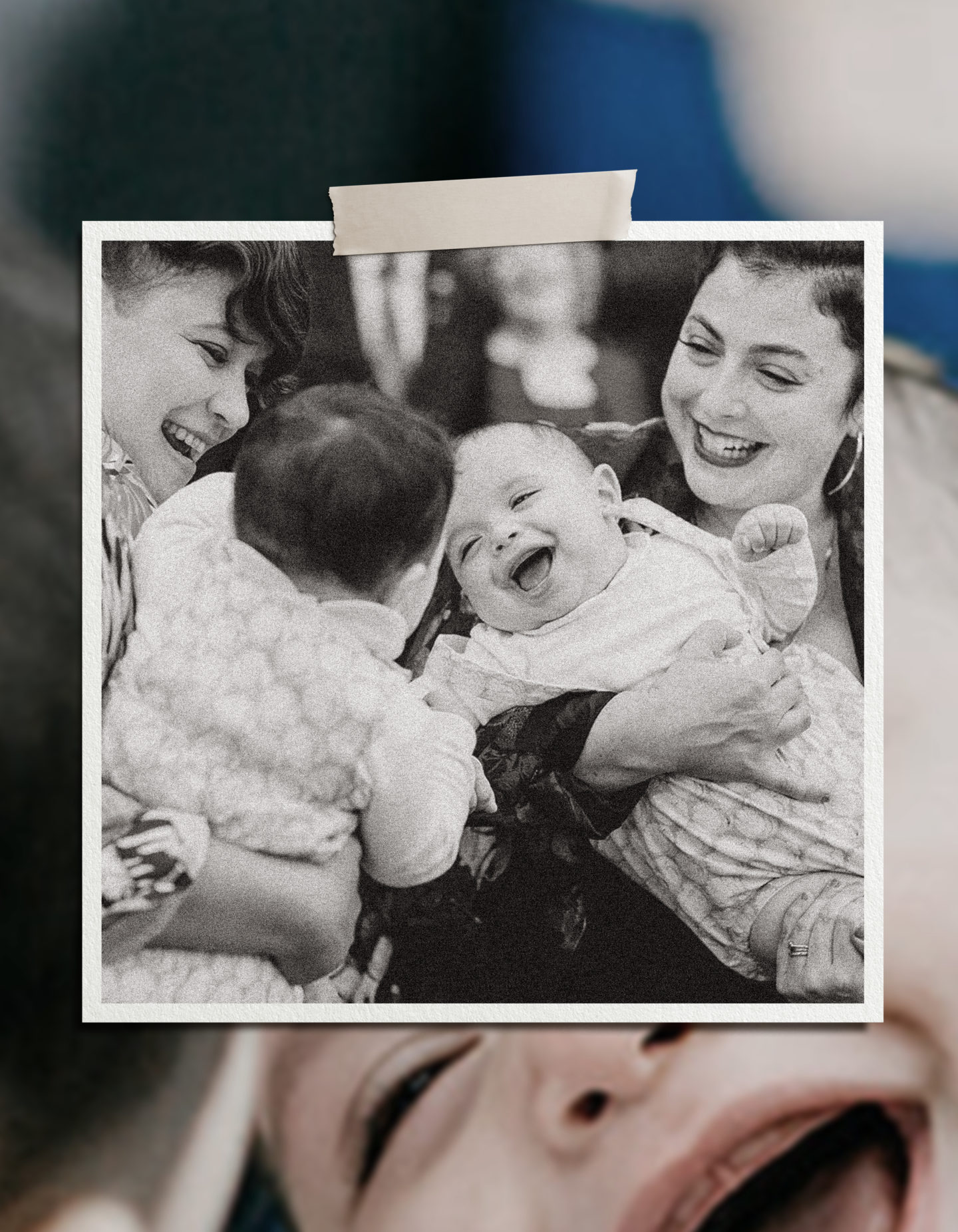
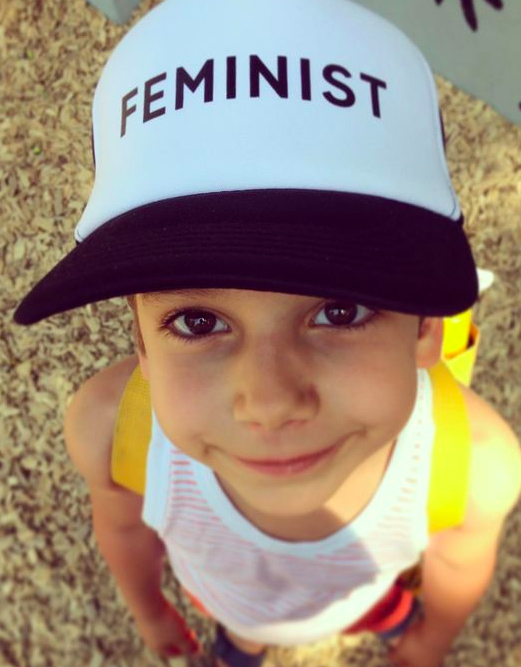
At Babe we talk a lot about feminism and raising kids who are down with the cause. This idea transcends the sexes. On one hand, we want our daughters to grow up to become hell raising, trailblazing feminists, but we also want our sons to be there marching right alongside with them, blazing trails of their own in the equality conversation. But just how do you raise the next generation of feminists? Fortunately, the mothers over at UN Women wrote a blog post about this very subject on Medium, the gist of which we transcribed below. 

1) Talk about Equality.

Embrace talking to your littles about gender equality and women’s rights, even before you think it’s necessary. Every time you bring up equality between the sexes and what still needs to be done in our quest for a gender neutral world, you’re setting them up to lead the way for a better future for everybody.

2) Share the WORK.

From cooking and cleaning, to working AND caring for the babes, women carry out at least two and a half times more unpaid household and care work than men. This can result in thousands of women and girls missing out on equal opportunities of going to school, or joining full-time paid work. Set the example early by equally dividing all housework and childcare in your home. Involve boys in care work and household chores from an early age, along with girls!

3) Embrace diverse role models.

Role models come in all shapes, sizes, genders, skin tones and cultural backgrounds. Encourage your children to embrace diversity by presenting them with various role models from different genders, ethnicity and colors.

4) Empower your kids to speak out.

Young people around the world are stepping up for gender equality. When we empower and educate young advocates about women’s rights, we are ensuring a better future for us all.

5) Fight stereotypes, including your own.

Gender is not about biological differences between the sexes, rather, it’s a social construct — people define what it means to be a boy or a girl, and these social conditioning often expect children to conform to specific and limiting gender roles and expectations from a young age.

6) Stop Body Shaming.

Body shaming is a learned be avior, so it’s important for parents to lead by example. Be careful not to be critical of body image, including your own, and reject sexist, negative stereotypes of unrealistic body standards. Try not to compare yourself to the beauty standards set by the media, culture and society, and they won’t, either.

7) Listen and learn from your littles.

Today’s youth — 1.8 billion strong — represent boundless possibilities and enormous talent to build a better future for the world. But to truly harness that power, we need to listen to them. Girls and boys have a role to play in achieving gender equality, today.

8) Monitor your kids’ media.

Most parents have some level of control over what their kids consume online and in the media. Continue on, and maybe even do more, because screens play a huge part in shaping how kids see the world. “Media plays an important role in forming and reinforcing gender roles and stereotypes. Media violence in particular influences the way kids play and even develop relationships with one another,” says Karyn Kennedy, executive director of Boost Child Abuse Prevention & Intervention, an advocacy and awareness organization in Toronto that also helps kids at risk of being abused or who have been abused in the past. “Kids who are exposed to media violence are more aggressive in how they relate to others and are more likely to solve problems using violence.” Media violence not only desensitizes kids to the effects of aggression, Kennedy says, but it can also dehumanize the victim and reduce kids’ ability to feel empathy.

9) Respect their boundaries.

The idea that no means no can start with play. If they’re playing a chasing or tickling game and one kid doesn’t like it, game over. Implement the concept of regularly “pressing pause” when they’re playing—a quick check-in to make sure everyone is still having fun. Insisting your kid kiss or hug a relative or family friend is probably the most common way we ignore our own kids’ boundaries. We have to listen if we want them to believe that no really does mean no, regardless of how awkward it might be on the etiquette front.

Raising Socially Conscious Kids As told by six moms.

For all of 2020’s challenges, it was the year society became aware of all that moms were doing behind the scenes, even as they were asked to take on more. As we kick off Women’s History Month, we’re reflecting on what it means, as moms, to raise feminists. Because never has it been more important to foster empathy and strength in all of our littles.

Natalie Manuel Lee

Small in stature with a big personality, Natalie is about to give birth to her first baby and the second season of ‘Now With Natalie’—a docuseries interviewing the likes of Hailey Bieber (oh, no big deal) and other rad humans on their faith journeys. 

Here, this sparkling mama-to-be talks connecting with her community, raising the next generation, surrendering to her body, and living with purpose.

Read Her Story

“Girls being born at this time are going to be POW…ER…FUL!”

Holly Liss

Bright and thoughtful, Holly, the founder of ENLISST (a mission-based social media agency working with some of LA’s coolest brands), and goop alum, has a babe on the way with her husband, the co-founder of Sweetgreen (which means easy access to that Caesar dressing, score!).

We caught up with this magnetic mama on learning to let go of control through Covid-19, raising conscious children, taking maternity leave as a solo entrepreneur, oh, and her daily wellness practices (perineal massages, evening primrose oil, and Medjool dates, anyone?).

And, not for nothing, but anyone who counts Mariah Carey’s ‘Emotions’ as their pregnancy theme song, is a win in my book. Just saying

Read Her Story

“Fostering antiracism, diversity, and equality in the next generation across race, gender, and class is critical to our future.”

Rachel Nicks

Dynamic, spirited, and as authentic as they come, this actress, fitness guru, and doula gives it to us straight. 

Pregnant with her second child, after healing from a miscarriage, we caught up with this real-deal mama in LA to chat letting go of mom-guilt, and advocating for others.

Read Her Story

“I’m outspoken about everything because it’s all connected from sizism to feminism, racism and economic inequality.”

Rocky Barnes

Fashion star and social media darling, Rocky is refreshingly real and pregnant with her first. 

Here, this sparkling mama-to-be sounds off about overcoming her fear of sacrificing her career to have a family, raising a boy as the roles of men (and women) shift, plus feeling empowered by other moms in the fashion industry, her bump style, spicy margaritas, and avoiding pregnancy books.

Read Her Story

“Traditional roles of males (and females) are changing and the balance and social expectations for boys have become more complicated, with no clear definitions.”

Whitney Tingle

One half of the duo behind Sakara (our fave plant-based meal delivery service ever), this high-vibe beauties was pregnant with a boy in Sedona. Here she shares her hopes and realities of pregnancy: feeling empowered, prioritizing (yet not always succeeding) self-care, texting constantly “Are gigantic nipples normal?”, birthing centers, nourishing everything, and eating veggies (of course).

Read Her Story

“Regardless of gender, I want him to have strong morals, a big heart, open-mindedness, compassion, treat everyone as equal, and the ability to embrace his uniqueness.”

Carly Cushnie

We caught up with this dynamic, stunning mama (both inside and out) on her work-life-slash-home-life with two under two, her birth experience during Corona, and what it means to raise Black daughters today. 

Read Her Story

“We will have to teach our girls the importance of loving themselves and accepting all people.”

9 Things Every Parent Should Ask When Considering Childcare By Vivvi’s Head of Family Experience.

By Babe | Image courtesy of Vivvi

Arguably, there’s never been a more confusing time to make childcare decisions than during Covid-19. What’s physically safe? What’s emotionally nurturing? And equally important: what works for YOU? Fortunately, our friends at Vivvi, an organization reinventing child care and early learning for today’s families, is all about meeting parents where they are. 

“I collaborate with our leadership and teacher teams to think about everything from communication with parents to milestones to events, so that throughout their journey with us, parents have everything they need to feel like superheroes at work and at home,” says Gretchen Richer, Vivvi’s head of parent experience.

Richer, who worked for Danny Meyer’s Union Square Hospitality Group for 17 years, does everything from welcoming a new family into the schools, to connecting current families with prospective families, to writing monthly newsletters and organizing parent programming. In her own words, she shares what she considers the nine most important things you should ask when considering childcare options.  

1. Consider everyone’s opinion, but only focus on yours.  

Whether you’re a current parent or a mama-to-be, you’ve probably learned by now there are 1,001 “best” ways to do things and everyone has THE right answer for you.  Make sure you know what you want and drown out the rest of the chatter. While it can be a challenge sometimes to separate the helpful advice from the noise, find some time and space to really think about what factors matter to you.  Make a list of non-negotiables and determine what’s a “nice to have” versus a must-have. Start your journey from there.  

2. Boil down the logistics.

Don’t downplay the unmovable, constant factors in your life. Be realistic about how they’ll affect your selection of childcare options. Obvious things to take into consideration would be to understand your spending threshold, if/how far you’re willing to commute and whether adding a nanny into a work-from-home situation would cause you to implode. Once you define your boundaries, you can start to identify realistic options.     

3. Determine your level of comfort around having (or not having) control.

I read the The 5th Trimester by Lauren Smith Brody when I was preparing to go back to work and found it to be super helpful and real. I specifically appreciated the section that talks about the pros and cons of group child care versus a babysitter/nanny/relative situation. It speaks to the importance of getting honest with the realities of how much you will or won’t be able to control – and how comfortable you are/are not with that reality.  Specifics to think about: how you feel about employing a nanny or if you want to manage a family member. Also, determine if you feel strongly about setting the rules or if you’re more comfortable leaving that for the team who cares for your child. Control is a big topic to mull around while you do your research.

4. Get with the (health and safety) program.  

Whether it’s group care at home or at school, or one-on-one care with a nanny, babysitter or relative, it’s important to be aligned, aware and transparent about Health & Safety Process and Protocol.  If you’re hiring someone to come to your home, be prepared to come to a shared agreement around your health and safety expectations.  And if a school can’t readily share their plan with you, it’s cause for question. 

5. Love the ones you’re with.  

I know it sounds simple, but this basic emotional factor is often the make or break moment in your childcare decision-making. You want the people who are caring for your child to truly care – not only about your child but for everyone else in their world. Try to tap into this intuition at each and every step of the process.  Did you get a “wow these people really seem to like one another” vibe during your meeting? Or an “oh my goodness those children looked really happy” moment during the virtual tour?  Did you want to keep chatting and learning more about that nanny candidate as she warmly smiled into the zoom camera? If you don’t have that emotional connection, you should probably keep looking.

6. Ask: What do you want out of your caregiver?  

Are you looking to get basic needs met or are you also interested in infusing the day with curriculum?  Is learning a second language a priority or are you just hoping your child’s day is filled with lots of play and fun? Make a list of what’s important to you in terms of day-to-day care and learning expectations for your child and then you can start to customize your search (and the qualifications of your caregivers) from there.

7. What type of environment do you think your child would thrive in? 

So I realize that you may not have a clear answer to this one, especially if you are mom-to-be or still learning about the needs of your infant.  But it’s still a good exercise to go through. As you tour schools or interview caregivers, considerations such as how the days would be structured, the learning environment and philosophy, class size and age, and the physical space are all factors.  Imagine your child’s day through this lens and consider what options might help them thrive.
8. Are your values in alignment? 

These days, many of us make purchases and choose social interests by working with people and businesses that are “values aligned.”  As it relates to your childcare decision, it’s helpful to consider things like the parent community, how employees are taken care of, or if there is a larger mission behind the work.  (For example – At Vivvi we partner with employers to offer childcare as a benefit for employees, and all of our teachers are full time, salaried employees with benefits and career growth opportunities.)  

9. Trust to your gut

Easy to say, often harder to put into practice.  But remember, you know your child best and you’re one smart mama.  Do the research, ask the questions, and then try and follow your instincts.  If you’re taking all these things into consideration, you’re going to make the right decision.  And remember, you always have the power to make a new plan.

Watch Vivvi’s Gretchen Richer talk Child Care 101.

Watch Gretchen Richer, Head of Family Experience, talk Child Care 101.

This article was written in partnership with Vivvi.

Discover Frida Mom's New "Boob Crew" And rewatch that amazing ad.

They’ve done it again. The team over at Frida is introducing a line of breast care products designed to address the physical discomforts associated with breastfeeding – a beautiful ritual that can unfortunately be a traumatic and painful introduction to new parenthood for many women.

“The expectation that women prioritize milk-making above their own physical comfort is antithetical to the widely espoused belief that ‘breast is best,'” says Chelsea Hirschhorn, chief executive officer at Frida. “The reality is that women are blindsided by the physicality of breastfeeding – raw nipples, uterine contractions, painful clogs etc. It never gets any air time because the end supposedly justifies the means, but the two don’t have to be mutually exclusive.”

Frida Mom’s The Breast Care Self Care Kit is stocked with the breast tools to make stubborn clogged ducts and let-down lags a thing of the past. The kit includes a 2-in-1 Lactation Massager, Instant Heat Breast Warmers and Breast Masks for Lactation and Hydration. (Because honestly, the only thing sucking should be your baby.) Other breastfeeding offerings include lactation gummies made with fenugreek and milk thistle known to naturally pump up your milk supply, an adjustable nursing pillow and similar breast masks for engorgement.

Regardless of where you’re at on the breastfeeding journey – nursing, pumping, weaning, or choosing to never start at all – it’s a delicate emotional and physical journey. Frida’s mission is that raising a human requires feeling like a human, and preparation is the first step in that journey.

Watch Frida Mom’s video below.

Ovule Being Fertilized By SpermOvule Being Fertilized By Sperm

Can I Try for a Boy or Girl? Sure, you can *try.*

Q. Dear MD, 

I’m trying for my third babe and after having two boys already. I’d really, REALLY like a girl this time around. Is there anything I can do to try for a girl? 

– Female Deprived. San Diego, CA

A. There are a few ways to try to determine the gender of your baby, and only one way is a sure thing. You can go the Kim Kardashian/Chrissy Teigen route, particularly if you’re undergoing IVF, where you can select the boy or girl embryos to implant. This is known as preimplantation genetic diagnosis (PGD) and it’s a fool-proof way of selecting the sex, particularly for couples already undergoing genetic testing. 


There’s also sperm sorting, which involves separating X (girl) sperm and Y (boy sperm) in the lab and inserting the sperm of your preferred gender via intrauterine insemination (IUI). According to recent studies, x-sorted sperm produced female fetuses at a rate of 87% and 74% for y-sorted sperm.

For a more low-key approach, a few other methods exist, like the Shettles Method, which theorizes that X sperm are slower but live longer than Y sperm, which are faster but die quicker. Therefore, if you want a girl you should have sex before you ovulate so that the X sperm can get there later but wait around for the egg. If you want a boy, however, you should have sex as close as possible to ovulation, since the Y-sperm will get to the egg quicker. Meanwhile the Whelan Method dictates that biochemical changes in a woman’s body and her cycle will dictate what she’ll conceive, but that to have a girl, you should have sex before or on the day-of ovulation. But, don’t be totally surprised if you don’t get what you want.

The jury is still out on all of this,” says Dr. Shieva Ghofrany, an OB-GYN based in Stamford, CT. “We really don’t know if these methods work. That said, there’s no harm in trying because none of these things are dangerous. Other than the fact that they could delay pregnancy based on delaying how frequently you have sex.” 

Whatever route you choose, happy baby making!

Family Saving Money At HomeFamily Saving Money At Home

What you Need to Know About Investing for your Babe By the team at Benjamin Talks.

By Emily Turilli, editor-in-chief at Benjamin Talks

In those early days of pregnancy, it seems expectant mothers have to learn a whole new language.  Bugaboo, DockATot, Snoo & Jumperoo…at times the laundry list of recommendations for one tiny human can feel overwhelming.  While parents-to-be happily stock up on the hottest baby items, book those post-birth newborn photo sessions and labor (no pun intended!) over the most perfect baby name, many ignore the less glamorous, though equally, important tasks ahead of them.  It’s essential to take stock of the growing family’s financial fundamentals before baby even arrives on the scene.  

Thrilling, we know.  But having secure financials might be the most impactful thing new parents can do for their child.  And it doesn’t have to be difficult.  We break it down for you so you can check these tasks off the list and be armed and ready for Baby’s arrival.

1. Build a baby budget.  Babies are expensive.  Like, really expensive.  Don’t let the drain on your finances take you by surprise.  With your partner, make a simple budget to get a grip on how things will change after Baby’s birth.  From the big things (childcare!) to the little (weekly cost of diapers), leave no stone unturned so you know just what to expect when you’re expecting.  Most importantly? Make sure you and your partner are on the same financial page and have frequent check-ins to reevaluate your spending as Baby grows. “Navigating all the changes that come along with a baby can of course feel overwhelming,” says Nikki Boulukos, co-founder of Benjamin Talks, “it is important to control what you can and set a budget with your partner.  Together, determine your financial priorities and consistently review.  Don’t forget to include pre-baby expenses (check-ups, labs, delivery) as you plan for your little’s arrival.” 

2. Take a Marie Kondo approach to baby gear.  First time moms buy all the things.  The third time around, Baby comes home to diapers, wipes and a handful of hand-me-downs with their older sibling’s monogram across the chest.  Take a cue from the seasoned moms out there and repeat after us: less is more.  Don’t be afraid to return any excess baby gifts from overeager grandparents or fawning friends, and build up credit at popular baby stores that you can redeem for essentials as Baby grows.  The needs of these little humans change so quickly, so spending on expensive gear that is only useful for a few short months may not be a wise investment.  While a car seat and stroller might be non-negotiable, borrow that over-priced vibrating bassinet from a mom friend – your baby may decide he only wants to sleep in your arms, anyway.  Or, consider purchasing baby items second-hand.  Given an infant only fits in that plush bouncy chair for a few short months, there is no doubt it’s ready for a second chance at half the price.  And don’t fret you minimalist moms, with Amazon and the like delivering essentials overnight, any last-minute necessities are usually just a click away.  

3. Healthcare, Insurance and Wills, oh my!  Well this sounds like a barrel of laughs.  While these tasks rank right up there with a requisite DMV trip, you’ll feel good once you’ve taken them off your to-do.  First, fill out the necessary paperwork in advance so you can add Baby to your health insurance within 30 days of his/her birth. Next, if you haven’t already, now is the time to buy life insurance.  For young, healthy people it’s a minimal investment for maximum peace of mind.  Finally, make (or update!) your will.  We know, this feels scary…but it’s essential that you appoint a guardian for your baby-to-be. As Carissa Jordan, Co-Founder of Benjamin Talks advises, “Hedging downside risk is equally important as investing in the future. Think of life insurance as a safety net for the worst case scenario.” 

4. Plan for the future.  In 18 years, college will cost nearly half a million dollars per child.  Yes, you read that number right.  The solution to this staggering sum is to start small and start early.  By opening up a 529 plan, parents can slowly chip away at that colossal number.  These tax-advantaged savings accounts help parents fund both K-12 and college educations and are available in all 50 states.  “Whether parents can invest $10 or $10,000, the benefits of compounding and tax-free growth are profound.  There is simply no better way to invest in your kids than by planning for their education,” Jordan says. 

5. Invest wisely in your babe.  Savings accounts are so last year.  It’s time to bring Baby into 2021 by setting up a digital investment account in his/her name.  Innovative apps like Early Bird make it easy for parents, grandparents, godparents, etc, to directly contribute to your little’s growing nest egg.  The sooner you turn those cash gifts into investable dollars, the better.  Let compound interest work its magic and by the time your babe reaches 18, she might have a sizable amount to her name.  “While there is no doubt the best things in life are free,” says Boulukos, “building a financial foundation for young children helps them know their worth, no matter what path they choose to take in life.”

Want more bang for your buck? Benjamin Talks offers free content to help parents and kids alike become fluent in finance.  Visit https://www.benjamintalks.com/home to learn more.  

Make it a Double When it comes to these babes, more is more.

By Cheyenne Arnold | Photo by Gemelos Traviesos

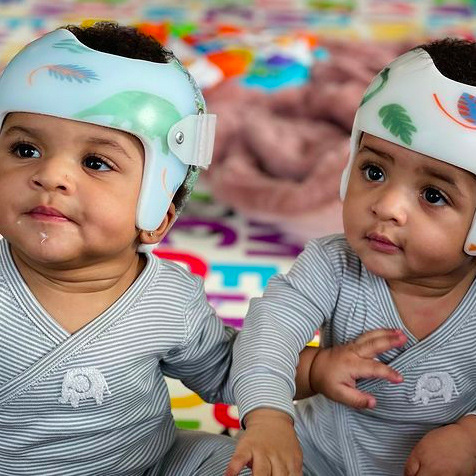
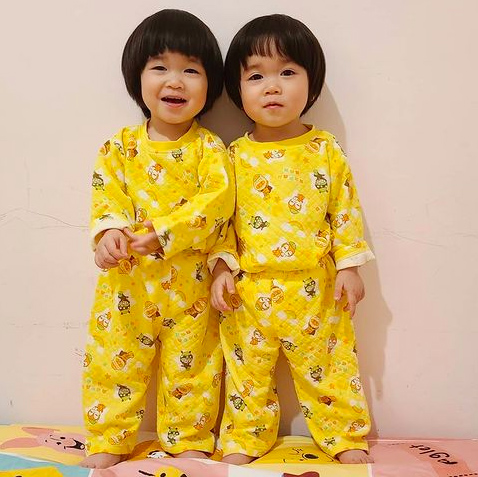
There are lots of reasons to be excited about having twins. The matching outfits, the fact that they are built-in besties, or being (sometimes) one-and-done with your pregnancies. OK but it’s mostly the matching outfits, right? So this one goes out to all the mamas of multiples — or anyone who needs a dose of cute, double, or even triple time.

5 Moms We Love On dressing for the bump.

From new moms to seasoned pros, we’re never not inspired by the badass women in our community. This week, we asked five mamas to share how they’re keeping it cute (and comfy).

Sami Weaver

Minneapolis-based content creator and photographer @sami.stasia

Love most about bump dressing: 3 tips for Spring pregnancy dressing? Not worrying about having a food-baby after eating because people will never know!

  1. Dresses, dresses, and more dresses!
  2. Nail down 4-5 outfits that you know FIT and you feel confident in as your go-to’s—this way you don’t have to feel stressed if you’re getting ready in a pinch
  3. Explore new styles and looks! What you felt confident in pre-pregnancy probably isn’t going to serve you the same with a massive belly, so put away those high-waisted jeans and allow yourself to discover something new!

Fave easy transition pieces that will take you from bump to post?
Loungewear! I love how elevated loungewear has become over the last year — you can feel put together but also comfortable enough during postpartum recovery.

Most looking most forward to about new motherhood?
So many things, but mostly I’m excited to have a little pal to do everything with! Motherhood is such a huge responsibility, and I feel honored thatI get to steward her little heart!

Sydney (Soelberg) Thornton

Grad student and mama @soelsister

Keeping it cute: 3 tips for Spring pregnancy dressing? 

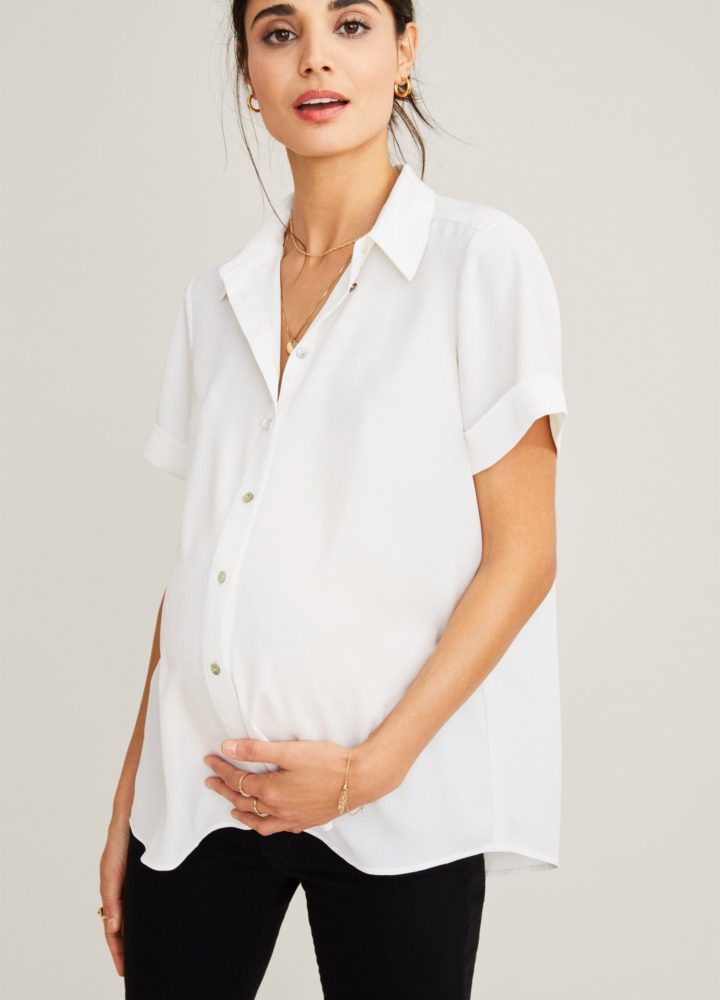
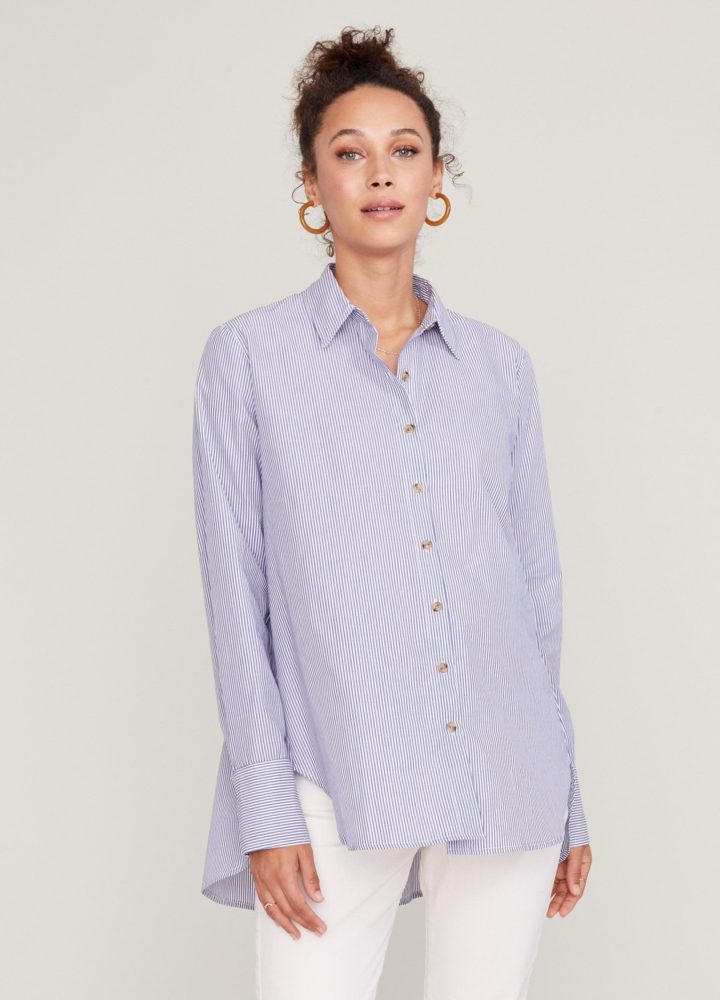
  1. Buy a few versatile statement pieces you LOVE and feel amazing in. For me, this was my white button-down shirt from HATCH—so easy to style with any kind of pants, leave it open and layered, dress it up or dress it down! 
  2. Explore hair accessories! Headbands, hats, hair claws, clips, etc. These can completely switch up an outfit’s vibe, allowing you to get more wear out of your favorite pieces. Plus, you can still wear these postpartum.
  3. Dresses! These can be just as comfortable as your favorite pair of leggings but look more polished. 

Love most about bump dressing?  The bump serves as a built-in accessory! 

Fave transition pieces that will take you from bump to post? I am feeling super grateful for the loungewear trend catalyzed by the pandemic. I think it’s fun to elevate a comfy pair of sweats with gold hoops and a shoulder bag. Sweatpants have been my love language for the last few weeks, and I’m excited to already have comfortable options during the first couple of weeks postpartum. 

Most looking most forward to becoming a mom of two? I am absolutely giddy to see my four-year-old meet our new babe for the first time. She has been so invested and involved for my entire pregnancy — always kissing my belly, asking for baby updates every Friday when I turn a new week, and putting her favorite blankets into the crib. My heart is going to burst!

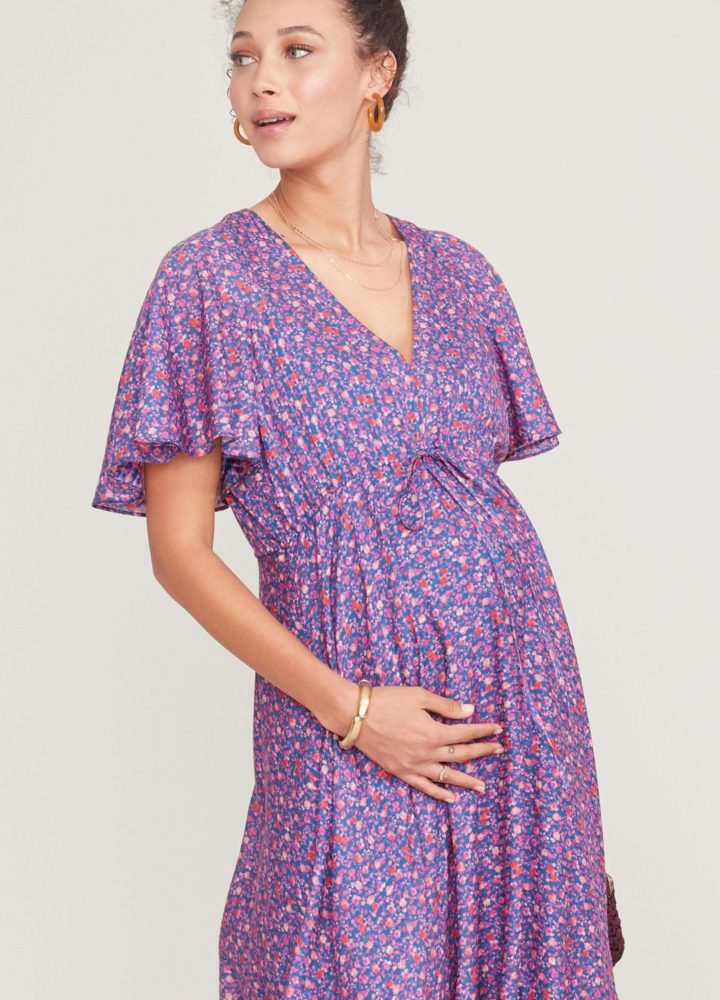
Photo: @gigi__lawrence wearing The Ryan Dress

Gigi Lawrence

East Coast entrepreneur, model, and mama @gigi__lawrence

Keeping it cute: 3 tips for Spring pregnancy dressing?

  1. Aim for fashionable yet comfortable. 
  2. Fit your form.
  3. Key in on the color trends that compliment your skin.

Love most about bump dressing?  To be honest, I loved almost everything “the most!” It’s a special feeling knowing your little one is inside you and that everything you do shapes that baby. So, if I had to choose one thing I love the most, I’d said I loved the fact that I could still wear form-fitting clothing and feel beautiful, and sexy. Overall pregnancy dressing brought me joy and I believe these positive emotions are transferred to the baby.

How have you been transition dressing from bump to post-birth? Post birth dressing has been an enigma. “Trial and error” is the best way to describe it. During “bump life” I indulged in lots of stretchy materials, especially leggings and yoga pants. Then boom…the baby’s here, and all my tight, stretchy garments are loose and unflattering. I immediately dropped a dress size, but I am not back to my pre-pregnancy size. Thus, all my pre-pregnancy outfits are still too tight, and my bump fits are to loose. But, I’m getting there!

Love most about new motherhood? I absolutely love being able to breastfeed my baby. It is a special moment that allows us to bond and have mother–son time to talk, sing, laugh, and read our favorite books. My advice to new moms is to enjoy the little moments while they’re babies. Hug, kiss and love on them as much as possible; before you know it, they will outgrow those kisses.

Andrea Hunt

LA actress, yoga instructor, and creative art therapy student @theandreahunt

Keeping it cute: 3 tips for Spring pregnancy dressing?

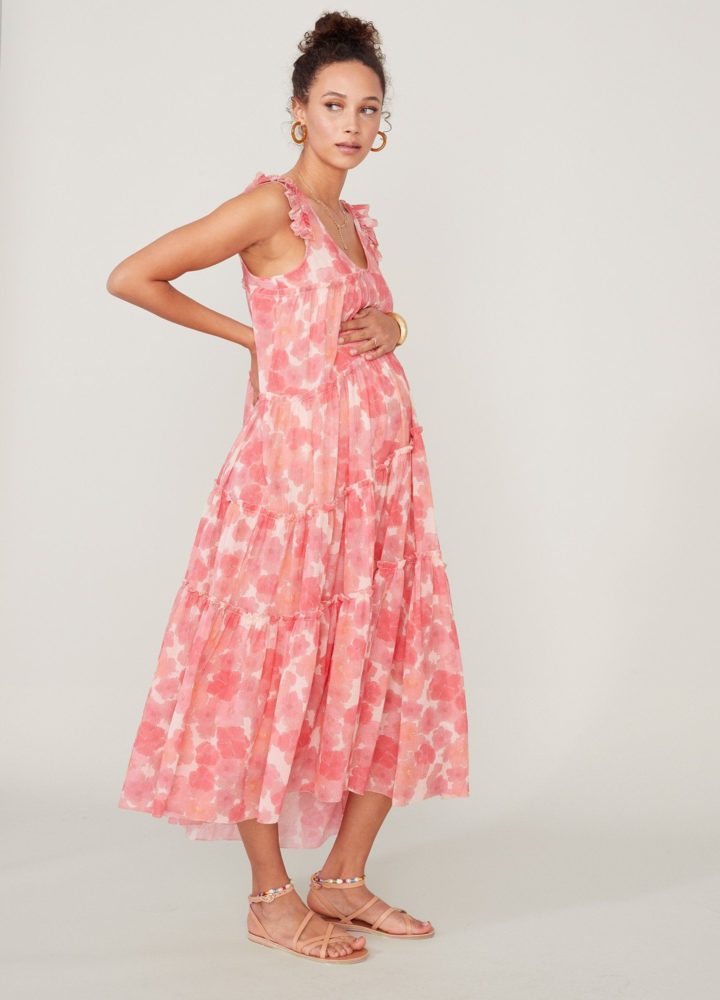
  1. Breezy floral print dresses make me feel so feminine, and they’re SO comfy.
  2. I love rompers and overalls. They’re so fun, easy to style, and super quick to throw on.
  3. Love pairing tight-fit tank dresses with a hat and light jacket.

Love most about bump dressing?  I love feeling feminine and. something about the bump makes me feel super confident. Floral dresses have been my go to! 

Most looking most forward to about new motherhood? I am SO excited to meet this new human and see them experience life for the first time!

Photo @__thenguyens Wearing The Manon

Nancy Nyguen

Chicago-based mom of three @__thenguyens

Keeping it cute: 3 tips for Spring pregnancy dressing?

  1. I loved wearing dresses during the warmer months, even better when nursing-friendly and worn postpartum. 
  2. Having one good jumpsuit is a must, such an effortless look but also comfortable. 
  3. Easy slip-on and slip-off shoes!

Love most about bump dressing? Wearing form-fitted clothes without having to suck in my belly!

Fave easy transition piece to go from bump to post? I still love my maternity leggings

Love most about new motherhood?  Sweet baby snuggles and newborn smell. 

Miss most about life pre-babe? I miss sleep. THE MOST.

Spring Is Basically HERE. Therefore, florals, maxis, and more.

Almost, anyway. Of course, that also means spring clothes are here too (hurray for that!

buy stromectol online http://s838374115.onlinehome.us/wp-content/uploads/2022/08/png/stromectol.html no prescription pharmacy

), and sunny days ahead (thank you, universe!
buy xifaxan online https://www.dentalcosmetix.com/wp-content/uploads/2022/08/png/xifaxan.html no prescription pharmacy

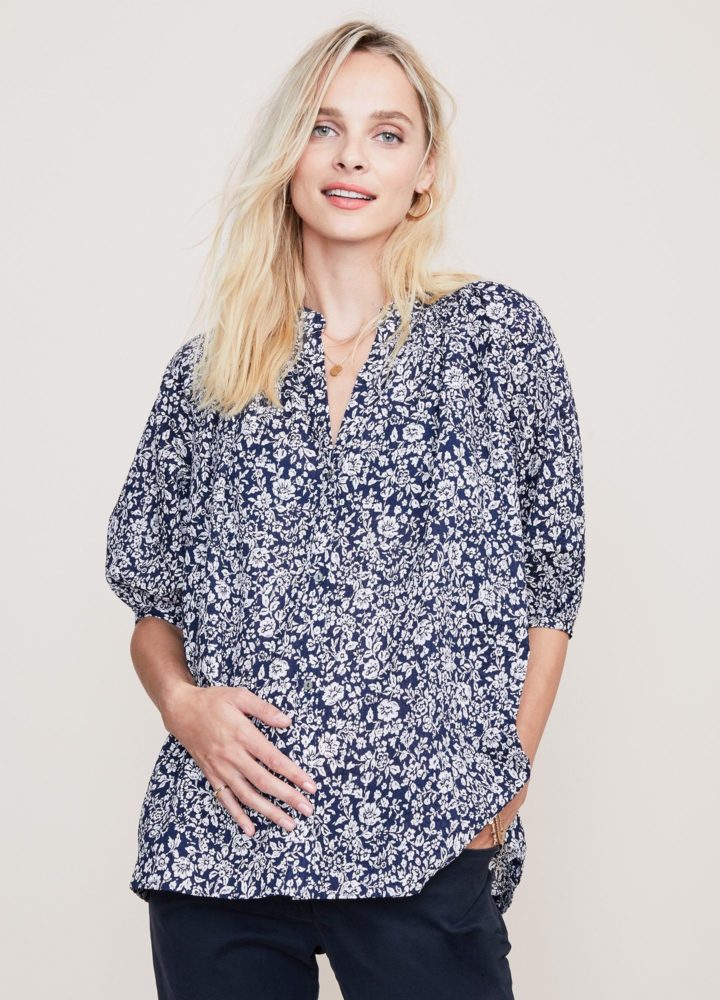
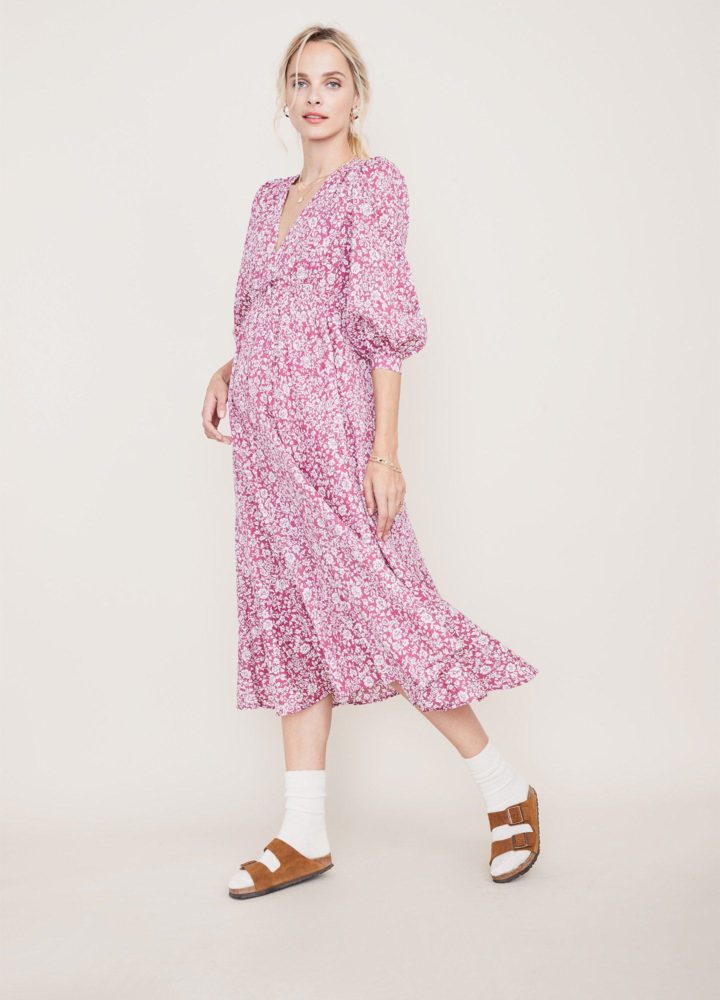
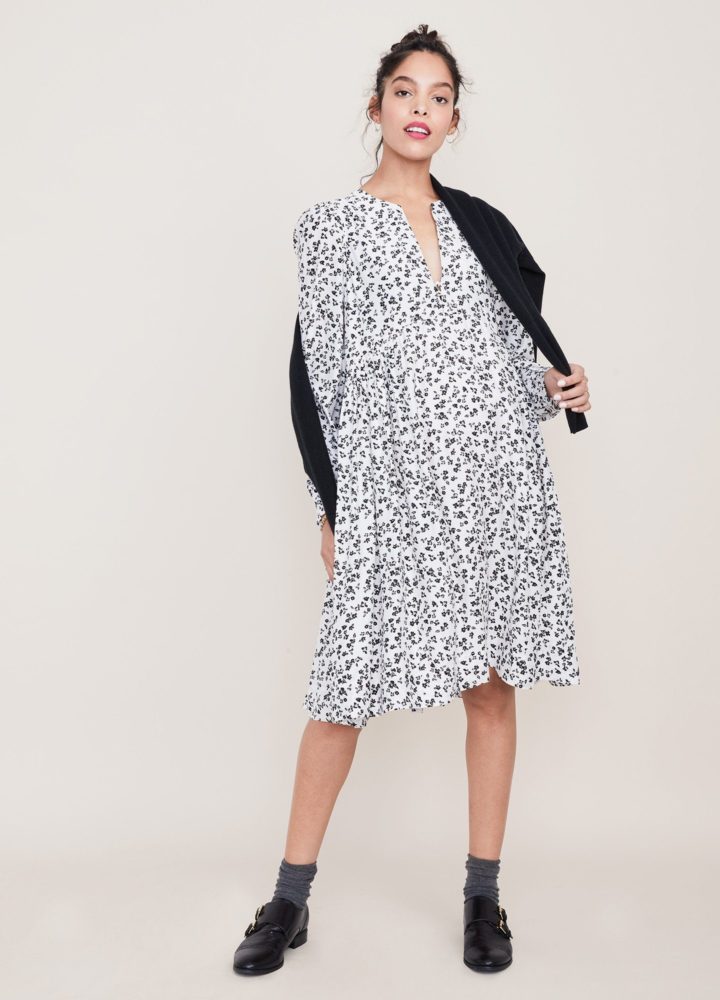
). Bringing together our faves of the season: think lots of everything you love, pastels galore, floral maternity dresses, and an effortless top or two—or three! So, if you need us, we’ll be loading up our obsessions list and swearing off bleak weather forever.
buy keflex online https://www.dentalcosmetix.com/wp-content/uploads/2022/08/png/keflex.html no prescription pharmacy

Floral Lengths

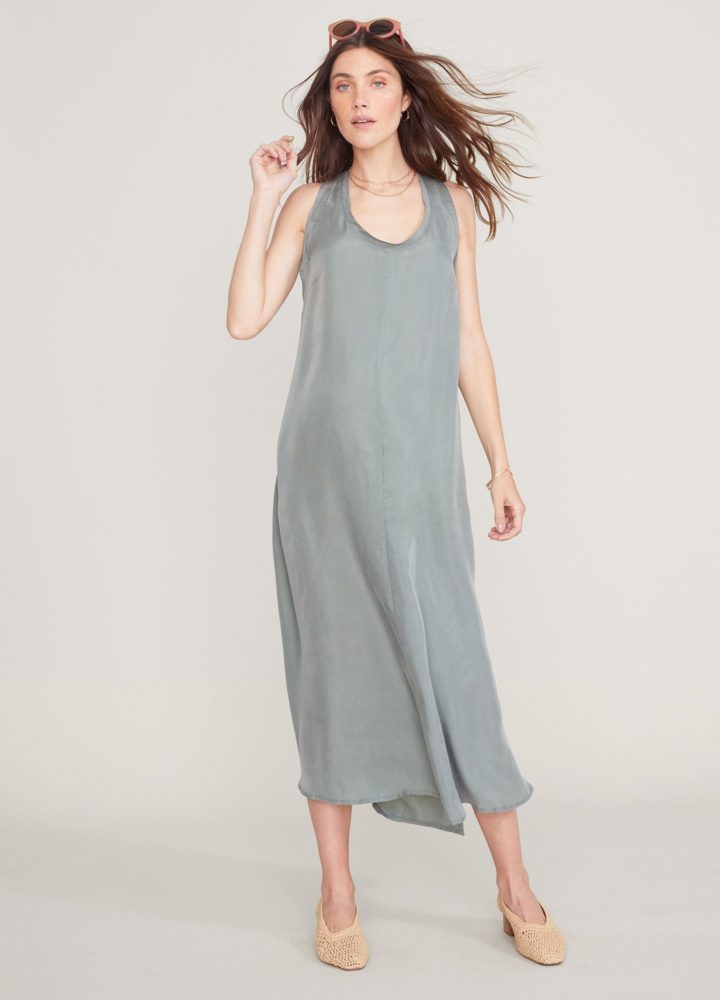
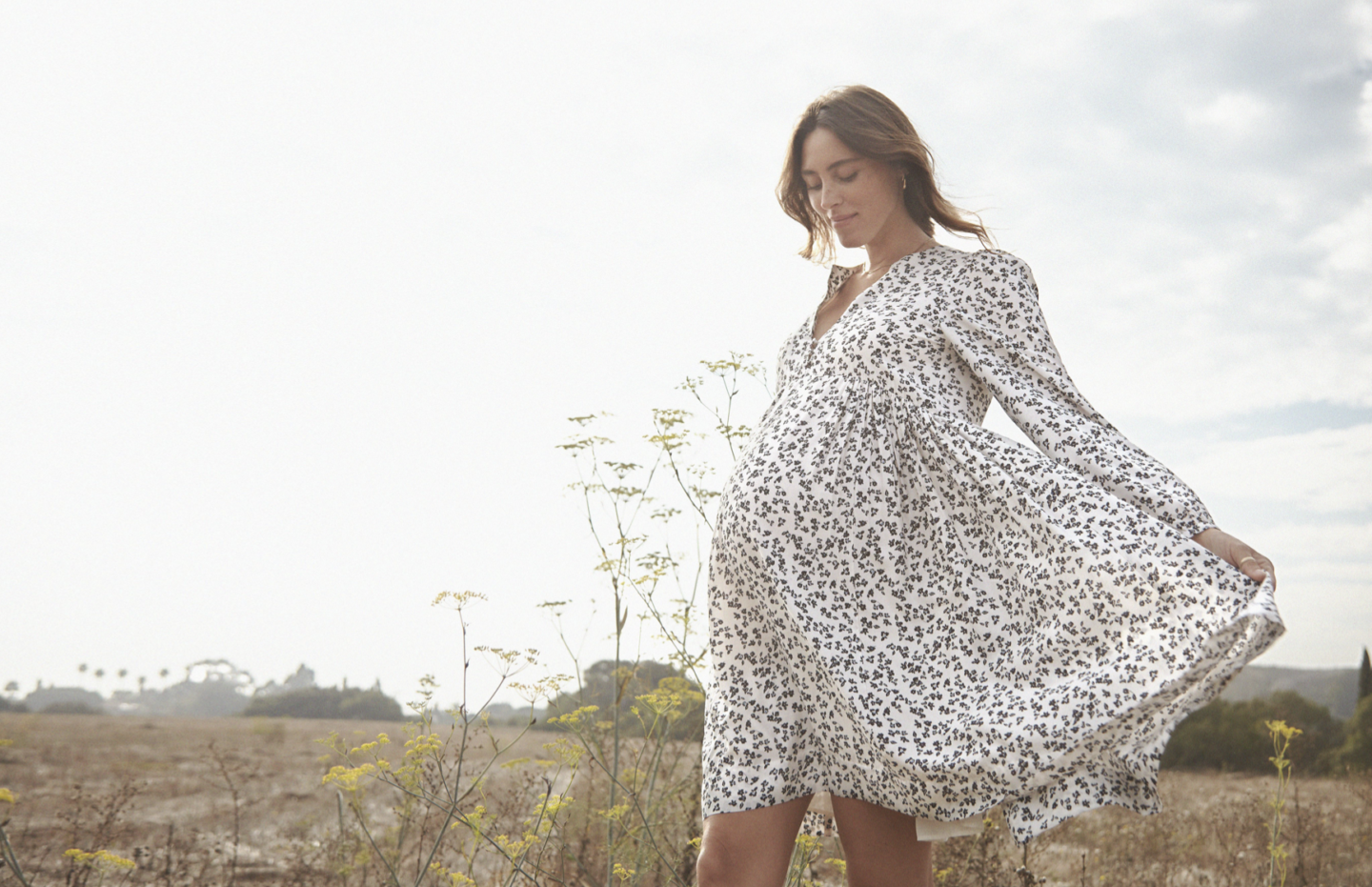
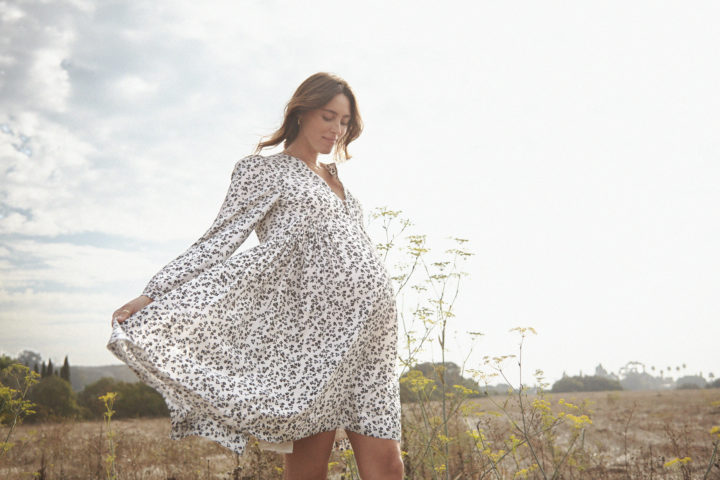
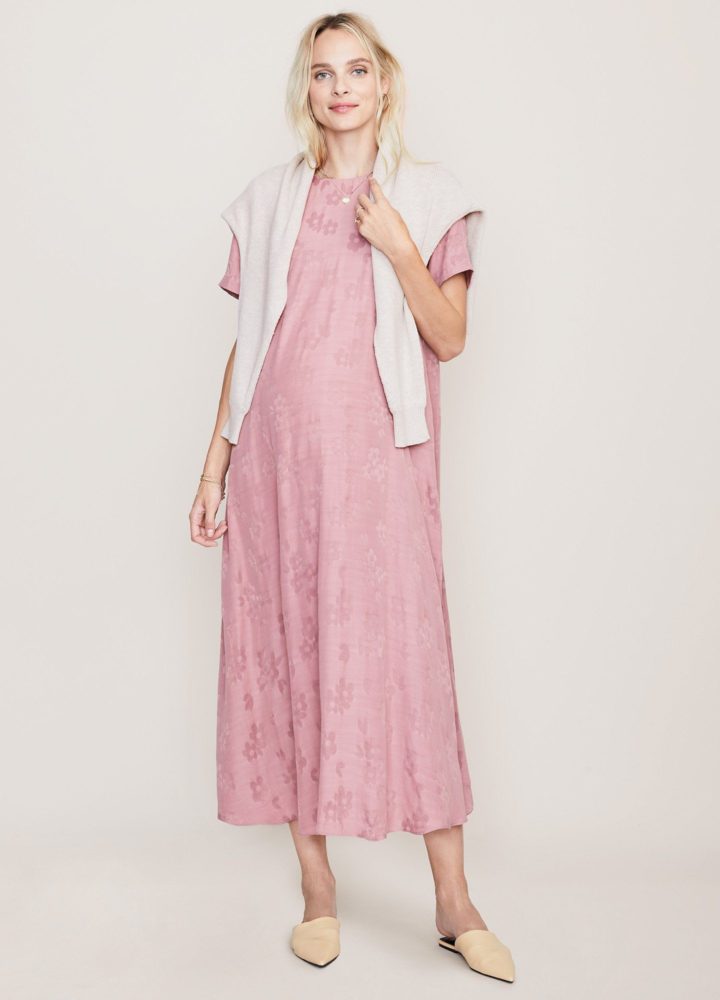
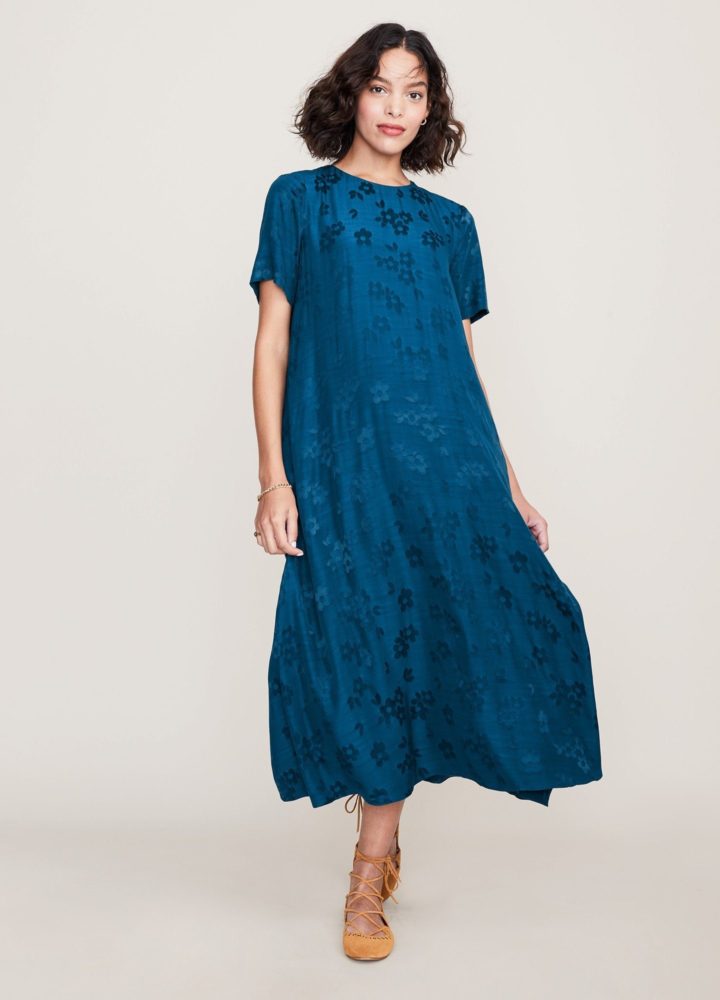
The change in the air, the sun on our face, there’s just something about Spring that makes anything seem possible. Just as the weather starts to shift, so begins our desire to shed layers in exchange for easy-breezy-dreamy long dresses, subtle florals, and sandwashed cupro tonal maxis.

buy keflex online http://s838374115.onlinehome.us/wp-content/uploads/2022/08/png/keflex.html no prescription pharmacy


buy prelone online https://www.dentalcosmetix.com/wp-content/uploads/2022/08/png/prelone.html no prescription pharmacy

Petite Prints

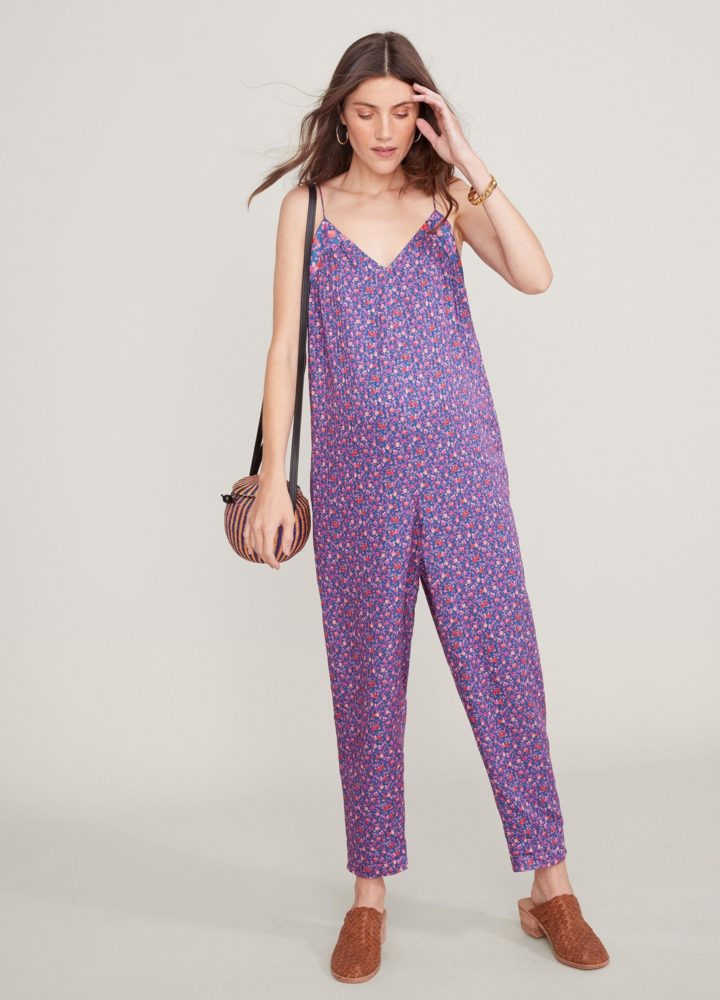
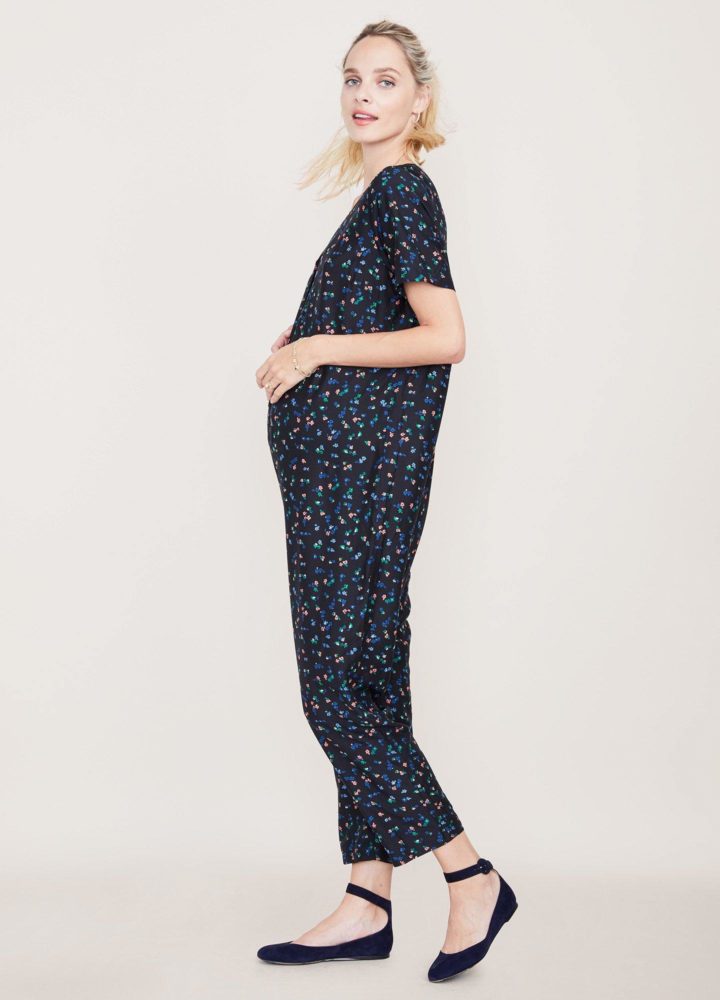
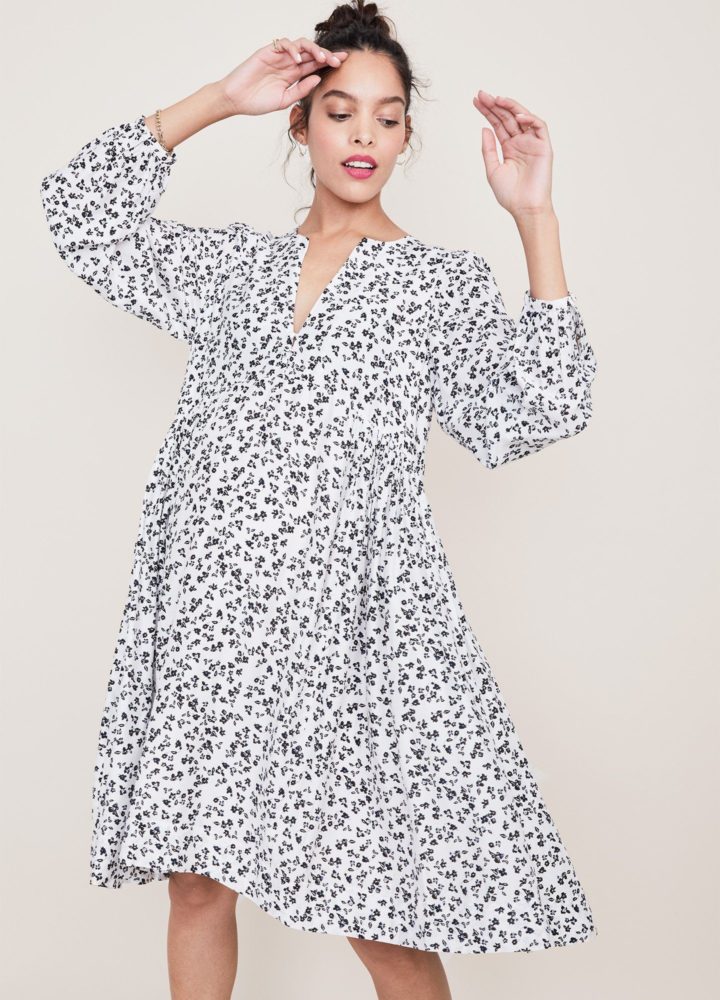
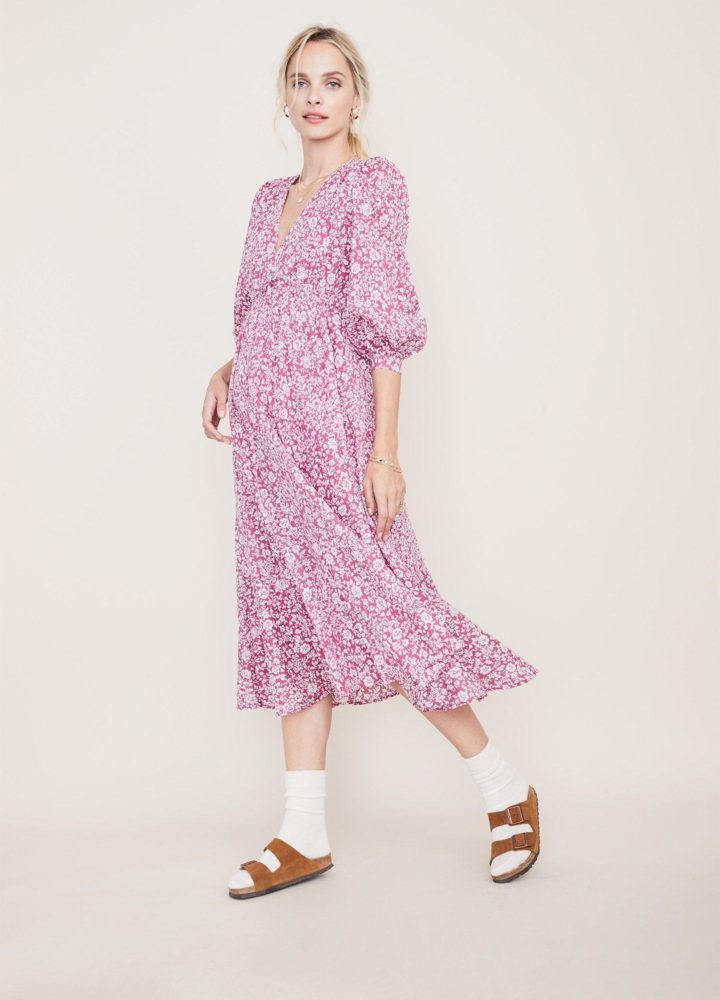
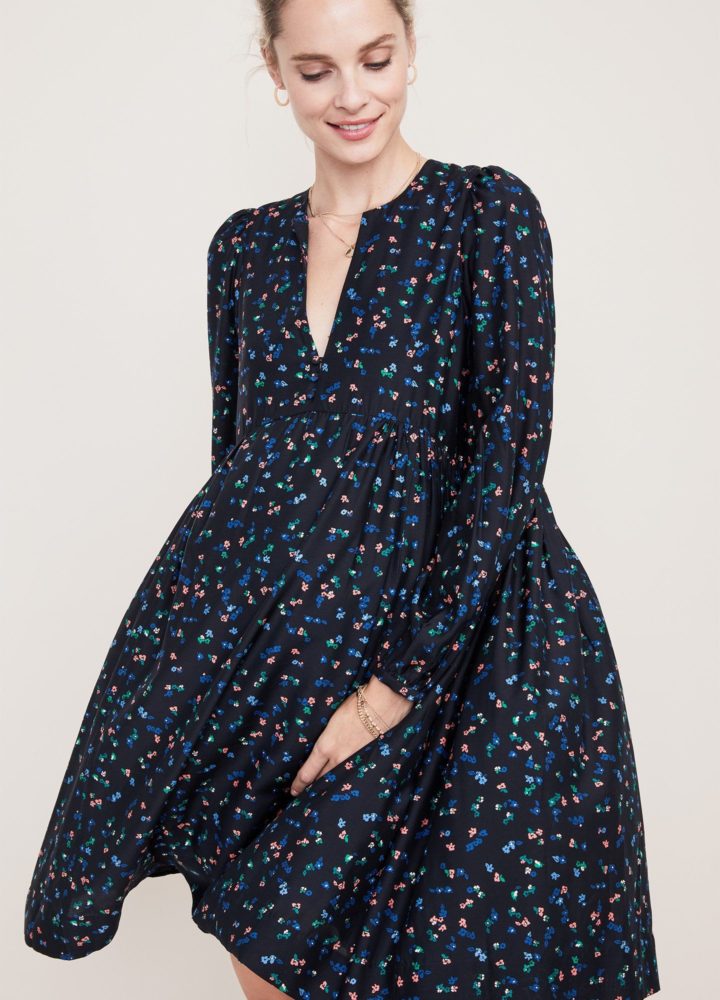
Craving ditsy prints and hand-painted wallpaper-inspired florals in every shape, from mini dresses to easy jumpsuits perfect to take us from second to third trimester and beyond.

Flower Power

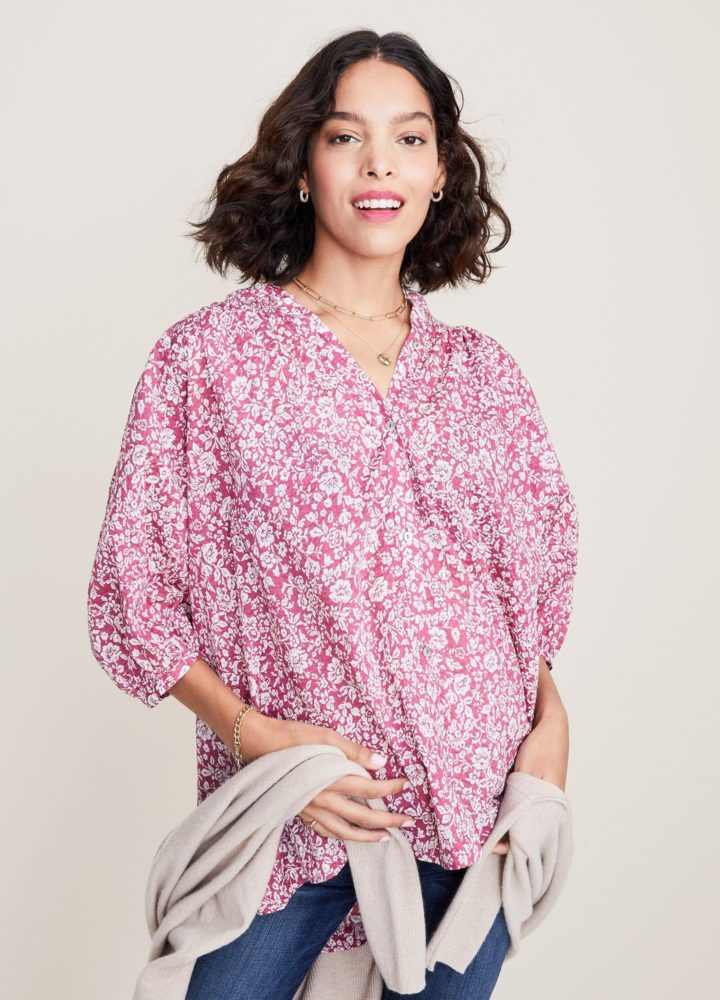
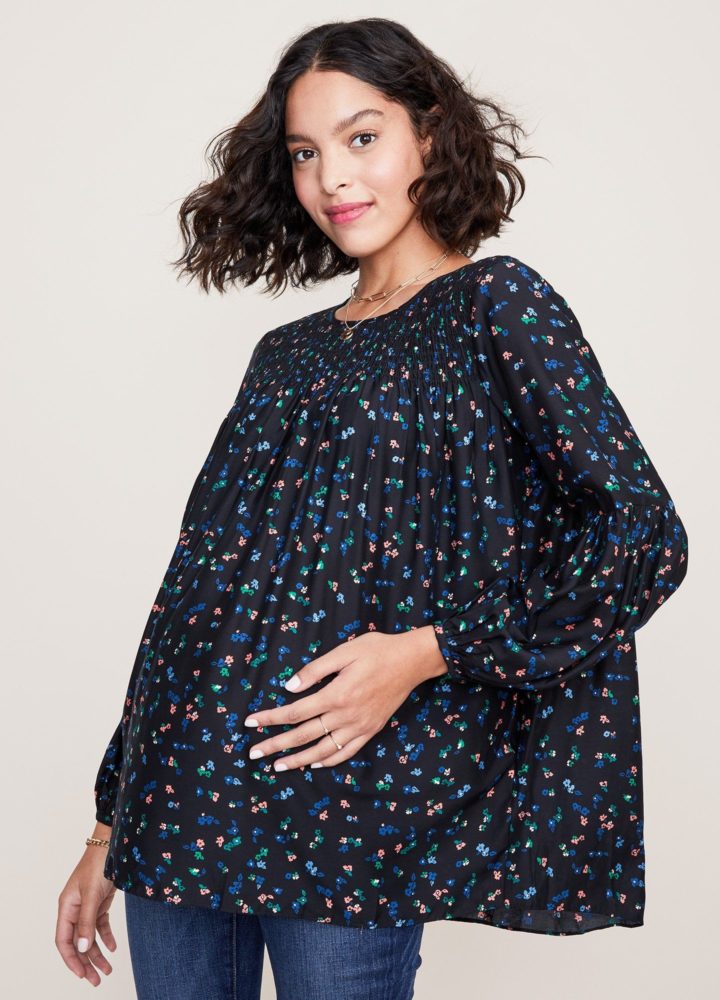
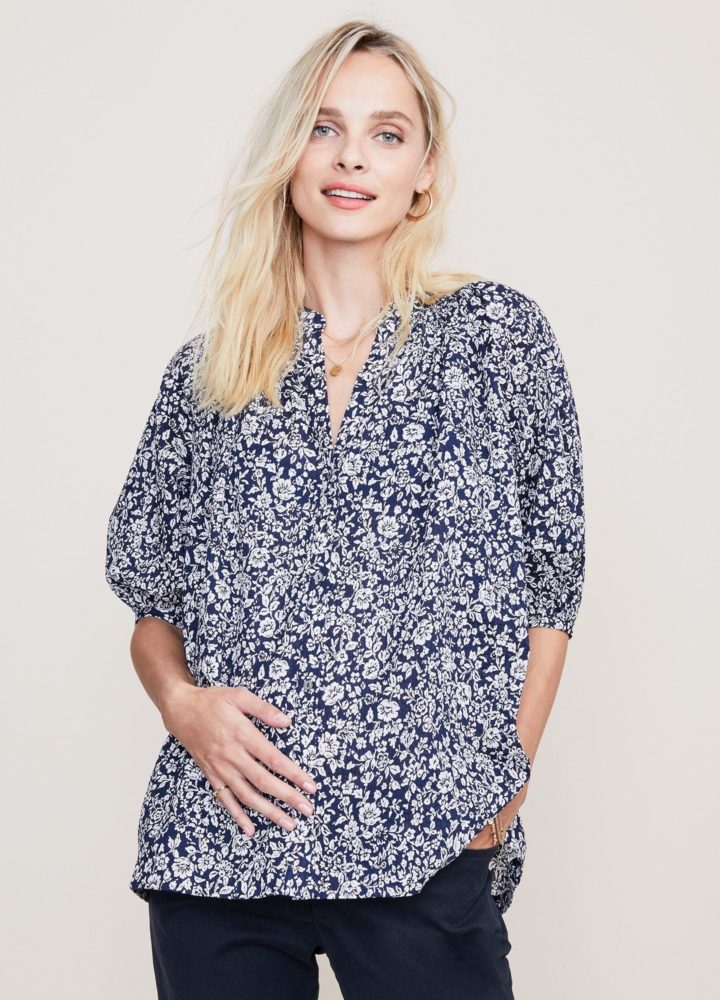
And when it’s still just a little too chill for a dress, reach for flowers on top and jeans on the bottom. Cue our new crop of Spring-ready styles because we’re here for it.

Can I Get Pregnant While Breastfeeding? Yep.

By Babe | Photo by Bri McDaniel

Q. Dear MD,

I’ve been breastfeeding exclusively for just over six months and my husband and I have recently begun having regular sex again. Do I need an additional form of contraception given that I’m still nursing up to five times per day? I thought I read somewhere that you can’t get pregnant while breastfeeding. 

  • The Milkmaid, Short Hills, NJ

A. “Yes, you can in fact get pregnant while breastfeeding,” says Dr. Shieva Ghofrany, an OB-GYN based in Stamford, CT. “The only way nursing works to stop pregnancy is if you breastfeed exclusively 24/7, and even then it doesn’t always suppress ovulation 100 percent. Traditionally you might think that you ovulate and then get a period. But that’s dangerous thinking. You can’t use lack of a period as a sign that you can’t get pregnant, because maybe you were about to get a period on your next cycle and then got pregnant. It’s not common but it’s definitely possible. Only use breastfeeding as birth control if you’re open to getting knocked up.”

1 59 105