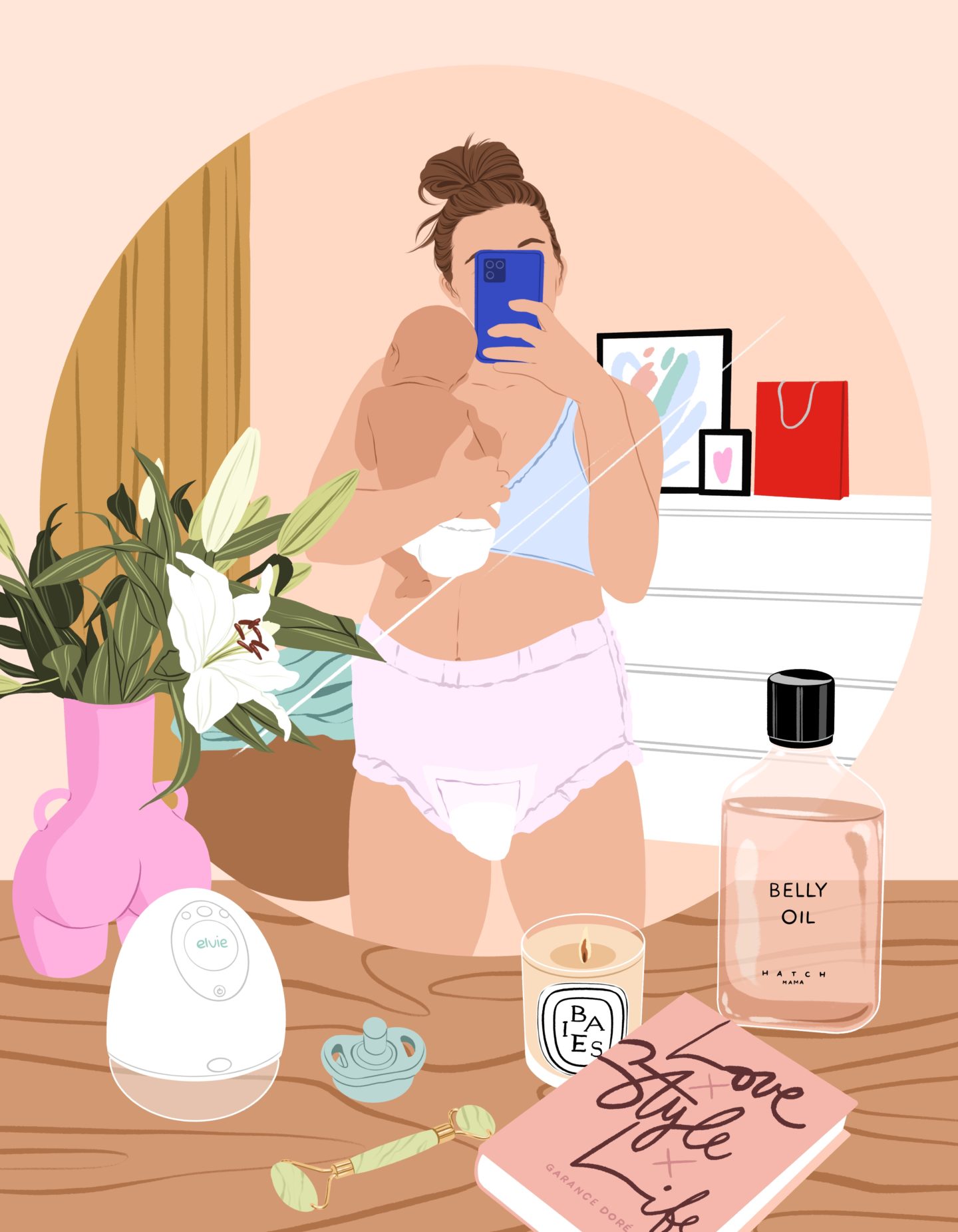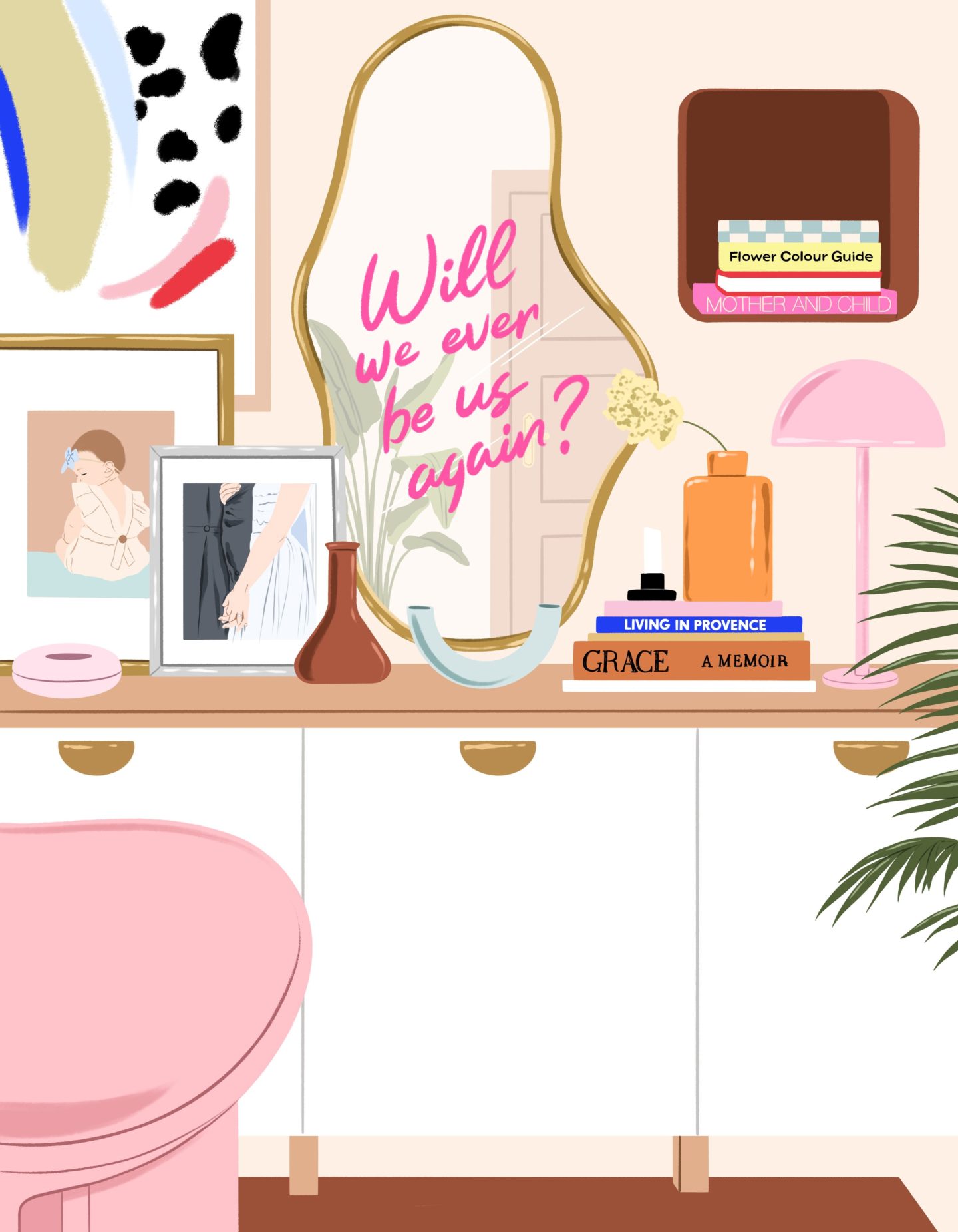
Yes That Line Below Your Belly Will Go Away And eight other super vain questions you’re afraid to ask.

By Babe | Illustration by Ana Hard

Pregnancy can do a number on your looks. Aside from the whole “gaining massive amounts of weight thing,” your surging hormones can wreak havoc on your complexion, body, hair – even your gums. Just remember, however you’re feeling about these changes, know that they’re mostly temporary and yet it’s totally normal to stress them. We’ve rounded up some of the most, ahem, interesting physical changes that accompany the pregnancy journey and even some hacks to make them easier to deal with. For more deets or if something feels abnormal, always hit up your medical provider.

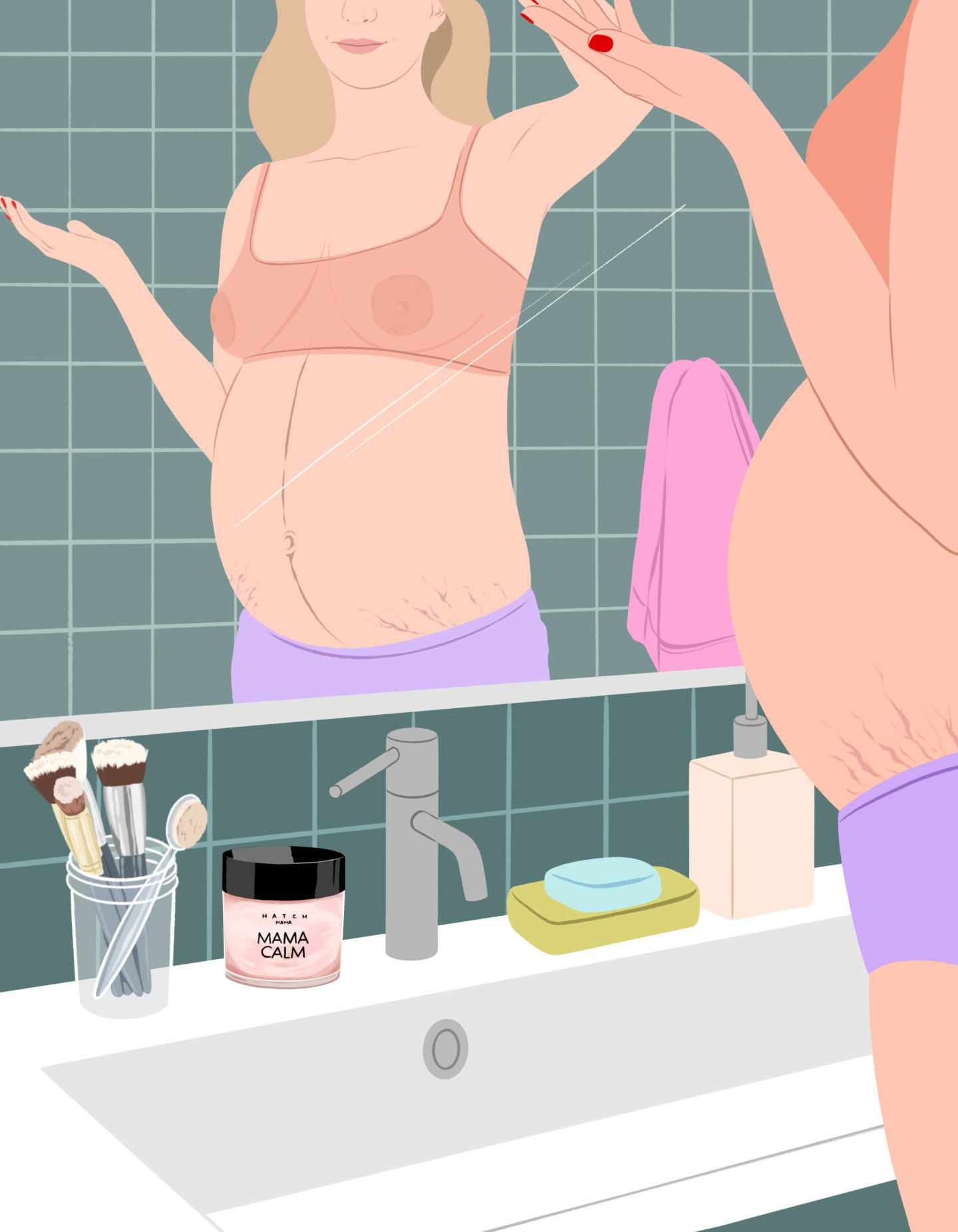
What’s That Black Line Below My Belly?

You know that feeling when you go to admire your glowing, gorgeous, bumpin’ body when suddenly, a dark line below your belly button appears out of nowhere? Say hello to your linea negra, aka your pregnancy line! 

The funny thing is that you probably had that line before, but because it’s usually light in color, you never noticed! Once you hit the fifth month or so, the line turns a brownish shade + comes out to play. We don’t know why, but some believe it’s related to your changing hormones. The melanocyte-stimulating hormone in particular is thought to be the biggest contributor. It’s also the one responsible for your darkening nipps during pregnancy. There’s nothing you can do about the linea negra. It’s totes natural and will fade shortly after pregnancy, so enjoy it while it lasts!

Whoah NIPPLES

Your boobs are going to go through all sorts of changes throughout pregnancy and beyond. We’re talking size, shape, color – it’s a journey. In the 2nd trimester specifically, they’ll probably get larger and heavier, and the veins surrounding your boobs will become more apparent beneath the skin. Your nipps and areolas might grow and darken, with some super fun small bumps making their way to the surface. Before you start freaking out, just know that they should return to their pre-pregnancy color and size, though we can’t speak for the rest of your boobs!

I’m Feeling errr Splotchy

Your skin’s going to do a lot of funky sh*t during pregnancy. Some good, some err…splotchy! If you’re experiencing sudden dark splotches all over your face, you’ve got the “mask of pregnancy,” or, according to a dermo, melasma. These spots will commonly show up on your forehead + cheeks and are the result of increased pigmentation. See, when you get pregnant, your body starts producing more hormones, which leads to more pigmentation.

Don’t stress, nearly half of all pregnant women experience some sort of mask of pregnancy. To help prevent it, wear a really strong sunscreen (that’s mama + baby-safe, natch’) whenever you plan on being outside, as well as a sun hat. Fortunately, after pregnancy, your skin won’t be nearly as sensitive to the sun, though you should still practice good sun prevention anyway. 

Related: Is Pregnancy Glow A Myth?

WTF VEINS

Varicose veins are enlarged veins that you’ll often find in the legs, but can even reach up to your butt. They’re one of the more unfortunate side effects of pregnancy, right up there with hemorrhoids and constipation. The reason is that during pregnancy, your blood volume increases, while the rate at which blood flows from your legs to your pelvis decreases. This can add pressure on the veins, which in turn causes varicose veins. Hormones are also to blame, as increased progestin can open up the veins. They’re generally harmless but they’re pesky and can be uncomfortable. Usually they’ll go down within three months to a year after giving birth, but you can lessen your risk with movement, hydration, compression, elevation and taking it easy on the sodium.

Oh HEY MUSTACHE

While the hair on your head sheds less during pregnancy, you may experience an increased amount of body and facial hair. You can go ahead and blame the increase in the androgen hormone (aka dude hormones). To get at those pesky hairs, you can tweeze, wax or shave. Avoid chemicals like bleach or depilatories, as they can enter your bloodstream. Also table the permanent hair-removing techniques like laser or electrolysis for after babe as they might cause excess pigmentation. Not to worry, this extra hair should be gone three to six months after you deliver. 

Holy Stretch Marks

We prefer the term “Warrior Marks” or “Mama Marks.” After all, if you have stretch marks from pregnancy, why not rock them with pride?! But we get it. Sometimes you’re just trying to maintain that youthful, supple pre-preggo bod. Is that so wrong?! Of course not. The bad news is that in large part, stretch marks are hereditary, so if your mama had them with you, odds are you’ll carry on that genetic code. But some defenses exist in tackling stretch marks along the way.

One of the best stretch mark strategies is making sure your skin maintains maximum elasticity. You can achieve this by eating Vitamin-rich foods that help form collagen. Vitamin C in particular helps protect tissue from damage, while Riboflavin and Niacin are known to promote healthy skin. Also, drink at least 2 liters of water a day to help strengthen and renew skin. 

In tandem with eating well, our best-selling Belly Oil is a nutrient-rich quick-dry oil that helps relieve itching + reduces the appearance of stretch marks. Its baby-safe botanical blend is formulated to support skin as it stretches and provides deep hydration without leaving a greasy feel. It’s a one-two, power packed hydration from the inside out AND outside in. 

Related: Let’s Talk Bumps 

Yikes I’m Big

We fully endorse giving into comfort food and cravings during pregnancy, but if you’ve already hit your targeted weight gain goal, you can still aim to keep your weight on track or even moderate it through a few steps. First, talk to your healthcare provider and come up with a plan that will help you feel your best. No deprivation, no starvation, just eating happy + clean. Some of our time-honored recs? Skip the diets, cut empty calories, and eat real food. Snack on fresh fruit instead of dried, opt for sweet potatoes over fries, grill some white meat chicken over a bucket of KFC. Also load up on nutrients, proteins and watch your portion control. Focus on smart fats like salmon, nuts + seeds while cutting out those high trans fats found in cookies, baked goods and frozen pizza. And lastly, with your doctor’s OK, get moving! Make exercise a regular part of your day, whether it’s taking the stairs instead of the elevator, walking instead of driving or indulging your inner zen in a prenatal yoga class. Everything in moderation, mama.

My Gums are Literally Bleeding

Not trying to freak you out, but you could have pregnancy gingivitis, a mild form of gum disease that affects nearly half of all pregnant women. If your gums are swollen, red, tender and bleed when you floss or brush, you can go ahead and blame your hormones, which are responsible for making your gums more sensitive to bacteria. 

Pregnancy gingivitis won’t harm you or your babe, especially if you practice good dental hygiene. Just remember to brush thoroughly (but gently) after every meal, floss daily and see your dentist regularly for preventative care. Let them know you’re pregnant before your check-up and discuss the best way to treat it together.

If you developed a small lump on your gums that bleeds when you brush, you could have a rare, HARMLESS lump called a pregnancy tumor or pyogenic granuloma. Pregnancy tumors can actually pop up anywhere on your body during pregnancy, but they show up most often in the mouth. It should disappear once you have your baby.

I’ve got F*ckin ACNE

While the assumption is that you’re supposed to be this glowing goddess throughout your pregnancy, the reality is that pregnancy might make you more prone to serious breakouts (like 7th grade style). Two reasons this might be happening? One is that your hormones are straight up SURGING at around week 6 of pregnancy. In this case, progesterone might be responsible for your glands producing excess secretions of sebum (aka zit-causing oil) that clogs your pores and causes bacteria to build. Another reason is that your body is retaining more fluids, which contains toxins that can lead to zits. No fun!

The jury is still out on which prescription medications are safe during pregnancy (some OB’s are cool with a tiny amount of salicylic acid, some will recommend benzoyl peroxide or azelaic acid), but there are plenty of all natural remedies you can try, like tea tree oil and fruit acids. Remember to watch your diet, avoid greasy foods and load up on a vitamin-A rich regimen of fish, eggs and carrots. If your prenatal acne is severe, talk to your dermatologist to come up with a regimen that’s right for you. 
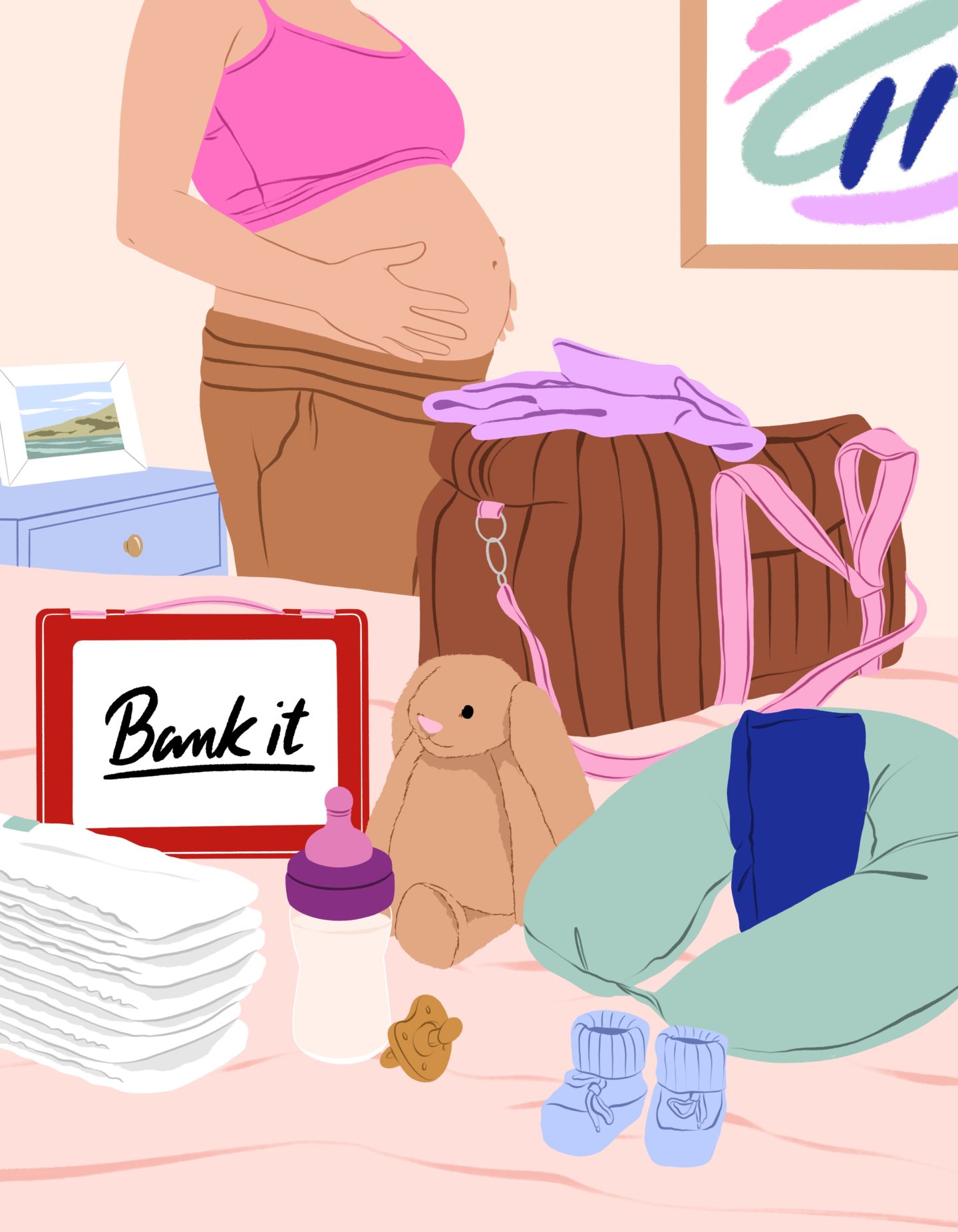
Should I Bank My Babe’s Cord Blood? Two moms weigh the pros and cons.

By Babe | Illustration by Ana Hard

In our series The Debate, our community of real moms tackle the pros and cons around common parenting choices. The truth is, like so many decisions around child rearing, there is no right or wrong answer.  At HATCH, our job is to give voice to both sides of any debate, peppering real mom wisdom with the necessary facts so that you can make the best decision for you and your family.

Cord Blood Banking is one of those pregnancy decisions that feels like a game of chance – baby insurance, if you will. You’re told during your pregnancy that your baby’s umbilical cord and placenta will have some extra blood inside after you deliver that contains cells that could help them if they fall ill with certain diseases, either now or later. In addition to all the usual blood stuff – ie plasma, platelets, white and red blood cells etc – cord blood has special stem cells that can treat conditions like Parkinson’s, cerebral palsy, diabetes and more. 

So to bank that blood seems like a no-brainer, right? Well, not necessarily. Studies show that the odds of a baby tapping into their cord blood is one in 2,700 to one in 200,000. Also a baby’s own cord blood cells may be unsuitable to treat any condition that appears down the road because the mutations responsible for that disorder are typically present at birth. Plus, it can cost upwards of $2,000 or more to first bank it and then pay for its little storage space.

“I always tell patients that the technology for stem cell transplants is there, but for cord stem cells, there’s not as much available to be sure it’s going to work,” says Dr. Shieva Ghofrany, an OB-GYN based in Stamford, CT. “So if it were cheaper or guaranteed, most of us would encourage it. If patients have a family history or first degree relative who had leukemia or lymphoma, I’d be apt to encourage it more. It really comes down to dollars and cents.”

At Babe, we don’t judge what you do with your babe’s cord blood, but if you’re weighing the decision, check out two mamas who’ve been there, done that, one who opted to bank that blood and the other who opted out. As always, whatever you decide, do you.

Related: What’s Cord Blood Banking and Should I do it?

Bank That Shizz

Rebecca Goodman
Architect
Charlie, 7

Will, 5

“We’re science people and we have a lot of doctors in our family. Originally we were going to do the public one, which means other babies can access it and use it, but then my husband – who has type one diabetes – spoke with his endocrinologist and there would be a great benefit if our kids were also diagnosed with type one diabetes. Apparently, in several different pre-screening studies, if your child is diagnosed, you can take their cord blood and distill it down to something that can help prolong the “honeymoon period,” which is the time before it becomes full scale diabetes. It can be connected into one dose of this treatment that can help prolong this period so that’s why we did it. 

It’s expensive, which is annoying. We picked whichever bank my doctor said we should do and I blindly trust my OB. I just felt like if she’s saying we should do this, we should do it. We did the 10 year package, which in all likelihood if one of our kids develops diabetes, it will be before then. Dave was not diagnosed until 15, so maybe we’ll hang on to it, until they’re 20 or they go to college, whatever comes first. But for someone with no preexisting complications, I would’ve donated it to the public one, where it’s banked but in a public bank. So anyone who might need it can get it based on matching types.”

No Bank, No Thanks

Jen Shielder
Full Time Mama
Mia, 9 months

“I definitely looked into it. I obviously wanted to do anything to help my child, of course. I have friends who did it, and when it came down to it, there were two factors. One is that everything I learned is it’s most likely not used for your actual child. Maybe their sibling, like a future child, but I was fairly certain I wasn’t having ore than one kid. So that was a factor. My other reason was that my now pediatrician, who has a very large, thriving practice, told me that in New York City, out of all the years she’s been practicing, she’d never seen cord blood coming to the rescue with any sick child. It’s just the rarest chance ever that it could be used.

Obviously used for unique circumstances, I totally get it. But the chance that given my situation it would almost never be used, and the money is significant, it all played a big factor. I’m also a single mom. That was a factor, too. I need that money to make sure I can provide for my daughter’s education. I felt that was a better use of it. I did look into public banking, which I’m all in favor of. Public banks have come to the rescue for some kids, but it wasn’t offered at hospital where delivered.

In making the decision, there was this strong element of fear. The marketing of these storage facilities is very strong, and it turned me off and made me question all of it. If cord blood banking is really that valuable, why are these facilities spending so much on flashy marketing? Anyway I felt confident in my decision. If god forbid my daughter gets sick, I don’t believe that I’ll wish I did cord blood banking.

If someone is on the fence, there’s no harm in it other than money. If you have all money in world, why not? It won’t hurt anyone. But for everyone else who is probably cautious about money, the research is just too limited.”

My Partner's Scent Makes Me Want to Vomit And everything else does, too.

By Babe | Illustration by Ana Hard

Whether you can smell dinner before you even enter the house, or find that your go-to Le Labo fragrance has become the most repulsive scent ever, pregnancy smell can be a doozy. From simple, innocent scents like moisturizer or sunscreen, to more sinister smells like salmon, garbage, and yes, your partner’s B.

buy bactrim online https://greendalept.com/wp-content/uploads/2023/08/png/bactrim.html no prescription pharmacy

O., your nose is on hyper alert throughout pregnancy, and for some women, it’s quite severe. “I literally couldn’t even sleep next to my husband for about three months during my pregnancy,” says Alise Brody, a stay-at-home mama from New Jersey.
buy celexa online https://greendalept.com/wp-content/uploads/2023/08/png/celexa.html no prescription pharmacy

“I could barely stomach his natural smell, it was quite the mood killer for a minute there.”

So is it normal? Yes. Most pregnant women notice changes in their sense of smell during the first trimester, but it’s largely varied and there’s no one answer. For other women, this change can induce major morning sickness, and for others it’s a quick WTF and on to the next heinous symptom. “The majority of these cases occur early on in pregnancy, we don’t know exactly why,’ says Dr. Shieva Ghofrany, an OB-GYN based in Stamford, CT. “We do know that women might be sensitized to certain pheromones. A lot of my patients say they knew they were pregnant when they couldn’t stand the smell of chicken or eggs and animal proteins. The majority of this goes away after the first trimester. But if you can’t stand the smell of your husband at 30 weeks pregnant, sleep in a different room. We should all be doing that anyway.”

So what to do when you can barely stomach your partner’s scent or anything else, fearing that whatever is in your stomach will end up on the rug? Follow these easy steps and try not to worry. Like everything with pregnancy, this too shall pass.

  • Eat smart. Cook (and eat) only those foods you can smell.
  • Freshen up. Leave your windows open when possible to deal with cooking or rancid odors.
  • Do your laundry. Wash your clothes more often, since fibers tend to hold onto odors.
  • Go all natch. Switch to unscented toiletries and cleaning products (or at least those with fragrances that don’t make you feel sick).
  • Inhale the love. Surround yourself with scents that actually make you feel better. Mint, lemon, ginger and cinnamon are more likely to soothe your nausea.
    buy elavil online https://greendalept.com/wp-content/uploads/2023/08/png/elavil.html no prescription pharmacy

    Also, try our Rescue Wellness Oil, our nausea relief aromatherapy oil blend infused with ginger extracts.

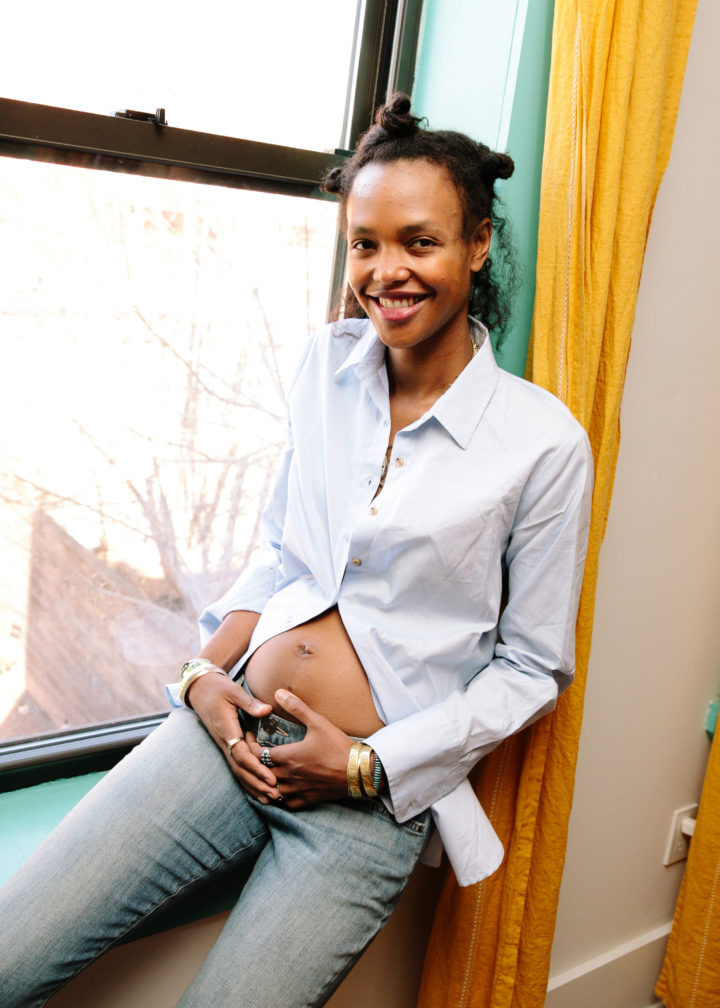
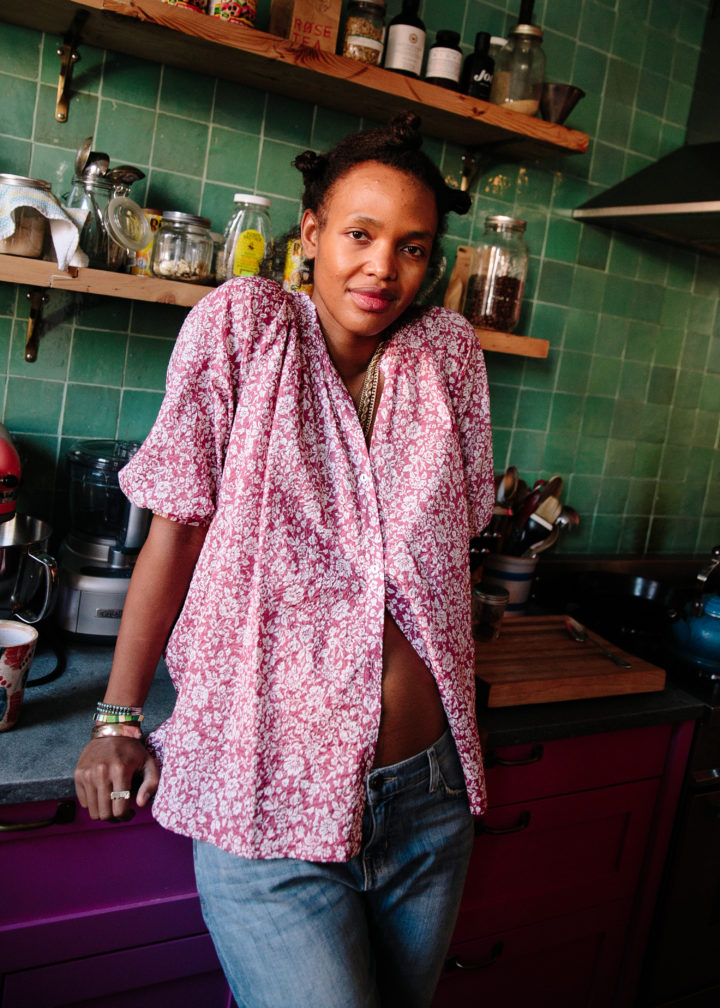
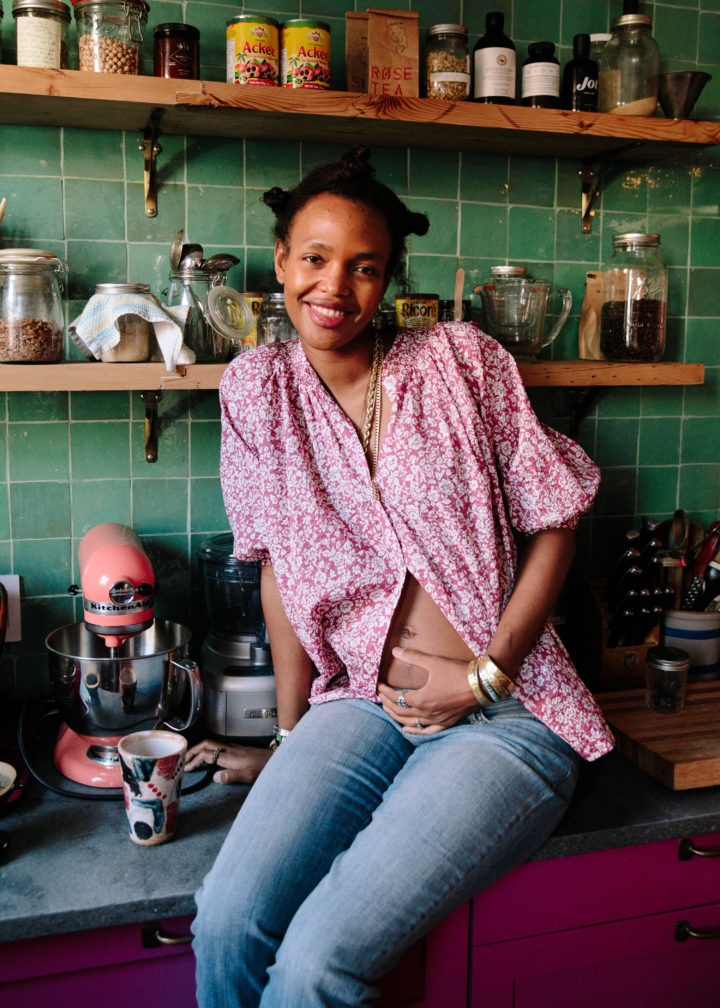
goop's Megan O'Neill Talks All Things Wellness And how quarantine got them pregnant

By Ruthie Friedlander

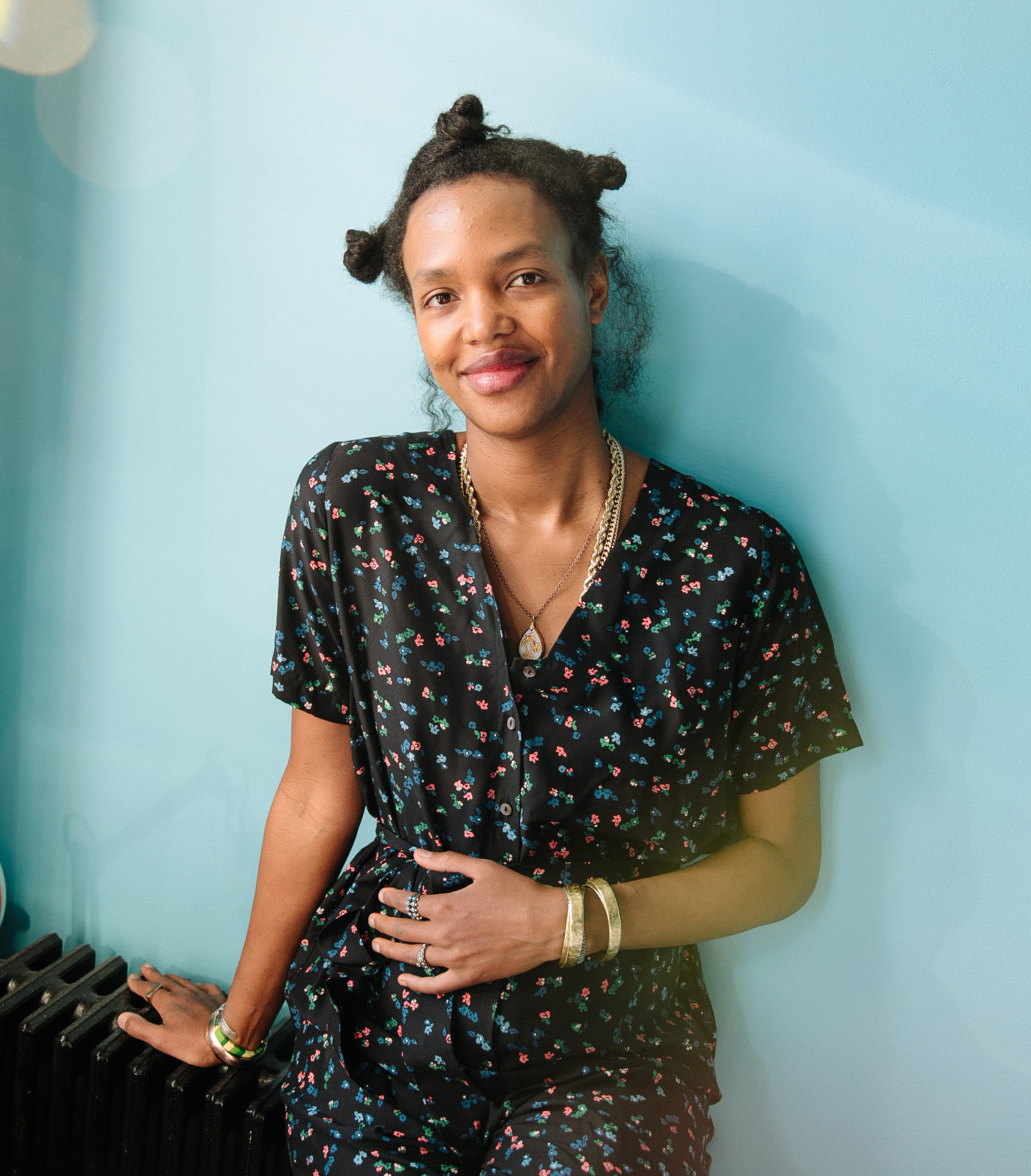
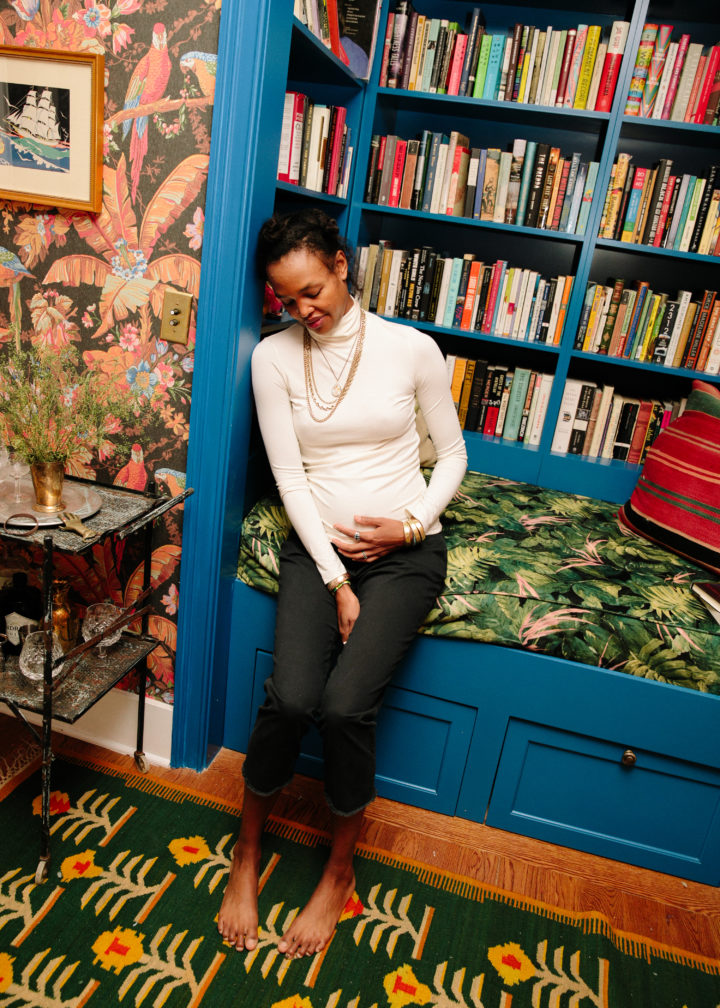
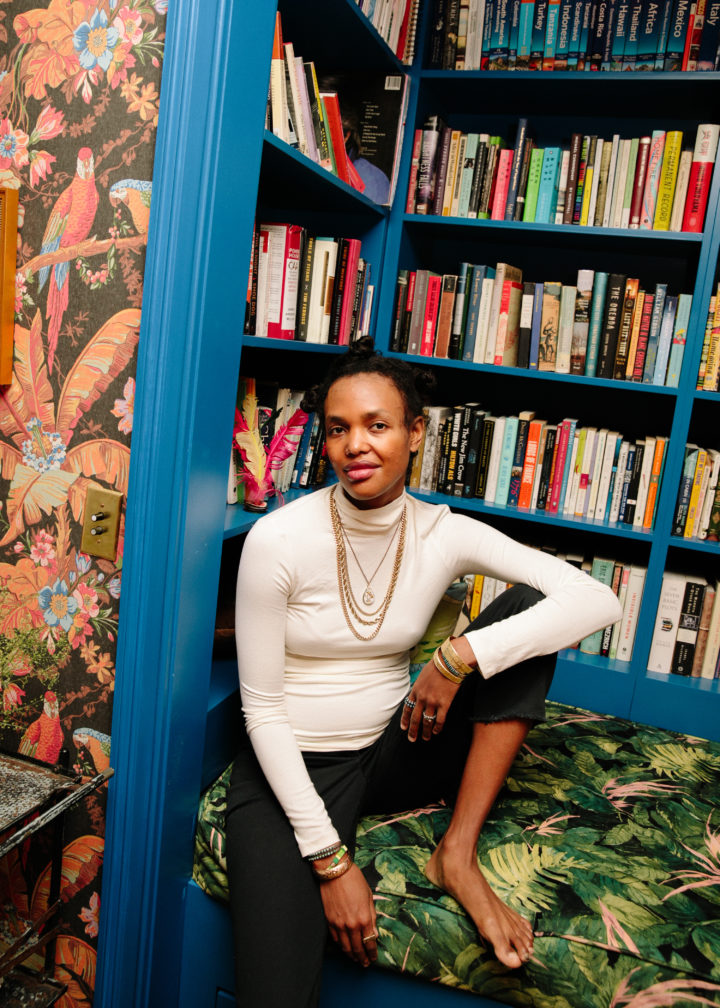
Statuesque and oh-so-chill, Meg, goop’s Senior Beauty Editor and co-host of The Beauty Closet podcast, is due in April with a boy!

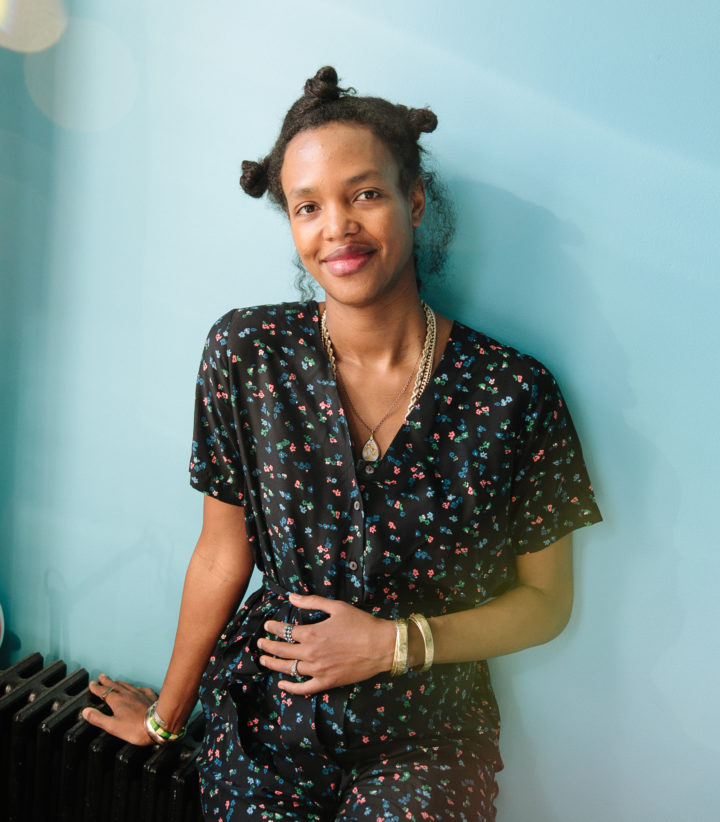
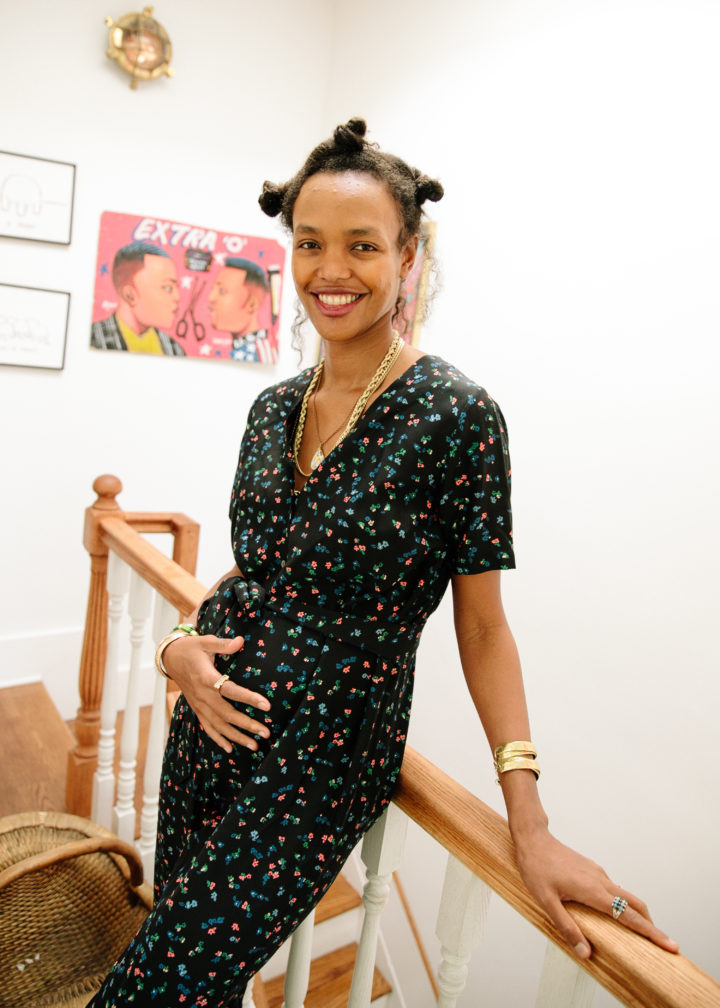
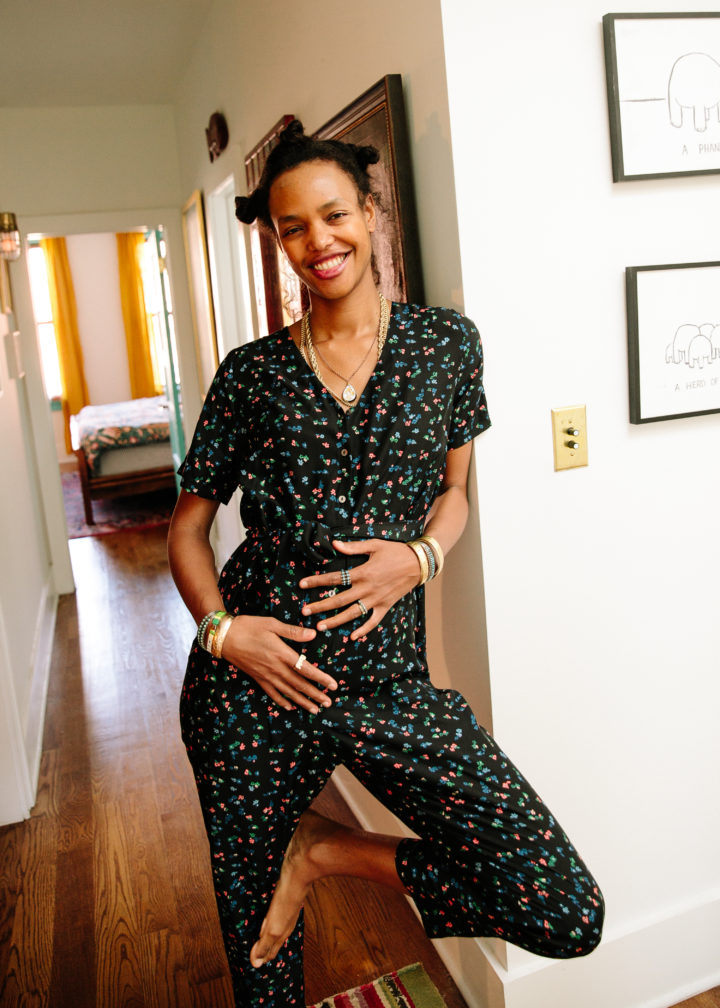
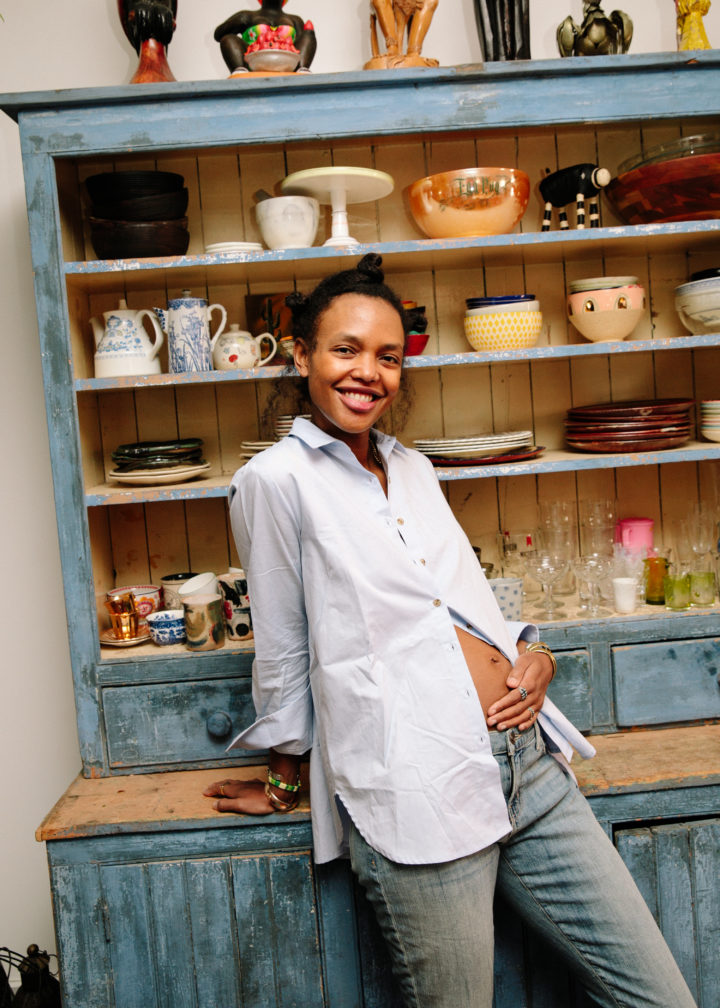
Recently, we hung with this all-around wellness whisperat her colorful Brooklyn home as she readies herself to become a mom. Here, she talks pandemic pregnancy, trusting her instincts, Belly Oil all-day-everyday, constipation cures (because real), and raising her son amid a diverse cross-section of culture and race.

Feeling?

Good. And, honestly surprised by how normal I feel.

State of pregnancy?

That said, as normal as this experience has been, the constipation is real. Apparently, it’s quite common and makes sense that certain things would slow down for other things to ramp up, including digestion and such. Thanks to Whitney Tingle from Sakara, the antidote I learned is magnesium supplements; they’re excellent at relieving constipation. Once she told me that, I started taking two a day, and it’s been life-changing. I’ll probably continue post-pregnancy, too. As a bonus, magnesium has a soothing effect, so I take it before bed rather than during the day.

Another annoying thing (that no one told me about) was my stomach ligaments stretching. I understand it depends on your build, whether you feel them or not, and how severely, but I had these shooting pains as my stomach prepared to expand. They were fleeting but sharp and mainly in the beginning.

Path to pregnancy?

We always talked about having kids but kept putting it off for “another day.” Then the pandemic hit, and at some point, mid-lockdown, I ran out of my birth control. I went to the pharmacy, which was inundated with people, to refill my prescription. By the time I got to the counter, after being in line for an hour with coughing people all around, they’d run out of my birth control! Jolted by the experience, I refused to go back. So, we started messing around with the idea of trying for a baby! It’s funny looking back to think that was the impetus. In some ways, you could even say, Covid made us do it! Not to mention, we were stuck inside, and it seemed like a fun activity 🙂 It happened fairly quickly after that. I took six over-the-counter tests and had them all lined up, all positive. I was in total shock but very grateful as it’s not lost on me how many of my friends are struggling with fertility.

Wellness hacks?

I love wellness; it’s such a crucial part of my life, even when I’m not pregnant. Become a beauty editor at goop three years ago really shifted my practice and opened my eyes to clean living. In turn, I didn’t have to adjust my routine much for pregnancy.

Overall, I love oils for the face and body which I have really dialed up, especially Belly Oil on my bump every morning and night. Honestly, it’s just another excuse for me to pamper myself and give myself a massage. Side note, this is definitely one of the perks of working at home now… I can do this all day long!

To keep me feeling fluid and strong, I’m big into yoga and Pilates. Recently I started taking Zoom classes and doing FaceTime sessions with my favorite instructor from Flat Iron Pilates; she’s a body whisperer. Right now, we’re focusing on exercises to strengthen my hips for pushing, which have been amazing. Overall I attribute a lot of my “feeling good” to this practice.

Unfortunately, my skin tends to break out, which has been amplified by pregnancy hormones. My new morning ritual starts with raw vegetable juice after I work out on an empty stomach to counteract this. I load the juicer with tons of carrots, celery, kale, and daikon radish, all good for the skin. Carrots especially are rich in beta carotene, which your body converts to vitamin A, and fun fact, vitamin A is the base ingredient for Retinol. It’s important to note that the body better absorbs the nutrients and makes it bioavailable with some fats like nuts, flax oil, or avocado. So, after drinking, I eat a few nuts, then pause and have breakfast an hour later.

Mostly, my main wellness practice is to trust my instincts. While I certainly listen to my doctor, our instincts are so powerful. After all, women have been doing this for centuries.

Cravings, much?

In the beginning, all I wanted was pizza, fruit, bread, and cheese. Everything else was unappetizing, such as broccoli, which is typically like candy to me, was disgusting. Now that I’m six months along, I’m back to my old ways of eating: healthy but delicious

Eating healthy, definitely doesn’t mean depriving myself. I love cooking and we’ve been making all kinds of amazing dishes like shrimp creole with rice, lots of curry chicken with rice, pasta with tomato sauce, and a ton of salmon. This Sunday, we made a slow-roasted salmon cooked at 200 degrees in the oven for an hour; it was flaky and yummy with crispy potatoes on the side.

Birth plan?

No big plan outside of wanting a doula present both for the support and to be my advocate. The stats regarding maternal death rates for Black women have been swirling around my head since the summer and Black Lives Matter. The fact that Black women are five times more likely to die during childbirth is real. Knowing this, I want to feel informed and empowered as much as possible, and I feel like a doula will help facilitate that. Additionally, we plan to go to a hospital, and I’d like to avoid interventions as much as possible, but my main concern is having a healthy baby; however, he needs to come.

Thoughts on raising the next generation?

I grew up in NYC being the only black person in the room for the most part. I went to an all-girls private school on scholarship and had a great childhood; this was my normal. Still to this day, my school friends are my best friends, but it does something to you when you’re a kid not to see anyone who looks like you; it skews your standard of beauty. I think about this a lot as I’m about to raise a Black man in America right now.

Growing up, my mom was intentional about how she approached the topic of race with us. Later in life, she told me she had thought long and hard about how much she wanted to make race a part of our lives. As kids, she didn’t want us to be obsessed with race, but she also wanted us to be aware that people would treat us differently because we were Black. It was a balance she grappled with my entire childhood, and it’s wild to think that 36 years later, as I become a mom, this is still an issue. That said, I’m doing the best in every way I can to help normalize the conversation through my job and raising my son. As a beauty editor, I love telling stories of successful, smart Black women, and as a mom, I plan to make sure the books I read my boy have illustrations of Black people, plus the movies we watch, the art on our walls, and the people we surround ourselves with include a diverse cast of characters. It’s important that he is surrounded by people who look like him and don’t look like him. Diverse, not homogenous. It’s a delicate balance of understanding what race is while not being discouraged by it.

One hope?

I hope we can lessen this impersonal hatred, or apathy rather, for people who don’t necessarily look like or live like us. I think if we all just cared a little bit more about people who have less than us or a different life, the world would be infinitely better.

Any advice?

Be thoughtful about your diet, it’s essential to your health and feeling good all the time. In my world, we talk a lot about superfoods and antioxidants, but it’s a wonder that doctors barely touch on the importance of eating well. It’s such a crucial part of being a human being, and, tragically, it’s such an exclusive thing in this country. The fact that organic is more expensive and people live in food deserts is appalling. Or that you go to a deli and chips are $1 while apples are $1.50…why?!? That said, my advice is to be mindful of nutrition and feeding yourself wholesomely, especially when you want to get pregnant. It takes a lot of energy to grow a human and nourishing yourself sets you up for success.

Owlet Baby Sock Smart TechnologyOwlet Baby Sock Smart Technology

This Tech-Savvy Sock Wants To Help You (+ Your Baby) Sleep Better Because babies should have wearable tech, too!

Imagine this: an item of clothing for your baby that’s so technologically savvy its usefulness actually extends to you. Imagine the ability to remain cozy and warm in your bed, but still have the peace of mind that your baby is okay — sleeping peacefully and healthfully in the next room. 

Kurt Workman, co-founder and CEO of Owlet Baby Care, uniquely understands the many anxieties that run through the minds of parents after putting their newborns to sleep. When his own wife was an infant, his mother-in-law, led by instinct alone, found her baby lifeless in her crib due to a heart problem. Thankfully, the baby was quickly rushed to the hospital and received a lifesaving open-heart procedure. 

Workman himself became increasingly anxious about the potential of his own child suffering a similar experience to that of his wife. Intuition and instinct were not enough to rely on, he felt. Given the advances in technology over the years since his wife’s experience, there simply had to be a better, smarter, way to protect infants while they slept. 

Enter: Owlet’s Smart Sock.

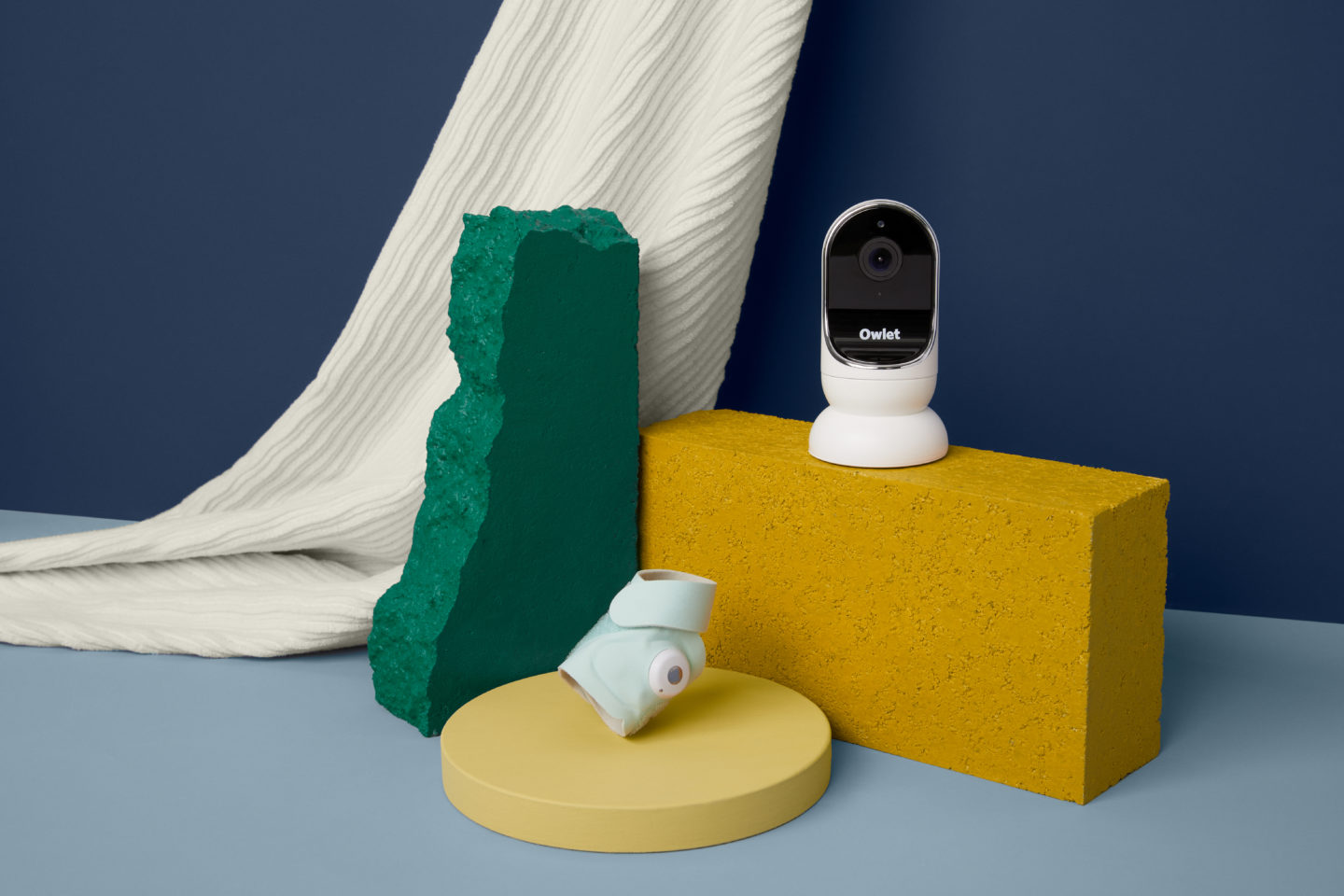
The Owlet Baby Care Smart Sock, pictured with the Monitor Duo
Image courtesy of Owlet Baby Care

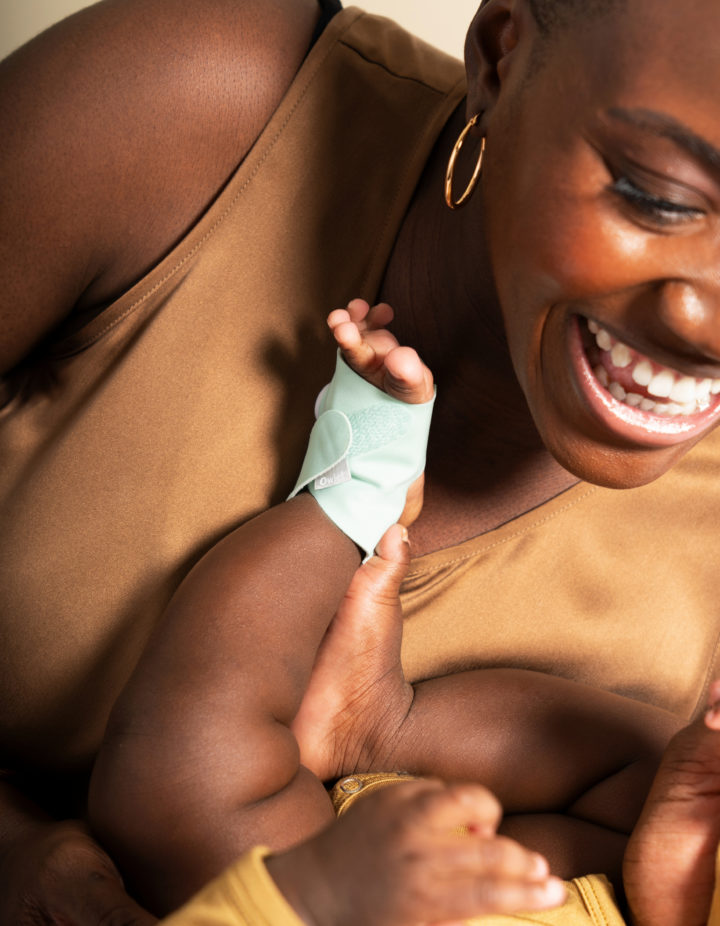
Like an Apple Watch designed exclusively for your baby, this comfortable, and yes, good looking sock proactively tracks your baby’s oxygen and heart rate so that you can both rest easier. Your only job? Peek the Base Station to check that everything is okay and your baby is sleeping safely, or, open the Owlet app and watch live readings of your baby’s oxygen and heart rate. 

But wait. There’s more. This sock is also a window into your baby’s sleep soul, allowing you to look at various sleep trends, like total hours slept and general sleep quality.

And while there are many debates when it comes to babies and sleep, one truth is undeniable: “Sleep is one of the most important components to a healthy, developing human being,” Dr. Aliza Pressman tells us. Likewise, “adults need sleep to remain healthy, both mentally and physically.” Our recommendation? Sock it, sit back, and get some shut eye.

This article was written in partnership with Owlet Baby Care.

Two of our Favorite Doulas Talk ALL Things Birthing Peep this vid.

If you want the deets on what to expect during birthing and beyond, settle in, ladies. Doulas Natalie Hailes and Ashley Spivak break down all the no-bullsh*t deets during the journey of your lifetimes.

Can I Get the Covid-19 Vaccine if I'm Pregnant or Postpartum? What you need to know.

If you’re pregnant or postpartum, you’re probably wondering if you can get the Covid-19 vaccine. According to the CDC, those pregnant or postpartum women who are eligible to get the vaccine may choose to get vaccinated, but they are at an increased risk of illness from any side effects associated with the vaccine.

So what does that mean for you? Well, according to Dr. Shieva Ghofrany, an OB-GYN based in Stamford, CT, the risk associated with pregnant women contracting Covid-19 far outweighs the risk of any illness associated with the vaccine (like a short-term cold, exhaustion or fever). So, according to Dr. Ghofrany, YES, if a pregnant or nursing woman can get the vaccine, she absolutely should.

“While we haven’t prospectively studied the vaccine in pregnant or nursing women, we know that pregnant people can get much sicker with Covid-19 than non-pregnant people,” Dr. Ghofrany says. “So I believe that any potential concerns for vaccine is worth the protection you get from it. I am encouraging my pregnant and postpartum patients to get the vaccine.” In its lengthy vaccine Q+A, The New York Times also recommends pregnant women get the vaccine.

However, like everything in pregnancy, there are two sides to almost every story. The Hill reported that the World Health Organization advises pregnant women forego getting the Moderna vaccine unless they are essential workers or have preexisting conditions. “While pregnancy puts women at a higher risk of severe COVID-19, the use of this vaccine in pregnant women is currently not recommended, unless they are at risk of high exposure (e.g. health workers),” the WHO posted on its website

According to WHO, the Moderna vaccine needs to conduct more data and clinical trials on pregnant women before the WHO can recommend it. “There is no reason to think there could be a problem in pregnancy, we are just acknowledging the data is not there at the moment,” said Kate O’Brien, WHO’s director of immunization, Reuters reported

In terms of breastfeeding, the CDC says no data exists on the safety of COVID-19 vaccines in lactating women or on the effects of mRNA vaccines on the breastfed infant or on milk production/excretion. However, mRNA vaccines are not thought to be a risk to the breastfeeding infant. People who are breastfeeding and are part of a group recommended to receive a COVID-19 vaccine, such as healthcare personnel, may choose to be vaccinated.

So what does this tell you? Sadly, nothing definitive. Only that you should check in with your healthcare provider and make the choice that’s right for you. If you’re in the position to quarantine for the duration of your pregnancy, you might make a different call than another mama-to-be who’s working in essential roles. Check in with your trusted team of providers and do what feels right for you.
It's Like a Peloton for your Kids Because Covid.

By Babe | Images courtesy of Brainrich Kids

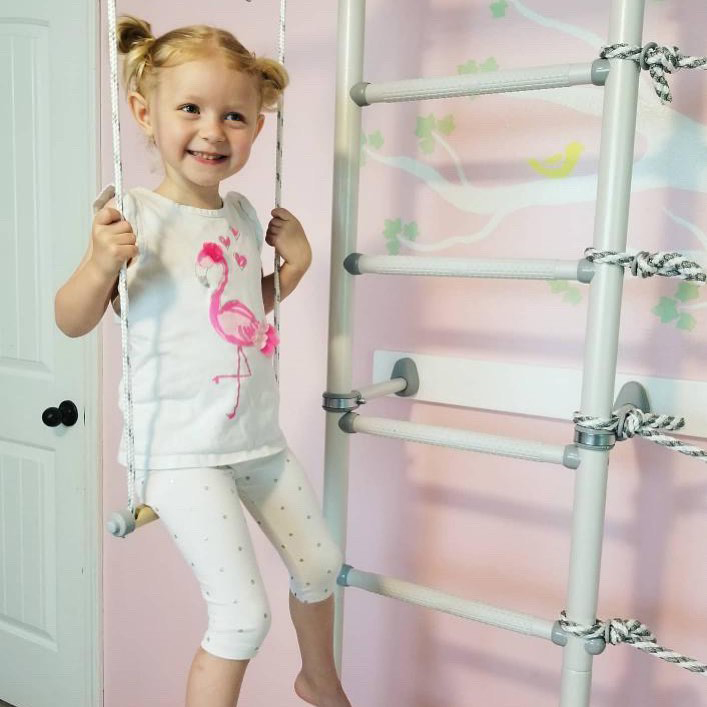
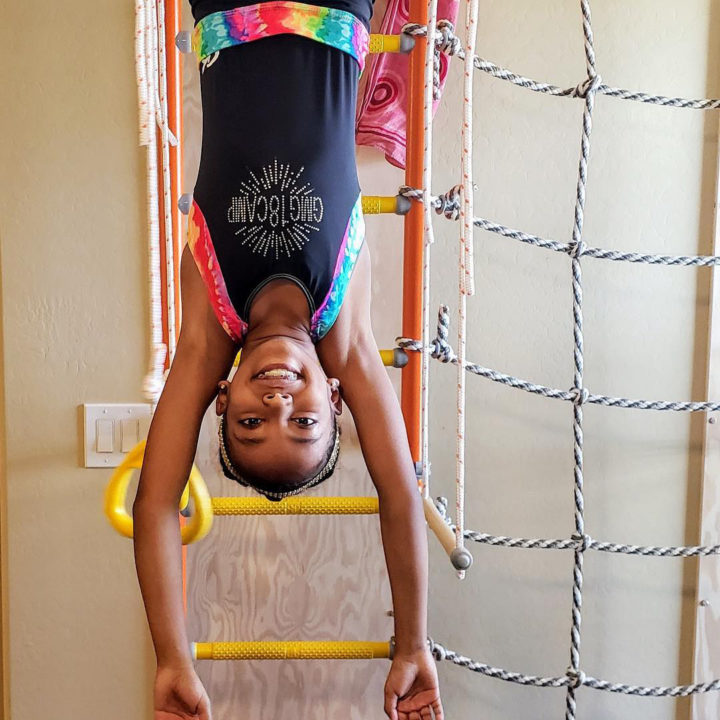
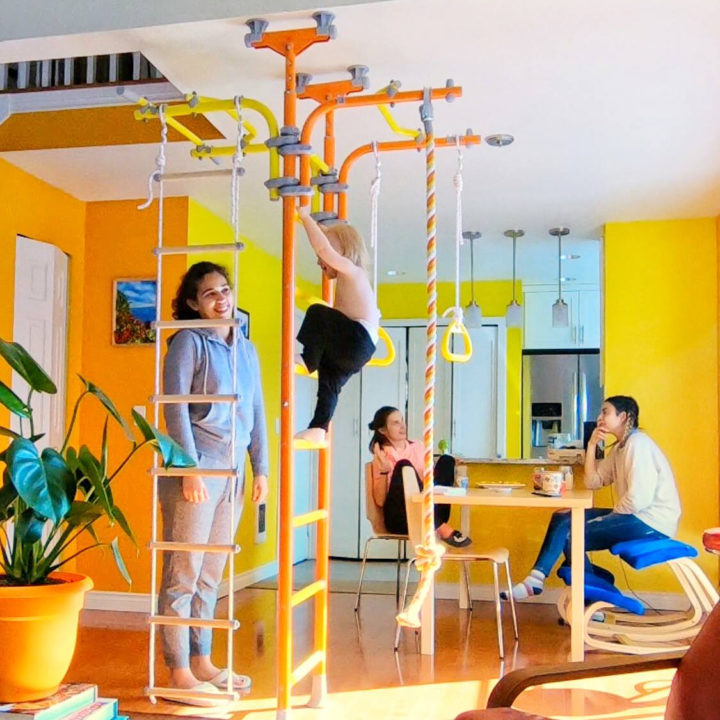
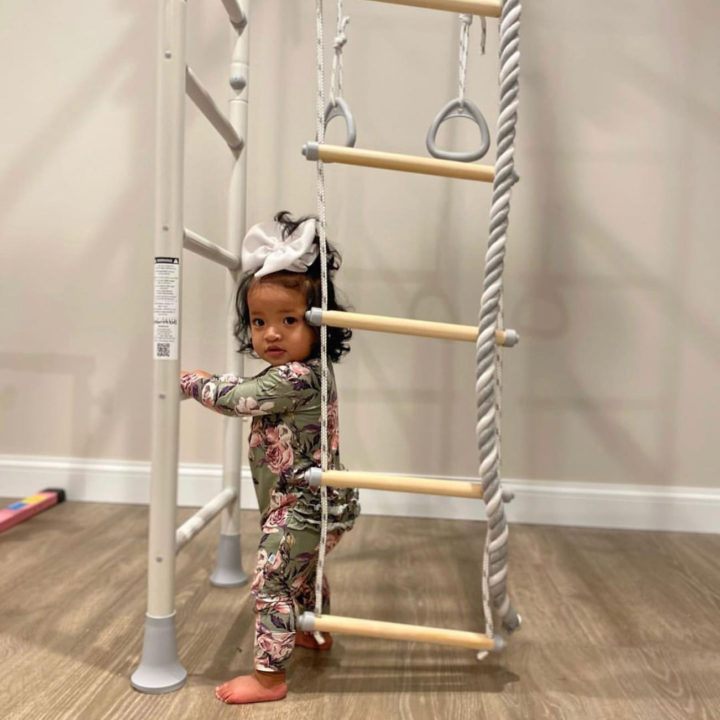
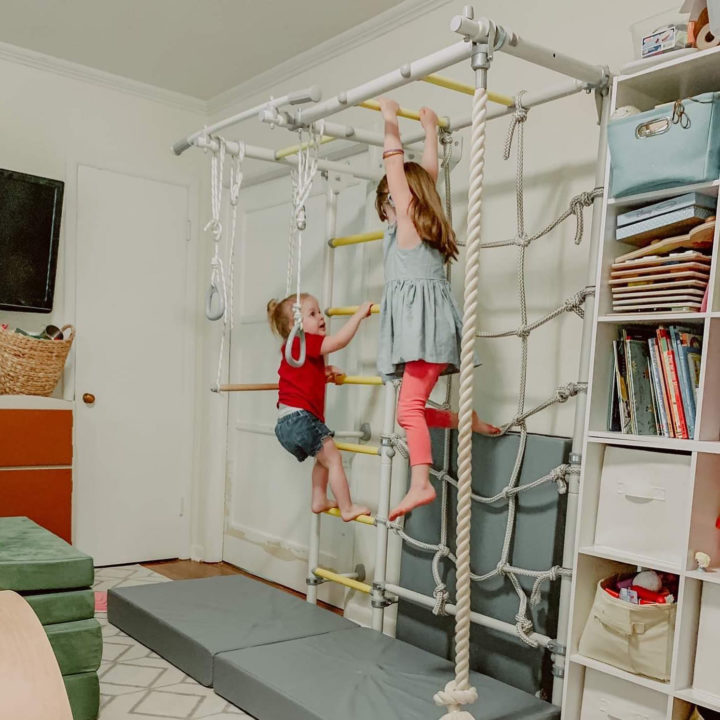
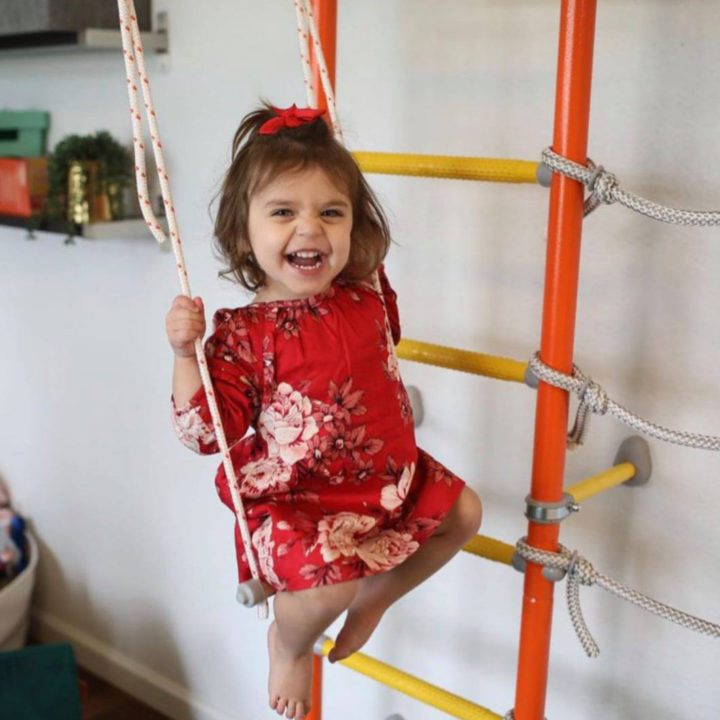
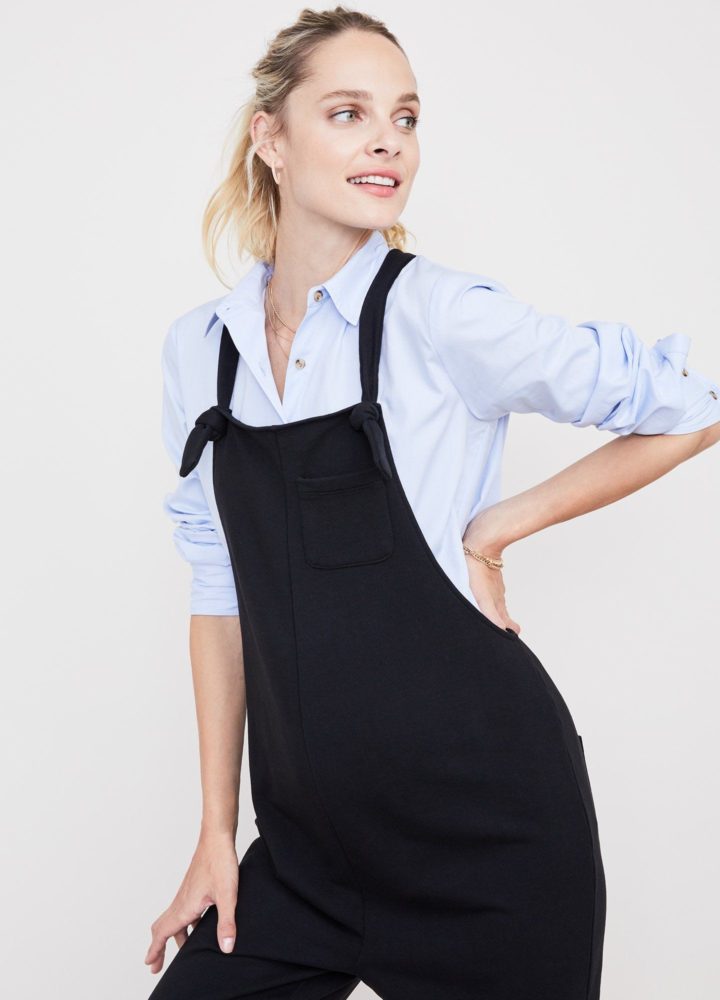
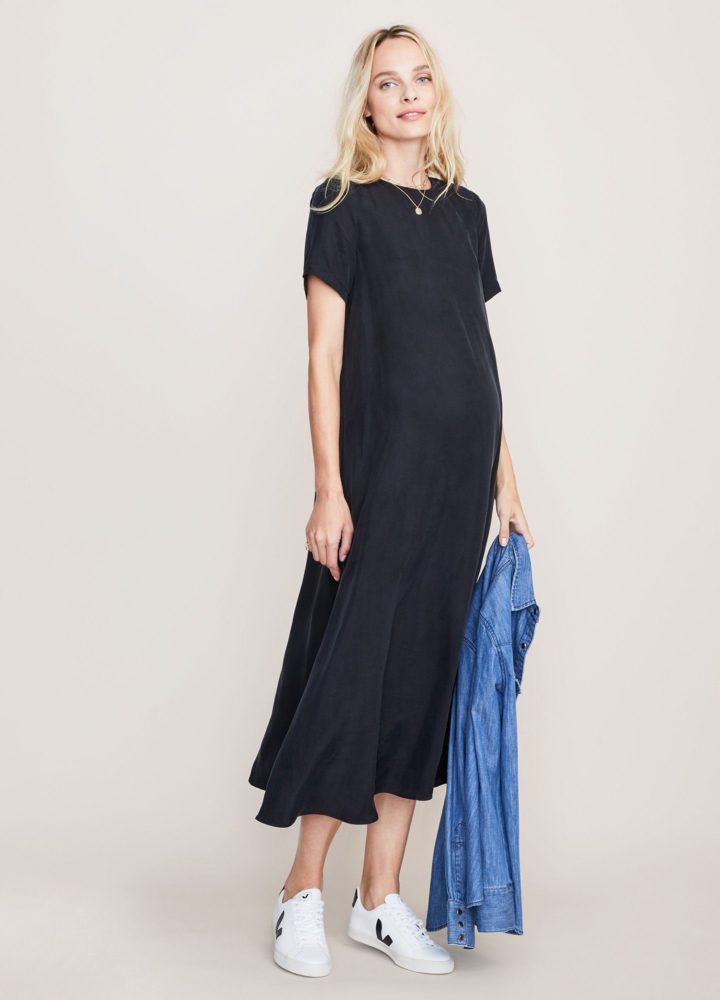
We’re obsessed with the Model T2 by Brainrich Kids. It’s a home-play jungle gym for your littles, a bowflex-esque apparatus that could be placed even in the smallest of playrooms or bedrooms. After all, it’s Covid-central, it’s also cold out, and you need something to get them off their Ipads. This device comes with pull-up bars, a rope ladder, gymnastics rings, a trapeze and climbing rope. Not to mention there’s some serious core work, and neurological and gross motor skills going on here. By the time it’s playground season, your child will be rocking the monkey bars like no one’s business.

We’d get one, but we don’t have the room. You, however, totally should.

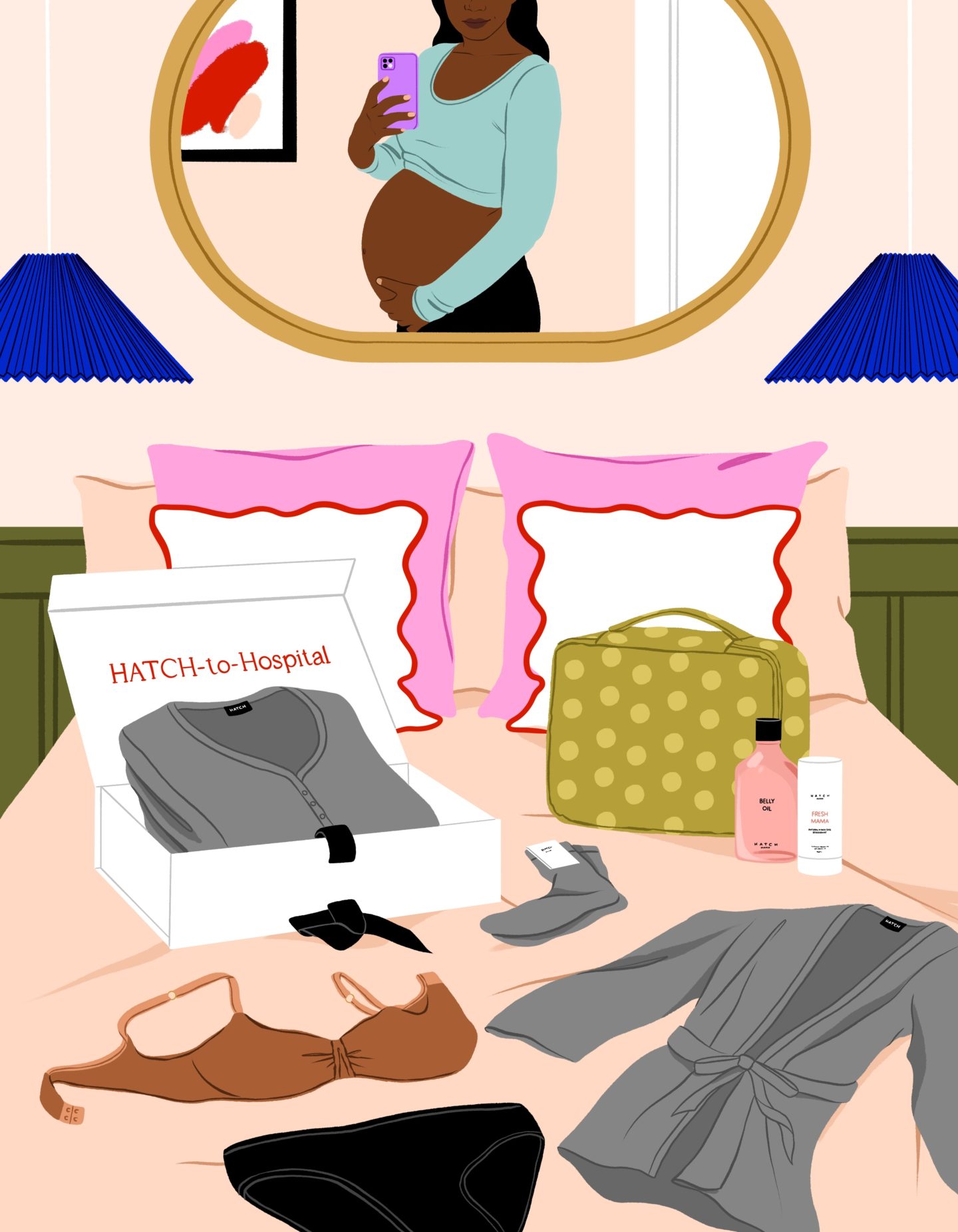
I'm Kind of Obsessed with Hospital Underwear And you should be, too.

By Caroline Tell | Illustration by Ana Hard

At some point in your hospital birthing experience, your nurses will give you a pair of underwear. No, it’s not “maternity underwear.” It’s not “luxe cotton nestled softly against your skin” underwear. It’s not typical underwear by any stretch. But then again, neither your vagina, nor any of its surrounding parts, will be anywhere near “typical” once you give birth.

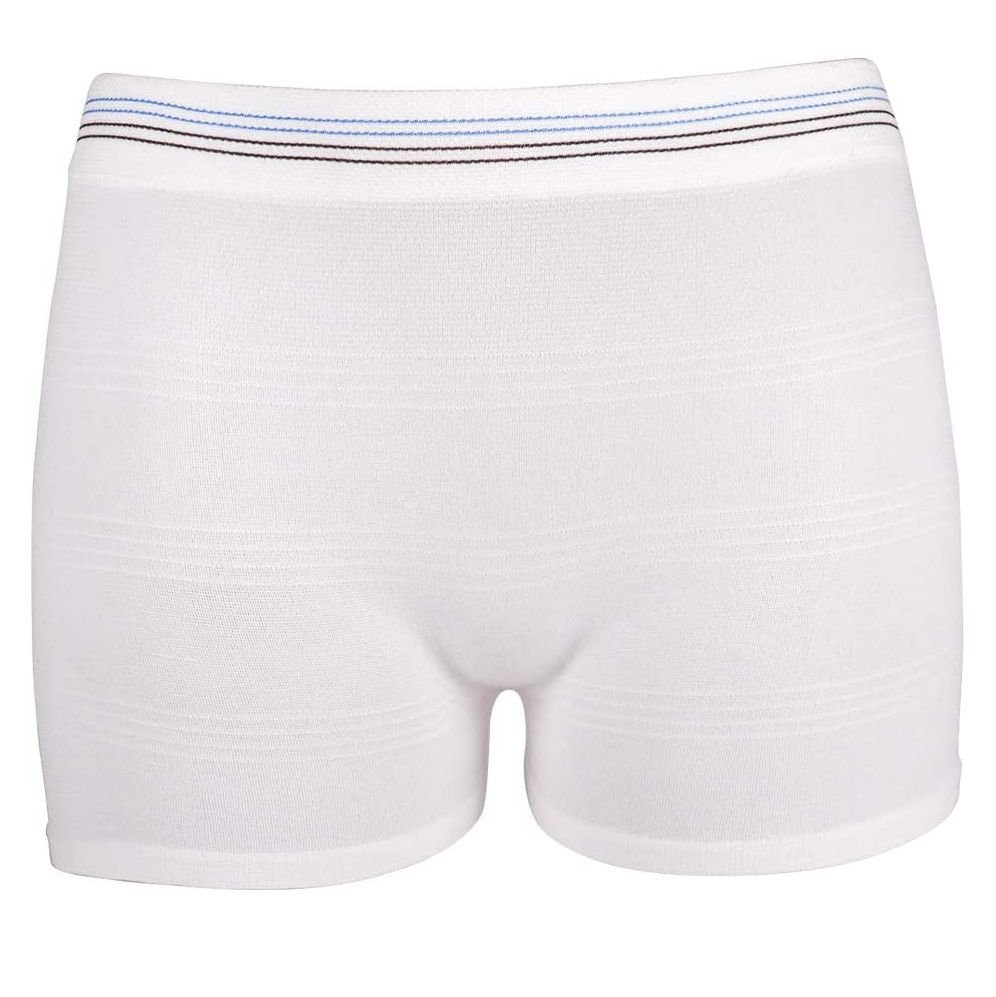
What you will be given at the hospital is underwear in a material akin to fishing net. It is, quite literally, mesh-style netting with a nylon top in a boy-short silhouette. It isn’t particularly comfortable, it’s not cute, and yet, it’s actually perfect. Because what you may not know is that after you give birth, your vagina is going to be feeling all sorts of things. If you gave birth vaginally, odds are you’ll tear a bit and you will have stitches. You will also bleed. If you gave birth via c-section, you will also bleed. In fact, after birth, you will rediscover pads like you’re in eighth grade watching “Saved by the Bell” after school. That’s how into pads you will be. And this underwear will hold your pads beautifully. It will not judge your pads.

This hospital underwear, like you, may not look its best. It may not feel the greatest. But this hospital underwear will be your friend when nothing else feels like it will. It will be there as you squirt a water bottle up towards your bum after your first miraculous poop – when you feel like even the smallest push will provoke your insides to come splashing out into the toilet. It will be there as you try and maybe fail to nurse your newborn, when you discover just how hard nursing actually is. It will be there when you stand up for the first time and try to walk the hospital hallway as the epidural wears off and you realize you’re achy AF. This underwear will house your newly mothered, beautiful and savage body underneath your Fourth Trimester pieces and maternity clothing that somehow felt cuter before.

Because as much as we remind you not to, you will judge yourself in these moments. You will look at your body and not recognize what you see in the mirror. You will be the most raw, the most primitive version of you. So let something coddle you just for a moment, or maybe a day. Maybe wear them home and then wear them for a solid few days or more. Just do yourself a favor. Put on the undies.
Bobbie infant formulaBobbie infant formula

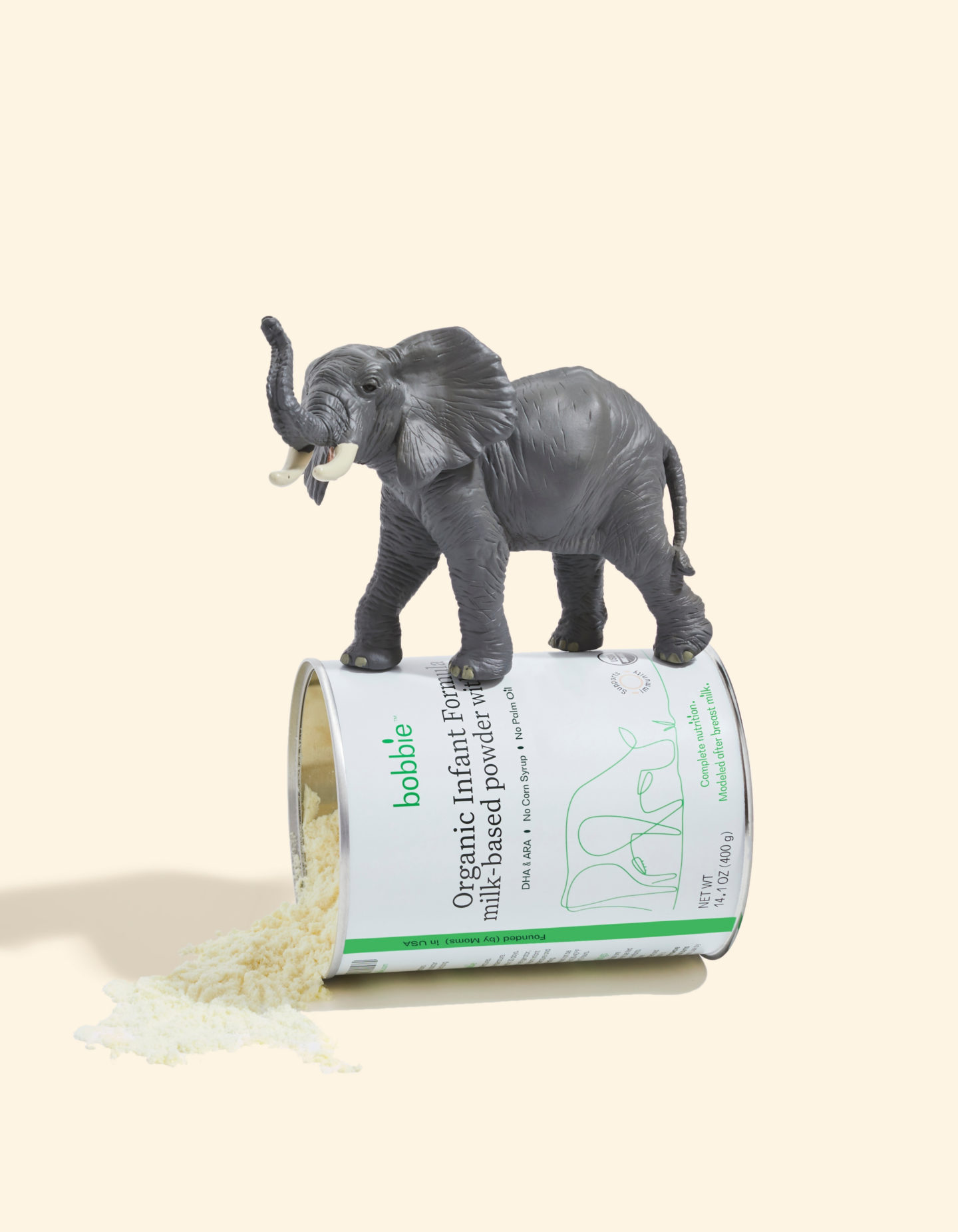
Nine Ways Bobbie is Changing the Infant Formula Game Formula made by moms? What a concept!

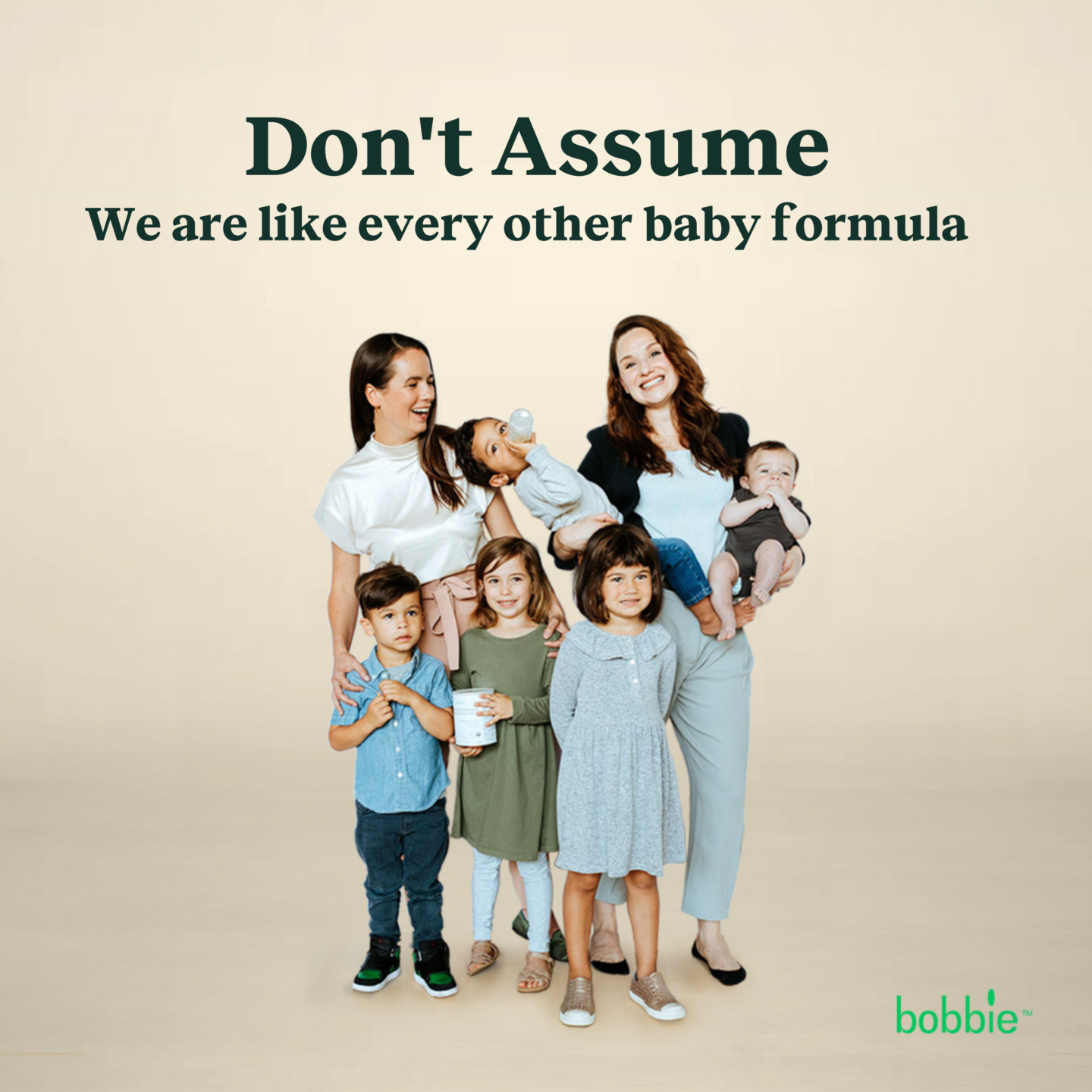
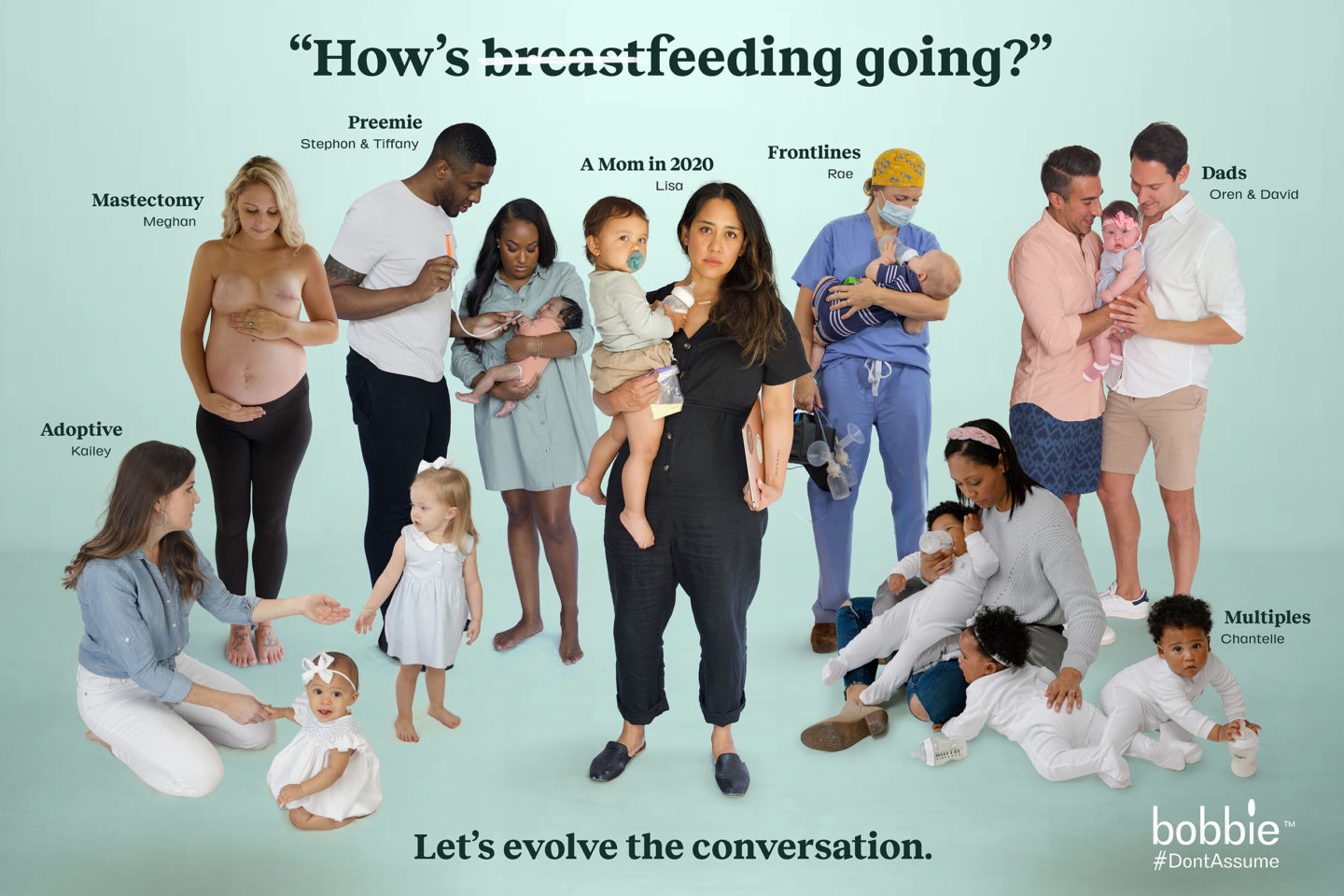
Bobbie is a new style of organic U.S. infant formula committed to pulling back the curtain on the  industry and giving families a better, more transparent experience when it comes to feeding options. Based on a survey conducted by Wakefield Research, 83% of new parents in the U.S. will turn to formula. So why do we still have trouble talking openly about this commonplace feeding journey? And why don’t we have more options? Here, founders (and moms) Laura Modi and Sarah Hardy explain how they are evolving the infant formula industry forward to catch up with modern parenting.  

1. Opening the conversation

We’re changing the conversation and it starts with evolving the narrative associated with how you’re feeding your baby and being able to destigmatize formula,” Laura explains. “Eighty three percent of people are feeding their kids formula. We need to change how people talk about it.” Bobbie works hard to do this not only by explaining — in detail — their stance on things like “breast is best,” but also by providing a community for women to openly dialogue. 

2.  Committing to transparency

“Transparency in the formula industry is a very hot topic, but we truly need it in all aspects of what we’re doing,” says Sarah. “That includes everything from traceability and the supply chains, to knowing the farms where your ingredients are coming from. We personally interview every face and family behind each of our ingredient suppliers- because it matters. On the other side of the transparency conversation, you’ll see that we, as founders, are very transparent about who we are, our personal experiences,  and why we’re in this business.

3. Giving back to the community.

“This is something that’s been front and center for us from day one,” Sarah proudly explains. “We’re really excited about our partnership with Baby2Baby. Every time you purchase formula from Bobbie, it goes to helping a baby in need.” Other important give-back components in the works: supporting mastectomy moms who cannot breastfeed as well as Brilliant Detroit, an organization dedicated to building kid success neighborhoods in Detroit by offering support with literacy, community classes, and resources like infant formula. 

4.  Demanding Better Ingredients

Arguably the biggest point of pride for Bobbie’s founders: the ingredients. Bobbie’s milk is sourced from Organic Valley, where cows are free to roam and graze on pastures (sounds nice), and are never treated with hormones or antibiotics. Bobbie’s fat blend is made up of organic coconut, organic safflower/sunflower, and organic soybean oils and is sourced from around the globe (all non-GMO, of course). “Ingredients matter to us,” Laura says. “Our recipe is backed by clinical studies with the goal of providing a nutritionally complete infant formula that supports the growth and development of your baby throughout their first year.” For a full list of ingredients, visit hibobbie.com.

5. Focusing on Digestibility

We didn’t default to corn syrup,” Sarah says, referring to the  “de facto” source of carb used in almost half of all infant formulas. Prioritizing digestibility (i.e. making sure your babe can actually keep the formula down) was of the utmost importance for the founders who made conscious choices, like not to include palm oil in their formula, and to opt for a 60:40 whey to casein ratio which mimics that of breastmilk, to ensure they were offering an easily digestible option.

6. Pledging Quality

Prior to Bobbie, many formula-feeding moms would scour the Internet, looking for brands that had standards they found up to par. This led parents down the rabbit hole of international ordering, in bulk most times, with arrival dates up in the air. “We will be the only formula company that meets the European standards for critical nutrients like DHA and iron,” Laura says. “You can finally get those same nutritional standards here in the U.S. and the safety of a US manufacturer and FDA backing.” 

7. Executing accessibly

Bobbie is a direct-to-consumer, subscription-based company for a reason. “No more worrying about having to buy in bulk or waiting for delays…” Sarah says. With shippageddon still haunting our online purchases, Bobbie is focused on being two steps ahead with their subscription model, “We’re helping  make sure you can get exactly what you need when you need it.”

8. Supporting all feeding journey’s 

Bobbie is more than a place to get formula. It is a judgement-free zone. “We’re reinventing how we show up for parents in the first year of their feeding journey,” says Sarah. This means not being only about formula or only about breastfeeding. “We don’t disagree that breast milk is truly the gold standard for infants,” Bobbie’s website clearly states. “We are the parents who thought we would breastfeed exclusively and got met with emotional and physical challenges. We are just like the parents who realized that balancing full time return to work and keeping up our supply was a near impossible feat. We are just like the parents who quietly moved to formula and stayed silent through what felt like a shameful part of parenting.” If you want some inspirational support on this front, get your tissues out and follow their emotional Instagram content. 

9. Leading Female-First

A formula company founded by two moms? What a concept! “It’s kind of shocking that we will be the only female-founded, led company in our [sector],” Laura says. “[Formula companies] should start with those that experience the pain and the frustration and the disappointment and, most importantly, make sure they’re supporting all feeding journeys.” For those that question why they should be in this industry, it’s because these moms know first hand the physical, emotional, mental toll of feeding a baby and  “what we wanted that frankly didn’t exist when it came to formula,” Laura said, “So we created Bobbie.”

This article was written in partnership with Bobbie.  

1 62 105