I Don’t Know How to Announce My Pregnancy How to announce when you’re not the one carrying.

By Ruthie Friedlander

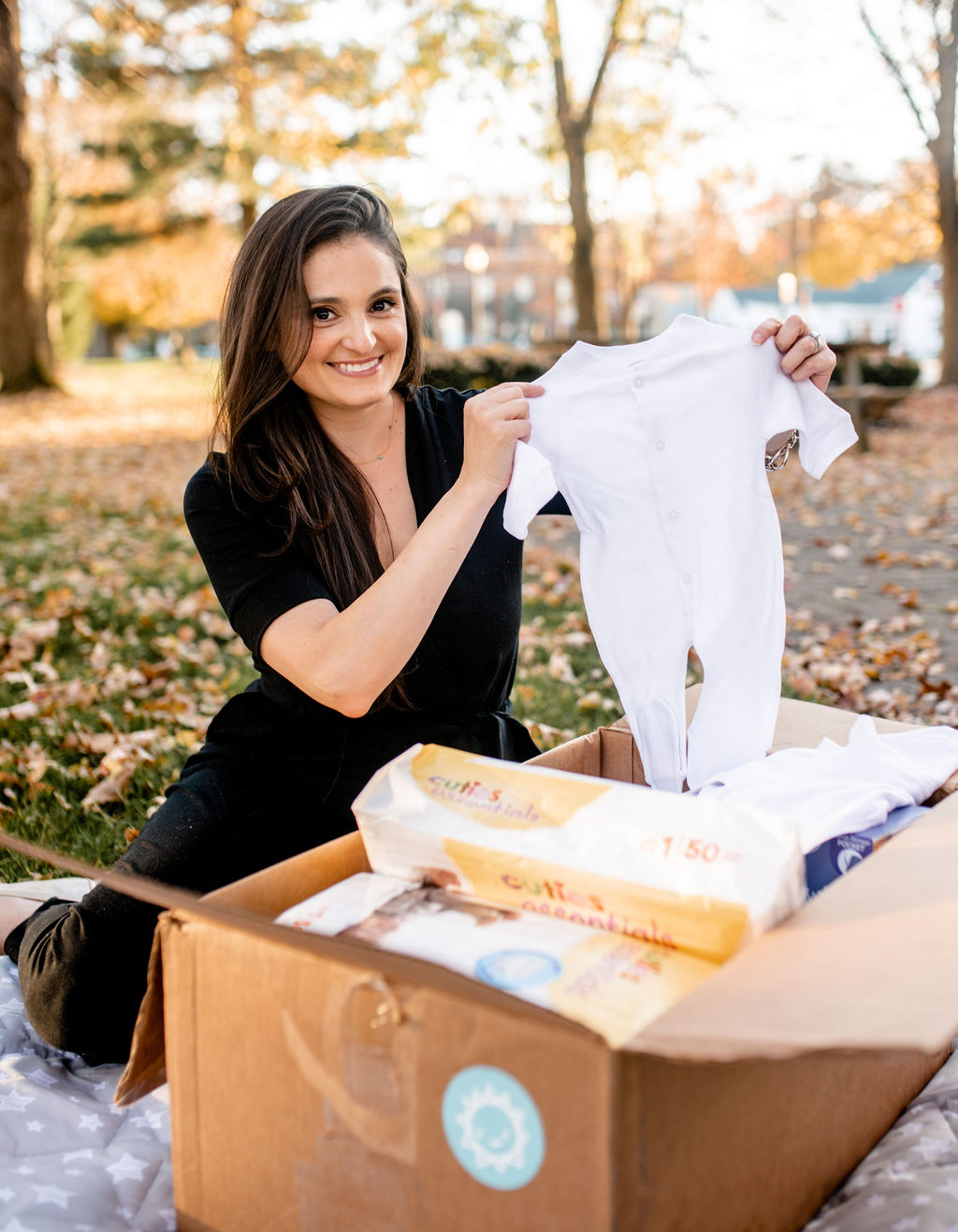
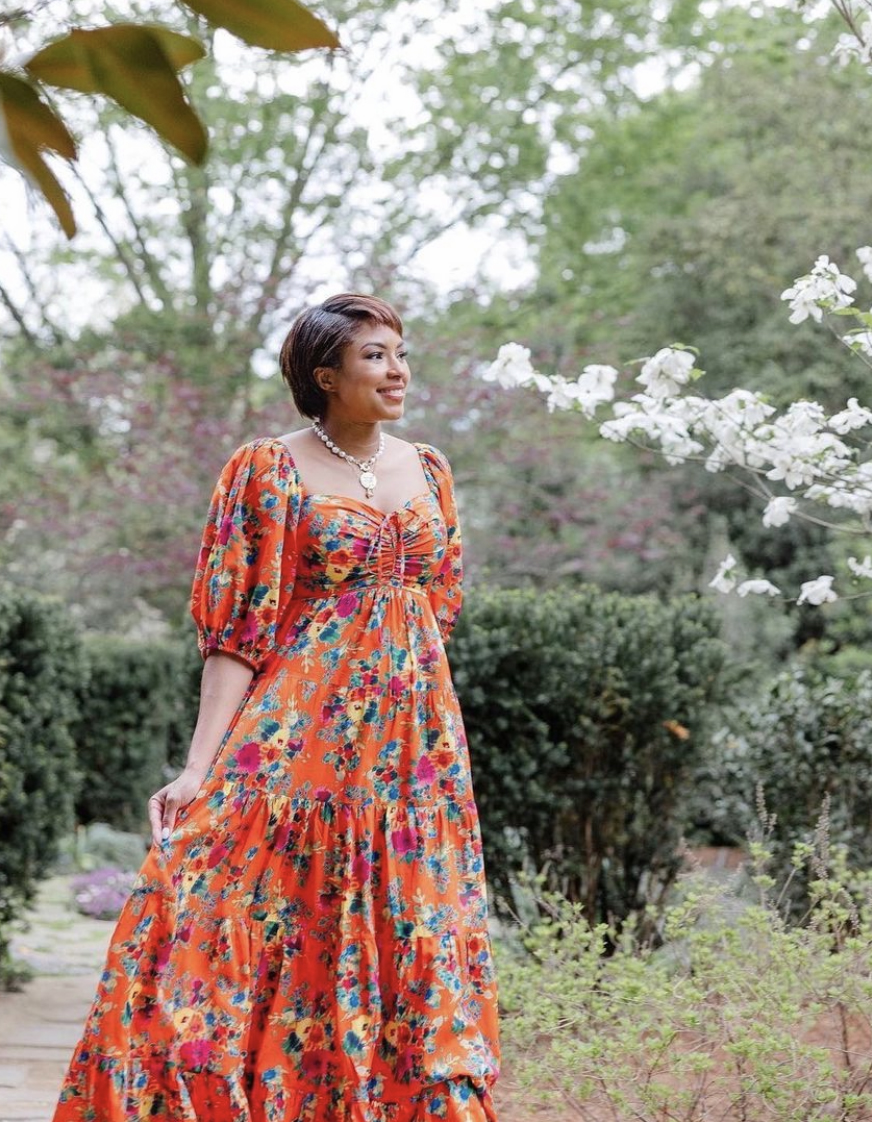
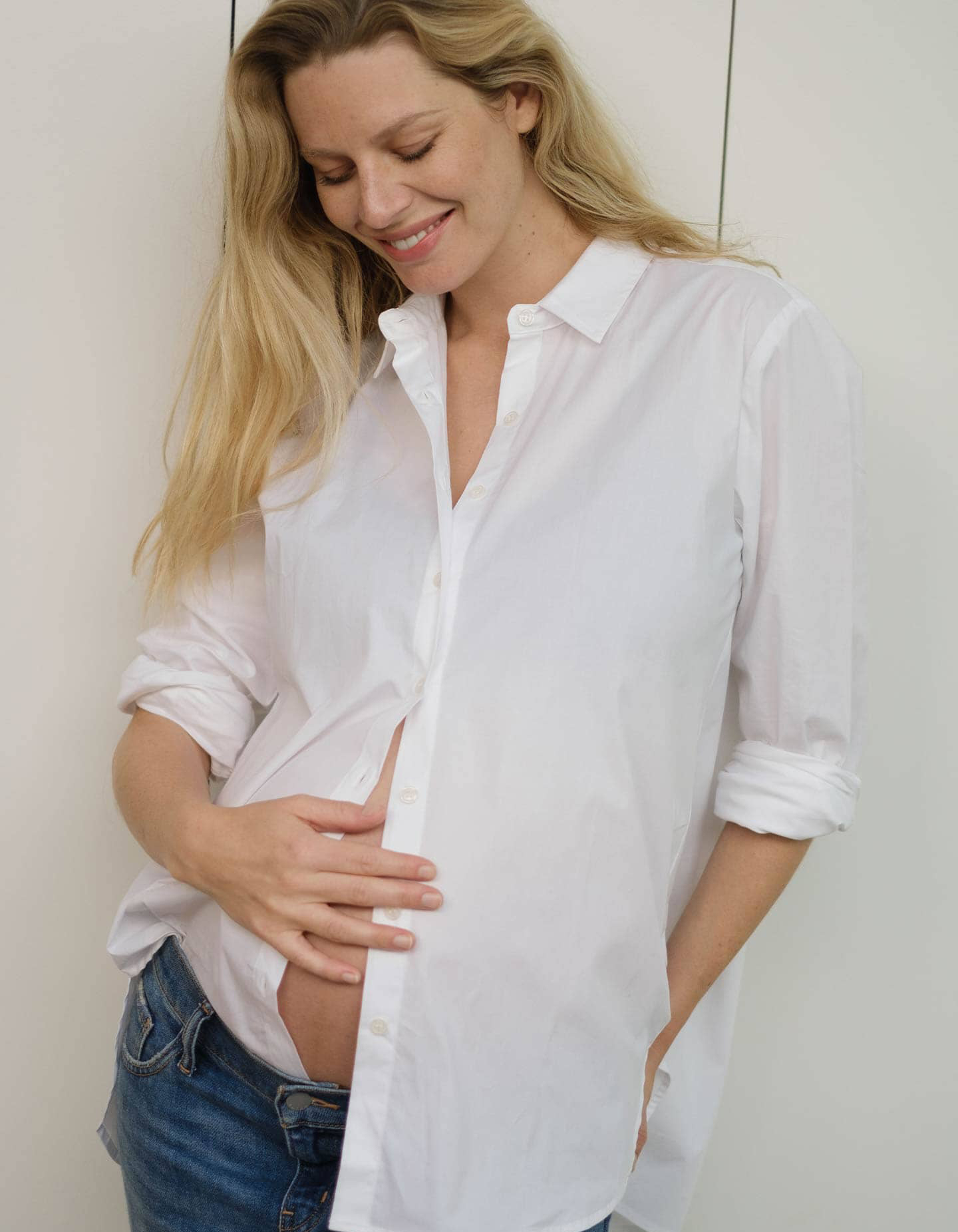
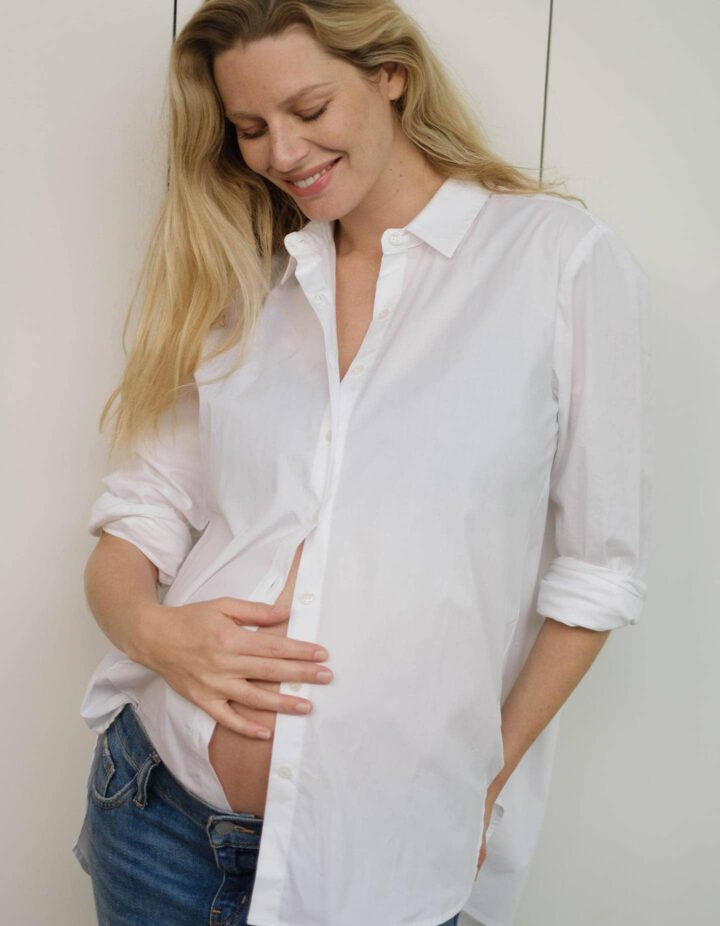
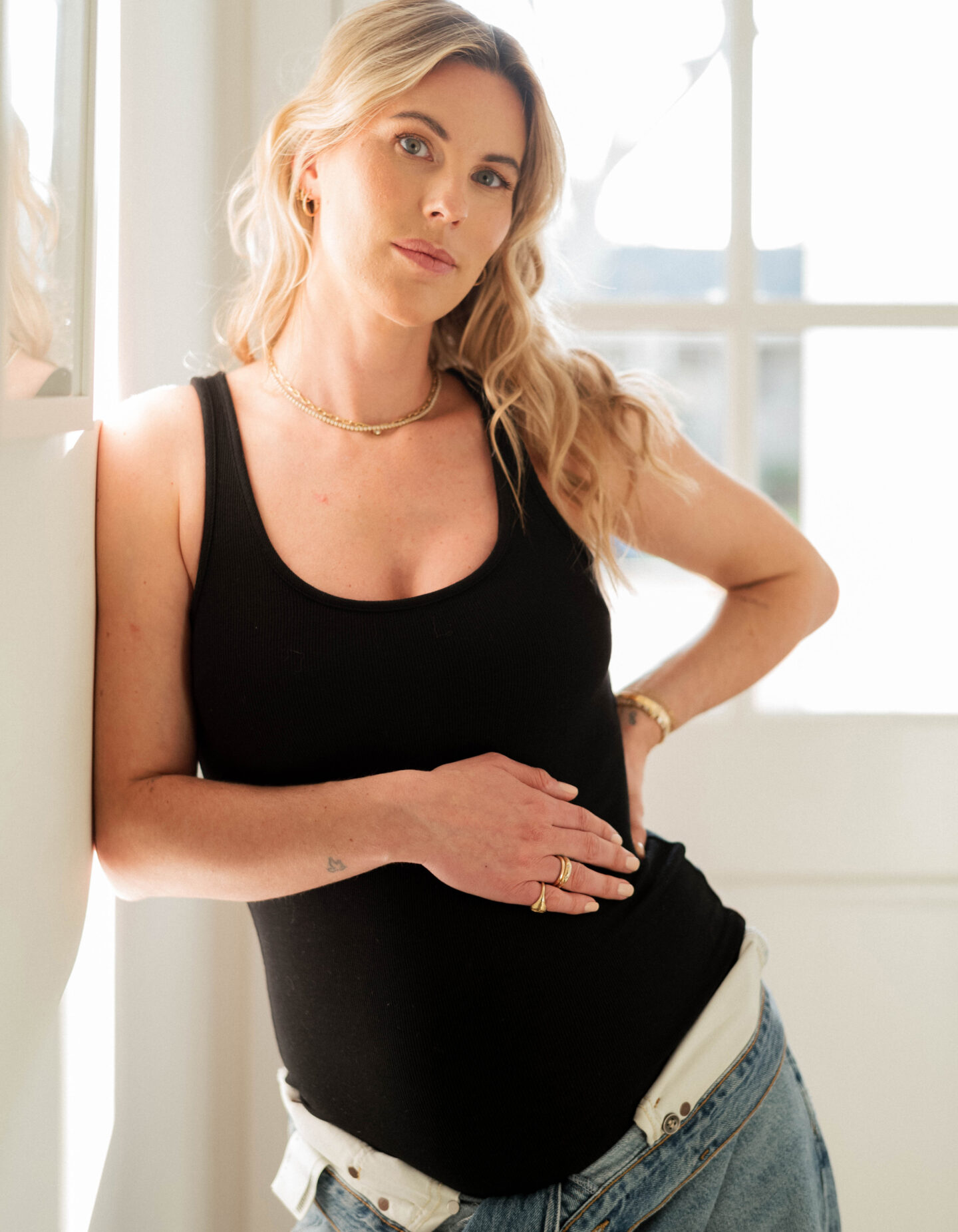
Let’s start things off honestly: The photo chosen for this story does not represent my experience. Even with all the AI photo-creating apps in the world, I couldn’t find one I could relate to that would go well with the story, so here we are.

The first photo posted on Instagram was of a dog. It was taken by Instagram co-founder Kevin Systrom, in Mexico, in 2010. It features a golden retriever named Dolly lying beside a taco stand. The caption reads “test,” simply a placeholder while Systrom was testing the app.

I was 23 when Instagram launched, making all my major adult milestone moments ripe for the app. Graduation. First day of a new job. First apartment. (ED note: It’s a shame we didn’t have the app in the ‘90s because my bat mitzvah would have made for some epic content. Spoiler alert: my theme was “literature.”). When I got engaged, I must have taken 500 options of our “ring pic.” I even posted the outtakes.

And yet here I am, amidst arguably the most significant milestone of my life, and Instagram has not yet been alerted. Our journey (and as “ick” as that word makes me feel, there truly is no other word for it) found its way to the complex world of surrogacy.

I am 20 weeks and two days pregnant, and in 19 weeks and six days, my husband and I will have a baby. However, as I am not the one carrying our child, the normal social cues that happen during the early days of pregnancy have not occurred.

Related: Discussing Fertility Journeys With Spring Fertility

Despite the excitement, anxiety, and all the rest of someone who is 20 weeks pregnant, no one is standing up to let me sit on the subway. No one congratulates me when they peer down and see a growing bump. No one is “hearing” an announcement post on Instagram or commenting with a flurry of “Mazels” and “Congrats” because I haven’t posted anything.

Which brings me to my personal debacle of how to announce. 

Given that Instagram can be deduced as a feed of milestone after milestone, I find myself pondering questions like: What does it mean to be expecting without carrying? How do you announce your pregnancy without a bump? What does it mean to be expecting without posting about it? 

When your journey has been two-plus years, involving multiple people, crossing state lines, and full of legal paperwork, when do you hop online and say, “We’re Pregnant!” How do you announce without all the context? When is the right time?

With surrogacy, there were so many “starts” that I wanted to share but didn’t. When we matched with our surrogate, when our embryos were created, when we drove to implantation, when we found out our surrogate was pregnant, and when we received the first sonogram. These were all moments I was desperate to blast to the world. I, too, wanted the love, the hearts, the dopamine hit to which we’ve all become accustomed.

I wanted my announcement at each moment: through the doctors, hormones, shots, agencies, paperwork… But in the end, I’d just go to bed pondering how I’d announce it after our next milestone. 

Pregnancy – in every form – is a time of emotional change, and seeing others’ seemingly perfect and glamorous pregnancy posts has led me to have feelings of deep insecurity and self-doubt about my own. This pressure to present a curated and idealized image of pregnancy on social media can be dizzying. Add surrogacy to the mix? I’m lost.

After much thought and contemplation (and anxiety), I have come to the conclusion that the best way to share our news is to embrace the unique route we have taken and tell our story as accurately as possible – all the weirdness included. So, without further ado, here is my long-awaited announcement; in 700+ words. 

This journey has been anything but ordinary as we have navigated the complex world of surrogacy alongside an amazing group of people. Still, it has only deepened our love and gratitude for those who have been along for the ride. 

This is the first of several stories I’ll be writing about our journey. To those who may be unfamiliar or have questions about surrogacy, I welcome your curiosity and hope to help foster understanding and compassion for the many paths to parenthood. 

Oh, and by the way, we’re due August 27th. It’s a girl. 

Can I Put SPF On My Baby? Yes and no and it depends.

By Danielle Halibey | Photo by iStock

It’s getting closer and closer to Memorial Day Weekend and the unofficial (yet, totally official) start of the summer season. So, we’re making plans, buying the fashion that summer dressing dreams are made of, and forgetting about the biggest thing that should be on every summer ‘fit list: sunscreen. Sunscreen for us, but just as importantly, sunscreen for the littlest ones in our fam. If you have toddlers and big kids, you might already have an arsenal of mineral sunscreen at the ready, but if you’re momming for the first time—or just recently added a new babe to the crew—then a safe suncare refresher should probably happen. 

Thankfully, you don’t have to go to another whole pre-baby first aid or CPR class (not a fun time, we know), because we’ve got sunscreen 101 alllll covered for you and your sunny sidekick. We even spoke with a board-certified pediatric dermatologist, Dr. Sheilagh Maguiness, MD, FAAD, to answer the big question: Is it safe to put sunscreen on baby? 

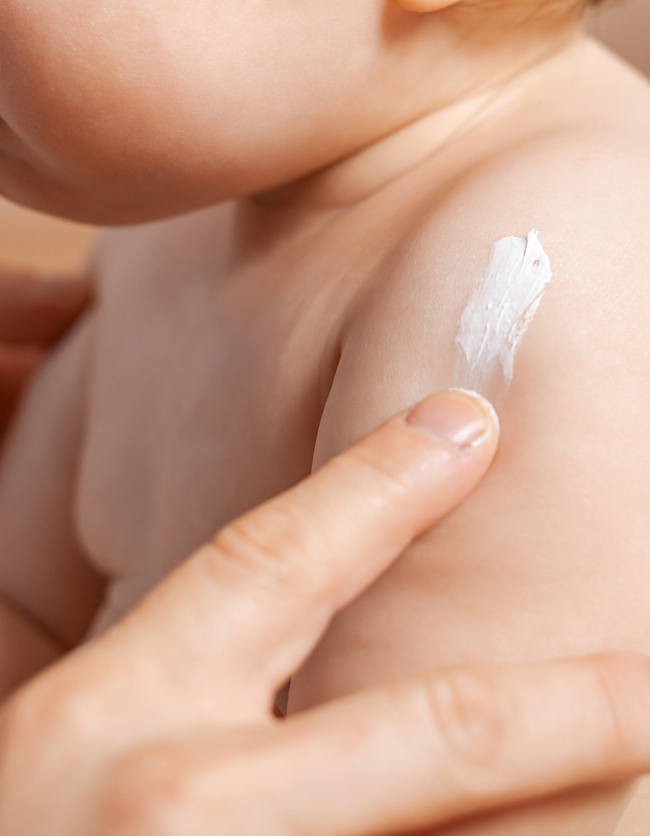
Short answer? Yes, but you’ll want to wait until they’re at least six months old. The FDA and the AAP (American Academy of Pediatrics) have had this recommendation for years now, but let’s be honest, has anyone actually asked about the real-life risks that make sunscreen before 6 months problematic? Well, Dr. Maguiness tells us that “an infant’s skin is not yet mature, it is thinner than adult skin and more prone to developing irritant reactions/rashes to application of a sunscreen (or any topical product/cream).” So there’s that… the rashes-may-happen reason.  

But in the last few years, other clinical trials have alleged that “chemical sunscreens (ie: ones that continue to use chemical UV filters such as avobenzone, oxybenzone, homosalate, and others), the active ingredients in many sunscreen products, are rapidly absorbed into the bloodstream after one application of the sunscreen,” clarifies Maguiness. Since infants younger than six months have a higher surface area to body weight ratio than adults do, plus a thinner skin barrier overall, they could [conceivably] absorb more of the adverse chemical compounds than older sibs, moms, and dads. 

There’s also the very real possibility that your infant, who likes to put everything in their mouth all day long, will put their fingers, wrists, feet in said mouths and proceed to lick/eat the toxic formulations. Yup, it’s gross, but we can’t exactly fault them for thinking a milky white, melting, dripping something isn’t breastmilk or formula. This just means that while baby is still getting used to life outside the womb, hold off on the sunscreen. There are just too many risks and unknowns there, and since baby can hang in the shade, wear cute sun-safe UPF 50+ clothing, and be a total vibe in sassy sunnies, opting for protective measures like these just makes the most sense. (Peep the 👇 for the picks and looks we love)

AEROMOOV Instant Travel Cot Playard 

Full disclosure, I took my August-born babe out a lot in his first three months—and I let him chill in the backyard with me in this amaze portable playard, when it wasn’t too hot outside. The UPF 50+ sunshade (sold separately) gives great coverage, especially if baby falls asleep and you don’t want to shake up their nap time slumbers. 

Monica + Andy Long Rashguard One-Piece

Name a more adorable look than a wiggly, jellyfish babe in a sun-reflecting romper. This one is lead and phthalate-free, and it features UPF 50+ technology that’ll help keep their skin protected ALL over—even though they’re not wearing any sunscreen. And yes, definitely “complete their look” with a whole bunch of sea-worthy wears for a day on the shore. 

Babiators x Dock & Bay Malibu Pink Navigator 

Baby’s eyes are SUPER sensitive, just like their skin, so don’t wait to style them in UVA and UVB ray-protecting sunglasses. We like Babiators because they’re cool, they’re safe, and they’re perfect for tiny trendsetters. You can get coordinating straps to tighten the fit, too.  

If your little will be hitting that magical six-month mark sometime soon, then definitely keep these babe-safe sunscreen tips on your radar:

Choose mineral over chemical.
There are two types of sunscreen in the world: mineral and chemical. The former works by creating a barrier between a person’s (and in this, a baby or toddler’s) skin and the harmful UV rays; it reflects sun away from the body. The latter works by penetrating the skin first and then absorbing UV rays—via a chemical reaction—before the skin can be damaged. The physical blocking versus chemical is safer and often more effective.

Prioritize zinc oxide as the chief active ingredient.
Dr. Maguiness likes zinc oxide as it offers a wide range of protection and will block both UVA and UVB rays very well. “Formulations with about 20% zinc oxide are typically what I recommend looking for with babies and toddlers.”

Filter anything under ‘SPF 50’ out. 

An SPF-50 rating means it would take you (a person: infant > 6 months, toddler, big kid, teen, etc.) 50 times longer to burn than you would if you weren’t wearing sunscreen. And it’s the protection factor Dr. Maguiness tells parents they should be looking for, without fail, when it concerns their babies and toddlers.

Switch out your sprays for sticks and creams.

By the nature of their “physical blocker” form, mineral sunscreens are usually sold as stick or cream applications. This is the coverage you want for your minis, because spraying “compounds near a baby’s face is where there is potential for inhalation,” says Maguiness. “To top it off, spray formulations are just difficult to apply evenly, which means you might not be achieving the SPF coverage you really need.”

To that end, when you’re dealing with a baby who wants nothing to do with sitting still, a mineral sunscreen stick could be your secret weapon. Dr. Maguiness loves ‘em, because she says “they are easy to simply paint onto exposed areas, remembering not to forget the ears, neck, and backs of hands!”  

And reach for your preggo-safe sunscreen, if it’s the only one you’ve got. 

We’ve been there 937 times before… getting through the gates at the zoo or finishing up a sweet picnic on the beach before hitting the water just to realize that s***, you forgot the sunscreen and your squishy babe is about to burn 😩. K, so before you melt down right in the middle of these should-be happy moments, if you happen to have a sunscreen you used while pregnant (especially if it’s one like our own 100% non-nano zinc oxide Sunny Mama Face + Body Duo SPF 50), whip that out. If it has no fragrance or phenoxyethanol, add a few bonus points too, beams Dr. Maguiness. 

About Sheilagh Maguiness, MD, FAAD

Dr. Sheilagh is a board-certified pediatric dermatologist. She’s also a mom and co-founder of skincare brand, Stryke Club, which is now available nationwide at Target, Walmart, UrbanOutfitters.com and Amazon.

egg symbolizing fertilityegg symbolizing fertility

Discussing Fertility Journeys with Spring Fertility Know your numbers.

By Ruthie Friedlander

After two-plus years of my own fertility journey, I was looking forward to an evening with a group of women that, quite frankly, I assumed I knew more than. I’ve done it. I’ve lived it. I’ve survived it. And now I just get to listen.

So on an unusually warm March evening at our HATCH Bleecker Street store, I sat amongst a group of women at various points in their parenting journey – from the beginning sprouts of considering egg freezing (“I’m 25 and definitely not ready for a family”) to pregnant with baby number two. We were all gathered to attend a panel discussion led by Spring Fertility, a fertility clinic built on the belief that those in the fertility process deserve patient-focused care. “We’re scientists, but we’re also spouses and parents and have been patients too,” their website proudly proclaims. Moderated by HATCH’s VP of Community, Nikki Millman, the panel featured Dr. Hancock, fertility specialist at Spring Fertility NYC, and Vanessa and Melissa, two women (and Spring Fertility patients) who generously shared their personal stories about secondary infertility.

The evening started with Dr. Hancock explaining the mission of Spring Fertility, focusing on the compassionate, personalized care they provide. Vanessa and Alyssa then shared their heartfelt fertility journeys, emphasizing the importance of understanding and support from the community.

Dr. Hancock addressed secondary infertility, explaining its causes and how it may differ from fertility challenges faced during a first pregnancy. This led to a discussion of the unique services offered by Spring Fertility and how they set themselves apart from other fertility centers. And it was difficult for me not to contextualize it with how it set itself apart from my own.

“We are a fertility practice in Bryant Park, and we do a lot of IVF and infertility care as well as fertility preservation and third-party family building through egg donors, sperm donors, and gestational carriers,” Dr. Hancock says. 

Panelists Vanessa and Alyssa delved into their experiences with Spring Fertility, highlighting the understanding and support they received throughout their journeys. The takeaway? Both women appreciated something about the Spring Fertility experience with Dr. Hancock that I very much missed from mine. These women were treated like and spoken to as humans, not cogs in some machine of baby-making that we all too often find ourselves in.

I couldn’t help but listen to the conversation through my personal experiences. Here are some key takeaways from the evening through the eyes of someone who “thought” they knew it all.

I knew fertility was complicated. But you can help yourself.

When I began my fertility journey, I was made to feel like I had a bad or a worse option when it came to clinic options. The deciding factors of where to go were pretty much narrowed down to two things: how close the clinic was to my house and if the nurses could see me before work hours.

“We identified that there weren’t a lot of practices set up centered around the patient,” Dr. Hancock explained. “Typically, it is not a very not patient-centered approach, and patients end up feeling like they’re a factory number,” said Doctor Hancock. Hard relate.

Throughout your fertility process, no matter what your journey may be, you deserve to find a place that supports you physically, emotionally, and spiritually. And yes, that does exist. Ask questions about the specific technologies your fertility center uses, how personalized their care is, and their success rates when it comes to successful pregnancies. 

“It’s all about feeling like you can get the information you need when you need it,” one attendee said about her fertility journey. “You don’t want to be on this journey feeling embarrassed about asking too many questions.” 

Know your numbers.

One of the most shocking things about my journey was how much information had just been sitting in my body unknowingly. Like most women of my generation, I was never taught about egg freezing or egg quality. Believe it or not, even with a college degree, I found myself in my 30s, shocked that I didn’t just get pregnant when I had sex without protection.

Had I known that finding out the number of my eggs was as simple as an ultrasound and a blood test (basically completely noninvasive), perhaps my journey would have been different. At least I would have had information that empowered me to decide.

Asking about your fertility is not synonymous with being ready to start a family. And making an appointment at Spring Fertility is not an automatic decision to freeze your eggs or create an embryo. “If you’re not sure and you’re [in your mid 30’s] and thinking maybe in two or three years you’re going to try, it’s worth learning your numbers,” Dr. Hancock says.

So learn your numbers because knowledge is power. We’re talking about things like age, AMH levels, egg quality…If you’re interested at all in knowing where you stand, it makes sense to get an ultrasound and blood work. That simple Spring Fertility even offers a Fertility Assessment and Plan to give you all this information. No next steps or awkward convos with the person you just started dating are needed. Some important numbers to ensure you know: Your age, your menstrual cycle length, the timing of your ovulation, your AMH levels, your FSH levels, and your Lutein levels. 

Secondary Infertility is “a thing.” 

Not to put the cart before the horse (I do not yet have a child), but the patients on the panel came to Spring Fertility specifically after having difficulty getting pregnant after a successful first pregnancy. So yeah, your fertility for babe two could have nothing to do with your experience with babe number one.

Secondary infertility is the inability to conceive or carry a pregnancy to term, even after giving birth to one or more children. Various things (as well as the mysterious “we don’t know”) can cause it, including age, hormonal imbalances, medical conditions, or lifestyle factors. And it’s no surprise that couples who experience secondary infertility often face emotional and psychological challenges as they navigate their desire to expand their family. This is something Spring Fertility deals with a lot. 

The Truth About Male Infertility .

Because I was raised by a feminist Barnard graduate, when I went through my situation, my husband and I were treated equally as “the potential problem” (spoiler alert: our’s wasn’t even a fertility issue in the end) but for many, male spouses are the last stop on The Great Fertility Inquisition.

“We think about 30% of infertility is male-related,” Dr. Hancock says. “And we know it’s still a very stigmatized issue.” At Spring Fertility, Dr. Hancock explained, they make sure to test some key things in male partners like sperm count, sperm motility, and the shape and structure of the sperm to consider all parties involved and treated them as equals.

The evening concluded with a powerful, intimate conversation that provided valuable information and emotional support to those in attendance. For one of the very first times, I publicly talked about my journey as an Intended Parent in a surrogacy process. One woman bravely shared her specific questions as a cancer survivor. It was a true display of the importance of open conversation, fostering a sense of community and empowerment for everyone on whatever part of their fertility journey that is so unique and paramount at Spring Fertility.

Chelsea Leyland on pregnancy loss, endometriosis and the journey ahead.

By Caroline Tell | Photos by Jenn Trahan

You might know Chelsea Leyland for her impeccably cool taste as a globally renowned DJ, where she’s spun tracks at the hottest events across fashion, art and travel. In fact, Leyland spent over 10 years curating music for fashion and art clients globally, including Chanel, Fendi, The Guggenheim Museum, and MoMA, as well as opening for Duran Duran and Diplo. 

But there’s so much more to this mom-to-be than music. Leyland is an outspoken advocate for epilepsy and medical cannabis with a focus on patient access. Now, after experiencing two pregnancy losses, Leyland is also using her platform to raise awareness around endometriosis, miscarriage and reproductive health. Chelsea co-founded Looni, a new menstrual health and wellness company on a mission to elevate the menstrual cycle and democratize body literacy by providing support through education and innovative, science-backed offerings.

As Leyland welcomes her third pregnancy (a boy, coming very soon!), she opens up to Babe about her fertility journey, finding joy amidst the loss and how she hopes to help others who’ve walked a similar path.

How are you feeling? How has this pregnancy been for you?

I’m feeling good, albeit rather uncomfortable now that I only have two weeks left until my due date, but overall, this pregnancy has been a really special time for me. I’ve felt very calm and chill post the first trimester and just generally quite blissed out. In all honesty, given the challenging time I had with my endometriosis and in experiencing multiple pregnancy losses, I thought I might never get here, so for me, pregnancy has been a real gift and I’ve felt really grateful to get to this moment.

Do you have a birth plan? If so, can you share details of how you “hope” it will go? (we use that term loosely!)

I like to refer to them as my ‘birth preferences’ for exactly the reason you’ve alluded to. I’m manifesting a drug-free birth without any intervention, but I’m trying to remain open as i know this is out of my control. Having a healthy baby is my top priority and I know that the universe already has the perfect plan for how he’ll travel earth side. I’m working with a wonderful doula who is also my yoga teacher and so I feel really supported going into this experience and just knowing I have someone wise and experienced who will advocate for me feels imperative.

What sort of self-care or wellness rituals have you been leaning on during your pregnancy? Diet or cravings?

I’ve had a really strong yoga practice which has really carried me through, both physically and spiritually. Taking a bath most evenings has also been my saving grace and a really wonderful moment to just slow down and connect with my baby in water, which I believe has also helped me to connect more deeply with my womb space. I’ve had an obsession with cloves, banana bread and apples. The clove craving is particularly peculiar as I usually really dislike the smell, yet during this pregnancy I’ve been soaking my pillows in clove oil most nights. My poor husband has had to learn to love the constant Christmas theme.

How would you describe your pregnancy style? Any pieces that you’ve been living in?

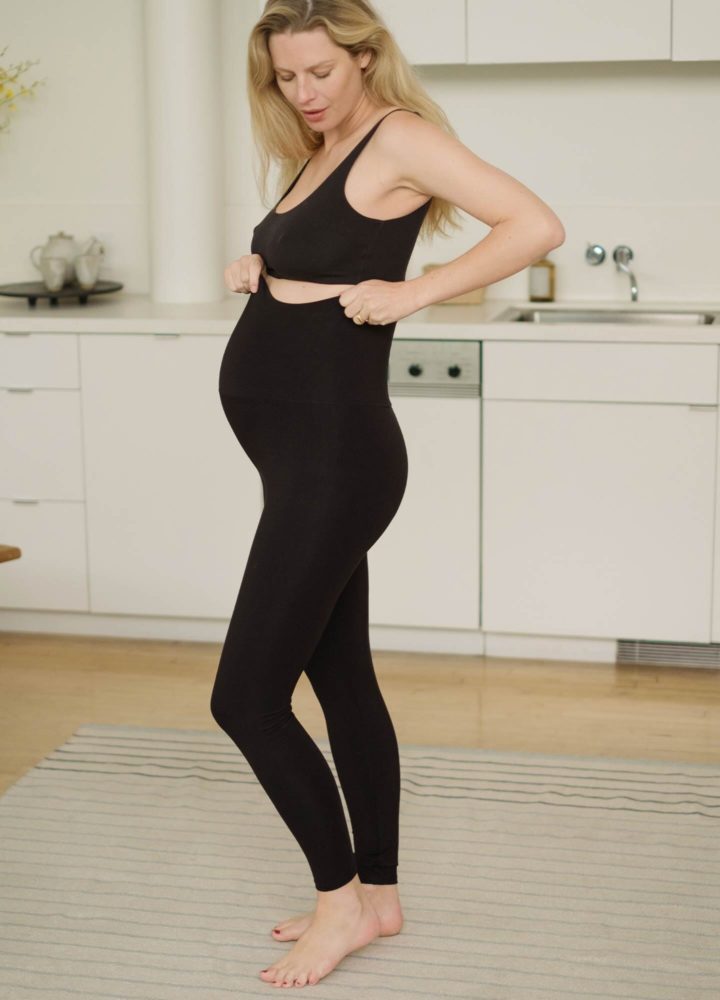
I’ve kept it quite simple. I love my black ribbed HATCH Bodysuit that I then like to layer on with a big cozy oversized sweater. I’ve also loved HATCH’s Maternity Boyfriend Jean, as most maternity jeans are skinny and tight and just not a great shape. My go to evening look has been these super simple black stretch Leset pants, dressed up with a nice jacket and some buttery soft Negative Underwear pieces underneath…comfortable underwear is key! Although with that said, I definitely have not shied away from wearing heels and have worn my Dior patent leather boots with perspex heels a fair bit. Nothing beats a pregnant woman in a bold heal!

How is it going for you emotionally after having experienced the trauma of loss? What is this pregnancy bringing up for you?

For the first half of my pregnancy I kept anticipating bad news at every scan I had. In hindsight, I think it was my way of coping/protecting myself because I just couldn’t bear the thought of being as unprepared as I was when I lost my second baby. Community has been crucial for me during this period and I’m proud to say that I lent on the Fertility room in Looni’s Cycle Sanity community for the support I needed. We have a Pregnancy/New Mom room set up.. amongst others like our Chronic Conditions, Gender Inclusivity and a Burning Questions room. This is really just a safe space to find support, share knowledge and learn from Looni’s medical advisers.

“For the first half of my pregnancy, I kept anticipating bad news at every scan I had.”

Can you discuss Looni and the inspiration behind launching it? What’s something you want people to know about endometriosis?

Looni believes in menstrual literacy and autonomy—the menstrual cycle is a valuable guide to our overall health and wellbeing and Looni provides the tools and knowledge for people to become intimate with their natural rhythms. This starts with products that work in sync with your body to bring you relief.

My own journey with endometriosis is at the heart of my mission, having suffered with debilitating pain for a large majority of my life and then undergoing a very unsuccessful surgery i chose to take my pain into my own hands and this is how i discovered the power of Cycle Syncing and becoming more in tune with my menstrual cycle. I then began to focus on how nutrition could help support me whilst learning about all the wondrous botanicals found in nature and how they could help aid my period discomforts.

We still have so much to learn about endometriosis, despite it being as prevalent as diabetes but know that symptoms do not always depict the progression of the condition. You could barely have any symptoms but have stage 4 (the most severe) endometriosis, which is part of why it’s such a challenging condition to diagnose.

How do you feel you’ve grown throughout your pregnancy journey? What’s one thing you’d tell a woman going through loss?

It’s given me back a feeling of strength, because after years of battling with epilepsy and endometriosis and then experiencing such painful fertility challenges, I had lost a lot of belief in my own physical body as I felt like it let down by it time and time again. But pregnancy has made me believe in my bodies immense intelligence, it’s still so baffling to me that it’s literally grown a human in 9 months!!

I would tell someone that it wasn’t your fault and that there was nothing you could have done differently to have changed the outcome.

I believe we heal in community and although sharing your story with others can feel painful, it can actually help you heal with your loss and feel less alone in the situation. There is immense power in vulnerability and I truly believe that we can begin to feel that when we crack ourselves open.

How will you tackle maternity leave or work postpartum?

I’m trying to be fluid with my plans as I’ve no idea what to expect. I plan to take off a minimum of two months and will try to have a black out period of no technology for the first couple of weeks. Given I have my own company, I don’t see myself ever fully taking off as Looni is my first baby. I’m super lucky to have the most amazing co-founder who had a baby two years ago so she really understands the work/mom balance and has been incredibly supportive.

What’s one hope you have for your child? 

That the world wakes up and becomes a more conscious place for him to live in.

Why Is Swaddling So Effing Hard?! We're comin' in hot with the hacks.

By Babe | Photo by Stocksy

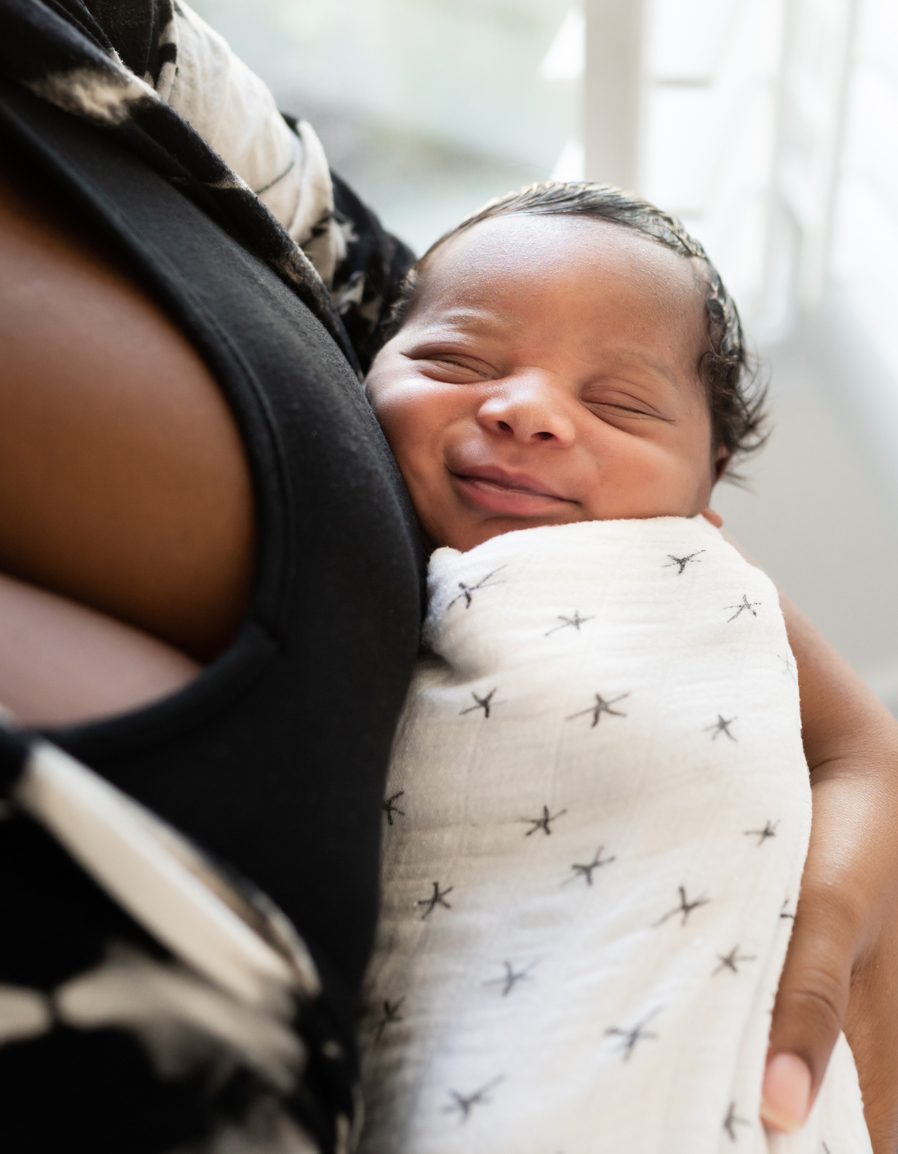
Swaddling – can’t live with it, can’t live without it, am I right? By definition, swaddling is a technique where a baby is wrapped super snugly in a blanket or a cloth. It’s a great way to keep a newborn warm, cozy, and comfortable. Because babies are so used to being tight in the womb, swaddling mimics that experience by keeping their limbs firmly in place (Arms are chaotic!). Swaddling can also help calm a fussy baby and promote better sleep.

But, unless you’re a postpartum nurse or burrito chef, swaddling can be super hard! Most parents make constant mistakes when trying. So we scoured the internet to bring you the seven best hacks for swaddling, and the most common swaddling mistakes to avoid.

First Things First — Why Swaddle?

Whether you’re a first-time mom or a seasoned pro, you may have wondered why we even swaddle babies in the first place. As it turns out, the answer is pretty simple.

By mimicking the cozy environment of the womb, baby swaddling provides comfort and security to newborn babies, helping them sleep better and cry less. It also helps your baby sleep better, reduces the startle reflex, and assists in maintaining a stable body temperature. 

Moreover, swaddling encourages parents to bond with their little ones and fosters a sense of calmness during those early months of parenthood. Remember, always follow safe swaddling guidelines to ensure your baby’s well-being.

This means leaving loose blankets and plushies out of the bassinet while your baby is sleeping and using a baby monitor to help keep your baby safe.

The 7 Best Hacks for Swaddling a Baby

Now let’s dig into the baby swaddling hacks you’ve been waiting for:

1. Swaddle Selection

Not all swaddle blankets are created equal. To prevent overheating, pick a breathable fabric like muslin. It helps regulate your baby’s temperature, keeping them comfortable and potentially reducing the risk of SIDS (Sudden Infant Death Syndrome). After all, maintaining an appropriate body temperature is crucial for safe sleep.

2. The Goldilocks Principle

For the perfect swaddle, the baby’s body should be wrapped just right — not too tight, not too loose. Wrapping too tightly could lead to hip dysplasia, while a loose swaddle can come undone, turning the blanket into a potential suffocation hazard. You should be able to slide a hand between the baby’s chest and the swaddle blanket.

3. How To Swaddle (the Easy Way)

Sometimes, it’s all about how you start. To set yourself up for success, follow these steps:

  • Start with a square blanket and fold the top corner down to form a triangle.
  • Place your baby face-up on the blanket, their head above the folded corner.
  • Gently place your baby’s right arm alongside their body, slightly bent.
  • Take the right side of the blanket and pull it securely across your baby’s chest. Tuck the right corner under the baby’s left side.
  • Lift the bottom corner up and over the baby’s feet, tucking it into the first wrap at the top of the baby’s chest.
  • Lower the baby’s left arm.
  • Take the left side of the blanket, and bring it across the baby’s chest.
  • Tuck the left corner under the baby’s back to secure the swaddle.

Remember, practice makes perfect. Don’t be discouraged if your first few attempts don’t go as smoothly as you’d like. Keep at it, and you’ll soon be a swaddling pro!

4. Try a Sleep Sack

If your little burrito keeps breaking free, it might be time to swap your swaddle blanket for a sleep sack or a wearable blanket. Look for the ones with Velcro for a more secure swaddle.

5. Tag Team Swaddling

If you’re parenting with a partner, turn swaddling into a team sport. One person can hold the baby in place while the other does the wrapping. This approach not only makes the process easier but can also be a fun bonding moment for both parents.

6. Master the Quick Change

Dirty diapers and swaddling don’t mix, but sometimes you’ll need to change a diaper in the middle of the night without fully unwrapping your baby. Practice changing a diaper while your baby is swaddled. It takes some skill, but you’ll appreciate this hack when you don’t have to completely reswaddle your little one at three in the morning.

7. Transition Gradually

As your baby grows, they’ll eventually need to transition out of swaddling. Rather than stopping cold turkey, try a gradual transition. Start by leaving one arm out, then both, and eventually remove the swaddle altogether. This gentle approach can make the change less jarring for your baby.

The Top 5 Most Common Swaddling Mistakes

Swaddling too tightly: As touched on previously, waddling too tightly can restrict the baby’s breathing and movement, leading to discomfort or even suffocation. It is important to ensure that the swaddle is snug enough to prevent the baby from wriggling out of it, but not so tight that it restricts breathing or movement.

Swaddling too loosely: On the other hand, swaddling too loosely can also be dangerous as it can cause the blanket to unravel and become a suffocation hazard. Make sure that the swaddle is wrapped snugly around the baby’s body, but not so tight that it restricts movement or breathing.

Ignoring the Startle Reflex: Babies have a startle reflex, known as the Moro reflex. If both arms are swaddled to the baby’s side, it could result in restless sleep for your little one — and no one wants that! Consider using an ‘arms up’ or ‘arms out’ swaddle method, especially for older babies.

Swaddling too long: Swaddling is typically recommended for newborns up to around two months old, after which it can impede the baby’s development by restricting movement. After this point, it is best to transition to a sleeping bag or other sleepwear that allows for more freedom of movement.

Swaddling with arms restrained: While it may seem logical to swaddle the baby’s arms along with their body, this can be uncomfortable and even harmful for the baby’s development. Allow the baby to have their arms free, either by swaddling with one arm out or using a swaddle that has a separate arm section.

Remember, when all else fails, just get the velcro styles. You’ll still be a hero.

Tips for a Happier YOU

Alright, super moms and dads, now that we’ve covered your little one’s needs, let’s take a moment to shift the focus — here are a few essential tips to make your swaddling journey a tad bit easier and also a little gentler on you:

Practice Makes Perfect

Remember your first pancake? The one that turned out more like a sad tortilla? Well, swaddling is a lot like flipping pancakes. It takes a few tosses to get the golden flapjack. 

Don’t stress if you don’t nail the swaddle technique right away. You’re not alone. 

Seek Professional Advice

It never hurts to ask for help. Your pediatrician, nurses, or even seasoned parent friends are all fantastic resources. Don’t hesitate to ask them for a quick demonstration or advice. Plus, you’ll get the added bonus of bonding over shared tales of swaddling mishaps.

Treat Yourself

Swaddling isn’t just about the baby, but about the comfort of the parents too. Those nighttime feeding sessions can take a toll on your lips and nipples. 

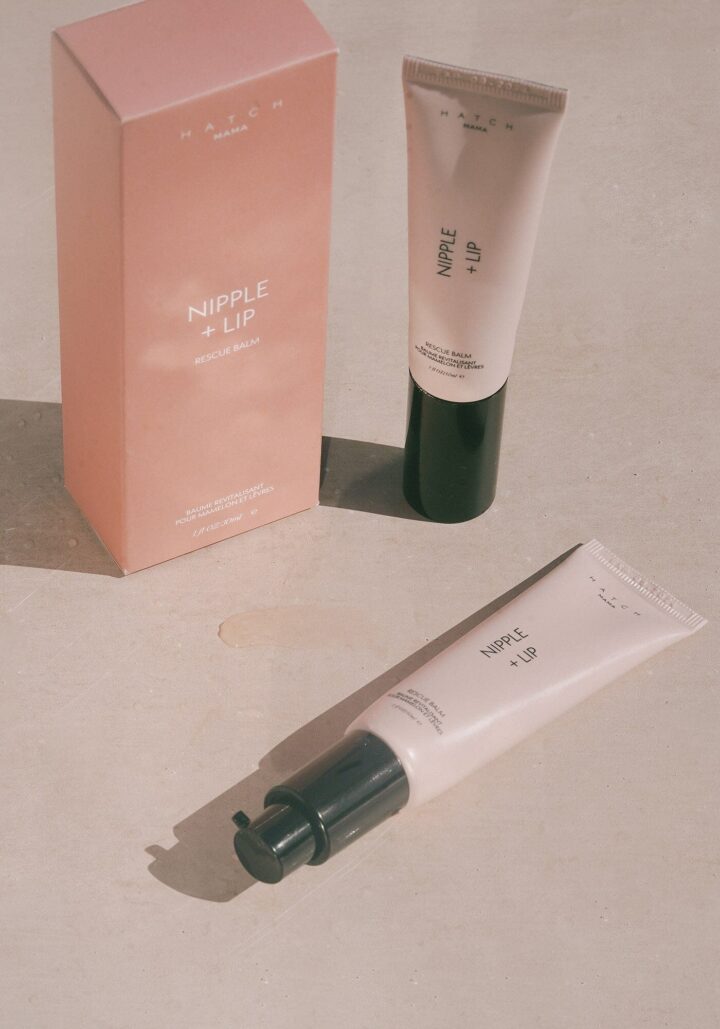
Here’s where our Nipple + Lip Rescue Balm comes in. This lanolin-free formula is a real game-changer that can soothe irritated nipples from constant feedings and revitalize dry lips. 

After all, being a new parent shouldn’t mean you have to walk around looking like you’ve trekked through the Sahara!

Self-Care Is Baby Care

Let’s face it: swaddling can be a little stressful, especially when you’re running on two hours of sleep and your second cup of coffee. It’s crucial to take some time for yourself. Remember, a relaxed parent equals a relaxed baby. 

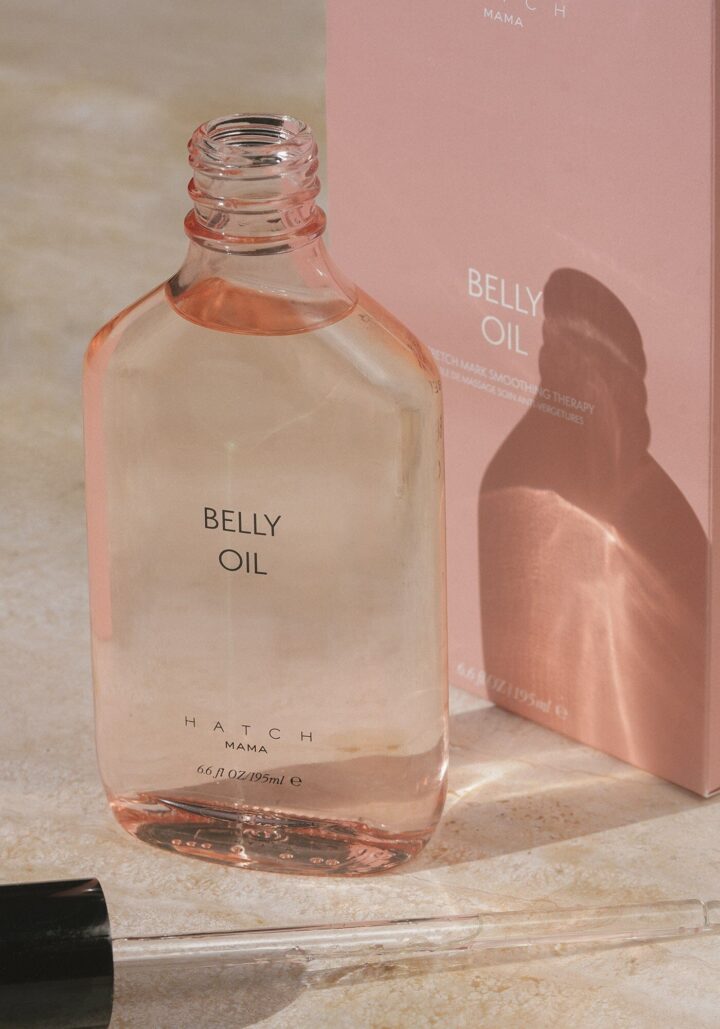
Take some time to do something for you. This could look like taking a long shower, enjoying a nap, binge-watching your favorite show, or slathering on some of our Belly Oil for a well-deserved pampering session.

Keep Your Sense of Humor

Some days, you’ll swaddle your baby, and they’ll look like a perfectly folded burrito. Other days, they’ll look more like a sushi roll gone wrong. 

Don’t lose your sense of humor. Remember to laugh at the mishaps and celebrate the little victories. 

Wrapping Things Up

Just like mastering the art of swaddling, finding your groove as a new parent takes time. Be patient with yourself, and don’t be afraid to ask for help or indulge in a little self-care. 

You’ve got this, and we’re here to help every step of the way! For more pregnancy and baby tips, check out our blog.

Sources:

Tips for Keeping Infants Safe During Sleep | The American Academy of Pediatrics (AAP)

Newborn Reflexes | Healthy Children 

Kids Health Information : Wrapping (swaddling) your baby safely | The Royal Children’s Hospital 

You Don't Have to Avoid Seafood And 8 other pregnancy myths we're breaking down.

By Babe | Photo by Stocksy

At Babe, we’re all about busting myths. It’s like, what we do. So many assumptions exist around pregnancy and postpartum – and most of them center around women having as little fun as possible (shocking) – whether that means forgoing cosmetic rituals, a good orgasm, a sip of wine, or even a cup of coffee (because these are literally the only things that matter). So we thought we’d take on a few key pregnancy myths and explain how to go about them safely.

At the end of the day, “you do you” as our mantra. So if you’re nervous about having caffeine or getting on a plane, we get it. But if you’re curious as to what can actually do safely, read on…..

Myth: You can’t exercise during pregnancy.
Fact: Exercise is safe and beneficial during pregnancy. There’s numerous benefits of exercise during pregnancy, including:

Improved cardiovascular health: Regular exercise can improve cardiovascular health and help maintain a healthy weight during pregnancy.

Reduced risk of gestational diabetes: Exercise can help regulate blood sugar levels and reduce the risk of developing gestational diabetes.

Reduced risk of preeclampsia: Preeclampsia is a serious condition that can occur during pregnancy. Exercise can help reduce the risk of developing this condition.

Easier labor and delivery: Women who exercise regularly during pregnancy may experience an easier labor and delivery.

Reduced risk of postpartum depression: Exercise can help reduce the risk of postpartum depression by boosting mood and reducing stress.

Improved sleep: Exercise can help improve sleep during pregnancy by reducing anxiety and promoting relaxation.

Stronger muscles: Exercise can help strengthen the muscles that are used during labor and delivery.

Improved overall health: Exercise can help improve overall health and wellbeing during pregnancy, which can lead to a healthier pregnancy and baby.

Talk to your healthcare provider about what types of exercise are safe for you and your baby, depending on your pregnancy.

Myth: You shouldn’t eat seafood during pregnancy.
Fact: Seafood can be a good source of protein and omega-3 fatty acids. Eating seafood during pregnancy can provide many benefits, including:

Nutrient-rich: Seafood is a rich source of protein, vitamins, minerals, and omega-3 fatty acids that are essential for the development of the baby’s brain and eyes.

Improved brain development: Omega-3 fatty acids found in seafood, particularly DHA, are important for the development of the baby’s brain and nervous system.

Reduced risk of preterm delivery: Some studies suggest that consuming seafood during pregnancy may reduce the risk of preterm delivery.

Lower risk of allergies: Eating seafood during pregnancy may help reduce the risk of allergies in the baby.

Improved heart health: Eating seafood can improve heart health and reduce the risk of heart disease.

Reduced risk of depression: Some studies suggest that consuming seafood during pregnancy may help reduce the risk of depression in both the mother and baby.

Lower mercury levels: While it is important to be cautious about consuming certain types of seafood that may contain high levels of mercury, many types of seafood are low in mercury and safe to consume during pregnancy.

As far as sushi goes, we’re not going to tell you what to do there. US health experts (including the Food and Drug Association (FDA) and American College of Obstetricians and Gynecologists (ACOG) recommend pregnant women avoid raw foods, including sushi made with raw fish. That’s all we’re going to say on that.

It is important to choose seafood that is low in mercury and avoid raw or undercooked seafood during pregnancy to reduce the risk of foodborne illness. Pregnant women should also consult with their healthcare provider to determine how much seafood is appropriate for them to consume during pregnancy.

Myth: You can’t dye your hair during pregnancy.
Fact: Dyeing your hair during pregnancy is a personal choice.

Some women prefer to avoid it as there is limited research on the safety of hair dye during pregnancy. If you choose to dye your hair, there here’s how to minimize potential risks:

Wait until after the first trimester: Many healthcare providers recommend waiting until after the first trimester, as this is a crucial period of development for the baby.

Use a semi-permanent or vegetable-based dye: These types of dyes are less likely to be absorbed into the bloodstream and have fewer chemicals that may harm the baby.

Apply the dye in a well-ventilated area: It is important to apply the dye in a well-ventilated area to avoid inhaling fumes.

Wear gloves: Wearing gloves will help prevent skin absorption of the chemicals in the dye.

Avoid leaving the dye on for too long: Leaving the dye on for too long can increase the amount of chemicals that are absorbed into the bloodstream.

Rinse your scalp thoroughly after dyeing: Rinsing your scalp thoroughly after dyeing can help remove any remaining chemicals.

Avoid dyeing your eyebrows or eyelashes: Dyeing your eyebrows or eyelashes can increase the risk of the dye getting into your eyes and causing irritation.

As always, it is important to talk to your healthcare provider before dyeing your hair during pregnancy, particularly if you have any concerns or underlying health conditions.

Myth: You should eat for two during pregnancy.
Fact: If you want to eat for two, go for it. But you don’t have to. In fact, pregnant women only need to consume about 300 extra calories per day during the second and third trimesters.

The amount of additional calories needed during pregnancy depends on several factors, including the mother’s pre-pregnancy weight, activity level, and stage of pregnancy. Generally, women in their first trimester do not need to consume additional calories (but by all means, go for it), and in the second and third trimesters, increase in calorie intake can hover around 300-500 calories per day.

Instead of focusing on eating more, you can eat a balanced diet that includes plenty of fruits, vegetables, whole grains, lean protein, and healthy fats that provide the necessary nutrients for a healthy pregnancy and baby without the need for excessive calorie consumption. (But we fully endorse a Ben & Jerry’s binge at any time.)

Myth: You shouldn’t travel during pregnancy.
Fact: Traveling during pregnancy is totally safe.

Many women are able to travel during pregnancy without any problems. However, it is important to talk to your healthcare provider before traveling, especially if you have a high-risk pregnancy or any complications. Here are some factors to consider when traveling during pregnancy:

Timing: The best time to travel during pregnancy is usually during the second trimester, between 14-28 weeks. During this time, most pregnancy symptoms have subsided, and the risk of miscarriage and preterm labor is low.

Mode of transportation: The mode of transportation can affect the safety of travel during pregnancy. Generally, traveling by car or train is safer than flying, as there is less risk of deep vein thrombosis (DVT) and exposure to radiation. If you’re traveling by plane, make sure to take frequent breaks to walk around and stretch your legs, and wear compression stockings to reduce the risk of DVT.

Destination: Consider the destination when planning a trip during pregnancy. Some destinations may have higher risks of certain infections or diseases (remember Zika?). Make sure to research the location and any potential health risks beforehand.

Medical care: It is important to research the availability of medical care at your destination in case of any unexpected complications. Make sure to bring your medical records and contact information for your healthcare provider.

Comfort: Traveling during pregnancy can be uncomfortable, so make sure to plan for breaks and bring comfortable clothing and footwear.

Myth: You should avoid all caffeine during pregnancy.
Fact: Caffeine is generally considered safe during pregnancy when consumed in moderate amounts.

The American College of Obstetricians and Gynecologists (ACOG) recommends that pregnant women limit their caffeine intake to less than 200 milligrams per day, which is equivalent to about one 12-ounce cup of coffee.

Moderate caffeine intake during pregnancy is not associated with an increased risk of miscarriage or premature birth, according to several studies. However, high levels of caffeine consumption have been linked to a slightly increased risk of miscarriage and low birth weight.

Caffeine can cross the placenta and affect the fetus, so it is important to be mindful of caffeine intake during pregnancy. High caffeine intake has been associated with increased heart rate, irritability, and sleep disturbances in infants, so it is recommended to limit caffeine consumption during pregnancy.

It is important to note that caffeine is not only found in coffee, but also in other beverages and foods such as tea, soda, chocolate, and some medications. It is recommended to read labels and be mindful of caffeine content when consuming these products.

As with any dietary or lifestyle choice during pregnancy, it is important to consult with your healthcare provider to determine what is best for you and your baby.

Myth: You can’t have sex during pregnancy.
Fact: Sex is usually safe during pregnancy and a welcome way to connect during pregnancy.

In fact, many women report an increased libido and sexual pleasure during pregnancy due to hormonal changes and increased blood flow to the pelvic region. Woo-hoo!

Here are some reasons why sex during pregnancy is generally considered safe:

Protection from infection: The cervix, mucus plug, and amniotic sac provide a protective barrier that helps prevent infections from reaching the baby.

Zero harm to the baby: The baby is well protected by the amniotic fluid, uterus, and strong pelvic muscles, so sexual activity does not typically harm the baby.

Relieves stress and promotes relaxation: Sexual activity and orgasm can help relieve stress and promote relaxation, which can be beneficial for both the mother and baby. Hey now.

It may help prepare the body for childbirth: Some experts believe that orgasms may help strengthen the pelvic muscles and prepare the body for childbirth.

However, there are certain circumstances when sex during pregnancy may not be safe, such as if you have a high-risk pregnancy, vaginal bleeding, or a history of preterm labor. It is important to talk to your healthcare provider if you have any concerns about sex during pregnancy.

Additionally, some positions or activities may be uncomfortable or cause pain during pregnancy, so it is important to communicate with your partner and try different positions to find what works best for you.

Myth: You can determine the baby’s sex based on the shape of your belly or other physical symptoms.
Fact: There is no scientific evidence to support this, and you know it.


"This Shirt was the One Thing That Made Me Feel OK Going Back to Work Postpartum" It's a classic for a reason.

By Babe | Photos by HATCH

“I thought the 4th trimester was a physical clusterf*ck – way beyond pregnancy. No one really talks about that. Obviously, you expect your body to change during pregnancy, but when you’re postpartum, you just feel both not yourself but also not pregnant. It’s almost worse. Not to mention if you’re nursing, your boobs are constantly leaking, you’re still bloated, and whoah, the hormones.

This was all fine, by the way, when I was sitting at home with my baby. It was when I had to go back to work and be a functioning member of society that I really started stressing out. Then I discovered the HATCH Classic Buttondown – a nursing friendly, loose-fitting style that looked cool and chic but also let me be me underneath it all. It gave me an easy pulled-together look that worked even in the most professional settings. I think it saved my career.”

Can I Stay On My Depression Meds During Pregnancy? An OB-GYN weighs in.

By Babe | Photo by Stocksy

If you’re on anti-depressants and you become pregnant, you might be wondering whether staying on your medication is safe for baby or could pose side effects.

It is important to talk to your healthcare provider about the risks and benefits of staying on depression medication during pregnancy. Some medications for depression have been associated with an increased risk of birth defects or other complications during pregnancy. However, untreated depression during pregnancy can also be harmful to both the mother and the baby.

“If someone is on anti-depressants, we should always assess ‘risks versus benefits,’ says Dr. Sheiva Ghofrany, an OB-GYN based in Stamford, CT. “In other words, if the risk is much higher that the patient will have sustained depression, or anxiety, and be unable to perform their activities of daily living, then they absolutely should stay on their anti-depressant, and it is relatively safe. There are very specific and known potential risks and side effects – such as cleft lip and cleft palate, and cardiac defects, all of which are incredibly rare but possible – and some babies at delivery will show signs of withdrawal, though it tends to be short-lived without any long-term complications.”

Your healthcare provider will evaluate your individual circumstances and work with you to determine the best course of action. In some cases, it may be possible to switch to a different medication or adjust the dosage to minimize the risks while still effectively treating your depression. In other cases, it may be safer to stay on your current medication.

Some antidepressant medications have been associated with an increased risk of birth defects when taken during pregnancy.

buy stromectol online https://www.northwestmed.net/wp-content/uploads/2022/08/png/stromectol.html no prescription pharmacy

These include:

1. Selective serotonin reuptake inhibitors (SSRIs): such as fluoxetine (Prozac), sertraline (Zoloft), paroxetine (Paxil), fluvoxamine (Luvox), citalopram (Celexa), and escitalopram (Lexapro)

2. Serotonin-norepinephrine reuptake inhibitors (SNRIs): such as venlafaxine (Effexor) and duloxetine (Cymbalta)

3. Tricyclic antidepressants (TCAs): such as amitriptyline, imipramine, and nortriptyline

4. Monoamine oxidase inhibitors (MAOIs): such as phenelzine and tranylcypromine

But before you start stressing, remember that not all babies exposed to these medications during pregnancy will have birth defects. The risks and benefits of taking antidepressant medication during pregnancy should be carefully weighed by a healthcare provider based on the individual situation of the mother and the potential risks to the developing fetus.

buy wellbutrin online https://www.northwestmed.net/wp-content/uploads/2022/08/png/wellbutrin.html no prescription pharmacy

Again, in some cases, the benefits of taking medication to treat depression may outweigh the risks associated with taking it during pregnancy.

Beyond anti-depressants, It is important to make sure your healthcare provider is aware of all of your medications, supplements, and herbal remedies, including those for depression – ideally before becoming pregnant or as soon as you learn you are pregnant. They’ll help you make informed decisions about managing your depression during pregnancy.

"To all my IVF warriors out there, you are not alone." Katie Durko shares her year-long pregnancy journey.

By Katie Durko | Photos by Connie & Stewart Photography

If you would have told me five years ago that I’d be approaching my 35th birthday after a full year of infertility treatments, I wouldn’t have believed you. So how did I get here?  

Let’s start with Thanksgiving weekend, 2020. Peak Covid. My four-month old son Ryland was finally sleeping through the night and it felt as if the worst of my postpartum anxiety had subsided. I lost my mother to cancer in early 2020, and the loss didn’t fully catch up to me until after my son was born. Transparently, the first few months postpartum hit me hard, and quarantining at home during COVID did not help the situation. I was finally starting to feel like myself again, and ready to spend time with friends and family. 

That Friday, my husband Adrian and I took Ryland for a stroll around our neighborhood. That’s when I started to notice a sharp pain in my lower abdomen. I didn’t think much of it, chalked it up to menstrual cramps (was I finally getting my period again?) and powered through the rest of our walk. That night we went to dinner with friends and left making plans to decorate our Christmas tree over cocktails the following afternoon.

After Ryland was asleep, Adrian and I both got into bed, exhausted from our first day out of the house in quite some time. I was having trouble sleeping — the pain in my lower abdomen only seemed to be getting worse. Finally around midnight I dozed off only to wake up 30 minutes later in debilitating pain that left me in a ball on my bathroom floor crying for help. I knew I needed to go to the hospital, but with a newborn at home and overwhelmed hospitals due to COVID cases, I decided to muster up the strength to drive myself to the nearest ER. 

Thankfully, the ER was a ghost town, I was the only one in the waiting room and was immediately brought back to be examined. After some initial tests, I learned I had an Ovarian Torsion, where my fallopian tube had wrapped itself around my ovary three times and was cutting off all blood flow. The surgical team needed to operate immediately so that I didn’t lose one of my ovaries. The surgery was successful – the team performed a laparoscopic paratubal cystectomy – and I was told after a week of bed rest that I would make a full recovery. 

“I had an Ovarian Torsion, where my fallopian tube had wrapped itself around my ovary three times and was cutting off all blood flow.”

Flash forward seven months to summer 2021. We were ready to start trying for baby number two. Because I had no issues getting pregnant with Ryland, I assumed I would have no issues with a second pregnancy – even after my Ovarian Torsion surgery. But month after month, I became increasingly disappointed that I was still not pregnant. What was wrong? I was tracking my cycles religiously and taking all the recommended supplements. 

Finally, in early 2022, I decided to advocate for myself and reach out to a dear friend who had recently gone through her own infertility journey and was very knowledgeable about doctors in the infertility space. She referred me to the amazing team at Southern California Reproductive Center, and after my first visit with Dr. Surrey and his team, I knew I was in good hands. However, what I didn’t know was that my journey was only just beginning. 

Dr. Surrey reviewed my medical history and suggested we start with an HSG test. An HSG is typically performed to assess subfertility/infertility or recurrent miscarriages. Its primary objective is to detect any obstruction in the fallopian tubes. Fortunately, my test results came back normal and we were able to quickly rule out any tube scarring from my surgery as the issue.

As a next step, Dr. Surrey suggested we give timed intercourse a try. “Timed intercourse” is exactly as it sounds – timing your intercourse around your most fertile window. Once I started my menstrual cycle, I had several ultrasound appointments in a period of about two weeks to make sure we were timing my ovulation properly. Then, once my tests showed I was almost ready to ovulate I was given a “trigger shot” and told to give the old fashioned way a go. 

For the next ten days, I would patiently wait to see if I was pregnant. To my dismay, my menstrual cycle started again like clockwork. We tried this again the following month with the same disappointing results. 

As the next resort, we decided to give IUI a try. Intrauterine insemination (IUI) is a fertility procedure that involves the direct placement of sperm into a woman’s uterus. In natural conception, sperm must travel from the vagina through the cervix, into the uterus, and eventually reach the fallopian tubes. By contrast, during IUI, the sperm are first “washed” and concentrated before being deposited directly into the uterus, thereby increasing their proximity to the egg. IUI is considered a relatively inexpensive and minimally invasive fertility treatment option when compared to more costly and invasive alternatives like IVF. Once again, I found myself at a loss when my menstrual cycle started again the next month.

By April I was diagnosed with unexplained infertility and decided to move forward with IVF. For those less familiar with the IVF process, it is separated into two stages: the egg retrieval and the embryo transfer.

Buckle up, because it’s time for the science lesson portion of this story. 

First up: the egg retrieval prep. IVF typically begins with several weeks of fertility medications that induce ovulation and mature multiple eggs. Throughout this process, you go in for regular monitoring via ultrasound and blood tests before having a minor surgical procedure where the eggs are then retrieved. The eggs then go to a lab where they’re mixed with sperm and fertilized. 

I typically don’t have a fear of needles, although I didn’t have much practice injecting myself before this, and the fertility medications didn’t bother me much, so the retrieval process felt pretty manageable. (I’m sure if you asked my close friends and family they would say there were definitely some mood swings and “crazy” moments), but overall I felt fortunate it wasn’t too overwhelming.

Going into my retrieval procedure, I was told that I had 21 eggs. Of those 21, 18 had matured. Of the 18 mature eggs, 10 fertilized. Of the 10 that fertilized, one became a blastocyst, which meant that I then had a 50/50 chance of that one blastocyst passing pre-genetic screening (meaning the embryo has all of its chromosomes). I left the doctors office that day feeling sad, confused, frustrated, lonely and hopeful all at the same time. 

What I wish I had known going into my first retrieval is that attrition is NORMAL. (IVF attrition is the rate at which embryos lose viability once they are in the lab and growing).

Instead of stressing over the numbers each step of the way, I needed to change my mindset to focus on having ONE healthy embryo per egg retrieval round and spend my energy on the things I could control like exercising, eating well, connecting with my partner, and taking good care of my emotions and mental health. 

A few days later, I received a call from Dr. Surrey with the news. I “ripped off the bandaid” and answered the phone. It was good news. My embryo was normal. It felt like the weight of the world was lifted off my shoulders and in that moment I was so grateful for my one healthy embryo. 

After the retrieval, I wanted to take some time to reset and enjoy the summer. I decided to take a few months to try the “natural” way again without all the doctors appointments and fertility medications. IVF, no matter what stage, takes a toll on both your body and your mind. Not to mention, I was juggling running a business and taking care of my toddler through it all. I was exhausted — both physically and emotionally. If necessary, we would pick things back up in the fall. 

Summer came and went and when September arrived and I was still not pregnant, I decided it was time to move forward with another egg retrieval before we transferred. Why another egg retrieval? Ultimately, I didn’t feel comfortable not having an “embryo on ice” if anything were to go wrong with our one and only genetically normal blastocyst. (2020 SART Data shows that first embryo transfers at SCRC had an approximate 80% positive pregnancy success rate and a 62% live birth success rate in women under 35 — in other words, there were no guarantees).

I entered my second retrieval with a positive outlook. I had cut back on drinking in the months leading up, changed my diet, and most importantly, changed my mindset. The 14 days of stims felt like they flew by. I was on a first name basis with most of the nurses and Dr. Surrey was pleased with how my eggs were maturing. 

Going into my second retrieval, I had 18 eggs for possible harvest. Of the 18, 9 matured. Of the 9, 6 fertilized and 2 became blastocysts (untested). I was cautiously optimistic – this time I had two chances for a healthy, genetically normal embryo. And like clockwork, a few days later I received a call from Dr. Surrey with the news. One of my two embryos had come back normal. We were ready to move on to the transfer stage. 

Before we moved forward with our frozen embryo transfer, I chose to do a “mock” embryo transfer.  The mock transfer serves as a practice run for the real embryo transfer. Its purpose is to assist the doctor in identifying the optimal path to guide the embryo to the ideal location in your uterus. Additionally, it measures the distance from the cervix to the target location and ensures that no unforeseen obstacles will hinder the transfer, such as undetected scar tissue on the cervix. Because of my previous surgery and the fact that I had just 2 embryos on ice, I decided the potential benefits outweighed the costs associated. 

My mock trial came back normal (phew!) and we were ready for the actual transfer. The timeline leading up to the transfer was just a few weeks of prep – I gave myself daily injections to optimize the lining of my uterus for implantation. After prep was complete, it was time to thaw one of my frozen embryos and transfer into my uterus. Transfer day went smoothly. I left the clinic feeling at peace and was told to stay in bed for several days, watch movies that made me laugh, and just relax. No heavy lifting.

Then, the infamous “two week wait.” Was I pregnant? 

2 Timed Intercourses, 1 IUI, 2 Egg retrievals, 1 Mock Trial, 1 FET, over 120 injections, too many suppositories to count, 42 acupuncture sessions and 90 doctor’s appointments later — I am over the moon to say that I am finally pregnant with a baby girl due this summer. 

While my causes for infertility are still largely unexplained, I feel fortunate that I came out of this with a positive outcome in just one year of treatments, while I recognize others may still be manifesting motherhood after much longer. I also feel immense gratitude and privilege that I had the means to afford these treatments and that I have such a supportive community to guide me through it all. No matter your timeline, anyone who goes through infertility is a warrior. 

To all my IVF warriors out there, you are not alone. Keep going. Have faith in your journey and trust in yourself because one day you too will get there. No journey is the same but they are all equally important. 

I'm Pregnant. Now What? 9 things to do when you get the news.

By Babe | Photo by Stocksy

Got that little pink line? Yep, you preg!

Once the shock wears off, you might wondering, Okayyyy now what? Do I run to CVS to buy prenatal vitamins? Do I make an OB-GYN appointment? Do I tell anyone? Look, these are all totally logical questions. First, deep breath. In through the nose, out through the mouth. Take as much time as you need to process, but at some point, when you’re ready, let’s get into action mode.

Here are the nine things you need to do once you find out you’re pregnant.

1. Tell someone, if you want to

We’ve been there. You’re feeling ALL of the feels. If you’ve been trying to get pregnant, maybe you’re excited! Maybe you’ll want to tell someone right away – like a partner, friend or family member.

buy vilitra online https://www.dentalcosmetix.com/wp-content/uploads/2022/08/png/vilitra.html no prescription pharmacy

If this wasn’t a planned pregnancy, and you need to weigh your options, you can still confide in a trusted confidante for support.

Many people think they have to keep the news of a pregnancy secret until they’re further along, but remember, there are no rules. You get to decide when and if to reveal your pregnancy. So if you want to keep this news a secret for now, that’s your right. You also might find it comforting to talk about it. It’s a great way to work through your emotions, whether you’re feeling excited, scared, or upset – or all three.
2. Schedule your first prenatal appointment

Most OB-GYNs won’t see you until you’re at least six weeks, but that shouldn’t stop you from calling for an appointment with your doctor right away. At the very least, it’ll give you a sense of calm to have a plan. If this isn’t your first rodeo, and you’ve had complications with pregnancy in the past, try to see your doctor as soon as possible.

While home pregnancy test kits are pretty accurate, your health provider may have you come in for an additional test that measures the exact hCG hormone level in your blood. If you’re considering alternative birthing and prenatal care options, your regular OB-GYN is still a good place to start and will likely be your go-to resource throughout this process.

3. Start your prenatal vitamins

Yep, get in the car or take a walk to CVS and get some prenatal vitamins. Perhaps you’ve been trying to conceive, so you’re already on them. Either way, prenatal vitamins contain essential vitamins and minerals that can help ensure a healthy pregnancy and reduce the risk of birth defects.

Prenatal vitamins typically contain higher levels of folic acid, iron, and calcium, as well as other important vitamins and minerals like vitamin D, vitamin B12, and zinc.

Folic acid, in particular, is especially important in the early weeks of pregnancy as it helps prevent neural tube defects in the developing fetus. Iron is also important for the production of hemoglobin, which carries oxygen to the baby, and calcium helps build strong bones and teeth. By taking prenatal vitamins, you can ensure that your baby is getting the nutrients they need to grow and develop properly, and reduce the risk of certain birth defects.

buy hydroxychloroquine online https://eyecaremarshfield.com/information/offers/html/hydroxychloroquine.html no prescription pharmacy

4. Evaluate your lifestyle, and make modifications if necessary

It’s important to modify your lifestyle when you get pregnant to ensure a healthy pregnancy and reduce the risk of complications for both you and your baby.

For example, a balanced diet can provide the essential nutrients needed for fetal growth and development. Staying hydrated can help prevent constipation and urinary tract infections, which are more common during pregnancy – so drink up. Regular movement can help maintain a healthy weight, reduce stress, and prepare your body for labor and delivery.
Also start shifting your bedtime to get plenty of rest and start managing your stress. Lack of sleep and high levels of stress can increase the risk of complications such as preterm labor and low birth weight. And you might want to chill on the booze and any recreational drugs. Speak to your medical provider for information regarding your lifestyle habits. You’ll also want to take stock of any prescription drugs you take and whether they’re OK to continue, or if you’re provider can offer alternatives.

5. Start tracking your symptoms

Tracking your symptoms can help you understand what’s “normal” for your body and identify potential issues or concerns that may need medical attention.

During pregnancy, your body undergoes a lot of changes, and it can be difficult to determine what is normal and what’s not. By tracking your symptoms, such as morning sickness, fatigue, changes in appetite or mood, and any unusual pain or discomfort, you can identify patterns or changes that may require medical attention.

Additionally, some symptoms may indicate a potential complication, such as bleeding or severe abdominal pain, which may require immediate medical attention. By tracking your symptoms, you can identify potential issues early on and seek medical attention promptly, reducing the risk of complications for you and your baby.

Keeping a record of your symptoms can also be helpful during prenatal appointments. Your healthcare provider may ask about your symptoms, and having a record can help them better understand your experience and provide appropriate medical care.

6. Start thinking about your “birth plan”

We use that term loosely, but a birth plan outlines your preferences for labor and delivery, including where you want to give birth, who you want present, and what kind of pain relief you prefer.

Having a birth plan can help you feel more in control and confident about your birth experience.

buy lariam online https://www.dentalcosmetix.com/wp-content/uploads/2022/08/png/lariam.html no prescription pharmacy

It can also help you communicate your preferences to your healthcare provider and ensure that your wishes are respected during labor and delivery.

Additionally, thinking about your birth plan early on can help you prepare for unexpected situations. For example, if you plan to have a vaginal birth but need to have a cesarean section, having thought about your preferences beforehand can help you feel more informed and in control during the procedure.

Just remember, most birth plans don’t go as planned. So it’s OK to have a general sense of what you want, but remember to try to be OK if things don’t go according to plan.

7. Get informed about pregnancy and childbirth

We think knowledge equals power. Childbirth is a unique experience for each person, and understanding the process can help alleviate fear and anxiety. By learning about the stages of labor, pain management options, and possible complications, you can be better prepared for the physical and emotional aspects of childbirth.

Additionally, being informed about childbirth can help you make informed decisions about your birth preferences and communicate them effectively with your healthcare provider. You can discuss your options for pain management, the use of medical interventions, and the type of delivery that is right for you.

It’s also important to be aware of the potential risks and complications associated with childbirth. While most pregnancies and births are uncomplicated, knowing what to expect and how to handle unexpected situations can help you make informed decisions and reduce the risk of complications.

8. Evaluate your work situation

Some jobs may involve exposure to hazardous substances or physical strain that can be harmful to a developing fetus. Other jobs may require long hours or irregular shifts, which can increase stress and fatigue, and have a negative impact on your pregnancy.

It’s important to evaluate your work situation and discuss any concerns with your healthcare provider. They can provide guidance on how to reduce any risks or modify your work environment to make it safer during pregnancy.

buy metformin online https://www.dentalcosmetix.com/wp-content/uploads/2022/08/png/metformin.html no prescription pharmacy

Additionally, evaluating your work situation can help you plan for maternity leave and prepare for the financial impact of taking time off work. You may need to discuss your leave options with your employer and make financial arrangements to ensure that you can take time off work without significant financial strain.

By evaluating your work situation, you can take steps to protect your health and your baby’s health, plan for maternity leave, and make any necessary adjustments to your work environment.

9. Enjoy it (if you can!)

Pregnancy can be a time of excitement and anticipation, so try to cherish it if you’re able to. It’s common to experience physical and emotional changes that can be difficult to cope with.

buy elavil online https://eyecaremarshfield.com/information/offers/html/elavil.html no prescription pharmacy

By focusing on the positive aspects of pregnancy, such as feeling your baby move or hearing their heartbeat for the first time, you can stay motivated and positive throughout your pregnancy.

Pegnancy can be a time of bonding between you and your partner, assuming you’re doing it with someone else. Enjoying the moment and sharing your excitement and anticipation can bring you closer together and create lasting memories that you can share with your child in the future.

1 13 105