
9 Ways to Tell You Need Acupuncture During Pregnancy From back pain to bloating.

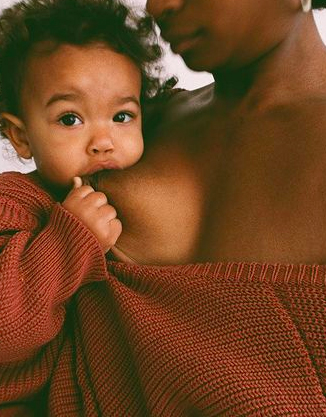
By Sarah Lu-Otero, L.Ac, Dipl.OM, MSW | photo by @se.wa_.healing

When I was pregnant, the question “How are you feeling?” seemed so complex to answer. While I had a stellar care team, my acupuncturist was the only medical professional with whom I discussed every physical and emotional change I was going through. 

Acupuncturists practice traditional East Asian Medicine. We view health through a holistic lens. University of Oxford research suggests that acupuncture may have been invented by Han Dynasty anatomists in ancient China (Shaw & McLennan, 2016). Translation: acupuncture is more firmly rooted in biomedical origins than its “woo-woo” reputation belies. And, it’s safe during pregnancy (Park et al., 2014). 

Dr. Ardem Patapoutian, winner of the 2021 Nobel Prize in Physiology and Medicine, identified receptors for touch called Piezo1 and Piezo2, after the Greek word “pressure” (The Nobel Foundation, 2021). These receptors are responsible for proprioception, aka our perception and awareness of our body in space. 

At its core, acupuncture is proprioceptive. Any kind of touch, including inserting fine needles in specific points on the body, activates our Piezo channels. This sensory information travels directly to the brain, eliciting heightened cerebellar awareness. This signals the body to promote circulation and direct electrical activity to areas of pain, illness, or injury in order to regain homeostasis. 

Whether you’ve been deemed a high risk pregnancy or just need a holistic perspective, here are 9 signs to seek an acupuncturist as part of your prenatal care team: 

1. You’re constantly nauseous and fatigued

We all expect some morning sickness, but when you can’t even drink water it’s a rough day. Acupuncture has long been established to safely and effectively treat nausea and fatigue. A meta-analysis covering 1043 cases of hyperemesis gravidarum showed significant improvement rates in nausea and vomiting as well as ability to intake food (Lu et al., 2021). You can have your cake and *keep it down* too. 

2. You’re constipated

Isn’t pregnancy uncomfortable enough without not being able to poop too? Besides treating you in the office, your acupuncturist can teach you acupressure points to relieve constipation. A randomized controlled trial of 120 pregnant women found that self-administered acupressure decreased constipation severity significantly compared with the control group (Kirca & Kanza 2021). 

3. You feel stressed, anxious, or depressed

You can be excited to meet the Babe AND be stressed, anxious or depressed at the same time. Every parent-to-be can benefit from extra support. A randomized controlled trial administered acupuncture to 52 pregnant women who met DSM criteria for major depressive disorder. The individuals who received acupuncture points specifically indicated for depression reported a greater decrease in symptoms compared with the control groups (Manber et al., 2010). 

4. Your back and hips hurt 

Low back and/or pelvic pain (LBPP) can be debilitating during pregnancy. A meta-analysis of randomized controlled trials examining 1,040 women total found that acupuncture significantly relieved low back and pelvic pain during pregnancy. It also improved the ability to function in common daily activities. Study participants overall experienced increased quality of life during pregnancy AND their newborns later experienced zero birth complications (Yang et al., 2022). A win for both mom and baby! 

5. Your rings or shoes don’t fit 

If you’re noticing swelling and holding onto increased fluid, acupuncture can safely reduce water retention. Plus, emerging studies examine acupuncture’s effect on more severe causes of edema. A pilot study of pregnant women diagnosed with preeclampsia found that acupuncture combined with typical pharmaceutical treatments was associated with a greater reduction in blood pressure than conventional care alone (Zeng et al., 2015). The research for integrative care is promising, especially since preeclampsia and HELLP syndrome are high-risk situations (Kocher & Hobbs, 2019). 

6. You’ve been diagnosed with gestational diabetes 

I felt so seen when my acupuncturist gently suggested that my gestational diabetes might be correlated with the emotional stress and anxiety I was experiencing during my pregnancy (OuYang et al., 2021). 

The placenta produces hormones – including cortisol (an important stress hormone) – during pregnancy. Cortisol plays a critical role in hyperglycemia and fetal development (Nguyen et al., 2023). Cortisol also has a blocking effect on insulin. When the pancreas does not produce enough insulin to counteract rising placental hormones, gestational diabetes occurs (Johns Hopkins Medicine, 2023). 

A study of 1426 women concluded that experiencing anxiety in early pregnancy increases the risk of developing gestational diabetes mellitus (Tang et al., 2020). Though further research is needed for acupuncture’s effect on gestational diabetes specifically, a randomized placebo controlled trial found acupuncture to be effective at reducing blood glucose levels in Type II diabetes patients (Mooventhan et al., 2020). 

7. You dilated early and are spotting 

At 30 weeks gestation, I looked down to see my underwear covered in blood. I have never been more scared. My midwife discovered that I was already one centimeter dilated. I visited my acupuncturist (for the first time during my pregnancy) afterwards and she inserted needles at specific points to prevent preterm labor. With her continued support, I made it to 37 weeks + 4 days and delivered a healthy baby girl. Traditional Chinese Medicine can also be a complementary treatment option for those at risk of miscarriage (Betts et al., 2012). 

8. Your baby is in breech position 

A 2021 systematic review found that acupuncture and moxibustion (burning the herb mugwort) around a specific acupuncture point on the little toe gently increased the frequency of correcting non-vertex (breech) presentations at birth. Interestingly, this intervention was found to be more effective in the Asian population than in the non-Asian population. Another study involving 93 pregnant women resulted in a 62% success rate in turning a breech position fetus when acupuncture and moxibustion was administered between 32-35 weeks gestation (Brici et al., 2019). Whether you deliver via C-section or vaginally, a healthy baby is the most important outcome at the end of the day. 

9. You want a holistic perspective on pregnancy and postpartum 

OB/GYN doctors, nurses, midwives, and doulas are my literal heroes. If you’re also seeking an Eastern medicine lens, an acupuncturist can fill in any gaps. Being equipped with additional self-assessment tools to reflect on during your pregnancy journey is invaluable. Your acupuncturist can provide lifestyle recommendations, diet modifications, and may even prescribe physical corrective strategies to relieve discomfort. If they are also a licensed herbalist, they can prescribe you nourishing herbal tonics to boost postpartum recovery. Because you deserve it, mama.

This is not medical advice. Please consult your OB/GYN provider before seeking acupuncture treatment during pregnancy. Ensure your acupuncturist is board-certified through the National Certification Commission for Acupuncture and Oriental Medicine (NCCAOM). 

Sarah Lu-Otero L.Ac, Dipl.OM, MSW, is a Licensed Acupuncturist and Board-Certified Herbalist. 

Sarah practices traditional East Asian medicine through a modern lens. Her focus areas include pain and injury rehabilitation, pregnancy and postpartum health, as well as sleep and stress management. She incorporates movement assessment and prescribes corrective rehabilitative strategies. Sarah also creates bespoke herbal formulas. 

Sarah earned her Master’s of Science in Traditional Oriental Medicine from Pacific College of Health and Science. She is currently pursuing her clinical doctorate. She also holds a Master’s in Social Work from Columbia University. 

Sarah practices in New York City and Long Island. She is a new mom to a baby girl. You can follow her on Instagram at @yunmedicine.

REFERENCES 

Shaw, V., McLennan, A. (2016). Was acupuncture developed by Han Dynasty anatomists? The Anatomical Record, 299, 643-659. 

https://ora.ox.ac.uk/objects/uuid:833f821f-a428-4b87-81ec-b88c32db8a6e

Park J., Sohn Y., White A., & Lee H. (2014). The safety of acupuncture during pregnancy: a systematic review. Acupuncture in Medicine, 32(3), 257-266. 

https://www.ncbi.nlm.nih.gov/pmc/articles/PMC4112450/pdf/acupmed-2013-010480.pdf

The Nobel Foundation. (2021, Oct 4). Press Release: The Nobel Prize in Physiology or Medicine 2021. The Nobel Prize. 

https://www.nobelprize.org/prizes/medicine/2021/press-release/

Lewis, Tanya. (2021, Oct 8). 2021 Nobel Prize Winner Explains the Importance of Sensing Touch. Scientific American. 

https://www.scientificamerican.com/article/2021-medicine-nobel-prize-winner-explains-t he-importance-of-sensing-touch/ 

Lu H., Zheng C., Zhong Y., Cheng L., & Zhou Y. (2021). Effectiveness of Acupuncture in the Treatment of Hyperemesis Gravidarum: A Systematic Review and Meta-Analysis.

Evidence Based Complementary Alternative Medicine

https://pubmed.ncbi.nlm.nih.gov/34367299/

Kirca A., Kanza G. (2021) Effects of self-acupressure on pregnancy-related constipation: A single-blind randomized controlled study. Explore, 17(5), 463-468. 

https://www.sciencedirect.com/science/article/abs/pii/S1550830720302226?via%3Dihub

Manber R., Schnyer R., Lyell D., Chambers A., Caughey A., Druzin M., Carlyle E., Celio C., Gress J., Huang M., Kalista T., Martin-Okada R., & Allen J. (2010) Acupuncture for depression during pregnancy: a randomized controlled trial. Obstetrics & Gynecology, 115(3), 511-520. https://pubmed.ncbi.nlm.nih.gov/20177281/ 

Yang, J., Wang, Y., Xu, J., Ou, Z., Yue, T., Mao, Z., Ying, L., Wang, T., Shen, Z., & Dong, W. (2022). Acupuncture for low back and/or pelvic pain during pregnancy: a systematic review and meta-analysis of randomised controlled trials. BMJ Open. 

https://bmjopen.bmj.com/content/bmjopen/12/12/e056878.full.pdf

Zeng, Y., Liu, B., Luo, T., Chen, Y., Chen, G., Chen, D. (2016). Effects of acupuncture on preeclampsia in Chinese women: a pilot prospective cohort study. Acupuncture Medicine, 34(2), 144-148. https://pubmed.ncbi.nlm.nih.gov/26516136/ 

Kocher Z, Hobbs V. (2019). Integrating Acupuncture for Preeclampsia with Severe Features and HELLP Syndrome in a High-Risk Antepartum Care Setting. Medical Acupuncture, 31(6), 407-415. https://www.ncbi.nlm.nih.gov/pmc/articles/PMC6918523/ 

Tang Y., Lan X., Zhang Y., Zhou, F., Cai, C., Zhang, J., Pang, X., Hao, L., Li, R., Zeng, G. (2020). Anxiety and depression on gestational diabetes mellitus in early pregnancy. Journal of Hygiene Research, 49(2), 179-184. 

https://europepmc.org/article/med/32290929

Johns Hopkins Medicine (2023). Gestational Diabetes Mellitus (GDM). Johns Hopkins Medicine. 

https://www.hopkinsmedicine.org/health/conditions-and-diseases/diabetes/gestational-dia betes 

Nguyen, T., Bui M., Trung, D., Dinh, L., Nguyen, P., Tran, T., Hien, T., Luong, C., Nguyen, H., Tuan, P., Tran, V., & Nguyen, X. (2023) Relationship Between Maternal Serum Cortisol and Maternal Insulin Resistance and Fetal Ultrasound Characteristics in Gestational Diabetes Mellitus. Diabetes, Metabolic Syndrome and Obesity, 16, 365-372. https://www.dovepress.com/relationship-between-maternal-serum-cortisol-and-maternal-i

nsulin-resi-peer-reviewed-fulltext-article-DMSO#:~:text=Several%20observational%20st udies%20in%20GDM%20have%20found%20elevated%20cortisol%20levels%20in%20 GDM.&text=Elevations%20of%20cortisol%20were%20detected,reduced%20insulin%20 sensitivity%20in%20GDM 

OuYang, H., Chen, B., Abdulrahman, A., Li, L., & Wu, N. (2021). Associations between Gestational Diabetes and Anxiety or Depression: A Systematic Review. Journal of Diabetes Research, 2021. https://www.hindawi.com/journals/jdr/2021/9959779/ 

Mooventhan A., Ningombam R., & Nivethitha L. (2020). Effect of bilateral needling at an acupuncture point, ST-36 (Zusanli) on blood glucose levels in type 2 diabetes mellitus patients: A pilot randomized placebo controlled trial. Journal of Complementary & Integrative Medicine. 17(3). https://pubmed.ncbi.nlm.nih.gov/32406384/ 

Betts, D., Smith, C.. & Hannah, D. (2012). Acupuncture as a therapeutic treatment option for threatened miscarriage. BMC Complementary Alternative Medicine, 12(20) https://doi.org/10.1186/1472-6882-12-20 

Liao, J., Shao, S., Chang, C., Chai, P., Owang, K., Huang, T, Yang, C., Lee, T., & Chen, Y. (2021) Correction of Breech Presentation with Moxibustion and Acupuncture: A Systematic Review and Meta-Analysis. Healthcare (Basel), 9(6), 619. 

https://pubmed.ncbi.nlm.nih.gov/34067379/

Brici, P., Franconi, G., Scatassa, C., Fabbri, E., & Assirelli, P. (2019) Turning Foetal Breech Presentation at 32-35 Weeks of Gestational Age by Acupuncture and Moxibustion. Evidence Based Complementary Alternative Medicine

https://pubmed.ncbi.nlm.nih.gov/31281404/

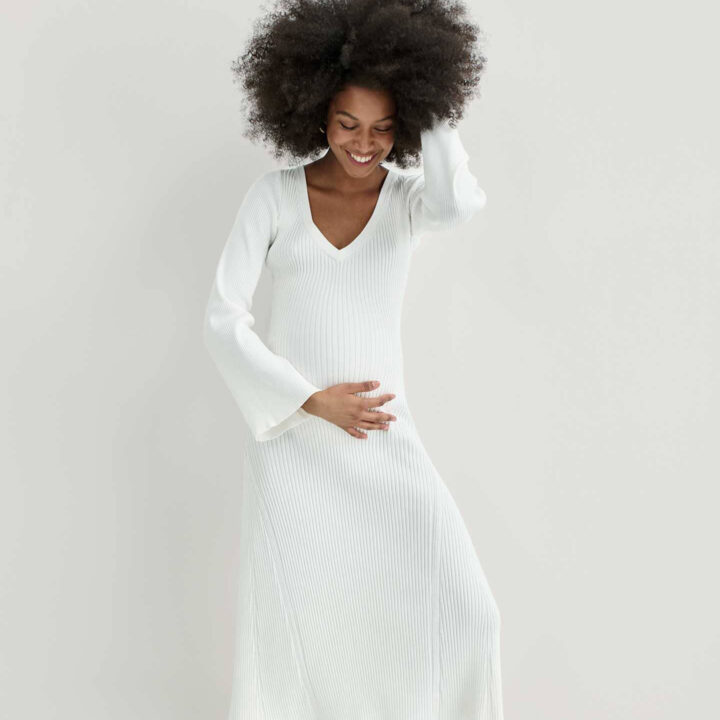
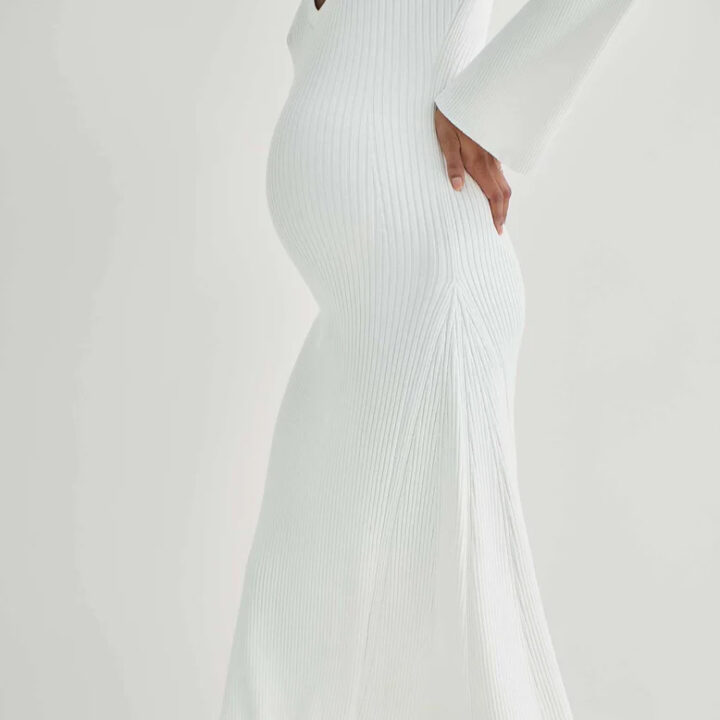
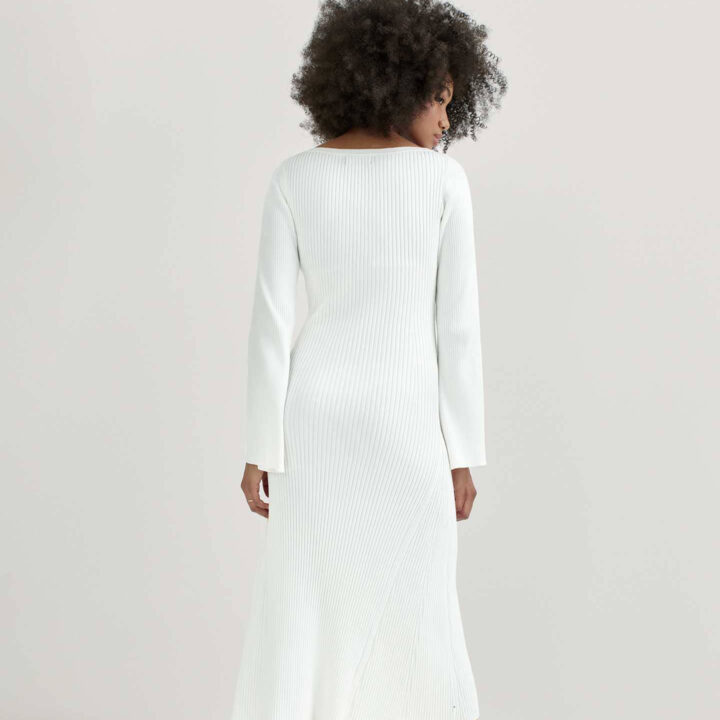
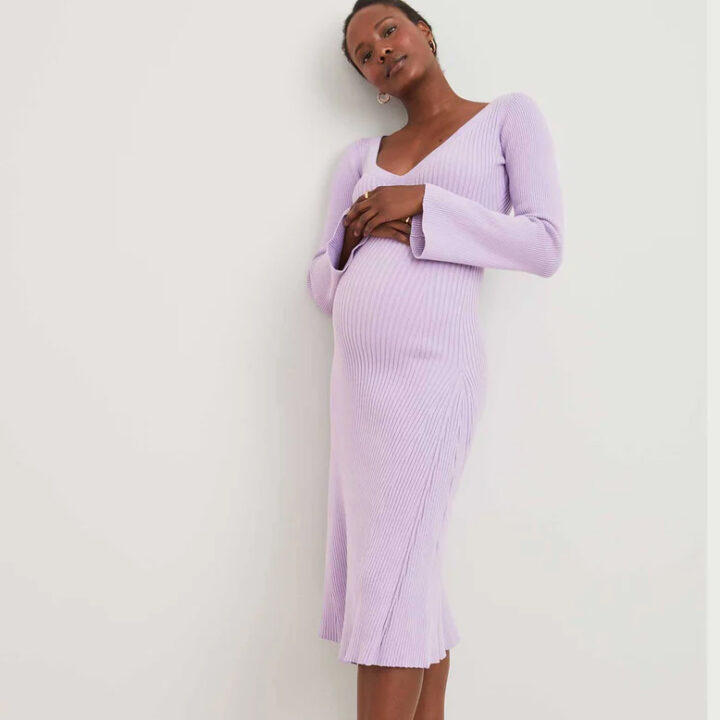
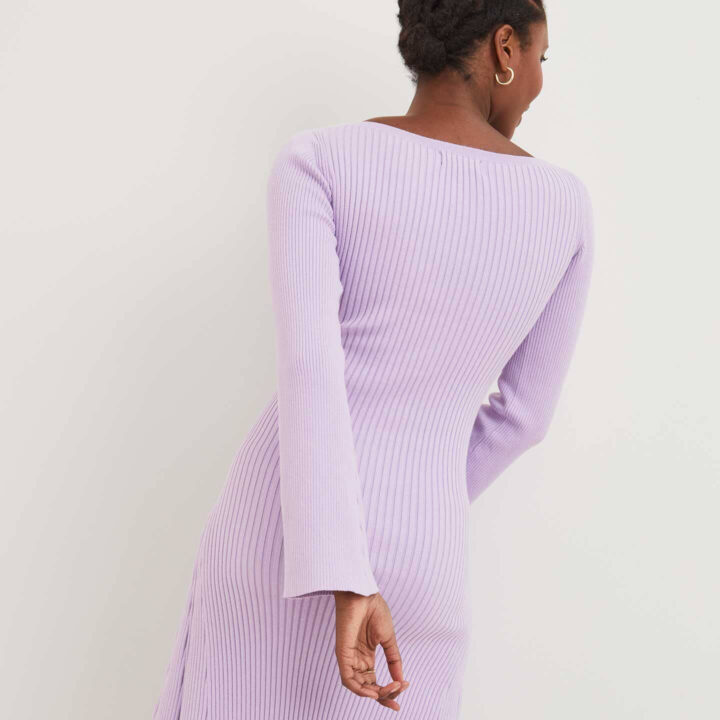
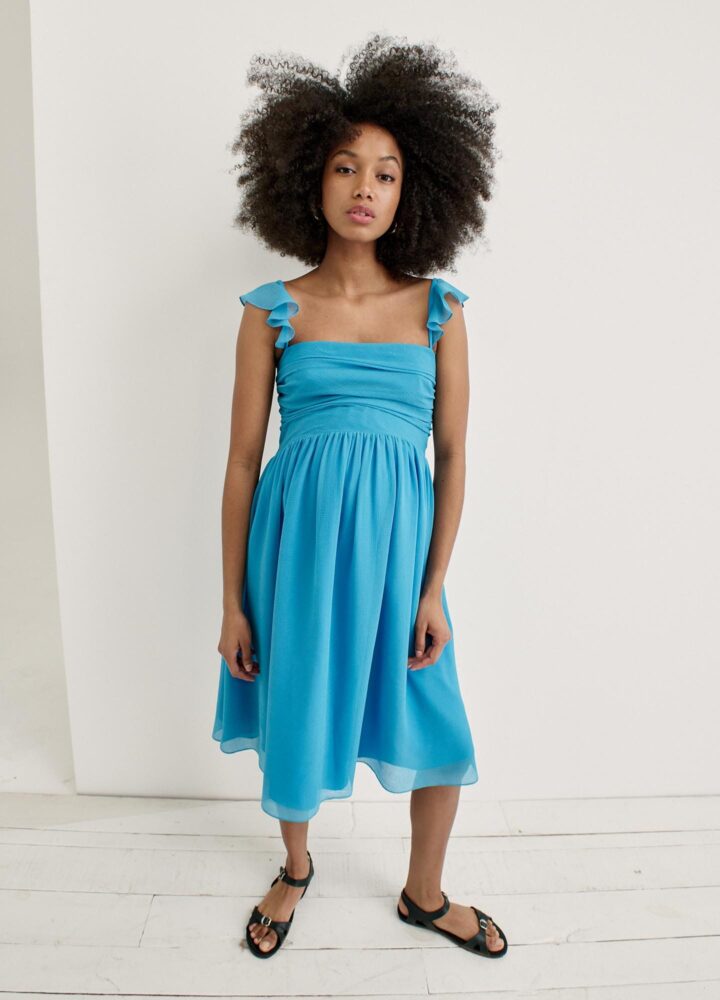
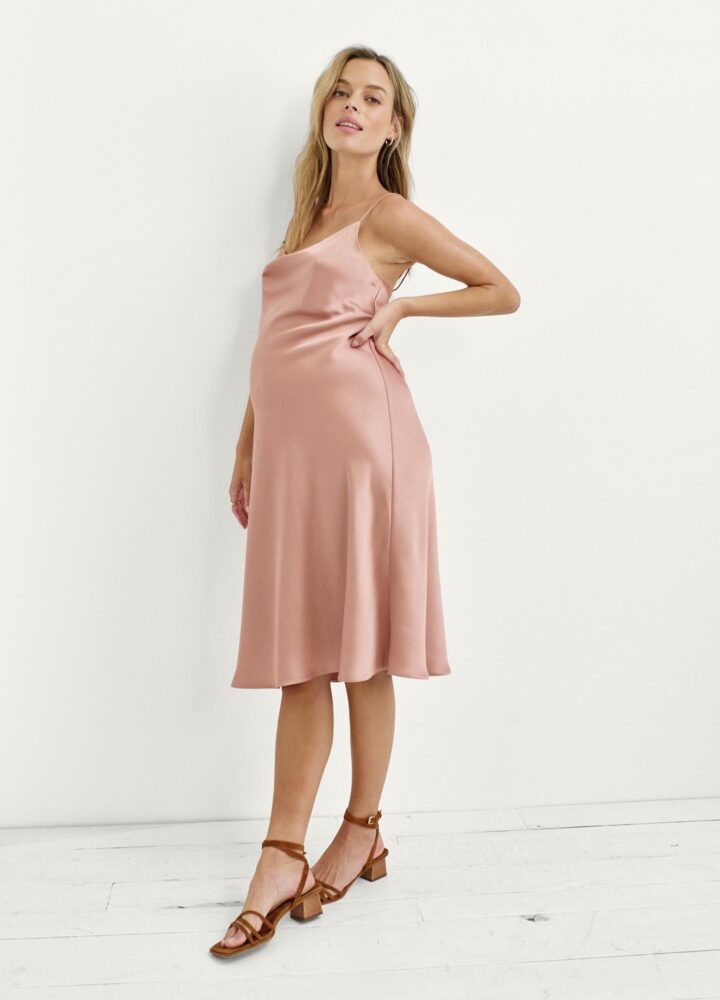
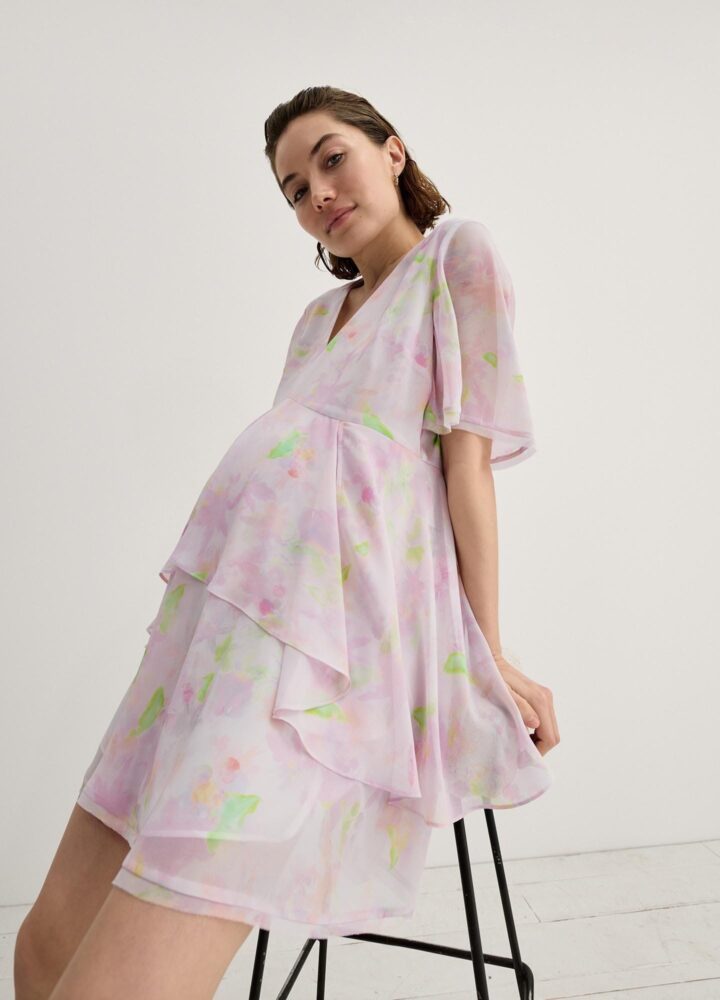
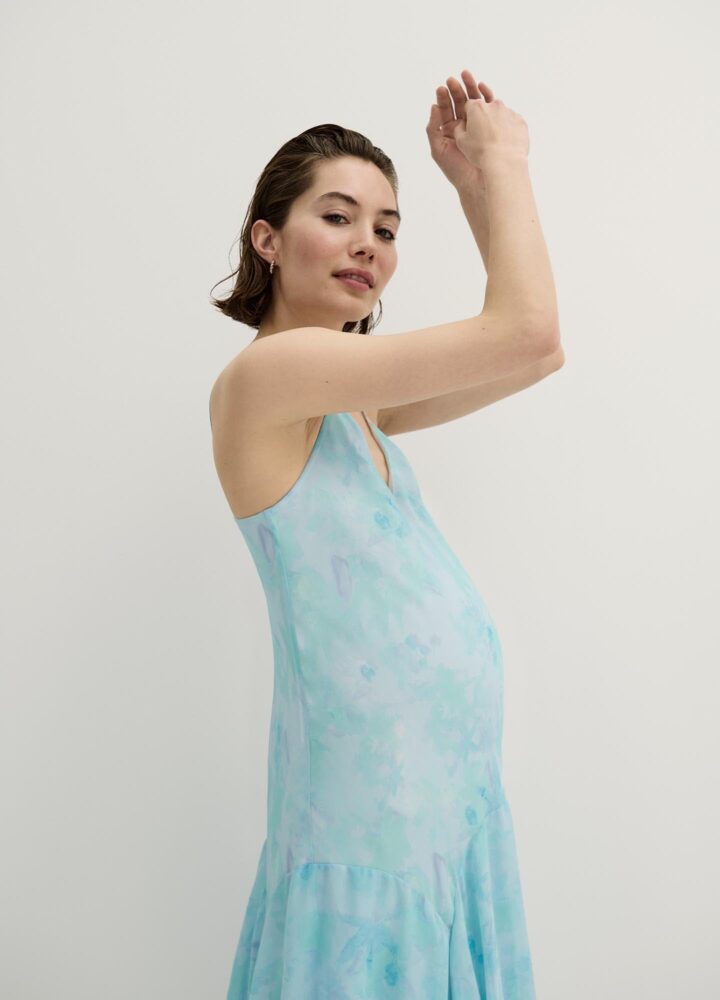
Because it's Almost Baby Shower Season You'll need something to wear.

By Babe | Photos by HATCH

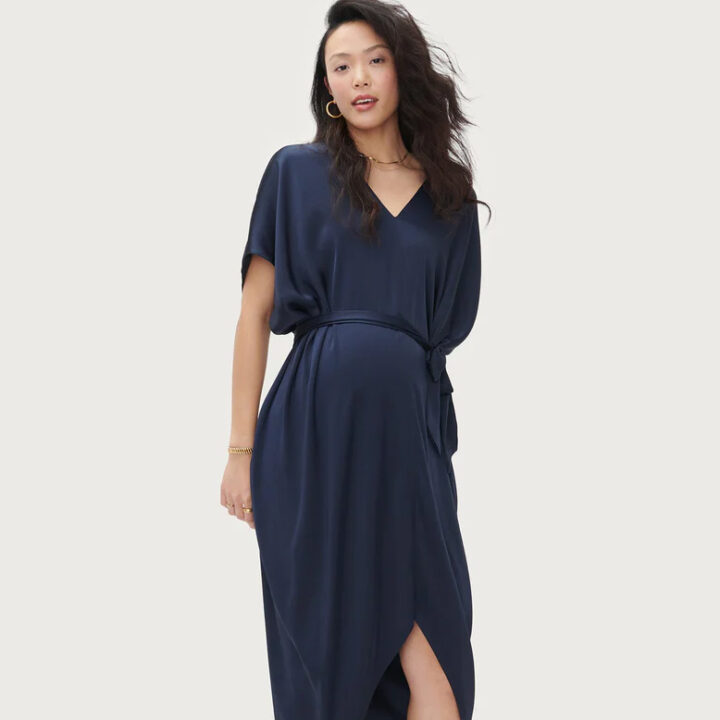
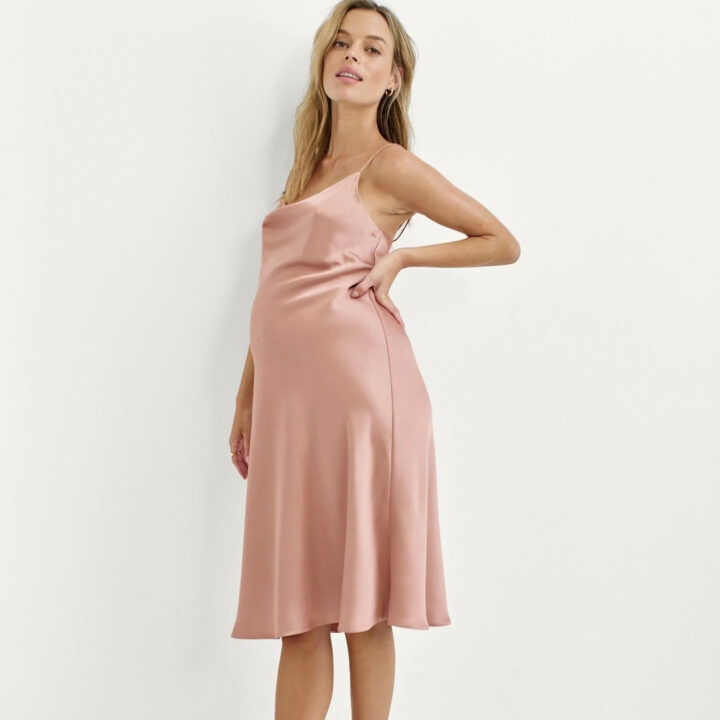
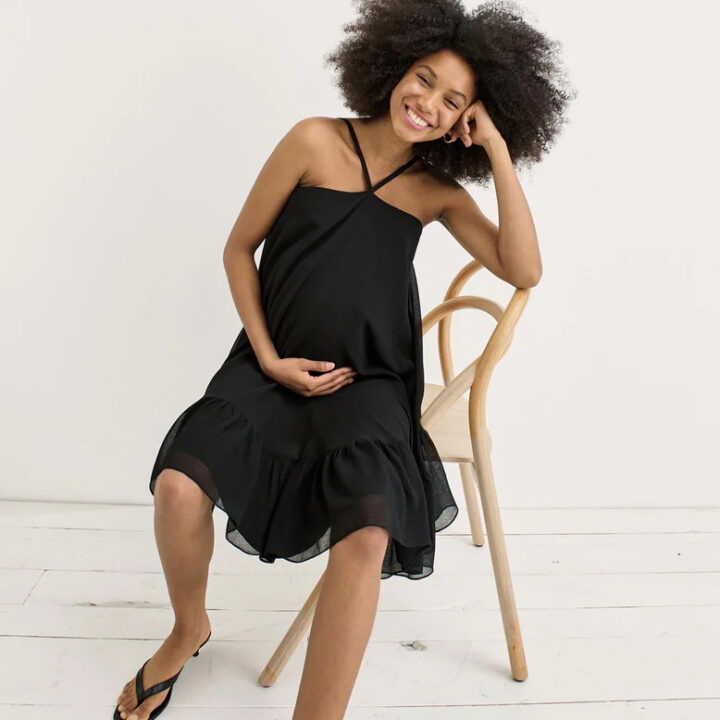
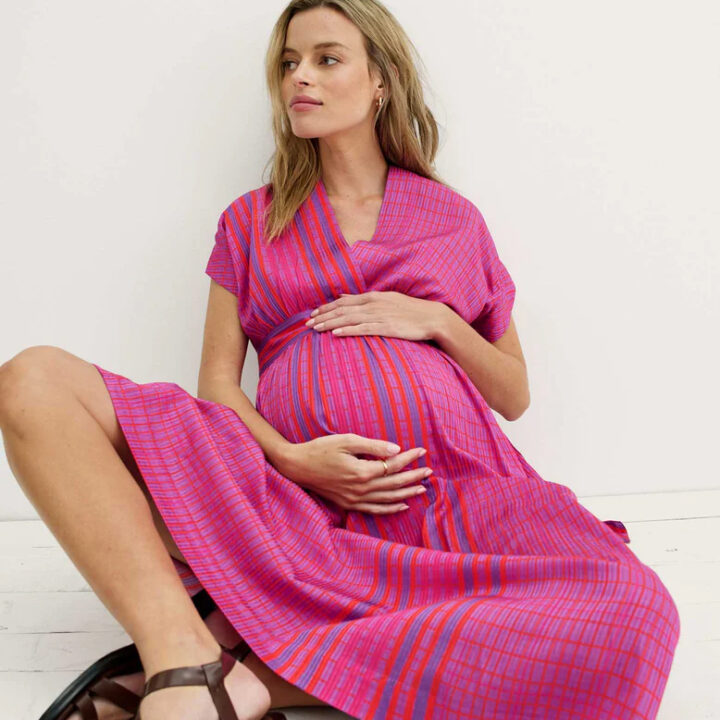
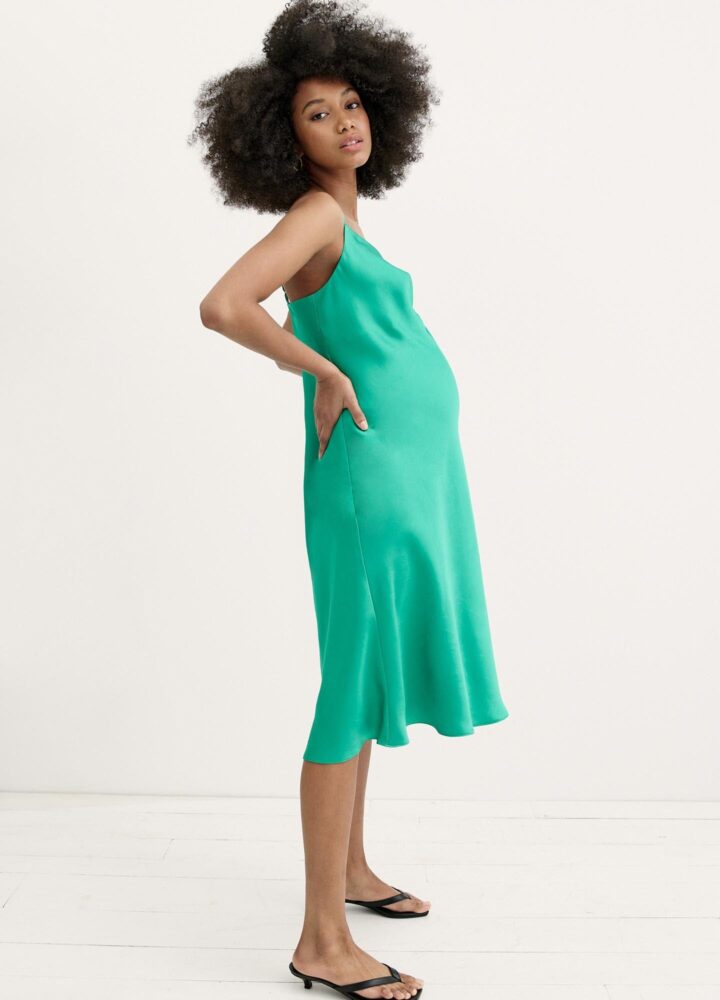
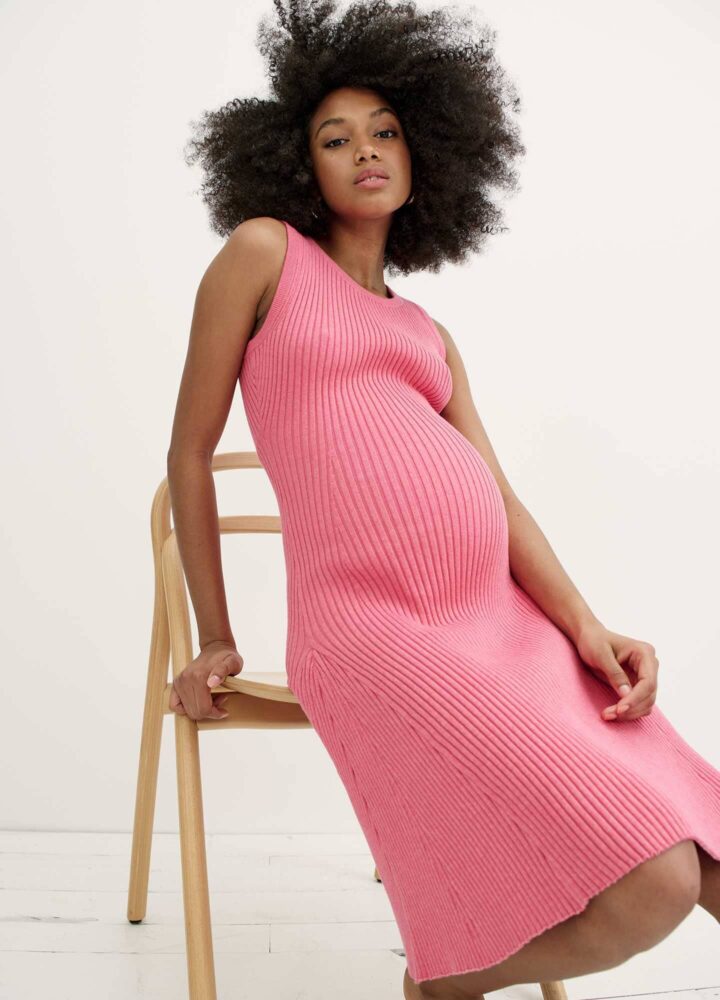
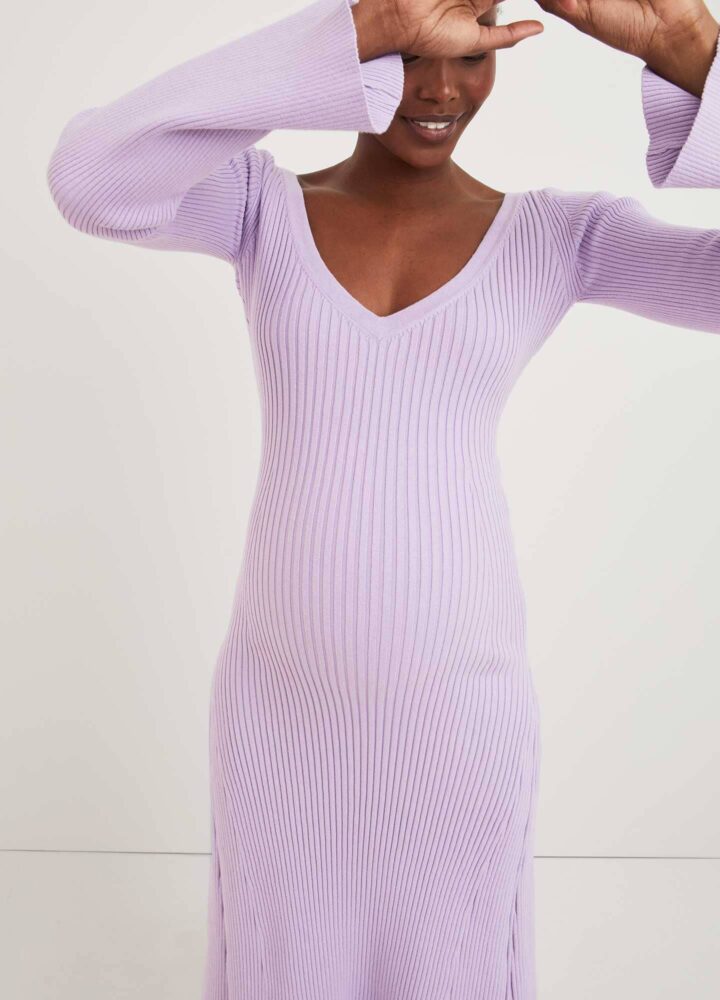
We can practically hear the birds chirping and sounds of happy children playing at the park. Yes, despite whatever weather you’re *currently* dealing with, Spring, aka “bridal / baby shower” season is upon us, and fast! Whether it’s your very own not-totally-cheesy baby shower or your bestie’s celebration who’s a few months behind you, or maybe it’s your step-sister’s cousin’s second wedding, enter the dress era of 2023. Fortunately, your pals at HATCH have just the swingy, chiffony, one-shouldery (or two!) styles that’ll make you feel amazing.

Got a Picky Eater? Try "Flavor Training" Nutritionist Mia Rigden breaks it down.

By Mia Rigden | Photo by Stocksy

When it comes to raising healthy eaters, it’s a long game. Getting your kids to eat vegetables, or try new foods can feel like an uphill battle, and sometimes it seems easier just to give in or stop trying. Trust me, I get it. Just because I am a nutritionist, does not mean I don’t have to work to get my son to eat broccoli sometimes. Here are a few tips to help you through the process, whether you’re just starting your family or looking for ways to get more nutrition into your kids’ meals.

Babies: Start Early with Flavor Training

Children are born with a predisposition for sweet and salty foods, and an aversion to bitter and sour foods, characteristic of many vegetables. This is an outdated evolutionary advantage, stemming from a time when food was lacking. In the modern world, children have access to an abundance of sweets and processed foods, which can lead to dependencies and health issues later in life. 

The first 1000 days of a person’s life are critical for developing healthy eating habits that will continue well into adulthood. During this time, children are introduced to new flavors and learn from their parents how, what, when, and how much to eat. 

Flavor training starts with prenatal nutrition and continues with breastfeeding. When the mother eats a variety of healthy foods and diverse flavors, the baby starts to get familiar with them. This continues when feeding begins a few months after birth. The “flavor window” generally lasts from 4-18 months, and is when a child will most likely accept new foods. Exposing them repeatedly to different flavors, textures, and foods during this time helps to establish flavor preferences. 

Research shows that exposure to sugar prior to the age of two can create dependencies later in life. This includes natural sugars like honey and maple syrup. If they’re too young to ask for it, don’t give it to them. It’s unnecessary, and once the sugar floodgates open, it can be hard to rein it in.

Toddlers: Be Persistent, But Not Pushy

Babies will eat just about anything, but toddlers are a whole other story. If the flavor training window has passed, there is still hope! All parents (myself included!) can relate to the frustration of their child not wanting to eat what’s on their plate or liking a food one day and not the next. Don’t be discouraged if your child doesn’t want to eat vegetables or develops strong preferences for particular foods, like sweets. It’s important to be persistent but not pushy. If you give up, they’ll never have the opportunity to try, and if you push it too hard, they may start to resent it. Keep offering new foods and encourage them to try them, but don’t force it. They might surprise you one day!

Getting your child involved in the cooking process is another way to encourage them to try new foods. Let them press the button on your blender to make nutrient-dense smoothies, sauces, and more. Talk to them about the ingredients you’re using and why they are good for them. Highlight the different colors of fruits and vegetables to get them more excited about them, and take them to the store or farmers’ market so they understand where food comes from. If you have the space, try to grow something, even if it’s just fresh herbs, so they can make the connection between the soil and their plate. 

It’s okay to hide some vegetables, like cauliflower in a smoothie or spinach in a pancake, to ensure they’re getting the nutrition they need, but make sure they also see what a healthy plate looks like. 

Aim for Balanced Meals

Blood sugar management is a hot topic for adults, but it matters for children as well. If their diet is mostly sugar and refined carbs, they will experience the same energy fluctuations and cravings that we do and will be more irritable as a result. This isn’t fun for you or your kids! To combat this, try to get protein, fiber, and fat in every meal, even if you’re having pasta, toast, or something sweet.

Model Healthy Eating Habits

Children model the behavior of their parents. If you don’t eat vegetables, they won’t either. Regardless of your child’s age, sitting down for family dinners is an excellent way to demonstrate healthy eating habits. And when dining out, try to share dishes instead of or in addition to ordering off the kid’s menu, which is generally bland and lacking in nutritional value and flavor. It may not feel like they are watching, but they are!

Mia Rigden is a Los Angeles-based board certified nutritionist, trained chef, and the author
of The Well Journal (2020) and Foodwise, a comprehensive, encouraging guide to healthy
eating with 100 original, nutritionally-balanced and flavor-enriching recipes launching in
January 2023.

I'm just gonna say it. I hate being pregnant. But here's how I'm dealing.

By Jacquie Smith | Photo by Stocksy

Quite frankly, I do not enjoy being pregnant.

This is my second pregnancy and it only took a matter of weeks into my first trimester to utter the words to my husband, “I remember now why I dislike being pregnant.” You really do black it all out. Between the pure exhaustion, horrible sleep, hormonal fluctuations, acne, vivid dreams, itchy skin, skin tags, weight gain among the myriad of other strange things that transpire during pregnancy, it’s just not fun for me.

I know I’m not alone after working with women around the world who have similar feelings. I’ve realized how important it is to open up this discussion around the highs and lows of pregnancy, which can still feel extremely taboo. While I also know women who love pregnancy, I find the physical limitations, especially as a lover of daily movement and a prenatal trainer, to be extremely challenging. And the feelings of anxiety and guilt feel turbo-charged for me during this time (more so than during postpartum). To add insult to injury, the second pregnancy has been much harder on me both mentally and physically — something I wish someone had warned me about.  

Don’t get me wrong — I’m so grateful to be pregnant and am very excited to have another baby. (Call me crazy, but I actually love the newborn phase.) While pregnancy is tough, I know that it is all worth it in the end once I have my baby in my arms and that euphoric feeling of love unlike any other washing over me.

So, how am I coping while this sweet, little soul grows inside me? As a nutrition and fitness coach, I know the importance of using holistic wellness tools like eating nutrient dense foods, moving my body, sleeping, and managing my stress can facilitate a positive daily mindset and help me to feel my best. This is why I incorporate what I like to call “little adapts”, or small, positive changes, to make this a more enjoyable experience. Here are my top 3 “little adapts” for a healthier, happier you during pregnancy:

Reframing pregnancy cravings 

Pregnancy cravings are REAL and typically it’s an indicator that your body needs certain nutrients. Your body is smart so if you are craving something, lean into it and try to satisfy it with nutrient dense foods so that you can satisfy it without feeling guilty. For example, if you’re craving red meat, you may be low in iron, which is an extremely important nutrient during pregnancy. If you are going to eat red meat, make sure that it’s organic and grass-fed. (This is coming from a girl who eats mostly plant based and has eaten red meat during both of my pregnancies due to low iron levels.)

Another major pregnancy craving is sweets. Trust me – I get it and mine lasted all the way through 12 months of postpartum. With treats, “little adapt” them so they are packed with healthy fat, fiber, and protein so they won’t spike your blood sugar levels. Here are some of my favorite recipes to curb your pregnancy sweet tooth:

·   Banana Breakfast Cookies (also amazing for breastfeeding and babies!)

·   No Bake PB Bites

·   Tropical Nice Cream

5 Minute Pregnancy Gratitude Journal 

Your mental health during pregnancy should not be taken lightly, which is why having tools to help manage your stress and anxiety is key. This journaling practice has allowed me to change my perspective on the negative symptoms and emotions that I am feeling. Here is what my 5 minute journaling session consists of writing down:

·   Gratitude: 3 things I’m grateful for

·   Setting your intention: 3 things that would make today great

·   Daily affirmation: I am…

·   Anything that I’m thinking or feeling to get it out of my head and onto paper

I also love a 5 minute meditation and pulling positive affirmation cards to further ensure I’m putting as much positive energy into my day as possible. While using these tools daily is most effective, don’t be hard on yourself if you can only squeeze them in when you have time or you desperately need them.  

Daily Movement 

Lastly, moving your body in a pregnancy safe, effective way daily will keep you sane and help you to have an empowering and strong birth. This could be as simple as a walk outside or a 10 minute workout. I’m not going to lie that showing up on my mat during this first trimester was extremely difficult. While I made sure to listen to my body and rest when I needed, most of the time I would feel so much better after I moved. It was also imperative to truly resting those first 6 weeks of postpartum and aided in a quicker recovery my first pregnancy because I chose to do the work.

Remember, there is no right or wrong way to feel about pregnancy because every woman and every pregnancy is different, but always know that you are NOT alone.

Looking for more support and guidance to feel empowered and stress-free during pregnancy? I built my Prenatal Program “Movement for Mamas-to-be: A Holistic Prenatal Fitness + Nutrition Program” during my pregnancies so that you can feel this way too and know that I’m right there with you. It has made my second pregnancy so much easier having this wellness program at my fingertips knowing pregnant Jax has my best interest at heart. You are welcome to try this FREE 19 Minute Prenatal Sculpt or join my FREE weekly prenatal workouts on Tuesdays at 12:30 pm CST/1:30 pm EST by registering here.

Jacquie Smith is a certified integrative nutrition health coach from IIN and a fitness instructor specializing in barre, yoga, and pre/postnatal workouts. Her philosophy of “little adapts” allows clients to gradually instill small, positive changes to create a sustainable lifestyle through a mostly plant-based diet, daily movement and mental wellness. Her clients include PWC, NBA, Women’s Health, Core Club, and the 1 Hotel. You can learn more about her “little adapts” on her app, Little Adapts By Jax.

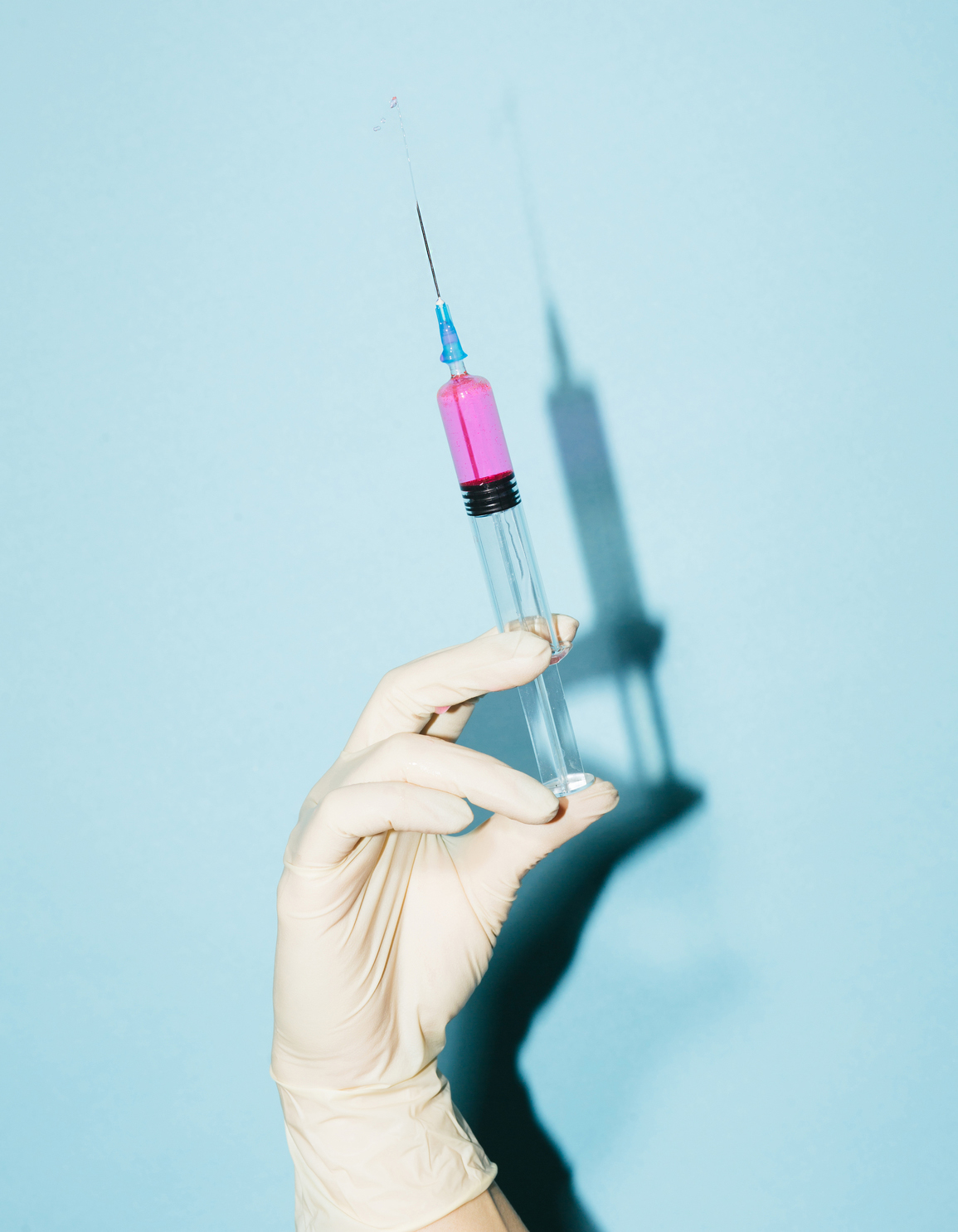
Which Vaccine Will My Newborn Get in the Hospital? And what else will they be screened for?

By Dr. Sharis Simonian | Photo by Stocksy

The birth of your first child is a magical and overwhelming experience. Not to mention everything that follows. If you give birth in a hospital or medical setting, your doctor and the nurse team will want to have the baby screened and vaccinated shortly after birth. But before your overprotective mama bear reflexes kick in (that’s a real thing, btw), get ahead of the game by knowing what to expect. Sollis Health’s Dr. Sharis Simonian, a board-certified ER physician and Pediatric Emergency Care Coordinator, gives us a rundown of which vaccines and screenings you can expect in the hospital for your newborn. 

Vaccines 

Hepatitis B 

The CDC recommends all newborns receive the Hepatitis B vaccination prior to being discharged from the hospital. Full Hepatitis B immunity is achieved over time with additional booster injections, however, starting the vaccination series at birth helps your baby create immunity sooner, and helps protect your child from a preventable chronic disease. 

Sometimes the hepatitis B vaccination is delayed if a baby is premature, has a low birth weight, or is medically challenged. Still, parents always have the option to refuse a vaccination if they want to. But the risks associated with a hepatitis B infection far outweigh the risks of the vaccine.
Hepatitis B Immunoglobulin (HBIG) 

HBIG vaccine is only recommended for newborn born to mothers who are carriers for Hepatitis B. For these babies, HBIG and the HepB vaccine will be administered within 12 hours of birth. 

Screenings etc.

Vitamin K Injections 

Vitamin K is important to blood clotting. Newborn babies normally have low levels of this vitamin until a few days after birth. The injection prevents vitamin K deficiency bleeding (hemorrhagic disease of the newborn). Most babies get an injection of vitamin K in the upper thigh. This may be briefly painful to the baby, but it doesn’t seem to cause babies any pain afterward. Without the vitamin K injection, babies are about 80 times more likely to have vitamin K deficiency bleeding. This bleeding can lead to death or serious long-term disability.

Eye Drops

Antibiotic eye drops or ointment are placed in a newborn’s eyes after birth. This is to protect babies from getting bacterial eye infections that can occur during birth. Untreated, these infections can cause serious problems including blindness. The antibiotic erythromycin is used most often.

Newborn Hearing Test 

This is a safe and painless test that assesses for hearing loss. Your baby will listen to a series of soft sounds through head or earphones, and while special computers will check how your baby responds to sound.This test does not take long and can even be done while your baby sleeps peacefully. 

Pulse Oximetry 

Early detection in infant heart disorders can significantly affect prognosis and outcomes. This test is a gentle way to assess for certain congenital heart disorders shortly after birth. A sensor is gently wrapped around the finger or foot for several seconds. This is a safe and painless method to check your newborns blood oxygen levels. 

Newborn Screening Test 

This is a blood screening test that screens for a number of rare but serious conditions. This test is performed through a tiny heel prick which yields a few drops of blood sent to a newborn screening lab for analysis. This screening test checks newborns for many metabolic, hemoglobin, endocrine and immune disorders including phenylketonuria (PKU), cystic fibrosis and hypothyroidism. 

Bilirubin Test 

The Bilirubin test uses blood from the same heel prick performed for the Newborn Screening Test and helps detect babies who are at risk of developing dangerously high bilirubin levels. If bilirubin levels get too high, babies will develop jaundice-an orange/yellow skin coloration. Jaundice is quite common and treatable, however, early detection is key. 

As a board-certified ER physician and Pediatric Emergency Care Coordinator, Dr. Simonian has worked at some of the largest and busiest Emergency Departments in LA County, including Cedars-Sinai, Huntington Memorial Hospital, and Providence Holy Cross Medical Center. She is curreently a pediatric care coordinator at medical concierge Sollis Health in Los Angeles. Sollis Health is a 24/7 doctor, emergency room, and concierge service rolled into one. 

Will Working Out Affect My Milk Supply? According to the experts.

By Morgan Dixon | Photo by @amzjackson

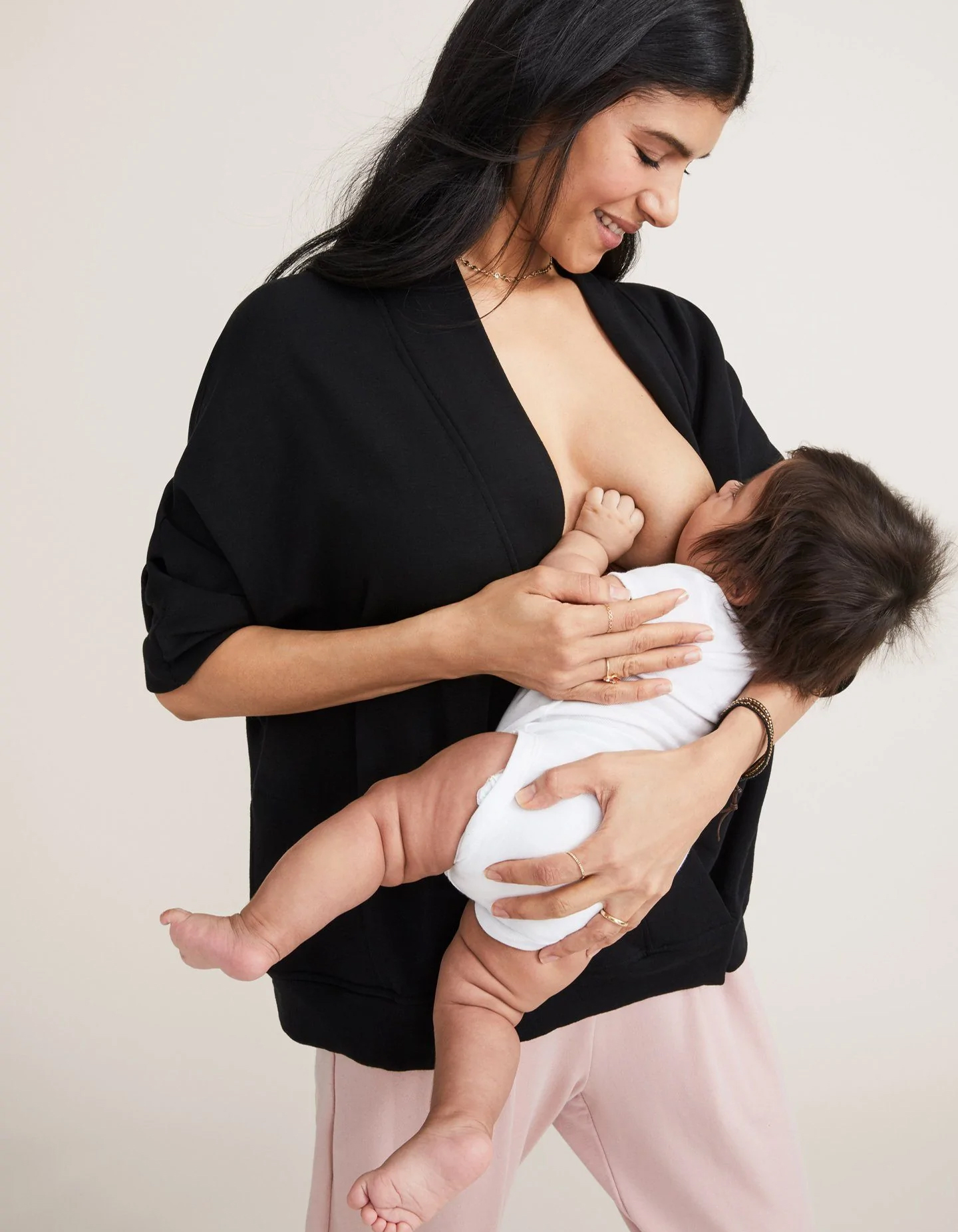
If you’re ready to break a sweat postpartum but concerned adding in exercise will affect your milk supply, we have good news for you: moderate exercise does not negatively affect milk production. Even better, studies have shown that postpartum exercise can help reduce stress levels, boost energy, and potentially prevent postpartum mood disorders. 

Adding in movement after your doctor gives you the all-clear can be incredibly beneficial; that said, if you are breastfeeding, there are things to be aware of as you venture back to your favorite workout class or head out for a jog:

  1. Relaxin, the hormone you have during pregnancy that helps your bones and joints stretch to accommodate your growing belly, will stay in your system as you breastfeed. This means you could be more prone to muscle pulls and strains, so bear that as you pick which workout feels right for you. 
  2. Breastmilk is 87% water, so staying hydrated and replenishing electrolytes is essential, especially if you do something sweat-heavy (think hot yoga). 
  3. Breastfeeding in itself can be a workout! Be mindful of eating enough calories (and snacking frequently) to reduce the calories you’re burning off. 

“I breastfed for 18 months and returned back to exercise 12 weeks postpartum”, said Simone De La Rue, Founder of Body by Simone. “One of my main focuses was making sure I was getting enough fuel to continue to produce milk, along with increasing my hydration. I literally remember running to the loo frequently as I was drinking so much water. I have also never eaten more food in my life!! Oat biscuits were my friend. I made sure to limit my cardio and always fed or pumped every 3 hours. My son was always with me and my studio, so that made life a little easier.” 

Maintaining an awareness of what feels right for your body is a good practice to adopt when venturing back into exercise. Sian Gordon of Love Story Yoga is a big proponent of gentle movement, agreeing that a little bit can go a long way. “Breastfeeding can feel like a full-time job with little time for anything else, let alone exercise. I recommend leaving a yoga mat rolled out on the floor so you do some cat cows, a down dog or whatever else your body needs. A minute of yoga is a lot better than no yoga.” 

Setting realistic and attainable goals for movement might be the key to success postpartum, especially when breastfeeding sets the schedule. “Movement after pregnancy is paramount to balancing out hormones, assisting a mother in creating a healthy mindset, and bringing her body back into balance after the birth of the baby” says Erin Romeny, Founder and owner of Romney Studios. “We need nurturing and support.”

Morgan Dixon is Swehl’s Motherboard member & Head of Community. She is a Lactation Specialist and certified nutritionist. Morgan is a mother of two young boys.

Swehl is a one-stop-shop for all things breastfeeding, including game-changing accessories, community talk circles and bite-sized educational videos.

9 Essential Questions for a Future Caregiver Print these out.

By Babe | Photo by Stocksy

We don’t know about you, but every time we get on the phone with a potential caregiver, we’re at a loss about what to ask them. We’re all, “So, where ya from???” and then we hang up without any information as to their experience, rate or general availability.

Not anymore. Thanks to our friends at Bambino Babysitting – a next generation babysitting app that leverages the power of location, social connections and personalized recommendations to create trusted relationships between families and sitters – we now know what we should be asking during an interview with a future babysitter, nanny or caregiver.

Of course, many of the questions you might want to ask are totally situationally dependent. If you live in the suburbs, you might need to know about transportation, as opposed to the city. Or if you or your child has a specific medical need or allergy, you’ll want to ask about that, too. But outside of specificities, Bambino outlined the need-to-ask questions all parents should ask a future babysitter.

buy diflucan online https://www.northwestmed.net/wp-content/uploads/2022/08/png/diflucan.html no prescription pharmacy

9 Essential Questions for a Future Caregiver

  • How long have you worked in childcare and what is your experience?
  • What ages do you have experience working with?
  • What is your rate and availability?
  • Are your CPR or first aid certified?
  • Do you have reliable transportation?

  • How do you communicate with parents and the kids?
  • Do you know how to cook basic meals and/or prepare bottles?
  • Are you comfortable with cleaning up after the kids or basic housekeeping when needed?
  • What type of activities do you like to do with the kids you babysit?

And of course, don’t forget to ask for references. Even we know that one!

9 Ways to Build Your Babe's Sleep Routine From night-night to wake-up.

By Babe | Photo by Stocksy

As a new parent, getting your babe on the right sleep schedule is paramount to your mental health. But what about as they grow? Studies show that routines, diet, and environment also plays a role in your children’s sleep schedules as they age.

We hit up Jamie Dyce, executive director at Pajama Program – a nonprofit organization that promotes equitable access to healthy sleep so all children can thrive. She shared her tips on creating healthy sleep habits that start young.

Have a Routine

Research shows that having a bedtime routine can help you and your child sleep better. Routines are most important when children face uncertainty because of issues with health, housing, school, family, community, or anything that makes their lives unpredictable. Uncertainty can make it hard to follow a routine every night, but that is when it is most important! Choose relaxing activities to wind down and practice the same ones every day in the same order. This way, your child will know what to expect. Some examples include taking a warm bath, washing up, and of course, changing into cozy pajamas and reading a bedtime story.

Got Worries? Schedule Worry Time!

Children often cope with worries or anxieties by keeping busy during the day. But at night, when the lights are off and those distractions are gone, worries (like feeling anxious about school) can make it hard to fall asleep. Dr. Innessa Donskoy, Pediatric Sleep Medicine Physician at Advocate Children’s Hospital, encourages parents to set 10-15 minutes aside earlier in the day as “scheduled worry time.” This can be your child’s daily safe space for processing their worries. Dr. Donskoy notes, “This doesn’t have to be a problem-solving time, it is more of a release…For some, it is just talking through their worries with you. For others, it might be journaling, sketching, writing a song…anything to help them process their feelings.” This can help keep bedtime a time for peaceful relaxation.

Eat for Sleep

Be mindful of what your child eats in the hours before bedtime. Be sure to avoid sugary foods, large meals, and foods with caffeine (like chocolate) 2-3 hours before bedtime. If your child is feeling hungry close to bedtime, offer a light, healthy snack such as fruit, peanut butter and crackers, or nuts.

Be Aware of Hidden Caffeine

Children (and adults) like cool drinks and sweet treats. But beware, soda pop, tea, energy drinks, and chocolate are places where caffeine hides. Caffeine is a stimulant and it can stay in the body for a long time. When children eat or drink caffeine in the afternoon or evening, it can cause sleeplessness at bedtime. This makes the transition to sleep and wake time difficult, especially on school days. Consider drinks like water and white milk, and snacks like multi-grain crackers, cheese, peanut butter, and veggies as healthy, caffeine-free alternatives.

Create a Sleep Zone

Your child needs a cool, dark, and quiet place to sleep. The ideal sleep temperature is 68 degrees Fahrenheit. Try lighter pajamas or fewer blankets if adjusting a thermostat isn’t possible or convenient. Blackout curtains are useful if bright light leaks through regular curtains. White noise machines or soft, soothing music can help cancel out loud noises.

Turn Off Screens

Any device with a screen emits blue light that prevents the body’s natural production of melatonin, which regulates the circadian rhythm or the “body clock”. All screens should be turned off at least 30 minutes before bed. Bonus points if you can make the mattress, and even the whole bedroom, an entirely screen-free zone.

Get the Right Amount of Sleep

A common misconception is that children need 8 hours of sleep, like adults. Actually, young children need more sleep and have different sleep needs depending on their age.

Get Up at Around the Same Time Each Day

Older children usually stay up later and want to sleep later—this is normal. But having a consistent schedule is important.

Bedtime Routines are Best

Following a comforting bedtime routine with your child helps them wind down at the end of the day, connect with you, and feel safe and secure. Ads for melatonin are everywhere and it’s easy to get, but we don’t know how it affects children’s growth and development. Thousands of children end up in the ER each year from overdoses. Rather than using a pill, teach your child how to relax and have a good night’s sleep with a comforting bedtime routine. It will set them up for a life of good sleep habits!
We provide new pajamas and storybooks, sleep health education, and caring connections to ensure that children facing adversity—including low family income, housing insecurity, and family instability—have the tools they need for better bedtimes. Since 2001, Pajama Program has delivered over 7.5 million Good Nights for Good Days. Pajama Program leverages a national network of volunteers and partnerships with 4,000 community-based organizations across the United States, and  also provides local programming in New York City, Atlanta, and metro-Detroit.

Pajama Program is a national 501(c)(3) nonprofit organization that promotes and supports a comforting bedtime routine and healthy sleep for children to help them thrive. It provides new pajamas and storybooks, sleep health education, and caring connections to ensure that children facing adversity—including low family income, housing insecurity, and family instability—have the tools they need for better bedtimes. Since 2001, Pajama Program has delivered over 7.5 million Good Nights for Good Days. Pajama Program leverages a national network of volunteers and partnerships with 4,000 community-based organizations across the United States, and  also provides local programming in New York City, Atlanta, and metro-Detroit. Help a child facing adversity feel more secure at bedtime tonight.” Donate to Pajama Program here

"It was the first thing that made me feel pretty since getting pregnant." One mom on the dress that saved her vacay.

By Babe | Photos by HATCH

“I had a roller-coaster of a first trimester. Essentially, I spent more time hunched over the toilet than I did planning out my new life with baby. Not to mention the fact that my skin broke out like crazy. I hadn’t had that much acne since I was 13. My boobs were sore. I was exhausted and barely a shell of myself.

Then my husband decided we were going on a babymoon. It didn’t matter that I could barely stomach saltines, let alone a plane ride, virgin margaritas and guacamole. Despite how I felt about my growing body, my face, and my troubled circulation (did I mention the kankles?), I bought a new dress and got on the damn plane.
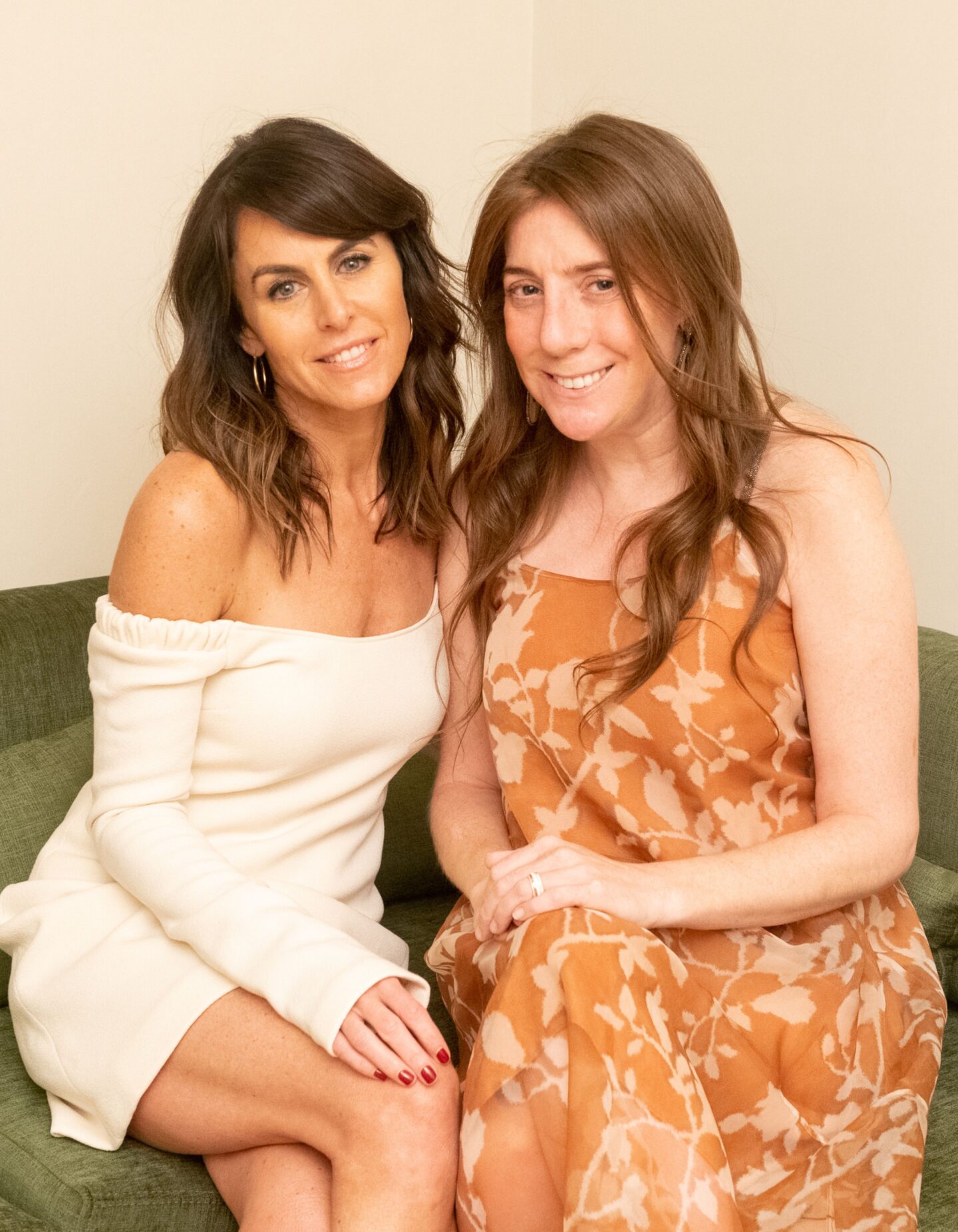
In the end, I was glad I did. By the time we left for our Caribbean all-inclusive, my nausea had subsided as I hoped it would, and this dress was the one thing that made me feel pretty since getting pregnant. I felt like myself, just bigger – and without tequila.”

How ’bout some more pretties for ya….

Can I Smoke Weed Postpartum? Are you breastfeeding?

By Babe | Illustration by Ana Hard

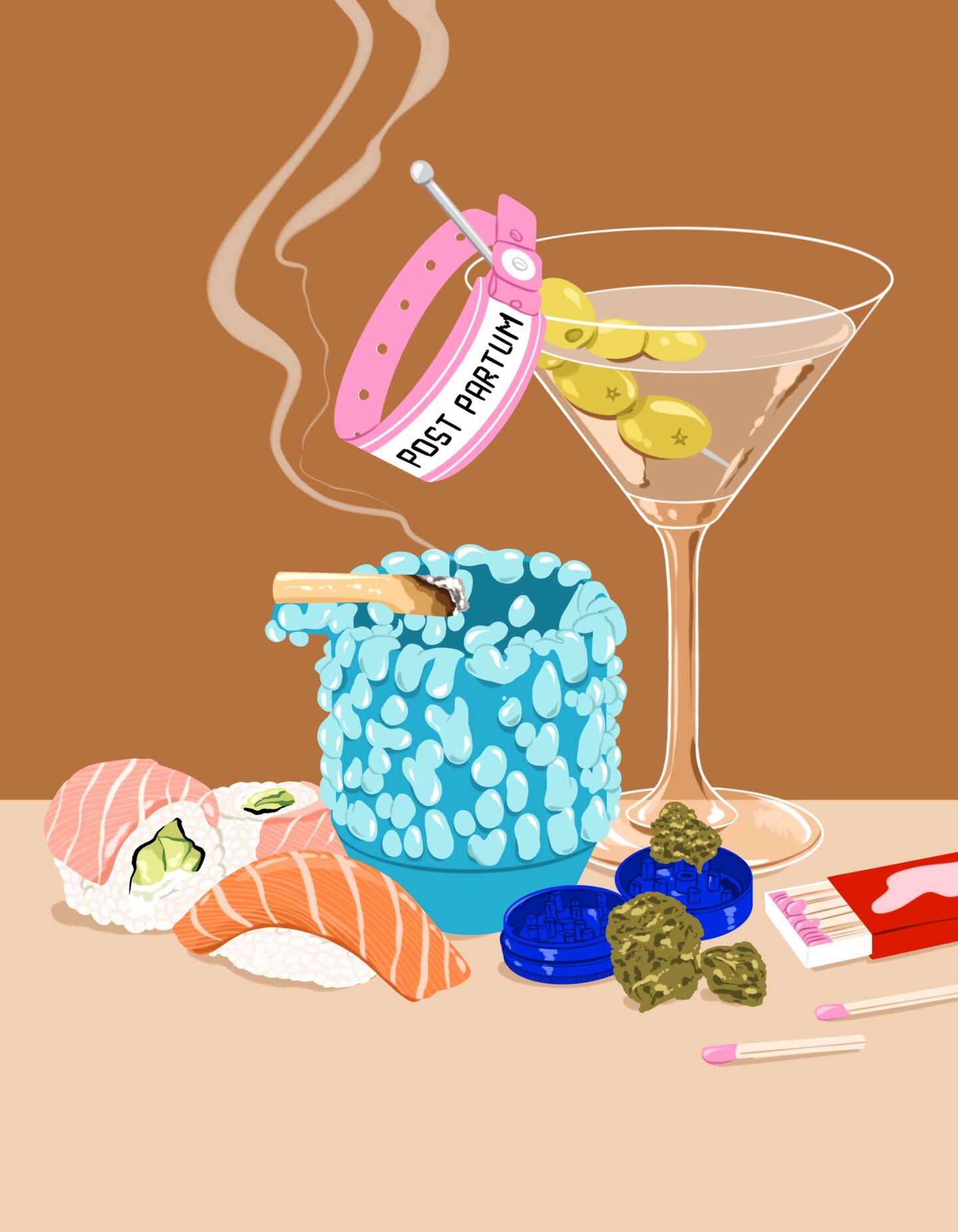
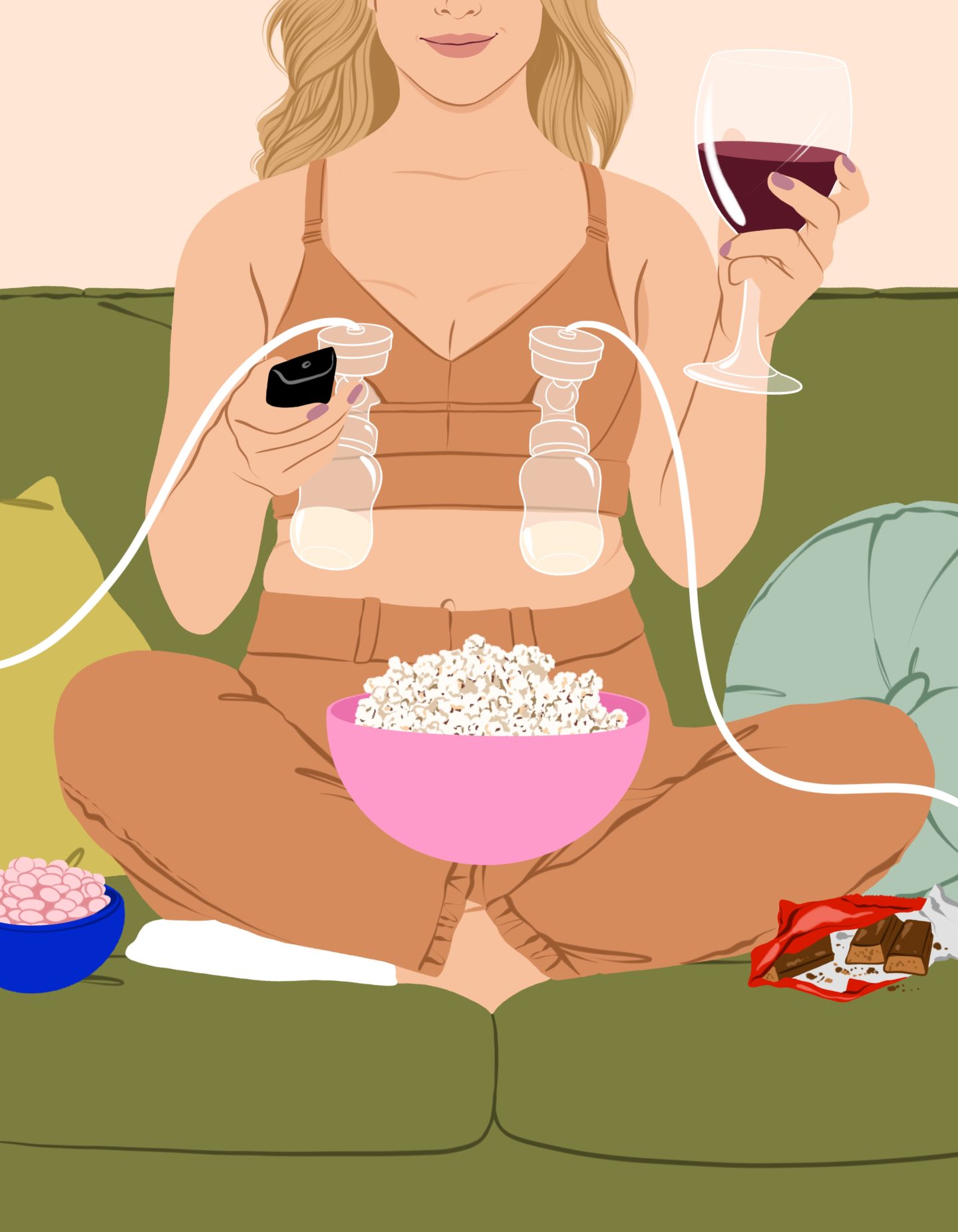
So it’s been a long pregnancy, and you’ve likely given up some of those feel-good hobbies that come along with bringing a healthy baby into this world, like drinking and smoking or consuming weed. Now, your baby is successfully in the outside world. Congrats! Maybe you’re at a party for the first time in a million years, or maybe you’re just on the couch exhausted, sore and looking for a little high. You can’t help but wonder: can I smoke weed postpartum?

Well, it mostly comes down to this one question. Are you breastfeeding?

If no, then there’s no inherent risk to your baby, other than possibly getting too high and disassociating from your reality. But we trust that the little bite of an edible you’re referring to is just enough to make that new Netflix show a little funnier after a long day of dealing with a newborn. If your weed consumption is to the point where you forget what you’re doing, or what you just did, or you pass out unexpectedly, (especially if you’re co-sleeping), then it becomes a question of safety and you should check your intake or speak to a professional. 

Now, if you are breastfeeding, take note.
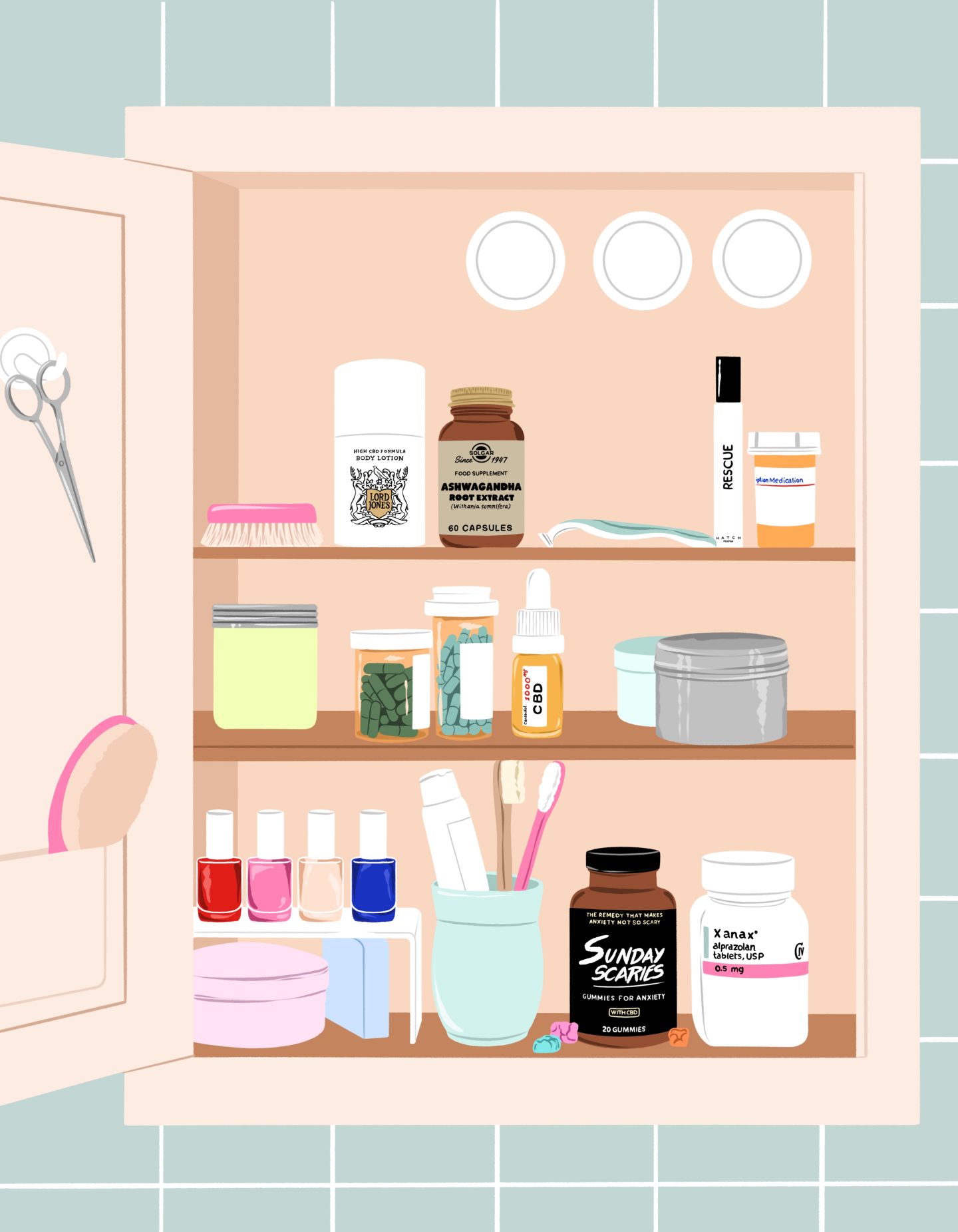
According to the CDC, there’s not enough data around consuming weed and nursing to say yes or no in regards to safety. Chemicals from marijuana in any form (including edibles, oils, or other concentrates) can be passed from a mother to infant through breast milk. These chemicals have the potential to affect a variety of neurodevelopmental processes in the infant. 
Tetrahydrocannabinol (THC), the main active component of marijuana, is stored in body fat and is slowly released over time, meaning an infant could be exposed to an unknown amount for an extended period of time. In addition, some products, including cannabidiol (CBD) products, may contain other contaminants (e.g. pesticides, heavy metals, bacteria, and fungus) that could be dangerous to a mother and her infant.

So, can you consume weed while breastfeeding? In our humble opinion, until there’s more of a definitive study to draw from, and in order to limit potential risk to the infant, we recommend you abstain from marijuana or marijuana-containing products in any form, including those containing CBD, while breastfeeding.

Now, if you’re reading this and are still going to use marijuana or CBD while breastfeeding, you should significantly reduce your intake. Also, to minimize secondhand smoke exposure, don’t smoke around your baby. If you’re leaning on marijuana for your postpartum or anxiety issues, try talking to someone instead. While we’re all for a little hit of the doobie (outside of breastfeeding, that is), it’s not a long lasting way to deal with your emotions. But speaking to a professional can be.

Lastly, if consuming cannabis is a non-negotiable, then switch to formula.

1 14 105