Act + Acre scalp careAct + Acre scalp care

Nursing-Friendly Scalp-care Products for Encouraging Hair Growth Postpartum Questions answered by Board Certified Trichologist, Helen Reavey

This article was written in partnership with Act+Acre. Use CODE: HATCH20 for 20% off your first order of Ace+Acre.

Navigating life postpartum for the first time is something you can never fully prepare for, no matter how ready one may feel. Every woman’s experience is uniquely different, though all new mothers may go through similar challenges—one of these being postpartum hair loss. 

We caught up with board-certified trichologist and celebrity hair stylist, Helen Reavey, to answer the most common questions regarding postpartum hair loss and discover the steps new mothers can take to minimize its effects.  

Why does postpartum hair loss happen?

Postpartum hair loss is caused by the rapid drop in estrogen levels that occurs postpartum, leading to more hair shedding than usual. During pregnancy, the hormones your body produces cause many hairs in the growth phase to enter the resting phase suddenly. Hair typically remains in the resting phase for a few months before finally shedding off. 

When should I expect my hair to begin shedding?

You will typically notice hair shedding around 3-4 months after giving birth, as this is the typical length of time that your hair remains in the resting phase before the follicle releases the hair and it falls out. 

When will it grow back?

Rest assured, this hair loss is only temporary, typically lasting around six months to a year. Most mothers should expect to regain complete fullness of their hair by the time of their child’s first birthday. 

What can I do to prevent my hair from falling out?

Thankfully, many steps can be taken to minimize the effects both before and after one notices the shedding begin. Here are my top recommendations:

Implement a Hair Growth Supplement During Pregnancy

Your hair is the last to receive any nutrients that enter your body—which is mainly the case during pregnancy as your body prioritizes nourishing your baby. By implementing a pregnancy-safe supplement, like the Act+Acre Planted Based Capsules, you can provide your hair with the nutrients it needs to maintain the healthiest possible growth cycle. 

Stimulate the Scalp with Frequent Scalp Massages

Maintaining circulation across the scalp is critical for healthy growth, as it works to keep your hair follicles stimulated and strengthen the hair root. You can perform this daily with your hands or incorporate a Scalp Gua Sha for increased relaxation. 

Keep Your Scalp Nourished with a Weekly Treatment

Provide your scalp with the nourishment it needs by implementing a weekly Scalp Detox. A scalp treatment can help dissolve impurities deep within the follicle, gently removing pollutants and product build-up while hydrating and nourishing the scalp. This brings your scalp back to a balanced state, restoring the dermal structure and encouraging healthy hair growth.

Incorporate a Daily Growth Serum

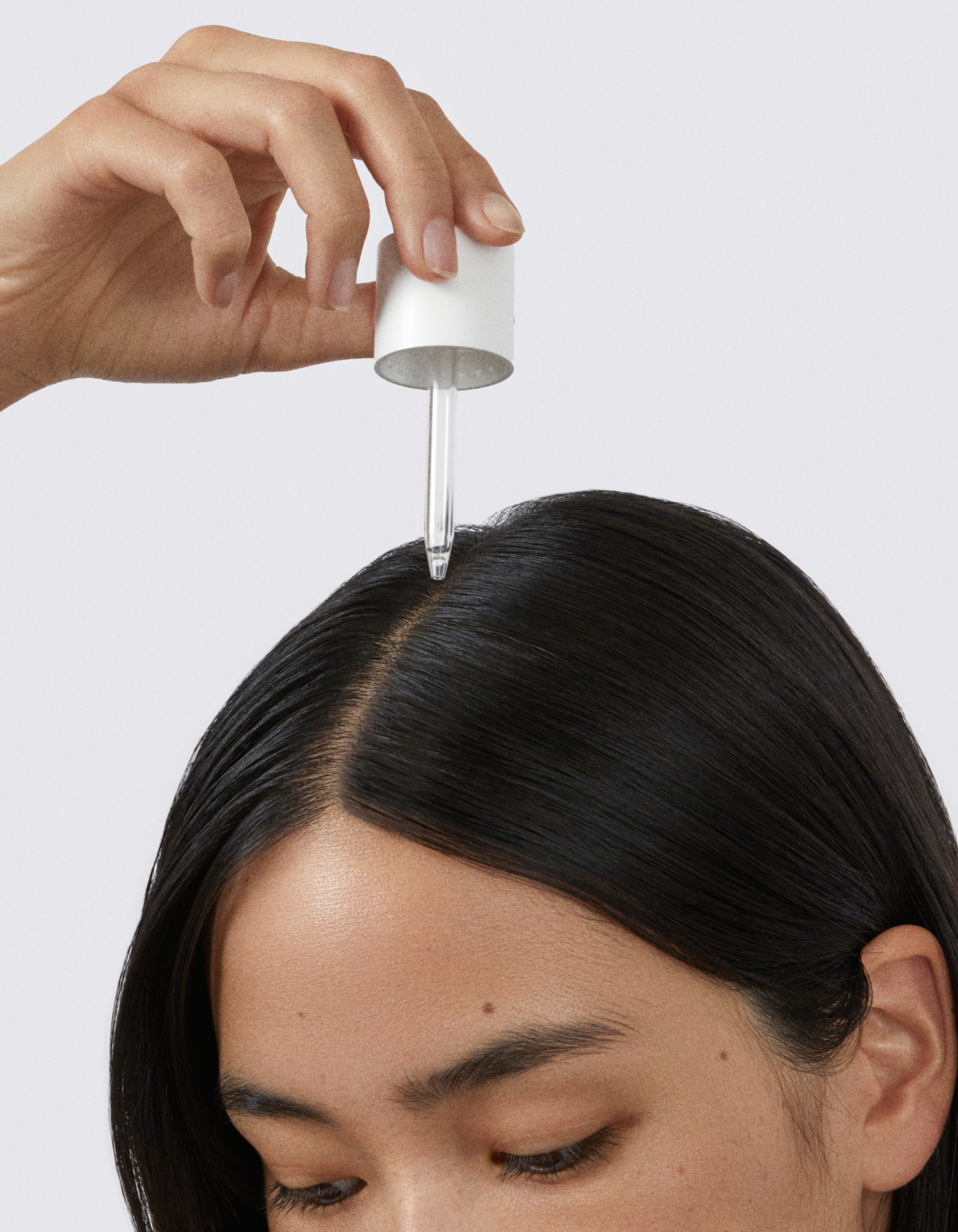
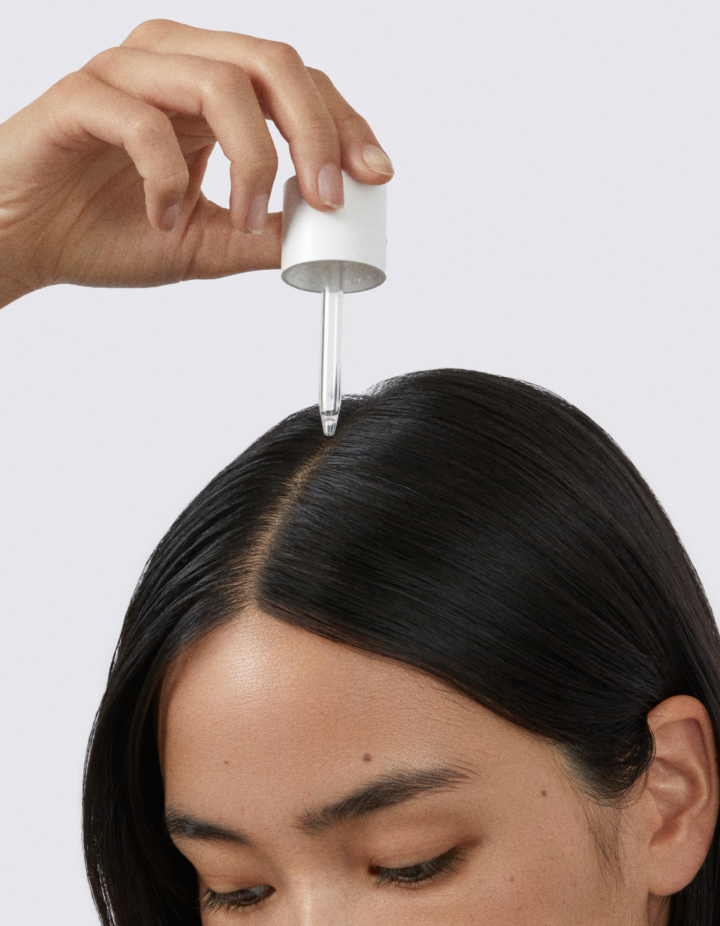
Applying a daily growth serum like the Act+Acre Stem Cell Serum can provide excellent results in minimizing the effects of postpartum hair loss. The particular composition of the Stem Cell Serum is rich in phytonutrients, which possess remarkable longevity properties, helping to promote and extend the growth phase of hair follicles and lessen overall hair loss. 

For an increased growth effect, you could implement a Scalp Dermaroller into your routine once per week as well. The tool creates micro-channels on the scalp to increase topical product absorption, further stimulating hair growth. 

Is there a chance my hair might never grow back?

If you have concerns about how much hair you are losing or have not begun to regain fullness in your hair after a year postpartum, I recommend visiting a trichologist or dermatologist. They can analyze your scalp and provide you with more personal recommendations on what steps you may need to take to begin seeing more growth. 

Remember that consistency and patience is critical to revitalizing hair after pregnancy. While it can be much easier said than done, particularly given the ever-changing reality that having a child creates, penciling in time for self-care should always hold importance. Small, daily actions can often lead to the best results.

5 Myths About C-Sections No, they don't remove your organs.

By Babe | Photo by @elle.nove

Among the medical community, c-sections tend to get a bad rap. There’s this vision of our guts splayed on the table, having no idea what’s happening on the other side of that blue sheet (and why is it always blue?). Then there’s the notion that post c-section recovery is a beast.

buy vilitra online https://www.scottsdaleweightloss.com/wp-content/uploads/2022/08/png/vilitra.html no prescription pharmacy

(Isn’t it always a beast, though?) So, here to dispel the myths around c-sections is Dr. Shieva Ghofrany, an OB-GYN based in Stamford, CT. and founder of community health platform Tribe Called V. We asked Dr. Ghofrany to drop some knowledge around c-sections in the hopes that should you need one, you can be comforted that you, your babe, and your abs will be just fine.

1. The doctor straps down your arms

We do not strap down your arms. Your arms are resting on armrests, mostly because we need to be in a sterile field from your chest down. So we can’t have your arms flailing around, but we don’t strap them down unless you’re under general anesthesia where you’re asleep. That’s all.

2. That we cut across your muscles

We don’t cut across your muscles. You have a diastasis, which is this natural separation of your rectus abdominal muscles when you’re pregnant because that baby has stretched everything out. So we just further stretch it out. Yeah. That part sucks. But we do not cut across your muscles unless it’s a rare circumstance where we are struggling to pull them apart.

3. That we remove your organs

We don’t remove your organs, meaning we do exteriorize your uterus (aka the temporary removal of the uterus from the abdominal cavity.) Not everyone does it, but we exteriorize.

buy advair online https://www.scottsdaleweightloss.com/wp-content/uploads/2022/08/png/advair.html no prescription pharmacy

After the baby’s out in order to really see the incision well, we exteriorize it but we don’t pull out all your chitlins and bowels like people think.

4. That you’re not going to be able to do skin to skin or delayed cord clamping

We still do delayed cord clamping typically for about a minute in most hospitals (which is considered the proper cord clamping time frame due to the health benefits for your baby), and you can do skin to skin often.

5. That a c-section is harder to recover from

This is actually the myth most important to me because it really depends. You might have a very challenging vaginal birth, like I had with my first.

buy amoxil online https://www.scottsdaleweightloss.com/wp-content/uploads/2022/08/png/amoxil.html no prescription pharmacy

I had to push for three hours and I had a catheter for two days, whereas my c-section was easier. So it just depends. Don’t assume it’s always worse.

Your Hospital Essentials

The 5 Questions to Ask at your First Pediatric Appointment From diapering to developments.

By Dr. Sharis Simonian, Physician and Pediatric Care Coordinator, Sollis Health LA | Photo by Stocksy

Parents often enter their first pediatric appointment with a look of whiplash. They literally gave birth five days prior and have, no doubt, spent a few sleepless nights and hazy days trying to piece their life back together with a newborn in the picture. Then they’re expected to know exactly what to ask when they make their way into their first pediatric appointment just days later.

So we tapped board-certified ER physician and Sollis Health Pediatric Emergency Care Coordinator, Dr. Sharis Simonian to shed light on the essential questions parents should be asking at their first pediatric appointment so that you can be be as prepared as possible when the moment arrives. 
How much crying is to be expected? 

Babies cry. It is common for parents to be concerned about how much crying is considered “normal” those first few weeks of life. Generally, crying 2-3 hours a day the first 3 months of life is common. More than 3 hours of crying a day may be cause for concern, especially if this a new development for your baby. If your baby has developed new changes, or if you have any concerns in regard to your newborn’s crying, discuss with your pediatrician. 
How much sleep should my newborn be getting? 

Newborns sure do sleep! On average newborn babies sleep 16 to 17 hours a day, though only a couple at a time. Discuss any concerns you may have regarding your newborns sleep patterns with your pediatrician. Getting an idea of what to expect in the next few weeks for sleep development will also be helpful to prepare yourselves as parents. Discussing sleep safety with your pediatrician on your first visit is recommended as well. Your pediatrician can help guide you on any concerns you may have regarding your newborns sleep environment. Be mindful of following the ABCs of sleep; Alone, on the back, in a crib. A-Alone, B-Back, C-Crib. 

Are these diapers normal? 

Newborn stool color, consistency and frequency can vary widely, and change often in the first few days of life. Ask your pediatrician what an expectable range for frequency of wet and dirty diapers would be as well as the consistency of newborn stools. Feeling comfortable as parents with knowing what is considered “normal” for newborn stool patterns will be helpful is assessing changes as they arise. There are several acceptable stool colors; however, always make sure to alert your pediatrician if you observe red, black or white stool. 

What concerning symptoms or behaviors warrant an urgent visit to the office? 

Newborns are fascinating! As parents, it is helpful to have an idea of what concerning signs or symptoms to watch for in those precious first few weeks. Newborns often have many variable presentations that are considered physiologically normal, but often make parents concerned. Discuss any breathing patterns, irregular sleep, skin changes or other variants that concern you with your pediatrician. 

Discuss what symptoms, behavioral changes and presentations may indicate an urgent visit to the office. It is also prudent to discuss what signs or symptoms would warrant going straight to the local emergency department. 

What developments or changes are expected in the new few weeks? 

Babies develop rapidly in the first few weeks and months of life. Discuss with your pediatrician what changes to expect in the coming weeks in regard to sleep and diaper patterns, feedings and milestone developments. Knowing these developments are around the corner can help you feel less stressed and more reassured as these changes arise. 

Sollis Health is a 24/7 doctor, emergency room, and concierge service rolled into one. With sleek private medical  centers in New York, The Hamptons, Los Angeles, Miami, Palm Beach, and soon San Francisco, Sollis can handle  emergencies, common illnesses, and everything in between—day or night, with no appointment and no wait. From in house labs and radiology equipment right on site to ER-trained physicians who have seen it all to round-the-clock  house calls, Sollis brings a unique members-only approach to medicine, which means no matter what happens, you’ll  always have the ultimate luxury: peace of mind. Learn more at www.sollishealth.com

Our Founder Has Been Dying to Make This Dress for Years Finally...The Ari Dress.

By Babe | Photo by HATCH

When Ariane Goldman founded HATCH over 10 years ago, her goal was to create maternity clothing that women could feel amazing in without sacrificing their sense of style. Dresses came and went. We’ve seen maxi Grecian goddess looks, tighter bodycon silhouettes. We’ve seen frilly, feminine styles with names like Margot, or Elise, and the iconic, rockin’ Ricky slip.

But there’s never been an Ari Dress. Until now.

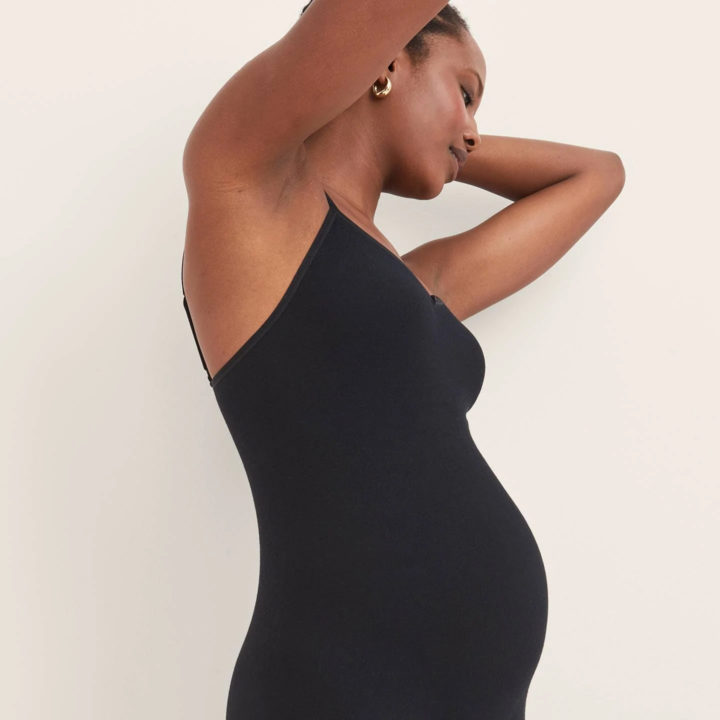
So, in an homage to our founder, meet the perfect one-and-done essential designed by Ariane herself that is the sum total of everything she’s ever wanted in a dress. The new Ari Dress, designed to be both functional and chic, is crafted from luxe, cozy French terry. It’s got a sleek mock-neck and an easy, understated silhouette that’ll grow with you all throughout pregnancy, wherever you’re headed. And, like our founder, it totally rocks, and is everything we love about HATCH.

Two people holding handsTwo people holding hands

How To Navigate Tricky Convos Around Fertility What about the baby???

We teamed up with our friends at Spring Fertility to learn how to best navigate conversations around fertility. Spring Fertility offers a new standard in individualized care – whether your journey involves fertility treatment, egg freezing, or simply starting to ask questions. Spring Fertility promises customized fertility plans that match your lifestyle (yes, they have weekend and later hours to fit within your schedule). Spring Fertility is the first fertility center in the United States to have developed “an actual technology that replicates the atmospheric composition of a woman’s fallopian tubes in a lab through each stage of IVF – from egg collection to fertilization, culture, and even embryo testing.”

You’ve made it to 2023. Congratulations. You’re tired. You deserve a break – yes, already. A restful, spa-like reprieve from the constant hamster wheel that is your brain for most of the year and even through your “vacation.” 

Whether you’re returning from your childhood home (I’m envisioning a scene from The Family Stone as I write that) or going back to the office, you’re probably around a lot of chatter regarding “milestones,” next moments,” and goals for 2023. And if you’re in that age bracket, you know the questions are gonna come:

So, where’s the baby? Have you started trying? How long have you been trying? You should talk to Mary! She saw this one doctor in the city and…

Cue: a deep breath.

It’s not uncommon for these conversations to come up as you gather together during a time of the year that asks you to reflect on what’s been and what’s to come. 

“January has historically been our busiest month for new patient inquiries,” Dr. Nicole Yoder from Spring Fertility tells us. “Last year, we saw a 46% increase in consult requests from December to January. We know that [this time] tends to encourage conversations about family planning in the year ahead. This, combined with people changing health insurance plans, increases demand every new year.”

So, if you’re interested in sharing your fertility journey (whatever it may be) with your family and friends  – or if you’re looking for a polite way to tell them to STFU, we’ve got you covered.

“It is important to align with your partner or support persons around how much you want to talk about your fertility with others,” Dr. Yoder explains. Here are some tips to navigate these conversations.

Assume your people are well-meaning 

Just because Aunt Sue’s voice sounds judgy doesn’t necessarily mean it is.It’s a lot easier to deal with these kinds of questions or comments if you know [or think] their intentions are good or if they are simply ill-informed,” Dr. Yoder explains. “It all depends on how much you’ve disclosed to someone about your situation with fertility. If they know you’re struggling, assume they’re trying to help. If they don’t, assume blissful ignorance.”

Be prepared

Dr. Yoder suggests coming up with an actual one-liner to help you get through the problematic talking points. “At every stage of life, we’re asked when the next “thing” will be. It’s best to go in with a game plan and a canned response, so you don’t have to linger too long. It’s up to you how direct you want to be,” she says. Some suggested Babe-approved responses: “None of your business” or “We’ll let you know when there’s something to let you know!”

Don’t assume sharing will suck

“Depending on your comfort level, you can use the opportunity to share your experience,” suggests Dr. Yoder. “Many folks ask questions, not realizing the emotions they can bring up. You can feel free to say you’re in the middle of fertility treatments, struggling to conceive or share any other part of your journey you feel comfortable discussing. This way, people understand firsthand how damaging these questions can be and may think twice about asking them again.” 

Build a support system 

You do not need to be an island of one (or even two). “Even if you decide not to share your journey with friends and family members, there are many online support networks such as Resolve.org or Peanut, to name a few,” Dr. Yoder recommends. “These groups can help you feel less isolated, empower you with knowledge, and connect you with other individuals in similar situations.” 

Develop a mindfulness practice 

Don’t roll your eyes. It actually works. “Journaling, meditation, acupuncture, yoga, and spending time in nature are all grounding activities,” Dr. Yoder says. “They can help cultivate an internal sense of peace and calm, even when external situations are challenging.”

Seek professional help  

If you’re still feeling out of sorts, or extra anxious, there are professional therapists specializing in treating patients struggling with fertility journeys. “Therapy can provide a safe space to work through your emotions and share tangible tools to help navigate this challenging time,” recommends Dr. Yoder.

This article was written in partnership with Spring Fertility. Spring Fertility operates full-service fertility clinics in New York and the Bay Area.

If You Only Buy 9 Maternity Pieces.... Peep the HATCH foundations you need.

By Babe | Photos by HATCH

Once you get pregnant, it’s hard to know what you’ll need. You don’t want to overbuy, but at the same time, you need items to take you from the first mini bump all the way to the finish line, and then for the craziness of life afterwards. Fortunately, HATCH has got you the whole way through with the building blocks of your maternity wardrobe, like the perfectly supportive bra, the classic button-down and a pair of wear-everywhere denim. In an effort to guide your foundational maternity wardrobe, we’ve put together the nine items you need to look and feel amazing. Whether you’re killing it at work or on the dance floor, our styles are designed to move and grow with you so that you can keep on doing you – just pregnant.

The Top Baby Name Trends of 2023 Hello, Saffron.

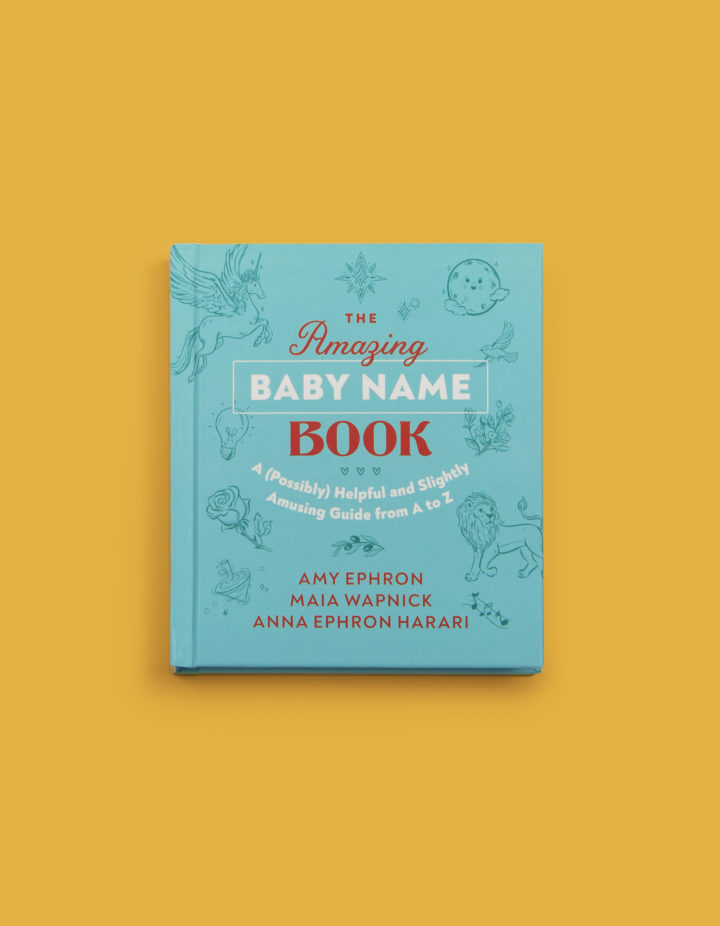
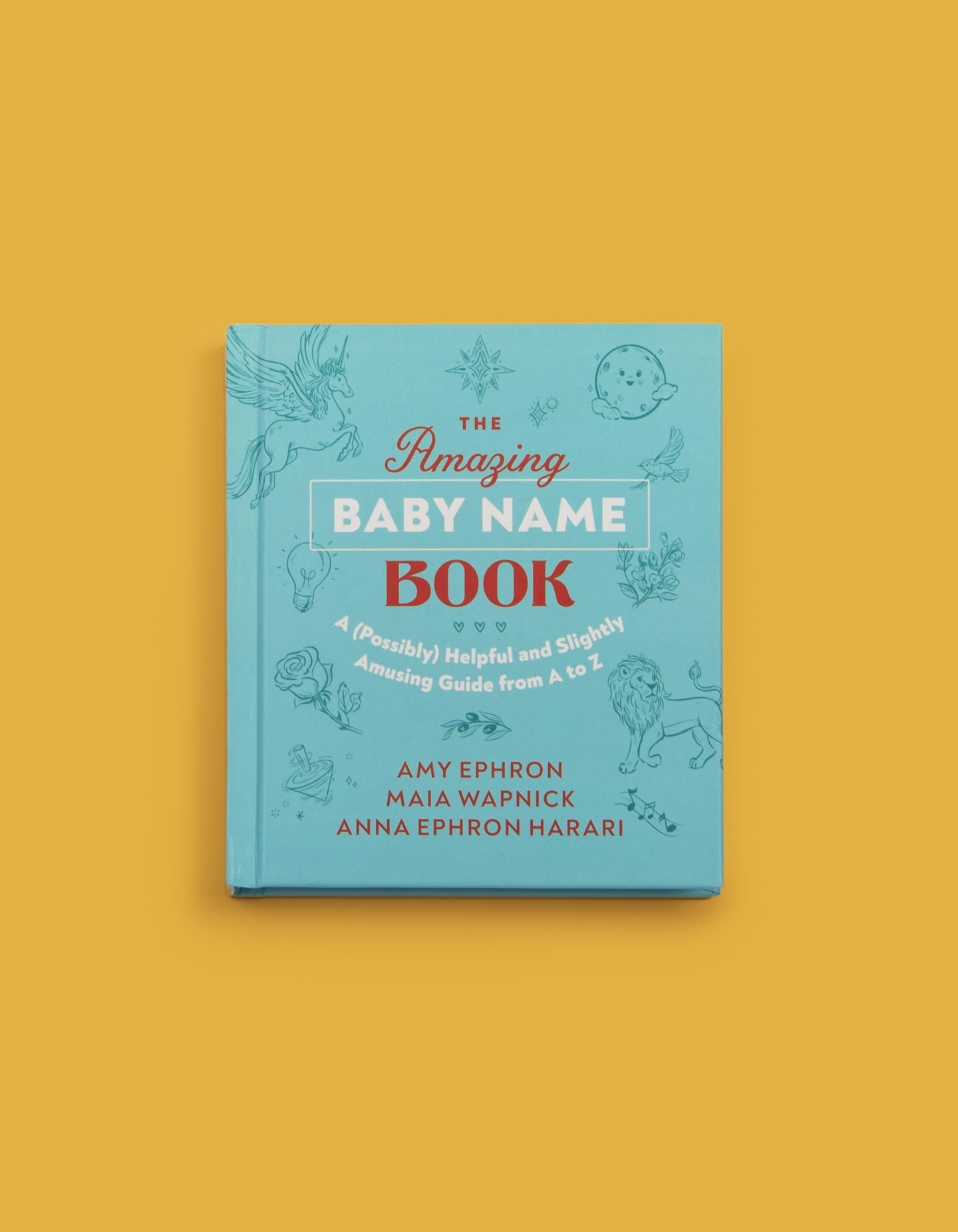
By Anna Ephron Harari | Photo courtesy of The amazing Baby Name Book

Anna Ephron Harai is the author of The Amazing Baby Name Book: A (Possibly) Helpful and Slightly Amusing Guide from A-Z.

In the recent spate of creative baby naming, there are now infinite options to choose from. While this abundance of endless options is amazing, it can feel a little overwhelming for the modern parent to name their child. It might be helpful to narrow down the field by first picking a category. That way you can draw on personal significance, set a theme for future siblings, and help yourself by limiting the amount of options from infinity to a little less than infinity. 

Here are some trending categories as suggestions. 

Names Immortalized by Songs

Naming your child after a song (Jolene, Jude or Georgia) sets an instant soundtrack to their life, and the name you choose is already guaranteed as one that inspires, connects a community, and of course has a rhythmic sound that rolls off your tongue. 

“It Girl” Names

“It Girls” (Clara, Iman) used to be women who influenced fashion and culture, and that still stands. But in the twenty-first century (and before) the list should include women who influence humanity and kindness and extraordinary achievement . Examples include Ruth, as in Bader Ginsburg, because she redefined the Supreme Court and looked glam while doing so and Malala, as in Yousafzai, because no one is too young to make a difference. 

Spices as Names

Spices give us flavor and variety, and inspire nostalgia passed on from generation to generation. Naming your child after a spice (Clove, Coriander, or Saffron), especially one that is personally meaningful and used often in your family, signifies your child’s integral and game-changing place in family life.

Colors as Names

Naming your child after a color (Amber, Aqua, Auburn, or Chartreuse) predetermines them as a visual and creative soul, and gives your child a bold palette to style their life. 

Names Associated with Water

Jacques Cousteau said that “the water cycle and the life cycle are one.” Water is our main source of life, and naming your child after a body of water (Jordan, Nyla or Yangtze) or a water term (Ocean, River, or even Wave), ensures their connection to nature, beauty and sustainability. We would also suggest Cousteau as a first name!

This list has been adapted from The Amazing Baby Name Book for this article. Check out the book for further name suggestions and the stories behind the names, including an array of other themes such as “Names that Sparkle” and “Primo and Prima Ballerina Names.”

Yes, You Can Prevent Food Allergies for Your Babe Emily Nolan on the 'six D's' in prevention.

By Emily Nolan | Photo by Stocksy

Hey Mama,

I’m Emily Nolan and I’m here to help you and your child prevent and manage food and environmental allergies and sensitivities. I’m a mother of a child who has food and environmental allergies, which we’ve reversed overtime with oral immunotherapy and a lot of courage. 

In this article, we’ll be discussing preventing food allergies in babies, which was co-created in part alongside Stanford immunologist, Dr. Tina Sindher. Dr. Sindher is a Clinical Associate Professor of Medicine and Pediatrics at Stanford. Her focus at Stanford is on allergy and immunology. 

If I had known these tips, our family could have likely avoided hundreds of hours of doctor’s appointments, additional blood work for our son, intense stress on relationships, diminished quality of life and mental health, huge loss of personal identity, and most importantly to us…we may have avoided anaphylaxis and the hundreds of uncomfortable allergy shots. Instead of feeling guilty about everything our family has gone through to keep our son safe and restore his quality of life, I have created this resource for you–so you hopefully don’t have to go through this particular journey with your family. But if you do, don’t worry. It’s not your fault, and I’ve got your back with my pediatric food allergy course, Fear to Freedom

When my son was diagnosed with food allergies, I read the book The End of Food Allergy, by Dr. Kari Nadeau and Sloan Barnett. I did some major digging online and came across an article in New Scientist boldly stating, “Food allergies could soon become a thing of the past – here’s why.” In the article, Dr. Nadeau talks about the “6 Ds of preventing food allergies,” and I was gobsmacked at how many variables there are that factor into the development of a child with food allergies. Sure, sometimes it’s just plain old luck, but many times, we can control–or do the best to control, what our child is and isn’t exposed to in an effort to give them the best shot. We’ll be discussing all of this with you today, so you can learn from the very best, how you may prevent food allergies in your baby.

Let’s jump right in and start learning. 

6 D’s of Preventing and Managing Food Allergies 

There are 6 Ds we know that help prevent and manage food and environmental allergies. They are:

Diverse Diet

You want your child’s microbiome to flourish, and it’s especially important in the first few years of life when his or her immune system is developing quickly. In the first few years of your child’s life, you should introduce as many fruits and vegetables, legumes, whole grains, and lean proteins as possible. When your child begins eating solids, aim for thirty fruits and vegetables a week for optimal microbiome development. I know that sounds like a lot, but I think you might be surprised if you challenge yourself to keep track of it in a 7-day food journal. If you don’t hit thirty, don’t stress. You’re doing the best you can and it’s all about the intention. (Did you know stress can have an adverse impact on the microbiome? Seriously. Whatever number of fruits and veggies you hit, it’s all good.)

In addition to a diverse diet, we want to introduce allergens early and often. In the United States, there are nine top allergens. They are milk, eggs, nuts, fish, crustaceans, shellfish, wheat, soy and sesame. There is no downside to assuming your child is at high risk for food allergies, so introducing these allergens as early as four months is now a common guideline to help food allergy prevention. Did you know you do not need to introduce individual allergens days apart? You can introduce two in one meal (or bottle), or one every meal (or feeding). Also, if you want to wait to introduce solids until six months, you can still introduce the allergens early. I like pre measured convenience products like this. I wish they were around when my son was a baby–and I knew how important it was to introduce allergens early and often for all babies, not just high risk babies. 

Vitamin D

You can test for Vitamin D levels in your baby, or, assume that they are low. In the Whole-Body Health podcast episode, Food Allergy Master Class, Dr. Courtney Blair states that she tells her patients to err on the side of being insufficient in vitamin D levels and suggests the families incorporate a supplement for their child based on their age. It is hard to overdose on Vitamin D, especially if you are following your child’s doctor’s approved supplement doses. Vitamin D during pregnancy can also help prevent food allergies. Always seek your doctor’s approval before introducing any supplements into your child’s or your health plan.

Dog

Especially in the first year of your child’s life, having a dog has been shown to lower the risk of food and environmental allergies. Why? Because they are full of so many allergens like dander and environmental allergens (in their mouth and on their fur). When they bring those allergens into the house, they usually find a way into the baby’s mouth somehow by liking them, contact with toys, blankets, sofas, etc. Once those allergens get into the baby’s gut, they can help prevent those allergies from developing. Which leads us to…

Dry Skin

Creating healthy skin barriers is so important. Without sealing off your child’s skin with lotion or petroleum products, it leaves their skin exposed and more susceptible to developing eczema–the place where food and environmental allergies begin! Once those allergens get into dry skin, before they get into the gut, your child is at a higher risk for developing life-threatening allergies. It’s important to note that sometimes you can do everything right and your child can still develop allergies. And if they do, don’t feel guilty. You are doing the best you can, and I’ve got you covered with my pediatric food allergy course to help you manage or reverse the allergy diagnosis. It’s not easy to reverse, it takes a lot of work (and pain, sweat, and lots of tears!), but it’s doable and worth it in my opinion. 

Also, try to bathe your newborn baby only as needed. When you bathe your baby, consider if you can use water only? If you need to use soap, do so sparingly to keep the lipid layers in your child’s skin intact. Those lipid layers protect allergens from entering into dry spots like eczema in your child’s skin, reducing the risk of developing allergies. To learn more and make sure you’re doing it right, listen in to Skin Barriers on Whole-Body Health and shop my preferred skincare products

Detergents

Harsh detergents, as well as any harsh chemicals and fragrances in the household can be damaging to a child’s skin and immune system. It’s important to use fragrance free, non-toxic products whenever possible. 

Dirt

Dirt is full of microbiome-building good bacteria. Let your child get it under their nails by cultivating a garden, letting them pick herbs, and drive dump trucks through dirt at the local park. Make it a fun family adventure and take them to a farm (farm dust is amazing for building up the immune system). It’s been shown that even one month of implementing activities like these can have a profound impact on your child’s microbiome. 

*Although the information inside Preventing Food Allergies in Baby comes from top doctors, leading experts, and thought leaders around the world, it should not be considered medical advice. Emily Nolan is not a medical professional, and the professionals you hear from in this ebook may not know your child. Health concerns related to food and environmental allergies and sensitivities are unique to every individual. You should always consult a qualified medical professional when making decisions that may impact you or your child’s health and well-being.

Pregnant woman sitting on the bed, relaxing and drinking water.Pregnant woman sitting on the bed, relaxing and drinking water.

This Water Supports You During Your Pregnancy Journey Jovē Water. Good for you. Good for babe.

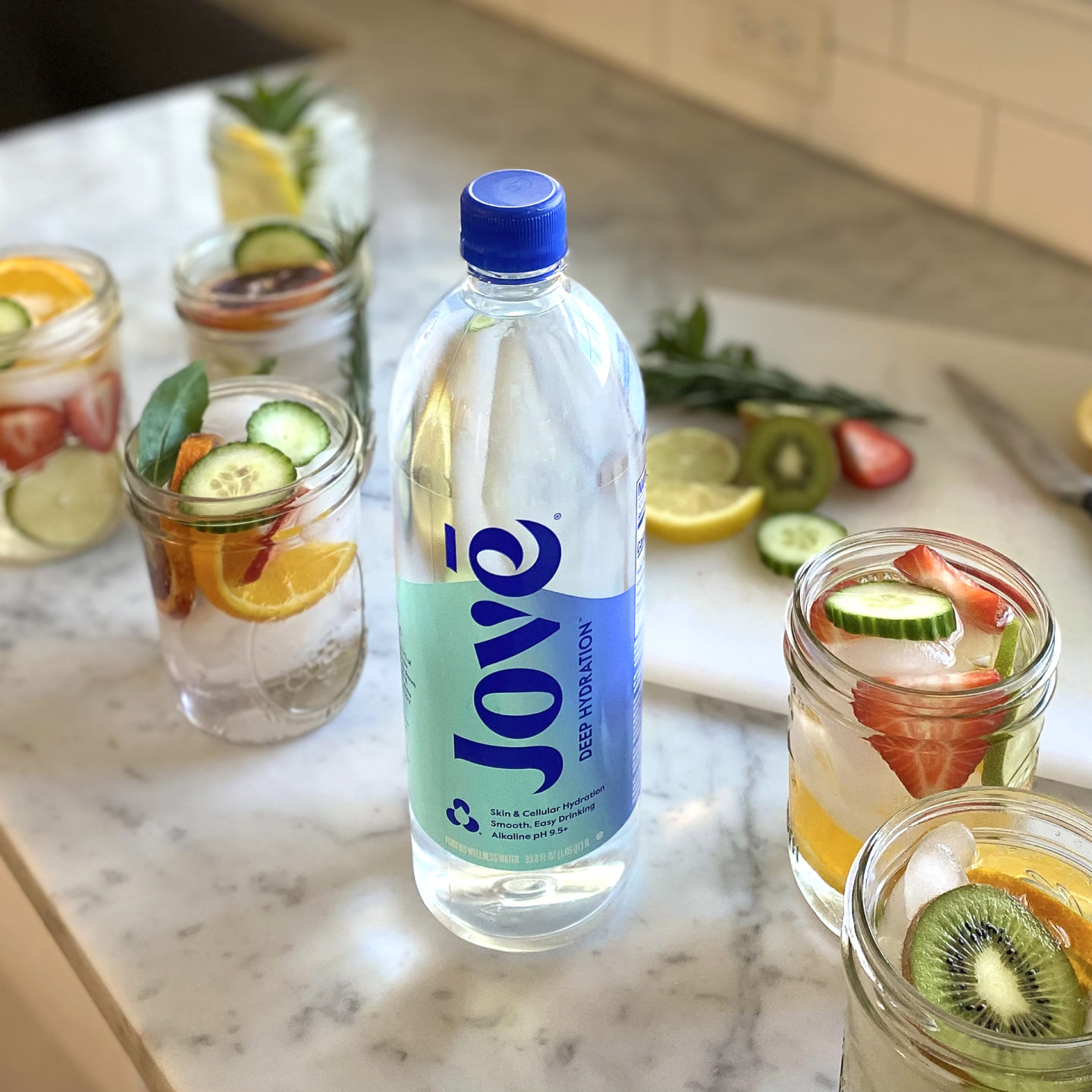
We teamed up with our friends at Jovē to discuss hydration and pregnancy. Jovē is alkaline water clinically shown to provide skin and cellular hydration–something that we can for sure say is extra important during all stages of pregnancy.

Water seems to be the fix-all for basically any ailment these days. Stressed out? Drink water. Feel sick? You’re dehydrated. And you know what? Many times, water is, in fact, the solution. And during pregnancy? Staying hydrated is especially important. 

According to the American College of Obstetrics and Gynecologists, water helps with digestion and helps the amniotic fluid around the fetus.

“It’s extra important to stay hydrated when pregnant because dehydration can cause contractions (not typically labor but still uncomfortable),” Shieva Ghofrany, OBGYN, and founder of Tribe Called V, tells us. “Since the volume of water, you need to drink increases, your need to urinate increases, making it harder to stay hydrated while pregnant.”

And after pregnancy, staying hydrated is even more important. “The pregnancy hydration requirement is lower in pregnancy than even during lactation because adequate water intake is needed for your body to produce milk.”

Which is why the type of water you’re drinking matters. 

Why alkaline water?

“Impurities and contaminants can be found in tap water and bottled water,” says Tammy Hobbs, CEO, Jovē Wellness. “Any form of untreated water has the potential to contain micro-plastics, fluoride, chlorine, rust, sediments, bacteria, parasites, herbicides, pharmaceuticals, industrial chemicals, tri-halomethanes, heavy metals, organic chemicals, particulates, and mold. 

Another thing? Jovē doesn’t have any of that yucky stuff and is free from Fluoride, BPA and Chlorine, sugar, gluten, etc. “It also does not contain FDA-designated allergens including; milk, eggs, peanuts, tree, nuts, fish, shellfish, soy, and wheat,” adds Hobbs. 

Why Jovē?

“Jovē uses our exclusive patent-pending ACH Technology ® (Advanced Cellular Hydration) to create water that is deeply hydrating at the skin and cellular level. Deep Hydration® occurs when your body and cells receive the necessary water to support vital functions,” Hobbs says. “Jovē is clinically shown to provide skin and cellular hydration to affect the symptoms of dehydration.”

Jovē’s proprietary water technology contains patented liquid silica, an essential mineral that increases alkalinity and supports healthy hair, skin, nails, and bones, and is charged with electrons, a primary source of energy for our body and cells.

Also, it tastes great! Jovē bottles are 100% recyclable, and with every purchase, a donation is made to support Ocean Clean up through Jovē’s partnership with TerraCycle.

Good for you. Good for skin. Good for babe. Checks all our boxes. 

9 Questions to Ask at your First Prenatal OB-GYN Appointment From weight gain to working out.

By Babe | Photo by Stocksy

Pregnant, now what?

Yeah, we’ve been there. If you just discovered you’re pregnant, you might want to think about a healthcare provider if you don’t have one already. You’ll likely have your first prenatal visit at around the six to 10 week mark of your pregnancy, depending on when you found out.

Your first visit may include a full physical exam, including breast and pelvic exams, as well as some routine blood and urine tests. You’ll also spend time understanding what to expect during your your first trimester and the rest of your pregnancy. You’ll learn about the types of prenatal visits and tests you’ll have until your baby is born. You should also bring a list of questions to have answered. Not sure what to ask? Peep our handy guide to the 9 questions to ask at your first prenatal appointment.

1. What Lifestyle Changes Should I Make Right Now?

Do you smoke? Not anymore. Aerial trapeze on Sundays? Maybe next year. Depending on your habits pre-pregnancy, you might need to make some adaptations to your life that may seem drastic or not at all.. Either way, it’s all for the benefit of you-know-who.

Here are some things to discuss at the beginning of the pregnancy to avoid possible effects:

  • Diet: Your provider will likely tell you that alcohol should be cut out immediately. Depending on your caffeine intake, you’ll need to make some modifications there, too. And, while it depends who you ask, foods like deli meat, unpasteurized cheese and certain fish are all the chopping block. Your doctor will give you a written list of what to avoid and explain why you should do so. They can also give guidance on what kind of foods and drinks to add or increase in your diet.
  • Medication: Review with your doctor everything you’re currently taking on the meds front. Both over the counter medications and prescriptions should be looked at as soon as you know you’re pregnant. In tandem with your doctor, you can decide what is safe to keep taking and what needs to be discontinued, and how to do it safely and effectively.
  • Sleep habits: If you aren’t getting the recommended amount of sleep each night, consider changing your sleep habits. Your body will be going through a lot of changes in the coming months, so adequate rest is crucial.
  • Work environment: Ask if your occupation or work environment might pose any risks. Make sure you aren’t exposed to chemicals or toxins that could be harmful. Work with your care team as well as a safety manager at your job.
  • Beauty products: If you’re worried about certain beauty products being safe for your baby during pregnancy, check with your doctor. Hair dye, nail polish or treatments (especially chemicals present in some nail salons), sunless tanning lotions, retinols, serums, and essential oils. Your doctor can help steer you in the right direction for making safe choices where these products are concerned. You can also ask about massages or other spa treatments.

2. What Risks Lie Ahead Given My Health and Genetic History?

Pregnancy is not an injury, and your rockstar bod is built for it. However, pregnancy can still put a lot of stress on your body, especially if you have a preexisting health condition.

Chances are if you continue care with your regular OB/GYN, your doctor will know most of your medical history. But if you’re using a new doctor, make sure they know everything. And it never hurts for a current doctor to go back over and re-check history. Also, if you have specific concerns your doctor does not address, be sure to speak up. Some common conditions that are important to note include depression, seizures, high blood pressure, diabetes, and thyroid issues. Any problems with anesthesia, antibiotics, medication, or surgeries should also be brought to your doctor’s attention.

3. How often do you want to see me?

Talk to your doctor about the number of prenatal appointments you can expect. This will guide you as a baseline for understanding your care and how to build in the time. Start to schedule the appointments regularly and understand that the frequency will increase the further along you get in your pregnancy. The actual number will depend on your individual needs but in general you can expect to see the doctor more near the due date.

4. What vitamins do I need to take?

If you were actively trying to conceive, then you might have been taking a prenatal vitamin before you got pregnant. But if you got pregnant unexpectedly, or weren’t on a prenatal vitamin, your doctor will recommend you start taking one.  They will also guide you on what to look for in a vitamin if they do not prescribe one or recommend a specific brand.

5. Can I work out?

We’re all about staying active during pregnancy. Not only does it boost serotonin levels, but if you’re fit while you’re pregnant, you might manage recovery just a little bit better. Many exercise regimens, excluding extreme examples, are safe as long as you feel physically comfortable. However, you should follow your doctor’s instructions on what kind of exercise is appropriate.

6. How do you feel about weight gain?

This conversation is rife with archaic medical standards that we’re not about, but the earlier you have this conversation with your doctor, the better. Why? Because their response will dictate whether or not you’re a fit together. If you’re talking to someone who advises you gain 12 pounds, this might not be the practice for you. If you’re someone who doesn’t want to step foot on the scale at all during your pregnancy, you should say that, too. It’s a loaded issue, to make sure whoever you trust for your care is on your page.

7. What’s up with prenatal testing?

During pregnancy, certain prenatal screenings are required whereas others may be optional. You can expect to have blood work done in the first and second trimester. You can also expect a test to determine whether or not you have gestational diabetes. Genetic testing is also available. What kind of genetic testing you get or if you decide to get it, is a personal decision and you should talk to your doctor about the risks and what certain results might mean, including false positives.

8. What is normal and what should I call you about?

Speak with your doctor about what is considered normal or common to experience, or when you need to call about problems. However, even if you discuss it, always err on the side of caution. Also ask the best way to contact your doctor with ask questions (email, phone, online patient portal) and who you should call in certain situations.

You should also know who to call in case of a medical emergency and where you should go. This might change based on how far along in your pregnancy you are.

9. What should I consider in my birth plan?

It might seem premature to start thinking about your delivery since you’re just at the beginning of your pregnancy, but in reality, the sooner you start talking with your doctor about your options and preferences, the more comfortable you’ll feel when the day gets closer. Some things to discuss with your doctor regarding a birth plan include:

  • Birth location: You probably already know which hospital your OB/GYN is affiliated with, but this is still a topic worth discussing. Some people prefer to deliver at birthing centers or at home. If you want to go this route, the sooner your doctor knows, the better so everyone is on the same page.
  • Care philosophy: It’s important to know your provider’s views on vaginal labor, C-sections, induced labor, epidurals, delivering without pain medication, etc.
  • Who will actually deliver the baby? Will it be the doctor you see for your regular appointments or someone else? As mentioned above, if you’re planning on delivery outside of a hospital, your doctor might not be the one delivering the baby, so midwives or doulas may need to be part of the discussion.
1 17 105