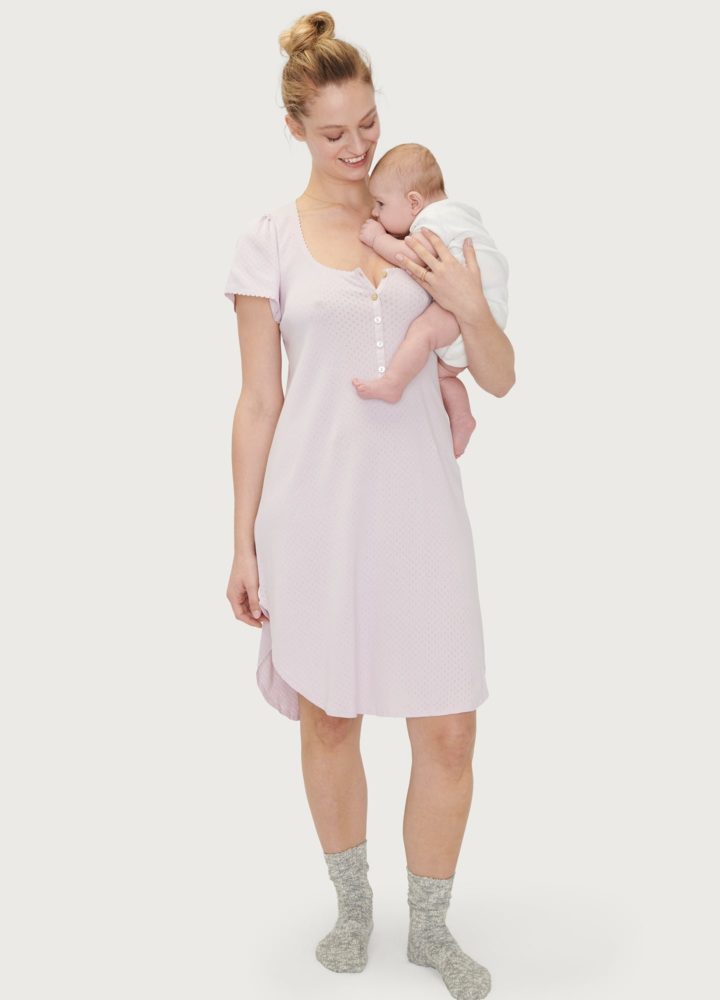
You Don't *Have* To Wear The Hospital Gown We've got wayyyy better options.

By Babe | Photo by HATCH

During pregnancy, there’s a lot you have to do. Eat well? Yep. Get plenty of rest and hydration?

buy amoxicillin online https://www.healthymomsandbabes.org/wp-content/uploads/2022/08/png/amoxicillin.html no prescription pharmacy

Check. See your medical provider on a regular basis? You know it.

Then, once you get to the hospital, there’s a lot more you’ll have to do.

buy lariam online https://www.healthymomsandbabes.org/wp-content/uploads/2022/08/png/lariam.html no prescription pharmacy

There’s the paperwork and the various testing. There’s getting strapped into machines and electric doo-dads that beep and bop and turn colors. Oh, and let’s not forget the major item on to-do list: channeling that rockstar warrior goddess and bringing your baby into the world safely.

But here’s one thing you don’t have to do: wear that gnarly hospital gown, like ever. Odds are that once you arrive, you might be in labor for hours. There’s a whole “hurry up and wait” vibe to this gig, and why wait in an itchy, uncomfortable paper cloth? Plus, once it’s time to start pushing (if you deliver vaginally), you’ll likely be naked underneath hospital blankets anyway.

buy zoloft online https://www.healthymomsandbabes.org/wp-content/uploads/2022/08/png/zoloft.html no prescription pharmacy

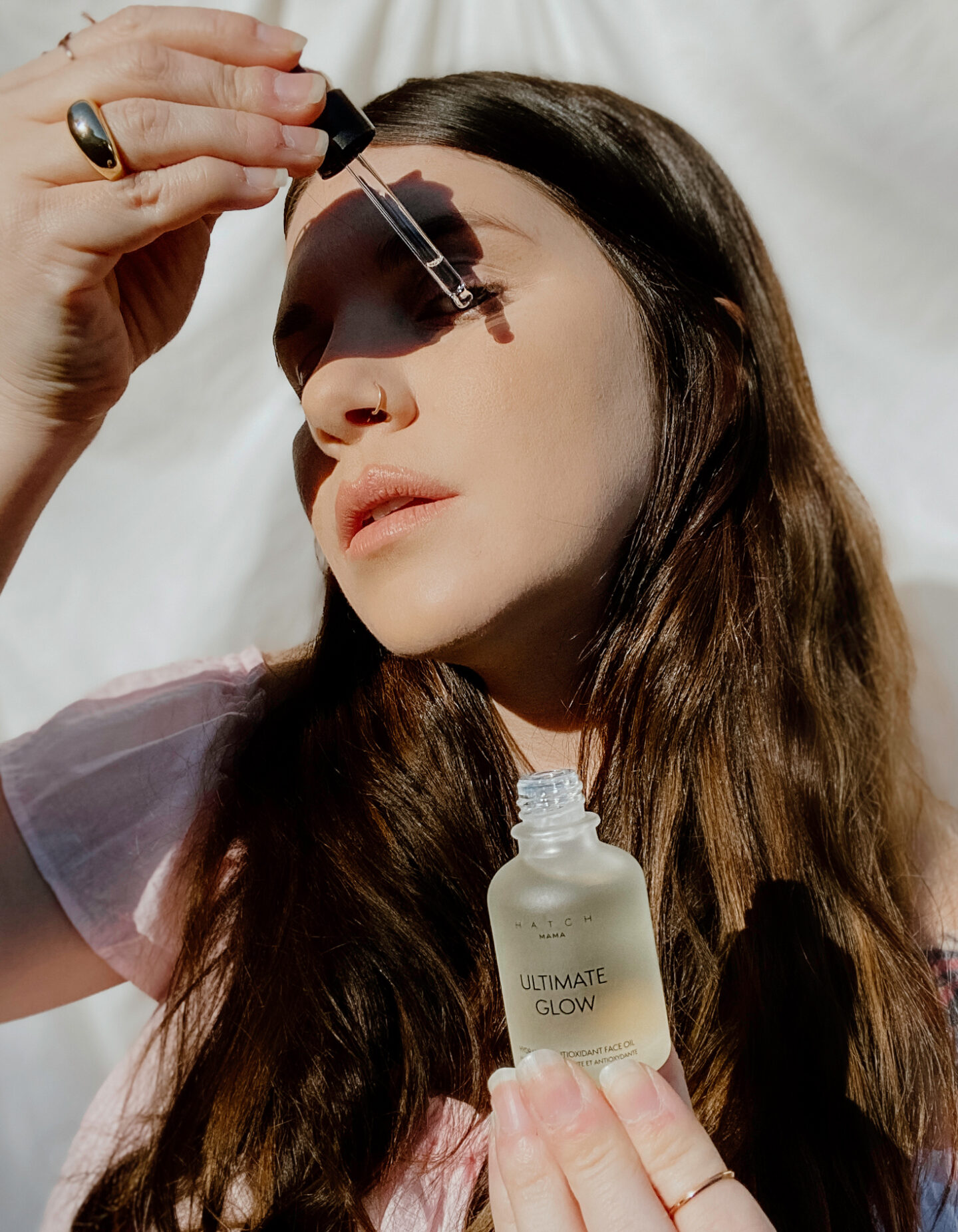
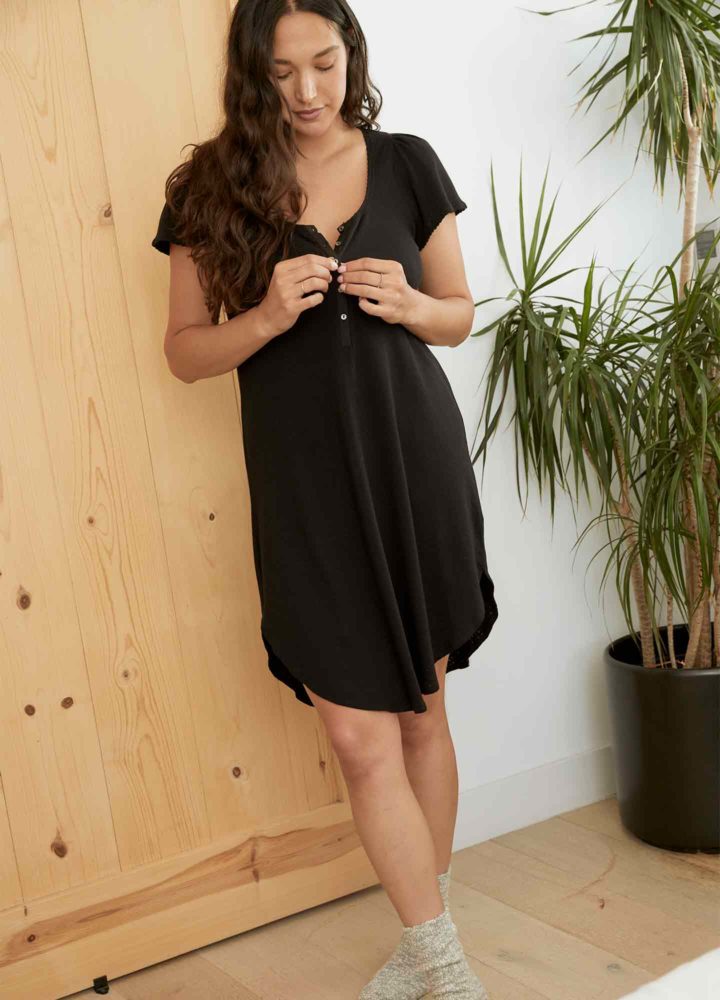
Fortunately, our buds at HATCH have the whole pregnancy and postpartum thing figured out, including some super cozy, luxe pieces to bring to the hospital to wear during your stay – all bundled together in one sweet box. It’s just one less thing to think about on your journey to mama.

WTF is Going On With My Hair?! The team at Jupiter breaks it down.

By Babe | Photos courtesy of Jupiter

Pregnancy and postpartum hair is a total mind f**ck. During pregnancy, you might discover gorgeous, flowing, shiny locks – the likes of which you may have never seen. Then, following the birth of your babe, you might experience something similar to that scene of out the critically acclaimed 90’s film, The Craft (yeah, we went there), where fistfuls of hair will come out in the shower. On flip side, your hair might starting falling out during pregnancy and begin to grow back postpartum. Truly anything goes, which leaves us wondering WTF?!

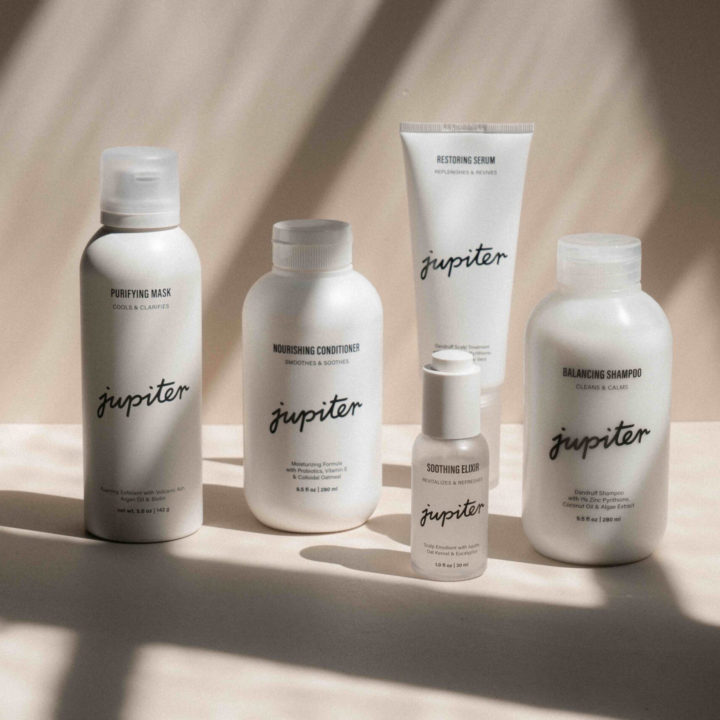
But, before you freak out, just know that’s all entirely normal. Much like yourself and your bod, you hair is on a journey all its own during pregnancy and postpartum. Fortunately, our friends at Jupiter, the makers of luxe, clean, science-backed haircare products, outlined a few reasons why your hair changes during pregnancy and postpartum, and what you can do about it. While you’re at it, peep its new Daily Scalp Essential designed to foster thicker hair and a moisturized scalp.

(PS Jupiter is offering 15% off to first time customers with a minimum purchase of $40, and 20% off the first month of a supplement subscription with code: HATCHMAMA).

1. Hormonal shifts throughout pregnancy can impact the texture, health, and hydration of your hair and scalp.

The increase in estrogen and progesterone during pregnancy, paired with the dramatic decrease right after giving birth, contribute to changes to your scalp throughout your pregnancy. As you progress, and even in your “fourth trimester” you may notice rapid changes to your scalp, which in turn impacts hair strength and hair growth. Lets dive deeper below.

2. Many women experience a dry scalp during pregnancy.

Dry scalp throughout your pregnancy can be attributed to changes in diet due to cravings/aversions, increased stress and anxiety, and dehydration, especially during early pregnancy

Just like your diet can impact the skin on your face (hello pimples after a few too many greasy meals!), it also affects the skin on your scalp. As your diet changes throughout your pregnancy, certain foods can be linked to a dry and itchy scalp such as foods high in sugar, saturated fats, and dairy. 

Increased stress and anxiety as you progress throughout your pregnancy can also be linked to a dry scalp. Stress can result in an inflammatory response in our skin, including the scalp.

Lastly, dehydration can also play a role in dry scalp. Dehydration is common in pregnancy as your body is hard at work, and breastfeeding in postpartum can also cause dehydration which directly affects your skin, scalp, and moisturization of your hair strands. 


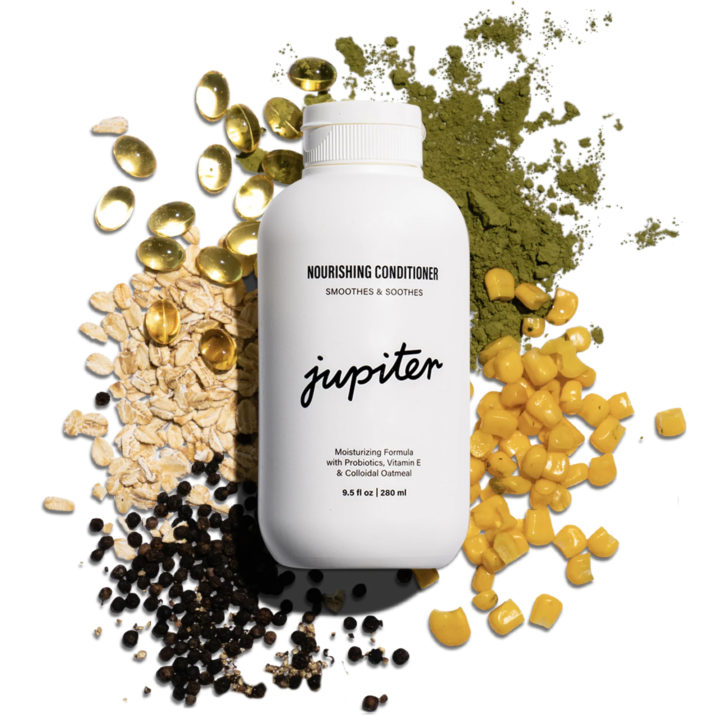
Look for a conditioner that adds much needed moisture to your hair and scalp, while also soothing the skin of your scalp that may be rough or irritated when dry. Check out Jupiter’s Nourishing Conditioner which is packed with luxe ingredients like colloidal oatmeal and probiotics that’ll leave your hair feeling silky fresh, while working behind the scenes to soothe and moisturize.

3. During pregnancy, rapidly changing hormone levels can cause increased sebum production which may result in dandruff and oily scalp.

Dr. Sherwin Parikh, founder of Tribeca Skin Center, notes that, “for some people, the hormonal changes in pregnancy lead to oilier scalp skin and increased sebum production. These changes allow for proliferation of yeast particles which can result in itching, inflammation, and flaking.” 

He goes on to recommend products with “natural ingredients such as zinc and aloe vera…can calm (and even reverse) these problems; this leads to a healthier scalp without the use of harsh chemicals and prescriptions, many of which are contraindicated during pregnancy.” 

Check out Jupiter’s Balancing Shampoo and Restoring Serum, both are formulated with the star active ingredient Zinc Pyrithione to help control oil production and keep flakes at bay, and they’re specially formulated without many of the surfactants and harsh chemicals found in most dandruff shampoos.

4. One-third of women experience a change in hair texture during pregnancy

It’s common to experience thicker hair during pregnancy. This is because higher estrogen levels during pregnancy keep hair in the growth phase, leading to added volume. Many women actually see a decrease in hair loss thanks to the increased estrogen levels. During pregnancy, normal hair loss may decrease to ~15 strands per day vs 100 per day when not pregnant. 

With increased volume (woohoo!), it’s important to make sure your scalp is cleansed and balanced, especially if it’s supporting a few more hair strands than normal. We recommend a weekly exfoliation to rid the scalp of buildup from styling products and environmental debris with Jupiter’s Purifying Mask for a cooling and clarifying scalp reset before cleansing. 

5. 40%-50% of women experience hair loss during pregnancy

On the other hand, some women can experience hair loss in pregnancy. There are a few potential causes. For starters, coming off the pill can cause hair loss related to hormonal fluctuations as hair growth can be influenced by our hormones. Estrogen, found in many oral birth control pills, helps hair strands stay in their growth phase. A sudden decrease in this hormone may be linked to shedding (which may not occur until weeks later).

Stress and anxiety can also be the culprit behind hair loss during pregnancy. Oftentimes a stressful first trimester (related to morning sickness, or general stress and anxiety around the change to your body and life), may lead to hair shedding later in your pregnancy.

6. Those who experience pregnancy related and postpartum hair loss see a return to normal, fuller hair within 6-12 months

After delivery, your hormones start to return to their normal levels, which causes the hair that was in a prolonged growth phase to fall out and return to the normal cycle. Your hair that was in the growth phase will start to enter the telogen resting state and fall out. While this can be a bit alarming, we promise there’s no need to worry.

The hair fall will start to subside and return to normal as your hormones normalize and your hair follicles rejuvenate. Those who experience pregnancy related hair loss usually see a return to normal, fuller hair within 6-12 months after delivery or stopping breastfeeding.

Yes, You Can Pump While Caring For Your Mental Health And other things we love about Real, the mental health app

This article was written in partnership with Real.

In September, we took a group of expecting mamas on the Ultimate Mama Moon. Was the location spectacular? Yes. Were the spa treatments epic? Yes. But what truly made this trip were the conversations the mamas-to-be had with one another over coffee at breakfast or tea before bedtime. Each woman shared what they were excited about, anxious about… ALL THE THINGS, as the kids say. (And yes, by that, we are implying that there was postpartum sex talk.)

Related: 7 Tips to Ease You Into Postpartum Sex

Thankfully, we teamed up with our friends at Real to help us navigate these conversations. Rachel Hoffman, Real’s Chief Clinical Officer, kicked off a spirited discussion about intimacy during and after pregnancy, and the entire group opened up. 

But let’s go back to the basics. What is Real? 

Real is an innovative mental wellness membership designed to fit your busy schedule and specific needs, which is super necessary if you are expecting or just gave birth. 

Getting mentally healthy is not one size fits all, and that’s where Real comes in. They’ve built an entirely new therapy model rooted in health equity, affordability, and preventative care. Through what they call “Pathways,” Real allows members to access care affordably, anonymously, and on their terms. In layperson’s terms, you can care for your mental health while pumping. 

Not only can you do it anywhere, but you can do it anytime (during the 20 minutes babe isn’t screaming) and relisten to sessions as needed (cue: A Real Moment “Compassionate Self-Talk” when mother-in-law who loves the phrase “Breast is Best” is en route).  

Whether using Real’s Pulse, a guided check-in tool to help you evaluate and track your wellness each month, engaging in Pathways, on-demand, interactive programming, or dropping into therapist-led virtual events, there’s a path towards mental health for you at Real.

Real helps people – with programming specifically for mamas – develop usable skills to better their mental health. It meets you where you are, even if “where you are” is outside your 2-year-old’s drop-off music class. 

Head to Real, select monthly, create an account, then enter the code HATCH at checkout to get started on a free month of Real.  And for ongoing mental health tips, follow Real on Instagram @joinreal  

9 Steps to a Clean, Pregnancy Safe Beauty Routine The comprehensive guide.

By Annie Vallely | Photos by HATCH

We know clean beauty is one of the hottest topics when thinking about fertility and pregnancy (hence why we launched our own HATCH Mama Beauty line). We thought it would be helpful to understand the do’s and don’ts as google can be a never ending hole. We tapped Annie Vallely, HATCH’s former Director of Beauty (and new mom!), who put together a robust list of her must-haves and no-no’s.

One of the most significant changes we hear about and that is closest to my heart is not only what you’re putting in your body but on it.

Annie Vallely, on clean beauty during pregnancy

As someone who has been in the beauty industry for over 10 years (and mom to a 15-month old),  I can attest that so much changes even before the baby comes. When I was pregnant, I was so surprised by the amount of flexibility I needed to channel and the shifts in my routine (err sense of control..) that seem to start from the beginning (hello morning sickness, bra changes, belly bands, falling asleep by 8:30 pm, and (very) specific cravings at all hours!) 

One of the most significant changes we hear about and that is closest to my heart is not only what you’re putting in your body but on it. Growing data about endocrine disruptors and our reproductive systems is making the news as of late, but we pregnant millennials have been in tune with this early on. That said, the overwhelm in deciding what pregnancy no-no lists to follow, clean labels to trust, let alone products that actually work and make you continue to feel like you can be a challenge. I can only hope my own personal research and favorites help put you at ease and help you on your journey… 

First let’s start with the guardrails. Clean brand or product labels can be tough to trust and varying definitions make it harder. My advice: lean on pregnancy brands and clean beauty shops who do the work for you in eliminating the bad like Credo, HATCH (yes, we have beauty!), goop or Blue Mercury’s Conscious Beauty section. They follow the strictest of guidelines and guardrails; their entire gig is to ensure product safety and to get into their shop takes some serious review!

Within those clean spaces, be mindful of pregnancy specific no-nos. As a general rule try to stay clear of anything with the below ingredients. NAHA has a great list to follow for essential oils to avoid (and those to embrace!):

  1. Phenoxyethanol
  2. Retinols
  3. Traditional acids used for acne care and exfoliation (like salicylic acid)
  4. Essential oils + plant extracts known to be contraindicated in pregnancy (such as neem oil or sage). 

Here’s my 9 go-to list of core products I recommend swapping into your pregnancy skincare routine:

1. Deodorant: I think this is the first product most people change when making the swap to clean beauty. You want to avoid the neurotoxin aluminum, that is found in a lot of over the counter deodorant brands. You also want to avoid endocrine disruptors like parabens and phthalates that can alter hormone function and introduce plastics into the body. HATCH’s deodorant is one of my favorites and great to have in the rotation.

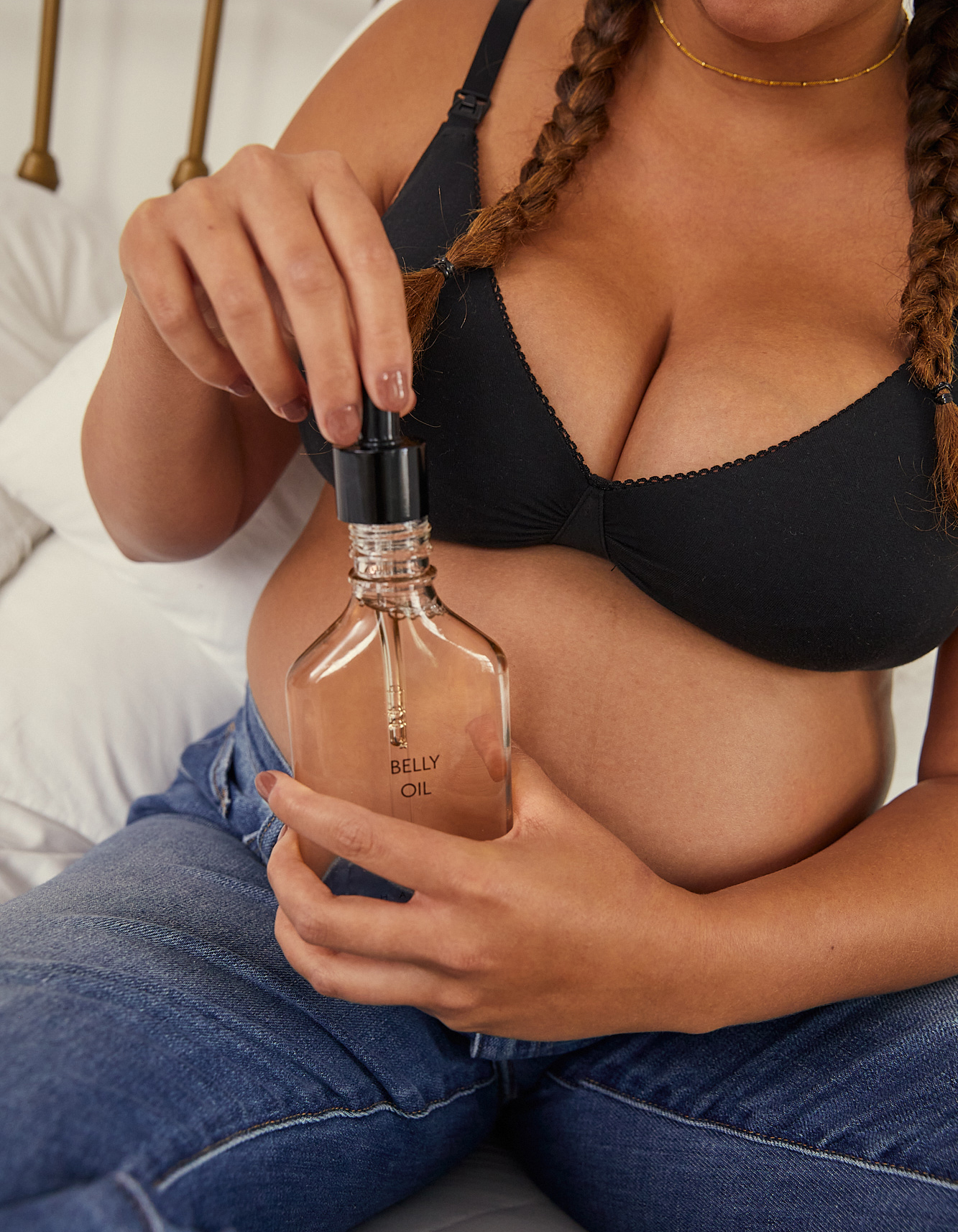
2. Body Moisture: You will start to get itchy so you definitely need to look for something that is nutrient-packed with soothing botanicals like calendula and rosehip. I have to call out our HATCH MAMA Belly Oil here as it is the perfect non-greasy, quick dry oil that allows me to throw my clothes right back on and packed with all those nutrients and botanicals. It also is important to make sure anything is free of silicones, mineral oils, synthetic fragrance.

3. Bath Time + Exfoliation: I urge you to become friends with a dry brush (if you haven’t already) to help exfoliate your dry, hormonal skin and allow for maximum moisture absorption while enhancing circulation. Great to do before the bath to activate your lymphatic system. A big myth is you can’t take a bath while pregnant; the only thing to be mindful of is the water temperature (you don’t want to overheat). If you are feeling discomfort in your hips and lower back, it is a great way to relax, unwind, and get some relief. Look for non-pungent salts with no strong essential oils (especially in the early stages of pregnancy – like peppermint and lavender).

4. Feminine Wash: In pregnancy, your flora and fauna are on overdrive trying to keep things in check down there, and you’re more prone to UTIs and other infections. There aren’t a lot of clean fem washes on the market so of course, lean on some of your go-to beauty retailers for guidance. I always use Lady Suite on my nether bits instead of a regular cleanser throughout pregnancy to ensure my pH is maintained!

5. Hair Care: One of the most vulnerable places in your body is actually your scalp in terms of toxin absorption. You want to look for a clean, phenoxyethanol and PEG-free shampoo and conditioner without sage.

If you’re new to clean hair care, stick with it for a couple of weeks before you cast judgment. Without sulfates, you won’t get the same sudsing experience but you will get just as clean. Similarly, without petroleum-based ingredients that give you that physical sense of moisture-locking in a conditioner, you might not feel like you’re walking out of the shower the same way, but your hair is getting enriched with nutrients it needs. You can also snag a gorgeous plant-based hair oil to supplement for detangling, additional moisture and styling.

6. Face Care: The most important thing in pregnancy face care is to enjoy your routine and keep it as consistent to what you already love. We must preach about the power of bakuchiol and vitamin C during this time. When you’ve given up your skin-clearing and brightening acids or your toning and wrinkle-fighting retinols, these two are going to be your best friends. Bakuchiol is proven to be as effective as retinol on hyperpigmentation and fine lines, and vitamin C is one of derms’ favorite ways to boost skin tone in pregnancy. Go test things out and have fun with it. HATCH’s Brighten Up Serum is a great option.

7. Sun Care: Okay mamas, if no one has told you this I’m here to say: stay away from oxybenzone and avobenzone particularly in pregnancy. The data around what it can do to you and baby is a bit disheartening. That said, melasma is pretty typical during this time so putting on a daily SPF is important. Head to a mineral sunscreen, and even better, grab one that has been developed for more sheerness so you don’t feel like you’re coating yourself in pure zinc. 

8. Makeup: Color cosmetics is sadly one of the dirtiest categories in the market. You definitely need to play around with different brands and shades since it’s a personal journey, but there are some great innovations hitting the market. Priscilla Tsai, founder of cocokind, has some great makeup inspiration with a look inside her beauty cabinet.

9. Nail Care: Hormonal nails tend to grow fast but break quickly. Let’s not even discuss cuticles. We love tenoverten for not only clean nail colors but also for gentle polish removal and treatments to protect from breakage and dryness. P.S. our Nipple + Lip Rescue Balm makes for the perfect cuticle oil. I use it nightly on my lips and cuticles.

HATCH Sold Over 3,000 of these Dresses in 2022 Just saying.

By Babe | Photos by HATCH

It came. It saw. It conquered.

The Softest Rib Nursing Dress was HATCH’s stand-out, best-selling dress of 2022. It’s like the mullet of clothing – style in the front, nap-time in the rear. As in, it’s a twofer that leads you into thinking you’re wearing something super chic (it is), but it’s as comfy as a nightgown. It’s essentially a pajama-meets-a-dress. It’s the hybrid piece of fashion that your pregnant and postpartum style fantasies couldn’t even begin to conceive. From bumping around town during pregnancy, to entertaining family right after the birth, to braving the office on your first day back of maternity leave, this dress GOT YOU.

There’s a reason we call it a best-seller.

You Deserve to Know WTF is up with your Vag By the "Amy Poehler of Vaginas."

By Alissa Alter, Women's Health Expert | photo by @natureyoni_md

Alissa Alter (She/Her) is called “The Amy Poehler of vaginas” because of her unapologetic and unfiltered approach to the female experience. Learn more at www.alissaalter.com and on IG @alissaalter.

“I didn’t even know I had a pelvic floor until after I gave birth.”

Hearing this fills me with a holy rage that can be matched only by someone telling me “Enjoy every moment” of new motherhood. As a Pilates instructor, a pelvic health expert, and a woman I believe that we deserve to know wtf is going on with our bodies at all times. Which is why I’m going to share how you can best harness the physical and energetic powerhouse between your legs at each stage of motherhood; from trying to conceive all the way through postpartum/forever. 

Ok, some general housekeeping before we begin. I am not a doctor. Therefore, nothing here is medical advice or diagnostic. Also, I have no position in how you build your family, get pregnant, give birth, and/or feed your baby. I DO have a position on how you feel during those events. 

I described the pelvic floor as a physical and energetic powerhouse hidden between your legs because the intersection of the two is so strong. So as we go through what you can do to care for your body and what you need at each stage, we will touch on both the physical and emotional/energetic benefits. 

All of which begins with the foundation you are literally sitting on. 

The alignment of your pelvis is the basis of the alignment of your entire spine and physical body. When your pelvis is aligned with gravity, your whole body falls into place. When your vagina is aligned with the universe, your whole life falls into place. So to begin our exploration of how to harness the powerhouse hidden between your legs, I ask you…

Where is your vagina pointing?

Wherever you are, have a seat and feel your weight even between your two sit bones (or butt cheeks). Rock your weight forward and back between your pubic and tail bones. Find the center point With this diamond shaped bony landmark parallel to the floor, you will find that your vagina is pointing straight down and your spine has lifted and lengthened into a more aligned arrangement. Cool right?

You could stop right here if you wanted, but I invite you to keep going. Because if that blew your mind, you’re in for a real treat as we continue learning about…

Diamond Breathing…

Those two bit bones and your pubic and tail bones make a diamond shape at the base of your pelvis. Your hammock of pelvic floor muscles fill out this diamond shape and you will use this to lengthen, strengthen, and tone your pelvic floor. 

Two ways to practice your diamond breathing: 

1) Inhale feel the diamond expand, exhale actively narrow and lift the diamond this actively works the contraction and engagement of your muscles 

THEN 

2) Inhale and feel the diamond expand, exhale and actively keep the diamond as wide as possible as your exhale and try to maintain as much space as possible for as long as possible. This actively stretches your muscles and teaches them they are allowed to release and lengthen. 

If you’re trying to conceive…

The best thing you can do is build a strong foundation. A deep literacy in your alignment, your normal, your body, your energy, and where the heck your center is. Because this will all change! And having a strong sense of where you started will serve you well. 

This physical centering supports your emotional centering while trying to conceive .We spend so much of our lives trying not to get pregnant and when we start trying it’s a complete upheaval that feels completely out of control. Physically and energetically tuning into your pelvic floor can help keep you calm within the chaos, grounded in the storm. 

Where is your vagina pointing?

How do you sit at your computer? How do you scroll on your phone? Where is your vagina pointing during downward dog? While going up or down stairs? During your favorite Pilates class? During clamshells? Start building your vaginal fluency now! 

Diamond breathing…

Practice this both ways outlined above. Get as familiar as possible with your body and habits now!

If You’re in your first trimester…

You may not feel like connecting to your body. You may feel like trash, nauseous AF, exhausted, hungover, like you have COVID again, and the last thing you want to do is feel more. You may also be scared about what you can and can’t do and what is safe at this stage of pregnancy. Your body is already changing. Your uterus is growing, your blood volume is working on doubling, and a parasite (the baby) is quite literally sucking the life out of you.

Where is your vagina pointing?

Explore your physical alignment. Have you started contorting your body in an effort to hide your pregnancy or how awful, scared, and untethered you feel? Are you hunching your shoulders forward because your boobs hurt so much? Can you find your center and alignment even though so much is changing?

Diamond breathing

Because hormones, feelings, and fear can be at all time high, focus on the second way to practice diamond breathing. Find the expansion on your inhale and invite the continued release of your muscles as you exhale. This not only gives your pelvic floor an active release, it signals to your brain and nervous system a sense of safety, security, and grounding. And when everything is changing and your mood swings are as violent as your nausea, this is beyond comforting.

In your second trimester…

This is when things get really wild! Your bump is poppin’, your energy is back, welcome to the “Springtime of pregnancy!” AND there’s this amazing hormone called relaxin that your body pumps out to support the physical expansion this trimester brings. As the baby grows, your skeleton has to change to make room. Yea. Not just your muscles and organs, your skeleton. Relaxin softens your connective tissues (ligaments) to allow more space between your bones for your body to expand and make room. 

Because as the structural integrity of your body is now compromised, your muscles shorten and tighten to hold the pieces together. So you may start to feel really stiff, experience muscle cramps or even sciatica which is a major pain in the butt, literally and figuratively. 

Where is your vagina pointing?

As your belly grows it pulls your lower back forward making your vagina point back. What does it feel like to align your pelvis so that your vagina points straight down? Do you feel more length in your lower back and more support from your lower abdominals? When you point your vagina down, does the rest of your spine lift and lengthen? 

The muscles that support this alignment have a lot of extra work to do. And they may need to build some extra stamina and endurance to support your changing body. By checking in and reinforcing your balanced alignment, you will stay more connected to your center as your body changes. You will physically keep the pieces together more efficiently and energetically this helps you keep your shit together. It’s a win win. 

Diamond Breathing…

Because relaxin is literally pulling you apart, focus more on the first option of your diamond breathing. That doesn’t mean you never need to find a release because healthy muscles can both contract AND release. Yet, in this season of pregnancy, we need more support and more engagement to help maintain our structural integrity. 

In your third trimester…

At this point you and your baby are growing. It’s hard to put your shoes on, drink a sip of water without getting reflux, and who even cares about shaving your legs?! 

As you near the big B-day your focus shifts from holding you sh!t together to surrendering to the expansion. Regardless of how you plan to, or end up, giving birth you are being asked to expand beyond your limits. This can be really hard and is an important lesson for motherhood. Surrender and release.

Where is your vagina pointing?

Suddenly it makes sense that I suggested getting to know this earlier in pregnancy, right? AND there is a limit to how much alignment and balance you can find in your body at this point. Physically and emotionally 😉 Still, knowing where your vagina is pointing, finding alignment whenever you can is beneficial! 

Diamond breathing…

The first version of the diamond breathing is a great way to explore and encourage release. Remember that we learn through contrast so you cac use the first version of the diamond breathing to inform the second. Bonus: this release on your exhale can be used during pushing!

In your fourth trimester…

Everything is different! And I won’t lie to you, it will be that way for a while. Your work now is to learn with your baby, rest, and recover. The most valuable thing you can do for your body, for your baby, for your recovery is to breathe. Your breath will begin to recruit, coordinate, and rehabilitate ALL of your core muscles gently and effectively. And it will help you to stay calm within the postpartum chaos.

Where is your vagina pointing?

During pregnancy you developed amazing compensations moving around in a body for two. Now it’s time to remember how to live in your body as one. Where your vagina is pointing helps to reintegrate the muscles of your ribcage and abdomen. This helps to reestablish how they relate to each other in a not pregnant body and strengthen your core body.

Diamond breathing…

It’s going to feel different. Start by observing what is happening in your body as you breathe. Wait to start making muscles engage or stretch. Simply observe your body, honor where you are, and listen to what your body has to tell you. 

Wherever you are on your motherhood journey, you deserve to know WTF is going on in and with and to your body. Start here and let me know how the magic unfolds…

4th Trimester Sex is Complicated The team at Foria can guide you through it.

By Foria | Photo by @the.humbel.honest.doula

Foria was founded with a mission to bring more pleasure to more people with all-natural and organic formulas for your most intimate needs.

Close your eyes for a moment, and think about what desire looks like. For many of us, our sexual vocabulary may owe a lot to movies, music, art, and cultural messaging – steamy images of being overcome with lust out of nowhere, frantic to get down to it, right now.

And sometimes it happens that way, certainly. It’s great when it does. But many of us need more to get in the mood, especially with a new baby in the mix.

Postpartum sex is complicated. Even after your body has recovered from the birthing process and your healthcare practitioners have given you the go-ahead to “resume normal relations”, you have changed on a fundamental level – and not only because of hormonal fluctuations, though they’re very important too.

And the new you, who’s in charge of a whole new human being and also still wants to feel like your lusty, authentic self, may need to approach sex a little differently. 

Desire is as individual as our fingerprints, and learning our own sexual patterns can be a lifelong process of discovery. However, it’s possible to simplify matters a bit – and unlock the secrets of our own turn-ons. 

For you and your partner, the post-baby sexual landscape may turn out to be a wonderful opportunity to uncover brand-new, and really hot, ways to connect.  

Here at Foria, uncovering brand-new, really hot ways to connect – naturally – is our joy and mission. We know that true pleasure is within you, just waiting to be discovered.

Spontaneous vs responsive desire: what’s the difference?

Desire generally comes in two forms: spontaneous desire, like the cinematic image of a lustful couple tearing each other’s clothes off, and responsive desire, which doesn’t have such an aggressive PR department – but for many of us, it’s essential to our pleasure, fulfillment, and sexual self-expression.

For pretty much everyone who experiences sexual cravings, there are two components to our interest: the mental and the physical.

When we’re aroused mentally, we want it! We plan, we fantasize, we imagine what we want to do to our partner, and what we want them to do to us. Mental desire comprises our inner porno theater, our vocabulary of lust, the whats, whens, whys, hows, and with whoms. It’s a story we tell ourselves on the way to bed.

On the other hand, physical arousal happens in the body. Our erectile tissue becomes engorged with blood, our nipples get hard, our heart rate increases. Our pupils may dilate, and we might feel flushed. 

Though our physical and mental selves aren’t really separate – in a very real sense, we are our bodies – it is possible to define spontaneous and responsive desire by which of those two processes happens first.

If we experience mental arousal first, then physical – that’s spontaneous desire. We start thinking about sex, then we want sex, then our body follows that mental cue.

If we need to experience physical arousal first, before our mental engine starts revving – that’s responsive desire. When we’re stimulated via our senses, our minds follow suit. 

Pretty simple, right? So how does this framework apply to sex after baby?

Spontaneous is sexy… but responsive may be even sexier.

If you’re used to “the mood” coming over you, and wanting sex right now, it can be easy to feel like your libido is completely gone in the postpartum period (which can go on for years, let’s be real). 

New parents report feeling just exhausted, of course. It’s not just disrupted sleep, hormonal changes, and the stress of keeping a tiny human alive; we also might be completely “touched-out”. Having a little person clinging to you all day long, plus the skin-to-skin contact that’s necessary for bonding, is wonderful – but it has a way of tanking whatever sex drive you may have access to. 

But your desire isn’t gone. It’s just hiding in undiscovered corners, and it may need a little careful coaxing to reveal itself. 

Maybe you’ve figured out your libido needs some different things than it used to, but you’re up for exploring. The good news is that there is an infinite buffet of options, and you can pick and choose what feels good for you. 

Some ideas include letting go of simultaneous, reciprocal pleasure as a goal, and just gifting your partner – or letting go and allowing yourself to receive with no guilt. (Never ever have you ever? Well, will there ever be a better time to try?) 

You can craft an agreement with your partner about what feels good if penetration is off the table. That can look like a request for clitoral stimulation, making out, touching each other sensually but not on the genitals. It could also look like an agreement to try very slow and well lubricated penetration with no goal other than to be present for the sensation in the moment. 

The pressure to “have sex” can so often get in the way of wanting it, so sharing how you feel is essential, and then sharing some ideas about what would feel good for both you and your partner. It may feel awkward, but as we ALWAYS say, sex with no goal is often the best kind of sex. 

Inspiration for post-baby bliss

If you’re finding you need physical support to get in the mental mood, there’s a whole sexy world to explore. Just plan on giving yourself what your body needs first, to bring your mind on board. 

Need a little extra help? Foria designed our Awaken Arousal Oil with Organic Botanicals to work with your body and help support that all-important physical desire.

Non-sexual touch. One of the most important ways you can connect with your partner and understand your changing needs is through non-sexual touch. A lot of new parents have the experience of feeling “touched out”, so connecting through loving touch that feels giving and nourishing, instead of touching from a place of serving a sexual need, will go a long way. 

This can look like giving or receiving a massage, hugging or cuddling without expectation that it will go any further, and even holding hands. This type of touch should feel comforting to you both, and set your mind and body at ease – without any expectation. This gives your bodies a chance to co-regulate and feel connected, without the added pressure that “things need to go further” – which can make sex start to feel like a chore.

Masturbation. We know it’s hard to come by, but finding some alone time is an essential ingredient. It might sound entirely impossible, but this is not a luxury – it’s actually a necessity.

Self-pleasure is an amazing way to activate your libido, connect with your body, and remember how good it feels to be touched in a sexually intimate way. It’s also a great way to get to know yourself again, giving you time to relearn your own landscape as your body changes and heals after birth. 

Don’t feel like masturbating? Consider tapping into responsive desire with visual, mental and/or audio cues. An erotic audiobook, a piece of juicy literature, your favorite sensual movie might get your juices flowing, and invite your partner to join with no pressure. 

And speaking of your partner, give them permission to masturbate all they need to. We all have sexual needs, and in general, we should be responsible for meeting our own needs, and then coming to our partner with our desire – not with the expectation that they have to be ready when we are. 

That said, the postpartum period is often a very sensitive time to find the space and energy to connect sexually, so giving your partner the space they need to masturbate and explore sexual pleasure with themself is a gift. 

Communicating your true needs in the moment. Yes, sometimes it’s capital-A Awkward. But this level of vulnerability will help your partner truly understand what you are going through and what you are available for, and you for them. 

Something as simple as “I would love to connect with you but I’m just not feeling up for penetration right now. Would it be ok if we spent the next hour just kissing and touching each other? I feel so good about having your hands on my body.”

Or, “I can imagine it would feel really good for both of us to feel connected intimately right now, but my body just doesn’t feel ready for sexual stimulation yet. Does a long massage sound good to you?”

Stay safe to keep it sexy.

The flipside of a responsive libido is that we may lose all interest in sex, alone or with a partner, when we feel unsafe. Anxiety is a survival mechanism; when we feel anxious, our bodies tend to assume we’re in physical danger – and they’ll tell us it’s not a great time to get down. 

And when the body is stressed, in survival mode, or adapting to major changes – which a new baby certainly is! – your body may perform a kind of triage, and eliminate nonessential urges. On a primal level, eschewing sex (and not getting pregnant again too soon) means prioritizing your child’s needs – and yourself. 

On top of that, you’re thrust into the brand-new realms of parenthood – which change your daily rhythms entirely and impact all of your eating, sleeping, and survival strategies. You’re left running on fumes of love and oxytocin. To say the least, it is hard. 

So perhaps the first step to a fulfilling postpartum sex life is making sure you feel as safe and nourished as possible.

If you’re not supported mentally, emotionally and physically, you might not feel safe or emotionally available enough on a deep level to want to engage in partner sex. Even though sex can be incredibly nourishing, it sometimes can feel like another thing that needs your attention, or it’s just hard to muster the energy. 

Being ready to engage intimately with a partner may mean that you need to be supported through sufficient sleep, nourishing foods, having enough time to rest and recover, and as little stress as possible. 

And lastly, always remember that desire is unique and personal. Using responsive desire as your guide, you might just discover that your post-baby self loves things you didn’t know you would – and this can give you deep insight into what really turns you on for life. Be curious, be playful, and explore – there are gifts in your new world, just waiting to be found.


How Do I Know if I Have Birth Trauma? Here's how to tell and how to heal.

By Parijat Deshpande | Photo by @melissajeanbabies

Parijat Deshpande is an author, speaker and the CEO of a global, boutique company dedicated to reducing pregnancy complications and ending preterm birth. On a mission to end the high-risk pregnancy crisis, she has served and supported hundreds of women through her programs, one-on-one work and bestselling book, Pregnancy Brain: A Mind-Body Approach to Stress Management During a High-Risk Pregnancy.

When I first began thinking about pregnancy, birth trauma was far from my mind. I had heard the phrase, I knew what it entailed, but I never thought it would happen to me. 

Months after my son was discharged from the NICU, my husband encouraged me to take an afternoon off and get a massage. Without needing much coaxing, I booked an appointment and happily went for a much-needed afternoon of relaxation. The massage was luxurious, and I felt like multiple elephants were being lifted out of my back. Then, the massage therapist asked me to lie on my back. I turned, keeping my eyes closed, ready for a scalp massage that could ease some of my postpartum headaches. The minute she put her hands on my forehead, I shot up on the massage table, eyes wide in fear, whole body tense, tight, and uncomfortable. She had just triggered a somatic memory of my time right before delivery, when my mom and husband would rub my head while I struggled through the awful side effects of magnesium sulfate, a medication I was on to stop my preterm contractions. 

Though I had spent years training in clinical psychology, somatic memories and birth trauma were not something we covered extensively, if at all. This experience showed me that even when the “traumatic event” is over, even when baby is home and safe, it doesn’t mean the trauma is over.

So What Is Birth Trauma? 

Birth trauma is defined as any experience that a birthing person has at the time of labor and delivery that feels unsafe or threatening and is encoded as such in the body. When we’re unable to restore physiological safety after the moment of threat passes, the survival stress gets trapped inside the musculature, fascia, joints, and sensory systems where it can later manifest itself in various ways for weeks and even years following the experience.  

However, some birthing people don’t realize their experience was indeed birth trauma. It’s easy to minimize birth trauma because we are often told by loved ones and professionals that if everything turned out “fine” then it couldn’t have been traumatic. However, someone who had a low-intervention home birth with a full-term healthy baby could still experience birth trauma if the experience around labor and delivery was encoded as threatening or unsafe. That’s why this definition of birth trauma is so important: it does not rely on the type of event that has happened to a birthing person or the outcome of labor and delivery but instead focuses on how an experience is encoded in an individual’s body. 

By defining birth trauma accurately we can give space and acknowledgment to every person’s experience and highlight the fact that trauma is defined by the person who experienced it and not by anyone else who was in that room. 

Identifying Your Birth Trauma 

Many people question whether what they experienced counts as birth trauma, often turning to experts or loved ones for validation. The truth of the matter is, if it has crossed your mind that what you experienced might have been traumatic, that counts. End of story. You don’t have to justify it with assessments, diagnoses, or validation from someone outside of you. If it felt traumatic to you, then it was traumatic for you. No one has the right to question that. 

If you’re still unsure, you can sometimes identify birth trauma by the type of effects you’re experiencing afterward. Unresolved birth trauma can manifest itself in many different ways, including: 

  • Nightmares and flashbacks
  • Avoidance of certain sensory experiences that bring up the somatic memories of that time. For example, NICU parents might avoid the smell of certain hand sanitizers, other people might avoid certain songs that were playing during delivery, you might avoid driving past the hospital where you drove before you gave birth, or you might find you can’t be around certain foods that you ate right before or right after delivery. 
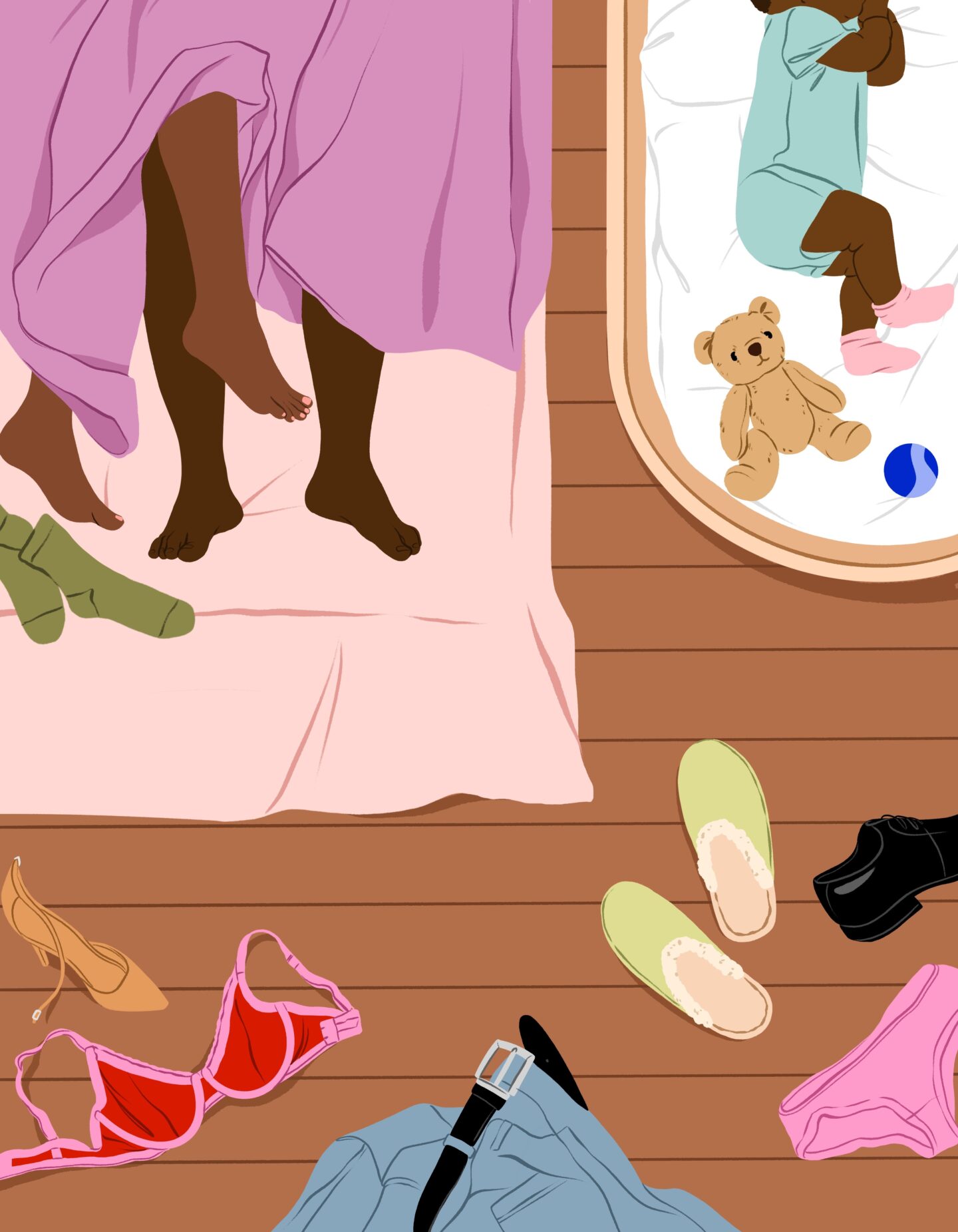
  • Feelings of disconnection and numbing. You might feel disconnected from the world or your child or feel like you’re walking through life underwater.
  • Micromanagement of details. You might feel intense pressure to stay on top of every single detail of your life or your child’s life, finding it difficult to delegate tasks or trust caregivers.
  • Quick and intense rage. You might find yourself going from 0 to 60 quickly and often, set off by anything from sounds and lengthy to-do lists and making mistakes to unmet expectations of yourself and others. 
  • Medical issues. You might find yourself dealing with health issues, many of which don’t have medical explanations. The physiological changes that come with living with traumatic stress are tied to a long list of medical issues including (but not limited to) migraines and headaches, hormone imbalance, chronic pain, autoimmune diseases, insomnia, hypertension and so much more. 

Because traumatic stress shows up in a multitude of ways, it’s so important to recognize early on when an experience has been encoded as traumatic so that we can get ahead of it and you can experience relief sooner. If you think it was traumatic and you’re living with these health issues and manifestations of birth trauma, you deserve to take it very seriously. 

Resolving Your Birth Trauma

Resolving birth trauma requires us to get our bodies to a place where it can safely complete the stress physiology cycle to release the survival stress that became trapped inside your body at the time of birth. 

1. Acknowledge and Validate

Start first by acknowledging and validating that what you experienced was traumatic. When you can validate this for yourself, without needing to justify what you went through, you’re going to be much more open to what it takes to release that trapped survival stress. You’ll also be able to move through the process of releasing much more quickly because you have validated for yourself that you experienced birth trauma and that you deserve to heal. 

2. Refuse Blame.

Accept that what you experienced and the subsequent manifestations of the birth trauma aren’t your fault. You did not cause it. You have done nothing wrong and you are not broken. 

3. Try a Somatic Healing Approach

When you’re ready to release the trapped survival stress, it’s critical to take a somatic, body-based approach; this isn’t something you can “think” your way out of. Since the trauma occurred at a cellular level, we have to tap into the whole body and sensory experiences to start releasing the trapped survival stress. This process looks different for every single person so it’s best done with the help of a somatic professional who can create a customized approach that fits your unique experience and your current health situation to ensure the healing process is safe for you. 

No matter the details surrounding your birth trauma, you deserve to give yourself validation that it was indeed traumatic and then pursue the whole-health support you need to release it from your body. You are not at fault, and you deserve to heal.

5 Tips for Traveling in the Car with Your Babe From the harness to the seat install.

By Abby Kalter | Photo by Stocksy

Abby Kalter is a baby gear expert, child passenger safety technician (CPST), mom to 4 year old Miles, and the founder of Prepping for Peanut. Abby loves helping expectant families save time and headache by cutting through the marketing noise to find the baby products and resources that are right for their lifestyle.

If you’re hitting the road this holiday season for the first time with your baby or toddler, the last thing you want to think twice about is car seat safety! It can feel overwhelming to pack, plan out your stops, and schedule feedings – I’ve been there! As a baby planner and mother myself, I’ve tested products and strategized many trips with baby. Personally, I’ve taken more 5+ hour drives with my son than I’d care to recount. 

Traveling of any kind with kiddos can be extra challenging, but with practice and some gear you’ll be a pro in no time!

Here are 5 tips to get you started…

1.) Harness properly

This one might seem like DUH! But harness misuse is very common and there is no better time to get yourself up to speed on child passenger safety! Harnessing your child can feel intimidating and parents often don’t want them “too tight” but keep in mind, it’s a safety harness and meant to be snug and secure. Make sure all slack is removed from the webbing (even around the legs) the chest clip is at armpit level, and the harness and crotch buckle are positioned correctly. 

2.) Check your seat install 

Before hitting the road, give your car seat manual a once over and check that your seat is secure. It shouldn’t move side to side more than an inch when jiggled at the belt path. If you’re still not feeling confident, a quick visit to safekids.org can find you a Child Passenger safety technician in your area who can check it for you! Prepping for Peanut can also help with a virtual consult HERE.

3.) Budget EXTRA time 

Even more EXTRA than you would think! The recommendation for anyone driving long distances is to stop and stretch your legs every 2 hrs and this same rule applies to babies (even sleeping ones), according to The American Academy of Pediatrics. Being stuck in the bucket seat position isn’t great for your little one, so get them out for a feeding, snack, diaper change, and general wellbeing at least every 2 hrs. 

4.) Always secure items

This one was new to me when I became a parent, because I was so used to just packing the car to the brim and hitting the road, but alas, I learned that anything not secured in the trunk or to the vehicle is a projectile. That means, in the event of a crash, the items in your car can actually harm the passengers. To mitigate this risk, keep all luggage and baby gear in the trunk and aim for any other items to be soft or tied down – this applies to toys! A car or trunk organizing caddy can help keep things tied down and secure while also staying organized when you need that sippy cup handy.

5.) Dress baby appropriately 

As temps drop, it can be really tempting to bundle baby, but this is a car seat no, no! To achieve that snug harnessing mentioned above, you don’t want any bulk between baby and the harness or baby and the seat. Instead, opt for a standard blanket after harnessing or a car seat safe cover that doesn’t come between the baby’s back and the seat or the harness like the 7AM Enfant Nido or the Stroll and Go Cover by Skip Hop

No matter where the drive takes you and how many tears are shed along the way (parents included), traveling with baby can be extremely fulfilling! I’ve personally, almost always, found that the destination is worth the schlep – you’ve got this!

Road Trip Friendly Looks….

There's a Reason We Make Babies in the Winter It's called "Reproductive Seasonality."

By Jessica Timmons | Photo by Stocksy

Quick – what comes to mind when you think about the fall and winter? Crunchy leaves, pumpkin spice, ugly sweater parties, cookie swaps, way too much family time, maybe a maxed-out credit card or two? Well, add baby-making to the list. With most births in the U.S. falling in July and August, it seems that most of us are far more likely to get down with the horizontal tango in November and December. So what’s driving us between the sheets on these shorter, darker days? Can we just blame the weather, or is your ugly sweater really that irresistible? Nope, science says this is a classic case of reproductive seasonality.

Call It Mating Season

The reproduction of all living organisms — insects, plants, reptiles, birds, mammals, literally all of them –  is surprisingly seasonal. In humans, seasonal birth patterns are evident over the last two centuries. And across the board, it’s something we can chalk up to evolution. The phenomenon of reproductive seasonality evolved not only to maximize successful population growth, but in response to the environment. Over thousands of years, organisms developed reproduction strategies based on the most opportune time of the year, and humans no exception.. 

Drill down a little further, at least here in the U.S., and we see that birth seasonality correlates to both local temperatures and day length. Apparently, we’re more interested in getting busy when the days are shorter or we’re feeling particularly festive. The significance of birth seasonality is also more evident in rural areas than urban, perhaps because folks in the country are more susceptible to changes to environmental changes and more likely to make accommodations for things like colder temperatures or shorter days. Researchers theorize that these kinds of environmental factors could influence sexual behavior and may even drive seasonal fertility changes. 

The interesting takeaway there is that  fertility itself is potentially changing throughout the year. When you consider the effect of high heat on sperm quality, that makes a lot of sense. And it’s certainly the case in those species that only mate and conceive through very specific windows during the year. In their case, day length directly impacts both their hormones and their ability to conceive.

Humans may be similar, at least in terms of the influence day length has on our fertility. It’s a good explanation for why birth seasonality patterns vary depending on geography. Researchers are also identifying social status and standards of living as major players in reproductive seasonality. But things may be changing.

Or It Used to Be, Anyway

In the northern hemisphere, birth seasonality is declining, and researchers theorize that social factors could be part of it. Between family planning and the simple fact that most people lead lives that are largely disconnected from the natural environment and what the weather is doing, seasonality just doesn’t have the same effect it once did.

But it’s not gone just yet, and a deeper understanding of seasonality could provide researchers with helpful clues that could impact outbreaks in childhood diseases. Plus, it’s pretty cool trivia to share anytime the conversation turns to birthdays.

In the event a baby is on your wish list this holiday season, don’t overlook the value of preconception health. Gift your guy a bottle of men’s prenatals, snag some for yourself, and hey, enjoy mating season!

1 18 105