Whether you’re a free-flowing Aquarius or the dreamiest Capricorn, we’ve got a dress for you. From pared down and classic to showstopping, dance-floor ready, peep the perfect dress for your horoscope.












Whether you’re a free-flowing Aquarius or the dreamiest Capricorn, we’ve got a dress for you. From pared down and classic to showstopping, dance-floor ready, peep the perfect dress for your horoscope.



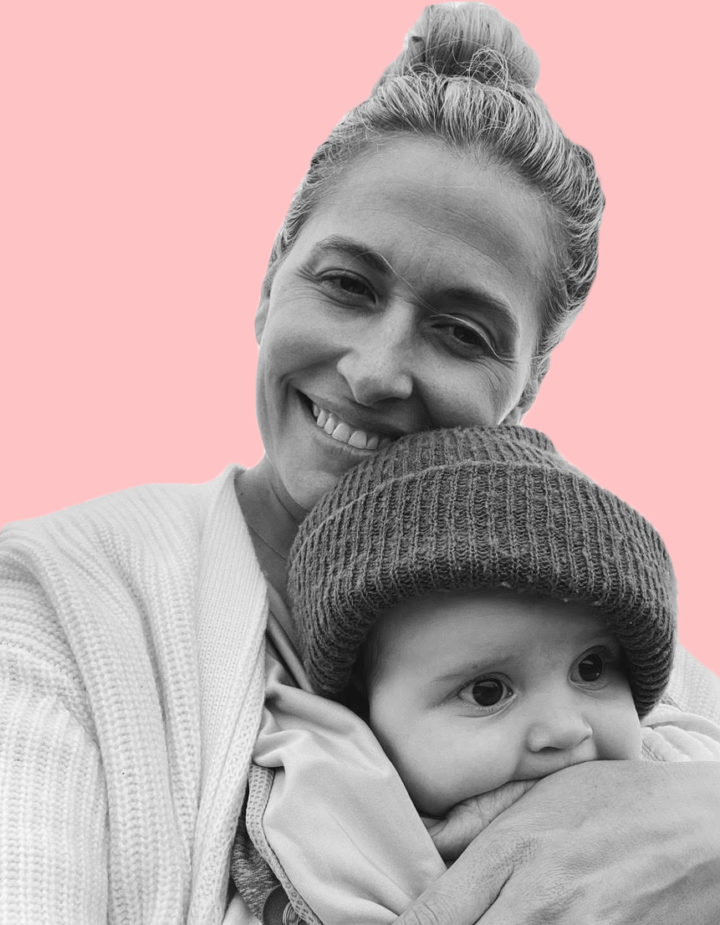
Artist Caroline Z Hurley is the founder of the eponymous design studio that offers beautifully crafted textiles for the home, dedicated to the handmade, the personal and the artistic love of process and craft. The Brooklyn by-way-of Memphis designer is also mom to Penny, wife to Alex, and pregnant with baby number two, which makes for some pretty fun balancing work in trying to care for herself, her business and her brood.
Here, Caroline shares the in’s and out’s of her day, complete with early wake ups, breakfast reading, quality time with the hubs and how she takes her penchant for the cozy lifestyle she designs at work into everything she does at home.
4:45 – 5 am: Penny starts making noises in her crib. I walk to our kitchen past Penny’s room to warm milk hoping that in that time period she magically puts herself back to sleep which hardly ever happens!
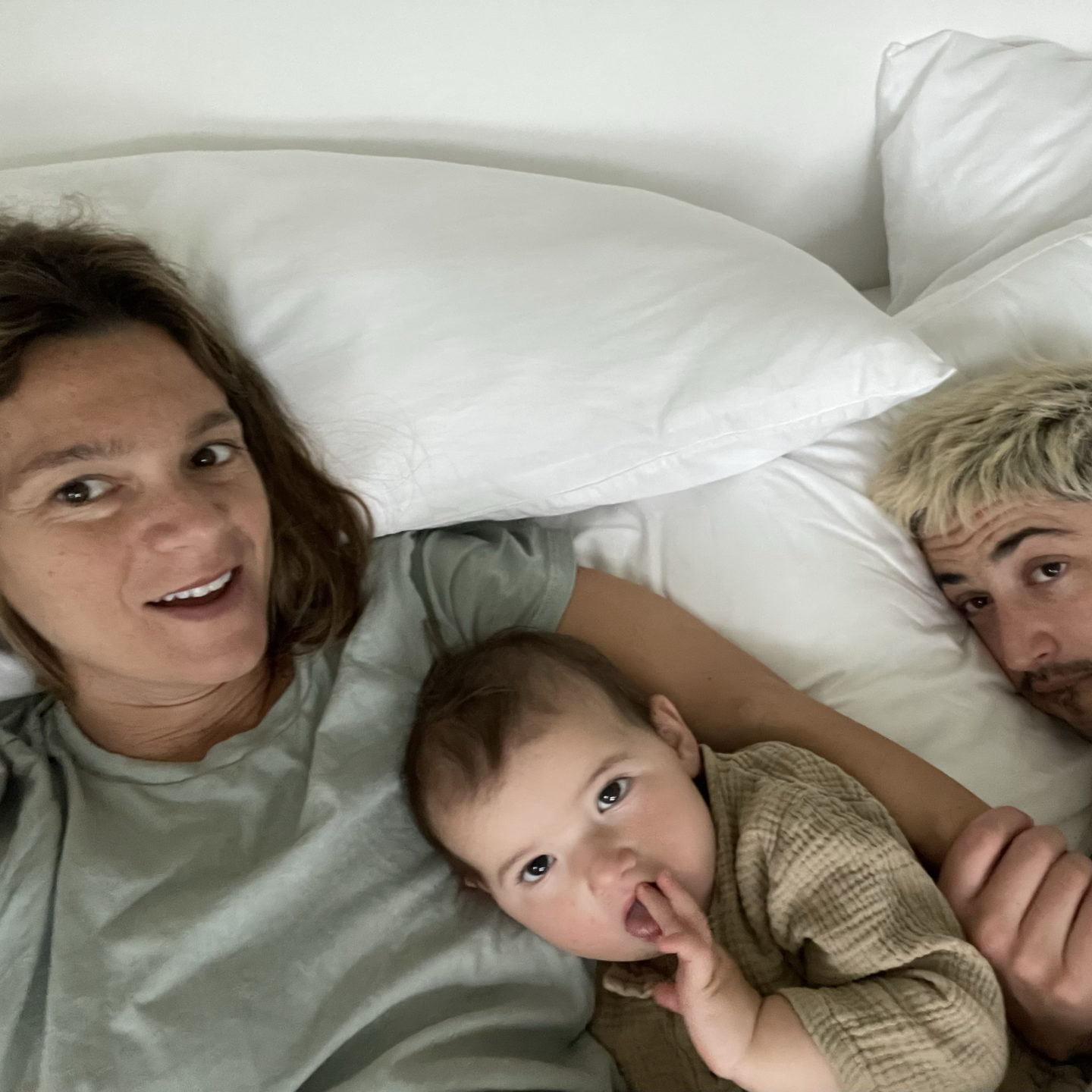
5 am – 5:30 am: I walk into Penny’s room, pick her up and give her a squeeze and a big kiss and compliment her on sleeping through the night if she does happen to do so. I carry her to our bedroom where Alex and I sleep and we all get cozy while Penny drinks her milk. She flops around all over our bed (and our faces!) and makes the funniest little sounds that really get me in the right state of mind for the day.
5:30 – 6 am: I walk to the living room with Penny and let my husband Alex sleep for a bit longer. Penny and I make my coffee together – she is shockingly good at it now. I scramble some eggs and pop some She Wolf bread in the toaster for a penny.
6 – 7 am: Penny and I graze on breakfast together while peeling and sticking scratch and sniff stickers on everything in sight. Then, we read The Very Hungry Caterpillar followed by Here We Are by Oliver Jeffers. We go to our new baby’s unfinished room and jump on the single mattress that sits on the floor (lots to do before baby number two!).
7 – 8 am: Alex wakes and takes penny while I shower, I have a photoshoot for our new fabric by the yard collection that will take a lot of my focus.
8 – 9 am: Our nanny arrives and tidies up the mess Penny and I made. This is one of the greatest luxuries to me. I have such a hard time thinking clearly when there is a mess around! (I will have to get better at it though as I am sure with two it will be pretty impossible to keep anything tidy). I pack up Penny’s bag for the day filled with chicken and veggie soup, snacks galore, diapers and extra warm layers.
9 am: Penny, Alex and I all walk out the door, Penny goes to the park with her nanny, Alex goes to his office and I go to the flower district to pick up fresh flowers then head to our location in the West Village for our photoshoot. I am styling today as our creative director is out sick.
10 am – 12 pm: I arrive on set and start styling and get to work on setting up all our shots from our shot list. we get through things quickly and I’m feeling good about our new collection!
12:30 – 1 pm: I order the team Tacombi and we break for lunch. I facetime Penny while she eats her soup in the park with her nanny.
1 – 2:30 pm: Penny’s nanny strolls with her in the park while she naps while I finish our shoot and wrap things up.
3 – 3:30 pm: I am back home with Penny and we dance on the couch to the lion king (her new favorite obsession). she likes to be lifted like Simba in the circle of life song, which is getting harder and harder to do with this belly I have. We run around the house and play hide and go seek another one of her favorite things to do

3:30 – 4:30 pm: Penny and I walk to Green Grape Provisions to get some fresh beef and veggies for dinner. We talk all along the way about what we see in both Spanish and English. I’m so incredibly shocked at how many words she knows in both languages. mind blowing!
4:30 – 5:30 pm: I set Penny up in her kitchen ladder with a cooking station where she peels the garlic while I chop the onion. We cook together which is so fun because she is actually starting to be helpful. At a certain point she gets bored and I move her to the sink where she plays with measuring cups and other kitchen tools while I finish cooking.
5:30 – 6 pm: I sit with Penny while she eats. She likes to move around while she eats. She starts in the high chair and quickly asks to get out so it’s generally a pretty messy situation. Apparently my mom tells me I was a very active eater too! I would only eat when I was on the move.
6 – 6:30 pm: Alex gets home and I let Penny and her father have quality time together while I clean up the kitchen and get her room and bathroom ready for bath.
6:30 – 6:50 pm: I give Penny a bath which she is finally super into. She really luxuriates in there now. We have this really funny blow up bath that sits inside our bath because I realized at a certain point that Penny likes to be in small containers and our bath is quite big for her still. we sing and laugh a lot then walk to her bedroom where we put on pjs and her sleep sack.
6:50 – 7:15 pm: Alex reads to Penny then puts her to sleep while I get our food ready for dinner. We try to always have a pretty strict lights out policy in our house – no later than 7:15 pm! We didn’t do the whole sleep training thing so we found that if we are consistent with the timing of bed she’s more likely to go down without a fuss.
7:15 – 8 pm: Alex and I have dinner (usually a mix of what I fed to Penny plus anything else I feel like making).
8 – 9 pm: Alex and I are watching the Bridge of Spies but we have to break it up into parts because we are both too tired to stay awake any longer!
9 – 9:10 pm: We brush our teeth, wash our faces and I put on a thick layer of Egyptian Magic on my face and hands. I am SO dry this winter.
9:15 pm: Lights out! night night!


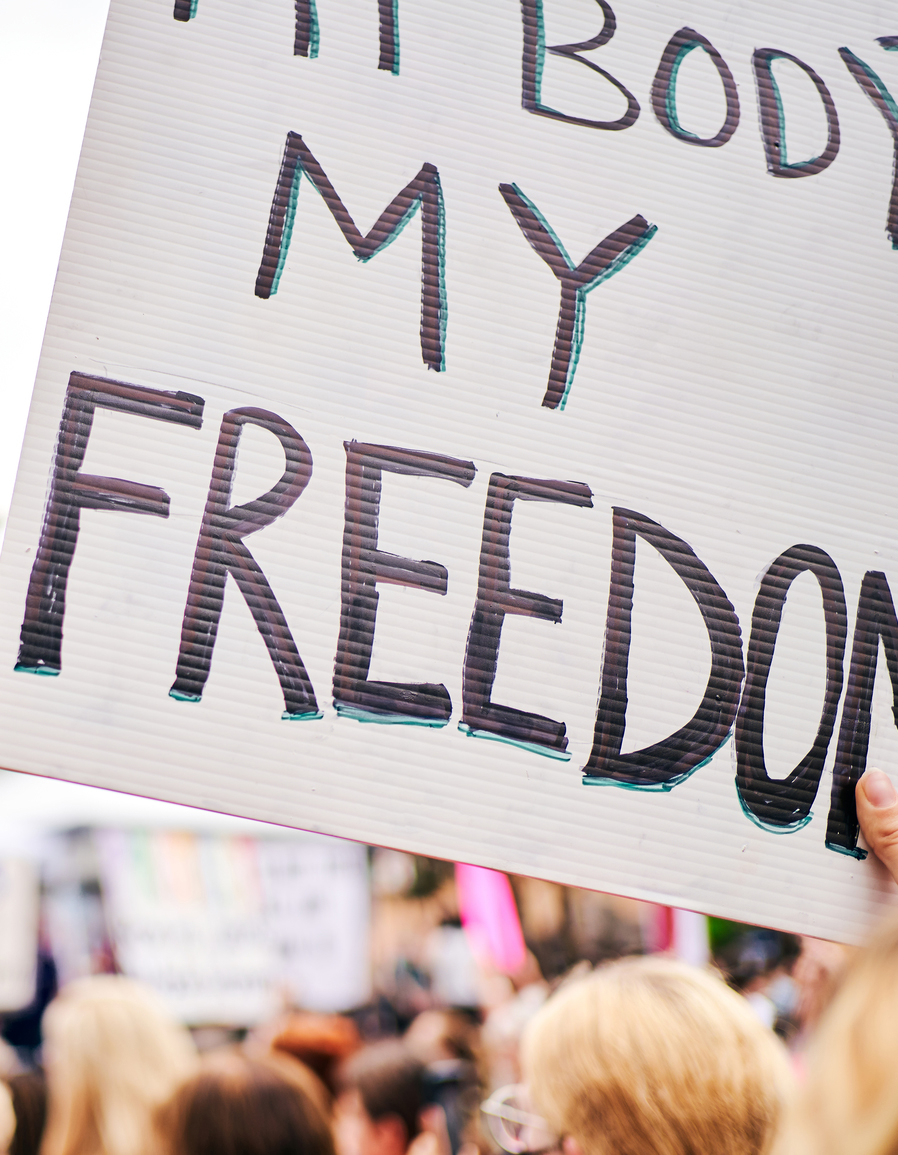
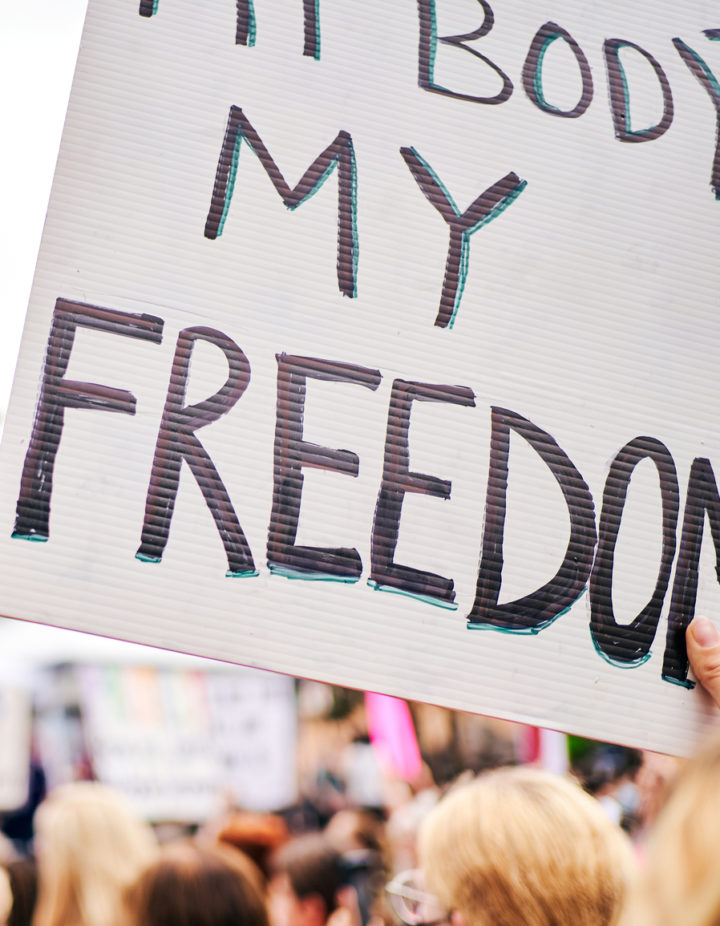
We’re here to process the Supreme Court’s long-feared move to overturn the watershed Roe v. Wade with our friends from the Spread newsletter—a duo of wise, weird working mothers who we recommend inviting into your inbox every week. (We promise, they’re funnier when the news ain’t so bleak.)
Last night, between 8 and 9 p.m. Eastern Time, American women’s text chains began popping off like fireworks: according to an 89–page leaked draft opinion written by Justice Samuel Alito, the Supreme Court’s verdict on the future of Roe v. Wade is in—and the precedent is about to be struck down. According to Politico, this is the first time in modern history that a draft decision “has been disclosed publicly while a case was still pending.” The ruling was expected to come this summer, so the leak (six weeks ahead of schedule) caught activists, politicians, and all the rest of us off guard, and in a matter of hours kicked into gear a scramble to protect women’s rights.
Deep down, we all knew it was coming: The Court has sided with the state of Mississippi and its 15-week abortion ban in Dobbs v. Jackson Women’s Health. Justices Alito, Amy Coney Barrett, Neil Gorsuch, Brett Kavanaugh, and Clarence Thomas voted to overturn Roe—despite the fact that Gorsuch and Kavanaugh both essentially told Senator Susan Collins in their pre-appointment interviews that they would not overturn it. (Though she may have been the only one who actually believed this.) The three liberal justices dissented, and Chief Justice John Roberts’s vote is still unknown; it’s believed he’ll side with the liberals or write his own opinion. It’s worth noting that the decision won’t be final until it’s published by the court. But it seems almost certain that Roe will be overturned, and when that happens, abortion will immediately be explicitly or effectively outlawed in 26 states, a scenario that will disproportionately hurt poor women of color, primarily those who live in the American South.
To abortion-rights supporters (and believe or not, that’s most of us: a whopping 80 percent of Americans believe that abortion should be legal, according to a year-old Gallup poll) Alito’s language is …terrifying: “Roe was egregiously wrong from the start,” he writes, going on to note that the 1992 decision of Casey [v. Planned Parenthood], which upheld the constitutional right to abortion, also “must be overruled.”
On Twitter, abortions rights advocates have shifted into overdrive to tell women: Abortion is still legal. If you have an appointment, believe the clinic where you’re booked for your procedure. And in California, officials are already taking steps to protect abortion access. Monday night, Democratic lawmakers proposed an amendment to the state constitution solidifying abortion rights that would go to voters in November. “California will not sit back,” said Gov. Gavin Newsom. “We are going to fight like hell.”
So where do you Babes come in? The best thing to do righthissecond is donate to an abortion fund. These on-the-ground orgs arrange and pay for abortion care for those who need it, and they provide transportation for patients who have to travel hours to get to a clinic, sometimes crossing state lines. Our sisters over at The Cut offer a list of funds dedicated to providing access in the most abortion-hostile states. Top of their list: The Mississippi Reproductive Freedom Fund, which serves a state that has just one abortion clinic left, multiple abortion bans already in place, and 91 percent of women living in counties with no provider
For some of us, the notion of a “post-Roe America” sounded like a dystopian Hulu show that, somehow—no matter what we knew about a Trump-loaded Supreme court—could never possibly exist. Today was the day that phrase got all too real. Lucky for us, a mighty network of advocates and activists have been working for years to build the framework to keep abortion access alive, for exactly this eventuality. This month The Atlantic devoted its cover to the question many of us woke up worrying about: Now what? Read it here: The Future of Abortion in a Post-Roe America.
In Politico Magazine’s “The Real Origins of the Religious Right,” reporter Randall Balmer delivers a conclusive case that abortion is not actually what fired up the evangelical right in the 1970s—rather, it was Conservatives’ desperation to maintain segregated schools. Read it here.
In “Safer Than Childbirth,” recently published by The American Scholar, writer Tamara Dean goes on a mission to understand abortion care in 19th-century America, which turns out to have been safe, legal, and not at all rare. Read it here.
Katha Pollitt, who literally wrote the book on our post-Roe society, frequently offers insights into the abortion dumpster-fire we’re living in through her Nation column, “Subject to Debate.” All of Pollitt’s work is worth perusing, but we want to point you to a recent piece in which she considers a new study that finds even self-described “anti-abortion” types are often willing to help out when loved ones need abortion care. Read it here.
The ultra-thoughtful essay “The Abortion I Didn’t Have” by Merritt Tierce ran in the New York Times Magazine in December, stopping Spread readers in their tracks with its elegant writing and fresh perspective. Read it here.
About the Spread: Created by two former Elle editors and forever work wives, Rachel Baker and Maggie Bullock, the Spread is a weekly newsletter that curates the best of women’s media in a post-newsstand world. Subscribe—for free!—here.


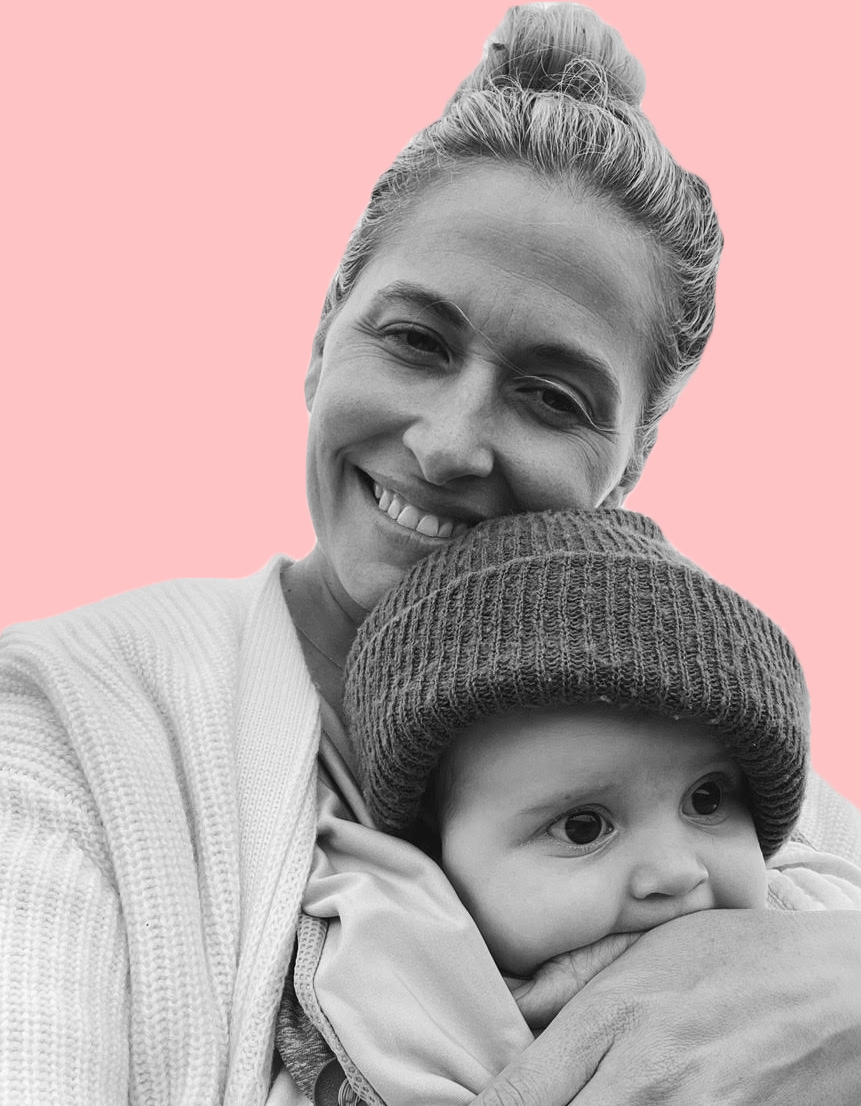
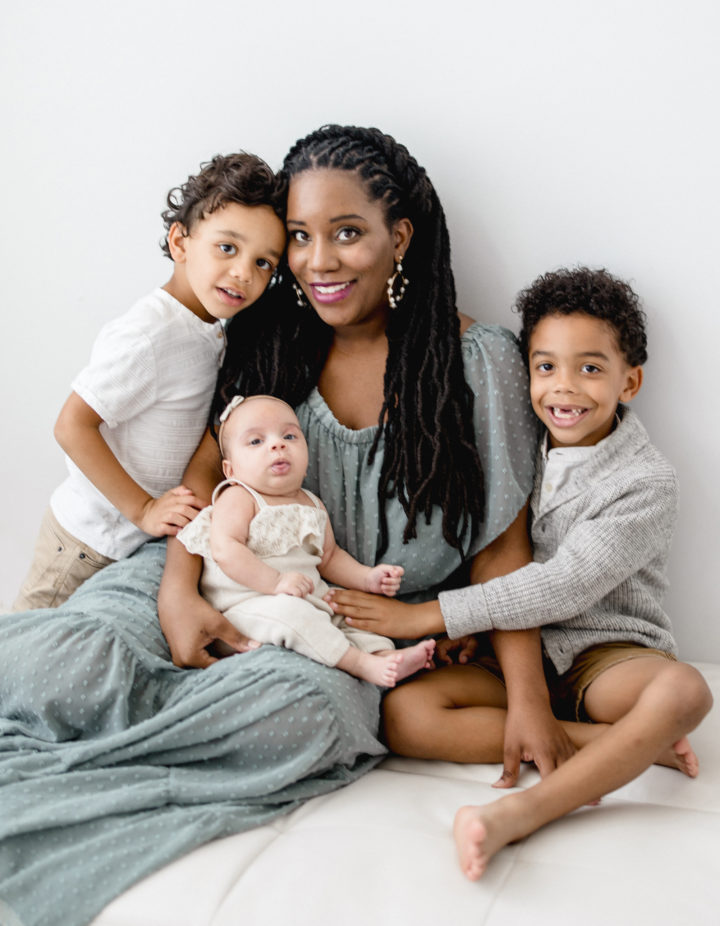
Barrett Prendergast isn’t just making it work, she’s making life as a serial entrepreneur and mom of three looks absolutely charming. For the Valleybrink Road founder, rituals—pesto-fueled family dinners, books in bed, self-care moments—make balancing business, busy schedules, and recovering from childbirth a little easier. Prendergast’s website is equal parts style guide and earnestly open (and often hilarious) advice column, so it follows that her newest endeavor is a lifestyle brand inspired by motherhood. We chatted with Prendergast about how she’s making it work and how postpartum recovery is different now than it was seven years ago.
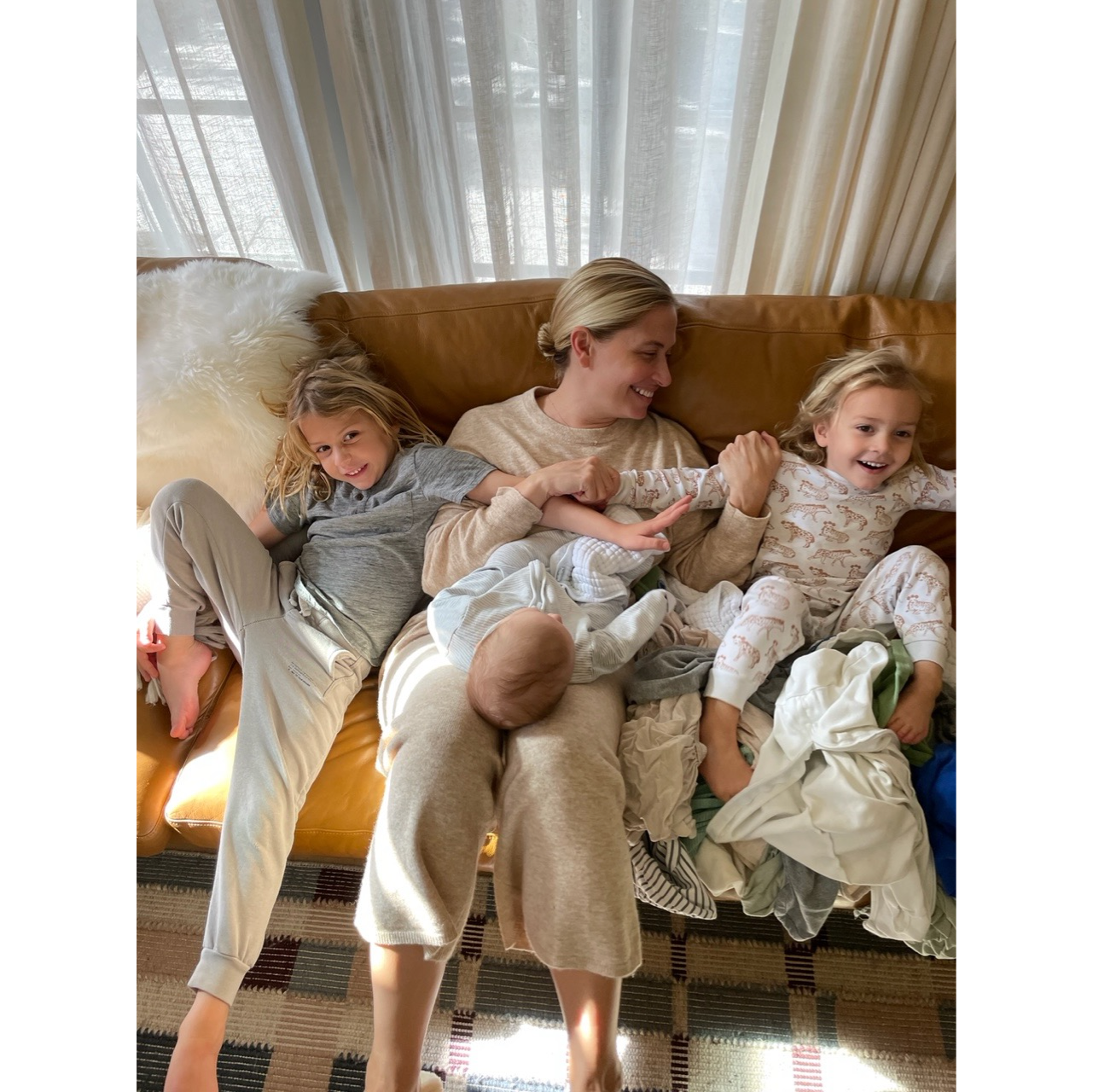
6:00 am: Bruno, our five-month-old, usually starts the day off for everyone—he’s the alarm before our actual alarm goes off. We get up, change his diaper, get him into a new little outfit, and feed him his bottle. We’ve actually been very strict with his sleep schedule, and I’ve weaned him from night feeds so he sleeps from 6:00 to 6:00 right now, which is incredible. We didn’t do that with our other two, but Bruno is our third, and won’t survive if we don’t have him on a good routine.
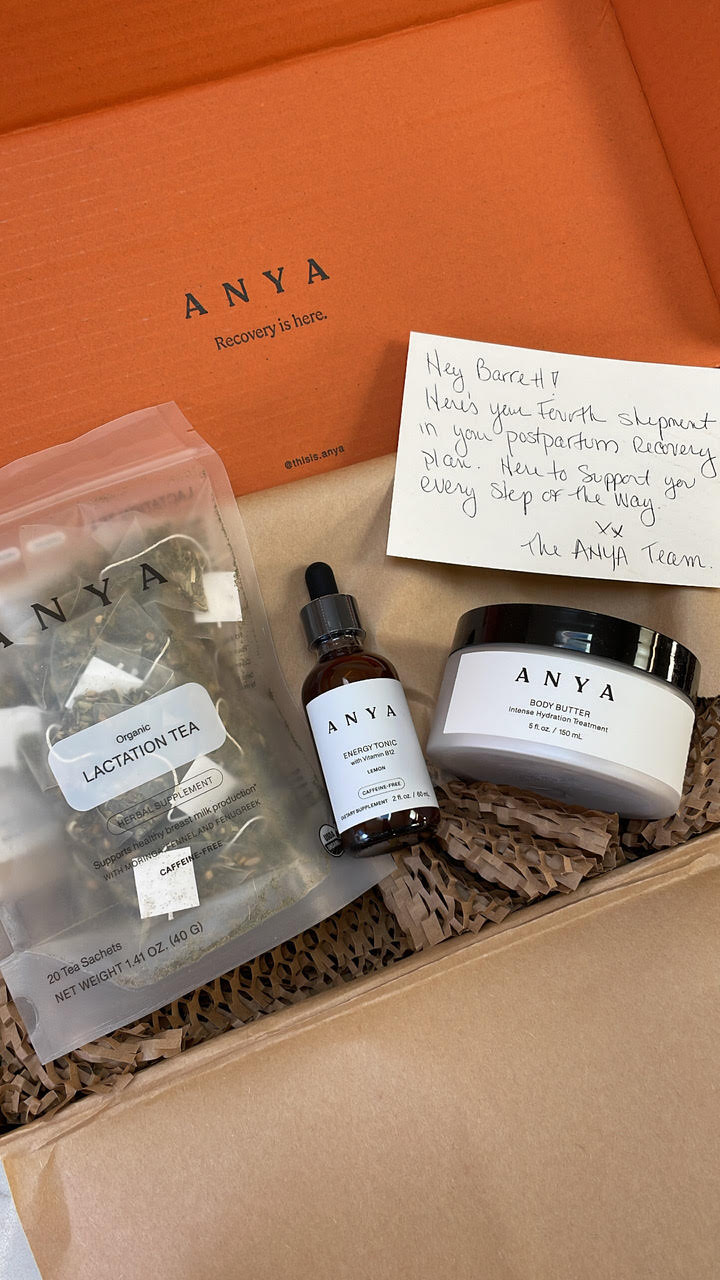
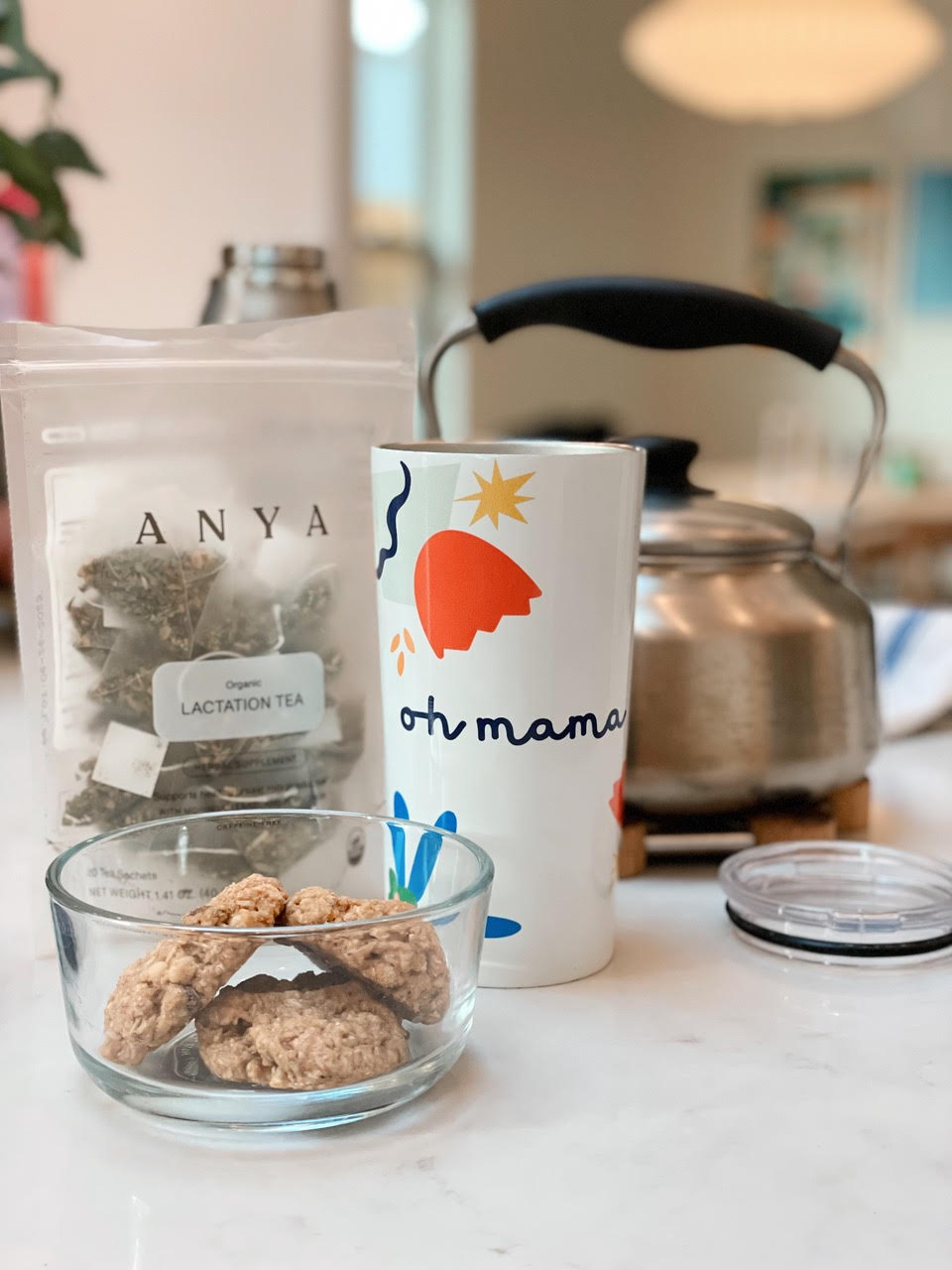
6:30 am: My husband Andre gets right on the coffee. While he’s making us cappuccinos, I start the day with a glass of water with four droppers of Anya Energy Tonic. It’s so easy to include in my routine, always makes me feel better, and I can literally prep it while I’m holding the baby. As new moms, we just don’t have any bandwidth to think about ourselves, but what I love about Anya’s products is they make it easy to take care of yourself without overthinking.
7:00 am: The other two boys wake up and we make them breakfast. Maybe it’s cereal, maybe it’s avocado toast, but it’s definitely nothing too crazy because we gotta head out for school. Getting the boys dressed, brushing teeth—this part of the morning happens fast. Then whoever is handling the carpool throws on some clothes.
7:40 am: We take Costa to school first, and then drop off Paolo at a different preschool. Andre and I kind of alternate carpool, so whoever’s not driving is at the house with the baby until our nanny comes and we can get ready to start the workday.
8:00 am: After the wild morning rush and breakfast routine, our nanny arrives and Bruno usually goes down for a nap, so I’m able to start getting ready for the day. Right now, Anya lactation tea is part of my morning ritual. I love the thought that’s gone into the ingredients in this tea. It takes two seconds to make, and I add a little bit of manuka honey. It’s so soothing and really makes me feel good.
When I had Costa seven and a half years ago, there was no conversation around what we, as moms, could do to heal, recover, and be the best parents we can be. In these early months, whether it’s your first time or your third time, or your fifth time, small moments—like taking a few minutes to sit and have a cup of tea—can change the whole feeling you have for the day. Oftentimes we don’t feel like we can, but try to allow ourselves to!
8:15 am: I have five minutes to shower before I throw on some sweats because that’s the uniform right now. Anya makes the most deliciously creamy body butter, so that’s really the only thing I’ve been using. It’s super nourishing and absorbs quickly, so I can get dressed fast. This was my third time having a baby, and I’ve noticed the effects of using something so nutrient-rich and healing. It’s helped a lot with skin elasticity on my stomach and other areas that had a lot of stretching. I was bigger this time than I was with any of my other children, and considering what it’s gone through my skin looks really great. I attribute that to self-care and the Anya products that I’ve been using this time around, for sure.
8:45 am: If I didn’t eat with the kids, I’ll have a quick smoothie. I take my vitamins and prepare a big cup of water to take with me. Sometimes I add a little more tonic—I’ve been using Energy or Recovery interchangeably throughout these early months postpartum. Sometimes I take both in one day, sometimes only one. I just love that I can just add them easily to my big water bottle so I’m staying hydrated and feeling good.
9:00 am: I head to our Valleybrink Road warehouse for the first part of my day. I’m over there dealing with orders, clients, and fulfillment and making sure everything’s running and running wel.
10:00 am: Andre and I run Valleybrink Road together. He tackles the product photography, website, and a lot of logistics. We work both from home and at the warehouse, and we’ve been lucky in that we’ve structured our lives so we can carve out time to do carpool runs and homework. I feel very blessed that we’re able to have that time every day to share with our kids.
12:00 pm: I usually pop home and make a meal for myself, see Bruno, and hang out for a little bit.
12:30 pm: I’m actually about to launch a new business! It’s a lifestyle brand inspired by motherhood called Mamamoods, so I spend the second part of the day working on that and wrapping up any Valleybrink Road work that has to be done.
2:30 pm: Our nanny leaves, so Bruno is my companion. That means the workday is pretty much over. We do the carpool run to get Costa. He’s in first grade, so it’s nice that I can sit and do his homework with him, have a snack, and talk about his day before Paolo comes home. I try as much as possible to get one-on-one time with him, although it’s hard right now since the baby is still so little.
3:30 pm: Andre and I balance taking care of Bruno in the afternoons so we can each have a little time with Costa. When Andre takes the baby, Costa and I will go for a walk around the block, ride bikes, or get afternoon juice from the cute little juice shop on the corner. He loves it—he’s always like, “Hey, can we just have a little mom and Costa time?”
4:30 pm: We head over to pick Paolo up from preschool, come back home, and the wild nighttime routine starts.
5:00 pm: I love to cook and so does Andre, so dinner is a big part of our daily routine. Oftentimes we cook as a family, or sometimes one of us takes care of cooking while the other one hangs out with the kids for some playtime. We eat a lot of pasta—everyone likes it, which means no tears at the table! The kids love basil pesto with spaghetti so they can slurp up the pasta noodles. It feels like a real win when you’re like, “Oh my gosh, everyone will eat this tonight.”
Costa and Paolo are definitely moving into a much more picky phase, but we still encourage them to try new things and get comfortable with food. Hopefully, because it’s such a part of our everyday, eventually our love for food will transfer to them.
5:45 pm: Bruno goes to bed either right before dinner or right after, depending on how quickly everything comes together.
6:00 pm: It’s really important to us every night to sit down as a family and have dinner. We always sit at the table, and we go around and discuss the best part of our day. If there was something that was difficult or hard, we always share that too. That’s our little dinner routine.
I hope it creates a safe space for them to talk about it when something doesn’t go well, or their feelings are hurt, or they are just bummed. So often those things are just sitting inside us, and our goal is to create an environment where we can share those feelings and tackle them together if we need support.
6:45 pm: With Bruno down, we’re able to have a little more time with the older kids. We do bath time and play for a little bit. Costa and Paolo each pick a few books, and we read all cuddled up in bed together.
7:30 pm: Hopefully the older boys are in bed by now…
8:00 pm: They’re definitely in bed now. That means we finally have a little time to unwind. I always have a cup of the Anya Calming Tea at night, again with just a little bit of Manuka honey. It’s a really nice relaxing ritual, especially right now.
8:30 pm: I try to go to bed as early as possible because I am tired, depleted, and trying to allow myself some time to recover. The whole “sleep when the baby’s asleep” thing is definitely not happening for me during the day, so right now I’m going to bed very early so I can get a long stretch of sleep.
Andre is a night person, so when he finally has alone time, he’s usually listening to music or reading or something, and he really needs that kind of time by himself. But my goal is to capture the moments when I can get real, deep sleep. Setting up a routine and these little rituals throughout the day to help me achieve that goal has really, really helped this time.
This article was written in partnership with Anya.



Lilliana Vazquez, style expert, host of ‘E! News,’ founder of The LV Guide, and advocate for maternal wellness, gave birth to baby boy Santiago (Santi for short) last summer after battling six years of infertility struggles. She shared with Babe how therapy during pregnancy prepared her for the major life shift that is new motherhood. She provides keen advice on mental health for all women, whether you’re a mother or not.
Babe: You battled six years of infertility struggles before getting pregnant with your son. What was that journey like?
Lilliana: I chose to keep my journey very private. I didn’t want to have to advocate for myself in really difficult conversations. It felt very isolating keeping it to myself.
When you’re someone who prioritizes your career and relationship and traveling and experiences, you feel guilty and start questioning, “Would I have started a family sooner?” Especially in my community where Latinos talk about everything, it felt confusing not to be able to share my story. So I thought, if I’m feeling this way, I can’t be the only one. What about the families that are more conservative? Culturally, we don’t have these conversations. How can I be a catalyst to change the stigma?
Babe: You’ve shared how crucial working on yourself was during pregnancy. Can you explain how going to therapy helped you prepare for motherhood?
Lilliana: I’ve always believed in the power of therapy. My husband and I went through a very difficult time about three years ago.
In my first trimester, I would wake up every day and think, “Is today the last day I’m going to be pregnant?
Then, as I entered my second trimester, I promised to give myself a plan and an outlet through therapy, which my therapist was my partner through all of it. In addition to adjusting to pregnancy, I’m mourning the loss of my constant of 15 years with my husband. Why don’t people talk about that? I love spending time alone, I love shopping by myself, I love watching the Housewives. When am I going to get back to that? If I don’t, will I ever be okay? You feel uncomfortable, but those feelings can coexist — that is what therapy does — shows you those feelings are a necessary part of the process.
Most importantly, I know if I’m not okay, my baby won’t be okay. Having a therapist was really liberating in what I’m advocating for as a woman and a mom. Being able to talk through those feelings has made me very strong in my convictions.
Babe: What scares you the most about being a mom?
Lilliana: I’m scared of being a terrible parent, like feeding him the wrong thing or losing my patience. I tend to be short with myself and with my husband. As someone who is fiercely independent, it’s a hard, hard process.
Babe: What do you want women (new moms especially) to know about major life transitions, like motherhood?
Lilliana: We have this fairytale and fantasy version of big moments in our life. When reality doesn’t align with fantasy, we feel less than. That’s what I think about IVF (in vitro fertilization).
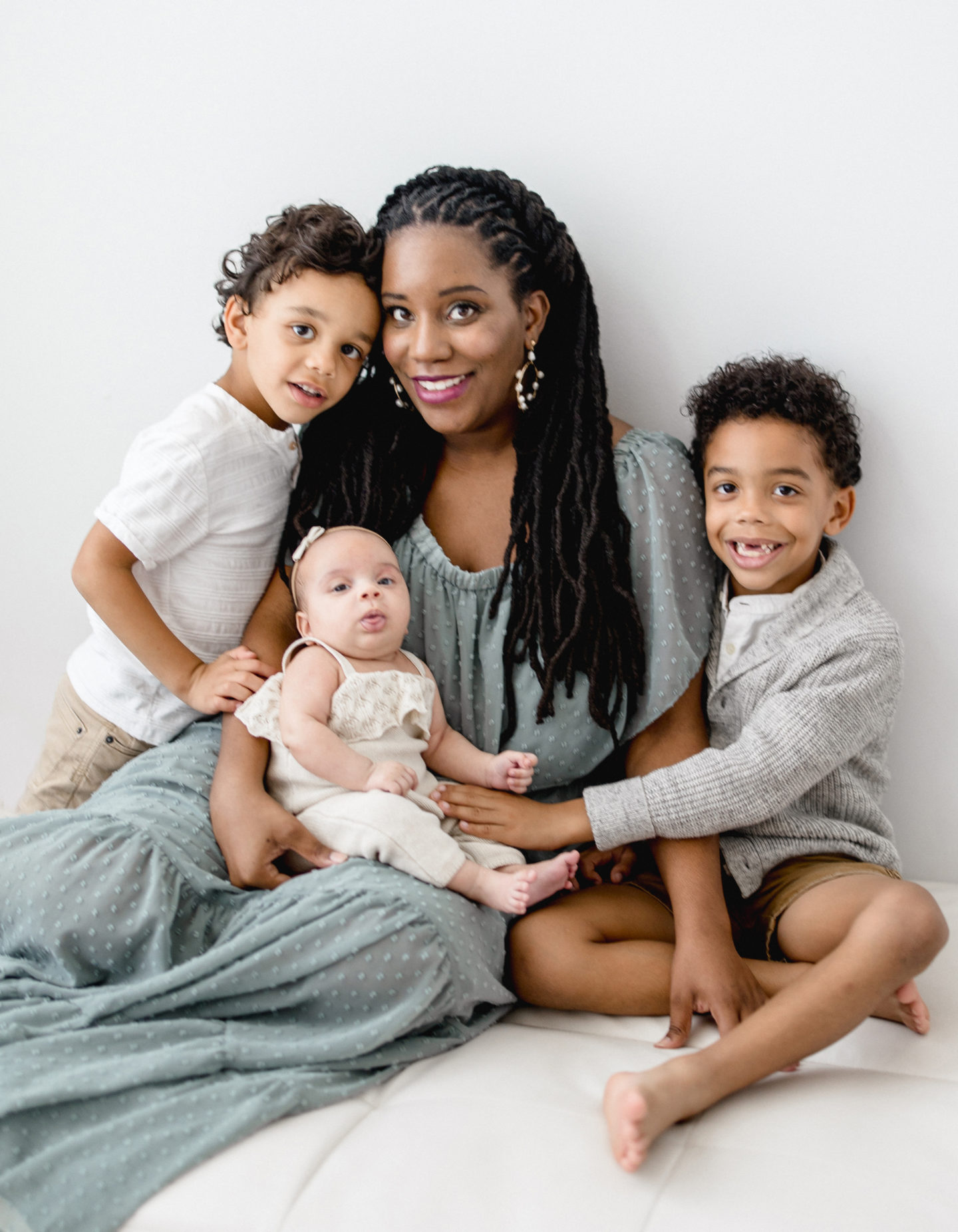
We’re so excited to introduce you to Chamber of Mothers, a collective movement that focuses our country’s priorities (or lack thereof) on mothers’ rights. Formed by some of the most influential voices in the motherhood space (did we mention HATCH is a founding member?), COM’s advocacy initiatives include improving access to paid leave, affordable quality childcare, maternal mental health resources and more.
In honor of Mental Health Awareness Day on May 4, COM is presenting “Fed Up & Fired Up: How To Feel Better and Fuel Change in Motherhood,” a digital summit where you’ll learn how to prioritize your mental health in motherhood, get the support, help, and benefits you deserve at work, completely flip the script on home life and caregiving and so much more. (Register at the link above and you can still get a full recording if you can’t make the summit).
In celebrating COM’s Fed Up & Fired Up event, we asked the founding COM women what’s getting them fired up these days. Peep their answers below.
Writer and Founder of Not Safe For Mom Group (nsfmg)
“I am fired up about encouraging women and mothers to show up fully as themselves, without fear of stigma. The more we invite uncomfortable and challenging conversations, the more we can shift the cultural narrative about what motherhood means and looks like; and the more we will allow ourselves to be shamelessly imperfect.”
Founder of The Working Momtras
“I’m still fired up about paid leave! I just came off of an almost 6-month maternity leave, and I wish every mother had access to this time—and for longer. It has made all the difference in the world.”
Author and founder of The Fifth Trimester
“I am fired up about big kids right now! For years, I felt like a bit of an interloper helping moms of newborns as my own boys (10 and 13) got older and older. Now, I realize, these big kids give us all hope! And this little micro generation of tweens and teens understands justice and equity to their core. They have faced so much uncertainty and instability, and they continually respond with hope and action. It’s beyond inspiring to learn from them. They celebrate their differences. They use their voices for good. After one mass shooting, my son, who was then 9, sat down to try to code a better system to assess gun licenses. I share this not as a mom brag (although, of course, I brag about him) but because it’s so fulfilling and motivating to know that our kids do truly learn from us…and that sooner rather than later, we learn from them, too.”
Law firm owner, women’s rights lawyer, and creator of The Mamattorney
“I’m fired up about encouraging women to demand more and enforce their rights. Creating new legislation protecting mothers from discrimination on the basis of family responsibilities. Advocating for accommodation rights for childcare needs or to care for sick children. Promoting existing rights women can use creatively to get the support they need.”
Attorney and founder of Totum
“I am fired up about women and mothers hiding the truth of their feelings, experiences and humanity in order to be more convenient, acceptable, or attractive. It’s my belief that when we break free of the idea that our purpose is to please and accommodate others, we will begin to show up more honestly, help one another more fully, and live out the change we desire to see in our culture.”
Physician psychiatrist specializing in women’s mental health, and founder/CEO of Gemma
“I’m currently in my third trimester, so I’m physically and metaphorically fired up about all the ways women are expected to shoulder the burdens of parenthood in our country! After going through an IVF journey to get here, I was understandably nervous about the pregnancy for a long time. Now that Baby is almost here, my anxiety has switched to childcare and how to balance the many competing demands of being a mother, entrepreneur, physician and thought leader. As a physician specializing in this field, I’ve helped many patients through these struggles for years. I am fortunate to not only have a wonderful therapist, but also a stellar support system. Even with all of that, it’s hard! For anyone else who is on this powerful precipice, I’m right there with you.”
Journalist, author, content strategist, and founder of Motherspeak
“I’m fired up, once again, about our country’s failure to adequately support mothers and birthing parents through the physical challenges and transformation of giving birth. I’m currently in the third trimester of my second pregnancy and have been experiencing a flare-up of the pelvic floor issues that originated in my first pregnancy. Just to be able to keep my body operating at baseline—meaning being able to stand, sit, walk, and care for my daughter—my care regimen includes pelvic floor therapy, chiropractic work and acupuncture in addition to regular obstetric care and specialists. But what about the mothers who can’t access pelvic floor therapy or pay for it out-of-pocket? (It is not covered by many insurance companies.) What about the mothers who are given an “all-clear” by their OB at the standard 6-week post-birth check-up, with no further information or support for the physical challenges that can linger for so long? In France, any person who has delivered a baby gets a prescription for 10 free pelvic floor physical therapy sessions—and this type of support can be life-changing, whether it’s because it prevents her from peeing when she sneezes, or makes sex enjoyable again, or provides essential support to all her organs. All mothers in the U.S. deserve this level of comprehensive care after birth.”
Journalist, perinatal health coach, and founder of Dear Sunday Motherhood
“I’m fired up about finally starting to feel better physically after the birth of my second daughter 14 months ago. When we talk about postpartum recovery, it’s often in days or weeks. But sometimes, healing takes longer. I think we, as a society, need to do a better job of holding space for the vast array of experiences that mothers have postpartum — and recognize that postpartum is often a far longer timeframe than a few months after birth.”
Cofounder & Chief Community Officer at MotherNation
“I’m fired up about trans rights. Nearly 240 bills that would restrict the rights of LGBTQ Americans have been filed in 2022 — most of them targeting trans people. To deny medical care (life), appropriate access to government and social entities like identification and public restrooms (liberty), and the ability to be personally fulfilled in athletics (the pursuit of happiness) is unconscionable and unconstitutional. That conservative lawmakers and lobbying organizations are willing to strip people of the unalienable rights they themselves hold dear to rally their base, garner votes and acquire power is reprehensible. Everyone’s humanity is worthy of reverence.”


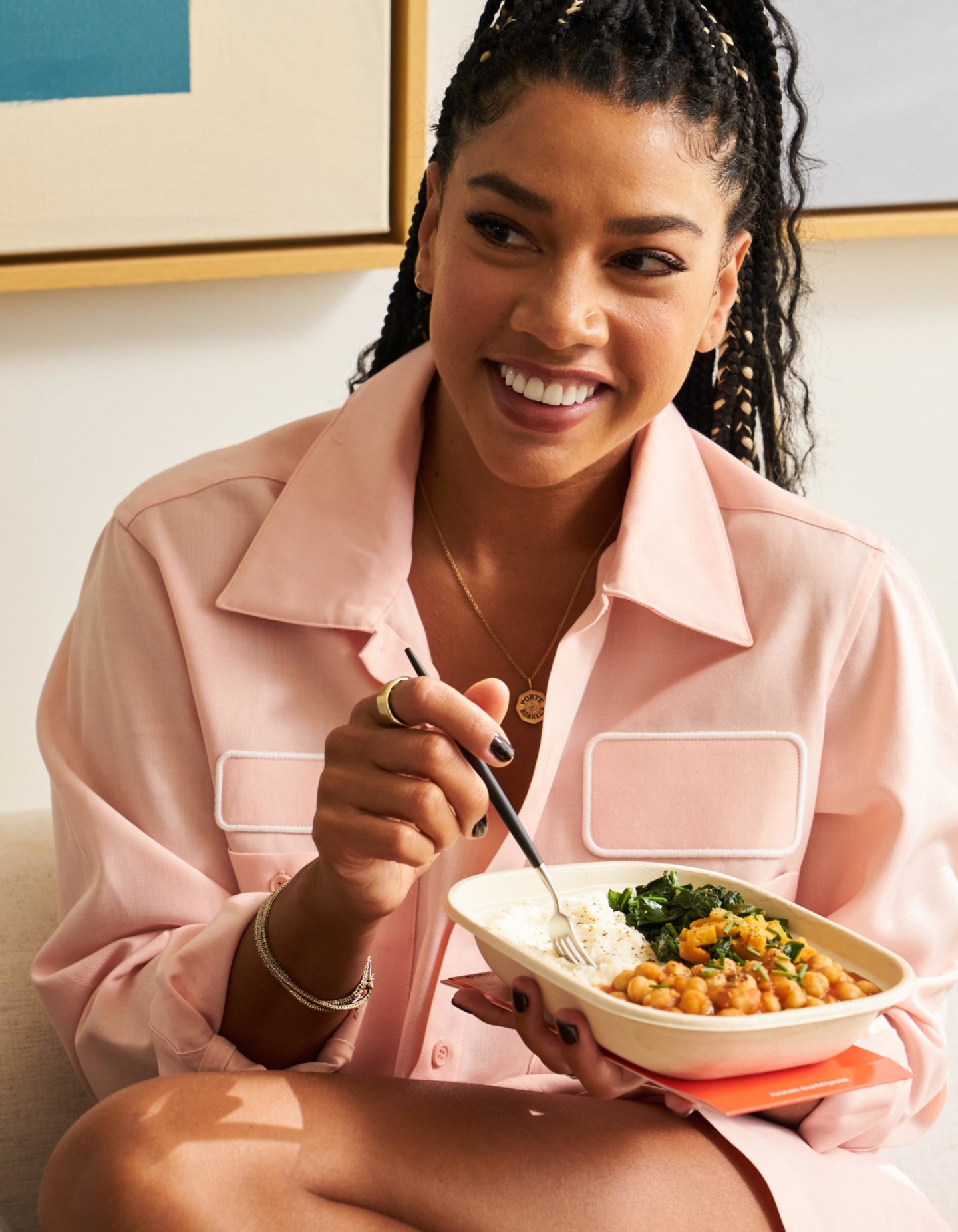
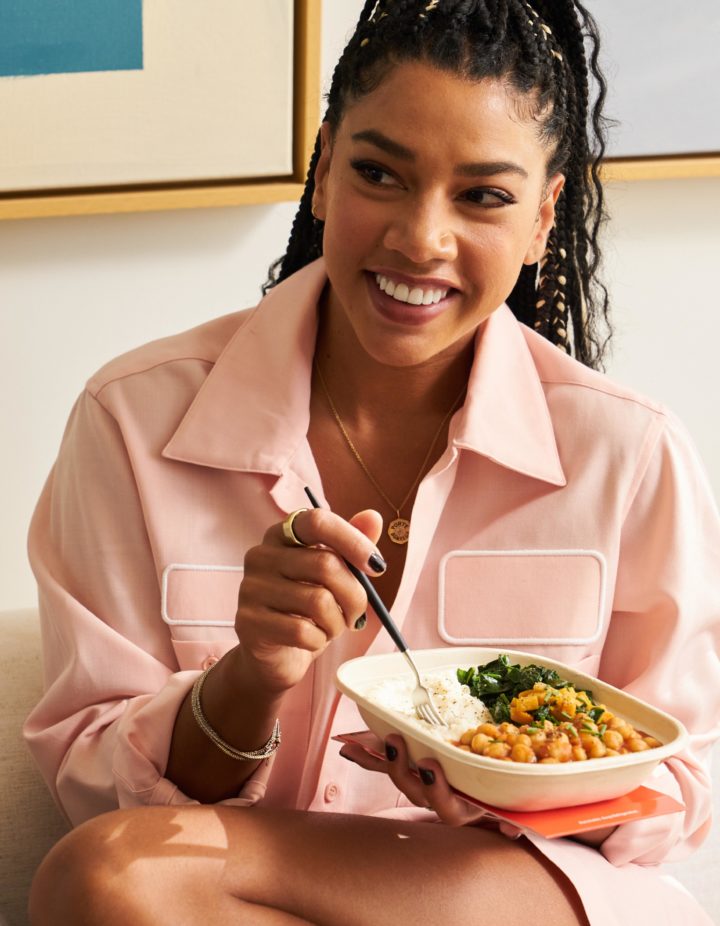
Investor, advisor, entrepreneur, author, wellness advocate, mother, and friend of HATCH Hannah Bronfman knows better than most the power of food to help us feel good, both physically & mentally. But finding the time and energy to give yourself nutritious, delicious postpartum meals in those first months can feel like an impossible feat.
“After having my son, I realized the importance of nutrition more than ever before, while simultaneously coming to terms with the fact that I wasn’t taking the time to meet my personal nutritional needs,” Hannah says. “Based on my experience, I wanted to support other mothers going through that pivotal time with meals that taste good and help them feel great.”
This led Hannah to our friends at Territory Foods. Inspired by Territory’s mission and innovative business model, Hannah worked hand-in-hand with CEO Ellis McCue, the brand’s team of dietitians, and Lizzy Swick, a postpartum nutrition specialist, to put together a postpartum meal plan that is healing and broken out into three key nutritional categories: Microbiome support, thyroid support, and blood sugar support.
Aptly named Meals for Mama, the program allows expecting and new mamas to choose from a variety of dietitian-approved meals that fit their needs with plenty of meals in rotation, all featuring the highest ingredient standards.
And it doesn’t stop with just the food. During the month of May, proceeds from Meals for Mamas will be donated to Every Mother Counts to improve maternal health outcomes. Plus, when the meals of your choosing arrive, you’ll also be welcomed with a mini-zine, featuring HB-approved brands and content, from the best postpartum supplements you need to know about, to the newest HATCH must-have’s you need to shop.
“We have loved working with Hannah,” Territory’s CEO, Ellis says. “Her personal experience and passion for health equity for new moms is inspiring, and working directly with Hannah to design meals specifically for pre-and postpartum women has been such a meaningful journey for our team. We are excited to work with leading industry voices, like Hannah’s, to bring to life very thoughtful and personal curations for all stages of health and wellness.”
Both Territory and Hannah believe in the power of food, especially in those first few months postpartum. It is the ultimate form of tangible help a new mom can receive. Being a mom is a superpower and you shouldn’t feel like we need to do it alone. Now, you don’t have to.


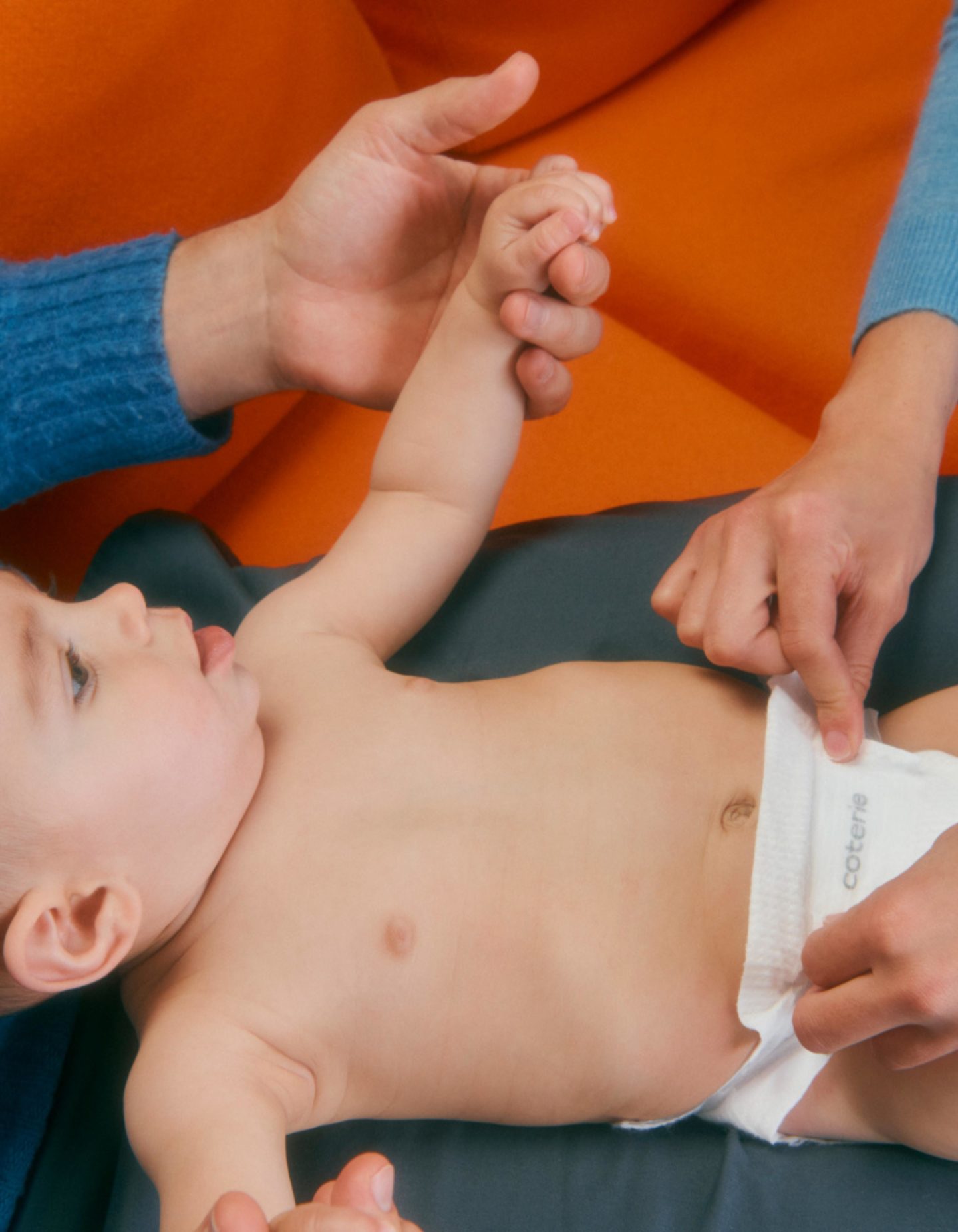
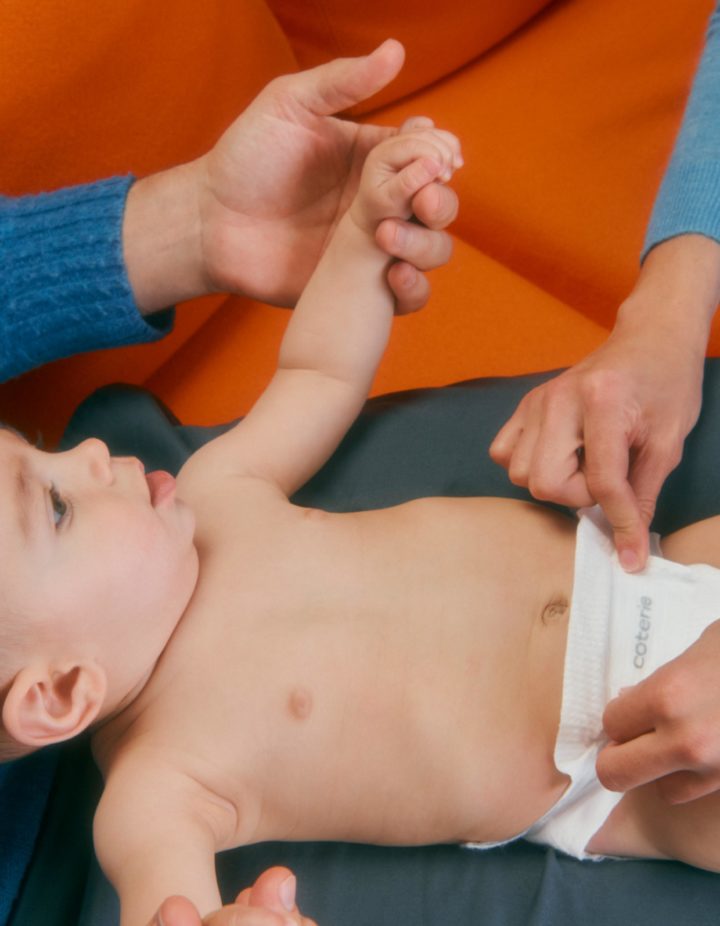
Diapers. Such a, ahem, loaded topic. When they’re not totally breaking down on us in the middle of a blowout in the car, they’re serving up a mean case of diaper rash, or waking up our babies (and therefore us) at 2 am because they’re completely soaked. Diapers are one of those essentials that you have to have, but they often don’t quite live up.
Typically, using the wrong diaper is the cause of this unwanted stress and continuous disappointment. Believe it or not, choosing the right diaper can make a significant difference in your experience.
Enter Coterie, the baby care brand that’s making parents’ lives insanely easier via diapers that actually perform. The fact that they hold more liquid means fewer blowouts, less diaper rash and a better night sleep for all. They’re also paraben, dye and alcohol, fragrance and lotion free, so they’re as pure as a baby’s, well, you know.
If you’re looking to understand exactly how your diapers can work much harder for you, we listed three ways you can expect just a little bit more from this basic necessity.
Sleep: We know what you’re thinking. How can your babies’ diaper help you sleep longer? Well, think about it. Your baby is soundly snoozing, off in La La land, that is until they poop all over themselves and it leaks out of their diaper, onto their onesie, and all over their crib. Wah for everyone. “A properly fitting, highly absorbent diaper is essential in preventing a baby from waking up in the middle of the night due to wetness,” says Dr. Jill Friedman, a pediatrician based in New York. The more absorbent and the faster wicking, the less time the cold wet liquid spends against the baby’s skin, and the lesser the chance that it will wake them up.
Skincare: Diaper rash and other gnarly skin irritations are largely due to pee and poop sitting up close against your baby’s soft, delicate skin and is often a reflection of poor diaper absorbency. This red rash all over the butt is uncomfortable to be sure, but in severe cases can lead to fever, and that’s no fun at all. “Investing in diapers that can hold pee in better and are sized appropriately can absolutely reduce the risk of diaper rashes, “ says Dr. Friedman. Look for ones that not only have high liquid absorbency but also wick the moisture away quickly to create fewer opportunities for irritation and discomfort.
Sizing: Finding the right size diaper is crucial is ensuring a proper fit and lessening headaches associated with blowouts. The standard 0-6 sizes are full of inconsistencies, and as we all know, babies can straddle two different numeric values, like constantly. Coterie offers one-on-one, individualized sizing help, on call 24/7. “Finding the right sized diaper is probably the most essential part of diapering,” says Dr. Friedman. “A diaper that’s too small will lead to more leakage and it might be uncomfortable for your baby. A diaper that’s too big won’t do its job and may also lead to more waste escaping through.”
We are thrilled we have discovered Coterie, a diaper that checks all our boxes. Coterie diapers are designed for better sleep, and with the highest liquid capacity of any diaper, even the most active baby has fewer leaks. With these diapers – voila – your life as a parent can actually become much easier. Lesson. Learned.
Use code HATCH20 for 20% off your first order at Coterie.com!
This article was written in partnership with Coterie.

Ahead of National Infertility Awareness Week, I’ve been thinking about what it means to plan for the future. We put so much stock in external things that prepare us to begin a family — advancing our career, opening a 401K, or finding the right partner.
But when it comes to the actual process of trying to conceive, so many of us assume that it will happen, naturally and precisely the way we plan. After all, we were warned in our teens that one mistake and suddenly you have an unexpected pregnancy. But as you go through your 20s, 30s and 40s, the world of fertility changes dramatically
One in seven couples will experience infertility. One in seven couples is currently experiencing the silent heartbreak and frustration of wanting their bodies to accomplish the one thing they’re built to do, and yet roadblocks are preventing that from happening. As you consider your future and your own fertility, this is what you might need to know about the fertility journey from the male side.
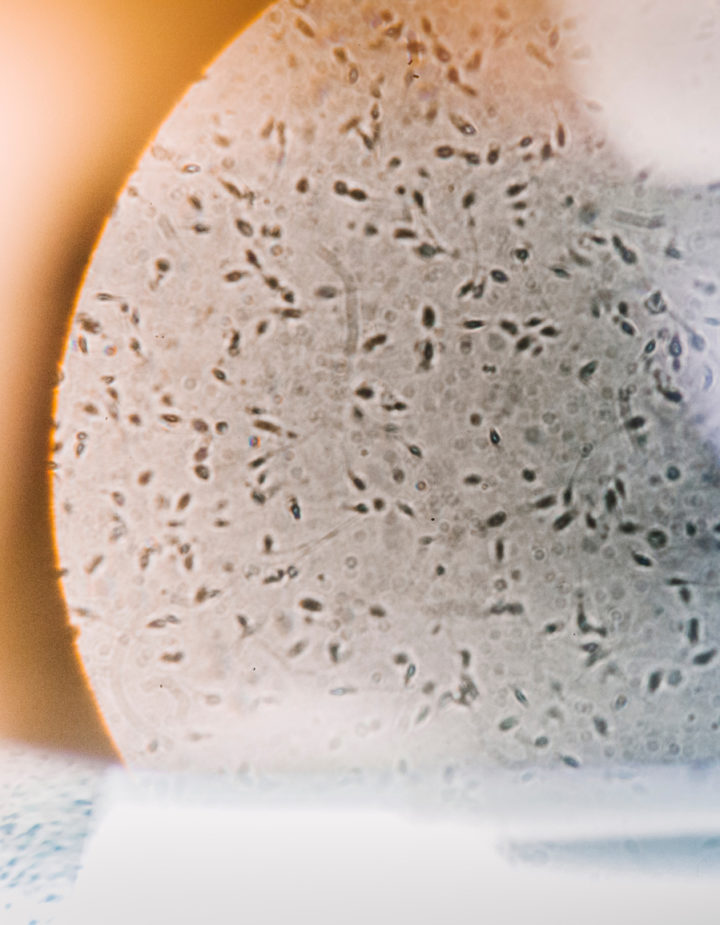
You never know when something could change your entire journey to parenthood. A few years ago, I experienced an incident that changed how I think about family and fertility. After I spilled scalding liquids on my lap and experienced second-degree burns (which I would not wish on my worst enemy), I was terrified that there would be long-term consequences for something that happened in the blink of an eye.
Before this incident, I didn’t think too much about future fertility or family planning. Afterwards, I realized that this is a question I should have been asking myself all along.
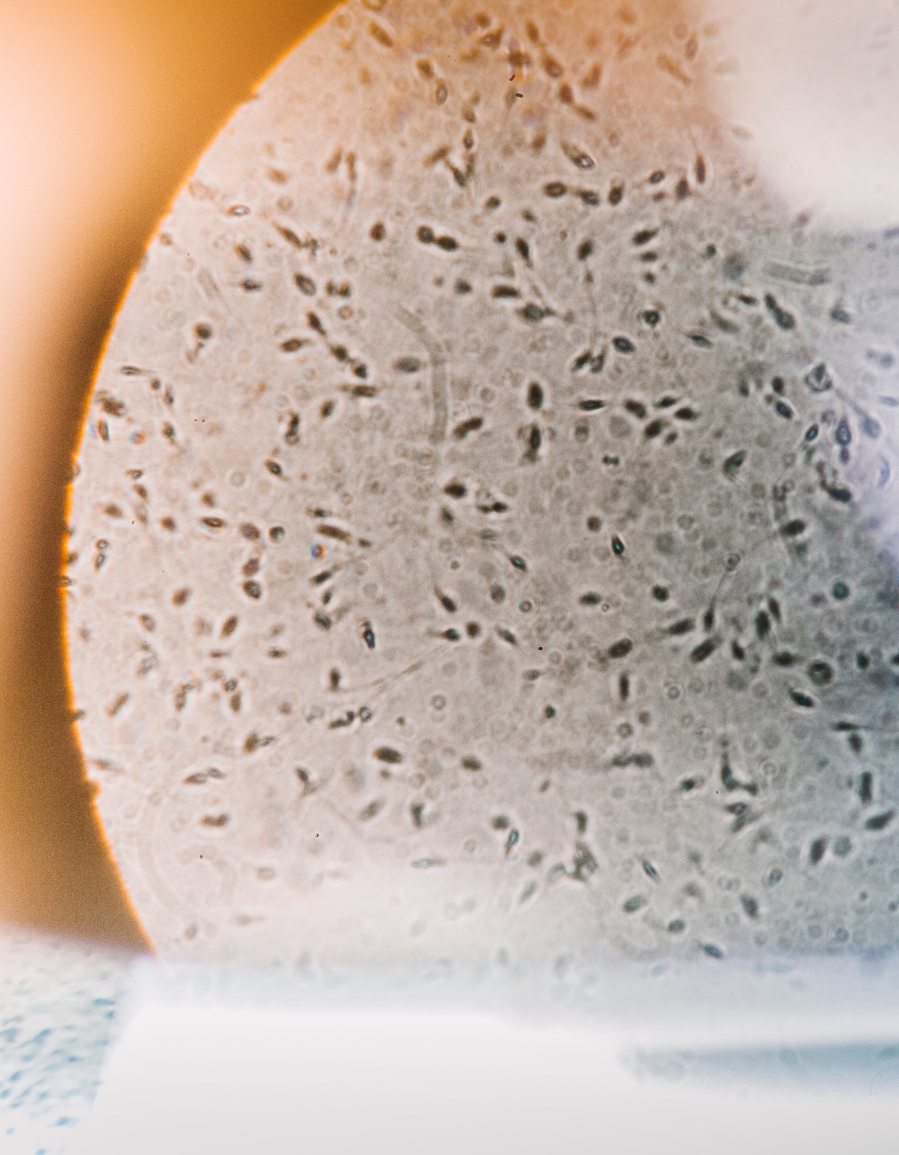
As I questioned my fertility future, I sought out sperm testing — only to experience a humiliating, awkward, expensive, and alienating process that left me determined to change the entire conversation about male fertility. It took a few years of trial and error, but I could clearly see the picture in my mind.
I envision a place where husbands, long-term partners, transitioning partners, even possibly you, can feel safe and respected. This is the baseline.
National Infertility Awareness Week is about having sometimes challenging conversations and finding support for a fertility journey, no matter what it looks like.
Fertility is on a sharp decline in the modern world thanks to:
Notice I said couples. We know all the jokes about women’s “ticking clocks” and older men fathering children, but family planning doesn’t fall on only the woman’s biology. Older men are more likely to experience DNA fragmentation or defects in sperm DNA that contribute to infertility or higher rates of miscarriage. And of couples experiencing infertility, only a third are caused by the woman’s reproductive system. Another third is caused solely by the man or person with sperm. The final third is the result of challenges with both partners. What this means to me: men and women are equally likely to be the cause of infertility in a heterosexual couple!
That means no more pressure solely on the woman to consider fertility. Men and people with sperm need to form an active part of the conversation in normalizing that:
Regular sperm testing can offer a wealth of data for people who want to take control of their fertility journey. Many centers don’t address fertility issues directly until a couple has been unable to conceive a child for a year or more. Instead of reacting to news like this, a proactive approach could allow more couples to experience their desired outcome while also saving them money. Male fertility is easier to diagnose, easier to treat, cheaper to treat, and means you’re less likely to go down the path of assisted reproductive treatments like IVF.
Proactive sperm testing can uncover issues early on, when lifestyle and diet changes could make a difference. One step further, freezing sperm when someone is at their healthiest could offer an alternative path for family planning later on, if health changes.
One of the biggest things Legacy, and I personally, want to change is the stigma surrounding male fertility and the desire for family. It took just one experience for me to understand how much shame and humiliation there can be in sperm testing and questions about fertility for me — so much that I started a new company to make sure I never had to experience that again. Some men may not want to talk about their infertility still, but it’s an essential component of creating an equal world for all genders and all people.
Some couples may not be ready to share a fertility journey publicly just yet, and that’s okay. I want to open up about my experiences and our company’s mission so that people have choices. Fertility doesn’t have to be locked away in secret — with resources and a community of others walking the same path, we may experience grief during the process, but never shame.
For men in particular, this conversation needs to change. Men need to be active participants in planning for the future and taking stock of their own health needs to ensure the best possible outcome.
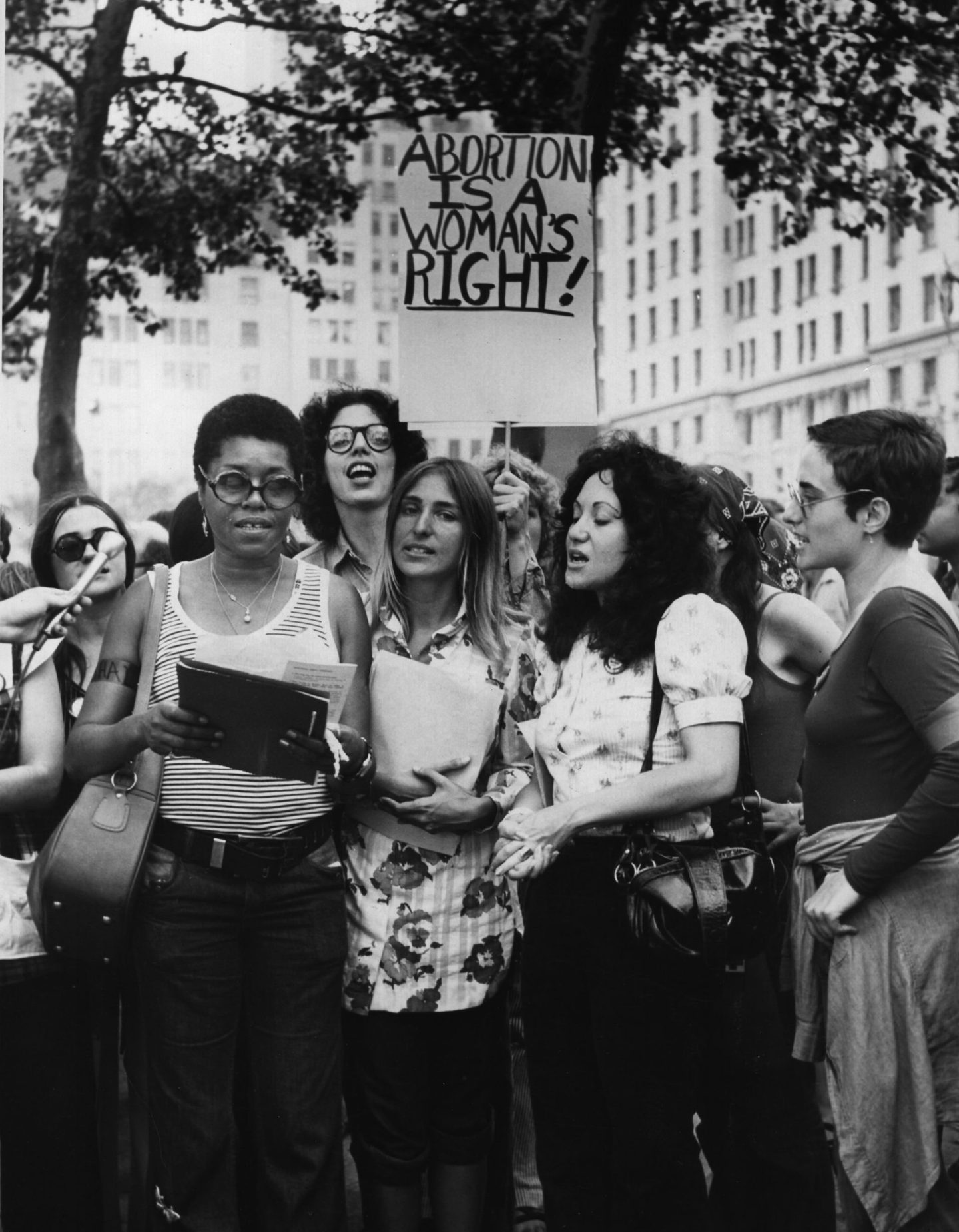


We’re giving you a tour of the Babe team’s Instagram chat, where we’re firing memes, videos and news of the day back and forth at pretty much all hours. Whether it’s a cartoon that makes us laugh out loud, an anti-choice law that leaves us totally enraged, or just a sweet moment that embodies life as mom, here are just a few examples of the wow-worthy content we’re sharing these days.
Our friends over at Bobbie created an ad that made us proud to know ’em.
Because it’s about. effin. time.
Definitely didn’t get this memo ’til it was too late.
We’re still kvelling.
Because TMI is our mom friend love language.
The ultra-athlete pulls the curtain back from her own postpartum journey.